காந்தி கணக்கு என்றால் என்ன அர்த்தம் !!!

காந்தி கணக்கு என்றாலே கிட்டதட்ட ‘நாமம்’ என்கிற அர்த்தத்தைதான் நாம் உருவாக்கி வைத்திருக்கிறோம். ஆனால், காந்தி கணக்கு என்றால் என்ன என்பதற்கான உண்மையான அர்த்தம் என்னவென்று பலருக்கும் தெரியாது. அதை இப்போது தெரிந்துகொள்வோம்.

மகாத்மா காந்தி உப்பு சத்தியாகிரகம் மேற்கொண்டிருந்தபோது, அவருக்கு வியாபாரிகள் அத்தனை பேரும் தார்மீக ஆதரவு அளித்தார்கள். அவர்கள் காந்தியிடம் “நேரடியாக எங்களால் இந்தப் போராட்டத்தில் கலந்துகொள்ள முடியாது. ஆனால், எப்படியாவது உங்கள் போராட்டத்திற்கு நாங்கள் ஆதரவு அளிப்போம். இதில் கலந்துகொள்ள வரும் தொண்டர்களை எங்கள் கடைகளில் எது வேண்டுமானாலும் வாங்கிக் கொள்ள சொல்லுங்கள். பணம் தர வேண்டாம். அடையாளம் தெரியாமல் பணம் கேட்க நேரும்போது, ‘காந்தி கணக்கு’ என்று எங்களுக்கு புரியும்படி சொன்னால் போதும். நாங்கள் அவர்களிடம் பணம் கேட்க மாட்டோம்” என்றார்களாம் அந்த வியாபாரிகள்.

அப்படி வந்ததுதான் காந்தி கணக்கு. ஆனால், நாம் இதற்கு அர்த்தம் வைத்திருப்பதோ புரியாத கணக்கு. ஒவ்வொரு சொல்லிலும் அதன் உள் அர்த்தத்தை புரிந்து செயல்பட்டால் அறிவு விசாலமாகும்.

Keywords: காந்தி கணக்கு, காந்தி, ரூபாய், காந்தி


source::::: தி  இந்து …தமிழ்

நடராஜன்

நனவாகும் நூறாண்டுக் கனவு!….தமிழால் இணைவோம் !!!

நூறு ஆண்டு காலக் கனவு நனவாகிறது. இதோ, ‘தி இந்து’ குழுமத்திலிருந்து அதே பெயருடன் தமிழ் நாளிதழ் மலர்கிறது. கதிரோன் காட்டும் புது விடியல், பறவைகள் கூட்டத்தின் புதுப் பயணம், எங்கும் நிறையும் இனிய இசை, நுரைக்கும் காபியின் புதிய மணம்… இவற்றுடன் இனி தினந்தோறும் உங்கள் அதிகாலையை அலங்கரிக்கப்போகிறது ‘தி இந்து’ நாளிதழின் தமிழ்க் கோலம்.

இந்து குடும்பத்தின் கனவு மட்டும் அல்ல இது; தமிழ்ச் சமூகத்தின் நெடுநாள் கனவு என்பதை நாங்கள் அறிவோம். இன்று அதை நனவாக்கியுள்ளோம்.

தமிழக வரலாற்றில் மறக்க முடியாத ஓர் ஆண்டு 1878.

சுதேசிகளின் அரசியல் எழுச்சியை ஒடுக்கும் நடவடிக்கைகள் அரங்கேறிய காலகட்டம் அது. ஆங்கிலேய அரசுக்கு எதிராகக் குரல்கொடுக்கும் உள்நாட்டுப் பத்திரிகைகளை மொத்தமாக முடக்கிப்போடும் வகையில் அடக்குமுறைச் சட்டம் கொண்டுவந்தார் வைஸ்ராய் லிட்டன்.

சென்னை உயர் நீதிமன்றத்தின் நீதிபதி நாற்காலியில் ஒரு தமிழர் – டி. முத்துசுவாமி ஐயர் – அமரும் வாய்ப்புக்கு எதிராகப் பெரும் பிரச்சாரத்தில் ஈடுபட்டன ஆங்கிலேயர் ஆதரவுப் பத்திரிகைகள். மோசமான இந்தச் சூழலை எதிர்த்து, ஆறு இளம் தமிழர்கள் ஏகப்பட்ட நெருக்கடிகளுக்கு நடுவே ஓர் ஆங்கிலப் பத்திரிகையைத் தொடங்கினர். இப்படித்தான் பிறந்தது ‘தி இந்து’.

‘‘பத்திரிகை என்பது மக்களின் கருத்தை வெளிப்படுத்தும் சாதனம் மட்டும் அல்ல. சூழலுக்கு ஏற்ப மக்களின் கருத்துகளைச் செழுமைப்படுத்தி உருவாக்குவதும் ஆகும். அந்தத் தேவையைப் பூர்த்திசெய்யவே நாங்கள் களம் இறங்குகிறோம்.’’

‘‘நியாயமும் நீதியுமே எங்களை வழிநடத்துவதற்காக நாங்கள் நிர்ணயித்துக்கொண்டிருக்கும் எளிய கோட்பாடுகள்.’’

‘‘நம் மக்கள் மத்தியில் நல்லிணக்கத்தையும் ஒற்றுமையையும் வளர்க்க வேண்டும். மதச்சார்பின்மையை உறுதியாகப் பின்பற்ற வேண்டும். விவேகமான எல்லாக் கருத்துகளுக்கும், நியாயமான அனைத்துத் தரப்பு விமர்சனங்களுக்கும் பாரபட்சமின்றி இடம் அளிக்க வேண்டும். ஆள்பவர்களுக்கும் ஆளப்படுபவர்களுக்கும் இடையே பரஸ்பர நம்பிக்கையை உருவாக்க வேண்டும். இவையே எங்கள் லட்சியம்.’’

-‘தி இந்து’ ஆங்கில நாளேட்டின் முதல் நாள் தலையங்கத்தில் இடம்பெற்றுள்ள வாசகங்கள் இவை. ‘தி இந்து’ தமிழ் நாளிதழுக்கும் இந்த வாசகங்கள் பொருந்தும்.

உலகின் தொன்மையான மொழிகளில் ஒன்றான தமிழில், எம் சொந்த மொழியில், கால் பதிக்கும்போது, எம் முன்னே நிற்கும் பெரிய எதிர்பார்ப்புகளையும் சவால்களையும் நாங்கள் உணர்கிறோம். இரண்டாயிரம் ஆண்டுக் கலாச்சார வளம் மிக்க ஒரு சமூகம் மொழி, இனம் சார்ந்து எதிர்கொள்ளும் சவால்களையும் தமிழ் ஊடகங்கள் முன் இருக்கும் பெரும் பொறுப்புகளையும் நாங்கள் முழுமையாக உணர்கிறோம்.

இன்றைக்குப் பூமிப் பந்தின் எந்த மூலைக்குப் போனாலும், அங்கே தமிழர்களின் கம்பீரக் குரலைக் கேட்க முடிகிறது. தம் அசாத்திய அறிவாலும் உழைப்பாலும் முன்னேறிக்கொண்டேயிருக்கும் தமிழர்கள் பதிக்கும் சாதனைச் சுவடுகளைப் பார்க்க முடிகிறது.

காலத்துக்கு ஏற்ப ரசனைகளும் மாறுகின்றன. வாசிப்பின் தரம் இன்னும் மேலே செல்கிறது. உங்கள் தேவைகளை நாங்கள் நன்கு அறிந்திருக்கிறோம். ‘தி இந்து’ ஆங்கில நாளேட்டின் அத்தனை சிறப்பியல்புகளையும் நீங்கள் தமிழிலும் எதிர்பார்க்கலாம். அதேசமயம், ஒரு தேசிய நாளிதழாக ஆங்கில நாளேடு செயல்படும் களத்திலிருந்து இந்தத் தமிழ் நாளிதழின் முகமும் களமும் மாறுபடும். இந்தப் புதிய நாளிதழ், உலகைத் தமிழ் மண்ணின் கண் கொண்டே பார்க்கும்.

உள்ளூர்ச் செய்திகளில் தொடங்கி உலகச் செய்திகள்வரை தருவதோடு இலக்கியம் முதல் சினிமாவரை தமிழ் மக்களின் ருசி அறிந்து இந்த நாளிதழ் விருந்து படைக்கும். நவீன வாழ்வை எதிர்கொள்ள வாழ்வியல் வழிகாட்டுவதோடு மன அமைதிக்கு ஆன்மிக ஆறுதலும் தரும். பெண்கள், குழந்தைகள், இளைஞர்கள், பெரியவர்களுக்கு எனப் பிரத்தியேக இணைப்புகளும் உடன் வரும். அதேசமயம், எவை எல்லாம் உங்கள் குடும்பத்துக்குத் தேவை என்பதோடு, எவை எல்லாம் தவிர்க்கப்பட வேண்டியவை என்பதையும் எங்களின் நீண்ட அனுபவம் கற்றுக்கொடுத்திருக்கிறது. அநாகரிகமான அந்தரங்கச் செய்திகள் ஒருபோதும் இதில் இடம்பெறாது. சுருக்கமாக, ஒவ்வொரு புதிய நாளையும் தொடங்கும்போது, நம்பிக்கையைத் தாங்கிவரும் உங்கள் குடும்ப நாளிதழாக இது திகழும்.

முக்கியமாக, வாசகர்களாகிய உங்களுடைய பங்கேற்புக்கும் விசாலமான களம் இங்கே காத்திருக்கிறது. கருத்துச் சித்திரம் வரையும் பொறுப்பை இன்று முதல் உங்களிடமே ஒப்படைக்கிறோம்.

இனி, தரம் விரும்பும் தமிழர்களை ஒருங்கிணைக்கும் மேடையாக உங்கள் ‘தி இந்து’ தமிழ் திகழும்… என்றென்றும்!

Keywords: தி இந்து, தமிழ் நாளிதழ், தலையங்கம்
Topics: சமூகம்| இந்தியா| தமிழ்நாடு|

“உங்களுக்கு தெரியுமா உத்தவ கீதை ” ?

உத்தவ கீதை
பகவான் கிருஷ்ணனின் குழந்தைப் பருவம் முதலே, அவருக்குப் பணிவிடைகள் 
செய்து, தேரோட்டி, பல்வேறு சேவைகள்புரிந்தவர், உத்தவர். இவர் தனது 
வாழ்நாளில், தனக்கென நன்மைகளோ வரங்களோ கண்ணனிடம் கேட்டதில்லை.
 துவாபரயுகத்தில், தமது அவதாரப் பணியை முடித்துவிட்ட நிலையில், 
உத்தவரிடம் ஸ்ரீகிருஷ்ணர், உத்தவரே, இந்த அவதாரத்தில்பலர் என்னிடம் பல
 வரங்களும், நன்மைகளும் பெற்றிருக்கின்றனர். ஆனால், நீங்கள் எதுவுமே
 கேட்டதில்லை. ஏதாவதுகேளுங்கள், தருகிறேன். உங்களுக்கும் ஏதாவது 
நன்மைகள் செய்துவிட்டே, எனது அவதாரப் பணியை முடிக்கநினைக்கிறேன் 
என்றார்.
 தனக்கென எதையும் கேட்காவிட்டாலும், சிறு வயது முதலே கண்ணனின்
செயல்களைக்கவனித்து வந்த உத்தவருக்கு… சொல் ஒன்றும், செயல் ஒன்றுமாக 
இருந்த கண்ணனின் லீலைகள், புரியாத புதிராகஇருந்தன. அவற்றுக்கான காரண,
 காரியங்களைத் தெரிந்துகொள்ள விரும்பினார். 
பெருமானே! நீ வாழச் சொன்ன வழிவேறு; நீ வாழ்ந்து காட்டிய வழி வேறு! நீ 
நடத்திய மகாபாரத நாடகத்தில்… நீ ஏற்ற பாத்திரத்தில், நீ புரிந்த செயல்களில்,
எனக்குப் புரியாத விஷயங்கள் பல உண்டு. அவற்றுக்கெல்லாம் காரணங்களை 
அறிய ஆவலாக இருக்கிறேன்நிறைவேற்றுவாயா? என்றார் உத்தவர்.
உத்தவரே! அன்று குரு÷க்ஷத்திரப் போரில் அர்ஜுனனுக்காக நான் சொன்னது, பகவத்
கீதை. இன்று உங்களுக்குத் தரும் பதில்கள், உத்தவ கீதை. அதற்காகவே
உங்களுக்கு இந்தச் சந்தர்ப்பத்தைத் தந்தேன்.தயங்காமல் கேளுங்கள் என்றான் 
பரந்தாமன்
 உத்தவர் கேட்க ஆரம்பித்தார்; கண்ணா! முதலில் எனக்கு ஒரு விளக்கம் வேண்டும்
உண்மையான நண்பன் யார்?
நண்பனுக்கு ஏற்படும் துயரத்தைத் தீர்க்க, உடனே அழைப்பு இல்லாமலேயே வந்து 
உதவி செய்பவனே உற்ற நண்பன்என்றான் கண்ணன். 
கிருஷ்ணா! நீ பாண்டவர்களின்
உற்ற நண்பன். உன்னை அவர்கள் ஆபத்பாந்தவனாக, பரிபூரணமாகநம்பினார்கள்.
நடப்பதை மட்டுமல்ல; நடக்கப் போவதையும் நன்கறிந்த ஞானியான நீ… உற்ற 
நண்பன் யார் என்பதற்கு நீஅளித்த விளக்கத்தின்படி… முன்னதாகவே சென்று, 
தருமா! வேண்டாம் இந்தச் சூதாட்டம் என்று தடுத்திருக்கலாம் ஏன்அப்படிச் 
செய்யவில்லை? போகட்டும். விளையாட ஆரம்பித்ததும், தருமன் பக்கம்
அதிர்ஷ்டம் இருக்கும்படி செய்து,வஞ்சகர்களுக்கு நீதி புகட்டியிருக்கலாம். 
அதையும் நீ செய்யவில்லை.
 தருமன் செல்வத்தை இழந்தான்; நாட்டைஇழந்தான்;
 தன்னையும் இழந்தான். சூதாடியதற்குத் தண்டனையாக, அதோடு அவனை 
விட்டிருக்கலாம். தம்பிகளை அவன்பயணம் வைத்த போதாவது, நீ சபைக்குள் 
நுழைந்து தடுத்திருக்கலாம். அதையும் நீ செய்யவில்லை.
 திரௌபதிஅதிர்ஷ்டம் 
மிக்கவள். அவளைப் பணயம் வைத்து ஆடு. இழந்தது அனைத்தையும் திருப்பித் 
தருகிறேன் என்று சவால்விட்டான் துரியோதனன். அப்போதாவது, உனது தெய்வீக
சக்தியால், அந்தப் பொய்யான பகடைக் காய்கள் தருமனுக்குச்சாதகமாக விழும்படி
செய்திருக்கலாம். அதையும் செய்யவில்லை.
மாறாக, திரவுபதியின் துகிலை 
உரித்து, அவளின்மானம் பறிபோகும் நிலை ஏற்பட்ட போதுதான் சென்று, துகில் 
தந்தேன். திரவுபதி மானம் காத்தேன் என்று மார்தட்டிக்கொண்டாய். 
மாற்றான் 
ஒருவன், குலமகள் சிகையைக் பிடித்து இழுத்து வந்து, சூதர் சபையில் பலர் 
முன்னிலையில்,அவள் ஆடையில் கை வைத்த பிறகு, எஞ்சிய மானம் என்ன 
இருக்கிறது? 
எதனைக் காத்ததாக நீ பெருமைப்படுகிறாய்?ஆபத்தில் உதவுபவன்தானே ஆபத்பாந்தவன்? இந்த நிலையில் உதவாத நீயா 
ஆபத்பாந்தவன்? நீ செய்தது தருமமா? என்றுகண்ணீர் மல்கக் கேட்டார் உத்தவர். 
இது உத்தவரின் உள்ளக் குமுறல் மட்டுமன்று; மகாபாரதம் படித்துவிட்டு நாம்
அனைவருமே கேட்கும் கேள்விகளே இவை. நமக்காக இவற்றை அன்றே 
கண்ணனிடம் கேட்டிருக்கிறார் உத்தவர். 
பகவான்சிரித்தார். உத்தவரே… விவேகம் உள்ளவனே ஜெயிக்க வேண்டும் என்பது 
தர்ம நியதி. துரியோதனனுக்கு இருந்த விவேகம்தருமனுக்கு இல்லை. அதனால்
தான் தருமன் தோற்றான் என்றான் கண்ணன். 
உத்தவர் ஏதும் புரியாது திகைத்து நிற்க,கண்ணன் தொடர்ந்தான். துரியோதனனுக்கு
சூதாடத் தெரியாது. ஆனால், பணயம் வைக்க அவனிடம் பணமும், ஏராளமான
ஆஸ்தியும் இருந்தது. பணயம் நான் வைக்கிறேன். என் மாமா சகுனி, பகடையை 
உருட்டிச் சூதாடுவார் என்றார்துரியோதனன். அது விவேகம். 
தருமனும் அது போலவே விவேகத்துடன் செயல்பட்டு, நானும் பணயம் வைக்கிறேன்.ஆனால், 
என் சார்பாக என் மைத்துனன் ஸ்ரீகிருஷ்ணன் பகடைக்காயை உருட்டுவான் என்று 
சொல்லியிருக்கலாமே?
சகுனியும் நானும் சூதாடியிருந்தால், யார் ஜெயித்திருப்பார்கள்? நான் கேட்கும் 
எண்ணிக்கைகளைச் சகுனியால் பகடைக்காய்களில் போடத்தான் முடியுமா? 
அல்லது, அவன் கேட்கும் எண்ணிக்கைகளை என்னால்தான் போட முடியாதா?போகட்டும். தருமன் என்னை ஆட்டத்தில் சேர்த்துக் கொள்ள மறந்துவிட்டான் 
என்பதையாவது மன்னித்து விடலாம்.
ஆனால், அவன் விவேகமில்லாமல் 
மற்றொரு மாபெரும் தவற்றையும் செய்தான். ஐயோ…. விதிவசத்தால் சூதாட
ஒப்புக்கொண்டேனே! ஆனால், இந்த விஷயம் ஸ்ரீகிருஷ்ணனுக்கு மட்டும் 
தெரியவே கூடாது. கடவுளே! அவன் மட்டும்சூதாட்ட மண்டபத்துக்கு வராமல் 
இருக்க வேண்டும் என்று வேண்டிக் கொண்டான்; என்னை மண்டபத்துக்குள் 
வரமுடியாதவாறு, அவனே கட்டிப் போட்டுவிட்டான். நான் அங்கு வரக்கூடாதென 
என்னிடமே வேண்டிக்கொண்டான்.யாராவது தனது பிரார்த்தனையால் என்னைக் 
கூப்பிடமாட்டார்களா என்று மண்டபத்துக்கு வெளியில் காத்துக்கொண்டுநின்றேன்.
பீமனையும், அர்ஜுனனையும், நகுல சகாதேவர்களையும் வைத்து இழந்தபோது, 
அவர்களும் துரியோதனனைத்திட்டிக் கொண்டும், தங்கள் கதியை எண்ணி நொந்து
கொண்டும் இருந்தார்களே தவிர, என்னைக் கூப்பிடமறந்துவிட்டார்களே! 
அண்ணன் ஆணையை நிறைவேற்ற துச்சாதனன் சென்று, திரவுபதியின் 
சிகையைப் பிடித்தபோது,அவளாவது என்னைக் கூப்பிட்டாளா? இல்லை. அவளும்
தனது பலத்தையே நம்பி, சபையில் வந்து, வாதங்கள் செய்துகொண்டிருந்தாளே 
ஒழிய, என்னைக் கூப்பிடவில்லை! 
நல்லவேளை… துச்சாதனன் துகிலுரித்தபோதும்
தனது பலத்தால்போராடாமல், ஹரி…. ஹரி… அபயம் கிருஷ்ணா… அபயம் எனக்
குரல் கொடுத்தாள் பாஞ்சாலி. அவளுடைய மானத்தைக்காப்பாற்ற அப்போதுதான்
எனக்குச் சந்தர்ப்பம் கிடைத்தது. அழைத்ததும் சென்றேன். அவள் மானத்தைக் 
காக்க வழிசெய்தேன். இந்தச் சம்பவத்தில் என் மீது என்ன தவறு? என்று 
பதிலளித்தான் கண்ணன்.
அருமையான விளக்கம் கண்ணா!அசந்துவிட்டேன். ஆனால் ஏமாறவில்லை. உன்னை இன்னொரு கேள்வி
 கேட்கிறேன் என்றார் உத்தவர். கேள் என்றான்கண்ணன். 
அப்படியானால்,கூப்பிட்டால்தான் நீ வருவாயா? நீயாக, நீதியை நிலை நாட்ட, 
ஆபத்துகளில் உன்அடியவர்களுக்கு உதவ வரமாட்டாயா? புன்னகைத்தான் 
கண்ணன். உத்தவா, மனித வாழ்க்கை அவரவர் கர்ம வினைப்படிஅமைகிறது. நான்
அதை நடத்துவதும் இல்லை. அதில் குறுக்கிடுவதும் இல்லை. நான் வெறும் சாட்சி
பூதம்.நடப்பதையெல்லாம் அருகில் நின்று பார்த்துக்கொண்டு நிற்பவனே! அதுதான்
தெய்வ தர்மம் என்றான். 
நன்றாயிருக்கிறதுகிருஷ்ணா! அப்படியானால், நீ அருகில் நின்று, நாங்கள் செய்யும் 
தீமைகளையெல்லாம் பார்த்துக் கொண்டிருப்பாய். நாங்கள்தவறுகளைத் தொடர்ந்து
செய்து கொண்டேயிருந்து பாவங்களைக் குவித்து, துன்பங்களை அனுபவித்துக்
கொண்டேஇருக்க வேண்டும். அப்படித்தானே? என்றார் உத்தவர். 
உத்தவரே! நான் சொன்ன வாசகங்களின் உட்பொருளை நன்றாகஉணர்ந்து 
பாருங்கள்.நான் சாட்சி பூதமாக அருகில் நிற்பதை நீங்கள் உணரும் போது, 
உங்களால் தவறுகளையோ தீவினைகளையோநிச்சயமாகச் செய்ய முடியாது. 
அதை நீங்கள் மறந்துவிடும்போதுதான், எனக்குத் தெரியாமல் செயல்களைச்
செய்துவிடலாம் என்று எண்ணுகிறீர்கள்.பாதிப்புக்கு உள்ளாக்கும் சம்பவங்கள்
நிகழ்வதும் அப்போதுதான்.
எனக்குத் தெரியாமல் சூதாடலாம் என்று தருமன் நினைத்தானே, அதுதான் அவனது
அஞ்ஞானம். நான் சாட்சி பூதமாகஎப்போதும், எல்லோருடனும் இருப்பவன் 
என்பதை தருமன் உணர்ந்திருந்தால், இந்த சூதாட்ட நிகழ்ச்சி வேறு விதமாக
முடிந்திருக்கும் என்றான் ஸ்ரீகிருஷ்ணன்.
உத்தவர் வாயடைத்து, பக்திப் பரவசத்தில் ஆழ்ந்தார். ஆகா… எத்தனைஆழமான 
தத்துவம்! எத்தனை உயர்ந்த சத்யம்! பகவானைப் பூஜிப்பதும், பிரார்த்தனை 
செய்வதும், அவனை உதவிக்குஅழைக்கும் ஓர் உணர்வுதானே! அவனின்றி ஓர் 
அணுவும் அசையாது என்ற நம்பிக்கை வரும்போது, அவன் சாட்சிபூதமாக அருகில்
 நிற்பதை எப்படி உணராமல் இருக்க முடியும்? அதனை மறந்துவிட்டு எப்படிச் 
செயலாற்ற முடியும்?
 இந்த தத்துவத்தைதான் பகவத்கீதை முழுவதிலும் கண்ணன் அர்ஜுனனுக்கு 
 உபதேசித்தான்.  
source:::: input from a friend of mine
natarajan
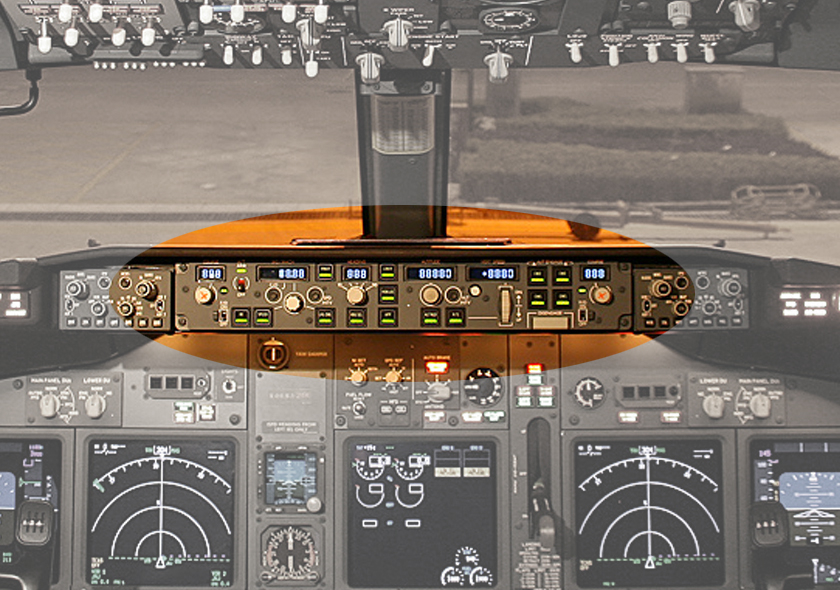
“Planes Fly Themselves…No Need For Pilots ” …. Is It True ?

We are told that planes basically fly themselves. How true is this?

Air travel has always been rich with conspiracy theories, urban legends, and old wives’ tales. I’ve heard it all. Nothing, however, gets me sputtering more than the myths and exaggerations about cockpit automation—this pervasive idea that modern aircraft are flown by computer, with pilots on hand merely as a backup in case of trouble. The press and pundits repeat this garbage constantly, and millions of people actually believe it. In some not-too-distant future, we’re told, pilots will be engineered out of the picture altogether.

This is so laughably far from reality that it’s hard to get my arms around it and begin to explain how the idea even arose, yet it amazes me how often this contention turns up—in magazines, on television, in the science section of the papers. Perhaps people are so gullible because they simply don’t know any better. Flying is mysterious, and information is hard to come by. If the “experts” say automatic planes are possible, then why not?

But one thing you’ll notice is that these experts tend to be academics—professors, researchers, etc.—rather than pilots. Many of these people, however intelligent and however valuable their work might be, are highly unfamiliar with the day-to-day operational aspects of flying planes. Pilots too are guilty. “Aw, shucks, this plane practically lands itself,” one of us might say. We’re often our own worst enemies, enamored of gadgetry and, in our attempts to explain complicated procedures to the layperson, given to dumbing down. We wind up painting a caricature of what flying is really like and in the process undercut the value of our profession.

Essentially, high-tech cockpit equipment assists pilots in the way that high-tech medical equipment assists physicians and surgeons. It has vastly improved their capabilities, but it by no means diminishes the experience and skill required to perform at that level and has not come remotely close to rendering them redundant. A plane is as able to fly itself about as much as the modern operating room can perform an operation by itself. “Talk about medical progress, and people think about technology,” wrote the surgeon and author Atul Gawande in a 2011 issue of The New Yorker. “But the capabilities of doctors matter every bit as much as the technology. This is true of all professions. What ultimately makes the difference is how well people use technology.” That about nails it.

And what do terms like “automatic” and “autopilot” mean anyway? Typically I click off the autopilot around a thousand feet or so and hand-fly the rest of the landing. On takeoff, I fly manually at least through 10,000 feet, and sometimes all the way up to cruise.

The autopilot is a tool, along with many other tools available to the crew. You still need to tell it what to do, how to do it, and when to do it. I prefer the term autoflight system. It’s a collection of several different functions controlling speed, thrust, and both horizontal and vertical navigation—together or separately, and all of it requiring regular crew inputs to work properly. On the jet I fly, I can set up an automatic climb or descent any of about six different ways, depending what’s needed. The media will quote supposed experts saying things like “pilots fly manually for only about ninety seconds of every flight.” Not only is this untrue, but it also neglects to impart any meaningful understanding as to the differences between manual and automatic, as if the latter were as simple as pressing a button and folding your arms.

The autopilot control panel of a Boeing 737 (color highlight)

One evening I was sitting in economy class when our jet came in for an unusually smooth landing. “Nice job, autopilot!” yelled some knucklehead behind me. Amusing, maybe, but wrong. It was a fully manual touchdown, as the vast majority of touchdowns are. Yes, it’s true that most jetliners are certified for automatic landings, called “autolands” in pilot-speak. But in practice they are rare. Fewer than 1 percent of landings are performed automatically, and the fine print of setting up and managing one of these landings is something I could talk about all day. If it were as easy as pressing a button, I wouldn’t need to practice them twice a year in the simulator or periodically review those tabbed, highlighted pages in my manuals. In a lot of respects, automatic landings are more work-intensive than those performed by hand. The technology is there if you need it for that foggy arrival in Buenos Aires with the visibility sitting at zero, but it’s anything but simple.

A flight is a very organic thing—complex, fluid, always changing—in which decision-making is constant and critical. For all of its scripted protocols, checklists, and SOP, hundreds if not thousands of subjective inputs are made by the crew, from deviating around a cumulus buildup (how far, how high, how long), to troubleshooting a mechanical issue to handling an onboard medical problem. Emergencies are another thing entirely. I’m talking about the run-of-the-mill situations that arise every single day, on every single flight, often to the point of task saturation. You’d be surprised how busy the cockpit can become.

Another thing we hear again and again is how the sophisticated, automated Boeing or Airbus has made flying “easier” than it was in years past. On the contrary, it’s probably more demanding than it’s ever been. Once you account for all of the operational aspects of modern flying –- not merely the hands-on aspects of driving the plane, but familiarity with everything else that the job entails, from flight-planning to navigating to communicating—the volume of requisite knowledge is far greater than it used to be. The emphasis is on a somewhat different skill set, but it’s wrong to suggest that one skill set is necessarily more important than another.

But, you’re bound to point out, what about the proliferation of remotely piloted military drones and unmanned aerial vehicles (UAVs)? Are they not a harbinger of things to come? It’s tempting to see it that way. These machines are very sophisticated and have proven themselves reliable—to a point. But a drone is not a commercial jet carrying hundreds of people. It has an entirely different mission and operates in a wholly different environment—with far less at stake should something go wrong. You don’t simply take the drone concept, scale it up, build in a few redundancies, and off you go.

I would like to see a drone perform a high-speed takeoff abort after a tire explosion, followed by the evacuation of 250 passengers. I would like to see one troubleshoot a pneumatic problem requiring an emergency diversion over mountainous terrain. I’d like to see it thread through a storm front over the middle of the ocean. Hell, even the simplest things. On any given flight there are innumerable contingencies, large and small, requiring the attention and subjective appraisal of the crew.

And adapting the UAV model to the commercial realm would require, in addition to gigantic technological challenges, a restructuring of the entire commercial aviation infrastructure, from airports to ATC. We’re talking hundreds of billions of dollars, from the planes themselves to the facilities they’d rely on. We still haven’t perfected the idea of remote control cars, trains, or ships; the leap to commercial aircraft would be harder and more expensive by orders of magnitude.

And for what? You’d still need human beings to operate these planes remotely. Thus I’m not sure what the benefit of this would be in terms of cost.

It amuses me that as aviation technology progresses and evolves, so many people see elimination of the pilot as the logical, inevitable endpoint. I’ve never understood this. Are modern medical advances intended to eliminate doctors? Of course not. What exists in the cockpit today is already a fine example of how progress and technology have improved flying—making it faster, far safer, and more reliable than it once was. But it has not made it easy, and it is a long, long way from engineering the pilot out of the picture—something we needn’t be looking for in the first place.

I know how this sounds to some of you. It comes across as jealousy, or I sound like a Luddite pilot trying to defend his profession against the encroachment of technology and an inevitable obsolescence. You can think that all you want. I am not against the advance of technology. I’m against foolish extrapolations of it.

source::::Patrick Smith in” Ask The Pilot..”

natarajan.

“குழந்தை … நீ எனக்கு உன் ஆட்டோகிராப் போட்டு கொடு ” !!!!

ஸ்ரீபெரியவாள் மேனாவுக்குள் அமர்ந்திருந்தார். குட்டிப் பையனொருவன் குட்டி நோட்டுப் புத்தகமொன்றை அவர் முன் நீட்டினான்.

“ஆடோக்ராஃப் போட்டுத் தரணும்” என்று வேண்டினான்.

பெரியவாளோ துறவறம் பூண்ட அந்தப் பதின்மூன்றாம் வயதிலிருந்து கையெழுத்திடுவதில்லை என்று ஜன்ம விரதம் காத்தவராயிற்றே!
அதனால் சட்டென்று அவர் வாயிலிருந்து, “நான் ஸ்வாமிகளான நாள்லேந்து கையெழுத்துப் போடறதில்லையேடா, கொழந்தே!” என்ற வார்த்தைகள் வந்து விட்டன.

பல்துறைப் பிரமுகர்களிடமிருந்து கையொப்பம் பெற்று அதற்குச் சிகரமாக ஸ்ரீமஹா பெரியவாளுடையதையும் பெறுவதற்காகப் பேராவலுடன் வந்த குழந்தையின் நெஞ்சு ஏமாற்றத்தில் பஞ்சாகிவிட்டது. அழுதேவிட்டான் பையன்.

ஐயனுக்கு – சமயோசிதத்தில் அவருக்கு நிகர் யாருண்டு? – ஒரு வழி தோன்றிவிட்டது.

“அழாதேப்பா! இப்ப இதுவரை யாரும் போடாத மாதிரி ஒனக்கு எப்படி முத்ரை குத்தி ஆடோக்ராஃப் போட்டுத் தரப் போறது பாரு!” என்றார்.

விநோத உணர்வில் பாலனின் விழிகள் விசாலித்தன.

கிங்கரர் ஒருவரிடம், “ஏஜெண்டை அழைச்சுண்டு வா” என்றார்.

ஸ்ரீமடத்துப் பிரதம அதிகாரியான ஏஜெண்ட் அழைத்து வரப்பட்டார்.

பெரியவாள் அவரிடம், “இந்த நோட் புக்ல என் பேரை எழுது. ஒன் கையெழுத்தும் போடு. அதோட நம்ப மடத்து ஸீலும் குத்தி எடுத்துண்டு வா” என்றார்.
ஏஜெண்ட் சென்று அவ்வாறே செய்து நோட்டுப் புத்தகத்துடன் திரும்பி வந்தார்.

ஸ்ரீசரணர் மந்தஹாஸத்துடன் அதை பாலனுக்கு ஆசிபூர்வமாகக் கொடுத்தார்.

ஏகப்பட்ட சாங்கியங்கள் செய்யப்பட்டுப் பெரியவாளின் ஆடோ(?)க்ராஃப் கைக்கு வந்ததில் சிறுவனின் ஆனந்தம் சொல்லித் தரமன்று. நாட்டியமாடாத குறைதான்!

அந்தக் குறையுமில்லாமல் அவன் குதித்தே ஆடும்படி அப்போது இன்னொன்றும் செய்தார் அருட்பெரு வள்ளல்.

பாலனிடம், “ஒனக்காக நான் ஸ்பெஷல் கையெழுத்துப் போட்டேனோல்லியோ? பதிலுக்கு நீயும் எனக்கு ஒன் ஆடோக்ராஃப் போட்டுக் குடுக்கணும். விஸிட்டர்ஸ் புக்-னு (ஏஜெண்டைக் காட்டி) இந்த மாமா வெச்சிருப்பார். அவரோட போய் அதுல ஒன் கையெழுத்தைப் போட்டுட்டு ஆத்துக்குப் போ!” என்று கூறி அனுப்பி வைத்தார்.

ஸ்ரீகாஞ்சி காமகோடி மஹா மடத்தின் வி.ஐ.பி. விஸிட்டர்களில் வாண்டுப் பையனுக்கு இடமளித்தது அந்த அத்வைத அன்பிதயம்!

source::::www.periva.proboards.com

natarajan
Read more: http://periva.proboards.com/thread/4984/maha-periyava-children-13/#ixzz2evl5eqWp

சக்கர நாற்காலியில் ஒரு சாதனையாளர் !!!

ஊன்றி நடக்க
உறுதி கொண்டால்
ஒட்டடை நூல்கூட
ஊன்று கோல்தான்.

என்ற கவிதைக்குச் சாட்சியாக காட்சியளிப்பவர்தான் சூர்யா என்றழைக்கப்படும் அருள்மொழிவர்மன்….

நடுங்கும் கைகளுடன் சக்கர நாற்காலியில் அமர்ந்தபடி திணறி, திணறிப் பேசும் சூர்யாவாவிற்கு 23 வயதாகிறது.
இவரை நேரில் பார்ப்பவர்கள் இவரா இதையெல்லாம் செய்வது என்று நிச்சயம் ஆச்சர்யப்பட்டு போவார்கள்.

அப்படி சூர்யா என்னதான் செய்கிறார் கொஞ்சம் ஆரம்பத்தில் இருந்து தெரிந்து கொள்ளுங்களேன்.

பிறந்த 6 மாதத்திலேயே சூர்யா இயல்பானவன் இல்லை என்பது தெரிந்து விட்டது. முதுகுத் தண்டுவடப் பிரச்னை காரணமாக அவனது இடுப்புக்குக் கீழ் உள்ள பகுதி சரியாகச் செயல்படாது என்ற சூழ்நிலை.
செயல்படாத உடம்பின் பாகங்களுக்கும் சேர்த்து மூளை அபாரமாகச் செயல்பட்டது. இடதுகைப் பழக்கம் காரணமாக, இடக்கையில் எடுத்துச் சாப்பிடுவதைக் கவனித்த தாத்தா, சாப்பிடுவதையாவது வலது கையில் செய்யக் கூடாதா? என்று கேட்டதும், சற்றும் தயங்காமல், “கடவுள் எனக்கு வலது கையை இந்தப் பக்கம் வச்சுட்டான் தாத்தா”, என்று சொன்ன போது சூரியாவுக்கு வயது 3 தான். இப்படி அறிவான சூர்யாவை சென்னையில் உள்ள சிறப்பு பள்ளியில் பெற்றோர் படிக்க வைத்தனர். சூர்யாவும் இங்கு சிறப்பாக படித்தான்.

நான்காம் வகுப்பு ப் படிக்கும் போது இன்னொரு கடுமையான சோதனை,‘வாக்கரின்’ உதவியோடு நடந்து கொண்டிருந்த சூர்யாவை விளையாடிக் கொண்டிருந்த வேறு சில சிறுவர்கள் தெரியாமல் தள்ளிவிட்டதில் சூர்யாவிற்குத் தலையில் பலத்த அடி. உடனடியாக மருத்துவமனைக்குத் தூக்கிக்கொண்டு சென்றனர். சிகிச்சையளித்த மருத்துவர்கள், சூர்யா இனிமேல் ‘வாக்கர்’ வைத்தும் நடக்கமுடியாது ‘வீல்சேரில்தான்’ நடமாட முடியும், இதுவரை இயங்கி வந்த கைகளும் வழக்கம் போல இயங்காது, ஒருவித நடுக்கத்துடன்தான் செயல்படும், பேசும்போது வார்த்தைகள் ரொம்பவே திக்கும், என்று சொல்லிவிட்டனர். இந்த வேதனையை எல்லாம்கூடத் தாங்கிக் கொண்ட சூரியாவால் பள்ளியில் படிப்பைத் தொடரமுடியாது என்ற வேதனையைத்தான் தாங்கமுடியவில்லை.
வீட்டிலிருந்தபடியே படிக்க ஆரம்பித்தான். தனது அண்ணனின் கம்ப்யூட்ரைப் பொழுது போக்காக இயக்க ஆரம்பித்தான். நடுங்கும் தனது கைகளைக் கொஞ்சமாவாது நிலையாக நிறுத்த அது ஒரு பயிற்சியாக இருந்தது; அண்ணனும் தனக்குத் தெரிந்ததைத் தம்பிக்கு ஆர்வமுடன் கற்றுக் கொடுத்தார். கம்ப்யூட்டரே தனக்கான வடிகால் என்று சூர்யா எடுத்துக் கொண்டதும் அதில் முழுமூச்சாக இறங்கிவிட்டான்.

கம்ப்யூட்டரை ஆராய்ந்து, ஆராய்ந்து இத்தனை வருடங்களில் அதில் தேர்ந்து விட்ட சூர்யா இப்போது அகில இந்திய அளவில் செயல்படக்கூடிய பெரிய சிறிய நிறுவனங்களின் வெப் டிசைனர் ஆவார்.
நிறுவனங்கள் பெரியதோ, சிறியதோ தம்மைப் பற்றி வெளியில் சொல்ல ஒரு வெப் சைட் அவசியம் தேவை, அந்த வெப்சைட் பார்ப்பவர்களை ஈர்க்கும்படியாக இருக்க வேண்டும், எல்லாவிதத் தகவல்களையும் சுவாரசியமாகச் சொல்ல வேண்டும்.
இப்படி ஒரு வெப் சைட்டை உருவாக்கித் தருவதுடன், அனிமேசன் மற்றும் ஆடியோ வீடியோ எடிட்டிங் போன்ற அருமையான புத்திசாலித்தனமான துறைகளிலும் ‘ஒன்மேன்ஆர்மியாக’ சூர்யா தற்போது சாதித்து வருகிறார்.

புகழ் பெற்ற திருமண அழைப்பிதழ்கள் தயாரிக்கும் நிறுவனமான MENAKA CARDS PVT LTD,NORTH EASTERN MARITIMES SERVICE PVT.LTD,BUDGET FURNITURE,IMPERIAL INFOTECH,VARNA உள்ளிட்ட பல்வேறு நிறுவனங்களின் வெப் சைட்கள் இவர் டிசைன் செய்தவைதான்.
சூர்யாவின் தந்தை காவல்துறையின் கைரேகைப் பிரிவில் இன்ஸ்பெக்டராக சென்னையில் இருந்தவர். பணி ஒய்வுக்குப் பிறகு குடும்பத்துடன் பொள்ளாச்சி சென்றுவிட்டார். சூர்யா தற்போது பொள்ளாச்சியில் இருந்து கொண்டுதான் இயங்கிக் கொண்டு இருக்கிறார். தந்தை பாலகுருசாமி, தாயார் தேன்மொழி, அண்ணன் நாகசுந்தரம், அண்ணி மதுமதி ஆகியோர், ‘எப்படியும் நம்ம சூர்யா நாலுபேர் பாராட்டும்படி வருவான்’ என்ற நம்பிக்கையுடன் அன்பையும், பாசத்தையும் வற்றாது வழங்கி வருகின்றனர்.

அவர்களது நம்பிக்கைக்கு ஏற்ப, பல இரவுகளைப் பகலாக்கிக் கடுமையாக உழைத்து, நல்லதொரு வெப் டிசைனராக வளர்ந்து வரும் சூர்யா தனக்கு உற்றுழி உதவிய பக்கத்து வீட்டு அண்ணன்கள் சதீஷ், காளிராஜ் , மற்றும் பல நண்பர்களையும் உறவினர்களையும் மிகுந்த நன்றியோடு நினைவு கூறுகிறார்.
இவ்வளவு திறமையா என்று இவரது வெப் டிசைனைப் பார்த்தவர்கள் பாராட்டுகின்றனர்.

ஆனால், சூர்யாவின் அணுகுமுறை வேறாக இருக்கிறது; என்னைப் பார்த்து என் மீது இரக்கப்பட்டு வரும் வாய்ப்புகள் எனக்கு வேண்டாம்; என் திறமையை, என் கற்பனையை, என் தொழிலை மட்டும் பாருங்கள்; பின் உங்கள் நிறுவனத்தின் வெப் சைட்டை டிசைன் செய்ய எனக்கொரு வாய்ப்புத் தாருங்கள்; அது போதும் என்று சொல்லும் சூர்யாவின் ஆற்றலை அறிய, கிரியேடிவ் இ ஸ்டுடியோ.காம் (creative E studio.com) என்ற வலைதளத்துக்குச் செல்லவும்.
அவரது அலைபேசி எண்: 9790741542.

source:::::DinaMalar Tamil Daily

natarajan


Message For The Day…You Must Have Faith in Punya and Papa ….

Devotion (Bhakthi) is the continuous flow of love which is unchanging, sincere and pure (Nithya, Sathya, Nirmalam). There is no one who is devoid of devotion; deep within the core, everyone has the feeling of kinship with all creatures. If you have no love, you are like the lamp without the flame. The presence or absence of the feeling makes a lonely man miserable or makes one likeable to many. Love of the pure type is like a bright light. It is not polluted by hate nor is contaminated with greed. Faith in God and faith in doing good is very essential. Also you must have faith in the concept of merit and sin (punya and papa). This will help you examine each act and consider its consequences before taking the action. Devotion makes you aware of the Lord, who sustains and supports every being and brings you nearer and dearer to Him.

Sathya Sai Baba

Message For The Day…Divinity is its Own Law ….

Divinity is above and beyond the intellect and unreachable through the senses. It is its own law; it is independent of all restrictions and modes. Each of the senses can perform only one operation to contribute to gathering knowledge. The ear can inform you of sound; the eyes can speak of colour, the tongue of taste, etc. Know that the Divine is beyond all sensations and systems. Creation, Sustenance and Dissolution (Srishti, Sthithi and Laya) are three expressions of the Divine will. You must penetrate the inner meaning of Creation (Srishti) by performing your duty as worship (Karma Yoga), you must grasp the significance of Sustenance (Sthithi) through Devotion to the Lord (Bhakthi Yoga), and when you attain wisdom (through Jnana Yoga), you arrive at the experience of Laya, Union with Divine.

Sathya Sai Baba


Why Every Indian Should Salute This Indian ?

Armstrong Pame‘It is very sad that many of us are yet to discover the Northeastern part of India. After having been to every state of India, people often refuse to believe that I am an Indian,’ says Armstrong Pame, the admirable IAS officer from Manipur who built a 100 km long road in a remote part of the hill state without government help.

The ‘People’s Road’, built with people’s help, connects his district to the rest of the state and further to Nagaland and Assam. Pame, 28, raised most of the funds for the project through Facebook and has been given the name ‘Miracle Man’ by the villagers for giving them their first motorable road.

Armstrong Pame shares his thoughts about India in Rediff.com’s continuing special series where various Indians speak about what they love most about our country.

Our freedom-fighters fought the good fight with zeal, enthusiasm and braveness to give to us that freedom which is the utmost need for any societal growth.

It is time to question ourselves: do we still have the same passion and the zeal within us?

If we do have it, it is time to look beyond me, myself, and I! We are here to live life, and not just to survive it, we live to create positive impacts around us each day.

Our nation is progressing well but not as good enough to show the growth story as one that is of equity, progress and benefit to one and all.

This freedom that we celebrate should be a celebration to help spread the message that each one of us is committed to imparting freedom to every citizen to pursue what their dreams and aspirations are.

Let every unborn child – boy or girl – be born in an India which will make the child grow to the fullest potential. Let there be no fear in our hearts, let’s take our country forward.

The greatest thing about India is its diversity and this is its worst too – because we are not able to fully channelise this to something positive, rather this has often been used as a dividing force.

It is also very sad that many of us are yet to discover the Northeastern part of India. After having been to every state of India, people often refuse to believe that I am an Indian.

The interior part of mainland India — be it central, northern or southern — doesn’t know this northeastern part of the country. They are terribly amazed to see that their fellow brethren can look so different!

I believe many places in the Northeast are not in any way less than some of the best tourist destination like Shimla, Mussoorie or elsewhere. Do come and see how good the Northeast is, and how simplistic and lovely your fellow citizens are.

We are eternally emotional wherever we are. The good thing about being emotional is that we are forever supportive of a good cause. The support and help received from every citizen across the globe is once again proof that we all have an undying spirit to support the good cause.

Maybe our country is the only place where one still believes in community, where family values reign over individual gains.

This tradition and culture of ours is truly the envy of others. If we are to strive towards living life to the fullest we are to only strengthen this bond.

Delhi is undoubtedly my favourite place in India. Having spent a good part of my youth there, and the best of my college days there. However, I am saddened every time I see news about Delhi: bad news always comes first.

Meeting old friends there has become very difficult, especially catching up with them late in the evenings has become even worse. The city is no longer safe. Why do we feel insecure in our own home? I wish to see India as a very safe place for everyone.

Let every Indian say — “Make me live life to the fullest, to be all that I can be so that I can help others be all that they can be”.

Armstrong PameArmstrong Pame is a 2009 batch Indian Administrative Officer and the first from the Zeme tribe of Nagaland. He is an alumnus of Delhi’s St Stephen’s College.

He was recently invited by Facebook at the headquarters in California to share with them how he used the social media site to raise funds for a noble project like the ‘People’s Road’.   


source ::::::Rediff.com

natarajan