” யார் பெரிய பெருச் சாளி ….”?

ஶ்ரீகுருப்யோ நம

“மடத்துல இருந்து இந்தப் பழத்தைத் திங்கறவா பெருச்சாளின்னா. எல்லாரையுமு் விட நானில்லையோ பெரிய பெருச்சாளி.”-பெரியவா

தஞ்சாவூர் பக்கம் இருந்த பிரபலமான டாக்டர் ஒருவர் காஞ்சிபுரத்துக்கு வர்ற சமயத்துல எல்லாம் மடத்துக்கும் வந்து பெரியவாளை தரிசனம் பண்ணிட்டுப் போறதை வழக்கமா வச்சுண்டு இருந்தார். அவர் வர்றச்சே எல்லாம் ரொம்ப வெலை ஒசத்தியான ஆப்பிள், ஆரஞ்சு பழங்களை (அந்தக்காலத்துல அதெல்லாம் பணக்காரா மட்டுமே சாப்பிடற பழங்களா இருந்தது) வாங்கிண்டு வந்து கூடையோட பெரியவாகிட்டே சமர்ப்பிச்சுட்டுப் போவார்.

ஒருசமயம் பரமாசார்யா, கும்பகோணத்துக்கு பக்கத்துல இருந்த ஒரு கிராமத்துல முகாமிட்டிருந்ததை தெரிஞ்சுண்டு அங்கேயே அவரை தரிசனம் பண்ண வந்தார் அந்த டாக்டர். வர்றச்சே வழக்கம் போலவே பெரிய கூடையில் நிறைய பழங்களை எடுத்துண்டு வந்தார்.

அவர் வந்த நேரம் மடத்துல கைங்கர்யம் பண்ற ஒருத்தர், முகாமோட வாசல்ல நின்னுண்டு இருந்தார். டாக்டர் பெரியவா தரிசனத்துக்கு வழக்கமா வர்றவர்ங்கறதால அவரை அடையாளம் தெரிஞ்சுண்டு, வாங்கோன்னு கூப்பிட்டார்.

கொஞ்ச நேரம் அவர்கிட்டே பேசிண்டு இருந்த டாக்டர், ‘நான் வர்றச்சே எல்லாம் பெரியவாளுக்குன்னு ஆசையா பழங்களை வாங்கிண்டு வர்றேன். ஆனா அதை மடத்துல இருக்கற பெருச்சாளிகளும் சாப்பிடறதா தெரியறது. பெருச்சாளிகள் எல்லாம் இந்தப் பழக்கூடைய நெருங்காத படிக்கு நீங்கதான் பத்திரமா வைக்கணும். அதோட, இந்தப் பழங்கள் எல்லாத்தையும் பெரியவாளுக்கே குடுக்கணும். இது என்னோட ஆசை!’ அப்படின்னு அவர்கிட்டே சொல்லி, பழக்கூடையை அவர்கிட்டேயே ஒப்படைச்சார்.

மடத்துக்கு கைங்கர்யம் பண்றவருக்கு டாக்டர்கிட்டே என்ன சொல்றதுன்னு தெரியலை. அதனால், ‘ஆகட்டும் பார்த்துக்கறேன்’னு சொல்லிட்டு, பழக்கூடையை வாங்கி உள்ளே வைச்சுட்டார்.

உள்ளே வந்து பெரியவாளை தரிசனம் பண்ணினார் டாக்டர். மெல்லிசா ஒரு சிரிப்பை உதிர்த்த பரமாச்சார்யா, அவருக்கு பிரசாதத்தை குடுத்தார். பவ்யமா அதை வாங்கிண்ட டாக்டர், ‘பெரியவா, உத்தரவு தரணும். நான் புறப்படறேன்’ அப்படின்னார்.

‘என்ன அவசரம்? இன்னும் ஒரு ரெண்டு மூணு மணி நேரம் இருந்து வந்த வேலையை முடிச்சுட்டுதான் போயேன்’ அப்படின்னார் ஆச்சார்யா.

டாக்டருக்கு ஒண்ணும் புரியலை. ‘வந்தது, பெரியவாளை தரிசனம் பண்ணணும்னு, அந்த வேலை முடிஞ்சுடுத்து அப்புறம் வேற என்ன வேலை இருக்கு?’ புரியலைன்னாலும் பரமாசார்யா சொன்னதை தட்ட முடியாம, ‘சரி உங்க உத்தரவுப்படியே செய்யறேன்!’ என்று அந்தப் பக்கமா உள்ளே போய் உட்கார்ந்துண்ட்டுட்டார்.

கிட்டத்தட்ட ரெண்டு மணிநேரம் ஆகியிருக்கும். தனக்குப் பக்கத்துல நின்னுண்டு இருந்த ஒரு சீடன்கிட்டே, ‘நீ உள்ளே போய் அந்த டாக்டரை அழைச்சுண்டு வா. அதோட, அவர் பழக்கூடை ஒண்ணைக் கொணடு வந்து கொடுத்திருக்கார். அதை எடுத்துண்டு, அதை வாங்கி வைச்சவரையும் கூட்டிண்டு வா!’ அப்படின்னார்.

எல்லாருக்கும் ஆச்சரியம். டாக்டர், பெரியவாளை தரிசனம் பண்ணினப்போ பழக்கூடை பத்தி எதுவும் சொல்லலை. அவர் கொண்டு வந்து குடுத்ததும், ஒருத்தர் அதை வாங்கிவைச்சதும் பெரியவாளுக்கு எப்படித் தெரியும்னு எல்லாரும் யோசிச்சுண்டு இருக்கறச்சயே, டாக்டர் அங்கே வந்து நின்னார்.

பின்னாலேயே பழக்கூடையை எடுத்துண்டு, அதை வாங்கிவைச்சவரும் வந்து நின்னார்.

தனக்கு முன்னால அந்தப் பழக்கூடையை வைக்கச் சொன்ன பெரியவா, டாக்டரை ஒரு நிமிஷம் உத்துப் பார்த்தார்.

‘எனக்கு என்ன வயசு ஆகறதுன்னு நோக்கு தெரியுமோ.. அறுபதைத் தாண்டியாச்சு. பழம் ஒடம்புக்கு நல்லதா இருக்கலாம். ஆனா, இத்தனையையும் நான் ஒருத்தனே சாப்பிட்டா அது எந்த மாதிரி ஹானி பண்ணும்னு டாக்டரான நோக்கே தெரியுமோல்லியோ… அப்படி இருக்கறச்சே ‘இதை எந்தப் பெருச்சளியும் தின்னுடாம பார்த்துக்கணும்னு அவர்கிட்டே சொன்னியே அது நியாயமோ? மடத்துல இருந்து இந்தப் பழத்தைத் திங்கறவா பெருச்சாளின்னா. எல்லாரையுமு் விட நானில்லையோ பெரிய பெருச்சாளி.’

சொன்ன மகாபெரியவா, கொஞ்சம் நிறுத்தினார். இதுக்குள்ளே டாக்டருக்கு உடம்பெல்லாம் குப்னு வேர்த்து முகமெல்லாம் வெளுத்துடுச்சு. தான் பேசினது தப்புன்னு புரிஞ்சுண்டதால அவர் கை, காலெல்லாம் லேசா நடுங்கவும் ஆரம்பிச்சுது.

‘நீ ரொம்ப பதட்டப்படாதே… நான் உன்னை மட்டும் சொல்லலை. இங்கே வர்றவா பலரும் உன்னை மாதிரிதான். அவா தர்ற எல்லாத்தையும் நானே சாப்பிடணும்ங்கறதுதான் அவாளோட அவா! ஆனா அது முடியுமோ? மொதல்ல நான் ஒரு சன்யாசிங்கறதையே எல்லாரும் மறந்துடறா. எனக்கு எதுக்கு இத்தனை பழமும் பொருளும்? இதெல்லாம் அநாவசியமில்லையோ!

அப்புறம் ஏன் இதையெல்லாம் நான் வாங்கிக்கறதா பாவனை பண்ணிக்கறேன்னா, இங்கே மடத்துல எத்தனையோ நல்ல காரியங்கள் நடத்தப்படறது, அதுக்கெல்லாம் பொருள் வேறும். குழந்தைகளையும் பொண்டாட்டியையும் விட்டுட்டு, மடமே கதின்னு வந்து எத்தனையோ பேர் இங்கேயே இருந்து கைங்கரியம் செஞ்சுண்டிருக்கா. அவாளுக்கெல்லாம் சாப்பிடறதுக்காவது நான் ஏதாவது பண்ணியாகணும். இந்த மடத்தைப் பராமரிக்க வேண்டியது என்னோட பொறுப்பில்லையோ! சன்யாசியான எனக்கு அதைச் செய்யறதுக்கு ஏது வருமானம்? உங்கள மாதிரியானவா தர்றதுதானே? அதைவைச்சு தானே நான் இவாளுக்கு ஏதாவது செய்யணும்? அப்புறம் இவா சாப்பிடக்கூடாதுன்னு நினைச்சா அது எப்படி முடியும்?

நீங்க எல்லாரும் ஒரு விஷயத்தை நன்னா புரிஞ்சுக்கணும். நீங்க ஒரு பொருளை ஒருத்தருக்குக் குடுத்துட்டா, அதுக்கப்புறம் அது அவாளோடதுன்னு ஆயிடும். அதுக்கு நீங்க பாத்யதை கொண்டாட முடியாது. அதை அவர் என்ன பண்ணணும்கறதை அவரேதான் தீர்மானிக்கணும். அப்படித்தான் செய்யணும்னு நீங்க கன்ட்ரோல் பண்ண முடியாது. அப்படித்தான் நீங்க எனக்காகத் தர்றதுகம், அதெல்லாம் மத்தவாளுக்கும் பிரயோஜனப்படற மாதிரி செய்யறதுதான் சன்யாசியான என்னோட கடமை. நீங்க ஆசைப்படற மாதிரி நானே எல்லாத்தையும் அனுபவிக்கணும்கறது சாத்யப்படவே படாது!’

சொன்ன பெரியவா, டாக்டர் தந்திருந்த பழக்கூடையில இருந்து ஒவ்வொரு பழமா எடுத்து தான் உட்கார்ந்துண்டு இருந்த இடத்துக்குப் பக்கத்துல இருந்த ஜன்னல் வழியா வெளியில வீச ஆரம்பிச்சுட்டார்.

பதறிப்போய்ட்டார் டாக்டர். பெரியவா ஏத்துக்காதது மட்டுமல்லாமல், பழத்தை தூக்கி வேற எறியராறே… பெரியவாளே எல்லாத்தையும் சாப்பிடணும்னு ஆசைப்பட்டது அவ்வளவு பெரியதப்பா? அப்படின்னு மனசுக்குள்ளே நினைச்சு திகைச்சு நின்னவர், மனசுக்குள்ளே ஏதோ தோணினவரா, வேகமா போய், அந்த ஜன்னல் பக்கமா வெளியில எட்டிப் பார்த்தார்.

அவர் முகம் ஜன்னல் பக்கமா வெளியில தெரிஞ்ச விநாடி, ‘சாமீ! நீங்க குழந்தை குட்டியோட, நோய் நொடியில்லாம ஆரோக்யமா நீண்டகாலம் இருக்கணும். எங்களுக்கு இவளோ நல்ல பழங்களைக் குடுத்த நீங்க மவராசனா இருக்கணும்!’ அப்படின்னு கோரசா குரல் எழும்பித்து வெளியில இருந்து.

என்னன்னு பார்த்தா, பத்துப் பதினைஞ்சு நரிக்குறவக் குடும்பம் குழந்தைகளோட நின்னுண்ணு, ஜன்னல் பக்கமா வந்து விழற பழங்களை எல்லாம் பிடிச்சு சேகரிச்சுண்டு இருந்தா. அவாள்லாம், அந்த டாக்டர்தான் தங்களுக்காக பழங்களை வீசி எறியறதா நினைச்சுண்டு அவரை வாழ்த்த ஆரம்பிச்சா!

மறுபடியும் மகாபெரியவாளைப் பார்த்தார் டாக்டர்

‘என்ன பார்க்கறே? அவாளுக்கெல்லாம் இவ்வளவு நல்ல பழஙகளைத் தர்றதுக்கு யாருக்காவது மனசு வருமா? இப்போ நீ குடுத்ததா நினைச்சு சந்தோஷமா எடுத்துண்டு போறாளே, அவாளோட மூஞ்சைப் பார்த்தியோ, எத்தனை ஆனந்தம் அதுல தெரியறது? அந்த மாதிரியான சந்தோஷத்தை மத்தவாளுக்குத் தர்றதுதான் பரமேஸ்வரனுக்கு ப்ரீதி தெரியுமோ..!

நம்பளால முடிஞ்சதை மத்தவாளுக்குத் தரணும்னு நினைக்கணும். கிடைக்கற எல்லாத்தையும் நாமளே அனுபவிக்கணும்னு நினைக்கறதும், நாம நினைச்சமாதிரிதான் எல்லாமே நடக்கணும்னும் நினைக்கறது தப்பு புரிஞ்சுதோ?

இனனொரு முக்கியமான விஷயம்… நீ ஆசைப்பட்ட மாதிரியே மடத்துல இருக்கற எந்தப் பெருச்சாளியும் அந்தப் பழத்தைத் திங்காம பார்த்துண்டாச்சு… போதுமோ?’

மகாபெரியவா சொல்லி முடிக்க, அப்படியே சாஷ்டாங்கமா அவர் காலடியில விழுந்தார் டாக்டர். பரமாசார்யா உபதேசம் பண்ணின பாடத்தைப் புரிஞ்சுண்டுட்டேன்னு சொல்லாம சொல்ற மாதிரி, அவர் கண்ணுல இருந்து நீர் வழிஞ்சு பெருகித்து.

தப்பை உணர்ந்துட்டாலே மன்னிப்புக் கிடைச்சுடும்கறதை உணர்த்தற மாதிரி அவரை எழுந்திருக்கச் சொல்லி, இன்னொருதரம் பிரசாதம் தந்து, ‘அவா வாழ்த்தின மாதிரியே மகாராஜனா இரு’ன்னு ஆசிர்வதிச்சு அனுப்பினார் மகாபெரியவா.

எந்த தெய்வம் தன்னோட நைவேத்யத்தை தானே சாப்பிட்டிருக்கு? அதெல்லாம் தன்னோட பக்தனுக்குக் கிடைக்கணும்கறதுதானே கடவுளோட எண்ணம்? அப்படின்னா, தனக்குக் கிடைக்கறதெல்லாம் தேவை உள்ள மத்தவாளுக்கேன்னு நினைச்ச பரமாசார்யாளை நடமாடம் தெய்வம்னு எல்லாரும் சொன்னது வாஸ்தவமான உண்மைதானே.

Featured Image -- 18848


Source…..input from a friend of mine

Natarajan

Image of the Day….Full Moon on Christmas Since 1977…

Happy Christmas to all who celebrate it!  Photo by EarthSky community member Rich Tommater in St. Petersburg, Florida.  Thanks, Rick.

This month, the December full moon falls on Friday, December 25, 2015. For Earth’s Western Hemisphere, it’s the first full moon on Christmas Day since 1977.*

We won’t have another full moon on a Christmas Day until 2034.

A 19-year cycle of the moon is the reason. Amazingly, the moon’s phases recur on (or near) the same calendar dates every 19 years. This cycle – known as the Metonic cycle – happens because 235 returns to full moon almost exactly equal 19 years.

So, in other words, the phases of the moon realign (or nearly realign) with the same calendar dates every 19 years. We just missed a full moon on Christmas 19 years ago; instead, the full moon fell on Christmas Eve. It was December 24, 1996 at 20:41 Universal Time, or UT.

But two Metonic cycles ago – 38 years (or 2 X 19 years) – the full moon fell on Christmas Day. That full moon happened on December 25, 1977 at 12:49 UT.

Astronomically speaking, the moon is only full for an instant – at the moment that it’s 180o opposite the sun in ecliptic longitude.

This month, that happens on December 25, 2015 at 11:11 UT. At United States time zones, that translates to 6:11 a.m. EST, 5:11 a.m. CST, 4:11 a.m. MST or 3:11 a.m. PST.

Although the moon turns full at the same instant worldwide, the clock reads differently by timezone. On a worldwide scale, the full moon actually comes at all hours around the clock. See the worldwide map below. The full moon takes place before sunrise December 25 in North America, noon in Europe and Africa and after sunset December 25 in eastern Asia, Australia and New Zealand.

Bottom line: The December 25, 2015 full moon is the Western Hemisphere’s first full moon on Christmas Day since 1977. We won’t have another full moon on a Christmas Day until 2034. A 19-year cycle of the moon – called the Metonic Cycle – is the reason. Explanation here.

Source…..www.earthsky.org

Natarajan

Perfect Christmas Gift ….

Are you racking you brain trying to look for Christmas gift ideas to impress your friends and relatives this year? Well, if you are, I’ve got the right suggestions for you. But before you set high expectations, know one thing: Christmas is more about the special little gifts from the heart, and less about the ones nicely wrapped up under the tree. So if you truly care for the people around you, keep the following 10 gift suggestions in mind this Christmas:


Here are a few suggestions for special gifts:

10 Special, Meaningful Gifts to Give This Christmas...

10 Special, Meaningful Gifts to Give This Christmas...

10 Special, Meaningful Gifts to Give This Christmas...

10 Special, Meaningful Gifts to Give This Christmas...

10 Special, Meaningful Gifts to Give This Christmas...

10 Special, Meaningful Gifts to Give This Christmas...

10 Special, Meaningful Gifts to Give This Christmas...

10 Special, Meaningful Gifts to Give This Christmas...

10 Special, Meaningful Gifts to Give This Christmas...

10 Special, Meaningful Gifts to Give This Christmas...

Spread and share this eye-opening message to your loved ones to remind them of the true meaning of this blessed feast and give them your warmest greetings.

Source…..www.ba-bamail.com

Natarajan

The Christmas Tree Worm ….!!!

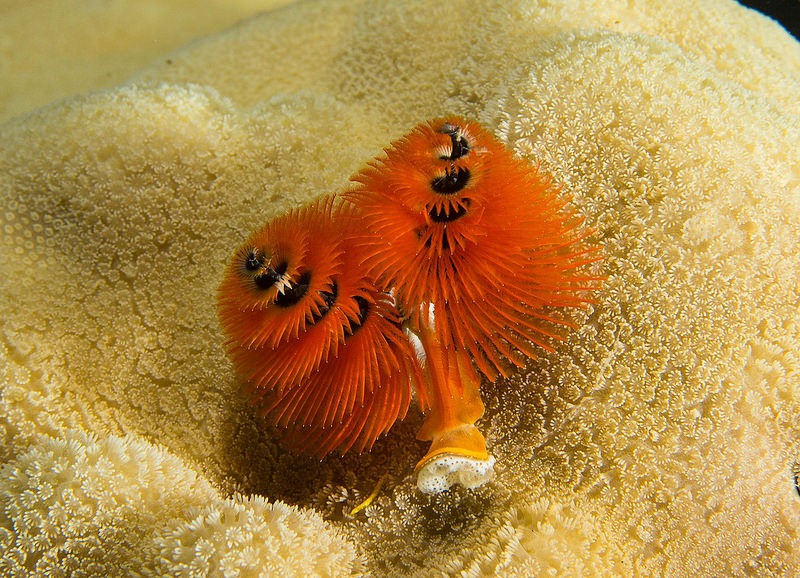
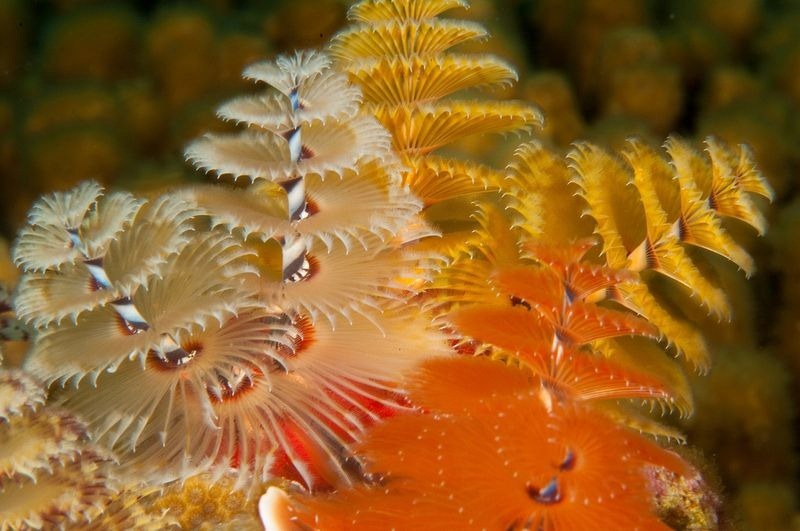
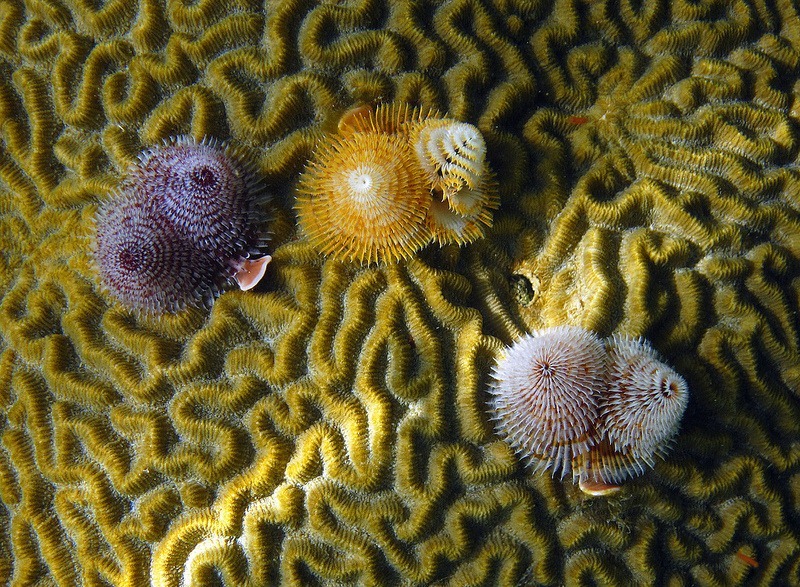
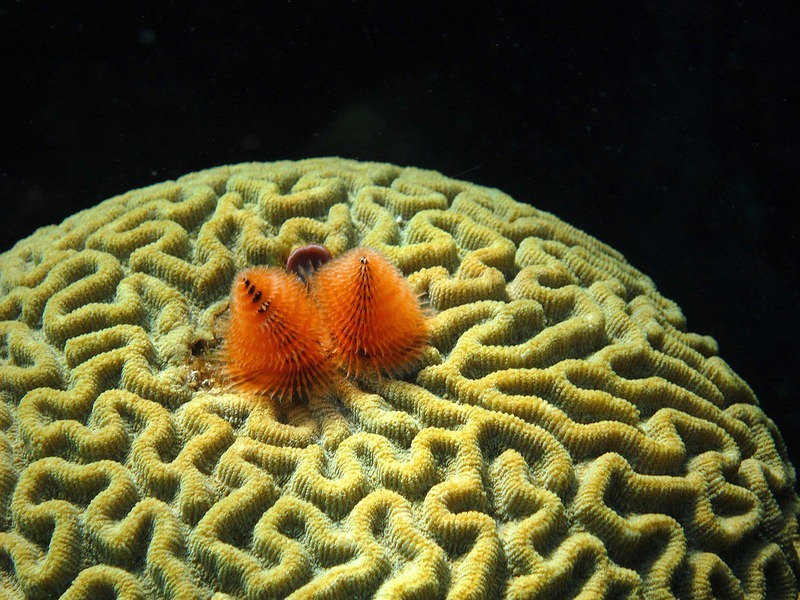
Scientifically that are called spirobranchus giganteus, but they are better known by their colloquial name — Christmas tree worm. The worm is so called not because they feed on fig trees but because they look like them.

The spirobranchus giganteus live in the ocean and sports two magnificent spirals of plumes that protrude from its tube-like body and which look like tiny Christmas trees. These plumes are composed of hair-like appendages called radioles that radiate from the worm’s central spine, and help the animal to grab food, which typically consists of microscopic plants, or phytoplankton, floating in the water. The plumes are also used for respiration. Measuring less than 4 cm in height, they come in many colors including orange, yellow, blue, and white and, are easily spotted due to their shape, beauty, and color.

christmas-tree-worm-9

Photo credit: Matt Kieffer/Flickr


The Christmas tree worm doesn’t like to move about much. Once they find a good place on a live calcareous coral, they burrow a hole and live their for the rest of their lives, occasionally emerging from their home to catch passing plankton with their fully extended plumes. They are very sensitive to disturbances and will rapidly retract into their burrows at the slightest touch or passing shadow.

christmas-tree-worm-10

christmas-tree-worm-1

christmas-tree-worm-3

christmas-tree-worm-6

christmas-tree-worm-7

christmas-tree-worm-8

Photo credit: Doug Finney/Flickr

Sources: NOAA / Marine Bio via My Modern Met

Source….www.amusingplanet.com

Natarajan


Image of the Day…”Zinnia Flowers @ International Space Station…”

Zinnia Flowers Starting to Grow on the International Space Station

Zinnia flowers are starting to grow in the International Space Station's Veggie facility

Zinnia flowers are starting to grow in the International Space Station’s Veggie facility as part of the VEG-01 investigation. Veggie provides lighting and nutrient supply for plants in the form of a low-cost growth chamber and planting “pillows” to provide nutrients for the root system. These plants appear larger than their ground-based counterparts and scientists expect buds to form on the larger plants soon.

The Veggie facility supports a variety of plant species that can be cultivated for educational outreach, fresh food and even recreation for crew members on long-duration missions. Previously, the facility has grown lettuce — which was consumed by the crew earlier this year — and now investigators are attempting to grow Zinnia flowers. Understanding how flowering plants grow in microgravity can be applied to growing other edible flowering plants, such as tomatoes.

Image Credit: NASA

” I Turn Scrap Metal Into Animals… ” !!!

My name is JK Brown. I live in rural West Wales. This peaceful part of the country is known for being a precious habitat for its native wildlife, which is of constant inspiration to me.

For as long as I can remember I have loved to watch animals (especially in the wild) and for as long as I can remember I have been drawing, making and creating as a way of celebrating the beauty of nature. Often when I’m out walking I pick up fragments of metal that have been thrown away. Sometimes fly-tipped or washed up on beaches, I patiently reassemble these pieces into monuments to the natural world around me: a habitat that is becoming increasingly fragmented.

I find that my own process of reversing this fragmentation is, for me, a calming antidote to the madness of endless consumption.

More info: Facebook | Etsy

Kingfisher

Two holly blue butterflies

Magpie

Graze

Grasshoppers

Pheasant

Frogs

Native butterflies

Crow

Praying mantis

Source….www.boredpanda.com

Natarajan


This Man Mastered The Art Of Animal Selfies….!!!

Allan Dixon from Ireland, 29, has earned himself the title of a ‘real-life Dr. Dolittle’ because of his ability to ‘talk’ animals into posing for a selfie with him. The results are amazing. He seems to befriend any animal he meets!

Dixon told Bored Panda it could take “anywhere between five minutes to three hours of being in the animals presence” to take a selfie. “It depends on the animal and how safe it feels. What the photos don’t show is the amount of dirt that ends up on my clothes because of being on the ground. But the results are worth it.”

A piece of advice for people who want to take such selfies: “[they] should be very careful as to not upset or provoke the animal when they’re trying to take the photo. Gain the animal’s trust in a calm relaxed manner and the results will be golden. Make sure it’s not a crocodile !

funny-animal-selfies-allan-dixon-13

funny-animal-selfies-allan-dixon-11

selfie-master-dr-dolittle-29

funny-animal-selfies-allan-dixon-12

funny-animal-selfies-allan-dixon-3

funny-animal-selfies-allan-dixon-23

selfie-master-dr-dolittle-28

funny-animal-selfies-allan-dixon-18

funny-animal-selfies-allan-dixon-10

funny-animal-selfies-allan-dixon-21

funny-animal-selfies-allan-dixon-16

Source… Julija Televičiūtė  in http://www.boredpanda.com

Natarajan


Touching Stories Behind these Pictures…. 2015

They say a photograph tells a thousand words.

And yet, in many cases it still unable to convey the entire story.

In 2015, there were some heartbreaking moments — from desperate refugees drinking rainwater to hippos out on the street, to children running from death in Syria.

Reuters photographers tell the story behind some of the most iconic pictures of the year.

‘It takes only a few seconds for life to turn to ashes and blood’

Ghazal, 4, (left) and Judy, 7, carrying 8-month-old Suhair, run away after the shelling of a Red Crescent convoy in Damascus, Syria on May 6.

The story: I was covering the Syrian Arab Red Crescent convoy’s visit to the Douma neighborhood of Damascus, which was carrying medical aid and supplies used to give psychological support to children affected by war. Every time the aid convoy arrived, children would gather around it, happy that they were going to be supplied with food and medicine.

Before the shell landed on the convoy I was sitting on the pavement relaxing; the children gathered around me so I could photograph them. While I was taking these photos, the shell exploded. It killed a female volunteer and wounded many people and volunteers nearby.

The children were terrified and began to scream and cry, especially when they saw a female volunteer covered with blood from a head injury. The challenge to portray this image was just like the challenges we face daily in time of war. I knew that there might be another shell falling within a matter of seconds; then one did exactly that a little further away. Do you want to protect yourself, like everyone else, by walking into a shop or home? Help carry the injured or be satisfied to take photos while others transfer them to ambulances? Do you want to calm screaming children? Or do you just want to cry because of what’s happened?

All these questions need answers in a matter of seconds before you can capture such an image. In this particular photograph, it was the first time I had seen how children’s innocent laughter could turn into screams, fear and tears. It was a very sad moment when I put my eye to the viewfinder to take pictures of laughing children; then when I looked back after taking the picture, I saw the same children crying, distraught. It takes only a few seconds for life to turn to ashes and blood.

Photograph: Bassam Khabieh/Reuters

Crossing over for a better life

Syrian migrants cross under a fence into Hungary at the border with Serbia, near Roszke in August.

Crossing over for a better life

The story: Rail tracks, unguarded, line the border with Serbia. Most refugees used the tracks, a few miles long, as a highway into Hungary. I arrived at the border every day at 6.00 am. The crossing was the only spot still not blocked. A triple coil of razor wire was up everywhere else as Hungary prepared to fence off the border. The rail crossing was easy enough but many migrants chose to jump the fence to avoid the police waiting a few hundred metres inside. The razors were not too sharp to handle with heavy gloves.

Dozens of other photographers and I paced the fence, some way from the rail tracks. Among the shrubs we could make out the contours of migrants waiting for the right moment. Everyone watched everyone else. We watched the refugees, who watched the police, who watched us. It was like an elaborate board game. It was more than just waiting. The people on the other side of the fence filled the atmosphere with strange, unspeakable tension.

This family decided they had waited enough. They started for the fence. Aware of the stakes, they lifted the razor wire, looked around, then went for it. Once across they vanished in the woods. I never saw them again. Photographing the migrants was the ultimate test of staying out of the story: observe keenly, wait, shoot. Don’t cut the wire, don’t invite the refugees in, don’t alert the police. There was little human contact with the thousands of refugees scaling the fence. You learnt nothing about them. They came and went. But those who walked along the tracks stopped and talked. They accepted water or the odd chocolate bar. They even shared stories – stories that will haunt me forever.

There is no way to shake the emotional impact. Once I put the camera down and had time to reflect it all came back. You have to let the story wash through you to remain human.

Photograph: Bernardett Szabo/Reuters

A bloody evening in Paris

A bloody evening in Paris

An injured man is carried out of the Bataclan following fatal shootings in Paris, France, in November.

The story: The weekend appeared calm. I had the evening off. Just before 10, the phone rang: in a grave voice my editor told me that a shooting had occurred at a cafe in eastern Paris and I should get there as quickly as possible.

Around the same time, colleagues who were covering the France v Germany match heard explosions at the Stade de France. They turned their lenses away from the match and scanned the crowd to try and catch something. I took the bulletproof vest from my car — it had been there since the Charlie Hebdo attacks in January — and got on my scooter. I stopped by the bureau to pick up a 400mm lens, certain that the security perimeter would be wide.

En route I heard about another shooting incident. When I arrived at the Bataclan, police warned journalists that we could be considered targets. They ordered us to take cover. The streets were silent. Security forces evacuated some victims, who were taken to safety. Special Forces units started arriving on the scene in huge numbers.

With two colleagues we decided to seek shelter. A young man let us into his apartment and we took up position at the windows. Just before midnight explosions were heard at the music hall. We could not see what was happening; no angle gave us a direct view to the entrance to the Bataclan.

Once the Special Forces operation finished, people covered in blood and wrapped in blankets came flooding out of the theatre. We descended from our window perches to photograph the victims. We tried to record the emotion that these instants provided. Some people, covered in blood, spoke to us. Their stories were chilling. The moments they lived will remain with them forever. They also mark the life of a photojournalist.

Photograph: Christian Hartmann/Reuters

Hope floats

Hope floats

This image from September captures a Syrian refugee holding a baby swims towards the Greek island of Lesbos.

The story: Another inflatable boat packed with dozens of migrants and refugees heading towards the shore. That’s what I noticed in the distance. The sea was calm and they were cheering on the dinghy. Suddenly, some 200 metres away, the rear of the boat deflated for no obvious reason, and people started falling into the sea.

Screams replaced cheers as they frantically tried to stay afloat on life tubes, or by clinging on to the boat. Those who could swim tried to help those who couldn’t. As this dramatic scene unfolded and people drifted away from each other, the biggest challenge was to capture as many of the different scenes as I could.

There were people falling overboard; two men trying to keep their friend afloat; a man still on the boat lifting his child in the air; another man, nearing collapse from exhaustion, swimming towards the shore; volunteers rushing towards the boat. In this hectic moment, one man, tense and yelling really loudly, caught my eye so I shot some frames.

Later, as he tried to catch his breath on the beach, I asked him where he was from. “Syria,” he told me before heading towards a volunteer holding a baby. The distance of the shot hadn’t allowed me to see the details of the picture clearly. It was only when I began editing that I could make out the tiny head of a baby in a life tube, and the screaming man trying to keep himself and the baby above water.

Everything I cover, from riots to politics and sports, trains me to be on the alert and try to get the best from what I am shooting. I learned from this experience that disaster can occur even in what appears to be the calmest of situations.
Looking back, the most memorable moment was when I opened the picture and saw the baby, who looked fast asleep as if in a cradle – dreaming or listening to a lullaby.

Photograph: Alkis Konstantinidis/Reuters

Lookout, there’s a hippo on the street!

In June, Tbilisi was lashed with heavy rains, causing many animals, including this hippopotamus to flee the zoo and roam the flooded streets.

Lookout, there’s a hippo on the street!

The story: The flood killed at least 12 people and partly destroyed Tbilisi Zoo, killing dozens of animals, while 30 more — including tigers, lions and bears managed to escape from their cages. On that night the capital of Georgia was as I’d never seen it.

Among the escapees roaming the streets were a rare breed of white lion cub and six wolves, which roamed through the grounds of a children’s hospital. The zoo is right in the centre of the city, between the state broadcaster and Tbilisi State University.

Heavy rains had turned the Vere river that flows near the zoo and through Tbilisi into a torrent that washed away buildings, roads and cars. The enormous amount of mud and debris under my feet meant that making even a small movement was very difficult while shooting photos. I was there from 11:30 pm. This photo was shot at 6:00 am the next morning; my memory card was almost full so I had only a couple of shots left.

This situation was totally different from any I’d experienced before as a photographer. In the past, all my reporting experience had been negotiating with people; this was the first time I worked with animals. I was smiling as I took this photo of Begi, as I discovered it was called. I had bought a watch for my 14-year-old daughter in that shop just two days before the flood. And here was a hippo in front of it. There was only one complicated escape route available to me in case Begi decided to attack.

There were very few people around, as police had shut down the area. The distance between the hippo and me was about 25 metres but I realised that even for an animal as powerful as this one it was also quite difficult to move forward in such mud. I was also reassured that armed police would protect me in case of attack.

Today, Begi is arguably the world’s most famous hippo.

Photograph: Beso Gulashvili/Reuters
Source…..www.rediff.com
Natarajan


” If the world looks at me and says, you can do nothing,’ I look back at the world and say ‘I can do anything’.”

Srikanth Bolla (pictured below) is standing tall living by his conviction that if the “world looks at me and says, ‘Srikanth, you can do nothing,’ I look back at the world and say ‘I can do anything’.”


Srikanth Bolla

When he was born, neighbours in the village suggested that his parents smother him.

It was better than the pain they would have to go through their lifetime, some said.

He is a “useless” baby without eyes… being born blind is a sin, others added.

Twenty-three years later, Srikanth Bolla is standing tall living by his conviction that if the “world looks at me and says, ‘Srikanth, you can do nothing,’ I look back at the world and say ‘I can do anything’.”

Srikanth is the CEO of Hyderabad-based Bollant Industries, an organisation that employs uneducated disabled employees to manufacture eco-friendly, disposable consumer packaging solutions, which is worth Rs 50 crores.

He considers himself the luckiest man alive, not because he is now a millionaire, but because his uneducated parents, who earned Rs 20,000 a year, did not heed any of the ‘advice’ they received and raised him with love and affection.

“They are the richest people I know,” says Srikanth.

Underdog success story

What is it about stories like Srikanth’s that so inspire and fill one with hope?

Could it be the multiple zeroes after a dollar sign or the belief that you and I can achieve similar success if we set our minds and hearts to it?

Underdog success stories touch a raw nerve. After all, everyone faces adversity, they dream, and they work hard.

It is another matter that only a few cross the threshold of limits set by society.

In Srikanth’s case, it is his sheer tenacity that shines through the dark clouds of his misfortune.

Being born blind was just one part of the story. He was also born poor. And you know what that means in a society like ours.

In school, he was pushed to the back bench and not allowed to play.

The little village school had no way of knowing what inclusion meant.

When he wanted to take up science after his class X, he was denied the option because of his disability.

All of 18, Srikanth not only fought the system but went on to become the first international blind student to be admitted to the prestigious Massachusetts Institute of Technology (MIT) in the US.

As author Paulo Coelho says, “We warriors of light must be prepared to have patience in difficult times and to know the Universe is conspiring in our favour, even though we may not understand how.”

Today, Srikanth has four production plants, one each in Hubli (Karnataka) and Nizamabad (Telangana), and two in Hyderabad (Telangana). Another plant, which will be one hundred percent solar

operated, is coming up in Sri City, an integrated business city in Andhra Pradesh, 55 kms from Chennai.

Angel investor Ravi Mantha, who met Srikanth about two years ago, was so impressed with his business acumen and vision for his company that he not only decided to mentor him but also invested in Srikanth’s company.

It was a small, tin-roof shack in an industrial area near Hyderabad. There were eight employees and three machines under the shed. I expected him to talk about how he wanted to make a social impact, but was surprised by the business clarity and technical knowhow in someone so young,” Ravi says.

They are raising $2-million (around Rs 13 crores) in funding and have already raised Rs 9 crores.

According to Ravi, his personal goal is to “take the company to IPO.”

A vision to build a sustainable company with a workforce comprising 70 percent people with disability is no mean task.

“Srikanth’s vision is inbuilt in the company. It is not just a lip service to CSR,” adds Ravi.

Isolation a big curse

“The isolation of differently-abled people starts at birth,” Srikanth said in his first public speech on the INKTalks stage in Mumbai last month. According to him, “Compassion is a way of showing someone to live; to give someone an opportunity to thrive and make them rich. Richness does not come from money, it comes from happiness.”

When Srikanth was growing up, his father, a farmer, would take him to the fields but the little boy couldn’t be of any help.

His father then decided that he might as well study.

“In my parent’s entrepreneurship model, I was a failure. In entrepreneurship, we have a lean business model where we evaluate an enterprise and say how quickly it fails.”

Since the nearest school in his village was five kilometres away, he had to make his way there mostly on foot. He did this for two years.

“No one acknowledged my presence. I was put in the last bench. I could not participate in the PT class.

That was the time in my life I thought I was the poorest child in the world. It was not because of lack of money but because of loneliness.”

When his father realised that the child was not learning anything, he admitted Srikanth to a special needs school in Hyderabad.

The boy thrived in the compassion he was shown there. He not only learnt to play chess and cricket but excelled in them. He topped his class, even embracing an opportunity to work with late President Dr APJ Abdul Kalam in the Lead India project.

But none of this mattered much because Srikanth was denied admission to the science stream in class XI.

He cleared the Andhra Pradesh class X state board exams with over 90 percent marks, but the board said he could only take Arts subjects after that.

“Was it because I was born blind? No. I was made blind by the perceptions of the people.”

Having been denied the opportunity, Srikanth decided to fight for it.

“I sued the government and fought for six months. In the end, I got a government order that said I could take the science subjects but at my ‘own risk’. ”

Thus not ‘risking’ anything to chance, Srikanth did whatever he could to prove them wrong.

He got all the textbooks converted to audio books, worked day and night to complete the course and managed to secure 98 percent in the XII board exams.

Fortune favours the brave

Sometimes, life mimics a steeplechase. Especially when it comes to those it has big plans for.

It did not give Srikanth enough time to bask in his victory when it threw another spanner in the works. He applied for IIT, BITSPilani, and other top engineering colleges, but did not get a hall ticket.

Instead, “I got a letter saying ‘you are blind, hence you are not allowed to apply for competitive exams.’ If IIT did not want me, I did not want IIT either. How long can you fight?”

He chose his battles carefully and did his homework searching the Internet to find the best engineering programme for someone like himself. He applied to schools in the US and got into the top four — MIT, Stanford, Berkeley, and Carnegie Mellon.

He went to MIT (with a scholarship) as the first international blind student in the school’s history.

It wasn’t easy adjusting to life there, but by and by he started to do well.

Towards the end of his bachelor’s course when the ‘what next’ question came up, it brought him back to where he had started.

“Many questions bothered me. Why should a disabled child be pushed to the back row in the class? Why should the 10 percent of the disabled population of India be left out of the Indian economy?

Why can’t they make a living like everyone else with dignity?”

He decided to give up the ‘golden’ opportunity in corporate America and came back to India in search of answers to his questions. He set up a support service platform to rehabilitate, nurture and integrate differently-abled people in society.

“We helped about 3000 students in acquiring an education and vocational rehabilitation. But then I thought what about their employment? So I built this company and now employ 150 differently-abled people.”

Good always rebounds

Entrepreneur bravehearts like the warriors of Paulo Coelho always find one unflinching support, an anchor to keep them afloat. In Srikanth’s case, it is his co-founder Swarnalatha.

“She was his special needs teacher in school. She has been his mentor and guide through all these years. She trains all the employees with disabilities at Bollant thereby creating a strong community where they feel valued,” says Ravi, adding, “Srikanth is a true source of my inspiration. He is not only my young friend and protégé but is also my mentor who teaches me daily that anything is possible if you set your mind to it.”

The boy who was born blind is today showing many the path to real happiness.

He says his three most important life lessons are: “Show compassion and make people rich. Include people in your life and remove loneliness, and lastly, do something good; it will come back to you.”

Lead image: Kind courtesy INKTalks

source….Dipti Nair in http://www.rediff.com

Natarajan”

They Say the Blind Should Not Lead the Blind. She Proves Them Wrong…..

She could not walk alone herself once. She now helps others walk. Meet Tiffany, the woman with visual disability who has a vision beyond the ordinary.

“What does it mean when people say I cannot walk by myself, I cannot travel by myself? I have a mouth to talk, I have a brain to think, I can walk, and I have a cane to find my way around. Then why can I not travel by myself? I was like a bird in a cage, not allowed to come out without an escort. But now my life has been transformed,” these words and thoughts just tumble out of an excited Tiffany Brar.

The “whys” and “why nots” that once plagued her are now helping her change the lives of other blind people. She is on a journey from complete dependency and is well on the road of independence.

Tiffany is a 26-year-old teacher, entrepreneur, motivational speaker, and she is blind. Being blind is the last piece of information you need about her because she has created many more powerful identities for herself.

Tiffany created these identities by transgressing the conventions of how the life of a blind girl should be.

Blind people walking

Earlier, she was not trusted with the ability to take care of herself and her personal needs. She never travelled by herself. She did not even know that the ‘white cane’ existed. Tiffany’s life, until she was 18, was like that of a typical, totally dependent blind person in India. But it had to change.

As far back as Tiffany can remember, she has been blind. Born into an army family, Tiffany was schooled across India — Darjeeling, Delhi, Thiruvananthapuram, and Wellington — accommodating her father’s postings. While her father, General Brar, was busy at his demanding job, it was her mother, Leslie, who was Tiffany’s backbone. She was a gentle, caring woman who strongly influenced the little girl’s early life. Leslie always felt for the poor and went out of her way to help the needy. And this gentleness is what she left with Tiffany before succumbing to a fatal illness.

Tiffany was all of 12 years when her mother passed away. Those were tough times and Tiffany had to gather her courage and learn to live life by herself. Her father was posted in Delhi but Tiffany found herself completely out of place in the big city. She loved a simple life and the high society buzz in Delhi did not settle well with her. Tiffany went back to Thiruvananthapuram, a place very close to her heart and where she lives today, to continue her schooling until 11th standard. The final year of her schooling was in Wellington, a place that gave her the strongest support in her life, Vinita Akka.

Vinita Akka was the domestic help at Tiffany’s hostel. Vinita Akka affectionately took care of Tiffany, taught her how to dress up, fold clothes, make her bed, and do all those seemingly ordinary things that we do in our daily lives.

Blind people walking

Neither the regular schools, nor the blind schools that Tiffany went to, had bothered to teach her how to handle these basic needs. She recalls that sometimes she and other blind children even wore their clothes inside out. They cared little about their physical appearance. When Vinita Akka began to take an interest in Tiffany, the seeds for change were sown. Tiffany started dressing well and began to learn to manage her day-to-day activities on her own. She persistently trained herself to change her mannerisms as well. Yet, there were many more miles to cross on the road to independence.

Tiffany could not go anywhere alone. She was always escorted by someone. The words “impossible” and “you can’t do it” continually echoed from the people around her. But Tiffany was determined that this would not continue. By the time she got a chance to break free and discover herself, she had spent 18 years of her life like this.

After completing her schooling at Wellington, Tiffany moved to Thiruvananthapuram to pursue her Bachelors in English, along with Vinita Akka who was by now like a mother to her. It was here that her life changed. Her father once took her to the Kanthari Center in Thiruvananthapuram, an organization that provides leadership training for individuals who are inclined to bring about social change. Tiffany held her father’s hand and started walking towards the Kanthari office that was under construction. That’s when Sabriye Tenberken, the co-founder of Kanthari, handed a white cane to Tiffany and urged her to walk on her own.

Her father immediately shouted, “No, you cannot walk alone here. There’s rubble and debris all around. You will fall.”

Something inside Tiffany made her push aside her father’s hand, raise her own hands and grab the white cane, unheeding of the anxious voice of her father.

She started tapping her way to the office. These taps of the white cane became the most liberating experience for Tiffany — she now knew she wanted to walk free.

Blind people walking

Picture for representation only. Source: Wikimedia

Tiffany joined Kanthari as a receptionist and went on to do an entrepreneurship course at the organization. By now she was travelling all by herself. She found her way on the public roads and transport, which she otherwise wouldn’t ever have traversed without constant help. She took buses to go around the city and uninhibitedly asked people for help to cross the roads. By now, she had many friends who she would meet on her daily commute, who looked up to her with pride.

Once Tiffany felt that she was living like any other person, she wanted many like her to experience this joy. She found the inspiration to serve in Sabriye Tenberken and her husband Paul Kronenberg, the co-founders of Kanthari. Sabriye was herself blind but had made an extraordinary effort to come out of her own limitations to help other blind people.

Sabriye and her husband founded the first blind school in Tibet and also founded Braille without Borders, an organization that helps the blind to take charge of their own lives.

Blind people walking

Braille without Borders

Source: Facebook

Tiffany recognized that, like them, she too could bring about a change in the lives of the blind.

To equip herself better, she decided to pursue a B.Ed. in Special Education from Sri Ramakrishna Mission Vidyalaya in Coimbatore. Given her own experience, she knew how other blind people were afraid to come out of their protected zones. They lacked mobility, confidence and the necessary life skills to accomplish this on their own. According to the 2001 census survey, there were 400,000 blind people in the state of Kerala.

“Where were all these blind people? Why didn’t we see them walking on our roads? I decided I must be the one to make a difference,” says Tiffany, who was, in 2012, well equipped with her education to start her project ‘Jyothirgamaya.’

Jyothirgamaya, which means ‘from darkness to light,’ is a mobile blind school that is based on the idea that if blind people cannot go to school, let the school go to the blind.

VI

Picture for representation only. Source: J P Davidson/Flickr

The idea was the brainchild of N. Krishnaswamy, a retired police officer from Tamil Nadu, and the first of its kind in the state of Kerala.

Through Jyothirgamaya, Tiffany and her team visit the homes of many blind people in Thiruvananthapuram. They teach them Braille, computers, personal grooming, and other life skills. They are taught to use the white cane and become mobile. Jyothirgamaya organizes camps across Kerala to mobilize the blind. It also organises outdoor activities, city tours and introduces new and unfamiliar activities.

Tiffany is just 26 and has a lifetime of service ahead that she’s prepared for.

“I envision a society without any physical or psychological barriers towards the blind – a barrier free environment where the blind can walk freely, can travel, can work, think for themselves, and live proud and dignified lives like other citizens. Society thinks that we can only sing sweet songs, only become teachers and telephone operators in the bank. But we can do more. We can dance, we can fire juggle, we can do martial arts, we can become managers and directors of companies. But society is constantly interpreting what we can do and what we can’t. This has to change very soon,” says a spirited Tiffany.

She is a woman with a vision beyond the ordinary.

About the author: Ranjini Sivaswamy is a freelance writer and one of the first team members of The Better India. She comes from a mass communication background and is currently a consultant with IIM Bangalore.

Source…..Ranjini Sivaswany in http://www.the betterindia.com

Natarajan