” Who Invented the Elevator …” ?

The history of the elevator, if you define it as a platform that can move people and objects up and down, is actually a rather long one. Rudimentary elevators are known to have been in use in ancient Rome as far back as 336 B.C., with the first reference of one built by the talented Archimedes.

elevator

These early elevators were open cars rather than enclosed ones, and consisted of a platform with hoists that would enable the car to move vertically. The hoists were typically worked manually, either by people or animals, though sometimes water wheels were used.  Romans continued to use these simple elevators for many years, usually to move water, building materials, or other heavy items from one place to another.

As for the dedicated passenger elevator, this was created in the 18th century, with one of the first used by King Louis XV in 1743. He had an elevator constructed at Versailles that would carry him from his apartments on the first floor to his mistress’ apartments on the second floor. This elevator wasn’t much more technologically advanced than those used in Rome. To make it work, men stationed in a chimney pulled on the ropes. They called it a “flying chair.”

It wasn’t until the 1800s that elevator technology really started to advance. For starters, elevators no longer needed to be worked manually. In 1823, two British architects—Burton and Hormer—built a steam-powered “ascending room” to take tourists up to a platform for a view of London. Several years later, their invention was expanded upon by architects Frost and Stutt who added a belt and counter-weight to the steam power.

Soon enough, hydraulic systems began to be created as well, using water pressure to raise and lower the elevator car. However, this wasn’t practical in some cases—pits had to be dug below the elevator shaft to enable the piston to pull back. The higher the elevator went, the deeper the pit had to be. Thus, this wasn’t a viable option for taller buildings in big cities.

So despite the hydraulic systems being somewhat safer than steam-powered/cabled elevators, the steam powered ones with cables and counterweights, stuck around. They had just one major drawback: the cables could snap, and sometimes did, which sent the elevator plummeting to the bottom of the shaft, killing passengers and damaging building materials or other items being transported. Needless to say, no one was jumping to get on these dangerous elevators and so passenger elevators up to this point were largely a novelty.

The man who solved the elevator safety problem, making skyscrapers possible, was Elisha Otis, who is generally known as the inventor of the modern elevator. In 1852, Otis came up with a design that had a safety “brake.” In the event that the cables broke, a wooden frame at the top of the elevator car would snap out and hit the walls of the shaft, stopping the elevator in its tracks.

Otis himself demonstrated the device, which he called a “safety hoist,” at the New York World’s Fair in 1854, when he went up in a make-shift elevator himself and had the ropes cut. Rather than plummeting to his death as the audience thought might happen, his safety hoist snapped out, catching the elevator within seconds. Needless to say, the crowd was impressed.

Otis went on to found his own elevator company, which installed the first public elevator in a New York building in 1874. The Otis Elevator Company is still known today as the world’s largest elevator manufacturer.

While the cable elevator design has remained, many additional improvements have been made, the most obvious of which is that elevators now run on electricity rather than steam power, a change that came about starting in the 1880s. The electric elevator was patented by Alexander Miles in 1887, though one had been built by the German inventor Werner von Siemens in 1880.

Otis’ safety hoist wasn’t the end of safety innovation, either. These days, it’s virtually impossible for an elevator to plummet and kill passengers. There are now multiple steel cables to hold the elevator’s weight, plus a number of different braking systems to stop an elevator from falling if the cables somehow snap. If, despite all these safety measures, the elevator does fall, there are shock absorbers at the bottom of the shaft, making it unlikely death will occur and reducing the possibility of serious injury.

SOURCE:::www.today i foundout.com

Natarajan

Image of the Day…Moon Set Behind Trees…

Moonset behind trees

Increasingly golden or orange color as the moon sets is due to the fact that – as it sinks – you’re seeing the moon through more and more of Earth’s atmosphere.

Setting moon on November 2, 2014 by Ken Christison

Ken Christison posted this photo to EarthSky Facebook and wrote:

Watching the moon set behind the trees. I always liked to get clean images of the moon, but this morning I just kept it running through the trees. I think it does add to the whole atmosphere.

SOURCE:::: IN earthsky.org  Photo By …Ken Christison

Natarajan

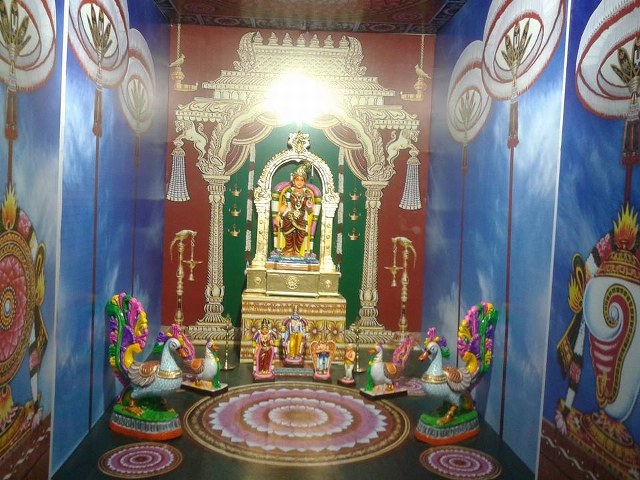
Srirangam Ranganathaswamy Temple Navarathri Golu At 1000 Pillars Mandapam…

Srirangam Golu at 1000 pillars mandapam
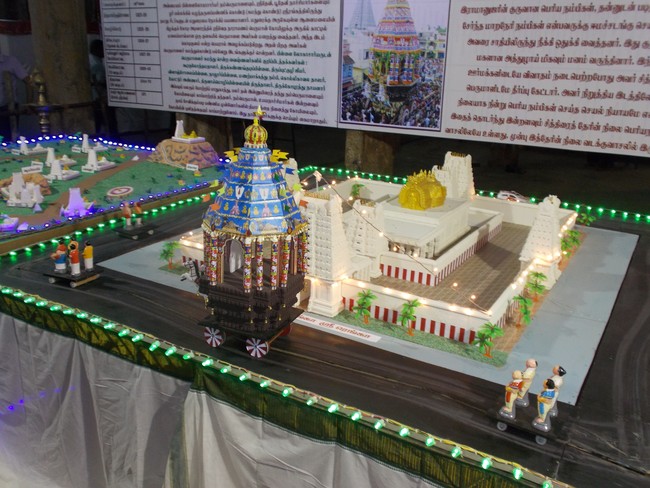
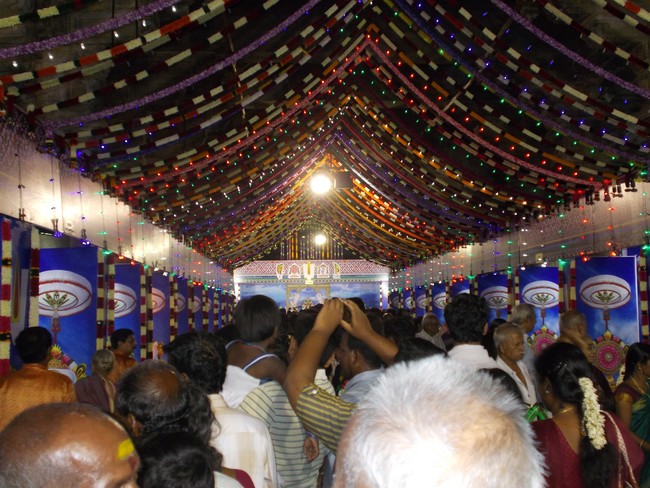
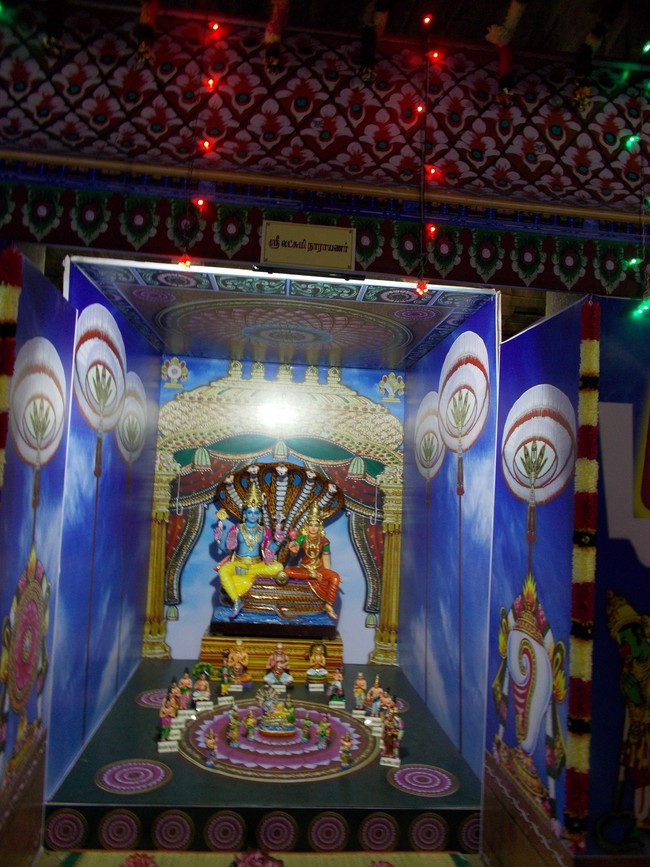
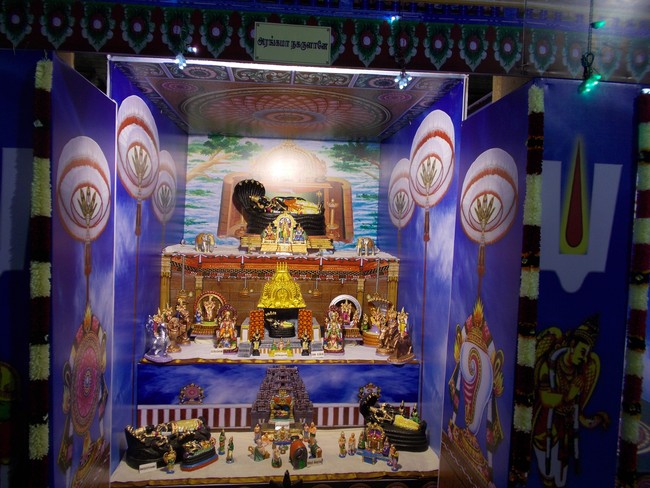
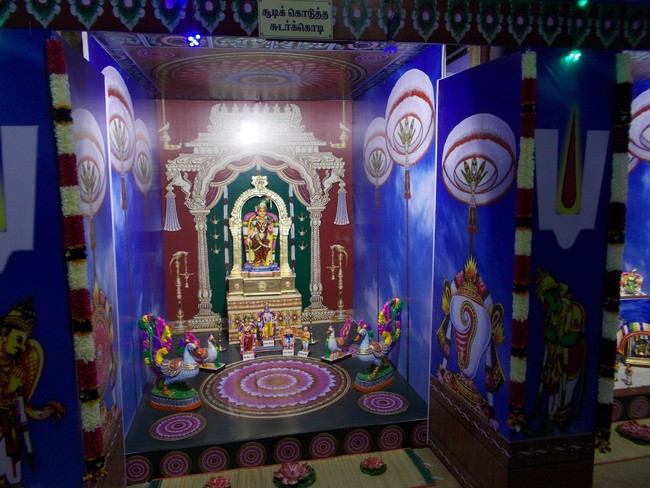
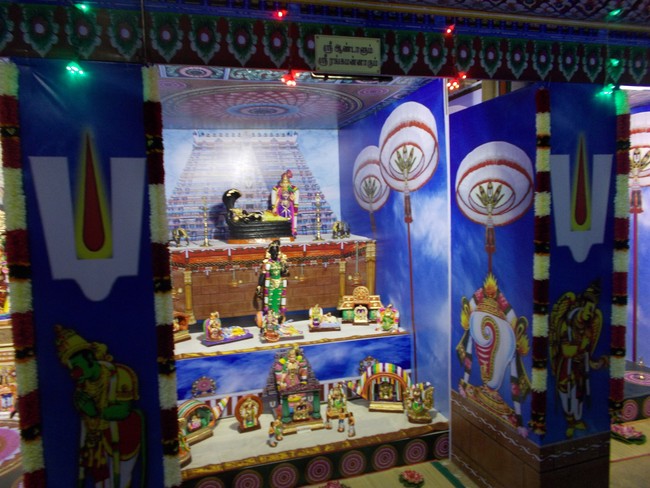
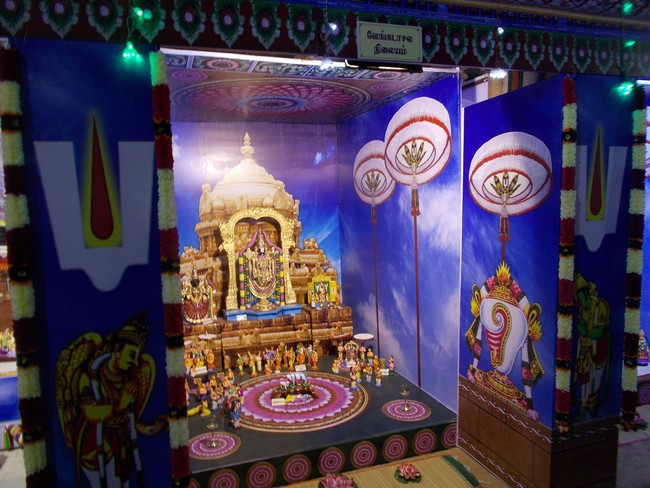
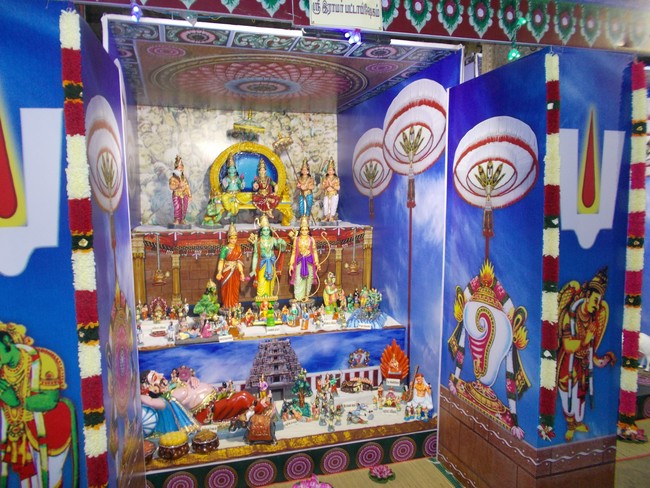
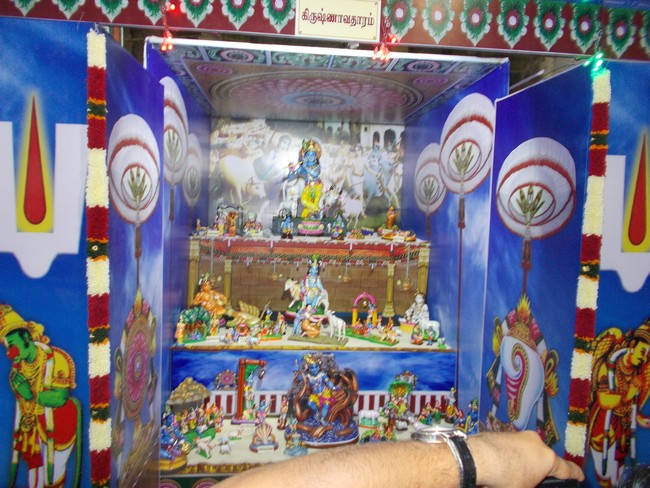
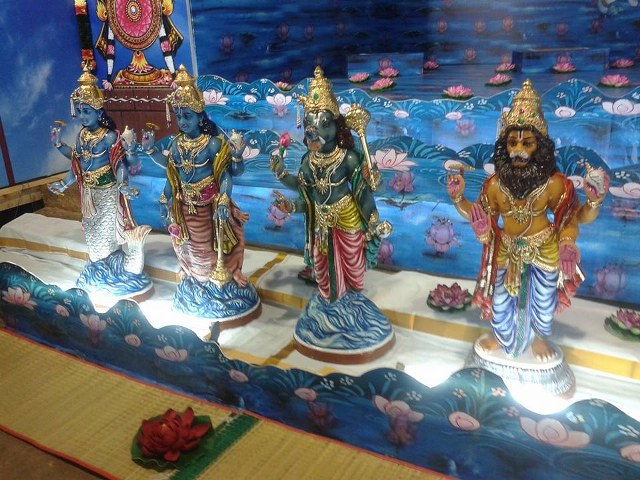
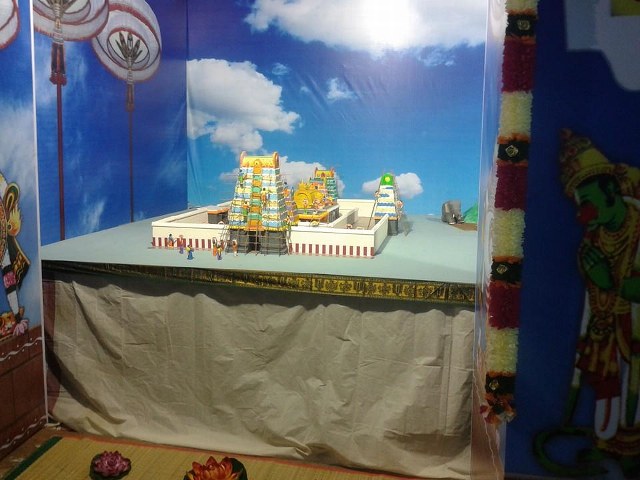
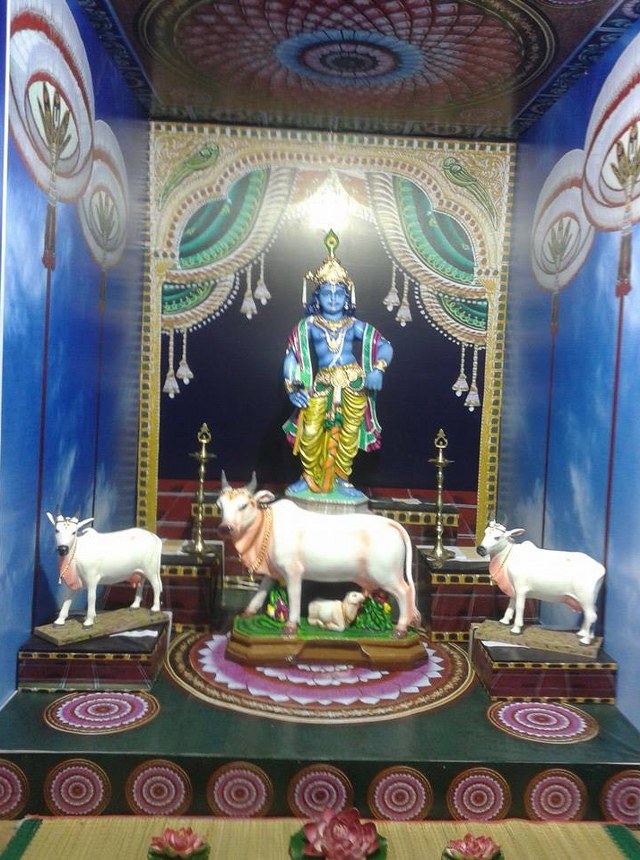
This Annual Year (Jaya varusha) Sri Ranganathaswamy Temple Committee has organised for Golu for the first time at Srirangam Sri Ranganathaswamy Temple Srirangam. The Navarathri Golu display (alankaram) took place during the Navarathri from 24th september 2014 at 1000 Pillar Mandapam ( Ayiram Kaal Mandapam) at Srirangam. The Golu Display was scintillating to the eyes of Devotees of having darshan of  many perumals and  models of  Divyadesam.Lot of astikas after having darshan of Periyaperumal and Sri Ranga Nayagi Thayar visited the golu display and enjoyed the Vaibhavams of Divyadampatis.
Some bhaagavathas  welcomed for keeping golu display and few raised voices, stating its against the Agama Sastras and not done on olden  days (Vazhakkathil illadhadhu). Inspite of  Golu display is agreeable or not, many astikas who visited  got  mesmerized by the beautiful  arrangements with lightings done for  Golu  toys ( bommai) display at 1000 pillar mandapam  at Srirangam.
These are some of the photographs taken during the Golu Display at Srirangam.
Srirangam Ranganathaswamy Temple Navarathri Golu at 1000 pillars mandapam 2014 01Srirangam Ranganathaswamy Temple Navarathri Golu at 1000 pillars mandapam 2014 02Srirangam Ranganathaswamy Temple Navarathri Golu at 1000 pillars mandapam 2014 03Srirangam Ranganathaswamy Temple Navarathri Golu at 1000 pillars mandapam 2014 04Srirangam Ranganathaswamy Temple Navarathri Golu at 1000 pillars mandapam 2014 05Srirangam Ranganathaswamy Temple Navarathri Golu at 1000 pillars mandapam 2014 06Srirangam Ranganathaswamy Temple Navarathri Golu at 1000 pillars mandapam 2014 07Srirangam Ranganathaswamy Temple Navarathri Golu at 1000 pillars mandapam 2014 08Srirangam Ranganathaswamy Temple Navarathri Golu at 1000 pillars mandapam 2014 09Srirangam Ranganathaswamy Temple Navarathri Golu at 1000 pillars mandapam 2014 10Srirangam Ranganathaswamy Temple Navarathri Golu at 1000 pillars mandapam 2014 11Srirangam Temple Golu 2014 1 Srirangam Temple Golu 2014 2 Srirangam Temple Golu 2014 3 Srirangam Temple Golu 2014 4 Srirangam Temple Golu 2014 5
Photography : Sri Jagannathan R 
SOURCE:::: anudinam.org

Natarajan

” Pain in the Neck …” !!!

Treating Neck Pain At Home
Do you wake up some mornings with a very stiff neck? There could be a variety of reasons for the intense pain, but before we get into the causes and symptoms, it’s important to understand some basic anatomy first.

The neck is located at the uppermost section of the spinal column. It contains seven sets of vertebrae, also known as cervical vertebrae. The neck contains many sensitive nerve endings, making it a powerful erogenous zone,

By the end of this article, you’ll be more familiar with the causes and symptoms of neck pain, and have a better understanding on how to treat the pain at home.


Main Causes of Neck Pain

  • Shooting pain that radiates down your arms.
  • Injuries related to sports.
  • Sitting for long hours slumped over a computer desk.
  • Whiplash from vehicle accidents.
  • Sleeping in the wrong positions.
  • Pillows that don’t fully support the neck.
  • Stress can induce neck pain.
Common Symptoms  Related Diseases and Disorders
Muscle sprain Meningitis
Difficulty swallowing Osteoarthritis
Arm numbness Osteomyelitis
Dizziness Whiplash
Lymph node swelling Herniated disc
Headache Laryngitis
Shoulder pain Neck cancer
Back pain Fibromyalgia
Pinched nerve Polymyalgia Rheumatica

Recommended Treatments You Can Do At Home 
Hot and Cold Therapy –  Heat therapy can be used to alleviate neck pain. There are two main types of heat therapy, which consist of dry heat and moist heat. Heating pads contain dry heat, while steamed towels constitute moist heat. Electric heating pads keep a constant heat level as long as they are fully charged. The therapeutic benefits of heat therapy help reduce joint pain, muscle spasms and arthritis, all common contributors of neck pain.
hot cold
You can begin the heat therapy process by applying a heating pad between 15 to 20 minutes every 2 or 3 hours. Ice packs may be applied to the neck for the same duration as the heating pad. The ice pack drastically reduces inflammation and soothes the affected areas. There are also single-use heat wraps that last up to 8 hours, which can be used as an alternative to heat pads.
Perfect Posture Exercise – Remember when your parents told you to stand up straight? There’s perfectly good reason behind that. Standing in an upright position greatly improves posture and spine health. There is an exercise you can perform at home to help build perfect posture:
Stand with your back against a wall, while keeping your heels just a few inches away. The heels are the only part of the body that does not come in contact with the wall. Walk away from the wall and back to check that your posture is upright. Repeat process throughout the day.
Isometric Neck Exercise – Isometric exercises play a vital role in maintaining a strong and healthy neck. This particular exercise is performed against the resistance of your neck, keeping your head in a static position. Here’s how to perform an isometric exercise:
Begin by sitting in a relaxed position with your hands touching your forehead. Your palms are used to resist the pressure, as you lean in towards your forehead. Place your right hand to the right side of your head, and let the left side resist the pressure being applied. Make sure you switch sides after.
The next step is to press both hands against the back of your neck, and resist your head from going backward. To complete the exercise, you’ll want to press your left hand against the right side of your face as you try to turn your head to look over your right shoulder. Don’t forget to switch sides.
Range-of-Motion Neck Exercise – In order to complete the range-of-motion exercise, you should slowly turn your head to the far right, pause a second, and return it to the center position. Do the same for the other side.
Drop your chin down slowly toward your chest, while holding for a brief static moment, then relax. You head should be back up in the center position now. Gently tilt your head toward your left shoulder, while holding for a moment, and gradually return to the center position.
Pillows Can Make the World of Difference – Last but not least, are pillows. There are certain pillows that are ideal for preventing neck pain. Water-filled pillows are used to alleviate neck pain, and give you a good night’s sleep.
Orthopedic pillows are used to support the curvature of your neck, whereas, water-filled pillows, support the neck by redistributing the weight. The main function of each pillow is to keep your neck in a neutral position when you sleep. Make sure you choose a comfortable and firm mattress as well.

A Few Extra Tips 

  • Get a remedial massage
  • Go for a swim
  • Consider acupuncture treatment
  • Try aromatherapy as an alternative approach

SOURCE::::ba-ba mail site

Natarajan

Message For the Day…” Wherever You Go . The Divine Feet will Protect You…”

You may encounter any number of losses and difficulties in life. You may undergo a lot of suffering. But, you should never give up truth, faith and love. Loss, suffering and difficulties are like the waves in the ocean of life. They just come and go. But the water of the ocean is permanent. Hence develop the faith of ‘water’, i.e., Divinity. The power of the divine name is unparalleled. Do not take it lightly. God’s name is the real diamond. Keep it safe and secure. Do not ever be bothered by pain and suffering, losses and difficulties. Your thoughts are like the passing clouds. Once you seek refuge in the lotus feet of the Lord, never give it up. Wherever you go, the divine feet will protect you. If you install the divine name firmly in your heart, your life will become sanctified. That is devotion (bhakti). That is your power (sakthi). That is liberation (mukti). 

Sathya Sai Baba

“மூன்று ரூபாய் மூலிகை …”

  • உள்படம்: தனலட்சுமி
    உள்படம்: தனலட்சுமி
  • வல்லாரை - ஆகாசக் கிழங்கு
    வல்லாரை – ஆகாசக் கிழங்கு

மலைக்கோட்டையைப் பார்த்துக்கொண்டே, திருச்சி பெரிய கடைவீதியில் நடந்து சென்றால் ஆங்காங்கே பச்சைப் பசேலென மூலிகைச் செடிகள் குவித்து வைக்கப்பட்டிருக்கின்றன. அவற்றின் முன்னால் அமர்ந்திருக்கும் பெண்கள் பெரும்பாலும் வயதானவர்களாக இருக்கிறார்கள். இவர்களைச் சுற்றிலும் நிற்கும் மனிதர்கள் இயற்கையோடு தங்களை இணைத்துக்கொண்டு வாழப் பழகியவர்கள். ஆம், அங்கு பச்சை நிறத்தில் குவிந்து கிடப்பவை எல்லாம் நம்மில் பலர் மறந்துபோன நாட்டு வைத்தியத்துக்குப் பயன்படும் மூலிகைச் செடிகள்.

இந்த வீதியில் நூறாண்டுக்கும் மேலாக மூலிகைச் செடிகள் வியாபாரம் நடக்கிறது. இவற்றை விற்பனை செய்பவர்களில் தனலட்சுமி பாட்டிதான் சீனியர்.

“நெஞ்சு சளிக்கு தூதுவளை, இடுப்பு, கை கால் வலிக்கு முடக்கத்தான், வாயுவுக்கு வாதநாராயண இலை, தலை பாரத்துக்கு நொச்சி இலை, தலைமுடிக்கு கரிசலாங்கண்ணி, வறட்டு இருமலுக்கு முள் முருங்கை, ஞாபக சக்திக்கு வல்லாரை, திருஷ்டிக்கு ஆகாசக் கிழங்கு, தலையில் பேன், பொடுகு நீங்க குமுட்டிக் காய்” என அடுக்கிக்கொண்டே போகும் தனலட்சுமி பாட்டிக்கு 60 வயது.

தனலட்சுமியின் சொந்த ஊர் திருச்சியில் இருந்து சில கி.மீ தூரத்தில் இருக்கும் குட்டி அம்பலகாரன்பட்டி. 10-ம் வகுப்பு வரை படித்திருக்கும் இவர் சரளமாக ஆங்கிலம் பேசுகிறார். மேற்படிப்பு முடித்து முத்துலட்சுமி ரெட்டி அம்மாள் போல் எம்.பி.பி.எஸ். ஆக வேண்டும் என்பது இவரது கனவாக இருந்திருக்கிறது. ஆனால், அப்பாவின் பிடிவாதம், தனலட்சுமியின் மேற்படிப்புக்குத் திருமணம் என்ற வடிவில் முற்றுப்புள்ளி வைத்துவிட்டது. அன்றோடு டாக்டர் கனவும் காணாமல் போய்விட்டது.

கணவர், குழந்தைகள் என நகரத் தொடங்கிய வாழ்க்கைக்கு இடையே திடீரென கணவர் இறந்துவிடவே, என்ன செய்வதெனத் தவித்துக் கிடந்தார் தனலட்சுமி. அவருடைய அப்பத்தா, அம்மா, அத்தை ஆகியோர் வழிவழியாகப் பார்த்துவந்த மூலிகை வியாபாரம் கைகொடுத்தது.

மூன்று தலைமுறைகளாக மருத்துவ குணம் கொண்ட மூலிகை இலை, தழைகளை வயல்வெளிகளில் தேடிப் பறித்து வியாபாரம் செய்துவந்த குடும்ப பின்னணியைக் கொண்டவர் என்பதால் எந்த வியாதிக்கு என்ன மூலிகை என்பது தனலட்சுமி பாட்டிக்கு அத்துப்படி.

இவர் மட்டுமின்றி 10-க்கும் அதிகமான பெண்கள் இங்கு மூலிகை வியாபாரம் செய்கின்றனர். வாரத்தில் திங்கள், புதன், வெள்ளி, சனி ஆகிய நான்கு நாட்கள் மூலிகை பறிக்கச் செல்லும் தனலட்சுமி, செவ்வாய், வியாழன், ஞாயிறு ஆகிய மூன்று நாட்கள் வியாபாரம் செய்கிறார். அதாவது பறித்த அடுத்த நாள் வியாபாரத்துக்கு வந்துவிடுகிறார்.

லால்குடி, உள்ளிப்பட்டி, ஓலையூர், திருமயம் உள்பட பல ஊர்களுக்குச் சென்று வயல்வெளிகள், தண்ணீர் செல்லும் வாய்க்கால் எனத் தொடர்கிறது மூலிகைச் செடிகளுக்கான தேடல். முட்புதரில் மண்டிக்கிடக்கும் தூதுவளையைப் பறிப்பது சவாலான விஷயம் என்றாலும் இவருடைய வாடிக்கையாளர்கள் பெரும்பாலும் பரிச்சயமானவர்களாக இருப்பதால், குறிப்பிட்ட மூலிகையைக் கேட்டால் அதனை மெனக்கெட்டுப் பறித்துக்கொண்டு வந்து தருவதை வழக்கமாக வைத்திருக்கிறார்.

திருச்சி வட்டாரத்தில் பிரபலமான பல நாட்டு, சித்த வைத்தியர்களுக்கு மூலிகைச் செடிகள் வழங்குவதும் இவர்தான். கிராமங்களில் நம்முடைய பாட்டிகள் செய்த கைவைத்தியம் காலப்போக்கில் நகரங்களில் வியாபாரமாகிப் போய்விட்டது. ஆனால், இந்தப் பாட்டியிடம் முடக்கத்தான் முதல் முள் முருங்கைவரை பத்து ரூபாய்க்குக் கிடைக்கின்றன. வல்லாரை சிண்டு மூன்று ரூபாய்தான். கையில் இருக்கும் காசைக் கொடுத்துவிட்டு சவுரி வேரை எடுத்துச் செல்லும் பெண்களும் உண்டு.

எப்படிக் கட்டுப்படியாகிறது என்று கேட்டால், “நான் என்ன காசு கொடுத்தா இதையெல்லாம் பறிச்சுட்டு வாரேன். இயற்கையா வளரும் இந்த இலை, தழைகள் எல்லோருக்கும் சொந்தமானது. எங்க முன்னோருங்க எனக்கு இதைத்தான் சொல்லிக் கொடுத்தாங்க. வாழ்க்கையை ஓட்ட எனக்கு பெருசா பணம் தேவையில்லை. மூலிகை பறிக்கச் செல்ல பஸ்ஸுக்கும், சாப்பாட்டு செலவுக்கும்தான் காசு வேண்டியிருக்கு. எனக்கப்புறம் இதை எடுத்துச் செய்ய எங்க வீட்ல யாரும் இல்ல. இத்தனை மகத்துவம் வாய்ந்த, மருத்துவ குணம்கொண்ட மூலிகைச் செடிகளின் அருமை அடுத்த தலைமுறைக்குத் தெரியுமாங்கறது சந்தேகம்தான்” என்று சொல்கிறார் தனலட்சுமி. சுற்றியிருக்கும் பசுந்தழைகள் அவரது பேச்சுக்கு இசைவாகத் தலையசைக்கின்றன.

படங்கள்: ஜி.ஞானவேல்முருகன்

SOURCE:::::: ஜி.ஞானவேல்முருகன்  IN http://tamil.thehindu.com/society/women/ 
Natarajan

Amazing Medicinal Value of Pumpkin Seeds !!!

The Health Benefits of Pumpkin Seeds

After buying a pumpkin, most people would clean out the seeds, dispose of them, and keep the flesh, and that’s a terrible waste. Pumpkin seeds are not only edible; they’re incredibly healthy and make for a delicious snack.

Pumpkin seeds are rich in Omega-3 fatty acids, many nutrients, proteins, minerals and vitamins. They can help lower your blood pressure, bolster your immune system and help in preventing cancer.

The seeds are also rich in antioxidants, making them a powerful antiaging addition to your diet. The high levels of iron and magnesium are incredible energy-boosters, making perfect for pre or post-workout snacking. They help prevent the formation of kidney stones and are an excellent source for zinc, potassium and phosphorus.

If that’s not enough, pumpkin seeds are useful at destroying tapeworms and roundworms, as well as boosting fertility levels.

Other benefits of pumpkin seeds

  • Prevents constipation and promotes a healthy digestive system.
  • Prevents premature aging and promotes longevity.
  • Prevents kidney stones and osteoporosis.
  • Reduces the risk of cancer, prostate, and diabetes.
  • Reduces symptoms of asthma, arthritis, anxiety, and depression.
  • Reduces bad cholesterol levels and risk of heart disease and stroke.
  • Lowers blood pressure and cholesterol level.
  • Improves your brain function and memory.
  • Boosts immune system and bone density.
  • Boosts your energy and mood.
Preparing pumpkin seeds:

  1. Clean the seeds – You have to clean the seeds meticulously until there are no signs of pumpkin guts. The best way to do this is to put the seeds & guts into a big bowl of water and break it apart with your hands. The seeds will float to the top.
  2. Let it simmer for 10 minutes in salt water– Put the clean seeds in boiled water with 1tsp of salt and let it simmer for 10 minutes. This makes the seeds easier to digest.
  3. Drain the seeds and dry them out – they don’t have to be completely dry, but it’s recommended.
  4. Spread seeds on a baking sheet and drizzle with olive oil – Make sure they’re finely coated in oil and add a light sprinkle of salt. Then spread them and try avoiding the seeds from overlapping each other.
  5. Roast seeds at 325F for 10 minutes – Remove from oven and stir. Roast for another 8-10 minutes. During the last 5 minutes of roasting, open a few seeds to make sure that they’re not burning. Make sure they don’t brown.

Tips to remember:

  • When preparing a pumpkin, save the seeds.
  • Add chopped pumpkin seeds to cereal.
  • Make sure the seeds are dry when roasting them.
  • Add pumpkin seeds to smoothies.
  • Refrigerate in an air tight container when not consumed.

SOURCE::::ba-ba mail site

Natarajan