” One-Year Crew Returns to Earth…”

Soyuz capsule with parachute deployed descends through clouds on the way to landing

The Soyuz TMA-18M spacecraft is seen as it lands with Expedition 46 Commander Scott Kelly of NASA and Russian cosmonauts Mikhail Kornienko and Sergey Volkov of Roscosmos near the town of Zhezkazgan, Kazakhstan on Wednesday, March 2, 2016 (Kazakh time). Kelly and Kornienko completed an International Space Station record year-long mission to collect valuable data on the effect of long duration weightlessness on the human body that will be used to formulate a human mission to Mars. Volkov returned after spending six months on the station.

Photo Credit: (NASA/Bill Ingalls)

Source….www.nasa.gov

natarajan

” I Survived the Pan Am Hijack During Which Neerja Bhanot Lost Her Life…”

Musician Nayan Pancholi recounts how he lost his eye but survived the Pan Am flight hijack in 1986.

It was September 5, 1986. Our tickets got confirmed at the last moment on Pan-Am Flight-73, which was headed from Mumbai to New York, via Karachi and Frankfurt. We were a group of singers and music composers from Ahmedabad, who were going to perform in different cities of USA. At that time, I was just 21 years old. Our flight took off from Mumbai and landed in Karachi around 4.30 a.m. There were some passengers who got off at Karachi. Cleaners entered the aircraft and were just about the leave. This is when four armed men in airport security clothes entered the aircraft from the business class side. We were seated in economy class at the rear of the plane.

Suddenly, there were screams and three or four shots were fired in the air. One terrorist had a machine gun in his hand, another had grenades and a belt full of bullets, while the other two had many guns and grenades with them.

Everyone was told to have their hands locked above their heads. I just can’t forget that sight. Two terrorists were standing in the front and the other two were standing near the rear. In no time, Neerja Bhanot, the senior flight purser, informed the captain and the other crew members in the cockpit to flee the aircraft.

The captain, the co-pilot, and the cockpit crew had left the aircraft. Except Neerja, all other flight attendants were tied up with ropes. The terrorists used Neerja to communicate with the airline.

There were more than 350 passengers in the plane. To scare us, they even killed a person named Rakesh Kumar and threw him out of the plane.

Then, they started collecting our passports. Somehow, Neerja hid some passports of American citizens under the seats. They kept on shouting and screaming at us in Arabic and continued firing shots in the air. After some time, in the afternoon, they offered us sandwiches. But who on earth can eat food in such a difficult situation?

In the evening, they allowed everyone to go to the toilet, one after the other, by crawling on the floor with our hands locked over our heads.

I still remember, exactly after 17 hours of them hijacking the flight, the fuel ran out. Due to this, the generator of the plane went off, leading to darkness. After the lights went off, the terrorists panicked and started firing aggressively at us. They also started throwing grenades.

I saw many people die in front of my eyes.

Nayan Pancholi was just 21 years old, when the Pan Am flight was hijacked in Karachi.

Nayan Pancholi was just 21 years old when the Pan Am flight was hijacked in Karachi.

My own group director and another girl from the group were shot dead.

I was seated near the emergency exit. I tried to open the emergency exit door, but couldn’t do it. After giving it a second try, it opened, but at the same time a grenade hit me in the left eye. And in a moment, I was down on the ground.

After that, I was taken to the terminal by the army and was later shifted to the hospital. I was given treatment at a hospital in Karachi. After 48 hours, the Indian Airlines flight took all the Indians back home. I was then taken to Jaslok Hospital in Mumbai. But, my eye couldn’t be treated there. So, I was taken to Chicago in the US for treatment, but the doctors there too couldn’t save my left eye.

This incident has had a deep impact on me. It was a very bad day for humanity. That day, nobody saw religion, caste, or creed in each other. That day we saw each other as humans and wanted to help and save each other. It’s as simple as that in end.

This article has been shared via Humans of Amdavad.

About the author: Nayan Pancholi is a singer and composer based in Ahmedabad. He is one of the survivors of the Pan Am plane hijack in 1986.
Source…..www.the betterindia.com
Natarajan

This date in science: John Glenn first American to orbit Earth….

On February 20, 1962, John Glenn became the first American to orbit the Earth. He made three turns around the planet before returning safely.

John Glenn and Friendship 7

February 20, 1962. John Glenn became the first American to orbit the Earth on this date. He made three turns around the planet before returning safely in his space capsule, which was called Friendship 7. He followed two Russian cosmonauts in making this early orbit of our planet: Yuri Gagarin ( April 1961) and Gherman Titov (August 1961).

While Glenn was in orbit, NASA controllers received an indication that the heat shield on his craft had come loose. They instructed Glenn not to jettison the rockets underneath the heat shield during re-entry, because the rockets might be able to hold the shield in place. Fortunately, the indication turned out to be a false alarm.

Glenn returned to space at age 77 aboard the space shuttle Discovery in 1995, making him the oldest person to fly in space. His mission’s primary scientific aim at that time was to study the effects of spaceflight on seniors.

John Glenn climbs into the Friendship 7 spacecraft just before making his first trip into space on February 20, 1962. Photo via NASA

John Glenn and Friendship 7

John Glenn and Friendship 7

Here's What John Glenn saw on February 20, 1962.  Just 5 minutes and 44 seconds after launch, Glenn offered his first words about the view from his porthole: “This is Friendship 7. Can see clear back; a big cloud pattern way back across towards the Cape. Beautiful sight.” Three hours later, at the beginning of his third orbit, Glenn photographed this panoramic view of Florida from the Georgia border (right, under clouds) to just north of Cape Canaveral. His American homeland was 162 miles (260 kilometers) below. “I have the Cape in sight down there,” he noted to mission controllers. “It looks real fine from up here. I can see the whole state of Florida just laid out like on a map. Beautiful.”  Image via NASA

Here’s what John Glenn saw on February 20, 1962. Just 5 minutes and 44 seconds after launch, Glenn offered his first words about the view from his porthole: “This is Friendship 7. Can see clear back; a big cloud pattern way back across towards the Cape. Beautiful sight.” Three hours later, at the beginning of his third orbit, Glenn photographed this panoramic view of Florida from the Georgia border (right, under clouds) to just north of Cape Canaveral. His American homeland was 162 miles (260 kilometers) below. “I have the Cape in sight down there,” he noted to mission controllers. “It looks real fine from up here. I can see the whole state of Florida just laid out like on a map. Beautiful.” Image via NASA

Bottom line: John Glenn became the first American to orbit Earth on February 20, 1962. His space capsule was called Friendship 7.

Source……www.earthsky.org

Natarajan

Image of the Day…Space Station Flyover of the Mediterranean…

Nighttime photograph from low Earth orbit of Mediterranean showing clouds and city lights

Expedition 46 flight engineer Tim Peake of the European Space Agency (ESA) shared this stunning nighttime photograph with his social media followers on Jan. 25, 2016, writing, “Beautiful night pass over Italy, Alps and Mediterranean.”

Image Credit: ESA/NASA

Source…….www.nasa.gov

Natarajan

Neft Dasları: A City Built On Oil Platforms…!!!

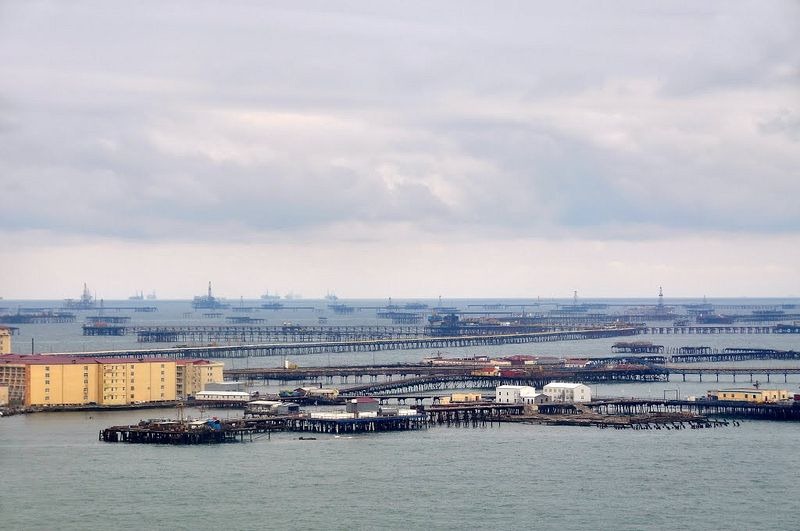
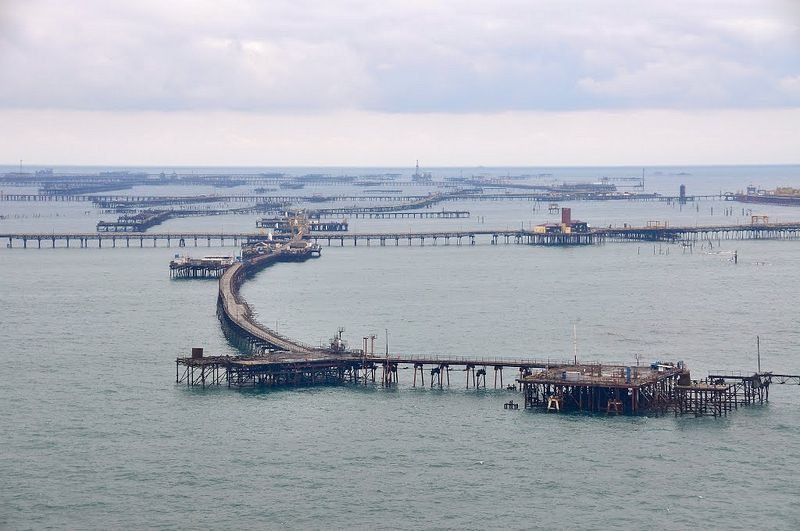
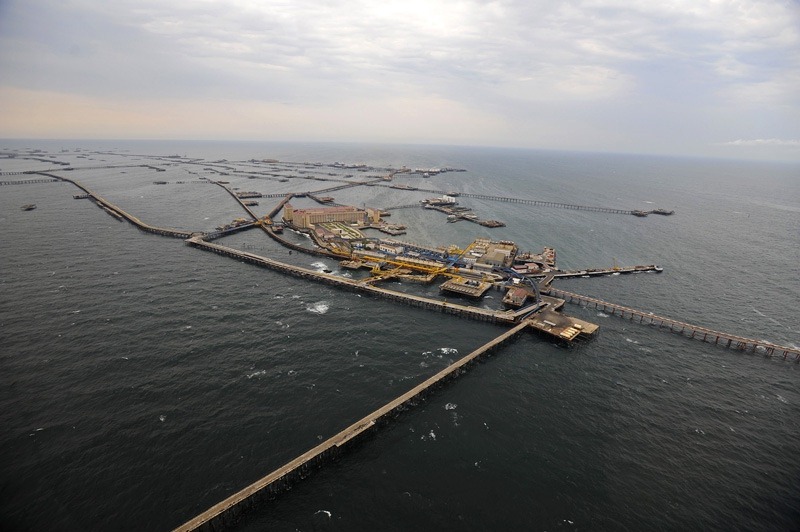
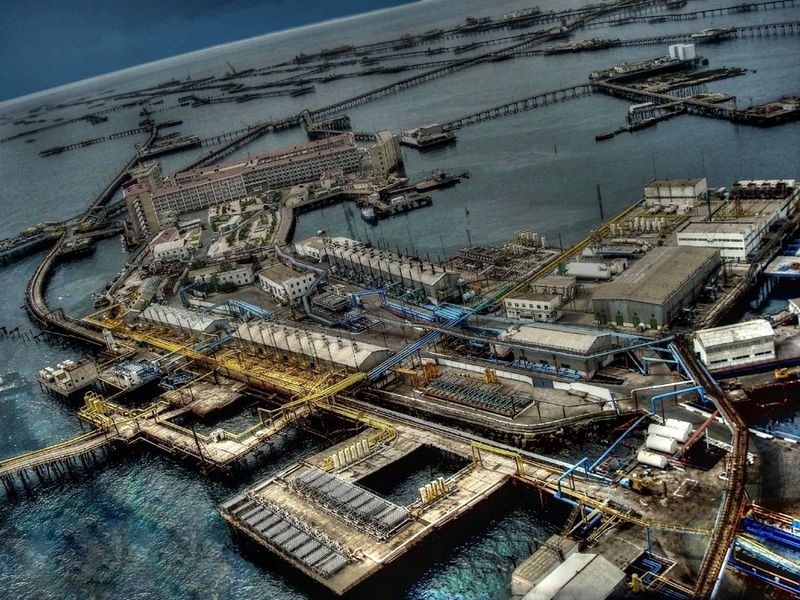
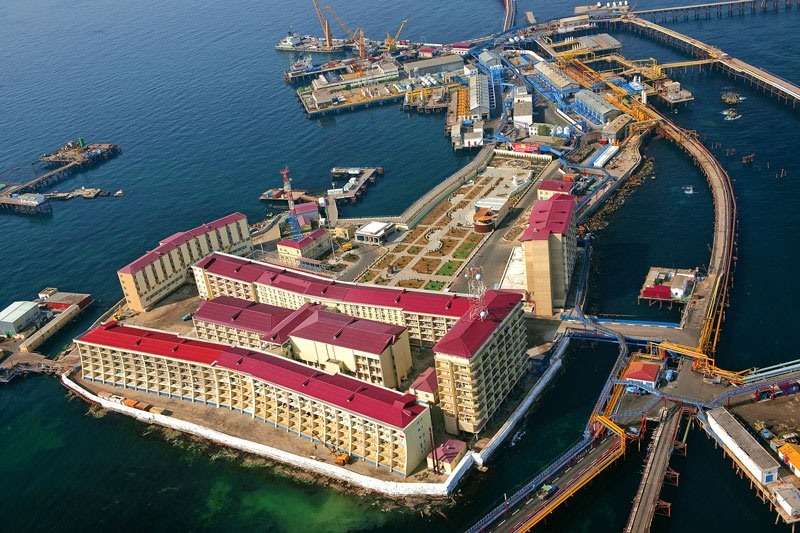
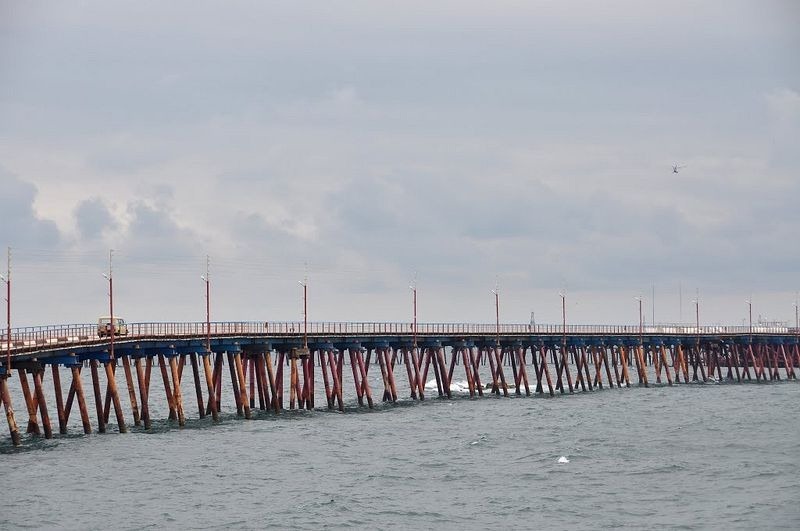
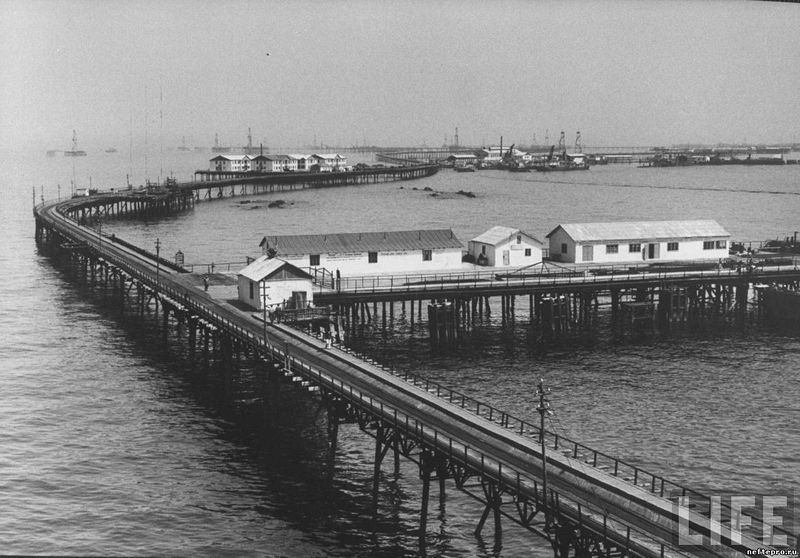
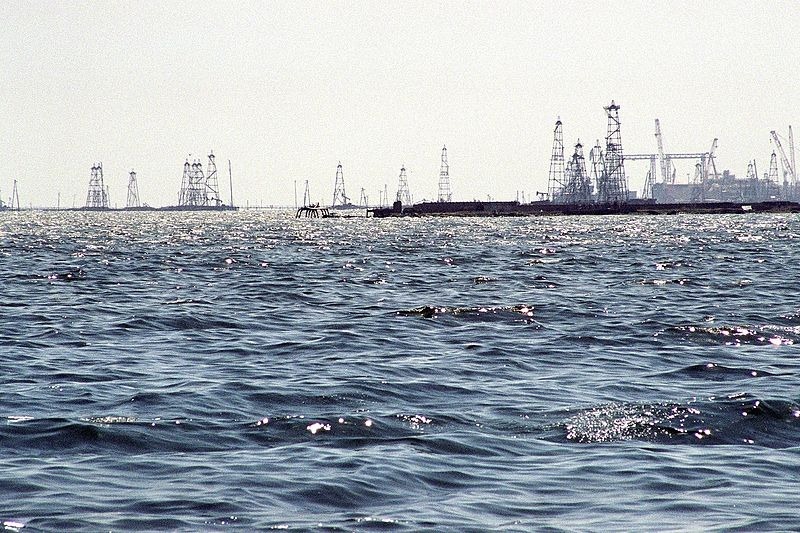
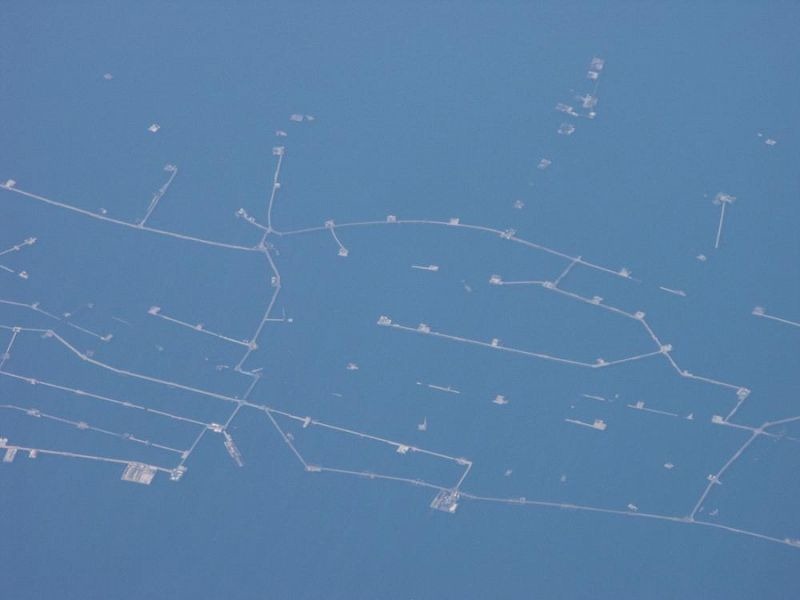
Far out into the Caspian Sea, a hundred kilometers away from the Azerbaijani capital Baku, lies one of the most incredible settlements in the world. A fully functional city of 3,000 living in a network of oil platforms and artificial islands connected by 300 km of trestle bridges. This is Neft Daslari, also known as Oil Rocks, and it lies fully within the world’s largest lake at an incredible distance of 55 km from the lake’s shore.

Azerbaijan has been famed for its rich oil resources since ancient times. There is evidence of oil drilling and actual trade in petroleum as early as the 3rd and 4th centuries. Historical accounts of the area’s oil and natural gas seepage can be found in old Arabic and Persian manuscripts, as well as in the writings of famous travellers such as Marco Polo. The Persians called the area the “Land of Fire”.

neft-dasları-18

Photo credit: geozet.ru


Modern drilling began in 1870 after Russia conquered the territory. By the start of the First World War, Azerbaijan’s oil wells were already supplying 175 million barrels of crude oil a year, or 75 percent of the country’s entire oil production. After the war, while exploring for oil in the Caspian Sea, Soviet engineers struck top-quality oil at a depth of 1,100 meters below the seabed. Shortly thereafter, the world’s first offshore oil platform was built at the spot, and Neft Daslari was born.

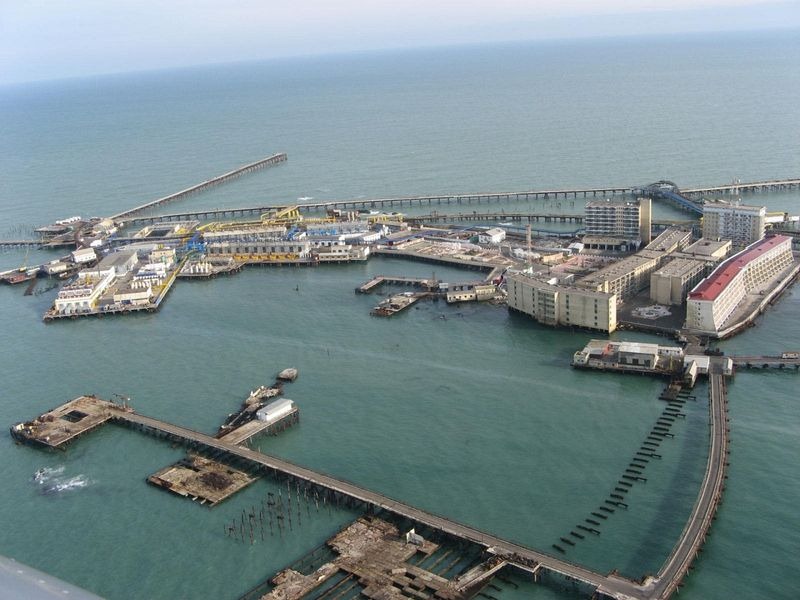
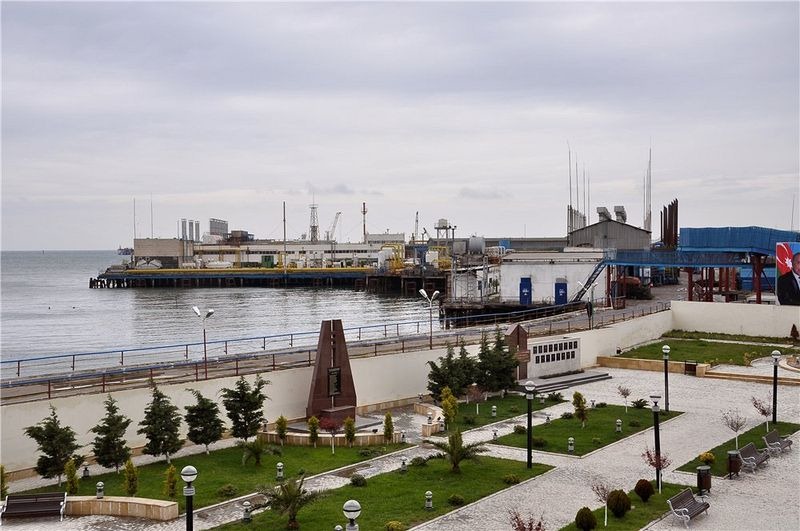
The original foundation of Neft Daslari consisted of seven sunken ships including the world’s first oil tanker. Over the decades this grew to some 2,000 drilling platforms spread in a 30-kilometer circle, joined by a network of bridge viaducts spanning 300 kilometers. Over these platforms, workers built eight-story apartment blocks, a beverage factory, soccer pitch, library, bakery, laundry, 300-seat cinema, bathhouse, vegetable garden and even a tree-lined park for which the soil was brought from the mainland. During its heydays, some 5,000 workers lived here.

Neft Daslari’s decline began with the collapse of the Soviet Union and the discovery of new oilfields elsewhere. The workforce was reduced and many oil rigs were abandoned. Neglect and lack of maintenance caused many of them to collapse into the sea. Others are in the process of crumbling. Out of the 300 kilometers of roads, only 45 kilometers remain usable, and even they have fallen into disrepair. To the government, however, the place is still the proud, closely-guarded secret it was in Soviet times. It is still very hard for foreigners to gain access to the city. You can’t even zoom into it on Google Maps.

neft-dasları-5

Photo credit: IPAAT/Panoramio

neft-dasları-6

neft-dasları-17

Photo credit: infoglaz.ru

neft-dasları-21

neft-dasları-1

Photo credit: infoglaz.ru

neft-dasları-19

Photo credit: infoglaz.ru

neft-dasları-7

Photo credit: IPAAT/Panoramio

neft-dasları-13

neft-dasları-15

neft-dasları-8

neft-dasları-11

neft-dasları-12

neft-dasları-20\

neft-dasları-3

Photo credit: geozet.ru

Sources: Spiegel / Wikipedia

Source……www.amusingplanet.com

Natarajan

Image of the Day….” Star Trails…”

Star trails over Forbidden City, Beijing

Below, the Forbidden City in Beijing, China, former home of the Chinese emperor and a center of Chinese government. Above, the Forbidden City’s sky counterpart.

View larger. | Star trails over the Forbidden City, Beijing, China. Photo taken January 23, 2015 by Jeff Dai.

View larger. | Star trails over the Forbidden City, Beijing, China. Photo taken January 13, 2016 by Jeff Dai. Visit Jeff on Facebook.

Jeff Dai captured these star trails around the north celestial pole and North Star – Polaris – in a time-exposure image capturing the passage of the time above the Forbidden City in Beijing, China.

What we in the West know as the Forbidden City is a translation of the Chinese name Zijin Cheng, literally Purple Forbidden City. Jeff writes:

The Purple Forbidden City, a world heritage site today, served as the home of Chinese emperors and their households, as well as the ceremonial and political center of Chinese government, for almost 500 years.

The Purple Forbidden City is a name with significance in ancient Chinese astronomy. Purple refers to the North Star (pictured in the center of the startrails). In ancient China, it was called the Ziwei Star, and in traditional Chinese astrology was the heavenly abode of the Celestial Emperor. The surrounding celestial region, the Purple Forbidden Enclosure (pictured below) was considered the realm of the Celestial Emperor and his family.

The Forbidden City, as the residence of the terrestrial emperor, was its earthly counterpart.

Traditional Chinese astronomy has a system of dividing the celestial sphere into asterisms or constellations, known as

View larger. | In traditional Chinese astronomy, a large area in the northern sky was known as the Purple Forbidden Enclosure. It was considered the realm of the Celestial Emperor and his family.

Bottom line: A photo shows star trails above the Forbidden City – former residence of the Chinese emperor – in Beijing, China. It’s accompanied by an image showing the Purple Forbidden Enclosure, the celestial counterpart of the Forbidden City.

 Source……..www.earthsky.org
natarajan

Proud Granddaughter Writes Tribute to Real Life ‘Airlift’ Hero Sunny Mathews….

When Saddam Hussain invaded Kuwait during the gulf war in 1990, more than one lakh Indians were stranded there. The entire country was in a state of terror and the residents suffered great tragedies and loss. This was when the Indian government came forward to rescue the Indian community and airlifted over 1,70,000 people with the help of 488 flights in just 59 days. After everyone was rescued, Air India’s name was recorded in the Guinness Book of World Records for being the civil airline that had evacuated the most people till date.

And that’s what the latest Bollywood movie, Airlift, is about – the unsung heroes who masterminded the evacuation plan.

airlift

But Ranjit Katyal, the character played by Akshay Kumar in the movie, does not actually exist. According to the director Raja Krishna Menon, the character is an amalgamation of two gentlemen, Sunny Mathews and Vedi, who formed an unofficial committee to oversee the evacuation because they knew that Indians were not safe.

A day before the Airlift released, Sunny Mathews’ granddaughter wrote a post about her grandfather on Facebook, with old paper clippings about his bravery.

Today ‘Airlift’ releases, a movie based on the largest civil evacuation (Indians based in Kuwait) during the Iraqi invasion in 1990. Akshay Kumar’s leading role is based on a few people such as my grandfather, who facilitated the evacuation of nearly 170,000 Indians and brought them safely home. My grandfather stayed through the turmoil of it all and put his life at risk to secure safety for all those he could help. He is a great man and through all his success has always stressed on the importance of humility, gratitude and love, especially to those not so fortunate. An inspirational icon who has touched the hearts of many and lived a life of service. I wish I could even be half the man he is. He may not have many years left but through this movie, his legacy will live on and for that I will be forever proud

Talk to any returnee from Kuwait, who has undergone the ordeal of having escaped from Kuwait and he’ll tell you about Toyota Mathews. Mathews is the person who has helped many Indians by either organising their transport, or giving them some money which would come handy on the way, or more importantly, providing them with food and water for the arduous journey. For thousands of Indians stranded in Kuwait, Mathews has been some sort of messiah,” says one of the old reports in the picture.

The evacuation was very difficult because many people did not want to leave their well settled lives behind, and many did not have their passports and other travel documents as they had handed them over to their employers.

“The first challenge was to prepare over 100,000 travel documents. Delhi had sent two planes for evacuation. Ships began arriving a lot later. With nearly a lakh people stranded, I had to look at the alternative of bulk evacuation by road. Sunny Mathews, an extremely resourceful Indian working in Toyota, did a great job negotiating with private bus operators for evacuation via Iraq to Jordan by road,” Ashoke Kumar Sengupta, the then officer-in-charge of the Indian embassy in Kuwait, had told The Times of India in 2014.

Source……Tanaya Singh in http://www.the betterindia.com

Natarajan

Image of the Day….”Flower Blooms in Space “….!

Flower blooms in space

Here it is! A flower grown on the International Space station blooms.

First flower grown in space

On Saturday (January 16, 2016), International Space Station (ISS) astronaut Scott Kelly tweeted out an image of what he described as the first flower grown in space.

The orange zinnia – a plant related to the sunflower – is from a small garden on the ISS in theVEG-01 module – known as “Veggie” – an experiment focused on growing plants in space. The plant in the picture is the first of the zinnia’s to successfully flower.

On November 16, 2015 NASA astronauts activated the Veggie plant growth system and its rooting “pillows” containing zinnia seeds on the space station in the first-ever flowering crop experiment on the orbiting laboratory. In the days since, LED lights were on for 10 hours and off for 14 hours in order to stimulate the plants to flower.

In late December, Kelly tweeted that the plants weren’t looking too good, and told the ground team:

You know, I think if we’re going to Mars, and we were growing stuff, we would be responsible for deciding when the stuff needed water. Kind of like in my backyard, I look at it and say ‘Oh, maybe I should water the grass today.’ I think this is how this should be handled.

The Veggie team on Earth created what was dubbed The Zinnia Care Guide for the On-Orbit Gardener, and gave basic guidelines for care while putting judgment capabilities into the hands of the astronaut who had the plants right in front of him. Rather than pages and pages of detailed procedures that most science operations follow, the care guide was a one-page, streamlined resource to support Kelly as an autonomous gardener. By the first week in January, the flowers were on the rebound.

The Veggie plant growth facility was installed on the ISS in early May of 2014, and the first crop – red romaine lettuce – was activated for growth. The first growth cycle faced some issues, but the crew was able to harvest and eat lettuce from the second crop in August, 2015.

Although Kelly has made the claim that these are the first flowers grown in space, The Verge reports that this might not be true. Astronaut Don Pettit grew a sunflower on the ISS in in 2012 that looked like this.

NASA is maturing Veggie technology aboard the space station to provide future pioneers with a sustainable food supplement – a critical part of NASA’s Journey to Mars.

Enjoying EarthSky? Sign up for our free daily newsletter today!

Bottom line: On January 16, 2016, astronaut Scott Kelly tweeted out an image of an orange zinnia – the first flower grown aboard International Space Station (ISS).

Read more from NASA

Source………www.earthsky.org

Natarajan

Subhashini Vasanth Just Won the Neerja Bhanot Award. Here Are FewThings You Need to Know About Her.

The Neerja Bhanot Pan Am Trust has been set up in the memory of Neerja Bhanot – the brave woman who was the senior flight attendant on board Pan Am Flight 73 that was hijacked in Karachi in 1986. Neerja showed immense courage and helped many passengers escape. She was shot on September 5, 1986 while shielding three children from terrorists.

The trust was set up by her parents Rama and Harish Bhanot, with the insurance money they received after her death, and an equal contribution from Pan Am. Today, they present two awards of Rs. 1,50,000 each. One award is given to an Indian woman who raises her voice against social injustice and also helps other women in similar situations, and another to honour an airline crew member who acts beyond the call of duty.

This is the 24th year of the award and it was given to Subhashini Vasanth of Bengaluru, for the first category. Subhashini’s husband, Colonel Vasanth Venugopal, lost his life while fighting terrorists in Jammu and Kashmir. He was awarded the Ashok Chakra (Posthumous) in 2008. Subhashini founded the Vasantharatna Foundation in his memory, with the aim of creating a support system for the families of martyred soldiers.

“I am proud to receive this award as it represents the spirit of Neerja Bhanot’s determination and grit in the face of overwhelming circumstances. A woman must always face all adversities in life and ensure she is treated with respect. She must stand up for her rights, come what may,” said Subhashini.

The award was presented on Wednesday by Bollywood actress Sonam Kapoor who is playing the lead role in the biopic Neerja

Here are five things to know about this remarkable woman.

1. Subhashini Vasanth’s husband, Colonel Vasanth, was martyred on July 31, 2007.

She started an NGO named Vasantharatna Foundation for Arts in the same year, and named it after him because starting the NGO was something they had planned together.

Subhashini Vasanth7

Source: www.vasantharatna.org

2. She is a renowned Bharatnatyam dancer.

Subhashini Vasanth3

Source: YouTube

Three months after the death of her husband, Subhashini wrote a play name Silent Front. It was based on the lives of army wives, and she was the protagonist. She performed the play in Delhi and Bengaluru and the funds generated through it helped strengthen the base of the Foundation in the initial years.

3. The foundation began work in Karnataka and has helped over 80 families till now.

Subhashini Vasanth1

Source: YouTube

She initially identified 30 families of martyrs in Belgaum, Bagalkot, Coorg and other parts of rural Karnataka, and started helping them. The foundation provides education scholarships to children and emotional and legal counselling to widows. She also conducts empowerment programs for women and outbound learning programmes for both women and children.

4. She co-authored a book named Forever Forty with Veena Prasad. It is the biography of Colonel Vasanth.

Subhashini Vasanth5

“The book is a collection of memoirs for my two daughters who were aged seven and 10 at the time of their father’s death. I want them to know their father as he really was,” she said.

5. She wants to add the award money she just won to a fund that she is setting up to give memorial awards to children of martyrs for all-round excellence.

Subhashini Vasanth6

Source: Twitter

Source……Tanaya Singh ….in http://www.thebetterindia.com

Natarajan
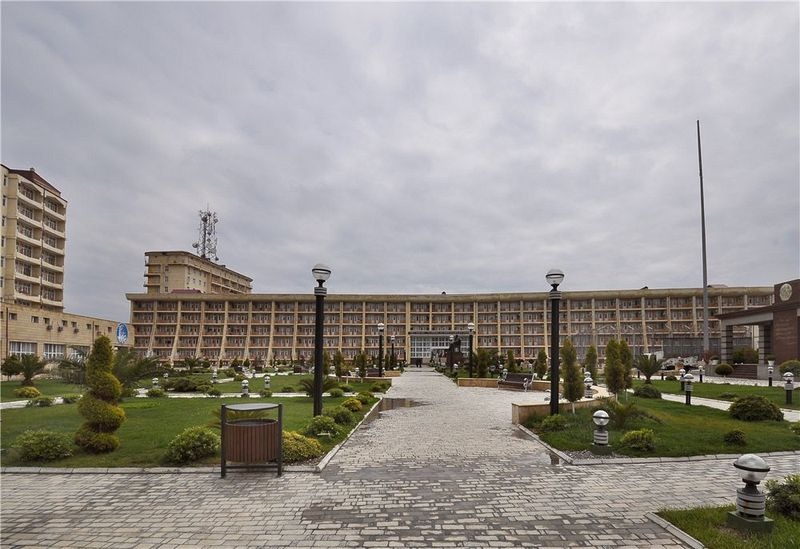
 

Image of the Day….Meteor Crater , Arizona …

Meteor Crater, Arizona, from the air

An aerial view of Meteor Crater, Arizona, the result of an impact 50,000 years ago.

View larger. | Photo by Manish Mamtani Photography.  Visit him on Facebook.

View larger. | Meteor crater, via EarthSky community member Manish Mamtani Photography. Visit him on Facebook.

Manish Mamatani posted this photo to EarthSky Facebook. It’s wonderful Meteor Crater near Winslow, Arizona, sometimes said to be the best preserved meteorite impact site in the world. It is an impressive thing to see … worth taking the kids!

The mile-wide crater is the result of a collision between Earth and an asteroid, believed to have occurred only about 50,000 years ago.

Source……Posted by

in http://www.earthsky .org

Natarajan