படித்ததில் ரசித்தது …” ஒரு பிஸ்கட் நிஜாமுக்கு” !!!

திவான் ஜர்மன் தாஸ் என்பவர், இந்திய சமஸ்தான மன்னர்கள் பலருடன் நெருங்கிப் பழகியவர். தன் அனுபவங்களை, அவர், ‘மகாராஜா’ என்ற, ஆங்கில நுாலில் எழுதியுள்ளார். அதில், அவர் கூறியுள்ள சில சம்பவங்கள் :


ஐதராபாத் நிஜாமின், கருமித்தனம் மிகப் பிரசித்தம். அவர், யாரையாவது, தேனீருக்கு அழைத்தால், தேனீருடன், இரண்டு பிஸ்கட்டுகள் வரும். ஒரு பிஸ்கட் நிஜாமுக்கு; மற்றொன்று விருந்தாளிக்கு.
நிஜாமிடம், 282 காரட் வைரக்கல் ஒன்று இருந்தது. அதை, எப்போதும் மேஜை மீது, வைத்திருப்பார். அவரது உதவியாளராக இருந்த, சுல்தான் அகமது மீது, நிஜாமுக்கு ரொம்ப பிரியம். அவருக்கு ஏதேனும் வெகுமானம் செய்ய வேண்டுமென்று நினைத்தார். அதனால், அகமதை கூப்பிட்டு, கையை நீட்டச் சொல்லி, வைரக் கல்லை கொடுத்து, ‘சில நிமிடங்கள் வைத்துக் கொண்டிரு…’ என்று சொல்லி, பின், திரும்ப வாங்கிக் கொண்டார்.
தாட்டியா என்ற சமஸ்தானம், உயர்ரக வெண் ணெய்க்கு பெயர் பெற்றது. தமக்கு, வெண்ணெய் அனுப்பும்படி, அந்த சமஸ்தானாதிபதி யிடம் நிஜாம் கேட்கவே, அவரும், பன்னிரண்டு டின் வெண்ணெய் அனுப்பினார். ஸ்டோர் ரூமில் வைக்கும்படி கூறி, யாரும், அதை தொடக் கூடாது என்றும், கட்டளையிட்டார் நிஜாம்.
இரண்டு வருடம், அந்த டின்கள் அப்படியே கிடந்தன. வெண்ணெயிலிருந்து, சகிக்க முடியாத துர்நாற்றம் வீசவே, பயத்தோடு நிஜாமிடம் போய் கூறினர். ‘அப்படியானால், கடைத் தெருவுக்கு கொண்டு போய் விற்று விடுங்கள்…’ என்றார் நிஜாம்.
யாரும் வாங்கிக் கொள்ளவில்லை. ரெட்டி என்ற போலீஸ் அதிகாரியை கூப்பிட்டனுப்பிய நிஜாம், ‘இந்துக்களின் கோவில்களில், விளக்கேற்றுவதற்கு உபயோகப்படும். அவர்களிடம் விற்று விடு…’ என்றார்.
கோவில்களிலும் வாங்கவில்லை. அதை, நிஜாமிடம் சொல்ல அஞ்சி, வெண்ணெயை, சாக்கடையில் வீசி விட்டு, வெண்ணெய் விற்ற பணம் என்று, 201 ரூபாயை, நிஜாமிடம் தந்தார். மகா சந்தோஷத்துடன், பணத்தை பெற்றுக் கொண்டார் நிஜாம்.
திருமணத்துக்கு அழைப்பு வந்தால், தட்டாமல் செல்வார் நிஜாம். சீர் வரிசைகளில், விலை உயர்ந்ததாக என்ன இருக்கிறதோ, அதை, தனக்கென்று எடுத்துக் கொள்வார். நிஜாம், அந்த திருமணத்திற்கு வருகை தந்தது, அவர்களுக்கு, பெரிய கவுரவம் என்றும், அதற்கு கட்டணமாகத் தான் அந்தப் பொருள் என்றும் கூறுவார். இப்படி, ஏராளமான அணி வகைகள் சேர்ந்தன, நிஜாமின் கஜானாவில்!
– ‘சமஸ்தானத்து மன்னர்’ நூலிலிருந்து…  
தாமஸ் ஆல்வா எடிசனிடம், அவர் மனைவி, ‘நீங்கள் ஓய்வு இல்லாமல், வேலை பார்த்து விட்டீர்கள். எங்கேயாவது போய், கொஞ்ச நாள் களைப்பாற வேண்டும்…’ என்றாள்.
‘எங்கே போவது?’
‘எந்த இடத்திலிருந்தால், இந்த உலகத்தையே மறந்து விட முடியுமோ… அங்கே போகலாம்…’
‘சரி. நாளை போகலாம்…’ என்றார் எடிசன்.
மறுநாள் காலை, அவர் தன் ஆய்வுக் கூடத்திற்கே திரும்பி விட்டார்.

source::::  Dinamalar … Varamalar…

natarajan

” What Happened in My Birth Year ” !!!

 
The screen is going to fade to black; if you wear glasses, have them on, then follow the instructions below. You’ll be pleasantly surprised with this one… It is interesting………

Type the year only!!

Then click the question (?) mark!

Sit back and enjoy!!

Click the below link :


source……..input from a friend of mine

natarajan

Phone Calls That Made History !!!

Phone calls that made history: In pictures (© Reuters/AP)

Nixon calls Armstrong on the moon (July 20, 1969)

For the first time, human beings land on the moon. So, what’s the best way to follow up this achievement? Well, by congratulating them the same day. Who does it? US President Richard M Nixon, of course. Nixon called Neil Armstrong, the first man who landed on lunar surface, and congratulated him and his fellow astronauts Michael Collins and Edwin ‘Buzz’ Aldrin Jr.


The first call: Rings a Bell? (March 10, 1876)

“Watson, come here. I need you.” This is where it all began. Alexander Graham Bell made the first telephone call in his Boston laboratory, summoning his assistant, Thomas A. Watson, from the next room. While working on a device to send multiple telegraph signals over the same wire by using harmonics, he heard a twang. That led Bell to investigate whether his apparatus could be used to transmit the sound of a human voice. Bell’s journal contains the following entry: “I then shouted into M [the mouthpiece] the following sentence: ‘Mr Watson, come here — I want to see you’. To my delight he came and declared that he had heard and understood what I said.”

Phone calls that made history: In pictures (© Reuters/AP)


Call that prevented nuke war (Oct 26, 1972)

The closest the world came to a nuclear war was in 1962 when Soviet Union began placing missiles in Cuba to defend against a possible US invasion of the island nation.  There was no dialogue between the US and Soviet Union, but things started moving toward a peaceful resolution on October 26, 1962 after a telephone call between President Kennedy and his brother and attorney general, Robert F. Kennedy.  The President told Robert that the US would remove missiles from Turkey if Soviet Union got its missiles out of Cuba. Robert conveyed this information to Soviet Ambassador Anatoly Dobrynin, which put an end to the looming crisis.

Phone calls that made history: In pictures (© Reuters/AP)


Bush’s ‘wake-up’ call to Rice after WTC attack (Sept 11, 2001)

No one expects to wake up in the morning to watch footage of planes crashing into the World Trade Centre, New York City. It was Sept 11, 2001. Then American President George W Bush, who had been to a photo-op event in Florida, immediately called National Security Adviser Condoleeza Rice to find out what was going on. That telephone call ignited Bush administration’s response to terrorism.

Phone calls that made history: In pictures (© Reuters/AP)


Rakesh Sharma calling from space (April 1984)
Squadron Leader Rakesh Sharma was the first Indian in space, whose telephonic conversation with Indira Gandhi is still talked about. When the then Prime Minister asked Sharma how India looked from above, he replied: ‘Saare Jahan Se Achcha.’ Sharma’s maiden space flight was on April 3, 1984. He conducted experiments during his mission on Soviet Union’s Salyut 7 Space Station.

Phone calls that made history: In pictures (© Reuters/AP)


Obama’s call to Iran President (Sept 27, 2013)
After seeing off Indian Prime Minister Manmohan Singh after their summit meeting in September, President Barack Obama hurried back to his Oval office in the White House to make a historic phone call. Obama’s 15-minute call to Iranian President Hassan Rouhani at around 2:30 pm on Sept 27 – as the latter headed in a car to the airport after attending the UN session in New York – laid the foundation for the landmark nuclear deal between Iran and six world powers led by the US.

Phone calls that made history: In pictures (© Reuters/AP)

source::::  Manjunath R Setty, India Syndicate  in msn.com

natarajan

” Why Turkeys are Called Turkeys ” !!!

why turkeys are called turkeys.


In the sixteenth century, when North American turkeys were first introduced en masse to Europe, there was another bird that was popularly imported throughout Europe and, most relevant to this article, England, called a guinea fowl.  This guinea fowl was imported from Madagascar via the Ottoman Empire.

The merchants who imported the guinea fowl were thus known as “turkey merchants.”  The guinea fowl eventually were popularly referred to as “turkey fowl,” similar to how other product imported through the Ottoman Empire acquired their names, such as “turkey corn,” “turkey wheat,” etc.

The North American turkey was first introduced to Spain in the very early sixteenth century and popularly introduced to all of Europe shortly thereafter.  The animal was thought by many to be a species of the type of guinea fowl that was imported via the Ottoman Empire and thus, began also being called a “turkey fowl” in English, with this eventually being shortened to just “turkey.”

  • One generally considered fictitious origin for naming a turkey such, comes from the Hebrew “tuki” (Hebrew for peacock).  If no one knew anything about the history of the turkey being introduced to the English speaking world, this might seem very plausible.  However, the historical evidence does not back up this “tuki” origin.


source:::::today i foundout .com

natarajan

“One Small Step For Man or One Small Step For A man “…What did Neil Armstrong really say? …


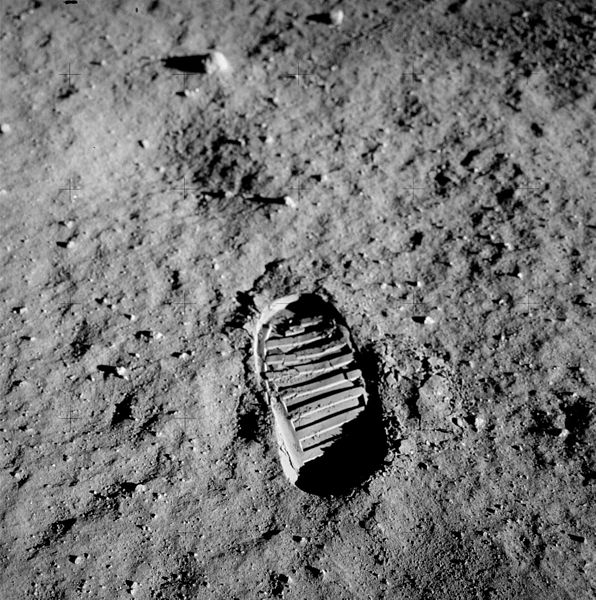
moonprintWhen Neil Armstrong set his left boot on the surface of the moon on July 21, 1969, becoming the first person to ever walk on the moon. He then spoke some of the most famous words in the history of mankind, ”That’s one small step for man, one giant leap for mankind.”

So true, so brilliant, so inspirational yet…so contradicting? The word “man” and “mankind” are used synonymously, meaning that the oh-so-famous quote quite simply put was, “That’s one small step for man, one giant leap for man.” Huh?

A one-lettered indefinite article is all it would take to turn this quote into the inspirational words our brains all process when we hear them. That article is “a”- “One small step for “a” man, one giant leap for mankind.” That is how most people interpret his words and, according to Neil Armstrong, those are the words he intended to speak.

NASA’s official transcript of the quote still shows the “a” in parentheses, “That’s one small step for [a] man, one giant leap for mankind.” This is because the “a” is not audible in the broadcast. For years, both NASA and Armstrong insisted that static had obscured the “a”. Armstrong himself stated that he would never make such a mistake (omitting such an important part) but after listening to recordings of his quote, finally conceded that it’s possible that he may not have said the “a”. When he admitted this, he stated, “I would hope that history would grant me leeway for dropping the syllable and understand that it was certainly intended, even if it was not said—although it might actually have been”.

An Australia-based computer programmer named Pater Shann Ford conducted a digital audio analysis to support Armstrong’s claim that he did say “a” and concluded that he did, in fact, say “a man”, but the “a” was inaudible due to technological limitations of the time. However, linguists David Beaver and Mark Liberman wrote their own digital audio analysis of the infamous quote on Language Log blog and concluded that, “The acoustic evidence seems to be against Ford’s theory.”

But that’s not the end of the story. Support for Armstrong  has been found in a team of researchers from Michigan State University and Ohio State University who have concluded that Armstrong did indeed speak the words he claims to have spoken but static or technological limitations are not to blame for its apparent omission.  According to them, Armstrong’s Ohion accent is to blame y’all.

According to a Michigan State University specialist in communicative sciences, assistant professor Laura Diller, because of the dialect of his hometown, if Neil Armstrong did voice the word “a”, it was short and fully acoustically blended with the preceding word “for”.


The Acoustical Society of America’s article on this topic states that,

Dilley and her colleagues, who include MSU linguist Melissa Baese-Berk and OSU psychologist Mark Pitt, thought they might be able to figure out what Armstrong said with a statistical analysis of the duration of the ‘r’ sound as spoken by native central Ohioans saying ‘for’ and ‘for a’ in natural conversation. They used a collection of recordings of conversational speech from 40 people raised in Columbus, Ohio, near Armstrong’s native town of Wapakoneta. Within this body of recordings, they found 191 cases of ‘for a’. They matched each of these to an instance of ‘for’ as said by the same speaker and compared the relative duration. They also examined the duration of Armstrong’s ‘for (a’) from the lunar transmission.

The researchers found a large overlap between the relative duration of the ‘r’ sound in ‘for’ and ‘for a’ using the Ohio speech data. The duration of the ‘frrr(uh)’ in Armstrong’s recording was 0.127 seconds, which falls into the middle of this overlap, though it is a slightly better match for an ‘a’-less ‘for’. In other words, the researchers conclude, the lunar landing quote is highly compatible with either possible interpretation, though it is probably slightly more likely to be perceived as ‘for’ regardless of what Armstrong actually said. Dilley says there may have been a ‘perfect storm of conditions’ for the word ‘a’ to have been spoken but not heard.

source:::::today i foundout.com

natarajan

Doctors are Not Bound by Hippocratic Oath !!!

Myth: Doctors are bound by the Hippocratic Oath.

stethescopeA binding agreement, as much a social contract as Social Security or Medicare, the traditional Hippocratic Oath holds those who swear to it to a strict code of professional and personal conduct. Contrary to popular belief, though, most doctors never take this oath, and, actually, most of us are probably glad they never do.

Original Hippocratic Oath

Although scholars disagree about when it was written, or even who wrote it, the general consensus is that the Hippocratic Oath was penned about 2500 years ago. Most commonly attributed to Hippocrates, the father of modern medicine, the ancient vow demands a lot from doctors, including a certain level of chastity, charity and swearing to pagan gods. It provides in pertinent part:

I swear by Apollo the physician, and Asclepius, and Hygieia and Panacea and all the gods and goddesses as my witnesses that, according to my ability and judgment, I will keep this Oath and this covenant . . . to teach them this art . . . without fee or covenant.

I will use those dietary regimens which will benefit my patients . . . and I will do no harm or injustice to them.

I will neither give a deadly drug to anybody who asked for it, nor will I make a suggestion to this effect. Similarly I will not give a woman an abortive remedy.

I will not use the knife. . .

Whatever houses I may visit, I will . . . remain free of sexual relations with both female and male persons . . .

What I may see or hear in the course of treatment . . . I will keep to myself.

If I fulfill this oath and do not violate it, may it be granted to me to enjoy life and art, begin honored . . . . if I transgress is and swear falsely, may the opposite of all this be my lot.

Although ancient, swearing the oath was not used as a rite of passage at medical schools until 1508, when the University of Wittenberg first administered it. By 1804, it had been incorporated into the graduation ceremony of the medical school in Montpellier, France. However, it was still not commonly administered, and by the early 20th century, not even 20% of U.S. medical schools included the oath as part of their commencement ceremonies.

Outmoded Requirements and Prohibitions

The restrictive, ancient vow poses several problems for the modern practitioner. First, the oath forbids physician use of a knife, a key instrument involved in nearly every medical practice. Second, its prohibition against abortion violates U.S. law, and would alienate over 40% of the population. Third, its restraint on euthanasia runs counter to the modern trend toward physician-assisted suicide.

Fourth, who swears to Apollo anymore, let alone the much lesser known Asclepius, Hygieia and Panacea?

Fifth, many doctors treat, or at least give medical advice to, those close to them, including spouses and sexual partners, which is prohibited by the oath.

Sixth, the oath is potentially a binding contract, which, in our litigation-heavy society, could provide a dissatisfied patient with yet another avenue to sue her doctor.  [Typically, when a patient sues a doctor, it is for malpractice – a claim that often must be brought within 1-3 years. Contrarily, when someone sues for a breach of contract, they often have a longer time period in which to sue.]

Modern Oaths

Although most do not swear to the original Hippocratic Oath, the majority of doctors do take an oath – often when they graduate from medical school. Despite early disinterest, physician oaths began to come into vogue after World War II.

During the Holocaust, doctors in Nazi concentration camps committed previously inconceivable atrocities against prisoners. Experimenting with extreme temperatures, radiation, untested drugs and vaccines, unnecessary and sometimes bizarre surgeries and infecting captives with deadly diseases, the exploits of concentration camp physicians shocked and horrified the world. Sane doctors realized stricter rules, and a code of ethics, were needed.

In 1948, the 2nd General Assembly of the World Medical Association adopted theDeclaration of Geneva, appearing below as amended:

“AT THE TIME OF BEING ADMITTED AS A MEMBER OF THE MEDICAL PROFESSION:

I solemnly pledge to consecrate my life to the service of humanity . . . 

I will practice my profession with conscience and dignity;

The health of my patient will be my first consideration;

I will respect the secrets that are confided in me . . .

I will not permit considerations of age, disease or disability, creed, ethnic origin, gender, nationality, political affiliation, race, sexual orientation, social standing or any other factor to intervene between my duty and my patient;

I will maintain the utmost respect for human life;

I will not use my medical knowledge to violate human rights and civil liberties, even under threat . . . .”

Similarly, in 1964 a modern version of the Hippocratic Oath was penned by Professor Lasagna of the School of Medicine at Tufts University. Although the modern oath retains many of the themes of the original, it omits the troublesome parts about surgery, euthanasia, abortion and sexual relations.

A number of other, similar oaths have also been written, and today, nearly every medical school requires some sort of oath of its graduates, although most are seen as “ceremonial and nonobligatory . . . compared to that taken by a judge, president, or other politician when he or she is sworn into office.”

Future of Medical Oaths

Seen as essentially providing only general moral and ethical guidance, many physicians today find physicians’ oaths lacking. Some point to the number and diversity of specialties in modern medicine and note that one, generalized oath is inadequate. Others identify that the oaths often conflict with necessary medical experiments, or simply do not address them.

Still others find the oaths lacking when it comes to managing infectious, fatal diseases. Strict adherence to an oath would demand that physicians treat patients infected with lethal, highly contagious diseases, like the Ebola virus, regardless of circumstance or preparedness. Likewise, an oath may prohibit a doctor from sharing patient information that would help epidemiologists and others during an epidemic.

Despite their shortcomings, doctors’ oaths are likely here to stay. As Dr. Howard Markel recently noted:

“It is unlikely to become superannuated. It serves as a powerful reminder and declaration that we are all a part of something infinitely larger, older, and more important than a particular specialty or institution . . . . The need for physicians to make a formal warrant of diligent, moral, and ethical conduct in the service of their patients may be stronger than ever.

source:::: today i foundout.com

natarajan

Where The Word “jackpot” Came From !!!

0

Today I found out the origin of the term “jackpot”.

Jackpot originally popped up around the 1870s and was from the poker game “Jacks or Better”.  This is much like traditional five card draw, except in this case, if a player does not have a pair of “jacks or better” in the first round of betting, he has to pass.  This doesn’t necessarily mean he has to be holding a pair of jacks, queens, or the like.  It just means that he has to be holding cards that will beat a pair of tens.

Once the first person who has that has placed a bet in the opening betting round, the rest of the participants are free to bet as they will, regardless of the cards they hold.   In the case where nobody holds “jacks or better”, the hand must be re-dealt with additional ante required, so the pot can grow just from antes.

When the game is finally over, no player is allowed to win with anything less than three of a kind or better.  If, at the end, no one has better than three of a kind or more, then no player gets the pot and the hand is re-dealt with additional ante required to be added to the existing accumulated pot.  Over time this pot can potentially grow quite large, hence “jackpot”.

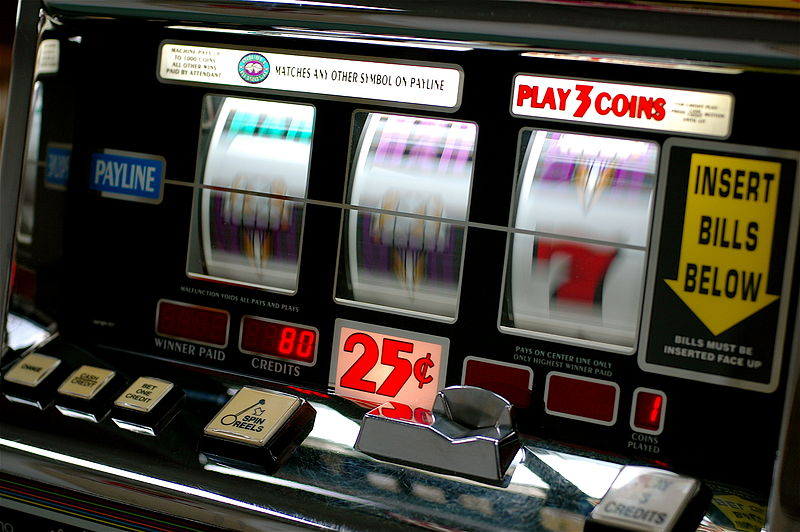
Within a few decades of the term “jackpot” in poker popping up, the term morphed into a slang term for “trouble with the law”, and further morphed by the mid-20th century to primarily be associated with “hitting the jackpot” with slot machines. From there, it became even more figurative, referring to any big prize or good turn of events.

*Note: this article is written in cooperation with partycasino.com one of the most popular online casino gaming stops on the internet with over 160 games to choose from.

source::todayifoundout.com

natarajan

படித்ததில் பிடித்தது …”காசி எங்கு இருக்கிறது ” ?


புண்டலிகன் என்பவன் “நாம் காசிக்கு போய் புண்யம் தேடிக்கொண்டால் என்ன?” “என்று முடிவெடுத்து, “அப்பனே எங்களையும் அழைத்து சென்றால் நாங்களும் காசியில் புண்யம் அடைவோமே” என்ற தாய் தந்தையை வீட்டிலேயே விட்டுவிட்டு காசிக்கு புறப்பட்டவன் வழியில் ஒரு ஊரில் ஒரு முனிவரை சந்திக்கிறான். அவரது ஆஸ்ரமத்திலேயே தங்கவைக்கிறார் அவனை.
“சுவாமி நீங்கள் யாரோ?”
“குக்குடன் என்று அழைக்கிறார்கள்”
“ஓ! குக்குட முனிவர் நீங்கள் தானோ?. காசிக்கு எத்தனை முறை சென்றிருக்கிறீர்கள்?”
“காசி எங்கிருக்கிறது?”
“ச்சே! காசியே தெரியாத ஒரு முனிவரா!. இவரிடம் போய் நேரத்தை வேஸ்ட் பண்ணி விட்டோமே” என்று வருந்தினான். அன்றிரவு தூக்கம் வரவில்லை. எதோ சத்தம் கேட்டு வெளியில் வந்து பார்த்தவன் எதிரில் நிறைய தேவலோக மங்கையர் குடம் குடமாக அந்த ஆஸ்ரமத்திற்கு ஜலம் விட்டு அலம்பி அந்த ஜலத்தில் தாங்களும் ஸ்நானம் செய்கிறார்களே! முதலில் அழுக்காகவும் கருத்தும் இருந்த ஆடைகள் கூட ஸ்நானம் செய்த உடன் கண்ணை பறிக்க திவ்ய தேஜஸ் அவர்களுக்கு கிடைத்தது. அவர்கள் போய் விட்டார்கள்.
மறுநாள் காலை இது பற்றி ஒன்றும் கேட்கவில்லை. அன்று இரவும் அழுக்காக வந்த பெண்கள் ஆஸ்ரமத்தை அலம்பி ஸ்நானம் செய்து பள பளவென்று திரும்பும்போது புண்டலிகன் கேட்டான் “நீங்கள் யார்?.” ஐயா, நாங்கள் கங்கை யமுனை சரஸ்வதி போன்ற பல புண்ய நதிகள். தினமும் பல பாபிகள் எங்களில் ஸ்நானம் செய்து அவர்கள் பாபங்கள் எங்களிடம் சேர்வதால் தினமும் இரவில் குக்குட மகரிஷி ஆஸ்ரமம் வந்து எங்களை மீண்டும் பரிசுத்தம் செய்துகொண்டு திரும்புவது வழக்கம்.”
“அப்படியா”
“ஆம். தமது தாய் தந்தையரை போற்றி வணங்கி கடைசி வரை பணிவிடைசெய்து அவர்களுடைய பூரண ஆசி பெற்ற புண்யாத்மா. இவருக்கு நிகர் எங்களுக்கு தெரிந்து வேறு யாருமில்லை” புண்டலிகன் ஓடினான். காசிக்கு அல்ல, வீட்டுக்கு. தாய் தந்தை காலில் விழுந்தான் கதறினான். தன் தவறுக்கு ப்ராயசித்தமாய் அன்று முதல் அவர்களை கண்போல் பேணி காத்தான். காசிக்கு கூட்டி போனான். தன் ஊரான பண்டரிபுரத்தில் அவர்களை தெய்வமாய் பணிவிடை செய்து இவனை போல் சத் புத்திரன் இந்த வையத்தில் இல்லை என பெயர் பெற்றான். அப்போது தான் அதிசயம் நிகழ்ந்தது. “விட்டலா, உன்னை காண வேண்டுமே” என்று ஒருமுறை வேண்டினான். வயோதிக பெற்றோரை விட்டு ஒரு கணமும் பிரிய முடியாத நிலையில் எங்கே எப்போது போவது விட்டலன் கோவிலுக்கு? மனதில் ஆசையை அணை போட்டு விட்டான் புண்டலிகன். விட்டலனுக்கு தெரியாதா நிலைமை? வந்து விட்டான் புண்டலிகன் வீட்டுக்கு. வாசலில் வந்து நின்று மெல்ல கதவை தட்டின பாண்டுரங்கனை புண்டலிகன் பார்த்து விட்டான். அவனால் எழுந்து செல்ல முடியாமல் அவன் மடியில் அவன் தாய் தந்தை தலை வைத்து உறங்கிகொண்டிருந்தனர். ஒரு கையால் அவர்களுக்கு விசிறிக் கொண்டிருந்தான். பாண்டுரங்கன் வாசலில் காத்துகொண்டு நிற்பதை உணர்ந்த புண்டரிகன் சுற்று முற்றும் பார்த்தான் அவன் கண்ணெதிரே கையருகில் ஒரு செங்கல் தான் தென்பட்டது. அதை ஒரு கையால் எடுத்து வாசலில் போட்டு “இதில் இரு. இவர்கள் எழுந்ததும் வருகிறேன்” என்றான். பாண்டுரங்கனும் வெகு நேரம் அந்த செங்கலில் கால் வலிக்க கை இடுப்பில் வைத்து நின்று கொண்டிருந்தான். சிறிது நேரம் கழித்து புண்டலிகன் வெளியே வர முடிந்தது. பாண்டுரங்கனை வணங்கினான் “உனக்கு என்ன வரமப்பா வேண்டும்?”
” எனக்கு என் பெற்றோரின் ஆசியே யதேஷ்டமாக இருக்கிறதே. நீ இதே இடத்தில் நின்று உலகில் மற்றவர்களுக்கும் அருள வேண்டுகிறேன்” அந்த இடத்தில் தான் இன்றும் கோயில் கொண்டு, அதே செங்கல் மேல் நின்று இடுப்பில் கையுடன் பாண்டுரங்கன் விடோபாவாக (செங்கல் மேல் நிற்பவன்) நமக்கெல்லாம் காட்சியளித்து காக்கின்றான்.

source:::: input from a friend of mine

natarajan

Dinner to Muslim Youths …By Mahaperiavar in 1921!!!

What you will be reading below is assorted selections from a book (“ MAHAPERIYAVAL VIRUNDHU”) written by the great author Sri Ra. Ganapathi  :These cover various incidents showing the universality and greatness of Maha Periyavaa.

Even during the 1920s ParamAchArya hosted a dinner for the Muslims, whose sense of unity and patriotism ran high in those days.  Two hundred Muslim youths from an Islamic Youth Forum performed an exemplary service in the Mahamaham festival of 1921 in Kumbakonam. ParamAchArya, who was camping at Patteesvarm nearby, heard about it and sent some maTham officials to bring the Muslim youths to him. The youths were very happy that Shankaracharya had called them to his presence. They stood before him showing utmost reverence.

ParamAchArya praised their seva and heard the details about their Forum. He inquired their personal details such as native place, education, occupation and family of all the two hundred youths individually, and made everyone of them immensely happy. He also presented a silver cup as a memento from Kanchi maTham for their seva.

Like the cherry on the ice cream, ParamAchArya ended the interview with a tasty, three-course dinner to the youths.

*** *** ***

In the year 1924, Kaveri and Kollidam were overflowing with floods that threatened to merge them into a single river. Tiruvaiyaru and its surroundings were the worst affected by the floods. At that time, for nearly fifteen days, cartloads of cooked food were sent from Kanchi maTham for the thousands of poor people in the area. The food was served by the Congress workers under the supervision of Lawyer Sarangapani Iyengar, leader of the Tiruvaiyaru Congress Committee. 

The daily culinary needs of SrimaTham were reduced to the minimum, in order to use the stored provisions for feeding the poor. They worshipped the great sage who fed them as God.   The press praised this social service as the largest till then by a Sanatana Religious Institution.

*** *** ***

During the last days of the year 1931, the persecution of the Congress workers by the British government was at its peak. People and organizations were warned of stern action against any support for the Congress members. 
ParamAchArya was camping at Arani in the North Arcot district. A group of Congress members wanted to meet him. The maTham officials informed the sage that his meeting the Congress workers might create problems for SrimaTham.   ParamAchArya heard their apprehensions with concern and then said calmly, “Ask all the members of the group to come here. Also arrange for feeding them from SrimaTham.”

The stunned maTham officials carried out the orders of the sage with consternation, but there was no problem from the government.  When the Manager brought the happy news of no reaction from the British government, ParamAchArya said, “If I were to close the doors on people who want to meet me, I would not be fit to carry the title Jagatguru and sit on the throne of this Peetam.”

*** *** ***

ParamAchArya used to quote the Tamil saying ‘Feed everyone, without any distinction’ (yArkkum idumin, avar ivar ennnanmin) and explain that no distinction of any kind must be entertained in offering food. He would be delighted to explain the Keralite tradition of feeding even the thieves at night! This custom existed in the place called Cherukkunnam, Kerala, in the Annapurani temple. After feeding the bhaktas in the temple, food packets were prepared and kept tied to the trees in the night, for the use of any prowling thieves. 

ParamAchArya also took delight in explaining the reference in the Sagam Literature of how the Chera king Udhiyan Cheraladhan earned the name Perum Sotru Cheraladhan (the king who was the chief host) by feeding the opposite camps of the Pandavas and the Kauravas during the Mahabharata war.

Kannappan the hunter fed Shiva Mahadev. Guhan the hunter fed Sri Rama. Here, the hunters named the Senjus of the Srisailam forest area were fed by the Paramacharaya!

During the 1934s, when the road transport facilities were very scanty, ParamAchArya was traveling with his entourage in the desolate forests of Srisailam. Somewhere on the way, they came across the Senju hunters. Mistaking them for their foes, the hunters raised their bow and arrows initially, but when they saw the sage with hisdivya tejas, they realized their mistake and became friendly.

The people who came to oppose their passage became their security guards, carrying their luggage and watching over their camps at night time. Only after safely seeing off ParamAchArya and his entourage at their next destination, the hunters assembled before them to take leave.

ParamAchArya ordered the manager to give them some cash, but they refused to touch the money. The leader of the group said something to the manager, who nodded his head in disapproval and spread out his hands. 

Paramachara snapped his fingers and called the manager to attention: “What is it that he asks for and you refuse?”

“They want to show their dancing skills before PeriyavA”.

“So you told them that I can’t see their dance because it was your opinion as manager that it was beneath the dignity of SrimaTham.”

There was not any trace of anger in ParamAchArya’s words. The manager was silent.

And the ParamAchArya, who would not witness the performance of even the great and popular dance artistes, gave them permission to dance before him, with a condition: that while any of their males could dance, only those females who hadn’t attained puberty could join the males in dance.

ParamAchArya asked them, “you might have different types of dances to suit different occasions: one for Swami (God), one for victory, one for sports and so on. What type of dance are you going to perform now?”

They gave a telling reply: “We are going to perform the dance reserved only for the closest of our relatives.”

ParamAchArya witnessed their dance, blessed them, and hosted a nice dinner for them.

*** *** ***

ParamAchArya was travelling in the Kodavasal – Koradacherry route. On the way in Tirukklambur, the slum people met him and submitted their humble offerings.

ParamAchArya heard their welfare and woes. Unhurriedly, he discussed the details with the manager as to what SrimaTham could do to mitigate their woes, either in their own capacity or with the charity of affordable devotees.

The managers and the other officials started worrying about the ensuing delay for their next camp and the following pujas. The god of the poor, however, seated himself among them, and ordered dhotis and saris for every nandan – nandini from the local textile shop. If that shop didn’t have the required goods, ParamAchArya ordered them bought at Kodavasal. He also ordered prepartion of thick sambar rice under the shades of the trees.

The manager was worried that the two or three hours time spent in these activities would delay reaching their next camp and that it would be very tedious for PeriyavA to undertake the long puja thereafter.

When he started to express his feeings, ParamAchArya said simply, “this is also a puja.”

*** *** ***

Two years after his Varanasi trip, when ParamAchArya was returning, he had to camp for three days in the Kyonjersamastanam of the hilly areas. His heart overflew with campassion at the pitiable conditions of the tribals in the area. He told the manager, “for all the three days we stay here, we should arrange to feed them.”

The manager hesitated with a request, “Those people are over a hundred and fifty families. We don’t have the facilities to cook food here.”

“Then give them as uluppai“, replied the sage.

Giving as uluppai is giving supplies of food articles, vegetables and fruits. For three days the tribals enjoyed the bounty of SrimaTham.

In the same way, ParamAchArya ordered serving three days supplies to the suffering employees of a circus company in Ilayattankudi, that was closed down.

*** *** ***

It seems that there was only one occasion in the history of SrimaTham, when rice and other food supplies were carried on the back of the SrimaTham elephant! ParamAchArya, the udAra murti created history with such an incident, to fill the udarams of the poor harijan people.

It was November 1940. The village was heavily flooded when ParamAchArya reached Tiruchettankudi from Tirumarukal. News reached his ears that over five hundred harijans in the area were suffering, as a hailstorm lashed on.

ParamAchArya hastened the officials to rush them food supplies, but was informed that it was not possible for bullock carts to pass through the rain inundated roads.

“Then you send the supplies on the back of the elephant. This place is known as Ganapateesvaram,” said ParamAchArya, poining out the harmony. “So Pillaiyar will be happy that an elephant partakes the jana seva.”

*** *** ***

The dog, according to shastras is of a low birth. The Guardian of Shastra also extended his bounty to the dogs.

In the year 1927, a dog came to SrimaTham camp on its own and started keeping vigil. After his biksha was over, ParamAchArya ordered that the dog be fed. Strangely, after tasting the food from the maTham, the dog stopped accepting food from anyone else. 

The dog used to trot under the palanquin known as mena which carried ParamAchArya. Sometimes it would run between the massive, moving legs of the elephant! When the palanquin was parked, it would step aside to a distance and watch the sage descend and walk, wagging its tail.

At one time, the officials thought that the dog had become mad and ordered a servant to leave it in a village, about forty kilometers away from their camp. No sooner had the servant returned, than the dog also had got back to the camp! From that time, until its death, the dog kept vigil and also kept a vow not to take food until it had a darshan of ParamAchArya.

As he resumed his divine duties after a short rest following his biksha, ParamAchArya would first inquire if the dog was fed.

*** *** ***

There was an incident when ParamAchArya served food for an entire army of dogs.

He was observing chAturmAsyam at Vasanta Krishnapuram near Tirukkovalur in the year 1947. The peak of Tiruvannamalai hill, about twenty kilometers away, was visible from that place. ParamAchArya used to perform a puja for the mountain that was Lord Siva’s form at where he stayed, with a darshan of the peak.

During one such puja, when he was meditating, a dog came and put its mouth to the water in the kamandaluh. The people around were very much upset by this happening, and a devotee who was a retired government official, stoned the dog, which ran howling, and stopped at a safe distance. 

ParamAchArya’s eyes opened at the anxious hubbub. He looked at the people aroud him and ordered: “Collect all the available dishes from the houses of the agrahAram. Also bring bucketfuls of water.”

The volunteers group that included retired official went around and brought the food and water. As aramAchArya gestured, the dog that was standing at a distance came near and stopped hesitatingly. As he gestured a second time, soemthing very strange happened.

An army of dogs came from nowhere and calmly arranged themselves in a row, without showing any signs of hurry for the food that was before them. ParamAchArya offered food and water to the dogs through the retired official who had stoned the dog earlier.

“Life without God is like an unsharpened pencil 
– it has no point.”

source::::input from a friend of mine

natarajan


விபூதி உருவான கதை !!!

namavali075

ஸ்ரீமகாலஷ்மிக்கு உகந்தது திருநீறு


பர்னாதன் என்பவன் உணவையும் தண்ணீரையும் மறந்தவனாக சிவனை நினைத்து கடும் தவம் புரிந்தான்.ஒருநாள் அவனுக்கு கடுமையான பசி எடுத்தது. தவம் கலைந்தது. கண்ணை திறந்தான். அப்போது அவனை சுற்றி சிங்கங்களும் புலிகளும் பறவைகளும் என பல வன உயிரினங்கள் யாவும் காவலுக்கு இருந்தது. பசியால் முகம் வாடி இருந்தவனை கண்ட பறவைகள் பழங்களை பறித்து பர்னாதன் முன் வைத்தது.

இது ஈனின் கருனையே என்று மகிழ்ந்து பசி தீர கனிகளை சாப்பிட்டு முடித்து மீண்டும் தவத்தை தொடர்ந்தான். இப்படியே பல வருடங்கள் கடந்தோடியது. தவத்தை முடித்து கொண்டு சிவவழிபாட்டை தொடங்கினான். ஒருநாள் தர்பைபுல்லை அறுக்கும் போது அவன் கையில் கத்திபட்டு ரத்தம் கொட்டியது.

ஆனால் அவனுக்கோ எந்த பதற்றமும் இல்லை. குழந்தைக்கு ஆபத்தென்றால் தாய் பதறுவதை போல பதறியது ஈசன்தான்.

சிவபெருமான் வேடன் உருவில் தோன்றி, பர்னாதன் கையை பிடித்து பார்த்தார். என்ன ஆச்சரியம்…. ரத்தம் சொட்டிய இடத்தில் விபூதி கொட்ட ஆரம்பித்தது. வந்தது தாயுமானவர் என்பதை அறிந்தான். “ரத்தத்தை நிறுத்தி சாம்பலை கொட்ட செய்த தாங்கள் நான் வணங்கம் சர்வேஸ்வரன் என்பதை அறிவேன். இந்த அடியேனுக்கு தங்கள் சுயஉருவத்தை காணும் பாக்கியம் இல்லையா?“ என்று வேண்டினான் பர்னாதன். ஈசன் தன் சுயரூபத்தில் காட்சி கொடுத்தார்.


“உனக்காகவே இந்த சாம்பலை உருவாக்கினேன். அதனால் இந்த சாம்பல் இன்று முதல் விபூதி என்று அழைக்கப்படட்டும். உன் நல்தவத்தால் விபூதி உருவானது. அக்னியை எதுவும் நெருங்க முடியாததை போல விபூதியை பூசி அணிந்து கொள்பவர்களின் அருகில் துஷ்டசக்திகள் நெருங்காது. விபூதி என் ரூபம். அதற்கு நீயும் துணையாக இருந்த வா“ என்று ஆசி வழங்கினார் சிவபெருமான்.

விபூதியை கட்டை விரலாலும் மோதிர விரலாலும் சேர்த்தெடுத்து மோதிர விரலால் நெற்றியில் இட்டுக்கொள்ள வேண்டும். ஆனால் கட்டை விரலும் நடுவிரலும் சேர்ந்து விபூதியை எடுக்கக்கூடாது. கட்டைவிரலாலும் நெற்றியில் விபூதியை வைக்க கூடாது என்கிறது சிவபுராணம்.

விபூதியால் என்ன நன்மை? என்று ஸ்ரீ ராமர், அகத்திய முனிவரிடம் கேட்டார். “பகை, தீராத வியாதி, மனநல பாதிப்பு, செய்வினை பாதிப்பு இப்படி எது இருந்தாலும் தொடர்ந்து விபூதியை அணிந்து வந்தால் அந்த பிரச்சனைகள் விலகும்“ என்று அகத்திய முனிவர் ஸ்ரீ ராமருக்கு உபதேசம் செய்தார். ஸ்ரீமகாலஷ்மிக்கு உகந்ததும் விபூதி. அதனை விரும்பி விபூதி கலந்த நீரில் தினமும் அவள் நீராடுகிறாள். திரு என்றால் மகாலஷ்மி. அதனால்தான் விபூதியை திருநீறு என அழைக்கிறோம்.

“மந்திரம் ஆவது நீறு வானவர் மேலது நீறு
சுந்தரம் ஆவது நீறு துதிக்கப் படுவது நீறு
……….
வேதத்தில் உள்ளது நீறு வெந்துயர் தீர்ப்பது நீறு
காண இனியது நீறு கவினைத் தருவது நீறு
தேசம் புகழ்வது நீறு திரு ஆலவாயான் திருநீறே“


source :::: Reblogged from  mahaperiavaa.wordpress.com of Mahesh

natarajan