படித்து வியந்த செய்தி …” மணி …தங்க மணி ” !!!

தர்மபுரி மாவட்டம் பெரியாம்பட்டி அருகில் உள்ள கீழ்தும்பலஹள்ளி கிராமத்து சாலையில் சென்று கொண்டிருந்தோர், அங்கே நடப்பதை பார்த்து, சில நிமிடம் நின்று, ரசித்து, வியந்தபடி சென்றனர்.
அப்படி என்ன சாலையில் நடந்தது… மலர்களால் வேயப்பட்ட சிறிய வண்டி ஒன்றை இழுத்தபடி சென்றது ஒரு நாய். வண்டியின் மேல் மாவிளக்கு வைக்கப்பட்டிருந்தது.
‘மெள்ள வா ராசா…’ என்று அதை, அன்புடன் வழி நடத்தி, அழைத்துச் சென்றார் ஒருவர். அவரிடம் இது குறித்து விசாரித்த போது, நெகிழ்ச்சியுடன், மகிழ்ச்சியாக அவர் பகிர்ந்து கொண்ட அன்பின் கதையிது:
என் பெயர் தங்கவேலுங்க; அந்தக் காலத்து 10ம் வகுப்பு. மனைவி பெயர் கோவிந்தம்மாள். தமிழ் மொழி மீது இருக்கும் பற்று, பாசத்தால், என் ரெண்டு பொம்பளப் பிள்ளைகளுக்கும், இலக்கியா, குறளரசி என்று பேர் வைச்சுருக்கேன்.
வீட்டில் நாலு மாடுக இருக்கு; பால் கறந்து சொசைட்டிக்கு ஊற்றி, அதன் மூலம் வரக்கூடிய வருமானத்தில் வாழ்க்கை ஓடிக்கிட்டிருக்கு.
ஒருமுறை, சந்தைக்கு போயிருந்த போது, இவன் சின்னக்குட்டியா இங்கேயும், அங்கேயுமா ஓடிட்டு இருந்தான். பார்த்ததுமே பிடிச்சுப் போச்சு. வீட்டுக்கு தூக்கிட்டு வந்துட்டேன். ஏற்கனவே எனக்கு ரெண்டு பொம்பளைப் புள்ளைங்க இருக்கிறதாலே, இவனுக்கு, மணின்னு பேர் வச்சு, பையனா நினைச்சு வளர்த்துட்டு வர்றேன். எங்க குடும்பத்துல ரொம்ப முக்கியமான ஆளு இவன்.
எனக்கு மணியும், மணிக்கு நானுமா இருந்தா போதும்; வேறே எதுவும் வேணாம். எங்களுக்குள்ள அப்படி ஒரு பாசம் ஏற்பட்டு போச்சு. அவன் இல்லாம எனக்கு பொழுது விடியவே செய்யாது.
வீட்டுலயிருந்து பால் கேனை தூக்கிட்டு, 1 கி.மீ., தூரத்திலுள்ள சொசைட்டிக்கு நடந்து போவேன். அப்ப, மணியும் கூடவே வருவான். நான் பால் கேன் தூக்கிட்டு சிரமப்பட்டு நடக்கிறேன்னு நினைச்சானோ என்னவோ… என்னை தூக்க விடாம, அவன் வாயில் கவ்வி நடக்க ஆரம்பிச்சான். என்ன சொன்னாலும், கேனை தர மாட்டான். ஆனா, அவனாலும் கேனை தூக்கிட்டு நடக்க முடியாம, கேன் தரையில் தட்டுச்சு. அப்புறம் தான், 1,500 ரூபாய் செலவு செய்து, ஒரு சின்ன வண்டி தயார் செய்து, அதுல பால் கேனை வச்சதும், உற்சாகமாக இழுத்துட்டு நடக்க ஆரம்பிச்சான்.
ஒரு கட்டத்துல, கேனை வண்டியில வச்சுட்டா போதும், கரெக்டா கொண்டு போய், சொசைட்டியில சேர்த்துருவான். நான் போக வேண்டிய தேவையே இல்ல. அவங்க பாலை எடுத்துட்டு காலி கேனை வச்சதும், பத்திரமா திரும்ப கொண்டு வந்துடுவான்.
எம் புள்ளைகள யாரும் நெருங்க முடியாது. ஒரு உறுமல்லயே ஓட வச்சுருவான். ஆறு மாசத்திற்கு முன் கொஞ்சமும் எதிர்பாராம அந்த விபத்து நடந்து போச்சு.

வழக்கம் போல வண்டியில போய் பாலைக் கொடுத்துட்டு, திரும்ப வரும் போது, தாறுமாறா வந்த டெம்போ வாகனம் மணி மேலே மோதிருச்சு. ரத்த வெள்ளத்துல கிடந்தவனை பார்த்துட்டு, எனக்கு தகவல் கொடுத்தாங்க. அழுது, அடுச்சு புடிச்சு ஓடிப் போய் பார்த்தேன். வலியில எழுந்திருக்க முடியாம முனகிக்கிட்டே படுத்திருந்தான்.
அவனை அள்ளித் தூக்கிட்டு கால்நடை ஆஸ்பத்திரிக்கு ஓடினேன். அவனுக்கு முதலுதவி செஞ்ச டாக்டர், ‘இடுப்பு எலும்பு முறிஞ்சு போச்சு. பிழைக்கிறது கஷ்டம்; அப்படியே பிழைச்சாலும் நடக்கிறது சிரமம். போற வழியில குப்பையில வீசிட்டுப் போ’ன்னு சொல்லிட்டார்.
என் மணியைப் பார்த்து, டாக்டரு இப்படி சொல்லிட்டாரேன்னு எனக்கு மனசே ஆறலை. ஆனாலும் அவனுக்கு எதுவும் நடக்காதுன்னு என் மனசு சொல்லிட்டே இருந்துச்சு. வர்ற வழியில தண்ணி தொட்டியில இறக்கி விட்டேன். கொஞ்சம் சிரமப்பட்டாலும், அவனால காலை உதைச்சு, நீந்த முடிஞ்சது.
இதைப் பார்த்ததும், இனி மணியை காப்பாத்திடலாம்ன்னு எனக்குள்ளே நம்பிக்கை வந்து, வேற டாக்டரை போய் பார்த்தேன். அவர், ‘நாயை காப்பாத்திடலாம்; ஆனா, கொஞ்சம் செலவாகும்’ன்னு சொன்னார்.
‘பரவாயில்ல… என் மணிக்காக நான் எதுவும் செய்வேன்…’ என்றதும், ‘ஒரு நாளைக்கு மூணு முறை வெந்நீரால் மெதுவாக நீவி, குளிப்பாட்டணும். தினமும் ரெண்டு ஊசி போடணும்; ஊசி விலை கொஞ்சம் கூடுதல். நிக்க, நடக்க பொறுமையா பயிற்சி கொடுக்கணும். நேரத்துக்கு மருந்து மாத்திரை கொடுக்கணும். பச்சைக்குழந்தையை பாத்துக்கிறது மாதிரி பாத்துக்கணும்…’ என்று கூறி மருந்து, மாத்திரை எழுதி கொடுத்தார்.
டாக்டர் சொன்னபடியெல்லாம் செய்தேன். அதோட, எங்க ஊர் மாரியம்மனிடம், ‘என் மணி பழையபடி நடந்தா, அவனே நடந்து வந்து மாவிளக்கு போடுவான்’னு வேண்டிகிட்டேன்.
மூணு மாசம் மணியை கண்ணும் கருத்துமா பாத்துக்கிட்டதன் பலன், இப்போ, மணி, பழையபடி கம்பீரமாக வலம் வர்றான்.
மாரியம்மன் கோவில் திருவிழா அன்று, பக்தர்கள் எல்லாம் அம்மனுக்கு மாவிளக்கு போட ஊர்வலமாக சென்ற போது, அந்த ஊர்வலத்தில மணியும் ஒரு பக்தனாக தன் வண்டியில் மாவிளக்கு எடுத்துப் போய், அம்மன் காலடியில் வைத்தான். இதைப் பார்த்து நிறைய பேர் பாராட்டினர்.
‘என் புள்ளைய காப்பத்தறது என் கடமைங்க; இதுக்கு எதுக்குங்க எனக்கு பாராட்டு…’ என்றார் தங்கவேல் அடக்கமாக!
வாசகர்கள் தெரிந்து கொள்ள வேண்டும் என்பதற்காக, நாய் என்று சில இடங்களில் கூறியுள்ளேன். ஆனால், தங்கவேல் பேசும் போது, ‘எம் பையன் மணி…’ என்று குறிப்பிட்டாரே தவிர, நாய் என்ற வார்த்தையே அவரிடம் இருந்து வரவில்லை.
அத்துடன், அவரிடம் நாம் போனில் பேசினால் கூட, ‘ஒரு வார்த்தை மணிகிட்டேயும் பேசிருங்க…’ என்று போனை அதன் வாயருகே கொண்டு செல்வார். அதுவும் பெரிய மனுஷன் மாதிரி, அதன் மொழியில் நம்மை நலம் விசாரிக்கும்.
இருவரிடமும் பேச ஆசையா? 98423 48790 என்ற எண்ணில் தொடர்பு கொள்ளவும்!

Source…..Hariharan in http://www.dinamalar.com

Natarajan

Message for the Day….” God will protect you if you worship him in complete and pure uncontaminated devotion [bhakti] “

The Lord will protect in all ways and at all times those who worship Him in complete and pure uncontaminated devotion(bhakti), just as a mother protects her infants, a cow saves her calf from danger, and the eyelids guard the eyes effortlessly and automatically. When the infant grows up into an adult, the mother won’t pay so much attention to its safety. So too, the Lord doesn’t pay much attention to the wise one (jnani). The devotee who worships any form (saguna bhakta), like an infant of the Lord, has no strength except the strength of the Lord. For the realized soul (jnani), their own strength is enough. Therefore, until one can rely on one’s own strength, one must be an infant in the Lord’s hands, just like a devotee of the Lord’s form. No one can become a devotee of the Formless Supreme (nirguna bhakta) without having been a devotee of the form.

Sathya Sai Baba

Subhashini Vasanth Just Won the Neerja Bhanot Award. Here Are FewThings You Need to Know About Her.

The Neerja Bhanot Pan Am Trust has been set up in the memory of Neerja Bhanot – the brave woman who was the senior flight attendant on board Pan Am Flight 73 that was hijacked in Karachi in 1986. Neerja showed immense courage and helped many passengers escape. She was shot on September 5, 1986 while shielding three children from terrorists.

The trust was set up by her parents Rama and Harish Bhanot, with the insurance money they received after her death, and an equal contribution from Pan Am. Today, they present two awards of Rs. 1,50,000 each. One award is given to an Indian woman who raises her voice against social injustice and also helps other women in similar situations, and another to honour an airline crew member who acts beyond the call of duty.

This is the 24th year of the award and it was given to Subhashini Vasanth of Bengaluru, for the first category. Subhashini’s husband, Colonel Vasanth Venugopal, lost his life while fighting terrorists in Jammu and Kashmir. He was awarded the Ashok Chakra (Posthumous) in 2008. Subhashini founded the Vasantharatna Foundation in his memory, with the aim of creating a support system for the families of martyred soldiers.

“I am proud to receive this award as it represents the spirit of Neerja Bhanot’s determination and grit in the face of overwhelming circumstances. A woman must always face all adversities in life and ensure she is treated with respect. She must stand up for her rights, come what may,” said Subhashini.

The award was presented on Wednesday by Bollywood actress Sonam Kapoor who is playing the lead role in the biopic Neerja

Here are five things to know about this remarkable woman.

1. Subhashini Vasanth’s husband, Colonel Vasanth, was martyred on July 31, 2007.

She started an NGO named Vasantharatna Foundation for Arts in the same year, and named it after him because starting the NGO was something they had planned together.

Subhashini Vasanth7

Source: www.vasantharatna.org

2. She is a renowned Bharatnatyam dancer.

Subhashini Vasanth3

Source: YouTube

Three months after the death of her husband, Subhashini wrote a play name Silent Front. It was based on the lives of army wives, and she was the protagonist. She performed the play in Delhi and Bengaluru and the funds generated through it helped strengthen the base of the Foundation in the initial years.

3. The foundation began work in Karnataka and has helped over 80 families till now.

Subhashini Vasanth1

Source: YouTube

She initially identified 30 families of martyrs in Belgaum, Bagalkot, Coorg and other parts of rural Karnataka, and started helping them. The foundation provides education scholarships to children and emotional and legal counselling to widows. She also conducts empowerment programs for women and outbound learning programmes for both women and children.

4. She co-authored a book named Forever Forty with Veena Prasad. It is the biography of Colonel Vasanth.

Subhashini Vasanth5

“The book is a collection of memoirs for my two daughters who were aged seven and 10 at the time of their father’s death. I want them to know their father as he really was,” she said.

5. She wants to add the award money she just won to a fund that she is setting up to give memorial awards to children of martyrs for all-round excellence.

Subhashini Vasanth6

Source: Twitter

Source……Tanaya Singh ….in http://www.thebetterindia.com

Natarajan


Indian Army Day…15 Jan …

The Indian Army on Friday celebrated the Army Day in recognition of Lieutenant General (later Field Marshal) K M Cariappa’s taking over as the first Commander-in-Chief of the force from General Sir Francis Butcher — the last British Commander-in-Chief of India, on January 15, 1949.

Addressing the Army Day parade in New Delhi, Army Chief Gen Dalbir Singh Suhag complimented the soldiers for giving a befitting reply to the enemy at the Line of Control which has been “active” due to cross-border firing and continuous infiltration attempts.

Prime Minister Narendra Modi tweeted: “Saluting the indomitable valour, determination and dedication of our Army on Army Day.”

Here are some glimpses of the celebrations:

Army soldiers participate in the Army Day parade in New Delhi on Friday. Photograph:Atul Yadav/PTI Photo

Army daredevils perform at the Army Day parade. Photograph: Atul Yadav/PTI Photo

A tableau on display at the Army Day parade in New Delhi. Photograph: Atul Yadav/PTI Photo

An Army paratrooper performs during the Army Day parade. Photograph: Atul Yadav/PTI Photo

Army soldiers display their combat skill during the Army Day parade. Photograph: Atul Yadav/PTI Photo

A marching contingent during the Army Day parade. Photograph: Atul Yadav/PTI Photo

General Dalbir Singh, Chief of the Army Staff, Navy Chief R K Dhowan and Air Chief Marshal Arup Raha after paying homage at Amar Jawan Jyoti at India Gate. Photograph:Atul Yadav/PTI Photo

An army contingent marching during the Army Day parade. Photograph: Atul Yadav/PTI Photo

Army chief Gen Dalbir Singh Suhag pinning decorations on a soldier. Photograph: Atul Yadav/PTI Photo

Army Chief General Dalbir Singh Suhag honours a martyr’s widow. Photograph: Atul Yadav/PTI Photo

Source……www.rediff.com

Natarajan

10 Army Heroes and Their Extra Ordinary Tales of Bravery…..

Far from home and loved ones, these heroes sacrifice their own lives so the entire nation can sleep in peace. The stories of their courage and passion are larger than life. Read on and be inspired by 10 such army heroes – they are legends whose tales will not just make your chests swell with pride, but whose sacrifices will leave your eyes a little moist.

They are men of steel, standing tall in the harshest of conditions. They disregard freezing cold temperatures and scorching heat to always remain brave, awake and devoted towards us.

They are all heroes, each and every one of them. But there are a few whose stories have become the stuff of legends, stories that deserve to be shared and told over and over again:

1. Captain Vikram Batra

army1

Source: Wikimedia

Born in Palampur, Himachal Pradesh, Captain Vikram Batra of 13 J&K Rifles, is known as the hero of the Kargil war. He led one of the toughest war operations in Kashmir, and was also called Sher Shah (in the intercepted messages of the Pakistani army).

He was instrumental in recapturing Peak 5140, which is located at an altitude of 17,000 feet. During this mission, Batra was seriously injured but still managed to kill three enemy soldiers in close combat. After capturing Peak 5140, he went on yet another difficult mission to recapture Peak 4875 on July 7, 1999. Batra made a call to his father before he left and told him about the crucial mission. Hardly did he know that this would be his last call home.

It was one of the most difficult missions the Indian army attempted because the Pakistani forces were sitting above the peak at 16,000 feet and the climb gradient was 80 degrees. On their way up, one of Batra’s fellow officers was severely injured. Batra set out to save him. When a subedar tried to help him save the officer, Batra pushed him aside, saying, “You have children, step aside.” He saved his fellow soldier but was killed while clearing enemy positions. Batra’s last words were “Jai Mata Di.”

A famous quote by Batra is: “Either I will come back after hoisting the tricolour (Indian flag), or I will come back wrapped in it, but I will be back for sure.” He was honoured with the Param Vir Chakra.

Quick fact: The 2003 Hindi film LOC Kargil had a character based on Captain Batra, played by Abhishek Bachchan.

2. Major General Ian Cardozo

army2

Source: Facebook

Major General Ian Cardozo, who has many achievements to his name, will always be known for his immense courage in the 1971 war with Pakistan. He was, at the time, a young major with 5 Gorkha Rifles. During the war, he stepped on a landmine and severely injured his leg. When even the doctor could not cut his leg, Cardozo asked for a khukri (the Gorkha knife) and cut his own leg off, saying, “Now go and bury it!”

The incident did not deter Cardozo from going on to serve his country. Through sheer willpower and determination, he continued to perform his duties as a soldier and became the first disabled officer in the Indian Army to command an infantry battalion and a brigade. In spite of not being physically at par with other officers, he defeated many ‘two-legged’ soldiers to come first in many fitness tests during his stint in the army.

3. Brigadier Mohammad Usman

army3

Source: Facebook

Born in Bibipur, Uttar Pradesh, this man of steel joined the Indian army in 1934. During the Indo-Pakistan war of 1947/48, Brigadier Usman repulsed a fierce attack on Naushera and Jhangar, two highly strategic locations in Jammu and Kashmir, and was named by his fellow soldiers ‘The Lion of Naushera.’

At the time of the Partition, he was made the offer of becoming the Chief of the Pakistani Army but he chose to stay in India. He left the Baloch regiment of Pakistan and was inducted into the Dogra regiment in India. After the Battle of Naushera, where the Pakistanis suffered heavy casualties at his hands, the same country that had courted him to become the chief of the army, now went ahead and placed prize money of Rs. 50,000 on his head.

Brigadier Usman was not just a fierce soldier but also a compassionate man. He never got married and used to donate a large part of his salary to support poor children and pay for their education. This inspiring and exemplary officer of the Indian Army died on July 3, 1948, defending Jhangar. His last words were, “I am dying but let not the territory we were fighting for fall to the enemy.”

He was awarded the Maha Vir Chakra posthumously for his great courage and leadership.

4. Subedar Yogendra Singh Yadav

army4

Source: Wikimedia

This brave soldier has the high honour of being the youngest recipient of the Param Vir Chakra. He received this award at the age of 19 for his actions on July 4,1999, during the Kargil war. Born in 1980 in Aurangabad Ahir village, Uttar Pradesh, Yadav showed immense courage during the war in 1999. He volunteered for the task of capturing three strategic bunkers on Tiger Hill, which were situated at the top of a vertical, snow-covered, 16,500 feet high cliff face.

He was climbing the high cliff with the help of a rope when the enemy bunker started rocket fire. Yadav was hit by three bullets in his groin and shoulder. Despite being severely injured, Yadav kept climbing and finished the remaining 60 feet to reach the top of the cliff. Though in immense pain, Yadav crawled to the first enemy bunker and lobbed a grenade, which killed four Pakistani soldiers and set back the enemy fire. This gave the rest of the Indian platoon the opportunity to climb up the cliff face.

However, this was not it. Yadav continued to fight and destroyed the second bunker too with the help of two fellow soldiers. In fact, he also engaged in hand-to-hand combat with the enemy and killed four more Pakistani soldiers. By the time the rest of the Indian platoon arrived, Yadav had already neutralised the enemy attack. This gave Indian soldiers the upper hand and they managed to accomplish one of the toughest missions of the Kargil war – the capture of Tiger Hill.

During the second part of the fight, a few more bullets hit Yadav. Some say he was hit by 16 bullets, some say less, but he survived it all. Yadav’s heroic actions were portrayed in the film, Lakshya, by actor Hrithik Roshan.

5. Rifleman Jaswant Singh Rawat

army5

Source: Facebook

Words fall short when it comes to telling this brave man’s story. A hero of the 1962 Indo-China war, Rifleman Jaswant Singh Rawat of the 4th Garhwal Rifles Infantry Regiment is the only soldier in the history of the Indian Army who has risen through the ranks after his death. He was ‘promoted’ to the rank of Major General 40 years after his death, and is still believed to ‘command’ troops guarding India’s eastern frontiers with China.

During the 1962 war, soldiers were ordered to vacate their posts as soon as possible due to heavy casualties against the Chinese at the Battle of Nuranang. But Jaswant did not leave his position and continued to fight even after the other soldiers had left.

Rawat was helped by two Monpa tribal girls named Sela and Nura. The trio set up weapons at separate points and maintained a volume of fire to make the Chinese believe they were facing a huge battalion. Rawat successfully managed to fool them for three days. But the Chinese found out about the set up through a man who used to supply rations to Rawat and the two girls. At this point, Rawat chose to shoot himself rather than be captured by the Chinese forces. The Chinese were so furious on learning that they had been fighting a single soldier all this time that they cut off Rawat’s head and carried it back to China.

The post that Rawat held to repulse the Chinese troops has been renamed Jaswant Garh in recognition of his courage. A small shrine to Rawat has also come up at the battle spot. All army personnel who pass by this route make sure to pay their respects to him here.

Rifleman Jaswant Singh Rawat was awarded the Maha Vir Chakra posthumously.

6. Second Lieutenant Arun Khetarpal

army6

Source: Wikimedia

Born in Pune, 2nd Lieutenant Arun Khetarpal of the 17 Poona Horse regiment is yet another braveheart who died too young at the age of 21. He died in the Battle of Basantar during the Indo-Pakistan War of 1971, where his brave actions earned him the Param Vir Chakra posthumously.

Khetarpal showed immense courage and strong will when Pakistani armour, which was superior in strength, counterattacked at Jarpal, in the Shakargarh sector, in December, 1971. Though Khetarpal was in a different squadron, he rushed to help, moving towards the enemy, overrunning the defences with his tanks, and capturing Pakistani infantry and weapons.

When the commander of his troops was killed, Khetarpal continued to attack the enemy fiercely until the latter’s tanks started pulling back. Khetarpal even managed to destroy one of the withdrawing tanks.

But the enemy reformed their armour and prepared for a second attack. This time they targeted the sector held by Khetarpal. The attack was severe and swift. Khetarpal was wounded but managed to hit 10 enemy tanks. He was asked to abandon his tank but realised that if he left it the enemy would break through. He fought courageously and destroyed another enemy tank. But then his own tank received another hit, which resulted in the death of this courageous officer.

7. Major Somnath Sharma

army7

Source: Wikimedia

This brave soldier of Fourth Kumaon regiment sacrificed his life at the young age of 24. With his hand already in plaster from an injury sustained in a hockey game, Sharma insisted on being with his company in combat when they were airlifted to Srinagar on October 30, 1947 to fight Pakistani invaders.

On November 3, when Sharma’s company was on a patrol of Badgam village, it was approached by a tribal lashkar of 700 raiders from the direction of Gulmarg. The company was soon surrounded from three sides and endured heavy casualties from the ensuing heavy mortar bombardment. Realising that Srinagar and the airport would be vulnerable if they abandoned the battle at this point, Sharma ran from post to post, encouraging his men to fight in the face of an enemy that outnumbered them seven to one.

When heavy casualties adversely affected their firing power, Sharma, with his left hand in plaster, took to filling the magazines for the men operating light machine guns. While he was busy fighting, a mortar shell exploded on the ammunition near him, killing him instantly.

His last message to Brigade HQ, received a few moments before he was killed, was: “The enemy is only 50 yards from us. We are heavily outnumbered. We are under devastating fire. I shall not withdraw an inch but will fight to our last man and our last round.”

Major Somnath Sharma was the first recipient of the Param Vir Chakra. The citation on the award says, “His leadership, gallantry and tenacious defence were such that his men were inspired to fight the enemy by seven to one, six hours after this gallant officer had been killed.”

8. Naik Jadu Nath Singh

army8

Source: Wikimedia

Naik Jadu Nath Singh, the fourth recipient of the Param Vir Chakra, fought in Jammu and Kashmir in the Indo-Pak war of 1947/48. His presence of mind and bravery saved his post, not just once but thrice, from the enemy. On the crucial day of February 6, 1948, Singh was in command of a forward post at Taindhar. Nine men garrisoned the post.

The Pakistanis launched their attack in successive waves to take this post. At this juncture, Singh showed superb leadership and used his small force in such a manner that the enemy retreated in utter confusion. With four wounded men, he re-organised his force to face another onslaught. He did not give in despite being outnumbered.

When all his men, himself included, were wounded, he took over the Bren gun from the wounded gunner and continued to fight. The enemy were now on the walls of the post but Singh’s fire was so devastating that the post was saved for a second time.

Every one in his post was dead by now. The Pakistanis came in again for a third attack. Wounded and alone, Sharma charged out of his post with his sten gun firing, surprising the enemy and forcing it to flee back in confusion again. But two bullets caught Sharma in the head and chest and this gallant soldier died instantly.

9. Subedar Karam Singh

army9

Source: Wikimedia

Born in Sehna village in the Sangrur District of Punjab, Karam Singh was the first non-posthumous Param Vir Chakra awardee. Singh retired from the Indian Army as Honorary Captain in 1948 and died in 1993 at the age of 77. He is also the only Indian to win the highest medals of both the British and Indian governments.

Among his several brave acts, Karam Singh is best known for his courage on 13 October, 1948, when Pakistan decided to launch a brigade attack to retake Richhmar Gali in Kashmir. The firing was so furious that it destroyed almost all the bunkers in the Indian platoon. The communication with the commander was also cut off and Singh could not update his situation or ask for reinforcements.

He was left with just one choice – to fight the enemy with whatever little army and weapons he had. The attacks had left Karam Singh severely injured but nothing could deter his spirit. He refused to evacuate the post even when the enemy got very close. When enemy soldiers came even closer, Karam Singh jumped out of his trench and stabbed two intruders to death. His brave act demoralised the enemy so much that they broke off the attack.

10. Major Ramaswamy Parameswaran

army10

Source: Wikimedia

Born in Mumbai, Maharashtra, Parameswaran is yet another braveheart who died at the age of 41 in 1987, in India’s Sri Lanka operations. He was awarded the Param Vir Chakra, posthumously.

It was late night when Parameswaran was returning from search operations in Sri Lanka, when his column was suddenly attacked by a group of militants. He did not panic and showed great presence of mind by encircling the enemy from the rear and surprising them with an unexpected attack. During the hand-to-hand combat, a militant shot him in the chest. Undaunted, Major Parameswaran snatched the rifle from the militant and shot him dead.

Barely able to stand now, he continued giving orders to his men and inspired them to fight till his last breath. The Indians managed to kill five militants and recovered three rifles and two rocket launchers from the militants.

Source…..www.the betterindia.com

Natarajan

These Look Like Normal Photos From Afar, But They’re Very Much Alive…!

When practical photography was born in 1839, the simple act of capturing basic portraits and images of everyday objects was a feat of epic and almost unfathomable proportions. That being said, it didn’t take very long for burgeoning photographers to start experimenting with form and function.

About 80 years after the craft’s inception, Arthur Mole and John Thomas decided to develop a series that was unlike anything that had ever been done before. By organizing groups of American soldiers into iconic images that pay homage to some of their Nation’s  most influential figures, the two achieved an effect that’s beyond impressive (even by today’s standards).


Thomas was in charge of organizing the troops into recognizable images, and Mole was tasked with climbing an 80-foot viewing tower and capturing the photos.

The Human U.S. Shield (1918) — 30,000 officers and men

Mole fittingly referred to the pictures in this series as "living photographs."

Living Portrait of Woodrow Wilson (1918) — 21,000 officers and men

Human Statue of Liberty (1918) — 18,000 officers

To see more pictures from this collection, check out the rest over on the Library of Congress website.

Source……..www.amusingplanet.com

Natarajan
Message for the Day……..” Develop Self -confidence and Firm faith in God……”

The Sankranthi festival should be regarded as the day on which one turns one’s vision towards God. Your life may be compared to a stalk of sugarcane. Like the cane, which is hard and has many knots, life is full of difficulties. These difficulties must be overcome to enjoy the bliss of the Divine, just as sugarcane must be crushed and its juice converted into jaggery to enjoy its permanent sweetness. Enduring bliss is got only by overcoming trials and tribulations. Gold cannot be made into an attractive jewel without melting it in a crucible and converting it into a beautiful shape. When I address devotees as Bangaaru (golden one), I consider you very precious! Only by going through the vicissitudes of life with forbearance you become most valuable. Never allow yourselves to be overwhelmed by difficulties. Develop self-confidence and firm faith in God. With unshakeable faith, dedicate yourselves to serve your fellowmen and lead exemplary lives

Sathya Sai Baba

World’s Largest Railway Model is Now on Google “Mini” Street View…..

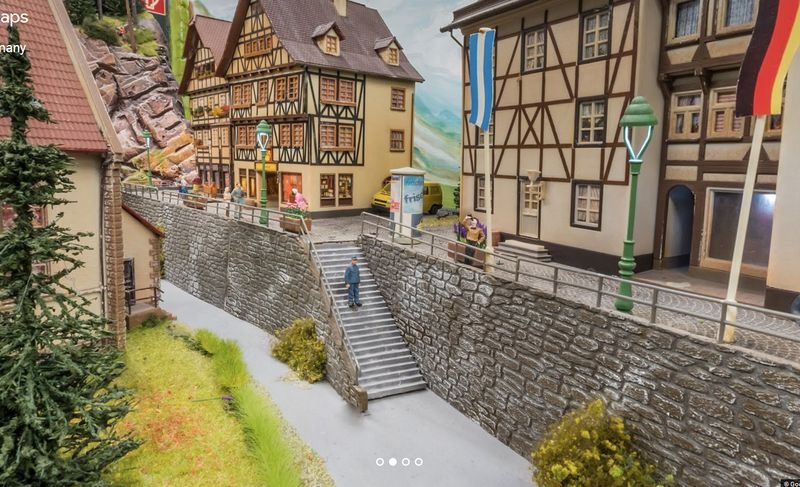
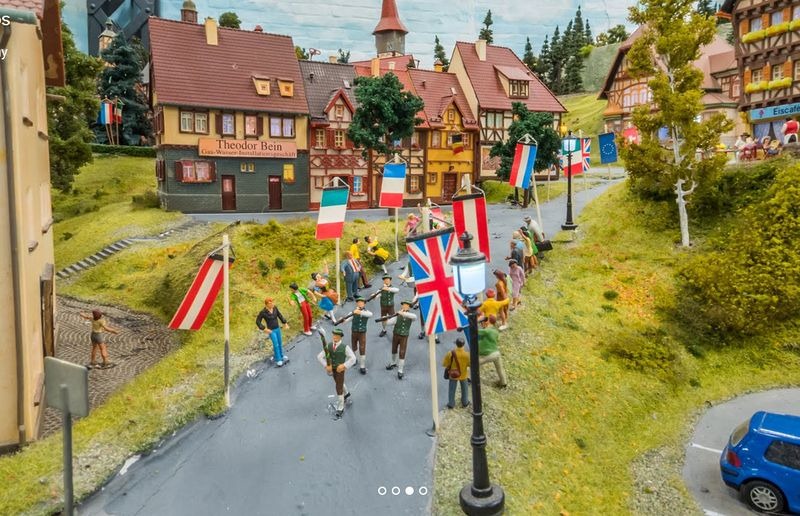
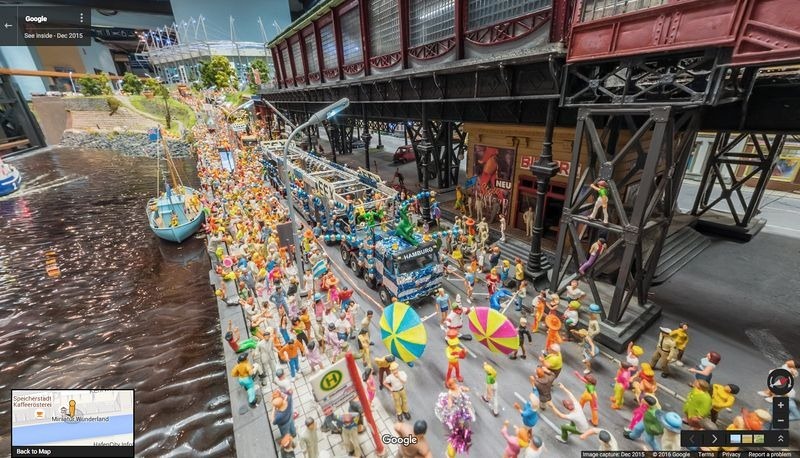
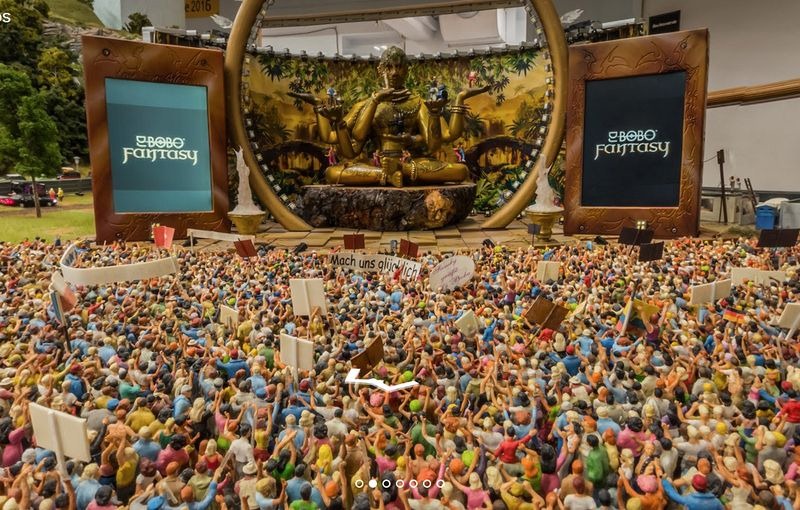
Google’s Street View, that lets you explore the world through the virtual eyes of street level cameras, has now shrunk itself to the size of a thumb, so that you can experience the world’s largest miniature model railway as if it has been blown to real size.

“Miniatur Wunderland” in Hamburg, Germany boasts of 13,000 kilometers of track and more than 200,000 tiny citizens, featuring tiny replicas of German provinces, famous places in the U.S. and even a fully-functioning airport, which itself is the largest miniature airport in the world.

miniatur-wunderland-street-view-10

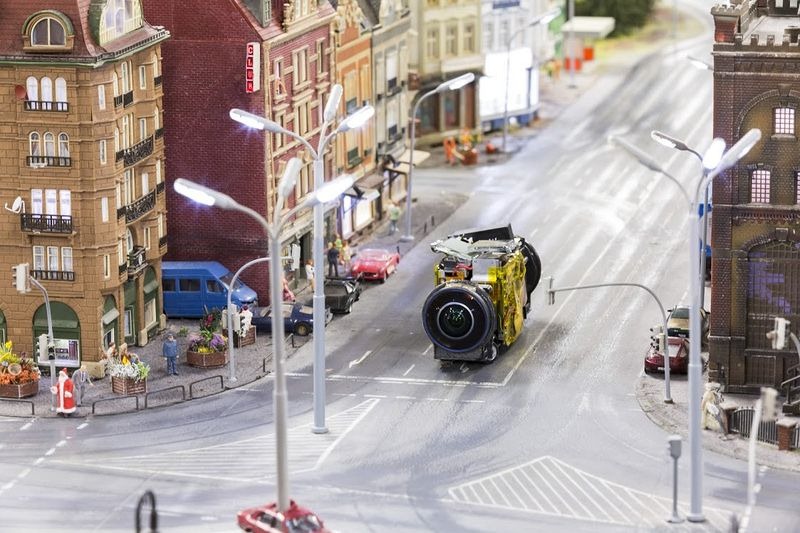
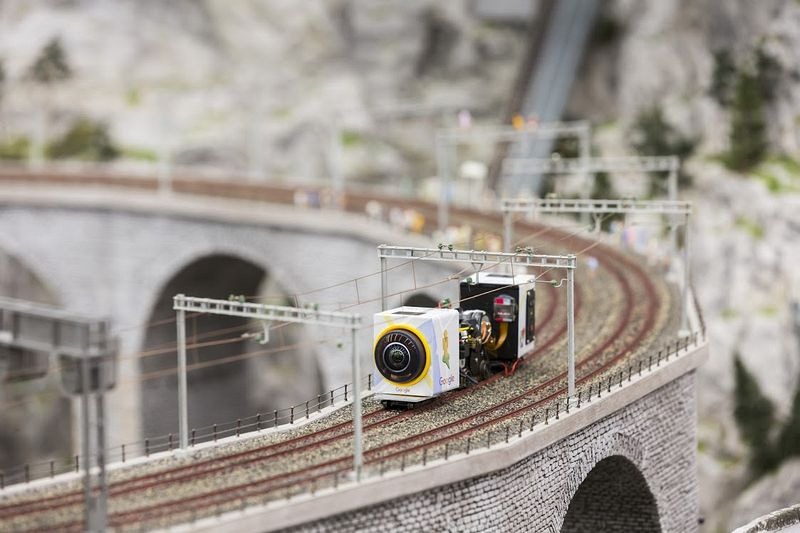
To capture the nooks and crannies in Miniatur Wunderland, Google mounted tiny cameras on top of tiny vehicles that were driven through the roads and over the train tracks, “weaving through the Wunderland’s little worlds to capture their hidden treasures,” wrote Sven Tresp, Street View Program Manager, in the official announcement.

Among the sights available for view include a soccer match in Hamburg’s stadium, a traditional town center in central Germany, a rowdy Oktoberfest celebration, a replica of the famous Neuschwanstein Castle in Bavaria, a music concert, and even the ski slopes of Austria, among others. A short hop from the fictional town of Knuffingen, one can “zoom through the valleys of the Grand Canyon, gambol down the strip in Las Vegas, and even stop by Mount Rushmore to salute past U.S. Presidents.”

Because the imagery were captured at “street level” within the Wunderland, you can observe many tiny details in Street View that are not visible even to visitors to the museum, such as deep sea divers at a county fair, farmers riding a broomstick, a newly-married couple on the steps of the courthouse and the dancing crowds at an outdoor concert.

Visit Miniatur Wunderland on Google Street View.

miniatur-wunderland-street-view

miniatur-wunderland-street-view-14

miniatur-wunderland-street-view-11

miniatur-wunderland-street-view-12

miniatur-wunderland-street-view-8

Google Maps’ miniature Street View devices cruising the railways and streets of Miniatur Wunderland

miniatur-wunderland-street-view-9

Google Maps’ miniature Street View devices cruising the railways and streets of Miniatur Wunderland

miniatur-wunderland-street-view-5

miniatur-wunderland-street-view-6

miniatur-wunderland-street-view-7

Source……..www.amusingplanet.com

Natarajan
பொங்கல் பிள்ளையார்…….

பொங்கல் என்றாலே உழவுக்கு வந்தனை செய்யும் விதமாக ஆதவனை வணங்குவது, தித்திக்கும் கரும்பைச் சுவைத்து மகிழ்வது இவையெல்லாம் ஒரு பக்கம் இருந்தாலும் இன்னொரு சிறப்பான சம்பிரதாயம் ஒன்று இருந்து வருகிறது. அதுதான் பொங்கல் அன்று பிறக்கும் தனிச் சிறப்பு மிக்க பிள்ளையார்.

தைப் பொங்கலிடத் தயாராகும் போது முதலில் வீட்டு வாசலில் கிழக்கு நோக்கி விளக்கு வைத்து, அதன் முன்பு ஒரு பெரிய வாழையிலையை விரித்து, அதில் அனைத்து வகையான காய்கறிகள், கிழங்கு வகைகளை வைத்து, ஒரு டம்பளரில் பொங்கலிடப் போகும் அரிசியையும் வைத்து வணங்குவார்கள். இதில் இன்னொரு சிறப்பு என்னவென்றால், விளக்குடன் சேர்த்து மற்ற கடவுளரைக் காட்டிலும், முதன்மைக் கடவுளான பிள்ளையாரையும் அங்கு வைத்திருப்பார்கள். அதுவும் அந்த பிள்ளையார், ஒவ்வொரு இல்லத்தினரும் அவர்கள் கைகளினால், உருவாக்கிய சிறப்புப் பிள்ளையார்கள்.

இதன் முக்கியத்துவம் என்னவென்றால் உலகின் முழுமுதற் கடவுளான கணபதிக்கும் சேர்த்து வந்தனை செய்வதாக அர்த்தம். சூரிய பகவான் முன்பு பொங்கலிட்டு, முதலில் பிள்ளையாருக்கும் சேர்த்து படைக்கப்படுகிறது என்பது பொருள்.

பொதுவாக மூன்று வகைப் பிள்ளையார்கள் உருவாக்கப்படுகிறார்கள். ஒன்று, சாணத்தால் ஆன பிள்ளையார். இரண்டாவது, மஞ்சளால் ஆன பிள்ளையார். மூன்றாவது, சந்தனத்தால் ஆன பிள்ளையார். இந்த மூன்று திவ்யத்துவம் பொருந்திய பொருட்களைப் பயன்படுத்தியே, பிள்ளையார் உருவாக்கப்படுகிறார்.

சாணப் பிள்ளையார்

சாணம் ஒரு கிருமி நாசினி என்பது அனைவரும் அறிந்ததே. தூய்மைப்படுத்துவதே இதன் சிறப்பு. பொங்கல் அன்று, அனைவரும் மனதில் அசுத்த எண்ணங்களைத் துறந்து, தூய உள்ளத்தோடு ஒன்று சேர்த்து பண்டிகையைக் கொண்டாட வேண்டும் என்பதற்காக சாணத்தால் ஆன பிள்ளையார் செய்து வைக்கப்படுகிறது.

மஞ்சள் பிள்ளையார்

மஞ்சள் இல்லாத ஒரு மங்கள நிகழ்வு என்பதே கிடையாது. பல்வேறு மருத்துவ குணங்கள் முதல் பலவிதமான மங்காத புகழ்களைத் தன்னுள்ளே கொண்டது மஞ்சள். இந்த மங்கள நாளில், அனைவரும் சகல ஆரோக்கியத்தையும் பெற்று, புகழோடு வாழ்வதற்காகவே, மஞ்சளால் ஆன பிள்ளையார் செய்து வணங்கப்படுகிறது.

சந்தனப் பிள்ளையார்

எந்த நிலையிலும் மாறாத தன்மையுடன், நல்ல மணம் பரப்பும் குணமுடையது சந்தனம். அதுபோல, மனிதன் எந்தச் சூழ்நிலை வந்தாலும் தன்னிலை மாறாது, நன்னெறிகளை செய்து வாழ வேண்டும் என்பதற்காகவே சந்தனத்தால் ஆன பிள்ளையார் செய்து வைக்கப்படுகிறது.

இவ்வாறு மூன்று வகைப் பிள்ளையார்களை உருவாக்கி, அதற்குக் குங்குமப் பொட்டு வைத்து, பிள்ளையாருக்கே உரித்தான அருகம்புல்லை அணிவித்து வணங்க வேண்டும், இதன் மூலம் சகல செல்வங்களும் வந்துசேரும் என்பதே ஐதீகம். இயற்கையை போற்றும் இந்த நன்னாளில், சிறப்புமிக்க இந்த இயற்கைப் பொருட்களைக் கொண்டு கடவுளைப் படைத்து வணங்கி, அனைத்து வளங்களையும் பெற வேண்டும் என்பதற்காக, நம் முன்னோர்கள் வைத்த இந்த சம்பிரதாயத்தை நாமும் போற்றிப் பின்பற்றுவோம்.

source…..கா. ராஜசேகர் in http://www.tamil.thehindu.com

Natarajan
Message for the Day…” Who is dear to God …” ?

Sathya Sai Baba

Once when Narada asked Lord Rama about the nature of His servitors and of spiritual aspirants, the Lord answered, “My servitors are full of love; they always stand by righteousness and truth; their hearts melt with mercy; they avoid sin and renounce everything gladly; they eat in moderation, engage in doing good to others, and have no selfishness and doubts. They won’t lend their ears to flattery but are eager to listen to the praise of the good in others. Spiritual aspirants are those who endeavour to acquire such qualities and possess such a character. Anyone engaged in repeating the Lord’s name has self-control and discipline, faith, patience, comradeship, kindness, and joy as well as unalloyed love towards Me – such a person is dear to Me. Whoever with discrimination and renunciation, humility and wisdom is aware of the knowledge of Reality; who is immersed in the contemplation of My divine play (leela), dwells on My name at all times and sheds tears of love whenever the Lord’s name is heard from any lip —these are My genuine devotees.” Thus did Sri Rama answer Narada.