When No Taxi Took His Wife to the Hospital, This Engineer Became a Taxi Driver so He Never Said ‘No’

When Vijay Thakur, a mechanical engineer, lost his first child just because he did not get a taxi to get to the hospital on time, he left his job. To become a taxi driver who would help the needy.

Vijay Thakur was working as a mechanical engineer with Larsen and Toubro, Mumbai, in 1982. He earned a handsome salary. Once married, life became even better with his wife Saroj by his side. They soon learnt they were going to be parents too and Vijay’s joy knew no bounds.

But one night in March 1982, when Saroj was just 3 months pregnant, she had pain in her abdomen. Vijay rushed out to look for a cab to take his wife to the hospital.  It was 2 am and no taxi was ready to stop for him. He kept waving and pleading but did not get a taxi. Finally, he ran till Andheri station and brought a taxi back home by paying Rs. 300 (almost like paying Rs. 3000 in today’s money) to take Saroj to Nanavati hospital. But, unfortunately, by the time they reached the hospital Saroj had a miscarriage.

Vijay and Saroj lost their first child just because no taxi driver was willing to do his job. Vijay was thoroughly shaken up by the tragedy. He kept thinking no one should go through the same experience his wife and he did.

“I was earning quite well then and so I could afford to at least pay double and get a taxi. But I started thinking about those people who cannot even afford to hire an auto rickshaw,” says Vijay.

60VijayThakur.jpg.image.975.568

Pic source: www.theweek.in

Vijay now wanted to do something for such patients. But his long hours at work did not leave him with much time to think. He was still struggling between his career and his desire to help people when Larsen & Toubro introduced a voluntary retirement scheme in 1984. Thakur took up the offer and decided to become a taxi driver, promising himself that he would never decline a passenger. He bought a Fiat car for Rs. 66,000 and got a taxi permit.

He made himself available to passengers always.

“I don’t sleep between 2 am and 4 am because that is the time an emergency patient may need a taxi,” says Vijay.

Despite opposition from his wife and family, Vijay kept doing his work. But then, life again took a tragic turn in the year 1999 when his younger son was hit by a ball on his knees while playing cricket. Initially, his wife and he ignored the injury, thinking it was just a small cut. But within a week the knee had swollen so much that they took him to a doctor. There, the small cut was diagnosed as cancerous and the 19-year-old boy left within 16 days.

Vijay was devastated; he had spent all his savings on his son’s treatment.

“Once, I had to pay a bill for Rs. 43,000 for my son’s treatment. I was short by Rs. 10 and the cashier refused to accept my money. A stranger offered me the balance and only then did the cashier take the money and issue a receipt. This incident strengthened my resolve to help people in need,” says Vijay.

After this incident, Vijay stopped charging fares from poor patients and painted a sign to the effect on the rear window of the taxi. Anyone in Mumbai can give him a call any time and he never says ‘No.’

When asked about his most memorable experiences, he describes quite a few. One of them happened almost 15-20 years back. He was driving on the night of December 31, around 3 am, when he saw a car ramming into a tanker. When Vijay looked inside the car, there was a couple along with an 8-month-old baby girl. He rushed them to Cooper hospital immediately. Unfortunately, the mother died but the father and the child were saved because they got treatment on time. The lady was wearing jewellery worth Rs. 2 lakhs, which the doctors gave to Vijay. Once the victim’s relatives arrived at the hospital, Vijay handed over the jewellery to them and left. Later, he came to know the accident victim was film producer Sudhakar Bokade’s wife. Mr. Bokade offered him money once he was back home with his daughter but Vijay refused to take anything.

“I don’t do this for money or publicity. I don’t remember the people who I have helped once they are fine,” says Vijay.

Vijay Thakur was felicitated by Mr. Amitabh Bachchan on his show Aaj ki Raat Hai Zindagi,where he met his all time favourite star Jeetendra.

twitter

Pic source: Twitter

“It was one of the happiest moments of my life. I never ever thought I could meet Jeetu ji. I am a huge fan. I used to bunk school and watch his movies. I have watched the movie Farz some 31 times just because of Jeetendra,” says Vijay.

Screenshot_2016-02-25-11-22-26

Pic source: Hotstar

But this man, who left his lucrative career and took up the job of a taxi driver, helped more than 500 needy patients and ferried thousands  to their destinations without any complaints, needs your help now.

He is 73 years old now and was recently diagnosed with cervical spondylitis.

“The doctor said it needs to be operated on. He also said that I will either die or will be paralyzed after this operation. But people say I have so many blessings, nothing will happen. I believe them,” he says.

If you wish to help Vijay Thakur, you can call him on +91 9819001689.

Source…….Manabi Katoch in http://www.the betterindia.com

Natarajan

Message for the Day….” Never get inflated when you are praised…Never get deflated when you are blamed …”

Above all, it is best that the Sadhaka under all circumstances should be joyful, smiling and enthusiastic. Even more than Bhakthi and Jnana (Devotion and Wisdom), this pure attitude is desirable. Those who have acquired it deserve to reach the goal first. This quality of joy at all times is the fruit of the good done in past births. When a person is ever worried, depressed and doubting, he can never attain bliss, whatever spiritual practices or Sadhana one may undertake. The first task of a spiritual aspirant is the cultivation of enthusiasm. Through that enthusiasm, he can derive any variety of Ananda. Never get inflated when you are praised; never get deflated when you are blamed. Be a spiritual lion, regardless of both. One must analyse and correct one’s faults on his own; this is most important.

Sathya Sai Baba

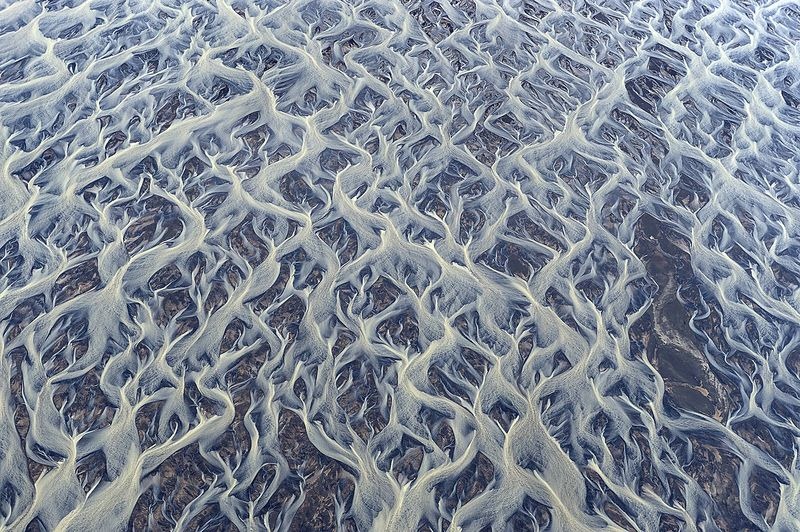
The Stunning Beauty of Braided Rivers….!!!

Most rivers flow in one broad channel of water, but some rivers split into lots of small channels that continually split and join each other to give a braided appearance. These are called braided rivers.

Braided rivers are usually wide but shallow. They typically form on fairly steep slopes and carry large amount of coarse-grained sediments. When the river’s flow decreases, these sediments get deposited on the river bed leaving behind small temporary islands of sands that cause the river’s channel to split. Aside from a steep gradient and abundance of sediments, a variable water discharge rate is essential to their formation. Consequently, braided rivers exist near mountainous regions, especially those with glaciers. Braided channels are also found in environments that dramatically decrease channel depth, and hence channel velocity, such as river deltas, alluvial fans and peneplains.

iceland-braided-river-3

A braided river in Iceland. Photo credit: Andre Ermolaev/500px

The pattern of the braided channels will change over time as the sediment islands get eroded away and deposited in new islands as the speed and amount of water in the river changes.

Rivers with braided channels look stunningly beautiful in satellite images or from airplanes. Here are some of the most beautiful examples of braided rivers.

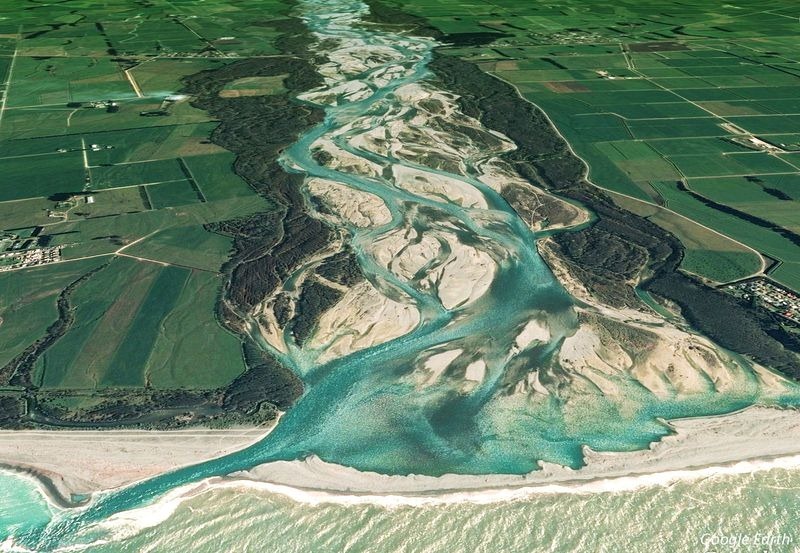
rakaia-River

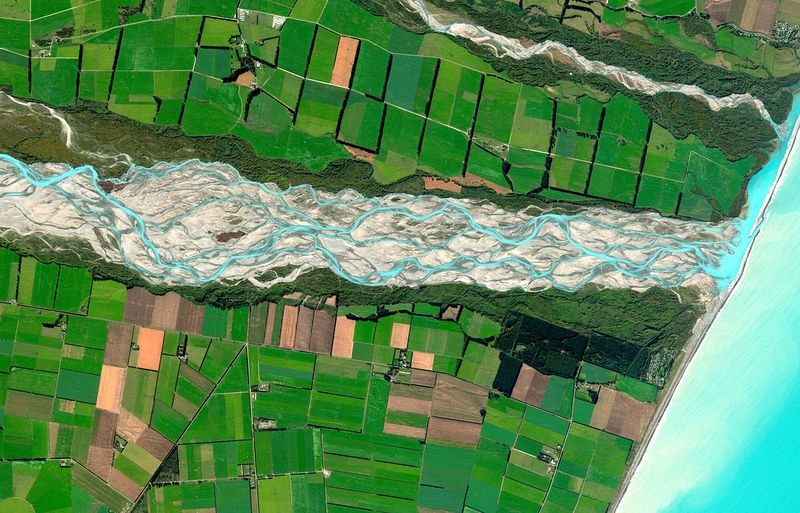
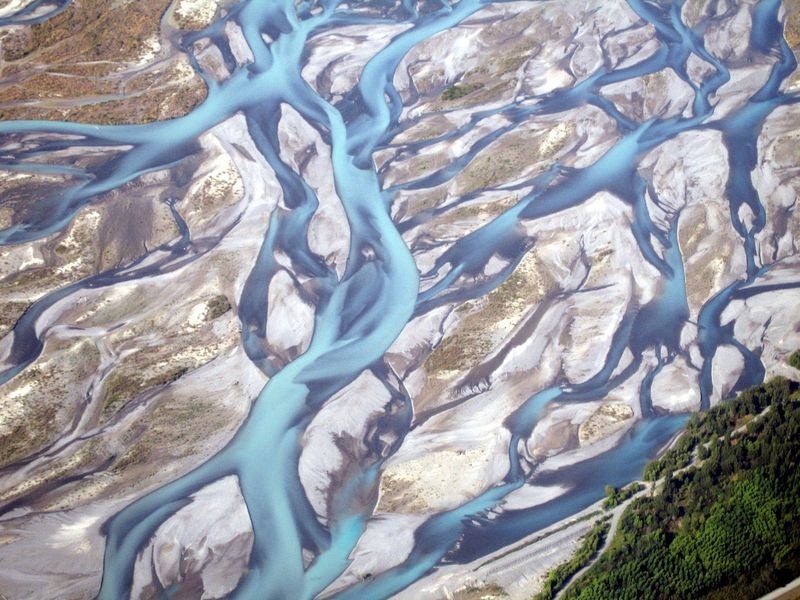
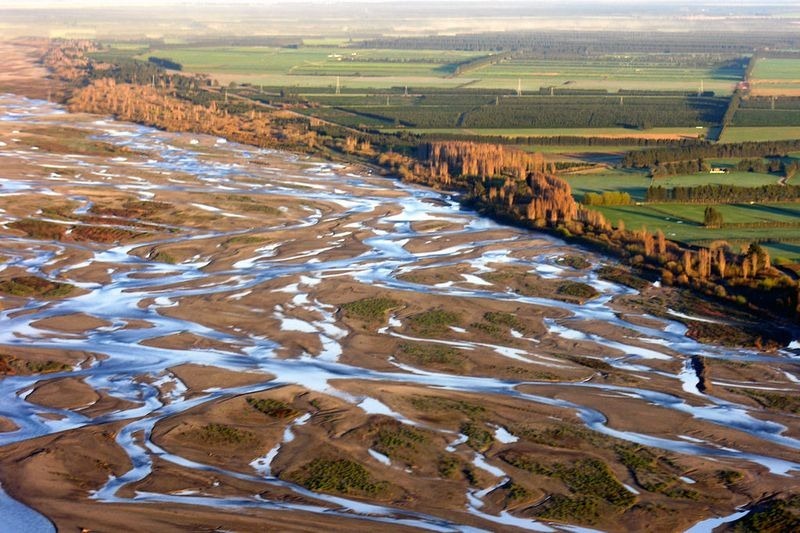
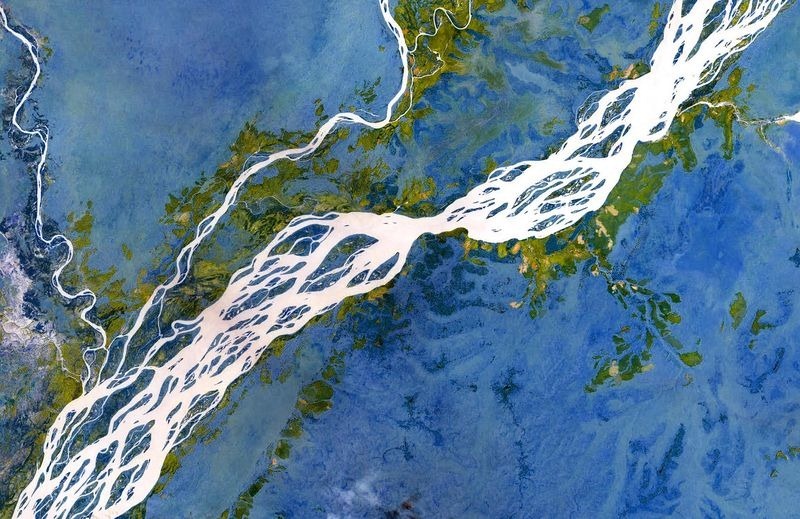
The Rakaia River in the Canterbury Plains in New Zealand’s South Island is a beautiful example of a braided river. It is one of the largest braided rivers in New Zealand. Photo credit: Andrew Cooper/Wikimedia

rakaia-river-braided-2

Rakaia River. Photo credit: www.digitalglobeblog.com

rakaia-river-braided-1

Rakaia River. Photo credit: Geoff Leeming/Flickr

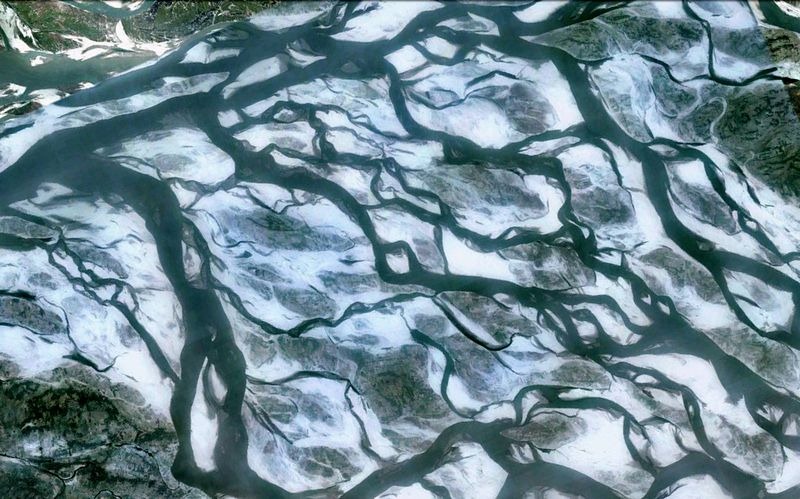
brahmaputra-braided-river-1

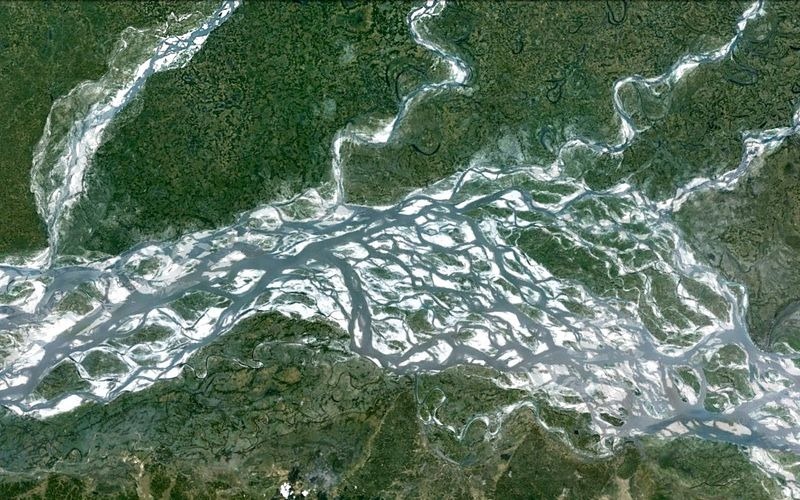
The Brahmaputra River in Tibet, India and Bangladesh is another classic example. The river originates in Tibet and enters India through the state of Arunachal Pradesh. The river gets intricately braided once it enters the state of Assam where it acquires its common name Brahmaputra. For the next 700 km of its braided course through the valley, it gets mighty big even in the dry season. During rains, its banks are more than 8 km apart. Photo credit:Google Earth/patternsofnatureblog.com

brahmaputra-braided-river-2

Brahmaputra River. Photo credit: Google Earth/patternsofnatureblog.com

waitaki-braided-river-1

The Waitaki River is another large braided river in the South Island of New Zealand. It drains the Mackenzie Basin and runs some 110 kilometers south-east to enter the Pacific Ocean between Timaru and Oamaru. Photo credit: Google Earth

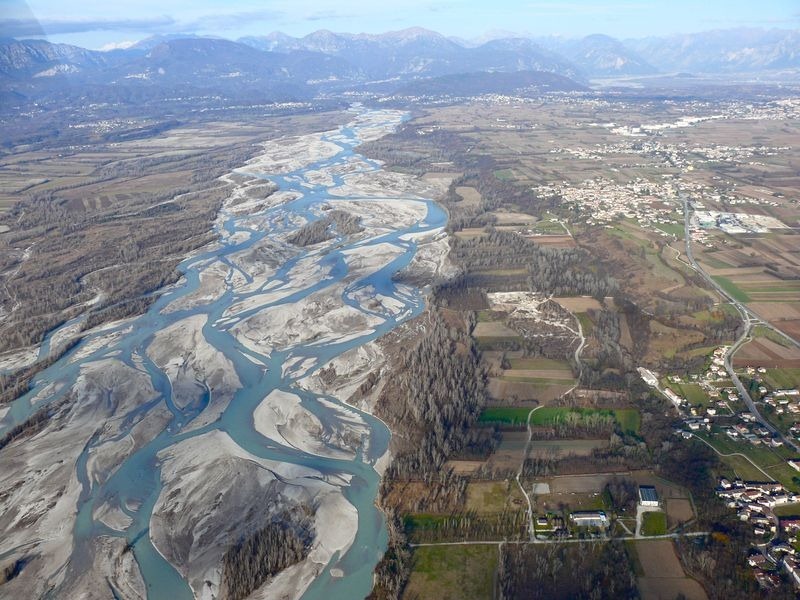
tagliamento

The Tagliamento River in north-east Italy is braided as it flows from the Alps to the Adriatic Sea. Photo credit:www.udine20.it

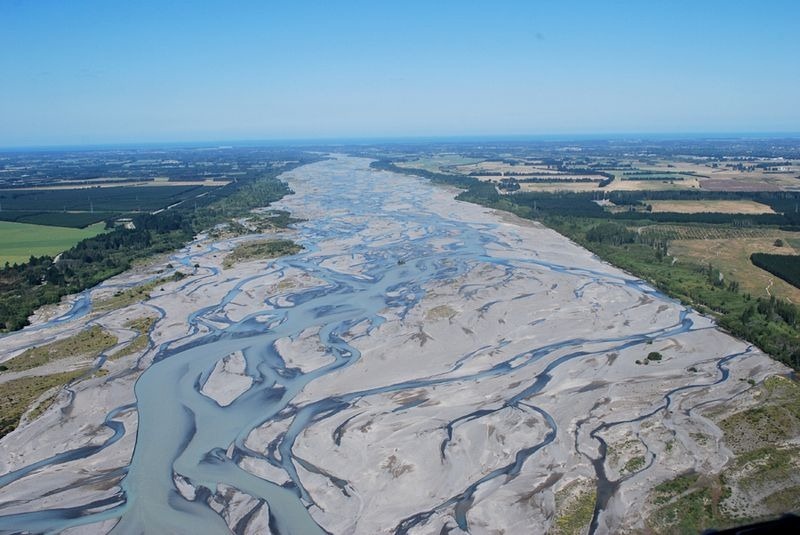
waimakariri-braided

The Waimakariri River in the South Island of New Zealand, is a braided river, about a kilometer wide with many changing channels cutting through the shingle. Photo credit: unknown/spacebattles.com

waimakariri-river-braided-1

The Waimakariri River. Photo credit: Philip Capper/Flickr

congo-braided-river-1

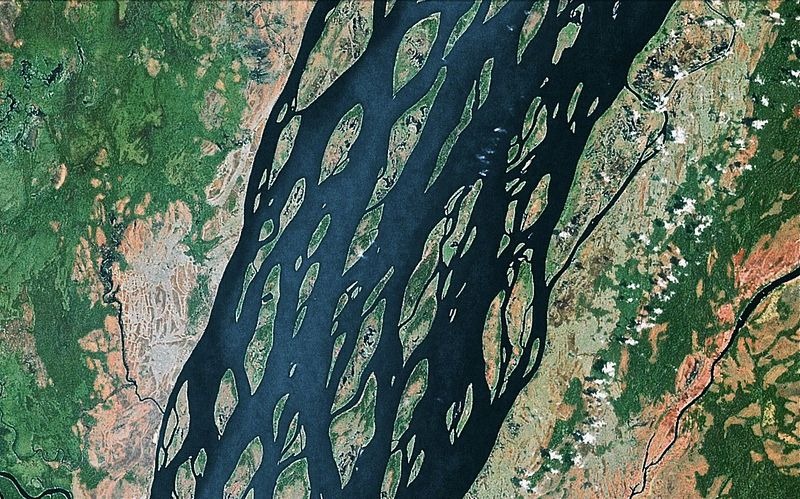
A Landsat image of a braided section of the Congo River. Photo credit: Wired

congo-braided-river-2

The Congo River. Photo credit: Google Earth/patternsofnatureblog.com

ob-river-braided-1

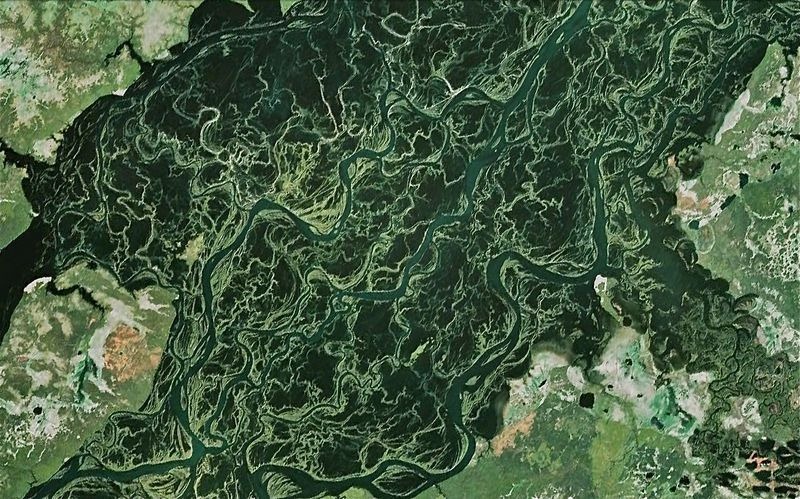
The Ob River in western Siberia, Russia, is the world’s seventh longest river. Photo credit: Google Earth/patternsofnatureblog.com

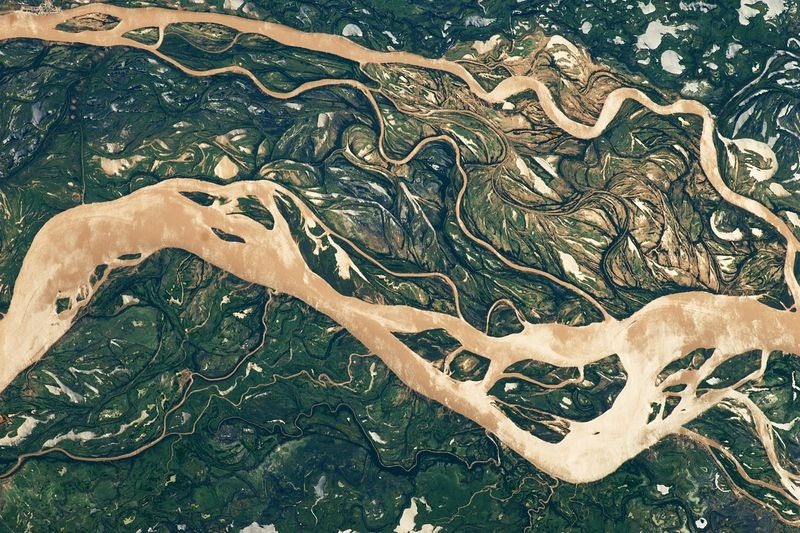
parana-river-braided-1

The Paraná River in South America. This photograph shows a 29-kilometer stretch of the Paraná, downstream of the small city of Goya, Argentina. Photo credit: NASA

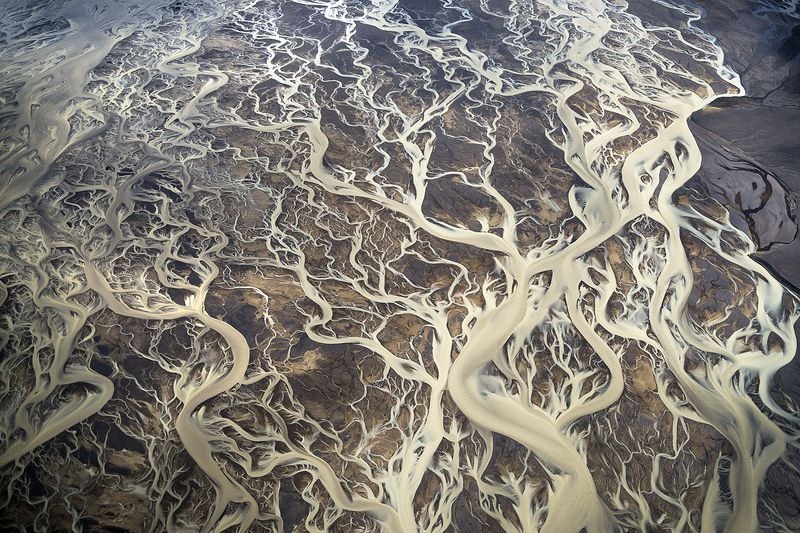
iceland-braided-river-1

A braided river in Iceland. Photo credit: Andre Ermolaev/500px

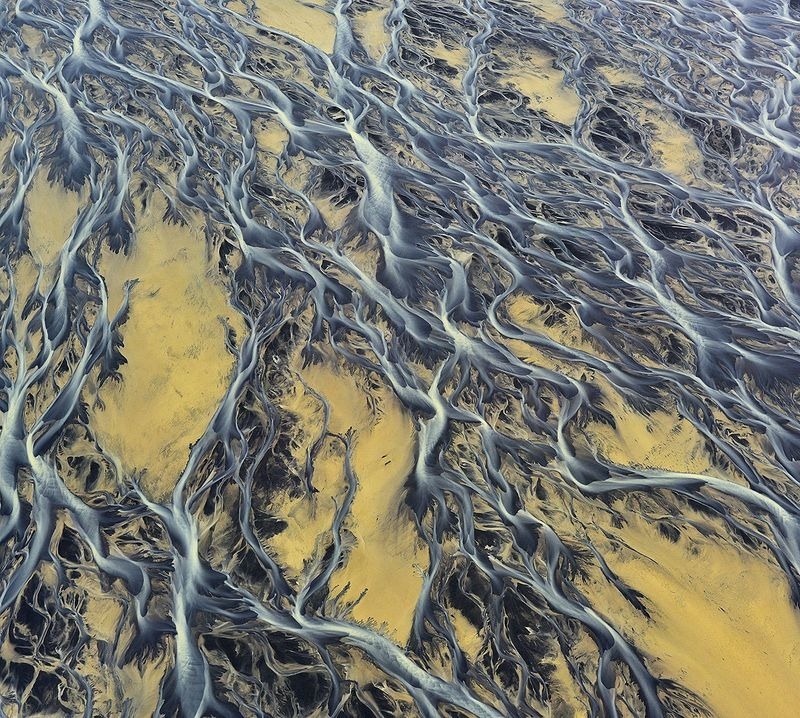
iceland-braided-river-2

A braided river in Iceland. Photo credit: Andre Ermolaev/500px

Source….www.amusingplanet.com

Natarajan

A Man with Dwarfism Heard about a Woman with Polio Crossing the English Channel. Then He Did This….

He is 44, was born with dwarfism, is 4 feet 2 inches tall, and is super passionate about sports. This is the inspiring story of K Y Venkatesh, a para-sportsman from Bengaluru, whose short stature never disheartened him from moving forward in life.

Meet K Y Venkatesh, a 44-year-old para-sportsman who did not let his disability come in the way of his dream to make a mark in the field of sports. Venkatesh has achondroplasia, a condition that leads to dwarfism.

“I never faced many problems when I was growing up. The only challenge was that whenever I used to go to a new place or my native village, strangers would often stare at me and talk about my height behind my back. But my family always supported me and that helped me in keeping myself motivated,” he recounts.

Today Venkatesh has his name in the Limca Book of Records for winning the highest number of medals in the World Dwarf Games, 2005.

Para sports

He made himself proud with a successful career and is still working hard to promote different sports among people with disabilities.

Born and brought up in Bengaluru, Venkatesh started his career in 1994:

“This was after I heard about C.N Janaki, a woman who was afflicted with polio since the age of two. She swam across the English Channel in 1992 and her victory motivated me a lot. That was where this spirit and love for sports arose in me. I thought if she can do something like this without having any mobility in her legs, why can’t I try? I took that spirit and built my sports career on it,” he says.

Venkatesh represented India at the first International Paralympic Committee (IPC) Athletics World Championships held in Berlin, Germany in 1994.

“I felt extremely proud while entering the stadium in which the Indian hockey team had won gold,” he says.

Para sports

Venkatesh never looked back after that day. He is interested in multiple games and has achieved excellence in athletics, badminton, basketball, hockey, soccer, and volleyball. In 1999, he won his first international gold medal for shotput in a multi disability championship held in Australia. “It was like a dream come true. I could not express my feelings. It was my first international medal and that too gold. My family was exhilarated. It was like my parents saw a dream and it turned into reality,” he smiles. Since he was new to the field of sports, people around Venkatesh used to help and guide him a lot during coaching sessions.

In 2005, Venkatesh became the first Indian athlete to represent India at the fourth World Dwarf Games. It was here that he won six medals – two gold, one silver and three bronze. These were for athletics and badminton events (singles and doubles). The World Dwarf Games are similar to the Paralympics, where people with dwarfism compete at an international level. The Games are held every four years at locations around the world.

Recently, the Limca Book of Records honoured Venkatesh with the People of the Year award for his achievements.

Para sports

“The experience of playing at the World Dwarf Games was really unique. So many people from other countries come in and we have a really good time. India is slowly gaining awareness about these games and the sportspersons are being recognised. We had to arrange for funds ourselves to participate in the games because the government didn’t sponsor us that time. So we also had to worry about finding sponsors and that was one of the major troubles for us. People from other countries did not have to worry about those things,” he says.

While Venkatesh stopped playing after 2012, he is contributing largely to the administration, development, and promotion of different sports among people with disabilities. He is the secretary of the Karnataka Badminton Association for the Disabled that conducts national badminton tournaments every year. “First we identify the people, bring them to the national level, and if they are very good, then we prepare them for the international games. Recently, two people from the Association won medals in world championships. This way, I am trying to encourage talented players,” he says. Later, he attended the IPC accredited coaching, technical and classification course in wheelchair basketball to promote the sport in India.

Seeing his contribution to sports for people with disabilities, the Government of India sent Venkatesh as the team escort for many international level sports meets to help wheelchair bound players.

Para sports

He also played a key role in getting the international affiliation for India from the International Wheelchair Basketball Federation (IWBF), Canada; International Para Equestrian Committee (IPEC), Switzerland; and International Dwarf Sports Federation (IDSF), UK.

Venkatesh was the youngest kid in his family with an elder brother and four sisters. His father was a government ayurveda doctor who played a huge role in developing Venkatesh’s interest in sports. He used to coach him in chess when he was in high school, giving young Venkatesh a chance to participate in several interschool championships.

“My family has always supported me. Nobody in my family has reached such heights in sports, and they are very happy about my achievements. They keep searching on Google and show me the different places where my photos come up,” he says.

Venkatesh completed his graduation from MES College of Arts, Science and Commerce, Bengaluru.

Para sports

“Seeing other people who are living with more severe disabilities but are moving forward in life, I always think that when they can achieve so much, we can too. That is what I tell people. We should not be restricted by our disabilities but move ahead, contributing to the country’s success as well,” he concludes.

Source….Tanaya Singh in http://www.the betterindia.com

Natarajan


These 7 Photos by Indians Just Got Shortlisted in the World’s Biggest Photography Contest…

Six Indian photographers have been shortlisted for the Sony World Photography Awards, 2016. Their photographs made it to the top 115 from about 2,30,103 entries that came from 186 countries around the world.

The Sony World Photography Awards competition began in 2007 and has emerged as the biggest photography competition in the world. , and the winners will share the prize money of $30,000. Their photographs will also be displayed at the World Photography Awards exhibition (April–May), other than being featured in the 2016 edition of the Awards book.

Here is a look at the work of six shortlisted photographers:

1. Prakash Singh, Professional Landscape Category

photography1

photography2

Prakash, who currently lives in Dubai, took up photography as a profession in 2012. Two of his photographs have been shortlisted under the Landscape Category.

2. Nikunj Rathod, Open People Category

photography3

Nikunj is a 28-year-old film director and photographer from Mumbai, and his picture, Bird Hunter, has been shortlisted. He is interested in capturing life on streets.

3. Jaydip Bhattacharya, Open Smile Category

photography4

A high school teacher in Kolkata, Jaydip loves to take pictures of faces, people, etc. His shortlisted picture is named Joys of learning.

4. Abhijeet Banerjee, Open Travel Category

photography5

Abhijeet Banerjee’s picture Gangasagar Fair shows India’s second largest fair which takes place every year in January.

5. Anasuya Mandal, Open Travel Category

photography6

Anasuya Mandal, who is pursuing her PhD at the Massachusetts Institute of Technology, began travel photography three years ago. The image captures the Bryce Amphitheater in Utah.

6. Sanghamitra Sarkar, Open Low Light Category

All souls day #

An amateur photographer from Kalyani, West Bengal, Sanghamitra Sarkar, likes to document different festivals in India and abroad. This image – All souls day, was shot in Puruliya village.

All pictures: Sony World Photography Awards

Source…….Tanaya Singh in http://www.the betterindia.com

Natarajan

Message for the Day….” Everlasting happiness can be obtained only from God…”

In this vast world, every living being desires happiness that is eternal. Where can we attain this happiness from? Beauty is happiness, and happiness is the nectarous essence of life. Which objects are beautiful in this world? A number of objects attract people in various ways. You think it is the beauty of the objects that attracts. But beauty is temporary, whether it is in human beings, birds, animals, or things. For example, this is a rose. It looks so beautiful. Its beauty gives happiness. But how long will its beauty last? It may be there till today or tomorrow. Thereafter all its petals will fall down and it will lose its shine. When it loses its beauty, it will no longer give you happiness. Thus in this world, you cannot find permanent beauty and permanent happiness. Only God is permanent in this world; the rest is temporary like passing clouds. Everlasting happiness can be attained only from God.

Sathya Sai Baba

Message for the Day….” Expansion is the keynote of Education…”

Expansion is the keynote of education. The first step for this expansion is the home, where you must revere and please your parents who gave you this chance to live and learn. If you ill-treat them or inflict grief on their minds, how can you ever gladden others by service and understanding? You know that when a balloon is blown, it bursts and the air inside it merges with the vast limitless expanse outside. So too your love must fill your home and your society, and finally burst even those bonds and become worldwide. A drop of water held in the palm evaporates soon; it is very solitary. But drop it into the sea – it survives! It assumes the name, the majesty and the might of a sea! Cultivate the seeds of love in all hearts!

Sathya Sai Baba

இந்த வாரக் கவிதை ….” ஏழ்மையின் எதிர்பார்ப்பு “

ஏழ்மையின்  எதிர்பார்ப்பு …
……………………
அரிது அரிது மானிடராய் பிறத்தல் அரிது …அதனிலும்
அரிது வறுமை இல்லாத  ஒரு நல்ல வாழ்க்கை … பிறக்கும் போது
தெரிவதில்லை  பொருளின் அருமை … பிறந்து வளரும்போது
புரியுதே   வறுமையின் கொடுமை …ஏங்குதே மனசு
புரியாத புதிரான ஏழ்மையை நினைத்து நினைத்து !
பொருள் இல்லாருக்கு இவ்வுலகு இல்லையெனில் இங்கு
பிறந்தது என் தவறா ? இது இந்த ஏழையின்  கேள்வி …நானும்
 வாழப் பிறந்தவன்தானே இந்த உலகில்?  …விடை இல்லா வினாவா
 இது ?
பொன்னும் மணியும் வேண்டாம் … “ஒரு பிடி அன்னம் போறும்
எனக்கும் என் பிள்ளைக்கும்” இது ஒன்றுதானே என் அன்றாட தேவை !
தன்  தேவைக்கு மேல் பொருள் தேடி அலையும் மனிதர் பலருக்கும்
அந்த ஆண்டவனுக்கே சிறு பொருள் கொடுத்து பெரும் பொருள் கேட்கும்
மாந்தர் சிலருக்கும்   இந்த ஏழையின் சிறிய தேவை ஒரு
பெரிய கோரிக்கை !
ஒரு பிடி அன்னமே ஏழ்மையின் பெரிய எதிர்பார்ப்பு எனில்
இந்த ஏழை தன் பசிப்பிணி நீங்கி  முகம் மலர்ந்து சிரிப்பது எப்போது ?
அந்த சிரிப்பில் இறைவனை மனிதன்  பார்ப்பது எப்போது ?
Natarajan

Joke for the Day… A Family on social media…!!!

Image result for famil

Source……..input from a friend of mine
Natarajan

Message for the Day….” Don’t search for faults in others and hide your own …”

Sathya Sai Baba

It is not the nature of a spiritual aspirant to search for faults in others and hide their own. If your faults are pointed out to you by someone, don’t argue and try to prove that you were right, and don’t bear a grudge against them for it. Reason out within yourself how it is a fault and set right your own behaviour. Rationalising it for your own satisfaction or wreaking vengeance on the person who pointed it out —these should not be the traits of a spiritual aspirant or devotee. The spiritual aspirant must always seek the truthful and joyful, and must avoid all thoughts of the untrue, sad and depressing. Depression, doubt, conceit — these are as detrimental as Rahuand Kethu (evil planetary influences) to the spiritual aspirant. They will harm one’s spiritual practice. When your devotion is well established, these can be easily discarded if they appear. Above all, you must be joyful, smiling, and enthusiastic under all circumstances.