வாரம் ஒரு கவிதை …” வஞ்சம் செய்வாரோடு …”

வஞ்சம்  செய்வாரோடு …
————————-
கொஞ்சமும் வெட்கம் இல்லாமல் லஞ்சம்
வாங்குது ஒரு கூட்டம் …தயங்காமல்
லஞ்சம் கொடுக்கவும் தயாரா காத்திருக்கு  இன்னொரு கூட்டம் !
வஞ்சம் செய்வாரோடு வஞ்சனை இல்லாமல்
சேர்ந்து தாய் திருநாட்டை வஞ்சிக்கும்
இந்த கூட்டணி ஒரு வஞ்சக கூட்டணி !
பிறந்த மண்ணையே வஞ்சிக்கும் இந்த
வஞ்சக கூட்டணியை வளர விடலாமா ?
நம் நாட்டின் அடித்தளத்தை அசைக்க
நினைக்கும் இந்த கூட்டணியை
வேருடன் களைய வேண்டாமா நாம் ?
லஞ்சம் தவிர் ..நெஞ்சம் நிமிர் ..இது கொடுப்பவருக்கும்
சேர்த்துதான் ! நம் மண்ணின் பிஞ்சு
மனத்திலும் விதைக்க வேண்டும் இந்த
விதையை !
எந்த வளத்துக்கும் பஞ்சமில்லா ஒளி
மிகு பாரதத்தில் நெஞ்சம் நிமிர்ந்து
வீறு நடை போடும் காலம் கனிய
வேண்டும் நம் இளைய தலைமுறைக்கு
வஞ்சனை எதுவும் இல்லாமல் வெகு விரைவில் !
K.Natarajan
in www.dinamani.com dated 2nd Feb 2018

வாரம் ஒரு கவிதை …”.நல்லதோர் வீணை “


நல்லதோர்  வீணை
——————
நல்லதோர்  வீணை … அதன் நாதம்
சுருதி பிறழாத  சப்தஸ்வர கீதம் !
இந்த மண்ணில் பிறக்கும் ஓவ்வொரு
குழந்தையும்  நல்லதோர் வீணைதான் !
அந்த  வீணை இசைக்கப் போவது இனிய
கீதமா …இல்லை அபஸ்வர ஒலியா ?
விடை இதற்கு  அதன் அம்மா அப்பாவிடம்தான் !
வீணை வாசிப்பு எப்படி என்று தெரியவேண்டும்
குழந்தையின் அம்மா அப்பாவுக்கு !
அம்மா அப்பாவின் இனிய  இசை இயக்கத்தில்
வளரும் பிள்ளை  தப்பு தாளம் போடாது ..
தவறியும்  சுருதி பிசகு செய்யாது ! தன் இசையால்
பிறர் மனதை கொள்ளை அடிக்குமே அல்லாமல்
மறந்தும் தன் வீட்டையும் நாட்டையும் கொள்ளை
அடிக்காது !
நல்லதோர்  வீணை செய்வோம் ஒவ்வொரு
வீட்டிலும் …வீணையின் இனிய இசை
ஒலிக்கட்டும்  நம் வீட்டிலும் நாட்டிலும் !
Source…..Natarajan
in http://www.dinamani.com dated 27th Jan 2018

The making of the Tiranga….

Year after year, Indians hoist the Tricolour with great fervour on Republic Day and Independence Day.

But have you ever wondered where, and how, the flag is made?

On the occasion of India’s Republic Day, Rediff.com visits Khadi Dyers and Printers, a tiny unit in Borivli, north west Mumbai, where the Tricolour takes shape.


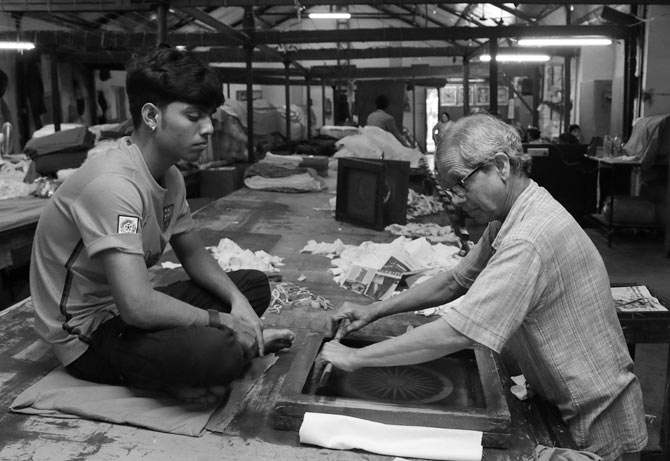
IMAGE: The blue dye is spread evenly on a cast with the Ashoka Chakra.
It takes the better part of the entire day to get the Ashoka Chakra printed onto a piece of white cloth.

The national flag you see fluttering on government buildings across Maharashtra take shape in a tiny unit in suburban Mumbai.

Here workers stencil and stamp the Ashoka Chakra onto white khadi cloth — the central motif is printed in blue ink using a screen printing technique.

Printing happens only by hand at this unit, where flags are manufactured according to the Indian standard specifications for the national flag.   

IMAGE: The white cloth is quickly spread out so that the ink can dry and does not bleed.
At this unit, no cloth is just a piece of fabric. It’s something special.

“When you buy khadi flags, you’re actually supporting poor farmers living in villages,” says D N Bhatt, manager, Khadi Dyers and Printers.

“Education has not touched some of these villages, where poor farmers make khadi for a living,” he adds.

The process of flag-making is strenuous and the flags are made in segments.

Khadi manufactured in the villages reaches Bhatt’s unit. It is then segregated into three parts: One to be bleached white and two to be dyed green and saffron.

When the bleached cloth returns to the unit, the Ashoka Chakra is printed on it.

Once the green and saffron dyed cloth return to the unit, a stitching team cuts out the required sizes and sews the flag panels to put together the Indian flag.

Lastly the flag is ironed, neatly folded and packed.

The finished bags are then ready to be shipped to government offices and also supplied to khadi stores from where the public can buy these flags.

Bhatt’s unit has limited production capacity, so it produces flags throughout the year.

“Our main work is printing the Ashoka Chakra and stitching the flags according to BIS norms,” says Bhatt. “We also sew accessories like ropes, toggles and threads into the flag.”

“The flags here are made of khadi only and they strictly adhere to the specifications laid down by the BIS,” he adds.

“The flags come in nine sizes from 4″ x 6″ to 14″ x 21”.

“As and when a Khadi Bhandar gets an order, they approach us and we immediately supply flags to them. For that, we need to keep flags in all sizes ready.”

Bhatt’s unit also manufactures table and car flags for VIPs. “We cater to all government departments and embassies in India and abroad.”

The flags made at this unit are more expensive than the ones made of regular cloth, paper and metal. That’s the price you pay for the effort that goes into making the flag.

“Please buy khadi flags,” Bhatt urges readers. “By doing so, you are helping poor people.”

Source….www.rediff.com

Natarajan


For the love of art: Meet the Vizag man who makes beautiful sculptures using paper…

The word sculptor usually brings to mind a man busy chiselling away on metal or plaster, but Moka Satish Kumar, a Visakhapatnam-based artist, plans to change that perception.

Completely self-taught, Satish began with small subjects like birds and insects before gradually moving on to exotic sculptures.

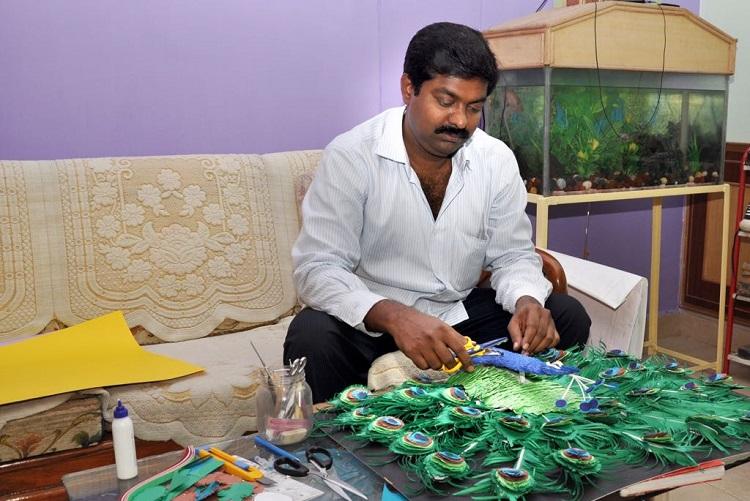
A paper sculptor, Satish is gaining recognition for intricate sculptures carved by him using nothing but paper.

Born, raised and educated in Visakhapatnam, Satish has been sculpting these three-dimensional sculptures for close to 12 years now.

“I come from a commerce background and have no formal training in the arts field. It all started when I began observing paper collages. I was drawn to the subtle way in which light and dark colour paper are assembled to create an image,” says Satish, who used to work in the private sector.

“However, with sculptures, it’s far more realistic as the effect of a shadow is created by the subject itself,” he adds.

Since Satish is completely self-taught, he began with small subjects like birds and insects before gradually moving on to some exotic sculptures. Here are a few examples.


The outline of the art is first drawn on the paper before Satish cuts them out and gets to work. The sculptures are made using a combination of cutting, folding and embossing techniques.

“Embossing is nothing but adding an extra layer on top of a paper to give it a certain finish and 3D effect. For example, the finish you find on wedding cards is from preset designs, which are pressed onto the card,” Satish explains.

“However, I do it manually to ensure that the final product is smooth. The paper should also be handled with care as it is generally a delicate thing,” he adds.

Meticulous effort

Making a sculpture is not easy work, as even a basic 2×2 feet portrait can take up to 250 hours, says Satish.

“The sculptures are also expensive for the same reason. Only those who put in the hard work will understand. No corrections can be made to the art work… even a minor mistake means that the sculptor has to start over again,” Satish says.

While paper sculpting is relatively more common in western countries, very few Indians indulge in the art form. Therefore, Satish has also opened an institute and is presently teaching three students in his workshop.

“I also need labour. I can’t mass produce these sculptures, so I’m working on teaching it to more people. I also plan to approach the Andhra Pradesh government with my work,” he says.

Source…Nitin.B. in http://www.the news  minute.com

Natarajan


98 வயதில் பத்மஸ்ரீ விருது!- நானம்மாள் பாட்டியின் அர்ப்பணிப்புக்கு கிடைத்த அங்கீகாரம்.

Coimbatore: 

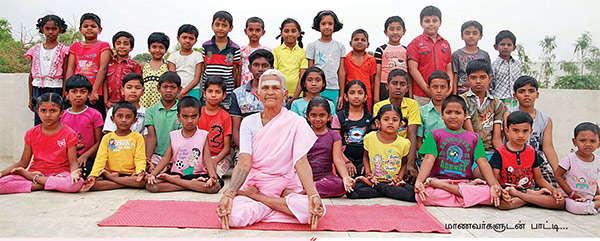
98 வயதிலும் ஓய்ந்துவிடாமல் யோகா கற்பித்துவரும் கோவையைச் சேர்ந்த நானம்மாள் பாட்டிக்கு மத்திய அரசு இந்த ஆண்டின் பத்மஸ்ரீ விருது அறிவித்துள்ளது கோவை மக்களிடையே மகிழ்ச்சியை ஏற்படுத்தியுள்ளது.

கோவை கணபதியைச் சேர்ந்தவர் நானம்மாள். எட்டு வயதாக இருக்கும் போது தன்னுடைய தந்தையிடமிருந்து யோகா கற்றுக்கொண்ட நானம்மாள் அன்றிலிருந்து இன்றுவரை 90 வருடங்களாக தன் யோகா பயணத்தைத் தொடர்ந்து வருகிறார். இதுவரைக்கும் சுமார் பத்து லட்சம் பேருக்கு யோகாசனம் கற்றுக்கொடுத்துள்ளவர், 600-க்கும் மேற்பட்ட யோகா ஆசிரியர்களை உருவாக்கியுள்ளார். இதில் 36 பேர் அவருடைய குடும்பத்தைச் சார்ந்தவர்களே என்பது சுவாரஸ்யத் தகவல். அவர்கள் அனைவரும் இப்போது உலகின் பல்வேறு நாடுகளில் யோகா கற்பித்து வருகிறார்கள்.

யோகா பயில ஆரம்பித்ததிலிருந்து இப்போது வரை நாள் தவறாமல் யோகாசனம்  செய்துவரும்  நானம்மாள் ஒருநாள்கூட உடல்நிலை சரி இல்லையென்று முடங்கியது கிடையாது. மருத்துவமனை பக்கமே சென்றது கிடையாது. அந்த அளவுக்கு வலுவான உடலையும், மனதையும் யோகாவால் பெற்றிருப்பதாகச் சொல்கிறார் நானாம்மாள்.

காலையில் வேப்பங்குச்சியில் பல்துலக்கி பொழுதை ஆரம்பிக்கும் நானம்மாள், ராகி, கம்பு, மக்காச்சோளம், பாசிப்பயிறு, வரகு, தினை, கோதுமை, சிவப்பு அரிசி, தானியங்கள் என்று ஏதாவதொன்றை வறுத்து அரைத்த மாவில் காய்ச்சிய கூழில் மோர், உப்பு சேர்த்துக் குடிக்கிறார். மதியத்துக்கு சாதம், காய்கறிகள், கீரை, அவற்றோடு கொஞ்சம் மோர் சேர்த்துக்கொள்கிறார். இரவில் ஒரு டம்ளர் பால், ரெண்டு வாழைப்பழம்’ இதுதான் நானம்மாள் பாட்டியின் உணவுப்பட்டியல். காபி, டீயைத் தடைபோட்டிருக்கும் நானம்மாள், கருப்பட்டி கலந்த சுக்குக் காபியைத்தான் குடிக்கிறாராம்.

வீடுமுழுக்க விருதுகளை வாங்கிக் குவித்து வைத்திருக்கும் நானம்மாள் ஏற்கெனவே குடியரசுத் தலைவரிடம் பெண் சக்தி விருதை பெற்றிருக்கிறார். அவருக்கு இப்போது மத்திய அரசு பத்மஸ்ரீ விருதை அறிவித்து பெருமைப்படுத்தியுள்ளது.

Source…. M.Punniya Murthy  in http://www.vikatan.com

Natarajan