Make These Little Changes and Improve Your Life….


The hardest part of adopting a new habit is beginning a new routine to shape that habit. A new habit can take some 30 days to establish, but once it’s assimilated into your life, it’s extremely easy to keep up. Here are 16 changes that you can make to become a better person:

af80adc2-4280-41d5-8c5d-f40715a844a6

1. Use words that encourage happiness

A good example of this is to watch how you reply when someone asks how you are. Instead of replying in a neutral fashion by saying “I’m fine”, or “I’m okay”, try saying: “I’m fabulous!”, or “I’m great!” If life has blessed you with many things to be happy about, then you should acknowledge that through your choice of words. It’s a basic universal truth that positivity only serves to breed more positivity, so be conscious of that.

2. Try something new every day

The first time we do or experience something can impact us so profoundly that it stays with us for the rest of our lives. Obviously this isn’t true for every single new thing we do or experience, but trying something new can open doors to life-changing opportunities.

3. Do something selfless every day

Life rewards you for the effort you put in. If you make a positive impact on someone else’s life, you also impact your own life in a positive way. See how you can make someone happier, or lessen their suffering. Being selfless is extremely rewarding, and once you get into the habit, you’ll be hooked.

The first time we do or experience something can impact us so profoundly that it stays with us for the rest of our lives. Obviously this isn’t true for every single new thing we do or experience, but trying something new can open doors to life-changing opportunities.

4. Learn and practice one new skill each day

Being self-reliant is crucial for being able to live a vital, healthy and productive life. If we don’t master a basic set of skills, then we don’t get to have a mastery over our own lives. Think of learning a new skill each day as taking the steps needed to turn yourself into a jack of all trades. And besides, learning new skills is fun.

5. Teach someone something new every day

Strengths and talents differ from one individual to another, so enlighten someone with your uniqueness each day. Take note of what people ask you for help with on a regular basis. Are you good at math? Are you very creative? Try devoting some time each day to teaching someone the thing or things that you’re good at.

6. Dedicate an hour a day to your passion

What is the one thing in life that makes you tick? It could be anything – spirituality, collecting things, fighting for a cause you believe in – the list is endless. Indulging your passion on a daily basis will bring lots of added happiness and meaning into your life.

7. Treat everyone nicely

Regardless of whether someone is rude to you or not, just reciprocate as nicely and calmly as you can. Doing so doesn’t imply that you’re a fake person – it’s indicative of your emotional maturity. Treat everyone as you wish to be treated, namely with kindness and respect. Do this consciously, and you’ll see how the negativity around you will dissipate as if it was never there in the first place.

8. Be as positive as you can

Think of optimism as something to be sown and harvested. No matter how bad a situation is, true success is being able to find an opportunity when it seems like nothing good can come of it. Failure is a blessing, because you can learn and grow from it. If life doesn’t give you what you want right now, that only means that there’s something better for you right around the corner.

9. Acknowledge the lesson you’ve learned from a bad situation

Life continuously gives you lessons – from the people you meet, to the things you encounter and the experiences you go through. Whether good or bad, you should always look for and acknowledge the lesson you have learned. Once you’ve done that, keep it in mind and apply it to better tackle a similar situation or experience in future.

10. Pay attention and enjoy your life as it happens

In life, the past has gone and no longer exists, whereas the future hasn’t arrived yet. If you think about it, the present is all you ever have. Everything you’ve ever done, everything you’ve ever been through, has led up to this present moment. Seeing as that present is all you ever have, you should try living your life accordingly!

11. Get rid of one thing a day for 30 days

De-cluttering is good for the soul. Try getting rid of one thing every day for 30 days, and you’ll feel a tangible internal change. It might not be easy letting go of things at first, but it’ll get better with practice. By getting rid of physical things you don’t need, you’re opening up room for newer, positive things – both physical and abstract – to come into your life.

12. Create something brand-new in 30 days or less

Fashioning something using your hands and your own ingenuity is undoubtedly one of the most rewarding things you can do in life. Use the next 30 days to create something of your choosing – just make sure that it’s something you actually care about so you don’t lose interest in it. Find something you love and let your imagination run wild.

13. Wake up 30 minutes earlier each morning

If you’re in a rush in the morning, you’re setting yourself up for a bad day, because you’ll be constantly chasing the time you’re trying to make up. Try getting up 30 minutes earlier, and save yourself speeding tickets, being late for work and other stresses you don’t need to be dealing with. Make a pact with yourself to do it for 30 days straight and see the difference that it makes.

14. Don’t tell a single lie in 30 days

We all tell little white lies, and naively think they’re harmless. The truth is that a lie is a lie, no matter how big or small. Avoid deceiving yourself and those around you, speak from the heart and speak the whole truth.


வாரம் ஒரு கவிதை… ” குடைக்குள் பெய்யும் மகிழ்ச்சி ….” !!!


குடைக்குள் பெய்யும் மகிழ்ச்சி !
……………………..
rain
அடை மழை வெளியில் ! …குடைக்குள் பெய்வது
குழந்தைகளின் மகிழ்ச்சி மழை !  தடை ஏதும் இல்லை
பிஞ்சுக் குழந்தைகளுக்கு குடைக்குள் கிடைக்கும்
இடம் பகிர்ந்துகொள்ள … மொழியும்  மதமும்  ஒரு
பொருட்டல்ல அவர் பேச , விளையாட ! பொறாமையும்
தீண்டாமையும் அவருக்கு தெரியாத “ஆமைகள் “!
சிறு  குடைக்குள் , கிடைத்த  இடத்தில் சிரித்து விளையாடும்
 இளம் தளிர்கள் இவை  வளர்ந்து தரையில்
வேரூன்றும் நேரம் ” ஆமைகள்” பல   குடைக்குள்
காலூன்றி அவர் நட்பின்  இறையாண்மைக்கு  உலை
வைக்கத் துடிப்பது ஏன் ? குடைக்குள் பெய்யும் மகிழ்ச்சி
மழையைத் தடுக்க நினைப்பது ஏன் ?
வளரும் இளம் தளிர்களே …போடுங்க தடை எல்லா “ஆமை”க்கும்
உங்க வாழ்வில் ! நுழைய முடியாது எந்த ஆமையும் உங்க குடைக்குள்
உங்களை  மீறி ! அடங்கும்  ஆமைகளும் வேறு வழியின்றி !
பொங்கிடும்   மனித நேயம் உங்க குடைக்குள் இன்று போல்
என்றும் !
Natarajan
My Tamil Kavithai in www .dinamani.com….published on 4th july 2016
natarajan

How You should Plan your Day …?


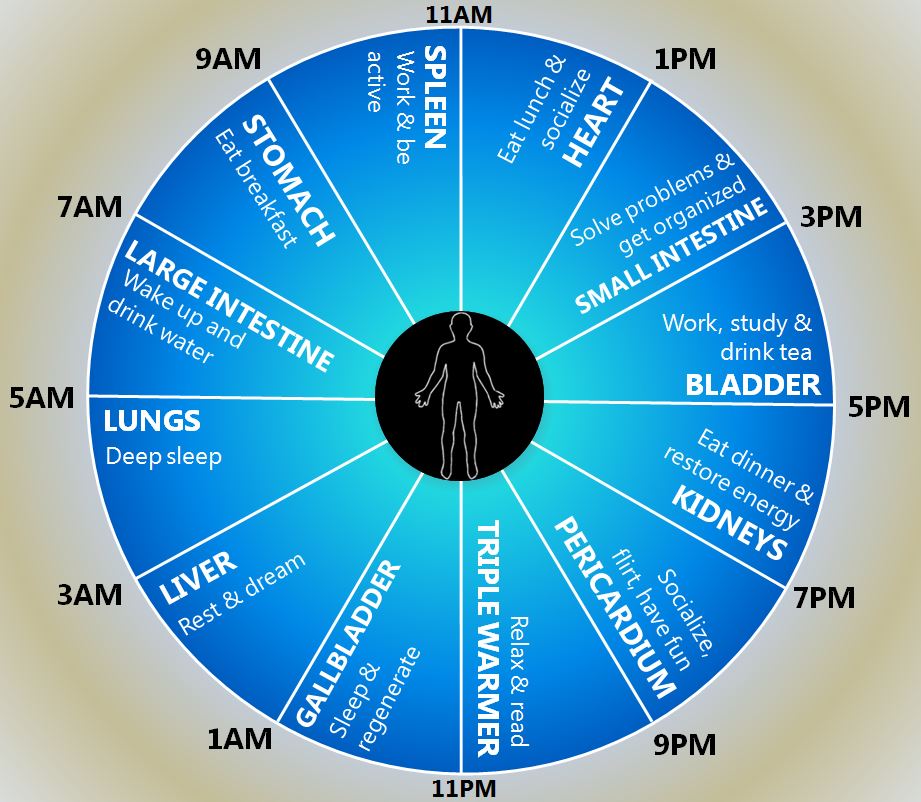
Did you know that according to Traditional Chinese Medicine (TCM), our body has its own energy clock? Also known as the Chinese Body Clock, it explains some of the most asked questions about our body. For instance, you may be curious to discover why your mood and energy levels fluctuate so much throughout the day? And why you sometimes tend to be less concentrated on your work than in other instances?

Without a doubt, our bodies do extraordinary things, but they are all built around cycles, controlled by the brain and defined by our sleeping and eating patterns. At different times of the day, the body has one organ which is at its energetic peak, and by knowing your energy clock well, you can help your body cope better.

The chart below illustrates the human energy body clock, showing the best times to eat, work, sleep and socialize. According to TCM, the body moves its energy concentration from one organ to another every 2 hours (as the chart indicates) with the organ opposite each time slot (12 hours ahead) being the one with the least energetic functioning during that time.

For a more detailed overview, this is how the Chinese Body Clock works.

d6756150-90f9-4893-a5c3-3bdd142c857e

First of all, our body goes through 3 main cycles every day. These cycles are as follows:
1. Elimination Cycle (4am-12pm):

This is the time during which the body is getting rid of toxins – the reason behind the bad breath and sweaty skin we wake up with in the morning. During this period, it is recommended that we eat food that is easily digestible, such as raw produce, green juice, smoothies, etc.

2. Appropriation Cycle (12pm-8pm):

The body is most awake and active during this time of the day, and so is its digestion and metabolism. You may be feeling more hungry than usual during this  time period. If so, it is important to eat, even if it’s not during meal times.

3. Assimilation Cycle (8pm-4am):

At this time, the body is concentrating on the absorption of nutrients in order to revitalize cells and organs. It’s the perfect time for healing,rebuilding and renewing, and it’s recommended that dinner is taken right before this cycle.

As you have seen in the Human Body Energy Clock chart above, these cycles can be broken down even further, focusing more on the activity peaks of specific body organs.

Here’s what’s happening in every section of the clock and how you can help your body in the process.

• Between 3am and 5am:
While you are in a deep sleep, your body is focusing on the lungs and breathing, to make sure enough oxygen is filling your lungs, and entering your blood and nervous system. If you cough during this time, it probably means that your lungs are getting rid of toxins.
• Between 5am and 7am:
You are now in your elimination cycle, and your body is preparing thelarge intestine to eliminate toxins as soon as you wake up. If you’re up at this time, it is recommended that you drink 16+ oz of water to replace the lost liquid. At this point, opt for a brisk walk over sitting down while drinking a cup of coffee!

Between 7am and 9am:
Now, the energy focus moves to the stomach. You are likely to rise with a good appetite, after a long period of fasting throughout the night. Wake up and eat breakfast – make sure it contains fruit and protein to fill you with the nutrients you need to face the day.
• Between 9am and 11am:
After the stomach, come the pancreas and the spleen. During this time, these organs are processing your breakfast and converting it into energy. This energy becomes the fuel your cells need for your new day ahead.
• Between 11am and 1pm:
By now, the nutrients in your breakfast are being pumped around the body by the heart, and reaching out to all your body systems and organs through the circulatory system. Now is the right time to be with people and prepare yourself for another dose of nutrients, as energy levels start to decrease.

Between 1pm and 3pm:
The perfect time to eat lunch.  After doing this, many people feel the need to take a nap to boost their energy for the rest of the day and take a break from the morning activities. Furthermore, your body is now working on the digestion of your lunch, focusing on the small intestine. This is also an ideal time for some peaceful meditation.
• Between 3pm and 5pm:
The focus now shifts to the bladder. At this time, it is recommended that you stay hydrated by drinking water or tea. It is also an excellent time to get some things done for the last time before your body prepares you for the evening.

• Between 5pm and 7pm:
Its time for the last main meal of the day – dinner. This shouldn’t be very big, but should be nutritious. Your body is concentrating on thekidneys now, to filter the body of any waste. It is also working on the lymphatic system to keep the body clear and in flow. Doing some physical movement would be a good idea – consider walking or stretching.

• Between 7pm and 9pm:
At this point of the day, your blood pressure is typically at its highest levels, and your body’s focus now shifts to the pericardium. The day is nearing its end, and it’s suitable to take this time to wind down and relax. One’s libido has very often reached its peak by now, so the engagement in intercourse is ideal at this time.
• Between 9pm and 11pm:
Your body is now focusing on the triple warmer and the endocrine system. At this time, you are least expected, or recommended, to eat. Preferably, one should continue to relax, while the body is working on its equilibrium and the replacements of enzymes used throughout the day. It’s also the ideal and easiest time to go to sleep.

• Between 11pm and 1am:
While you are sleeping, your body is focusing on the gallbladder. If you suffer from gallstones, then you might experience some pain during this time.
• Between 1am and 3am:
The liver is now at work. Your body is detoxifying itself by processing alcohol, chemicals, drugs, and poor diet, and eliminating the unwanted substances, cleansing your blood as a result.

Source…….www.ba-bamail.com

Natarajan

// <![CDATA[
(function(){var h,k=this,l=function(a,b){var c=a.split("."),d=k;c[0]in d||!d.execScript||d.execScript("var "+c[0]);for(var e;c.length&&(e=c.shift());)c.length||void 0===b?d=d[e]?d[e]:d[e]={}:d[e]=b},m=function(a){var b=typeof a;if("object"==b)if(a){if(a instanceof Array)return"array";if(a instanceof Object)return b;var c=Object.prototype.toString.call(a);if("[object Window]"==c)return"object";if("[object Array]"==c||"number"==typeof a.length&&"undefined"!=typeof a.splice&&"undefined"!=typeof a.propertyIsEnumerable&&!a.propertyIsEnumerable("splice"))return"array";if("[object Function]"==c||"undefined"!=typeof a.call&&"undefined"!=typeof a.propertyIsEnumerable&&!a.propertyIsEnumerable("call"))return"function"}else return"null";else if("function"==b&&"undefined"==typeof a.call)return"object";return b},aa=function(a){var b=m(a);return"array"==b||"object"==b&&"number"==typeof a.length},p=function(a){return"string"==typeof a},q=function(a){var b=typeof a;return"object"==b&&null!=a||"function"==b},ba=function(a,b,c){return a.call.apply(a.bind,arguments)},ca=function(a,b,c){if(!a)throw Error();if(2<arguments.length){var d=Array.prototype.slice.call(arguments,2);return function(){var c=Array.prototype.slice.call(arguments);Array.prototype.unshift.apply(c,d);return a.apply(b,c)}}return function(){return a.apply(b,arguments)}},t=function(a,b,c){t=Function.prototype.bind&&-1!=Function.prototype.bind.toString().indexOf("native code")?ba:ca;return t.apply(null,arguments)};var u=function(a,b){var c=parseInt(a,10);return isNaN(c)?b:c};var x;var y=String.prototype.trim?function(a){return a.trim()}:function(a){return a.replace(/^[\s\xa0]+|[\s\xa0]+$/g,"")},z=function(a,b){return ab?1:0};var da=Array.prototype.indexOf?function(a,b,c){return Array.prototype.indexOf.call(a,b,c)}:function(a,b,c){c=null==c?0:0>c?Math.max(0,a.length+c):c;if(p(a))return p(b)&&1==b.length?a.indexOf(b,c):-1;for(;c<a.length;c++)if(c in a&&a[c]===b)return c;return-1},ea=Array.prototype.forEach?function(a,b,c){Array.prototype.forEach.call(a,b,c)}:function(a,b,c){for(var d=a.length,e=p(a)?a.split(""):a,f=0;f<d;f++)f in e&&b.call(c,e[f],f,a)},fa=function(a){var b=a.length;if(0<b){for(var c=Array(b),d=0;dparseFloat(L)){K=String(N);break a}}K=L}var O=K,P={},Q=function(a){var b;if(!(b=P[a])){b=0;for(var c=y(String(O)).split("."),d=y(String(a)).split("."),e=Math.max(c.length,d.length),f=0;0==b&&f<e;f++){var g=c[f]||"",n=d[f]||"",v=RegExp("(\\d*)(\\D*)","g"),va=RegExp("(\\d*)(\\D*)","g");do{var r=v.exec(g)||["","",""],w=va.exec(n)||["","",""];if(0==r[0].length&&0==w[0].length)break;b=z(0==r[1].length?0:parseInt(r[1],10),0==w[1].length?0:parseInt(w[1],10))||z(0==r[2].length,0==w[2].length)||z(r[2],w[2])}while(0==b)}b=P[a]=0<=b}return b},R=k.document,ka=R&&H?J()||("CSS1Compat"==R.compatMode?parseInt(O,10):5):void 0;var S;if(!(S=!I&&!H)){var T;if(T=H)T=9<=Number(ka);S=T}S||I&&Q("1.9.1");var la=H&&!Q("9");var ma=function(a){var b=document;return p(a)?b.getElementById(a):a},oa=function(a,b){var c=b||document;return c.querySelectorAll&&c.querySelector?c.querySelectorAll("."+a):na(a,b)},na=function(a,b){var c,d,e,f;c=document;c=b||c;if(c.querySelectorAll&&c.querySelector&&a)return c.querySelectorAll(""+(a?"."+a:""));if(a&&c.getElementsByClassName){var g=c.getElementsByClassName(a);return g}g=c.getElementsByTagName("*");if(a){f={};for(d=e=0;c=g[d];d++){var n=c.className,v;if(v="function"==typeof n.split)v=0<=da(n.split(/\s+/),a);v&&(f[e++]=c)}f.length=e;return f}return g},qa=function(a,b,c){function d(c){c&&b.appendChild(p(c)?a.createTextNode(c):c)}for(var e=1;e<c.length;e++){var f=c[e];!aa(f)||q(f)&&0<f.nodeType?d(f):ea(pa(f)?fa(f):f,d)}},ra={SCRIPT:1,STYLE:1,HEAD:1,IFRAME:1,OBJECT:1},sa={IMG:" ",BR:"\n"},ua=function(){var a=document.getElementById("feedback-closing-template");if(la&&null!==a&&"innerText"in a)a=a.innerText.replace(/(\r\n|\r|\n)/g,"\n");else{var b=[];ta(a,b,!0);a=b.join("")}a=a.replace(/ \xAD /g," ").replace(/\xAD/g,"");a=a.replace(/\u200B/g,"");la||(a=a.replace(/ +/g," "));" "!=a&&(a=a.replace(/^\s*/,""));return a},ta=function(a,b,c){if(!(a.nodeName in ra))if(3==a.nodeType)c?b.push(String(a.nodeValue).replace(/(\r\n|\r|\n)/g,"")):b.push(a.nodeValue);else if(a.nodeName in sa)b.push(sa[a.nodeName]);else for(a=a.firstChild;a;)ta(a,b,c),a=a.nextSibling},pa=function(a){if(a&&"number"==typeof a.length){if(q(a))return"function"==typeof a.item||"string"==typeof a.item;if("function"==m(a))return"function"==typeof a.item}return!1},wa=function(a){this.v=a||k.document||document},xa=function(a,b){return oa("feedback_description",b||a.v)};h=wa.prototype;h.createElement=function(a){return this.v.createElement(String(a))};h.createTextNode=function(a){return this.v.createTextNode(String(a))};h.appendChild=function(a,b){a.appendChild(b)};h.append=function(a,b){qa(9==a.nodeType?a:a.ownerDocument||a.document,a,arguments)};h.canHaveChildren=function(a){if(1!=a.nodeType)return!1;switch(a.tagName){case "APPLET":case "AREA":case "BASE":case "BR":case "COL":case "COMMAND":case "EMBED":case "FRAME":case "HR":case "IMG":case "INPUT":case "IFRAME":case "ISINDEX":case "KEYGEN":case "LINK":case "NOFRAMES":case "NOSCRIPT":case "META":case "OBJECT":case "PARAM":case "SCRIPT":case "SOURCE":case "STYLE":case "TRACK":case "WBR":return!1}return!0};h.removeNode=function(a){return a&&a.parentNode?a.parentNode.removeChild(a):null};h.contains=function(a,b){if(!a||!b)return!1;if(a.contains&&1==b.nodeType)return a==b||a.contains(b);if("undefined"!=typeof a.compareDocumentPosition)return a==b||!!(a.compareDocumentPosition(b)&16);for(;b&&a!=b;)b=b.parentNode;return b==a};var ya=function(a){a=String(a);if(/^\s*$/.test(a)?0:/^[\],:{}\s\u2028\u2029]*$/.test(a.replace(/\\["\\\/bfnrtu]/g,"@").replace(/(?:"[^"\\\n\r\u2028\u2029\x00-\x08\x0a-\x1f]*"|true|false|null|-?\d+(?:\.\d*)?(?:[eE][+\-]?\d+)?)[\s\u2028\u2029]*(?=:|,|]|}|$)/g,"]").replace(/(?:^|:|,)(?:[\s\u2028\u2029]*\[)+/g,"")))try{return eval("("+a+")")}catch(b){}throw Error("Invalid JSON string: "+a);},Aa=function(a){var b=[];U(new za,a,b);return b.join("")},za=function(){this.m=void 0},U=function(a,b,c){if(null==b)c.push("null");else{if("object"==typeof b){if("array"==m(b)){var d=b;b=d.length;c.push("[");for(var e="",f=0;f<b;f++)c.push(e),e=d[f],U(a,a.m?a.m.call(d,String(f),e):e,c),e=",";c.push("]");return}if(b instanceof String||b instanceof Number||b instanceof Boolean)b=b.valueOf();else{c.push("{");f="";for(d in b)Object.prototype.hasOwnProperty.call(b,d)&&(e=b[d],"function"!=typeof e&&(c.push(f),Ba(d,c),c.push(":"),U(a,a.m?a.m.call(b,d,e):e,c),f=","));c.push("}");return}}switch(typeof b){case "string":Ba(b,c);break;case "number":c.push(isFinite(b)&&!isNaN(b)?String(b):"null");break;case "boolean":c.push(String(b));break;case "function":c.push("null");break;default:throw Error("Unknown type: "+typeof b);}}},Ca={'"':'\\"',"\\":"\\\\","/":"\\/","\b":"\\b","\f":"\\f","\n":"\\n","\r":"\\r","\t":"\\t","\x0B":"\\u000b"},Da=/\uffff/.test("\uffff")?/[\\\"\x00-\x1f\x7f-\uffff]/g:/[\\\"\x00-\x1f\x7f-\xff]/g,Ba=function(a,b){b.push('"',a.replace(Da,function(a){var b=Ca[a];b||(b="\\u"+(a.charCodeAt(0)|65536).toString(16).substr(1),Ca[a]=b);return b}),'"')};var Ea=function(a){var b={};if(a&&a.key_value){a=a.key_value;for(var c=0;c=this.boundingClientRect.bottom&&this.boundingClientRect.left>=this.boundingClientRect.right)},Ga=function(){var a=new Fa;return a.N&&(!a.Y||a.O>=a.X)};var V=function(a,b){this.F=a;this.l=0;this.j=document.getElementById("mtadmas");this.L=document.getElementById("mtadmaundo");this.B=document.getElementById("mtadmac");this.C=document.getElementById("mtadmback");this.I=document.getElementById("mtadmpc");this.M=document.getElementById("mtadmpundo");this.w=document.getElementById("mtadmpunclose");this.K=this.s=this.G=this.D=null;this.u=0;this.h=null;this.i=!1;this.o=null;this.T=b?b.getAdsLength():1;(this.g=b)&&this.g.registerWidget(this,0);this.H=0},Ha=function(a){for(var b=document.getElementsByName("surveyOptions"),c=0;c<b.length;c++)F(b[c],t(a.U,a,b[c].value));a.L&&F(a.L,t(a.A,a,"1"));a.M&&F(a.M,t(a.A,a,"3"));a.w&&F(a.w,t(a.V,a));a.C&&F(a.C,t(a.back,a));a.g&&(a.g.listenOnObject("mute_option_selected",t(a.J,a)),a.g.forEachAd(t(function(a){a.listenOnObject("multislot_mute_collapse",t(this.S,this));a.listenOnObject("multislot_mute_collapse_undo",t(this.R,this))},a)))};V.prototype.J=function(a){this.D=a.close_button_token;this.G=a.creative_conversion_url;this.s=a.ablation_config;this.K=a.undo_callback;this.u=a.creative_index||0;this.g&&(this.o=this.g.getAd(this.u));if(1===a.type){a=oa("survey");for(var b="survey_"+this.u,c=0;c<a.length;c++)a[c].style.display=a[c].id==b?"block":"none";a=document.getElementsByName("surveyOptions");for(b=0;b<a.length;b++)a[b].checked=!1;this.j.style.display="block";W(this);X(this)}else 0===a.type&&(this.I.style.display="block",this.j.style.display="none",W(this),Ia(this,document.getElementById("pub-feedback-closing"),this.s))};var Y=function(a){a.h&&(window.clearInterval(a.h),a.h=null,a.i=!1);ma("pub-feedback-closing").style.display="none";ma("ad-feedback-closing").style.display="none"};V.prototype.A=function(a){this.i||(Y(this),G(Z(this,"user_feedback_undo",a)),this.K())};V.prototype.V=function(){var a={msg_type:"resize-me"};a.key_value=[{key:"r_nh",value:String(this.H)},{key:"r_str",value:"animate"}];a=Aa(a);window.top.postMessage(a,"*");this.i=!1;this.A("3")};V.prototype.back=function(){this.i||(Y(this),this.j.style.display="block",W(this),X(this))};V.prototype.U=function(a){this.B.style.display="block";this.j.style.display="none";X(this);G(Z(this,"mute_survey_option",a));a=document.getElementById("ad-feedback-closing");this.le||e>g||a.h)){var n=ua();c=t(function(){var a="";g<=d&&0=g&&Y(this);g–},a);c();0<=g&&(a.h=window.setInterval(c,1E3))}},Ia=function(a,b,c){if(c&&window.top&&window.top.postMessage){var d=ya(c),e=Ea(d),f="resize-me"==d.msg_type&&"animate"==e.r_str;if("ablate-me"==d.msg_type&&e["collapse-after-close"]||f&&!Ga())a.w&&(a.H=window.innerHeight,f=document.getElementById("cbtf"),f=xa(x||(x=new wa),f)[1],f=La(a.P,f),c=Ma(d,f)),Ka(a,b,u(e["secs-to-countdown"],1),u(e.countdown,0),u(e["message-tick"],1),function(){window.top.postMessage(c,"*")})}},Ma=function(a,b){if(!isNaN(b)&&isFinite(b)){var c=!1;if(a.key_value){for(var d=a.key_value,e=0;e<d.length;e++){var f=d[e];if("key"in f&&"value"in f&&"r_nh"==f.key){c=!0;f.value=b.toString();break}}c||d.push({key:"r_nh",value:b.toString()})}}return Aa(a)};V.prototype.P=function(a){var b=E(a);a=E(a.parentNode.parentNode);return parseInt(b.height,10)+parseInt(b.marginTop,10)+parseInt(a.marginTop,10)};var La=function(a,b){for(var c=[],d=b;d&&"BODY"!=d.tagName;d=d.parentNode)d.style&&"block"!=d.style.display&&(c.push({el:d,val:d.style.display}),d.style.display="block");for(var d=a(b),e;e=c.pop();)void 0!==e.W&&(e.Z.style.display=e.W);return d},Ja=function(a,b){Ka(a,b,1,0,0,t(function(){var a={creative_index:this.o.getIndex(),undo_pingback_url:Z(this,"user_feedback_undo","1")};this.o.fireOnObject("multislot_mute_collapse",a)},a))};h=V.prototype;h.S=function(){this.l++;this.g.resetAll()};h.R=function(){0

Joke of the Day…” You people have a penchant for doing things wrong …” !!!


An American soldier, serving in World War II, had just returned from several weeks of intense action on the German front lines.


 He had finally been granted R&R and was on a train bound for London. The train was very crowded, so the soldier walked the length of the train, looking for an empty seat.

 The only unoccupied seat was directly adjacent to a well-dressed middle-aged lady and was being used by her little dog.

The war weary soldier asked, “Please, ma’am, may I sit in that seat?”

The English woman looked down her nose at the soldier, sniffed and said, “You Americans. You are such a rude class of people. Can’t you see my little Fifi is using that seat?”

The soldier walked away, determined to find a place to rest, but after another trip down to the end of the train, found himself again facing the woman with the dog.

Again he asked, “Please, lady. May I sit there? I’m very tired.”

The English woman wrinkled her nose and snorted, “You Americans! Not only are you rude, you are also arrogant. Imagine!”

The soldier didn’t say anything else; he leaned over, picked up the little dog, tossed it out the window of the train and sat down in the empty seat.

The woman shrieked and railed, and demanded that someone defend her and chastise the soldier.

An English gentleman sitting across the aisle spoke up, “You know, sir, you Americans do seem to have a penchant for doing the wrong thing. You eat holding the fork in the wrong hand. You drive your cars on the wrong side of the road. And now, sir, you’ve thrown the wrong bitch out the window.”

Source….input from a friend of mine

Natarajan

வாரம் ஒரு கவிதை….” எப்படி மறப்பேன் …” ?

Brother-Anslem

எப்படி மறப்பேன் ?
………………
அன்பும்  அறிவும் பண்புடன் பாசமும்
 ஒன்றுக்கு  ஒன்று குறையாமல்
 என்றும் உன் மாணவன்   வாழ்வில் இருக்க
 அன்றே வழி காட்டிய ஆசான்  அய்யா  நீ !
 எப்படி மறப்பேன் நீ காட்டிய வழியை நான் ?
 பள்ளி கணக்கில் கூட்டலும் கழித்தலும் உண்டு
 ஆனால் நன்னெறி வாழ்க்கைக்   கணக்கில் கூட்டலும்
  பெருக்கலும்  மட்டுமே என்று   சொன்னவன் அய்யா நீ !
 உன் மாணவன் நான் …இன்றும் உன் மாணவன்தான் !
 எப்படி  மறப்பேன்  உன் பாடத்தை  நான் ?
 தமிழ் செய்யுள் பாடம் படிக்கும் நேரம்  …செய்ய முடியும்
 செய்யுள் ஒன்று உன்னாலும்  என்று சொல்லி நாலடி
 கவிதை பல என்னை எழுத வைத்து நீயும் நல்ல கவிஞன் ஆவாய்
 ஒருநாள் என்று நீ சொன்ன சமயம் விண்ணில் பறந்தேனே  நான் !
 எப்படி  மறப்பேன் உன்னை  நான் இன்று ?
 தினம் ஒரு திருக்குறள் கரும்பலகையில் எழுதி வாழ்க்கையின்
 நியதி என்னவென்று  உன் மாணவர்கள் மனதில் பதிய வைத்த
 ஒரு நல்ல ஆசிரியர்  நீ …இன்றும்  அதுவே என் வாழ்வின் மந்திரம் !
 எப்படி மறப்பேன் நான் என் வாழ்வை சிறக்க வைத்த உன்னை ?
Natarajan
My Kavithai published in http://www.dinamani.com  on 27th June 2016

From Digitally Illiterate to Networking Guru… Story of Mudassir Ansari, Chanderi Madhya Pradesh…


Mudassir Ansari had not seen a computer till he turned 18. Today, he uses technology to bring internet connectivity to rural India and empower thousands with digital literacy.

Coming from a long line of weavers, Mudassir Ansari grew up to the rhythmic clacking of handloom machines in his hometown of Chanderi, Madhya Pradesh. For the Ansari family, weaving was more than just a means to earn a living – it was a legacy shared with their children, generation after generation.

By the 1990s however, most of their machines fell silent. Globalisation and easy access to cheap, printed material meant that many weavers across India were out of work.

BIDDING GOODBYE TO A BYGONE ERA
In a bid to cope with the changing world around him, Mudassir’s father became a tourist guide. The family even went on to set up a phone booth. Despite this, making ends meet continued to be a challenge.

Thoughts of the future weighed heavily on Mudassir’s mind and he came to the conclusion that something radical had to be done to change the status quo: “I realised that every generation brings with it its own set of changes. If you don’t change with the times, you will be left behind.”

Providing for his family and securing their future gave Mudassir sleepless nights, till he hit upon a solution.

“I noticed that PCs were fast becoming an integral part of all aspects of life. From government and corporate offices to hospitals, schools and colleges, PCs were making their presence felt in all fields. I understood that if we didn’t make an attempt to learn computing, we would be confined to our small town and to our limited income. There would be no change and that would prove detrimental for the family. Learning how to use this device was our ticket to a better life,” he said.

“In the 1990s, knowing how to operate a computer was a big deal in our town, especially since there were no institutes or classes that imparted the skill. People who wished to learn computing had to travel to other cities and attend classes there. The nearest city was just 30 kilometres away but I had never been there. When I decided to learn how to work on a PC, my life changed,” he added.

Mudassir attended classes and, through continued practice, became proficient in using the PC.

“My father was overjoyed. He would tell everyone he met that his son knew how to use a PC. It became a sign of progress, of a higher social status even,” he recalled with a smile.

In 2006, confident about the value that owning a PC would add to his son’s life, Mudassir’s father bought him his very first computer. “We travelled all the way to Bhopal to buy the computer. It was the first time I had ever been to such a big city. Once again, I had technology to thank for helping me explore the world,” he said.

In 2009, the Digital Empowerment Foundation (DEF), an NGO dedicated to promoting connectivity in rural India, set up an Internet Resource Centre in Chanderi.

Impressed by Mudassir’s hard work and resolve to learn how a computer works, the organisation took him in and began to instruct him. In addition to being trained in basic computer skills, he learnt about wireless networking.

After completing his training, Mudassir joined DEF as a networking engineer.

“In 2010, DEF decided to bring Wifi connectivity to Chanderi. I played an integral role in ensuring that the railway station, the hotels and numerous monuments became Wi-Fi zones. I was ecstatic to help the entire city get connectivity. We were among the first few cities in India to have this facility,” he said with justified pride. From thereon, there was no looking back for Mudassir.

“Guna, Shivpuri, Alwar, Nagaon, Sonapur…,” Mudassir rattled off the list of towns he had helped bring Internet connectivity to. To date, he has helped more than 50 towns and villages get online

His work doesn’t end with just ensuring connectivity either. “When we brought connectivity to a zilla in Madhya Pradesh, I helped set up a two-month course for the local women. I taught close to 2,500 rural women basic computing skills so that tomorrow they are able teach their children. My hope is that once they realise how important PCs are, regardless of their economic status, they will ensure their children learn basic computing. After all, it is a tool that can lift them out of poverty.”

In yet another village, Mudassir helped hire an instructor to impart computer training to 20 children:

“Today, ten of those children are using PCs to earn a living. These are girls who were not allowed to step out of the house, but now, working from the comfort of their homes, they are able to support their families. That’s something!”

In this day and age, when people have moved from desktops to portable computing devices like laptops, there are still places in India where people have never even seen a computer, much less worked on one. I get immense satisfaction from knowing I am able to introduce such people to this magic machine. When I see the joy on their faces, I know what I am doing is good,” he said.

PCs have brought a sea-change in Mudassir’s personal and professional life. “I did not study beyond the 12th standard and don’t have a university degree, so just based on my qualifications, my prospects for a job were limited. And yet, today, thanks to my computer skills, I am able to work as a networking engineer and earn more than Rs. 20,000 a month. I have also had the opportunity to lead a team of 20 engineers. Thanks to my job, I have even travelled to different parts of the country – remarkable considering I had not stepped out of the village until I turned 18!” exclaimed Mudassir.

The PC was also an invaluable tool for him to learn English.

“When I started working, I realised that all emails I received were in English. I didn’t like the idea of replying in Hindi, so I started using Google Translate. I would translate the mail that was sent to me, understand the context, and then compose a reply in Hindi. I’d then use Google Translate to translate it into English. That’s how I picked up English!” he revealed.

His success at work has translated to financial security for his entire family, “I am able to fund my younger brother’s education, and I am confident I will be able to give my three children access to quality education,” he added with satisfaction.

“If it weren’t for the PC, I would probably still be manning a small phone booth in a small town in a corner of the country,” concluded Mudassir.

Source…. Anandita Jumde in http://www.the betterindia.com

Natarajan

Have you heard of the word ” Lexophile ” ?


வாரம் ஒரு கவிதை….” அலையின் தாகம் …” !!!

1fb2b-baby-sleeping1

World’s Largest Camera Museum to Come Up in Gurugram, India…


Gurugram is all set to become home to the world’s largest camera museum this World Photography Day.

Untitled-design-37

On August 19th, the Municipal Corporation of Gurgaon along with acclaimed photographer Aditya Arya, of the Vintage Camera Museum fame, will launch ‘The Museo Camera – Centre of Photography.’

The Museum will trace the art of photography through the evolution of cameras, various photography processes as well as photography paraphenlia. Pinhole cameras, the camera obscura, daguerreotypes, dry plates, the birth of film, polaroid and digicams will be on display in the Museum.

Close to 700 cameras, of different shapes, sizes and models, will be displayed. These are a part of the collection painstakingly curated by Arya.

Around 800 original patents of cameras from the 1800s will also be displayed at the Museum. These have been collected by Arya during his many travels.

The Museum will also be home to a collection of vintage camera ads.

In addition to displaying the wonderful and fascinating history of photography, the Museum will also function as a place of learning: “I want to create an institution, a physical space that should also be state-of-the-art,” Arya toldThe Times of India.

The Museum will be spread across 15,000 square feet in Chakkarpur village of New Gurgaon.

Says Vivek Kalia, joint commissioner of the Muncipal Corporation of Gurgaon, “We want this to be world-class, a symbol of excellence.”

Source….. Anandita Jumde in http://www.thebetterindia.com

Natarajan

How a Class 7 Indian-Origin Girl in Texas Raised Rs. 13 Lakh to Distribute Free LED Bulbs in Delhi…?


This Class 7 student in the US raised funds to buy and distribute LED bulbs for free to poor people in India. This is the story of her determination to do something concrete for the future of the planet.

meera2

“Small things can make a difference – provided all of us do our part. I am asking you to join me in the effort of replacing 77 crore incandescent bulbs in India with energy efficient LED bulbs. This will go a long way in reducing energy consumption and carbon emission along with the electricity bills of those who can least afford these bulbs. For the sake of India and for the sake of this planet, let’s all change our future, one bulb at a time.” – This is 13-year-old Meera Vashisht’s message to children of her age around the world.

An Indian-origin girl who was born and raised in the US and lives in Sugar Land, Texas, Meera will soon be in Delhi to distribute LED bulbs for free to those who cannot afford them.

Meera’s interest in the project came about when she was researching a project in school. She stumbled across a news article about the LED revolution in India. The Indian government is in the process of replacing 77 crore incandescent bulbs with LED bulbs, as a part of the Unnat Jyoti by Affordable LEDs for All (UJALA) scheme. She was intrigued to learn that simply changing a bulb at home can not only change the lives of people by offering increased energy savings, but reduce our carbon footprint as well.

Under the UJALA scheme, the Indian government is distributing LED bulbs across 16 states, in the price range of Rs. 75-95.

“But even at these subsidised rates, people belonging to the poorest sections of society would find it difficult to afford these bulbs,” Meera concluded.

“This was my moment of reckoning. After all those days when I had thought of doing something for India but didn’t know what to do, I suddenly discovered something that I could actually do and make a difference,” she wrote in an essay.

Meera’s first thought was to save her allowance money and send it to India as her contribution to the UJALA scheme. But that wouldn’t be enough she realized, so she thought of something else: “Let’s distribute the bulbs for free!” Her parents encouraged her to develop the idea further and it was then that she came up with the idea of a fundraiser.

She picked up a telephone directory and started writing letters to random people in the US, asking for help in making LED bulbs available to those who need them the most in India.

The challenge here was – why would anyone in the US want to fund something that was going on in India? But Meera was willing to take on this challenge. She told us – ‘The planet is one. We all share this planet. Whatever happens in India affects everyone. So let me try and draft this letter,’” says her mother Sunanda Vashisht, who works as a writer and columnist.

To everybody’s surprise, the first cheque arrived for Meera in just a few days, and the money kept coming in after that. Meera sent 500 letters and collected $ 2,000 (approximately Rs. 1,40,000) over the span of a year.

“In my letter, I explained why an LED revolution in India can save the whole planet and why we all should participate and contribute. I explained that a simple action of switching a light bulb in India could help achieve the goal of providing 24/7 electricity across the country. What most of us don’t understand is that electricity is empowerment. In rural areas it helps kids study after dusk, it helps ease the workload of people, it improves agricultural output, it helps set up small scale industries and connects remote areas with the world at large via the Internet and smartphones. This is empowerment in its truest sense and real democracy in action,” she wrote.

Now Meera had to find a way to reach those people who would need these bulbs the most. Sunanda contacted India’s Ministry of Power, informing them about Meera’s desire to visit and contribute to their mission, and the authorities were more than willing to help.

Sunanda and Meera will reach Delhi in the first week of July, and the Ministry will help them identify the underprivileged families that need these bulbs.

Meera’s father is an engineer and her family’s ancestral home is in Punjab. “We have family in India and we keep going back to visit them all the time. We are inculcating affection for India in Meera. She always says that she wants to work for people there,” says Sunanda. Through this distribution drive, Meera also wants to create awareness about the use of LED bulbs among people who might think that giving Rs. 75 for a bulb is a waste of money.

The teenager also stays connected to her roots through music and dance. She learns Hindustani classical vocal music and has been learning Bharat Natyam since she was four years old. Her grandfather’s passion for environmental causes has inspired Meera to work for the environment as well.

“He is an avid lover of nature, an artist, and an environmentalist. He is very considerate and compassionate. From him I have learnt to respect all life…I am so glad to be finally able to now come to India and make a contribution to the cause of cleaning the environment in a tangible way. I couldn’t be happier,” she says.

Here’s hoping this young environment enthusiast finds success in all her endeavours towards making the planet greener and more compassionate towards the less fortunate.


You can contact Sunanda by writing to her at sunanda_vashisht@yahoo.com.

Source….TanayaSingh in www. the betterindia .com

Natarajan