|
Man can learn any number of good qualities from animals, birds, insects and worms. The animal, donkey is viewed with contempt. But the quality of patience to be found in a donkey is not found even in man. Whatever burdens may be heaped on its back, it bears them all with forbearance. Even when it is starved of food and water, it presents a calm face. Man has thus to learn the quality of forbearance from the donkey. The ant is one of the tiniest among insects. But the ant has a capacity for foresight; with foreknowledge of the rainy season ahead, it starts storing food from three months in advance. Then, there is the spider – Determination is one of its traits. How many times its web may be destroyed or broken, the spider will go on remaking it with relentless determination.
|
environment


Image of the Day !!!

In Homage to Uthradom Thirunal Marthanda Varma …

Uthradom Tirunal Marthanda Varma
Kerala lost one of the last links with its royal past with the passing away of Uthradom Tirunal Marthanda Varma, head of the royal family of erstwhile Travancore, in the early hours of Monday. 16 Dec.2013. . Mr. Varma, a witness to the transformation from imperial rule to a democratic polity, was a common presence in the social and cultural scene of the city.
He had stood guard over the age-old traditions, rites and rituals of Sree Padmanabhaswamy Temple ever since 1991, when he was anointed the trustee and “dasa” of the temple following the death of his elder brother and last sovereign of Travancore, Sree Chithira Tirunal Balarama Varma. Mr. Varma, born as the younger son of Maharani Sethuparvathi Bayi and Ravi Varma Koyi Thampuran on March 22, 1922, was educated in the Kowdiar Palace by a group of 14 tutors in various subjects. He later graduated from the then Travancore University with Economics, Politics and History as specialisations in 1943. He was the recipient of the Moncombu Aandi Iyer Gold Medal for the best student in Sanskrit.
source :::::Mahesh Krishnamurthy in Sage of Kanchi Blog and Youtube and The Hindu
natarajan
” Are You Smarter than ” Seniors ” !!!
This is a test for us ‘older kids’!
The answers are printed below, (after the questions) but don’t cheat! answer them first…..
01. After the Lone Ranger saved the day and rode off into the sunset, the grateful citizens would ask, Who was that masked man? Invariably, someone would answer, I don’t know, but he left this behind. What did he leave behind?________________.
02. When the Beatles first came to the U.S. .In early 1964, we all watched them on The _______________ Show.
03. Get your kicks, __________________.’
04. ‘The story you are about to see is true. The names have been changed to ___________________.’
05. ‘In the jungle, the mighty jungle, ________________.’
06. After the Twist, The Mashed Potato, and the Watusi, we ‘danced’ under a stick that was lowered as low as we could go in a dancecalled the ‘_____________.’
07. Nestle’s makes the very best… _________ ______.’
08. Satchmo was America ‘s ‘Ambassador of Goodwill.’ Our parents shared this great jazz trumpet player with us. His name was _________________.
09. What takes a licking and keeps on ticking? _______________.
10. Red Skeleton’s hobo character was named __________________ and Red always ended his television show by saying, ‘Good
Night, and ‘________ ________.. ‘
11. Some Americans who protested the Vietnam War did so by burning their______________.
12. The cute little car with the engine in the back and the trunk in the front was called the VW. What other names did it go by? ____________ &_______________.
13. In 1971, singer Don MacLean sang a song about, ‘the day the music died.’ This was a tribute to ___________________.
14. We can remember the first satellite placed into orbit. The Russians did it. It was called ___________________.
15. One of the big fads of the late 50’s and 60’s was a large plastic ring that we twirled around our waist. It was called the __ ______________.
Answers:
01. The Lone Ranger left behind a silver bullet.
02. The Ed Sullivan Show
03. On Route 66
04. To protect the innocent.
05. The Lion Sleeps Tonight
06. The limbo
07. Chocolate
08. Louis Armstrong
09. The Timex watch
10. Freddy, The Freeloader and ‘Good Night and God Bless.’
11. Draft cards (Bras were also burned. Not flags, as some have guessed)
12. Beetle or Bug
13. Buddy Holly
14. Sputnik
15. Hoola-hoop
Send this to your ‘older’ friends, (Better known as Seniors.) It will drive them crazy! And also keep them busy and let them forget their aches and pains for a few minutes !!!
source::::baba mail site
natarajan
” மார்கழி என்றால் …..”

“வைகறையின் செம்மை இனிது.
மலர்கள் போல நகைக்கும் உஷை வாழ்க.
உஷையை நாங்கள் தொழுகின்றோம்.
அவள் திரு.
அவள் விழிப்பு தருகின்றாள்.
தெளிவு தருகின்றாள்.
உயிர் தருகின்றாள்.
ஊக்கந் தருகின்றாள்.
அழகு தருகின்றாள்.
கவிதை தருகின்றாள்.”
– வைகறைப் பொழுதை வாழ்த்தும் பாரதியின் வார்த்தைகள் இவை.
வைகறை எப்போதும் அழகு; மார்கழியிலோ கூடுதல் அழகு; தமிழர் வாழ்வியலில் இன்னும் அழகு. முன்பனி, பின்பனி, நான்கு திசைகளில் வரும் வாடை, தென்றல், குடக்கு, குணக்கு என எல்லாவற்றையும் போற்றிய எம் மக்கள் பனிப் படலத்தைத் தன்மீது போர்த்திக்கொள்ளும் மார்கழியைக் கொண்டாடுவதுதான் எத்தனை அழகு?
மார்கழி என்றால், ‘முன்பே வந்து என்னை எழுப்புவேன் என்று சொன்னாயே, இன்னும் உறங்குகின்றாயோ, நாங்கள் முன்வந்து உன்னை எழுப்ப வேண்டியதாகியுள்ளதே, என்ன வினோதம் இது. பெருமாளை அத்தன் என்று அழைத்தாய் நீ, ஆனந்தன் என்று அழைத்தாய், அமுதன் என்று அழைத்தாய் நீ. இதெல்லாம் வெறும் வாய்ஜாலமோ. நீ இனி தூங்கிக்கொண்டே இருந்தால், உன் இரு கண்களும் மிக நீண்டு வளர்ந்துவிடும் எனும் அபாயத்தை மறந்துவிடாதே, விரைவில் நீராடிவிட்டு இறைவனை வழிபட வா’ என்று துயில் எழுப்பும் திருப்பாவை, திருவெம்பாவைக் கவிதைகள்.
மார்கழி என்றால், திருப்பாவை, திருவெம்பாவைக் கவிதைகளை அடாணா, பிலஹரி, வராளி, குந்தளவராளி, சங்கராபரணம், சிந்துபைரவி, தேஷ், பெஹாக் ராகங்களில் பாடிய எம்.எல்.வசந்தகுமாரியின் மறக்க முடியாத குரல். மார்கழி என்றால், கவிதையை ஆண்ட ஆண்டாள் பாசுரங்கள்.
மார்கழி என்றால், பாவை நோன்பு. மார்கழி என்றால், வீதிகள்தோறும் வெள்ளிக் கம்பளம் விரித்தது போன்று அரிசி மாவில் ஐந்து புள்ளி ஐந்து வரிசை, ஏழு புள்ளி ஏழு வரிசை, ஒன்பது புள்ளி ஒன்பது வரிசை என வளைந்து நெளியும் விதவிதமான கோலங்கள்.
மார்கழி என்றால், சூரிய விடியலுக்குக் காத்திராமல் அதற்கு முன்பே நீராடி விடியற்காலம் நான்கு மணிக்கே தொடங்கும் உஷ கால பூஜை. உஷ கால பூஜையில் வாசிக்கப்படும் பௌளி, பூபாளம்; காலை காலசந்தி பூஜையின்போது வாசிக்கப்படும் மலைய மாருதம், பிலஹரி, சாவேரி; சூரியன் உச்சியை அடையும் மத்திம காலத்தில் வாசிக்கப்படும் மத்தியமாவதி, சுருட்டி; உச்சிப் பொழுதிலிருந்து சூரியன் சாயுங்காலமான சாயரட்சை காலத்தில் வாசிக்கப்படும் கல்யாணி, பூர்விகல்யாணி; இரண்டாம் காலம், சுவாமி படுக்கைக்குச் செல்லும் முன் அர்த்தஜாம பூஜையில் வாசிக்கப்படும் நீதேனுகாலாம்பரி ராகங்கள்.
மார்கழி என்றால், முன்புறம் சுருட்டி, வாசமாலை, முகபடாம் போர்த்திய யானையின் அலங்காரம், எக்காளம், திருச்சீர்னம், டவுண்டி, நகரா என இசைக் கருவிகளின் இசையின் நடுவே மிதந்து வரும் சுவாமியின் வீதியுலா.
மார்கழி என்றால், இசை விழா.
மார்கழி என்றால், எதையும் கொண்டாடிப் பார்க்கும் எம் மக்களின் பண்பாட்டுச் சான்று.
மார்கழி என்றால், ஞாபகங்கள்.
மார்கழி போற்றுதும், மார்கழி போற்றுதும்!
source::::: தேனுகா in The Hindu ….Tamil
natarajan
தேனுகா, கலை விமர்சகர், தொடர்புக்கு: dhenuga.srinivasan@gmail.com
Stunning Images of the Year !!!

Moonshine: Tim Taylor took this dramatic photograph of the moon over the French Alps

Misty eyed: This tender moment between a Japanese macaques mother and baby was captured by Jasper Doest

Gotcha: UK-based photographer Peter Downing won a best single image in a portfolio category for this shot of a kingfisher in Worcester

Race to the finish: Camels ridden by robotic jockeys race to the finish line to the joy of the watching crowd in this picture taken by Jason Edwards

Leap of faith: British photographer Cat Vinton was commended for this image of a sea gypsy spear fishing on the Andaman Sea

Dramatic: US photographer Justin Mott took home the One Shot, Extraordinary prize for this image taken in Phuket, Thailand

Human nature: This photograph of human towers being built at a festival in Catalonia, Spain was taken by David Oliete
source:::::mailonline.com UK
natarajan
“யாமறிந்த மொழிகளிலே தமிழ் மொழி போல் “….மகாகவியின் கவிநயம் !!!

தமிழ்
யாமறிந்த மொழிகளிலே தமிழ்மொழி போல்
இனிதாவது எங்கும் காணோம்
பாமரராய், விலங்குகளாய், உலகனைத்தும்
இகழ்ச்சிசொலப் பான்மை கெட்டு
நாமமது தமிழரெனக் கொண்டுஇங்கு
வாழ்திடுதல் நன்றோ? சொல்லீர்!
தேமதுரத் தமிழோசை உலகமெலாம்
பரவும்வகை செய்தல் வேண்டும்
யாமறிந்த புலவரிலே கம்பனைப்போ
வள்ளுவர்போல், இளங்கோ வைப்போ
பூமிதனில் யாங்கணுமே பிறந்ததில்லை;
உண்மை, வெறும் புகழ்ச்சியில்லை;
ஊமையராய்ச் செவிடர்களாய்க் குருடர்களாய்
வாழ்கின்றோம், ஒரு சொற் கேளிர்!
சேமமுற வேண்டுமெனில் தெருவெல்லம்
தமிழ்முழக்கம் செழிக்கச் செய்வீர்
source::::blog.dinamani.com
natarajan

Do You Know the Names of Full Moons !!!
Some almanacs like to give each month a special full moon name. Other almanacs like to reference full moons relative to seasonal markers, as defined by equinoxes and solstices. Is one way better than the other? No. Both have their roots in folklore. Of course, both the monthly names and the seasonal names necessarily favor either the Northern or Southern Hemisphere. That’s because the moon has different characteristics in the two hemispheres, at opposite times of year. For example, the Harvest Moon is the full moon closest to the autumnal equinox. So it falls in September or October for the Northern Hemisphere, and it falls in March or April for the Southern Hemisphere.
Here we list common full moon names – first by month (Northern and Southern Hemisphere) – and then by season (works for both hemispheres).

Photo by EarthSky Facebook friend Janet Wilson Fenn
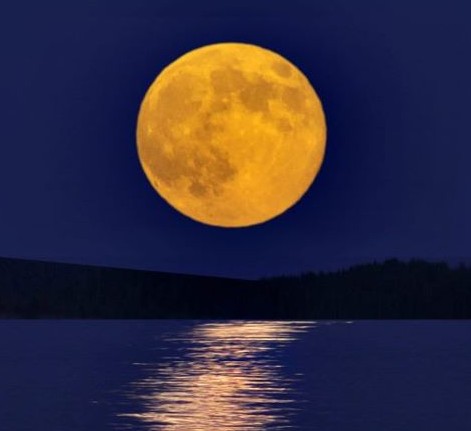
Full moon via EarthSky Facebook friend Lee Capps
Northern Hemisphere full moon names by month:
January: Old Moon, Moon After Yule
February: Snow Moon, Hunger Moon, Wolf Moon
March: Sap Moon, Crow Moon, Lenten Moon
April: Grass Moon, Egg Moon
May: Planting Moon, Milk Moon
June: Rose Moon, Flower Moon, Strawberry Moon
July: Thunder Moon, Hay Moon
August: Green Corn Moon, Grain Moon
September: Fruit Moon, Harvest Moon
October: Harvest Moon, Hunter’s Moon
November: Hunter’s Moon, Frosty Moon, or Beaver Moon
December: Moon Before Yule, or Long Night Moon
Southern Hemisphere full moon names by month:
January: Hay Moon, Buck Moon, Thunder Moon, Mead Moon
February (mid-summer): Grain Moon, Sturgeon Moon, Red Moon, Wyrt Moon, Corn Moon, Dog Moon, Barley Moon
March: Harvest Moon, Corn Moon
April: Harvest Moon, Hunter’s Moon, Blood Moon
May: Hunter’s Moon, Beaver Moon, Frost Moon
June: Oak Moon, Cold Moon, Long Night’s Moon
July: Wolf Moon, Old Moon, Ice Moon
August: Snow Moon, Storm Moon, Hunger Moon, Wolf Moon
September: Worm Moon, Lenten Moon, Crow Moon, Sugar Moon, Chaste Moon, Sap Moon
October: Egg Moon, Fish Moon, Seed Moon, Pink Moon, Waking Moon
November: Corn Moon, Milk Moon, Flower Moon, Hare Moon
December: Strawberry Moon, Honey Moon, Rose Moon
About once every 19 years, February has no full moon at all.
Moreover, in 7 out of every 19 years, two full moons will fall in the same calendar month. The second of the month’s two full moons is popularly referred to as a Blue Moon. The next Blue Moon by this definition will happen on July 31, 2015.
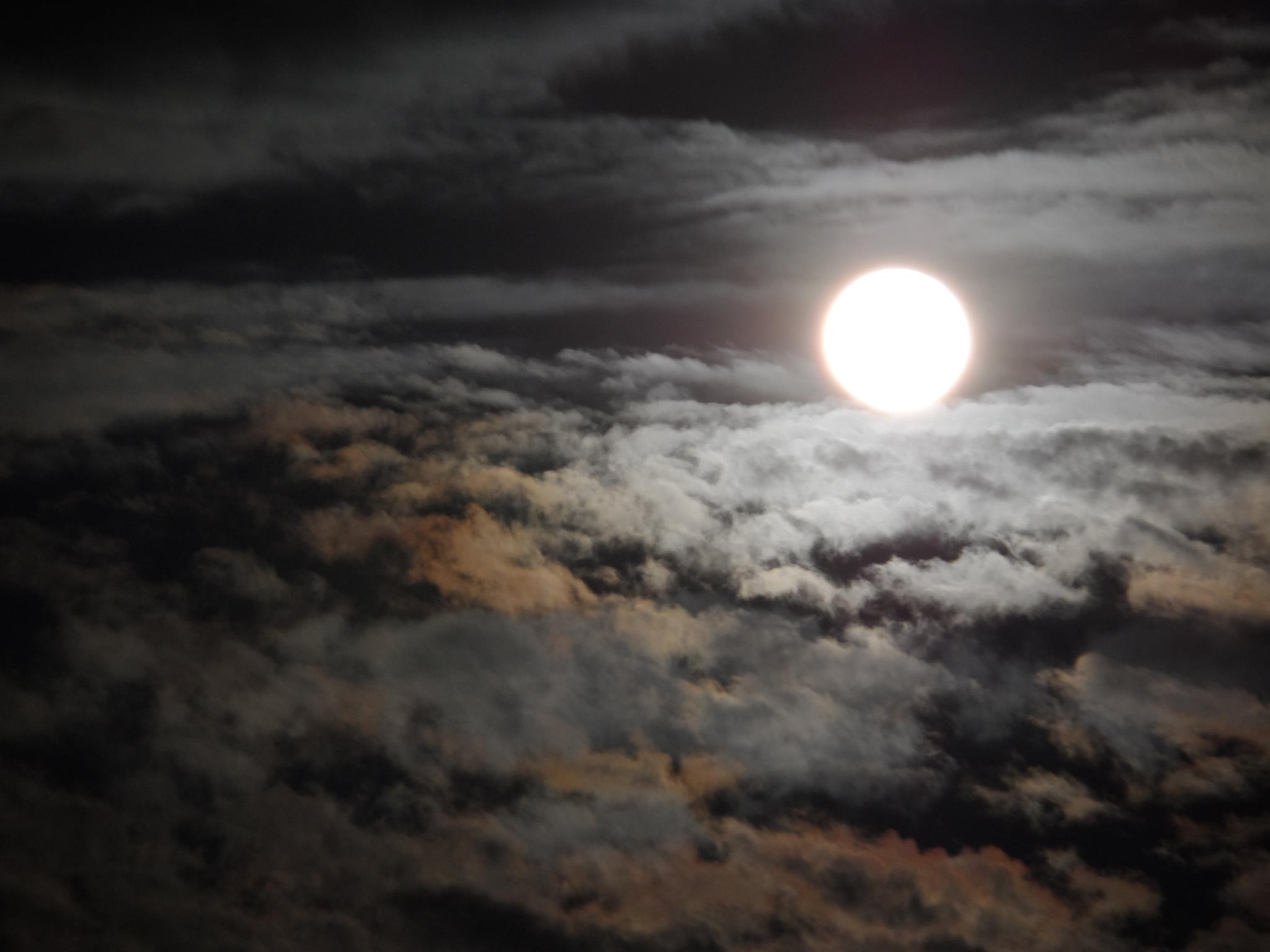
January 2013 full moon from EarthSky Facebook friend Fernando Alvarenga in San Salvador.

Full moon via Flickr user Ava Verino
Full moon names by season (Northern or Southern Hemisphere):
After the winter solstice:
Old Moon, or Moon After Yule
Snow Moon, Hunger Moon, or Wolf Moon
Sap Moon, Crow Moon or Lenten Moon
After the spring equinox:
Grass Moon, or Egg Moon
Planting Moon, or Milk Moon
Rose Moon, Flower Moon, or Strawberry Moon
After the summer solstice:
Thunder Moon, or Hay Moon
Green Corn Moon, or Grain Moon
Fruit Moon, or Harvest Moon
After the autumnal equinox:
Harvest Moon, or Hunter’s Moon
Hunter’s Moon, Frosty Moon, or Beaver Moon
Moon Before Yule, or Long Night Moon
There are usually three full moons in between an equinox and a solstice, or vice versa. Seven times in 19 years, four full moons fall in a single season. In that case, the third of a season’s four full moons is also called a Blue Moon. The next Blue Moon by this definition will happen on August 21, 2013.

Full moon via Michelle Eve Photography

Photo via EarthSky Facebook friend Patricia Smith Mims
source::::Earth sky news site….
natarajan

