” எக்ஸாம் இன்னிக்கு இருக்கோ …. ”

சாதாரணமான ஒரு குடும்பத்தைச் சேர்ந்தவன் அவன். வயது பன்னிரண்டு அல்லது பதிமூன்று இருக்கலாம். ஐந்தாவதோ ஆறாவதோ படித்துக் கொண்டிருக்கலாம்.

மாநிறம். எண்ணெய் அதிகம் கண்டிராத தலை. தடிமனான அரை டிராயர்; கசங்கிப் போன மேல்சட்டை… அரை டிராயரும் மேல்சட்டையும் என்ன நிறம் என்பதைப் பார்த்த மாத்திரத்தில் எவரும் சொல்லி விடமுடியாது. அழுக்கேறிப் போயிருந்தாலும் அந்த ஆடைகள் அவ்வப்போது துவைத்துத் தான் அணியப் படுகின்றன என்பதை அதைப் பார்க்கும் எவராலும் புரிந்து கொள்ள முடியும். நெற்றியில் ஒரு வளைந்த கீற்றாக – முறையே இல்லாமல் ஏனோ தானோ என்று விபூதி பூசப்பட்டிருந்தது. ஒருவேளை இங்கு கிளம்பி வருகிற அவசரத்தில் அவனது அம்மா இட்டு விட்டிருக்கலாம்.

தேர்வு காலங்களில் கிராமத்தில் இருப்பவர்கள் தெருமுனையில் உள்ள பிள்ளையார் கோவிலுக்குப் போய், ஒரு சின்ன கற்பூரத்தை ஏற்றி வைத்து, பேனாவை பிள்ளையார் பாதத்தில் வைத்து வழிபட்டு விட்டுப் பரிட்சை எழுதப் போவார்கள். இது ஒரு விதமான நம்பிக்கை. அதாவது இறைவன் அருளோடு தேர்வு எழுதப் போகிறோம் என்கிற ஒரு தைரியம் மாணவர்களுக்கு வரும்.

அது போல் இந்த சிறுவன் காஞ்சிபுரத்தில் வசிப்பவன் என்பதாலும், மஹா பெரியவாளின் சாந்நித்யம் பற்றி யாரோ சொல்ல – அவன் தகுதிக்கு ஏதோ கேள்விப்பட்டிருந்தாலும் இன்று தேர்வு எழுதப் போகும் முன் ஸ்ரீமடத்துக்கே வந்து விட்டான் போலிருக்கிறது.

விடிகாலை நேரத்தில் விஸ்வரூபதரிசனம் காண வந்திருந்த பக்தர்கள் பலரும் இன்னமும் நகராமல் அங்கேயே நின்றிருந்தபடி பெரியவா தரிசனத்தில் திளைத்திருந்தார்கள். இதைத் தவிர, காலை வேளையில் ஏராளமான பக்தர்கள் வேறு ஸ்ரீமடத்தில் குவிந்து விட்டிருந்தார்கள். நாம பஜனைகளும் சங்கர கோஷமுமாக ஸ்ரீமடமே பக்தி மணம் கமழ… அருள் நிரம்பிக் காணப்பட்டது.

இவ்வளவு கூட்டம் பெரியவா தரிசனத்திற்காகக் காத்து நின்றாலும், சிறுவனாகப் பட்டவன் வரிசையில் நின்று கொண்டிருக்கும் எந்த ஒரு பக்தரைப் பற்றியும் கவலைப் படாமல், ராஜபாட்டை போல் விறுவிறுவென்று நடந்து மஹா பெரியவாளின் சந்நிதியை நெருங்கினான்.

முகத்தில் உற்சாகம் கொப்பளிக்க, பெரியவாளைப் பார்த்தபடியே நின்றான். அவனை எவரும் தடுக்கவில்லை. ஏதும் கேள்வி கேட்கவில்லை. காரணம் – அந்தச் சிறுவனின் ஆர்வத்தையும் பரபரப்பையும் பார்த்த பின் இயல்பான அந்த பக்திக்குத் தடை போட எவருக்கும் விருப்பமில்லை.

“மடத்துக்குப் போய் சாமியைக் கும்பிடணும்னா, அவருக்குத் தோதா ஏதாவது எடுத்துட்டுப் போகணும்” என்று அவனுக்கு யார் சொல்லிக் கொடுத்தார்களோ…. தெரியவில்லை. தன் கையில் தொடுத்த ஒரு மாலையை வைத்திருந்தான். அந்த மாலையைப் பார்த்த பல பக்தர்களும் வெவ்வேறு விதமான உணர்ச்சிகளைத் தங்களுக்குள் வெளிப்படுத்திக்கொண்டு விமர்சித்துப் பேசினார்கள்.

சிலர் வியந்தார்கள்; சிலர் வெளியே ஏதும் பேச முடியாமல் தங்களுக்குள் கேலியாகச் சிரித்துக் கொண்டார்கள்.

பலரது விமரிசனத்துக்கும் கேலிச் சிரிப்புக்கும் உள்ளான அந்த மாலையில் அப்படி என்ன விசேஷம் என்கிறீர்களா?

அது – துளசி மாலை!

அதுவும் துளசியை அடர்த்தியாக – கொத்துக் கொத்தாக வைத்துக் கட்டப்பட்ட மாலை இல்லை. தனித் தனி துளசி இலைகளைக் கோணாமாணா என்று – ஒரு முறை இல்லாமல் கோர்த்துத் தொடுக்கப்பட்டிருந்த மாலை.

ஒருவேளை அடுத்தடுத்து துளசி இலைகளை நெருக்கமாக வைத்துத் தொடுத்திருந்தால் அதில் இடைவெளி என்பதே தெரியாமல் போயிருக்கும். ஆனால் இந்தச் சிறுவன் தொடுத்துக் கொண்டு வந்திருந்த துளசி மாலையில் இடைவெளி அதிகம் தெரிந்தது. அதனால் பார்த்தவுடன் ’மாலை’ என்று சொல்வதற்கு எவருக்கும் வாய் வராது.

இதில் இன்னொரு அலங்கோலமும் வெளிப்பட்டது. அதாவது இறைவழிபாட்டிற்குக் கொண்டு செல்கிற துளசியைப் பெரும்பாலும் வாழைநாரில்தான் கட்டுவார்கள். ஆனால் இந்தச் சிறுவன் ஒரு சணலில் இந்த ’மாலை’யைக் கட்டி எடுத்து வந்திருந்தான். (வீட்டில் ஏதாவது பொருளைக் கட்டி வைத்திருந்த மூட்டையில் இருந்த சணலை மட்டும் பிரித்து எடுத்திருப்பான் போலிருக்கிறது). இது போன்ற காரணங்களால் சிறுவன் எடுத்து வந்திருந்த துளசி மாலையைப் பார்த்து சிலர் சிரித்தார்கள்.
ஆனால் பக்குவப்பட்ட சிலர், ”இந்த வயதில் இந்த அளவுக்கு பெரியவாளிடம் ஒரு பக்தி இருக்கிறதே… வெறுங்கையோடு வரக்கூடாது என்கிற நாசூக்கு தெரிந்திருக்கிறதே” என்று நெகிழ்ந்தார்கள்.

ஒரு கட்டத்தில் பெரியவாளின் திருப்பார்வை அவன் மேல் விழுந்தது. ஒரு புன்னகையை உதட்டோரம் தவழ விட்டு, ”அருகில் வா” என்பது போல் அவனுக்கு ஜாடை காட்டினார்.
விறுவிறுவென்று நடந்து முன்னுக்கு வந்தான்.

”என்ன?” என்பது போல் ஆச்சரியமான முகத்துடன் தலையை மேலும் கீழும் அசைத்து ரசனையாகக் கேட்டது அந்தப் பரப்ரம்மம்.

சிறுவன் சந்தோஷமானான். தனக்கு உரிய அங்கீகாரம் இந்த சந்நிதானத்தில் கிடைத்துவிட்டது என்பதாக மகிழ்ந்தான். கையில் துளசி மாலையோடு பெரியவாளை இன்னும் நெருங்கி, அவரின் திருவடி அருகே இதை சமர்ப்பித்தான். பெரியவாளின் கைங்கர்யப் பணிக்காக அங்கே இருந்த சீடர் ஒருவர் அந்த துளசி மாலையை அங்கிருந்து எடுத்து வேறு இடத்தில் சேர்ப்பிப்பதற்காகக் குனிந்தார்.

சற்றே நிமிர்ந்து அந்த சீடரைப் பார்த்த பெரியவா, ’வேண்டாம்’ என்பது போல் வலது ஆட்காட்டி விரலை இடப்புறமும் வலப்புறமும் அசைத்து சமிக்ஞை செய்தார். சீடரையும் தள்ளி நிற்கச் சொன்னார். அந்த மாலையைத் தான் அகற்றுவதைப் பெரியவா விரும்பவில்லை என்பதைப் புரிந்து கொண்ட சீடன், நின்ற வாக்கிலேயே அப்படியே ரிவர்ஸில் நகர்ந்து கொண்டான்.

”எக்ஸாம் இன்னிக்கு இருக்கோ?” – சிறுவனைப் பார்த்துப் பெரியவா கேட்டார்.

இவ்வளவு பேர் கூடி இருக்கும் இடத்தில் தன்னைப் பார்த்துப் பெரியவா ஒரு கேள்வி கேட்கிறார் என்பது அந்தச் சிறுவனின் முகத்தில் ஏராளமான சந்தோஷத்தைக் கொடுத்திருந்தது. தவிர, தனக்குத் தேர்வு இருப்பதைப் பெரியவா எப்படிக் கண்டு பிடித்தார் என்கிற ஆச்சரியமும் அவன் முகத்தில். பிரகாசமானவன், “ஆமா சாமி, இன்னைக்கு சயின்ஸ்” என்று கூடுதல் தகவலையும் சொன்னான்.

”தொளசி மாலையை எனக்காகக் கொண்டு வந்தியோ?” என்று அவனைப் பார்த்துக் கேட்டு, அந்த மாலையைக் கையில் எடுத்தார்.

இப்படியும் அப்படியும் அதை ஆராய்ந்தார். தான் காணிக்கையாக எடுத்து வந்திருந்த மாலையைப் பெரியவா தன் கையால் எடுத்து விட்டார் என்பதைப் பார்த்த மாத்திரத்திலேயே அச்சிறுவனுக்குப் பெருமை பிடிபடவில்லை…”எங்க வீட்டுலேயே துளசிச் செடி இருக்கு… அதுலேர்ந்து நானே பறிச்சுக் கட்டினேன்.”
அந்தப் பரப்ரம்மம் அவனைப் பார்த்துச் சிரித்தது. கூடி இருந்த திரளான பக்தர்களும் அடுத்துப் பெரியவா என்ன செய்யப் போகிறார் என்பதைக் கவனிப்பதில் ஆர்வமானார்கள். ஒரு க்ஷண நேரத்தில் இந்தச் சிறுவன் பெரியவரின் கவனத்தை இப்படிக் கவர்ந்து விடுவான் என்று அங்கிருந்த எவரும் எதிர் பார்க்கவில்லை. சிறுவன் மேல் பெரியவா செலுத்தும் கரிசனத்தைக் கண்டு, சீடர்களும் மடத்துச் சிப்பந்திகளும் கூட அதிசயப் பட்டுப் போனார்கள்.

அந்தத் துளசி மாலையை தன் கையில் எடுத்துக் கொண்டார். வலக் கரத்தால் அந்த மாலையை எடுத்துத் தன் தலைக்கு மேல் வைத்தார். என்ன புண்ணியம் செய்ததோ அந்தத் துளசி மாலை! பெரியவாளின் தலையில் அமர்ந்து கொண்டது. துளசி மாலை பெரியவா சிரசில் அப்படியே நின்றது. சுற்றிலும் நின்றிருந்த தன் பக்தர்களை இப்படியும் அப்படியும் திரும்பிப் பார்த்தார் பெரியவர். எல்லாப் பக்கமும் திரும்பிப் பார்க்கிற வேளையில் அவர் முகத்தில் ஒரு புன்னகை ததும்பியது. ”இந்தக் கோலத்தில் நான் எப்படி இருக்கேன்? இந்த மாலை நன்னா இருக்கா?” என்று பெரியவா கேட்பதாக எல்லோருக்கும் பட்டது.

பெரியவாளுக்கு சமர்ப்பிக்க வேண்டி பக்தர்கள் வாங்கி வந்திருந்த எத்தனையோ மலர் மாலைகள் அவருக்கு முன்னால் – சற்றும் மணம் குறையாமல் – மலை போல் குவிந்திருந்தன. ரோஜா, மல்லிகை, சம்பங்கி என விதம் விதமான மலர்களைக் கொண்டு மிகவும் நேர்த்தியாகத் தொடுக்கப்பட்டிருந்த மாலைகள் அவை. ஆனால், அனைத்தையும் விட்டு விட்டு, ஒரு ஒழுங்குமுறையே இல்லாத, ஒரு மாலைக்கு உரிய எந்த விதமான இலக்கணத்திலும் சேராத, சாதாரண சிறுவன் கொண்டு வந்த துளசி மாலை ஏனோ பெரியவாளுக்குப் பிடித்து விட்டது. தானே அதை ஸ்வீகரித்துக் கொண்டார்.

’இதுதான் பக்தி’ என்பதை அங்கு வந்திருந்த அனைத்து பக்தர்களுக்கும் உணர்த்தும் விதத்தில், ‘இந்த மாலையை அணிந்திருக்கிற நான் எப்படி இருக்கேன்?’ என்பதாக அனைவரையும் பார்த்தாரோ? எத்தனையோ மலர் மாலைகள் இருந்தும் அன்பின் மிகுதியால் – ஆர்வத்தின் வெளிப்பாடாகத் தொடுத்துக் கொண்டு வரப்பட்ட இந்தத் துளசி மாலை என் உள்ளத்தைக் கவர்ந்து விட்டது என்பதைப் பகட்டான பக்தர்களுக்கு உணர்த்துகிறாரோ?

பக்தி என்றால் என்ன என்பதைப் பற்றிப் பெரிதும் படிக்காத, கேட்காத இந்தச் சிறுவன் தன் செய்கையால் அங்கிருந்த அனைவருக்கும் பெரியவரின் அருட்செயலின் மூலம் உணரச் செய்து விட்டான். செல்வச் செழிப்பில் திளைக்கும் எத்தனையோ பக்தர்கள் குவிந்திருக்கும் இந்த சந்நிதானத்தில் தான் அன்புடன் எடுத்து வந்திருக்கும் ஒரு துளசி மாலைக்கு இவ்வளவு மரியாதையா என்று சிறுவன் திகைத்துப் போனான்.

அவன் விழிகளில் லேசாக ஈரம் ததும்பியது. சரேலென்று தரையில் விழுந்து பெரியவாளை நமஸ்கரித்தான். எழுந்து நின்றான். சுமார் பத்து நிமிடங்கள் கழித்துத் தான் அந்தத் துளசி மாலையைத் தன் தலையிலிருந்து எடுத்துக் கீழே வைத்தார் பெரியவா. புன்னகை அரும்ப அந்த சிறுவனை ஆசீர்வதித்தார். கல்கண்டும் குங்குமமும் கொடுத்தார்.

தன் தலையில் வைத்திருந்த மாலையை அருட் பிரசாதமாக அவனிடமே கொடுத்தார். அதன் அருமை தெரிந்தோ தெரியாமலோ பயபக்தியுடன் வாங்கிக் கொண்டான். எந்த ஒரு மாலையைப் பார்த்துப் பரிகசித்துத் தங்களுக்குள் விமர்சித்துக் கொண்டார்களோ, அந்த பக்தர்கள் இப்போது நெகிழ்ந்து போனார்கள். அவர்களின் பரிகசிப்புக்கு உள்ளான மாலை இப்போது புனிதம் பெற்று விட்டது.

மாலையைப் பெற்றுக்கொண்டு வெளியேறும் அந்தச் சிறுவனிடம் இருந்து, “குழந்தே, அதில் இருந்து ரெண்டு துளசி தளங்களைப் பிய்ச்சு எங்ககிட்ட தாயேன். அது பெரியவா பிரசாதம்” என்று கெஞ்சும் குரலில் கேட்டனர்.

அப்படிக் கேட்டவர்களுக்கெல்லாம் துளசி இலைகளைப் பிய்த்துக் கொடுத்துவிட்டு, “எக்ஸாமுக்கு டயமாச்சு. ஸ்கூல்ல பெல் அடிச்சுடுவாங்க..” என்று சொல்லி விட்டான் ஒரே ஓட்டம்! இன்று சயின்ஸ் தேர்வாயிற்றே!

Read more: http://periva.proboards.com/

Natarajan

Sankalpam and its Meaning …

Sankalpam and its meaning

We are always curious to know the meaning of the Sankalpam that we take before the start of a pooja or a ritual. Firstly, we need to know the Hindu Cosmic cycle.

1 Mahayuga = Sum of 4 Yugas(Krita, Treta, Dwapara and Kali) = 4,320,000 years. 
1000 such mahayugas comprise a day-time of Brahma also known as a Kalpa. 
The kalpa is ruled by 14 manus in succession. 
The reigning period of a manu is onemanvantara which is 71.42 mahayugas.

There is an equivalent night-time of 4,320,000,000 years. The day-night of Brahma together constitutes one Brahma day (8.64 billion years). 360 Brahma days constitute a Brahma year while 360 years represent the lifetime of Brahma which is the life of the cosmos. Doing this simple calculation gives the age of the cosmos to be 311 trillion years. 

Carl Sagan, the noted scientist says in relation to this, “”The Hindu religion is the only one of the world’s great faiths dedicated to the idea that the Cosmos itself undergoes an immense, indeed an infinite, number of deaths and rebirths. It is the only religion in which the time scales correspond, to those of modern scientific cosmology. Its cycles run from our ordinary day and night to a day and night of Brahma, 8.64 billion years long. Longer than the age of the Earth or the Sun and about half the time since the Big Bang. And there are much longer timescales still.”
We are presently in the Sveta-Varaha kalpa in the reigning period of Vaivaswatha – the 7th manu. In this manvantara we are in the 28th mahayuga. As per our Cosmology, Brahma is supposed to have completed 50 Brahma years and is in his51st year. That is why he is called “Parardha-dvaya-jivin”(ie) he lives for two parardhas. A parardha is half.

Two halves make one. He is called so as he has completed one half of his tenure. These terminologies makes better sense in relation to the Sankalpa. 

The actual Sankalpa mantra and its meaning runs like this

“…. Dviteeya parardhe – in the 2nd half of Brhama’s life
Svetavaraha kalpe – in the kalpaof Sveta-Varaha
Vaivaswatha manvantare – in thereining period of the current manu Vaivaswatha
Ashta Vimsati tamey – in the 28thmahayuga of the current manavantara
Kaliyuge – in this kali yuga
Prathame Padhe – in the firstquarter of this yuga
Jamboodveepe – this denotes theplace where the ritual is performed. India

was known as Jambudveepa
Bharata Varshe, Bharata Kande -in the land of Bharat
Sakhabde Mero, Dakshine Parsve -to the South of the Meru mountain
Asmin Varthamane Vyavaharike -in the current period now reigning
Prabhavadi Shasti Samvatsaranam Madya – among the cycle of 60 years starting from 

Prabhava
…..Nama Samvatsare – the name ofthe year in the 60 year Hindu calendar

…. Ayane – Dakshinayane (Aadito Marghazi) or Uttarayane (Thai to Aani)

…. Ritou – denotes the 6seasons or Ritus – Vasantha, Greeshma, Varsha, Sharadh, Hemantha 

                 and Shishira

…. Maasey – one of the 12 tamil months

…. Pakshey – either ShuklaPaksham (day after Amavasya till and including Pournami) or 

                      Krishna Paksham(day after Pournami till and including Amavasya)

…. Subha Thithou – one of the15 days between Pournami and Amavasya

                     (Prathama, Dvithiya, Trithiya,Chaturthi, Panchami, Shasti, Saptami,

                      Ashtami, Navami, Dasami,Ekadasi, Dwadashi, Trayodasi, Chaturdasi,

                      Pournami or Amavasya

…. Vasara Yuktayam – one of thedays of the week (Bhanu, Soma, Bhowma, Soumya, Guru, 

                     Brugu and Sthira)

…. Nakshatra Yuktayam – the day’s star or Nakshatram.

After saying the above the name of the ritual is said. The Paramacharya says the Sankalpam is 

a kind of record of what you performed with finer details going down to the dayand location 

of the ritual. It seems to me the fore runner for a kind ofbookkeeping or a system of 

maintaining minutes of a meeting. 

Sankalpam: Detailed explanation

Let us understand the meaning of the phrases that the Sankalpam is comprised of. 
To understand the phrases in the Sankalpam we need to understand the concept of the 
Cosmic Cycle and Cosmic time calculations

Cosmic Cycle

Time, as per Hindu practices, has evolved and revolves around the life cycle of Brahma, the Creator. This is known as the Hindu Cosmic cycle. Cosmic cycles are infinitely recurring periods of the universe, comprising its creation, preservation and dissolution.
Time Calculations

We start by using a calendaryear as the basis. Unless otherwise specified, year shall mean a Calendar Year. One year for humans represents one day for the divine beings. 360 such divine days make one divine year. 12,000 such divine years makes a Mahayuga comprising the 4 yugas of Krita, Treta, Dwapara and Kali yugas.

i.e. each Yuga comprises of thefollowing calendar years:

• Kali yuga     —        432,000 years

• Dwapara yuga  –   864.000 years

• Treta yuga     —   1,296,000 years

• Krita yuga —-       1,728,000 years.
Kalpa

Total for one Mahayuga (Also called Chatur Yuga) = 4,320,000 years or 4.32 million years.

72 Mahayugas constitutes one ‘Manvantara’ (i.e.) the life of a Manu, the law giver ( we are in the 28thMahayuga)

14 such Manvantaras make one dayor Kalpa of the Creator Brahma.

2 kalpas = 1 day and night of Brahma ( called Ahoratras )

360 ahoratras = 1 year of Brahma
Parardhe

Half the life span of Brahma, OR50 Brahma years. We are in the 51st Brahma Year, OR the second or Dwiteya Pararadhe

Two Parardhe : Life span of Brahma ie 100 years

After that, pralaya equal to the duration of 2 parardhas take place, and at its end, a new cycle starts. 

Jamboo dveepey

Then , the Sankalpa refers to the geographical position of the place where the ritual is performed. This could be the historical or mythological name of the place. Sri Bhagavatham deals with the geography of the world in a great detail. It divides the world into seven dweepas. India is in Jambu dweepa and America in Krauncha dweepa.
Bharata varshey, Bharata:khandey, Sakhabde, mero: dakshiney parsvey
In the geographical part to the south of the Meru Mountain in the land of Bharata. Meru is the mythological heavenly mountain, and our planet Earth is south of it. Technically , this also means that this particular term merO:

dakshiNE pArSvE would be applicable to all parts of the world. 

……nAma samvatsarE
Resuming the reference to time,the Sankalpa proceeds further as follows:

Samvatsaram is a Year. Hinducalendar has a 60 year cycle. Next year is Nandhana corresponding to the Year (2012 -2013)
……AyaNE (Ayanam)

As per calendars based on thesolar system the year is divided into two halves in accordance with the movement of the sun, Northwards and Southwards. The former is termed Uttaraayanam and the latter Dakshinaayanam.

Dakshinayanam (6 months) – Aadi to Margazhi

Uttarayanam (6 months) – Thai to AaNi 

……Ritou (Rithus)

The year is divided into 6 seasons or RITUS, which correspond to 2 months

each of the Lunar Calendar. These are as follows:

• Chithirai & Vaikasi =Vasantha Rithu (March-April, April-May)

• Aani & Aadi = Greeshama Rithu (May-June, June-July)

• Aavani & Puratasi = Varsha Rithu (July-Aug, Aug-Sep)

• Iypasi & Karthigai =Sharadh Rithu (Sep-Oct, Oct-Nov)

• Markazhi & Thai = Hemantha Rithu (Nov-Dec, Dec-Jan)

• Masi & Panguni = Shishira Rithou (February/March)
……Subha-tithau (Thithis)

These are days of the month calculated from the day after Pournami, till

Amavasya, or vice versa.

Pournami/Amavasya + 1: Prathama

+ 2. Dvithiya

+ 3. Trithiya

+ 4. Chaturthi

+ 5. Panchami

+ 6. Shashti

+ 7. Saptami

+ 8. Ashtami

+ 9. Navami

+ 10. Dasami

+ 11. Ekadasi

+ 12. Dvadashi

+ 13. Trayodasi

+ 14. Chaturdasi

+ 15. PourNami OR Amavasya

……mAsE (Months)

• Chitirai – Mesham April – May

• Vaikasi – Rishabam May – June

• Aani – Mithunam June – July

• Aadi – Kadakam July – August

• Aavani – Simham August – Sep

• Puratasi – Kannya Sep – Oct

• Iypasi – Tulam Oct – Nov

• Karthigai – Virchikam Nov -Dec

• Markazhi = Dhanur Dec – Jan

• Thai – Makaram Jan – Feb

• Masi – Kumbam Feb – March

• Panguni – Meenam March – April 

……pakshE (Paksham)

Shukla Pakshe: day after Amavasya till and including Pournami

Krishna Pakshe: day after Pournami till and including Amavasya
.

……vAsara (days of a week)

• Sunday: Bhanu Vasara;

• Monday: Indu /Soma Vasara;

• Tuesday: Bhowma Vasara;

• Wednesday: Soumya Vasara;

• Thursday: Guru Vasara;

• Friday: Brugu Vasara;

• Saturday: Sthira Vasara
……nakshatra yuktAyAm (Nakshatram)

Aswani/ Aswinee ,

BharaNi/ apabharaNee ,

Kaarthikai/ Krutthikaa ,

ROhiNi/ ROhiNee ,

Mrugaseersham/ Mrugasiras ,

thiruvAdhirai/ AardhrA ,

Punarpoosam / PunarvasU ,

Poosam / Pushyam,

Aayilyam/. AaslEshA ,

Makam / MaghA ,

Pooram/ Poorvabhalgunee ,

Hastham/ HasthA ,

Chittirai/ ChithrA ,

SvAthi / SvAthee ,

VisAkam/ VisAkaa ,

anusham/ anurAdhA ,

KEttai/ JyEshtA ,

Moolam/ Moolaa ,

PoorAdam/ , PoorvAshADaa ,

UttharAdam/ UtthaAshAdaa ,

ThiruvONam/ SravaNam ,

Avittam/ Dhanishtaa ,

Sathayam/ Sathabhishak ,

PorrattAthi/ Poorvabhadhra ,

UttharattAdhi/UthrabhdhrA ,

Revathy/REvathee .    


Source:::: http://proframanathan.blogspot.in

Natarajan

” உன் அடுத்த ப்ரோக்ராம் என்ன … ? ” ….

தேடி வந்தருள் தந்த தெய்வம்….

ரத யாத்திரையில் எளிய பக்தர் கூறிய சம்பவம், ஆட்கொண்டருளும் மஹா பெரியவா கருணையை எடுத்து இயம்புகிறது.

அந்த ஏழைக்கும் வறுமைக்கும் நெருங்கிய தொடர்பு. அவர் பட்ட கஷ்டங்களைச் சொல்ல இயலாது. 1984-ஆம் ஆண்டு மஹாபெரியவா திருமங்கலம் கிராமத்திற்கு விஜயம் செய்தபோது, அங்கே முகாமிட்டிருந்த தெய்வத்தை தரிசிக்க இந்த ஏழை பக்தர் போவதுண்டு.

இந்தப் பாமரனுக்கு மஹாபெரியவா இன்னார் என்பதோ, அவர் தம் மேன்மையை அறிந்து அவர் மீது பக்தி கொள்ளும் மனோ நிலையோ இல்லை. ஆனால் தினமும் வீட்டில் சாப்பாட்டிற்கே வழி இல்லாததால் மஹான் இருக்கும் முகாமில் அன்னதானம் நடைபெறுவதால் அந்த இடத்திற்குச் சென்று வயிறு நிறைய உணவருந்தினார். வறுமை மட்டும் அப்படியே இருந்தது.

மஹானின் முகாம் கிராமத்தை விட்டுச் சென்ற பிறகு அந்த மதிய வேளை உணவுக்கும் திண்டாட்டம். நான்கைந்து பேர் அடங்கிய குடும்பத்தை அவரால் காப்பாற்ற முடியாமல் பணச்சிக்கல், கடன் என்று பிரச்னைகள் எழ, தன் உயிரை மாய்த்துக் கொள்வதைத் தவிர வேறு வழி அவருக்குப் புலப்படவில்லை.

இப்படி முடிவெடுத்த அவர், எல்லோரும் சிறப்பாக போற்றிக் கொண்டாடும் காஞ்சி மஹானைத் தரிசித்த பின் தன் உயிரைப் போக்கிக் கொள்ளலாம் என்ற முடிவோடு காஞ்சிக்கு வந்தார்.

மஹானின் எதிரே ஒன்றும் சொல்லாமல் மெளனமாக நின்றார்.

மஹான் கருணையோடு இவரைப் பார்த்தார். நடந்தது, நடப்பது, நடக்கப்போவது என்று எல்லாவற்றையும் தெரிந்தவராயிற்றே அவர்.

“உன் அடுத்த புரோகிராம் என்ன?” என்று ஒரு கேள்வியைத் தன் முன்னே நிற்பவரிடம் கேட்டார்.

வாழ்க்கையின் கடைசி அத்தியாயத்தில் இருக்கும் அந்த எளியவர் என்ன பதில் சொல்வார்? தனது தற்கொலை திட்டத்தையா மஹானிடம் தெரிவிப்பார்?

“என்ன செய்றதுன்னே தெரியல்லே சாமி, எங்க ஊருக்குத்தான் போகணும்” என்றார்.

சொன்னதில் தனக்கு ஆறுதல் கிட்டாதா என்கிற ஏக்கம் தொனித்தது.

“நான் உனக்கு பஸ் சார்ஜ் தர்றேன்…. இப்படியே உன் ஊருக்குப் போகாதே…… நேரே இங்கிருந்து மெட்ராஸ் போய் பாரிஸ் கார்னர்லே இறங்கி, அங்கிருந்து மறுபடியும் பஸ் பிடிச்சு உன் ஊருக்குப் போ” அந்த நபர் புரிந்து கொள்ள முடியாத கட்டளையாகச் சொல்லி அனுப்பினார்.

மடத்திலிருந்து அவரது பஸ்சார்ஜுக்குப் பணம் கொடுக்கப் பட்டது.

‘காஞ்சியிலிருந்து வேலூர் பக்கம் உள்ள தன் கிராமத்திற்கு நேரடியாகப் போகச் சொல்லாமல், சென்னைக்குப் போய் தன் ஊருக்கு ஏன் இந்த சாமியார் போகச் சொல்கிறார்?” என்று புரியாதவராய் மஹானின் கட்டளைப்படியே கிளம்பினார்.

சென்னை பாரிஸில் இறங்கி தன் ஊருக்குப் போக பஸ் நின்று கொண்டிருந்த இடத்திற்குப் போக, அங்கே தெய்வம் அனுப்பிய தூதராக ஒருவர் வந்தார். இவரது பால்ய நண்பர். வெகு தினங்களுக்குப் பிறகு இந்தச் சந்திப்பு. நண்பர் அவரை ஓட்டலுக்கு அழைத்துச் சென்று வயிறு நிறைய டிபன் வாங்கிக் கொடுத்தார். மஹானின் கருணையை எண்ணியபடி, நண்பர் தன் குடும்பத்தைப் பற்றிக் கேட்டபோது தான் பட்ட அவலத்தை அழுதபடியே கொட்டித் தீர்த்தார்.

பரமேஸ்வரரே, தன் காருண்யத்தினால் அனுப்பிய நண்பரல்லவா?

இவருக்கு ஆறுதல் சொல்லி எல்லா கடன்களையும் அடைத்து, குடும்பத்தை தற்காலிகமாக கவனித்துக் கொள்ளவும் பணம் தருவதாகச் சொல்லி, அப்படியே செய்து இவரைக் காப்பாற்றினார்.

அவல நிலையில் இருந்து விடுபட்டவர் வேலையும் கிடைக்கப் பெற்று, 25 ஆண்டுகளுக்குப் பிறகு தனது பெண்ணின் கல்யாணத்தையும் விமரிசையாகச் செய்து, மஹாபெரியவா ரதயாத்திரையாக சிலை ரூபத்தில் தரிசனம் தர வந்தபோது தனது நன்றியைக் கண்ணீராகக் கொட்டித் தீர்த்தார்.

இப்படித்தான் அந்தத் தெய்வம் தனது கருணையால் வலியச் சென்று தன்னை நம்பியவர்களைத் தடுத்தாட்கொள்கிறது.

ஜய ஜய சங்கர! ஹர ஹர சங்கர!!

Source:::: http://www.periva.proboards.com
Natarajan

Joke of the Day…!!!

The Real Meaning of Hotel slogans!!!

Old world charm …………………………… No bath
Options galore …………………………….. Nothing is included in the itinerary
No extra fees ………………………………. No extras
Nominal fee ………………………………… Outrageous charge
Standard ……………………………………. Sub-standard
Deluxe ………………………………………. Standard
Superior …………………………………….. One free shower cap
Cozy …………………………………………. Small
All the amenities ………………………….. Two free shower caps
Plush ………………………………………… Top and bottom sheets

Source::::joke a day.com

Natarajan

Startup Lessons from Mahabharata….


The world is witnessing a startup revival, with many young entrepreneurs coming up with ideas and establishing themselves slowly in the business forum. Some of these startup initiatives are thriving, while others are failing and having to be shut down. This article is going to look at some startup strategies from one of the oldest books in India, which holds key to the belief of the Hindu society, the Mahabharata.

A short peek into the book, the Mahabharata is written around the battle between the Kauravs and the Pandvas. Now the Kauravs were the superior ones with a huge kingdom and an expansive army, whereas the Pandvas were without a kingdom to rule. As the story goes the five brothers defeat the Kauravs and go on to conquer the kingdom of the Kauravs.

So how was it done and how can it be applied to modern day startup initiatives in business? This we shall see by outlining certain principles followed by the Pandvas that the Kauravs forgot or were negligent about.

Strategy 1: Turn inevitable weaknesses to strength: Every human being has a weakness and this is a fact that can’t be ignored because it is bound to surface along the way. From the book of “Mahabharata”, the Pandvas understood each other’s weakness; they were able to support that weakness through their strength. They had a less superior army, no fort to hide behind, no king, and no home. So the Pandvas would be any startup initiates in modern day business.

Understand the fact that you have shortage of money, resource, and contacts. So work out a way to save and spend cost effectively, build contacts at every given opportunity and use the resources best available to you. The other advantage is that since experience is something you don’t possess at the start, learning will be very vital.
Strategy 2: Choose the right team: When we look at the administrative composition of the two parties, we find that one was united and the other had individual agenda. The Kauravs were split in their camp, with no common goal. Some of them secretly helped the Pandvas, others didn’t want to kill them but just capture them whereas Karna, who is believed to be a brother of the Pandvas only wanted to kill Arjuna out of hate and jealousy.

On the other hand, Pandvas were united from the start with utter respect for one another and one ultimate goal—to get their kingdom back.

When this is applied to startup enthusiasts, make sure that the team you choose has an ultimate goal. Choose people whom you trust, who are responsible and especially those who are not secretly plotting to destroy you.

As a leader do not dictate, give your team freedom to explore and innovate, and above never ever criticize their mistakes, and instead show them how to rectify it. Make sure that the whole team is doing what they love because this will drive them and remember that businesses don’t fail but people fail.
Strategy 3: Draw a battle plan through experience: The Pandvas were preparing for a battle that could be the end of their clan. . Instead each of them went out in search of a way to strengthen their battle plans individually at the start and then collectively after having been influenced by Krishna for Arjuna, Hanuman for Bheema, and Yudhistira learned from wise Rishis. Later they shared their strengths and had a concrete plan.

Ego is a very powerful weapon for self destruction. The Kauravs had a huge one and that backfired on them.

So in a startup, take the advice given to you by successful entrepreneurs. Learn from their mistakes lest you make bigger ones yourself. It is understood that the company is yours but build it with the foundation of wisdom and knowledge of elders and build on it with the creative, innovative and aggressive idea of yours. Think of what can go wrong at the start so that you can alter that on coming mistake.
Strategy 4: Take smart risks and exploit weaknesses of the enemy: Before the war, there is a small portion where Yudhishtira is seen venturing into the enemy camp to talk to the elders of the Kauravs. He eventually learns of the battle plans and also takes the time to give the people the chance to shift sides. This was a dangerous move to have gone alone in to enemy territory and to make public his presence. Yet it was a risk he was willing to take.

How does this apply to modern day startup businesses? Well firstly know when and how much of a risk to take. Don’t be a fool and take unreasonable risks because it’s not yourself you are harming alone but those who have trusted you with their life.

Be the inspiration for those that you are responsible over, counsel and teach them. Be a source of strength for them and learn to exploit your enemy’s weakness. Businesses today are much like war; the ones who are willing to risk and commit to it fully will win.

No businesses thrived from half hearted commitments and self gains. Remember that when competitions become unwise and personal, it becomes politics and most of the time it is negative.


Strategy 5: Women Are Integral, Empower Them: The kauravs had no women in their camp that they listened to. Even karna when meeting his mother was not willing to listen to what she had to say. Gandhari, Drona or any other women were included in the decision making process. On the other hand the Pandvas respected the women in their lives and took heed to what they have to say. Kunti was their supreme leader, and the men respected the influence of their mothers who had borne and raised them up.

Now how does this apply to startup companies? Well let us look at the characteristics of men; we are aggressive, dominant and competitive. These qualities are good but only to an extent. This is why you need the harmonious, calm and calculative qualities of women.

Is it that women should lead your team and you follow? No, but give them the space to have a say with how the business runs because they are better with looking at things more practically and decisively. They will stop you when you are hasty. They bring balance to the team that will be evident in the end.

Source::::silicon india  site

Natarajan

Message For the Day…” Chanting the Name of the Lord is the Means to Liberation in this Kali Yuga…”

Just as all rivers merge in the ocean, all branches of education end in spiritual education. You must experience that kind of totality and merge with Divinity. Traditions and truths are being separated into various groups and the vicious syndrome of dislike for one person towards the other has come into existence. However, not just in the past, even in the present, there are quite a few people who conduct themselves as per the traditional rules and guidelines with purity to attain the ultimate goal in life. The means to liberation, in Krita Yuga was Meditation (Dhyanam), in Tretha Yuga was performing ritualistic worship (Yagna), in Dwapara Yuga it was worship (Archana), and in the present Kali Yuga, it is chanting the Name of the Lord (Namasmarana). Any or all of these methods, when followed with utmost sincerity and devotion, will help one achieve the ultimate goal of life which is Liberation (Moksha).


Sathya Sai Baba

Know the Science and Reasons Behind Our Traditions …

———-  Science Behind  the Traditions

> Traditions
> in Hinduism were considered mainly as superstitions,
> but
> with the advent of science,
> it is becoming evident that these
> traditions
> are based on some scientific knowledge and moved from
> generations to generations as
> traditions.
> Though the common people did
> not know
> science in it, they were following it very faithfully
> over
> the years.
> This blog is an attempt to bring forward the science
> involved
> in these traditions and rituals…
>
> 1.
> Throwing Coins into a River: The general reasoning given for
> this
> act is that it brings Good
> Luck. However, scientifically speaking, in
> the ancient times, most of
> the currency used was made of copper unlike
> the
> stainless steel coins of today. Copper is a vital metal
> very
> useful to
> the human body. Throwing coins in the river was one way
> our
> fore-fathers
> ensured we intake sufficient copper
> as part of the water
> as rivers
> were the only source of drinking water. Making it a
> custom
> ensured
> that all of us follow the practice.
>
> 2. Joining
> Both Palms together to Greet: In Hindu culture,
> people
> greet each
> other by joining their palms – termed as “Namaskar.”
> The
> general
> reason behind this tradition is that greeting by joining
> both
> the palms
> means respect. However, scientifically speaking,
> joining
> both hands
> ensures joining the tips of all the fingers together;
> which
> are
> denoted to the pressure points of eyes, ears, and mind.
> Pressing
> them
> together is said to activate the pressure points which helps
> us
> remember
> that person for a long time. And, no germs since we
> don’t
> make any
> physical contact!
>
> 3. Why do
> Indian Women wear Toe Ring: Wearing toe rings is not
> just
> the
> significance of married women but there is science behind
> it.
> Normally
> toe rings are worn on the second toe. A particular nerve
> from
> the second
> toe connects the uterus and passes to heart. Wearing
> toe
> ring on
> this finger strengthens the uterus. It will keep it healthy
> by
> regulating
> the blood flow to it and menstrual cycle will be
> regularized.
> As Silver is a good conductor, it also absorbs polar
> energies
> from the earth and passes it to the body.
>
> 4.
> Applying
> Tilak on the Forehead: On the forehead, between the
> two
> eyebrows,
> is a spot that is considered as a major nerve point in
> human
> body since
> ancient times. The Tilak is believed to prevent the loss
> of
> “energy”,
> the red ‘kumkum’ between the eyebrows is said to
> retain
> energy in
> the human body and control the various levels of
> concentration.
> While applying kumkum the points on the mid-brow
> region
> and
> Adnya-chakra are automatically pressed. This also
> facilitates the
> blood
> supply to the face muscles.
>
> 5.
> Why do Temples have Bells: People who are visiting the
> temple
> should and
> will Ring the bell before entering the
> inner sanctum
> (Garbhagudi
> or Garbha Gruha or womb-chamber) where the main idol
> is
> placed.
> According to Agama Sastra, the bell is used to give sound
> for
> keeping
> evil forces away and the ring of the bell is pleasant to
> God.
> However,
> the scientific reason behind bells is that their ring
> clears
> our mind
> and helps us stay sharp and keep our full concentration
> on
> devotional
> purpose. These bells
> are made in such a way that when they
> produce a
> sound it creates a unity in the Left and Right parts of
> our
> brains.
> The moment we ring the bell, it produces a sharp and
> enduring
> sound
> which lasts for minimum of 7 seconds in echo mode. The
> duration
> of echo is
> good enough to activate all the seven healing centres
> in
> our body.
> This results in emptying our brain from all negative
> thoughts.
>
> 6. Why do
> we have Navratras: Our living style has drastically
> changed
> if we
> compare it to the society hundreds & thousands of years
> ago. The
> traditions
> which we follow in present are not establishments of
> today
> but of the
> past. Ever thought, why do we have Navratras twice a
> year
> unlike
> other festivals like Deepawali or Holi? Well, both these
> months
> are the
> months of changing seasons and the eating habits of both
> the
> seasons
> are quite different from each other. Navratras give
> enough
> time to
> the body to adjust and prepare itself for to the
> changing
> season.
> These nine days were marked as a period when people
> would
> clean
> their body system by keeping fasts by avoiding excessive
> salt
> and sugar,
> meditate, gain a lot of positive energy, gain a lot of
> self
> confidence
> & increase the self determination power (fasts are a
> medium
> to
> improve our will power and self determination) and finally
> get
> ready for
> the challenges of the changed season.
>
> 7. Why do
> we worship Tulsi Plant: Hindu religion has bestowed
> ‘Tulsi’,
> with the
> status of mother. Also known as ‘Sacred or Holy
> Basil’,
> Tulsi, has
> been recognized as a religious and
> spiritual devout in many
> parts of
> the world. The vedic sages knew the benefits of Tulsi
> and
> that is
> why they personified it as a Goddess and gave a clear
> message
> to the
> entire community that it needs to be taken care of by
> the
> people,
> literate or illiterate. We try to protect it because it
> is
> like
> Sanjeevani for the mankind. Tulsi has great medicinal
> properties.
> It is a
> remarkable
> antibiotic. Taking Tulsi everyday in tea or
> otherwise
> increases immunity and help the drinker prevent
> diseases,
> stabilize
> his or her health condition, balance his or her body
> system
> and most
> important of all, prolong his or her life. Keeping
> Tulsi
> plant at
> home prevents insects and mosquitoes from entering the
> house.
> It is
> said that snakes do not dare to go near a Tulsi plant.
> Maybe
> that
> is why ancient people would grow lots of Tulsi near their
> houses.
>
> 8. Why do
> we worship Peepal Tree: ‘Peepal’ tree is almost useless
> for
> an
> ordinary person, except for its shadow. ‘Peepal’ does
> not a have a
> delicious
> fruit, its wood is not strong enough for any purpose
> then
> why should
> a common villager or person worship it or even care for
> it?
> Our
> ancestors knew that ‘Peepal’ is one of the very few trees
> (or
> probably
> the only tree) which produces oxygen even at
> night. So
> in
> order to
> save this tree because of its unique property they related
> it
> to
> God/religion.
>
> 9. Start
> with Spice & End with Sweet: Our ancestors have stressed
> on
> the fact
> that our meals should be started off with something spicy
> and
> sweet
> dishes should be taken towards the end. The significance of
> this
> eating
> practice is
> that while spicy things activate the digestive
> juices and
> acids and ensure that the digestion process goes on
> smoothly
> and efficiently, sweets or carbohydrates pulls down
> the
> digestive
> process. Hence, sweets were always recommended to be
> taken
> as a last
> item.
>
> 10. Choti
> on the Male Head: Sushrut rishi, the foremost surgeon
> of
> Ayurveda,
> describes the master sensitive spot on the head as
> Adhipati
> Marma,
> where there is a nexus of all nerves. The shikha protects
> this
> spot.
> Below, in the brain, occurs the Brahmarandhra, where
> the
> sushumnã
> (nerve) arrives from the lower part of the body. In
> Yog,
> Brahmarandhra
> is the highest, seventh chakra, with the
> thousand-petalled
> lotus. It is the centre of wisdom. The knotted
> shikhã
> helps boost this centre and conserve its subtle energy known
> as
> ojas.
>
> 11.
> Applying Mehendi/Henna on the Hand: Besides lending color to
> the
> hands,
> mehndi is a very powerful medicinal herb. Weddings
> are
> stressful,
> and often, the stress causes headaches and fevers. As
> the
> wedding
> day approaches, the excitement mixed with nervous
> anticipation
> can take
> its toll on the bride and groom. Application of mehndi
> can
> prevent
> too much
> stress because it cools the body and keeps the
> nerves
> from
> becoming tense. This is the reason why mehndi is applied on
> the
> hands and
> feet, which house nerve endings in the body.
>
> 12.
> Celebration & Cleaning During Diwali: Diwali usually
> falls in
> October or
> November which marks the start of winter season and end
> of
> rainy
> season. Rainy season wasn’t a good time for everyone
> back then;
> many homes
> needed repair and renovation after a heavy fall. That
> is
> why time
> before diwali was considered the period during which
> everyone
> can
> indulge in cleaning and beautification of
> their home. And also
> take out
> their winter clothes and pack the summer ones.
>
> 13.
> Sitting on the Floor & Eating: This tradition is not
> just about
> sitting on
> floor and eating, it is regarding sitting in the
> “Sukhasan”
> position
> and then eating. Sukhasan is the position we normally use
> for
> Yoga
> asanas. Sitting in this position while eating helps in
> improving
> digestion
> as the circulatory system can focus solely upon
> digestion
> and not on
> our legs dangling from a chair or supporting us while
> we
> are
> standing.
>
> 14. Why
> not to sleep with Your Head towards North: Myth is that
> it
> invites
> ghost or death but science says that it is because human
> body
> has its
> own magnetic field (Also known as hearts magnetic
> field,
> because
> the flow of blood) and Earth is a giant magnet. When we
> sleep
> with head
> towards north, our body’s magnetic field become
> completely
> asymmetrical
> to the Earth’s Magnetic field. That cause
> problems
> related to
> blood pressure and our heart needs to work harder in
> order
> to
> overcome this asymmetry of Magnetic fields. Apart from this
> another
> reason is
> that Our body have significant amount of iron in our
> blood.
> When we
> sleep in this position, iron from the whole body starts
> to
> congregate
> in brain. This can cause headache, Alzheimer’s
> Disease,
> Cognitive
> Decline, Parkinson disease and brain degeneration.
>
> 15. Surya
> Namaskar: Hindus have a tradition of paying regards to
> Sun
> God early
> in the morning by their water offering ritual. It was
> mainly
> because
> looking at Sun rays through water or
> directly at that time of
> the day is
> good for eyes and also by waking up to follow this
> routine,
> we become
> prone to a morning lifestyle and mornings are proven to
> be
> the most
> effective part of the day.
>
> 16. Ear
> Piercing in Children: Piercing the ears has a great
> importance
> in Indian
> ethos. Indian physicians and philosophers believe
> that
> piercing
> the ears
> helps in the development of intellect, power of
> thinking
> and decision making faculties. Talkativeness fritters
> away
> life
> energy. Ear piercing helps in speech-restraint. It helps
> to
> reduce
> impertinent behaviour and the ear-channels become free
> from
> disorders.
> This idea appeals to the Western world as well, and so
> they
> are
> getting their ears pierced to wear fancy earrings as a mark
> of
> fashion.
>
> 17.
> Application of Sindoor or Vermillion: It is interesting to
> note
> that that
> the application of sindoor by married women carries a
> physiological
> significance. This is so because Sindoor is prepared
> by
> mixing
> turmeric-lime and the metal mercury. Due to its
> intrinsic
> properties,
> mercury, besides controlling blood pressure also
> activates
> sexual
> drive. This also explains why Sindoor is prohibited for
> the
> widows.
> For best results, Sindoor should be applied right upto
> the
> pituitary
> gland where all our feelings are centered. Mercury is
> also
> known for
> removing stress and strain.
>
> 18. The
> scientific explanation of ouching Feet(charan
> sparsh):
> Usually,
> the person of whose feet you are touching is either old
> or
> pious.
> When they accept your respect which came from your reduced
> ego
> (and is
> called your shraddha) their hearts emit positive thoughts
> and
> energy
> (which is called their karuna) which reaches you through
> their
> hands and
> toes. In essence, the completed circuit enables flow
> of
> energy and
> increases cosmic energy, switching on a quick connect
> between
> two minds and hearts. To an extent, the same is
> achieved
> through
> handshakes and hugs. The nerves that start from our
> brain
> spread
> across all your body. These nerves or wires end in
> the
> fingertips
> of your hand and feet. When you join the fingertips of
> your
> hand to
> those of their opposite feet, a circuit is immediately
> formed
> and the
> energies of two bodies are connected. Your fingers and
> palms
> become the
> ‘receptor’ of energy and the feet of other person
> become
> the
> ‘giver’ of energy.
>
> 19. Why do
> we Fast: The underlying principle behind fasting is to
> be
> found in
> Ayurveda. This ancient Indian medical system sees the
> basic
> cause of
> many diseases as the accumulation of toxic materials in
> the
> digestive
> system. Regular cleansing of toxic materials keeps
> one
> healthy.
> By fasting, the digestive organs get rest
> and all body
> mechanisms
> are cleansed and corrected. A complete fast is good
> for
> heath, and
> the occasional intake of warm lemon juice during the
> period
> of fasting
> prevents the flatulence. Since the human body, as
> explained
> by
> Ayurveda, is composed of 80% liquid and 20% solid, like the
> earth,
> the
> gravitational force of the moon affects the fluid contents
> of the
> body. It
> causes emotional
> imbalances in the body, making some people
> tense,
> irritable and violent. Fasting acts as antidote, for it
> lowers
> the acid
> content in the body which helps people to retain
> their
> sanity.
> Research suggests there are major health benefits to
> caloric
> restriction
> like reduced risks of cancer, cardiovascular
> diseases,
> diabetes,
> immune disorders etc.
>
> 20. Why
> Idol
> Worship: Hinduism propagates idol worship more than
> any
> other
> religion. Researchers say that this was initiated for
> the
> purpose of
> increasing concentration during prayers. According to
> psychiatrists,
> a man will shape his thoughts as per what he sees. If
> you have 3
> different objects in front of you, your thinking will
> change
> according to the object you are viewing. Similarly, in
> ancient
> India,
> idol worship was established so that when people view idols
> it
> is easy for
> them to concentrate to gain spiritual energy and
> meditate
> without
> mental diversion.
>
> 21. Why do
> Indian Women wear Bangles: Normally the wrist portion is
> in
> constant
> activation on any human. Also the pulse beat in this
> portion
> is mostly
> checked for all sorts of ailments. The Bangles used by
> women
> are
> normally in the wrist part of ones hand and its constant
> friction
> increases
> the blood circulation level. Further more the
> electricity
> passing out
> through outer skin is again reverted to one’s own
> body
> because of the ring shaped
> bangles, which has no ends to pass the
> energy outside but to send it back to
> the body.

Source:::: Unknown…. Input from a friend of mine

Natarajan

Things That May Become “Things of Past “….!!!


Ten Things That Will Disappear In Our Lifetime!!!


1. The Post Office
Get ready to imagine a world without the post office. They are so deeply in financial trouble that there is probably no way to sustain it long term. Email, Fed Ex, and UPS have just about wiped out the minimum revenue needed to keep the post office alive. Most of your mail every day is junk mail and bills.

2. The Cheque
Britain is already laying the groundwork to do away with cheque by 2018. It costs the financial system billions of dollars a year to process cheques. Plastic cards and online transactions will lead to the eventual demise of the cheque. This plays right into the death of the post office. If you never paid your bills by mail and never received them by mail, the post office would absolutely go out of business.

3. The Newspaper
The younger generation simply doesn’t read the newspaper. They certainly don’t subscribe to a daily delivered print edition. That may go the way of the milkman and the laundry man. As for reading the paper online, get ready to pay for it. The rise in mobile Internet devices and e-readers has caused all the newspaper and magazine publishers to form an alliance. They have met with Apple, Amazon, and the major cell phone companies to develop a model for paid subscription services.

4. The Book
You say you will never give up the physical book that you hold in your hand and turn the literal pages. I said the same thing about downloading music from iTunes. I wanted my hard copy CD. But I quickly changed my mind when I discovered that I could get albums for half the price without ever leaving home to get the latest music. The same thing will happen with books. You can browse a bookstore online and even read a preview chapter before you buy. And the price is less than half that of a real book. And think of the convenience!
Once you start flicking your fingers on the screen instead of the book, you find that you are lost in the story, can’t wait to see what happens next, and you forget that you’re holding a gadget instead of a book.

5. The Land Line Telephone
Unless you have a large family and make a lot of local calls, you don’t need it anymore. Most people keep it simply because they’ve always had it. But you are paying double charges for that extra service. All the cell phone companies will let you call customers using the same cell provider for no charge against your minutes

6. Music
This is one of the saddest parts of the change story. The music industry is dying a slow death. Not just because of illegal downloading. It’s the lack of innovative new music being given a chance to get to the people who would like to hear it. Greed and corruption is the problem. The record labels and the radio conglomerates are simply self-destructing. Over 40% of the music purchased today is “catalogue items,” meaning traditional music that the public is familiar with. Older established artists. This is also true on the live concert circuit.
To explore this fascinating and disturbing topic further, check out the book, “Appetite for Self-Destruction” by Steve Knopper, and the video documentary, “Before the Music Dies.”

7. Television
Revenues to the networks are down dramatically. Not just because of the economy. People are watching TV and movies streamed from their computers. And they’re playing games and doing lots of other things that take up the time that used to be spent watching TV. Prime time shows have degenerated down to lower than the lowest common denominator. Cable rates are skyrocketing and commercials run about every 4 minutes and 30 seconds. I say good riddance to most of it. It’s time for the cable companies to be put out of our misery.
Let the people choose what they want to watch online and through Netflix.

8. The “Things” That You Own
Many of the very possessions that we used to own are still in our lives, but we may not actually own them in the future. They may simply reside in “the cloud.” Today your computer has a hard drive and you store your pictures, music, movies, and documents. Your software is on a CD or DVD, and you can always re-install it if need be. But all of that is changing. Apple, Microsoft, and Google are all finishing up
their latest “cloud services.” That means that when you turn on a computer, the Internet will be built into the operating system. So, Windows, Google, and the Mac OS will be tied straight into the Internet.
If you click an icon, it will open something in the Internet cloud. If you save something, it will be saved to the cloud. And you may pay a monthly subscription fee to the cloud provider. In this virtual world, you can access your music or your books, or your whatever from any laptop or handheld device. That’s the good news. But, will you actually own any of this “stuff” or will it all be able to disappear at any moment in a big “Poof?”
Will most of the things in our lives be disposable and whimsical? It makes you want to run to the closet and pull out that photo album, grab a book from the shelf, or open up a CD case and pull out the insert.

9. Joined Handwriting
Already gone in some schools who no longer teach “joined handwriting” because nearly everything is done now on computers or keyboards of some type (pun not intended)

10. Privacy
If there ever was a concept that we can look back on nostalgically, it would be privacy. That’s gone. It’s been gone for a long time anyway.. There are cameras on the street, in most of the buildings, and even built into your computer and cell phone. But you can be sure that 24/7, “They” know who you are and where you are, right down to the GPS coordinates, and the Google Street View. If you buy something, your habit is put into a zillion profiles, and your ads will change to reflect those habits.. “They” will try to get you to buy something else. Again and again.

All we will have left that can’t be changed are “Memories.”

Source:::: Input from a friend of mine

Natarajan

Image of the Day…

” VIRGA”… The Rain that Never Reaches Ground ….!!!

Birgit Boden captured virga during a midnight sunset in the month of June, from northern Sweden.

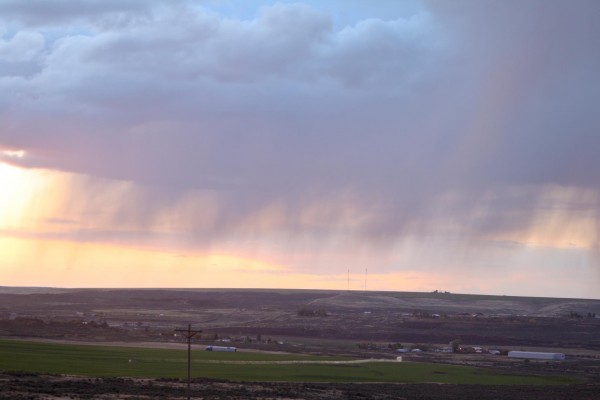
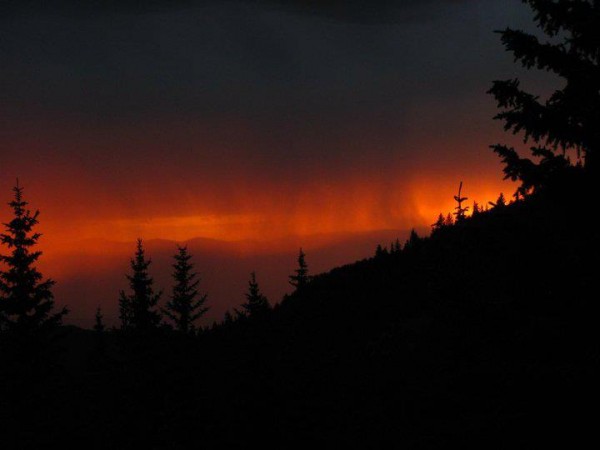
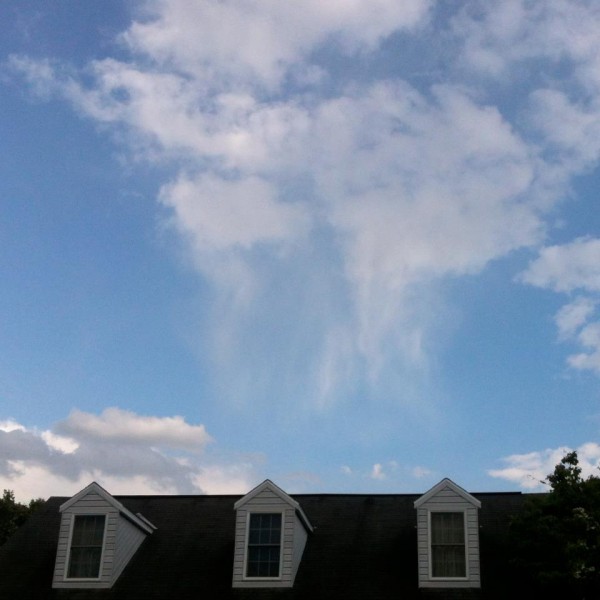
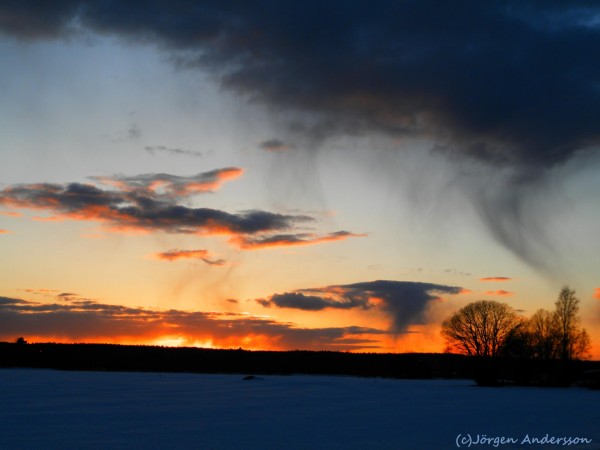
We’ve all seen virga, but maybe not known what it’s called. Virga is rain that evaporates before it hits the ground. It often appears in streaks or shafts extending from the bottoms of clouds. You often see virga over a desert, where low humidity and high temperatures can cause rain to evaporate shortly after being released by clouds. Or you might see virga at high altitudes; in fact, the precipitation often starts out in the form of ice crystals. Virga is commonly seen in the U.S. West and above the Canadian Prairies, in the Middle East, Australia and North Africa. At some northerly latitudes, too – as in the photos from Sweden on this page – virga sometimes paints the sky above.

The word virga is derived from Latin meaning “twig” or “branch”.

It’s an especially dramatic sight at sunrise or sunset.

The photos on this page are from EarthSky friends on Facebook.

Susan Jensen captured this image of virga in eastern Washington.

Timothy Busch caught this virga at sunset in New Mexico.

Ron Ratliff caught this virga near Mexican Hat, Utah.

Virga over Montana, by Jessica Gutliph Karr.

Virga over west Texas by Deborah Byrd.

Virga over Lancaster County, Pennsylvania by Beth Katz.

Virga over Sweden in the month of April, by Jorgen Norrland Andersson.

Bottom line: Virga is rain that evaporates before it reaches the ground. It appears in streaks or shafts extending from the bottoms of clouds. You often see virga over a desert, where low humidity and high temperatures can cause rain to evaporate high in the sky.

Source::: Earth sky news

Natarajan