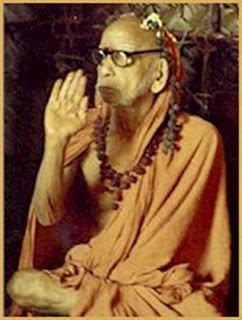
Message For the Day…” Where There is Purity, There is Divinity…”

Lord Krishna in the Gita says, “You are all part of My Divinity. Hence you should follow Me. My love is divine and sacred. So is yours!” (Mamaivamso jeevaloke jeevabhutah sanatanah). If you truly follow this principle, you will automatically achieve purity. Where there is purity, there is Divinity. Since time immemorial, each and every one of you are part of Me; you are My very own. Never forget this truth. If you develop faith in this truth, it will amount to reading all the scriptures. Every human being followsDharma (Righteousness). Where did this Dharma come from? It has come from feeling (bhava), which in turn emanated from faith(vishwas). Where faith is, there Dharma is! That faith is Truth.Dharma is verily the embodiment of Divinity. Truth is God; Faith is God; Love is God; Live in Love. Only when you cultivate Truth, Faith and Love, you can achieve anything.

Sathya Sai Baba

Meet Tao Porchon Lynch … 96 Years Old Yoga Teacher !!!


A 96-year-old woman , who has been teaching yoga for 56 years, has claimed that she “likes to dance and do yoga”.

The teacher Tao Porchon Lynch, who currently lives in Westchester County, New York, keeps a positive attitude and said that nothing was impossible, since one could do whatever one wanted to, the Daily Express reported.

Lynch, who was born at the end of the First World War in 1918 and was forbidden from practicing yoga through her early years due to male dominance, added that she loved to dance, to do the Argentinian tango, to do the Paso Doble, all Latin dancing, and all smooth waltzes and fox trot.

Brenda Boulas, a 70-year-old retired nurse, who is a student of the oldest yoga teacher, said that Lynch, who stays active despite having a full hip replacement and had recently suffering a broken wrist, was the “epitome of strength”

Pl click the following links too for identical Stories of Two other Ladies who practice Yoga and teach Yoga at the age 90 plus !!!

https://natarajank.com/2013/01/18/worlds-oldest-yoga-teacher-98-yrs/


https://natarajank.com/2014/08/25/%E0%AE%B5%E0%AE%AF%E0%AE%A4%E0%AF%81-94-%E0%AE%AF%E0%AF%8B%E0%AE%95%E0%AE%BE-100-%E0%AE%AF%E0%AF%82-%E0%AE%9F%E0%AF%8D%E0%AE%AF%E0%AF%82%E0%AE%AA%E0%AF%8D-%E0%AE%AF%E0%AF%8B%E0%AE%95/


SOURCE::::You Tube

Natarajan

This 13 yr old Inventor just Floored INTEL ….

If Shubham Banerjee cannot lay claim to being the world’s youngest venture capital-backed entrepreneur, he comes very close.

Image: Shubham Banerjee holding Braigo.
Photograph
: Nbanerjee/Wikimedia Commons

Banerjee was 12 years old when he closed an early-stage funding round with Intel Capital, the company’s venture capital arm, last month for his prototype for a low-cost Braille printer. Since then, the San Jose, California middle-schooler has turned 13.

That’s young, even by the standards of Silicon Valley, where many venture capitalists unapologetically prefer to fund youth over experience.

Young entrepreneurs usually have reached at least their mid-teens when they hit it big. Nick D’Aloisio, founder of online news aggregator Summly, was 17 when Yahoo bought his company last year for $30 million.

Image: Braigo – Braille Printer with Lego Mindstorms EV3.
Photograph: Nbanerjee/Wikimedia Commons

Brothers John and Patrick Collison, behind payments service Stripe, were 16 and 19 when they sold an earlier business to a Canadian company for $5 million.

After reading a fundraising flyer about the blind, Banerjee felt inspired to turn a high-tech version of Legos, the toy building blocks, into a device that could print in Braille. One day, he wants to mass-produce the printers and sell them for about $350, far less than Braille printers cost now.

This past summer, he worked on incorporating an Intel Edison chip, a processor aimed at hobbyists, into the printer. In September, Intel invited him to a conference in India to highlight uses for Edison. There, he got a big surprise.

Image: Shubham Banerjee with Braigo v2.0 at IDF14.
Photograph
: Nbanerjee/Wikimedia Commons

Intel executive Mike Bell announced from the conference stage that the giant chipmaker would invest in his company, Braigo Labs. Until then, his funding consisted of the $35,000 his parents gave him.

“I turned back to my dad, and said, ‘What did he just say?'” Banerjee recalled. “I was all over the place.”

Banerjee and a spokesman for Intel Capital declined to disclose the size of the investment. A person familiar with the matter said it was a few hundred thousand dollars. He plans to use it to build a better prototype of the printer and test it with more groups for the blind.

After the announcement, Banerjee had to bone up on unfamiliar terms such as “venture capital.”

Image: A note to Shubham Banerjee from Garvin Thomas, NBC Bay Area.
Photograph: Courtesy, BraigoLabs

He also needed to convince adults to co-sign his funding and patent documents. Among the company officials he turned to: Braigo’s president, his mom, Malini.

Banerjee says he gets mostly As and Bs as a student at the ChampionSchool in San Jose, California. Teachers have given him time off to attend events like the conference in India and the Intel Global Capital summit this week in Huntington Beach, California. He catches up on school work on weekends, he says.

This is the second Intel investment connected to the Banerjee family. His dad, Neil, works for Kno, an education start-up that Intel bought last year.

While many young entrepreneurs who win venture-capital cash end up ditching their education to focus on their businesses full time, Banerjee says he won’t take that path.

“It’s an after-school thing,” he says….

SOURCE::::rediff.com

Natarajan

Laughter The Best Medicine …With Positive Side Effects only !!!

One day a man goes to a pet shop to buy a parrot. The assistant takes the man to the parrot section and asks the man to choose one. The man asks, ”How much is the yellow one?”

The assistant says, ”$2000.” The man is shocked and asks the assistant why it’s so expensive. The assistant explains, ”This parrot is a very special one. He knows typewriting and can type really fast.”

”What about the green one?” the man asks.

The assistant says, ”He costs $5000 because he knows typewriting and can answer incoming telephone calls and takes notes.”

”What about the red one?” the man asks.

The assistant says, ”That one’s $10,000.”

The man says, ”What does HE do?”

The assistant says, ”I don’t know, but the other two call him boss.”

:::::::::::::::::::::::::


To surprise her husband, an executive’s wife stopped by his office.

When she opened the door, she found him with his secretary sitting in his lap.

Without hesitating, he dictated, “And in conclusion, gentlemen, budget cuts or no budget cuts, I cannot continue to operate this office with just one chair.”

::::::::::::::::::::::::


Bill Gates goes to purgatory.

St. Peter says, “Now Bill, you have done some good things, and you have done some bad things. Now I am going to let you decide where you want to go”.

First, St. Peter shows Bill an image of Hell with beautiful women running on beaches. Then, St Peter shows Bill an image of Heaven with robed angels playing harps on clouds.

Bill chooses Hell.

About a week later, St. Peter checks in on Bill in Hell and finds him being whipped by demons.

Bill says to St. Peter, “What happened to all the beautiful women and the beaches?”

St. Peter replies, “That was just the screen saver.”

:::::::::::::::::::::::::::::::;


Manager: Do you know anything about this fax-machine?

Staff: A little. What’s wrong sir?

Manager: Well, I sent a fax, and the recipient called back to say all she received was a blank page. I tried it again, and the same thing happened.

Staff: How did you load the sheet?

Manager: I didn’t want anyone else to read it by accident, so I folded it so only the recipient would open it and read it.


SOURCE:::: http://www.siliconindia.com

Natarajan


See This Man”s Creativity …Hats off To this Gentleman …

 
http://www.youtube.com/watch?v=svzPm8lT36o  
 
An extraordinary man with a severe disability creates incredible works of art using a typewriter….
 
Paul Smith suffers from cerebral palsy. It’s a terrible degenrative disease that cuts him away from the world in so many ways. But in the next few minutes, Paul will prove to you how much deeper the human soul goes. There is a whole world inside Paul, and he is still able to share it with others, to let them see its beauty and express himself creatively. It’s a beautiful example of how much we have inside us. 
 
SOURCE:::: You Tube and ba-ba mail site
 
Natarajan

Message For the Day…” Difficulties You Face in Your Life are Opportunities for Your Progress…”

Always attend to your duties with a pleasant and smiling face. There is no use putting a ‘castor oil face’. Happiness is union with God. That is real Divinity. When you are confronted with difficult situations do not get upset and constantly worry thinking, “Oh My! How do I cross this situation?”. Such worry will only worsen the situation. Repose your faith in God. Think that difficulties are opportunities for your advancement. If you develop this attitude, your life will be sanctified. Whoever doesNamasmarana, whatever name they take and wherever they are, their life will be sanctified. They will be free from sin. Do not be too much concerned or bogged down withraga and tala (tune and rhythm). There is only one Raga, that is Hridayaraga (the tune of your own heart). That is ‘So… ham’ (‘I am I’). Tune your life Unto Him. Then, whatever activity you undertake, it becomes a success.

Sathya Sai Baba

” அந்த மாதிரி வரம் கொடுக்கும் சக்தி எனக்கு இல்லை …”

ஒரு கூர்கா, தரிசனத்துக்கு வந்தார். முகத்தில்

கவலை தெரிந்தது.

“என்ன சமாசாரம்னு கேளு” என்று தொண்டரிடம்

சொன்னார்கள் பெரியவா.

1f22d-1கூர்கா சொன்னார்.

“நான் பிறந்ததிலிருந்தே கஷ்டங்களைத்தான்

அனுபவித்துக் கொண்டிருக்கிறேன்.ஆனால் ஏதோ

புண்ணிய வசத்தால் தெய்வ ஸ்வரூபமான பெரியவா

தரிசனம் கிடைச்சிருக்கு….இனி எனக்கு ஜன்மாவே

வரக் கூடாது என்று அனுக்ரஹம் பண்ணணும்…”

“ஆகா,அப்படியே ஆகுக! உனக்கு இனி ஜன்மாவே கிடையாது!”

என்று பெரியவாள் சொல்லி விடவில்லை.

பின் மெதுவாகச் சொன்னார்கள்.

“அந்த மாதிரி வரம் கொடுக்கும் சக்தி எனக்கு இல்லை.

நான் தினந்தோறும் பூஜை செய்யும் சந்த்ரமௌளீஸ்வரரையும்

த்ரிபுர சுந்தரியையும் உனக்காகப் பிரார்த்தனை செய்து

கொள்கிறேன்….”

கூர்காவுக்கு இந்தப் பதில் நியாயமாகப்பட்டது போலும்.

ஒரே குதூகலம் அவருக்கு.

பிரசாதம் பெற்றுக் கொண்டு;,

“எனக்கு இனிமேல் ஜன்மா கிடையாது….ஈசுவராக்ஞை”

என்று திரும்பத் திரும்ப சொல்லிக் கொண்டே போனார்.

“ரொம்ப நாள் கழிச்சு இந்த மாதிரி, எனக்கு ஜன்மா

வரக் கூடாதுன்னு கேட்டு, இவன் ஒருத்தன் தான்

வந்திருக்கான்!” என்று கண்களில் ஞானஒளி வீசக்

கூறினார்கள் பெரியவா.

“மனுஷ்யனாக அவதாரம் பண்ணிய ராமன், எந்தத்

தைரியத்தில் ஜடாயுவுக்கு ஸ்வர்க்க லோகத்தைக்

கொடுத்தான்? அவனறியாமல் நாராயணத்வம்

வெளிப்பட்டு விட்டது” என்று ஒரு பௌராணிகர்

கூறியது நினைவுக்கு வந்தது.

பெரியவா, சங்கரர் என்பது, உடனிருந்த

கிங்கரர்களுக்குப் புரியவில்லை.

கூர்காவுக்குத் தெரிந்திருந்தது !!!!

SOURCE:::::www.periva.proboards.com

Natarajan

Read more: http://periva.proboards.com/thread/8233/#ixzz3ICgX2QEG


Dialysis @ Rs 100…? ….He Made it Happen !!!

Indian American Harvard Medical School student Sachin Jain looks beyond boundaries of direct service.

Sachin Jain comes from a family of philanthropists.

His India-born father, Subhash, and others funded Jain’s paternal aunt Shanti, who had committed her life to rural health care in Phalodi, Rajasthan.

The family runs the HBS Trust, which, among other things, runs a non-profit hospital (Kalapurnam General Hospital) and a school (Bal Academy).

He watched as his father and brother, Roopam, worked their own magic, once sending to India supplies from a hospital in Kansas that went bankrupt.

Sachin had done his share in organising things for his parents in the United States.

He spent some time at the hospital, even living there awhile.

But if he was to help, he saw that he could not make the same kind of headway his father perhaps did.

He realised there were cultural nuances to India, one that essentially made for a foreign context for him, he says:

“As someone who grew up in America, I don’t have that. People there know to get things done… There’s a different work culture in India.”

Sachin, who went to Harvard Medical School, taking a break to do his MBA first, and then to work awhile in the Obama administration, says, “As I got older, (I saw) the special sweet spot I could be at (would be one where I could) build partnerships that create novel programmes.”

He spoke to Kent Theiry, chief executive officer, Davita, the largest dialysis material supplier in the US, and worked out a deal to do collaborative work on dialysis services in India.

Thanks to Davita and other sources of funding, the HBS Trust has two dialysis centres — in Jodhpur and Phalodi.

Already 17,000 patients have used the facilities in Jodhpur, 3500 in Phalodi.

The charges are on the ability to pay, amounting to about Rs 100 ($1.63) and Rs 200 ($3.27) per session.

That well-nurtured partnership has been on for almost six years.

Sachin also worked out a deal with the Medical Mission for Children (Boston), which worked on cleft lips and palates.

“They were interested in going to India,” Jain says, adding that he “didn’t think there was need for this.”

But a few advertisements in the local papers there unleashed an overwhelming response.

He now realises how important the seven-year partnership has been in helping people living with that social stigma get jobs or even get married.

Sachin goes there every year, to meet family and see how the hospitals are doing.

In the US, he practices at the Boston Veterans Hospital, is editor-in-chief of Healthcare, an academic publication, and the chief innovation officer at Merck.

On the side he organises trips for doctors to India.

The role of Indian Americans has been to go back and give frontline service, he says, adding, “My job is understanding what is going there.”

He says he spends a lot of time maintaining relationships, failing to fix a deal 80 percent of the time.

He speaks of another dialysis company he has been wooing, which has coyly refused to play nice yet.

Something might happen next month or next fall. The important thing is not to get discouraged, Jain says.

He adds that right now people think of doing direct service. But, just as he did, there is also the option for young people to learn to use the options they have here.

SOURCE::::: P.Rajendran in http://www.rediff.com

Natarajan

” A Virtual Tea -Stall…chotuchaiwala.com…” !!!


From clothes to shoes, televisions to mobile phones, baby products to medicines, everything and anything is available online for purchase at the click of a mouse button. But can anyone (stress on anyone) start selling online? How about chaiwalas? The answer is: why not!

Zepo, an eCommerce platform that has helped 1500+ businesses in India to start selling online, offered Mumbai chaiwalas a fun way to celebrate this new idea through a virtual tea-stall:ChotuChaiwala.com

A cute little initiative that celebrates the spirit of Mumbai with a sip of garam chai.

Because good things should go online.

SOURCE::::www.storypick.com and You Tube

Natarajan

“Ebola Has been the Biggest Challenge I Faced as a Doctor ….”

Gomathinayagam, part of Doctors Without Borders who served Ebola victims in Liberia, speaks about her experiences

Vidya Krishnan in http://www.livemint.com

Ebola has been the biggest challenge I faced as a doctor: Kalyani Gomathinayagam

Gomathinayagam says they had to win the trust of the community first—they suddenly see foreigners giving them instructions. Photo: Ramesh Pathania/Mint

Kalyani Gomathinayagam is a general physician based in Madurai, Tamil Nadu, who has just returned from Liberia, the epicentre of the Ebola outbreak, after spending six weeks caring for patients in the West African nation. She is already talking about going back.

Gomathinayagam, 46, joined Médecins Sans Frontières, or MSF (Doctors Without Borders) after the Haiti earthquake in 2010. She has served as an emergency doctor in the Ivory Coast, Chad and the Democratic Republic of Congo before her stint in Liberia, from where she returned to Delhi on 20 October after being quarantined for 21 days in Geneva, Switzerland.

Working in Foya district of Lofa county in Liberia, the doctors operated in small hutments, plastic-sheeted from inside to prevent infections—much like the ‘kill room’ in the popular television series Dexter. The doctors worked in temperatures touching 40 degrees Celsius, swathed in protective gear including face shields, goggles and boots, that made even simple tasks like placing an intravenous (IV) line or giving an injection seem like hard labour.

Health workers have been the most critical resource at the frontline of the battle against the latest outbreak of Ebola, which has so far claimed 4,919 lives—2,413 in Liberia alone, according to the World Health Organization.

Gomathinayagam spoke about her experiences in Liberia and other disaster-struck regions in an interview during a visit to New Delhi. Edited excerpts:

You have seen people suffer earthquakes, civil wars and medical emergencies. Which one has been the most challenging?

Ebola. Without a doubt. This outbreak is unprecedented in so many ways. The disease threatens doctors and health workers, severely limiting our capacity to treat patients. And this is happening in countries where the health infrastructure is not robust to begin with. Additionally, we had a few scares with some of our colleagues falling sick, but thankfully, it was not Ebola.

We had to win the trust of the community first—they suddenly see foreigners giving them instructions. The families see their loved ones taken to the hospital and coming back dead. Even burial is not under their control. So, it was a very challenging experience.

Working with the nurses was the trickiest bit. The nursing staff was given clinical information without passing over pieces of paper from inside the quarantine zone. So everything was dictated. This takes a lot of time when you have over 100 patients and just four doctors. It was a tremendous amount of work to get the data collected.

How difficult is it to care for an Ebola victim with basic health infrastructure?

The most difficult part was to administer any kind of treatment without coming in physical contact with the patient. (In treating) this disease, everything is complicated. The patients can only see my eyes and recognize my voice, and I have to shout through a perimeter to be heard. Everything has to be done from across the ‘perimeter fencing’. It was challenging to gain the community’s trust because all they (see) is a hazmat suit (protective gear).

In this setting, I had little or no access to the patient. I had to figure out how to put the IV fluid, but my goggles were getting foggy and I was no longer able to properly place an IV. If I cannot see, there are chances of me pricking myself with the injection instead. I was sweating a lot because of the protective gear. And somehow you manage everything and within minutes the patient is lying in a pool of faeces or vomit—and you have to do this all over again.

Do you choose these assignments for an adrenaline rush? Because this must have been difficult for your family.

Their first reaction was “Are you crazy?” But they know I work for a humanitarian aid agency, which responds to acute medical emergencies for the most vulnerable population—civil wars, epidemics, natural disasters.

Ebola has had a huge impact on me as a person. One cannot imagine the magnitude of this epidemic unless you go there. I have never seen or felt such helplessness. I could also, like normal doctors, set up a regular practice. My patients would have a choice of going to another doctor if they didn’t like me. But I serve in places where people cannot go to another doctor. There is no other doctor.

It is stressful moving from one suffering to another, but we also have a rest period in between. I don’t know about the adrenaline rush, but this gives me tremendous satisfaction. I do what is needed. My family and friends understand I chose this profession. They have adapted so I can keep going back.

Is there a ‘good day at the office’ in situations like these?

Well, not often. I had one which made me very happy. I had skipped the morning rounds one day and when I went in the evening, a patient came up to me and asked me why I didn’t turn up in the morning. And I realized he knew me. By my voice. He could still identify me despite the hazmat suit and face shield, and it was heartening.

Source:::: http://www.livemint.com
Natarajan