“குழந்தை … நீ எனக்கு உன் ஆட்டோகிராப் போட்டு கொடு ” !!!!

ஸ்ரீபெரியவாள் மேனாவுக்குள் அமர்ந்திருந்தார். குட்டிப் பையனொருவன் குட்டி நோட்டுப் புத்தகமொன்றை அவர் முன் நீட்டினான்.

“ஆடோக்ராஃப் போட்டுத் தரணும்” என்று வேண்டினான்.

பெரியவாளோ துறவறம் பூண்ட அந்தப் பதின்மூன்றாம் வயதிலிருந்து கையெழுத்திடுவதில்லை என்று ஜன்ம விரதம் காத்தவராயிற்றே!
அதனால் சட்டென்று அவர் வாயிலிருந்து, “நான் ஸ்வாமிகளான நாள்லேந்து கையெழுத்துப் போடறதில்லையேடா, கொழந்தே!” என்ற வார்த்தைகள் வந்து விட்டன.

பல்துறைப் பிரமுகர்களிடமிருந்து கையொப்பம் பெற்று அதற்குச் சிகரமாக ஸ்ரீமஹா பெரியவாளுடையதையும் பெறுவதற்காகப் பேராவலுடன் வந்த குழந்தையின் நெஞ்சு ஏமாற்றத்தில் பஞ்சாகிவிட்டது. அழுதேவிட்டான் பையன்.

ஐயனுக்கு – சமயோசிதத்தில் அவருக்கு நிகர் யாருண்டு? – ஒரு வழி தோன்றிவிட்டது.

“அழாதேப்பா! இப்ப இதுவரை யாரும் போடாத மாதிரி ஒனக்கு எப்படி முத்ரை குத்தி ஆடோக்ராஃப் போட்டுத் தரப் போறது பாரு!” என்றார்.

விநோத உணர்வில் பாலனின் விழிகள் விசாலித்தன.

கிங்கரர் ஒருவரிடம், “ஏஜெண்டை அழைச்சுண்டு வா” என்றார்.

ஸ்ரீமடத்துப் பிரதம அதிகாரியான ஏஜெண்ட் அழைத்து வரப்பட்டார்.

பெரியவாள் அவரிடம், “இந்த நோட் புக்ல என் பேரை எழுது. ஒன் கையெழுத்தும் போடு. அதோட நம்ப மடத்து ஸீலும் குத்தி எடுத்துண்டு வா” என்றார்.
ஏஜெண்ட் சென்று அவ்வாறே செய்து நோட்டுப் புத்தகத்துடன் திரும்பி வந்தார்.

ஸ்ரீசரணர் மந்தஹாஸத்துடன் அதை பாலனுக்கு ஆசிபூர்வமாகக் கொடுத்தார்.

ஏகப்பட்ட சாங்கியங்கள் செய்யப்பட்டுப் பெரியவாளின் ஆடோ(?)க்ராஃப் கைக்கு வந்ததில் சிறுவனின் ஆனந்தம் சொல்லித் தரமன்று. நாட்டியமாடாத குறைதான்!

அந்தக் குறையுமில்லாமல் அவன் குதித்தே ஆடும்படி அப்போது இன்னொன்றும் செய்தார் அருட்பெரு வள்ளல்.

பாலனிடம், “ஒனக்காக நான் ஸ்பெஷல் கையெழுத்துப் போட்டேனோல்லியோ? பதிலுக்கு நீயும் எனக்கு ஒன் ஆடோக்ராஃப் போட்டுக் குடுக்கணும். விஸிட்டர்ஸ் புக்-னு (ஏஜெண்டைக் காட்டி) இந்த மாமா வெச்சிருப்பார். அவரோட போய் அதுல ஒன் கையெழுத்தைப் போட்டுட்டு ஆத்துக்குப் போ!” என்று கூறி அனுப்பி வைத்தார்.

ஸ்ரீகாஞ்சி காமகோடி மஹா மடத்தின் வி.ஐ.பி. விஸிட்டர்களில் வாண்டுப் பையனுக்கு இடமளித்தது அந்த அத்வைத அன்பிதயம்!

source::::www.periva.proboards.com

natarajan
Read more: http://periva.proboards.com/thread/4984/maha-periyava-children-13/#ixzz2evl5eqWp

” தெரிஞ்சே தப்பு பண்ணிட்டேன் …. மன்னிச்சுடுங்கோ ” !!!!

சென்னை ஸம்ஸ்கிருதக் கல்லூரியில் ஸ்ரீசரணர் முகாமிட்டிருக்கிறார். ஒரு சிறிய பெண் அவரிடம் ஸ்ரீராமநாமம் எழுதிய நோட்டுப் புத்தகத்தை ஸமர்ப்பித்து வெள்ளிக் காசு கேட்டது.

ஒரு லக்ஷம் நாமம் எழுதினால் பொற்காசும், அதில் எட்டில் ஒரு பங்கான 12,500 நாமம் எழுதினால் வெள்ளிக்காசும் ஸ்ரீசரணர் வழங்கி வந்த காலம் அது.

சிறுமி கேட்டவுடன் பெரியவாள் வெள்ளிக் காசு கொண்டுவரச் சொல்லி அதற்கு ஈந்தார்.

சிரித்துக் கொண்டு காசுடன் ஓடிய சிறுமி சிறிது நேரத்திலேயே கண்ணைக் கசக்கிக்கொண்டு திரும்பி வந்தது.

“ஏம்மா அழறே?” என்று பரிவுடன் கேட்டார் ஸ்ரீசரணர்.

“காசு எப்படியோ காணாமப் போயிடுத்து” என்று விக்கிற்று குழந்தை.

”அழாதேம்மா!” என்று கனிந்து சொன்ன பெரியவாள், “அது ஸரி, நீ எவ்வளவு நாமம் எழுதியிருந்தே?” என்று கேட்டார்.

“8,500” என்றது குழந்தை.

“12,500 எழுதினாதான் காசு தரதுன்னு ஒனக்குத் தெரியுமோன்னோ?”

“தெரியும், தெரிஞ்சேதான் பொய் பண்ணிட்டேன். தப்புதான். மன்னிச்சுடுங்கோ!”

சின்னஞ்சிறுமி தவற்றை ஒப்புக்கொண்டு மன்னிப்பு வேண்டியதில் ஸ்ரீசரணரின் மனம் உருகிவிட்டது!

“பரவாயில்லேம்மா! இனிமே அப்படிப் பண்ணாட்டா ஸரிதான். இப்படி ஒக்காரு” என்று பிரியமாகச் சிறுமியை அருகே உட்கார்த்தி வைத்துக் கொண்டார்.

அருகே இருந்தவர்களைப் பார்த்து, “நீங்க எல்லாரும் இப்பவே ராம நாமா எழுதி ஸொச்சம் நாலாயிரத்தையும் ‘கம்ப்ளீட்’ பண்ணுங்கோ. இந்தக் கொழந்தையும் எழுதட்டும். நீங்கள்ளாமும் எழுதுங்கோ” என்றார்.

எல்லோருக்கும் காகிதம், எழுதுகலம் வழங்கப் பட்டது. அந்த ஒரு பாலகியின் தவற்றினாலேயே அன்று பல பேருக்கு திவ்ய நாமம் எழுதும் பாக்கியத்தைப் பெரியவா அருளினார். பலர் எழுதியதால் விரைவிலேயே நாலாயிரம் பூர்த்தியாயிற்று.

பாலகியை அழைத்தார் மாமுனி. “ஒனக்கு வெள்ளிக் காசு வேண்டாம். தங்கக் காசே தரேன்” என்று மஹா பெரிய போனஸாகப் பொற் கழங்சு ஒன்றை அந்தப் பிஞ்சின் குஞ்சுக் கரத்தில் போட்டார் குணகுஞ்சரர்.

ஜெய ஜெய சங்கர! ஹர ஹர சங்கர!

source:::::www.periva.proboards.com

natarajan
Read more: http://periva.proboards.com/thread/4970/maha-periyava-children-12#ixzz2eNFgII00

Mahaperiavar….Architect of Architects !!!


Author: Shri N.Subramaniam, B.E., M.Sc., (Engg..), M.I.E., M.I.C.I – Chennai
Source: Moments of a lifetime

(The following episode was narrated by Engineer Mani concerning the renowned architect Sri R.R.Sharma – the first Indian to acquire his degree in architecture from the London School of Architecture, in those days – whom he accompanied when calling upon the Mahaswami)

The renowned architect, known for his vast knowledge in his field went to see the Mahaswami on being called on some work. The work that lay ahead was quite simple. The figures of Adi Sankara and his four disciples had to be installed in Rameshwaram at a height, in such a way that they could be seen without any obstruction when viewed from Agni Theertham. The angle of elevation for the height of the structure on which the figures had to be installed had to be decided. The architect was a little taken aback and felt slighted that he had been called for a matter as insignificant as this. Meanwhile, as he looked at Mahaswami, several thoughts passed through His mind. ‘People talk so much about the Sanakaracharya. But he looks so non-descript and puny, and seems nothing extraordinary. Is he at all as knowledgeable as it is generally believed?”

As for the Mahaswami, in His own leisurely manner, He began to converse with the architect. He asked Sri Sharma the names by which the various measurements were signified. The architect for his part replied with words like ‘foot’, ‘yard’, ‘mile’ and so on.

Some time passed. His Holiness showed the measurements from the tip of His middle finger to that of the forearm and asked the architect what it was called. The architect shot back the reply that it was called ‘muzham’ (or yard) in Tamil. Some time passed. Now His Holiness stretched his fingers and pointing to the distance between the tip of the thumb and the tip of the little finger asked the architect by what term it was described. Without a moment’s hesitation, the architect replied that it was known as ‘jaan’ in Tamil.

The architect was amused and wondered why His Holiness was questioning him thus, making him name the basic measurements. But more was yet to come!

A short while later, His Holiness stretched His thumb and His forefinger and looked at the architect questioningly as if to ask if there was any such measurement and if it was in use, what it was called.

The architect was taken aback and had no answer to give. Nor could he say definitely that no such measurement existed because he was not sure whether it did nor not. Minutes passed and only silence reigned. Then answering the question Himself, His Holiness said, “It is known as ‘coopay’, isn’t it?”

In those days, the only train from Rameshwaram to Chennai was the Boat Mail. The architect boarded the train that night in a state of restlessness for he had to ascertain the matter to himself!

On reaching his place the next morning, the first thing he did was to search the Dictionary of Architect terms and lo and behold! There it was, ‘coopay’, which signified the space between the tip of the thumb and the tip of the forefinger!

The architect telephoned his friend Mani, the engineer, and said “Mani! That Samiyar of yours…., my salutations to him!!

Jaya Jaya Shankara, Hara Hara Shankara!

source:::::www.periva.proboards.com

natarajan

Read more: http://periva.proboards.com/thread/4966/mahaswami-architect-architects?ixzz2e4nRJVtL=undefined#ixzz2eNB7Mpcl

“ரோஜாப்பூ இன்று குழந்தைகளுக்கு”….மகாபெரியவர் !!!

நாலைந்து கூடைகள் நல்ல ரோஜா மலர்கள் ஒரு தினம் ஸ்ரீமடத்தில் ஸமர்ப்பணமாயிற்று. ஸ்ரீசந்திர மெளளீச்வரர் பூஜா விமானம் அற்புதப் புஷ்பாலங்காரம் பெறும் எனப் பணியாளர்கள் எண்ணினர்.

அப்போது ஒரு பள்ளிக் குழந்தை கோஷ்டி வந்தது. அவர்களுக்குத் தரிசனம் அளித்த அருட் தாத்தா ரோஜாக் கூடைகளைக் கொண்டுவரப் பணித்தார்.

”இன்று என்ன, வழக்கமில்லா வழக்கமாகக் குழந்தைகளுக்குப் புஷ்ப விநியோகம்?” என்று பாரிஷதர்களுக்குப் புரியவில்லை.

குழந்தைகளின் வாயாலேயே அவர்களுக்கு குருநாதன் புரிய வைத்தார்.

“இன்னிக்கு என்ன விசேஷம்:” என்று அவற்றைக் கேட்டார்.

“நேருஜி பிறந்த நாள்” என்று அவை ஒருகுரலில் கூறின.

“அவருக்கு ரொம்பப் பிடிச்சது என்ன?”

“ரோஜாப்பூ, ரோஜாப்பூ!”

“ஒங்களுக்கெல்லாமும் அவர் ஞாபகமா இன்னிக்கு ரோஜாப்பூ!”

இப்படியாகத்தானே ‘குழந்தையும் தெய்வமும்’ என்ற வாக்குப்படி, பூஜைக்கு என எண்ணப்பட்ட மலர்களை அரும்புப் பருவத்தினருக்கு விநியோகித்தவர், அருள் பழுத்த கனியான ஸ்ரீசரணர்.

ஜெய ஜெய சங்கர! ஹர ஹர சங்கர!!

source:::::www.periva.proboards.com

natarajan

Read more: http://periva.proboards.com/thread/4947/maha-periyava-children-9/#ixzz2dQQwyZXF

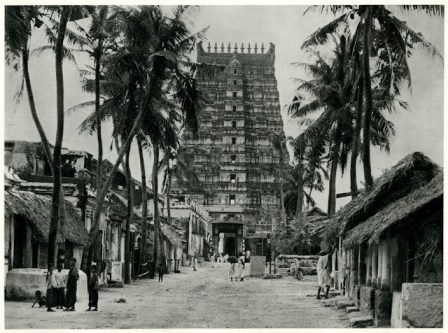
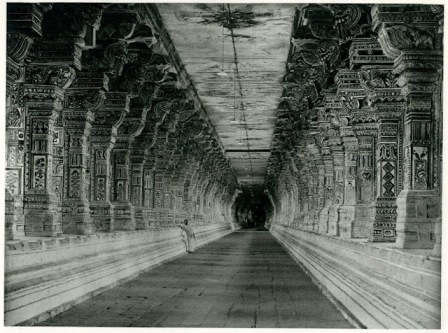
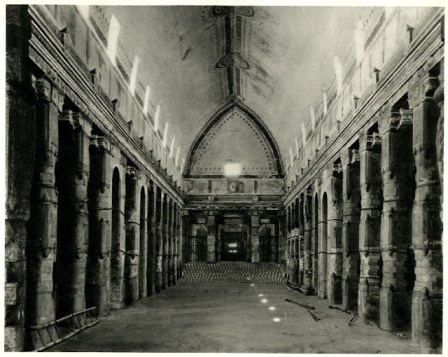
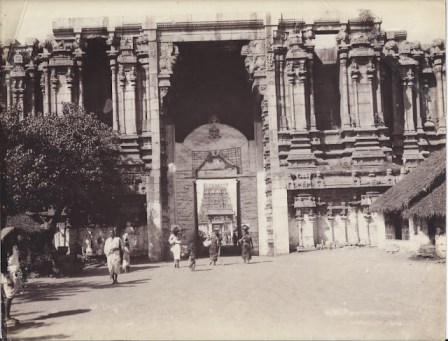
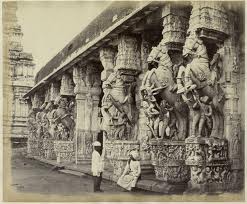
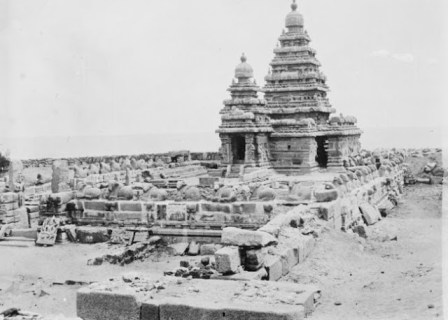
நமது அருமை கோயில்களின் சில அரிய புகைப்படங்கள் …சில நூறு ஆண்டு முன்பு!!!

200 வருடங்களுக்கு முன்னாள் திருவண்ணாமலை கோவிலின் அமைப்பு 


Sri Padmanabhaswamy temple..Thiruvanandapuram


Rameswaram Ramanathaswamy Temple

1000 Pillar Mandapam…Rameswaram Temple


Chidambaram Nataraja Temple


Srirangam Temple


Srirangam Temple


Mamallapuram Shore Temple


source:::::Rudran in blog

natarajan


Divine Invitation Card From Swami Sathya Sai Baba in the Year 1945 !!!….A Flashback !!!


Inauguration (Grahapravesam) of Padha Manidram
The first Mandir in Puttaparthi was opened on Friday December 14, 1945.  You are seeing here, the scanned copy of the Divine Invitation Card sent out by Swami. I wonder which were the families who were most blessed and fortunate to receive an Invitation from Bhagavan Himself.
The Grahapravesam (house warming) ceremony was the first major event in Puttaparthi .
In 1944 Puttaparthi village, was a tiny hamlet of 2 lanes at right angles. Only one or two families from Bangalore or Madras used come at a time to have Darshan of Bala Sai.  They resided at cattle sheds for a nominal rent of four rupees per month. They spent all their time drinking the Nectar of Swami’s Darshan, Sparshan and Sambhashan. 
Swami would be supervising the building work and the arrangements for the inaugural function. The young men were involved in climbing up the ladders, and hanging decorations and photos on the walls. Sometimes Swami Himself would climb up. Some devotees had the privilege of offering orange juice to Swami whenever He walked through the lanes.
Smt. Savithriamma and group from Bangalore prepared the feast on the inaugural day.  Thanks to Swami’s touch, the contents multiplied and there would be enough to feed the entire village and hundreds of devotees.
Swami arrived in procession, seated on a floral decoration with the idols of two Sais on either sides. Swami installed the two idols in the main prayer hall with large canvas paintings of both Babas and pictures of other deities. A screen was used to cover the altar  in the shrine, after daily Puja was over.
 Swami Himself would perform the Puja. He would dust the pictures and clean and decorate the idols. Swami would lead the Bhajan, followed by His sister Venkamma and other devotees. The first song on that day was, “Sree Ganesha Sivuni Kumara”
He would hit two coconuts against each other and sprinkle the water on all present. He would perform Arathi to Himself and show it to all devotees. 
Devotees would sing “Poojinthu Maa, mana Sayi nee…” and end with the Arathi song “Paavana Purusha Saayeesa”. Swami would give prasad – coconut scrapings mixed with sugar. He used to sing “Sai Rama mana prasada midigo Randi Bhakthularaaa” (Receive the Divine Prasad of our Sai Rama). He would grant interview to everyone. There was no fixed time. As devotees arrived, they were ushered in for interview.
Those days, reaching Parthi was a Herculean task. Every time devotees were forced to take a new unknown route because of floods in Chitravathi River.  
The Mandir had only 4 rooms. There were 5 kitchens in a row at the back. On the inauguration day, Swami went to a corner and placed his Palm on the ground. Soon a spring rose. It was fresh water. Swami ordered a well to be dug there. This was the only source of drinking water for the entire village. Even in summer, the water level remained the same. The devotees slept in the open space with Swami’s cot in the centre. His belongings were meagre, unlike His vast heart.
source:::::: Sairam  Mumbai Srinivasan in saidevotees world net.com
natarajan

Golden Age Of AirTravel…. Thro ” The Lense of a Flight Attendant !!!

A Lebanese photographer who worked as a flight attendant for nearly ten years has documented the behind-the-scenes life of air crew.
Lucien Samaha’s love affair with aircraft started when he was a young boy. His father and uncles worked for an airline and he spent the first ten years of his life flying first class to spend time with his family.
Samaha, who always carried a camera with him, has recently exhibited a selection of the 600 plus images he took during his time flying with TWA.


Team work: Crew members enjoy a mid-flight shoulder rub in 1982

Team work: Crew members enjoy a mid-flight shoulder rub in 1982


Boarding pass: Pilots and flight attendants sit on the steps of the plane in Frankfurt in 1983

Boarding pass: Pilots and flight attendants sit on the steps of the plane in Frankfurt in 1983

Light hearted: A stewardess jokes around on board a flight in 1985

Light hearted: A stewardess jokes around on board a flight in 1985


‘Flight Attendants epitomized international glamor and adventure to me. Growing up, I often dreamed of becoming one,’ he said.

High life: Samaha with his father in 1958, who also worked on airlinesHigh life: Samaha with his father in 1958, who also worked on airlines

As his 18th birthday approached Samaha, who had studied photography in high school, realized the life of luxury he had experienced for free on board planes would end.

‘I wouldn’t be able to jaunt around the world at will, for free – something I had been used to all my life,’ he said.

‘My only solution was to follow my childhood dream and become a flight attendant.’


On his 20th birthday Samaha was hired by TWA and began studying at the Breech Training Academy. He took photographs nearly the entire time, according to Slate.

‘I was shooting everything during that time, from fashion photography in Milan to photographing on layovers … street photography around the world,’ he said.

It was a glamorous period for flying. Samaha learned how to carve chateaubriand and how to serve caviar in first class as he worked on flights from Chicago, Tel Aviv, Rome and Paris.

Samaha, a documentary photographer who was part of the launch team for Kodak’s first digital camera and explained that he often used small cameras to help his subjects feel more relaxed.

 Sky's the limit: The moon shines over this passenger jet as it waits at JFK in New York in 1982
 Sky’s the limit: The moon shines over this passenger jet as it waits at JFK in New York in 1982

Driving seat: A first officer sits in the cockpit of a TWA aircraft in 1978

Driving seat: A first officer sits in the cockpit of a TWA aircraft in 1978

Ground crew: Drivers in Cairo wait to meet the plane in 1982

round crew: Drivers in Cairo wait to meet the plane in 1982


‘People become relaxed with a small point-and-shoot camera, and that’s my aesthetic. I like intimacy … the smaller and quirkier the camera, the better—and I feel l can take great pictures with it,’ he said.

A collection of photos from that time, entitled The Flight Attendant Years: 1978-1986, is being shown at the Lombard Freid Gallery in New York. Many of Samaha’s former colleagues on the airlines have been invited to the gallery to view the images.

His work can also be viewed at Luciensamaha.net.

Turbo: Crew pose in one of the engines in 1978

Turbo: Crew pose in one of the engines in 1978

Training camp: New recruits at the Breech Academy in 1978

Training camp: New recruits at the Breech Academy in 1978.

High jinx: Air crew celebrate Easter in Las Vegas in 1982

High jinx: Air crew celebrate Easter in Las Vegas in 1982

Arrivals: An attendant rides the shuttle bus at Cairo airport in 1983

An attendant rides the shuttle bus at Cairo airport in 1983

Going places: Samaha combined his love of air travel and photography for eight years

source::::mailonline .com uk

natarajan


படித்ததில் பிடித்தது !!! மகாபெரியவர் பாதுகை தரும் திருப்பங்கள் !!!

அது 1988ஆம் வருடம். தொழிலை அபிவிருத்தி செய்ய வங்கியில் இருந்து கடன் கேட்டிருந்தோம். கொஞ்சம் உதாசீனமாகப் பதில் கிடைத்தது. இதை தந்தையிடம் சொல்லவேயில்லை.

திடீரென்று அப்பா, அம்மா இருவரும் காஞ்சிபுரம் போகலாம் என்று அழைத்த உடன் கிளம்பினேன். பெரியவாளைத் தரிசனம் செய்ய, 300க்கும் அதிகமானோர் நின்றிருக்க, நாங்கள் கடைசியில் நின்றிருந்தோம்.
திடீரெனப் பெரியவா வழிவிடச் சொல்லி கூட்டத்தை சைகை செய்தார். வழி கிடைத்தவுடன் கடைசியில் நின்றிருந்த எங்களை அருகில் வரும்படி அழைத்தார். மெய் பதற அவர் முன் சென்று நின்றோம்.
“என்ன வேண்டும்?” என்று இரண்டு முறை கேட்டார்.
நாங்கள், “எதுவும் வேண்டாம்” என்று, பவ்யமாகத் தலை அசைத்தோம்.
மூன்றாவது முறை கோபமாகக் கேட்டார்.
உடனே “பிரசாதம் வேண்டும்” எனக் கூறினோம்.
உடனே, தனது திருவடிகளில் அணிந்திருந்த பாதுகைகளை எடுத்து, தாமரை மலரை அதன் மேல் வைத்து எங்களிடம் கொடுத்தார்.
பரதாழ்வார், ஸ்ரீராமரின் பாதுகைகளைக் கேட்டுப் பெற்றார். அது மகா புண்ணியம். கேட்காமலேயே – மகா பெரியவாளின் பாதுகை கிடைத்ததும் இதுதான் நினைவுக்கு வந்தது.
அந்த நொடியில் என் சர்வ நாடியும் அடங்கின. சர்வாங்கமும் ஒடுங்கின. மேனி புல்லரித்து, எத்தனை நேரம் உறைந்து போனேன் என்று தெரியாமல் செய்த அபார கருணை அது. பரவசமான நேரம்!உயிர் உள்ளவரை இறைவனது எல்லையில்லாக் கருணை என்னை ஆள வேண்டும் என்ற இறைஞ்சுதலுடன், அந்தப் பாதுகைகளைச் சுமந்து வந்தேன்.
தேரில் தெய்வம் உலா வந்து கொண்டிருக்கும்போது, தெருவில் இறங்கி, நாம் அந்தத் தெய்வத்தை தரிசனம் செய்யப் போகும் சமயத்தில், அந்தத் தெய்வம் தேரிலிருந்து இறங்கி வந்து நம் கைகளைப் பிடித்துக்கொண்டு கருணை செய்தால் எப்படி இருக்கும்? அந்த மாதிரியான ஒரு புளகாங்கிதம் அது.
காஞ்சியில் இருந்து திரும்பி வந்த உடன், வங்கியில் இருந்து அழைப்பு வந்தது. ‘ஏதோ ஒரு டென்ஷனில் சொல்லிவிட்டோம். எத்தனை லட்சம் வேண்டுமானாலும் கடன் தருகிறோம். வேண்டுமானால், செக்கை அனுப்பி வைக்கிறோம்’ என்றனர்.
இப்படி ஒன்றிரண்டு அல்ல; 20 வருடங்களுக்கும் அதிகமாக வாடாமல் அதே மலர்களுடன், சந்தனப் பேழையில் இருந்துகொண்டு, நிறையத் திருப்பங்களை, நானே எதிர்பார்க்காத அளவுக்கு நடத்தி வருகின்றன, அந்தப் பாதுகைகள்.”
சொல்லும்போதே அவர் குரலில் பரவசம் தெறிக்கிறது. அந்தப் பரவசம் நமக்குள்ளும் ததும்பத்தான் செய்கிறது.
~ கோவை கிருஷ்ணா ஸ்வீட் அதிபர் கிருஷ்ணன்.
நன்றி: “தீபம்“ (கல்கி வழங்கும் ஆன்மீக இதழ்)


நாற்பது வருஷத்துக்கு முன்னாடி காஞ்சிபுரத்தில் ஒரு அக்ரஹாரத்தின் வழியாய் காமாட்சியம்மன் கோயிலுக்குப் போய்க்கிட்டிருந்தேன். திடீரென பெரியவர் வர்றார்ன்னு குரல் கேட்டது. பரபரப்பாய் மக்கள் இங்கேயும், அங்கேயும் போய்க்கிட்டிருந்தாங்க. நானும் ஏதோ வயசான பெரியவர் வர்றார்ன்னு திரும்பிப் பார்த்தா, மஹா பெரியவா.

நான் சடார்ன்னு அந்த ஞானியின் காலைப் பிடிச்சிட்டேன். அப்புறம் அவர் அந்த இடத்தை விட்டுப் போயிட்டார். நான் ஒரு மணி நேரம் அந்த இடத்திலேயே நின்னேன். அக்ரஹாரத்து அய்யர்களெல்லாம், ‘நாங்க கூட-இவரைத் தொட்டது கிடையாது. நீ காலையே பிடிச்சுட்டியே’ன்னாங்க. நான் ரொம்பப் பயந்து போயி, கோயிலுக்குள் நுழைந்தேன்.
கோயிலுக்குள் மஹா பெரியவர் பக்தர்களுக்கு ஆசீர்வாதம் பண்ணிக்கிட்டிருந்தார். தூரத்தில் நின்ன என்னை ‘வா’ன்னு சைகையால கூப்பிட்டார்.
‘சாமி தெரியாமல் காலைப் பிடிச்சுட்டேன்’னேன்.
அதற்குப் பெரியவர் ‘ஏதோ பூர்வஜென்ம வாசம், என் காலைப் பிடிச்சுட்ட. பரவாயில்லை, என்ன பண்றே’ன்னு கேட்டார்.
‘சினிமாவுல இருக்கேன்’ என்றேன்.
‘அதனால என்ன? எங்க இருந்தாலும் ஒழுக்கமாக இரு’ என்று சொல்லி தமது கைகளை எனது கைகள் மீது வைத்து ஆசீர்வாதம் பண்ணினார்.
அன்றிலிருந்து இன்று வரை காமாட்சின்னு சொல்லும்போது, அந்த மஹா பெரியவர் என்னை ஆசீர்வதிக்கிறதா உணர்றேன்.“
~ குணச்சித்திர நடிகர் வினுசக்கரவர்த்தி
நன்றி: “கல்கி”


” You Don”t Know my Wife ” !!!!

I was taught in my early life that whatever happens, there is no use being bitter. Never be sour, whatever happens. On the other hand, even non-events upset my wife. If there is cobweb or gossamer hanging from the roof, or, if the roof leaks during rain, she start complaining and even gets into a rage. She raises her voice as if I had climbed up and put cobwebs on the roof or made holes therein.

My house, perhaps, is one of the oldest in Ernakulam. Most houses, almost as old as ours, were either pulled down to build commercial complexes or sold to apartment builders. The result: the area is replete with tall buildings and my house and the next one look like a couple of ducklings among a group of stately Chinese ganders. Thomas, my neighbour, would always joke: “Our two houses will definitely find a place in Ripley’s Book of Records.”

The front yard is full of trees — mango, jack fruit, tamarind, wood apple — and my house sits under their shadow. We spend most of our time in the open verandah that faces the road.

My wife would look at the flats in the high-rise buildings and murmur: “Lucky people! Not much to clean and no guests to feed.”

My wife’s complaint is that there are 13 rooms in our house but none is habitable. “Have you heard of a bedroom having windows on all sides? Why? Is some kind of exhibition going on in the room? If I want to change my dress, I have to close all six windows and three doors. It is high time that we moved into a flat,” she grumbled.

Very soon, we had to attend the funeral of her distant uncle. After retirement, he and his wife were living in a flat. Those years, flats were not popular. When we reached there, all rooms were crowded with people — they were occupying even the kitchen and bathrooms; and a heated discussion was going on on how to take the body down from the 10th floor. The seven-foot coffin could not be carried in the lift, which was only five feet in length. Carrying the body down the staircase was also not feasible as it was too narrow and winding.

Somebody suggested that the body, secured inside the coffin, be dropped spreading rubber beds on the ground floor to soften the impact. Another genius suggested airlifting the coffin from the rooftop which was only a floor away. Finally, my wife came to their rescue.

She ordered them to put the body in the coffin and close the lid. She ordered that both ends of the coffin be tightly secured with strong plastic ropes. She recruited three strong persons and asked them to enter the lift with the coffin held in a vertical position. In five seconds it reached the ground floor. People began asking one another: “Who is that girl?” Someone asked me too without knowing who I was. I said: “I don’t know; but I know her phone number.”

Thereafter, her refrain changed to: “It is enough if we move to a small house”.

You don’t know my wife!

(The writer is an advocate. Email: joserosamma@hotmail.com)

source ::::: Jose Manavalan in “The Hindu”

natarajan

படித்ததில் பிடித்தது !!!….” No Cheque , only Cash !!!”

சினிமா தயாரிப்பாளர், காலம் சென்ற சாண்டோ சின்னப்ப தேவர், 40 ஆண்டுகளுக்கு முன், ஒரு வார இதழுக்கு அளித்த பேட்டியில் சொல்கிறார்:
நான், சொந்தப்படம் தயாரிக்க சினிமாக் கம்பெனி துவங்கினேன். நடிகர், நடிகைகளுக்கும் மற்ற தொழிலாளர்களுக்கும் சம்பளம் கொடுக்க, “காசோலை’ தர வேண்டும். அதுநாள் வரை, எனக்கு வங்கியில் அக்கவுன்ட் கிடையாது. அதனால், புதிதாக, என் பெயரில் ஒரு கணக்கு ஆரம்பித்து, கணிசமான ஒரு தொகையையும் போட்டு வைத்தேன். காசோலை புத்தகம் கொடுத்தனர்; வாங்கி வந்தேன்.
ஒரு வாரம் கழித்து, எனக்கு பணம் தேவைப்பட்டது. என் பெயருக்கு, காசோலையில் எழுதி கொண்டு வங்கிக்கு சென்றேன். ஆனால், என் கையெழுத்து சரியாக இல்லை. நான் பள்ளிக்கூடம் போய் படிக்காதவன். என் பெயரை எப்படி எழுதுவது என்று, மற்றவர்கள் சொல்லிக் கொடுத்து தான் கையெழுத்து போட்டு வந்தேன். என் கையெழுத்தையும், என் உருவத்தையும் பார்த்து சந்தேகித்த அவர்கள், என்னை ஒரு ஓரமாக உட்கார சொல்லி, போலீசுக்கு போன் செய்து விட்டனர்.
போலீஸ் வந்து என்னை விசாரித்தது…
“நான் தான் சின்னப்பா. சினிமாவில் நடித்திருக்கிறேன்…’ என்று சொல்லியும், அவர்கள் நம்பாமல் மிரட்டினர். பின், எனக்கு தெரிந்தவர் களின் நம்பருக்கு போன் செய்து, அவர்கள் என்னைப் பற்றி சொன்ன பின் தான் விட்டனர். நம் பணத்தையும் போட்டு விட்டு, இந்த அவமரியாதையா… என்று, கோபம் வந்துவிட்டது. கணக்கை முடித்து, முழுப் பணத்தையும் எடுத்துக் கொண்டு வந்து விட்டேன்.
இதுவரை, எத்தனையோ படங்கள் தயாரித்து விட்டேன். இந்திப் படங்களும் தயாரிக் கிறேன். ஆனால், யாருக்கும், காசோலை கொடுப்பதில்லை. நேரடி சம்பளம் தான். எனக்கு, வங்கியில் அக்கவுன்ட் இன்று வரை கிடையாது… என்று, கூறியுள்ளார் சின்னப்ப தேவர்.

source :::::Dinamalar ….Sunday Supplement

natarajan