Image of the Day…” Busy Traffic at International Space Station …” !!!

Docked Soyuz spacecraft in center of frame with Cygnus cargo craft at left and Progress craft at right with Earth below

Expedition 47 Flight Engineer Tim Peake of the European Space Agency took this photograph on April 6, 2016, as the International Space Station flew over Madagascar, showing three of the five spacecraft currently docked to the station. The station crew awaits the scheduled launch today, April 8, of the third resupply vehicle in three weeks: a SpaceX Dragon cargo spacecraft, which will be the sixth spacecraft docked following its arrival and installation to the Harmony module on Sunday, April 10. Dragon is carrying 6,900 pounds (3,130 kilograms) of science, crew supplies and hardware; the largest payload is theBigelow Expandable Activity Module (BEAM). The BEAM will be attached to the Tranquility module a week after its arrival for a series of habitability tests over two years.

Orbital ATK’s Cygnus cargo craft, visible at the left of this image, was bolted into place on the Earth-facing port of the station’s Unity module on March 26, 2016. Although the SpaceX and Orbital ATK spacecraft have made 12 launches between them, this will be the first time that the two vehicles, contracted by NASA and developed by private industry to resupply the station, are connected to the space station at the same time.

Image Credit: ESA/NASA

Source…….www.nasa.gov
Natarajan

Red Lotus Lake…Thailand …!!!

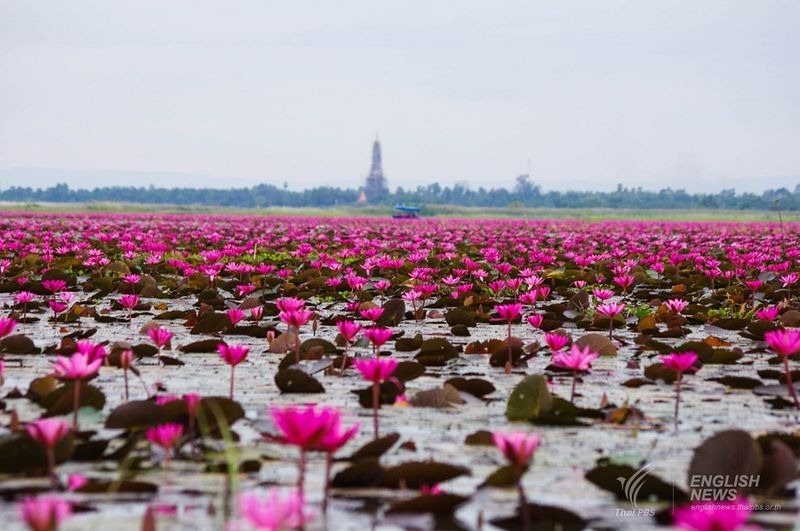
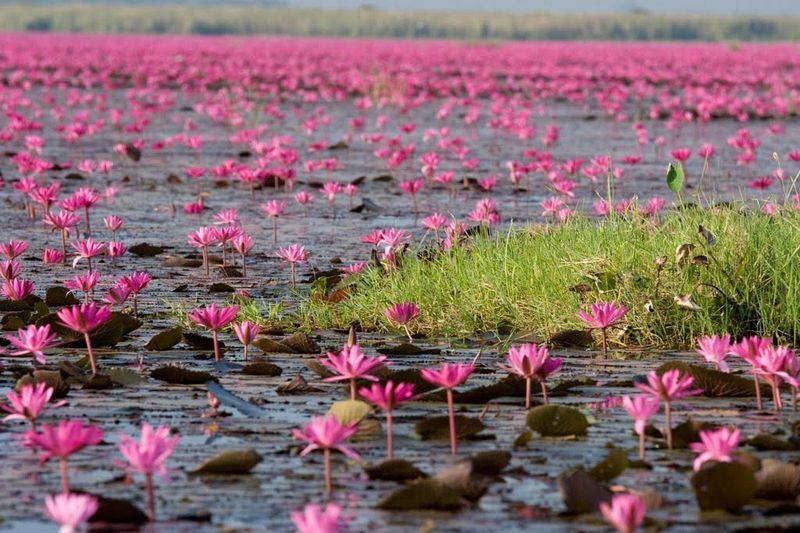
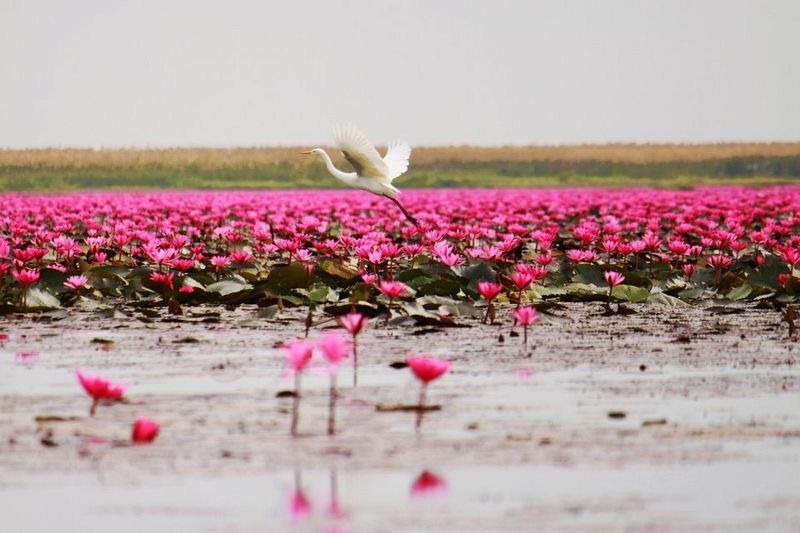
There is lake called Nong Han Kumphawapi in northeast Thailand, north of the town of Kumphawapi, and about 50 kilometers away from Udon Thani. But locals call it Talay Bua Daeng which means the “Sea of Red Lotuses”.

Every year from November till March, the lake’s 8,000 acre surface sprouts millions of pink lotuses which reach full bloom in December. The perfect time to see them is in the morning when the flowers are fully opened, revealing their vibrant, pink color, but tourists take boat rides to admire the gorgeous scenery all throughout the day.

The freshwater Nong Han Kumphawapi Lake is very shallow, with an average depth of just one meter, but is the primary source of the Pao River, the lifeline for people of the Udon Thani province.

nong-han-kumphawapi-9

nong-han-kumphawapi-2

Photo credit: X-1/Panoramio

nong-han-kumphawapi-7

Photo credit: travel.mthai.com

Source…www.amusingplanet.com

Natarajan

No-fuel Plough Invented by UP Farmer Costs Only Rs 3000, Beats Expensive Bullocks and Tractors…!

A farmer in Banda, Uttar Pradesh, upcycled an old bicycle to make a low cost plough, and then inspired his neighbours to do the same.

50-year-old Ram Prasad hires farm lands following the Bataidari system, or sharecropping, where a landowner gives his land on rent to farmers who plough the land and share the sales with the owner, in Chahnehra village of Banda, about 130 kilometres south of Kanpur.

When the farmlands were facing serious droughts, he had to sell his bullock to feed his family. Without his bullock and less money to maintain tractors and such equipment, times were difficult. Add to that the unpredictable weather: sometimes grave droughts, and sometimes premature rains. When Prasad realised that all these factors only burdened farmers with rising costs and no returns, he was adamant that he had to improvise an economical way to sustain farming.

It took him seven years to experiment with various materials. He finally got a breakthrough by converting an old cycle he found in his backyard, with some pieces of iron, into a plough.

The ploughing machine that he invented would cost only Rs 3000 to 4000.

Compared to the cost of a mini plough, bullocks or tractors, this is a more economical option for farmers.

plough

Representational image

The machine is simple, economical, and easy to assemble. With a single wheel, front and rear handles, and three diggers attached to it, the machine does not require fuel such as diesel or kerosene to operate.

“All it requires is two men,” said Prasad to Times of India, “I have also helped many farmers by converting their old bicycles into a ploughing machine.” He also adds that other than just ploughing, the machine also can be used for weeding and sowing.

Ploughs currently available in the market start at Rs 20,000, and are either manually operated, or mounted on a bullock or a tractor. But the cost only increases with bullocks and tractors. Generally, a pair of bullocks cost Rs 50,000, while a tractor costs as much as Rs 500,000. Along with that, there’s the variable price of fuel or fodder, which creates a dent in their finances.

Prasad’s innovation has caused a significant reduction in production costs. All it needs is a cycle. Plus, there’s no fuel requirement. In situations of droughts and economic crises, such an invention could change the lives of farmers tremendously.

Source….www.the betterindia.com

Natarajan

This Experiment Using a Glass Cover and the Sun Can Generate Water Even in Drought Affected Areas!

In a semi-arid region of Satara district in Maharashtra, there is a plot of lush green land with about 20 fully-grown, beautiful trees – all of which were the part of a very efficient experiment. The seedlings for these trees were fed with water obtained from dry soil, with the help of solar energy.

“I did my PhD in America way back in the late 1970s. And most of my work was around solar distillation of water. I looked at everything that could possibly be done with solar energy at that time and found that if you dig a small hole in the desert, and cover it with plastic, solar energy heats the soil and you can collect a cup of water every day. This was something that remained at the back of my mind for years,” says Dr. Anil Rajvanshi, Director of Nimbkar Agricultural Research Institute (NARI) – a non-profit research and development institute based in Phaltan, Maharashtra.

In 1981, Dr. Rajvanshi returned to India with the aim of using his education to work for the development of rural India, and started establishing the energy and sustainable development work at NARI.

solarenergy5

Dr. Anil Rajvanshi

“I came to this very dry and partially semi-arid region. Sometime in the 1980s, the Government of India conducted a very large-scale tree plantation program. But of the many seeds that were planted, only a few resulted in fully-grown trees. Most of the seeds perished,” he remembers. So, going back to the knowledge he had gained while studying, Dr. Rajvanshi started an experiment to grow trees using water distilled with the help of solar energy, at NARI in 1988.

The basis of the experiment was that soil contains some moisture and roots of plants utilise this water with the help of osmosis – a process in which a solvent (water in this case), passes through a semi permeable membrane from a region of less solute concentration to a region of more concentration. Roots absorb water from the soil through osmosis. But in semi-arid and arid regions, the water is so tightly bound with the soil that seedlings cannot extract it because of less osmotic potential.

This is how the experiment was done:

solarenergy2

Five pits, each of dimensions 0.9m X 0.9m X 0.6m, were dug in a barren land in the NARI campus. These pits were covered with Soil Water Evaporation Stills (SWES) – tilted glass covers connected with water collection bottles placed beside the pits.

When sunlight fell on the pits, it heated up the soil and the water in the soil evaporated, only to be collected in the form of water droplets on the glass covers. These droplets slid into the bottles.

solarenergy3

Three experiments were conducted with these SWES. The water collected in the bottles everyday was given to the seedlings in the morning. In Experiment 1, the water was supplied in equal amounts to some seedlings. In Experiment 2, the water collected from SWES over a period of seven days was supplied to another set of seedlings once a week. And in Experiment 3, the seedlings were rain-fed. The growth of the trees was monitored for diameter, plant height and mortality every three months. And the results were extraordinary.

The survival rate of seedlings fed from SWES was 100% and if one SWES fed 4 plants, an average of 70-80 ml of water was given to each seedling. The growth rate of the trees in Experiment 1 was higher than in Experiment 3.

solarenergy4

According to Dr. Rajvanshi, the production of water from soil in arid regions is an age-old technology and has been used as a strategy for human survival in deserts. However, there is limited data on its daily use, seasonal variation, etc.

“We used to get water from the pits every day and that turned out to be sufficient for the plants. The soil would get heated and the moisture in the soil, which you could not get otherwise, we were able to extract and feed to the plants. The trees were able to grow even in the worst season. Today, we have 15-20 fully grown trees in a place that was once completely barren. They are huge now,” he says.

Dr. Rajvanshi has been working in the field of rural development for the last three decades.

solarenergy1

Born and brought up in Lucknow, he went to the US to pursue higher studies at the University of Florida after his Bachelor’s and Master’s degrees in mechanical engineering from IIT Kanpur. He taught at the University of Florida for over two years and then returned to India

Dr. Rajvanshi feels that with the worsening drought conditions in many regions of Maharashtra, this technique can be used in some form or the other to help people in the region. “If not to grow plants, it can be used to provide sufficient water for people to drink if we conduct a similar experiment at a large scale and think more in that direction,” he concludes.

Source…..Tanaya Singh in http://www.the betterindia.com

Natarajan

காருக்குறிச்சியின் நாத சுகம்…


இடதுபுறம் காருக்குறிச்சி அருணாசலம், வலதுபுறம் கே.எம். அருணாசலம்

  • இடதுபுறம் காருக்குறிச்சி அருணாசலம், வலதுபுறம் கே.எம். அருணாசலம்
  • காருக்குறிச்சி அருணாசலத்தின் குடும்ப ஒளிப்படம்
    காருக்குறிச்சி அருணாசலத்தின் குடும்ப ஒளிப்படம்

நினைவு தினம் ஏப்ரல் 8

தமிழகத்தில் அண்மைக்காலத்தில் மிகவும் புகழ்பெற்று விளங்கிய நாகஸ்வரக் கலைஞர் காருக் குறிச்சி அருணாசலம். திருநெல்வேலி மாவட்டத்திலுள்ள காருக்குறிச்சி எனும் ஊரில் 1907-ம் ஆண்டில் இவர் பிறந்தார். இவருடைய தந்தை பலவேசம் நெல்தானிய அளவை செய்யும் பணியைச் செய்துவந்தவர்.

ஒரு முறை காருகுறிச்சியிலுள்ள பெரும் பண்ணையார் ஒருவர் இல்லத் திருமணத்துக்கு கூறைநாடு நடேசபிள்ளை எனும் பிரபல நாகஸ்வர வித்வான் நாகஸ்வரம் வாசிக்கச் சென்றிருந்தார், அப்போது அருணாசலத்தின் தந்தை பலவேசம், அந்த நாகஸ்வர வித்வான் தங்கியிருந்த வீட்டுத் திண்ணையில் அமர்ந்து மாலைகள் கட்டிக்கொண்டிருந்தார். “மாப்பிள்ளை புறப்படத் தயார், உங்களை அழைத்துவரச் சொல்கிறார்கள்” என்று நடேசபிள்ளைக்கு ஆள் வந்தது. “பத்து நிமிடங்களில் கிளம்பி வருகிறோம் என்று சொல்” என்று அவர் வந்த ஆளிடம் சொல்லியனுப்பினார்.

இதுபோலப் பல ஆட்கள் வந்தழைப்பதும், “இதோ கிளம்பிவிட்டோம்” என்று நடேசபிள்ளை சொல்வதுமாகவே இருந்தது. அந்தப் பண்ணையார் தனது வார்த்தைக்கு யாரும் கட்டுப்படவில்லையென்றால் அவர்களைக் கொன்றுபோடக் கூடத் தயங்க மாட்டார். “இந்த நாகஸ்வரக்காரர் இப்படி அலட்சிய மாகயிருக்கிறாரே, என்ன ஆகப் போகிறதோ” என்ற கவலை மிகந்தது பலவேசத்துக்கு இறுதியாகப் பண்ணையாரே நேரில் வந்துவிட்டார். “இதோ வந்துகொண்டே இருக்கிறோம், நீங்கள் முன்னால் போய்க்கொண்டிருங்கள்” என்று அப்போதும் நடேசபிள்ளை கூறியபோது, “அதற்கென்ன, தங்கள் சௌகரியம் போல் வாருங்கள்” என்று சிறிதும் கோபமற்றவராகப் பண்ணையார் கூறிச் சென்றதைக் கண்ட பலவேசத்துக்கு இது மிகவும் ஆச்சரியத்தை உண்டாக்கியது.

‘ஆஹா! இவர் ஒரு பெரிய நாகஸ்வர வித்வான்; இவரிடமுள்ள கலை எவ்வளவு மதிப்புடையதாயிருந்தால் நமது பண்ணையார் இவ்வாறு சிறிதும் கோபம் கொள்ளாதிருப்பார்! இந்தக் கலையைப் பயில வேண்டும், அப்போதுதான் நமக்கும் மதிப்பு கிடைக்கும்’ என்ற முடிவு செய்த பலவேசம், சேரன்மகாதேவியிலிருந்த நாகஸ்வரக் கலைஞர் ஒருவரிடம் சீடரானார். வயதும் இதரச் சூழ்நிலைகளும் அவரது ஆசைக்கு இடையூறாக இருந்தன. தன்னால் சாதிக்க முடியாதவொன்றைத் தன் மகன் அருணாசலமாவது செய்ய வேண்டுமென்ற எண்ணம் அவருக்கு.

அருணாசலத்தை, சுத்தமல்லி சுப்பையா கம்பரிடம் நாகஸ்வரமும், களக்காடு சுப்பையா பாகவதரிடம் வாய்ப்பாட்டும் கற்றுக்கொள்வதற்காகச் சேர்த்துவிட்டார். ஓரளவு தேர்ந்த பின், அங்கொன்றும் இங்கொன்றுமாய்க் கச்சேரிகளும் அருணாசலத்துக்குக் கிடைத்தன. எனினும், உலகிலேயே நாகஸ்வரத்தில் ஈடிணையற்ற சக்கரவர்த்தியாக விளங்கும் திருவாவடுதுறையார் போன்ற ஒருவரிடம் சீடனாக ஆனால் தனது கலை மேன்மை பெறும் என்றும், அப்படியொரு நல்வாய்ப்பு தனக்குக் கிட்டுமா? என்றும் சிந்தனைவயப்பட்டார் அருணாசலம்.

ஈடேறிய கனவு

ஒருமுறை காருக்குறிச்சியிலுள்ள ஒரு பண்ணையில் நாகஸ்வரம் வாசிக்க வந்திருந்தார் திருவாவடுதுறை ராஜரத்தினம் பிள்ளை. அவருடன் வாசித்து வந்த ‘கக்காயி’ நடராஜசுந்தரத்துக்கு உடல்நலமில்லை. “யாரேனுமொரு பையன், அவன் சும்மா சத்தம் கொடுத்தால் போதும். ஒத்தாசைக்குக் கிடைப்பானா?” என்று தம் நண்பர்களிடம் கேட்டார் திருவாவடுதுறையார். மணிசர்மா என்பவர் உடனே ஓடிச் சென்று அருணாசலத்தை அழைத்து வந்து அறிமுகம் செய்வித்தார்.

“பையன் தேவலாமே. இவன் சில காலம் என்னோடு இருக்கட்டும்” என்று ராஜரத்தினம் பிள்ளை கூறினார். இவ்வாறு 26.6.1935 அன்று ராஜரத்தினம் பிள்ளையின் சீடராக ஆனார் அருணாசலம். தனித்து, அமர்ந்து, முறைப்படியெல்லாம் கற்பிப்பவரல்ல திருவாவடுதுறையார். வீட்டில் இருக்கும்போதெல்லாம் வாசித்துக்கொண்டிருப்பார். அதைக் கவனமாகக் கேட்பது, கச்சேரிகளில் கூட அமர்ந்து கேட்பது இவைதான் பயிற்சி. கற்பதைக் காட்டிலும், இசையில் ‘கேள்வி’ பெரும் பயனைத் தரும்.

இப்படியாக, ராக ஆலாபனை செய்வது, அழகாகக் கீர்த்தனைகளை வாசிப்பது போன்ற பல அம்சங்களில் நிகரற்றவராக ஆனார் அருணாசலம். பாராட்டுகளும் பட்டங்களும் சன்மானங்களும் வந்து குவிந்தன. ராஜரத்தினம் பிள்ளைக்குப் பின்பு, மிக உயர்வான ஸ்தானம் அவருக்குக் கிடைத்தது. அப்படிப்பட்ட நிலையிலும் சிறிதும் கர்வமில்லாமல், எல்லோரிடத்தும் அன்புடனும் பண்புடனும் பழகிவந்தார் அருணாச்சலம்.

தன்னை மறக்கும் கலை

ஒருமுறை சென்னை பனகல் பார்க் அருகே திருமண விழா ஒன்றில் முதல் நாள் மாப்பிள்ளை அழைப்புக்கு நாகஸ்வர சக்கரவர்த்தி டி.என். ராஜரத்தினம் பிள்ளையின் நாகஸ்வர கச்சேரி. சமூகத்தின் பலதரப்பட்ட மக்களிடமும் அவருக்கு அமோக செல்வாக்கு. ராஜரத்தினம் பிள்ளை நாகஸ்வரம் வாசிக்கும்போது அநேகமாகத் தன்னை மறந்து கண்களை முடிக்கொள்வார். தன்னை மறந்த அந்த நிலையிலேயே, மிக எளிதில் சில ஸ்வரங்களை உதவியாகக் கொண்டு வாசித்துக்கொண்டிருப்பார்.

இந்தத் திருமண நிகழ்விலும் அவர் தன்னை மறந்த நிலையில் வாசித்துக்கொண்டிருந்தார். திடீரென அவரது வாசிப்பு நின்றது. ஆனால், கண்களை மட்டும் திறக்கவில்லை. அருகிலேயே அவரது சிஷ்யப்பிள்ளை காருக்குறிச்சி தொடர்ந்து வாசித்துக்கொண்டிருந்தார். அருகில் இருந்து வாசித்துக்கொண்டிருந்த அருணாச்சலத்துக்கு கை, கால் உதறல் எடுக்கத் தொடங்கிவிட்டது. வாசிப்பில் தான் ஏதாவது தவறு செய்துவிட்டோமோ என்று அவருக்குள் ஒரு பயம். பயந்தபடியே தனது குருநாதரை ஏறிட்டுப் பார்த்தார். குருநாதரோ ரசித்துக்கொண்டிருந்தார்.

தேடிவந்த பிராபல்யம்

ரசிகர்களுக்குக் காருக்குறிச்சியாரிடம் இருந்த மதிப்புக்கும் அன்புக்கும் ஈடுகூற முடியாது. ஒருமுறை, சென்னைத் தமிழிசைச் சங்கத்தின் இசை விழாவில் நடைபெற்ற அருணாசலத்தின் நாகஸ்வரக் கச்சேரியை வானொலி நிலையத்தினர், வழக்கத்துக்கு மாறாக, நள்ளிரவு 12 மணி வரையிலும் நேரடியாக ஒலிபரப்பினார்கள் என்றால், மக்களுக்கு அருணாசலத்தின் இசையின் மீது இருந்த மதிப்பே காரணமாகும்.

காருக்குறிச்சியாரிடம் புகழ்பெற்ற தவில் கலைஞர்கள் பலர் வாசித்து வந்தனர். திருமுல்லைவாயில் முத்துவீர் பிள்ளை, நீடாமங்கலம் சண்முகவடிவேல் பிள்ளை, யாழ்ப் பாணம் தட்சிணாமூர்த்தி பிள்ளை போன்றோரை முக்கியமாகக் குறிப்பிடலாம்.

அருணாசலம் தனது நாகஸ்வர இசையைக் கிராமபோன் இசைத்தட்டுகளில் பதிவு செய்திருப்ப தோடு, சில திரைப்படங்களிலும் வாசித்துள்ளார். ‘கொஞ்சும் சலங்கை’ என்ற திரைப்படத்தில் எஸ். ஜானகி பாட அருணாச்சலம் நாகஸ்வரம் வாசித்துள்ள ‘சிங்கார வேலனே தேவா’ என்ற பாடல் மிகவும் பிரபலமானது. ‘அனார்கலி’ என்ற இந்திப் படத்தில் லதா மங்கேஷ்கர் ஒரு பாட்டு பாடுவார். அந்தப் பாடலை காருக்குறிச்சி தனது நாகஸ்வரத்தில் இசைத்திருப்பார்.

புகழேணியின் உச்சியை எளிதாகவும், விரைவாகவும் எட்டிப்பிடித்த சிறந்த நாகஸ்வர விற்பன்னரான காருக்குறிச்சி அருணாச்சலம் 8.4.1964 அன்று தன் கோவில்பட்டி இல்லத்தில், இயற்கையைத் தழுவி, இசை ரசிகர்களுக்குப் பேரிழப்பை உண்டாக்கினார்.

காருக்குறிச்சி வாசிப்பில் உள்ள சுகம் ரசிகர்களுக்கு ஒரு போதை. நாகஸ்வரம் இருக்கின்ற வரையில், இசை இருக்கின்ற வரையில் அவருடைய பெயர் நிலைத்திருக்கும். அப்படிப்பட்ட ஒரு மகா வித்வான் அவர்!

Source….www.thehindu.com

natarajan

Students at This School Cannot See. But They Can Dance, in a Group, with Perfect Coordination!

At Bengaluru’s Shree Ramana Maharishi Academy for the Blind, visually impaired children learn how to dance.

Rohini, a Class 9 student, has been learning dance from the age of six. Her dance training includes rigorous practise for coordination and flexibility, through a unique touch-and-feel style of teaching. Passionate about Kuchipudi, her ears are attuned to the rhythm of this dance form and its music. Her hands take up their positions automatically and her feet thump loudly. The fact that she can’t see the audience, the stage, or her fellow performers, does not stop her from following her dream of wanting to become a professional dancer.

She is one of the many blind students in Bengaluru who are learning to dance at the Shree Ramana Maharishi Academy for the Blind (SRMAB).

A holistic centre that provides education for the blind, this academy is one of the first of its kind in India to teach dance to visually impaired students.

SRMAB dance

In 1969, T V Srinivasan and his friend Thirumoorthi began SRMAB in a small room with one blind student and many big dreams. “I once visited Tiruvannamalai along with my friend, Thirumoorthi. While meditating we received a distinct vision that we should serve the disabled. This inspired us to start the academy.”

Srinivasan, who was trained in special education at Narendrapur, Kolkata, started the school to ensure those who are blind recognise their own potential and live their lives fully. Almost 200 students are enrolled annually. They are given free lodging and medical facilities.

Since its inception, more than 5000 students have passed Class 10 from the school, with Braille as their language.

Vocational training and extracurricular activities, such as dance, music and sports, are considered essential at SRMAB. “We always motivated the disabled, and encouraged, trained them in various fields like agro-based farming, poultry, vocational training, yoga, dance, table, and more,” says Srinivasan.

In 1973, dance and music were initiated into the school as an extracurricular activity.

But it was only in 1982 that the unique technique of touch and feel teaching was introduced by Gurus Sharadha Natarajan and Ambica Natarajan.

SRMAB

Besides opening up new possibilities for the students, such activities give them confidence and purpose. “Dance helps them feel motivated, empowers them with confidence to meet challenges. They are exposed to different places, people and society, which educates them to live life with dignity and self-esteem,” adds Srinivasan.

Dharmaraju, 29, is an ex-student of SRMAB and has been teaching dance at the academy since 2009. He had joined the school as a student in 1994, at the age of nine. His talent for dance was recognised at the academy right from the beginning. In 1997, he began taking classical dance lessons from Guru Shri K. Narayan.

While it was challenging to follow rhythm and postures owing to his visual impairment, the dedicated efforts by the guru paid off. The same year, in his first stage performance at Chennai, the audience showered him with praise about his precision and grace. That was all the appreciation that he needed. After school, he completed a diploma in dance and performed across the globe. “Among my most cherished moments was my first stage performance abroad in 1999,” he says, “It was in Adelaide, Australia, and I was representing India at a folk festival. A few years later, in 2008, I performed for Akka Sammelan in Chicago, USA. They were both exhilarating performances.”

Today, he teaches students like himself and choreographs classical dance routines for them to perform around the globe.

SRMAB

With Dancemaster Dharmaraju (Left picture, at the centre)

Srinivasan, who was awarded with the Karnataka State Award for Social Worker of the Year 2008, is more than proud of his students.

“As ambassadors of Indian culture and the abilities of people with disabilities, the group has been regularly sponsored to tour UK, USA, Australia, and Italy,” he says. “Tours like these raise awareness on the issues faced by persons with disabilities, while highlighting their abilities in delighting audiences with their spectacular performances.”

But, how do the visually impaired learn dance without watching someone perform? Srinivasan elucidates, “First, the concept is explained to students. The gurus make them understand the bhaavam and they visualise the whole situation before they start learning the dance.” Adds Dharmaraju, “Coordinating the movements in a group is quite challenging and it takes a longer time to learn to perfection.”

SRMAB is involved in several other activities that are all aimed at empowering the visually impaired and their families.

TV Srinivasan SRMAB

For instance, the Community Based Rehabilitation (CBR) programme was started in 1990 in Kanakapura Taluka, and later in Malavalli, Hubli, Ramnagara, and Mandya districts. Severely disabled farmers and their families are provided CBR. Through self-help groups, training and school-based intervention, CBR aims to raise awareness about health, education and economic betterment. It also organises health and nutrition camps.

In 2013, Rohini performed Kuchipudi at the Kanteerava stadium in Bengaluru. The performance bagged a Guinness record, with 1054 dancers, of which 20 were visually challenged. This is only one of the many awards and performances by the students of SRMAB. As Srinivasan puts it, “Through the universal language of art, young, visually impaired dancers send out a strong message: the light, extinguished in their own eyes, is relit in the dance, affirming that there are no people with disabilities, only those who are differently abled.”

Source….Neeti Vijaykumar in http://www.the betterindia.com

natarajan

Image of the Day…” Snow Goose Moon” …!!!

Migrating geese in front o the moon, caught on March 26 in Fairfield, Montana, by John Ashley.  Visit John Ashely Fine Art.

Migrating geese in front of the moon, caught in Fairfield, Montana by John Ashley. Visit John Ashely Fine Art.

John Ashley of Montana caught this image on the morning of March 26, 2016. He wrote:

Migrating snow geese lift off at dawn on Saturday, leaving Freezeout Lake and flying past the 92% gibbous moon on their way to nearby agricultural fields for a morning feed.

Source…..www.earthsky.org

Natarajan

Clingstone: The House on The Rock…!!!

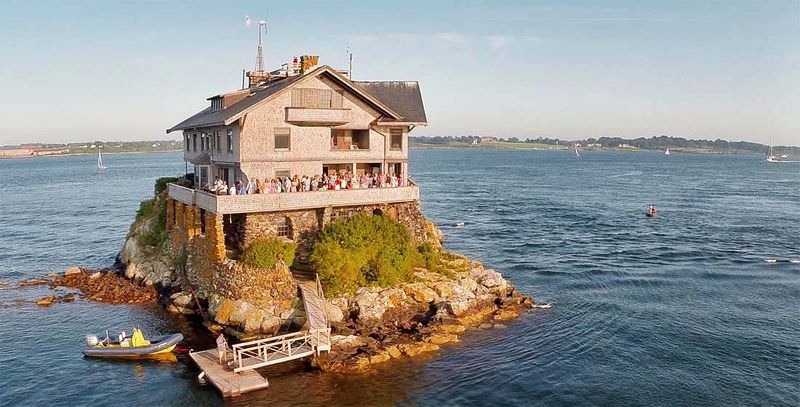
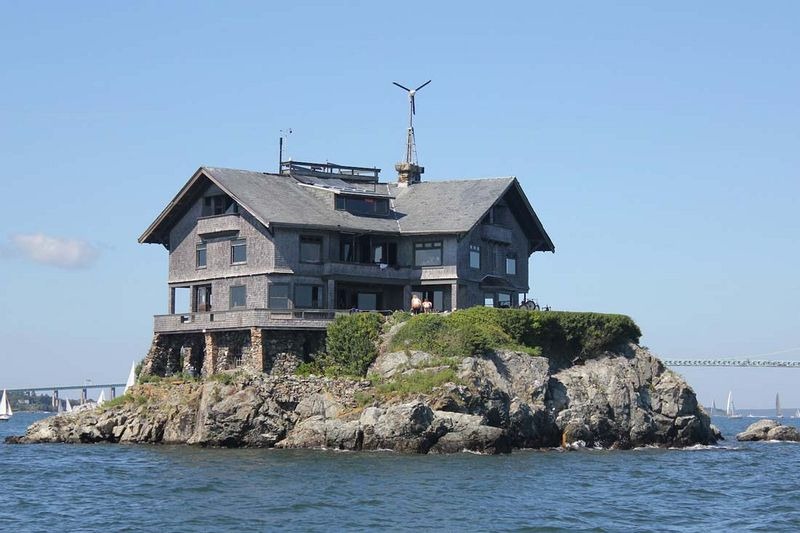
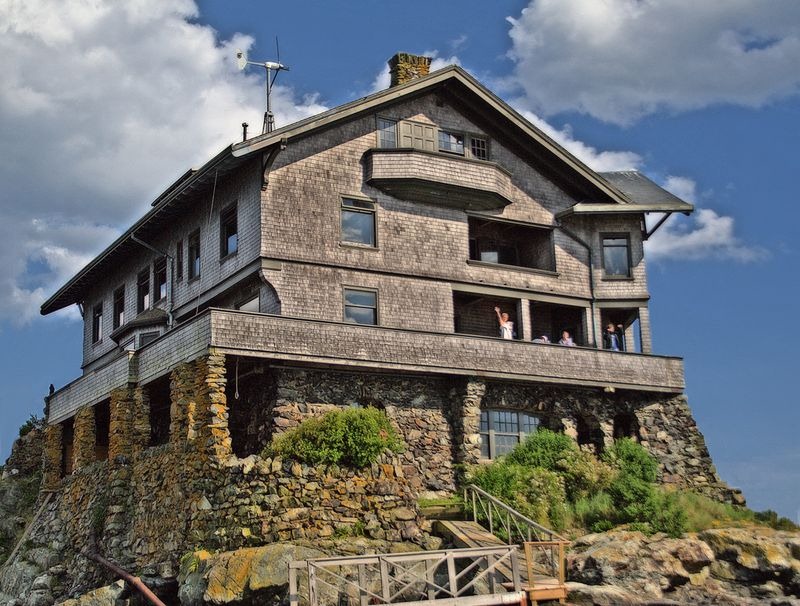
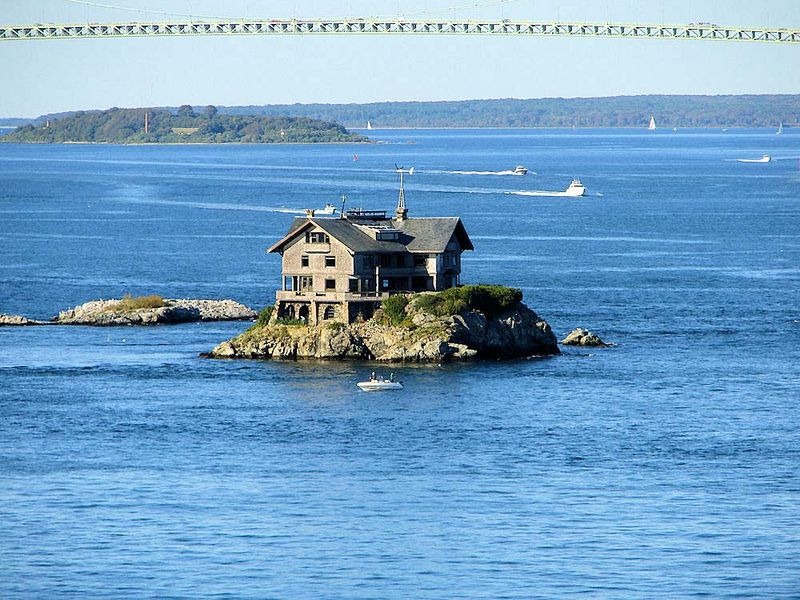
Perched on top of a small, rocky island in Narragansett Bay, near Jamestown, Rhode Island, the United States, is a three-story, cedar shingle mansion built by Philadelphia socialite Joseph Lovering Wharton in 1905. Wharton had built the house as an act of defiance after the government seized his land and summer home that he had in the Fort Wetherill area in south Jamestown, to enlarge the fort at the end of the 1800s. Angered at being ousted from his property, Wharton decided to build a house where no one could bother him, and Clingstone happened. One source claims that the name “Clingstone” was suggested when someone remarked that it was “a peach of a house”. Clingstone is a botanical term for fruits that has a hard stone-like seed inside. Or perhaps, the name is a reference to the way the house clings to the rock.

clingstone-house-6

Photo credit: mansion-homes.com

In spite of its perilious location in the sea, the Clingstone has managed to survive more than a hundred years, weathering countless storms and hurricanes. Originally there was a long stone jetty with gymnasts’ rings and bars, but it was blown away by the Great Hurricane of 1938. The house itself, which sits only 20 feet above sea level, survived with minimal damage. Now Clingstone’s current owner, Henry Wood, a distant cousin of Wharton, regularly goes out to Clingstone with his three grown sons to watch the yearly hurricanes in action.

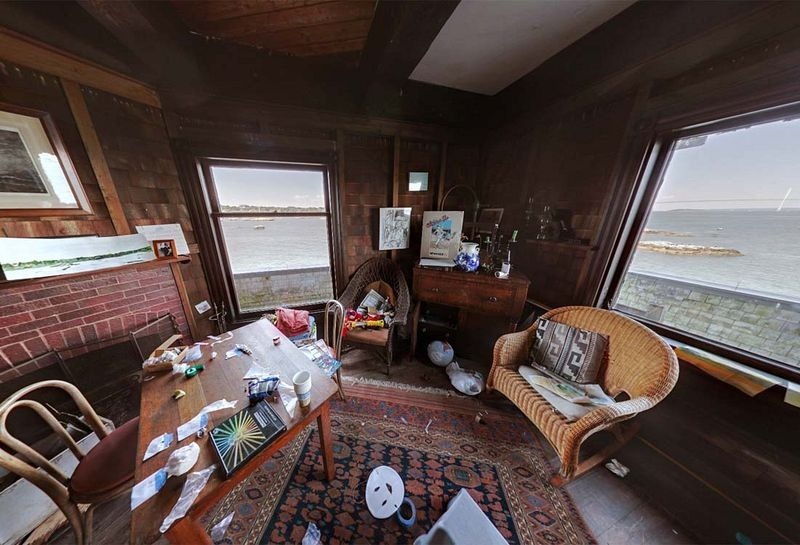
Henry Wood, who is a Boston-based architect, had bought the house in 1961. It had been lying vacant for two decades after the death of Wharton’s widow in 1941. When Wood acquired it, the house was in a shabby condition with all its windows smashed, the floors rotten and covered with pigeon droppings, and the roof mostly gone.

Wood and his sons take pride in their environment-friendly renovations of the house. The house is totally off the power grid. A windmill on the roof provides electricity, while photovoltaic cells charge a bank of batteries in the basement for additional power. Rainwater collected from the roof into a 3,000-gallon cistern provide water for washing and cleaning. Drinking water comes from a sea-water filtration system. Water is heated by solar panels. The house even has a composting toilet. The compost is then used to fertilize the garden.

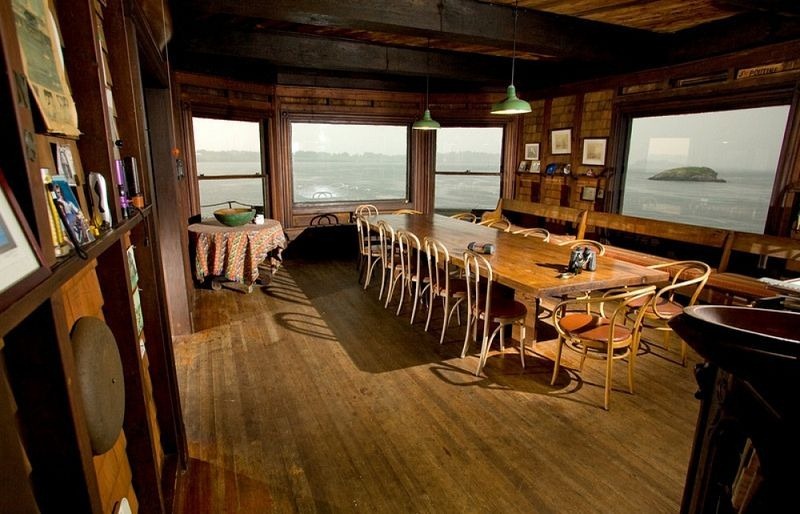
Although refitting the house with green technology has certainly been expensive, Wood has managed to cut corners by acquiring furnishings from thrift shops or yard sales. Windows, light fixtures and doorknobs were scavenged from old buildings that were torn down. The long cypress dining room table was retrieved from the bottom of a cistern.

Today, the house has 23 rooms, including 10 bedrooms and five bathrooms. Visible from the shores, the house is known by locals as “The House on a Rock”.

clingstone-house-5


Photo credit: mansion-homes.com

clingstone-house-22

Photo credit: G.E.Long/Flickr

clingstone-house-10

Photo credit: mansion-homes.com

clingstone-house-21

Photo credit: Eric Jacobs

clingstone-house-1

Photo credit: mansion-homes.com

Source…..www.amusingplanet.com

Natarajan


Image of the Day…”Moonset Viewed From the International Space Station”

Earth's moon photographed from low Earth Orbit with blue at bottom of frame

Expedition 47 Flight Engineer Tim Peake of the European Space Agency took this striking photograph of the moon from his vantage point aboard the International Space Station on March 28, 2016.  Peake (@astro_timpeake) shared the image on March 30 and wrote to his social media followers, “I was looking for #Antarctica – hard to spot from our orbit. Settled for a moonset instead.”

Image Credit: ESA/NASA

Source….www.nasa.gov

Natarajan

Secret Rooms Inside Abandoned Sewers….!!!

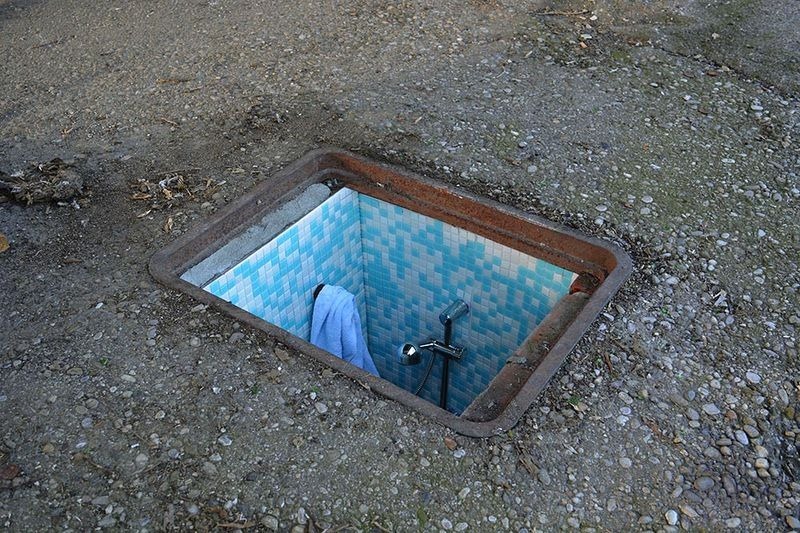
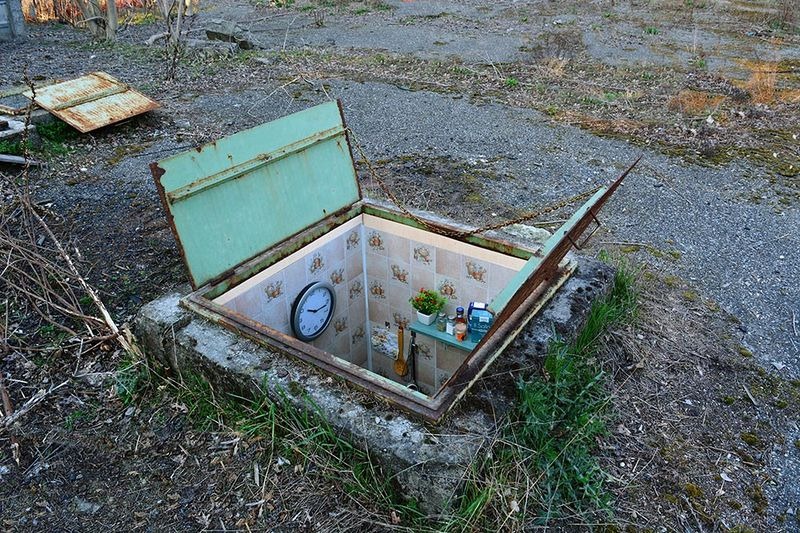
Italian street artist Biancoshock has just finished installing a couple of secret, miniature rooms, hidden under manhole covers, inside an abandoned sewer somewhere in the streets of Milan. This satiric “intervention” —a word that the artist uses for all his artworks— was inspired by the hundreds of people who are forced to live in extreme conditions, such as inside sewers, as in Bucharest where some 600 people live underground. Biancoshock calls this tiny project “Borderlife”.

If some problems can not be avoided, make them comfortable. -Biancoshock

biancoshock-borderlife-1


biancoshock-borderlife-3

biancoshock-borderlife-2

via Colossal

Source…..www.amusingplanet.com

Natarajan