Message for the Day… ” Feel that your family, house, property, car, etc. are all the Lord’s property and you are just a trustee; be unattached and be ready to give them up without any murmur, at a moment’s notice!”

You have to give up your pursuit of sensory objects if you seek lasting peace and joy. Material wealth brings along with it not only joy but grief as well. Accumulation of riches and multiplication of wants only lead to alternation between joy and grief. Attachment is the root of both joy and grief; detachment is the saviour. Attachment (ashakti) is death (maraka). Non-attachment (anashakti) is liberating (taraka). A millionaire pays income tax with tears in his eyes, while a headmaster joyfully gives up the furniture and laboratory appliances of his school when he is transferred to some other place. Why? The headmaster knows that he is only the caretaker, not the owner. He is not attached to these articles; he knows that they belong to the government. So, too, feel that your family, house, property, car, etc. are all the Lord’s property and you are just a trustee; be unattached and be ready to give them up without any murmur, at a moment’s notice!

Source ::::::::  http://media.radiosai.org

Natarajan

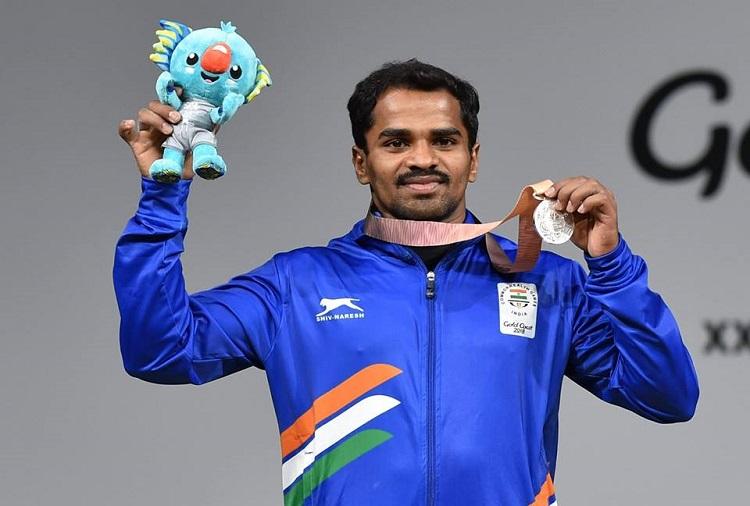
Meet Gururaja…CWG 2018 Medallist…

‘His victory is our victory,” said his family as they watched him bag the silver medal in weightlifting, in Australia.


At 7.30 am on Thursday morning all eyes in the Poojary household in Vanse, a tiny village near Kundapur in Karnataka, were glued to the television.

One of their own, Gururaja Poojary, was taking part in the men’s 56-kg weightlifting competition in the 2018 Commonwealth Games in Australia. After failing to lift the weight of 138 kg in his first two attempts, it appeared as if Gururaja’s medal prospects were slipping away

The 25-year old weightlifter, however, was the very picture of strength in his final attempt to take his final tally to 249 kg and clinch the silver medal.

This medal in the Gold Coast is not only Gururaja’s first taste of success on the international stage right on his debut, but is also the product of a journey where he overcame poverty and personal setbacks to reach where he is.

But for his family members, it came as no surprise.

He comes from a sporting family – all five of his brothers dabbled in Kabaddi and were athletes. “But it was Gururaj who was always going to achieve his dream,” says Manohar Poojary, Gururaja’s elder brother.

Gururaja’s father, Mahabala Poojary, is a goods-truck driver, who struggled to make ends meet to take care of his six sons. “Poverty is something we have lived in all our life. If we were a little bit well-off financially or received the necessary support and encouragement, maybe all of my sons could have made our country proud,” says Mahabala, speaking after his son’s success in Australia.

But due to poverty and unforeseen circumstances at home, Gururaja’s older brothers – Mohan, Manohar, Udaya and Rajendra – had to drop out of school and, with that, from sports. Only Gururaja and his youngest brother, Rajesh, completed their studies amongst the six sons.

His mother, Padhu Poojarthi, is a homemaker.

But his family was not willing to let Gururaja tread the same path. “Our father worked extra hard to ensure that Gururaja strove to achieve his dream. Seeing my father’s and brother’s struggles, even we chipped-in, taking on extra work to help in whatever way we could. Today, his victory is as much our victory,” says Manohar.

While studying at Sri Dharmastala Manjunatheshwara (SDM) College in Ujire, in Dakshina Kannada, Gururaja was looking for a wrestling coach rather than a weightlifting one. This was around the time Sushil Kumar had won his first Olympic medal in wrestling in 2008. While his search for a wrestling coach proved to be fruitless, he met powerlifters at the local gym and was soon representing his college in powerlifting.

It was here he met his coach Rajendra Prasad, who gave him his first lessons in weightlifting.”I still remember, in 2011, Gururaja was a young boy who had just joined a graduation course. He was a Kabaddi player and a wrestler, and did not have any idea about powerlifting. We selected him for the club and, seeing his talent, guided him in powerlifting,” says Rajendra Prasad, who works as a coach at the SDM Sports Club.

He added that Gururaja was proficient at the University level and even broke a record set by him in 1999 by lifting 193 kg (total in snatch and knee jerk) in 2012. He improved to 243 kg in 2015, a record which still stands to this day.

It was only in 2013 that he became a national-level athlete and in 2014, after a gold medal at the national-level, he started becoming a serious contender for a Commonwealth Games berth.

With his superlative rise in the sport, Gururaja also enrolled in the Indian Air Force three years ago, after which the Air Force took care of all the training expenses. “Until then, it was the family, college-mates and generous philanthropists who gave wings to his dream, hoping he would bring glory to the region,” says Manohar.

By the time the financial strain on his family was eased, 25-year-old Gururaja was ready to take on the world stage.

With the win in Australia, he has now vaulted straight into the national limelight and Pramod Madhwaraj, Karnataka Minister for Youth, Fisheries and Sport, who also hails from Udupi, said that Gururaja is likely to get a government job as a group-B officer and also a cash prize for his achievements.

When TNM caught up with Gururaja, he was, understandably, elated. “I am very happy that I have represented India in the Commonwealth Games and won the first silver medal for India (this year). This is my first Commonwealth Games and I want to thank my parents, family, my weightlifting coach Rajendra Prasad, SDM institution and everyone from my village who supported me,” he says.

His family members, who were nervously watching from home, was over the moon. Although his mother says she doesn’t quite understand the world of sport, she adds she is overwhelmed by the media visits.

But Gururaja’s family was quick to add that the journey is still not over. “We want him to make our country proud. Our biggest dream is that he participates and wins in the Olympics,” says Mahabala.

There is still some way to go before Gururaja can qualify for the Olympics. His final tally of 249 kgs will have to improve closer to 300 kgs. But throughout his journey, he has broken barriers and after his latest success in Australia, Gururaja will no doubt be willing to go the mile to chase his Olympic dream.

Source…….Harsha Raja Gatty and Prajwal Bhat in https://www.thenewsminute.com

Natarajan

Message for the Day…” The ear fills the head, the head directs the arm, and the arm acts. So hear good things, do good things and share good things. That gives joy and contentment.”

The Vedas are called Sruti because they must be heard with attention. Listening (sravanam) implants ideas: it inspires you to take stock of your condition, to note your deficiencies and failings, and even your excellences and merits. The ear has great potentiality to correct, reform and guide. Listen to the Ramayana and the Mahabharata; it is a precious chance that many are not benefitting from now! Discover for yourselves the greatness of Rama, Krishna, Meera and Radha. Dwell on their lives and the examples they place before you; correct your habits, your outlook, your attitude to the world, to society, and to yourself. That is the path to salvation. The ear fills the head, the head directs the arm, and the arm acts. So hear good things, do good things and share good things. That gives joy and contentment.

Source ::::::: http://media.radiosai.org/

Natarajan

The jingle Trucks of Pakistan …

A typical Pakistani truck driver spends more time with his truck than he does with his wife. Which explains why he wants his 10-ton six-wheeler to look like a new bride.

These trucks plying across Pakistan’s national highways and the neighboring country of Afghanistan are distinctively ostentatious. The entire trucks, from top to bottom, are a riot of colors. Lavishly painted panels containing a mosaic of birds, flowers, landscapes, saints, and actresses in hyper-saturated color palette adorn the exterior, while plastic flowers, draped beads, mirrors, ribbons and velvet grace the interior. The cabin is crowned by a custom built wooden prow wrapped in more kitschy artwork, while a string of metal bells dangle from the chassis all round the periphery. When the truck is in motion, these bells clang against each other like a new bride’s ghungroo. This is where the nickname “jingle trucks” come from—coined by US troops deployed in Afghanistan.


Photo credit: ISAF Public Affairs/Flickr

And it isn’t just trucks alone. Passenger buses, water tankers, transport vans, rickshaws, and even vendors’ pushcarts are psychedelically decorated with eye-popping colors. It’s like a rolling folk art, “a national gallery without walls, a free-form, kaleidoscopic exhibition in perpetual motion,” as Richard Covington puts it.

The tradition of decorating trucks began sometime in the 1920s with the introduction of the long-distance Bedfords—a British-built truck with rounded cab and seven-feet high paneled sides that was to become the country’s most prestigious and dependable truck for more than half a century. Originally trucks were painted with each company’s logo so that illiterate people could recognize who owned the trucks. Gradually, these logos became more fanciful, flamboyant and competitive. By the 1950s, stylized murals and frescoes had begun to replace them. It was only in the 1960s, as the country’s economy boomed, the decorations became increasingly sophisticated to reflect the growing wealth of the drivers and the rise of a new urban class.

Pimping out a truck this way cost truck owners a small fortune. It isn’t unheard of for a driver to spend the equivalent of a year’s worth, or more, of profits on truck decorations. According to a 2005 article, a basic painting and body job costs a minimum of $2500, equivalent to two years of the average truck driver’s salary. Some spend upwards of $10,000 outfitting their rigs. Unbelievably, many truckers will return to the workshop every three or four years for a full vehicle makeover.

“Truckers don’t even spend so much money on their own houses,” marvels Durriya Kazi, head of the department of visual studies at the University of Karachi. “I remember one driver who told me that he put his life and livelihood into the truck. If he didn’t honor it with the proper paint job, he would feel he was being ungrateful.”

A well-decorated truck also gives customers the impression that it is well taken care of and will, therefore, be a dependable way to transport goods.

Truck painting is also a big business. In Karachi city alone, more than 50,000 people are engaged in this unregulated yet lucrative industry. Family-run workshops comprising of apprentices and highly trained artisans, and small shops selling all manners of outlandish ornaments and accessories crowd around truck yards.

Over the years, however, the business has changed. Now instead of meticulously hand painting each truck, mass produced stickers and adornments are used.

“Truck decoration is not stagnating; it is dead,” laments R M Naeem, an assistant professor at the National College of Arts, Lahore. “This is because truck painters treat their work as a source of livelihood. They do not have the time or the luxury to innovate; they repeat the same old patterns, images and icons over and over again.”

However, thanks to artists like Haider Ali, who gave a Ford van a jingle-truck-style makeover a couple of years ago in a parking lot in Pasadena, California, and other painters, it’s unlikely that this quintessentially Pakistani craft is going to die out any time soon


Source……..Kaushik in  http://www.amusingplanet.com

Natarajan


Message for the Day…. ” It is lack of love that is responsible for all the differences, arguments and conflicts in the world, especially in the present times. Love is the foremost quality of a human being. And faith is the basis for that love. In the spelling of the word Love, ‘L’ stands for ‘Lord’. Thus, Love truly originates from the Lord!”

Many people say that the world today is afflicted with sorrow, losses and difficulties. I do not subscribe to this view – indeed, they are just our illusion! In fact, there is no unrest or sorrow in this world. I just see peace everywhere. When there is peace in our heart, we will be able to witness peace all round. Unrest, sorrow, anger, and so on, are the reaction, reflection and resound of the state of our inner being. Sorrows and difficulties, anger and unrest are of our own creation. They are not natural phenomena in the world. It is lack of love that is responsible for all the differences, arguments and conflicts in the world, especially in the present times. Love is the foremost quality of a human being. And faith is the basis for that love. In the spelling of the word Love, ‘L’ stands for ‘Lord’. Thus, Love truly originates from the Lord!

Source:::::: http://media.radiosai.org/

Natarajan

Message for the Day…” The Lord wants you to offer the lotus that blooms in the lake of your heart, the fruit that ripens on the tree of your earthly career, not the lotus and the fruit available in the marketplace! “

You must offer the Lord, not the flowers that plants grow; that will reward the plant, not you! The Lord wants you to offer the lotus that blooms in the lake of your heart, the fruit that ripens on the tree of your earthly career, not the lotus and the fruit available in the marketplace! You may ask, “Where can we find the Lord?” Well, He has given His address, in Chapter 18, Sloka 61 of the Bhagavad Gita. He declares, “O Arjuna, the Lord resides in the heart of all beings” (Ishwara Sarva Bhutanam hriddese, Arjuna, thisthathi). Now, after knowing this, how can you look down on any living being in contempt or how can you revel in hating or indulge in the pastime of ridiculing? Every individual is charged with the Divine Presence, moved by Divine attributes. Love, honour, friendliness – these are what each one deserves from you. Give these in full measure.

Source ::::::::: http://media.radiosai.org/

Natarajan

Joke for the Day…” Meals on the Wheels …” !!!

A cat dies and goes to Heaven.

God meets him at the gate and says, “You have been a good cat all of these years. Anything you desire is yours, all you have to do is ask.”

The cats says, “Well, I lived all my life with a poor family on a farm and had to sleep on hardwood floors.”

God says, “Say no more.” And instantly, a fluffy pillow appears.

A few days later, six mice are killed in a tragic accident and they go to Heaven. God meets them at the gate with the same offer that He made the cat.

The mice said, “All our lives we’ve had to run. Cats, dogs and even women with brooms have chased us. If we could only have a pair of roller skates, we wouldn’t have to run anymore.”

God says, “Say no more.” And instantly, each mouse is fitted with a beautiful pair of tiny roller skates.

About a week later, God decides to check and see how the cat is doing. The cat is sound asleep on his new pillow. God gently wakes him and asks, “How are you doing? Are you happy here?”

The cat yawns and stretches and says, “Oh, I’ve never been happier in my life. And those Meals on Wheels you’ve been sending over are the best!”

Source:::::: http://www.ba-ba mail .com

natarajan

ஒழுக்கத்திற்கு வழிகாட்டும் தாத்தா…


தாத்தா ஒருவரால் தான் குடும்பத்தில் எல்லோரையும் மன்னிக்க, கண்டிக்க ஏன்… தண்டிக்கவும் முடியும். வானளாவிய குடும்ப அதிகாரம் படைத்திருந்த தாத்தா இப்போது எங்கே?

தாத்தா, பாட்டி உறவு தாமரை இலை மேல் தண்ணீர் போல ஒட்டாமல் போனதால் தான் இன்றைய பல குடும்பங்கள் சுக்கு நுாறாய் உடைந்து, சிதறிப் போயிருக்கின்றன. வீட்டில் சாப்பிடாமல், நாக்கில் ருசியின்றி கிடக்கும் குழந்தைகளை, மருமகளிடம் திட்டு வாங்கினாலும் பரவாயில்லை என்று ஓட்டலுக்கு கூட்டிச்சென்று புரோட்டா, ஸ்பெஷல் தோசை, ஐஸ்கிரீம் என வாங்கி கொடுத்து வீட்டிற்கு அழைத்து வந்த நாட்கள் என்ன… காய்ச்சலோ, வயிற்று போக்கோ வண்டி கட்டிக்கொண்டு முதல் ஆளாய் டவுன் ஆஸ்பத்திரிக்கு, பெரிய டாக்டரை பார்க்க அழைத்து போகும் உத்வேகம் என்ன… அந்த தாத்தாக்கள் எங்கே?

கயிற்று கட்டிலில் நிலாவை காட்டிக்கொண்டே காற்றோட்டத்துடன் கதை சொல்லும் பக்குவம் என்ன… அவை எல்லாம் இந்த காலத்து குழந்தைகளுக்கு கிடைக்காத பாசபிணைப்பு காலங்கள்.

தாத்தாவின் அதிகாரம்:
தாத்தா கையில் தான் வீட்டின் சாவிக் கொத்து இருக்கும். கல்யாண நாளில் திடீரென ஒரு பெரும் தொகையை மருமகளிடம் கொடுத்து, பிடித்த நகை வாங்கிக்கொள்ளம்மா என்று குடும்ப சக்கரத்தை பக்குவமாக நகர்த்தி செல்லும் தாத்தாக்கள் இல்லாததால் பல குடும்பங்கள் தடம் புரண்டு கிடக்கின்றன. வீட்டிற்கு யாராவது புதிய ஆள் வந்தாலோ, ஆண் குரல் கேட்டாலோ யாரு என சத்தமாக கர்ஜிக்கும் குரலில் எதிராளி சற்று ஆடிப்போய் விடுவார்.

குழந்தைகளை முதல் நாள் பள்ளியில் கொண்டுபோய் விடுவதிலிருந்து, மருமகளை அடுத்த பிரசவத்துக்கு ஆஸ்பத்திரியில் சேர்க்கும் வரை தாத்தா தானாகவே இழுத்து போட்டுக்கொண்டு செய்யும் வேலைகளை இப்பொழுது செய்ய யாரும் இல்லை. ஆட்டோக்காரர், கால் டாக்சிகாரர்கள் அந்த பணியை செய்ய வேண்டிய நிலை. இதுவேதனையானது மட்டுமல்ல மூத்த உறவுகளை உதறிய பாவத்தின் தண்டனை தான்.

ஒழுக்கத்தின் அடையாளம்:
தாத்தா வீட்டில் இருந்ததால் பெரும்பாலான குடும்பங்களில் ஆண்கள் மது அருந்துவதையும், புகை பிடித்தலையும் தவிர்த்தார்கள். லேட்டாக வீட்டிற்கு வந்தால், கதவை தட்டியவுடன் முதல் ஆளாய் கதவை திறந்து ‘ஏன்டா லேட்’ என மகனையும், பேரனையும் அதிகாரத்துடன் கேட்கும் உரிமை தாத்தாவிற்கு மட்டும் தான் இருந்தது. அந்த உரிமையை பறித்ததால் இன்று வீட்டிற்கு ஒன்றிரண்டு ‘குடிமகன்கள்’முளைத்துவிட்டனர்.

பாடம் சொல்லி கொடுப்பதாகட்டும், வாத்தியாரிடம் சென்று ‘படிக்கலைனா நல்லா அடிங்க’ என்று சொல்லிவிட்டு, பேரன் போன பின்பு ‘அடிச்சு கிடிச்சுப்புடாதீங்க; ஒரு பேச்சுக்கு சொன்னேன்,” என்று மறுநிமிடமே வாத்தியாரிடம் மல்லுகட்டும் அந்த தாத்தாவின் அன்புக்கு ஈடு இணையே இல்லை. குழந்தை பருவத்தில் உண்டியல் தான் தாத்தா கொடுக்கும் முதல் பரிசு. சேமிப்பு பழக்கத்தை முதல் காசு போட்டு தொடங்கி வைக்கும் தாத்தாக்கள் உண்டு. ‘தாத்தா நீ செத்துப்போனா எனக்கு யாரு பொம்மை வாங்கித்தருவா? யாரு காசு கொடுப்பா?’ என விளையாட்டாய் கேட்கும் போதெல்லாம் சிரித்துக் கொண்டே ‘உன் கல்யாணத்தை பார்த்துட்டுதான்டா நான் சாவேன்’ என முத்தமிட்டவாறே சொல்லும் அந்த முதிய குழந்தை தாத்தா இப்போது இருப்பதெல்லாம் முதியோர் இல்லங்களில்.

முதுமையை போற்றுவோம்:
குடும்ப உறுப்பினர்களின் மூக்கணாங்கயிற்றை அதிகாரமாக கையில் வைத்திருந்த பல முதியவர்கள் இன்று முதியோர் இல்லங்களில் கட்டிப்போடப்பட்டிருக்கின்றனர். சமீபத்தில் ஒரு ஆதரவற்றோர் இல்லத்தில் எழுதிப்போட்டிருந்த வாசகம் நெஞ்சை உருக்கியது. ‘இது மனிதர்களை பார்க்க விலங்குகள் வந்து போகும் மனித காட்சி சாலை’. பல ஆயிரம் அர்த்தங்களை உள்ளடக்கிய வாசகம் இது. தங்கள் வீட்டின் முதியவர்களை முதியோர் இல்லங்களில் கொண்டுபோய்விடும் மகன்கள் அங்கு சொல்வதெல்லாம், ‘இங்கேயே ஏதும்ஆனா கூட பரவாயில்லை! நாங்க உங்களை ஏதும் சொல்லமாட்டோம். திரும்ப எங்க வீட்டுக்கு மட்டும் அனுப்பிவிடாதீங்க!’ குடும்ப உறவுகள் அந்நியமாகிப்போனதின் முதல் அபாயமே, வீட்டின் முதியோர் புறக்கணிப்பு தான்.

கேள்விக்குறி உறவுகள்:
தாத்தா பாட்டி உறவுகள் தற்போதைய குழந்தைகளுக்கு கிடைக்கிறதா என்றால் கேள்விக்குறிதான். தாத்தாக்கள் கிராமங்களில் தனியாக ரேடியோவோ, தொலைக்காட்சியோபார்த்து அன்றாட பொழுதை ஓட்டிக்கொண்டிருக்க, நகரத்து குழந்தைகள் பள்ளி, டியூஷன், டான்ஸ் என பிசியாக காலம் கழிக்க, என்றாவது வரும் தாத்தாவும் நகரத்து வீட்டில் தனியாகவே இருக்க, தாத்தா- குழந்தை உறவுப்பாலம் நுாலிழையில் தொங்கிக்கொண்டு இருக்கிறது. டிரங்கால் போட்டு கூடுதல் பணம் செலவு செய்து போனில் தாத்தாவிடம் நலம் விசாரித்த காலம் போய், இப்போது பணம், அலைபேசி, நேரம் இருந்தும் மனம் இல்லாமல் தாத்தாவுடன் போனில் பேசுவதையே தவிர்த்துவிட்டோம்.

தாயின் அன்பை போன்றே தாத்தாவின் அன்பும் ஈடு இணையற்றது. ‘தாத்தா நீ செத்துப்போயிட்டேன்னு சொல்லி இன்னிக்கு நான் லீவு போடப்போறேன்’ என்று பேரன் தாத்தாவை கிண்டல் செய்து ஓடுவதும், ‘இரு உன்னை உங்க வாத்தியார் கிட்ட சொல்லித்தரேன்’ என்று சொல்லி தாத்தா செல்லமாய் துரத்துவதும் இனி கிடைக்காத நாட்கள். எந்த ஒரு செயலையும் பக்குவமாய் அணுகி தீர்வு சொல்வது தாத்தாவின் கைவண்ணம். வயதும், அனுபவமும் தாத்தாவை பக்குவப்படுத்துகிறது. ஆனால், அந்த நிதானமும் பொறுமையும் இல்லாததால், இன்று இளைய தலைமுறை இயந்திர கதியாக இயங்குகிறது.

கோடையில் தாத்தா வீடு:
கோடை விடுமுறையில் தாத்தா வீட்டிற்கு கிராமத்திற்கு செல்வதை குழந்தை பருவத்தில் ரசிப்போம். தாத்தாவும், பாட்டியும் சேர்ந்து தலைக்கு நல்லெண்ணெய் தேய்த்து குளிப்பாட்டிவிடுவார்கள். மாலையில் வடை, இரவு சுடச்சுட தோசை சுட்டு கொடுப்பார்கள். திடீரென எல்லா குழந்தைகளுக்கும் விளக்கெண்ணெய் கொடுத்து பேதியாக்கி, வயிற்றை சுத்தம் செய்வார்கள். பள்ளி திறக்கும் முன்பாக சென்ட்ரப்பர், பென்சில், நான்கு வண்ண ரீபில் பேனா, புது ஜாமின்ட்ரி பாக்ஸ் என தாத்தா குழந்தைகளை கவனிக்கும் விதமே தனி தான். பெரியப்பா, பெரியம்மா, சித்தி, சித்தப்பா, மாமா, அத்தை என சம உறவுகளோடு கிராமத்து வீட்டில் குழந்தைகளாக ஆட்டம் போட்ட நாட்கள், குளத்திலும், கண்மாயிலும் நீச்சல் கற்றுக் கொண்டு நாட்கள், பம்புசெட்டில் குளித்தநாட்கள், கோடை மழையில் நனைந்தவாறே கிராமத்து வீட்டு முற்றத்தில் குதித்த நாட்கள் இன்றும் ரம்யமானவை. அந்த நாட்களின் பாசப்பிணைப்பு தான் இன்றும் நம்மை நமது சொந்தங்களோடு இணைத்து வைத்திருக்கிறது.

குடும்ப உறவுகள் அறுந்து போகாமல், நேசங்களும், பாசங்களும் விரிசல் விடாமல் ஆண்டுதோறும் புதுப்பித்து கொண்டிருந்த ஒரே உறவு தாத்தா தான். டேய் என்ற தாத்தாவின் கம்பீரக்குரலுக்கு அப்பா, பெரியப்பா, சித்தப்பா, மாமா, அண்ணன், தம்பி என அத்தனை பேரும் சர்வநாடியெல்லாம் அடங்கி பதுங்கி இருந்த காலம் மறக்க முடியாதவை. தாத்தாவின் குரலுக்கு ஆதரவாய் புதிதாய் வந்த மருமகள்களும் இணைந்து போய், கூட்டுக்குடும்ப உறவுகளும், வரவுகளும் சங்கமிக்கும் கோடை விடுமுறை இப்போது டியூசன், இசை, நடன பயிற்சி என்று தடம் புரண்டு போய்விட்டது. 40 ஆண்டுகளுக்கு முன் குழந்தைகளுக்கு மே மாதத்தில் கிராமத்துவீட்டில் கிடைத்தது எல்லாமே தாத்தாவின் அன்பு அரவணைப்பு தான்.

இழந்துவிட்ட நமது கலாசார உறவு மேம்பாட்டுக்கு குழந்தைகளை கோடை விடுமுறைக்கு தாத்தா வீட்டிற்கு அழைத்து போவோம். ஒதுக்கப்பட்ட முதிய உறவுகளிடம் அன்பு கேட்டு தஞ்சம் புகுவோம். உங்கள் குழந்தைகளுக்கு தாத்தாக்களை நீங்கள் அடையாளம் காட்டுங்கள். பேரக்குழந்தைகள் தாத்தா உறவை கற்றுக்கொள்ளும் மே மாதம், கோடை விடுமுறையில் தாத்தாவிடம் சங்கமிப்போம். கொடுப்பதற்கு ஒன்றுமில்லை என்றாலும் தன் நடுங்கும் கரங்களால் தங்கள் பேரக்குழந்தைகளை வாஞ்சையுடன் தாத்தாக்கள் தடவி, வருடும் போது இருக்கும் அன்பு எதற்கும் ஈடாகாது. உறவின் ஆழத்தையும், அன்பின் விளிம்பையும் குழந்தைகள் உணரும் தருணம் அது.

-ஜெ.ஜெயவெங்கடேஷ்சித்த மருத்துவர், மதுரை

98421 67567

Source….www.dinamalar.com

Message for the Day… ” Breaking the coconut as an offer to God is symbolic to destroying one’s Ego and surrendering to God “

The conquest of the ego is a hard task; years of persistent effort are needed to get success in this endeavour. Think of this example – have you tried to break the coconut as soon as it comes from the coconut tree? The shell is covered compactly by a coat of fibre. You cannot break the nut by hitting even with a crowbar. Take off the fibrous armour, then breaking it is easy. When you take a coconut to be offered in the temple, you remove the fibre, and then offer it to God by breaking it into two halves. This is the symbol for destroying the ego and surrendering to the Lord. So also in life, you must remove the fibre of desire for sense-objects and then, go before the Lord devoid of desire and anger (kama and krodha); there you declare that you are egoless by breaking the coconut into two. You are then accepted!

Source:::::: http://media.radiosai.org

Natarajan

வாரம் ஒரு கவிதை …” அலை பாயும் மனதினிலே …”

அலை பாயும் மனதினிலே …
…………………………
கடல் அலை கடலுக்கு முகவரி
கரை தொட்டு செல்லும் அலை
கரை கடக்காதவரை இல்லை
ஒரு சுனாமி !
தன் எல்லை என்ன என்று
தெரியும் கடல் அலைக்கு !
அலை பாயும் மனதுக்கு மட்டும்
தெரியாது தன் எல்லை என்ன என்று !
உன் மன அலையின் எல்லை எது
வரை என்று நீ செய்ய வேண்டும்
ஒரு வரைமுறை தம்பி !
மனதின் அலையோடு பயணிப்பதும்
ஒரு கலைதான் தம்பி …அலையின்
வேகத்தில் நீ காணாமல் போகும் வரை !
நீ படிக்க வேண்டிய நேரம் இது …படிக்க
வேண்டிய நேரத்தில் திசை தவறி நீ
பயணிக்க வேண்டாம் !
உன்னை வளைத்துப் பிடிக்க காத்திருக்கு
என்னற்ற வலைத்தளம் பலப் பல !
எந்த ஒரு வலையிலும் சிக்க மீன் அல்ல
தம்பி நீ ! உன்னைப் பெற்றவருக்கும்
இந்த நாட்டுக்கும் நீ ஒரு நம்பிக்கை தூண் !
இங்கும் அங்கும் அலைந்தாலும் உன் மனம்
என்னும் கப்பலை இயக்கும் தலைவன் நீ
என்பதை மறந்து விடாதே !
அலை பாயும் உன் மனதின் கடிவாளம்
இருக்க வேண்டும் உன் கையில் தம்பி !
Natarajan  in http://www.dinamani.com dated 2nd April 2018
2nd April 2018