Thought for the Day….Bright Side of Our Life….

We all know that life is too short to squander on negativity. And yet, most of us find the time for it anyway! Sure, life is challenging and often unfair, but it makes up for it in a thousand myriad little ways, you just have to notice them…

positive side flowers

positive side flowers

positive side flowers

positive side flowers

positive side flowers

positive side flowers

positive side flowers

positive side flowers

positive side flowers

positive side flowers

positive side flowers

positive side flowers

positive side flowers

positive side flowers

Source…..www.ba-bamail.com

Natarajan

Know this Word….. ” principle ” ….

What is ‘ principle ‘ ….?

Elementary assumption, concept, doctrine, maxim, or proposition generally held to be fundamental or true for a body of knowledge, conduct, procedure, or system of reasoning, and used as a basis for prediction and action. See also principles.

Use principle in a sentence

  • The unalienable rights of life, liberty, and the pursuit of happiness enshrined in the Declaration of Independence rest on the important principle that all people are created equal.
  • Use principle in a sentence

    • The unalienable rights of life, liberty, and the pursuit of happiness enshrined in the Declaration of Independence rest on the important principle that all people are created equal.
    • The store I usually shop at cheated me out of 25 cents, and although that’s not a lot of money, I must have it corrected over principle alone
    • .Many philosophers have created imaginary, hypothetical societies based on what those philosophers consider to be the ideal principles necessary for a good society.

      Source…www.businessdictionary.com

    • Natarajan


The story behind this picture of a lion getting a CAT scan….!!!

Samson the lion

The Koret School of Veterinary Medicine                                                   Samson the lion.

Earlier this year, I came across a striking image of a lion undergoing a Computerised Axial Tomography scan (or CAT scan).

I tweeted out the image, and it got over 2,000 retweets.

People were intrigued, and so was I, so I dug into the back-story of how the lion ended up there.

The photo, taken in 2005, depicts a then-2-year-old baby Barbary lion named Samson.

Barbary lions, also referred to as Atlas lions, are the largest lion subspecies known to populate large portions of North Africa.

Zoo keepers noticed that Samson, who lived in the Hai-Kef zoo near Tel Aviv with his sister Delilah, had suddenly stopped being able to walk.

At the time, Samson was suffering from what would later be diagnosed as a rare and life-threatening problem.

After the zoo had veterinary neurological specialist Dr. Merav Shamir from Israel’s Koret School of Veterinary Medicine examine Samson, Shamir observed that the lion “stood on his legs with difficulty.”

“When he tried to walk, he fell after a few steps,” noted Shamir. “He also had no appetite and appeared generally to be in poor condition.”

So Shamir decided to do a neurological exam, which included a thorough study of Samson’s nervous system. It was then that she diagnosed the lion as suffering from “damage to the posterior portion of his skull, which applied pressure on his cerebellum and the upper sector of the spinal cord.”

In other words, the cause of Samson’s trouble was in his skull. It had grown abnormally, putting unnecessary stress on the part of his brain which is vital to carrying out motor functions.

The images below, from a study Shamir coauthored, show a healthy lion skull (A) and an abnormal lion skull (B). The abnormal skull shows a malformation that’s very similar to the one Samson had. As you can see, the foramen magnum — the hole in the base of the skull through which the spinal cord passes — is unobstructed in image A. Image B shows an abnormal bone growth (identified with an asterisk) protruding down from the roof of the foramen magnum.

Screen Shot 2015 10 28 at 2.29.03 PM

After a CAT scan confirmed Samson’s diagnosis, Shamir’s team prepared for surgery.

“We decided to carry out this operation that had never before been performed anywhere,” Shamir told Hebrew University of Jerusalem.

The six-hour operation began after Samson was temporarily put to sleep with an anaesthetic.

According to The Telegraph, Shamir’s team shaved part of Samson’s mane and then used a drill to “remove part of the thickened skull tissue, some of which had become deeply embedded in the animal’s brain.”

Samson the lion

The Koret School of Veterinary Medicine                          Samson undergoing a scan
                            

“We were working in the dark really,” Shamir told The Telegraph. “It is difficult when you are not really sure of the anatomy and in this case the anatomy was abnormal.”
The impressive operation was successful. Within 10 days, Samson was reunited with his sister Delilah at the zoo and was walking without stumbling. Shamir thinks malformations like the one that caused Samson’s symptoms could be caused by a poor diet or other factors from captivity.

“Samson is walking around as a fully healthy lion, and our final worry is that the impressive mane which covered his head before the operation will return and cover any traces of our surgical work,” Shamir said.

Samson the lion

The Hebrew University of Jerusalem                                         Samson and his haircut.

Business Insider reached out to Dr. Merav Shamir and her colleague Dr. Rona Nadler Valency and will update this story if and when we hear back.

Source….AMANDA MACIAS….. http://www.businessinsider.com.au

Natarajan

Image of the Day… ” Dooms Day Vault…”


View larger. | Svalbard Global Seed Vault.

Researchers have been adding seeds to the Svalbard Global Seed Vault – or Doomsday Vault – since 2008. Now, for the first time, they’ve taken seeds out.

Earlier this month (October 19, 2015), seeds deposited in 2012 from war-torn Syria became the Svalbard Global Seed Vault’s first-ever withdrawal. The seed vault – located in Norway, sometimes called the Doomsday Vault – was built in 2008. Since then, researchers there have been storing containers of seeds from all parts of the globe in the vault, and this is the first time they’ve removed seeds.

According to the seed vault’s website, all seed samples in the vault remain the property of the gene banks that deposit them. A nonprofit organization in Syria had originally stored the seeds in the Arctic vault. The International Center for Agricultural Research in the Dry Areas – which promotes agriculture in developing countries – ran a major seed bank near Aleppo, Syria until 2012, when rebel forces took over that area.

Before the nonprofit shut down its Aleppo operation, researchers there were able to transfer thousands of seed samples from Syria. Some were stored in the Svalbard Global Seed Vault.

Now, researchers have taken 38,000 seeds back out of the vault. On October 19, the seeds were delivered to Lebanon and Morocco, where the nonprofit will continue the research started in Syria.

This was the first of what they say will be “several shipments” over the next few years.

PBSNewsHour reported on October 19, 2015:

The 138 black boxes stacked on trolley carts and transported out of the vault contained a precious resource — seeds, that researchers hope will restore some of the genetic diversity lost during the Syrian conflict.

Visit the website of the Svalbard Global Seed Vault.

By the way, earlier this year, a new documentary film about the Svalbard Global Seed Vault opened in theaters. It tracks the history and mission of the vault and its founder Cary Fowler. It’s available on iTunes and Netflix

Bottom line: The Svalbard Global Seed Vault – sometimes called the Doomsday Vault – opened in 2008 for the purpose of storing seeds. Researchers have been adding seeds to the vault since then, but this month – October, 2015 – for the first time, they withdrew seeds from Syria that had been placed there in 2012.

Visit the documentary’s website to learn more. …….http://www.seedsoftimemovie.com/

Source….www.earthsky.org

Natarajan


வேலவனின் திருவிளையாடல்….

இயற்கையிலேயே பெண்ணின் கூந்தலுக்கு மணம் உள்ளதா என்னும் பாண்டியனின் சந்தேகத்தைப் போக்கும் பாடலை ஏழைப் புலவனான தருமிக்கு அளித்து சிவபெருமான் திருவிளையாடல் நடத்தியதை அறிவோம். இதுபோல் வேலவனும் ஒரு திருவிளையாடலை நிகழ்த்தியிருக்கிறான்.

தாமிரபரணி நதி தீரத்திலுள்ள குருகூரில் பிரதிவாதி பயங்கரன் என்னும் புலவர் இருந்தார். அவர் போகுமிடம் எல்லாம் புலவர்களை வாதில் வெல்வார். அதோடு அவர்களிடமிருந்து அடிமை ஓலையையும் வாங்கி வைத்துக் கொள்வார். அப்படியொரு சமயம், திருச்செங்கோட்டில் உள்ள குணசீலன் எனும் புலவருக்கு, அவரோடு தான் வாதாட வருவது பற்றிய விவரத்தை அனுப்பிவைத்தார்.

எந்தப் போட்டியிலும் ஈடுபட விரும்பாத குணசீலன், இந்த இக்கட்டிலிருந்து விடுபட, வேலவனை வேண்டினார். இந்த இக்கட்டிலிருந்து உன்னைக் காப்பேன் என்று குணசீலனுக்கு வாக்களித்தான் வேலவன்.

மீதி வெண்பா எழுதிய வேலவன்

தொலைதூரத்திலிருந்து செங்கோட்டைப் பார்த்த பிரதிவாதி பயங்கரன், “அது என்ன மலை என்றான். உடன் வந்தவர்கள் “அதுதான் திருச்செங்கோடு. நாகாசலம், நாககிரி என்றும் அழைப்பர்” என்றனர்.

உடனே பிரதிவாதி, “சமர முகத் திருச்செங்கோடு சர்ப்ப சயிலமென அமரில் படம் விரித்தாடாததென்னை…” – என்று பாடத் தொடங்கிவிட்டு, மேலும் தொடர முடியாமல் தவித்தான். புதருக்குப் பின்னாலிலிருந்து ஒரு குரல் கேட்டது.

“அஃதாய்ந்திலையோ நமரன், குறவள்ளிபங்கன், எழுகரை நாட்டுயர்ந்த குமரன், திருமருகன் மயில் வாகனம் கொத்துமென்றே..”

– என்று வெண்பாவை நிறைவு செய்தான் புதருக்குப் பின்னால் மாடு மேய்க்கும் சிறுவனாக தோன்றிய வேலவன். அவனிடம் `நீ யார்?’ என்று கேட்டார் பிரதிவாதி பயங்கரன்.

“திருச்செங்கோட்டில் வாழும் தலைசிறந்த புலவர் குணசீலனின் கடை மாணாக்கன் நான்” என்றான் அச்சிறுவன். “படிப்பு வராததால் என்னை மாடு மேய்க்க அனுப்பிவிட்டார். என்னை மாணாக்கனாக ஏற்றுக்கொள்ள மறுத்துவிட்டார் புலவர்” என்றான்.

அவன் கூறியதைக் கேட்ட பிரதிவாதி, “உன் குருவுக்கு என் வந்தனத்தைத் தெரிவி…” என்று சொல்லிவிட்டு, வந்தவழியே திரும்பிச் சென்றுவிட்டார்.

முத்துசாமிக்கோனார் எழுதிய திருச்செங்கோட்டு மான்மியத்தில் மிக விரிவாக இத்திருவிளையாடல் பற்றி தரப்பட்டுள்ளது.

Source…..யுகன்….in http://www.tamil.thehindu.com

Natarajan

Benefits of Beetroot: In the Pink of Health….

Benefits of Beetroot: In the Pink of Health

Deep, earthy flavour and a whole lot of crunch, but what I love most about beetroot is the incredible colour that can transform anything shocking pink. The overpoweringly vibrant hue makes it one of the most bossy vegetables that can completely take over your dish. It comes from pigment called betanin which is often extracted to create natural food colouring and dyes. Interestingly, beets were also used to add colour to wines back in the day.

Originally from Europe, beetroot was first cultivated by the Romans. By the 19th century, it was discovered that it contains one of the highest sugar contents of any vegetable and was then used commercially to extract sucrose from the beet plant. For years, it’s been restricted to the corner of the plate as a forgetful side or mostly dumped in salads. But with its sweet and rustic charm, this root vegetable is enjoying a well-deserved comeback thanks to its health credentials.

It’s difficult to resist the ruby red juiciness especially when you know just how good they are for you.

1. Helps in detoxification: Beetroot is reckoned to be a great purifier. It detoxifies your body by pulling the toxins into the colon from where they can be evacuated. Some studies suggest that beetroot juice might also stimulate red blood cell production and build stamina.

2. Low in fat and calories: Although it has a high sugar content, it is low in calories and almost fat free. Since it is loaded with fiber it makes you full on lower calories. This makes it a nutritious option for those looking to keep their weight down.

3. Heart health: Studies have shown that the high content of nitrates in beetroot produces a gas called nitric oxide. This gas helps to relax and dilate your blood vessels which improves blood flow and lowers blood pressure.

4. Rich in antioxidants: Betanin, the pigment which gives beetroot its colour, is a potent antioxidant. Along with another class of antioxidants called polyphenols, these are getting more attention in the scientific community. According to the American Journal of Clinical Nutrition, antioxidants reduce the oxidation of bad cholesterol, protect the artery walls and guard against heart disease and stroke.

5. Folate, Fiber, Vitamin C and other minerals: “Most people think that diabetics should avoid beetroot since its sweet. It is sadly misunderstood. Beetroot is a great source of fiber and minerals like iron, potassium and manganese which are essential for good health and in combination with other foods it can deliver a lot,” says Dr. Rupali Datta, Chief Clinical Nutritionist at Fortis-Escort Hospital. Vitamin C boosts immunity, folate is essential for normal tissue growth and fiber helps in smooth digestive functions. It is particularly high in protein and iron than most other roots and tubers.

6. Hair care: Beetroot is actually one of the best home remedies to fight the flakes and an itchy scalp. You can boil some beets in water and use the concentrated liquid to massage on the scalp. Alternatively, you can mix some beetroot juice, vinegar and ginger juice and apply to the scalp. Keep this for 20 minutes and rinse.

The power of raw 

The nutrients in beetroots are heat sensitive. With the rise in cooking time and temperature, the antioxidant content decreases. Beetroot is rich in Vitamin C which is a water soluble vitamin that can be destroyed on cooking. Not only this, it also loses more than 25 percent of its folate when cooked. It is best to mildly steam or bake it at lower temperatures. Fresh beets are as happy in a soup as they are when pureed in a dip. If the jelly flesh has kept you away from beetroots, you can marinate it with some olive oil and herbs and roast it that’ll add some nice nuttiness. Grilling, on the other hand, draws out the sweetness and gives it smoky flavour. I also like to throw some beetroot shreds in a bowl of rice with some mustard seeds, makes for a quick meal.

Save the greens

The next time you bring home a bunch of beets don’t toss the tops away. These dark, leafy greens that are often overlooked are rich in iron, calcium, Vitamin A, K and C. They’re loaded with vitamin K that plays a major role in blood clotting. An average male requires 120 micrograms of vitamin K while female adults require 90 micrograms – one cup of beet greens provides a whopping 152 micrograms of this vitamin. So, the next time you bring home a bunch of beets don’t throw the tops away. These can be cooked just like spinach. They are slightly bitter as compared to the sweet bulb.

To juice or not to juice?
Beet juice is a more concentrated source of betalains, but cooked beets will contain much more fiber. Traditionally, beet juice was used as a blood purifier and to cleanse the liver. It is also considered as a natural remedy for anaemia or iron deficiency. Beetroot, all juiced up, is a healthy way to get all nutrients that may be lost on cooking. It is also easier to digest and absorb nutrients in liquid form. Runners and athletes are often advised to drink beetroot juice that allows their muscles to use oxygen more effectively and boosts stamina.

Source….Shivangana Vasudeva ,…..www.ndtv.com

Natarajan

A Manipur farmer grows black rice that cures cancer….

Potshangbam Devakanta from Manipur shows the way in conserving the biodiversity of the state, farming around 100 traditional varieties of paddy and rare medicinal plants, finds Manu A B/Rediff.com.

Image: Devakanta has succeeded in persevering 100 traditional varieties of paddy. Photographs, courtesy: Devakanta

When farmers across India are grappling with weather woes and poor yields, Devakanta from Manipur has succeeded in adopting smart and eco-friendly methods of farming to ensure the harvest is satisfactory year after year.

Like thousands of farmers in India, 60-year-old Devakanta too toils in the paddy fields in Imphal for long hours.

What makes him different from other farmers is his passion to conserve a wide variety of rice in his organic farm, including cancer-curing black rice, called ‘chakhao poireiton’ and drought resistant varieties.

Image: Devakanta’s organic farm is an insiration for many farmers.

He has so far succeeded in persevering 100 traditional varieties of paddy and is cultivating 25 varieties of rice in his lush green farm.

Despite India being one of world’s biggest producers of rice, little is known about the rich variety of rice that is grown across the country.

Manipur has a treasure trove of rice varieties, which can be grown in other states, which too face vagaries of nature.

Image: Devakanta won the PPVFRA conservation award.

Devakanta, who won the PPVFRA conservation award (Protection of Plant Varieties And Farmers Rights Act) in 2012, also cultivates 5 varieties of the rare and highly nutritious variety of black rice, called ‘chakhao poireiton’.

He has travelled all over Manipur, collecting different types of rice – from drought-resistant white rice (crop which needs less water), brown rice and black rice. Manipur is famous for black rice, which has several medical properties as well.

“In Manipur, farmers grow about 20 varieties of black rice and chakhao protein is the best variety.

Image: ‘Black rice, ayurvedic medicines and organic food can lead to a complete cancer cure.’

It has a relatively high mineral content, including iron and amino acids. There are several cases where even cancer patients got cured by having this black rice,” says Devakanta.

Devakanta is currently working with about 200 farmers to increase the cultivation of chakhao poireiton in their farms as well. He inspires other Manipuri farmers to grow this rare rice.

“I am recommending chakhao poireiton to cancer patients who seek my advice. Considering the high prices of allopathic drugs which also have terrible side effects, it is advisable to have black rice. Black rice, ayurvedic medicines and organic food can lead to a complete cancer cure,” explains Dr Anjali Pathak, naturopath and organic consultant.

Image: Devakanta sells organically grown black rice from his farm for just Rs 150.

The rice is also good to fight dieases like viral fever, dengue, chikungunya or influenza.

While some e-commerce sites sell black rice for Rs 300-350 a kg, Devakanta sells organically grown black rice from his farm for just Rs 150.

“I have adopted organic methods of farming. I have also succeeded in convincing many farmers to switch to organic farming. It’s high time we stopped using harmful insecticides and fertilisers. The soil here is very fertile and it is our duty to maintain by using only natural manures and bio-agents to protect the crop,” explains Devakanta.

Image: The produce is high on nutritional value and ensures people who consume it are healthy and have a longer life span.

Many people know that he has an organic farm. So they come to him to buy different varieties of rice. However, if he gets the organic certification, he can package the rice better and sell it for a higher price.

“I don’t have the money to get an organic certification done. I don’t look at the profit aspect. I am more focused on how I farm. Now people who know me buy from my farm. Manipur is one of the few states in India where there is great awareness among people to curb the use of chemicals and fertilizers,” says Devakanta.

There are groups formed by local people who charge a penalty if anyone is found using chemical fertilisers in some districts.

“Traditional methods of farming do not give much yield. From a hectare, I get just 2-3 tonnes of rice every year. However, the produce is high on nutritional value and ensures people who consume it are healthy and have a longer life span, explains Devakanta.

Manipur is a hilly area and farming is done at different altitudes. Most villages are not connected by motorable roads.

Most of the time, Devakanta and his assistants walk for 2-3 days to reach the villages to collect plants and seeds of indigenous crops.

Image: An e-commerce site to sell his products would have helped farmers like Devankanta get good exposure.

Besides the infrastructural issues, there is threat from militant groups who can field workers. “I was once caught by militants. They demanded money. Luckily they let me go after I convinced them that I am a farmer,” says Devankanta.

Farmers like Devakanta need a proper godown to store the rice, machinery to clean and sort the rice, packaging machine machine,  computers to keep stock of the inventory, cameras to document the rice varieties and medicinal plants for the benefit of researchers, funds to train the farmers in better methods of organic farming and plant protection.

An e-commerce site to sell his products would have helped farmers like him get good exposure.

Several farmers will stop growing their unique rice varieties unless they have an incentive to grow it on a large scale. Therefore, Devakanta has turned into a small scale entrepreneur to encourage these small farmers to continue growing their indigenous rice varieties. He buys the harvested rice from the small farmers and is willing to supply it in bulk to buyers in any part of India,” says Anjali pathak.

Devakanta and many farmers like him are looking for support to sustain agriculture.

“The government is not doing enough to promote agriculture. Farmers who do organic farming should be given more incentives. Scientists too must work towards growing better varieties of paddy and other crops so that weather will not spread havoc on crop yield,” says Devakanta.

Devakanta also cultivates one of the hottest varieties of chilli called ‘Bhut jolokia’. It is grown in Assam and Nagaland as well but the Manipuri chilli is considered to be better.

Image: ‘Our nature is blessed with plants that can save us from several ailments.’

Though there is a good demand for this chilli, Devakanta needs funds to buy a sturdy drier to dry the ‘bhut jolokia’ chilis during the peak season.

Devakanta is also conserving medicinal plants of Manipur. He runs an NGO called All Manipur Medicinal and Aromatic Plant Growers’ Consortium.

“We have several high medicinal value plants, some of which are good to cure cancer. Several aromatic plants can be used as inset repellents also. It is difficult to grow and maintain medicinal plants. Our nature is blessed with plants that can save us from several ailments. It is important to protest our naturally available medicinal plans before many varieties get extinct,” says Devakanta.

“Devakanta’s major challenge is to find a place to store harvested rice and spices, dry them, clean and grade it according to the quality. With proper infrastructure in place, Devakanta can provide employment to a few locals and also bring Manipur on the organic map of India,” says Anjali Pathak.

If you want to know more about Devakanta’s initiatives, you can reach him at 09862565030 / 09774269517.

Source…….Manu A B  in http://www.rediff.com

Natarajan

Scott Kelly Prepares For a Spacewalk….

Astronaut Scott Kelly in spacesuit during fit check inside space station

Expedition 45 Commander Scott Kelly tries on his spacesuit inside the U.S. Quest airlock of the International Space Station. Kelly and Flight Engineer Kjell Lindgren will venture outside the station for a pair of spacewalks, the first of their careers, on Wednesday, Oct. 28 and Friday, Nov. 6.

The Oct. 28 spacewalk is set to last six hours and 30 minutes after Kelly and Lindgren set their spacesuits to battery power. It will be the 32nd U.S. spacewalk, and will focus on station upgrades and maintenance tasks, including installing a thermal cover on the Alpha Magnetic Spectrometer, which is a state-of-the-art particle physics detector that has been attached to the station since 2011. NASA TV coverage will begin at 6:30 a.m. EDT.

Sharing this photograph of the spacesuit fit check with his social media followers, Kelly wrote, “Day 212 Getting my game face on for #spacewalk Thanks for sticking w me #GoodNight from @space_station! #YearInSpace”

Image Credit: NASA

Source…..www.nasa.gov

Natarajan

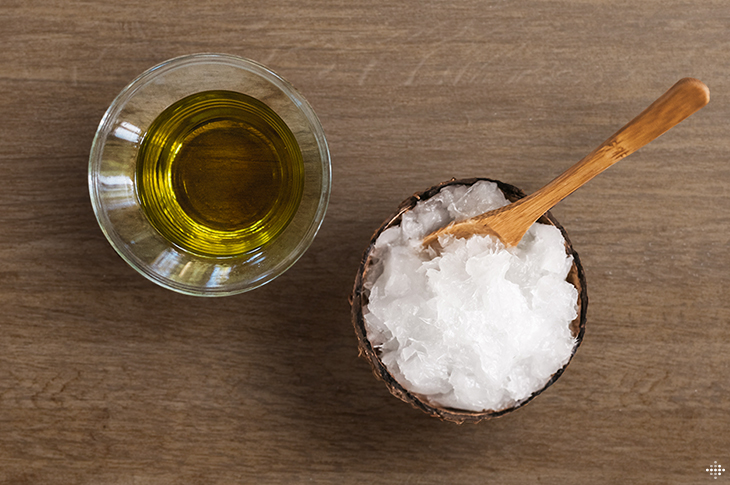
Fat Face Off: Extra Virgin Olive Oil vs. Virgin Coconut Oil….Which one is Good For Our Health ?

101515_OliveCoconutOil_Blog_730x485

Did you jump for joy when you heard coconut oil was no longer on the “bad foods” list? If you’re one of the many doing cartwheels down supermarket aisles and piling your cart high with every coconut item on the shelf, you may want to read on to find out if your jubilation is truly justified.

When comparing coconut oil to other fats, it does have some redeeming qualities. However, it’s not exactly the healthiest oil out there. It just doesn’t measure up when you pit virgin coconut oil(VCO), which is mechanically extracted from the coconut meat or milk, against extra virgin olive oil (EVOO), the juice squeezed or cold pressed directly from the olive fruit. (Neither oil extraction process involves the use of potentially harmful chemicals.) Take a look at how they fare against each other in five categories: fats, vitamins, antioxidants, health benefits, and cooking.

Extra Virgin Olive Oil

Virgin Coconut Oil

Nutrition Facts:
Serving Size: 1 tablespoonAmount Per ServingCalories 120Total Fat 14 g

  • Saturated Fat 15%*
  • Monounsaturated Fat 74%*
  • Polyunsaturated Fat 11%*
  • Trans Fat 0%*

Cholesterol 0%*

Vitamin E about 2mg

Vitamin K about 8µg

Polyphenol Antioxidants at least 36

*percent of total fat value

Nutrition Facts:
Serving Size: 1 tablespoonAmount Per ServingCalories 120Total Fat 14 g

  • Saturated Fat 88%*
  • Monounsaturated 7%*
  • Polyunsaturated Fat 2%*
  • Trans Fat 0%*

Cholesterol 0%*

Vitamin E about 0.01mg

Vitamin K 0.1µg

Polyphenol Antioxidants about 6

*percent of total fat value


Winner in the Fats Category: EVOO

The great news is both oils are very low in the worst type of fat—trans fat. But that’s where the similarity ends. EVOO is predominantly heart-healthy monounsaturated fat, while VCO is almost 90% saturated fat (that’s almost double the amount found in butter!). Some research shows coconut oil, which contains lauric acid, a medium chain triglyceride (or MCT) that is easier to burn as energy and less likely to be stored as fat, has the potential to increase good HDL cholesterol levels. Unfortunately, less than half of the saturated fat is lauric acid—the other half is still harmful saturated fat. And even through saturated fats aren’t all bad for us, they haven’t been proven healthy either. It’s still a good idea to limit total saturated fat, including from tropical oils like coconut, as the evidence backing the health benefits of diets low in saturated fat is just too strong to ignore.

Winner in the Vitamins Category: EVOO

The only notable micronutrients the oils contain are vitamin E, an antioxidant shown in studies to have properties that may protect against heart disease and certain cancers, and vitamin K, which is essential for blood clotting and healthy bones. And in this case, the olive is mightier than the coconut, as EVOO contains 160 times more vitamin E and 120 times more vitamin K than VCO.

Winner in the Antioxidants Category: EVOO

The main antioxidants you’ll find in both oils are polyphenols. EVOO contains significantly higher levels (40 times more!) with at least 36 different polyphenols—that’s a lot of highly bioavailable, disease-fighting antioxidants. VCO only contains about six different polyphenols.

Winner in the Health Benefits Category: EVOO

There is an enormous body of evidence supporting the health benefits of EVOO. The high levels of monounsaturated fats and antioxidants in EVOO, have been shown to improve heart health, aid weight control, decrease the body’s inflammatory response, and reduce the risk of certain cancers.

Until more research is conducted, the same cannot be said about VCO. Although it has been linked to many conditions, including weight loss, cholesterol, diabetes, chronic fatigue, Crohn’s disease, irritable bowel syndrome, and thyroid issues, there is insufficient scientific evidence to rate the effectiveness of coconut oil.

Winner in the Cooking Category: EVOO

Unrefined oils like EVOO and VCO have lower smoke points (the temperature at which oils begin to smoke and become less healthy) than refined versions. According to the International Olive Council, EVOO has a smoke point roughly around 410°F, making it great for sautéing, frying, and baking (below 410°F). VCO has a lower smoke point (up to 350°F) and is best used when sautéing over medium heat, or as a replacement for butter or shortening for medium-heat baking.

Overall Champion: Extra Virgin Olive Oil!

EVOO is the stand out winner when it comes to levels of heart-healthy, monounsaturated fats, vitamins, antioxidants, health benefits, and cooking. Virgin coconut oil can be used occasionally when a recipe calls for a solid fat, such as butter or shortening, or when cooking Asian cuisine—but adding oodles of the stuff to your morning smoothie isn’t going to do you any good. For undisputed health-boosting benefits, make extra virgin olive oil your go-to.

source….Tracy Morris in http://www.blog.fitbit.com

Natarajan

Tracy Morris holds a master’s degree in nutrition and dietetics. She has owned a nutrition consultancy and worked in private practice in Sydney, Australia and Cape Town, South Africa. Over the past 15 years, Tracy has lived in five different countries and has inspired people around the globe to be healthy. Currently, she is happily settled in Northern California where she writes, practices Pilates, runs after her three kids, and sips pinot noir with her husband.


Message for the Day…” You Need Determination to Face the Challenges in your Life with Utmost Faith in God…”

Sathya Sai Baba

Have high aims in life. Set before yourselves the examples of great men and women who have figured in the history of our country and the world. Take a lesson from their life of sacrifice and heroism. You need determination to face the challenges of life which is filled with ups and downs, successes and failures, and joys and sorrows. These challenges have to be faced with faith in God. The mind should not be allowed to waver and hop from one thing to the other. A steady mind is the mark of a truly educated person. Life should be governed by definite regulations. Self-control is essential for leading a righteous life. Our culture has always laid stress on the well-being of all. You should not be overwhelmed by difficulties that you may encounter in life. They are all transient; they come and go. The source of enduring bliss is within you. Do not give way to weakness of will.