” Sarcasm at its best…” Pl read and share with younger gen… !!!


The Devil”s nose Railroad ….


When Ecuador President General Eloy Alfaro took office in 1895, and announced that a new railway line would be built connecting the coastal city of Guayaquil with the capital, Quito, in the highlands, a fierce opposition arose starring both conservatives and liberals. Many people at that time thought the Andes could not be conquered by rail. Despite protests and discouragement, General Alfaro hired a couple of US contractors and tasked them to build the “most difficult railway in the world.” A partnership between the government and a North American firm was forged leading to the foundation of the Guayaquil and Quito Railway Company, and construction of the historic line began in 1899.

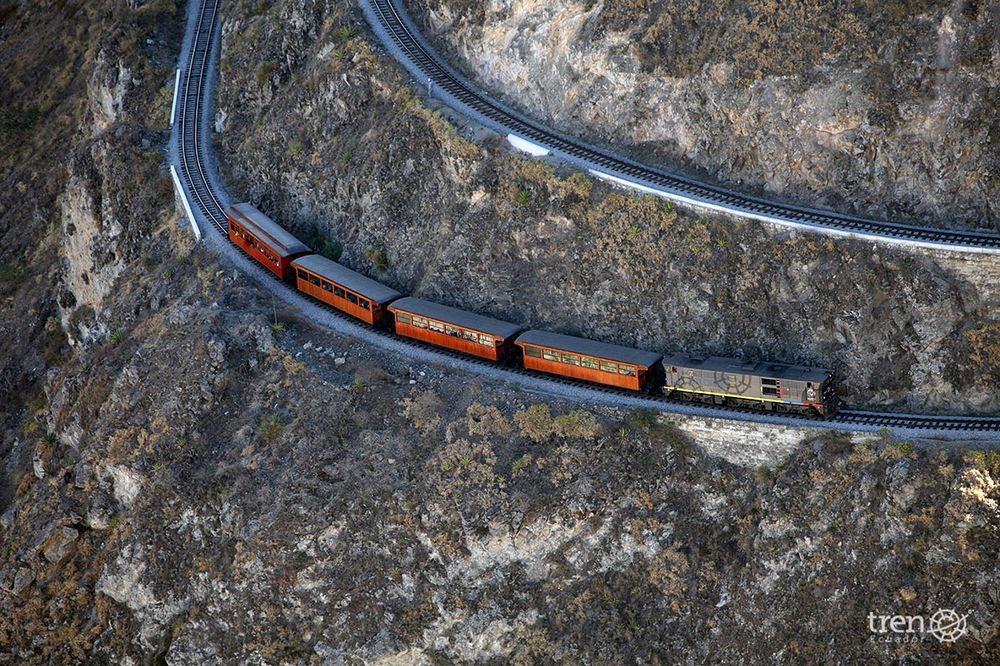
Photo credit: trenecuador.com

Building a railroad in the highlands was not an easy task. Frequent seismic activity, heavy rainfall, jaguars, poisonous snakes, malaria, dysentery, and yellow fever delayed progress. The most technically challenging part of this rail route, however, was a sheer rock face known as the Devil’s Nose, or Nariz del Diablo, that stood between Alausi and Sibambe. To ascend this 800 meter cliff, the engineers carved a series of steep switchbacks that allowed the train to climb at a gradient of 1-in-18 by alternately advancing and reversing up the tracks.

The railroad will rise with a grade of 3.5% along a narrow cornice cut by blasting the wall of the perpendicular rock of the Nose and will extend beyond the bifrucation of the railway.  When the train goes beyond the bifrucation, a switchman will jump from the locomotive and raise the lever to change the track; then , the train will continue on its way up to the next narrow cornice, in reverse, until the next switchback.  Then, the switchman will change the tracks again, and the train will continue on its way through the cornice, until crossing the Devil’s Nose.

It was said that the Devil’s Nose was damned by the Satan because he didn’t want a railway to be built there. And acts that goes against the Devil’s wishes are paid for in human lives. By the end of construction of the Nariz del Diablo portion of the track, more than 2,000 workers had died from disease, labor, or the climate. Among the casualties were workers brought from the English colonies in the Caribbean, mostly from Jamaica, hundreds of prisoners who were forced to work with promises of freedom, and Major John Harman, the chief engineer of the project himself.

Nevertheless, the completion and the first ascent of Nariz del Diablo in 1902 was one of the most incredible feat of railway engineering at that time.The line continued operating, with interruptions, until 1997 when landslides during El Nino devastated the tracks, effectively shutting down the entire line. Currently, only a 12-km stretch from Alausí to Sibambe is open that take tourists through gorgeous mountain scenery and a thrilling descent over Devil’s Nose

Sources: Wikipedia / Rough Guides / takhte-sarah.blogspot.in / railroadinthesky.com  and www. amusingplanet.com

Natarajan

nariz-del-diablo-912

Message for the Day…” Vedas as Shurti…has neither beginning nor will have an end….”


The Vedas do not have their origin in human beings. All history has been created by experienced people. In such things which have been created by men, there are possibilities for changes, additions and alterations; but there is no such possibility in the case of the Vedas. As the Vedas have been obtained merely by listening to sound, it has been referred to as Shruti (that which was heard). We have forgotten the Vedic culture which has neither a beginning nor will have an end, and placed our faith in material comfort. We have also tried to give more importance to what we see around us in the form of material comforts and given up what is essential for our own culture. This has brought our life into great difficulty.SI_20160512

” துபாயை உலகத்துக்கே விற்ற கட்டிடம்…” !!!

building_2872234f

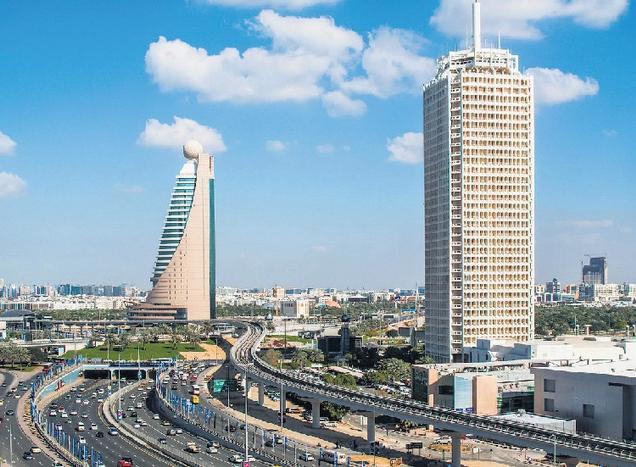
துபாயின் ‘உலக வர்த்தக மையம்’ பற்றி ஒரு கதை உண்டு. 70-களின் தொடக்கத்தில் ஒரு தொழிலதிபர் துபாய்க்கு வந்தார். இடம் ஒன்று வாங்கி, கட்டிடம் கட்டிப்போடும் எண்ணத்தில் துபாயின் ஷேக் ரஷீதின் அரண்மனைக்கு அவர் சென்றார். அவருக்கு இடம் விற்பதற்கு ஷேக் இசைந்தார். ஆனால், ஷேக்கின் சர்வேயர் காட்டிய இடம் நகரத்தின் மையத்தை விட்டு விலகியிருந்ததால் அந்தத் தொழிலதிபருக்கு அந்த இடம் பிடிக்கவில்லை. மிகுந்த பணிவுடன் மறுத்துவிட்டார். அதற்குப் பல மாதங்களுக்குப் பிறகு தான் மறுத்த இடம் எவ்வளவு வளர்ச்சி பெற்றிருக்கிறது என்பதைக் கண்ட தொழிலதிபர் சேக்கிடம் சென்றார்.

முதலில் காட்டிய இடத்தை மறுத்ததற்கு மன்னிப்பு கேட்டுவிட்டு, தனக்கு மறுபடியும் அந்த இடம் தேவைப்படுகிறது என்று கேட்டார். அவருக்கு ஷேக் வேறொரு இடத்தைக் காட்டச் செய்தார். அந்த இடத்திலிருந்து பார்த்தால் தூரத்தில் பாலைவனம் தெரிந்தது. அதற்கப்புறம், தொழிலதிபர் துபாய்க்குத் திரும்பி வரவேயில்லை. அவர் கண்டு பயந்து ஓடிய இரண்டாவது இடத்தில்தான் இப்போது ‘உலக வர்த்தக மையம்’ இருக்கிறது.

அந்தத் தொழிலதிபர் மட்டுமல்ல, ‘உலக வர்த்தக மையம்’ வந்த பிறகும் பலரும் துபாயின் வளர்ச்சி குறித்து ஐயமே கொண்டிருந்தனர். ஆனால், இப்போதோ அந்த வர்த்தக மையம்தான் துபாயில் இருமருங்கிலும், வானளாவிய கட்டிடங்களைக் கொண்டு நீளும் ஷேக் ஜயது சாலையின் நுழைவாயிலாக இருக்கிறது.

இதனால் உலக முதலீட்டாளர்கள் சுண்டியிழுக்கப்படுகிறார்கள். ஆக, தீர்க்கதரிசனமாக துபாயின் சேக் ரஷீத் செய்த செயல்தான் துபாயின் கைகாட்டிபோல் ‘உலக வர்த்தக மையம்’ இன்று நின்றுகொண்டிருக்கிறது.

இன்று அதிகார மையமாக இருக்கும் இந்தக் கட்டிடம் சற்றுப் பழமையானதாகவும் இருக்கிறது. 150 மீட்டர் உயரத்தில் அதை வானளாவிய கட்டிடம் என்று சொல்ல முடியாதுதான். ஆனால், பிரபலக் கட்டிடக் கலைஞர் ஒருவர் துபாய்க்கு வருவார் என்றால், துபாயின் கட்டிடக் கலையின் பெருமையாக ‘உலக வர்த்தக மைய’த்தைப் பற்றித்தான் குறிப்பிடுவார்.

ஷேக் ரசீதை ஆங்கில ஊடகங்கள் ‘வியாபாரி இளவரசர்’என்றே குறிப்பிடுகின்றன. உலகின் பொருளாதாரத் தலைநகரங்களுக்கெல்லாம் அவர் பயணித்து அங்கே வர்த்தகச் செயல்பாடுகளெல்லாம் எப்படிப் பொழுதுபோக்குடன் ஒன்றுசேர்கின்றன என்பதைக் கண்டார்.

அவரது நம்பிக்கையான கட்டிடக் கலைஞர் ஜான் ஹாரிஸிடம் வர்த்தகச் சந்தைகளுக்கான மையம் ஒன்றைக் கட்டும்படி பணித்தார். முதலில் பொருட்காட்சி மையமொன்றுக்கான திட்டமாக ஆரம்பித்து இறுதியில் அது ‘உலக வர்த்தக மைய’த்துக்கான திட்டமாக மாறியது.

நியூயார்க், டோக்கியோ போன்ற நகரங்களின் வர்த்தக மையங்களையெல்லாம் பார்வையிட்டு வந்தார் ஜான் ஹாரிஸ். துபாயிலேயே மிகவும் உயரமான ஒரு கட்டிடமாக, 33 மாடிகள் கொண்டதாக ‘உலக வர்த்தக மையம்’ உருவாக ஆரம்பித்தது. இன்னும் உயரம் வேண்டுமே என்று ஷேக் கேட்டுக்கொண்டதற்கு இணங்க, 39 மாடிகள் உயரம் கொண்டதாகக் கட்டப்பட்டது.

வானளாவிய கட்டிடம் ஒன்று உங்கள் நகரத்தை உலகத்தின் கண்களில் முக்கியத்துவம் பொருந்தியதாக மாற்றுமல்லவா, அது போலவே வர்த்தகச் செயல்பாடுகளுக்கு துபாய் தயாராக இருக்கிறது என்று இந்த உலகைத் திரும்பிப் பார்க்க வைத்தது இந்த வர்த்தக மையம்தான். சொகுசு ஹோட்டல், உயர்தர அடுக்ககங்களைக் கொண்ட மூன்று கோபுரங்கள், ஒரு கண்காட்சி மையம், வாகனங்கள் நிறுத்துமிடம், டென்னிஸ் ஆடுகளங்கள் போன்றவற்றைக் கொண்டு ஒரு உலகளாவிய நகரத்தைப் போல உருவானது அந்தக் கட்டிடம். 24 மணி நேரக் கண்காணிப்பு/ நிர்வாகம், பாதுகாப்பு ஊழியர்கள், தொழிலதிபர்களுக்கான கிளப், பயண ஏற்பாட்டு நிறுவனம், அஞ்சல் நிலையம், திரையரங்கம் என்று சுமுகமான வர்த்தகப் பரிவர்த்தனைகளுக்கு ஏற்ற ஒரு சூழலைக் கொண்டு செயல்படுகிறது அந்த மையம். ஜன்னல்களுக்கு வெளியே அவலட்சணமாக ஏ.சி.

பெட்டிகள் தொங்கும் கதைக்கே இங்கே இடமில்லை. எப்போதும் 22 டிகிரி செல்சியஸ் வெப்பநிலை இருக்கும் விதத்தில் அங்கு சூழல் அமைக்கப்பட்டிருக்கும்.

நகரத்துக்குள் ஒரு நகரம் என்ற திட்டத்தின் முன்வடிவம்தான் ‘உலக வர்த்தக மையம்’. நாம் அங்கே வசிக்கலாம், வேலை பார்க்கலாம், விளையாடலாம். உள்ளே இருக்கும் ‘பாலைவனச் சோலை’ உள்ளிட்ட ஒவ்வொரு இடத்துக்கும், ஒவ்வொரு அங்குலத்துக்கும் ஆகும் செலவு மேலாண்மைக் கட்டணத்தில் சேர்க்கப்பட்டுவிடும். பொருட்காட்சியின் தரையமைப்பையும் கூட பனிச்சறுக்குத் தளமாகவோ குத்துச்சண்டை தளமாகவோ மாற்றிக்கொள்ள முடியும்.

தொழில் செயல்பாடுகளுடன் பொழுதுபோக்கும் ஐக்கியமாகிவிடுகிறது இங்கே. கட்டிடம் கட்டும்போதே ஹாரிஸிடம் சேக் இப்படிச் சொல்லியிருந்தார், “வர்த்தகத்தை மனதில் கொண்டே வசதிகள், பொழுதுபோக்கு போன்றவற்றுக்கு நாம் முக்கியத்துவம் கொடுக்க வேண்டும்.”

500 சொகுசு அடுக்ககங்களுடன் ஒரு நகரம் போல அந்தக் கட்டிடம் செயல்பட்டுக் கொண்டிருக்கிறது. துபாய் ஷேக்குக்குச் சொந்தமான இந்தக் கட்டிடம் நகரத்தின் ஏனைய பகுதிகளிலிருந்து தனித்து இயங்குகிறது. அரபு உலகின் மையமாக இந்தக் கட்டிடத்தை ஆங்கில ஊடகங்களில் ஷேக் விளம்பரப்படுத்தினார்.

உலகிலேயே உயரமான கட்டிடங்கள் துபாயில் தற்போது கட்டப்பட்டுக்கொண்டிருக்கின்றன. அது மட்டுமல்லாமல் ‘பாம் ஜுமைரா’ போன்ற தீவுக் கட்டமைப்புகளும் உருவாக்கப்பட்டிருக்கின்றன. அவற்றுக்கு முன்னால் ‘உலக வர்த்தக மைய’த்தின் கட்டிடம் சிறு மடுபோலக் காட்சியளிக்கலாம். ஆனால், துபாயை உலகுக்கு விற்றது இந்தக் கட்டிடம்தான் என்பதை மறக்கக் கூடாது.

1981-ல் அபுதாபியிடம் ஆயுதங்களை விற்பதற்காக அப்போதைய இங்கிலாந்து பிரதமர் மார்கரெட் தாட்சர் வந்தபோது துபாயிலும் தலையைக் காட்டிவிட்டுச் சென்றார். அப்போது அவரை ஷேக் ரஷீத் வர்த்தக மையத்தின் கோபுரத்தின் உச்சிக்கு அழைத்துச் சென்றார்.

உலகின் மிகப் பெரிய செயற்கைத் துறைமுகமான ‘போர்ட் ஜெபல் அலி’யை அங்கிருந்து ஷேக் காட்டினார். பிரிட்டனின் பொறியாளர்களும் கடன் நல்கையாளர்களும் சேர்ந்து உதவியதால் உலக அரங்கில் துபாய் மேலே மேலே செல்ல ஆரம்பித்தது. அதற்கான உதாரணமாக ஷேக் அந்தத் துறைமுகத்தை ‘உலக வர்த்தக மைய’த்தின் உச்சியிலிருந்து காட்டினார். துபாயின் ஒரு கட்டிடம் துபாயை உலகுக்கு விற்ற கதை இதுதான்.

தி கார்டியன், சுருக்கமாகத் தமிழில்: ஆசை

Source….www.tamil.thehindu.com

Natarajan

First Recorded public version on a Gramophone Plate…First Sloka in Rig Veda !!!


Something Surprising..

His Masters Voice (HMV) had once published a pamphlet giving the history of gramophone record.
Gramophone was invented by Thomas Alva Edison in the 19th century.
Edison, who had invented many other gadgets like electric light and the motion picture camera, had become a legend even in his own time.

When he invented the gramophone record, which could record human voice for posterity, he wanted to record the voice of an eminent scholar on his first piece.
For that he chose Prof. Max Muller another great personality of the 19th century.
He wrote to Max Muller saying,
“I want to meet you and record your voice. When should I come?”
Max Muller who had great respect for Edison asked him to come on a suitable time when most of the scholars of the Europe would be gathering in England.

Accordingly, Edison took a ship and went to meet Max Muller .
He was introduced to the audience.
All cheered Edison’s presence.
Later at the request of Edison, Max Muller came on the stage and spoke in front of the instrument.
Then Edison went back to his laboratory and by afternoon came back with a disc.
He played the gramophone disc from his instrument.
The audience was thrilled to hear the voice of Max Muller from the instrument.
They were glad that voices of great persons like Max Muller could be stored for the benefit of posterity.

After several rounds of applause and congratulations to Thomas Edison, Max Muller came to the stage and addressed the scholars and asked them,
“You heard my original voice in the morning. Then you heard the same voice coming out from this instrument in the afternoon. Do you understand what I said in the morning or what you heard in the afternoon?”

The audience fell silent because they could not understand the language in which Max Muller had spoken.
It was ‘Greek and Latin’ to them as they say.

But had it been Greek or Latin, they would have definitely understood because they were from various parts of Europe.
It was in a language which the European scholars had never heard.

Max Muller then explained what he had spoken.
He said that the language he spoke was Sanskrit and it was the first sloka of Rig Veda, which says “Agni Meele Purohitam”

This was the first recorded public version on the gramophone plate.

अग्निमीळे पुरोहितं यज्ञस्य देवं रत्वीजम।
होतारं रत्नधातमम।।
(Rig Veda 1.001.01)

Why did Max Muller choose this?

Addressing the audience he said,
“Vedas are the oldest text of the human race. And “Agni Meele Purohitam” is the first verse of Rig Veda.
In the most primordial time, when the people did not know how even to cover their bodies and lived by hunting and housed in caves, Indians had attained high civilization and they gave the world universal philosophies in the form of the Vedas”

When “Agni Meele Purohitam” was replayed, the entire audience stood up in silence as a mark of respect.

The verse means :
“Oh Agni, You who gleam in the darkness, to You we come day by day, with devotion and bearing homage. So be of easy access to us, Agni, as a father to his son, abide with us for our well being.”

Source…..Input from a friend of mine

Natarajan

Monument to The Taxi Driver, Buenos Aires….


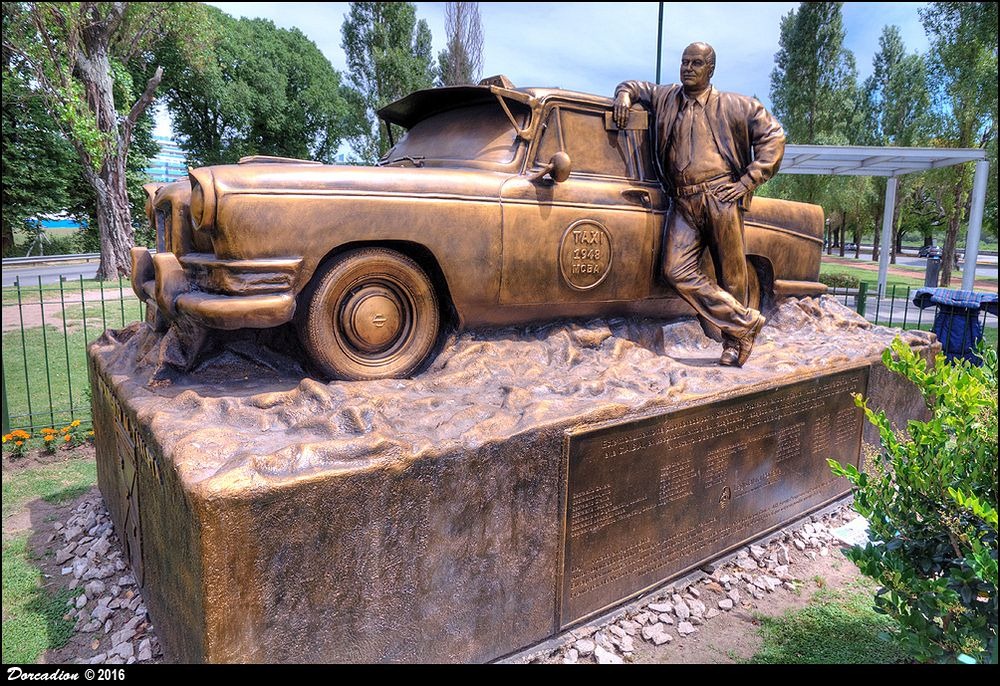
Located in the square of the Avenue of the Italians and Macacha Guemes, in the neighborhood Puerto Madero, in Buenos Aires, the Monument to the Taxi Driver is a tribute to the thousands of men and women who provide an important public transportation service to the city. Inaugurated in 2012, the monument depicts a bald and mustachioed taxi driver casually leaning on to the side of a classic 1967 car model of a Siam Di Tella — an old Argentinian manufacturing company, and one of the most popular choices for taxis in the Argentinian capital in the 1960s and 70s.

The sculpture was created by the artist Fernando Pugliese, and appears like bronze but is actually made of a synthetic material commonly used in the shipbuilding industry. This special polymer can withstand the rigors of the weather and can receive a special patina that makes them appear like bronze.

Source….www.amusingplanet.com   Photo credit: Waymarking

Natarajan                                                                              monumento-al-taxista-46


World’s First UFO Landing Pad, and the First Landing….!!!

St. Paul, Alberta, a small town in east-central Alberta, Canada has the world’s first official UFO Landing Pad which was built in 1967 to celebrate Canada’s centennial. The 130 ton concrete structure consists of a raised platform with a map of Canada embossed on the back stop, consisting of stones provided by each province of Canada. The pad also contains a time capsule to be opened on the 100-year anniversary of the pad’s opening in 2067. A sign beside the pad reads:

The area under the World’s First UFO Landing Pad was designated international by the Town of St. Paul as a symbol of our faith that mankind will maintain the outer universe free from national wars and strife. That future travel in space will be safe for all intergalactic beings, all visitors from earth or otherwise are welcome to this territory and to the Town of St. Paul.

Source….www.amusimgplanet.com….Natarajan

ufo-landing-pad (3)[6]

Image of the Day…Lotus Flower !


“The lotus flower blooms most beautifully from the deepest mud” –Buddhist Proverb
The lotus flower is one of the most remarkable creations of nature. Its beauty lies in its purity, because this magnificent flower emerges from the dirty and muddy bottom of a pond, yet still remains untouched and unstained by its soiled surroundings.

img source: Source: Flickr.com Jennifer

This notable feat has ensured that the lotus is considered an embodiment of perfection in various Asian religions and cultures, with particular reference to Buddhism and Hinduism. This unique quality is said to symbolize the human who rises from the darkness of the world into a new way of thinking and living.

 Source…www.ba-bamail.com
natarajan
af80adc2-4280-41d5-8c5d-f40715a844a6

அட்சய திருதியை அன்று ஆகார தானம்….

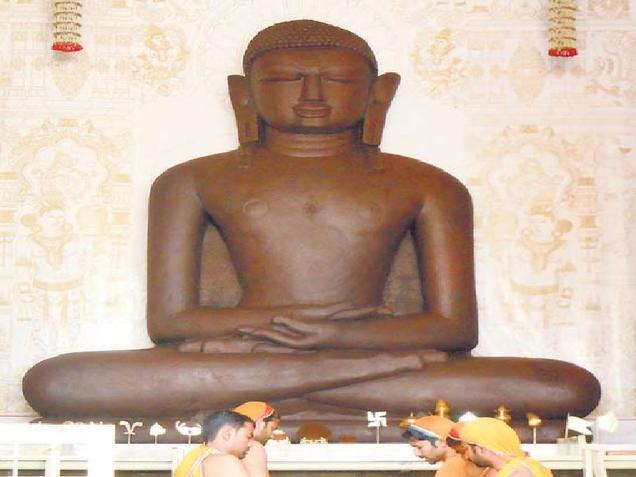
ஆதிபகவனான விருஷபநாதர் மேருமலை போல் அசையாமலும், கடல்போல் கலக்கமற்றும் காற்றைப் போல் எதிலும் பற்றற்றும், ஆகாயம் போல் மாசின்றியும் தவத்திலிருந்தார். ஆறுமாதம் சென்றது. அவர் முனிவர்களுக்கு சர்யா மார்க்கமாகிய ஆகாரம் ஏற்கும் முறைகளையும் இல்லறத்தாருக்கு ஆகார தானம் அளிக்கும் வழிகளையும் விளக்க விரும்பினார்.

விருஷபநாதர் எல்லா இடங்களிலும் எழுந்தருளினார். அசுவினி நட்சத்திரத்தின் போது வரிசையாக வரும் நிலவு போல எல்லா வீதிகளிலும் வீடுகளிலும் முறையாக மவுனமாக எழுந்தருளினார்.

Munivar_5_2840725f (1)

மக்களுக்கோ விருஷபநாதரின் எண்ணம் புரியவில்லை. அவர்களுக்கு எதிர்கோடல் முதலிய ஒன்பதுவகைப் புண்ணிய வழிமுறைகள் தெரியவில்லை. எனவே சிலர் யானை குதிரை போன்றவற்றையும், சிலர் பட்டாடைகளையும் சிலர் உயர்ந்தரக அணிகலன்களையும் காட்டினர். ஆனால் எவருக்கும் ஆதிநாதருக்கு ஆகார தானம் செய்யும் எண்ணம் தோன்றவில்லை. எனவே பகவான் மேலும் ஆறுமாதம் உபவாசம் மேற்கொண்டார்.

மன்னனுக்கு வந்த கனவு

அஸ்தினாபுரத்து அரசன் சிரேயான்சன் கனவில் மகாமேரு, கற்பகத்தரு, சிங்கம், விருஷபம், சூரியன், சந்திரன், சமுத்திரம், எண்வகை மங்கலங்களை ஏந்திய தேவதைகள் தோன்றினர். அவன் மறுநாள் புரோகிதனை அழைத்து தன் கனவுக்கு விளக்கம் கேட்டான்.

புரோகிதன் அரசனிடம், மகாமேரு கனவில் வந்ததால், விருஷபதேவர் சர்யா மார்க்கமாக இந்நகரத்துக்கு எழுந்தருளுவார். மற்றவை இறைவனின் குணநலன்களையும் நமக்கு வரும் சிறப்புகளையும் குறிக்கும் என்றான். அதைக் கேட்ட அரசன் மகிழ்வுற்றான்.

மறுநாளே சுவாமி வந்தார். சிரேயாம்சன் அவரை எதிர் கொண்டு அழைத்தான். பகவானை வலம்வந்து வணங்கினான். சிரேயாம்சனுக்கு முற்பிறவி ஞானம் வந்தது.

முற்பிறவியில் முனிவருக்கு ஆகார தானம் கொடுத்ததும் அதன் வழிமுறைகளும் அவனுக்குத் தோன்றின. உடனே இது பகவானுக்கு ஆகார நேரமென உணர்ந்தான். தானம் செய்பவருக்கான முறைகளோடு சுவாமியை அரண்மனைக்கு அழைத்துச் சென்று உயர்ந்த இருக்கையில் அமரச்செய்தான். அவரின் பாதங்களைத் தூய நீரால் கழுவி, அந்தப் புனிதநீரைத் தன் தலையில் தெளித்துக்கொண்டான். மனம்,மெய்,மொழிகளால் தூயவனாகி வணங்கினான்.

தூய கருப்பஞ்சாற்றால் பகவானின் திருக்கரமான பாத்திரத்தில் நிரப்பினான். அவரும் அருந்தினார். தேவர்கள் பூமாரி பொழிந்தனர்.தேவ வாத்தியங்கள் முழங்கின. நறுமண மந்தமாருதம் வீசியது.

பகவான் ஆகாரம் ஏற்றார். இவ்வாறு முனிவர்களுக்கான ஆகாரம் ஏற்கும்

முறையையும் இல்லறத்தாரின் ஆகார தானம் அளிக்கும் முறைகளையும் நடத்திக்காட்டி மீண்டும் மவுனமாக வனத்தில் எழுந்தருளினார்.

இம்முறைப்படியே இன்றும் சமண இல்லறத்தார்களும் முனிவர்களும் பின்பற்றி போற்றி வருகின்றார்கள். அட்சய திருதியை அன்றுதான் பகவான் ஆகாரம் ஏற்றப் புனிதநாளாகும்.

Source…..விஜி சக்கரவர்த்தி in http://www.tamil.the hindu.com

Natarajan

Why are Bureaucratic Obstacles Referred to as Red Tape….?


The practice of referring to “excessive bureaucratic rigmarole” as red tape dates back more than 400 years to the court of the Holy Roman Emperor and King of Spain, Charles V (1500-1558). As heir to three of Europe’s most powerful dynasties (Habsburg, Valois-Burgundy and Trastámara), at the height of his power, Charles’ empire stretched from Spain in the west to Hungary in the east, and from the Netherlands in the north to Sicily in the south. In addition, Charles had significant holdings in the New World, and an enormous administration to manage his vast empire

At the time, administrative documents were bound in some fashion, either with rope, string, ribbon or cloth. Sometime during the early 16th century, in order to distinguish the most important documents that required immediate discussion at the highest levels of government (such as the Council of State), from those of less significance, Charles’ ministers began tying important papers together with red string or ribbon.

Seeing the efficacy of such a system, the method was soon adopted across Europe, and in fact, England’s Henry VIII used red string, ribbon or cloth to secure the petitions he sent to Pope Clement VII requesting annulment of his marriage to Catherine of Aragon in 1527.

Note that well before this time, tæppe had been an Old English word that meant “narrow strip of cloth used for typing, measuring, etc.” and its use dates back to at least the late 16th century. So, while it’s not clear that Henry’s court called it red tape, it is possible.

As for the term “red tape, reference to this string for important papers dates back to the late 17th century where it was written in Maryland Laws: “The Map . . . upon the Backside thereof sealed with his Excellency’s Seal at Arms on a Red Cross with Red Tape.”

The Oxford English Dictionary dates its current meaning to 1736 and John Hervey’sPoetical Epistle to the Queen: “Let Wilmington, with grave, contracted brow, Red tape and wisdom at the Council show.”

Another early instance of its metaphorical meaning is seen more clearly in Catherine Gore’s Stokeshill Place (1837): “My dear, you mistake John Barnsley. Dearly as he loves a bit of red tape, you never saw him try to inspire any other man with the love of business.”

Shortly thereafter, the term became widely used, including in Charles Dickens’ David Copperfield (1849-1850): “Britannia, that unfortunate female, is always before me, like a trussed fowl: skewered through and through with office-pens, and bound hand and foot with red tape.”

Bonus Fact:

  • Documents important to veterans of the American Civil War were bound in red tape, including those necessary to obtain pensions, as well as those holding the verdicts of soldiers facing criminal trial. In an episode of The West Wing, Martin Sheen as President Bartlet mistakenly attributes the phrase to this era.

Source………www.today i foundout .com

Natarajan