A Rewind…. When a 41 year old Former Captain came out of Retirement to Lead Australia against India

When the 41-year-old former captain came out of retirement to lead Australia against India…

India’s tour of Australia in 1977-78 was completely overshadowed by the arrival of Kerry Packer’s World Series Cricket (WSC), unleashed on the world six months earlier, which left the home side fielding a virtual third XI under Bob Simpson, a 40-something captain who had retired from the game a decade earlier. Despite that, the series proved exciting and Simpson’s comeback triumphant.

Bob Simpson drives on his way to 176 in Perth, in what was his fifth first-class match in a decade

Bob Simpson drives on his way to 176 in Perth, in what was his fifth first-class match in a decade © ESPNcricinfo Ltd 


In May 1977, news broke that media mogul Packer, frustrated by his inability to secure TV rights for cricket for his fledgling TV channel, had decided to organise games of his own. Capitalising on the low amounts cricketers were paid, particularly in Australia, he signed up more than 50 players for his enterprise.

With his “circus” – as the establishment and media dismissively labelled the venture – taking place in parallel to the Australian season, it meant that the national selectors sat down in October 1977 with almost two dozen of their more likely choices unavailable.

The Australian Cricket Board (ACB) did all it could to frustrate WSC, barring it from all major cricket grounds, and going to court to prevent it referring to games as Tests or from calling their side Australia.

Packer believed that given the national side was bereft of all the leading players – and most second-string ones as well – the public would turn their backs on the official Test series. The establishment feared the same.

A divided Australian team had lost the Ashes in England in the summer, and few seemed able to predict who they would pick to face the Indians, let alone who would lead them. Craig Serjeant, a 26 year-old batsman who had made his debut that summer, was one of the favourites, if only because he was one of the few established cricketers not to have signed for Packer. The other leading candidate was John Inverarity, a 33-year-old allrounder who had played the last of his six Tests five years earlier.

So the announcement that Simpson, a 41-year-old who had retired from the game in 1968, had been hauled out of retirement to lead the side was met with shock but almost no dissent. Indeed, journalists at the press conference at which the news was made public broke into spontaneous applause.

Among those close to the game there was a general belief Simpson was still good enough. “He has a wonderful batting technique,” Keith Miller said, “and is fitter at the moment than he has been for years.”

Simpson, who had been made the offer the previous month, had been a top player and had led Australia 28 times after taking over the captaincy from Richie Benaud in 1963. He averaged 48 with the bat in his 52 Tests and was a brilliant slip fielder and useful legspinner and had continued to play regularly after retiring and had scored a hundred for grade side Western Suburbs at the start of the season.

The ACB made clear it was not expecting miracles. Praising Simpson’s “experience and technical knowhow” it added: “Irrespective of the runs he may make Simpson will make a significant contribution to Australian cricket in the coming season.”

Simpson was an old-school leader and wasted no time in saying he felt that the Australians had become undisciplined. In England the side had come under fire for their slovenly appearance and attitude. “It starts in getting the players proud to represent their country,” he said. “I’ll be looking to restore some of the lost guidance.”

And whatever the board felt, he had no intention of not pulling his weight in the side. “I wouldn’t have made myself available if I didn’t think I would get runs. I have never surrendered my wicket easily. I have always considered it my obligation to my team, myself and spectators to get runs.

“Undoubtedly the success I have enjoyed in grade cricket in the past, and this year, made easier my decision to come back. If I had not been scoring runs, I would not have considered a return just as a figurehead.”

He admitted he had been approached “almost every year” to resume for his state in the decade since he retired, repeatedly declining as he felt New South Wales were good enough without him. But with Packer players missing from the Sheffield Shield, things had changed. “The special conditions this year have made it necessary for an experienced player to be at the helm.”

At the beginning of November, Simpson returned as captain of New South Wales, the side he led to their last Sheffield Shield title 12 years earlier. He had three matches before the first Test to find his feet.


In Perth, NSW lost to Western Australia by four wickets. Simpson made 14 and 5 and took three wickets. He then led his side to a nine-wicket win over South Australia, making 66 in his one outing. His final game was against the Indians, where he scored 58 and 94. He had proved he had not lost his ability with the bat, especially against spin.

India headed into the first Test with wins in all four of their matches against the states; on two previous tours of Australia they had never beaten a state side. But they were aware the opposition they had been facing were weak.

Australia’s squad contained six uncapped players. Simpson aside, they boasted 36 Test appearances between them, of which 22 belonged to Jeff Thomson – he had signed for Packer but subsequently changed his mind. Only Serjeant, named as vice-captain, Thomson and Kim Hughes survived from the XI that had played Australia’s previous Test at The Oval three months earlier.

In the fortnight before the opening Test, WSC had launched to poor attendances and a generally lukewarm response. The first Test between Simpson’s almost unknown Australia and India in Brisbane was nervously watched by both the ACB and WSC, as it directly clashed with Packer’s Supertest in Melbourne. The official Test was a cracker and attracted 32,000 to the Gabba; the Supertest drew a little over 13,000.

In Brisbane, Simpson was dismissed for 7 in the first innings, falling to the spin of Bishan Bedi. In his last Test before this one, in January 1968, he had been dismissed by Bedi, also for 7. Australia gained a slender 13-run lead on the first innings before Simpson made a vital 89 second time round. India, chasing an improbable 341 to win, fell 16 runs short.

The second Test, in Perth, was no less exciting. India took an eight-run first-innings lead – Simpson’s six-and-a-half hour 176 keeping them at bay almost alone – but lost by two wickets as Australia chased down 342 with 22 balls remaining. Again, crowds were larger than expected.

India kept the series alive with comprehensive wins in the third and fourth Tests, but Australia, anchored by Simpson’s 100 and 51, won the decider by 47 runs on the sixth day. Nevertheless, India made 445 in pursuit of 493, the highest losing total in the fourth innings of a Test; when they were 415 for 6, a remarkable win was still on the cards.

Simpson’s return had proved more successful than anyone had dared hope. Not only had he forged a winning side from a batch of youngsters, he had done so by leading from the front with 539 runs at 53.90. Financially, a thrilling Test series had won out over WSC’s garish, hyped Supertests.

But the tide was about to change. Shortly before the final Test, almost 25,000 watched a WSC limited-overs game under floodlights. Packer, with white balls, coloured clothing and a variety of gimmicks, had found what the public wanted. Cricket would never be the same again.

SOURCE:::: MARTIN WILLIAMSON  in http://www.espncricinfo.com

Natarajan
This Date …Feb 13…. .. BirthDay of Chuck Yeager… The 1st Pilot to Break the Sound Barrier…

February 13, 1923. Chuck Yeager, the first pilot to break the sound barrier, was born in Myra, West Virginia on this date in 1923.

Yaeger enlisted in the Army Air Corps in September 1941, at the age of 18. He fought in World War II before being assigned to fly high-performance aircraft at Edwards Air Force Base in 1947.

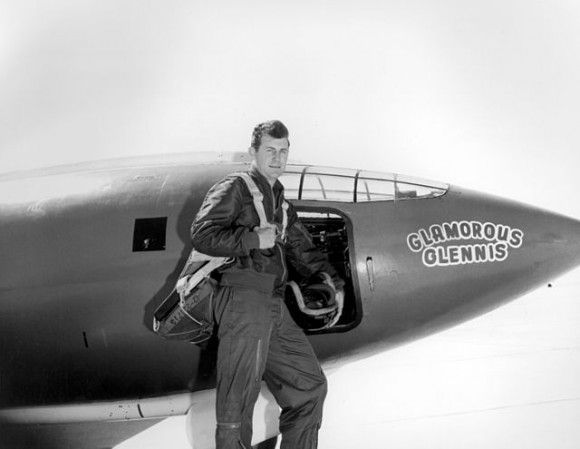
On October 14, 1947, Yeager piloted a plane called Glamorous Glennis to Mach 1.06, just over the speed of sound.

Dubbed the fastest man alive, he also won the prestigious Collier Trophy in aviation even as he continued setting speed records.

The plane in which he broke the sound barrier is on display at the Smithsonian National Air and Space Museum in Washington, D.C.

Yeager’s adventures were popularized in a 1980s satirical book and movie, both called The Right Stuff.

He currently lives California.

Yeager in front of the Bell X-1, which, as with all of the aircraft assigned to him, he named Glamorous Glennis after his wife.  Image via Wikimedia Commons.

Bottom line: On February 13, 1923, Chuck Yeager, the first pilot to break the sound barrier, was born in Myra, West Virginia.

SOURCE:::: http://www.esrthskynews.org

Natarajan

Who is McDonald in McDonald’s Restaurant ?….

McDonaldsMcDonald’s is, without question, the most successful, popular, and influential fast-food restaurant chain in recorded history. The name most commonly associated with McDonald’s is Ray Kroc.  Kroc was the entrepreneur who founded the McDonald’s corporation.  So how did it come to be named “McDonald’s”? You see, contrary to what you’ll often read, to suggest Kroc created McDonald’s is, well, a crock.

As is sometimes the case with amazingly successful businesses, the early part of the McDonald’s story includes the people who came up with the ideas and created the thing, and the person who figured out how to sell the idea to the rest of the world. Ray Kroc was most definitely in the latter camp, essentially, theSteve Jobs of fast food, coming up with exceptionally few ideas himself and getting most of the credit, but ultimately one heck of a salesman.

In the early 1950s, Kroc was employed selling milkshake machines. One of his clients was a chain of restaurants in Southern California run by a pair of brothers, Richard and Maurice McDonald.

Born in New Hampshire, the McDonald brothers moved to California in the 1920s where they found work, among other places, as set movers for various movie studios. They switched to the restaurant industry in the late 1930s thanks to their dad, Patrick McDonald, who started “The Airdome” food-stand in 1937, which principally sold hamburgers and hot dogs.

In 1940, the brothers branched out opening McDonald’s barbeque drive-in restaurant in nearby San Bernardino. It did well, but more importantly it taught the pair some important lessons about the fast-food service industry, particularly that hamburgers are among the most profitable food item to sell and that the carhop employees bringing food to customers were completely unnecessary. (They had about 20 such employed at the time). They also came up with a bunch of ideas on how to speed up the process from raw patty to putting the burger in the customer’s hands, including a complete re-design of the kitchen and the creation of an assembly line process of cooking. With these lessons learned, the McDonald brothers shut down the barbeque restaurant for three months in 1948 to re-tool it. With a slimmed-down menu and an emphasis on serving the chow as quickly and as cheaply as possible, the highly-mechanized drive-in began churning out 15-cent hamburgers (about $1.30 today) with unprecedented speed.

By 1954, the McDonald brothers were operating nine outlets and had sold 21 franchises, initially simply franchising their process, rather than the brand name.

It was then that a 52 year old Ray Kroc came calling. At this point in his life, Kroc had served in the army in the same regiment as Walt Disney (with Kroc lying about his age to get in- he was 15 at the time) and, later, he worked as a jazz musician, paper cup salesmen, radio DJ, restaurant employee, and ultimately a salesman of milkshake machines, which unfortunately were at this point getting harder and harder to sell. You see, the brand he was selling (Prince Castle) was significantly more expensive than the increasingly popular Hamilton Beach milkshake machine. Needless to say, despite being at the age when many are loath to start a new career (52), he was on the lookout for a new venture.

Having some experience in his past working at restaurants and having observed many restaurants across the nation while peddling his wares, he knew a good restaurant system when he saw one.  Around this time, the McDonald’s brothers had just lost their franchising agent, Bill Tansey, due to poor health. Thus, Kroc was able to convince the McDonald brothers to hire him as their new agent. However, unlike the brothers, he had much bigger goals than a local fast-food chain, wanting to take the company nationwide.

With a deal in hand, Kroc founded the McDonald’s corporation and opened his first franchise in Des Plaines, Illinois, on April 15, 1955, with the brothers slated to receive half a percent of gross sales. Within five years, McDonald’s had opened 100 franchises.

So how did the McDonald’s brothers get phased out of the operation and popular consciousness, with Ray Kroc being the only one most have heard of? In 1961, the brothers were perfectly happy with their chain of restaurants and had little interest in the much more rapid expansion that Kroc heavily advocated. Kroc then went about gathering investors and bought the business from the McDonald brothers for $2.7 million dollars (about $21 million today), which was enough to give them each about $1 million after taxes. At the ages of 52 and 59, the pair were set for semi-retirement. However, they were also supposed to receive continual royalties from the deal, but had kept that part out of the paperwork on Kroc’s insistence, as he felt it wouldn’t go over well with the investors.  Of course, as it wasn’t in writing, he didn’t honor that part of the deal. (Yep, the Steve Jobs of fast food; see Bonus Facts here)

From here, Kroc was finally able to implement his rapid expansion plan. Fast-forward a little over 50 years and the company is presently boasting about 35,000 different locations in 118 countries across the globe, employing about 1.7 million individuals who serve about 68 million people every day, all the while profiting over $5 billion annually.


Bonus Facts:

  • An average beef cow (200 kg of usable meat) produces enough meat to make about 4,500 hamburgers at McDonald’s.
  • About 3 billion pounds of potatoes are used to make McDonald’s fries every year, this is about 8% of all potatoes grown in the United States or a half a percent of all potatoes grown in the world per year. (If you’re curious: A Brief History of French Fries)
  • When the McDonald brothers sold the business to Kroc, they withheld the original restaurant, giving it instead, free of charge, to their original employees who worked there. Kroc later managed to force this restaurant out of business by opening a McDonald’s extremely close by.

SOURCE::::: http://www.today i foundout.com

Natarajan

Gen Next … or Gen Lost … ?

One of the biggest treats when we were children was being taken to India Gate on a cool summer evening or a not-too-severe winter one and let loose to play in the lawns.

We invariably got a bright coloured balloon, a Kwality ice cream of our choice and, if we had been particularly good, one of the incredibly innovative local toys priced at Rs 5 at most being sold by hawkers (incidentally, these are great even today) — stuff that was never available in the big shops.

On Diwali, as a special treat, we were often driven around and down from Rashtrapati Bhavan to India Gate to admire, with “oohs” and “aahs”, the illuminated buildings all the way, including the circular Parliament House.

I still remember how these lights were missing the year Indira Gandhi was assassinated.

The Shankarlal Music Festival, Kamani and Shriram Bhartiya Kala Kendra’s Ramlila were also a part and parcel of growing up for us.

We were regularly “subjected” (back then, it felt like that) to Bhimsen Joshi, Alarmel Valli, Pandit Jasraj and Hariprasad Chaurasia — whether it bored us or not.

Then, whenever we had some aunts, uncles or relatives visiting (which was alarmingly often back then), we’d be bundled off to Agra to see the Taj Mahal, Fatehpur Sikri and Agra Fort.

I remember feeling quite involved in the lives of the various Mughal kings as guides in Agra held forth in their broken English on tales from their past — some imagined and some real, I suspect.

I even recall wanting to meet Akbar after having gone repeatedly to his stunning Fatehpur Sikri and Salim Chishti’s dargah – something in the way he had built these monuments made me feel he was worth meeting.

Needless to add that Red fort, Old Fort (and boating there), Qutub Minar and so on were all old hat for us — I had seen the sound and light show so many times that I could tell you what was coming next.

The Ramlila’s main high drama bits (when Ram breaks the bow and Parshuram is furious or the fight Jatayu puts up to save Sita from Ravan), dialogues and songs are still firmly etched in my memory.

Well, I happened to be at a lunch recently where I found seven children (in the age group of 9 to 15) and on impulse I asked them something about Barack Obama, the Republic Day and then India Gate.

I was a bit surprised to learn that only two of them could clearly tell me where India Gate is (only one knew why it exists).

A few seemed to recall having driven past it sometime.

Two looked almost totally blank and muttered that they had heard of it, they knew it was in Delhi, yes, but they couldn’t quite be sure who had built it — or why.

They vaguely remembered reading about it in their textbooks.

None had been there for an ice cream at all.

Lodi Garden and Nehru Park sounded “familiar” to a couple of them; one said he was sure his father went jogging to one of these regularly.

Intrigued, I asked about Agra.

All of them perked up and mentioned the Taj Mahal, although only three had seen it.

Agra Fort, Fatehpur Sikri and Salim Chishti’s dargah drew a total blank.

None of them had seen the Red Fort or the Old Fort (of course the sound and light show was unheard of), although school day trips had taken five of them to Qutub Minar.

Needless to add that none was exasperatingly familiar — as we used to be — with any of the well-known classical singers and dancers I mentioned and I mentioned quite a few.

I refer to Delhi and Gurgaon but speak to parents in any city and you will realise how little time and effort is going into making children aware of their own country, culture and heritage.

Even the festivals we (I speak of people like us, which, of course, represents a miniscule part of Indian society) celebrate today — Valentine’s Day, Mother’s Day and Halloween — are largely borrowed.

I don’t know what we as parents are thinking of but how are we allowing an entire generation to grow up with no clear sense of identity and no knowledge of their incredibly rich cultural heritage – something we have to be proud in a country where there is a lot not to be proud of?

Can India be reduced only to malls, Bollywood and cricket?

Are we content to allow our children to relate to Eminem, Justin Bieber and Lady Gaga but have absolutely no knowledge of any Indian artist barring, say, the Shah Rukh Khans of the world?

Can American sitcoms be the answer?

And have we collectively ever stopped to think: if these children grow up not knowing where they are coming from, how will they ever know where they are going?

SOURCE:::::  Anjuli Bharghava in http://www.rediff.com

Natarajan

படிக்கவும் … சிந்திக்கவும் …” நம் நாட்டில் பசுவும் உழவும் மறைந்த கதை ” …

உழவும் பசுவும் ஒழிந்த கதை!
ஆங்கிலேயர்கள் இந்தியாவை ஆக்கிரமித்த பின் இங்குள்ளவை பற்றி அவர்கள் ஆச்சரியப்பட்ட விஷயங்கள் இரண்டு. ஒன்று குருகுலக்கல்வி, மற்றொன்று நமது பாரம்பரிய விவசாயம்.
அப்போதைய பிரிட்டிஷ் இந்திய கவர்னரான ராபர்ட் கிளைவ் நம் விவசாய முறையைப் பற்றி நீண்ட விரிவான ஆய்வு செய்தார். இந்திய விவசாய முறை பிரிட்டிஷாரைச் சார்ந்திருக்கவும் அவர்களுக்குச் சாதகமாகவும் மாற்ற நினைத்தார்.
அவருடைய ஆய்வின்படி, இந்தியக் கால்நடைகள், குறிப்பாக, பசுக்கள்தான் நமது விவசாயத்தின் முதுகெலும்பு. பசுக்கள் இல்லை என்றால் இந்திய விவசாயம் அழியும்.
இப்பசுக்களை அழித்துவிட்டால் விவசாயம் அழிவுப்பாதையை நோக்கித் திரும்பும். அதன் மூலம் ரசாயன உரங்களுக்காகவும், பூச்சிக்கொல்லி மருந்துகளுக்காகவும், ஆங்கிலேயர்களைச் சார்ந்திருக்கும் நிலை ஏற்படும் என உணர்ந்தார்.
நமது பசுக்களின் சாணம் நல்ல சத்தான உரமாகவும், அவற்றின் சிறுநீர் சிறந்த பூச்சிக்கொல்லியாகவும் காலம்காலமாக நம்மால் பயன்படுத்தப்பட்டு வந்தது. பசுக்கள் அழிந்தால் இந்தியர்கள், உரத்துக்கும், பூச்சிக்கொல்லி மருந்துக்கும் ஆங்கிலேயரைச் சார்ந்து நிற்கும் நிலை உருவாகும் என முடிவு செய்தார். இப்படித்தான் ஆங்கிலேய நாட்டின் உரங்கள் இங்கு நுழைந்தன.
நமது பசுக்களின் சாணத்தையும், சிறுநீரையும் பயன்படுத்தி ஒரு ஏக்கருக்கு 54 குவிண்டால் அளவுக்குச் சத்தான அரிசியை நாம் உற்பத்தி செய்தோம். இதை அறிந்து, 1760-இல் ராபர்ட் கிளைவ், பசுக்களை கொல்லப் பசுவதைக் கூடங்களை (ஸ்லாட்டர் ஹவுஸ்) இந்தியாவில் நிறுவினார். நாளொன்றுக்கு 30 ஆயிரம் பசுக்கள் வீதம் ஒரு ஆண்டில் ஒரு கோடிப் பசுக்களைக் கொன்றார்.
அவர் இந்தியாவை விட்டுச் செல்வதற்கு முன் இதேபோல பல கூடங்களை நிறுவினார். இதன் மூலம் லட்சக்கணக்கான பசுக்கள் உணவுக்காகக் கொல்லப்பட்டன. அக்காலத்தில் பெரும்பாலான பகுதிகளில் நம் மக்கள்தொகையைவிட, பசுக்களின் எண்ணிக்கை அதிகமாக இருந்தது.
இதன் மூலம் உணவுதானிய உற்பத்தி தடையின்றி நடந்தது. 1910-ஆம் ஆண்டு நம் நாட்டில் 350 பசுவதைக்கூடங்கள் இரவும், பகலும் இயங்கின. பசுக்களின் எண்ணிக்கை படிப்படியாகக் குறைந்ததும் நாம் ரசாயன உரத்துக்கு அவர்கள் வாசலை நாடிய நிலை உருவானது. இதன் மூலம் யூரியாவும், பாஸ்பேட் உரங்களும் உள்ளே நுழைந்தன.
நம் நாடு சுதந்திரம் அடைந்தபின் பசுமைப்புரட்சி என்ற பெயரில் பெருமளவு ரசாயன உரங்களைப் பயன்படுத்தி உற்பத்தியைப் பெருக்கினோம். அதன் பக்கவிளைவுகளை இன்று அனுபவிக்கிறோம்.
ஒருமுறை நிருபர் ஒருவர் இந்த பசுவதைக் கூடங்கள் பற்றி மகாத்மா காந்திஜியிடம் கேட்டபோது, “இந்தியா சுதந்திரம் அடையும் நாளில் அனைத்து பசுவதைக் கூடங்களும் மூடப்படும்’ என்றார்.
1929-ஆம் ஆண்டு நேரு ஒரு பொதுக்கூட்டத்தில் பேசுகையில், “நான் இந்தியாவின் பிரதமரானால் இங்குள்ள பசுவதைக் கூடங்களை மூடுவதே என்னுடைய முதல் வேலையாக இருக்கும்’ என்றார்.
இதில் மிகப்பெரிய சோகம் என்னவென்றால் 1947-க்கு பின் 350 பசுவதைக்கூடங்கள் என்ற நிலையில் இருந்து, 36 ஆயிரம் பசுவதைக்கூடங்கள் என்ற நிலைக்கு இப்போது முன்னேறிவிட்டோம்.
இன்று அதிநவீன இயந்திரங்களால் ஆன வதைக்கூடங்கள் நிறுவப்பட்டு, ஒரு மணி நேரத்தில் பத்தாயிரம் பசுக்கள் என்ற அளவில் வதை செய்யும் திறனுடன் இரவும், பகலும் இயங்கிக் கொண்டிருக்கின்றன.
சாப்பாட்டுக் கறிக்காகவும், தோலுக்காகவும் லட்சக்கணக்கான பசுக்கள் கொடூரமாகக் கொல்லப்படுகின்றன. தில்லியில் மட்டும் 11 ஆயிரம் பசுவதைக் கூடங்கள் சட்டத்துக்குப் புறம்பாக இயங்குகின்றன, இங்கு மட்டும் நாளொன்றுக்கு இரண்டு லட்சம் பசுக்கள் கொல்லப்படுகின்றன.
நமது நாட்டுப் பசுக்களின் இனமே கருவறுக்கப்படும் சூழல் நடந்து கொண்டிருக்கிறது. நமது பாரம்பரிய கால்நடைகள் நல்ல உடல் சக்தியுடன் நோய் எதிர்ப்புத் திறன், வெயிலைத் தாங்கும் சக்தி பெற்றவை. மாபியா கும்பல், அவர்களுடைய லாரி, டிரக்குகளில் நூற்றுக்கணக்கான பசுக்களைச் சந்தைகளில் வாங்கி, வதைக்கூடங்களுக்கு அனுப்பி வருகிறது.
இதற்கு போலீஸ் துறையும் உடந்தையாகச் செயல்படுகிறது. வடமாநிலங்களில் துப்பாக்கி முனையில் கால்நடைகள் கிராம மக்களிடமிருந்து பறித்துச் செல்லப்படுகின்றன.
விவசாயம் அழிந்து தொழிற்சாலைகளும், நகரமயமாதலும் பெருகி வருகிறது. பெரும்பாலான விவசாய நிலங்கள் பிளாட்டுகளாகவும், வர்த்தகக் கேந்திரங்களாகவும் உருமாறிவிட்டன.
கால்நடைகளுக்கு பசுந்தீவனம், வைக்கோல் குறைந்துகொண்டே வருகிறது. மேய்ச்சல் நிலமும் மறைந்து கொண்டே வருகிறது. முந்தைய ஆட்சியில் நிலமற்ற விவசாயிகளுக்கு இரண்டு ஏக்கர் நிலம் திட்டத்தில் இருந்த புறம்போக்கு நிலங்களும் மறைந்துவிட்டன.
விளைநிலம் குறைந்தால் என்ன? குறைந்த நிலம், அதிக மகசூல் என்ற நோக்கில் அறிவியலார்கள் உள்ளனர். உணவுப்பொருள்களை விளைவிப்பதைவிட, இறக்குமதி செய்து கொள்வது எளிது என அரசியல்வாதிகள் கூறுகின்றனர்.
இதன் பாதிப்புகளை அனுபவிக்கப்போவது வருங்கால சந்ததிகள்தான். அறிவியலார்கள் மற்றும் பிராணிகள் நல அமைப்பினர்களின் புள்ளிவிவரப்படி நம் நாட்டில் உள்ள 72 மில்லியன் (ஒரு மில்லியன் என்றால் பத்து லட்சம்) உழவு மற்றும் வண்டி மாடுகள், 27 மில்லியன் மெகாவாட் சக்தி அளவுக்கு உடல் உழைப்பை நமக்குக் கொடையாக அளிக்கின்றன.
இந்த உழைப்பின் மூலம், அதே அளவு சக்தியை உற்பத்தி செய்ய நிலக்கரி மற்றும் மற்ற மூலப்பொருள்களைச் சேமிக்கின்றன.
இக்கால்நடைகளால் ஓராண்டுக்கு 100 மில்லியன் டன் காய்ந்த சாணம் நமக்குக் கிடைக்கிறது. இதன் மதிப்பு 20 ஆயிரம் கோடி ரூபாய்.
இச்சாணம் கிடைப்பதால் 50 மில்லியன் டன் விறகு சேமிக்கப்படுகிறது. இதனால் மரங்கள் அதிக அளவுக்கு வெட்டப்படாமல் தவிர்க்கப்படுவதுடன், இயற்கைச் சூழலும் பாதுகாக்கப்படுகிறது.
இந்த 73 மில்லியன் கால்நடைகளும் கறிக்காகவோ, தோலுக்காகவோ கொல்லப்பட்டால் நமக்கு 7.3 மில்லியன் டிராக்டர்கள் தேவைப்படும். இதற்கு 2 லட்சம் கோடி ரூபாய் முதலீடு தேவைப்படும்.
அவற்றை இயக்குவதற்கு 2 கோடியே 37 லட்சத்து 50 ஆயிரம் டன் டீசல் தேவைப்படும். இதன் மதிப்பு ஒரு லட்சம் கோடி ரூபாய். இந்த அளவு டீசலைப் பயன்படுத்துவதால் காற்று மாசுபாடு மற்றும் புவி வெப்பமயமாதல் அதிகரிக்கும்.
இயற்கை நமக்குத் தந்த செல்வங்களான, கால்நடைகளைக் கொல்வதன் மூலம் நாம் எவ்வளவு விலையை தந்து கொண்டிருக்கிறோம் என்பதை சிந்திக்கும் ஆற்றல் பெற்றோர் எண்ணிப் பார்க்க வேண்டும்.
இன்று ரசாயன உர இறக்குமதிக்காக கோடிக்கணக்கான ரூபாயை பன்னாட்டு கம்பெனிகளுக்கு கொட்டிக் கொடுக்கிறோம். அது மட்டுமன்றி பால் மற்றும் பசு சார்ந்த பொருள்களையும் இறக்குமதி செய்கிறோம்.
ஒரு நவீன மாடு வதைக் கூடத்திற்கு அதைச் சுத்தம் செய்ய தண்ணீர் அளவு ஒரு நாளைக்கு இரண்டு லட்சம் லிட்டர். இது பல லட்சம் மக்களின் குடிநீர்த் தேவையைப் பூர்த்தி செய்யும் தண்ணீர் தட்டுப்பாடும் எரிசக்தி தட்டுப்பாடும் உள்ள நம் நாட்டில் இயற்கையின் கொடையாகக் கிடைத்த இந்த கால்நடைச் செல்வங்களைக் கொல்வதை இனிமேலும் ஏற்றுக்கொள்ளத்தான் வேண்டுமா?
SOURCE::::: input from a friend of mine
Natarajan

History of ICC Cricket World Cup…

The stage is set for the 11th ICC World Cup, which will be staged Down Under from February 14 to March 29.

India will be looking to add to their triumphs of 1983 and 2011, while Australia, co-hosts with New Zealand, are gunning for a fifth title in the 50-overs-a-side quadrennial tournament, having won it in 1987, 1999, 2003 and 2007.

For a recap of the previous World Cups click on the images below.


1975 World Cup  


1979 World Cup  


1983 World Cup  


1987 World Cup  


1992 World Cup  


1996 World Cup  


1999 World Cup  


2003 World Cup 


2007 World Cup    


2011 World Cup  

SOURCE:::: http://www.rediff.com

Natarajan

All you need to know about World Cup 2015…

Factbox on the 11th edition of the cricket World Cup, which will be co-hosted by Australia and New Zealand from Feb. 14-March 29.

KEY FACTS

The coveted trophy.The coveted trophy.* The first men’s cricket World Cup was held in England in 1975, four years after the first recognised one-day international had been played in 1971, on the fifth day of a washed out test between Australia and England in Melbourne.

* West Indies won the first two tournaments, beating Australia in 1975 and England in 1979 and then lost the 1983 final to India, but have not reached another final since.

* Allan Border’s Australia won the first of their four titles in 1987, sparking a period of dominance by the side in both one-day and test cricket for the next 20 years.

* India also won the 2011 tournament. Pakistan (1992) and Sri Lanka (1996) are the only other winners.

* New Zealand and Australia will host 21 pool matches each, amongst 14 venues, seven in each country. It is the second time the two countries have co-hosted the tournament, having previously done so in 1992.

* Afghanistan will make their World Cup debut, having played three World Twenty20 tournaments.

* There are two groups of seven teams playing a round robin format, with the top four in each pool making the quarter-finals, which will be straight knockouts.

* New Zealand will host one quarter-final in Wellington and one semi-final in Auckland.

* They can possibly reach the final in Melbourne without having played any of their games in Australia. The two co-hosts are in the same pool and play that match on Feb. 28 in Auckland.

* The final will be at the Melbourne Cricket Ground, only the second venue after Lord’s in London, to host more than one final.

RECORDS

* India’s Sachin Tendulkar is the leading run scorer with 2,278 runs in 45 matches and has scored the most centuries (six). He also holds the record for most runs in one tournament, 673 from 11 matches in 2003.

* Australia’s Glenn McGrath has the most wickets, 71 in 39 matches. McGrath also has the best bowling figures of 7-15 against Namibia in 2003.

* South Africa’s Gary Kirsten has the highest score in a World Cup match, making 188 not out against UAE in 1996.

* The highest score in a World Cup match is 413-5 by India against Bermuda in 2007, while the lowest is 36 by Canada against Sri Lanka in 2003.

* Australian wicketkeeper Adam Gilchrist has the most dismissals, 52 from 31 matches (45 catches, seven stumpings), though he could be overtaken by Sri Lanka’s Kumar Sangakkara (46) in this tournament.

* Australia’s Ricky Ponting has taken 28 catches, the most by a non-wicketkeeper.

(Compiled by Greg Stutchbury; Editing by Sudipto Ganguly)

SOURCE:::: www. cricket.yahoo.com

Natarajan


Jan 30…. ” காலங்கள் தோறும் காந்தி…”

“கடவுள் என் முன்னே தோன்றி உனக்கொரு வரம் தரப்போகிறேன்! என்ன வேண்டும் கேள் என்றுகேட்டால்! என் வாழ்நாளில் மறைந்த இந்தியாவின் தேசத்தந்தை மகாத்மா காந்தியுடன் ஒருநாள் இரவு உணவருந்த வேண்டும் என்று கேட்பேன்” என்று அமெரிக்க ஜனாதிபதியாக தேர்ந்தெடுக்கப்பட்ட நாளில் பதிலளித்தார் பராக் ஒபாமா.

ஆயுத உற்பத்தியில் முன்னிலை வகிக்கும் வல்லரசு நாட்டின் தலைவர் ஒருவர் மூன்றாவது காலாக கைத்தடியை மட்டுமே வைத்துக் கொண்டு, அங்குமிங்கும் இந்திய மண்ணின் விடுதலைக்காக ஓடிக்கொண்டிருந்த அந்த மனிதரைப் பற்றி இப்படி குறிப்பிடுகிறார் எனில் அந்த அரையாடைத் துறவி நம்மைவிட்டு மறையவில்லை. கடல் கடந்து காலம் கடந்து இனம், மொழி, மதம் என எல்லாவற்றையும் கடந்து இன்றும் உலகின் வழிகாட்டியாக வாழ்ந்து கொண்டிருக்கிறார் என்பதையே இது காட்டுகிறது.

காந்தி வணங்கிய கடவுள்:

உலகில் வேறு எந்த தலைவருக்கும் இல்லாத சிறப்பு காந்திக்கு மட்டும் எப்படி என எண்ணும் போது அவரின் வாழ்க்கை நிகழ்வுகளே அதற்கான பதில்களாக விரிகின்றன. போர்பந்தரில் பிறந்த காந்தி ஆயுத போர்களை நம்பாதவர். 2500 ஆண்டுகளுக்கு முந்தைய பழமையான அகிம்சை சத்தியாகிரகம் என்ற தத்துவங்களை நவீன காலத்தில் வெற்றிகரமாக மறு நிர்மாணம் செய்து உலக மக்களைக் கவர்ந்தவர். “சத்தியமே அவரின் மதம். அன்பு அறவழி ஒழுக்கம்; மனசாட்சி இவையே அவர் வணங்கிய கடவுள்கள்”. வழக்கறிஞராக தான் சம்பாதித்த செல்வங்கள் அனைத்தையும் தாய் நாட்டின் விடுதலை வேள்விக்கு காணிக்கையாக வழங்கிய வள்ளல் நம் காந்தி! ஒத்துழையாமை இயக்கப்போராட்டம் வெற்றிகரமாக நடை பெறவேண்டுமென்றும; அதேவேளையில் சாமானிய ஏழைமக்கள் பாதிக்கப்பட கூடாது என்றும் திலகர் நினைவு நிதி வசூலிக்க உண்டியல் குலுக்கிய தன்னலமற்ற மனிதர்! இதன் மூலம் எங்களை எவரும் அசைக்க இயலாது என்று ஆணவத்துடன் எக்காள முழக்கமிட்ட ஆங்கிலேய ஏகாதிபத்தியத்தின் அரியாசனத்தை அசைத்த முதல் மனிதர். இதில் சிலருக்கு மாற்றுக் கருத்தும் உண்டு. ஆனால் முதல் சந்திப்பிலேயே முரண்பட்டு காந்தியக் கொள்கையை நிராகரித்த தேசியநாயகன் நேதாஜி, காந்தியின் போராட்ட வலிமையையும் தாய் நாட்டின் விடுதலைக்காக காந்தியின் பின்னே அணிவகுத்து நின்றமக்கள் சக்தியையும் பார்த்து, ‘தேசத்தந்தை’ என அழைத்தார். இதுவே காந்தியின் போராட்டங்களுக்கான அங்கீகாரம். பாரதியின் வரிகளைத் தொட்டுச் சொல்வதானால் “நரைகூடிக்கிழப்பருவமெய்திய”பின்னரும் “குன்றென நிமிர்ந்து நின்று” உள்ளத்தில் போராட்ட உணர்வோடு 30 கோடி இந்தியர்களை தன்னுள் அடக்கி வைத்திருந்தவர் காந்தி.

காந்தி விரும்பிய பொது வாழ்வு:

உடல் உழைப்பு சிறுமை; மூளை உழைப்பே உயர்வு என்ற மேல்த்தட்டு சிந்தனையை முற்றிலுமாக நிராகரித்த காந்தி தனது சர்வோதயா சமூகத்தில் மூளை உழைப்பாளர்களும் கண்டிப்பாக உடல் உழைப்பை செய்யவேண்டும் என்று வலியுறுத்தினார். உடல் உழைப்பும் மூளை உழைப்பும் சேரும் போதுதான் தனிமனித வளர்ச்சி மற்றும் சமூகவளர்ச்சி சாத்தியம் என்று விளக்கினார். “எல்லோரும் சரிநிகர் சமம்” என்ற உணர்வு அனைவரிடமும் ஏற்படவேண்டும் என்று விரும்பிய காந்தி எளிமையான வாழ்க்கை வாழ வேண்டும் என்று விரும்பினார். ஆனால் ஏழ்மையான வாழ்க்கையை வெறுத்தார். நாமே விரும்பி தேவைகளைக் குறைத்துக் கொள்வதன் மூலம் எளிமையான வாழ்க்கை வாழ்ந்து ஏழ்மையை விரட்டமுடியும் என்று நம்பினார். இன்றுள்ளதுபோல் நகரங்கள் கிராமங்களைச் சுரண்டும் நிலை ஏற்பட கூடாதென்று, தான் கனவுகண்ட பொதுவாழ்வு சமூகத்தை கிராமிய நாகரிகத்தால் கட்டமைக்க விரும்பியவரே நமது காந்தி.

காந்தி விரும்பிய கல்வி:

ஆங்கில அரசு 1835-ல் புகுத்திய கிளார்க்குகளை உருவாக்கும் கல்வி முறைதான் 2015-ம் ஆண்டிலும் சில மாற்றங்களுடன் தொடர்ந்து பின் பற்றப்படுகிறது. ஆங்கில அரசின் மெக்காலே கல்வித் திட்டத்தின் சீர்கேடுகளை காந்தி தெளிவாகவேஅறிந்திருந்தார். அது நமது கலாச்சார பண்பாட்டு வேர்களிலும் ஆழமாக வேரூன்றி நம் முன்னோர்களின் அடையாளங்களை மறைத்து விடும் என்று உணர்ந்தார். ஆங்கிலக் கல்வி முறை நேரடியான சமுதாய சூழ்நிலைகளிலிருந்தும் உடல் உழைப்பிலிருந்தும் நமது குழந்தைகளைப் பிரித்துவிடுகின்றது என்றும் இதனால் மாணவர்கள் உள்ளத்தில் சமுதாய உணர்வு வளராமல் போகும் என்று தீர்க்கதரிசனமாகக் கூறினார். “உண்மையான கல்வி என்பது தனிமனிதனின் மனதில் பண்பு, ஞானம், பொறுமை, உண்மை ஆகியவற்றை விதைப்பதில் அடங்கியிருக்கிறதே தவிர இலக்கிய பயிற்சியில் இல்லை” என்று சிறந்தகல்விக்கு இலக்கணம் கூறியவர் காந்தி.

“அகிம்சையை நேசித்து ஆணவத்தை எதிர்த்து சத்தியம் என்ற உண்மையைக் கடைப்பிடித்து சரித்திரமாய் ஒருவர் இந்த மண்ணில் வாழ்ந்து மடிந்துள்ளார்” என்பதையே இன்றைய பெரும்பாலான இளைய தலை முறை நம்ப மறுக்கிறது. “காந்தியவாதம்”அவர்களுக்கு இன்று கசப்பு மருந்தாகிப் போனது. இனிப்பை மட்டுமே சுவைக்க விரும்பி பழகிவிட்ட இன்றைய இளைய தலைமுறைக்கு”காந்திய சித்தாந்தம்”என்ற மருந்து கசந்தாலும் அதை நிச்சயம் அருந்த வேண்டியகாலம் வரும். அப்பொழுது இந்தப் புனித மண்ணில் எண்ணற்ற காந்திகள் தோன்றுவர்.

SOURCE:::: முனைவர் .சி.செல்லப்பாண்டியன், in http://www.dinamalar.com

Natarajan

Jan 30 2015


Why Pencil Lead is callled ” Lead ” ?

Why Pencil Lead is Called “Lead”

In the 16th century, a large deposit of pure, solid graphite was discovered in Borrowdale, England.  This was the first time in recorded history that high quality, solid graphite had been found.  When metallurgists first encountered this substance, they thought it was some sort of black lead, rather than a form of carbon.  Thus, they called it “plumbago”, which is derived from “plumbum”, which is Latin for “lead”.

It didn’t take people long to realize that solid sticks of high quality graphite were good for marking things. At that point, this newly discovered substance from the mines of Borrowdale became extremely valuable.  So much so that guards were eventually posted at the entrance to the mine and laws were passed to stop people from stealing the solid graphite.  In addition, once a sufficient stock of the graphite was mined, the mine itself would be flooded until more graphite was needed.

Of course, sticks of pure graphite are fairly brittle, so people started embedding them in various things such as hollowed out pieces of wood and also simply wrapped tightly in sheep skin.  Thus, the pencil was officially born with a core of solid graphite, which was known then as black lead.  The tradition of calling sticks of graphite “lead” has endured to this day.

Bonus Facts:

  • English speakers aren’t the only ones who still follow this misnomer.  The German word for “pencil” is actually “bleistifit”, which literally means “lead stick”.
  • Roman StylusThere was a form of writing instrument before the pencil called a stylus that sometimes was made of lead.  The stylus was a thin rod used originally by the Ancient Romans, and later by many others, for writing without ink.  The stylus was made with a very sharp point and could be used to write on wax tablets.  This was also a reusable form of writing in two ways.  First, each stylus generally had a blunt end for rubbing out some bit of writing on the wax.  Second, the entire wax tabled could be “erased” by simply warming up the wax sufficiently until the writing disappeared.  These stylus, which were occasionally made of lead due to its cheapness and how easy it is to work with, are sometimes said to be why we call pencil cores lead.  In fact, though, it is as stated above-  simply that people mistook graphite for a form of lead.
  • “Pencil” comes from the Latin “pencillus”, meaning “little tail”.
  • Graphite deposits have been found elsewhere, but nothing close to the purity and quality of the English find. Due to the impurities in these other deposits, the graphite from these must be crushed into a powder to filter out the unwanted bits.  Eventually, a method was found to use this powder in pencil form, by using clay as a binding agent.  But before then, England had a monopoly on the world’s pencil supplies because only their graphite deposit could be cut and made into high quality pencil form, without any other processing needed.
  • The method for being able to use graphite powder for use in pencils was independently discovered by both Frenchman Nicholas Jacques Conté, in 1795, and Austrian Joseph Hardtmuth, around 1790.   During the Napoleonic Wars, France wasn’t able to import pencils from Great Britain, which had the only supply of pure solid graphite in the world.  Nicholas Jacques Conté, who was an officer in the army, discovered that if you mix the graphite powder with clay, you can then form this mixture into sticks and fire this substance in a kiln.  You also can vary the clay/graphite ratio to achieve different levels of hardness and darkness.  This is more or less exactly how pencil cores are made to this day.
  • Conté was also the one that came up with the system to use numbers to signify the grade of the pencil, in terms of the hardness/darkness of the core.  This system was later adopted in the United States and is known as the Conté/Thoreau system (John Thoreau being the one who helped introduce it to the U.S.).  This system, translated to the European system, is as follows: #1 = B; #2 = HB; #2.5 = F; #3 = H; #4 = 2H.
  • The tradition to paint pencils yellow was started in 1890 by the L. & C. Hardtmuth Company of Austria-Hungary.  In 1890, they introduced the Koh-I-Noor brand of pencil, which was a top-tier pencil.  The name itself was after the famed diamond.  This pencil was extremely popular, due to its high quality. Thus, many other manufacturers copied the color to make their pencils look like  Koh-I-Noor brand pencils. Today, yellow is the most popular outer pencil color in the United States and various other countries.  However, in Germany and Brazil, green is the most popular color.  In Australia and India, red with black bands at one end wins out.
  • A certain type of lead (tetraethyl lead) was once commonly used in gasoline in order to reduce engine knocking (For more on this, see: Why Was Lead Added to Gasoline).  However, this had the negative side effect of releasing massive amounts of lead into the air, which is of course toxic to humans and to the environment in general.  So “Regular” gasoline has been phased out in most of the world in favor of “Unleaded”.


SOURCE:::: http://www.todayifoundout.com

Natarajan

Jan 29 2015