
கார்த்திகை தீபத்திருநாளாவது தமிழ் மாதமான கார்த்திகைமாத பௌர்ணமியும், கார்த்திகை நட்சத்திரமும் சேர்ந்த நன்னாளில், தமிழர்கள் தமது கோவில்களிலும் வீடுகளிலும் நூற்றுக்கணக்கான தீபங்களை அடுக்கடுக்காக ஏற்றி, இறைவன் சிவபிரானை தீபமங்கள ஜோதியாக வழிபடும் பெருவிழாவாகும்.
கார்த்திகைத் தீபத்தன்று திருவண்ணாமலைதனில் ஏற்றப்படும் தீபமானது சைவ இந்துக்களுக்கு மிகவும் முக்கியமான விழாவாகும். எல்லாம்வல்ல பரம்பொருளான அண்ணல் சிவபிரான், அன்று ஜோதி வடிவில் காட்சியளிக்கிறான். அயனாலும் திருமாலாலும் அடிமுடி காணவொண்ணாத அவ்விறைவனைப் போற்றும்வண்ணம் பக்தர்கள் மலைமீது மங்களஜோதியை ஏற்றி வழிபடுகின்றனர்.
தொல்காப்பியர்
கார்த்திகைதீபத் திருவிழா மிகப்பழமையான திருவிழாவாகும். கார்த்திகைத் திங்களில் கார்த்திகை நட்சத்திரத்தன்று பௌர்ணமி தினத்தில் ஏற்றப்படும் தீபத்திருவிளக்கைப்பற்றித் தொல்காப்பியத்தில் குறிப்பிடப் பட்டுள்ளது. சங்கம் மருவிய கால இலக்கியமான கார்நாற்பதில் காணும்
‘நலமிகு கார்த்திகை நாட்டவரிட்ட
தலைநாள் விளக்கின் தகையுடையவாகி
புலமெலாம் பூத்தன தோன்றி சிலமொழி
தூதொடு வந்த மழை‘
எனும் இந்தப் பாடல் கார்த்திகைத் திருநாளில் ஏற்றப்படும் தீபத்தினைக் குறிக்கின்றது.
‘கார்கால விழாக்களில் ஒன்றான கார்த்திகைதீபத் திருநாளில் மக்கள் ஏற்றி வைத்துள்ள முந்தைய நாளின் விளக்குகளைப்போன்று தோன்றி, மலர்கள் அழகாகப் பூத்துள்ளன. தலைவனின் வருகையை அறிவிக்கும் தூதனாக மழை வந்துள்ளது,’ என்பது பொருள்.
இதேபோன்று களவழிநாற்பதிலும் போர்க்களக் காட்சிகளை வர்ணிக்கும்போது, ‘போரிடும் வீரர்களின் உடலிலிருந்து பெருகும் குருதியானது கார்த்திகைத் திருவிழாவில் கூட்டம்கூட்டமாக ஏற்றப்பட்ட விளக்குகளைப்போலக் காட்சியளிக்கின்றது,’ என்கிறார் புலவர்.
‘கார்த்திகைச் சாற்றில் கழிவிளக்குப் போன்றனவே.’
(சாறு- திருவிழா; கழி- கூட்டம்)
இத்தகையதொரு பழமையான திருவிழாவைக் கொண்டாடும் போதில், இதைப்பற்றி மிகவும் நயம்பட தமிழ்ச்சுவை நிரம்ப எழுதப்பட்டதொரு நூலினை நாம் கட்டாயம் அறிந்துகொள்ளவேண்டும். சோணாசலம், சோணகிரி எனும் பழம்பெருநகரமாகிய திருவண்ணாமலையில் உறையும் இறைவனின் புகழாக சோணாசல முதலியார் (பாரதியார்) எனும் பெரும்புலமை வாய்ந்த பக்தர்‘கார்த்திகைத் தீபவெண்பா‘எனும் நூறுபாடல்கள்கொண்ட நூலினை இயற்றியுள்ளார். இப்பாடல்கள் அனைத்திலும் ஈசனின் திருவிளையாடல் பற்றிய தொன்மங்களையும், அவன் மகிமைகளையும்பற்றிக் கூறி, அவனையே திருக்கார்த்திகைத் தீபம் என இனிதாக வர்ணனைசெய்துள்ளார்.
‘திருவண்ணாமலை அன்பர் தபோதனரை வாவென்று அழைக்கும் மலை’ எனப்படும். அருணாசலத்தின் பெருமை பக்தர்களையும் புலவர்களையும் மிகவும் கவர்ந்துள்ளது எனலாம். இதனால்தானோ என்னவோ இம்மலையில் தங்கியிருந்தவர்கள் நூற்றுக்கணக்கான பாடல்களை இயற்றினர். இதனாலேயே குரு நமச்சிவாய சுவாமிகள்,
‘நண்பாக் குகையில் நமச்சிவா யன்கருத்தில்
வெண்பாப் பயிராய் விளையுமலை,’
எனக்கூறினார்.

திருவண்ணாமலையில் வெண்பாவே பயிராக விளைகிறது என்றார். இம்மலையில் தங்கி வாழ்ந்தவர்களுள் ஒருவரே சோணாசல பாரதியார்.
கார்த்திகைதீப ஒளியைக் கற்பனை நயம்படக் கூறுவது மிகவும் ரசிக்கத்தக்கதாகும். பொருளும், நயமும், கருத்தாழமும் செறிந்த பாடல்கள் இவை. கார்த்திகைதீபக் காட்சியை பல்வேறு விதங்களில் பகிர்கின்றது கார்த்திகைத்தீபவெண்பா. உதாரணமாக ஒரு வெண்பா,
கற்றலுடன் கேட்டுணர்ந்து காதலுடன் சிந்தித்தோர்க்(கு)
உற்றதுணையாய் உறுதீபம்– சொற்றகதிக்(கு)
ஏணிநிகர் சோணகிரி ஏர்முடிமேல் அஞ்சலெனும்
பணிநிகர் கார்த்திகைத் தீபம். (43)
என்கின்றது.
கற்று, கேட்டு, இறைவன் பெருமைகளை உணர்ந்து அன்புடன் வழிபடுவோருக்கு, அவனே அத்தீபம்போல உறுதுணையாய் நிற்கின்றான். சோணகிரியின் அழகிய உச்சியில் அஞ்சேல் என அபயமளித்தபடி கார்த்திகைத் தீபமாக விளங்குகிறான் ஈசன். அண்ணாமலையே ஈசன் – அவனே கார்த்திகைத் திருத்தீபம். எத்தனை உண்மை பொதிந்த சொற்கள்!
சோணாசல பாரதியார் காலம் 1858- 1925 ஆகும்.
முதற்பாடல் அயனும் திருமாலும் இறைவனது அடிமுடியைத் தேடிய நிகழ்வை அழகுறச் சித்தரித்து, நூலின் முதற்பாடலாக அமைந்துள்ளது.
கங்கையணிதீபம் கற்பூர தீபமலை
மங்கையொருபங்கில் வளர்தீபம் –பங்கயன்மால்
விண்பாரு நேடும்வண மேவியவண்ணாமலையிற்
பண்பாருங் கார்த்திகைத்தீ பம். (1)
கங்கையணிந்தவனும் மலைமங்கையின் பங்கில் வளர்வதுமான தீபம்; ஈண்டு தீபம் எனும் சொல் இறைவன் எனும் சொல்லாக ஆளப்பட்டுள்ளது. நூல் முழுமையுமே இவ்வண்ணமே சொல்லாட்சியைக் காண்கிறோம்.
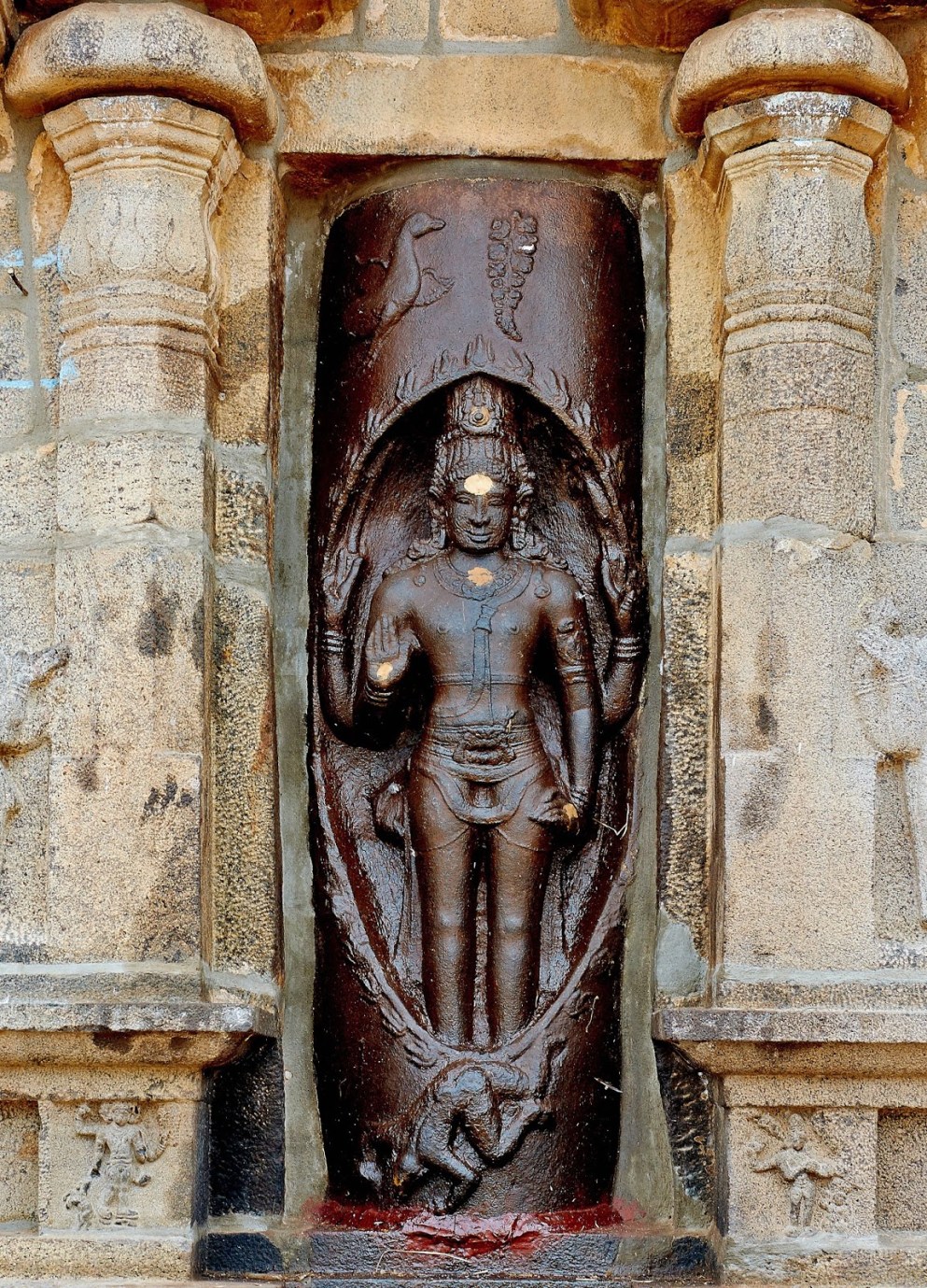
அரியும், அயனும் அய்யன் அடிமுடி தேடல்
இன்னொருபாடலில் மதுரை வீதியில் இறைவன் வளையல் வியாபாரியாகச் சென்ற கதை கூறப்படுகின்றது.
பந்துமுலைப் பாவையர்க்காம் பாங்காரும்கூடலிலே
வந்து வளையல் விற்ற மாதீபம்– கொது
மலர் மலியும் சோணமலைத் தீபம் போற்றிப்
பலர் மலியும் கார்த்திகைத் தீபம். (4)
கற்பிற்சிறந்த மனையாளொடு வாழ்ந்த நீலகண்டரிடம், கொடுத்துவைத்த திருவோட்டைக் கவர்ந்து ,அவரை ஆட்கொண்ட கதை வேறொரு பாடலில் கூறப்படுகிறது. இங்கு அண்ணாமலையின் இயற்கைவளமும் அழகுற விளக்கப்படுகின்றது: ஆடுகின்ற மயில்களின் ஆட்டத்திற்கொப்ப வண்டினம் இசை பாடும்; அத்தகு அருணைமலையின்மீது ஒளிரும் கார்த்திகைதீபம் என்று ஈசனை ஏத்துகிறார்.
நீடுகற்பி னாளுடன்வாழ் நீலகண்டர் தம்மிடம்வந்
தோடுகவர்ந்த தாண்ட வொருதீப – மாடுமயிற்
கொக்கவிசைவண்டினம்பாடோங் கருணைவெற்பின்மிசைப்
பகீகமிகுங் கார்த்திகைத்தீ பம். (7)
இறைவனை உண்டென்று கூறும் நல்மனத்தோருக்கு உள்ளதாகவும், இல்லை எனும் கள்ளமனத்தோர்க்கு இல்லையென்பதாகவும் ஆகிவிளங்கும் தீபவடிவானவன். சடைமுடிகொண்டு அருணாசலத்தில் திகழும் கார்த்திகைத்தீபம்.

சிவன் மதுரையில் வளையல் விற்ற திருவிளையாடல்
உள்ளதென்னு நல்லோர்கட் குள்ளதா வில்லதெனுங்
கள்ளமனத் தோர்க்கின்பதாக் காண்தீபம்–வெள்ளமதி
மேவுசடைத் தீபம் வியன்கொளரு ணாசலத்திற்
பாவுபுகழ்க் கார்த்திகைத்தீ பம். (13)
இப்பாடல்களில் இடையிடையே தொன்மங்கள் (அயனும் மாலும் அடிமுடி தேடியது, நீலகண்ட நாயனாருக்கு அருளியது, வளையல் விற்றது) பின் இறைவனின் கருணை, அவன் அடியார்களுக்கருளும் முறைமை இவற்றினையும் கூறி, நமது இருவினைகளும் ஒழிய அவனை ஏத்துவதால் விளையும் இன்பம், ஆனந்தம் ஆகிய இவற்றை, அருணையின் இயற்கைவளத்தினோடும் கலந்து விரவி, அழகான கதம்ப மலர்மாலையாக இவ்வெண்பா நூல் அழகுற விளங்குவது மிகுந்த வியப்பினை உண்டுபண்ணுகின்றது.
‘அவனைப் போற்றுவோர்க்கருளும் புண்ணிய தீபம்; நாம்செய்த வினைகளுக்கு மாற்றுமருந்தான மணித்தீபம்; வேதங்கள் போற்றுவதும் எண்ணுதற்கரியதுமான சோணமலையில் உயர்ந்து ஓங்கிவளர்ந்து காணும் தீபம்; புகழ்வதற்கும் சொற்களற்ற அரியதான கார்த்திகைத் தீபம்,’ என்கிறார்.
போற்றுமடி யார்க்கருளும் புண்ணியதீ பம்வினையை
மாற்றுமருந் தாகு மணித்தீபஞ்–சாற்றுமறை
யுன்னரிய சோணமலை யோங்கிவள ருந்தீபம்
பன்னரிய கார்த்திகைத்தீ பம். (15)

திருநீலகண்ட நாயனாருக்கு மீண்டும் இளமையளித்தல்
இடையே ஒரு திருவிளையாடல் கதை:
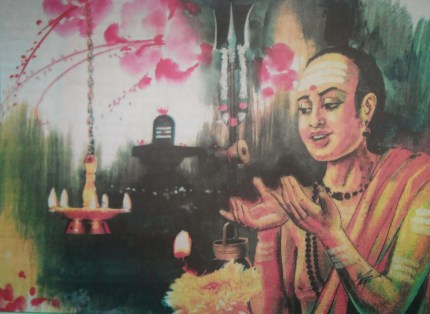
பாணபத்திரர்
மதுரையின் ஆஸ்தான பாடகனான பாணபத்திரனுக்குச் சத்துருவாக வந்த ஏமநாதன் எனும் வடக்கத்திப் பாடகனை, அவன் நாணமுற்று ஓடுமாறு தான் பாடியருளிய தீபம்; அயனும் அரியும் காணாத அண்ணாமலையில் மாந்தர் செய்தவத்தின் பயனாய் விளங்கும் கார்த்திகைதீபம்.
பாணனுக்கோர் சத்துருவாம்பாடகனைக் கூடலிலே
நாணமுற்றோ டப்பாடு நற்றீபம்–பேணி
அயனுமரி யும்காணா அண்ணாமலையிற்
பயனுருவாங் கார்த்திகைத்தீ பம். (23)
நமது அறியாமைதனைப் போக்கியருளும் தீபம்; போக்கியது மட்டுமின்றி, ஆனந்தமயமாகிய மெய்ஞானத்தினை நமக்குக் காட்டியபடி மிளிர்கின்ற தீபம்: சோணகிரி சித்தர்கள் நிறைந்த மலை. அச்சித்தர் பெருமக்கள் மகிழும் வண்ணம் ஒளிரும் சோணகிரித் தீபம்; பணிந்து வணங்கும் பக்தர்கள் மகிழும் கார்த்திகைத் தீபம்,” என்கிறார்.
அஞ்ஞானம் போக்கி யருடீபமானந்த
மெய்ஞ்ஞானங் காட்டி மிளிர்தீபம்–எஞ்ஞான்றுஞ்
சித்தர்மகிழ் சோணக்கிரித்தீபம் பணிந்தேத்தும்
பத்தர்மகிழ் கார்த்திகைத்தீ பம். (27)
‘அடியார்களின் பிறவிப்பிணியைத்தீர்க்கும் தீபம்; செய்த கொடிய கர்மவினைகளைப் போக்கியருளும் தீபம்; மன்மதனை அங்கமிலாத அனங்கனாக்கிய ஈசனெனும் தீபம்; அண்ணாமலைத் தீபம்; குறையொன்றுமில்லாத திருக்கார்த்திகைத்தீபம்.’
சென்மப் பிணிதீர்க்குந் தீபமடி யார்செய்கொடுங்
கன்மவினை போக்குங் கனதீப–மன்பதனை
அங்கமிலா தாக்கியரு ளண்ணா மலைத்தீபம்
பங்கமிலாக் கார்த்திகைத்தீ பம். (31)
இரு குழந்தைக் கடவுள்களைத் தந்தருளிய தீபம்; கந்தன் ஒருவன்; இன்னொருவன் காரானை மாமுகத்து தந்தம்கொண்ட வேழமுகத்து கணபதி. எம்மை என்றென்றும் கண்களால் நோக்கி அருள்புரியும் சோணமலைத் தீபம்; தொழும் அன்பர்களுக்கு நல்வாழ்வுதரும் கார்த்திகைத் தீபம்.
கந்தனையு ஞானமதக் காரானை மாமுகத்தோர்
தந்தனையுஞ் சேயாத் தருதீப–மெந்தமைக்க
ணோக்கியருள் சோணமலை நோன்றீப மன்பருக்குப்
பாக்கிமாங் கார்த்திகைத்தீ பம். (39)
இசைப்பண்ணுடன் தேவாரம் பாடியருளிய மூவரான சுந்தரர், திருஞானசம்பந்தர், திருநாவுக்கரசர் ஆகியோருக்கு இமவான்மகளான பார்வதியுடன் தோன்றித் தரிசனம்தரும் தீபம். விண்ணளாவப் பொருந்த ஆகாயத்திற்கும் பூமிக்குமாக நிற்கும் அண்ணாமலையைப்போல் ஓங்கிவிளங்கும் கருணைகொண்ட கார்த்திகைத் தீபம்.
பண்ணுடனே தேவாரம் பாடுமு வர்க்கிமவான்
பெண்ணுடனே தோன்றும் பெருந்தீபம்–விண்ணுடனே
சேரமலை வான்புவிக்காச் செல்வதுபோ லோங்கருணைப்
பாரமலைக் கார்த்திகைத்தீ பம். (43)

அகந்தைகொண்ட தாருகாவனத்து முனிவர்கள் தன்மீது ஏவிய வேங்கைதன்னைக் கூரான தனது நகத்தினாலுரித்துத் தோலினை அணிந்துகொண்ட தெய்வம். ஓங்கி உயர்ந்த மேருமலை, மேலும் எட்டுத்திக்குகளிலும் உயர்ந்த மற்றமலைகளினும் உயர்ந்து, அருணையில் பாங்குடன் ஒளிரும் கார்த்திகைத் தீபம்.
தாருவன மாதவர்க டாம்விடுத்த வேங்கைதனை
கூருகிரினா லுரித்துக் கொள்தீப–மேருமுக
லோங்குமலை யெட்டினுமிக் கோங்குமருணாசலத்திற்
பாங்குமலி கார்த்திகைத் தீபம். (52)
இடையிடையே திருவிளையாடல் புராணத்தினின்றும் கதைகளை இணைத்துப் பாடியுள்ளார் சோணாசல பாரதியார்.
நன்மைகளைச் செய்துவந்தவளான பொன்னனையாள் எனும் பெண் குடியிருந்த திருப்பூவணம் எனும் ஊரில் ரசவாத வித்தையைச் செய்த தீபம்; வழிப்போக்கர்கள் எவ்வாறு தம் வண்டிமாடுகளை இச்சோணகிரியில் இளைப்பாற்றிக்கொண்டனர் எனப் பாங்குற விவரிக்கிறார். சோணமலையில் அழகிய சுனைகள் – அவற்றில் வண்டிமாடுகளையும் கன்றுகளையும் நீரருந்தி இளைப்பாறச்செய்து போகும்படி அருளும் கார்த்திகைத்தீபம்.
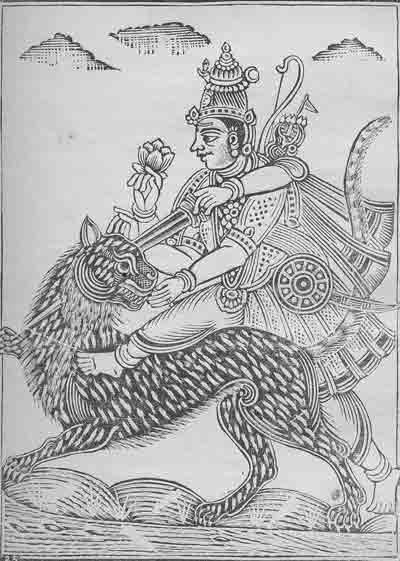
நன்றுபுரி பொன்னனையா னண்*ணுதிருப் பூவணத்திற்
சென்றுரச வாதமது செய்தீபங்–கன்றுகளுக்
கம்பிடிகை யாலருத்தி யாடுசுனைச் சோணமலைப்
பம்பிவளர் கார்த்திகைத் தீபம். (53)
ஞானசம்பந்தப் பெருமானுக்கு முத்துச் சிவிகையும் சின்னமும் அளித்த தீபம்.
செந்நெல் விளையும் கழனிகள் சூழ்ந்த அருணாசலமலைமீது ஒளிரும் பழநிமலைக் கார்த்திகைத்தீபம். இங்கு பழனிமலை முருகன் அண்ணலின் மைந்தனானதால் அவனையும் குறிப்பிட்டாரோ?
பன்னருஞ்சம் பந்தருக்குப் பத்தருநற் பல்லக்குஞ்
சின்னமுமுத் தாலளித்த சீர்த்தீபஞ்– செந்நெற்
கழனிபுடை சூழருணைக் காமர்மலை மீது
பழநிமலைக் கார்த்திகைத்தீ பம். (63)
கல்லால மரத்தடியில் சின்முத்திரைகாட்டி, நான்கு முனிவர்களுக்கும் மௌனத்தால் பொருளுணர்த்தும் தீபம். கொல்லாவிரதத்தினைக் கைக்கொண்டு தென்னருணாசலத்தில் உறையும் தொண்டர்கள் உள்ளத்தில் ஆனந்த நடனமிடும் கார்த்திகைத்தீபம்.
கல்லா லடியிற் கரங்காட்டி நல்வருங்குஞ்
சொல்லா லுணர்த்துஞ் சுபதீபங்–கொல்லா
விரதமொடு தென்னருணை மேவினருள் ளத்திற்
பரதமிடுங் கார்த்திகைத்தீ பம். (85)
அடுத்த பாடல் அத்தனின் அழகு வர்ணனையுடன் அவனாகவே நிற்கும் அருணாசலமலையையும் ஏற்றுகின்றது. பாம்புகளை ஆபரணங்களாக அணிந்த தீபம்; பத்திநெறிகொண்டு வாழ்வோர்கள் ஏத்தி வழிபடும் தீபம்; தனித்துவிளங்கும் தீபம். அல்லிமலர்கள் பொலியும் நீர்நிலைகளைக் கொண்டுள்ள அருணையில் வாழ்கின்ற கற்பகத்தருவாகிய கார்த்திகைத்தீபம்
பாம்பணியுந் தீபம் பத்திநெ றிசேரடியார்
தாம்பணியுந் தீபந் தனித்தீப– மாம்பல்
விகசிக்கும் வாவி மிளிரருணை வாழ்கற்
பகமொக்குங் கார்த்திகைத்தீ பம். (91)
தனது பாதமெனும் தாமரைகளை நாளும் தொழும் அடியவர்க்கு ஆதாரமாக விளங்கி அருளுகின்றதீபம். மலர்கள் நிறைந்து விளங்கும் தேன்மிகுந்த சோலைகள் கொண்ட அருணைமலையின் கண்ணும் என் உள்ளத்திலும் வாழும் கார்த்திகைத்தீபம்.
பாதார விந்தம் பரவுந் தொழும்பருக்கோ
ராதார மாகி யருடீபம்–போதாருங்
கொங்கிலங்குஞ் சோலை குலவருணை வெற்பினுமென்
பங்கினும்வாழ் கார்த்திகைத்தீ பம். (94)
நல்ல சிந்தனைகளைத் தரும் தீபம்; நன்மக்களையும் (புத்திர சம்பத்து) மேலும் சித்திகளையும் தரும் தீபம்; சிவதீபம்; அன்னை சக்தியாம் உண்ணாமுலைக்கு உயிராகி, சோணமலையில் ஓங்கி வளரும் ஞானப்பயிராக நிற்கும் கார்த்திகைத்தீபம்.
புத்திதருந் தீபநல்ல புத்திரசம் பத்துமுதல்
சித்திதருந் தீபஞ்சிவதீபஞ்–சத்திக்
குயிராகுஞ் சோணமலை யோங்கிவளர் ஞானப்
பயிராகுங் கார்த்திகைத்தீ பம். (100)
இந்தக் கடைசி வெண்பாவில்தான் சிவதீபம் எனும் சொல்லைக் காண்கிறோம். மற்றபடி சிவபிரானே அத்தீபம்; தெய்வம் எனக்கொண்டே இந்நூல் முழுமையும் பாடப்பட்டுள்ளது.
ஒவ்வொரு வெண்பாவிலும் தீபம் எனும் சொல் இரண்டு, மூன்று, நான்கு அல்லது ஐந்து முறை பயன்படுத்தப்பட்டுள்ளது. இதன் உள்ளுறைப் பொருள் தீபங்களுக்கு இடப்படும் திரிகளின் முகங்களோ என எண்ண இடமுள்ளது. தெரிந்த புலவர் பெருமக்கள் யாரேனும் விளக்கியருளலாம்.

விளக்கினை ஏற்றி வெளியை அறிமின்
விளக்கின் முன்னே வேதனை மாறும்
விளக்கினை விளக்கும் விளக்குடையார்கள்
விளக்கிடின் விளங்கும் விளக்கவர் தாமே. (திருமந்திரம்)
தீபத்தின்முன் அதன் ஒளியில் நமது கவலைகள் மாறும்; பாவங்கள் அழியும். மனம் ஈசனிடம் ஒருமைப்படும். இத்தகைய விளக்கத்தினை அருளிய பெரியார்கள் நமக்கு வழிகாட்டும் விளக்கினைப் போன்றவர்களே!
தென்னாடுடைய சிவனே போற்றி; என்னாட்டவர்க்கும் இறைவா போற்றி.
திருச்சிற்றம்பலம்.
Source………
 http://www.tamilhindu.com/


 Take off with Natarajan