Joke of the Day….” Who Washes his Face …” ?

Bill, a fresh computer graduate from a world-class University, goes for an interview in a software company.

The interviewer is Steve, a grubby old man. And the first question he asks Bill is, `Are you good at logic?’

`Of course,’ replies Bill.

`Let me test you,’ replies Steve. `Two men come down a chimney. One comes with a clean face and the other comes out with a dirty face. Which one would wash his face?’

Bill stares at Steve. `Is that a test in Logic?’ Steve nods.

`The one with the dirty face washes his face’, Bill answers wearily.

`Wrong. The one with the clean face washes his face. Examine the simple logic. The one with the dirty face looks at the one with the clean face and thinks his face is clean. The one with the clean face looks at the one with the dirty face and thinks his face is dirty. So, the one with the clean face washes his face.’

`Hmm. I never thought of that,” says Bill. `Give me another test.’

Steve holds up two fingers, `Two men come down a chimney. One comes out with a clean face and the other comes out with a dirty face. Which one washes his face?’

`We have already established that. The one with the clean face washes his face.’

`Wrong. Each one washes one’s face. Examine the simple logic. The one with the dirty face looks at the one with the clean face and thinks his face is clean. The one with the clean face looks at the one with the dirty face and thinks his face is dirty. So, the one with the clean face washes his face. When the one with the dirty face sees the one with the clean face washing his face, he also washes his face. So each one washes one’s face.’

`I didn’t think of that!’ says Bill. `It’s shocking to me that I could make an error in logic. Test me again!’

Steve holds up two fingers, `Two men come down a chimney. One comes out with a clean face and the other comes out with a dirty face. Which one washes his face?’

`Each one washes his face.’

`Wrong. Neither one washes his face. Examine the simple logic. The one with the dirty face looks at the one with the clean face and thinks his face is clean too. The one with the clean face looks at the one with the dirty face and thinks his face is dirty too. But when the one with clean face sees that the one with the dirty face doesn’t wash his face, he assumes it is because the dirty face guy is seeing his clean face so he doesn’t wash his face either. So neither one washes his face.’

Bill is desperate. `I am qualified for this job. Please give me one more test!’

He groans when Steve lifts his two fingers, `Two men come down a chimney. One comes out with a clean face and the other comes out with a dirty face. Which one washes his face?’

`Neither one washes his face’, Bill replies, `I have learnt this logic.’

`Wrong, again. Do you now see, Bill, why programming knowledge is insufficient for this job? Tell me, how is it possible for two men to come down the same chimney at the same time, and for one to come out with a clean face and the other with a dirty face? Don’t you see the flaw in the premise?'”

Source…unknown….input from a friend of mine

Natarajan


படித்து ரசித்தது …” நம் நிலை உயரும்போது பணிவு கொள்ள வேண்டும் “

Rajesh Kumar

சமீபத்தில் வாசகர் ஒருவர் கேட்ட கேள்வி இது. பல பெயர்களிலும் பல உருவங்களிலும் கடவுள்கள் இருக்கிறார்கள் என்பதை நீங்கள் ஏற்றுக் கொள்கிறீர்களா?
இந்தக் கேள்வியைப் படித்ததும் எனக்கு காஞ்சி ஸ்ரீ சந்திரசேகர சரஸ்வதி ஸ்வாமிகள் சொன்ன வரிகள்தான் ஞாபகத்துக்கு வந்தன. “கடவுள் ஒருவரே… ஆனாலும் பல பெயர்களிலும் பலவித உருவங்களிலும் கடவுளை வழிபடுவது கேலிக்குரிய ஒன்றல்ல. ஒரு பிள்ளையை அவனுடைய அம்மா ஒரு பெயரிலும், அப்பா இன்னொரு பெயரிலும், நண்பர்கள் பிறிதொரு பெயரிலும் அழைப்பார்கள். பள்ளிக்கூடத்தில் ஆசிரியர் வேறு ஒரு பெயரைச் சொல்லி அழைப்பார். அந்தப் பிள்ளையோ ஒவ்வொரு வேளைக்கும் ஒவ்வொரு உடையாக அணிந்து செல்லும். விதவிதமாய் அலங்கரித்துக் கொள்ளும். இத்தனைக்கும் ஆள் மாறுபடுவதில்லை. பெயர் மாறும், உடை மாறும். அதைப் போலத்தான் பலப்பல பெயர்களிலும் உருவங்களிலும் இருந்தாலும் கடவுள் ஒருவரே! ஒவ்வொருவரும் எப்படியும் இதைப் பற்றி தெரிந்து கொள்ள வேண்டும் என்பதற்காக கடவுளுக்கு பல உருவங்கள் ஏற்பட்டுள்ளன.
சிலர் இந்த உருவ வழிபாடுகளில் நம்பிக்கை இல்லாமல் இருக்கலாம். ஆனால் உலகத்தை படைத்து நடத்துகிற ஒரு தெய்வீக சக்தி இருப்பதாக நம்பி, கசிந்து உருகிய மனதோடு ஒருவன் ‘பகவானே! உன்னுடைய உருவம் எது என்று எனக்குத் தெரியாது. எனக்கு உன்னுடைய உண்மையான உருவத்தைப் பார்க்கஆசை. என்னுடைய இந்த ஆசையை நீ நிறைவேற்ற வேண்டும்’ என்று மனம் உருகி பிரார்த்தனை செய்தால் சர்வ நிச்சயமாய் கடவுள் ஏதாவது ஒரு வகையில் கனவிலாவது தோன்றி தன் உருவத்தைக் காட்டுவார்.
கடவுள் எல்லாவற்றையும் அறியும் தன்மை கொண்டவர். சிறு துரும்பு கீழே விழும் சத்தத்தையும் அவர் அறிவார். எனவே உங்கள் பிரார்த்தனை ஒவ்வொன்றும் சர்வ சத்தியமாய் அவர் காதுகளில் விழும். சிலருக்கு மனிதனைப் படைத்தது கடவுள்தானா என்பதில் சந்தேகம். ஒரு வீட்டை வடிவமைத்துக் கட்டியது ஒரு எஞ்ஜினியர் என்று சொன்னால் ஒப்புக் கொள்ளும் நாம், மனிதனைப் படைத்தது இறைவன்தான் என்பதை ஒப்புக் கொள்ள மறுத்து விஞ்ஞானம் பேசுகிறோம்.
கடவுள் மனிதனைப் பார்த்துப் பார்த்துப் படைத்திருக்கிறான். ஒரு சாண் வயிறு,பார்க்கஇரண்டு கண்கள், கேட்க இரு காதுகள், சுவாசிக்க நாசி, உணவு உண்ண வாய், பற்கள், நாக்கு, பேசக் குரல் நாண்கள். இந்த ஆச்சர்யங்களைக் காட்டிலும் பெரிய ஆச்சர்யம் எது என்றால், உரலில் அரசி போட்டு தண்ணீர் விட்டு ஆட்டுவார்கள். ஆனால் நாம் சாப்பிடும்போது, நமது உணவை வாயில் அரைப்பதற்கு நீர் எங்கிருந்து வருகிறது? அந்த உமிழ்நீரைச் சுரக்கச் செய்தது இறைவன் அல்லவா!
இறைவனின் படைப்பில் மனிதன் மட்டும் அதிசயமானவன் கிடையாது. அவன் படைத்த எல்லாமே அதிசயமானது, பாதுகாப்பானது. புளி பிசுபிசுப்பாக உள்ள ஒரு பொருள். அது மரத்திலிருந்து கீழே விழுந்தால், அந்த பிசுபிசுப்பில் மண் ஒட்டிக் கொண்டு யாருக்குமே உபயோகப்படாமல் போய்விடுமே என்பதற்காக அதற்கு ஒரு உறையைக் கடவுள் போட்டுள்ளார். உயரத்தில் காய்க்கின்ற தேய்ங்காய்க்கு கெட்டியான ஓடு, அந்த ஓட்டுக்கு மேல் ‘ஷாக் அப்சர்வர்’ மாதிரி கெட்டியான நார். இவையெல்லாம் ஏன் தெரியுமா? தேங்காய் எவ்வளவு உயரத்திலிருந்து விழுந்தாலும் உடையாமல் இருப்பதற்காகத்தான். இப்படி நாள் முழுக்க இறைவன் படைத்த பொருள்களையும், அந்தப் பொருள்களுக்கு அவன் செய்து வைத்துள்ள பாதுகாப்பு ஏற்பாடுகள் பற்றியும் சொல்லிக் கொண்டே போகலாம்.

நான் என்னுடைய பனிரெண்டாவது வயதிலேயே இந்த உலகத்தில் கடவுள் ஒருவர் இருக்கிறார் என்பதையும், அந்தக் கடவுள் ஒரு தாயின் அம்சமாக இருந்து அருள்பாலிக்கத் தயாராக இருக்கிறார் என்பதையும் புரிந்து கொண்டேன். கோவையில் தெப்பக் குளம் மைதானம் என்ற இடம் மிகவும் பிரசித்தமானது. காரணம், கோவையில் ஒரு பெரிய பொதுக்கூட்டம் நடத்த வேண்டுமென்றால், எந்த அரசியல் கட்சியாவது விருப்பப்பட்டால் கைகொடுக்கக் கூடிய ஒரே இடம் இந்த தெப்பக் குளம் மைதானம்தான். இந்த மைதானத்தில் மைக் பிடித்துப் பேசாத அரசியல் கட்சித் தலைவர்களே கிடையாது. தங்களை நாத்திகவாதிகள்

என்று பெருமையாய் சொல்லிக் கொண்டவர்கள், பிள்ளையார் சிலைகளை போட்டு உடைத்ததும் இந்த தெப்பக் குளம் மைதானத்தில்தான். பின் அதே நாத்திகவாதிகள், மார்கழி மாத பஜனையில் கலந்து கொண்டு திருப்பாவை, திருவெம்பாவை பாடல்களை சத்தம் போட்டுப் பாடி வந்ததையும் அதே மைதானத்தில் பார்த்துக் கொண்டிருக்கிறேன். இந்த தெப்பக்குள மைதானத்தில்தான் எனக்கு வீடு.
மைதானத்தின் மேற்குப் பகுதியில் அன்னை ஸ்ரீ ராமலிங்க சௌடேஸ்வரியின் கோயில் அமைந்து இருந்தது. என்னுடைய பனிரெண்டாவது வயது வரையிலும் இந்தக் கோயில் என்னைப் பொறுத்தவரைக்கும் பிரசாதம் வழங்கும் இடம். நவராத்திரி நாட்களில் புளியோதரை, சுண்டல், மார்கழி மாத காலைகளில் சர்க்கரைப் பொங்கல், வெண் பொங்கள். அமாவாசை நாட்களில் இலைபோட்டு அன்னதானம், ஏகாதசி, சிவராத்திரி நாட்களில் தொன்னைகளில் பால் பாயாசம். இந்த மெனு எனக்கு மட்டுமல்ல, அந்த நாட்களில் என் வயதையொத்த
எல்லாருக்குமே மனப்பாடம்.
பிரசாதங்களைப் பெற்று சாப்பிடுவதற்காக மட்டுமே கோயிலுக்குச் சென்று வந்து கொண்டிருந்த நான், என் பனிரெண்டாவது வயதில் முதல் முறையாக ஒரு பர்சனல் கோரிக்கையோடு, அம்பாளைக் கும்பிடப் போனேன். அம்பாளிடம் நான்வைத்த பர்சனல் கோரிக்கை இதுதான்: “அம்மா தாயே.. இப்ப எனக்கு கணக்குப் பாடம் சொல்லித் தர்ற வாத்தியார் ரொம்ப கோவக்காரர். கணக்கை தப்பா போட்டுட்டால் கண் மண் தெரியாமல் அடிக்கிறார். வகுப்புக்குப் போகவே பயமாய் இருக்கு. அந்த கோபக்கார கணக்கு வாத்தியாருக்கு பதிலாக வேறு ஒரு நல்ல கணக்கு வாத்தியாரை அனுப்பி வைக்கக் கூடாதா…? அப்படி நீ அனுப்பி வச்சா, இந்த கோயிலுக்கு தினசரி வந்து உன்னைக் கும்பிடறேன்!’ இப்படி பிரார்த்தனை செய்து விட்டு மறுநாள் காலை பள்ளிக்குப் போனேன். 11 மணிக்கு கணக்கு வகுப்பு. நம்பினால் நம்புங்கள். அந்த முரட்டுக் கணக்கு வாத்தியார் வரல. அவருக்குப் பதிலாக சிரிக்கச் சிரிக்கப் பேசும் புது கணக்கு வாத்தியார் கணக்குப் பாடம் எடுத்தார்.
அவர் கணக்குப் பாடத்தைச் சொல்லிக் கொடுக்கும் முறையும் சுலபமாக இருந்தது. எல்லா மாணவர்களும் ‘ஹோம் ஒர்க்கை’ ஒழுங்காகச் செய்து முடித்தால், பீரியட் முடிவில் ஒரு பத்து நிமிஷம் ஒரு குட்டிக் கதை சொல்வார். என் வேண்டுகோளை ஒரு நாளில் நிறைவேற்றி வைத்த அம்பாள் கோயிலுக்கு அன்று முதல் மாலை வேளைகளில் செல்ல ஆரம்பித்தேன். அதன்பிறகு, நான் அம்பாளிடம் வைத்த சின்னச் சின்ன கோரிக்கைகள் எல்லாம், கோரிக்கைகள் வைத்த அடுத்த சில நாள்களிலேயே நிறைவேறின.
இப்போது நான் அந்தக் கோரிக்கைகளை எல்லாம் நினைத்துப் பார்த்தால், அவைகளில் பொதிந்து இருந்த ஒரு உண்மை பிடிபட்டது. நான் அம்பாளிடம் வைத்த எல்லா கோரிக்கைகளிலும், ஒரு தார்மீக நியாயம் இருந்தது. “கடவுள் ஒருவர் நிச்சயமாய் இருக்கிறார்” என்று நான் ஆணித்தரமாய் நம்புவதற்கு இன்னொருவரும் காரணமாயிருந்தார். அவர் வேறு யாருமில்லை. திருமுருக கிருபானந்த வாரியார் அவர்கள்.
அப்போது பள்ளிக்குப் பின்புறம் இருந்த மைதானத்தில் ஒரு பெரிய பந்தல் போடப்பட்டு, அங்கே வாரியார் ஸ்வாமிகளின் மஹாபாரத கதாகாலட்சேபம் தினசரி நடைப் பெற்றுக் கொண்டிருந்தது. (மாலை 6 மணியிலிருந்து இரவு 8 மணி வரையிலும்) வாரியார் ஸ்வாமிகள் கதாகாலட்சேபம் நடத்தும்போது அவருக்கு முன்பாய் பத்து பதினைந்து சிறுவர்கள் எப்போதும் உட்கார்ந்து இருப்பார்கள். அவர் ஏதாவது ஒரு கேள்வி கேட்டுவிட்டு சிறுவர்களிடம் பதில் என்ன என்று கேட்பார். சரியான பதில் சொல்லும் சிறுவனுக்கு அவர் ஒரு சிறிய பாக்கெட் சைஸ் கந்தர் சஷ்டி புத்தகத்தைக் கொடுப்பார். நானும் அந்த கும்பலில் இருப்பேன். ஆனால் ஒரு தடவை கூட பரிசு வாங்கியது கிடையாது.
ஆனால் வாரியார் சுவாமிகள் ‘கடவுள் இருக்கிறார்’ என்பதற்கு அவர் சொல்லும் எளிமையான உதாரணங்கள் என்னுடைய மனதுக்குள் அப்படியே சம்மணம் போட்டு உட்கார்ந்து கொள்ளும். அவர் ஒரு முறை இப்படிச் சொன்னார். “சில பேர் கோயிலுக்குப் போவாங்க. விழுந்து விழுந்து கும்பிடுவாங்க. கும்பிடும்போதே மனசுக்குள் ஒரு சந்தேகம் லேசா எட்டிப் பார்க்கும். கடவுள் உண்மையிலேயே இருக்கிறாரா இல்லையாங்கற சந்தேகம்தான் அது. என்னோட தலைக்கு மேல வெளிச்சம் கொடுத்துக்கிட்டிருக்கிற இந்த ட்யூப் லைட்டை மாட்டினது யார்னு கேட்டா உடனே எலக்ட்ரீஷியன்னு பதில் வரும். இந்த பதிலை நாம் எல்லோரும் நம்பறோம். ஏன்னா அது உண்மை. இந்த இடத்துக்கு மட்டும் வெளிச்சம் தர்ற ட்யூப்லைட்டை மாட்டினது ஒரு எலக்ட்ரீஷியன்னு சொன்னா நம்பற நாம், இந்த உலகம் முழுவதற்கும் வெளிச்சம் தரக்கூடிய சூரியனை உயரத்திலேயே ஒரு பாதுகாப்பான இடத்தில் பொருத்தி வச்சிருக்கிறது கடவுள்னு சொன்னா ஏன் நம்ப மாட்டேங்கறோம்?”
இப்படி அவர் சொன்ன எத்தனையோ விஷயங்கள் என்னை நிரம்பவே கடவுளிடம் நெருங்க வைத்தது. போகப் போக, வயது ஏற ஏற இன்னொரு உண்மையும் புரிந்தது. வெறுமனே கோயிலுக்குப் போய், நெற்றியில் விபூதி குங்குமம் வைத்துக் கொண்டு கடவுளைக் கும்பிடுவதால் மட்டுமே அவனுடைய அருள் கிடைத்துவிடாது. நம்முடைய எண்ணங்களும் செயல்களும் தூய்மையாக இருக்க வேண்டும். நாம் பேசும் வார்த்தைகள் ஒருவரை மகிழ்ச்சிப்படுத்த வேண்டுமே தவிர, புண்படுத்தக் கூடாது. பெற்றவர்களையும் பெரியோர்களையும் மதிக்க வேண்டும். செய்யும் தொழிலே தெய்வமாய் நினைக்க வேண்டும். நம் நிலை உயரும்போது பணிவு கொள்ள வேண்டும். எல்லோரிடமும் திறமை இருக்கிறது என்று எண்ண வேண்டும்.
நான் ஆயிரத்துக்கும் மேற்பட்ட நாவல்களை எழுதியிருக்கிறேன் என்றால் அதற்குக் காரணம் அந்த இறையருளே தவிர, வேறு ஒரு காரணமில்லை. ‘நீ எழுது!’ என்று இறைவன் எனக்கு இட்ட பணியை நான் நிறைவேற்றிக் கொண்டிருக்கிறேன். நான் என் கையில் ‘பேனா’ பிடிப்பதோடு சரி. என்னை எழுத வைப்பதும்… அதை வாசகர்களைப் படிக்க வைப்பதும்.. அந்த இறையருள் மட்டுமே.
Source…..Tamil Writer  Rajesh Kumar www. balhanuman.wordpress.com
Natarajan

Message for the Day….” Modesty is the Most Valuable Jewel for a Woman…”

Sathya Sai Baba

Modesty is essential for woman. Overstepping the limits of modesty is against her innate dharma; crossing its limits brings about many calamities, including destroying the very glory of womanhood. Without modesty, woman is devoid of beauty and culture. Absence of modesty makes the life of a woman, however rich in other accomplishments, a vacuum. Modesty lifts her to the heights of sublime holiness. Modesty is a blend of these qualities – humility, purity of thought and manners, meekness, surrender to high ideals, sensitivity and sweetness of temper. It is the most invaluable of all jewels for women. Through her innate sense of propriety, a modest woman will ever keep within limits. She becomes automatically aware which behaviour is proper and which is not. Modesty is the true test of a woman’s grandeur. A modest woman will stick only to virtuous deeds and behavior, and will wield authority in the ho

Why Are Little Kids in Japan So Independent….?

In Japan, small children take the subway and run errands alone, no parent in sight. The reason why has more to do with social trust than self-reliance.

Image Toru Hanai / Reuters

A schoolgirl walks through a Tokyo subway station. (Toru Hanai / Reuters)

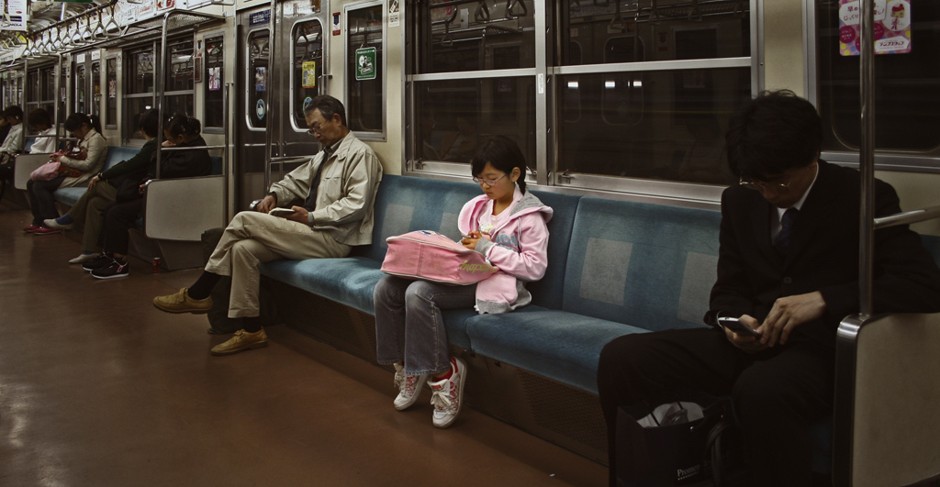
It’s a common sight on Japanese mass transit: children troop through train cars, singly or in small groups, looking for seats.

They wear knee socks, polished patent leather shoes, and plaid jumpers, with wide-brimmed hats fastened under the chin and train passes pinned to their backpacks. The kids are as young as six or seven, on their way to and from school, and there is nary a guardian in sight.

Parents in Japan regularly send their kids out into the world at a very young age. A popular television show called Hajimete no Otsukai, or My First Errand, features children as young as two or three being sent out to do a task for their family. As they tentatively make their way to the greengrocer or bakery, their progress is secretly filmed by a camera crew. The show has been running for more than 25 years.

In this English-subtitled segment from My First Errand, a brother and sister head out to buy groceries for the first time, not without a few tears.

Kaito, a 12-year-old in Tokyo, has been riding the train by himself between the homes of his parents, who share his custody, since he was nine. “At first I was a little worried,” he admits, “whether I could ride the train alone. But only a little worried.”

Now, he says, it’s easy. His parents were apprehensive at first, too, but they went ahead because they felt he was old enough, and lots of other kids were doing it safely.

“Honestly, what I remember thinking at the time is, the trains are safe and on time and easy to navigate, and he’s a smart kid,” Kaito’s stepmother says. (His parents asked not to publish his last name and their names for the sake of privacy.)

“I took the trains on my own when I was younger than him in Tokyo,” his stepmother recalls. “We didn’t have cell phones back in my day, but I still managed to go from point A to point B on the train. If he gets lost, he can call us.”

What accounts for this unusual degree of independence? Not self-sufficiency, in fact, but “group reliance,” according to Dwayne Dixon, a cultural anthropologist who wrote his doctoral dissertation on Japanese youth. “[Japanese] kids learn early on that, ideally, any member of the community can be called on to serve or help others,” he says.

This assumption is reinforced at school, where children take turns cleaning and serving lunch instead of relying on staff to perform such duties. This “distributes labor across various shoulders and rotates expectations, while also teaching everyone what it takes to clean a toilet, for instance,” Dixon says.

Taking responsibility for shared spaces means that children have pride of ownership and understand in a concrete way the consequences of making a mess, since they’ll have to clean it up themselves. This ethic extends to public space more broadly (one reason Japanese streets are generally so clean). A child out in public knows he can rely on the group to help in an emergency.

A young girl riding the Tokyo subway alone (tokyoform / Flickr)

Japan has a very low crime rate, which is surely a key reason parents feel confident about sending their kids out alone. But small-scaled urban spaces and a culture of walking and transit use also foster safety and, perhaps just as important, the perception of safety.

“Public space is scaled so much better—old, human-sized spaces that also control flow and speed,” Dixon notes. In Japanese cities, people are accustomed to walking everywhere, and public transportation trumps car culture; in Tokyo, half of all trips are made on rail or bus, and a quarter on foot. Drivers are used to sharing the road and yielding to pedestrians and cyclists.

Kaito’s stepmother says she wouldn’t let a 9-year-old ride the subway alone in London or New York—just in Tokyo. That’s not to say the Tokyo subway is risk-free. The persistent problem of women and girls being groped, for example, led to the introduction of women-only cars on select lines starting in 2000. Still, many city children continue to take the train to school and run errands in their neighborhood without close supervision.

By giving them this freedom, parents are placing significant trust not only in their kids, but in the whole community. “Plenty of kids across the world are self-sufficient,” Dixon observes. “But the thing that I suspect Westerners are intrigued by [in Japan] is the sense of trust and cooperation that occurs, often unspoken or unsolicited.”

Source….

” No One in My Family Knows what IIT is …”….Says Basant From Bihar…

Their families are poor and do not know what IIT is, but these children dream of IIT and working for ISRO and NASA one day. One man and his family have helped 333 such children turn their dreams to reality.

As Bihar goes to the polls, Archana Masih/Rediff.com salutes its greatest success story.

Basant Kumar, a student at Super 30

IMAGE: Basant is the son of a village farmer whose family doesn’t know of IIT. He says he didn’t even dream of making it to Super 30. Photographs: Archana Masih/Rediff.com

In a narrow, ordinary lane, running by the side of a railway track in Patna, lives an extraordinary man.

The neighbourhood has several slender gullies and his house stands at the end of one. It is called Shanti Kutir, named after his dadi, where he stands on the verandah in a t-shirt, shorts and chappals.

Namaste, swagat hai aapka (Namaste, welcome),” says Anand Kumar, undoubtedly one of India’s greatest teachers, who tutors underprivileged children free of cost for the IIT entrance examination with tremendous success.

Anand Kumar’s Super 30 has attained legendary status. In the 12 years since it began, 333 poor students have passed the IIT entrance exam. When he began in 2003, 18 students had been successful; since then, most among the entire batch of 30 students have made it to the IITs year on year.

Anand Kumar of Super 30

IMAGE: Anand Kumar is a mathematician who has been tutoring underprivileged kids to clear the IIT-JEE.

It is a hot Saturday morning and the students have been given a week’s holiday for Durga Puja. This group of 30 only has boys. There have been 15 to 17 girls in past years that have been successful in passing the IIT-JEE.

The last batch had one girl, Nidhi Jha, who stayed with Anand Kumar’s family while the boys reside in a rented hostel nearby. She was the daughter of an autorickshaw driver and featured in a French documentary for her wonderful achievement. Nidhi is now studying at the Indian School of Mines.

Another girl, Pragya Verma, went to IIT-Bombay and is now at the University of Minnesota.

Abhishek Raj — whose mother laboured to supplement the household income to pay for the notebooks, pencils of her children at the government school — went to IIT-Kharagpur, then to the US and is now in England.

Shashi Narayan, the son of a hospital worker in a government hospital, who won the Erasmus Mundus scholarship for research in France, has recently taken up a teaching position in England.

Their tutor sits opposite me and speaks about his graduates with pride. “I had got admission in Cambridge, but could not go because we did not have the money,” he says, “Par mere students mere sapney mein rang bhar de rahe hai (My students are fulfilling my unrealised dreams).”

Students at Super 30

IMAGE: Boys in the current Super 30 batch. Thirty children are selected after an entrance exam. 333 have cracked the IIT-JEE so far.

While I have talk to Mr Kumar, he briefly leaves the room and returns with a cup of tea that he has made himself. I tell him he shouldn’t have taken the trouble and he says it was no problem at all — he didn’t want to trouble the ladies of his home who are busy with something else.

His wife Ritu is an alumnus of IIT-Roorkee and helps the students with their notes and scholarship applications. They have a little boy who recites a poem about how voters should not vote under duress or bribe but with their own clear conscience.

Some students from his current batch sit in the next room. They have trains or buses to catch in a few hours that will take them to their homes for the short holiday. They are shy, simple, boys who sit on a bed in a room full of framed citations for Super 30 and Anand Kumar.

This is where they come for their classes every morning from their hostel which is a short walk away. The classes are conducted by Mr Kumar and two other tutors, while the administration is looked after by his younger brother Pranav. The meals are cooked in Mr Kumar’s home by the ladies of the family and sent to the hostel.

Till they found a rented space a few years back, the students lived in the same house, while Mr Kumar’s mother cooked for them all.

Anand Kumar with mother

IMAGE: Anand Kumar with his mother, who along with other ladies of the family, cooks for the 30 boys.

“Getting into Super 30 is very difficult. It is like breaking a matka with a kankar (grain of sand),” says Rohit Kumar, a graduate who has come to visit.

Rohit bears the confidence that a college campus in a city instills in students. The four village boys who sit with him and are in the current batch have a raw innocence about them. Two of them say their parents don’t know what IIT is.

One of them is also called Anand Kumar. The other is Basant Kumar. They are both 17.

“No one in my family knows about IIT. I want to do computer science and then do something for the country,” says Anand, the son of a farmer from Gorakhpur.

Sitting cross-legged in a pink checked shirt opposite him is Basant, the son of a farmer from Maniyar Bigha village near Gaya.

“No one knows what IIT is in my home either. I had read about Super 30 in a newspaper, filled the form and sat for the entrance test in Patna,” says the lad who wants to first get a good rank and hopes to join ISRO or NASA.

All the four boys sitting with me are from government schools. I ask them how good was the teaching and they say there were one or two teachers who taught well, while most of the studies, they had done on their own.

They had no tuition, no extra classes. Getting a seat in Super 30 was unbelievable and introduced them to a whole new world of study. “I have never studied math like what Anand Sir teaches us,” says Manjit Kumar from Gurmia village.

Students at Super 30 hostel

IMAGE: Manjit and Anand stand in front of their pasted study notes in the hostel.

Basant, who is getting late for his bus, excuses himself politely, but before rushing out, says, “If I had a dream within a dream, I could never have dreamed that I would be in Super 30. I can’t even say this is a dream come true because I never had such a big dream.”

The boys are sitting with their bags, some have bottles of water. Anand and Manjit haven’t decided whether they should go home. Their studies will get hampered at home, they say, and they cannot afford it.

I ask them to take me to their hostel and on the way Manjit tells me that he has decided not to go home. His books are kept in a bamboo rack left behind by a student from the last batch. Physics equations written by hand are pasted on sheets of paper on the wall. The boys’ stay, meals and coaching is free, but they pay for personal expenses like phone bill, books etc.

They tell me they need around Rs 400 per month from their parents for their expenses. Not more, that is enough, says Anand.

Mr Anand Kumar sustains his band of 30 from the money earned by providing coaching in the evening to those students who can afford it. He also plans to launch an online tutorial for a fee. Super 30 does not accept any donations.

Manjit on his hostel bed

IMAGE: The boys each have a bed, study tables and keep their books around them.

The boys take me around their modest rooms just as lunch time approaches. I ask Anand what he thinks is needed most in our country today.

“”Good teachers,” he says with the sincerity of a student who has experienced the shortcomings of our education system.

One of the last things Mr Anand Kumar says before I left is this: “A good teacher is the harbinger of the biggest change. Noneta can do what a teacher can.”

As the boys leave for the day, one by one they touch his feet.

“People ask me to stand for election, but I feel the respect I get from my students I will never get as a neta.”

He takes me inside to introduce me to his mother whose hand-made papads he would sell house to house to buttress the family income in those early days.

When he had started Super 30 a decade ago, this house where he conducts the classes and lives, was small. It is still not very large, but has a heart big enough to accommodate 30 bright minds each year — and within its walls are some of our country’s greatest success stories.

Archana Masih / Rediff.com

Source….www.rediff.com

Natarajan

Message for the day… ” What is the Minimum Qualification for Seeking the Grace of God…” ?

Sathya Sai Baba

Just as you prescribe minimum qualifications for every profession, the minimum qualification for grace is surrender of egoism, control over senses and regulated food and recreation (ahara and vihara). A person is made or marred by the company kept. A bad person who falls into good company is able to shed their evil quickly and shine forth in virtue. A good person falling into evil company is overcome by the subtle influence and slides down into evil. The lesser is overpowered by the greater. A drop of sour curd transforms milk, curdling it, separating the butter and turning it into whey. Sacred books are also equally valuable for this transmuting process, but they have to be read and pondered upon, and their lessons have to be put into daily practice. The Gayatri Mantra is a Vedic prayer to the Supreme Intelligence that is immanent in the Universe to kindle the intelligence of the supplicant.

A BPO in Bangalore Shows How to Employ the Differently Abled AND Be Hugely Successful ….

Vindhya E Infomedia, a BPO in Bangalore, is known for it its quality of work. But what’s special about it? The organization was started with the vision of employing differently abled people, and has been doing so, very successfully, since the past 10 years now.

Pavithra Y S, a 21-year-old B.Com graduate was brainstorming ideas about doing something meaningful in her life, with her husband Ashok Giri who is an IT professional. “We just ended up choosing to start a for-profit enterprise that would also offer growth opportunities for the so-called ‘disabled’ people,” she says.

Pavithra uses the term ‘so-called’ because Vindhya E Infomedia, the social enterprise that was born as a result of that brainstorming session, has proved that the disabled are just differently enabled people who are completely capable of being a part of the productive work force.

Vindhya E Infomedia, located in the Rajajinagar Industrial Estate of Bangalore, is now in its 10th year of operations.

vindya5

The company does Business Process Outsourcing for many industries such as micro finance, banking, insurance, IT and ITES where data is the key to making decisions. Turnaround time (TAT) is critical in choosing vendors, and in that respect, Vindhya is the BPO of choice in the banking and financial services industry.

A service provider to top notch companies like Schneider, SAP and many leading banks, it is known today for its quality.

Voice Process Executives attending calls

“In fact, our company has brought down TATs drastically in this sector. And it is all because our differently-abled employees deliver their best. For them, this is important not just for their career advancement but more because they want the rest of their disabled community to be able to get the job opportunity that they have got. They work as if they are being appraised every moment,” says Pavithra.

So is there an optimum match between the skill sets of the differently abled and the BPO industry’s requirements?

“There are a couple of requirements, but in my opinion the most important one is ‘attitude’. All of them come with a ‘can do’ attitude. ‘Give us any work and we will deliver it’, they say. And they do,” explains Pavithra.

The hearing and speech impaired mostly do data processing. Training for the hearing impaired is conducted through sign language which is also the universal language used at Vindhya E Infomedia.

Training session in progress for Non-Voice Process Executives

Training session in progress for Non-Voice Process Executives –

How Pavithra learnt the sign language makes for an interesting anecdote. In the early days of the company, two hearing impaired girls walked into the office for jobs. At that time, Pavithra did not know that such a thing as a sign language exists. ‘Give me a job and I’ll teach you the sign language,’ one of the girls told her.

Vindhya E Infomedia’s training manual for the 1,200 able and differently enabled employees is written in simple English with clear photos to illustrate processes that the employees need to be trained in. Candidates who apply are expected to have basic English comprehension and computer usage skills. They are then trained to use specific software and communicate in English. While there is a formal training module, informal tools such as reading English language newspapers, and conversing between employees in English also helps.

Although Vindhya was started with the aim of creating a 100 per cent production team of differently abled, it has employed the abled too, in order to bring in other skills sets into the company. This, in fact, has spurred the differently enabled to perform even better because of the healthy competition at workplace. The abled employees, many of them women, work on client sites.

“Our work ethic is hard-core professional. While we nurture the differently abled, no concessions are given for non-performance. Our work force is very disciplined,” says Pavithra.

Recruitment is a multi-pronged process. Initially, they approached NGOs that trained the differently abled. But now they have also set up camps in Tier II cities to create awareness about job opportunities and to recruit from there.

Some of the Vindhya team members celebrating Independence Day 2015

In addition to this, they do campus recruitment as well. Even so, what works best is word-of-mouth because ‘referrals are important in creating trust between employer and employee’, says Pavithra.

Setting up Vindhya E Infomedia was Pavithra’s first work experience and Ashok Giri, her husband, mentored her for the first two years after which he joined the company as CEO and Director. Like any other startup, they operated on a shoe-string budget. Pavithra remembers how, soon after they started, they were to celebrate their daughter’s first birthday. But with the already stretched budget, they could not make any grand plans. When their employees got to know about this, they pooled in and bought a cake, some snacks, and held an impromptu celebration.

Thus the tradition of having a monthly birthday celebration of the employees started.

An informal sign language interaction between some of the employees in the Reception area of Vindhya E Infomedia

Initially, they were also low on cash and for some months it was difficult to pay salaries. But the employees were so thrilled to have a job that they were willing to forgo this, provided food and accommodation were taken care of. Thus they rented out a house where employees could share accommodation and three meals were provided at the work place every day.

It is heartening that many of the employees from the initial batch have moved out of shared accommodation, found spouses within the company and bought homes of their own.

Pavithra narrates the story of how she found her front office receptionist when one of her vendors mentioned a guy who had lost both his arms in an accident. She was not sure if she could employ him, but his ‘can do’ attitude was so infectious that she hired him as a receptionist. With some training in spoken English he handled his job well and his people skills were so good that he was moved to the HR department and is now the Assistant Manager, HR.

“We named our company Vindhya because we believed that like the mountain range that continues to grow, our company too would grow, not just in business but also in human potential. We could see that happening from Day 1 – people walked into our company and their lives changed. As did ours as we kept learning from each other,” sums up Pavithra.

“When we did client presentations, people often wondered if we could deliver the goods. Time and again Vindhya E Infomedia has proved itself to be the best in its class. Our work culture of integrating the specially enabled with the able has worked well for us and our clients, who have solidly supported us through our decade of existence. To this day my husband and I try to recollect how our conversation of starting Vindhya started and neither of us remembers it. I believe this enterprise was just meant to be.”

And so it is…

Source….Sandhya Rajayer…www.thebetterindia.com

Natarajan


” “தமிழிலே தான்பேசணும்.தமிழ் தாய்மொழி .தாய்தான் முதல் கடவுள். தமிழ்ப் பேச்சை மறக்கக் கூடாது.”

“தமிழிலே தான்பேசணும்.தமிழ் தாய்மொழி

.தாய்தான் முதல் கடவுள். தமிழ்ப் பேச்சை

மறக்கக் கூடாது.”

18698_10153209347029244_3030028360467212073_n.jpg

நடு வயதுத்தம்பதிகள்.நான்கு குழந்தைகள்

எல்லாம் நவீன ஆடை-அலங்காரம்,

நவீனத் தோற்றம்.பெண் குழந்தைகளுக்கு

கழுத்து வரை மட்டுமே கூந்தல்.

எல்லையோரச் செடிகளை,இடுப்பளவு

உய்ரத்துக்கு மேல் வளராதபடி கத்தரிக்கோலால்

வெட்டி விட்ட மாதிரி , நுனி நாக்கில் ஆங்கிலம்

விளையாடியது. கான்வென்ட் படிப்பு.

பெரியவா,அந்தக் குழந்தைகளைத் தன் அருகில்

வரச் சொன்னார்கள்.-வந்தன

“பேரென்ன? எங்கே படிக்கிறே” என்று

விசாரணையாய் உரையாடல்.

குழந்தைகள் ரொம்ப சகஜமாகி விட்டன:

உற்சாகமாக,தயக்கமில்லாமல் பதில்

சொல்லிக் கொண்டிருந்தன.
அருகிலிருந்த பழத் தட்டைக் காட்டி,

“யாருக்கு என்ன பழம் வேணுமோ,

எடுத்துக்கலாம்” என்று சொன்னார்கள்.

குழந்தைகளுக்கு ரொம்ப சந்தோஷம்.

Thanks – என்று சொல்லிவிட்டுப் பழங்களை

எடுத்துக் கொண்டன.

பெரியவா சொன்னார்கள் : “ஒரு request

நான் சொன்னா, கேட்பேளா?”

ஒரே குரலில்,”Oh Yes! certainly we will do”

என்று குழந்தைகள் கூறின.

“வெளி இடத்திலே,பள்ளிக்கூடத்திலே

அல்லது வேறு மனுஷ்யாளிடத்திலே

பேசறபோது இங்கிலீஷ்லே பேசு, உங்க

வீட்டிலே, அப்பா – அம்மா, சுவாமிகளா

இருக்கிற நான்; அப்புறம்,பகவான்

இவாளிடம் தயவு பண்ணி,தமிழிலே தான்
பேசணும்.தமிழ் தாய்மொழி,தாய்தான்

முதல் கடவுள். தமிழ்ப் பேச்சை மறக்கக்

கூடாது.”

குழந்தைகள், “இனிமே, அப்பா -அம்மா-குரு

தெய்வத்துக்கிட்டே தமிழிலேயே பேசறோம்

Promise என்றன.

பெரியவா முகத்தில் கோடி சூர்யப் பிரகாசம்

பண்டிதர்களுடன் அத்வைத விசாரம்

பண்ணும்போது பளீரிடும் ஒளியைக்

காட்டிலும் நூறு மடங்குப் பிரகாசம்.

Read more: http://periva.proboards.com/thread/10392/#ixzz3pMiWwZF3

source….www.periva.proboards.com

Natarajan


” யார் , யார் எந்த சித்தர் வழிபாடு செய்ய வேண்டும் …ஒரு குறிப்பு …”

மனிதர்கள் யாவரும் ஏதாவது ஒரு திதியில் நட்சத்திரத்தில் பிறந்திருப் பார்கள். இதை அவரவர் ஜாதகத்தில் அறியலாம். பலருக்கும் தன் பாவ வினையால் எவ்வளவு முயற்சித்தும் தெய்வ அருளை பெறமுடியாமல் இருப்பார்கள். அவர்கள் அவர்கள் தன் திதியிலோ அல்லது நட்சத்திரத்திலோ அல்லது நட்சத்திரத்திலோ பிறந்த சித்தர்களைக் கண்டு வணங்கினால் பிரச்சனை தீர வழிபிறக்கும். ஒரு முறையாவது உங்கள் சித்தர் ஜீவ சமாதி நேரில் சென்று ஜென்ம நட்சத்திரத்திலோ, திதியிலோ சென்று தரிசித்துவிட்டு பின்பு வீட்டிலேயே மறுமுறையில் அந்த குறிப்பிட்ட நாளில் மாதாமாதம் உபவாசம் இருந்து வணங்கிவந்தால் பல மாறுதலான வாழ்வு தங்களுக்கு அமையும்.

வெகு தொலைவில் சில ஜீவ சமாதிகள் அமைந்துள்ளதால் அங்கு சென்றுவர இயலாதவர்கள் வீட்டிலேயே ஒரு வெள்ளை விரிப்பின்மீது அமர்ந்து உங்கள் சித்தரின் பெயரை உச்சரித்து முடிந்தால் அவரின் மந்திரங்களைக்கூறி தியானம் செய்யுங்கள். நல்லதே நடக்கும்.

மேலும் அறிக :

திதியில் பிறந்தவர்களே அனைவரும் எனவே திதி இல்லாமல் விதி அமையாது. உங்கள் நட்சத்திர நாளை பார்த்து பூஜிக்க முடியாவிட்டாலும் உங்கள் திதி நாளில் பூஜிக்கலாம். அதுவும் முடியாவிட்டால் அமாவாசை பௌர்ணமி திதிகளில் வழிபாடு செய்யலாம். சில சித்தர்களின் ஜீவ சமாதி எங்குள்ளது என்று தெரியாமலேயே இருக்கிறது. சிலர் அங்குள்ளது இங்குள்ளது எனவும் தன் ஊரை வளர வைக்க எத்தனித்து இங்குதான் சமாதி உள்ளது. ஓலைச்சுவடி ஆதாரம் உள்ளது என ஒரு கதையையும் உருவாக்கிய சம்பவம் நிறைய உள்ளது. எது எப்படியோ நம்பிக்கையே தெய்வம். அந்த நம்பிக்கையோடு இருக்கும் இடத்தை நாடிச்சென்று வழிபாடு செய்யுங்கள்.

சித்தர்கள் எந்த திதியில் பிறந்தார்கள் என்பதை வரலாறு சரியாக அனைவருக்கும் குறிப்பிடவில்லை. ஆனால் நட்சத்திரங்களையும் பிறந்த தமிழ் மாதங்களையும் குறிப்பிட்டுள்ளார்கள். கீழே எந்தெந்த நட்சத்திரத்தில் சித்தர்கள் பிறந்தார்கள் அவர்கள் ஜீவ சமாதி எங்குள்ளது. அவர்களுக்கான மந்திரம் ஆகியவை கொடுக்கப்பட்டுள்ளது பயன்படுத்தி வளம் காணுங்கள்.

அசுவினி நட்சத்திர சித்தர் பெயர் காளங்கிநாதர் ஆவார். இவர் சமாதி மற்றும் சக்தி அலைகள் கஞ்சமலை மற்றும் திருக்கடையூர் ஆகிய தலங்களில் உள்ளது. அவரவருக்குபெயரே மந்திரம். எனவே சித்தர்களின் பெயரை மரியாதையாக உச்சரித்தலே போதும். ஓம் குருவே சரணம் என மூன்றுமுறை கூறி ஓம் ஸ்ரீ காளங்கி நாதர் சித்த குருசுவாமியே சரணம் சரணம் என முடிந்தளவு மனம் விரும்பும் வரை கூறலாம். மற்ற நட்சத்திரக்காரருக்கும் இதே முறையில் தான் மந்திரம் கூற வேண்டும். காளங்கிநாதர் என்ற பெயரை நீக்கி உங்கள் சித்தர் பெயரை சேர்த்துக்கொள்ளவும்.அடுத்து

பரணி நட்சத்திரம் சித்தர் போகர் ஆவார். இவர் பழனி முருகன் சன்னதியில் சமாதி உள்ளது. அடுத்து

கிருத்திகை நட்சத்திரம் ரோமரிஷி சித்தர்ஆவார். இவருக்கு சமாதியும் இல்லை. இவர் உடல் அழியவும் இல்லை. நேரே கைலாயத்திற்கு சென்றுவிட்டார் என வரலாறு கூறுகிறது. இவரை திங்கள்கிழமை வெள்ளை ஆடை அணிந்து வடக்கு நோக்கி திருக்கயிலை இருப்பதாக பாவித்து வணங்கவும்.அடுத்து

ரோகிணி நட்சத்திரம் சித்தர் மச்சமுனி ஆவார். இவர் ஜீவ சமாதி திருப்பரங்குன்றத்தில் உள்ளது. அடுத்து

மிருகசீரிடம் நட்சத்திரம் சித்தர் பாம்பாட்டி சித்தர் ஜீவ சமாதி சங்கரன் கோயில் என்ற ஊரில் உள்ளது. இன்னொருவர் சட்டமுனி சித்தராவார். ஊர் திருவரங்கம் ஆகும். சில நட்சத்திரக்காரர்களுக்கு மட்டும் இரண்டு சித்தர் வருவர். அடுத்து

திருவாதிரை நட்சத்திரம் சித்தர் இடைக்காடார் ஜீவ சமாதி திருவண்ணாமலை. அடுத்து

புனர்பூச நட்சத்திரம் சித்தர் தன்வந்தரி ஆவார். இவர் வைதீஸ்வரன் கோவிலில் ஜீவ சமாதி ஆனவர். அடுத்து

பூசம் நட்சத்திரம் கமல முனி சித்தர் ஆவார். இவர் திருவாரூர் என்ற ஊரில் ஜீவ சமாதி உள்ளது.அடுத்து

ஆயில்யம் நட்சத்திரம் இதற்கான சித்தர் அகத்தியர். இவர் ஒளிவட்டம் குற்றால பொதிகைமலையில் உள்ளது. சமாதி கேரள தலைநகரம் திருவனந்தபுரம் இங்கு உள்ளது. அடுத்து

மகம் நட்சத்திரம் இந்த நட்சத்திரத்தில் அவதரித்தவர் சிவ வாக்கிய சித்தர் ஆவார். இவர் ஜீவ சமாதி கும்பகோணத்தில் உள்ளது. பெரும்பாலும் சித்தர்கள் ஜீவ சமாதி சிவாலயமாகவே இருக்கும். அடுத்து

பூரம் நட்சத்திரம் இவர் சக்தியின் அருளைப் பெற்ற நட்சத்திரமாகும். இந்த நட்சத்திரத்தில் அவதரித்த தெய்வ பெண்மணி ஸ்ரீ ஆண்டாள் ஆவார். இவர் பூமாதேவி அம்சமாக உள்ளார். இவரை வணங்க ஏற்ற இடம் ஸ்ரீவில்லிபுத்தூர் மட்டுமே.ஏனெனில் இவர் தோன்றிய இடமே அங்குதான். அடுத்து ராமதேவ சித்தரும் இந்த நட்சத்திரத்தில் பிறந்தவர்தான். இவர் மாற்று பெயர் யாகோப்பு என்றும் உள்ளது. இவர் ஜீவசமாதி அரபு நாடான மெக்காவில் உள்ளது. இவர் ஒளி வந்துபோகும் இடம் அழகர் மலையாகும். இவரை வழிபட நம் நாட்டினர் அழகர் மலைக்குத்தான் செல்கிறார்கள்.அடுத்து
உத்திரம் நட்சத்திரம் இதில் அவதரித்த சித்தர் காகபுஜண்டர் ஆவார். இவர் ஜீவசமாதி கோயில் திருச்சி உறையூரில் உள்ளது. அடுத்து

அஸ்தம் நட்சத்திரம் சித்தர் கருவூரார் ஆவார். இவர் சமாதி கரூரில் உள்ளது. அடுத்து இவர் ஒளிவட்டம் வந்து செல்லும் இடம் தஞ்சாவூர் பெரிய கோயில் ஆகும். அடுத்து

சித்திரை நட்சத்திரம் இதற்கான சித்தர் புண்ணாக்கீசர் ஆவார். நண்ணா சேர் என்ற இடத்தில் இவர் ஜீவ சமாதி உள்ளது.அடுத்து

சுவாதி நட்சத்திரம் இதற்கான சித்தர் புலிப்பாணி ஆவார். சமாதி பழனி அருகில் வைகாவூர் என்ற இடத்தில் உள்ளது. அடுத்து

விசாகம் நட்சத்திரம் இதற்கான சித்தர் நந்தீசர் மற்றும் குதம்பை சித்தர் ஆவார். நந்தீசர் காசி நகரத்திலும் (பனாரஸ்), குதம்பை சித்தர் மாயவரத்திலும் ஜீவசமாதி உள்ளது. அடுத்து

அனுஷம் நட்சத்திரம் சித்தர் வால்மீகி அல்லது வான்மீகர் என்று அழைக்கப்படுபவராவார். இவர் எட்டுக்குடியில் ஜீவசமாதி உள்ளது.
அடுத்து

கேட்டை நட்சத்திரம் இதற்கான சித்தர் பகவான் வியாசர் ஆவார். இவர் உடல் அழிவற்றது. எனவே காற்றோடு காற்றாக கலந்து இருப்பார். இவரை நினைத்தாலே போதும். அவ்விடம் வருவார். அடுத்து

மூலம் நட்சத்திரம் இதற்கான சித்தர் பதஞ்சலி ஆவார். இவர் சமாதி ராமேஷ்வரத்தில் உள்ளது. அடுத்து

பூராடம் நட்சத்திரம் இதற்கான சித்தர் பூரம் நட்சத்திரத்திற்கு சொல்லப்பட்ட ராமதேவர் எனும் யாகோப்பு சித்தரே ஆவார். அழகர்மலை மற்றும் மெக்காவில் ஜீவ ஒளி உள்ளது.அடுத்து

உத்திராடம் நட்சத்திரம் இதற்கான சித்தபிரான் கொங்கணர். இவர் ஜீவசமாதி திருப்பதி ஆகும். அடுத்து

திருவோணம் நட்சத்திரம் இதற்கான சித்தர் தட்சிணாமூர்த்தி சுவாமிகள் ஆவார். இவர் சமாதி பாண்டிச்சேரி அடுத்து உள்ள பள்ளித்தென்னல் என்ற இடத்தில் உள்ளது. அடுத்து

அவிட்டம் நட்சத்திரம் இதற்கான சித்தர் திருமூலர் ஆவார். இவர் சிதம்பரத்தில் ஜீவசமாதி உள்ளது. அடுத்து

சதயம் நட்சத்திரம் இந்த நட்சத்திரத்தில் பிறந்தவர் கௌபாலர் ஆவார். இவரின் சமாதி இங்குதான் என வரலாறு தெளிவாக குறிக்கவில்லை. எனினும் மன ஒழுக்கத்தோடு இவரை நினைத்தாலே தேடிவந்து அருள்புரிவார் எனக் குறிப்பு உள்ளது.அடுத்து

பூராட்டாதி நட்சத்திரம் இதற்கான சித்தர் சோதிமுனி ஆவார். இவர் ஜோதி வடிவிலே ஜீவனாக உள்ளவர். அதனால் இவருக்கு தீபம் ஏற்றி வழிபட்டால் அங்கு அருள்பாலிப்பார். தனித்து சமாதி என்று குறிப்பிடும்படியாக தெரிவிக்கவில்லை. அடுத்து

உத்திரட்டாதி நட்சத்திரம் இந்த நட்சத்திரத்தில் பிறந்தவர் டமரகர் சித்தர் ஆவார். இவரும் நேரிடையாக காற்றில் ஐக்கியமாகி கலந்துவிட்டதென வரலாறு கூறுகிறது. இவரை சிவாலயத்தில் ஒலிக்கும் இசை வாத்தியங்களில் ஏழாம் ஓசையில் ஒலியாக வந்து இறைவனுக்கு இசை முழக்கத்தால் சேவை செய்வார் எனக் குறிப்பிடுகிறார்கள். இவரை வீட்டிலேயே சிறுமணி ஓசையில் வரவழைத்து அவர் அங்கு வந்ததாக பாவித்து வணங்கலாம். அடுத்து

ரேவதி நட்சத்திரம் இதற்கான சித்தர் சுந்தரானந்தர் ஆவார். இவர் ஜீவசமாதி கோயில் மதுரையில் உள்ளது, அறிக.

மனத்தூய்மையும், உடல் தூய்மையும், கர்ம தூய்மையும் (பாவமற்ற கர்மாவைத் தொடர்தல்) தனிஅறையும் கொண்டு, ஒற்றை தீபம் மற்றும் ஏற்றி மன ஒருநிலைப்பாட்டோடு உங்கள் சித்தரை வணங்கி வாருங்கள். நிச்சயம் அவர்கள் அருளை தர தவறமாட்டார்கள். உங்களிடம் உள்ள பாவ கர்மாவிற்கு தயங்கி தெய்வம் துணைக்கு எளிதில் வரமாட்டார்கள். ஆனால் சித்தர்கள் அவ்வாறில்லை. தன்னை அழைத்தவர்களுக்கு எதாவது ஒரு வழியில் வழிகாட்ட தயங்கமாட்டார்கள். எனவே ஒரு தினத்தில் சில நிமிடங்களை யாவது சித்தர் வழிபாட்டிற்கு செலவிடுங்கள்.

சித்தர் பூஜை செய்பவர்கள் நீத்தாருக்கு திதி பார்த்து தெவசம் செய்ய வேண்டிய அவசியம் இல்லை. குறைந்தது சித்த தியானத்திற்கு அரைமணி நேரமாவது ஒரு நிலையில் அமர வேண்டும். இந்த வழிமுறையை கடைபிடித்து உங்கள் கஷ்டத்தையும், வறுமையையும் போக்கிக் கொள்ளுங்கள்

Read more: http://www.penmai.com/forums/miscellaneous-spirituality/49911-spiritual-informations-208.html#ixzz3pMZ1fkBQ

Source….www.penmai.com

Natarajan


அற்புதம் மிகுந்த அன்னாபிஷேகம்….

அற்புதம் மிகுந்த அன்னாபிஷேகம்

ஐப்பசி மாத பவுர்ணமி அன்று கோவில்களில் மூட்டைக் கணக்கில் அரிசியை வடித்து சுவாமிக்குச் சாத்தி (அன்னாபிஷேகம் செய்து), அந்த அன்னத்தை ஏழைகளுக்குக் கொடுப்பார்கள். இதே போல் வீடுகளிலும் கூட இறைவனுக்கு அன்னாபிஷேகம் செய்யப்படுவது உண்டு.

அன்னாபிஷேகத்தை தரிசிக்கும் வாய்ப்பு கிடைத்தவர்கள், அடுத்த அன்னாபிஷேகம் வரை அன்னத்துக்குக் கஷ்டப்பட மாட்டார்கள் என்றும் கூறப்படுகிறது. பொதுவாக பலருக்கு செல்வத்தில் எந்தக் குறையும் இருக்காது. ஆனாலும் உணவைக் கண்டாலே வெறுப்பாக இருக்கும். பசி இருக்கும்; ஆனால் உண்ண முடியாது. அல்லது சாப்பிட பிடிக்காது.

இதை அன்னத்வேஷம் என்பார்கள். இப்படிப்பட்டவர்கள், சுவாமிக்கு அன்னாபிஷேகம் செய்து, அந்த அன்னத்தை எந்தவித விளம்பரமும் இல்லாமல் ஏழைகளுக்கு தானம் செய்து வந்தால், அன்ன த்வேஷம் விலகும் என்பது நிச்சயமாக உண்மை. எது கிடைத்தாலும் முதலில் இறைவனுக்குச் சமர்ப்பணம் செய்கிறோம் அல்லவா?

அந்த முறைப்படி ஐப்பசியில் அறுவடையான புது நெல்லைக் கொண்டு சாதமாகச் செய்து, அதை முழுமையாக சுவாமிக்கு சாத்துவது, இந்த ஐதீகத்தின் முறை என்றும் காரண காரியம் கூறப்படுகிறது. இந்த அன்னாபிஷேகத்தில் உலகளாவிய தத்துவம் ஒன்றும் உள்ளடங்கிக் கிடக்கிறது.

அதாவது சிவலிங்கத்தைப் பற்றிய உண்மையான விளக்கம், ஒரு லட்சம் ஸ்லோகங்களைக் கொண்ட சமஸ்கிருத கந்த புராணத்திலும், தமிழில் 3 ஆயிரம் பாடல்களைக் கொண்ட திருமூலரின் திருமந்திரத்திலும் கூறப்பட்டுள்ளது. அது என்ன என்று தெரிந்து கொள்ள ஆவலாக இருக்கிறதல்லவா? சிவலிங்கம் என்பது ஆகாயம்.

ஆவுடையார் என்பது பூமி. இந்த ஆகாய லிங்கத்துக்கு கடலில் இருந்து தண்ணீரை எடுத்துக் கொண்டு போய் மேகங்கள் மழையாய் பொழிந்து அபிஷேகம் செய்கின்றன. நட்சத்திரங்கள் ஆகாய லிங்கத்துக்கு மாலையாகவும், திசைகளே ஆடையாகவும் இருக்கின்றன. ‘தரை உற்ற சக்தி’ என்ற திருமந்திரப் பாடலின் விளக்கம் இது.

இந்தத் தகவலைச் சொன்ன திரு மூலருக்கும் கூட ஐப்பசி மாதம் தான் குருபூஜை வருகிறது என்பது சிறப்பு சேர்க்கும் ஒரு விஷயமாகும். அதனால்தான் போலும் ஐப்பசி மாதம் அன்னாபிஷேகம் செய்கிறோம். ஆண்டவன் என்னும் ஆகாயத்தின், ஒரே கூரையின் கீழ்தான் நாம் அனைவரும் இருக்கிறோம்.

அதனால் ஆண்டவனுக்கு அபிஷேகம் செய்து, அதை எந்த விதமான பேதமும் பார்க்காமல் அனைவருக்கும் கொடுக்க வேண்டும் என்பது இதன் தத்துவார்த்தமாக இருக்கிறது. ஒருவன் எவ்வளவு பெரிய, பெரிய தான– தர்மங்களைச் செய்தாலும் கூட, அவை அனைத்தும் பசி என்று வரும் ஒருவருக்குச் செய்யும் அன்னதானத்திற்கு ஈடாகாது என்பது நமது முன்னோர்களின் வாக்காகும்.

அது எவ்விதத்திலும் பொய்யில்லை என்பதே இறைவனுக்கு நடைபெறும் அன்னாபிஷேகமும், அதை அனைவருக்கும் கொடுக்கும் முறையும் உணர்த்துகிறது. சிதம்பரம் நடராஜர் கோவிலில் ஸ்படிக லிங்கத்துக்கு நித்திய அன்னாபிஷேகம் நடைபெறும்.

அதை செய்பவர்களும், தரிசிப்பவர்களும் அன்னத்துக்குக் கஷ்டப்படாமல் இருப்பது நிதர்சனமான உண்மை. அந்த ஊருக்கே ‘அன்னம்பாலிக்கும் ஊர்’ என்றே பெயர் வழங்கப்படுகிறது.

Read more: http://www.penmai.com/forums/miscellaneous-spirituality/49911-spiritual-informations-208.html#ixzz3pMVuWMWJ

Source….www.penmai.com

Natarajan