How a farm labourer became a CEO of a Company …. An Inspiring Story…

From earning Rs 5 a day as a farm labourer to starting an IT services company that is worth Rs 1.5 crore (Rs 15 million), Jyoti Reddy’s story of success is nothing short of an inspiring movie plot.

That night she decided to break the rules.

With a few friends, whom she referred as akka, she did not return to the orphanage till way past midnight.

It was Sivaratri, the great night of Shiva, when the planets are potently aligned to embrace his cosmic dance.

After visiting the Shiva temple in their village, they decided to do something really daring — go for a movie, a blockbuster love story.

She laughs, a deep throaty laugh, which betrays a teenager’s giggles at the memory of forbidden pleasure.

Anila Jyothi Reddy has travelled very far from that night and her obscure village in Warangal in Telangana.

Her memories though are as fresh as it were yesterday.

“When we returned late in the night, we got a good thrashing from the warden. But I was so enamoured by the movie that I did not much care for the repercussion. I thought I should also marry for love,” she tells me.

Jyoti Reddy

Not all dreams come true

But fate — the eternal party spoiler — intervened.

Jyothi was married off exactly a year later at the age of 16 to a man 10 years her senior.

Love did not figure in the arrangement that her parents made for her future.

All her hopes of a better life seemed to recede like the bullock cart in the rear view mirror of a speeding highway truck.

He was a farmer who had not even passed the intermediate.

She was thus doomed to a fate of a daily farm labourer slogging the whole day in the paddy field under the blazing hot Telangana sun.

For all her efforts, Jyothi earned a meagre Rs 5 a day. She did this for five years from 1985 to 1990.

“I became a mother at 17. I had to do all the household chores and then head straight to the fields.

“I would return home at dusk and get down to making dinner.

“We did not have any stove, so I had to cook on a wood fire chulha,” she tells me over the phone from Hyderabad, where she visits at this time of the year from her home in the US.

Today, Jyothi is the CEO of a $15 million IT company, Key Software Solutions, based in Phoenix, Arizona, US.

Her incredible story seems to be the stuff of fiction conjured up by a shrewd novelist inflicting numerous sufferings on his protagonist to eventually make her a winner.

Except here, Jyothi herself altered her destiny.

Unwilling to live a life that was preordained for her, she beat all odds to emerge a winner.

A forced orphan

Jyothi’s aspirations were slowly growing wings.

“I could not stand being poor. I was born poor and was wed into another poor family,” she says.

Those days her dream was to have four plastic boxes full of daal (lentils) and rice.

“I would dream of having more than enough food to feed my children. I did not want to give them the life I was leading.”

Having been married off at the age of 16, Jyothi became a mother at 17 with her first daughter, followed by another girl a year later.

“At 18, I was a mother to two girls. There was never enough money for either medicine or to buy them toys.”

When the time came to admit them in school, she opted for Telugu medium because the fees was Rs 25 a month, while for an English medium school it was Rs 50 per month.

I could educate both my girls at Rs 50 hence I chose to send them to a Telugu medium school.”

Jyothi is the second among her four siblings.

Because of abject poverty at home, her father admitted his two daughters into an orphanage saying that they were motherless.

“I lived in an orphanage for five years from class five to class 10. Life there was tougher. My sister could not manage and would cry the whole time. My father had to take her back home.”

But Jyothi stuck on.

Even though she missed her mother and needed her the most, she finally adjusted to remaining in the orphanage.

“I remember a wealthy man would visit the orphanage every year to distribute sweets and blankets.

“I was a very sickly child then, and I would imagine myself being rich one day and carry a suitcase with 10 new saris in it,” she laughs re-imagining her dreams those days, which she was afraid to share with her hostel mates lest they made fun of her.

Nobody’s children

Jyothi makes it a point to come to India every year on August 29.

It is her birthday and she celebrates it with children in different orphanages in Warangal.

She also sponsors a mentally challenged kids’ home where there are 220 children.

She says passionately, “Two percent of India’s population comprises orphans. They do not have any identification. They are uncared for and unwanted. The people who work in orphanages only work there for the money, and not to give care and love to the orphans.”

She has been pursuing the cause of orphan children for many years now and has met ministers in power to bring the plight of these children to their notice.

She is concerned that though the state government has released data for orphan boys till class 10 who are in child remand homes, there is no data for girl orphans.

Where are the girls? Why are they missing?” she asks and replies to her own question.

“Because they are trafficked; they are forced into prostitution. I visited one home in Hyderabad where six girls in their 10th class had given birth. In the same home, these mother orphans were living with their orphan children.”

Being in a position of power today, Jyothi is voicing her concerns at every forum and making sure that the plight of the orphans does not go unheard.

But there was a time when she had to be a mute spectator to the injustices meted out to her by her own husband and in-laws.

With many mouths to feed and little or no income, life was hard.

“My concern was my children. I had a lot of restrictions. I could not talk to any other men, could not go out besides going to work in the fields.”

But as they say where there’s a will, there’s a way.

Jyothi heard an opportunity knock on her door when she started teaching the other farm hands at a night school.

From a labourer, she became a government teacher.

“I would motivate them to learn the basics. That was my job. I soon got a promotion, and would visit every village in Warangal to train women and youth to learn to stitch clothes.”

She was now earning Rs 120 a month.

“It was as if I had got one lakh rupees. I could now spend on my children’s medicine. It was a lot of money for me.”

The American dream

She completed a vocational course from Ambedkar Open University and wanted to enroll for MA in English at Kakatiya University in Warangal.

“I had often dreamt of having a name plate outside my house with the words ‘Dr Anila Jyothi Reddy.'”

However, she could not pass her course and all her dreams of doing a PhD in English came to an end.

But a chance meeting with a cousin from the US fired her imagination and she knew it in her heart that if she had to escape this vortex of poverty she had to go to the US.

“This is too much, right? This is crazy,” she laughs again with joy in reply to my question on how she managed to go to the US.

Talking about her NRI cousin who inspired her, she says, “She had style. It was so different from my ‘teacher look’. I did not leave my hair loose, I did not wear goggles or drive a car. I asked her can I come to America.”

Her cousin told her, “An aggressive woman like you can easily manage in America.”

Jyothi did not waste any time and enrolled for computer software classes.

She would commute to Hyderabad daily because her husband did not like the idea of her living away from home.

She was determined to go to the US. But it was hard to convince her husband.

“I was really greedy to go to the US. That was the only way I thought I could give my children a good life.”

She took the help of relatives and friends to apply for a US visa.

“I make use of every resource and time that I can manage. I never wasted time even while teaching.

“I used to run a chit fund for the other teachers. My salary in 1994-95 was Rs 5,000, I used to earn Rs 25,000 from the chit fund — all this when I was only 23-24 years old.

“I tried to save as much as I could so that I could go to the US.”

Jyothi’s biggest desire was to drive a car, and she knew only if she went to the US, she could drive one.

“There were too many restrictions at home. But one good thing my husband has done is given me two children to fight my life,” she says with a chuckle.

“My girls are like me. They are hard workers and do not waste time.”

Her daughters are software engineers. They are both married now and live in the US.

From poverty to abundance

The American dream is not an easy one.

Though Jyothi fought her fate and reached the land of opportunities, it was a rough ride.

“There was no support for me there. I did not know English very well, and it was a struggle each day.”

She found a PG accommodation with a Gujarati family in New Jersey at $350 per month.

“I did not have a cell phone. I used to walk three miles daily to work.”

She worked as a sales girl, then as a room service person in a motel in South Carolina, as a baby sitter in Phoenix, Arizona, as a gas station attendant, and software recruiter in Virginia.

Finally, she started her own business.

“When I returned to my village after two years, I went to the village temple for Shiv puja and the priest told me, ‘You will not get a job in the US, but if you do business you will become a millionaire.’

She took the help of relatives and friends to apply for a US visa.

“I make use of every resource and time that I can manage. I never wasted time even while teaching.

“I used to run a chit fund for the other teachers. My salary in 1994-95 was Rs 5,000, I used to earn Rs 25,000 from the chit fund — all this when I was only 23-24 years old.

“I tried to save as much as I could so that I could go to the US.”

Jyothi’s biggest desire was to drive a car, and she knew only if she went to the US, she could drive one.

“There were too many restrictions at home. But one good thing my husband has done is given me two children to fight my life,” she says with a chuckle.

“My girls are like me. They are hard workers and do not waste time.”

Her daughters are software engineers. They are both married now and live in the US.

From poverty to abundance

The American dream is not an easy one.

Though Jyothi fought her fate and reached the land of opportunities, it was a rough ride.

“There was no support for me there. I did not know English very well, and it was a struggle each day.”

She found a PG accommodation with a Gujarati family in New Jersey at $350 per month.

“I did not have a cell phone. I used to walk three miles daily to work.”

She worked as a sales girl, then as a room service person in a motel in South Carolina, as a baby sitter in Phoenix, Arizona, as a gas station attendant, and software recruiter in Virginia.

Finally, she started her own business.

“When I returned to my village after two years, I went to the village temple for Shiv puja and the priest told me, ‘You will not get a job in the US, but if you do business you will become a millionaire.’

Jyoti Reddy with young kids

yothi recalls how she would walk bare feet even during the harsh summer months.

Curious, I ask her how many shoes she owns today?

“I now have 200 pairs. It takes me 10 to 15 minutes to find a matching pair with my clothes.”

And why shouldn’t she indulge.

The first time she bought herself anything was when she was working as a teacher.

“I had only two saris. I badly needed a third one. I bought a sari for myself for Rs 135 and believe it or not, I still have that sari.”

I had to ask her which is the most expensive sari in her wardrobe.

“I spent Rs 1 lakh, 60,000 on a blue and silver sari for my younger daughter’s wedding,” she tells me with a nervous laugh.

She owns six houses in the US and two in India. And yes, she finally made her dream of driving a car come true.

She drives a Mercedes-Benz, sports dark glasses and keeps her hair loose.

Drive to succeed

Such has been her journey that Kakatiya University’s second degree English lesson has a chapter on her.

“Believe me, once I had begged the same university to give me a job and they had refused. Today, a lot of village children read about me and want to know who this living person is.”

She has been speaking to me for more than an hour while she is on her way to a meeting in Hyderabad.

She is going to Delhi the next day to take her case about missing orphan girls to the ruling party.

Life for her is no longer looking into the rear view mirror and following rules made by other people. She is stepping up the accelerator at full speed ahead.

All photographs: Kind courtesy   jyothireddy.com

Source…Dipti Nair…www.rediff.com

Natarajan

Message for the Day…” HE is Omnipresent…You are an embodiment of Divinity…”

God is infinite. It is impossible to measure Him or compare Him with anything, for there is no ‘other’ to compare. He is omnipresent. The Vedas declare, “He is One alone without a second“ (Ekam eva Advitiyam). The Divine willed: “I am One; I shall become many”(Ekoham Bahusyaam). By His Will God manifested Himself in the many. All religions have accepted this truth. The Bible declares: “God created man in His own image.” Thus from the One, the manifold cosmos emerged. With the growth of knowledge, the animal nature in man has diminished and he has been able to develop and refine his culture. As the saying goes, Divine appears in human form (Daivam maanusha rupena). Hence do not consider yourself as a mere product of Nature, a creature of the senses and the physical elements. You are an embodiment of Divinity.

Sathya Sai Baba

” உழைக்காத நேரமே ராகு காலம் …”

ஓர் அழகான கதை. உழைப்பின் உன்னதத்தை உணர்த்துகின்ற கதை-
______________________________________

கடற்கரை ஓரமாக பெரிய மரம் ஒன்று வளர்ந்திருந்தது. அதன் கிளை ஒன்று மிக நீண்டு கடல் நீருக்கு மேலாக நீட்டிக் கொண்டிருந்தது. அதன் உச்சியில் கடற்குருவி ஒன்று கூடு கட்டியது. அதனுள் நாலைந்து முட்டைகளை இட்டு அடைகாத்து வந்தது. ஆண் குருவியும் பெண் குருவியும் அதே கூட்டில் வசித்தபடி தங்கள் குஞ்சுகள் வெளிவரும் நாளை ஆவலுடன் எதிர்பார்த்துக் கொண்டிருந்தன.

ஒரு நாள் பெரும் காற்று வீசியது. பெரிய அலைகள் பொங்கி எழுந்தன. கிளையில் இருந்த கூடு நழுவி காற்றின் வேகத்தில் கடலில் விழுந்து மூழ்கியது. குருவிகள் மனம் பதறிக் கதறின. கடல் நீரில் விழுந்து கூடு மூழ்கிய இடத்திற்கு மேலாக கீச், கீச் என்று கத்தியபடியே சுற்றிச் சுற்றி வந்தன.

பெண் குருவி மனம் உடைந்து சொல்லியது. எப்படியாவது முட்டைகளை மீண்டும் நான் காண வேண்டும். இல்லையேல் நான் உயிர் வாழ மாட்டேன் என்றது .

ஆண் குருவி சொன்னது. அவசரப்படாதே ஒரு வழி இருக்கிறது. நமது கூடு கரையின் ஓரமாகத் தான் விழுந்துள்ளது. கூட்டுடன் சேர்ந்து முட்டைகள் விழுந்ததால் நிச்சயம் உடைந்திருக்காது. அதனால் இந்த கடலிலுள்ள தண்ணீரை வற்றவைத்து விட்டால் போதும். முட்டைகளை நாம் மீட்டுவிடலாம்.என்று பெண் குருவிக்கு தன்னம்பிக்கை ஊட்டியது .

கடலை எப்படி வற்றவைப்பது?

முட்டைகள் பொரிந்து குஞ்சுகள் வெளிவர இன்னும் பல நாட்கள் ஆகலாம். எனவே நாம் இடைவிடாமல் சில நாட்கள் முயல வேண்டும். நம் வாயில் கொள்ளும் மட்டும் தண்ணீரை எடுத்துக் கொண்டு பறந்து சென்று தொலைவில் கொட்டுவோம். மறுபடியும் திரும்பி வந்து மீண்டும் நீரை நிரப்பிக் கொண்டு போய் தொலைவில் உமிழ்வோம். இப்படியே இடைவிடாமல் செய்து கடல் நீரை வேறு இடத்தில் ஊற்றினால் கடல் நீர் மட்டம் குறைந்து தரை தெரியும். நமது முட்டைகள் வெளிப்படும்.

இதையடுத்து இரண்டு குருவிகளும் தன்னம்பிக்கையுடன் ஊக்கத்துடன் செயலில் இறங்கின. விர்ரென்று பறந்து போய் தங்களது சிறிய அலகில் இரண்டு விழுங்கு நீரை நிரப்பிக் கொண்டன. பறந்து சென்று தொலைவில் போய் உமிழ்ந்தன. மீண்டும் பறந்து வந்து இரண்டு வாய் தண்ணீரை அள்ளின. கொண்டுபோய் தொலைவில் கக்கின.

இப்படியே இரவு பகல் நாள் முழுவதும் இடைவிடாமல் நடந்து கொண்டிருந்தது, இவற்றின் நீர் அகற்றும் படலம்.

அப்போது அந்தக் கடற்கரை ஓரமாக முனிவர் ஒருவர் நடந்து வந்து கொண்டிருந்தார். மகா சக்திகள் நிறைந்த மகான் அவர். ஆளில்லாத அந்தப் பகுதியில் கீச் கீச் என்ற சப்தம் கேட்கவும் அவர் திரும்பிப் பார்த்தார். இரண்டு குருவிகள் பறந்து போவது கண்டு சிரித்தபடி மேலே நடந்தார்.

மீண்டும் கீச் கீச் என்ற சப்தம். குருவிகள் கடலுக்கு மேல் பறந்தன. எதையோ அள்ளின. மீண்டும் பறந்தன. இப்படி பலமுறை நடைபெறவும், முனிவருக்கு வியப்பு. கடலில் இருக்கும் எதைக் கொத்துகின்றன இவை? அங்கு இரை ஏதும் இல்லையே என்று நினைத்தார் அவர்.

உடனே அந்த மகான் கண்களை மூடினார். உள்ளுக்குள் அமிழ்ந்தார். மறுகணம் அவர் மனதில் எல்லா நிகழ்ச்சிகளும் படம்போல் ஓடின. அவர் மனம் உருகியது. முட்டைகளை இழந்த தாயின் தவிப்பும் கடலையே வற்ற வைத்தாவது முட்டைகளை மீட்க வேண்டும் என்ற அதன் துடிப்பும் அவரது உள்ளத்தை நெகிழச் செய்தன.

உடனே தனது தவ பலத்தை ஒன்று திரட்டிய முனிவர் கையை உயர்த்தினார். மறுகணம் கடல் சில அடிகள் பின் வாங்கியது. அங்கே கூட்டுடன் இருந்த முட்டைகள் தென்பட்டன. குருவிகள் அதைப் பார்த்து குதூகலத்துடன் கீச்சிட்டன. ஆளுக்கொன்றாக முட்டைகளை பற்றிக் கொண்டு போய் வேறிடத்தில் சேர்த்தன.

நான் அப்போதே சொன்னேன் பார்த்தாயா? நமது ஒரு நாள் உழைப்பில் கடல் நீரை குறைத்து முட்டைகளை மீட்டு விட்டோம் பார்த்தாயா? என்றது ஆண் குருவி பெருமிதமாக.

முனிவர் சிரித்தபடி தொடர்ந்து நடந்தார். இங்கே குருவிகள் முட்டைகளை மீட்டது அவற்றின் உழைப்பாலா? இல்லை. முனிவரின் அருளால். ஆனால் அந்தக் குருவிகளுக்கு முனிவர் என்ற ஒருவரைப் பற்றியோ தவ வலிமை என்றால் என்ன என்பது பற்றியோ, எதுவுமே தெரியாது.ஆனால் தன்னம்பிக்கையுடன் கடல் நீரை அள்ளின .

அதே சமயம் குருவிகள் மட்டுமே கடல் நீரை மொண்டு சென்று ஊற்றிக் கொண்டிருக்காவிட்டால் முனிவர் தம் வழியே போயிருப்பார்.
அவரை மனம் நெகிழ வைத்தது எது? அவற்றின் உழைப்பும் முயற்சியும்தான். ஆக இங்கே முட்டைகள் மீட்கப்பட்டது, குருவிகளாலும் தான். முனிவராலும் தான். முனிவரின் ஆற்றல் அவற்றுக்குப் பக்க பலமாக வந்து சேர்ந்தது. குருவிகளின் உழைப்புத்தான் அதற்கு அடிப்படையாக அமைந்தது.

அன்பு நண்பர்களே .

எல்லையில்லா ஆற்றல் பெற்றவர்களே இளமைப் பருவம் வாழ்வின் இன்றியமையாப் பருவம்.
பருவத்தே பயிர் செய் என்பார்களே. இளமையில் வியர்வை சிந்தாவிட்டால் முதுமையில் கண்ணீர் சிந்த வேண்டி இருக்கும்.

எனவே விழித்திருக்கும் நேரமெல்லாம் உழைத்துக் கொண்டிருங்கள். வாழ்வில் எல்லா நேரமும் நல்ல நேரம்தான். உழைக்காத நேரம்தான் ராகு காலம். திட்டமிடுங்கள். ஒவ்வொன்றையும் திட்டமிடுங்கள். உழைத்துடுங்கள்

source…..unknown…input from a friend  of mine

Natarajan

From Software Engineer to Beekeeper…

“When I decided to quit, I knew my parents would not understand. That was in the year 2009, when many IT professionals were being laid off their jobs. I used this as an excuse to lie to my parents that I too had lost my job. My father offered to get me a job at the Karur Vysya Bank in Karur, but I refused.”

For someone with a will to succeed, the possibilities are endless. All it takes is hard work and perseverance.

30-year-old Krishnamurthy, founder, Honey Kart, quit his job as a technical programmer at Wipro, and borrowed money from friends to become a beekeeper. Today he is not only debt-free but also processes 500 kilograms of honey every month that sells for Rs 716 per kg.

This, at a time, when he was offered a promotion with an option to travel to the United States for an onsite project.

It was a bold decision for someone with no clear idea of what he wanted to do.

But his determination has paid off, and today this scientific beekeeper has over 800 regular customers and processes half a ton of pure honey every month.

No joy in working in the city

I was born in a small village in Karur district of Tamil Nadu. My father is a farmer. When I was in Std II, he decided that I was not doing well at the village school. He sent me to Fairlawns Home School in Yercaud. Since then, I have always been away from home in hostels. Later I joined the Kongu Engineering College, Perundurai, Erode, and graduated in Communications.

Krishnamurthy

There was no particular reason for this choice. I guess I just chose the course that was trending that year.

I did quite well in college. A campus interview got me placed at Wipro. I completed my training in Bangalore and moved to Wipro, Chennai. Everything was exciting at first, a new job in a new city and plenty of friends. But life soon settled into a machine-like existence. I woke up in the morning, took the bus to my office, where I spent the entire day and at times worked well into the night. It was not that I did not enjoy my work, but slowly a sense of dissatisfaction crept in. I felt no sense of accomplishment. City life lost its appeal. The novelty and excitement of the early days had worn off.

About two years into my job, I was offered a promotion. I was given an opportunity to move to United States for a project.

But by then, I was seriously thinking about quitting.

I felt that this was the right time to make a decision.

Do I take the onsite project and see where life takes me, or pursue something that would make me happy. After much thought, I decided to quit.

Finding myself a new career

It took me almost two years to decide, what I eventually wanted to do with my life. I would not call this a period of struggle, it was a period of learning, understanding myself, and understanding society.

When I decided to quit, I knew my parents would not understand. That was in the year 2009, when many IT professionals were being laid off their jobs. I used this as an excuse to lie to my parents that I too had lost my job. My father offered to get me a job at the Karur Vysya Bank in Karur, but I refused.

I moved in with some friends at Tiruppur. I was looking for some low-investment ventures. I first entered into share trading. Within a year, I lost one lakh and decided to quit.

Export was the next option. I stayed for a few weeks with another friend near Ernakulam in Kerala studying cuttlefish bone export; then researched turmeric, coir fibre and even some handicrafts.

I was looking into the export of honey, when I realised there is huge market for honey in our country. The more I learned about it, the more intrigued I became. I knew this was something I would enjoy doing.

The scientific beekeeper

By then, however, I had exhausted all my savings. I borrowed RS 300,000 from my friends and moved to Aravakuruchi, about 30 km from my village.

I purchased all the equipment I needed. There was plenty of bee flora in the area and farmers in the district were more than happy to let me place my hives in their farms. Pollination of bees actually helps boost crop yield by about 30 per cent with no additional labour or cost.

Unfortunately, within weeks I encountered my first major problem. My bees were struck by some disease and this was slowly destroying the entire hive and spreading to other colonies.

I contacted many professional beekeepers, both traditional and those using the latest technology. All of them suggested the use of antibiotics.

I believe that natural honey should not contain any antibiotics. Prolonged use of antibiotics for controlling or preventing the spread of disease in bees often results in accumulation of antibiotic residue in the honey produced.

I was looking for a solution without the use of antibiotics. I started a more comprehensive study on beekeeping. I researched on the problems faced by the beekeepers in our country, the pests and diseases that affect the bees and the reasons behind it.

I understood that natural beehives are never infected by disease. It was only when man started to control it that these problems cropped up. We now needed to go back to the fundamentals; we needed to reverse everything that man did and mimic the natural environment that bees thrived in.

I slowly began to create the ideal environment for my bees — well-aerated pollution free surroundings with a good water source. It took nearly a year for me to understand all the finer nuances of beekeeping. I had lost more than 65 per cent of my bees to disease, but steadily the numbers improved and I recovered them all.

Today, I have disease free colonies producing high quality honey without the use of any antibiotics. If stored in glass bottles at room temperature, my honey has a shelf life of five years.

Over a period, I began to specialise in uni-floral honey. During the flowering season, I direct my bees to a particular flora, namely coriander, drumstick, glory lily, mango, jamun or sunflower. The honey thus collected retains the special flavours and qualities of that particular flora. The taste, smell and colour of every uni-floral honey are unique. Mango honey will be sweeter while coriander is better known for its health benefits.

We have recently introduced a special honey for babies and pregnant women. This is processed from the season’s first harvest ensuring that there are no allergies.

A lot of research went into picking the right flora, identifying its medicinal properties and learning how it can enhance the goodness of honey. This earned me the title of a scientific beekeeper.

Perseverance: The key to success

The local market did not understand the quality of my honey or the efforts I put in. So I started my own website and a Facebook page. I do most of my business online. Initially it was all about trying to survive, but today, I have more than 800 regular customers, mostly from the Southern States. I process about half a ton of honey every month, selling it at Rs 716 per kg.

A year ago, I repaid all my loans. Now I have plans to expand. With the diverse flora available in our country, the possibilities are limitless. Though I have done well for myself, I still feel that my parents don’t approve. They would rather have their son in a white-collar job in the city.

But I did not want to live my life as an IT engineer. I wanted to prove that I could be just as successful in my hometown.

I do not regret any of my decisions. The four years of my education, two years at Wipro and the subsequent years of uncertainty, everything has moulded me to what I am today. We have but one life to live and I don’t believe in living a life of regrets.

In the end, success is all about making the best use of your resources and perseverance. Instead of waiting until your old age to grieve about all that could have been, be bold enough to follow your heart. Find out what makes you happy and never give up.

Photographs: HoneyKart/Facebook

source….S Saraswathi in http://www.rediff.com

Natarajan

Message for the Day…. ” Don’t Forget the Truth that there is a Higher Power which is Driving You…”

Sathya Sai Baba

In the twilight of dusk, one mistakes a thick rope for a snake. When the place is lit, only rope remains – the snake was never there. A momentary delusion caused the appearance of the snake and the absence of the rope. This phenomenon is called Maya. Maya makes you imagine the presence of what is not there and believe in the existence of that which is nonexistent. The combined power ofPrakriti, Avidya and Maya (Phenomenal world, Ignorance and Delusion) makes people forget their true nature. People often imagine that they accomplished many things, and believe that all their achievements are entirely due to their own efforts and capabilities. They forget the truth that there is a higher power which is the driving force for action as well as the results thereof! This is the effect of delusion (bhrama). To help get rid of this delusion and enable one to comprehend the inherent divine nature, the ancients suggested prayers.


” ஆய கலைகள் 64 …எண் 9 ன் தத்துவமும் மகத்துவமும் …”

ஆய கலைகள் அறுபத்து நான்கு எவை தெரியுமா!

1. அக்கரவிலக்கணம்
2. இலிகிதம்
3. கணிதம்
4. வேதம்
5. புராணம்
6. வியாகரணம்
7. நீதி சாத்திரம்
8. சோதிட சாத்திரம்
9. தர்ம சாத்திரம்
10. யோக சாத்திரம்
11. மந்திர சாத்திரம்
12. சகுன சாத்திரம்
13. சிற்ப சாத்திரம்
14. வைத்திய சாத்திரம்
15. உருவ சாத்திரம்

16. இதிகாசம்
17. காவியம்
18. அலங்காரம்
19. மதுரபாடனம்
20. நாடகம்
21. நிருத்தம்
22. சத்தப்பிரமம்
23. வீணை
24. வேணு
25. மிருதங்கம்
26. தாளம்
27. அத்திரப்பரீட்சை
28. கனகபரீட்சை
29. ரத பரீட்சை
30. கசபரீட்சை
31. அசுவபரீட்சை
32. ரத்திரனப்பரீட்சை
33. பூமிபரீட்சை
34. சங்ககிராம இலக்கணம்
35. மல்யுத்தம்
36. ஆகரூடணம்
37. உச்சாடணம்

38. விந்து வேடணம்
39. மதன சாத்திரம்
40. மோகனம்
41. வசீகரணம்
42. ரசவாதம்
43. காந்தருவவாதம்
44. பைபீலவாதம்
45. கவுத்துக வாதம்
46. தாது வாதம்
47. காருடம்
48. நட்டம்
49. முட்டி
50. ஆகாயப் பிரவேசம்
51. ஆகாய கமணம்
52. பரகாயப் பிரவேசம்
53. அதிரிசயம்
54. இந்திரசாபம்
55. மகேந்திரசாபம்
56. அக்கினித்தம்பம்
57. சலத்தம்பம்
58. வாயுத்தம்பம்
59. நிட்டித்தம்பம்
60. வாக்குத்தம்பம்

61. சுக்கிலத்தம்பம்
62. கன்னத்தம்பம்
63. கட்கத் தம்பம்
64. அவத்தைப் பிரயோகம்

……………..

ஒன்பதின் தத்துவம்,என்ன என்பதைத் தெரிந்து கொள்ளுங்கள்
**************************************************
9ன் சிறப்பு தெரியுமா?
எண்களில் விசேஷமான
எண்ணாக கருதப்படுவது
ஒன்பது.
அந்த எண்ணில்
நீண்ட வாழ்வு எனும்
அர்த்தம் பொதிந்திருப்பதாகச்
சொல்கின்றனர்,

சீனர்களின் சொர்க்க கோபுரம்,
ஒன்பது வளையங்களால்
சூழப்பட்டுள்ளது.
எகிப்து, ஐரோப்பா, கிரீக்
முதலான நாடுகளும்
9-ஆம் எண்ணை
விசேஷமாகப் பயன்படுத்திப்
போற்றுகின்றன.
புத்த மதத்தில்,
மிக முக்கியமான
சடங்குகள் யாவும்
ஒன்பது துறவிகளைக் கொண்டே
நடைபெறும்.
தங்கம், வெள்ளி மற்றும்
பிளாட்டினத்தின்
சுத்தத்தை 999 என்று
மதிப்பிடுவார்கள்.

பெண்களின் கர்ப்பம்,
பூரணமாவது ஒன்பதாம் மாத
நிறைவில்தான்!

ஒன்பது எனும் எண்
இன்னும் மகத்துவங்கள்
கொண்டது.
ஒன்பது என்ற எண்ணுக்கு
வடமொழியில் நவம்
என்று பெயர்.
நவ என்ற சொல்
புதிய, புதுமை எனும்
பொருள் உடையது.

நவ சக்திகள்:

1,வாமை,
2,ஜேஷ்டை,
3,ரவுத்ரி,
4,காளி,
5,கலவிகரணி,
6,பலவிகரணி,
7,பலப்பிரமதனி,
8,சர்வபூததமனி,
9,மனோன்மணி,

நவ தீர்த்தங்கள்:
1,கங்கை,
2,யமுனை,
3,சரஸ்வதி,
4,கோதாவரி,
5,சரயு,
6.நர்மதை,
7,காவிரி,
8,பாலாறு,
9,குமரி

நவ வீரர்கள்:
1,வீரவாகுதேவர்,
2,வீரகேசரி,
3,வீரமகேந்திரன்,
4,வீரமகேசன்,
5,வீரபுரந்திரன்,
6,வீரராக்ஷசன்,
7,வீரமார்த்தாண்டன்,
8,வீரராந்தகன்,
9,வீரதீரன்

நவ அபிஷேகங்கள்:
1,மஞ்சள்,
2,பஞ்சாமிர்தம்,
3,பால்,
4,நெய்,
5,தேன்,
6,தயிர்,
7,சர்க்கரை,
8,சந்தனம்,
9,விபூதி.

நவ ரசம்:
1,இன்பம்,
2,நகை,
3,கருணை,
4,கோபம்,
5,வீரம்,
6,பயம்,
7,அருவருப்பு,
8,அற்புதம்,
9,சாந்தம் ,

நவக்கிரகங்கள்:
1,சூரியன்,
2,சந்திரன்,
3,செவ்வாய்,
4,புதன்,
5,குரு,
6,சுக்கிரன்,
7,சனி,
8,ராகு,
9.கேது

நவமணிகள்:-

நவரத்தினங்கள்:
1,கோமேதகம்,
2,நீலம்,
3,வைரம்,
4,பவளம்,
5,புஸ்பராகம்,
6,மரகதம்,
7,மாணிக்கம்,
8,முத்து,
9,வைடூரியம்

நவ திரவியங்கள்:
1,பிருதிவி,
2,அப்பு,
3,தேயு,
4,வாயு,
5,ஆகாயம்,
6,காலம்,
7, திக்கு,
8,ஆன்மா,
9,மனம்

நவலோகம் (தாது):
1,பொன்,
2,வெள்ளி,
3,செம்பு,
4,பித்தளை,
5,ஈயம்,
6,வெண்கலம்,
7,இரும்பு,
8,தரா,
9,துத்தநாகம்

நவ தானியங்கள்:
1,நெல்,
2,கோதுமை,
3,பாசிப்பயறு,
4,துவரை,
5,மொச்சை,
6,எள்,
7,கொள்ளு,
8,உளுந்து,
9,வேர்க்கடலை

சிவ விரதங்கள் ஒன்பது:

1,சோமவார விரதம்,
2,திருவாதிரை விரதம்,
3,உமாகேச்வர விரதம்,
4,சிவராத்ரி விரதம்,
5,பிரதோஷ விரதம்,
6,கேதார விரதம்,
7,ரிஷப விரதம்,
8,கல்யாணசுந்தர விரதம்,
9,சூல விரதம்

நவசந்தி தாளங்கள்:

1,அரிதாளம்,
2,அருமதாளம்,
3,சமதாளம்,
4,சயதாளம்,
5,சித்திரதாளம்,
6,துருவதாளம்,
7,நிவர்த்திதாளம்,
8,படிமதாளம்,
9,விடதாளம்

அடியார்களின் பண்புகள்:
1,எதிர்கொள்ளல்,
2,பணிதல்,
3,ஆசனம் (இருக்கை) தருதல்,
4,கால் கழுவுதல்,
5,அருச்சித்தல்,
6,தூபம் இடல்,
7,தீபம் சாட்டல்,
8,புகழ்தல்,
9,அமுது அளித்தல்,

(விக்ரமார்க்கனின்
சபையிலிருந்த 9 புலவர்கள்; நவரத்னங்கள் எனச் சிறப்பிக்கப்படுவர்)

1,நவரத்னங்கள் (முனிவர்கள்)தன்வந்த்ரி,
2,க்ஷணபகர்,
3,அமரஸிம்ஹர்,
4,சங்கு,
5,வேதாலபட்டர்,
6,கடகர்ப்பரர்,
7,காளிதாசர்,
8,வராகமிஹிரர்,
9,வரருசி

அடியார்களின் நவகுணங்கள்:
1,அன்பு,
2,இனிமை,
3,உண்மை,
4,நன்மை,
5,மென்மை,
6,சிந்தனை,
7,காலம்,
8,சபை,
9,மவுனம்.

நவ நிதிகள்:
1,சங்கம்,
2,பதுமம்,
3,மகாபதுமம்,
4,மகரம்,
5,கச்சபம்,
6,முகுந்தம்,
7,குந்தம்,
8.நீலம்,
9.வரம்

நவ குண்டங்கள்:
யாகசாலையில் அமைக்கப்படும்
ஒன்பது வகையிலான
யாக குண்ட அமைப்புக்கள்:
1,சதுரம்,
2,யோனி,
3,அர்த்த சந்திரன்,
4,திரிகோணம்,
5,விருத்தம் (வட்டம்),
6.அறுகோணம்,
பத்மம்,
எண்கோணம்,

பிரதான விருத்தம்.

1,நவவித பக்தி :
2,சிரவணம்,
3,கீர்த்தனம்,
4,ஸ்மரணம்,
5,பாத சேவனம்அர்ச்சனம்,
6,வந்தனம்,
7,தாஸ்யம்,
8,சக்கியம்,
9,ஆத்ம நிவேதனம்

நவ பிரம்மாக்கள் :
1,குமார பிரம்மன்,
2,அர்க்க பிரம்மன்,
3,வீர பிரம்மன்,
4,பால பிரம்மன்,
5,சுவர்க்க பிரம்மன்,
6,கருட பிரம்மன்,
7,விஸ்வ பிரம்மன்,
8,பத்ம பிரம்மன்,
9,தராக பிரம்மன்

நவக்கிரக தலங்கள் –
1,சூரியனார் கோயிவில்,
2,திங்களூர்,
3,வைத்தீஸ்வரன் கோவில்,
4,திருவெண்காடு,
5,ஆலங்குடி,
6,கஞ்சனூர்,
7,திருநள்ளாறு,
8,திருநாகேஸ்வரம், 9,கீழ்ப்பெரும்பள்ளம்

நவபாஷாணம் –
1,வீரம்,
2, பூரம்,
3, ரசம்,
4,ஜாதிலிங்கம்,
5,கண்டகம்,
6,கவுரி பாஷாணம்,
7,வெள்ளை பாஷாணம்,
8,ம்ருதர்சிங்,
9,சிலாஷத்

நவதுர்க்கா –
1,ஸித்திதத்ரி,
2,கஷ்முந்தா,
3,பிரம்மாச்சாரினி,
5,ஷைலபுத்ரி,
7,மகா கவுரி,
8,சந்திரகாந்தா,
9,ஸ்கந்தமாதா,
6.மகிஷாசுரமர்த்தினி, -,காளராத்ரி

நவ சக்கரங்கள் –

நவ சக்கரங்கள் –
1,த்ரைலோக்ய மோகன சக்கரம்,
2,சர்வசாபுரக சக்கரம்,
3,சர்வ சம்மோகன சக்கரம்,
4,சர்வ சவுபாக்ய சக்கரம்,
5,சர்வார்த்த சாதக சக்கரம்,
6,சர்வ ரக்ஷõகர சக்கரம்,
7,சர்வ ரோஹ ஹர சக்கரம்,
8,சர்வ ஸித்தி ப்ரத சக்கரம்,
9,சர்வனந்தமைய சக்கரம்.

நவநாதர்கள் –
1,ஆதிநாதர்,
2,உதய நாதர்,
3,சத்ய நாதர்,
4,சந்தோஷ நாதர்,
5,ஆச்சாள் அசாம்பயநாதர்,
6,கஜ்வேலி கஜ்கண்டர் நாதர்,
7,சித்த சொவ்றங்கி
8,நாதர், மச்சேந்திர நாதர்,
9,குரு கோரக்க நாதர்

உடலின் நவ துவாரங்கள் :
இரண்டு கண்கள்,
இரண்டு காதுகள்,
இரண்டு மூக்குத் துவாரங்கள்,
ஒரு வாய்,
இரண்டு மலஜல துவாரங்கள்

உடலின் ஒன்பது சக்கரங்கள் :
1,தோல்,
2,ரத்தம்,
3,மாமிசம்,
4,மேதஸ்,
5,எலும்பு,
6,மஜ்ஜை,
7,சுக்கிலம்,
8,தேஜஸ்,
9,ரோமம்

18 புராணங்கள்,
18 படிகள் என அனைத்தும்
9-ன் மூலமாக தான் உள்ளன.

காயத்ரி மந்திரத்தை
108 முறை ஜபிக்க வேண்டும்.
எல்லா தெய்வத்தின்
நாமாவளியும் ஜப மாலையின்
எண்ணிக்கையும்
இதை அடிப்படையாகக் கொண்டதுதான்!

புத்த மதத்தினர்
108 முறை மணியடித்து,
புது வருடத்தை வரவேற்றுக்
கொண்டாடுகின்றனர்.
சீனாவில்,
36 மணிகளை
மூன்று பிரிவாகக் கொண்டு,
சு ஸூ எனப்படும்
மாலையைக் கொண்டு
ஜபம் செய்வார்கள்.

ஸ்ரீகிருஷ்ணருக்குப்
பிரியமான மாதம்… மார்கழி.
இது வருடத்தின் 9-வது மாதம்!
மனிதராகப் பிறந்தவன்
எப்படி வாழ வேண்டும் என
வாழ்ந்து காட்டிய
ஸ்ரீராமபிரான் பிறந்தது,
9-ஆம் திதியான
நவமி நாளில்தான்.

Source….input from a friend of mine….

Natarajan

Message for the Day…”Nothing Untoward can happen Wherever Ganapathi is Present…”

Sathya Sai Baba

Easwara blessed Ganapathi saying, “I have many attributes, but not Your intelligence. Hence, before offering worship to Me, let all people worship You. This is the boon I confer on You.” Easwara is a parent who conferred such an honour of a higher status than His own on His son. Hence Ganapathi represents no commonplace principle. He is the embodiment of all potencies. He is the abode of every kind of intelligence. Nothing untoward can happen wherever He is present. Ganapathi occupies the position of one who is the source of all prosperity. Moreover, when He is invoked before any undertaking, there will be no impediments to its completion. People look upon the Vighneswara festival as some routine affair. But Vighneswara embodies all the forms and all the powers of all the deities. It is not enough to worship Him once a year. We must worship Him always.

This Lecturer-Turned-Cop Just Scaled a 7,077m High Himalayan Mountain …

Meet G R Radhika, the lady who has achieved the incredible feat of becoming the first woman police officer from the states of  Telangana and Andhra Pradesh to scale the 7,077 metres high Mount Kun of Kashmir. We salute her spirit of adventure.

On Sept. 7, 2015, G R Radhika, the Additional Superintendent of Police (Admin) from Adilabad district of Telengana, scaled the 7,077 metres high Mount Kun in the Zanskar mountain range of Kashmir.

This 35-year-old former lecturer, is the first woman police officer from the states of Telangana and Andhra Pradesh to achieve this feat.

coptel

Source: Youtube

She was the only Indian to reach the peak from among the eight other participants who attempted the climb. Other than her, an American and three Sherpas were able to achieve success. Nun (7,135 metres tall) and Kun are the two highest peaks in the Zanskar range.

“I felt on top of the world when I reached the peak. It was a challenging task but once I got there I felt the sky is not the limit if we have the determination,” she told The New Indian Express.

Radhika’s hometown is Anantapur in AP. She was posted as the DSP of Nellore city between 2009 and 2011. After that she worked in Karimnagar in 2012 and was then promoted to the post of ASP in January 2015.

This is not Radhika’s first adventure. Her journey as a mountaineer began in 2013 and this was her second attempt to conquer Mount Kun. It started when former Additional Director General of Police (ADGP), Rajiv Trivedi, who is now the principal secretary for Home in Telangana, recommended that she join the basic mountaineering course at the Jawahar Institute of Mountaineering and Winter Sports in Jammu and Kashmir. She completed the course with distinction and was then nominated for an advanced course at the same institute.

It was on Sept. 20, 2013, that Radhika first tasted success by scaling the 5,980 metre Golep Kangri peak, located in the Zanskar range of the Western Himalayas.

In addition to an adventurous spirit, Radhika has a philanthropic mindset as well. She is one of the police officers who have adopted different villages under the Grama Jyothi scheme of the Telangana Government. She has adopted the Ponnari village in Tamsi Mandal of Adilabad district and is working for its development.

This adventure lover is now planning to scale Mount Everest as well. “I will start preparing to climb Everest and will undergo training for the same. Mountaineering is not an easy task,” she says.

Radhika has received praise from various officers of the police department. The state police is also considering helping her financially, besides giving her special leave so she can pursue her mountaineering expeditions.

– Source….Tanaya Singh…www.the better india.com

Natarajan


Tired of Just Complaining, This Retired RBI Employee Now Decongests Traffic Junctions in Bangalore !!!

Everyone, but everyone, has heard about Bangalore traffic. People complain about it in drawing rooms, write about it on Facebook and joke about it on WhatsApp. There are very few though who will step out to get down and dirty and do something about it. Ajit Lakshmirathan, 65 years old and retired from the Reserve Bank of India (RBI), is one such man.

“You can start a conversation about the troublesome traffic of Bangalore with anyone in India. Residents here are always complaining about the horrible traffic situation and how nothing is being done about it, ” says Ajit.

Therefore, at an age when many people like to relax and spend time at home with their families, Ajit Lakshmirathan decided that it was time to end the continuous cribbing about traffic.

ajit1

He wanted to start taking action in order to solve the ever-increasing problem. Today, he is seen at some of the most crowded and chaotic traffic signals of Bangalore, trying his best to help vehicles move as smoothly as possible.

“We see a lot of people complaining — ‘this is not right,’ ‘that is wrong.’ There are also many armchair activists, people on Facebook and WhatsApp who keep whining about various issues in the country. But I believe that if you have a complaint, you have to work on it,” says Ajit, who lives in the Whitefield area of the city, a locality known for two reasons – for being the IT hub of Bangalore and for being a very difficult region to reach or cross because of the traffic.

Ajit retired from RBI in 2010, after 40 years of service. Since he was always interested in working at a personal level to bring change rather than give armchair advice, he soon joined a group called Whitefield Rising. This group helps people from the locality come together to devise solutions for issues concerning them — water pollution, broken footpaths, unhygienic garbage disposal habits, and a lot more. (Read more about Whitefield Rising here)

“I made many friends in the group and we realised that in Whitefield a major area of concern for most people is the traffic. So, a couple of us thought that we should be doing something about it,” says Ajit.

Initially, he began by speaking with traffic officials in the area close to his house, to find out what the problems were and how they could be dealt with.

ajit4

After speaking with the officials, Ajit felt that some formal training would help him and others who wanted to contribute to solving the problem. They required a much better understanding of the issue at hand.

Hence, he joined the Traffic Warden Organization (TWO), which is a wing of the Bangalore Traffic Police. The Bengaluru City Police Traffic Warden Organisation came into existence in 1985 with a view to having citizens assist the traffic police in Bangalore. Since then, members of TWO have been sharing the load of the increasing vehicle population and traffic woes with the officials. The duties of the wardens include assisting the police in regulating traffic, along with educating road users, including pedestrians, about road safety. Headed by former Traffic DCP M.T. Naik, TWO has trained numerous wardens coming from various fields of employment, including doctors, engineers, lawyers, teachers, industrialists, and more.

These wardens volunteer their time to help fight traffic troubles in the city.

ajit6

In order to become a traffic warden, interested candidates with a minimum educational qualification of Class 12, are required to fill an application form, which is followed by police verification and a day of rigorous training. The training includes information about the various traffic rules, awareness programs, traffic violations, rules for violators, and other traffic management details. Wardens also have to file monthly enforcement sheets and submit them to TWO, detailing the kind of work done in the month. They do not get any salary for this role.

After the training, applicants receive certificates from the Commissioner of Police, post which they can begin their duties.

Ajit received his certificate in December last year and since then, he spends three to four days on the road every week helping with the traffic.

“Every traffic signal in the Whitfield area is always jam packed. So thinking about which signal I should go to help out that day is not much of a task,” he laughs. As Ajit lives near the Kundalahalli Gate signal, he usually chooses to go there and works from 9:30 am to 12:00 noon.

“The priority for us is the smooth movement of traffic. We also stop violators at times but that is not the first thing we do; the number of violators anyway comes down when there is a person in a uniform standing at the signal,” he says.

He takes down the numbers of the vehicles that break rules, such as people who jump the signal, cabs that stop at bus stops, buses that don’t stop at the bus stops, etc. He also helps conduct trainings for BMTC (Bangalore Metropolitan Transport Corporation) drivers.

Ajit has some really amusing stories about the excuses framed by traffic violators: “People give some ridiculous excuses for driving on the footpath. A few will tell you that they are related to some prominent personality in a position of power. There are others who request that I should let them go because they have to use the toilet urgently.”

Ajit is active on other fronts besides traffic and Whitefield Rising. This 65-year-old is a member of a group called the 50+ Bulleteers of Bangalore.

ajit3

This group of people, over the age of 50, who have a passion for riding Royal Enfields, get together once every three months to ride for a cause. They take up social issues on the way — such as teaching English to village kids, picking up plastic waste and clearing garbage, donating clothes to the needy, etc.

Ajit lives with his wife, while his two sons live in Mumbai. This inspiring man is very humble about the work he is doing.

ajit5

“It is not a very strenuous job like people think it is. You just have to stand in the open for some time. But the respect you get is mostly because you are wearing a uniform and, in my case, also because of the age. My idea of relaxing is to do something which makes me personally happy and if that means working for community welfare, it’s right up my alley! Being part of the wonderful Traffic Warden Organisation and Bangalore Traffic Police gives me immense pleasure. Seeing people much older than me relentlessly pursuing difficult goals continues to inspire me,” he concludes.

You can contact Ajit by writing to him at ajitlakshmiratan@gmail.com.

Know more about Bengaluru City Police Traffic Warden Organisation here.

Source….Tanaya Singh….www.the betterindia.com

Natarajan


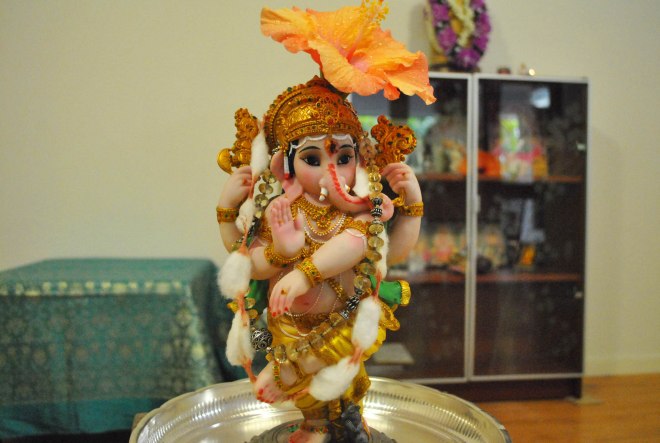
” தப்பாமல் வந்து விடு பிள்ளையார் அப்பனே …”


pillayaru

தகப்பன் சாமிக்கு அண்ணனே என் அப்பன் பிள்ளையார்

அப்பனே ….அப்பமொடு அதிரசம் அவல் பொரியும்

உன் மனம் மகிழ மோதகமும் தப்பாமல் உனக்கு

நான் தருவேன் அப்பா …..

தப்பு என் மீது எது இருந்தாலும் …. நீ

தப்பாமல் என் வீடு வந்து அப்பமெல்லாம் சப்பு கொட்டி

சாப்பிடு அப்பா !!!!! என் அப்பனே பிள்ளையாரப்பா…

இப்போ  என் பேரப்பிள் ளையும்  உனக்காக

சாப்பிடாமல் என்னுடன் காத்திருக்கிறான் உன்னைப்பார்க்க

அப்பனே… தப்பாமல்  நீ வர வேணும் இன்று …

அப்பம், அமுது எல்லாம் என் பேரனுக்கும்  இன்று நீ ஊட்டி , நீயும்

சாப்பிட்டால்  வேறு என்ன பேறு வேண்டும்  எனக்கு ?…அப்பனே

தப்பாமல் வந்து விடு பிள்ளையார் அப்பனே …!!!


நடராஜன்

16 செப் 2015

Camp…Brisbane , Australia