Image of the day… Awesome Video of A Plane Crossing SUN …!!!


Talk about being in the right place at the right time! Noel Keating tried all last year to capture video of a plane crossing the sun. On January 3, 2015, he did it!

EarthSky Facebook friend Noel Keating captured this cool video of a plane crossing the face of the sun on January 3, 2015. He wrote:

I saw the plane way off in the distance, and I did what I normally do. I used the vapor trail of the plane to guide a line across the sky towards the sun to see it if would line up. This one did :)! As the plane got closer to the sun, I couldn’t see it any more so I just viewed it through the Camera LCD display … boy, was I happy when it passed by the solar disc with all the sunspots in clear view.

SOURCE::::: http://www.earthsky.org and You Tube

Natarajan

Jan 12 2015

Image of the Day…Liftoff of SpaceX Resupply Mission to the International Space Station …

SpaceX’s Falcon 9 rocket lifts off from Space Launch Complex 40 at Cape Canaveral Air Force Station carrying the Dragon resupply spacecraft to the International Space Station. Liftoff was at 4:47 a.m. EST on Saturday, Jan. 10, 2015. The commercial resupply mission will deliver 3,700 pounds of scientific experiments, technology demonstrations and supplies, including critical materials to support 256 science and research investigations on the space station.


SOURCE:::: www. nasa.gov

Natarajan

JAN 11 2015

Image of the Day… Satellite Picture of Snow Covered U.S. ….

Satellite Picture Shows Snow-covered U.S. Deep Freeze

NOAA’s GOES-East satellite provided a look at the frigid eastern two-thirds of the U.S. on Jan. 7, 2015, that shows a blanket of northern snow, lake-effect snow from the Great Lakes and clouds behind the Arctic cold front.

A visible picture captured at 11 a.m. EST showed the effects of the latest Arctic outbreak. The cold front that brought the Arctic air moved as far south as Florida, and stretched back over the Gulf of Mexico and just west of Texas. The image shows clouds behind the frontal boundary stretching from the Carolinas west over the Heartland. Farther north, a wide band of fallen snow covers the ground from New England west to Montana, with rivers appearing like veins. The GOES-East satellite image also shows wind-whipped lake-effect snows off the Great Lakes, blowing to the southeast. Meanwhile, Florida, the nation’s warm spot appeared almost cloud-free.

Image Credit: NASA/NOAA GOES Project  

SOURCE:::: http://www.nasa.gov

Natarajan

Jan 10 2015

Image of the Day… Rrindeer under New Year’s Aurora…!!!

Reindeer under a New Year’s aurora

As 2015 opened, a beautiful aurora and reindeer gazing on northern tundra.

January 3, 2015 aurora and reindeer by Harald Albrigtsen.
Harald Albrigtsen in Tromso, Norway wrote on his G+ page:

Met some reindeer tonight while taking aurora photos.

SOURCE:::: http://www.earthsky.org

Natarajan

Jan 10 2015

Image of the Day… Super Moon !!!

What most call a Blue Moon isn't blue in color. It's only Blue in name. This great moon photo from EarthSky Facebook friend Rebecca Lacey in Cambridge, Idaho.

What does a full supermoon look like? Astronomers say you can’t really detect any difference with your eye between a supermoon and any ordinary full moon. This great moon photo is from EarthSky Facebook friend Rebecca Lacey in Cambridge, Idaho.


SOURCE::: http://www.earthsky.org

Natarajan

Jan 6 2015

Image of the Day…Full Moon Day Today !!!

Full moonrise by Mohamed Laaifat Photographies in Normandy, France.Full moonrise, above, by Mohamed Laaifat Photographies in Normandy, France.

Tonight, the moon is full. This full moon falls on January 5, 2015 at 4:53 Universal Time. Although the moon turns full at the same instant worldwide, the clock time – and possibly the date – differs by time zone. For the mainland United States, the moon reaches the crest of its full phase on this Sunday evening on January 4 at 11:53 p.m. EST, 10:53 p.m. CST, 9:53 p.m. MST or 8:53 p.m. PST.

The January 2015 full moon is the first full moon after the December 21 solstice. In North America, we often this full moon the Wolf Moon, Old Moon or Moon After Yule.

Astronomically speaking, the moon is full at the moment that it’s most opposite the sun in its orbit (180o from the sun in celestial or ecliptic longitude). For general reference, however, we can say the moon is full all night tonight, lighting up the nighttime from dusk until dawn.

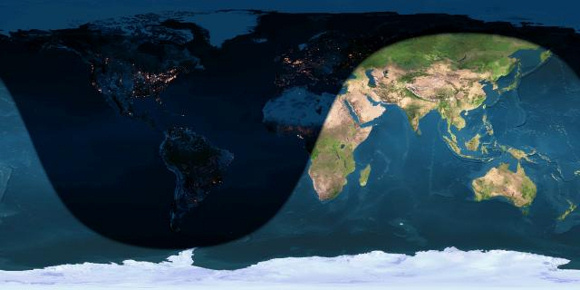
Day and night sides of Earth at the instant of the January 2015 full moon (2015 January 5, at 4:53 UTC) Image credit: Earthview

Elsewhere around the world, the moon reaches the crest of its full phase at different times on the clock. Looking at the worldwide map above, you can see that the full moon comes at midnight in South America and northeastern North America, at sunrise in Africa and the Middle East and at noon in eastern Asia. All these places will see a full-looking moon lighting up the sky tonight from dusk until dawn.

But to see the moon at the instant of full moon, the moon has to be above your horizon on the nighttime side of the world.

In both the Northern and Southern Hemispheres, the January sun – unlike the January full moon – rises south of due east and sets south of due west. In the Northern Hemisphere, these far-southern risings and settings of the sun give us the short days of winter. South of the equator, the same far-southern sunrises and sunsets bring long summer days. Meanwhile, the full moon lies opposite the sun, mirroring the sun’s place in front of the backdrop stars for six months hence.

And that’s why tonight’s moon – like the sun in summer – will follow a high path across the sky as seen from the northern part of the globe – and a low path as seen from the southern.

This January full moon rises north of due east around sunset, climbs highest in the sky around midnight and sets north of due west around sunrise.

Bottom line: Watch the full moon shine from sundown to sunup on the night of January 4, 2015.

SOURCE::: http://www.earthsky.org

Natarajan

” சொல்லத் தோணுது….வாய்கள் பேசாது… காதுகள் கேட்காது!…

சென்னை, தியாகராய நகரில் உள்ள ரெங்கநாதன் தெரு...

சென்னை, தியாகராய நகரில் உள்ள ரெங்கநாதன் தெரு…

முன்பெல்லாம் பண்டிகைக் காலங் களில் மட்டும்தான் நகரங்கள் மக்கள் நெருக்கடியில் திணறி மூழ்கும். இப்போது ஒரு குறிப்பிட்ட நாளில்தான் புத்தாடை, தங்க நகை கள் வாங்குவது என்றில்லாமல், நினைத்த நாளில் வாங்கி விடுகிறபடி வாழ்க்கைமுறை மாறிவிட்டது. கிராமத் துக்கும் நகரத்துக்குமான இடைவெளி குறையக் குறைய எல்லாத் தேவை களுக்குமே சிறு நகரத்துக்கும் பெரு நகரத்துக்கும் தேடிப் போவது வழக்க மாகிவிட்டது.

நகரங்களில் இப்போதே இவ்வளவு போக்குவரத்து நெருக்கடி என்றால், மிச்ச காலத்தும் என்ன ஆகப் போகி றதோ தெரியவில்லை. இரண்டு சக்கர வாகனங்கள் இல்லாத வீடுகளே இல்லை என்பது மாறிப் போய், நான்கு சக்கர வாகனங்கள் இல்லாத வீடுகளே இல்லை என்கிற நிலைமை உருவாகிக் கொண்டிருக்கிறது. அத் துடன், ஒன்றுக்கு இரண்டு வாகனங்கள் பெரும்பாலான வீடுகளில் பயன்படுத்தத் தொடங்கிவிட்டார்கள். ஆனால் அதை நிறுத்தி வைக்கவோ, ஓட்டிச் செல் லவோதான் இடமில்லை.

100 அடி சாலைகளை 60 அடிகளா கவும், 60 அடி சாலைகளை 40 அடி சாலைகளாகவும் மாற்றுவதில் உலகத்திலேயே நம்மவர்களை யாரும் மிஞ்ச முடியாது. சாலைகளில் நடந்து செல்வதற்கு என்று தனிப் பாதைகள் வேண்டும் என்பதை, இன்னும் எவ்வளவு காலத்துக்குத்தான் நாம் உணராமல் இருக்கப் போகிறோம்?

சாலைகளில் நான் அதிகமாக கவனிப்பது நடந்து செல்லும் மக் களைத்தான். உயிரைக் கையில் பிடித்துக் கொண்டுதான் இவர்கள் நடக்க வேண்டியிருக்கிறது. நடந்து செல்பவர்களை ஏளனமாகப் பார்ப்பதும், பயந்து பயந்து அவசர அவசரமாகக் சாலையைக் கடப்பவர்களை வசை மொழியில் திட்டுவதும் நம் ஊரில்தான் பார்க்க முடியும். அதிலும் வேகமாக நடக்க இயலாதவர்கள், சிறுவர்கள், முதியவர்கள் என இவர்களுக்கெல்லாம் சாலையைக் கடந்து போகக்கூடிய நேரத்தை ஒதுக்கி நாம் முன்னுரிமைத் தருவதில்லை.

விதியை உருவாக்கக் காரணமாக இருப்பவர்களும் நாம்தான். அதை மீறும்போது ஏற்படும் விளைவுகளைக் கண்டு குற்றம் சொல்பவர்களும் நாம் தான். மக்கள் குடியேறுவதற்கு முன் பாகவே, நகரங்கள் உருவாக்கப் படும்போதே… அடிப்படைத் தேவை களையும், நெடுங்காலத் தேவைகளை யும், தொலைநோக்கில் உணர்ந்து திட்டங் களை வரைபவர்கள் வெளிநாட்டினர். அதனால் நடந்து செல்பவர்கள், மிதிவண்டியில் செல்பவர்கள், பெரிய வாகனங்களில் செல்பவர்கள் என ஒவ்வொன்றுக்கும் தனித்தனிப் பாதை அமைக்கவும், இது குடியிருப்புப் பகுதி, இது வணிக வளாகப் பகுதி என ஒவ்வொன்றையும் முறையாக தனித் தனியாக உருவாக்கவும் அவர்கள் பழகி யிருக்கிறார்கள். இதனால் யாருக்கும் நேரம் விரையமில்லை; விபத்துகள் இல்லை; விரைவாகச் செல்வதால் வெளியேறும் எரிபொருள் மாசுவின் பாதிப்பும் குறைவாக இருக்கிறது. எரிபொருளும் மிச்சமாகிறது.

வெள்ளைக்காரனிடம் இருந்து ஆங்கிலத்தைக் கற்றுக் கொண்டு பெருமைப்பட்டுக் கொள்ளும் நாம், அவனிடம் உள்ள நல்ல பழக்கங்களைப் பின்பற்ற மறுக்கிறோம். மக்கள் குடி யேறிய பின்தான் இங்கு எல்லாத் திட்டங்களும் செயல்படுத்தப்படுகிறது. ஒவ்வொரு நாளும் நகரங்களுக்கு நிரந்தரமாகக் குடியேறுபவர்கள் எவ் வளவு பேர்? அவசர அலுவல்கள் காரணமாக நகரத்துக்கு வந்துபோகிறவர் கள் எவ்வளவு பேர்… எனக் கணக் கெடுத்தால், அதிர்ச்சிதான் நேரிடும்!

சிக்கல்கள் உருவாவதற்கு முன்னே இம்மக்களுக்கானத் தேவைகளை அறிந்து திட்டங்கள் தீட்டி, உருவாக்கித் தருவதற்குப் பெயர்தான் அரசாங்கம்! வணிக வளாகப் பகுதிகளாக இருந் தவை, மேலும் மேலும் அடுக்கடுக் கானக் கட்டிடங்களாக அதன் ஆபத் தைப் பற்றி கவலைப்படாமல் உயர்ந்து கொண்டே போவதும், குடியிருப்புப் பகுதிகள் அதன் காரணமாக வணிக வளாகப் பகுதிகளாக மாறிக்கொண்டே போவதும் இனி நிற்கப் போவதில்லை.

30 ஆண்டுகளுக்கு முன்பு நான் திரைப்படக் கல்லூரிப் படிப்பை முடித்து, சென்னை தியாகராய நகர் பகுதியில்தான் 10 ஆண்டு காலம் தங்கியிருந்தேன். அப்போது இருந்த அந்தச் சாலைகளின் அகலங்களும் தெருக்களின் அகலங்களும் அப் படியே இருக்கின்றன. ஆனால், மக்கள் தொகை நெருக்கடியும் கட்டிடங்களின் எண்ணிக்கையும் 100 மடங்கு உயர்ந் திருக்கிறது. இதைவிடக் கூடுதலான எண்ணிக்கையில் அரசுப் பேருந்து களும், 100 மடங்கு வாகனங்களும் அந்த சாலைகளில் சென்று கொண்டிருக் கின்றன. இந்த அளவுக்கு இங்கே நெருக்கடி உருவாக காரணம், அந்த இடம் முழுக்கவும் வணிகப் பகுதிகளாக மாறிக்கொண்டே இருப்பதுதான்.

இன்று நேரம் என்பது ஒவ்வொரு வருக்கும் மிக முக்கியமானதாகிவிட்டது. தியாகராய நகரைக் கடக்காமல் சென்னையின் பிற பகுதிகளை அடைய முடியாது. இதே போல்தான் சென்னை நகரம் மட்டுமல்ல; இந்திய நகரங்களின் அனைத்துப் பகுதிகளும் மாறிக்கொண்டு வருகின்றன.

அதுவும் பண்டிகைக் காலங்கள் என்றால் போக்குவரத்தே முடங்கிவிடு கிறது. விபத்து என ஒன்று ஏற்பட்டால் தான் நடவடிக்கைகளும், திட்டங்கள் தீட்டுவதும் இங்கே நடைபெறுகிறது. அதைகூட நீதிமன்றம் செல்லாமல் பெற முடிவதில்லை. ஒருமுறை அங் கிருக்கின்ற கடைகளுக்கு இதுதொடர் பான அதிகாரிகள் சென்று பாருங்கள். ஒரு குண்டுமணி போட்டால்கூட கீழே விழாதபடி காலையிலிருந்து இரவு வரைக்கும் மக்கள் வெள்ளம் திணறிக்கொண்டேயிருக்கிறது. இந்த மக்களெல்லாம் எங்கிருந்து வருகிறார்கள்? எதில் வருகிறார்கள்? வாகனங்களை எங்கே நிறுத்துகிறார்கள்? அவர்களுக்கான அடிப்படை வசதிகள் இருக்கின்றதா… என கண்காணித்து செய்து தருபவர்கள் யார்?

இப்பகுதிகளில் கும்பகோணம் போன்ற தீ விபத்தோ, சென்னை மவுலிவாக்கம் 11 மாடிக் கட்டிடம் போன்ற கட்டிட விபத்தோ ஏற்படாது என யாராவது உறுதியாக சொல்லிவிட முடியுமா? அவ்வாறு நிகழாது என ஒருவேளை யாராவது சொன்னால்… நீங்கள் அதனை ஏற்றுக்கொள்கிறீர்களா? என்றைக்காவது அதுபோன்ற ஒரு விபத்து ஏற்பட்டால், எவ்வாறு அம்மக் களைக் காப்பாற்றுவீர்கள்?

ரெங்கநாதன் தெரு போன்ற தெருக்களில் தீயணைப்பு வண்டி நினைத்த மாத்திரத்தில் சென்று பாதிப்புக்கு உள்ளாகுபவர்களைக் காப்பாற்றிவிட முடியுமா? சென்று சேர்வதற்குள் தீ விபத்து ஒரு கடையோடு நின்றுவிடுமா?

ஏகப்பட்ட காவல்துறையினரை நிறுத்தி நகைத் திருட்டு, துணித் திருட்டு செய்பவர்களைத்தான் நம்மால் பிடிக்க முடியும். நகரத்தின் தொலை நோக்கு வளர்ச்சியைக் கருத்தில் கொண்டு… எந்தெந்த வணிகப் பகுதி கள் போக்குவரத்துக்கும், சுற்றுச் சூழலைப் பாதுகாப்பதற்கும், மக்க ளின் பாதுகாப்புக்கும் தடையாக இருக் கின்றதோ, அவற்றை இப்போதே கணக்கெடுத்து அகற்றி இடம் மாற்று வதுதானே சரியானதாக இருக்கும். இந்த நகைகளையும், பாத்திரங்களையும், துணிகளையும் எங்கு வைத்தும் விற்கலாமே!

அயல்நாடுகளில் இருப்பது போல ஒவ்வொரு பொருளுக்கும் ஒரு விற்பனை பகுதியை உருவாக்கி, அவர் களுக்கான வசதிகளை ஏற்படுத்தித் தந்து, இவைகளை இடம் மாற்று வது பற்றி முடிவெடுக்க வேண்டிய நெருக்கடியான காலகட்டம் இது.

சாலைகளை விரிவுபடுத்தி போக்கு வரத்து நெரிசலை சீராக்காமல், வருகின்ற எல்லா வெளிநாட்டு கார் கம்பெனிகளுக்கும் அனுமதி கொடுத்துக் கொண்டேயிருப்பதும் எந்த வகையில் சரியானது?

மக்கள் கேட்டால்தான் செய்வோம் என பொறுப்பில் இருப்பவர்கள் நினைக்கலாம். இந்த மக்கள் எந்தக் காலத்திலும் எதையும் வாய்த் திறந்து கேட்கவே மாட்டார்கள் என்பது எல்லோருக்குமேத் தெரியும். இருந்தும் எனக்கு சொல்லத் தோணுது!

– இன்னும் சொல்லத் தோணும்
எண்ணங்களைத் தெரிவிக்க: thankartamil@gmailcom. 

SOURCE:::: தங்கர் பச்சான்  IN tamil.thehindu.com

Natarajan

Jan 4 2015

Image of the Day…Earth closeset to Sun on Jan 4 …!!!

Earth closest to sun for 2015 on January 4

Image via Bristlebot

Moon PhaseCourtesy U.S. Naval Observatory

Tonight – that is, before dawn tomorrow from our North American longitudes – our planet Earth will reach perihelion, its closest point to the sun for the year. This annual event will take place on January 4, 2015 at 6:36 UTC (01:36 a.m. EST). The word perihelion is from Greek roots peri meaning near, and helios meaning sun.

Earth is closest to the sun every year in early January, when it’s winter for the Northern Hemisphere. We’re farthest away from the sun in early July, during our Northern Hemisphere summer.

Earth is about 5 million kilometers – or 3 million miles – closer to the sun in early January than it will be in early July. That’s not a huge change in distance. It’s not enough of a change to cause the seasons on Earth.

Despite what many may think, Earth’s distance from the sun isn’t what causes the seasons. On Earth, because our orbit is so close to being circular, it’s mostly the tilt of our world’s axis that creates winter and summer. In winter, your part of Earth is tilted away from the sun. In summer, your part of Earth is tilted toward the sun. The day of maximum tilt toward or away from the sun is the December or June solstice.


SOURCE:::: http://www.earhsky.org

Natarajan

This Date In Science….Luna 1 Spacecraft Headed towards Moon… !!!

This date in science: Luna 1 spacecraft heads toward moon

Luna 1 was a milestone for exploration of the solar system, but American historians suspect the spacecraft failed one major objective: to hit the moon. Image credit: NASA
Some historians believe Luna 1 – a Soviet spacecraft – was supposed to hit the moon. It would have been a large coup for the Soviets in the early days of the Space Race.

January 2, 1959. Trailing orange sodium gas, the Luna 1 spacecraft broke free of Earth’s gravity on this date, to head towards the moon.

However, the spacecraft did fly successfully past Earth’s neighbor on January 4, 1959.
Luna 1 was a milestone for exploration of the solar system, but American historians suspect the spacecraft failed one major objective: to hit the moon.
And the orange gas? It was supposed to help scientists track the spacecraft and to test the behaviours of gas in space. The 795-pound spacecraft also picked up new data on the Earth’s radiation belt.

Bottom line: On January 2, 1959, the Luna 1 spacecraft broke free of Earth’s gravity on this date, heading towards the moon.

SOURCE:::: http://www.earthsky.org

Natarajan

Joke of the Day…” It is also designed to fly …” !!!

A helicopter carrying passengers suddenly looses engine power and the aircraft begins to decent. The pilot safely performs an emergency landing in water, and tells the passengers to remain seated and to keep the doors closed, stating that in emergency situations, the aircraft is designed to stay afloat for 30 minutes, giving rescuers time to get to them. Just then a man gets out if his seat and runs over to open the door. The pilots screams at him, “Didn’t you hear what I said, the aircraft is designed to stay afloat as long as the doors remain closed?!”.

“Of course I heard you”, the man replied, “but it’s also designed to fly, and look how good that one worked out!!” 

SOURCE:::: http://www.joke a day.com

Natarajan