Meet 10 Super Senior Citizens of Our Times…. !!!

What is the Secret to Longevity

More often than not, the oldest people in the world don’t even know they’ve earned the title unless the Guinness Book of Records’ people call to let them know, or a reporter comes a-calling. Undoubtedly, they carry with them years of experience and wisdom they can pass on to others. These are their secrets to longevity, by the ten oldest people in the world (2015).

10. Orma Slack (111 years, 10 months)
The Secret to Logevity
Orma was born on February 19, 1903 in Canada, just several months before Orville Wright flew the first airplane in history. She was 20 when the Great Depression started and 66 when humanity landed on the moon. Orma was a teacher and retired at the age of 64, then traveled the world with her husband (who passed away in 1988). She also volunteered at the Bellville hospital until she was 104, and only stopped because she could not find a ride to the hospital. Orma still enjoys life. Last year she went skiing.

Orma’s secret: “Ever since I was a child, the world did not change for better or worse. Things don’t change, so go with the flow. I’ve never done anything special to help me get to my age, but the secret may be my positive attitude to people and life. I don’t recall ever saying a bad thing about a neighbor, family member or a friend”.

9. Sakari Momoi (111 years, 11 months)
The Secret to Logevity
Sakari is the oldest living man in the world. Born on February 5th, 1903, Sakari worked his whole life as a teacher and later as a principal until reaching retirement. The Guinness Book of Records is currently verifying whether Mr. Momoi is also the oldest living man in history.

Momi’s secret: “I do not know the secret of my long life, I simply haven’t died yet. I used to always exercise, eat in moderation and never consumed alcohol, but that’s just my way of life, not some great secret.”

8. Johanna Klink (112 years)
The Secret to Logevity
Three months ago, Johanna officially became the oldest person in Germany. She has been married three times and has only one daughter (an uncommon thing for long-living people). Johanna has been living in a nursing home since 2004, but she is still healthy, both physically and mentally.

Johanna’s secret: “I feel great, like I’m 60 years old and just retired. My secret to a long life is a plain and light diet, and especially only using a few drops of oil or butter in the soups I make.”

7. Ethel Lang (114 years, 7 months)
The Secret to Logevity
Born on May 27, 1900, Ethel is the oldest person in England and the second-oldest person in Europe. She’s the only living Britton born during the reign of Queen Victoria. Ethel left school at the age of 13 and went working in a shirt factory, where she worked throughout WWI. Many of the relatives on her father’s side enjoyed a long life.

Ethel’s secret: “I’ve never smoked and barely touched any alcohol. I drink a lot of tea, cook my own food, even the bread. Ever since I can remember, I was always in motion and never gotten fat. I was always taking interest in people’s wellbeing and loved to go out and dance. Last time I danced was when I was 107.”

6. Violet Brown (114 years, 10 months)
The Secret to Logevity

Violet was born on March 10th of 1900, and still remembers the days she had to get up early in the morning and walk 3 miles barefoot to get her family water so she can get back home by 9am to go to school. This Jamaican lady says that: “Today’s youth don’t know how easy their lives are. They have plumbing in every home and buses going everywhere. Sometimes I think about the past and cry for all the hardships I had to endure”.

Violet’s secret: “These days I enjoy reading (without glasses) and reciting poetry. My secret to longevity is my faith in the good Lord and his commandments. If I have a message to share, it’s ‘Honor thy father and thy mother’. That’s probably the most important commandment.”

5. Emma Morano-Martinuzzi (115 years, 1 month)
The Secret to Logevity

Emma is the oldest person who had ever lived in Italy, and the last European born in the 19th-century (November 29th, 1899). Emma was only married for 11 years, but being a Catholic, she did not believe in divorce, so she only kicked her husband out of the house and remained married until he died in 1978. Their son died at six months, and Emma stayed in her marital home ever since.

Emma’s secret: “I never touched drugs and only drank brandy that I make at home. I eat three eggs every day and treat myself to chocolate sometimes, but mainly, I think it’s my positive thinking about the future that kept me alive for so long.”

4. Susannah Mushatt Jones (115 years, 6 months)
The Secret to Logevity
The 4th oldest person in the world and 3rd oldest person in the USA, Susannah was born on July 9th, 1988. Her grandfather was a freed slave who became a farmer, later run by her parents. Susannah did not want to be a farmer, so after finishing school in 1922, she decided she wanted to be a teacher. Sadly, her parents couldn’t afford to pay for her studies, so she moved to New York, got married and five years later got a divorce. Since then she has been living alone, and has been working as a nanny for $7 a week.

Susannah’s secret: “I visit the doctor only four times a year and don’t use any medication except for blood pressure medication. When I turned 100 I lost my eyesight to diabetes, but I refuse to take medication or have a surgery for it. My whole life I avoided cigarettes, alcohol, makeup and even hair dye. I get 10 hours of sleep every night and not being married also helps.”

3. Jeralean Talley (115 years, 7 months)
The Secret to Logevity

Jeralean is the 3rd oldest person in the world and the 2nd oldest person in the USA. She was born on May 23rd, 1899 and says she’s never driven a car since the first time she tried, when she accidentally used the wrong pedal, causing the car to reverse, which scared her. She’s not sorry about it.

Jeralean’s secret: “I never stop moving, and even today I keep my hands busy by knitting. I played bowling until I turned 104, but my legs have gotten weaker since then. I sometimes go fishing with my son-in-law and grandson and even caught seven fish last time. I only have one golden rule for life: Treat others as you would have them treat you.”

2. Gertrude Weaver (116 years, 6 months)
The Secret to Logevity
The oldest person in the USA and 2nd oldest person alive today was born on the 4th of July, 1898. Gertrude had four children, the only one still alive today is 93 years old. When Gertrude was 104, she moved to a nursing home, and despite not having any chronic diseases, her age is affecting her health. Despite that, she still leaves her room and enjoys the activities in the home.

Gertrude’s secret: “My secret is faith in God, hard work, loving everyone and always do as much as you can, and if you can’t, don’t do it.”

On her 116th birthday, Gertrude received a letter from President Barack Obama, informing her that from that point on, that day is official “Gertrude Day” in the USA.”

1. Misao Okawa (116 years, 10 months)
The Secret to Logevity
Misao Okawa is the oldest living person in the world, the oldest person in Asia and the only Japanese person born in the 19th-century that is still alive. At 102, Misao was still regularly exercising and was able to walk on her own until she was 110. These days she uses a wheelchair because she has a hard time keeping her balance, but insists on using the chair on her own and refuses to ask for help.

Misao’s secret: “The reasons I survived for so long are sushi and a good night’s sleep.”

So who knows, maybe we just need to eat more sushi and sleep well every night, and we’ll all be able to walk by the time we’re 110. Either way, the world’s oldest woman seems happy and full of life, which seems to be the main message of most of the people on this list, above all diets and such. So the secret to a long and happy life is just to be kind to yourself and to others.


SOURCE:::: http://www.ba-bamail.com

Natarajan

Jan 14 2015

Delhi Metro… Facts You May Not Know !!!

The Delhi Metro is overcrowded, it’s swarming with pickpockets and there are frequent technical glitches. Yeah, we know all these things. But is that all we need to know about our favorite ride around the national capital?

The fact remains that despite these problems, we never give Delhi Metro a skip. There is lot more to the metro than what meets the eye. Here are 10 interesting facts about saddi metro that you probably did not know!

1. No dustbins

The DMRC stations and platforms look spick and span despite the fact that there are no dustbins anywhere (apart from the restaurants). This is something Modi Ji would be very proud of!

img

Source: urbanistyczine

2. Neutral Zones

You call them power cuts, DMRC calls them power shifts! The momentary power lapses where lights and AC go off at certain stations are actually ‘power shifts’. These designated sub-stations a.k.a. neutral zones supply power to the metro since it can not get the required 25000 volts from a single station.

img

Source: sify

3. Even number of coaches

Ever seen a metro with 5 or 7 coaches? No chance of that happening. This is because DMRC rails have 2 types of coaches, namely the ‘driver car’ and the ‘motor car’. They serve as one unit and cannot be used separately. Hence, Delhi metros have either 6 or 8 coaches. Always!

img

Source: dwarkaexpress

4. Journey ke saath bhi, journey ke baad bhi

DMRC takes care of your journey even after you deboard the train. A lot of metro stations provide bicycles on rent for as meagre as Rs 10 for 4 hours. Just don’t forget to carry a valid ID proof!

img

Source: mayurviharextension

5. DMRC Smart Card

Largely unknown, DMRC and ICICI bank got together to launch a DMRC debit card which has an auto recharge facility and gives 10 % discount on metro fare and shops at metro stations. Oh, did we mention cash back offers and reward points? Happy travelling!

img

Source: icicibank

6. Sari Guard feature of escalators

Delhi metro commuters are always in a hurry and DMRC realises that. Apart from the emergency stop button, the DMRC escalators also have a sari guard feature that deflects  loose clothing from getting trapped.

img

Source: thehindu

7. Assistance for visually impaired

Apart from scrubbing your shoes clean on them, these broad yellow strips running on the Delhi Metro platforms serve a better purpose. These yellow tactile strips are the pathways for the visually impaired commuters, leading them directly to the lifts and to the exits.

img

Source: delhimetrorail

8. Wheelchair friendly

All stations have ramps built right at the entrance to help wheelchair-bound people to roll themselves around the station. This again shows how methodologically the Delhi Metro stations have been built.

img

Source: thehindu

9. Distance covered by Delhi Metro

The Delhi Metro network consists of a total of 200 trains covering a total distance of 69,000 kms every day. To put things into perspective, the earth’s total circumference is 40,075 kms!

img

Source: wikipedia

10. Punctuality

In our own rush of reaching our destination, we hardly notice that Delhi Metro is one of the very few punctual things that have happened to Delhi, or India perhaps!

img

Source: wikimedia

Next time someone brags about his luxury car, you know just the points to defend your own ride!

This write up is inspired by an awesome post we found on Quora.

Source::::: Gaurav Arora on http://www.scoopwhoop.com

Natarajan

Jan 13 2015

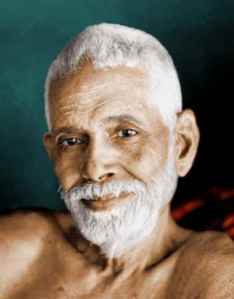
ஸ்ரீ ரமண மஹரிஷி வாழ்வில் …” யாருக்கும் அனுமதி இல்லை …” !!!


ரமணருக்கு முதுமையுடன் நோயும் சேர்ந்து உடல் மிக நலிந்திருந்த சமயம். ஆனால் எப்போதும் யாராவது அவரைத் தரிசிக்க வந்தவண்ணம் இருந்தனர். மருத்துவரோ கண்டிப்பாக ஒய்வு தேவை என்று கூறினார். குறைந்தபட்சம் மதியச் சாப்பாட்டுக்குப் பின் பகவான் சற்று ஒய்வு எடுக்கட்டும் என்று மிகுந்த நல்லெண்ணத்தோடு தீமானித்த நிர்வாகம் ஒரு போர்டு வைத்தது. ‘பகல் பன்னிரண்டு மணி முதல் இரண்டு மணி வரை யாருக்கும் அனுமதியில்லை’ என்று அதில் எழுதியிருந்தது.
சாப்பிடப் போயிருந்த பகவான் திரும்பி வந்தார். போர்டைப் பார்த்தார். பேசாமல் கூடத்துக்கு வெளியே உட்கார்ந்து விட்டார்.
‘பகவான் உள்ளே போகலாமே’ என்று மற்றவர்கள் கூறினர்.
‘யாருக்கும் அனுமதியில்லை என்று எழுதியிருக்கிறதே. அது நமக்கும் தானே’ என்று சொல்லிப் பகவான் எல்லோரையும் திகைக்க வைத்தார்.
……………
Natarajan
Jan 13 2015

Ten Indian Villages That Set a Worthy Example for the Whole Country …

LET US BE PROUD OF OUR COUNTRY. IT IS A PARTICIPATIVE ACHIEVEMENT.

Interesting to read about villages that are different.

10 Indian Villages That Set A Worthy Example For The Whole Country
November 12 , 2014

India, having an agro-based economy, depends the most on its villages for growth. Thegaon always has that distinct nostalgic charm that Indians alone can understand. Sarson ke khet, tea plantations, mud houses, clean air, charpaai, mitti, star-lit sky; these are just some of the happy things that we associate with life in an Indian village.
But unfortunately, that feeling is slowly waning. Poverty, lack of education, lack of sanitation, etc are the first associations that the media paints about Indian villages for our benefit.
Here’s a little fact: Gaons aren’t a bad place to live. In fact, some of them are way better than any metro. And these exemplary examples prove just that.

1. Mawlynnong – Asia’s cleanest village

Mawlynnong, a small village in Meghalaya, was awarded the prestigious tag of ‘Cleanest Village in Asia’ in 2003 by Discover India Magazine. Located at about 90kms from Shillong, the village offers a sky walk for you to take in the beauty as you explore it. According to visitors, you cannot find a single cigarette butt/plastic bag lying around there.

Source: Flickr

2. Punsari – The village with WiFi, CCTVs, AC classrooms and more

Punsari, located in Gujarat, puts most metros to shame. Funded by the Indian government and the village’s own funding model, Punsari is no NRI-blessed zone. The village also boasts of a mini-bus commute system and various other facilities. Believe it.
<
Source: Dainik Bhaskar

3. Hiware Bazar – The village of 60 millionaires

Hiware Bazar, located in the Ahmednagar district of Maharashtra, has transformed from being a place fraught with issues to being possibly the richest village in India. The sole reason for this fairy-tale change is one man called Popatrao Pawar. He banned all addictive substances to minimize expense and encouraged the villagers to invest in rain-water harvesting, milch cattle, etc.
There are a record 60 millionaires in the village and barely any poor. From 168 Below Poverty Line families in 1995, Hiware Bazar now has just three. The villagers continue to strive to see a day when not one person is poor.

Source:  Hiware Bazar

4. Dharnai – First fully solar-powered village

Dharnai, a village in Bihar, beat 30 years of darkness by developing its own solar-powered system for electricity. With the aid of Greenpeace, Dharnai declared itself anenery-independent village in July. Students no long need to limit their studies to the day time, women no longer limit themselves to stepping out in the day in this village of 2400 residents. Now if only cities could do the same, right?

Source: Greenpeace

5. Chappar – A village that distributes sweets when a girl is born

Chappar village in Haryana has a woman Sarpanch. But Neelam is no ordinarySarpanch. She made it her life’s mission to change the attitude of the villagers towards women, and she succeeded. Not only do the women of the village not wear theghunghat anymore, but despite Haryana being the state with the lowest girls ratio (an abysmal 877) in this village every newborn, regardless of his/her sex, is welcomed into the world with sweets and festivities.

Source: Youth Connect Mag

6. Korkrebellur – A village that really loves its birds

Korkrebellur, a small village in Karnataka, believes in the conservation of nature. While most other villages consider birds a nuisance because they harm crops, Kokrebellurboasts of rare species of birds that fly around and don’t even mind humans much. The villagers treat their winged compatriots as family and have even created an area for wounded birds to rest and heal. Wonderful, isn’t it?

Source: Flickr

7. Ballia – The village that beat arsenic poisoning with an indigenous method

Ballia village of Uttar Pradesh had an itchy problem to deal with. The water that the villagers were drinking contained arsenic, which causes serious skin problems and even physical deformation. What is arsenic, you ask? A harmless element on its own, but when combined with oxygen or water, it turns toxic.
Ironically, the village faced the problem after the government introduced many hand-pumps in the area for easy water access. The level at which the hand-pumps were dug led to excessive interaction between arsenic and water. When the villagers realised what had happened, instead of waiting for the government to act on it, they (physically) fixed their old wells and went back to an older, safer time. The best part? Even 95-year-old Dhanikram Verma joined in.

Source: The Better India

8. Pothanikkad – The village with a 100% literacy rate

Unsurprisingly in Kerala, Pothanikkad village was the first in the country to achieve a 100% literacy rate. Not only does the village boast of city-standard high-schools, but it also has primary schools and private schools. Guess the number of people the village has educated? Well, according to the 2001 census there are 17563 residents living in the village. The best part is that it answers the question.
<
Source: Deokothamangalam

9. Bekkinakeri – The village that rid itself of open defecation by ‘greeting’ lota-bearers

Bekkinakeri village in Karnataka has redefined the point of wishing someone a ‘Good morning’. Frustrated with the practice of open defecation, the village council attempted to curb it by requesting people to not do so. When that didn’t work, they stationed themselves early morning near ‘popular’ defecation sites and wished every perpetrator a very good morning. The trick worked! Too embarrassed to go on with their business, the openly defecating population has now stopped the practice completely.

Source: World Bank

10. Shani Shingnapur – A village so safe that people don’t need doors

Shani Shingnapur, located in Maharashtra, is a village that defies every newspaper report you have ever read. Touted as the safest village in India, this place is known for its lack of doors to houses. Not just that, there is no police station in the village. And no, we are not making this up.
By the way, Shani Shingnapur has ‘broken’ another interesting record. The village has the country’s first lockless bank branch (UCO bank) now.

Source: Woman Planet

SOURCE:::: input from a friend of mine and www. scoop whoop .com

Natarajan

Janb 13 2015

Message For the Day…” A Story to Explain the Limitless Grace of God …”

Everyone appreciated the wonderful way in which Parikshith sought the lap of the Lord and praised the steady faith he already attained. Yudhishtira was puzzled at the child’s act and requested Vyasa, the great sage, to explain. Vyasa said, “Yudhishtira! When this child was in the womb, the deadly arrow that Aswathama aimed at it to destroy it was about to hit its target. Lord Krishna entered the foetal home and saved it from destruction. This child has been eager to know who had saved him from within the womb. He started examining everyone to find out whether anyone had the same effulgence that he saw while a foetus in the womb. Today, when he saw that divine form with all its splendour, he went straight towards Him and prayed to be seated on His lap. The Lord too, immediately yielded to his prayer.” Yudhishtira then shed tears of joy and thankfulness to the limitless grace of the Lord.

Sathya Sai Baba

A Simple Story with a Strong Message to all of us…


Read this – it is a beautiful message.

In an ancient temple, a number of pigeons lived happily on roof top.

When the renovation of the temple began for the annual temple festival,  the pigeons   relocated themselves                                                                            to a Church nearby. The existing Pigeons in the Church   accomadated  the new comers very well

Christmas was nearing and the Church was given a facelift. All the pigeons had to move out and look for another place                                                                    They were fortunate to find a  place in a Nearby Mosque  .   Pigeons in the Mosque welcomed the new friends Happily.

It was Ramadan time and the Mosque  was repainted. All the pigeons now Came back to the same ancient Temple .

One day the pigeons on top found some Sound and  clash below in a market square.     A Baby Pigeon

                                                asked the mother pigeon “Who are these people ?”.

The mother replied that they were called  “Human beings”.

The baby asked, “but why are they fighting with each other”.

The mother said “These human beings going to temple are called ‘Hindus’ and the  people going to the Church                                                    are called ‘Christians’ …. The people going to Mosque are called ‘Muslims’.

The Baby pigeon asked, “why is it so? Look, when we were in the Temple we were called  PIGEONS only !!! ….When we were in the Church , we were called as PIGEONS  . And , we were in the MOSQUE  too, we were called as PIGEONS only.                    Similarly all of them down below should be called just “HUMAN BEINGS ” wherever they go”.

The mother Pigeon said, ‘You and me and our Pigeon friends have experienced God and that’s why                                 we are living here in a highly elevated place Peacefully. These people are yet to experience God.                                Hence they are living  below us and fighting and killing each other”.

A nice Story with a Strong Message to all of us ….

SOURCE :::: UNKNOWN…. Input from a friend of mine

Natarajan

Jan 13 2015

10 Minutes Flight Time …World”s Shortest Flight !!!

FlyNiki claims to have plans for the world’s shortest flight. Picture: somkuti.

FlyNiki claims to have plans for the world’s shortest flight. Picture: somkuti. Source: Flickr

LOW-cost Austrian airline, FlyNiki, is launching a 10 minute flight between the capitals of Austria and Slovakia that is claiming to be the world’s shortest.

The distance between the two cities is only 48 kilometres, just under an hour by car and even less by train, leaving many questioning if the trip is worth it once you account for airport queues and check-ins.

No it’s not an April fools joke but it may be quicker to drive. Picture: GerardvdSchaaf.

No it’s not an April fools joke but it may be quicker to drive. Picture: GerardvdSchaaf. Source: Flickr

But it’s a 15 minute drive to the airport from downtown Bratislava, and 20 minutes from Vienna. Combine that with early arrival for check-in and it seems it may be quicker to take the intercity bus trip of about an hour — and definitely a lot cheaper.

Set to launch on April 1, the airline says the Vienna-Bratislava flight will make sense for those taking connecting flights from Vienna.

SOURCE::::: http://www.news.com.au

Natarajan

Jan 12 2015

ஸ்ரீ ரமண மஹரிஷி வாழ்வில்…பிள்ளையாருக்கு வாழைப்பழம் , அணிலுக்கு முந்திரிப்பருப்பு …”

கே.என்.சாஸ்திரி என்பவர் ரமணரைப் பார்க்கப் போகும்போது கையில் ஒரு சீப்பு வாழைப்பழம் கொண்டுபோனார். போகும் வழியில் அருணாசலேஸ்வரர் கோவிலுக்குப் போனார். சீப்பிலிருந்து பழத்தைப் பிய்த்தெடுக்காமலே சாஸ்திரி ஒரு பழத்தை மட்டும் அங்கிருந்த பிள்ளையாருக்கு மனதாலே நிவேதனம் செய்தார்.

இறுதியில் அவர் பகவானைப் பார்த்து பழங்களைக் கொடுத்தார். அங்கிருந்த ஒரு சாது பழச்சீப்பை குகைக்குள் வைப்பதற்காக எடுத்துப் போகும் நேரம் பகவான் ‘ஒரு நிமிஷம், பிள்ளையாருக்குக் கொடுத்த பழத்தை நாம எடுத்துக்கலாம்’ என்று சொல்லி ஒரு பழத்தை வாங்கிக் கொண்டதும் சாஸ்திரியார் வியந்து போனார். எது தெரியாது பகவானுக்கு?


ஆச்ரமத்தின் கூடத்தில் இருக்கும் கட்டிலில் ஸ்ரீ ரமணர் சாய்ந்து அமர்ந்திருந்தார். வழக்கமாக அந்த நேரத்தில் வருகின்ற அணிற்பிள்ளைகள் வந்தன. சிறிதும் பயமின்றி ஸ்ரீ ரமணரின் மேனியில் ஏறியும் இறங்கியும் விளையாடின. ஸ்ரீ ரமணர் தமது அருகிலிருந்த டப்பாவைத் திறந்து பார்த்தபோது, அன்று முந்திரிப் பருப்புக்குப் பதிலாக அதில் வேர்க்கடலை இருந்தது. தினந்தோறும் அணில்கள் ஸ்ரீ ரமணரின் கையிலிருந்து முந்திரிப் பருப்பை வாங்கி உண்ணும். அவரே ஊட்டவும் செய்வதுண்டு.

இன்று வேர்க்கடலையை அவர் ஊட்டியதும் அணிற்பிள்ளைகள் அதை ஏற்க மறுத்தன. அது மட்டுமில்லாமல் முந்திரி கிடைக்காத கோபத்துடன் ‘கீச் கீச்’சென்று கத்திக் கொண்டே தாவித் தாவி அவருடைய உடம்பில் ஏறின. “வேர்க்கடலையைச் சாப்பிடுங்கள்” என்று குழந்தையைக் கெஞ்சுவதுபோல ஸ்ரீ ரமணர் அணிற் பிள்ளைகளைக் கொஞ்சினார். அவையோ தொட மறுத்தன. முந்திரிப்பருப்பு வேண்டும் என்பதுபோல அடம் பிடித்தன. ஸ்ரீ ரமணர் சமையலறையிலிருந்து முந்திரி இருந்தால் கொண்டு வருமாறு தொண்டர் கிருஷ்ணசாமியிடம் கூறினார்.

தொண்டர் சிறிதளவு முந்திரியைக் கொண்டுவந்து கொடுத்தார். “இவ்வளவுதான் இருக்கிறதா ?” என்றார் ஸ்ரீ ரமணர். தொண்டர், “பாயசத்திற்குப் போடணும்னு கொஞ்சம் வைத்திருக்கிறது” என்றார்.

“இந்தக் குழந்தைகள் எப்படி தவிக்கின்றன. போ போ. பாயசத்திற்கு முந்திரி போடணும்னு கட்டாயமில்லை” என்று ஸ்ரீ ரமணர் கோபமாகக் கூறியதும் தொண்டர் சமையலறையிலிருந்த முந்திரி முழுவதையும் கொண்டு வந்து கொடுத்தார். ஸ்ரீ ரமணர் ஆசையுடன் ஊட்ட, அணிற்பிள்ளைகள் சந்தோஷக்குரல்களுடன் உண்டபோது, ஸ்ரீ ரமணரின் வதனத்தில் கருணையொளி வீசியது.

மறுநாளே சென்னையிலிருந்து வந்த பக்தர் ஒருவர் ஸ்ரீ ரமணரிடம் இரண்டு பெரிய பொட்டலங்களில் முந்திரிப்பருப்பு கொண்டுவந்து, “அணிற்பிள்ளைகளுக்கு அளிப்பதற்காகவே கொண்டு வந்தேன்” என்றார். ஸ்ரீ ரமணர் அணிற்பிள்ளைகளுக்குத் தேவையானது கிடைத்ததில் ஆனந்தம் அடைந்தார்.

ஓம் நமோ பகவதே ஸ்ரீ ரமணாய!!

SOURCE:::: http://www.balhanuman.wordpress.com

Natarajan

Jan 12 2015

Image of the day… Awesome Video of A Plane Crossing SUN …!!!


Talk about being in the right place at the right time! Noel Keating tried all last year to capture video of a plane crossing the sun. On January 3, 2015, he did it!

EarthSky Facebook friend Noel Keating captured this cool video of a plane crossing the face of the sun on January 3, 2015. He wrote:

I saw the plane way off in the distance, and I did what I normally do. I used the vapor trail of the plane to guide a line across the sky towards the sun to see it if would line up. This one did :)! As the plane got closer to the sun, I couldn’t see it any more so I just viewed it through the Camera LCD display … boy, was I happy when it passed by the solar disc with all the sunspots in clear view.

SOURCE::::: http://www.earthsky.org and You Tube

Natarajan

Jan 12 2015

Message For the Day…”Spend Your Time in Pursuing Noble Tasks…”

Avoid spending precious time in useless pursuits and be ever vigilant. Engage the senses of perception and action, and the body in congenial but noble tasks to keep them busy. There should be no chance for sloth (tamas) to creep in. And, every act must promote the good of others. While confining oneself to activities that reflect one’s natural duties (swa-dharma), it is possible to sublimate them into spiritual practices for the body and the senses. You must also withdraw from sensory objects. This implies having a state of mind that is beyond all dualities that agitate and affect, such as joy and grief, liking and disliking, good and bad, praise and blame. Such common experiences one encounters can be overcome or negated by means of spiritual exercises or intellectual inquiry. Endeavour to escape from the opposites and dualities, and attain balance and stability.

Sathya Sai Baba