Message for the Day…” Remember that spiritual food will fill your mind and give you eternal Bliss …”

Only a harmonious blend of the secular and spiritual will lend beauty and radiance to life. We should not learn and earn merely to fill our bellies but also to fill our hearts with bliss. The food you eat will fill only your stomach and not the mind, but spiritual food will fill your mind and give you eternal bliss. Hence secular learning and living should be coupled with spirituality. Inculcation of morality is very important in life. Students lead chaste and disciplined lives as long as they live in the hostel, but they lead an altogether different life once they leave the hostel. Your lives should be marked by discipline and morality, whether you live in the hostel or outside. All of your lives should be lived in consonance with the command of your conscience. This rule must remain the same, whether you are being observed or not, whether someone is noticing you or not.

Sathya Sai Baba

8 simple ways you can manage diabetes…

Did you know that mushrooms can help you keep diabetes under check?

Maintaining blood sugar levels close to a healthy range can dramatically reduce the risk of serious complications of diabetes, such as heart disease, blindness, kidney failure, and amputations (related to diabetic neuropathy).

Natural foods and supplements with medicinal properties is a cost effective way to achieve significant health benefits by preventing or managing diabetes.

Functional foods also help increase medication effectiveness, maintain your nutritional status and prevent adverse complications.

1. Ginger, lemon, cinnamon tea

Ginger is rich in active compounds called gingerols, which increase the uptake of glucose into muscle cells and may therefore assist in the management of high blood sugar levels. It can also help to delay the onset and progression of cataract, a common complication of diabetes.

Cinnamon and other common spices such as nutmeg, basil, garlic, bay leaf, oregano and others are found to play a role in lowering blood glucose, increasing insulin sensitivity, lower blood pressure and decrease the risk of cardiovascular diseases, one complication associated with diabetes.

To achieve these benefits only a small daily dose is essential, 1 to 1.5 teaspoons.

People with type 2 diabetes (non-insulin dependent) can benefit greatly with a daily dose of ginger, cinnamon and lemon as these foods can help in long-term sugar control.

A tea can be made by boiling water with one-inch piece of ginger, strain in a cup and add 1.5 teaspoon of cinnamon and 1 teaspoon of lemon juice.

2. Mushrooms

Several types of mushrooms have been identified and used as anti-diabetic agents, some of these medical varieties include, Oyster mushroom, Reishi, Cordyceps, Shiitake, Maitake, and white button mushrooms.

Medicinal mushrooms have been valued for their potential healing properties and as remedies for various diseases since thousands of years.

Mushrooms are low in calories, high in fiber, rich in B-Vitamins, Vitamin C, minerals, anti-oxidants and they are the only source of Vitamin D among plant foods. The bioactive metabolites in mushrooms directly act on glucose metabolism and related biochemical pathways and thus lower the blood glucose levels.

Incorporation of mushrooms as a daily food or in the form of supplements (SX fraction, Ganoderma herbal capsules, Oriveda, Reishi max capsules — marketed products with mushroom extracts) can assist in maintaining more normal cellular and immune function which will eventually help in normalizing blood glucose level.

3. Fenugreek seeds

Several studies over the past decades have proven the effectiveness of fenugreek seeds in lowering blood glucose.

Fenugreek seeds when taken with food can significantly improve glucose homeostasis in both Type 1 and Type 2 diabetes by delaying carbohydrate digestion and absorption, and enhancing insulin action. The effect seems to come from the presence of soluble fiber in seeds, which can also help in reducing blood cholesterol levels.

Soak the seeds overnight and have at least 10 to 15 grams of the soaked seeds 15 minutes before lunch and dinner or alternatively you can use 2 teaspoon of powdered seeds, soak it overnight in a glass of water, strain and drink this water on an empty stomach. You can also use the seeds as spice in curries and lentils or alternatively add powdered seeds to the chapatidough.

4. Water

The first warning sign of diabetic hyperglycemia or high blood sugar is thirst sensation.

The kidneys regulate the blood glucose by excreting it in urine and that is why you need more fluids to throw away the extra sugars. Water is the best way to quench that thirst and bring down the sugar levels.

Maintaining hydration is very important for diabetics because even a small decrease in the hydration level can cause serious health problems. In older diabetics, the thirst sensation may go down, therefore it is important to keep sipping water at regular intervals, especially after exercising and during hot weather.

Do not drink fruit juices, fizzy sugary drinks and beverages as they are high in calories and sugar. Use sports drink only if you suffer from hypoglycemia after a workout.

Skimmed milk, low-fat milk, buttermilk and herbal teas are good options for a healthy beverage.

Drink at least 8 to 10 glasses of clean water daily.

5. Multivitamin and mineral supplements

Most of the people with Type 2 diabetes suffer from deficiencies of Vitamin B-12, B-6, B-3, Vitamin D, folic acid, and mineral such as magnesium, zinc and calcium.

Restoring deficiencies can help in alleviating symptoms of associated disorders, such as Vitamin B-12 can reduce symptoms of nerve damage caused by diabetes.

Please consult your doctor on the appropriate use and doses, before starting any supplements.

6. Reduce total calorie intake

One of the most important factors in diabetes management is diet because it is the amount and kind of food that affects blood sugar the most.

Reduction in total calorie intake is of utmost importance for Diabetics who are overweight or obese. This will help them lose weight and eventually give a better control over their blood sugar by improving insulin sensitivity (body’s insulin works better).

One simple trick to reduce calories is by taking small frequent meals at a gap of 2 to 3 hours and decrease portion size, for example if you eat 3 to 4 chapatis at one time then reduce it to 1 to 2, at one meal and include more vegetables, salads and or soup.

7. Say not to refined foods

Avoid all forms of refined foods such as white bread, maida products, cookies, biscuits, and bakery goods.

These foods lack fibre and have poor nutritional quality, besides these foods can cause a dramatic rise in your blood sugar levels.

Use whole meal bread or multi-grain flour, oats, barley, brown rice and fibre rich foods as far as possible.

8. Exercise

Regular physical activity has many beneficial effects — lowers blood sugar, improves circulation, helps to reduce body fat, build muscle tone and preserve bone mass (which is essential for strong bones at older age).

Exercise can also help to prevent long term complications of diabetes, especially heart problems.

Diabetics should aim for 30 to 60 minutes of aerobic exercise — walking, jogging or running, and cycling — 4 to 7 days of the week.

Whether you are attempting to prevent or control diabetes, the most imperative step towards achieving well-being is to get physically fit.

This does not mean you have to lose all those extra pounds; a loss of 5 percent to 7 percent of your aggregate weight can also bring down your sugar and cholesterol level impressively.

Staying fit and eating healthy can also have a positive impact on your state of mind and vitality levels.

Shweta Singh is a dietitian. She holds a doctor of medicine in alternative medicine, with a specialisation in vitamin therapy, yoga and magnet therapy. She holds a certificate in Clinical Trial Management from the NUS, Singapore

Source….Shewta Singh in http://www.rediff.com

Natarajan

Image of the Day…” Busy Traffic at International Space Station …” !!!

Docked Soyuz spacecraft in center of frame with Cygnus cargo craft at left and Progress craft at right with Earth below

Expedition 47 Flight Engineer Tim Peake of the European Space Agency took this photograph on April 6, 2016, as the International Space Station flew over Madagascar, showing three of the five spacecraft currently docked to the station. The station crew awaits the scheduled launch today, April 8, of the third resupply vehicle in three weeks: a SpaceX Dragon cargo spacecraft, which will be the sixth spacecraft docked following its arrival and installation to the Harmony module on Sunday, April 10. Dragon is carrying 6,900 pounds (3,130 kilograms) of science, crew supplies and hardware; the largest payload is theBigelow Expandable Activity Module (BEAM). The BEAM will be attached to the Tranquility module a week after its arrival for a series of habitability tests over two years.

Orbital ATK’s Cygnus cargo craft, visible at the left of this image, was bolted into place on the Earth-facing port of the station’s Unity module on March 26, 2016. Although the SpaceX and Orbital ATK spacecraft have made 12 launches between them, this will be the first time that the two vehicles, contracted by NASA and developed by private industry to resupply the station, are connected to the space station at the same time.

Image Credit: ESA/NASA

Source…….www.nasa.gov
Natarajan

Message for the Day…” What is the true happiness…? “

Ages have gone by and the world is fast changing, but there is no transformation in the human heart. Some say that education is bringing about a change in human beings. True, but what type of change has it brought? It is a peculiar change that is leading to perversion of human mind instead of transforming their hearts. Human heart in its pristine state is highly sacred and human birth is difficult to attain. Out of all the living beings, the human birth is the rarest (Janthunam narajanma durlabham).Having attained such a precious life, are you making efforts to live like a true human being? Today you have become a bundle of desires, spending all your time and effort in fulfilling them. You are under the mistaken notion that fulfilment of desires will confer happiness on you. Realise that only annihilation of desires will lead you to ultimate bliss. True happiness lies in the state of desirelessness.

Sathya Sai Baba

படித்து ரசித்தது …” குளியல் ” !!!

குளியல் !
————–

உண்மையில் நம்மில் பல பேருக்கு எதற்காக குளிக்கிறோம் என்றே தெரியவில்லை.

அழுக்கு போகவா…..! நிச்சயம் கிடையாது…..!

மாத மளிகை பட்டியலில் சோப்பு டப்பாவை வாங்கி அடுக்கி வைத்து கொள்கிறோம்.

சோப்பு எதற்காக கண்டுபிடிக்கப்பட்டது தெரியுமா… கப்பலில் இயந்திரத்தோடு இயந்திரமாக வேலை செய்வோருக்கு உடலில் திட்டு திட்டாக ஆயில் படிந்துவிடும்.

இந்த கடின எண்ணெய்யை நீக்குவதற்காக சோப்பு பயண்படுத்தினார்கள். கப்பலில் மட்டும் அல்ல எண்ணெய் புழங்கும் மற்ற இடங்களிலும் கூட இது பயன்பட்டது.

சோப்பு போடுவதற்கு நாம் எந்த கப்பலில் வேலை பார்த்தோம். எந்த சேறு, சகதி எண்ணெய்க்குள் புரண்டு எழுந்து வந்தோம்.

வணிக பெருமுதலை கும்பல் சும்மா இருப்பார்களா, ஆயிலில் புரண்டெழுந்து வேலை செய்வோர் மட்டுமே பயண்படுத்தி வந்த இந்த சோப்பை,

எல்லோரும் பயண்படுத்தும் படி பல திட்டம் தீட்டி. கிருமி உருவாக்கி, அதன் மேல் பயம் உருவாக்கி.
நடிகர்களை நடிக்க விட்டு. நம் தலையில் கட்டிவிட்டார்கள்.

இதன் மூலம் என்ன ஆனது..

சோப்பு போட்டு நம் தோல்களின் மேல் இயற்கையாக உருவாகும் மெல்லிய பாதுகாப்பு கொழுப்பு படலத்தை நீக்கி விட்டேம், இப்பொழுது பாதுகாப்பற்ற நிலை உருவாகிறது. இதை திரும்ப சீர் செய்யவே உடல் பெரும்பாடுபடுகிறது.

நமக்கு வாய் முகத்தில் மட்டும் அல்ல தோலின் மேல் இருக்கும் ஒவ்வொறு வியர்வை துவாரங்களும் வாயே. சோப்பை போடுவதன் மூலம் வியர்வை துவாரம் வழியே இரசாயண நச்சு இரத்தத்தில் கலந்து கல்லீரலை பாதிக்கிறது.

சோப்பு போடுவதன் மூலம் தோல் மூலமாக நம் உடல் கிரகிக்கும் பிரபஞ்ச சக்தி தடுக்கப்படுகிறது.

இன்னும் இதன் தீமைகள் பல உண்டு. சொல்லி மாளாது.

நாம் சோப்பு போடுவதற்கு எந்த சேறு, சகதி, எண்ணெய் இயந்திரங்களுக்குள் புரண்டு வருவதில்லை.

சரி பின் எதற்கு தான் குளிக்கிறோம் என்று கேட்கிறீர்களா….?

குளியல் = குளிர்வித்தல்

குளிர்வித்தலோ மருவி குளியல் ஆனது.

மனிதர்களுக்கு உள்ள 75% நோய்களுக்கு காரணம் அதிகப்படியான உடல் வெப்பம்.

இரவு தூங்கி எழும்போது நமது உடலில் வெப்பக் கழிவுகள் நேங்கியிருக்கும்.

காலை எழுந்ததும் இந்த வெப்பகழிவை உடலில் இருந்து நீக்குவதற்காக குளிந்தநீரில் குளிக்கிறோம்.

வெந்நீரில் குளிக்க கூடாது. எண்ணெய் குளியலின் போது மட்டுமே மிதமான வெந்நீர் பயன்படுத்த வேண்டும்.

குளிர்ந்த நீரை அப்படியே மொண்டு தலைக்கு ஊற்றிவிடக்கூடாது. இது முற்றிலும் தவறு.

நீரை முதலில் காலில் ஊற்ற வேண்டும், பின், முழங்கால், இடுப்பு, நெஞ்சு பகுதி, இறுதியாக தலை.

எதற்கு இப்படி. காலில் இருந்து ஊற்றினால் தான் வெப்பம் கீழிருந்து மேல் எழும்பி, விழி மற்றும் காது வழியாக வெளியேறும்.

நேரடியாக தலைக்கு ஊற்றினால் வெப்பம் கீழ் நோக்கி சென்று வெளியில் போக முடியாமல் உள்ளேயே சுழன்று கொண்டிருக்கும்.

இப்பொழுது நம் முன்னோர்களின் குளியல் முறையை கண்முன்னே கொண்டு வாருங்கள்.

குளத்தில் ஒவ்வொறு படியாக இறங்குவார்கள். காலில் இருந்து மேல் நோக்கி நினையும். வெப்பம் கீழ் இருந்து மேல் எழுப்பி இறுதியில் தலை முங்கும் போது கண், காது வழியே வெப்பக் கழிவு வெளியேறிவிடும்.

இறங்கும் முன் ஒன்று செய்வார்கள் கவனித்ததுண்டா. உச்சந்தலைக்கு சிறிது தண்ணீர் தீர்த்தம் போல் தெளித்துவிட்டு இறங்குவார்கள்.

இது எதற்கு… உச்சந்தலைக்கு அதிக சூடு ஏறக்கூடாது. சிரசு எப்போதும் குளிர்ச்சியாக இருக்க வோண்டும்.

எனவே உச்சியில் சிறிது நினைத்து விட்டால் குளத்தில் இறங்கும் போது கீழ் இருந்து மோலாக எழும் வெப்பம் சிரசை தாக்காமல் காது வழியாக வெளியேறிவிடுகிறது.

வியக்கவைக்கிறதா… !  நம் முன்னோர்களின் ஒவ்வொறு செயலுக்கும் ஆயிரம் அர்த்தங்கள் உண்டு.

குளித்துவிட்டு சிறிது நேரம் ஈரத் துணியோடு இருப்பது மிக நல்லது.
அதே ஈரத்துணியோடு நாம் அரச மரத்தை சுற்றி வந்தால் 100% சத்தமான பிராணவாயுவை நமது உடல் தோல் மூலமாக கிரகித்துக்கொள்ளும்.

பித்தம் நீங்கி பிராணவாயு அதிகரித்தால் அனைத்து நோய்களும் ஓடிவிடும்.

புத்தி பேதலிப்பு கூட சரியாகும்.

குளியலில் இத்தனை விடையங்கள் இருக்கும் போது. குளியல் அறை என்றாலே அதில் ஒரு ஹீட்டர் வேர, இப்படி சுடு தண்ணீரில் சோப்பும், ஸ்சேம்பையும் போட்டு குளிச்சிட்டு வந்தா நாம நோயாளியா இல்லாம வேற எப்படி இருப்போம்.

குளிக்க மிக நல்ல நேரம் – சூரிய உதயத்திற்கு முன்

குளிக்க மிகச் சிறந்த நீர் – பச்சை தண்ணீர்.

குளித்தல் = குளிர்வித்தல்

குளியல் அழுக்கை நீக்க அல்ல

உடலை குளிர்விக்க.

இறைவன் கொடுத்த இந்த உடல் மீது உங்களுக்கு அக்கறை இருந்தால் மாற்றிக்கொள்ளுங்கள்.

நலம் நம் கையில்

நன்றி

Source…input from a friend of mine

Natarajan

Message for the Day…” True Ugadi is the day when you give up bad qualities…”

Ugadi is the beginning of a New Year. You have celebrated many Ugadis, but have you given up your bad qualities? Do not limit the celebration of Ugadi to merely putting on new clothes and partaking of delicious food. Today you may wear a new shirt, but how long will it remain new? Our life is like a newspaper. Once you have finished reading a newspaper, do you like to read the same newspaper again and again? You have been given this birth, and you have gone through varied experiences of pleasure and pain. Pray to God to take you across this ocean of life and death, and grant you liberation. True Ugadi is the day when you give up bad qualities, fill your heart with love, and take to the path of sacrifice. Stop criticizing others. Respect even those who hate you. Hatred is a bad quality. It will ruin you. Hence get rid of this evil. Love everyone.

Sathya Sai Baba

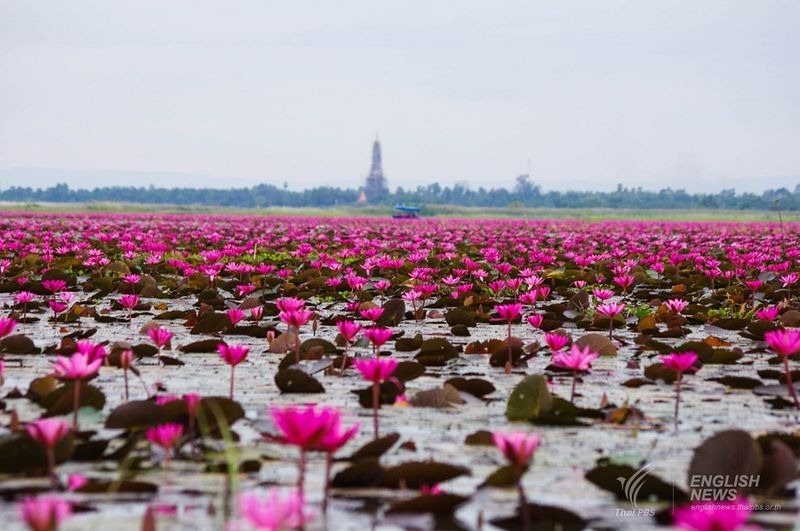
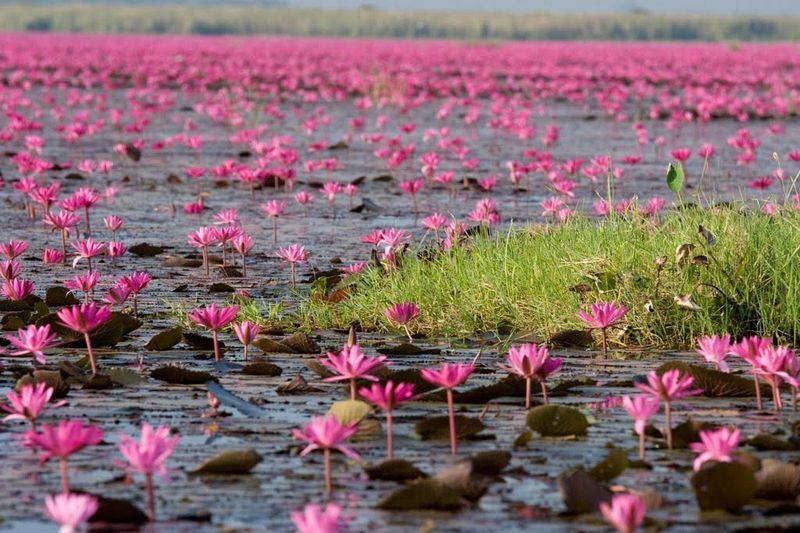
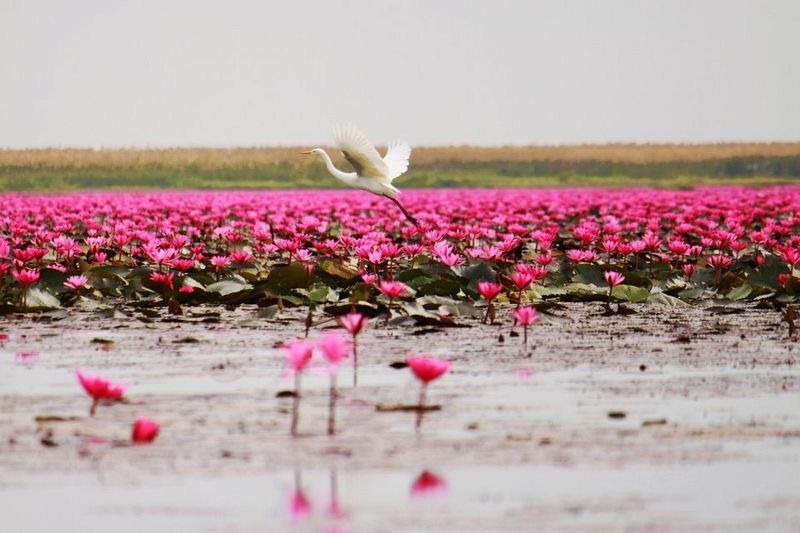
Red Lotus Lake…Thailand …!!!

There is lake called Nong Han Kumphawapi in northeast Thailand, north of the town of Kumphawapi, and about 50 kilometers away from Udon Thani. But locals call it Talay Bua Daeng which means the “Sea of Red Lotuses”.

Every year from November till March, the lake’s 8,000 acre surface sprouts millions of pink lotuses which reach full bloom in December. The perfect time to see them is in the morning when the flowers are fully opened, revealing their vibrant, pink color, but tourists take boat rides to admire the gorgeous scenery all throughout the day.

The freshwater Nong Han Kumphawapi Lake is very shallow, with an average depth of just one meter, but is the primary source of the Pao River, the lifeline for people of the Udon Thani province.

nong-han-kumphawapi-9

nong-han-kumphawapi-2

Photo credit: X-1/Panoramio

nong-han-kumphawapi-7

Photo credit: travel.mthai.com

Source…www.amusingplanet.com

Natarajan

This Experiment Using a Glass Cover and the Sun Can Generate Water Even in Drought Affected Areas!

In a semi-arid region of Satara district in Maharashtra, there is a plot of lush green land with about 20 fully-grown, beautiful trees – all of which were the part of a very efficient experiment. The seedlings for these trees were fed with water obtained from dry soil, with the help of solar energy.

“I did my PhD in America way back in the late 1970s. And most of my work was around solar distillation of water. I looked at everything that could possibly be done with solar energy at that time and found that if you dig a small hole in the desert, and cover it with plastic, solar energy heats the soil and you can collect a cup of water every day. This was something that remained at the back of my mind for years,” says Dr. Anil Rajvanshi, Director of Nimbkar Agricultural Research Institute (NARI) – a non-profit research and development institute based in Phaltan, Maharashtra.

In 1981, Dr. Rajvanshi returned to India with the aim of using his education to work for the development of rural India, and started establishing the energy and sustainable development work at NARI.

solarenergy5

Dr. Anil Rajvanshi

“I came to this very dry and partially semi-arid region. Sometime in the 1980s, the Government of India conducted a very large-scale tree plantation program. But of the many seeds that were planted, only a few resulted in fully-grown trees. Most of the seeds perished,” he remembers. So, going back to the knowledge he had gained while studying, Dr. Rajvanshi started an experiment to grow trees using water distilled with the help of solar energy, at NARI in 1988.

The basis of the experiment was that soil contains some moisture and roots of plants utilise this water with the help of osmosis – a process in which a solvent (water in this case), passes through a semi permeable membrane from a region of less solute concentration to a region of more concentration. Roots absorb water from the soil through osmosis. But in semi-arid and arid regions, the water is so tightly bound with the soil that seedlings cannot extract it because of less osmotic potential.

This is how the experiment was done:

solarenergy2

Five pits, each of dimensions 0.9m X 0.9m X 0.6m, were dug in a barren land in the NARI campus. These pits were covered with Soil Water Evaporation Stills (SWES) – tilted glass covers connected with water collection bottles placed beside the pits.

When sunlight fell on the pits, it heated up the soil and the water in the soil evaporated, only to be collected in the form of water droplets on the glass covers. These droplets slid into the bottles.

solarenergy3

Three experiments were conducted with these SWES. The water collected in the bottles everyday was given to the seedlings in the morning. In Experiment 1, the water was supplied in equal amounts to some seedlings. In Experiment 2, the water collected from SWES over a period of seven days was supplied to another set of seedlings once a week. And in Experiment 3, the seedlings were rain-fed. The growth of the trees was monitored for diameter, plant height and mortality every three months. And the results were extraordinary.

The survival rate of seedlings fed from SWES was 100% and if one SWES fed 4 plants, an average of 70-80 ml of water was given to each seedling. The growth rate of the trees in Experiment 1 was higher than in Experiment 3.

solarenergy4

According to Dr. Rajvanshi, the production of water from soil in arid regions is an age-old technology and has been used as a strategy for human survival in deserts. However, there is limited data on its daily use, seasonal variation, etc.

“We used to get water from the pits every day and that turned out to be sufficient for the plants. The soil would get heated and the moisture in the soil, which you could not get otherwise, we were able to extract and feed to the plants. The trees were able to grow even in the worst season. Today, we have 15-20 fully grown trees in a place that was once completely barren. They are huge now,” he says.

Dr. Rajvanshi has been working in the field of rural development for the last three decades.

solarenergy1

Born and brought up in Lucknow, he went to the US to pursue higher studies at the University of Florida after his Bachelor’s and Master’s degrees in mechanical engineering from IIT Kanpur. He taught at the University of Florida for over two years and then returned to India

Dr. Rajvanshi feels that with the worsening drought conditions in many regions of Maharashtra, this technique can be used in some form or the other to help people in the region. “If not to grow plants, it can be used to provide sufficient water for people to drink if we conduct a similar experiment at a large scale and think more in that direction,” he concludes.

Source…..Tanaya Singh in http://www.the betterindia.com

Natarajan

Chart: How We See Our Parents From Cradle to Middle Age…!!!

My parents play an important role in my life. I can hardly imagine anyone that would be closer and more important to me than them. Despite this, I often used to take their love and care for granted – until I reached my 30s. When I started to experience what it means to be a parent myself, I came to realize that they are the most precious people in my life. I often wish that I had realized it sooner. I came across this chart, which I believe sums up how many of us see our parents at various ages. Take a look:

Source….www.ba-bamail.com

natarajan

Students at This School Cannot See. But They Can Dance, in a Group, with Perfect Coordination!

At Bengaluru’s Shree Ramana Maharishi Academy for the Blind, visually impaired children learn how to dance.

Rohini, a Class 9 student, has been learning dance from the age of six. Her dance training includes rigorous practise for coordination and flexibility, through a unique touch-and-feel style of teaching. Passionate about Kuchipudi, her ears are attuned to the rhythm of this dance form and its music. Her hands take up their positions automatically and her feet thump loudly. The fact that she can’t see the audience, the stage, or her fellow performers, does not stop her from following her dream of wanting to become a professional dancer.

She is one of the many blind students in Bengaluru who are learning to dance at the Shree Ramana Maharishi Academy for the Blind (SRMAB).

A holistic centre that provides education for the blind, this academy is one of the first of its kind in India to teach dance to visually impaired students.

SRMAB dance

In 1969, T V Srinivasan and his friend Thirumoorthi began SRMAB in a small room with one blind student and many big dreams. “I once visited Tiruvannamalai along with my friend, Thirumoorthi. While meditating we received a distinct vision that we should serve the disabled. This inspired us to start the academy.”

Srinivasan, who was trained in special education at Narendrapur, Kolkata, started the school to ensure those who are blind recognise their own potential and live their lives fully. Almost 200 students are enrolled annually. They are given free lodging and medical facilities.

Since its inception, more than 5000 students have passed Class 10 from the school, with Braille as their language.

Vocational training and extracurricular activities, such as dance, music and sports, are considered essential at SRMAB. “We always motivated the disabled, and encouraged, trained them in various fields like agro-based farming, poultry, vocational training, yoga, dance, table, and more,” says Srinivasan.

In 1973, dance and music were initiated into the school as an extracurricular activity.

But it was only in 1982 that the unique technique of touch and feel teaching was introduced by Gurus Sharadha Natarajan and Ambica Natarajan.

SRMAB

Besides opening up new possibilities for the students, such activities give them confidence and purpose. “Dance helps them feel motivated, empowers them with confidence to meet challenges. They are exposed to different places, people and society, which educates them to live life with dignity and self-esteem,” adds Srinivasan.

Dharmaraju, 29, is an ex-student of SRMAB and has been teaching dance at the academy since 2009. He had joined the school as a student in 1994, at the age of nine. His talent for dance was recognised at the academy right from the beginning. In 1997, he began taking classical dance lessons from Guru Shri K. Narayan.

While it was challenging to follow rhythm and postures owing to his visual impairment, the dedicated efforts by the guru paid off. The same year, in his first stage performance at Chennai, the audience showered him with praise about his precision and grace. That was all the appreciation that he needed. After school, he completed a diploma in dance and performed across the globe. “Among my most cherished moments was my first stage performance abroad in 1999,” he says, “It was in Adelaide, Australia, and I was representing India at a folk festival. A few years later, in 2008, I performed for Akka Sammelan in Chicago, USA. They were both exhilarating performances.”

Today, he teaches students like himself and choreographs classical dance routines for them to perform around the globe.

SRMAB

With Dancemaster Dharmaraju (Left picture, at the centre)

Srinivasan, who was awarded with the Karnataka State Award for Social Worker of the Year 2008, is more than proud of his students.

“As ambassadors of Indian culture and the abilities of people with disabilities, the group has been regularly sponsored to tour UK, USA, Australia, and Italy,” he says. “Tours like these raise awareness on the issues faced by persons with disabilities, while highlighting their abilities in delighting audiences with their spectacular performances.”

But, how do the visually impaired learn dance without watching someone perform? Srinivasan elucidates, “First, the concept is explained to students. The gurus make them understand the bhaavam and they visualise the whole situation before they start learning the dance.” Adds Dharmaraju, “Coordinating the movements in a group is quite challenging and it takes a longer time to learn to perfection.”

SRMAB is involved in several other activities that are all aimed at empowering the visually impaired and their families.

TV Srinivasan SRMAB

For instance, the Community Based Rehabilitation (CBR) programme was started in 1990 in Kanakapura Taluka, and later in Malavalli, Hubli, Ramnagara, and Mandya districts. Severely disabled farmers and their families are provided CBR. Through self-help groups, training and school-based intervention, CBR aims to raise awareness about health, education and economic betterment. It also organises health and nutrition camps.

In 2013, Rohini performed Kuchipudi at the Kanteerava stadium in Bengaluru. The performance bagged a Guinness record, with 1054 dancers, of which 20 were visually challenged. This is only one of the many awards and performances by the students of SRMAB. As Srinivasan puts it, “Through the universal language of art, young, visually impaired dancers send out a strong message: the light, extinguished in their own eyes, is relit in the dance, affirming that there are no people with disabilities, only those who are differently abled.”

Source….Neeti Vijaykumar in http://www.the betterindia.com

natarajan