Earth
7 Incredible Submerged Forests…….!!!
Submerged forest is a term used to describe the remains of trees (especially tree stumps) which have been submerged by rising sea level. These forests have been usually buried in mud, peat or sand for several thousand years before being uncovered by sea level change and erosion. Here are 7 incredibly scenic submerged forests from around the world.
1. Lake Kaindy, Kazakhstan

Kaindy Lake is a 400 meter long lake in Kazakhstan that reaches depths near 30 meters in some areas. It is located 129 km from the city of Almaty and is 2,000 meters above sea level. It was created by the result of an enormous limestone landslide. The track to Kaindy lake has many scenic views to the Saty Gorge, the Chilik River valley and the Kaindy gorge. Dried-out trunks of submerged Picea schrenkiana trees rise above the surface.

2. Lake Bezid, Romania

Lake Bezid situated in Romania’s Transylvania region was artificially created after the entire village of Bezid was flooded, leaving the houses at the bottom of the lake and only the local church tower and trees still visible, looming over the lake. Apparently, a dam was built around 25 years ago to prevent the recurrent flooding of the river valley. Needless to say, the inhabitants of the old village had to be moved away when their homes were drowned.

3. Lake Periyar, India

Periyar Lake in the Indian state of Kerala is another sunken cemetery for trees whose putrefying trunks rise out of the water as if clawing for divine mercy. Covering an area of a 55 km², the lake is fed by the Periyar River and in turn supplies water for the Vaigai River in Tamil Nadu via a tunnel through the Western Ghats. Still, the dead trees betray the lake’s recent past as a living forest.


4. Udawalawe Reservoir, Sri Lanka

The twisted, closely-packed boughs standing in Sri Lanka’s Udawalawe Reservoir are similar visual reminders of the extent of the forest cover that lay here before the construction of the dam that brought this body of water into being. The deep reservoir is constantly replenished by the never-drying Walawe river, which itself draws most of its water from wooded higher ground and plains.


5. Lake Volta, Ghana

Myriad dead trees emerge from Ghana’s Lake Volta, which has the largest surface area of any reservoir on earth. The lake was formed by the Akosomba hydroelectric Dam, which provides power for much of the country. Completed in 1965, it forced the relocation of 78,000 people to new settlements, along with 200,000 of their animals, while some 120 buildings and countless small residences were destroyed.

6. Lake Caddo, Texas

Caddo Lake is a 25,400 acre (103 km²) lake and wetland located on the border between Texas and Louisiana, in northern Harrison County and southern Marion County in Texas and western Caddo Parish in Louisiana. The magnificent canopy reflected in the still waters beneath is that of Cypress trees, for this is Lake Caddo on the Texas-Louisiana border, home to the world’s largest Cypress forest.


7. Kampong Pluk, Cambodia

The water-dwelling trees of Kampong Pluk are mangroves, and their flooded jungle habitat is home to a variety of wildlife, including crab-eating macaques, as well as humans who harvest shrimp and live in houses that tower in the air atop stilts.

[via Environmental Graffiti]
Source…..www.amusingplanet.com
Natarajan
Don’t Know What to Do with Your Old Tyres? This 16-Year-Old Has a Brilliant Answer….!!!
With an aim to safely dispose end-of-life tyres, Anubhav Wadhwa is a 16-year-old on a mission.
It all started when 16-year-old Anubhav saw someone setting fire to a couple of tyres. It got him thinking about what happens to tyres that have served their time. After a quick Google check, Anubhav realised that burning tyres, an act that releases a cocktail of toxic gases, is a huge environmental hazard.
On the face of it, Anubhav may seem like any other teenager. But this extraordinary student of Pathways World School, Aravali, launched his first venture, a software product development company called TechAPTO, at the age of 12. Later, he launched Trends on Internet, an analytical company.
With a determination to act on the issue of safe disposal of tyres, Anubhav founded Tyreslessly, an aggregator of used tyres, in December, 2015.
Through its website, which was launched a couple of days ago, anyone can request a pickup of end-of-life tyres.

“Once the tyre is picked up, it is sent to a recycling plant and will undergo pyrolysis – an extraction process which can help convert tyres into usable by-products like fuel oils, steel etc.,” says Anubhav.
So what happens to such tyres usually? Anubhav says that these are carelessly burned and used to produce heat, especially for use in sugarcane industries.
“A majority of these industries burn tyres in a manner that is hazardous to the environment. The only way forward is to embrace pyrolysis,” he maintains.
He believes this process of recycling end-of-life tyres will, over the years, help in saving a lot of landfill space in the country.
“There are a lot of pyrolysis plants across India. But right now, the challenge is to get the used tyres to them.”
Tyrelessly currently operates only in the Delhi/NCR region. But the company plans to expand it’s services to all major cities by February. As of now the service is free of cost. However, Anubhav plans to generate revenue from advertisements on the website and later on from the sale of the recycled byproducts themselves.
Tyrelessly has been funded from the internal accruals of TechAPTO.

Photo source: Flickr/Anjan Chatterjee
Anubhav is a firm believer in the power of communities and aims to increase tyre recycling rates in India with the help of student and local communities. It is his dream to create such communities across the country.
“Right now we are educating people about the dangers of tyre burning and with the help of these communities, we are procuring more such tyres,” says Anubhav.
Tyrelessly, that has just begun it’s collection process, hopes to achieve it’s first target of collecting at least 1,000 tyres by the end of February.
This super kid is definitely doing something right.
When asked about how he has achieved so much in such a short period of time, Anubhav says he owes it to his alma mater for recognising and channeling his talents.

Juggling his school work as well as these three companies doesn’t seem to be too much of a task for him. Anubhav starts his day as early as 6.30 a.m. He attends school, where apart from his academic responsibilities, including being a member of the student council, Anubhav also assists his teachers in preparing visual display material as well as projects. He gets back home around 5 p.m. and starts work then.
“Being a part of Pathways World School has been the most rewarding experiential learning for me. I feel that this has helped me evolve into a good human being.”
He feels that the two most important traits he developed and has held him in good stead are dedication and commitment.
After graduating as an IB scholar, Anubhav wants to be a barrister. His commitment towards achieving this goal is evident from his academic accomplishments and a keen sense of community service.
The world has taken note of this enthusiastic teenager.
ProSieben, a German TV channel that is aired in over 12 countries, featured Anubhav as part of a documentary for its show called Galelio.
As part of his vision towards ensuring sustainable development, Anubhav is working towards building strong relationships with governments and other key stakeholders. For now, Anubhav wants to just keep doing what he does best and spread the message of disposing tyres in a safe manner.
To learn more about Tyrelessly, please visit its website.
Source……..Meryl Garcia….in http://www.the betterindia.com
Natarajan
An 80-Year-Old Labourer Is Fighting the Mining Mafia by Distributing His Land to the Poor…
Natarajan, an 80-year-old manual labourer, has distributed 50 cents of land in his village in Kerala to 10 poor families. Read how he did this to protect the environment.
P athanamthitta, the land of Lord Ayyappan, is a scenic district in Kerala, known for its rocky hill ranges. The district is also infamous for its stone quarrying activities. Many illegal quarries continue to operate in this region, resulting in machines mowing down these hills, one day at a time.
This indiscriminate quarrying has led to a series of agitations across the district – especially in areas like Konni, Athirungal etc.
One man has been at the forefront of this agitation. Meet 80-year-old manual labourer Natarajan, fondly known as Achan (father), who has found the most unique way to protest against this large-scale quarry mining. As quarry owners continue to accumulate more land in the region, Natarajan, in a bid to protect the environment, has distributed 50 cents of his land to poor families. Here’s a discussion with this ordinary man who has done an extraordinary thing.
Q: Can you tell me a little about yourself?

A: I’ve been living in this hillock in Konni for the last 45 years. I’ve been a manual labourer all my life. My wife and I live in a small tin shed here. I don’t have any savings. Over the years, I’ve managed to buy one-and-a-half acres of land here. The rest of the money I had was spent on marrying off my two daughters.
Q: How has life changed in all these years?
A: Actually, I can’t even remember a time when this used to be a quiet area. Granite quarries and stone-crusher units have mushroomed all over the district. According to government records, only around 169 quarry licenses have been issued. But the truth is that over 800 quarries operate in this district.
Q: What problems have you directly faced from them?
A: See, my house is very close to the biggest granite crusher here. So naturally, as they expand their operations, they wanted to buy my land as well. Because this is a remote area, away from the town, we don’t have access to water. Even today, my wife Kalammma needs to walk a lot to fetch drinking water. So some people advised me to sell off my land and then go live in a better place with access to water and electricity. However, the quarry owners, who were eyeing my land, did not quote a fair price. They also threatened me with goondas and were forcing me to part with my land, for a paltry sum.
Q: How did you tackle this problem?
A: I revisited my decision to sell. I didn’t want to succumb to pressure and also harm the environment. So, I distributed 50 cents of my land among 10 poor families. They have now constructed huts and have started living here. This is the part of my land that is closest to the quarry. I think that if more people are living in this area, it will be more difficult for them to find ways to make us leave.
Q: What if these families come under pressure from the quarry mafia and are forced to sell?
A: Though I have made the title deeds, I haven’t distributed it among these families as yet. What if these people (goondas) forcefully snatch it away from them? And to ensure that the land doesn’t end up in the wrong hands, I have made a clause which says that the land can be transferred to another person only after 70 years. I believe by doing this I have protected these 50 cents of land.
Q: What has been their (quarry owners) reaction?
A: They think I have gone crazy, distributing the land for free. They have also tried to intimidate me by sending their goondas a couple of times. But, I don’t fear them. Neither does my wife.
Q: Do the people in the region support you?
A: See, initially a lot of people stood up against the quarry mafia. There are plenty of health problems among the people, especially respiratory troubles, as a lot of dust comes from the quarries. Water is getting polluted and there is always a lot of noise going on. People cannot live in peace. However, fewer people complain now. I hear that these guys are going around bribing people with money, rice etc. So if ever a problem happens, I can’t be sure how many people will stand by me. Even the authorities in this area turn a deaf ear towards our problems. I’m sure these officials are in connivance with the quarry owners.
Q: Do you foresee things getting better in the future?
A: I doubt things will get better for the people living in these areas. I just hope the identity of this district (hills) isn’t compromised due to this mad fascination we have with development. In all these years there is one thing that I’ve learnt and it is that this world only belongs to the rich. There is no place for the poor here and there is certainly no justice for people like us.
Photo credit: Shameem Kunnumathige
Source……..Meryl Garcia in http://www.the betterindia.com
natarajan
படித்து வியந்த செய்தி …” மணி …தங்க மணி ” !!!

தர்மபுரி மாவட்டம் பெரியாம்பட்டி அருகில் உள்ள கீழ்தும்பலஹள்ளி கிராமத்து சாலையில் சென்று கொண்டிருந்தோர், அங்கே நடப்பதை பார்த்து, சில நிமிடம் நின்று, ரசித்து, வியந்தபடி சென்றனர்.
அப்படி என்ன சாலையில் நடந்தது… மலர்களால் வேயப்பட்ட சிறிய வண்டி ஒன்றை இழுத்தபடி சென்றது ஒரு நாய். வண்டியின் மேல் மாவிளக்கு வைக்கப்பட்டிருந்தது.
‘மெள்ள வா ராசா…’ என்று அதை, அன்புடன் வழி நடத்தி, அழைத்துச் சென்றார் ஒருவர். அவரிடம் இது குறித்து விசாரித்த போது, நெகிழ்ச்சியுடன், மகிழ்ச்சியாக அவர் பகிர்ந்து கொண்ட அன்பின் கதையிது:
என் பெயர் தங்கவேலுங்க; அந்தக் காலத்து 10ம் வகுப்பு. மனைவி பெயர் கோவிந்தம்மாள். தமிழ் மொழி மீது இருக்கும் பற்று, பாசத்தால், என் ரெண்டு பொம்பளப் பிள்ளைகளுக்கும், இலக்கியா, குறளரசி என்று பேர் வைச்சுருக்கேன்.
வீட்டில் நாலு மாடுக இருக்கு; பால் கறந்து சொசைட்டிக்கு ஊற்றி, அதன் மூலம் வரக்கூடிய வருமானத்தில் வாழ்க்கை ஓடிக்கிட்டிருக்கு.
ஒருமுறை, சந்தைக்கு போயிருந்த போது, இவன் சின்னக்குட்டியா இங்கேயும், அங்கேயுமா ஓடிட்டு இருந்தான். பார்த்ததுமே பிடிச்சுப் போச்சு. வீட்டுக்கு தூக்கிட்டு வந்துட்டேன். ஏற்கனவே எனக்கு ரெண்டு பொம்பளைப் புள்ளைங்க இருக்கிறதாலே, இவனுக்கு, மணின்னு பேர் வச்சு, பையனா நினைச்சு வளர்த்துட்டு வர்றேன். எங்க குடும்பத்துல ரொம்ப முக்கியமான ஆளு இவன்.
எனக்கு மணியும், மணிக்கு நானுமா இருந்தா போதும்; வேறே எதுவும் வேணாம். எங்களுக்குள்ள அப்படி ஒரு பாசம் ஏற்பட்டு போச்சு. அவன் இல்லாம எனக்கு பொழுது விடியவே செய்யாது.
வீட்டுலயிருந்து பால் கேனை தூக்கிட்டு, 1 கி.மீ., தூரத்திலுள்ள சொசைட்டிக்கு நடந்து போவேன். அப்ப, மணியும் கூடவே வருவான். நான் பால் கேன் தூக்கிட்டு சிரமப்பட்டு நடக்கிறேன்னு நினைச்சானோ என்னவோ… என்னை தூக்க விடாம, அவன் வாயில் கவ்வி நடக்க ஆரம்பிச்சான். என்ன சொன்னாலும், கேனை தர மாட்டான். ஆனா, அவனாலும் கேனை தூக்கிட்டு நடக்க முடியாம, கேன் தரையில் தட்டுச்சு. அப்புறம் தான், 1,500 ரூபாய் செலவு செய்து, ஒரு சின்ன வண்டி தயார் செய்து, அதுல பால் கேனை வச்சதும், உற்சாகமாக இழுத்துட்டு நடக்க ஆரம்பிச்சான்.
ஒரு கட்டத்துல, கேனை வண்டியில வச்சுட்டா போதும், கரெக்டா கொண்டு போய், சொசைட்டியில சேர்த்துருவான். நான் போக வேண்டிய தேவையே இல்ல. அவங்க பாலை எடுத்துட்டு காலி கேனை வச்சதும், பத்திரமா திரும்ப கொண்டு வந்துடுவான்.
எம் புள்ளைகள யாரும் நெருங்க முடியாது. ஒரு உறுமல்லயே ஓட வச்சுருவான். ஆறு மாசத்திற்கு முன் கொஞ்சமும் எதிர்பாராம அந்த விபத்து நடந்து போச்சு.
வழக்கம் போல வண்டியில போய் பாலைக் கொடுத்துட்டு, திரும்ப வரும் போது, தாறுமாறா வந்த டெம்போ வாகனம் மணி மேலே மோதிருச்சு. ரத்த வெள்ளத்துல கிடந்தவனை பார்த்துட்டு, எனக்கு தகவல் கொடுத்தாங்க. அழுது, அடுச்சு புடிச்சு ஓடிப் போய் பார்த்தேன். வலியில எழுந்திருக்க முடியாம முனகிக்கிட்டே படுத்திருந்தான்.
அவனை அள்ளித் தூக்கிட்டு கால்நடை ஆஸ்பத்திரிக்கு ஓடினேன். அவனுக்கு முதலுதவி செஞ்ச டாக்டர், ‘இடுப்பு எலும்பு முறிஞ்சு போச்சு. பிழைக்கிறது கஷ்டம்; அப்படியே பிழைச்சாலும் நடக்கிறது சிரமம். போற வழியில குப்பையில வீசிட்டுப் போ’ன்னு சொல்லிட்டார்.
என் மணியைப் பார்த்து, டாக்டரு இப்படி சொல்லிட்டாரேன்னு எனக்கு மனசே ஆறலை. ஆனாலும் அவனுக்கு எதுவும் நடக்காதுன்னு என் மனசு சொல்லிட்டே இருந்துச்சு. வர்ற வழியில தண்ணி தொட்டியில இறக்கி விட்டேன். கொஞ்சம் சிரமப்பட்டாலும், அவனால காலை உதைச்சு, நீந்த முடிஞ்சது.
இதைப் பார்த்ததும், இனி மணியை காப்பாத்திடலாம்ன்னு எனக்குள்ளே நம்பிக்கை வந்து, வேற டாக்டரை போய் பார்த்தேன். அவர், ‘நாயை காப்பாத்திடலாம்; ஆனா, கொஞ்சம் செலவாகும்’ன்னு சொன்னார்.
‘பரவாயில்ல… என் மணிக்காக நான் எதுவும் செய்வேன்…’ என்றதும், ‘ஒரு நாளைக்கு மூணு முறை வெந்நீரால் மெதுவாக நீவி, குளிப்பாட்டணும். தினமும் ரெண்டு ஊசி போடணும்; ஊசி விலை கொஞ்சம் கூடுதல். நிக்க, நடக்க பொறுமையா பயிற்சி கொடுக்கணும். நேரத்துக்கு மருந்து மாத்திரை கொடுக்கணும். பச்சைக்குழந்தையை பாத்துக்கிறது மாதிரி பாத்துக்கணும்…’ என்று கூறி மருந்து, மாத்திரை எழுதி கொடுத்தார்.
டாக்டர் சொன்னபடியெல்லாம் செய்தேன். அதோட, எங்க ஊர் மாரியம்மனிடம், ‘என் மணி பழையபடி நடந்தா, அவனே நடந்து வந்து மாவிளக்கு போடுவான்’னு வேண்டிகிட்டேன்.
மூணு மாசம் மணியை கண்ணும் கருத்துமா பாத்துக்கிட்டதன் பலன், இப்போ, மணி, பழையபடி கம்பீரமாக வலம் வர்றான்.
மாரியம்மன் கோவில் திருவிழா அன்று, பக்தர்கள் எல்லாம் அம்மனுக்கு மாவிளக்கு போட ஊர்வலமாக சென்ற போது, அந்த ஊர்வலத்தில மணியும் ஒரு பக்தனாக தன் வண்டியில் மாவிளக்கு எடுத்துப் போய், அம்மன் காலடியில் வைத்தான். இதைப் பார்த்து நிறைய பேர் பாராட்டினர்.
‘என் புள்ளைய காப்பத்தறது என் கடமைங்க; இதுக்கு எதுக்குங்க எனக்கு பாராட்டு…’ என்றார் தங்கவேல் அடக்கமாக!
வாசகர்கள் தெரிந்து கொள்ள வேண்டும் என்பதற்காக, நாய் என்று சில இடங்களில் கூறியுள்ளேன். ஆனால், தங்கவேல் பேசும் போது, ‘எம் பையன் மணி…’ என்று குறிப்பிட்டாரே தவிர, நாய் என்ற வார்த்தையே அவரிடம் இருந்து வரவில்லை.
அத்துடன், அவரிடம் நாம் போனில் பேசினால் கூட, ‘ஒரு வார்த்தை மணிகிட்டேயும் பேசிருங்க…’ என்று போனை அதன் வாயருகே கொண்டு செல்வார். அதுவும் பெரிய மனுஷன் மாதிரி, அதன் மொழியில் நம்மை நலம் விசாரிக்கும்.
இருவரிடமும் பேச ஆசையா? 98423 48790 என்ற எண்ணில் தொடர்பு கொள்ளவும்!
Source…..Hariharan in http://www.dinamalar.com
Natarajan
Never-Before-Seen Images Reveal How The Fukushima Exclusion Zone Was Swallowed By Nature…
Polish photographer Arkadiusz Podniesinski travelled to the site of the Fukushima nuclear disaster of March 2011 to see the location with his own eyes. When he obtained permits to enter the roughly 20km (12.5 mile) Exclusion Zone, he was confronted with a scene similar to one from a post apocalyptic film. Podniesinski previously photographed the area around the 1986 Chernobyl nuclear disaster.
“It is not earthquakes or tsunami that are to blame for the disaster at the Fukushima Daiichi nuclear power station, but humans,” writes Podniesinski on his website. He undertook the project so that he could draw his “own conclusions without being influenced by any media sensation, government propaganda, or nuclear lobbyists who are trying to play down the effects of the disaster, and pass on the information obtained to as wider a public as possible.”
More info: podniesinski.pl (h/t: designyoutrust)
Abandoned vehicles are slowly swallowed up by nature on a stretch of road near the power plant

Some of the cars have entirely disappeared in the wild grass

Podniesinski shows a radiation reading of 6.7 uSv/h

A chained-up motorcycle is slowly absorbed into the field

These contaminated televisions were collected and piled up as part of the cleaning efforts

Cobwebs hang above the scattered products in this abandoned supermarket

Another photo from within a supermarket feels eerily similar to those from post-apocalyptic movies

This abandoned computer lab covered in animal droppings is from a village near the plant

A dining table with portable cookers ready to prepare food looks like it was left in haste

These go-karts have had their last race in an entertainment park located within the 12.5mile exclusion zone

The earthquake which started the tsunami damaged buildings as well

These bicycles were left behind when residents fled
This aerial photo taken by a drone shows one of the dump sites that contain thousands of bags of contaminated soil

Bags of radioactive soil are stacked one on top of the other to save space

Landowners have been told that these contaminated bags will be disposed of, but many people remain skeptical

Cows started to get white spots on their skin soon after the accident. One farmer believes this is due to the cows eating contaminated grass

“Nuclear energy is the energy of a bright future” reads the sign

Source….www.bored panda.com
Natarajan
These Look Like Normal Photos From Afar, But They’re Very Much Alive…!
When practical photography was born in 1839, the simple act of capturing basic portraits and images of everyday objects was a feat of epic and almost unfathomable proportions. That being said, it didn’t take very long for burgeoning photographers to start experimenting with form and function.
About 80 years after the craft’s inception, Arthur Mole and John Thomas decided to develop a series that was unlike anything that had ever been done before. By organizing groups of American soldiers into iconic images that pay homage to some of their Nation’s most influential figures, the two achieved an effect that’s beyond impressive (even by today’s standards).

The Human U.S. Shield (1918) — 30,000 officers and men

Living Portrait of Woodrow Wilson (1918) — 21,000 officers and men

Human Statue of Liberty (1918) — 18,000 officers
To see more pictures from this collection, check out the rest over on the Library of Congress website.
Source……..www.amusingplanet.com
Natarajan
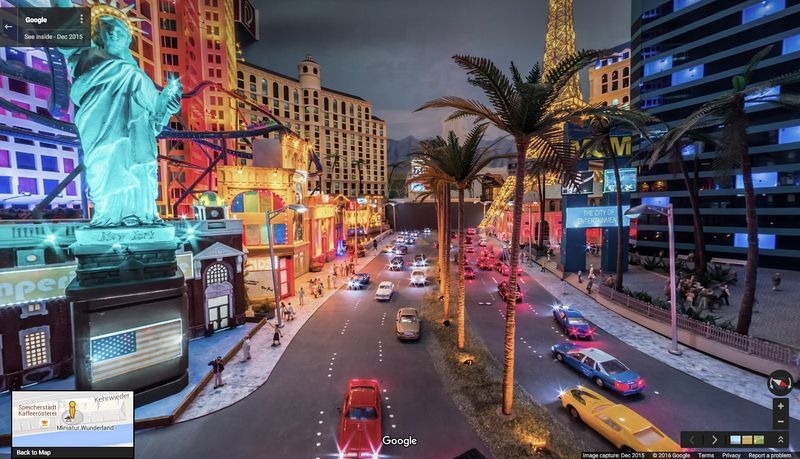
World’s Largest Railway Model is Now on Google “Mini” Street View…..
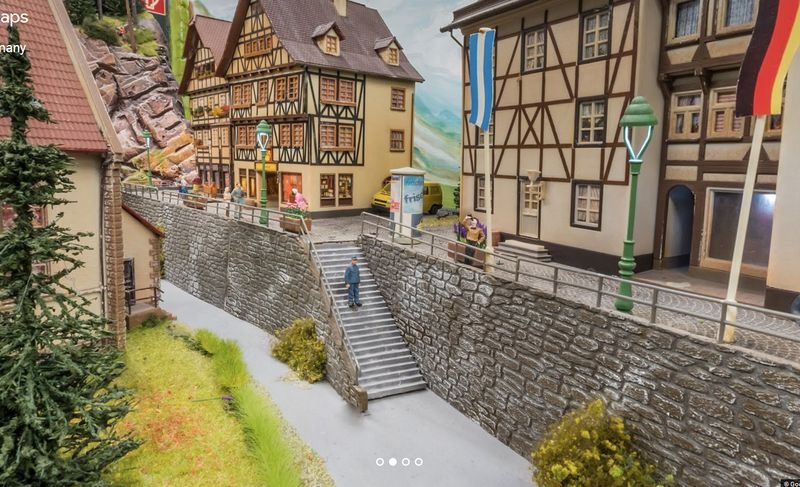
Google’s Street View, that lets you explore the world through the virtual eyes of street level cameras, has now shrunk itself to the size of a thumb, so that you can experience the world’s largest miniature model railway as if it has been blown to real size.
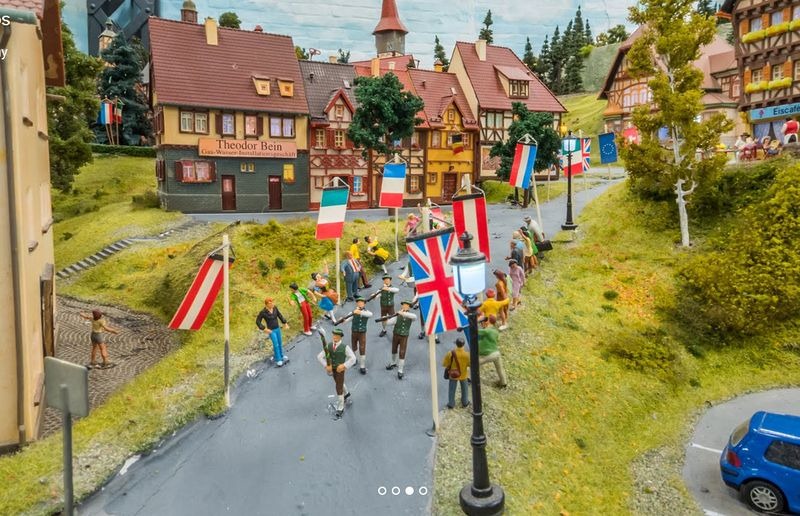
“Miniatur Wunderland” in Hamburg, Germany boasts of 13,000 kilometers of track and more than 200,000 tiny citizens, featuring tiny replicas of German provinces, famous places in the U.S. and even a fully-functioning airport, which itself is the largest miniature airport in the world.

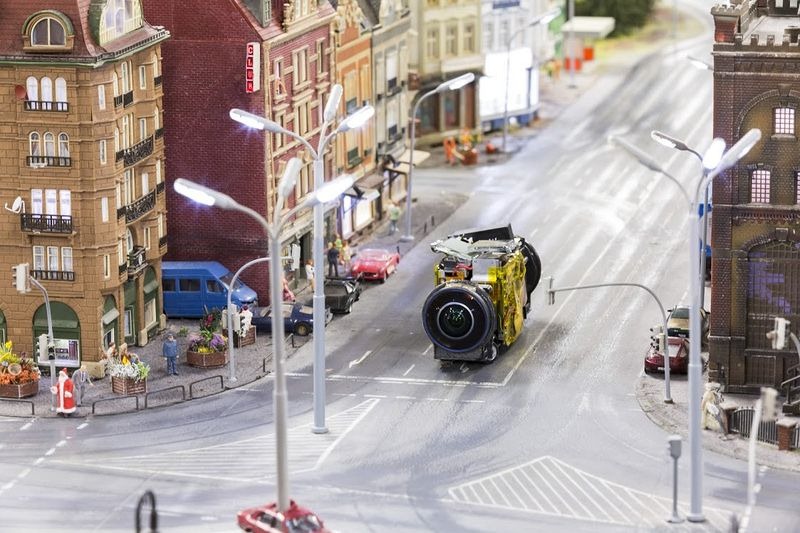
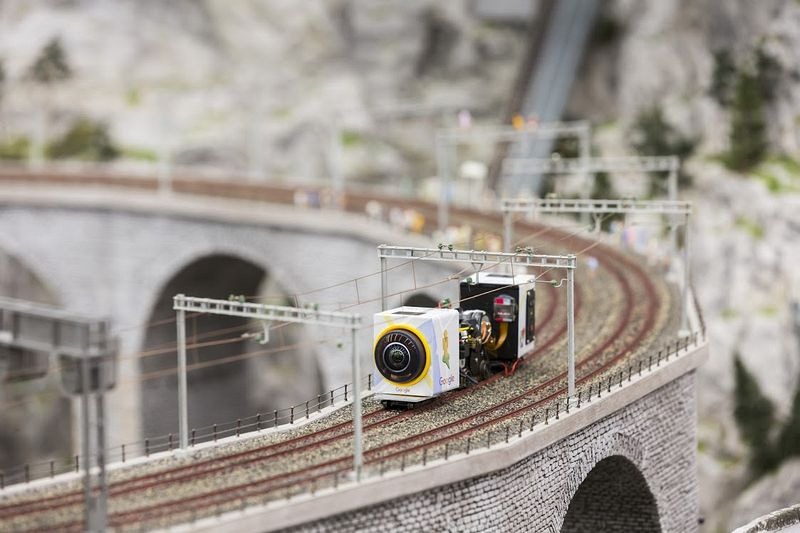
To capture the nooks and crannies in Miniatur Wunderland, Google mounted tiny cameras on top of tiny vehicles that were driven through the roads and over the train tracks, “weaving through the Wunderland’s little worlds to capture their hidden treasures,” wrote Sven Tresp, Street View Program Manager, in the official announcement.
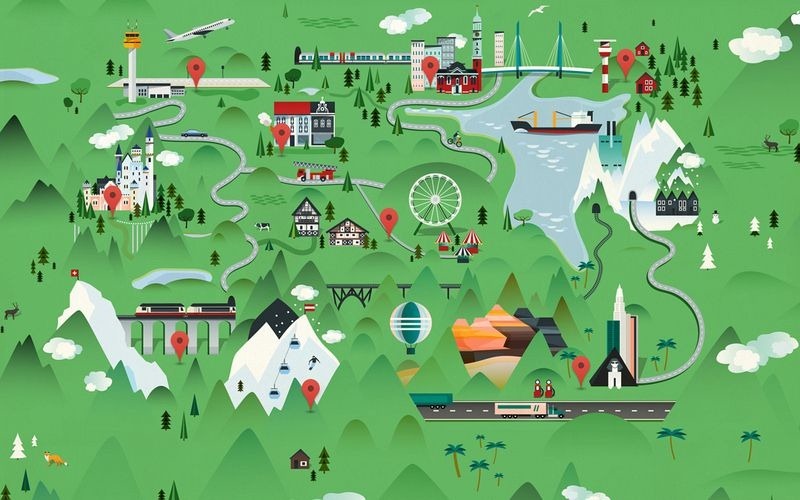
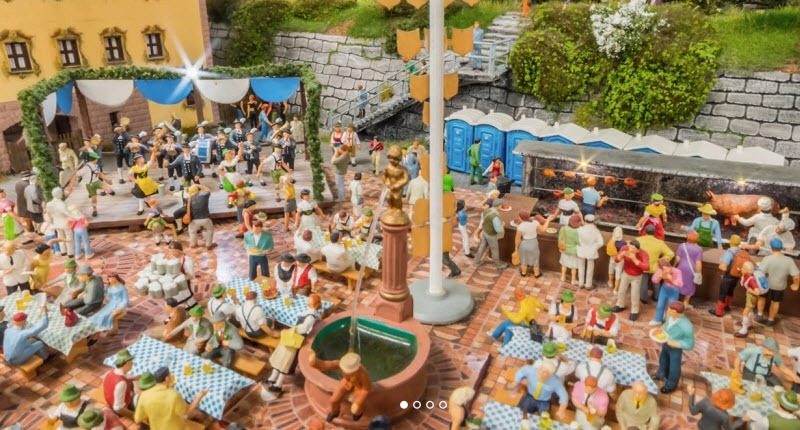
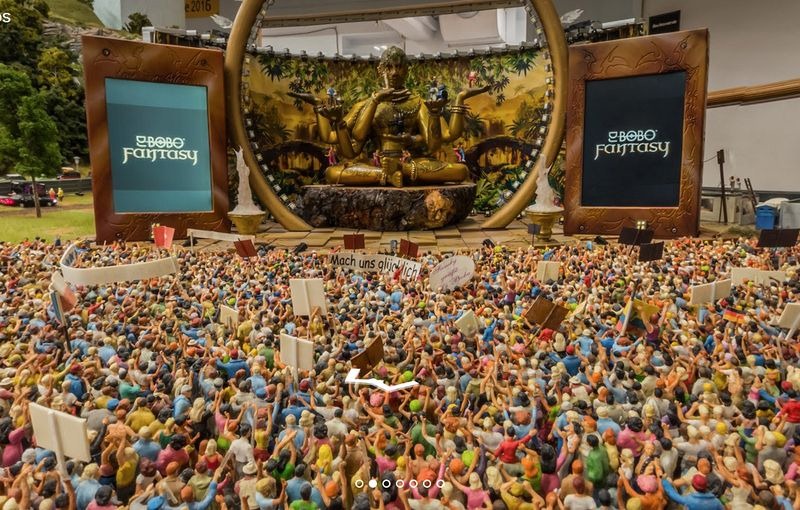
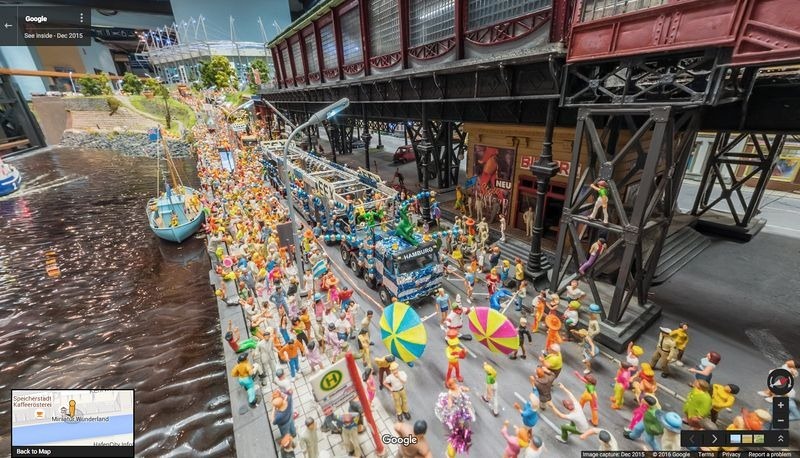
Among the sights available for view include a soccer match in Hamburg’s stadium, a traditional town center in central Germany, a rowdy Oktoberfest celebration, a replica of the famous Neuschwanstein Castle in Bavaria, a music concert, and even the ski slopes of Austria, among others. A short hop from the fictional town of Knuffingen, one can “zoom through the valleys of the Grand Canyon, gambol down the strip in Las Vegas, and even stop by Mount Rushmore to salute past U.S. Presidents.”
Because the imagery were captured at “street level” within the Wunderland, you can observe many tiny details in Street View that are not visible even to visitors to the museum, such as deep sea divers at a county fair, farmers riding a broomstick, a newly-married couple on the steps of the courthouse and the dancing crowds at an outdoor concert.
Visit Miniatur Wunderland on Google Street View.


Google Maps’ miniature Street View devices cruising the railways and streets of Miniatur Wunderland

Google Maps’ miniature Street View devices cruising the railways and streets of Miniatur Wunderland


Source……..www.amusingplanet.com
Natarajan
” ‘பீட்டா’ தோழர்களுக்கு ஓர் உள்ளூர்க்காரன் எழுதும் லெட்டர்!”

அன்புள்ள ‘பீட்டா’ தோழர்களுக்கு…
விலங்குகள் மீது நீங்கள் அன்பு செலுத்துவதாலேயே உங்கள் மீது எனக்கு அன்பு பெருக்கெடுக்கிறது. ஜல்லிக்கட்டு விளையாட்டு, ஜல்லிக்கட்டு காளைகள் வளர்ப்பு முதலான வேர்களின் ஆழம் அறியாது, போட்டி நடைபெறும் அந்த ஒற்றை தினத்தில் சில கணிப்புகளையொட்டி நீங்கள் எடுத்துவரும் முன்னெடுப்புகள் ஒருபுறம் இருக்கட்டும். உங்களிடன் எனக்குப் பகிர்வதற்கு சில சொந்த அனுபவங்கள் உள்ளன.
எனக்கும், நான் பிறந்த ஊருக்கும், வளர்ந்த ஊருக்கும் இப்போது வாழும் ஊருக்கும் ஜல்லிக்கட்டுக்கும் எந்தவிதமான தொடர்பும் கிடையாது.
பொங்கல் பண்டிகையில் 20-25 ஆண்டுகளுக்கு முன்பு சென்னம்பட்டியில் எருதாட்டம் என்ற பெயரில் வீதிகளில் கோமாளி ஒருவர் ஓட அவர் பின்னே சீற்றத்தோடு ஓடும் காளைகளை மிரட்சியோடு பார்த்ததுதான் என் ‘ஜல்லிக்கட்டு’ அல்லது ‘எருதாட்ட’ அனுபவம்
காலம் காலமாய் வளர்த்த காளைகளும், எருதுகளும் கிட்டத்தட்ட எங்கள் பகுதிகளில் அற்றுப்போன நிலையில், பாலுக்காக கலப்பின மாடுகள் பெருமளவில் நிரப்பப்பட்ட நிலையில், அறிவியல் வளர்ந்த(!) நிலையில், உலகமே உள்ளங்கைக்குள் அடங்கிவிட்ட நிலையில்…. ”போயும்.. போயும் மாட்டை விரட்டிவிட்டு அதன் மேல் கும்பலாகப் பாய்ந்து, சில நொடிகள் பிடித்து விட்டதை வீரம் என நினைத்துக்கொள்ளும்” ஜல்லிக்கட்டு தேவைதானா எனும் பெயரளவிலான அறிவார்ந்த(!) கேள்வி எனக்கும் இல்லாமல் இல்லை.
எனக்கு உண்மையில் ஜல்லிக்கட்டின் வரலாறு மற்றும் புவியியல், விலங்கு நேயர்களின் காருண்யம் குறித்தெல்லாம் பெரிய அறிவு கிடையாது.
எருமைகளின் இயல்பும், மாடுகளின் இயல்பும் பல்லாண்டுகளாக அவைகளை வளர்த்து, தீனி போட்டு, காலை நேரக் குளிரில் சாணி அள்ளி, தவிடு புண்ணாக்கு தாழிகளில் போட்டு, அவ்வப்போது பருத்திக்கொட்டை ஆட்டி ஊற்றி என பக்குவம் செய்ததோடு, அவைகளுக்கு அண்ணாங்கால் போட்டு காடு மேடுகளில் பல வருடங்கள் மேய்த்த அனுபவம் உண்டு.
பொதுவாக அவை யாவும் விலங்குகள் என்ற முறையில் மட்டும் அன்பும் அக்கறையும் செலுத்தப்பட்டதில்லை. விவசாயிகளின் குடும்பத்தில் அவையும் ஒரு அங்கம், அந்த வீட்டில் அது ஓர் உறவு. அவற்றின் பெயர்கள்கூட ஜிம்மி, பப்லு, பிங்கி, ஷங்கி என்றெல்லாம் இருக்காது. காளை (அ) மாடுகளுக்கு சின்னவன், பெரியவன், கருவாயன், வெள்ளையன், செவள என்றோ எருமைகளுக்கு கோணக்காலி, வெள்ளச்சி, பெரிய கெடா, வவுரி, சப்பக்காலி, காட்டேரி என்றோ அதனதன் இயல்புகளுக்கேற்ப, அவர்கள் புழங்கும் மொழியில் உரிமையாக, கிண்டலாகப் பெயர் சூட்டப்பட்டிருக்கும்.
ஒரு கட்டத்தில் காலம் காலமாக நாங்கள் வளர்த்த நாட்டு மாடுகள் எப்படியோ குறைந்துபோய், உயரம் குறைந்த, சற்று நீளமான, வயிறு தொங்கலான சிந்து மாடுகள் என்றொரு வகை கட்டுத்தரைகளில் வந்து இறக்குமதியாகின. நாட்டு மாடுகள் முக்கி முக்கி மூன்று படி கறந்த இடத்தில் இவை எட்டுப் படி என தாராளம் காட்டின. ஆனால் நாட்டு மாட்டுப் பாலின் ருசிக்கு பக்கத்தில்கூட சிந்து மாட்டுப் பாலின் ருசி வரவில்லை. ”பாலு என்ன பாலு, நம்ப மாடு (நாட்டு மாடு) போடற சாணி வாசத்துக்கு பக்கத்துல நிக்க முடியுமா அந்த மாடு எருவற சாணி” என்பார் எங்கள் கிராமத்தில் ஒருவர்.
ஆனாலும் கூட… ஃபேஸ்புக்கில் ஆங்க்ரிபேடு விளையாடத் தெரியாத, பாஃர்ம் வில்லாவில் விவசாயம் செய்யத் தெரியாத, உலகில் எந்த நல்ல மாற்றங்கள் நடந்தாலும் அது எவ்விதமும் தங்களை எட்டாதது குறித்து அலுப்பில்லாமல் வாழும் ஒரு கூட்டம் இருக்கின்றது. அவர்கள் இன்றும் தங்களிடம் இருக்கும் கொஞ்சம் நிலத்தை உழுவதற்காகவோ, என்னதான் ட்ராக்டரில் உழுதாலும் குட்டக் கலப்பையோ, கொத்துக் கலப்பையோ போட்டு மண்ணைக் கிளர்ந்து ஒரு உழவு ஓட்டிடனும் என கூப்பிடுவார்கள் என்ற நம்பிக்கையில் காளைகளை / எருதுகளை கொஞ்சம் நம்பிக்கையோடு வளர்த்து வருபவர்களும் இருக்கத்தான் செய்கிறார்கள்.
இதோ ஈரோடு நகரத்துக்குள் குட்டியானை எனச் சொல்லப்படும டாடா ஏஸ் வண்டிகள் வந்து குவிந்த பின்னும் கூட, இன்னும் ஜவுளிக் கடைப் பகுதிகளில் ஒற்றை மாடு பூட்டிய வண்டிகள் ஓரளவு இருக்கத்தான் செய்கின்றன.
அவசர வாழ்க்கையில் விரைகின்றவர்களுக்கு, சாலைகளில், வீதிகளில் ஆடி அசைந்து போகும் மாட்டு வண்டிகள் எரிச்சலை உண்டாக்கத்தான் செய்கின்றன. சில நேரங்களில் அவ்வண்டிகளால் போக்குவரத்து நெரிசல்கூட ஏற்படுகிறது. சாலைகளில் சாணம் போட்டுவிடுகின்றன. ”இன்னும் ஏன் தான் இவுங்க முன்னேறாம இருக்காங்களோ!? அதான் சின்னச் சின்னதா வண்டி வந்திருக்கே… வாங்கி ஓட்ட வேண்டியதுதானே… இவங்களால ட்ராபிக் ஆவுது… பெரிய இடைஞ்சலா இருக்கு” என நாட்டை எடுத்து நிமிர்த்தி வைக்க ஓடுபவர்களுக்கு ”அந்த வண்டிகள் ஒருபோதும் பெட்ரோல் பங்குகளில் வந்து டீசல் பிடிக்க நிற்பதில்லை என்பதும், டெல்லி போல ஒற்றை, இரட்டை இலக்க வாகன இயக்கப் பரிசோதனைக்குள் ஆட்பட்டு மாசுக் கட்டுப்பாட்டுக்கு முடங்க வேண்டிய அவசியமில்லை” என்பது தெரியுமா எனத் தெரியவில்லை.
ஆகவே இனியும் உழவுக்கும், பாரம் இழுக்கவும் எருதுகளே வந்துவிடும் என்றெல்லாம் சொல்ல முடியுமா எனத் தெரியவில்லை. ஆனால், எல்லாம் சுழற்சியில்தான் வருகின்றன.
ஒரு காலகட்டத்தில் காட்டில் கடலை விதைத்து, அறுவடை செய்து, உரித்து, மாடு பூட்டப்பட்ட செக்கில் கொடுத்து ஆட்டி எடுத்த கடலை எண்ணெய் தான் பயன்படுத்திக்கொண்டிருந்தோம். யாரோ எவ்விதமோ கடலை எண்ணெய் கொழுப்பு நிறைந்தது எனக் கிளப்பி விட்டார்கள். பனை எண்ணெய், சூரியகாந்தி எண்ணெய், தவிட்டு எண்ணெய் என ஏதேதோ எண்ணெய்கள் பயன்பாட்டுக்கு வந்தன. அவைகளின் வாயிலாக அவை சார்ந்த நிறுவனங்கள் கொழுத்தன. அதையனைத்தையும் தாண்டி மீண்டும் கடலை எண்ணெய்தான் வேண்டும், அதுவும் மரச்செக்கில் ஆட்டிய கடலை எண்ணெய்தான் வேண்டும், விலை கூடுதலாக இருந்தாலும் பரவாயில்லை எனக் கேட்க ஆரம்பித்திருக்கிறார்கள். இதேதான் நாட்டுக்கோழி முட்டைகளிலிருந்து பண்ணைக்கோழிக்கு மாறிவிட்டு மீண்டும் எவ்வளவு காசு ஆனாலும் நாட்டுக்கோழி முட்டை கிடைக்குமா என்பதும். இதுபோல் ஒவ்வொன்றிலும்.
சரி இந்த சுழற்சிகளுக்கும் ஜல்லிக்கட்டுக்கும் என்ன தொடர்பு என நினைக்கலாம். காலம்காலமாக மாடு கன்று ஈன்றால், அது பெண் கன்றாக இருந்தால் மகிழ்ச்சியாக வைத்துக்கொள்வார்கள். ஆண் கன்றாக இருந்தால் சிலர் காளையாக பின் காயடித்து எருதாக மாற்றி, பயன்படுத்த வைத்துக்கொள்வார்கள். இல்லாவிடில் காளைக்கன்றை விற்றுவிடுவார்கள். அப்படியாக தப்பிப்பிழைத்த காளைதான் அந்தப் பகுதியில் இருக்கும் அனைத்து பசுமாடுகளுடனும் இணை சேர்ந்து பிள்ளை வரம் கொடுக்கும். அந்தக் காளையின் பயன்பாடு பசுக்களோடு இணை சேர்வது அல்லது எருதாக உழவுக்கும், வண்டிகளிலும் பயன்படுவது.
அப்படியாக வளர்க்கப்பட்ட காளைகளைத்தான் தெற்கத்திச் சீமைகளில் விளையாட்டில் பயன்படுத்தி வந்திருக்கலாம் அல்லது வருகின்றனர். உண்மையில் பசுக்களுக்கு இணை சேர்க்காமலே செயற்கைக் கருவூட்டல் மூலம் 150 ரூபாய்க்கு ஊசி போட்டு வேறொரு இனத்தை விதைத்து கொஞ்சம் கொஞ்சமாக அதன் பரம்பரையைக் குழப்பி இப்போது என்ன வகை மாடு வளர்த்துகிறோம் என்றே தெரியாமல் வளர்த்துகிறோம். உழவுக்கும், வண்டி இழுப்பதற்கும் காளைகளைப் பயன்படுத்தாத இச்சூழலில், பாரம்பரிய இன மாடுகளை அழித்துவிடாமல் தொடர்ந்து வளர்த்துவதற்கு, அதற்காக காளைகளை வைத்து பராமரிக்க அந்தப் பகுதியில் ஜல்லிக்கட்டு அவசியமான ஒரு காரணமாக நான் எடுத்துக்கொள்கிறேன்.
யாரோ எங்கோ மாடுகளுக்கு சாராயம் புகட்டியிருக்கலாம், அடித்து கொடுமைப்படுத்தியிருக்கலாம். அதுவே பொதுவான நடைமுறையாக ஆகாது. உழவிலும், வண்டியிலும் இழுக்காத மாட்டை அடிக்கும் அதே உரிமையாளன்தான், கட்டுத்தரையில் பாராட்டிச் சீராட்டி கட்டியணைத்து நிற்பான். அடுத்து… தன் மண்ணில்… தான் ஆண்டு முழுதும் சீராட்டி, தாலாட்டி, பழக்கி வளர்த்தும் மாடுகளோடு, ஒரு நாள் ஓடவிட்டு திமில் பிடித்து சில நொடிகள் நிற்கும் விளையாட்டையெல்லாம் தடுக்க விஷமத்தனத்தோடு வருபவர்கள்…. செயற்கைக் கருவூட்டலிலியே பிறந்து, தன் வாழ்நாளில் உடலுறவின் சுகமே காணாமல், செயற்கை கருவூட்டலிலேயே கருத்தரித்து, கன்று ஈன்று, இயந்திரம் உறிந்துகொள்ள மடி கொடுத்து, எல்லாக் கொடுமைகளிலும் அமைதி காத்து, இயற்கை மேய்ச்சலை மறந்து வருடம் முழுவதும் இன்பமற்று, இலக்கற்று நிற்கும் பண்ணைகளில் விலங்குகளுக்கு நேயம் பேணிவிட்டு, தினவோடு ஆகிருதியாய் பாயும் காளைகளிடம் காருண்யம் காட்ட வரட்டும்.
இவ்வாறான ஒவ்வொரு முடக்கத்திற்குப் பின்னும், ஒவ்வொரு விரிவாக்கத்திற்குப் பின்னும், பலரின் வேர்கள் அவர்கள் அறியாமலே ஆழத்தில் மௌனமாக அறுக்கப்பட்டுவிடுகின்றன. அறுக்கப்படும் போதெல்லாம் ஏதோ ஒன்று கவர்ச்சியாகக் காட்டப்பட்டு அல்லது மிரட்டப்பட்டு ஒடுக்கிவிடுகிறார்கள்.
தன் வேர் அறுந்தது தெரியாமல் தலையாட்டிக்கொண்டே அவர்கள் கொஞ்சம் கொஞ்சமாக தம் ஜீவனை இழந்து கொண்டேயிருப்பார்கள். வேர் அறுந்த சமூகம் வீழ்ந்து தன்னை முழுவதும் இழந்தபின்பு அதே இடத்தில் வேறொரு விதை ஊன்றப்படும். அது விஷம் பரப்பும் மரமாகவும் இருக்கலாம்… ஆனால் அவ்வாறெல்லாம் தெரியா வண்ணம் அது பளபளப்பாகவும், அழகூட்டப்பட்டதாகவும், சுவையும் சுகமும் தருவதாகவும் கூட இருந்து தொலைக்கும்!
பீட்டா தோழர்களே… மீண்டும் சொல்ல விழைகிறேன்… விலங்குகள் மீது நீங்கள் அன்பு செலுத்துவதாலேயே உங்கள் மீது எனக்கு அன்பு பெருக்கெடுக்கிறது!
உங்களைப் போலவே விலங்குகளை நேசிக்கும்,
உள்ளூர்க்காரன்
| ஈரோடு கதிர் – தொடர்புக்கு kathir7@gmail.com |
Source……ஈரோடு கதிர் in http://www.tamil.thehindu.com
Natarajan
How One Device Can Reduce the Number of Deaths Due to Road Accidents in India….
With Raksha SafeDrive, a device placed inside your vehicle, you don’t need to worry about calling for help in case of an accident or road emergency. The device will do it for you. This is how.
The year was 2013. Prasad Pillai was back in Trivandrum, his hometown, after living in the US for 15 years. One day, while travelling on a highway, his wife and he narrowly escaped an accident. The brakes of their car snapped when their driver tried to slow down to let a lorry coming from the opposite direction pass. It was then that Prasad realized how different the situation on the roads between the US and India was. While no one was hurt, it was extremely difficult for them to get aid in the face of this crisis here.
They were stranded on the highway without help.

Prasad Pillai
“We came across a pedestrian but he did not know whom to call and how to assist us…We were just going around trying to find a place to get the car repaired. After being unable to find any immediate help, we took some other means of transport, went home and sent someone back to pick up the car. There was a lot of confusion,” says Prasad.
Motivated to help others who might find themselves in similar or even worse conditions, he brought together a team of six people to set up eLsys Intelligent Devices Pvt Ltd, with his friend Jayanth Jagadeesh.
Today, his organization has developed Raksha SafeDrive – a device meant to reduce the time in which help reaches road accident victims, or those stuck in some kind of road emergency.

Jayanth Jagadeesh (L) and Prasad Pillai
“India sees a large number of accidents every year. We have simply accepted this hard reality and are moving on with it. But things have to change,” says Prasad.
Raksha SafeDrive is a dedicated Internet of Things (IoT) device that is kept inside the car as an accident management system.

IoT is basically a network of physical objects embedded with electronics, software, sensors, and network connectivity. The network enables these objects to collect and exchange data.
Raksha SafeDrive can be used in all kinds of vehicles, like cars, auto rickshaws, bikes, trucks, etc. Here are some of its important features:

The team
1. Advanced crash sensors:

With its crash detection technology, Raksha SafeDrive ensures that help will reach when needed without any unnecessary delay. The device automatically detects crashes and uses its cellular connectivity – a SIM card that makes it operate like a phone — to contact help. In the case of a crash, the device automatically alerts local emergency responders like friends, family, police officials, and hospitals, even if the driver and other people are unable to do so. The team is currently working on developing a safety platform called Raksha. This will be the base (a call centre) where people will automatically receive a call from the device in case of an emergency. So, no one needs to report an accident as such.
Up to five primary contacts can be configured by the user and the device will keep calling until someone picks up.

The device uses an algorithm to find out the severity of the accident. The sensors also distinguish between potholes, road bumps, and sudden braking to avoid false alarms.
2. GPS tracker:
![]()
With the help of a GPS tracker placed inside the device, call centre executives and all emergency contacts will know where the accident took place.
3. Panic Button:

In case of an accident or roadside emergency like a flat tyre in the middle of nowhere, the panic button on the device can be pressed and it opens a two-way voice call communication channel between the user and the call centre. The call centre is a 24×7 support centre, which is able to help via the phone, providing information on how to deal with a particular situation.
4. Driver performance:

The device also tells users how well their driver is driving. It analyses the speed of the vehicle and other parameters to let the passengers know if they need to caution the driver. This could be helpful for people who have employed a new driver or in monitoring public vehicles.
“Many people die on Indian roads because they don’t get immediate help. The onlookers are not well equipped with the required information to help accident victims. But we can avoid such chaotic situations. We don’t need to wait for people to call someone,” says Prasad.
“Our aim is to give people peace of mind when people are travelling. We think that this is something India deserves. Roads in the country are getting better. Our cars are also getting better. So why is the rate of death due to accidents not coming down? It’s because emergency services are not as structured as they should be and we are trying to change that,” adds Prasad’s partner, Jayanth.
The duo set up an online campaign to collect funds to start this project and also to make people aware about the existence of such a device.
A prototype of Raksha SafeDrive is now ready and is being tested by the team.

They are working on setting up the backend support and the call centre. The device will be available in the market by February 2016, at a cost of Rs. 10,000. This includes one year service cost, after which users will need to pay a yearly fee of about Rs. 1,000, depending on the services they want to avail.
Source…….Tanaya Singh in http://www.the betterindia.com
Natarajan