THE TRUTH ABOUT THE BERMUDA TRIANGLE….

The Bermuda Triangle is a large area of ocean between Florida, Puerto Rico, and Bermuda. Over the last few centuries, it’s thought that dozens of ships and planes have disappeared under mysterious circumstances in the area, earning it the nickname “The Devil’s Triangle.” People have even gone so far as to speculate that it’s an area of extra-terrestrial activity or that there is some bizarre natural scientific cause for the region to be hazardous; but most likely, it’s simply an area in which people have experienced a lot of bad luck—the idea of it being a “vortex of doom” is no more real than Bigfoot or the Loch Ness Monster (see The Origin of the Bigfoot Legend and The Origin of the Loch Ness Monster).

The Bermuda Triangle’s bad reputation started with Christopher Columbus. According to his log, on October 8, 1492, Columbus looked down at his compass and noticed that it was giving weird readings. He didn’t alert his crew at first, because having a compass that didn’t point to magnetic north may have sent the already on edge crew into a panic. This was probably a good decision considering three days later when Columbus simply spotted a strange light, the crew threatened to return to Spain.

This and other reported compass issues in the region gave rise to the myth that compasses will all be off in the Triangle, which isn’t correct, or at least is an exaggeration of what is actually happening as you’ll see.  Despite this, in 1970 the U.S. Coast Guard, attempting to explain the reasons for disappearances in the Triangle, stated:

First, the “Devil’s Triangle” is one of the two places on earth that a magnetic compass does point towards true north. Normally it points toward magnetic north. The difference between the two is known as compass variation. The amount of variation changes by as much as 20 degrees as one circumnavigates the earth. If this compass variation or error is not compensated for, a navigator could find himself far off course and in deep trouble.

Of course, despite this now being repeated as an explanation for disappearances in the Triangle on numerous documentaries and articles since then, it turns out magnetic variation is something ship captains (and other explorers) have known about and had to deal with pretty much as long as there have been ships and compasses. Dealing with magnetic declination is really just “Navigation by Compass” 101 and nothing to be concerned about, nor anything that would seriously throw off any experienced navigator.

n 2005, the Coast Guard revisited the issue after a TV producer in London inquired about it for a program he was working on.  In this case, they correctly changed their tune about the magnetic field bit stating,

Many explanations have cited unusual magnetic properties within the boundaries of the Triangle. Although the world’s magnetic fields are in constant flux, the “Bermuda Triangle” has remained relatively undisturbed.  It is true that some exceptional magnetic values have been reported within the Triangle, but none to make the Triangle more unusual than any other place on Earth.

The modern Bermuda Triangle legend didn’t get started until 1950 when an article written by Edward Van Winkle Jones was published by the Associated Press. Jones reported several incidences of disappearing ships and planes in the Bermuda Triangle, including five US Navy torpedo bombers that vanished on December 5, 1945, and the commercial airliners “Star Tiger” and “Star Ariel” which disappeared on January 30, 1948 and January 17, 1949 respectively. All told, about 135 individuals were unaccounted for, and they all went missing around the Bermuda Triangle. As Jones said, “they were swallowed without a trace.”

It was a 1955 book, The Case for the UFO, by M. K. Jessup that started pointing fingers at alien life forms. After all, no bodies or wreckage had yet been discovered. By 1964, Vincent H. Gaddis—who coined the term “Bermuda Triangle”—wrote an article saying over 1000 lives had been claimed by the area. He also agreed that it was a “pattern of strange events.” The Bermuda Triangle obsession hit its peak in the early 1970s with the publication of several paperback books about the topic, including the bestseller by Charles Berlitz, The Bermuda Triangle.

However, critic Larry Kusche, who published The Bermuda Triangle Mystery: Solved in 1975, argued that other authors had exaggerated their numbers and hadn’t done any proper research. They presented some disappearance cases as “mysteries” when they weren’t mysteries at all, and some reported cases hadn’t even happened within the Bermuda Triangle.

After extensively researching the issue, Kusche concluded that the number of disappearances that occurred within the Bermuda Triangle wasn’t actually greater than in any other similarly trafficked area of the ocean, and that other writers presented misinformation—such as not reporting storms that occurred on the same day as disappearances, and sometimes even making it seem as though the conditions had been calm for the purposes of creating a sensational story. In short: previous Bermuda Triangle authors didn’t do their research and either knowingly or unintentionally “made it up.”

The book did such a thorough job of debunking the myth that it effectively ended most of the Bermuda Triangle hype. When authors like Berlitz and others were unable to refute Kusche’s findings, even the most steadfast of believers had difficulty remaining confident in the sensationalized Bermuda Triangle narrative. Nevertheless, many magazine articles, TV shows, and movies have continued to feature the Bermuda Triangle.

Because the number of disappearances in the Bermuda Triangle is no greater than any other similarly trafficked area of the world’s oceans, they don’t really need an explanation. But if you’re still convinced that the Triangle is a ship graveyard, relative to other regions that get around the same number of travelers, here are some natural explanations from the Coast Guard to combat some of the “alien” and other fantastical theories.

The majority of disappearances can be attributed to the area’s unique features. The Gulf Stream, a warm ocean current flowing from the Gulf of Mexico around the Florida Straits northeastward toward Europe, is extremely swift and turbulent. It can quickly erase any evidence of a disaster.

The unpredictable Caribbean-Atlantic storms that give birth to waves of great size as well as waterspouts often spell disaster for pilots and mariners. (Not to mention that the area is in “hurricane alley.”) The topography of the ocean floor varies from extensive shoals to some of the deepest marine trenches in the world. With the interaction of strong currents over reefs, the topography is in a constant state of flux and breeds development of new navigational hazards.

Not to be underestimated is the human factor. A large number of pleasure boats travel the water between Florida’s Gold Coast (the most densely populated area in the world) and the Bahamas. All to often, crossings are attempted with too small a boat, insufficient knowledge of the area’s hazards and lack of good seamanship.

Source…www.today i foundout.com

Natarajan
வாரம் ஒரு கவிதை….. ” மனத்திற்கிட்ட கட்டளை “

மனத்திற்கிட்ட கட்டளை
———————
நான் சொல்வதை  கேள் நீ …அலையாதே இங்கும் அங்கும்
இட்டேன் கட்டளை நான் என் மனதுக்கு !
யாருக்கு யார் கட்டளை இடுவது ? கேட்டது என் மனம் !
அலைவதே என் வேலை …வேலை நிறுத்தம் நான் செய்தால்
நீ ஒரு ஜடம் ! தெரியுமா உனக்கு …சொன்னது மனம் !
நான் போகும்  போக்கில் எல்லாம் நீ போக மட்டும்
நினைக்காதே …இதை மட்டும் நினைவில் வை நீ மனிதா !
மனம் நான் அறிவேன் நீ எந்த வழியில் பயணம் செய்ய
வேண்டும் என்று …இடுவேன்  கட்டளை உனக்கு
நான் அடிக்கடி ! நடக்கவேண்டும் நீ என் சொல்படி !
மறக்க வேண்டாம் மனிதா நீ … நான் உனக்கிடும்
கட்டளை எல்லாம் அந்த இறைவன் உன்
மனத்திற்கிட்ட கட்டளையே !
Natarajan  in http://www.dinamani.com dated 17th DEC 2017

Toronto’s Camouflaged Electric Substations….

More often than not, industrial infrastructures are an eyesore, especially when they are smack in the middle of a beautiful city like Toronto. So for the past hundred years, Canada’s second-largest municipal electricity distribution company, Toronto Hydro, has been disguising substations into quiet little houses that blend right in with the neighbourhood. Some appear like grand Georgian mansions or late-Victorian buildings, while others look like humble suburban homes. Even the most sharp-eyed resident couldn’t tell these faux homes apart. Some are not even aware they are living next door to a transformer.


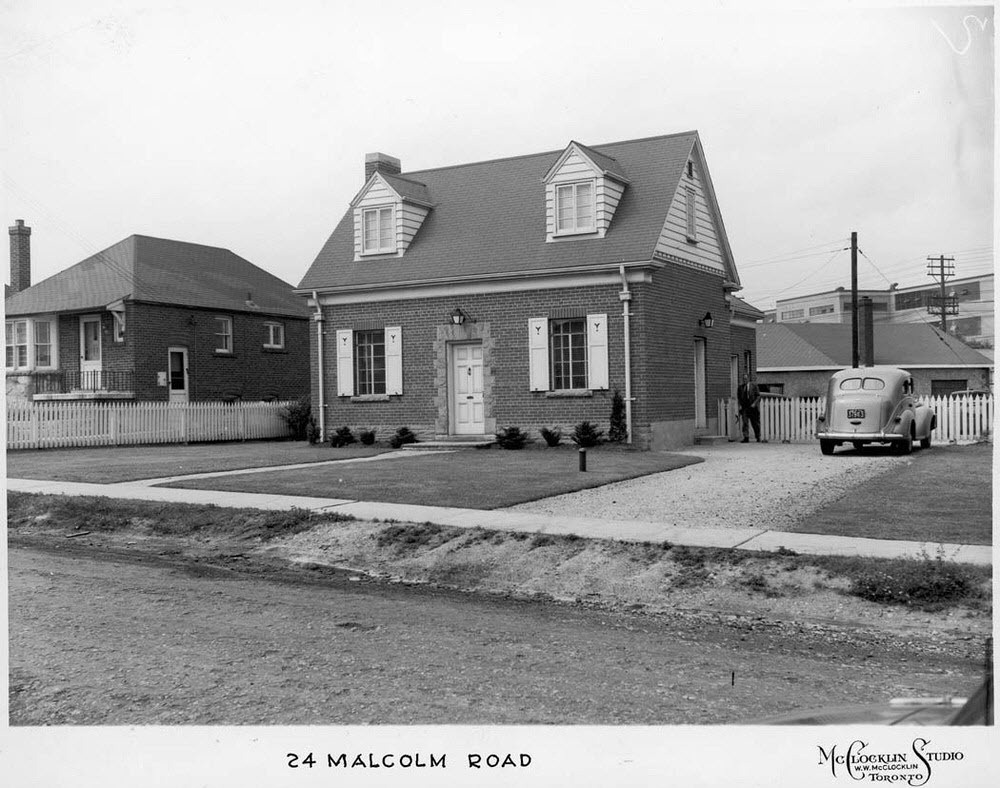
This is not a house. Photo credit: City of Toronto Archives

Toronto was first electrified in the late 1880s. At that time a number of small private companies were supplying electrical demands. Then in 1908, Torontonians voted overwhelmingly for the formation of a municipal electricity company, and Toronto Hydro came into being in 1911.

From the very beginning, Toronto Hydro was keen not to have ugly conglomerations of metals, switches and wires robbing the city’s urban and suburban neighbourhood of its beauty. So each substation they built was wrapped around by a shell of masonry and woodwork carefully designed to resemble residential homes. A driveway and some low-maintenance shrubs in the garden helped complete the deception.

The earliest known substation, dating from 1910 and located at 29 Nelson St. in the John and Richmond area, looks like a four-storey Victorian-era warehouse or perhaps an office building with a grand entrance and raised horizontal brick banding. One of the grandest of these structures is the Glengrove Substation, built in 1931. This Gothic building with its large oak doors, leaded glass windows and long narrow windows reminiscent of Medieval times, it’s no wonder that Toronto Hydro employees call it the “Flagship” or the “Castle”.

As architectural styles evolved, so did the camouflage. From grandiose buildings of the pre-depression era to ranch style houses that became popular with the booming post-war middle class of the 1940s to 1970s, to progressively more modernist structures with flat roof and smooth white exterior. These substation homes were so authentic that they were sometimes broken into by burglars.

There used to be over 270 substation homes scattered across Toronto. According to Spacing Toronto, as of 2015, 79 of these substations are still active.

Source….Kaushik  in http://www.amusingplanet.com

Natarajan


9 Famous Quotes That Are Often Misused…

There are many quotes that are constantly used at will by many of us, but do we actually know where they came from or what their full extent really is? Here are 9 famous quotes that are used in part, or even completely incorrectlly.

1  ” Money is the root of all evil ”

The idea that money is inherently evil appears to stem from a quote that appears in the King James Bible, specifically in 1 Timothy 6:10. The thing is, however,  that the quote got misconstrued from the actual Bible verse, which says: “For the love of money is the root of all evil: which while some coveted after, they have erred from the faith, and pierced themselves through with many sorrows.”


2 “Winning is not everything ”

This motivational quote also happens to be a misquote. It comes from a UCLA Bruins football coach known as “Red” Sanders. At a physical education workshop in 1950, he said: “Winning isn’t everything. Men, it’s the only thing!”


3 “The proof is in the pudding ”

This one is a complete misquote, because the actual quote says “the proof of the pudding is in the eating”. In other words, you actually have to try food to determine whether it’s good to eat or not. “The proof is in the pudding” actually makes no sense at all.


4.”Jack of all trades, but master of none ”

A few hundred years back, “jack” was simply slang for “laborer”. This ghost word is still seen in phrases like “lumberjack” and “steeplejack”. As a result, a “jack of all trades” was a laborer who was capable of doing a bit of everything. The “master of none” part of the quote is actually a modern addition, which contends that those can do a bit of everything have mastery over nothing.


5.:” Feed a cold , starve a fever ”

An old belief from medieval times states that “fasting is a great remedy for fever”, but modern medicine begs to differ. Some believe that the notion of starving a fever actually comes from a mistranslation of “feed a cold, stave a fever”, meaning that it’s a well-nourished person with a cold has a better chance of staving off a fever than a person that is undernourished.

6.” Great minds think alike ”

Greek philosopher Socrates left this one to the world. If he really did mean it in earnest, he probably would have written it down rather than killing himself by drinking hemlock. What you might not know about this famous quote is that it actually has a second part that’s often left out. In its entirety, it reads: “Great minds think alike…and fools seldom differ.”

7.” When one door closes another opens ”

This quote is alternately attributed to Alexander Graham Bell and Helen Keller, although neither of them were actually confirmed to have said it. The full quote actually says: “when one door closes another door opens, but we so often look so long and so regretfully upon the closed door that we do not see the ones which open for us.” As a result, make sure you look forward and don’t dwell when one of life’s metaphorical doors slams shut on you.

8. “Curiosity  killed the cat ”

The first known version of this quote was popularized by William Shakespeare. It goes “care killed the cat”, with “care” meaning “worry” in this context. It appears that “care” made way for the word “curiosity” in the late 1800s, but while that is uncertain, people almost always forget that the quote actually has a second part. It actually reads: “curiosity killed the cat…but satisfaction brought it back,” and means although being nosy will likely get you in trouble, knowing the truth in the end is often worth the risk that you take to find it.

9. Be the change you want to see in the world ”

Gandhi uttered many an inspiring phrase during his lifetime, however this has to be one of his most famous. In his original statement, the guru had said: “If we could change ourselves, the tendencies in the world would also change. As a man changes his own nature, so does the attitude of the world change towards him.”

Source….www.ba-ba mail.com

Natarajan


வாரம் ஒரு கவிதை ….” பெண் என்னும் பிரபஞ்சம் “


பெண் என்னும் பிரபஞ்சம்
———————–
ஆணுக்கு பெண் அடிமையில்லை..ஒரு
ஆணை விட பெண் எதிலும் எங்கும்
குறைந்தவளும் இல்லை !
மறக்க வேண்டாம் உங்கள் பெருமை
பெண்ணுரிமை நம்  உரிமை
மறுக்க முடியுமா யாரும் இதை ?
வானமே எல்லை நமக்கு …நாளை
இந்த உலகம் மட்டும் அல்ல …இந்த
பிரபஞ்சம் கூட ஒரு பெண்ணின்
கையில்தான் !
முடிந்தது அவள்  மேடை முழக்கம் ..முழங்கிய
பெண் தேடினாள்  தன் கை பேசியை
ஊரில் இருக்கும் அவள் அப்பாவிடம் பேச !
மறு முனையில் கேட்டதோ அம்மாவின் குரல் !
சரி அம்மா ..நான் பேசறேன்  அப்புறமா
அப்பாவிடம் … சும்மா தான் கூப்பிட்டேன்
நான் ! வைக்கட்டுமா ?
நாளை உலகை  ஆளப் பிறந்த தன்
பெண்ணின் சொல் கேட்டும்  வாய்
பேசாமல் நிற்கும்  அந்த தாய்
அல்லவோ பெண் என்னும் பிரபஞ்சம் !
Natarajan
in http://www.dinamani.com dated 9th Dec 2017

The German Hyperinflation of 1923…

There was a time when an average German carried billions of marks in their pockets but could still buy nothing. A loaf of bread cost 200 billion marks. A week’s pension would not buy even a cup of coffee. The mark was freefalling and its value decreasing by the minute. Restaurants stopped printing menus because by the time the food arrived the price had gone up. One guy drank the first cup of coffee at 5,000 marks. The second cup cost him 9,000 marks. The stories from those days were horrifying and amusing at the same time. One boy was sent by his mother to buy two bread buns. He stopped on the way to play football, and by the time he got to the shop, the price had gone up, so he could only afford to buy one. One man set out for Berlin to buy a pair of shoes. But when he got there, all he could afford was a cup of coffee and the bus fare home.

The absurd situation began sometime around the middle of the First World War, when the German government decided that instead of using the taxpayer’s money to fund the war they would simply borrow money from other nations. The Germans were confident that they would be able to pay off the debt once they won the war by seizing the resource-rich industrial territories and imposing reparations on the defeated Allies.

But the plan backfired. Germany lost the war and ended up with massive debts. In addition, the Treaty of Versailles imposed Germany a huge fine of 132 billion marks (or $31.4 billion) as reparations for causing loss and damage to the Allies on account of the war. In order to pay off the debts, the government turned to deceit—they began to print money, and used it to buy foreign currency, which was then used to pay reparations. Soon there was too much money chasing too few goods and inflation spiraled out of control.

At first, inflation crept up slowly—from 4.2 marks per dollar before the war to 48 marks per dollar when the treaty was signed. Then it accelerated rapidly. In the first half of 1922, the mark was at 320 marks per dollar. By the end of the year, it had fallen to 7,400 marks per US dollar. Eventually, the mark touched a mind-boggling 4.2 trillion marks to one US dollar.

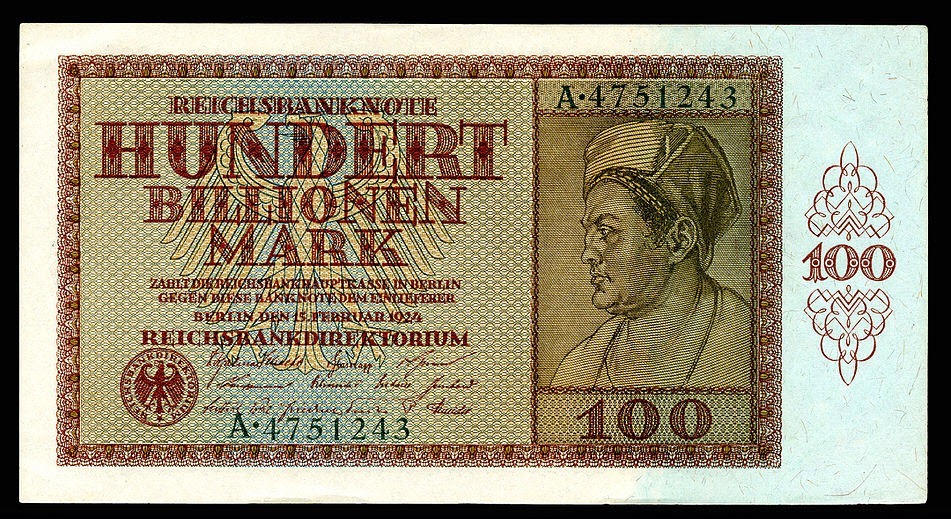
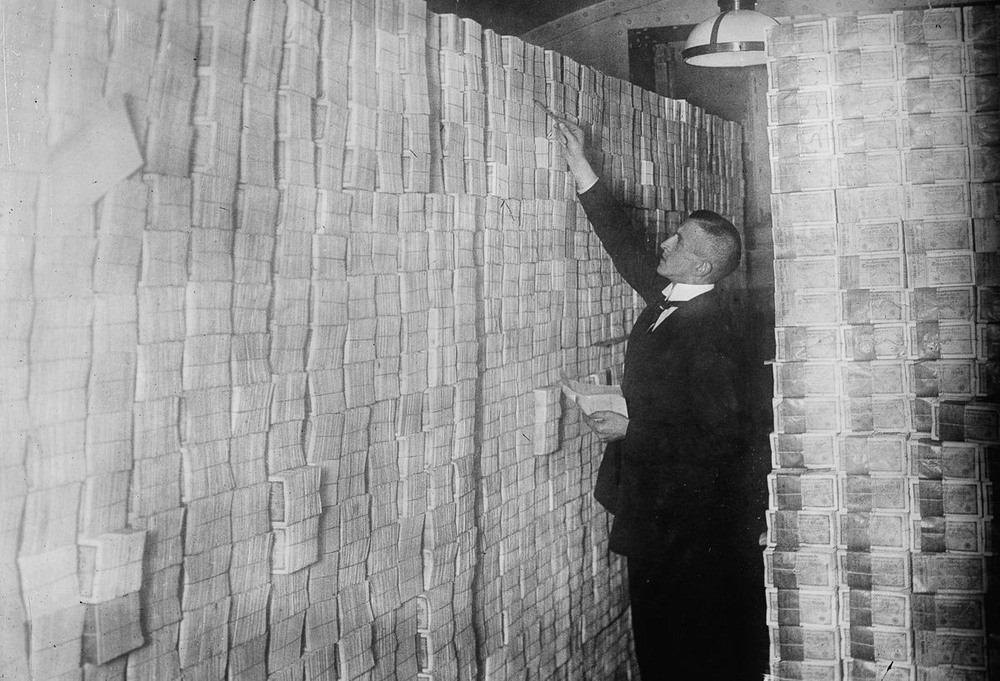
Employees brought suitcases and backpacks to work on payday to collect their wages, and then dashed off to the nearest shop before the exchange rate changed. Banknotes of higher and higher denomination started turning up every few weeks. When the 1,000-billion mark note came out, few bothered to collect the change when they spent it. The hyperinflation peaked in October 1923 and banknote denominations rose to 100 trillion mark. The currency had lost meaning.

People stopped dealing in cash and started bartering instead. Many doctors insisted on being paid in sausages, eggs, coal, and the like. People exchanged a pair of shoes for a shirt, and some crockery for coffee. There was widespread economic panic and mistrust. People began to live as if there were no tomorrow. Dancehalls and strip bars opened up in the cities, and cocaine sales skyrocketed.

Strangely enough, goods were not in short supply. There was simply no stable currency to buy them with. The only objects of real value were tangible assets—diamonds, gold, antiques, and art. Soon the country crumbled into petty thievery. People began stealing anything—soaps, hairpins, copper pipes, gasoline.

It was clear than a radical monetary change was needed to halt the permanent depreciation and return to a more ordered state of affairs. In late 1923, the mark was replaced by a new currency—the Rentenmark, which was backed by mortgages on agricultural and industrial land. The value of the Rentenmark was fixed at the old exchange rate of 4.2 Rentenmark for one US dollar.

Germany limped back to normalcy but the country was never the same again. Lost savings were never recovered, “nor were the values of hard work and decency that had accompanied the savings,” wrote George J.W. Goodman, the American author and economist. “There was a different temper in the country, a temper that Hitler would later exploit with diabolical talent.”

Pearl S. Buck, the American writer, who was in Germany in 1923, wrote:

The cities were still there, the houses not yet bombed and in ruins, but the victims were millions of people. They had lost their fortunes, their savings; they were dazed and inflation-shocked and did not understand how it had happened to them and who the foe was who had defeated them. Yet they had lost their self-assurance, their feeling that they themselves could be the masters of their own lives if only they worked hard enough; and lost, too, were the old values of morals, of ethics, of decency.


The 100 trillion mark banknote. Photo credit: National Numismatic Collection, National Museum of American History.  

and, A Berlin banker counts stacks of bundled marks.

Source….Kaushik in http://www.amusingplanet.com

Natarajan


பறவைகள் மோதிய விமானம்… ஆற்றில் இறக்கிய பைலட்… விமான வரலாற்றில் ஒரு ‘வாவ்’ சம்பவம்!


2009 ஆண்டு ஜனவரி 15 குளிர்காலத்தின் வியாழக்கிழமை. நியூயார்க் நகரம் எப்போதும் போல இயங்கிக் கொண்டிருக்கிறது. லகுவார்டியா விமானநிலையம் பரபரப்பாக இருக்கிறது. விமானங்கள் வருவதும் போவதுமாக இருக்கிறது. விமானங்களுக்கு ஓடுபாதையில் இறங்க வேண்டிய நேரத்தை சிக்னலாக வழங்கிக் கொண்டிருக்கிறார்கள். லகுவார்டியாவிலிருந்து US ஏர் பஸ் 1549  A320 என்கிற விமானம் நார்த் கர்லோநியாவில் உள்ள சார்லோட்டி விமான நிலையத்திற்குப் புறப்படத் தயாராகிறது. 66 டன் எடை கொண்ட விமானம் இரண்டு என்ஜின்களைக் கொண்டது. இரண்டு என்ஜின்களும் 40000 குதிரைத் திறன் கொண்டவை. பைலட்டின் பெயர் செஷ்லே சுல்லேன்பெர்கர் (Chesley Sullenberger). வயது 57. இவர் அமெரிக்க விமானப்படையில் பைலட்டாக  இருந்தவர். மொத்தம் 19663 மணி நேரம் பறந்தவர். அதில் 4765 மணி நேரம் A320 விமானத்தில் பயணித்தவர்.

ஏர் பஸ் 1549  A320 விமானத்தில் 150 பயணிகளும் ஐந்து விமானச் சிப்பந்திகளும் பயணிக்கிறார்கள். விமானம் கிளம்புவதற்கான ஒப்புதல் நிலைய அதிகாரிகளிடமிருந்து கிடைக்கிறது. விமான நிலையத்தின் நான்காவது ஓடுபாதையிலிருந்து மாலை 3:24:56 நொடிகளுக்கு விமானம் புறப்படுகிறது.

விமானம் 2818 அடி உயரத்தில் 343 கிலோமீட்டர் வேகத்தில் பறந்துக் கொண்டிருக்கிறது. விமான முகப்புப் பகுதியில் விமானத்தின் முன்பாக பறவைகள் வருவதை பைலட் பார்க்கிறார். அவை கனடா கீஸ் வகை பறவைகள். 3:27:11  பறவைகள் விமானத்தின் எஞ்சின் பகுதியில் மோதுகின்றன. பறவைகள் மோதியதில் விமானத்தின் இரண்டு என்ஜின்களும் பழுதாகின்றன. விமானம் பழுதானதை உணர்கிற பைலட் உடனே விமான நிலைய கட்டுப்பாட்டு அறைக்குத் தகவலைத் தெரிவிக்கிறார். 3:27:33 வினாடிகளில் “விமானத்தில் பறவைகள் மோதிவிட்டன.  உடனே விமானத்தை லகுவார்டியாவில் தரை இறக்க வேண்டும் ஓடுபாதையை கிளியர் செய்து கொடுங்கள்” என்கிறார். நிலைமையின் தீவிரத்தை அறியாத விமான நிலைய அதிகாரிகள் விமானத்தை நியூ ஜெர்சியில் இருக்கிற டேடேர்போரோ விமான நிலையத்தில் இறக்குங்கள் எனத் தகவல் சொல்கிறார்கள்.

“விமானத்தை டேடர்போரோவில் இறக்குவதற்குச் சாத்தியமில்லை” என பைலட் பதிலளிக்கிறார். விமானம் ஜார்ஜ் வாஷிங்டன் பாலத்திற்கு மேலாகப் பறந்துக்கொண்டிருக்கிறது. பயணிகளுக்கு எந்தத் தகவலும் வழங்கப்படவில்லை. விமானத்தில் இருக்கிற 150 பயணிகளையும் காப்பாற்றியாக வேண்டிய அசாதாரண சூழ்நிலை. நொடிக்கு 18 அடி கீழ் நோக்கி விமானம் சென்றுகொண்டிருக்கிறது. தீவிரத்தை உணர்கிற பைலட் 3:28:10 நேரத்தில் விமானத்தை அட்சன் பகுதியில் இறக்குவதாக விமான நிலையத்திற்குத் தெரிவிக்கிறார். ஆனால், விமான நிலைய அதிகாரிகள் ”அட்சன் பகுதியிலா வேண்டாம்” என்கிறார்கள். காரணம் அட்சன் என்பது ஓடுதள பகுதி அல்ல என்பதே. நியூயார்க் நகரத்தில் இருக்கிற ஒரு ஆறு. ஜார்ஜ் வாஷிங்டன் பாலம் இருக்கிற நகரின் பரபரப்பான பகுதி. மொத்த விமான நிலையமும் பதற்றத்திற்கு வருகிறது. அட்சன் ஆறு ஐக்கிய அமெரிக்காவின் நியூயார்க்கின் கிழக்குப் பகுதியின் ஊடாகச் செல்லும் ஆறு. வடக்கிலிருந்து தெற்கு நோக்கி ஓடும் ஆற்றின் நீளம் 507 கிலோமீட்டர்கள்.

வேறு வழியின்றி விமானத்தை பைலட் அட்சன் ஆற்றுப் பகுதியில் இறக்க முடிவு செய்கிறார். பயணிகளுக்கு நிலைமை எடுத்துச் சொல்லப்படுகிறது. விமான ஒலிபெருக்கியின் மூலம் விமானிப் பயணிகளுடன் உரையாடுகிறார். பயணிகள் பயத்தில் உறைகிறார்கள். அடுத்து என்ன நடக்கும் என்பதை யூகிக்க முடியாத சூழல். விமான நிலையக் கட்டுப்பட்டு அறையில் இருக்கிற அதிகாரிகள் நியூயார்க் கடற்படைக்குத் தகவல் கொடுக்கிறார்கள். கடற்படையின் படகுகள் கப்பல்கள் குறிப்பிட்ட இடத்திற்குக் கிளம்புகின்றன. பாதுகாப்பு ஹெலிகாப்டர்கள், படகுகள் என அட்சன் ஆறு மிகப்பெரிய விபத்திற்கு தயாராகிறது

3:30  நிமிடத்திற்கு பைலட் விமானத்தை அட்சன் ஆற்றில் இறக்குகிறார். ஆற்றுக்கும் விமானத்திற்குமான இடைவெளி 500 அடியிலிருந்து தீவிரமாகக் கண்காணிக்கப்படுகிறது. 100 அடி, 50 அடி, 20 அடி, 10 அடி எனக் குறைகிறது. 0.  அவ்வளவுதான். அதிபயங்கரச் சத்தத்துடன் விமானம் ஆற்றில் பாய்கிறது. அட்சன் பகுதிக்குப் பக்கத்தில் இருக்கிற மக்கள் பேராபத்தை உணர்கிறார்கள். விமானம் ஆற்றில் பாய்ந்த அடுத்த நிமிடம் ஆற்றில் மிதக்க ஆரம்பிக்கிறது. நல்ல வேளையாக விமானம் தீப்பிடிக்கவில்லை. விமானத்தின் தானியங்கி கதவுகள் மூடிக்கொள்கின்றன. கதவுகள் மனித முயற்சியில் திறக்கப்படுகிறது. அடித்துப் பிடித்துக்கொண்டு பயணிகள் விமானத்திலிருந்து வெளியே வருகிறார்கள். சிலர் பதற்றத்தில் வெளியே குதிக்கிறார்கள். குளிர்காலம் என்பதால் நீர் ஐந்து டிகிரி குளிராக இருக்கிறது. விமானத்திலிருந்து வெளியே வந்தவர்களை குளிர் வாட்டி வதைக்க ஆரம்பிக்கிறது. விமானத்தின் இறக்கைப் பகுதிகளில் ஏறி நின்று  கொண்டு உதவிக்கு அழைக்கிறார்கள். விமானம் ஆற்றில் இறங்கிய நான்கு நிமிடங்களில் கடற்படையின் படகுச் சம்பவ இடத்திற்கு வந்து சேர்கிறது. பயணிகளில் ஒருவர் மாற்றுத் திறனாளி. விமானம் கொஞ்சம் கொஞ்சமாக நீரில் மூழ்க ஆரம்பிக்கிறது. கடற்படை வீரர்கள் பயணிகள் எல்லோரையும் பத்திரமாக மீட்கிறார்கள். படகுகள் மூலம் எல்லோரும் மீட்டு ஆற்றின் கரைக்குக் கொண்டுவரப்படுகிறார்கள். 3:55 நிமிடத்தில் விமானத்தின் கடைசிப் பயணியும் பத்திரமாக மீட்கப்படுகிறார். எல்லோரும் காப்பாற்றபட்டார்கள் என்பதை உறுதி செய்கிற விமான பைலட் கடைசியாக வெளியே வருகிறார். ஐந்து பயணிகள் பெரிய காயங்களுடன் மருத்துவமனையில் சேர்க்கப்படுகிறார்கள். எழுபத்தி எட்டு பயணிகளுக்குச் சிறிய காயங்கள். சிலர் குளிர் காய்ச்சலுக்கு ஆளானார்கள். ஒரு பயணிக்கு விமானத்தின் எரிபொருள் கண்ணில் பட்டதில் பார்வை போனது.

பெரிதாக எந்த அசம்பாவிதமும் அந்த விபத்தில் நிகழவில்லை. பயணிகள் பைலட்டை தூக்கிவைத்து கொண்டாடுகிறார்கள். விபத்து நடந்த இரண்டாம் நாள் விமானம் ஆற்றுப் படுக்கையிலிருந்து மீட்டு நியூ ஜெர்சிக்குக் கொண்டு செல்லப்படுகிறது. விஷயம் நீதி மன்றத்துக்குச் செல்கிறது. விமான நிர்வாகம் விமான பைலட்டை குற்றம் சாட்டுகிறது. விமானத்தை டேடர்போரோ விமான நிலையத்தில் தரை இறக்கி இருக்கலாம்; அதற்கான நேரம் இருந்தது. ஆனால் விமானி அவசரப்பட்டு விமானத்தை ஆற்றில் இறக்கிவிட்டார் என வாதாடுகிறது. விமானி செஷ்லே சுல்லேன்பெர்கர் அந்த நேரத்தில் பயணிகள் உயிர் குறித்து மட்டுமே சிந்தித்ததாகச் சொல்கிறார். அதை ஏற்றுக்கொள்ளாத விமான நிறுவனம் நீதிமன்ற உத்தரவுபடி ஒரு விமானத்தை சோதனை முயற்சியாக விபத்து நடந்த இடத்திலிருந்து டேடர்போரோ விமான நிலையத்தி இறக்கிக் காட்டுகிறது. ஆனால், விபத்துக்குள்ளான விமானத்தின் விமானி ”சோதனை செய்யப்பட்ட விமானிக்கு என்ன நடக்கப்போகிறது எனத் தெரியும். அதனால் அவர் எளிதாக விமானத்தை தரையிறக்கி விட்டார். மேலும் அவர் அதற்காகப் பயிற்சி பெற்றிருக்கிறார். ஆனால் என்னுடைய நிலை வேறு” எனச் சொல்லி வாதிடுகிறார்.

விமான நிர்வாகம் அதை ஏற்றுக் கொள்ளாமல் மீண்டும் ஒரு  சோதனை முயற்சியில் இறங்குகிறது. நடுவானில் விமானத்தின் இரு எஞ்ஜின்களையும் செயலிழக்கச் செய்து டேடர்பெரோ விமான நிலையத்தில் தரை இறக்குகிற முயற்சியில் இறங்கியது. விமானம் பெரிய சுவற்றில் மோதி விபத்துக்குள்ளாகிறது. அனைத்தையும் ஆராய்ந்த நீதிமன்றம் செஷ்லே சுல்லேன்பெர்கர் செய்தது சரி எனச் சொல்லி தீர்ப்பளிக்கிறது. செஷ்லே சுல்லேன்பெர்கர் விமானி பல பதக்கங்களைப் பெறுகிறார். விமான நிறுவனம் பயணிகளுக்கு இழப்பீடை வழங்கியது.

இந்தச் சம்பவத்தை மையமாக வைத்து ‘சல்லி(Sully)’ என்றொரு படம் வெளியானது. டாம் ஹாங்க்ஸ் நடித்திருந்தார்.

Source….George Anthony in http://www.vikatan.com

Natarajan

108 ஆம்புலன்ஸ் சேவை தெரியும்… `515 கணேசன் கார் சேவை’ தெரியுமா?

108 ஆம்புலன்ஸ் சேவை நமக்கெல்லாம் தெரிந்திருக்கும்… `515 கணேசன் இலவச கார் சேவை’ தெரியுமா? தமிழ்நாட்டின் ஒரு மூலையில் இருக்கும் ஆலங்குடியில் இருந்துகொண்டு மகத்தான மக்கள் சேவை செய்துகொண்டிருக்கிறார் கணேசன். வயது 70-ஐத் தாண்டிவிட்டது. ஆனாலும், `உதவி’ என்று யார் கேட்டாலும், காரை எடுத்துக்கொண்டு ஓடுகிறார். பிரசவம், அவசர சிகிச்சை… எனப் பல உதவிகளுக்காக 46 வருடங்களாக ஒரு ஆம்புலன்ஸ் போலவே செயல்பட்டுக்கொண்டிருக்கிறது கணேசனின் அம்பாசிடர் கார்.


புதுக்கோட்டையிலிருந்து சுமார் 21 கிலோமீட்டர் தொலைவில் இருக்கிறது ஆலங்குடி. ஊரில் இறங்கி, `கணேசன்…’ என்ற பெயரைச் சொன்னால் யாருக்கும் தெரியவில்லை. `515…’ என்றால் உடனே அடையாளம் தெரிந்துகொள்கிறார்கள். ஒரு டீக்கடைக்காரரிடம் `515 கணேசன்’ குறித்து விசாரித்தோம்… “நேரம் காலமெல்லாம் பார்க்க மாட்டாரு. உதவினு யார் கேட்டாலும், காரை எடுத்துக்கிட்டுக் கிளம்பிடுவாரு. அக்கம்பக்கத்துல இருக்குற புதுக்கோட்டை, தஞ்சாவூர், சிவகங்கை ஊருங்க மட்டும் இல்லை… சமயத்துல வெளி மாநிலங்களுக்குக்கூட அவரோட கார் பறக்கும். `கையில் காசு இல்லை’னு சொன்னா, `எனக்குப் பணம் முக்கியம் இல்லை’ம்பாரு. அவர்கிட்ட இருக்குற பணத்தைச் செலவு செஞ்சு உதவி செய்வாரு 515. (அவரை `515’ என்றுதான் ஊர் மக்கள் அழைக்கிறார்கள்). பெத்த புள்ளைக்கு அஞ்சு ரூபா தர்றதுக்கு யோசிக்கிற இந்தக் காலத்துல இப்படியும் ஒரு மனுஷர். சாதாரண ஓட்டு வீட்டுலதான் குடியிருக்காரு. `ரேஷன் கடை அரிசியும் பருப்பும் இருந்தாப் போதும்… எங்க வயிறு நிறைஞ்சிடும்’னு சொல்லிட்டு வர்றவங்களுக்கு எந்த எதிர்பார்ப்பும் இல்லாம உதவி செய்வார். இவரோட நல்ல எண்ணத்துக்கு ஏராளமான பரிசுகள் கிடைச்சிருக்கு. வேற என்ன… ஏகப்பட்ட பட்டங்கள், சான்றிதழ்கள்தான். இவ்வளவு ஏன்… அவர் தெருவுல இருக்குறவங்க, அவங்களோட வீட்டுக்கு வழி சொல்லணும்னா எப்படிச் சொல்வாங்க தெரியுமா… `515 வீட்டுலருந்து நாலு வீடு தள்ளி எங்க வீடு இருக்கு’, `515 வீட்டுக்கு எதிர்ல எங்க வீடு…’ இப்படியெல்லாம்தான் சொல்வாங்க’’ என்று சொல்லி கணேசன் மீதான எதிர்பார்ப்பைக் கூட்டுகிறார் டீக்கடைக்காரர்.

பல வருடங்களாக இப்படி ஒரு சேவை செய்ய வேண்டும் என்றால் ஒன்று, அவர் பெரும் பணம் படைத்தவராக இருக்க வேண்டும். அல்லது, ட்ரஸ்ட் ஏதாவது நடத்தி, நிதி திரட்டி, அதைக்கொண்டு உதவி செய்பவராக இருக்க வேண்டும்.’ – இப்படியெல்லாம் யோசித்தபடி வழி விசாரித்துக்கொண்டு `515’ வீட்டுக்குச் சென்றோம். நாம் நினைத்ததுபோல அவர் வீடு பெரிய பங்களா எல்லாம் இல்லை. சாதாரண பிளாஸ்டிக் கூரை வேய்ந்த எளிமையான வீடு. வீட்டுக்கருகில் அழகழகான குட்டிக் குட்டிச் செடிகள்… சிவப்பு நிறத்தில் சாயம் பூசப்பட்ட தரை. மலர்ந்த முகத்தோடு நம்மை வரவேற்றார் கணேசன். நரைத்த தலை, லுங்கி, சாதாரணமான ஒரு சட்டை. `இவரா மக்கள் சேவை செய்பவர்?’ என்று ஆச்சர்யமாக இருந்தது. நம்மை அறிமுகப்படுத்திக்கொண்டதுமே சரளமாகப் பேச ஆரம்பித்தார் கணேசன்…

“ஆலங்குடிதான் எனக்குச் சொந்த ஊர். அப்பா ஒரு மாட்டுத் தரகர். என் சின்ன வயசுலயே அப்பா, அம்மா தவறிட்டாங்க. அப்புறம் நானா ஏதேதோ வேலை பார்த்து, கொஞ்சம் கொஞ்சமா முன்னேறினேன். வாழ்க்கையில முன்னேறிக் காண்பிச்சவங்க எல்லாருக்குமே மனைவிதான் உதவியா இருப்பாங்க. எனக்கும் என் மனைவி தெய்வானைதான் எல்லாமே. எங்களுக்கு அஞ்சு பெண் குழந்தைங்க… எல்லாருக்கும் கல்யாணமாகிடுச்சு…’’ என்றவரிடம், “அது ஏன் உங்களை `515’-னு எல்லாரும் கூப்பிடுறாங்க?’’ என்று கேட்டோம்.

அது, 1968-ம் வருஷம். ரோட்ல நடந்து போய்க்கிட்டு இருந்தேன். ஒருத்தர், தன்னோட மனைவியை ஒரு தள்ளுவண்டியிலவெச்சு தள்ளிக்கிட்டுப் போய்க்கிட்டிருந்தாரு. ஏன்னு பார்த்தப்போதான் தெரிஞ்சுது… அந்தப் பொண்ணு நிறைமாத கர்ப்பிணினு. என் மனசு உடைஞ்சு போயிடுச்சு. வீட்டுக்கு வந்து, என் மனைவி தெய்வானைகிட்ட விஷயத்தைச் சொன்னேன். `இந்த மாதிரி இருக்கறவங்களுக்கு உதவறதுக்கு ஏதாவது பண்ணணும்’னு என் ஆதங்கத்தையும் சொன்னேன். அவங்க, `இதை உங்களால மாத்த முடியுமா… இப்படி கஷ்டப்படுறவங்களுக்கு உங்களால என்ன பண்ண முடியும்’னு கேட்டாங்க. `முடியும்’னு சொன்னேன். நான்வெச்சிருந்த பழைய இரும்புக்கடையை வித்தேன். 17,500 ரூபா கிடைச்சுது. அந்தப் பணத்துல, செகண்ட் ஹேண்ட்ல ஒரு அம்பாசிடர் கார் வாங்கினேன். அந்த காரோட நம்பர் TNZ-515. நான் முதன்முதல்ல வாங்கின காரோட நம்பரையே `515 இலவச சேவை கார்’னு பேரா வெச்சேன். `உதவி’னு கேட்குறவங்களுக்கு, நேரம் காலம் பார்க்காம காரை எடுத்துட்டுப் போய் என்னால ஆனதைச் செய்றேன்…’’ அடக்கத்தோடு சொல்கிறார் கணேசன்.

கிட்டத்தட்ட 46 வருடங்களாக இந்தச் சேவையைச் செய்துவருகிறார் கணேசன். அதற்காக யாரிடமும் பணம் வாங்குவதில்லை. காருக்கு டீசல் போடுவது, அது ரிப்பேர் சரி பார்ப்பது… என அனைத்துச் செலவுகளையும் அவரே பார்த்துக்கொள்கிறார். கார் சேவைக்கு வேளை வராத நேரத்தில், பழைய இரும்பு, தகரம் போன்ற பொருள்களை வாங்கி விற்கும் கடை நடத்துகிறார். இதுவரை 19 அம்பாசிடர் கார்களை வாங்கியிருக்கிறார் கணேசன். ஒரு கார் பழுதாகிவிட்டது, இனி ஓடும் கண்டிஷனில் இல்லை என்று தெரிந்ததுமே அடுத்த காரை வாங்கிவிடுவார். எல்லாமே செகண்ட் ஹேண்ட் கார்கள்தான். அத்தனைக்கும் `515’தான் பெயர். அவரேதான் முதலாளி, அவரேதான் டிரைவர்!

இதுவரை இரண்டாயிரத்துக்கும் மேற்பட்ட கர்ப்பிணிகளை பிரசவத்துக்கு ஏற்றிச் சென்றிருக்கிறது, விபத்துக்கு ஆளான நான்காயிரத்துக்கும் மேற்பட்டோரைச் சுமந்து சென்றிருக்கிறது 515 கார். அது மட்டுமல்ல… பணம் இல்லாமல், சடலத்தை ஊருக்குக் கொண்டு போக முடியாமல் தவிப்பவர்களுக்கும் இவரின் கார் உதவிக்கு ஓடி வரும்… இலவசமாக! அப்படி, இது வரை 5,400 சடலங்களை பல ஊர்களுக்குக் கொண்டு சேர்த்திருக்கிறது. கொச்சின், பெங்களூரு, தூத்துக்குடி… என கணேசன் பயணித்த ஊர்கள் எண்ணற்றவை. நாம் அவரைப் பார்ப்பதற்கு சற்று முன்னர்தான் திருநெல்வேலி வரை ஒரு கர்ப்பிணியை அழைத்துச் சென்று, விட்டுவிட்டு வந்திருந்தார்.

நாம் அவரிடம் பேசிக்கொண்டிருந்தபோதே செல்போனில் அவருக்கு அழைப்பு! உள்ளே போனவர், கார் சாவியுடன் வெளியே வந்தார். `நீங்க என் மனைவி தெய்வானைகிட்ட பேசிக்கிட்டு இருங்க. பக்கத்துல ஒரு பொண்ணுக்குப் பிரசவ வலியாம்… ஆஸ்பத்திரியில விட்டுட்டு வந்துடுறேன்.’’ நம் பதிலை எதிர்பாராமல், காரை எடுத்துக்கொண்டு விரைந்தார் கணேசன். `காலம் மாறினாலும், சிலரின் குணங்கள் மாறாது’ என்பார்கள். உலகெங்கும் நாம் அறியாத எத்தனையோ கணேசன்கள், பிரதிபலன் பார்க்காமல் யாருக்கோ உதவி செய்துகொண்டுதான் இருக்கிறார்கள். 515 கணேசனின் சேவையை மனமார வாழ்த்தலாம், வணங்கலாம்!

Source….Priyadharshni in http://www.vikatan.com

Natarajan


வாரம் ஒரு கவிதை…”மேகத்தில் கரைந்த நிலா …”

மேகத்தில் கரைந்த நிலா …
————————-
நிலவு உனக்கு மேகமே மேலாடை
மேலாடை உன் முகம் மறைக்க
முழு நிலவு நீயும் இள நிலவாய்
புன்னகைப்பாய் உன் மேலாடைக்குப்
பின்னால் எப்போதும் !
மேகம் கரைந்து மழை பொழியும்
நேரம் கரை புரண்டு ஓடுது மழை
நீர் வெள்ளம் என் மண்ணில் இன்று !
கடற்கரையின்  கரையிலும் கூட
மேகக் கரைசலின் தாக்கம்.. இது
வரை நான் பார்க்காத ஒன்று !
முழு நிலவு நாளில் உன் முகம் காண
வானம் பார்க்கிறேன் நான் இன்று !
மேக மேலாடைக்குப் பின்னால்
மறைந்து இருக்கிறாயா நிலவே ?
இல்லை …நிலவு  நீயும் மேகக் கரைசலில்
கரைந்து கீழே என் மண்ணில் விழுந்து
கடல் நீரில் கலந்து விட்டாயா ? …சொல்லு நிலவே !
Source…My Kavithai as appeared in http://www.dinamani.com dated 4th Nov 2017
K.Natarajan

Chandrakant Bhide: Here is Why RK Laxman Was a Fan of this Diligent Typist…

A typist is required to be fast and accurate, and while he proved to be precisely that, Bhide was much more too. Throw in artistic to those set of skills, and you have Chandrakant Bhide.

“Sachin Tendulkar’s curls gave me the most trouble!”

Chandrakant Bhide is a typist by profession. In 1967 he joined the Union Bank of India and worked there for 3 decades.

A rather implausible scenario for Tendulkar’s curls to give him grief, right?

A typist is required to be fast and accurate, and Bhinde proved he was precisely that but more too.

Throw in artistic to those set of skills, and you have Chandrakant Bhide.


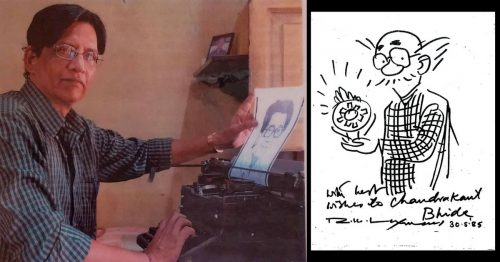
Chandrakant Bhide and a typed out sketch of RK Laxman’s the Common Man

“Art helped me meet important people. How else does a modest typist like me get to meet and be appreciated by people like R. K. Laxman and Mario Miranda,” questions Mr Chandrakant Bhide?

Mr Bhide is anything but ‘just a typist’. His art is indicative of his sheer talent and why the likes of the above-mentioned greats were his fans.

Growing up, he always wanted to join an art school – specifically the Sir J.J. School of Art in Mumbai.

But financial constraints forced him to take a more secure job.

“One day I was asked to type out a list of phone numbers, instead of typing a regular list, I made one in the shape of a telephone instrument,” he remembers. That was the beginning of many more artistic endeavours to come.


“I typed out Lord Ganesha using the ‘x’ key and it was published in the Maharashtra Times newspaper in 1975. I slowly started improvising and started using other keys like ‘_’, ‘=’, ‘@’, ‘-’, ‘,’ in my sketches,” recalls Bhide.

His father’s words inspired him to be better and do better. Each sketch takes him about 5-6 hours to complete.


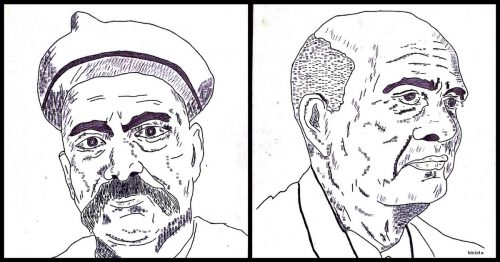
Bhide’s sketches of Bal Gangadhar Tilak and Sardar Patel done on the typewriter

“I hold the paper with my left hand and use the fingers on my right hand to type out the symbols. The different shades in a sketch are added by using a light or a hard touch on the keys. My hands start aching after 10-15 minutes, and so I need constant breaks,” he adds.

One day, Mr Bhide sketched RK Laxman’s, Common Man. It was a time when Xerox machines had just made their appearance. His friend helped him get copies and requested to keep the original.


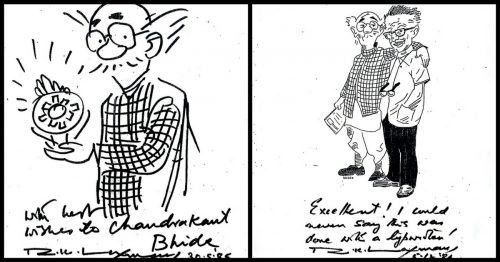
A huge fan of RK Laxman’s work, Bhide has made several sketches of Laxman’s iconic “Common Man”, winning him the famous illustrator’s admiration

“I wanted to show the sketch to R.K. Laxman sir. I went to his office without an appointment and showed it to the cartoonist. Laxman sir was so thrilled with it that he said the result could not have been better with a pen and brush. We spent 1.30 hours talking, and I even mentioned my lost dream of studying in Sir J.J. School of Art, and he said, you can be an artist anyway!” he recalls.

Bhide continued to keep in touch with the famed cartoonist and takes great pride in having several original ‘Common Man’ sketches.

Over the years, Mr Bhide has created almost 150 sketches including several of people he admires including Amitabh Bachchan, Dilip Kumar, Sunil Gavaskar, Dr Ambedkar, Lata Mangeshkar and more.

But it was Sachin Tendulkar’s curls that frustrated the master typer! “I finally used the ‘@’ symbol to get it right,” he recalls.

One of his fondest memories was meeting up with renowned cartoonist and illustrator Mario De Miranda via a common friend, the famous Behram Contractor also known as the Busy Bee. “I was nervous when I rang the bell to Mario’s home, but he soon put me to ease. Once he saw some of my sketches based on his famous characters (Ms Fonseca, Godbole and Boss), he autographed one of my sketches with the words – ‘I wish I could draw like you type.’ That was my biggest compliment,” says Mr Bhide.

Mario De Miranda encouraged and inaugurated Mr Bhide’s first exhibition. He went on to hold several more, including ones in festivals like IIT Mumbai’s Mood Indigo and IIT-Kanpur’s Antaragini.

Mr Chandrakant Bhide retired from the Union Bank of India in 1996. He approached the administration department with a request to buy his beloved companion, his typewriter but was denied it as it was against policy. But on the day of his farewell, the chairman of the Bank allowed him to buy it for just Rs. 1.

Today, the typewriter still holds a place of pride in his household. “It has been with me for fifty years now, I understand it, it understands me,” he chuckles.

Source….Uma Iyer in http://www.the betterindia.com

Natarajan