Message For the Day…” For a Student , Period of Education is Like Cultivation Season …”

Just as the cultivation season is the most important time for the farmer, the youth is the most important time in the life of a student. The farmer waits for the opportune moment to sow his seeds so that he can reap rich harvest. Time is a very critical element for the success of the crop. During the cultivation season, the farmer does not care about food, water or sleep, and works hard with his entire focus on achieving a good harvest. He believes that a good crop is the only source of all happiness. So too, for the student (Vidhyarthi), the period of their education is like the cultivation season. It is the most important time and is the very basis of their lives. They must dedicate all their time, without worrying even about hunger, thirst and sleep, or loss and gain, and must only focus on building their good character and gaining full and complete knowledge.

Sathya Sai Baba

Ukranian Airspace after MH 17 Incident…

Embedded image permalink

@Newsweek

 source::::BENJAMIN ZHANG  in Business Insider India and Newsweek

On a normal travel day, the airspace over Ukraine is some of the most congested in the world. It serves as a major cross roads for flights connecting major hubs in Europe with megacities in Asia.

However, after Malaysia Airlines Flight MH17 was reportedly shot down earlier today, most of the world’s major airlines have ordered their planes to avoid the area completely.

The above map, which was tweeted by Newsweek, shows Ukranian airspace a few hours after MH17 lost contact with radar.

Two of Europe’s largest airlines, Lufthansa and British Airways, have both told Business Insider that they have ordered their planes away from the disputed region.

To avoid the Russian-Ukraine conflict altogether, Lufthansa has specifically ordered their planes to take a southerly route over Romania.

” Wedding in Washington…”


A golden wedding anniversary had passed silently by and nobody noticed. I allude to that of Rukmini and Rajagopalan, which took place, as I see from the invitation card, on April 29, 1963.

A golden wedding anniversary had passed silently by and nobody noticed. I allude to that of Rukmini and Rajagopalan, which took place, as I see from the invitation card, on April 29, 1963. I am assuming that the couple had a happy married life and were still around to celebrate the 50 anniversary of tying the knot.

What is all this you ask. And what is so unusual about a Tambrahm wedding that happened 51 years ago? Well, in the first place, it took place in Washington, a rather unusual location for those times. And secondly, considering that it took place in an era when media was in its infancy and the Internet was something that the army used, thousands of Tamils followed the build up to the actual event with bated breath all across the world.

Those belonging to that era would have caught my drift. Those who came in later will need explanatory notes and here they are – it was in 1963 that the well-known Tamil writer, humourist and editor of the magazine Dinamani Kadir, Sa Viswanathan (Saavi) embarked on his entirely fictitious account of a Tambrahm wedding in Washington, courtesy the wealthy Mrs. Rockefeller.

The plot in brief is like this – the well-to-do Hopes family based out of New York is extremely close to the Murthy family, whose head works for the UNESCO. From Vasantha, the Murthy daughter, Loretta, the Hopes child, hears about the wonders of India. When Vasantha gets married in Thanjavur, the Hopes come down and participate in a full-length wedding.

Back in the US, the Hopes brief Mrs Rockefeller about the wondrous Tambrahm wedding and she is keen to see one; not by herself but in the company of all her family and friends. She therefore, using the good offices of Murthy, selects a South Indian couple who are to be married in Madras, to come over the US. They are of course accompanied by their respective clans, an assortment of cooks, priests, musicians (Ariyakkudi, Lalgudi and Palghat Mani Iyer) and nagaswaram artistes, countless other service providers and above all, a battalion of Mamis who are brought in to make appalams.

What follows is a grand wedding at R Street, Washington DC. Wielding a facile pen, Saavi created a hilarious account of how a Brahmin wedding is organised, contrasting it with the wonderment of the Americans. As you read it, you also get the feeling that Saavi was laughing at us. The story when serialised, was accompanied by the sketches of veteran Gopulu, making for a big hit. Alliance Publishers later released it as a book, which is still in print.

Washingtonil Tirumanam became a successful play, staged by every sabha in the city. Making his theatrical debut in it was Poornam Viswanathan. The highlight was the audience participating in the traditional procession accompanying the bridegroom, conducted every evening around the venue.

51 years later, Washingtonil Tirumanam remains evergreen – a testimony to Saavi, and our weddings that keep getting bigger.

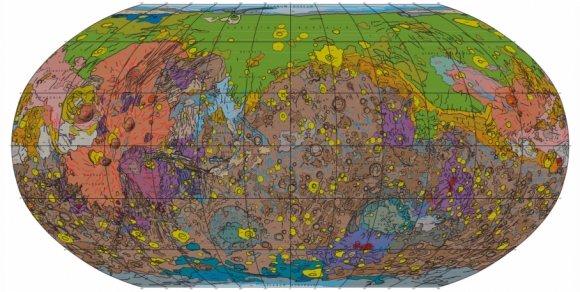
Image of the Day…Geologic Map of Mars …

Geologic map of planet Mars

USGS released this cool geologic map of Mars this week, which was prepared for NASA. What to see first? Notice impact craters, in yellow.

View interactive map sheet. | Geologic map of Mars via Denneth Tanaka et.al. 2014

USGS released this geologic map of Mars yesterday (July 14, 2015), which was prepared for NASA. If you click to the map at USGS’ site, and use the tools at the lower right, you can explore Mars. Popular Science has a good explanation of what you’ll be seeing:

All the different colored parts represent areas of crust that were formed at different times and from different processes. For example, the extensive green area near the north pole represents lowland plains formed during the Red Planet’s Hesperian Epoch, about 3.7 billion to 3 billion years ago. Scientists think those northern plains are covered in sediment from what were once Martian rivers and lakes. You can learn more about the green area, or any other colored area, in the extensive key on the right side of the map sheet.

One easy thing to spot are impact craters, which are roundish and marked on the map in bright yellow. Can you find Gale Crater, the site where NASA’s Curiosity rover landed? Gale Crater is just southwest of Elysium Planitia, which is the mostly pink area on the right side of the map.

Explore the larger, interactive map sheet here, from USGS


Source:::: Earth sky news site

Natarajan

” Why MH 17 was flying over Eastern Ukraine ? …”


The site of the Malaysia Airlines plane crash in eastern Ukraine.The site of the Malaysia Airlines plane crash in eastern Ukraine.

The former head of safety at Qantas has questioned whether Malaysia Airlines flight MH17 should have been flying over the eastern Ukraine given the heightened state of the conflict with Russia.

Ron Bartsch, who now heads international aviation consultancy AvLaw International, said airline network planners had a choice over whether they wanted to fly over dangerous areas or to go around them, even if it would require more fuel.

Mr Bartsch said that while bodies like the International Air Transport Association issued advisories and warnings from time to time, incidents like MH17 “really hit home that it is up to individual airlines to continually monitor and assess the risk on a daily basis”.

Ultimately it was up to the airlines themselves to determine whether potential hazards on their routes were within “an acceptable level of safety”, he said.

Mr Bartsch said there had been instances, such as a volcano eruption in Chile, when Australian airlines had chosen not to fly even though the airspace was declared safe by authorities.

“You can use the analogy of a policeman can’t be there to tell you when to cross the road and when not to,” he said. “It is up to the individual, in the case of airlines, to make that assessment.”

European air traffic control group Eurocontrol said Ukrainian authorities had closed the airspace from the ground level to 32,000 feet but the airspace at 33,000 feet, where MH17 was flying at the time it was shot down, had remained open.

Malaysia Airlines said the usual flight route was earlier declared safe by the International Civil Aviation Organisation. The International Air Transportation Association has stated that the airspace the aircraft was traversing was not subject to restrictions.

However, other airlines had chosen to avoid that airspace. Qantas said none of its flight paths track across the Ukraine and its London to Dubai services flew 400 nautical miles south of the region, having been rerouted several months ago amid the conflict between Russia and Ukraine.

Emirates said it had suspended flights from Dubai to Kiev subject to further notice, but added its flights to and from Europe and the US flew a different route outside the zone where MH17 was shot down. Cathay Pacific confirmed its flights did not fly over the concerned airspace.

Singapore Airlines would not say whether it had been flying over Ukraine until the incident occurred.

“We generally have a number of pre-existing flight paths for our flights to and from the destinations that we are operating to,” a Singapore spokeswoman said. “At this point, we are no longer using Ukrainian airspace and have re-routed all our flights to alternative flight paths that are away from the region.”

Mr Bartsch said deciding not to fly over a conflict zone such as Ukraine, Syria, Israel, Libya or Iraq would come at a commercial cost to an airline, because more fuel would be required at a time of high fuel prices.

“Obviously with airline operations now, they are increasingly commercially competitive,” he said.

“It means that unless they perceive a risk that is sufficient, they are not going to do anything other than the lowest cost route.”

Source:::::

The site of the Malaysia Airlines plane crash in eastern Ukraine.The site of the Malaysia Airlines plane crash in eastern Ukraine.

The former head of safety at Qantas has questioned whether Malaysia Airlines flight MH17 should have been flying over the eastern Ukraine given the heightened state of the conflict with Russia.

Ron Bartsch, who now heads international aviation consultancy AvLaw International, said airline network planners had a choice over whether they wanted to fly over dangerous areas or to go around them, even if it would require more fuel.

Mr Bartsch said that while bodies like the International Air Transport Association issued advisories and warnings from time to time, incidents like MH17 “really hit home that it is up to individual airlines to continually monitor and assess the risk on a daily basis”.

Ultimately it was up to the airlines themselves to determine whether potential hazards on their routes were within “an acceptable level of safety”, he said.

Mr Bartsch said there had been instances, such as a volcano eruption in Chile, when Australian airlines had chosen not to fly even though the airspace was declared safe by authorities.

“You can use the analogy of a policeman can’t be there to tell you when to cross the road and when not to,” he said. “It is up to the individual, in the case of airlines, to make that assessment.”

European air traffic control group Eurocontrol said Ukrainian authorities had closed the airspace from the ground level to 32,000 feet but the airspace at 33,000 feet, where MH17 was flying at the time it was shot down, had remained open.

Malaysia Airlines said the usual flight route was earlier declared safe by the International Civil Aviation Organisation. The International Air Transportation Association has stated that the airspace the aircraft was traversing was not subject to restrictions.

However, other airlines had chosen to avoid that airspace. Qantas said none of its flight paths track across the Ukraine and its London to Dubai services flew 400 nautical miles south of the region, having been rerouted several months ago amid the conflict between Russia and Ukraine.

Emirates said it had suspended flights from Dubai to Kiev subject to further notice, but added its flights to and from Europe and the US flew a different route outside the zone where MH17 was shot down. Cathay Pacific confirmed its flights did not fly over the concerned airspace.

Singapore Airlines would not say whether it had been flying over Ukraine until the incident occurred.

“We generally have a number of pre-existing flight paths for our flights to and from the destinations that we are operating to,” a Singapore spokeswoman said. “At this point, we are no longer using Ukrainian airspace and have re-routed all our flights to alternative flight paths that are away from the region.”

Mr Bartsch said deciding not to fly over a conflict zone such as Ukraine, Syria, Israel, Libya or Iraq would come at a commercial cost to an airline, because more fuel would be required at a time of high fuel prices.

“Obviously with airline operations now, they are increasingly commercially competitive,” he said.

“It means that unless they perceive a risk that is sufficient, they are not going to do anything other than the lowest cost route.”

“I think the problem is if sometimes every other airline is doing it or the majority of airlines are doing it, airlines are drawn into a false sense of comfort, if you like, to think ‘if it is good enough for them, it is good enough for us’.”

Source::::: Jamie Freed in http://m.smh.com.au/business/aviation

Natarajan

” மறைந்து போன வயிற்று வலி…”

போன இடம் தெரியாத வயிற்று வலி…..

காட்டுப்பள்ளி எஸ்டேட் உரிமையாளர் சண்முகசுந்தர முதலியார். அவரது மேனேஜர் கிருஷ்ணானந்தம். இருவரும் மஹாபெரியவாளின் பக்தர்கள்.

1965-ஆம் வருடம் மஹான் தண்டையார்பேட்டையில் முகாமிட்டிருந்தபோது, தாம் காட்டுபள்ளிக்கு விஜயம் செய்வதாக முதலியாரிடம் சொன்னார். முதலியாருக்கு அளவற்ற மகிழ்ச்சி.

கிருஷ்ணானந்தத்தின் மனைவிக்குத் தொடர்ச்சியாக வயிற்று வலி. மஹாபெரியவாளிடம் முறையிட்டுப் பிரசாதம் வாங்கிக் கொடுத்தார். இதற்கிடையில் ஒரு நாள் மஹான் எப்போதோ கிருஷ்ணானந்தம் சொன்னதை நினைவில் கொண்டு,
”உன் மனிவிக்கு சிகிச்சை அளிக்க வேலூர் போவதாகச் சொன்னாயே நாளையே அழைத்துப் போ” என்று புன்சிரிப்போடு, அவரைச் சோதிப்பது போலக் கூறினார்கள்.

அதன்படியே இவரும் தயாராகி, மனைவியை மைலாப்பூரில் ஒரு உறவினர் வீட்டில் தங்க வைத்து அடுத்த நாள் வேலூர் போகத் திட்டமிட்டார்.

ஆனால் நடந்ததோ வேறு. முதலாளியிடமிருந்து மஹாபெரியவா அதே நாளில் காட்டுப் பள்ளிக்கு விஜயம் செய்வதாகத் தகவல் வர, கிருஷ்ணானந்தம் எல்லாம் தெய்வச் செயல் என்று மனைவியுடன் ஊருக்கே திரும்பிவிட்டார். வேலூர் பயணம் தவிர்க்கப்பட்டது. மேலும் எதிர்பாராத விதமாக காட்டுப் பள்ளியிலேயே மஹாபெரியவா சாதுர்மாஸ்ய வியாச பூஜையை செய்யத் திட்டமிட்டார்.

போக்குவரத்து வசதியில்லாமல் படகில் வந்து போகும் கிராமத்திற்கு இப்படி ஒரு வாய்ப்பு கிட்டியதில் எல்லோருக்கும் மகிழ்ச்சி.

மஹான் அங்கேயே நாலரை மாதங்கள் தங்கி, பக்தர்களுக்கு அருள் பாலித்துக் கொண்டிருந்தார்.

முதலியாரின் மேனேஜர் தன் மனைவி படும்பாட்டை மஹானின் முன் முறையிட்டார். மஹான் கிருஷ்ணானந்தத்தின் மனைவியை அங்கே அழைத்து வந்து ஒரு வாரம் தங்கும்படி சொல்ல, மேனேஜரும் அவ்வாறே செய்தார். அவரது மனவி தினமும் குளித்துவிட்டு, பூஜைக்கு சென்றார். வயிற்றுவலி தாங்காமல் அந்தப் பெண்மணியும் கண்களில் நீர் தளும்ப அமர்ந்திருப்பார். கருணாமூர்த்திக்கு இதெல்லாம் தெரியாதா என்ன?

முதலியாரின் மைத்துனரை அழைத்து குளத்தங்கரைக்குப் பக்கத்தில் குளியலறை போன்று தற்காலிக ஏற்பாடாக தென்னக்கீற்றினால் அமைக்கப்பட்டது.

மறுநாள் அந்த அம்மாள் ஸ்நானம் செய்தபின், சுவாசினிகள் பூஜைக்கு அமர்ந்தபோது,

“இந்த அம்மாவை குளியலறைக்கு அழைத்துப் போய் இரு ஸ்டூல்களைப் போட்டு ஒன்றில் உட்காரவைத்து, அபிஷேகத் தீர்த்தத்தை பாதத்தில் படாமல் எல்லா ஜலத்தையும் சிரசில் விடுங்கள் என்றார்” மஹான்.

அபிஷேக தீர்த்தம் உதவியாள் மூலமாக அனுப்பப்பட்டது. சிரசில் நீர் கொட்டும்போது மேனேஜர் மனைவி மெய்மறந்த நிலையில் இருந்தாராம். ஸ்நானம் முடிந்தவுடன் புத்துணர்ச்சி பெற்று வயிற்றுவலி போன இடம் தெரியாமல் வலி நீங்கப் பெற்றவராக வந்தாராம். அதற்குப் பிறகு வயிற்றுவலி அந்த அம்மையாருக்கு வரவே இல்லை.

இப்படிப்பட்ட அதிசயமான அனுபவம் வேறு யாருக்கும் கிட்டியிருக்காது என்று கிருஷ்ணானந்தம் நன்றிப் பெருக்கோடு குறிப்பிடுகிறார்.

மஹாபெரியவாளெனும் மாபெரும் தெய்வம் தன்னை அண்டியவர்களுக்கெல்லாம் அற்புதமான அனுபவங்களை அருளிக் காத்து நிற்கிறார்.

ஜய ஜய சங்கர! ஹர ஹர சங்கர!!

source::: http://www.periva.proboards.com
Natarajan
Read more: http://periva.proboards.com/thread/7364/abhisheka-theertham-book-venkatasaamy#ixzz37nO9aX95

” எக்ஸாம் இன்னிக்கு இருக்கோ …. ”

சாதாரணமான ஒரு குடும்பத்தைச் சேர்ந்தவன் அவன். வயது பன்னிரண்டு அல்லது பதிமூன்று இருக்கலாம். ஐந்தாவதோ ஆறாவதோ படித்துக் கொண்டிருக்கலாம்.

மாநிறம். எண்ணெய் அதிகம் கண்டிராத தலை. தடிமனான அரை டிராயர்; கசங்கிப் போன மேல்சட்டை… அரை டிராயரும் மேல்சட்டையும் என்ன நிறம் என்பதைப் பார்த்த மாத்திரத்தில் எவரும் சொல்லி விடமுடியாது. அழுக்கேறிப் போயிருந்தாலும் அந்த ஆடைகள் அவ்வப்போது துவைத்துத் தான் அணியப் படுகின்றன என்பதை அதைப் பார்க்கும் எவராலும் புரிந்து கொள்ள முடியும். நெற்றியில் ஒரு வளைந்த கீற்றாக – முறையே இல்லாமல் ஏனோ தானோ என்று விபூதி பூசப்பட்டிருந்தது. ஒருவேளை இங்கு கிளம்பி வருகிற அவசரத்தில் அவனது அம்மா இட்டு விட்டிருக்கலாம்.

தேர்வு காலங்களில் கிராமத்தில் இருப்பவர்கள் தெருமுனையில் உள்ள பிள்ளையார் கோவிலுக்குப் போய், ஒரு சின்ன கற்பூரத்தை ஏற்றி வைத்து, பேனாவை பிள்ளையார் பாதத்தில் வைத்து வழிபட்டு விட்டுப் பரிட்சை எழுதப் போவார்கள். இது ஒரு விதமான நம்பிக்கை. அதாவது இறைவன் அருளோடு தேர்வு எழுதப் போகிறோம் என்கிற ஒரு தைரியம் மாணவர்களுக்கு வரும்.

அது போல் இந்த சிறுவன் காஞ்சிபுரத்தில் வசிப்பவன் என்பதாலும், மஹா பெரியவாளின் சாந்நித்யம் பற்றி யாரோ சொல்ல – அவன் தகுதிக்கு ஏதோ கேள்விப்பட்டிருந்தாலும் இன்று தேர்வு எழுதப் போகும் முன் ஸ்ரீமடத்துக்கே வந்து விட்டான் போலிருக்கிறது.

விடிகாலை நேரத்தில் விஸ்வரூபதரிசனம் காண வந்திருந்த பக்தர்கள் பலரும் இன்னமும் நகராமல் அங்கேயே நின்றிருந்தபடி பெரியவா தரிசனத்தில் திளைத்திருந்தார்கள். இதைத் தவிர, காலை வேளையில் ஏராளமான பக்தர்கள் வேறு ஸ்ரீமடத்தில் குவிந்து விட்டிருந்தார்கள். நாம பஜனைகளும் சங்கர கோஷமுமாக ஸ்ரீமடமே பக்தி மணம் கமழ… அருள் நிரம்பிக் காணப்பட்டது.

இவ்வளவு கூட்டம் பெரியவா தரிசனத்திற்காகக் காத்து நின்றாலும், சிறுவனாகப் பட்டவன் வரிசையில் நின்று கொண்டிருக்கும் எந்த ஒரு பக்தரைப் பற்றியும் கவலைப் படாமல், ராஜபாட்டை போல் விறுவிறுவென்று நடந்து மஹா பெரியவாளின் சந்நிதியை நெருங்கினான்.

முகத்தில் உற்சாகம் கொப்பளிக்க, பெரியவாளைப் பார்த்தபடியே நின்றான். அவனை எவரும் தடுக்கவில்லை. ஏதும் கேள்வி கேட்கவில்லை. காரணம் – அந்தச் சிறுவனின் ஆர்வத்தையும் பரபரப்பையும் பார்த்த பின் இயல்பான அந்த பக்திக்குத் தடை போட எவருக்கும் விருப்பமில்லை.

“மடத்துக்குப் போய் சாமியைக் கும்பிடணும்னா, அவருக்குத் தோதா ஏதாவது எடுத்துட்டுப் போகணும்” என்று அவனுக்கு யார் சொல்லிக் கொடுத்தார்களோ…. தெரியவில்லை. தன் கையில் தொடுத்த ஒரு மாலையை வைத்திருந்தான். அந்த மாலையைப் பார்த்த பல பக்தர்களும் வெவ்வேறு விதமான உணர்ச்சிகளைத் தங்களுக்குள் வெளிப்படுத்திக்கொண்டு விமர்சித்துப் பேசினார்கள்.

சிலர் வியந்தார்கள்; சிலர் வெளியே ஏதும் பேச முடியாமல் தங்களுக்குள் கேலியாகச் சிரித்துக் கொண்டார்கள்.

பலரது விமரிசனத்துக்கும் கேலிச் சிரிப்புக்கும் உள்ளான அந்த மாலையில் அப்படி என்ன விசேஷம் என்கிறீர்களா?

அது – துளசி மாலை!

அதுவும் துளசியை அடர்த்தியாக – கொத்துக் கொத்தாக வைத்துக் கட்டப்பட்ட மாலை இல்லை. தனித் தனி துளசி இலைகளைக் கோணாமாணா என்று – ஒரு முறை இல்லாமல் கோர்த்துத் தொடுக்கப்பட்டிருந்த மாலை.

ஒருவேளை அடுத்தடுத்து துளசி இலைகளை நெருக்கமாக வைத்துத் தொடுத்திருந்தால் அதில் இடைவெளி என்பதே தெரியாமல் போயிருக்கும். ஆனால் இந்தச் சிறுவன் தொடுத்துக் கொண்டு வந்திருந்த துளசி மாலையில் இடைவெளி அதிகம் தெரிந்தது. அதனால் பார்த்தவுடன் ’மாலை’ என்று சொல்வதற்கு எவருக்கும் வாய் வராது.

இதில் இன்னொரு அலங்கோலமும் வெளிப்பட்டது. அதாவது இறைவழிபாட்டிற்குக் கொண்டு செல்கிற துளசியைப் பெரும்பாலும் வாழைநாரில்தான் கட்டுவார்கள். ஆனால் இந்தச் சிறுவன் ஒரு சணலில் இந்த ’மாலை’யைக் கட்டி எடுத்து வந்திருந்தான். (வீட்டில் ஏதாவது பொருளைக் கட்டி வைத்திருந்த மூட்டையில் இருந்த சணலை மட்டும் பிரித்து எடுத்திருப்பான் போலிருக்கிறது). இது போன்ற காரணங்களால் சிறுவன் எடுத்து வந்திருந்த துளசி மாலையைப் பார்த்து சிலர் சிரித்தார்கள்.
ஆனால் பக்குவப்பட்ட சிலர், ”இந்த வயதில் இந்த அளவுக்கு பெரியவாளிடம் ஒரு பக்தி இருக்கிறதே… வெறுங்கையோடு வரக்கூடாது என்கிற நாசூக்கு தெரிந்திருக்கிறதே” என்று நெகிழ்ந்தார்கள்.

ஒரு கட்டத்தில் பெரியவாளின் திருப்பார்வை அவன் மேல் விழுந்தது. ஒரு புன்னகையை உதட்டோரம் தவழ விட்டு, ”அருகில் வா” என்பது போல் அவனுக்கு ஜாடை காட்டினார்.
விறுவிறுவென்று நடந்து முன்னுக்கு வந்தான்.

”என்ன?” என்பது போல் ஆச்சரியமான முகத்துடன் தலையை மேலும் கீழும் அசைத்து ரசனையாகக் கேட்டது அந்தப் பரப்ரம்மம்.

சிறுவன் சந்தோஷமானான். தனக்கு உரிய அங்கீகாரம் இந்த சந்நிதானத்தில் கிடைத்துவிட்டது என்பதாக மகிழ்ந்தான். கையில் துளசி மாலையோடு பெரியவாளை இன்னும் நெருங்கி, அவரின் திருவடி அருகே இதை சமர்ப்பித்தான். பெரியவாளின் கைங்கர்யப் பணிக்காக அங்கே இருந்த சீடர் ஒருவர் அந்த துளசி மாலையை அங்கிருந்து எடுத்து வேறு இடத்தில் சேர்ப்பிப்பதற்காகக் குனிந்தார்.

சற்றே நிமிர்ந்து அந்த சீடரைப் பார்த்த பெரியவா, ’வேண்டாம்’ என்பது போல் வலது ஆட்காட்டி விரலை இடப்புறமும் வலப்புறமும் அசைத்து சமிக்ஞை செய்தார். சீடரையும் தள்ளி நிற்கச் சொன்னார். அந்த மாலையைத் தான் அகற்றுவதைப் பெரியவா விரும்பவில்லை என்பதைப் புரிந்து கொண்ட சீடன், நின்ற வாக்கிலேயே அப்படியே ரிவர்ஸில் நகர்ந்து கொண்டான்.

”எக்ஸாம் இன்னிக்கு இருக்கோ?” – சிறுவனைப் பார்த்துப் பெரியவா கேட்டார்.

இவ்வளவு பேர் கூடி இருக்கும் இடத்தில் தன்னைப் பார்த்துப் பெரியவா ஒரு கேள்வி கேட்கிறார் என்பது அந்தச் சிறுவனின் முகத்தில் ஏராளமான சந்தோஷத்தைக் கொடுத்திருந்தது. தவிர, தனக்குத் தேர்வு இருப்பதைப் பெரியவா எப்படிக் கண்டு பிடித்தார் என்கிற ஆச்சரியமும் அவன் முகத்தில். பிரகாசமானவன், “ஆமா சாமி, இன்னைக்கு சயின்ஸ்” என்று கூடுதல் தகவலையும் சொன்னான்.

”தொளசி மாலையை எனக்காகக் கொண்டு வந்தியோ?” என்று அவனைப் பார்த்துக் கேட்டு, அந்த மாலையைக் கையில் எடுத்தார்.

இப்படியும் அப்படியும் அதை ஆராய்ந்தார். தான் காணிக்கையாக எடுத்து வந்திருந்த மாலையைப் பெரியவா தன் கையால் எடுத்து விட்டார் என்பதைப் பார்த்த மாத்திரத்திலேயே அச்சிறுவனுக்குப் பெருமை பிடிபடவில்லை…”எங்க வீட்டுலேயே துளசிச் செடி இருக்கு… அதுலேர்ந்து நானே பறிச்சுக் கட்டினேன்.”
அந்தப் பரப்ரம்மம் அவனைப் பார்த்துச் சிரித்தது. கூடி இருந்த திரளான பக்தர்களும் அடுத்துப் பெரியவா என்ன செய்யப் போகிறார் என்பதைக் கவனிப்பதில் ஆர்வமானார்கள். ஒரு க்ஷண நேரத்தில் இந்தச் சிறுவன் பெரியவரின் கவனத்தை இப்படிக் கவர்ந்து விடுவான் என்று அங்கிருந்த எவரும் எதிர் பார்க்கவில்லை. சிறுவன் மேல் பெரியவா செலுத்தும் கரிசனத்தைக் கண்டு, சீடர்களும் மடத்துச் சிப்பந்திகளும் கூட அதிசயப் பட்டுப் போனார்கள்.

அந்தத் துளசி மாலையை தன் கையில் எடுத்துக் கொண்டார். வலக் கரத்தால் அந்த மாலையை எடுத்துத் தன் தலைக்கு மேல் வைத்தார். என்ன புண்ணியம் செய்ததோ அந்தத் துளசி மாலை! பெரியவாளின் தலையில் அமர்ந்து கொண்டது. துளசி மாலை பெரியவா சிரசில் அப்படியே நின்றது. சுற்றிலும் நின்றிருந்த தன் பக்தர்களை இப்படியும் அப்படியும் திரும்பிப் பார்த்தார் பெரியவர். எல்லாப் பக்கமும் திரும்பிப் பார்க்கிற வேளையில் அவர் முகத்தில் ஒரு புன்னகை ததும்பியது. ”இந்தக் கோலத்தில் நான் எப்படி இருக்கேன்? இந்த மாலை நன்னா இருக்கா?” என்று பெரியவா கேட்பதாக எல்லோருக்கும் பட்டது.

பெரியவாளுக்கு சமர்ப்பிக்க வேண்டி பக்தர்கள் வாங்கி வந்திருந்த எத்தனையோ மலர் மாலைகள் அவருக்கு முன்னால் – சற்றும் மணம் குறையாமல் – மலை போல் குவிந்திருந்தன. ரோஜா, மல்லிகை, சம்பங்கி என விதம் விதமான மலர்களைக் கொண்டு மிகவும் நேர்த்தியாகத் தொடுக்கப்பட்டிருந்த மாலைகள் அவை. ஆனால், அனைத்தையும் விட்டு விட்டு, ஒரு ஒழுங்குமுறையே இல்லாத, ஒரு மாலைக்கு உரிய எந்த விதமான இலக்கணத்திலும் சேராத, சாதாரண சிறுவன் கொண்டு வந்த துளசி மாலை ஏனோ பெரியவாளுக்குப் பிடித்து விட்டது. தானே அதை ஸ்வீகரித்துக் கொண்டார்.

’இதுதான் பக்தி’ என்பதை அங்கு வந்திருந்த அனைத்து பக்தர்களுக்கும் உணர்த்தும் விதத்தில், ‘இந்த மாலையை அணிந்திருக்கிற நான் எப்படி இருக்கேன்?’ என்பதாக அனைவரையும் பார்த்தாரோ? எத்தனையோ மலர் மாலைகள் இருந்தும் அன்பின் மிகுதியால் – ஆர்வத்தின் வெளிப்பாடாகத் தொடுத்துக் கொண்டு வரப்பட்ட இந்தத் துளசி மாலை என் உள்ளத்தைக் கவர்ந்து விட்டது என்பதைப் பகட்டான பக்தர்களுக்கு உணர்த்துகிறாரோ?

பக்தி என்றால் என்ன என்பதைப் பற்றிப் பெரிதும் படிக்காத, கேட்காத இந்தச் சிறுவன் தன் செய்கையால் அங்கிருந்த அனைவருக்கும் பெரியவரின் அருட்செயலின் மூலம் உணரச் செய்து விட்டான். செல்வச் செழிப்பில் திளைக்கும் எத்தனையோ பக்தர்கள் குவிந்திருக்கும் இந்த சந்நிதானத்தில் தான் அன்புடன் எடுத்து வந்திருக்கும் ஒரு துளசி மாலைக்கு இவ்வளவு மரியாதையா என்று சிறுவன் திகைத்துப் போனான்.

அவன் விழிகளில் லேசாக ஈரம் ததும்பியது. சரேலென்று தரையில் விழுந்து பெரியவாளை நமஸ்கரித்தான். எழுந்து நின்றான். சுமார் பத்து நிமிடங்கள் கழித்துத் தான் அந்தத் துளசி மாலையைத் தன் தலையிலிருந்து எடுத்துக் கீழே வைத்தார் பெரியவா. புன்னகை அரும்ப அந்த சிறுவனை ஆசீர்வதித்தார். கல்கண்டும் குங்குமமும் கொடுத்தார்.

தன் தலையில் வைத்திருந்த மாலையை அருட் பிரசாதமாக அவனிடமே கொடுத்தார். அதன் அருமை தெரிந்தோ தெரியாமலோ பயபக்தியுடன் வாங்கிக் கொண்டான். எந்த ஒரு மாலையைப் பார்த்துப் பரிகசித்துத் தங்களுக்குள் விமர்சித்துக் கொண்டார்களோ, அந்த பக்தர்கள் இப்போது நெகிழ்ந்து போனார்கள். அவர்களின் பரிகசிப்புக்கு உள்ளான மாலை இப்போது புனிதம் பெற்று விட்டது.

மாலையைப் பெற்றுக்கொண்டு வெளியேறும் அந்தச் சிறுவனிடம் இருந்து, “குழந்தே, அதில் இருந்து ரெண்டு துளசி தளங்களைப் பிய்ச்சு எங்ககிட்ட தாயேன். அது பெரியவா பிரசாதம்” என்று கெஞ்சும் குரலில் கேட்டனர்.

அப்படிக் கேட்டவர்களுக்கெல்லாம் துளசி இலைகளைப் பிய்த்துக் கொடுத்துவிட்டு, “எக்ஸாமுக்கு டயமாச்சு. ஸ்கூல்ல பெல் அடிச்சுடுவாங்க..” என்று சொல்லி விட்டான் ஒரே ஓட்டம்! இன்று சயின்ஸ் தேர்வாயிற்றே!

Read more: http://periva.proboards.com/

Natarajan

Sankalpam and its Meaning …

Sankalpam and its meaning

We are always curious to know the meaning of the Sankalpam that we take before the start of a pooja or a ritual. Firstly, we need to know the Hindu Cosmic cycle.

1 Mahayuga = Sum of 4 Yugas(Krita, Treta, Dwapara and Kali) = 4,320,000 years. 
1000 such mahayugas comprise a day-time of Brahma also known as a Kalpa. 
The kalpa is ruled by 14 manus in succession. 
The reigning period of a manu is onemanvantara which is 71.42 mahayugas.

There is an equivalent night-time of 4,320,000,000 years. The day-night of Brahma together constitutes one Brahma day (8.64 billion years). 360 Brahma days constitute a Brahma year while 360 years represent the lifetime of Brahma which is the life of the cosmos. Doing this simple calculation gives the age of the cosmos to be 311 trillion years. 

Carl Sagan, the noted scientist says in relation to this, “”The Hindu religion is the only one of the world’s great faiths dedicated to the idea that the Cosmos itself undergoes an immense, indeed an infinite, number of deaths and rebirths. It is the only religion in which the time scales correspond, to those of modern scientific cosmology. Its cycles run from our ordinary day and night to a day and night of Brahma, 8.64 billion years long. Longer than the age of the Earth or the Sun and about half the time since the Big Bang. And there are much longer timescales still.”
We are presently in the Sveta-Varaha kalpa in the reigning period of Vaivaswatha – the 7th manu. In this manvantara we are in the 28th mahayuga. As per our Cosmology, Brahma is supposed to have completed 50 Brahma years and is in his51st year. That is why he is called “Parardha-dvaya-jivin”(ie) he lives for two parardhas. A parardha is half.

Two halves make one. He is called so as he has completed one half of his tenure. These terminologies makes better sense in relation to the Sankalpa. 

The actual Sankalpa mantra and its meaning runs like this

“…. Dviteeya parardhe – in the 2nd half of Brhama’s life
Svetavaraha kalpe – in the kalpaof Sveta-Varaha
Vaivaswatha manvantare – in thereining period of the current manu Vaivaswatha
Ashta Vimsati tamey – in the 28thmahayuga of the current manavantara
Kaliyuge – in this kali yuga
Prathame Padhe – in the firstquarter of this yuga
Jamboodveepe – this denotes theplace where the ritual is performed. India

was known as Jambudveepa
Bharata Varshe, Bharata Kande -in the land of Bharat
Sakhabde Mero, Dakshine Parsve -to the South of the Meru mountain
Asmin Varthamane Vyavaharike -in the current period now reigning
Prabhavadi Shasti Samvatsaranam Madya – among the cycle of 60 years starting from 

Prabhava
…..Nama Samvatsare – the name ofthe year in the 60 year Hindu calendar

…. Ayane – Dakshinayane (Aadito Marghazi) or Uttarayane (Thai to Aani)

…. Ritou – denotes the 6seasons or Ritus – Vasantha, Greeshma, Varsha, Sharadh, Hemantha 

                 and Shishira

…. Maasey – one of the 12 tamil months

…. Pakshey – either ShuklaPaksham (day after Amavasya till and including Pournami) or 

                      Krishna Paksham(day after Pournami till and including Amavasya)

…. Subha Thithou – one of the15 days between Pournami and Amavasya

                     (Prathama, Dvithiya, Trithiya,Chaturthi, Panchami, Shasti, Saptami,

                      Ashtami, Navami, Dasami,Ekadasi, Dwadashi, Trayodasi, Chaturdasi,

                      Pournami or Amavasya

…. Vasara Yuktayam – one of thedays of the week (Bhanu, Soma, Bhowma, Soumya, Guru, 

                     Brugu and Sthira)

…. Nakshatra Yuktayam – the day’s star or Nakshatram.

After saying the above the name of the ritual is said. The Paramacharya says the Sankalpam is 

a kind of record of what you performed with finer details going down to the dayand location 

of the ritual. It seems to me the fore runner for a kind ofbookkeeping or a system of 

maintaining minutes of a meeting. 

Sankalpam: Detailed explanation

Let us understand the meaning of the phrases that the Sankalpam is comprised of. 
To understand the phrases in the Sankalpam we need to understand the concept of the 
Cosmic Cycle and Cosmic time calculations

Cosmic Cycle

Time, as per Hindu practices, has evolved and revolves around the life cycle of Brahma, the Creator. This is known as the Hindu Cosmic cycle. Cosmic cycles are infinitely recurring periods of the universe, comprising its creation, preservation and dissolution.
Time Calculations

We start by using a calendaryear as the basis. Unless otherwise specified, year shall mean a Calendar Year. One year for humans represents one day for the divine beings. 360 such divine days make one divine year. 12,000 such divine years makes a Mahayuga comprising the 4 yugas of Krita, Treta, Dwapara and Kali yugas.

i.e. each Yuga comprises of thefollowing calendar years:

• Kali yuga     —        432,000 years

• Dwapara yuga  –   864.000 years

• Treta yuga     —   1,296,000 years

• Krita yuga —-       1,728,000 years.
Kalpa

Total for one Mahayuga (Also called Chatur Yuga) = 4,320,000 years or 4.32 million years.

72 Mahayugas constitutes one ‘Manvantara’ (i.e.) the life of a Manu, the law giver ( we are in the 28thMahayuga)

14 such Manvantaras make one dayor Kalpa of the Creator Brahma.

2 kalpas = 1 day and night of Brahma ( called Ahoratras )

360 ahoratras = 1 year of Brahma
Parardhe

Half the life span of Brahma, OR50 Brahma years. We are in the 51st Brahma Year, OR the second or Dwiteya Pararadhe

Two Parardhe : Life span of Brahma ie 100 years

After that, pralaya equal to the duration of 2 parardhas take place, and at its end, a new cycle starts. 

Jamboo dveepey

Then , the Sankalpa refers to the geographical position of the place where the ritual is performed. This could be the historical or mythological name of the place. Sri Bhagavatham deals with the geography of the world in a great detail. It divides the world into seven dweepas. India is in Jambu dweepa and America in Krauncha dweepa.
Bharata varshey, Bharata:khandey, Sakhabde, mero: dakshiney parsvey
In the geographical part to the south of the Meru Mountain in the land of Bharata. Meru is the mythological heavenly mountain, and our planet Earth is south of it. Technically , this also means that this particular term merO:

dakshiNE pArSvE would be applicable to all parts of the world. 

……nAma samvatsarE
Resuming the reference to time,the Sankalpa proceeds further as follows:

Samvatsaram is a Year. Hinducalendar has a 60 year cycle. Next year is Nandhana corresponding to the Year (2012 -2013)
……AyaNE (Ayanam)

As per calendars based on thesolar system the year is divided into two halves in accordance with the movement of the sun, Northwards and Southwards. The former is termed Uttaraayanam and the latter Dakshinaayanam.

Dakshinayanam (6 months) – Aadi to Margazhi

Uttarayanam (6 months) – Thai to AaNi 

……Ritou (Rithus)

The year is divided into 6 seasons or RITUS, which correspond to 2 months

each of the Lunar Calendar. These are as follows:

• Chithirai & Vaikasi =Vasantha Rithu (March-April, April-May)

• Aani & Aadi = Greeshama Rithu (May-June, June-July)

• Aavani & Puratasi = Varsha Rithu (July-Aug, Aug-Sep)

• Iypasi & Karthigai =Sharadh Rithu (Sep-Oct, Oct-Nov)

• Markazhi & Thai = Hemantha Rithu (Nov-Dec, Dec-Jan)

• Masi & Panguni = Shishira Rithou (February/March)
……Subha-tithau (Thithis)

These are days of the month calculated from the day after Pournami, till

Amavasya, or vice versa.

Pournami/Amavasya + 1: Prathama

+ 2. Dvithiya

+ 3. Trithiya

+ 4. Chaturthi

+ 5. Panchami

+ 6. Shashti

+ 7. Saptami

+ 8. Ashtami

+ 9. Navami

+ 10. Dasami

+ 11. Ekadasi

+ 12. Dvadashi

+ 13. Trayodasi

+ 14. Chaturdasi

+ 15. PourNami OR Amavasya

……mAsE (Months)

• Chitirai – Mesham April – May

• Vaikasi – Rishabam May – June

• Aani – Mithunam June – July

• Aadi – Kadakam July – August

• Aavani – Simham August – Sep

• Puratasi – Kannya Sep – Oct

• Iypasi – Tulam Oct – Nov

• Karthigai – Virchikam Nov -Dec

• Markazhi = Dhanur Dec – Jan

• Thai – Makaram Jan – Feb

• Masi – Kumbam Feb – March

• Panguni – Meenam March – April 

……pakshE (Paksham)

Shukla Pakshe: day after Amavasya till and including Pournami

Krishna Pakshe: day after Pournami till and including Amavasya
.

……vAsara (days of a week)

• Sunday: Bhanu Vasara;

• Monday: Indu /Soma Vasara;

• Tuesday: Bhowma Vasara;

• Wednesday: Soumya Vasara;

• Thursday: Guru Vasara;

• Friday: Brugu Vasara;

• Saturday: Sthira Vasara
……nakshatra yuktAyAm (Nakshatram)

Aswani/ Aswinee ,

BharaNi/ apabharaNee ,

Kaarthikai/ Krutthikaa ,

ROhiNi/ ROhiNee ,

Mrugaseersham/ Mrugasiras ,

thiruvAdhirai/ AardhrA ,

Punarpoosam / PunarvasU ,

Poosam / Pushyam,

Aayilyam/. AaslEshA ,

Makam / MaghA ,

Pooram/ Poorvabhalgunee ,

Hastham/ HasthA ,

Chittirai/ ChithrA ,

SvAthi / SvAthee ,

VisAkam/ VisAkaa ,

anusham/ anurAdhA ,

KEttai/ JyEshtA ,

Moolam/ Moolaa ,

PoorAdam/ , PoorvAshADaa ,

UttharAdam/ UtthaAshAdaa ,

ThiruvONam/ SravaNam ,

Avittam/ Dhanishtaa ,

Sathayam/ Sathabhishak ,

PorrattAthi/ Poorvabhadhra ,

UttharattAdhi/UthrabhdhrA ,

Revathy/REvathee .    


Source:::: http://proframanathan.blogspot.in

Natarajan

” உன் அடுத்த ப்ரோக்ராம் என்ன … ? ” ….

தேடி வந்தருள் தந்த தெய்வம்….

ரத யாத்திரையில் எளிய பக்தர் கூறிய சம்பவம், ஆட்கொண்டருளும் மஹா பெரியவா கருணையை எடுத்து இயம்புகிறது.

அந்த ஏழைக்கும் வறுமைக்கும் நெருங்கிய தொடர்பு. அவர் பட்ட கஷ்டங்களைச் சொல்ல இயலாது. 1984-ஆம் ஆண்டு மஹாபெரியவா திருமங்கலம் கிராமத்திற்கு விஜயம் செய்தபோது, அங்கே முகாமிட்டிருந்த தெய்வத்தை தரிசிக்க இந்த ஏழை பக்தர் போவதுண்டு.

இந்தப் பாமரனுக்கு மஹாபெரியவா இன்னார் என்பதோ, அவர் தம் மேன்மையை அறிந்து அவர் மீது பக்தி கொள்ளும் மனோ நிலையோ இல்லை. ஆனால் தினமும் வீட்டில் சாப்பாட்டிற்கே வழி இல்லாததால் மஹான் இருக்கும் முகாமில் அன்னதானம் நடைபெறுவதால் அந்த இடத்திற்குச் சென்று வயிறு நிறைய உணவருந்தினார். வறுமை மட்டும் அப்படியே இருந்தது.

மஹானின் முகாம் கிராமத்தை விட்டுச் சென்ற பிறகு அந்த மதிய வேளை உணவுக்கும் திண்டாட்டம். நான்கைந்து பேர் அடங்கிய குடும்பத்தை அவரால் காப்பாற்ற முடியாமல் பணச்சிக்கல், கடன் என்று பிரச்னைகள் எழ, தன் உயிரை மாய்த்துக் கொள்வதைத் தவிர வேறு வழி அவருக்குப் புலப்படவில்லை.

இப்படி முடிவெடுத்த அவர், எல்லோரும் சிறப்பாக போற்றிக் கொண்டாடும் காஞ்சி மஹானைத் தரிசித்த பின் தன் உயிரைப் போக்கிக் கொள்ளலாம் என்ற முடிவோடு காஞ்சிக்கு வந்தார்.

மஹானின் எதிரே ஒன்றும் சொல்லாமல் மெளனமாக நின்றார்.

மஹான் கருணையோடு இவரைப் பார்த்தார். நடந்தது, நடப்பது, நடக்கப்போவது என்று எல்லாவற்றையும் தெரிந்தவராயிற்றே அவர்.

“உன் அடுத்த புரோகிராம் என்ன?” என்று ஒரு கேள்வியைத் தன் முன்னே நிற்பவரிடம் கேட்டார்.

வாழ்க்கையின் கடைசி அத்தியாயத்தில் இருக்கும் அந்த எளியவர் என்ன பதில் சொல்வார்? தனது தற்கொலை திட்டத்தையா மஹானிடம் தெரிவிப்பார்?

“என்ன செய்றதுன்னே தெரியல்லே சாமி, எங்க ஊருக்குத்தான் போகணும்” என்றார்.

சொன்னதில் தனக்கு ஆறுதல் கிட்டாதா என்கிற ஏக்கம் தொனித்தது.

“நான் உனக்கு பஸ் சார்ஜ் தர்றேன்…. இப்படியே உன் ஊருக்குப் போகாதே…… நேரே இங்கிருந்து மெட்ராஸ் போய் பாரிஸ் கார்னர்லே இறங்கி, அங்கிருந்து மறுபடியும் பஸ் பிடிச்சு உன் ஊருக்குப் போ” அந்த நபர் புரிந்து கொள்ள முடியாத கட்டளையாகச் சொல்லி அனுப்பினார்.

மடத்திலிருந்து அவரது பஸ்சார்ஜுக்குப் பணம் கொடுக்கப் பட்டது.

‘காஞ்சியிலிருந்து வேலூர் பக்கம் உள்ள தன் கிராமத்திற்கு நேரடியாகப் போகச் சொல்லாமல், சென்னைக்குப் போய் தன் ஊருக்கு ஏன் இந்த சாமியார் போகச் சொல்கிறார்?” என்று புரியாதவராய் மஹானின் கட்டளைப்படியே கிளம்பினார்.

சென்னை பாரிஸில் இறங்கி தன் ஊருக்குப் போக பஸ் நின்று கொண்டிருந்த இடத்திற்குப் போக, அங்கே தெய்வம் அனுப்பிய தூதராக ஒருவர் வந்தார். இவரது பால்ய நண்பர். வெகு தினங்களுக்குப் பிறகு இந்தச் சந்திப்பு. நண்பர் அவரை ஓட்டலுக்கு அழைத்துச் சென்று வயிறு நிறைய டிபன் வாங்கிக் கொடுத்தார். மஹானின் கருணையை எண்ணியபடி, நண்பர் தன் குடும்பத்தைப் பற்றிக் கேட்டபோது தான் பட்ட அவலத்தை அழுதபடியே கொட்டித் தீர்த்தார்.

பரமேஸ்வரரே, தன் காருண்யத்தினால் அனுப்பிய நண்பரல்லவா?

இவருக்கு ஆறுதல் சொல்லி எல்லா கடன்களையும் அடைத்து, குடும்பத்தை தற்காலிகமாக கவனித்துக் கொள்ளவும் பணம் தருவதாகச் சொல்லி, அப்படியே செய்து இவரைக் காப்பாற்றினார்.

அவல நிலையில் இருந்து விடுபட்டவர் வேலையும் கிடைக்கப் பெற்று, 25 ஆண்டுகளுக்குப் பிறகு தனது பெண்ணின் கல்யாணத்தையும் விமரிசையாகச் செய்து, மஹாபெரியவா ரதயாத்திரையாக சிலை ரூபத்தில் தரிசனம் தர வந்தபோது தனது நன்றியைக் கண்ணீராகக் கொட்டித் தீர்த்தார்.

இப்படித்தான் அந்தத் தெய்வம் தனது கருணையால் வலியச் சென்று தன்னை நம்பியவர்களைத் தடுத்தாட்கொள்கிறது.

ஜய ஜய சங்கர! ஹர ஹர சங்கர!!

Source:::: http://www.periva.proboards.com
Natarajan