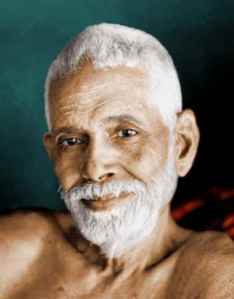
Message For the Day…”Spend Your Time in Pursuing Noble Tasks…”

Avoid spending precious time in useless pursuits and be ever vigilant. Engage the senses of perception and action, and the body in congenial but noble tasks to keep them busy. There should be no chance for sloth (tamas) to creep in. And, every act must promote the good of others. While confining oneself to activities that reflect one’s natural duties (swa-dharma), it is possible to sublimate them into spiritual practices for the body and the senses. You must also withdraw from sensory objects. This implies having a state of mind that is beyond all dualities that agitate and affect, such as joy and grief, liking and disliking, good and bad, praise and blame. Such common experiences one encounters can be overcome or negated by means of spiritual exercises or intellectual inquiry. Endeavour to escape from the opposites and dualities, and attain balance and stability.

Sathya Sai Baba

” பொங்கல் திருநாளில் நம் உழவர்கள் நிலைமை என்ன …”

ஒரு மாதத்துக்கு முன்பே பல பேருடைய மனதில் பொங்கல் பண்டிகைக் குடிகொண்டுவிட்டது. சூரிய வெளிச்சத்தைக் கண்டால் ஓடி மறைபவர்கள், சூரியனைக் கண் டால் தொப்பியையும் கருப்புக் கண்ணாடி யையும் போட்டுக் கொள்பவர்கள், குடை இல்லாமல் வெளியில் செல்ல முடியாத வர்கள், ஒரு நொடி வியர்வைக்கே மின்சார வாரியத்தை தொலைபேசியில் அழைத்து புகார் தெரிவிப்பவர்கள், குளிர் சாதன வசதி இல்லாமல் ஒரு நிமிடத்தைக் கூட தாங்கிக்கொள்ள முடியாதவர்கள் என பொங்கல் பண்டிகைக்காகத் திட்டமிட்டுக் கொண்டிருக்கிறார்கள்.

இது தவிர, பரபரப்பாக… வாழ்த் துச் சொல்ல, மகிழ்விக்க, நடிகர் – நடிகைகளைத் தேடி ஓடிக் கொண் டிருக்கும் ஊடகக்காரர்களும், எந்தப் படத்தைப் போடலாம் என காத் திருக்கும் திரைப்படத் துறையினரும், விண்வெளிக் கலத்தை விண்ணில் செலுத்திவிட்டு பதைபதைப்புடன் உயிரைக் கையில் பிடித்துக் கொண்டு காத்திருக்கும் விண்வெளி ஆராய்ச்சியாளர்களைப் போல், திரைப் படத்தின் வெற்றி – தோல்விக்காகக் காத் திருக்கும் ரசிகர்களும்தான்… பொங்கல் திருநாளுக்காகக் காத்திருக்கிறார்கள்.

பொங்கல் திருநாள் வந்தால் யார் முகத்தில் மகிழ்ச்சி உருவாக வேண் டுமோ… யாரெல்லாம் கொண்டாடி மகிழ வேண்டுமோ… அந்த உழவர்கள் எல்லாம் கடன்காரனுக்கு எந்த பதிலைச் சொல்வது… பொங்கல் செலவுகளை எப்படி சமாளிப்பது… குழந்தை குட்டி களுக்கு துணி எடுக்க யாரிடம் கையேந்துவது என கலங்கிப் போய் நிற்கிறார்கள். ஆனால், மிகச் சிறப்பாக அதாவது ஊடகத்தினர் மொழியில் ‘கோலாகலமாக’ பொங்கலை தமிழ் நாட்டு உழவர்கள் கொண்டாடி மகிழ்ந்த தாக செய்திகள் வெளியாகத்தான் போகிறது, ஊடகங்களில்!

அதேபோல் மழை பெய்தாலும், காய்ந்தாலும் உழவன் கொத்துக் கொத் தாகத் தற்கொலை செய்துகொண்டு செத்தாலும், எப்போதும் போல் தங்களின் வாழ்த்துகளைத் தெரிவிக்க, வாழ்த்துச் செய்திகளை அச்சடித்து வைத்துக்கொண்டு அரசியல்வாதிகளும் காத்திருக்கிறார்கள்.

உழவனுடைய நிலை எப்படியிருந்தா லும், உழவர்கள் பெருவாழ்வு வாழ்வதா கச் சொல்லி ஆள்பவர்கள் வாழ்த்துவதில் ஒரு பொருள் இருக்கிறது. எதிர்க்கட்சியும் மற்ற இதரக் கட்சித் தலைவர்களும்கூட சிறிதும் சிந்திக்காமல் அதே போன்ற வாழ்த்துகளைத் திரும்பத் திரும்ப சொல்லிக்கொண்டிருப்பது எந்த விதத்தில் சரியானது?

கரும்பு வெட்டத் தொடங்கி ஆறு வாரமாகிவிட்டது. கத்தியை வைத்து கரும்பை சாய்த்துவிட்டால், அது உடனே ஆலைக்கு ஏற்றப்பட்டு எடை போட்டுவிட வேண்டும். இல்லையென்றால் தாமதிக் கிற ஒவ்வொரு நொடியும் வெய்யி லில் காய்ந்து எடைகுறைந்து கொண்டே யிருக்கும். வெட்டாமல் விட்டு வைத்திருந் தாலும் முற்றிப்போய், பூ பூத்து, சாற்றை இழந்து கரும்பு தக்கையாகிவிடும். கரும்புக்கான கொள்முதல் விலையை உயர்த்தச் சொல்லி போராட்டங்கள் நாள்தோறும் நடைபெற்றுக்கொண்டே தான் இருக்கின்றன.

நடுவண் அரசு 2012-ம் ஆண்டு அறிவித்த 1,700 ரூபாயிலிருந்து 2,200 ரூபாயாக உயர்த்தி இருக்கிறது. ஆனால் தமிழக அரசு அளித்துவந்த 550 ரூபாயை 450 ரூபாயாக குறைத்து அறிவித்திருக் கிறது. உற்பத்திவிலை கூடிப் போனதால் தங்களின் வேதனையை யாரிடத்தில் சொல்வதென நமக்கெல்லாம் இனிக்கும் சர்க்கரையை தரும் உழவன் கசந்து போய் கிடக்கிறான்.

இதுபோக ஏற்கெனவே தனியார் ஆலை நிறுவனங்கள் இவர்களிடம் வைத் திருக்கிற நிலுவைத் தொகையைக் கொடுக்காததால் அத்தனைப்பேரும் வேதனையில் வெந்து கொண்டிருக் கிறார்கள் .

திரைப்பட நடிகர்கள் உண்ணாவிரதம் எனச் சொல்லி வள்ளுவர் கோட்டத் தின் முன் உட்கார்ந்தால், எல்லா தொலைக்காட்சிகளும் விழுந்தடித்துக் கொண்டு ஓடி வந்து அங்கே வருகின்ற ஒவ்வொருவரின் வாயிலும் ஒரு ஒலிவாங்கியைக் கொடுத்து நேரலை ஒளிபரப்பைச் செய்கின்றன.

ஆனால், உழவருடைய போராட் டத்தை ஒரு போராட்டமாகவே எவருமே பார்ப்பதில்லை. சென்ற மாதம் டெல்லி வரைக்கும் சென்று நாடாளுமன்றத்தின் முன் இந்தக் கடுங்குளிர் பருவத்திலும் வேட்டி – சட்டையுடன் கிடந்து கத்திப் பார்த்தார்கள். ‘இவர்கள்’ செத்துத் தொலைந்தால்… தங்கள் கட்சிக்குத் தான் இழுக்கு என நினைத்த அமைச் சர்கள், பழச்சாறு கொடுத்து படம் எடுத்துக்கொண்டு அனுப்பி வைத்து விட்டார்கள்.

எந்தப் பொருளை யார் உருவாக்கி னாலும், அதற்கான விலையை அவன் குறித்துக்கொள்ள முடியும். உழவ னுக்கு மட்டும்தான் அந்த உரிமை இல்லை. வணிகர்கள் கேட்கிற விலைக் குக் கொடுத்துவிட்டு எப்போது பணம் கொடுப்பார்கள் என காத்திருக்க வேண் டும். பல நேரங்களில் விலையில்லை எனச் சொல்லி திருப்பி அனுப்பி விடுவதால், வீதியில் கொட்டிவிட்டு வீடு வந்து சேர்கிறான். அப்போதுகூட உழவனின் நிலையைப் பற்றி சிறிதும் கவலைப்படாமல், ஓடிப் போய் போட்டிப் போட்டு அள்ளிக் கொள்பவர்களும் நம் மதிப்புக்குரிய மக்கள்தான்.

வேலை செய்கிற நாட்களுக்கும், விடுமுறை நாட்கள் எனச் சொல்லி வேலை செய்யாத நாட்களுக்கும் சேர்த்து ஊதிய மும்; அதுபோக, ஊக்கத் தொகை என அனைத்தையும் பெற்றுக்கொள்கிற பல்வேறு அலுவலக ஊழியர்களுக்கும் பொங்கல் திருநாள்தான். தலைமுறைத் தலைமுறையாக கடனி லேயே உழன்று, வறுமையிலேயே செத்து மடிகிற உழவனுக்கும் பொங்கல் தான். அனைவருடைய வயிற்றுக்கும் உணவளித்துவிட்டு யார் கையையும் எதிர்பார்த்து வாழாத உழவன், அரசாங் கம் கொடுத்த 100 ரூபாயை வாங்குவதற் காக வெய்யிலில் வரிசையில் காத்துக் கிடந்த காட்சிகளையும் கண்டுகொண்டு தான் இருந்தோம்.

உழவனின் குரல் ஓங்கி ஒலித்த காலங்களும் உண்டு. இறுதிவரைப் போராட்டத்தை ஒடுக்க முடியாமல், வேறு வழியில்லாமல் உழவர் சங்கத் தலைவரை சந்திக்க, புதுடெல்லியில் இருந்து அப்போது தலைமை அமைச்ச ராக இருந்த இந்திரா காந்தியும், சென்னையில் இருந்து முதலமைச்சர் எம்.ஜி.ராமச்சந்திரனும் அவருடைய கிராமத்துக்கேச் சென்று பேசித் தீர்த்ததெல்லாம் அன்று நடந்தன.

யார் ஆட்சிக்கு வந்தாலும் அவன் குறை தீர்ந்தபாடில்லை. அவனது சிக்க லின் அடிவேரை ஆராய்ந்து பார்க்கத் தெரியாததாலும், விரும்பாததாலும் வெறும் இலவசங்களையும், மானியங் களையும் கொடுத்து தப்பித்துக் கொள்கிறார்கள்.

உழவனின் மரபுக் குடிகளெல்லாம் உடம்பில் தீப்பிடித்துக் கொண்டதுபோல் தன் கிராமத்தை விட்டும், தன் நிலத்தை விட்டும் வெளியூருக்கும், வெளி நாட்டுக் கும் ஓடிவிட்டன. மீதமுள்ளவர்களும் ஓடிப் போக நெடுங்காலமாகாது. அப் போது இன்று கொண்டாடுவதுபோல் உழவனின் பெயரைச் சொல்லி பொங் கல் திருநாளைக் கொண்டாட முடியாது.

ஏற்கெனவே உழவன் இல்லாத பொங்கலும், கால்நடைகள் இல்லாத மாட்டுப் பொங்கலும் நம்மவர்களால் உருவாக்கப்பட்டுவிட்டன. ‘இல்லை… நாங்கள் பொங்கல் கொண்டாடியே தீருவோம். உழவன் அழிந்தால் எங்களுக்கென்ன? நாங்கள் தமிழர்கள்’ எனச் சொல்லி கொண்டாடலாம். அப்படி யானால் தமிழர்களாக இருக்கின்ற கிறித்துவர்களும், இசுலாமியர்களும் பொங்கலைக் கொண்டாட வேண்டு மல்லவா? அவர்களும் இந்த உழவுத் தொழிலை செய்கிறவர்களும், செய்த வர்களும்தானே. இதை ஒரு மதம் சார்ந்த பண்டிகையாக மாற்றியவர்கள் யார்? உணவளிக்கும் சூரியனுக்கு நன்றி சொல்லும் நாள் என்றால் அப்படி ஒன்றை நாம் எல்லோரும் கொண்டாடுவதுதானே சரி?

உலகத்தில் எந்த மொழியிலாவது ‘ஓர் அரசாங்கம் என்பது இப்படித்தான் இருக்க வேண்டும்’ எனச் சொல்லியிருப் பார்களா?

‘வரப்புயர நீர் உயரும்

நீர் உயர நெல் உயரும்

நெல் உயரக் குடி உயரும்

குடி உயரக் கோல் உயரும்

கோல் உயரக் கோன் உயரும்!’

– என ஒளவை பாடியது போல நடந்தால் அப்போதுதான் அது அரசாட்சியாக இருக்கும். ஆனால், இங்கே எதெல்லாம் உயர்ந்துகொண்டு இருக்கிறது என்பதை பார்த்துக்கொண்டு தானே இருக்கிறோம்.

திருக்குறளையும், திருவள்ளுவன் புகழையும் பரப்பி அவனுக்கு சிலை வைத்துவிட்டால் தமிழன் வாழ்ந்துவிடு வான் என நினைப்பவர்களுக்கு, ஒளவையின் இந்தப் பாடலை நினைவு படுத்த விரும்புகிறேன். வள்ளுவனை ஒருவேளை ஆட்சி யாளர்கள் மதித்தால் (நடுவண் அரசையும் சேர்த்துதான்) வள்ளுவன் பாடியிருக்கிற ஒரு குறளின்படியாவது உழவுத் தொழிலை முன்னேற்றும் காரியத்தை முதலில் செய்து காட்டுங்கள்.

SOURCE::::  தங்கர் பச்சான்  in  www.tamil.thehindu.com

Natarajan

Jan 11 2015

” இனிக்கும் பொங்கல் இருக்கிறதா அடுத்த தலை முறைக்கு … ” ?

அடுத்த தலைமுறை பொங்கல்!

இரண்டொரு நாட்களுக்கு முன்
தேரில் வருவாள் என எதிர்பார்த்த
என் தைமகள்
காரில் வந்திறங்கி, ஒரு கவிஞனின்
கைபற்றி கதறி அழுததை, கனவில் கண்டேன்!

அடுத்த தலைமுறையின், ‘அபாக்கஸ்’
ஆதிக்கத்தில் அழிந்து போன தமிழனின்
தைத்திருநாள் கொண்டாட்டம்தான் அவள்
அழுகையின் அர்த்தம் எனப் புரிந்தது!

ஏ போக்கத்த அடுத்த தலைமுறையே
கொஞ்சம் போகியை பற்றி கேள்…

வாசலில் மாக்கோலம்… நடுவிலே பூசணிப்பூ
வீடு சுற்றி மா, வேம்பு, ஆவாரம் பூ என
கட்டிய பின், ஊர் திரளும் ஓரிடத்தில்
சொக்கபானை கொளுத்தி,
சொக்கி போய் கொண்டாடிய
அந்த போகிப் பொங்கல் எங்கே?
அது மட்கி மண்ணாகி போனது இங்கே!

ஏ…பர்கர் தின்னும் அடுத்த தலைமுறையே
கொஞ்சம் பொங்கலை பற்றி கேள்…

காப்பு கட்டிய முற்றம்;
திரண்டிருக்கும் குடும்ப சுற்றம்
மூன்று கல் கூட்டி, கரும்பு சோகை கட்டி
மஞ்சள் மாலை இட்டு,
கோலமிட்ட பானை வைத்து,
பொங்கி வரும் பொங்கலை, சிறார்கள்
பொங்கலோ பொங்கல் என கூவி
கும்மாளமிட்ட சர்க்கரை பொங்கல் எங்கே?
வெறும் பர்கர் தான் இங்கே!

ஏ… இன்டர் – நெட்டில் மாட்டி தவிக்கும் அடுத்த தலைமுறையே கொஞ்சம்
மாட்டுப் பொங்கலை பற்றி கேள்…

கண்மாய் கரையில் வைத்து,
கஷ்டப்பட்டு வயலில் உழைத்து
களைத்து போன காளைகளை
குளிப்பாட்டி, கொம்பு சீவி, வர்ணமிழைத்து,
பட்டி கட்டி, பாட்டுப்பாடி கொண்டாடிய
மாட்டுப் பொங்கல் எங்கே?
வெறும் பணநோட்டு மட்டும்தான் இங்கே!

ஏ… தேனும், தினை மாவும் மறந்த அடுத்த தலைமுறையே கொஞ்சம்
காணும் பொங்கலை பற்றி கேள்…

மாட்டை பூட்டி, கூட்டு வண்டி கட்டி, காப்பு தீட்டு
தீர்ந்ததென, தித்திக்கும் பொங்கல் தின்று
மாலை கோவில் சென்று, மனதார வழிபட்டு,
தாவணி கன்னியர் நந்தவனம் சென்று,
பூ பறித்து நடந்து வந்து
மஞ்சள் தண்ணீரை மற்றவர் மேல் ஊற்றி விளையாடிய காணும் பொங்கல் எங்கே?
வெறும் கனவு மட்டும்தான் இங்கே!

விளை நிலத்தை, ‘விலை’ நிலங்களாக்கி
விற்று விட்டு, வீடு மாறி போய் விட்ட
கிராமத்து விவசாயிகளின் ஆங்கிலப் பள்ளியில்
படிக்கும் அடுத்த தலைமுறைக்கு
அந்த பொங்கல் எப்படி தெரியும்
எப்படி விளங்கும்?

தேரில் வரும் தைமகளே காரில் வரும்போது
அடுத்த தலைமுறைக்கு பொங்கல், ‘கல்’லாகி
கொண்டிருப்பதை நினைக்கும் போது
நெஞ்சு கனக்கிறது!

பிஞ்சுகள், பின்னணி தெரியாமல்,
பின்புலத்தை இழந்து,
பிறப்பிடத்தை மறந்து, வேறிடம் குடி பெயர்ந்து,
சிறப்பிடத்தை பெறாமல்
தவிக்கும் இன்னாளில் இனிமை
பொங்கல் இங்கு எங்கிருக்கிறது?

இருந்தாலும் அனைவருக்கும்
பொங்கல் வாழ்த்து கூறி மகிழ்வோம்!

இளமுகில் அமுதவன், மஸ்கட்.   in  www.dinamalar.com

Natarajan

Jan 11 2015

ஸ்ரீ ரமண மஹரிஷி வாழ்வில்….” அணில் போல இருங்க …எலி போல வேண்டாம் …”

பகவான் ரமணர் உரைகேட்கப்
பக்தர் இருந்தார் அமர்ந்தபடி
அகமும் முகமும் மலர்ந்தபடி
அருளுரை சொன்னார் கனிந்தபடி
அணில்போல் இருங்கள்; தவறில்லை!
ஆனால் எலிபோல் கூடாது!
மணிமொழி இதனை உதிர்த்தபடி
மவுனமானார் நம் ரமணர்!
காரணம் வேண்டிப் பக்தர்கள்
காத்துக் கொண்டே இருந்தார்கள்
பூரண ஞானி விடைசொன்னார்
புன்னகை ஒன்றைத் தந்தபடி!
உண்ணும் அணிலைப் பாருங்கள்;
உண்டது போதும் என உணர்ந்தால்
கொண்ட கனியை அதன்பின்னர்க்
கொறிப்பதில்லை; ஓடிவிடும்;
ஆனால் எலியோ பதுக்குவதில்
ஆசை கொள்ளும்; மறுபடியும்
தானாய் வந்து பொருள்தேடும்
தனக்கு மீறிச் சேர்த்துவிடும்
போதும் என்ற மனம் இன்றிப்
பொருளைச் சேர்க்கக் கூடாது
நீதி இதுதான், எனச்சொல்லி
நிறுத்தி அருளினார் ரமணமுனி!
ஓம் நமோ பகவதே ஸ்ரீ ரமணாய!!  
Natarajan
Jan 11 2015

Message For the Day…” Role of Sports and Music in our Health and Happiness.. “

It must be recognised that sports and music have been designed to confer health and happiness on man. Physical fitness and mental health are equally important. Together with the gross physical body everyone has a subtle body (sukshma sarira). Take good care of your subtle body by performing spiritual exercises which will help you to realize the Divine. True education consists in the acquisition of good qualities, cultivation of good thoughts, truthfulness, devotion, discipline and dedication to duty. Sports and games enable you to acquire these qualities, and they impart a healthy body, mind and joy. Three unique benefits can be derived from sports and games: team spirit, mutual understanding and joy. Even if people speak different languages and differ in their habits and cultures, through the field of sports you can easily build a common bond, and share a spirit of camaraderie. Hence sports and games should be encouraged.   

Sathya Sai Baba


Image of the Day… Satellite Picture of Snow Covered U.S. ….

Satellite Picture Shows Snow-covered U.S. Deep Freeze

NOAA’s GOES-East satellite provided a look at the frigid eastern two-thirds of the U.S. on Jan. 7, 2015, that shows a blanket of northern snow, lake-effect snow from the Great Lakes and clouds behind the Arctic cold front.

A visible picture captured at 11 a.m. EST showed the effects of the latest Arctic outbreak. The cold front that brought the Arctic air moved as far south as Florida, and stretched back over the Gulf of Mexico and just west of Texas. The image shows clouds behind the frontal boundary stretching from the Carolinas west over the Heartland. Farther north, a wide band of fallen snow covers the ground from New England west to Montana, with rivers appearing like veins. The GOES-East satellite image also shows wind-whipped lake-effect snows off the Great Lakes, blowing to the southeast. Meanwhile, Florida, the nation’s warm spot appeared almost cloud-free.

Image Credit: NASA/NOAA GOES Project  

SOURCE:::: http://www.nasa.gov

Natarajan

Jan 10 2015

Message For the Day…” Direct Your Senses Using Buddhi …”

People have three chief instruments for uplifting themselves: intelligence, mind, and senses. When the mind gets enslaved by the senses, you get entangled and bound. The same mind, when regulated by the intellect, can make one aware of one’s reality (Atma). The mental power gained from spiritual practice must be directed to turn the mind away from wrong paths. Direct your senses using the principle of intelligence (buddhi), and release them from the hold that the mind has on them. The mind (manas) is a bundle of thoughts, a complex of wants and wishes. As soon as a thought, desire or wish raises its head from the mind, the intellect (buddhi) must probe its value and validity — is it good or bad, will it help or hinder, where will it lead or end. If the mind does not submit to this probe, it will land itself in deep trouble. If the mind obeys your intelligence, your spiritual progress will be accelerated.    

Sathya Sai Baba


What is Bhagavad Gita … ? How Much Do you Know About It… ?


December 5th was Bhagavad Gita Jayanti. Which means it was the day when Bhagvad Gita was spoken by Lord Shri Krishna to his very first desciple in the form of a human, i.e. Arjuna.  Please refer:
http://zeenews.india.com/hindi/videos/the-relevance-of-shrimad-bhagavad-gita-in-todays-world/240233

Small blue diamondFew facts of Bhagavad Gita…. please read :

Triangular flag on postWhat is the Bhagavad-Gita?

The Bhagavad-Gita is the eternal message of spiritual wisdom from ancient India.

The word Gita means song and the word Bhagavad means God, often the Bhagavad-Gita
is called the Song of God.

Triangular flag on postWhy is the Bhagavad-Gita called a song, if it is spoken?

Because its rhyming meter is so beautifully harmonic and melodious when spoken perfectly.

Triangular flag on postWhat is the name of this rhyming meter?

It is called Anustup and contains 32 syllables in each verse.

Triangular flag on postWho originally spoke the Bhagavad-Gita?

Lord Krishna originally spoke the Bhagavad-Gita.

Triangular flag on postWhere was the Bhagavad-Gita originally spoken?

In India at the holy land of Kuruksetra.

Triangular flag on postWhy is the land of Kuruksetra so holy?

Because of benedictions given to King Kuru by Brahma that anyone dying in Kuruksetra

while performing penance or while fighting in battle will be promoted directly to the heavenly planets.

Triangular flag on postWhere is the Bhagavad-Gita to be found?

In the monumental, historical epic Mahabharata written by Vedavyasa.

Triangular flag on postWhat is the historical epic Mahabharta?

The Mahabharata is the most voluminous book the world has ever known. The Mahabharata covers the history of the earth from the time of creation in relation to India. Composed in 100,000 rhyming quatrain couplets the Mahabharata is seven times the size of the Illiad written by Homer.

Triangular flag on postWho is Vedavyasa?

Vedavyasa is the divine saint and incarnation who authored the Srimad Bhagavatam, Vedanta Sutra, the 108 Puranas, composed and divided the Vedas into the Rik, Yajur, Artharva and Sama Vedas, and wrote the the great historical treatise Mahabharata known as the fifth Veda. His full name is Krishna Dvaipayana Vyasa and he was the son of sage Parasara and mother Satyavati.

Triangular flag on postWhy is the Mahabharata known as the fifth Veda?

Because it is revealed in the Vedic scripture Bhavisya Purana III.VII.II that the fifth Veda written by Vedavyasa is called the Mahabharata.

Triangular flag on postWhat are the special characteristics of the Mahabharata?

The Mahabharata has no restrictions of qualification as to who can hear it or read it. Everyone regardless of caste or social position may hear or read it at any time. Vedavyasa wrote it with the view not to exclude all the people in the worlds who are outside of the Vedic culture. He himself has explained that the Mahabharata contains the essence of all the purports of the Vedas. This we see is true and it is also written in a very intriguing and dramatically narrative form.

Triangular flag on postWhat about the Aryan invasion theory being the source of the Bhagavad-Gita?

The Aryan invasion theory has been proven in the 1990s not to have a shred of truth in it. Indologists the world over have realized that the Aryans are the Hindus themselves.

Triangular flag on postWhat is the size of the Bhagavad-Gita?

The Bhagavad-Gita is composed of 700 Sanskrit verses contained within 18 chapters, divided into three sections each consisting of six chapters. They are Karma Yoga the yoga of actions. Bhakti Yoga the yoga of devotion and Jnana Yoga the yoga of knowledge.

Triangular flag on postWhen was the Bhagavad-Gita spoken?

The Mahabharata confirms that Lord Krishna spoke the Bhagavad-Gita to Arjuna at the Battle of Kuruksetra in 3137 B.C.. According to specific astrological references in the Vedic scriptures, the year 3102 B.C. is the beginning of kali yuga which began 35 years after the battle 5000 years ago. If calculated accurately it goes to 5151years from today.

Triangular flag on postWhat is the opinion of western scholars from ancient times?

According to the writings of both the Greek and the Romans such as Pliny, Arrian and Solinus as well as Megastathanes who wrote a history of ancient India and who was present as an eyewitness when Alexander the Great arrived in India in 326 B.C. was that before him were 154 kings who ruled back to 6777 B.C. This also follows the Vedic understanding.

Triangular flag on postWhen was the Bhagavad-Gita first translated into English?

The first English edition of the Bhagavad-Gita was in 1785 by Charles Wilkins in London, England. This was only 174 years after the translation of the King James Bible in 1611.

Triangular flag on postWas the Bhagavad-Gita also translated into other languages?

Yes. The Bhagavad-Gita was translated into Latin in 1823 by Schlegel. It was translated into German in 1826 by Von Humbolt. It was translated into French in 1846 by Lassens and it was translated into Greek in 1848 by Galanos to mention but a few.

Triangular flag on postWhat was the original language of the Bhagavad-Gita?

The original language of the Bhagavad-Gita was classical Sanskrit from India.

Triangular flag on postWhy is Srimad often written before the Bhagavad-Gita?
The word Srimad is a title of great respect. This is given because the Bhagavad-Gita reveals the essence of all spiritual knowledge.

Triangular flag on postIs history aware of the greatness of Srimad Bhagavad-Gita?

Historically many very extraordinary people such as Albert Einsten, Mahatma Gandhi, Dr. Albert Schweitzer, Herman Hesse, Ralph Waldo Emerson, Aldous Huxley, Rudolph Steiner and Nikola Tesla to name but a few have read Srimad Bhagavad-Gita and were inspired by its timeless wisdom.

Triangular flag on postWhat can be learned by the study of Srimad Bhagavad-Gita?

Accurate, fundamental knowledge about God, the ultimate truth, creation, birth and death, the results of actions, the eternal soul, liberation and the purpose as well as the goal of human existence.

SOURCE:::: Input from a friend of mine
Natarajan
Jan 10 2015

A Complete Meal…. ” Chakara Pongal ” !!!

Sweet pongal

While ven pongal is a popular breakfast in Tamil Nadu, the sweet pongal or chakara pongal is traditionally made during the harvest festival

No sumptuous meal, in most Indian homes, is complete without rice. The diet-conscious may give it a go-by, but even they will agree that dal-chawal or rasam-rice (with a drop of ghee) is one of the tastiest dishes in the world.

The most important crop in India, an agriculture-based civilisation, is rice. In fact, rice is a synonym for food here and archaeological evidence dates rice cultivation back to 6,000-9,000 years. Did you know that newly-harvested rice was never eaten in days gone by? It was stored for at least three years before it was considered healthy.

It is quite likely that our mothers and grandmothers knew a great deal about what nutritionists all over the world are propounding today — combine complex carbohydrates with protein for a complete meal. Legumes (lentils, beans and peas included) are a wonderful source of protein, calcium, phosphorous, vitamin B and iron. They are also rich in dietary fibre, which helps in lowering cholesterol. And when we combine rice and legumes, we arrive at a dish linked with the South Indian festival, Pongal. It is interesting to note that the dish must have evolved keeping nutrition in mind, though not much is known about its origins. Pongal literally means ‘boiling over’ of milk, rice and lentils.

Traditionally, this dish is made during the harvest festival which falls in mid-January. Today, however, the salted version is a popular breakfast dish served in various avatars across the country.

In many homes, green gram or husked moong dal — which is not only nourishing, but also easy to digest — is used to make the dish. Its essential nature is alkaline, so much so that Ayurveda categorises it as a “cooling food.”

For the sweet pongal, an essential ingredient is jaggery, a derivative of sugarcane. It offers nutrients like iron, calcium and vitamin B2. So, add rice, moong dal, jaggery, some nuts, raisins and elaichi, and voila, you have chakkara pongal!

The writer is the author of five cookbooks on South Indian cuisine.

Keywords: sweet pongal

SOURCE::::  CHANDRA PADMANABHAN  in http://www.the hindu.com

Natarajan

Jan 9  2015

Start the Day with a Nice Smile … !!!

The teacher of the earth science class was lecturing on map reading.
After explaining about latitude, longitude, degrees and minutes the teacher asked, “Suppose I asked you to meet me for lunch at 23 degrees, 4 minutes north latitude and 45 degrees, 15 minutes east longitude…Where would we meet?”

After a confused silence, a voice volunteered, “I guess you’d be eating alone ma’am.”

:::::::::::::::::::::::::

16. I resolve… I resolve to… I resolve to, uh… I resolve to, uh, get my, er… I resolve to, uh, get my, er, off-line work done, too!
15. I will stop checking my e-mail at 3:00 in the morning… 4:30 is much more practical.
14. When I hear a funny joke I will not reply, “LOL… LOL!”
13. I will stop sending e-mail, ICQ, Instant Messages and be on the phone at the same time with the same person.
12. I will try to figure out why I *really* need 9 e-mail addresses.
11. I will stop sending e-mail to my roommate.
10. I will not buy magazines with AOL disks bound in just to get another 1.44MB disk.
9. I resolve to work with neglected children… my own.
8. I will answer my snail mail with the same enthusiasm I answer e-mail.
7. When I subscribe to a newsgroup or mailing list, I will read all the mail I get from it.
6. I will stop using, “So, what’s your URL?” as a pickup line.
5. No more downloads from alt.binaries.*
4. I resolve to back up my new 400 GB hard drive daily… well, once a week… monthly, perhaps…
3. I will spend less than five hour a day on the Internet.
2. I will limit my top ten lists to ten items.
1. I will read the manual… just as soon as I can find it.


SOURCE:::: http://www.siliconindia.com

Natarajan

Jan 9 2015