மகாகவி பாரதியாரின் சகோதரருடன் ஒரு சந்திப்பு !!!

1984ம் ஆண்டு.
“பாரதியார் பிறந்தநாள் வரப் போவுதே.. என்ன செய்யப் போகிறீர்கள்?’ என்று கேட்டார்கள் திருநெல்வேலி வானொலி நிலைய நண்பர்கள்.
நான் யோசித்தேன்.
“இந்த தடவை கொஞ்சம் வித்தியாசமாக ஏதாவது செய்யலாமே…’ என்று யோசனை கூறினார் ஒரு நண்பர்.
“வித்தியாசமா…ன்னா…?’
“பாரதியாரை நேரில் பார்த்தவர்கள், அவரோடு பழகியவர்கள், இப்படிப் பட்டவர்களை நேரிலே சந்தித்துப் பேசி… அதையெல்லாம் தொகுத்துக் கொடுக்கலாமே…!’
“நல்ல யோசனைதான். இருந்தாலும் பாரதியாரோடு பழகியவர்கள் இந்தக் காலத்திலே இன்னும் யார் இருக்கப் போகிறார்கள்?’
“என்ன சார் அப்படிச் சொல்லிபுட்டீங்க.. பாரதியாரின் தம்பி இருக்காரே… அவரைப் போய்ப் பார்க்கலாமே…!’ என்றார் டி.கே.ஆர். (நண்பர் தெ.கு.இராமச்சந்திரன் அப்போது எங்களோடு வானொலி நிலையத்தில் பணியாற்றிக் கொணிடருந்தார். அவரை எல்லோரும் செல்லமாக டி.கே.ஆர். என்றுதான் அழைப்பது வழக்கம்)
“பாரதியாரின் தம்பியா?’ என்றேன் ஆச்சரியத்தோடு.
“ஆமாம். சி. விஸ்வநாத ஐயர்!’ என்றார் டிகேஆர்.
“எங்கே இருக்கார்?’
“மானாமதுரையிலே இருக்கார். அந்த ஊர் பள்ளிக் கூடத்துலே தலைமை ஆசிரியரா ரொம்ப காலம் இருந்தார். இப்ப ரிட்டையர் ஆகி அந்த ஊரிலேயே தான் இருக்கார்.’
“இப்ப அவருக்கு வயது என்ன இருக்கும்?’
“அது… வந்து 88 க்கும் மேலே இருக்கும் இருந்தாலும் இந்த வயசுலேயும் நல்லா சுறுசுறுப்பாக இருக்கார்.’
இவ்வளவு விவரங்களும் தெரிந்து கொண்ட பிறகு சும்மா இருக்க முடியுமா?
அலுவலகத்தில் முறையான சம்பிரதாயங்களை முடித்துக் கொண்டு ஒலிப்பதிவுக் கருவிகளோடு நானும் நண்பர்களும் புறப்பட்டோம்.
மானாமதுரையில் எதிரே வந்த ஒருவரை நிறுத்தி வழிகேட்டோம்.
“அதோ.. அந்தப் பாலத்தை தாண்டி அடுத்த பக்கம் போங்க… வாசலிலே கம்பி போட்டிருக்கும். அந்த வீடுதான்.’
வீட்டுக்கு முன்னால் எங்கள் கார் போய் நின்றது.
வாசல்புறம் நின்றிருந்த ஒருவரிடம் நாங்க வந்திருக்கின்ற விவரத்தைச் சொன்னோம்.
உடனே அவர் எங்களை அழைத்துக் கொண்டு மரப்படிகளின் வழியாக மாடிக்குச் சென்றார்.
அங்கே அந்தப் பெரியவரை – மகாகவி பாரதியின் சகோதரரைச் சந்தித்தோம்.
அன்போடு எங்களை வரவேற்று அமரச் செய்தார். உபசரித்தார். உயரே சுவரில் பழங்காலத்துப் படங்கள் நிறைய மாட்டப்பட்டிருந்தன. அந்தக் காலத்துப் பாரதியின் படங்களை ஆவலோடு பார்த்துக் கொண்டிருந்தோம்.
கொஞ்ச நேரத்தில் பேட்டி தொடங்கியது.
வெளியுலகத்துக்குத் தெரியாத நிறைய விவரங்களை அவர் சொன்னார்.
“எங்க அப்பா சின்னசாமி ஐயர்… அவருக்கு இரண்டு மனைவிகள்…’
முதல் மனைவி லட்சுமி அம்மா… அந்த லட்சுமி அம்மாளின் மகன்தான் பாரதி.
பாரதிக்கும் அஞ்சு வயசு ஆவதற்குள்ளே தாயார் இறந்துவிட்டார்.
அதுக்கப்புறம் இரண்டரை வருஷம் கழிச்சி சின்னசாமி ஐயர் வள்ளியம்மாளைக் கல்யாணம் பண்ணிக்கிட்டார். வள்ளியம்மாளின் பிள்ளை தான் நான். அதாவது எனக்கும் பாரதிக்கும் அப்பா ஒருவர் தான் அம்மாதான் வேறு.
“உங்களுக்கு வேறு சகோதரர்கள் சகோதரிகள்…’
“எனக்கு மூத்த சகோதரி ஒருத்தர் உண்டு. லட்சுமின்னு பேரு.. எட்டு வருஷத்துக்கு முன்னாடி அவங்க இறந்து போயிட்டாங்க’
“பாரதி கூட நீங்க இருந்த நாள்கள்… இப்ப உங்களாலே ஞாபகப்படுத்திச் சொல்ல முடியுமா?’
“பாரதி சென்னையிலே இருந்தார் இல்லையா…?’
“திருவல்லிக்கேணியிலே தானே…’
“அதுக்கும் முன்னாடி மயிலாப்பூரிலே இருந்தார். சித்திரைக்குளம் கீழவீதியும் தெற்குவீதியும் சேர்ற இடம். அங்கே இருந்து தெற்கே போற ஒரு சின்ன தெரு. அங்கே ஒரு பெரிய வீட்டுலே நாங்க குடியிருந்தோம்.
அப்ப நான் மயிலாப்பூர் பி.எஸ்.ஹைஸ்கூல்லே இரண்டாவது பாரம் (ஏழாம் வகுப்பு) படிச்சிக்கிட்டிருந்தேன். அதுக்குப்புறம்தான் திருவல்லிக்கேணியில் பெரிய தெருவுக்குப் போனோம். (வீரராகவ முதலி தெரு)
அதுக்கப்புறம் நல்லதம்பி முதலி தெருவிலேயும் இருந்தோம். அந்தச் சமயம் நான் திருவல்லிக்கேணி ஹிந்து ஹைஸ்கூல்லே படிச்சேன்.
1918க்கு அப்புறம் அவர் கடையத்துலேயும் எட்டயபுரத்திலேயும் மாறி மாறி இருந்தார். அப்பல்லாம் நானும் அவர் கூடவே இருந்தேன்.’
“பாரதியார் உங்களைப் பத்தி பேசினது எழுதினது ஏதாவது ஞாபகப்படுத்திச் சொல்ல முடியுமா?’
சிறு பிள்ளைகளைப் போல ஆர்வத்தோடு அவரை விசாரித்தோம்.
“ஞானரதம்-ங்கற நூல்லே மண்ணுலகம்-ன்னு ஒரு பகுதி. அதுல எழுதியிருக்கிறதெல்லாம். நாங்க நல்லதம்பி முதலி தெரு வீட்டுலே தங்கியருந்தப்போ கிடைச்ச அனுபவங்கள். அதிலே அவர் என்னைப் பத்தி எழுதியிருக்கிறதைப் பாருங்க!’ என்று சொல்லி ஒரு வாரப் பத்திரிகையை எடுத்து எங்களிடம் கொடுத்தார். அதில் அந்தப் பகுதியை எடுத்துப் போட்டிருந்தார்கள். அதில் பாரதியார் எழுதியிருக்கிற வாசகங்கள் இவை:
“22ம் தேதி தம்பிக்குப் பாடசாலைச் சம்பளம் கொடுக்க வேண்டிய நாள். நான் காரியாலயத்திலிருந்து பணம் கொண்டு வந்து வைக்க மறந்து விட்டேன். நான் சுதேசிய விஷயத்தில் பாடுபடுவதில் பொருட்டாக என்னை எப்பொழுதும் கவனித்து வரும்படியாக ராஜாங்கத்தாரால் அனுப்பப்பட்ட ஒற்றர்கள் என் தம்பியிடம் செய்த சம்பாஷணையில் “உம்முடைய அண்ணனது சிநேகிதரான இன்னவரை ராஜாங்கத்தார் பிடிக்கப் போகிறார்கள்’ என்ற மங்கள சமாசாரம் சொல்லிவிட்டுப் போனதாகத் தம்பி சொன்னார்.’
“பாரதியார் பாடல்கள் இயற்றுவது மட்டுமல்லாமல் அவற்றைப் பாடவும் செய்வாராமே?’
“1920ல் நாங்க திருவல்லிக்கேணி துளசிங்கப் பெருமாள் கோயில் தெருவில் இருந்தப்ப வ.வே.சு. ஐயர் ஒரு நாள் வீட்டுக்கு வந்தார். அவரைப் பார்த்ததும் பாரதி “அண்ணா, இன்று ஒரு பாட்டு இயற்றியிருக்கிறேன் கேட்கிறீர்களா?”ன்னார்.
“ம்… சொல்லுங்க!’ன்னார் வ.வே.சு. ஐயர்.
உடனே பாரதி பாட ஆரம்பித்தார்.
காயிலே புளிப்பதென்ன?
கண்ணபெருமானே – நீ
கனியிலே இனிப்பதென்ன
கண்ணபெருமானே
அந்தச் சமயம் அவர் அதைக் கம்பீரமா பாடறப்போ நானும்கூட இருந்துகேட்டேன். மறக்க முடியாத அனுபவம்
“பாரதி நூற்றாண்டு விழா ரஷ்யாவுலே கொண்டாடப் போறாங்களாமே கேள்விப்பட்டீங்களா?’
“ஆமாம்… அதுலே வந்து கலந்துக்கணும்னு அந்த அரசாங்கமே என்னை அழைச்சிருக்கு.’
“போக போறீங்களா?’
“மனசுல ஆசை இருக்கு.. உடம்புல பலம் இல்லை’ என்று சொல்லி லேசாக சிரிக்கிறார்.
“அப்படின்னா…?’
“நான் வர்றதுக்கு என் உடம்பு இடம் கொடுக்காதுன்னு அவங்ககிட்டே சொல்லிட்டேன்’
நீண்ட நேரம் நிறைய விஷயங்கள் அவருடன் பேசிக் கொண்டிருந்துவிட்டு புறப்பட்டோம். தள்ளாத வயதிலும் வாசல்வரை வந்து வழியனுப்பி வைத்தார்.
அதற்கு அடுத்த வருடமே நான் சென்னை வானொலி நிலையத்துக்கு மாற்றலாகி வந்துவிட்டேன்.
இங்கு வந்த பிறகு ஒருநாள் நண்பர் ஒருவரிடம் நான் பாரதியின் தம்பியை பேட்டி கண்ட விஷயத்தைப் பற்றிப் பெருமையாகப் பேசிக் கொண்டிருந்தேன்.
“சந்தர்ப்பம் கிடைச்சா, இன்னொரு முறை மானாமதுரைக்கு போய் அந்தப் பெரியவரைப் பார்த்துட்டு வரலாம்னு நினைச்சிக்கிட்டிருக்கேன்!’ என்றேன்.
அவர் என்னை நிமிர்ந்து பார்த்து, “உனக்கு விஷயம் தெரியாதா?’ என்றார்.
“என்ன?’ என்றேன்.
“அவர் இப்போது உயிரோடு இல்லை. அவர் காலமாகி விட்டதாக உறவினர்கள் சிலர் மூலமாகக் கேள்விப்பட்டேன்’
நான் ஒரு நிமிடம் மௌனமாகி… பிறகு யோசித்தேன்.
“எத்தனை பெரியவர்கள் இந்த உலகத்தில் வருவதும் தெரியாமல், போவதும் தெரியாமல் வாழ்ந்துவிட்டுப் போய் விடுகிறார்கள்.’

– தென்கச்சி கோ. சுவாமிநாதன்  in “KALAIMAGAL ”  TAMIL MONTHLY 

Natarajan

பாரதி: வெடித்து அணைந்த விண்மீன்…

சரியாக, 38 ஆண்டுகள், 9 மாதங்களே வாழ்ந்த பாரதி தன் மொழிக்கும் சமூகத்துக்கும் விட்டுச்சென்றது ஏராளம். தனது குறுகிய வாழ்நாளுக்குள் எவ்வளவு செய்திருக்கிறார் பாரதி. கவிதைகள் மட்டும்தான் அவரது சாதனை என்று இன்றைய தலைமுறையினர் பலர் நினைக்கக்கூடும். கிட்டத்தட்ட, கவிதைகளுக்கு நிகரான சாதனையை பாரதி உரைநடையிலும் செய்திருக்கிறார்.

அது மட்டுமல்லாமல், அவருடைய இதழியல் பணி மகத்தான வீச்சுடையதாகவும் இருந்திருக்கிறது. சுதேசமித்திரன், சக்கரவர்த்தினி, இந்தியா போன்றவை உள்ளிட்ட பல பத்திரிகைகளில் பாரதி பணியாற்றியிருக்கிறார். வேறு சில பத்திரிகைகளில் பங்களிப்பும் செய்திருக்கிறார். தான் ஆசிரியராகப் பணியாற்றிய ‘இந்தியா’ இதழில், தென்னிந்தியப் பத்திரிகைகளிலேயே முதன்முறையாகக் கருத்துச்சித்திரத்தை அறிமுகப்படுத்திய பெருமை பாரதிக்கு உண்டு. சமூகத்துடன் ஊடாடுவதற்கு இதழியலையும் பாரதி மிகவும் திறமையாகக் கையாண்டார். அரசாங்கத்தின் தடை, பொருளாதாரக் காரணங்கள் போன்றவற்றால் ஒவ்வொரு பத்திரிகையும் முடக்கப்பட்டாலும் உடனடியாக வேறொரு பத்திரிகையில் எப்படியும் கால்பதித்து விடுவார். அந்த அளவுக்கு அவரது இதழியல் தாகம் தணியாததாக இருந்திருக்கிறது. அதனால்தான், பத்திரிகை தொடங்குவது குறித்துத் தன் நண்பருக்கு எழுதிய கடிதத்தில் ‘சொத்தை விற்றேனும்’ பணம் கொண்டுவரச் சொல்லியிருக்கிறார்.

கவிதைகள், உரைநடை, இதழியல் எழுத்துக்கள் என்று பாரதியை எழுத்து சார்ந்த மனிதராக மட்டுமே பார்த்துவிட முடியாது. தான் வாழ்ந்த காலத்தில் மகத்தான புரட்சியாளராக பாரதி இருந்திருக்கிறார். இந்து மதத்தில் ஈடுபாடுடையவராக இருந்தாலும், சாதிப் பிரிவினைகளையும் தீண்டாமைக் கொடுமையையும் கடுமையாக எதிர்த்தார். இந்த எதிர்ப்புணர்வைத் தனது வாழ்க்கை முறையிலும் செயல்படுத்திக் காட்டினார். பிற சமூகத்தைச் சேர்ந்தவர்களுடன் பாகுபாடு பார்க்காமல் பழகுதல், அவர்கள் வீட்டில் உணவருந்துதல் போன்ற பழக்கங்களைத் தான் பின்பற்றியதோடு மட்டுமல்லாமல், பிறரையும் பின்பற்றுமாறு வலியுறுத்தியிருக்கிறார். இந்தச் செய்கைகளெல்லாம் அவருடைய சமூகத்தைச் சேர்ந்தவர்களிடம் மிகுந்த கோபத்தை ஏற்படுத்தியிருக்கின்றன. இதேபோல், மத வேற்றுமையும் பாராதவர் பாரதி. அவருக்கு இஸ்லாமிய, கிறித்தவ நண்பர்கள் உண்டு. 1920-ல் நபிகள் நாயகத்தின் பிறந்த நாளன்று பொட்டல் புதூரில் அங்குள்ள இஸ்லாமிய மக்களிடையே இஸ்லாம் மார்க்கத்தின் பெருமையைப் பற்றி பாரதி பேசியதோடல்லாமல், தான் எழுதிய ‘அல்லா… அல்லா… அல்லா!’ என்ற பாடலையும் பாடிக்காட்டியிருக்கிறார்.

எப்பாடுபட்டாவது இந்தியாவுக்குச் சுதந்திரம் வாங்கித்தர வேண்டும் என்று தவிப்புடன் போராடியவர்களில் பாரதிக்கு முதல் வரிசையில் இடம் உண்டு. இந்தத் தவிப்பின் பிரதிபலிப்புதான் மிதவாதம், தீவிரப்போக்கு ஆகிய இரு வழிகளில் தீவிரப்போக்கை பாரதி தேர்ந்தெடுத்தது. விடுதலைபெற்ற இந்தியாவை, தீண்டாமை போன்ற பிரச்சினைகள் ஒழிந்த இந்தியாவை வாழ்த்திப் பாடும் முதல் பாடகனாக, தான் இருக்க வேண்டும் என்பதுதான் அவருடைய பெருங்கனவு. நாடு விடுதலை பெறுவதற்கு 26 ஆண்டுகளுக்கு முன்பே மறைந்துவிட்டாலும்கூட, ஏதோ ஒரு முன்னெச்சரிக்கை உணர்வால் மேற்குறிப்பிட்ட லட்சிய பாரதத்தை வரவேற்று முன்கூட்டியே பாடல்களைப் பாடிவிட்டுப் போயிருக்கிறார்.

பாரதியை நம் நாடு உரிய வகையில் கெளரவித்திருக்கிறதா என்று பார்த்தால், இல்லை என்பதுதான் உண்மை. தேசப்பற்றையும் சுதேசி உணர்வையும் வடிவமைத்ததில் தேசத்தின் எந்தத் தலைவருக்கும் நிகராகப் பங்குவகித்த பாரதி, இறுதியில் தமிழகத்துக்கு மட்டுமே உரியவராகப் பார்க்கப்பட்டவரானார். தமிழகத்தால் மட்டுமே தற்போது கொண்டாடப்படுகிறார். தாகூரின் புகழை இந்திய அளவில் பரப்பவும் நிலைநாட்டவும் இந்திய அரசும் மேற்கு வங்க அரசும் எவ்வளவோ திட்டங்களைச் செயல்படுத்திவருகின்றன. இதற்கெல்லாம் தாகூர் தகுதி வாய்ந்தவர் என்பதில் எந்தவிதச் சந்தேகமும் இல்லை. ஆனால், தாகூருக்கு இணையாகக் கருதப்பட வேண்டிய பாரதி போன்றவர்களும் கெளரவப்படுத்தப்பட வேண்டியது அவசியம்.

சமீபத்தில் பாரதியின் படம் பொறித்த நாணயம் வெளியிடப்பட வேண்டும் என்று எழுந்த சிறிய கோரிக்கையை, ‘பொருத்தமான காலம் இதுவல்ல’ என்று கூறி மத்திய அரசு நிராகரித்துவிட்டது. ஒரு நாணயத்துக்கே பாரதிக்கு இந்தப் பாடு! இந்தப் போக்கு இந்திய அரசுக்கு அழகல்ல. தேசத் தலைவர்கள், தேச உணர்வைத் தட்டி எழுப்பிய ஆளுமைகள் போன்றோர் விஷயங்களில் ஒரு சிலருக்கு மட்டுமே தொடர்ந்து கவனம் கொடுக்கப்பட்டு மற்றவர்கள் நிராகரிக்கப்படுவது முறையல்ல.

‘மந்திரம்போல் வேண்டுமடா சொல்லின்பம்’ என்றார் பாரதி. அப்படி உயிர்த்துடிப்பு கொண்ட ஒரு சொல்லாகத் தான் வாழ்ந்து மறைந்திருக்கிறார் அவர். அந்தச் சொல்லின் பெயர் ‘உத்வேகம்’, 100 ஆண்டுகள் கடந்தும் ஒளிவீசிக்கொண்டிருக்கும் உத்வேகம் அது.

source::::The Hindu…Tamil… Editorial Tribute to  Subramania Bharathi  on his Birthday today…11 dec.


11.12.13 – இனி ஒரு நூறு ஆண்டு காத்திருக்க வேண்டும்!!!

எறும்பூரக் கல்லும் தேயும்; நொடிகள் கடக்க காலமும் போகும். காதலில் விழுந்தவர்களுக்குத்தான் காலம் சடுதியில் பறக்கும். நாள்களைக் கடத்துவதே பலருக்கும் சிம்ம சொப்பனமாக இருக்கும். அதிலும் நூறு ஆண்டுகள் என்றால் எத்தனை பெரிய பிரம்மிப்பாக இருக்கும்? எதற்கு இந்த முன்னுரை? ஒரு நூற்றாண்டில் ஒருமுறை மட்டுமே நிகழும் இயல்பான அதிசயத்தை வரவேற்க வேண்டிதான்.

நொடி, நிமிடம், மணி, தினம், வாரம், மாதம், ஆண்டு இந்த ஒழுங்கில் அவ்வப்போது சில அபூர்வ நிகழ்வுகள் வெளிப்படும். உதாரணத்துக்கு, கடந்த ஆண்டில் 12-12-12 சிறப்பு நாளாக அறியப்பட்டது. அதேபோல் இந்த ஆண்டில் 11.12.13!

தொடர்ச்சியாய் எழுதி வைத்தது போல அமைந்த இந்த தினம், இனி என்று வரும்? அதற்கு நூறு ஆண்டுகள் கடக்க வேண்டும். அதாவது 2113-ம் ஆண்டில்தான், மனித குலம் மீண்டும் 11.12.13 என்ற தினத்தை தரிசிக்கும்.

இதுபோன்ற நூற்றாண்டு களுக்கு ஒருமுறை வரும் வித்தி யாச தினங்களை மேற்கத்திய நாடுகளில் கொண்டாடும் விதமே அலாதியானது. திருமணம், நிச்சயதார்த்தம், காதலை வெளிப்படுத்துதல் எனத் தொடங்கி, நாள் ஓடிவிடுமே என்று அறுவைச்சிகிச்சை செய்து குழந்தை பெற்றுக்கொள்வது வரை வரலாறாய் மாற்றி வருகின்றனர்.

தபால் முத்திரையே எளிய வழி

இதுபோன்ற கலாச்சாரம் நமது நாட்டிலும் அதிகரித்து வருகிறது. இந்த நாட்களை மாணவ, மாணவிகளும், சிறுவர், சிறுமியர்களும்கூட தங்களது பொக்கிஷங்களாக மாற்றலாம். அதற்கு தபால் முத்திரைகள் மட்டுமே எளிய வழி என்கிறார் கோவையைச் சேர்ந்த ஓய்வுபெற்ற, தேசிய விருது பெற்ற தபால்துறை அலுவலர் நா.அரிஹரன்.

‘என்றுமே அழிக்கப்படாத, காலத்தால் அழிக்க இயலாதபடி, ஒவ்வொரு நாட்களையும் நினைவுகூர்வது தபால்துறை முத்திரை மட்டுமே. தபால் வில்லைகள்கூட, சில நேரங்களில் தவறுதலாக அச்சிடப்படலாம். ஆனால், தபால் முத்திரைகள் என்றுமே தவறாவதில்லை. காரணம், இன்றுவரை தவறாத நடைமுறையால், மனிதனால் இந்த முத்திரைகள், இன்றுவரை அச்சிடப்படுகின்றன’.

‘அட்டைக்கு மூன்று ரூபாய் வரை செலவழித்து, தயாரித்து நமக்கு வெறும் 50 பைசாவில் தபால்துறை தரும், ஒரு வரலாற்று நினைவுப் பொருளே இந்த தபால் அட்டையும், அதில் உள்ள முத்திரைகளும். இவற்றை, பத்து ஆண்டுகள் கழித்து பார்த்தாலே, பெருமையாய் இருக்கும். அதை பாதுகாத்து வைத்து நமது குழந் தைகளுக்கு காட்டினால், எவ் வளவு பெருமையாய் இருக்கும்?’

‘மாணவ, மாணவிகள் நாணய சேமிப்பு, தபால் வில்லைகள் சேமிப்பு என, பல சேமிப்புகளில் திறமைகளைக் காட்டுகின்றனர். அதன்படியே இந்த தபால் முத்திரைகளையும் ஆவணப்படுத்துங்கள். அது ஒவ்வொரு நாட்களையும், உங்களிடமே விட்டு வைக்கும். அரசாங்கத்தால் வெளியிடப்படும் நாணயங்கள் முதல், எதையும் நாம் இதுபோன்ற சிறப்பான நாட்களில் குறிப்பிட்டுப் பெற முடியாது. ஆனால், அதற்கு விதிவிலக்கு, தபால் முத்திரைகள் மட்டுமே’ என்கிறார் நா.ஹரிகரன்

தனது சேகரிப்புகளான பல முக்கிய தபால் முத்திரைகளை நமக்குக் காட்டினார். 7.7.07, 9.9.09, 10.11.12, 12.12.12 என இவர் சேகரித்துள்ள நூற்றாண்டு சிறப்புமிக்க தபால் முத்திரைகள் ஏராளம். அதில் குறிப்பாக, ஆயிரம் ஆண்டுகளுக்கு ஒரு முறை வரும் நாளான 31.12.99-ஐயும், 1.1.2000 என்ற முத்திரையையும் வாங்கி பாதுகாத்து வைத்துள்ளார்.

இன்று 11.12.13 என்ற சிறப்புமிக்க தினத்தை 50 பைசா செலவு செய்து, அரசாங்க ஆவண மாய் சிறைப்பிடிப்போம்!

source:::::The Hindu …Tamil

natarajan

“Big Ben” …Well Known Name …Not Known Facts !!!


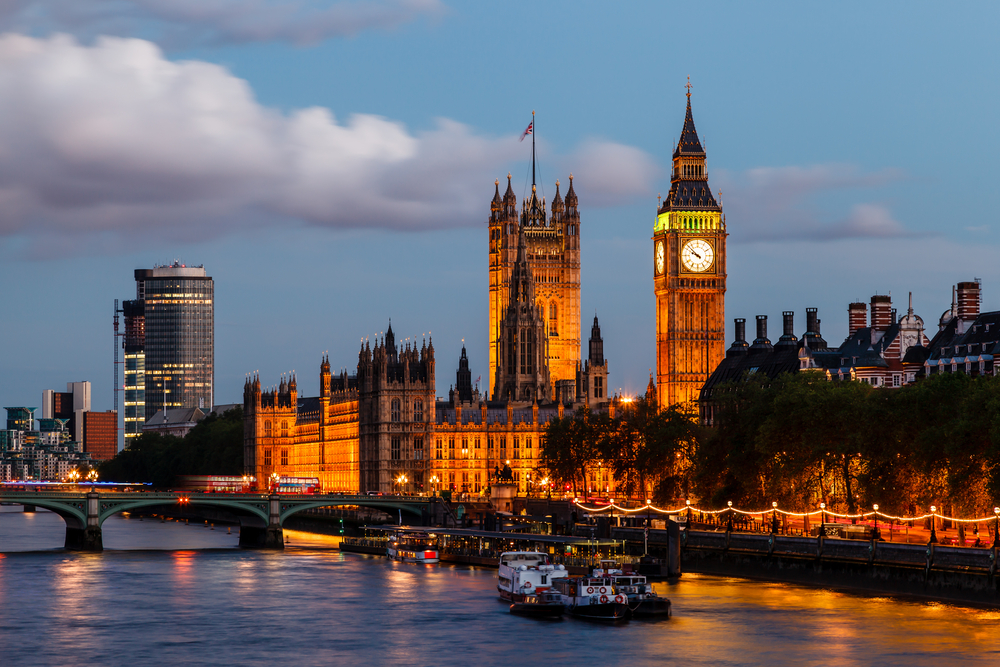
big-benIf you’ve ever been to London, or even seen a picture of London, you’ve probably seen the giant clock tower at the corner of the Palace of Westminster. This tower is one of London’s major icons, ranking right up there with red double-decker buses, the London Eye, and Platform 9 ¾.

Contrary to popular belief, the clock tower itself is not named “Big Ben”.  Rather, it is named “Elizabeth Tower”, after Queen Elizabeth II; named such during her Diamond Jubilee (the 2012 60th anniversary of her accession to the throne).  Before that, it was just called “Clock Tower”. So why is it so often called “Big Ben”?  That is due to the great bell inside the tower that chimes the hour out and goes by that name.  Over time this has morphed into many calling the clock tower itself that even today, despite the recent, very public, name change.

So how did “Big Ben”- the great bell- get its name? People seemed to be in the habit of nicknaming giant bells and Big Ben was one of the biggest in the world and the largest in the British Isles at the time of its casting, so certainly name-worthy. The origin of Big Ben’s name is probably rooted in Sir Benjamin Hall. Hall was reportedly a large man (6 ft. 4 in. or 1.93 m, with a girth to match) and was the first Commissioner of Works, affectionately known as “Big Ben.”

On the side of the great bell there was also supposedly the inscription “Sir Benjamin Hall MP Chief Commissioner of Works” in his honor, so the workers and others took to calling the bell “Big Ben”.

If you’re wondering why that text is not inscribed there anymore (if it ever truly was), it’s because the current Big Ben is not the original. The original bell actually cracked before the clock itself was even installed in the tower (more on this later).  As to why the name supposedly was inscribed on the first and not the second bell, the reason often given is that Sir Hall was no longer the Chief Commissioner when the second bell was cast.  In addition, different founders were used to cast the second bell, so they may not have felt inclined to put the inscription on.

As there is little documented evidence on the origin of the name “Big Ben”, we can’t say for 100% certainty that it was named after Sir Benjamin Hall.  Another possibility that has been proposed is that it was named after Benjamin Caunt, a very popular heavyweight boxing champion in the 1850s, who was also nicknamed “Big Ben”.

Yet another popular theory is that it was named in 1857 during a sitting of the House of Commons. At some point someone, tired of the long meeting over the naming of the great bell, just shouted “Why not call it Big Ben?” as a joke while Sir Benjamin Hall was talking.  However, if such a thing actually happened, there should be Parliament records of this, but there is not. Thus, it’s thought the original Hall inscription story is more likely; though in both that story and the Parliament story, it was named after Sir Hall who was integrally connected with the building of the tower, clock, and bells.

As to why the clock tower was built in the first place, in 1834, a fire destroyed the Palace of Westminster—then the seat of the British government—leaving only a few parts of the palace standing. The next year, with reconstruction well on its way, Parliament opted to include a clock tower in the redesign. It wasn’t the first clock tower that the parliament buildings had seen. The first one was built between 1288 and 1290 and contained a bell known as “Great Edward” or “Great Tom.” A second tower, containing the first public chiming clock in England, replaced the first in 1367. In 1707, that tower was demolished because it had fallen into disrepair. Instead of replacing the tower with another, a sundial was put up in its place.

After the fire, Sir Charles Barry’s design for the new Houses of Parliament was chosen out of 97 designs submitted for consideration- his design didn’t originally include a clock tower. He added one in 1836 and later drew up a detailed design with the help of Augustus Pugin. Pugin was never recognized by Barry for supplying the design for the clock, despite Pugin saying, “I never worked so hard in my life as for Mr. Barry for tomorrow I render all the designs for finishing his bell tower & it is beautiful…”

The tower was Pugin’s last design. In 1852, before work on the tower was completed, Pugin suffered a breakdown. He was unable to speak coherently or recognize his family, and died several months later despite attempted therapy. He was only forty years old and never knew how famous his last design would become.

Construction on the tower began September 28, 1843. It was built from the inside out so that scaffolding couldn’t be seen by passers-by.

Besides Pugin’s work, Sir Charles Barry also sought additional help when it came to the actual clock mechanism itself. He chose Benjamin Lewis Vuillamy, who was the Queen’s clockmaker, to work on a design, though other clockmakers were also brought in to give their advice and opinions. In 1846, a competition was held to see who would build the clock, but some amazingly tough standards- for the age- were set by the Astronomer Royal, Sir George Airy. Airy stated that the clock needed to strike the hour within one second’s accuracy, and the performance of the clock was to be telegraphed to the Greenwich Observatory twice daily.  This harsh criteria caused seven years of delay.

When Edward John Dent was finally appointed to build the clock in 1852, he found that the tower was too small for the initial clock design. This caused further delays and alterations had to be made to the tune of £100 (adjusted for inflation by average earnings, that’s about £69,000 today). To top it all off, after finally getting construction underway, Dent died the next year and his stepson had to take over. The clock was finally finished in 1854, costing a total of £2500 to make.

The clock’s delay didn’t end up mattering very much, as the clock tower itself had suffered delays as well. The clock wasn’t actually installed until 1859. During the two-year wait, modifications were made to meet the Astronomer Royal’s standards. For instance, Edmund Beckett Denison invented a “Double Three-Legged Gravity Escapement” for the clock which made sure that the pendulum wasn’t affected by wind or other external factors putting pressure on the clock’s hands. Also known as the Grimthorpe Escapement, this revolutionary invention is still used on many clocks throughout the world today.

When the clock was finally installed in April 1859, it didn’t work. The original cast iron hands were too heavy to keep time and had to be replaced by lighter copper hands. At last, on May 31, 1859, the clock began successfully keeping time. But the tower wasn’t yet completed—it also needed a bell.

Like the rest of the features of the tower, the great bell also suffered delays. The first great bell was cast in 1856 and hung in the New Palace Yard where it was tested every day. On October 17, 1857, as mentioned previously, a crack over a metre long appeared on the bell. Fingers were pointed, but no one fessed up. Because the original bell casters—the Warners—asked for too much to replace the bell, the Whitechapel Foundry got the job for the replacement. The second bell weighed 2.5 tonnes less than the first (13.5 tons instead of 16), but it was still so large that it took thirty hours to winch it up to the belfry in the tower.

At last, on July 11, 1859, Big Ben rang out for the first time. Unfortunately, in September of that year, a crack appeared in the bell again. This time supposedly because the hammer used to strike it was approximately two times the maximum weight the original bell founder specified for the bell.  This crack caused the great bell to remain silent for a few years. However, in 1863, Airy came up with a solution: turn the bell so that the hammer struck a different spot, make the hammer lighter, and cut a small square in the bell so that the crack wouldn’t spread. His solution worked, and to this day, the same cracked “Big Ben” sits in the belfry, ringing away on the hour.

source:::::today i foundout.com

natarajan

படித்ததில் ரசித்தது …” ஒரு பிஸ்கட் நிஜாமுக்கு” !!!

திவான் ஜர்மன் தாஸ் என்பவர், இந்திய சமஸ்தான மன்னர்கள் பலருடன் நெருங்கிப் பழகியவர். தன் அனுபவங்களை, அவர், ‘மகாராஜா’ என்ற, ஆங்கில நுாலில் எழுதியுள்ளார். அதில், அவர் கூறியுள்ள சில சம்பவங்கள் :


ஐதராபாத் நிஜாமின், கருமித்தனம் மிகப் பிரசித்தம். அவர், யாரையாவது, தேனீருக்கு அழைத்தால், தேனீருடன், இரண்டு பிஸ்கட்டுகள் வரும். ஒரு பிஸ்கட் நிஜாமுக்கு; மற்றொன்று விருந்தாளிக்கு.
நிஜாமிடம், 282 காரட் வைரக்கல் ஒன்று இருந்தது. அதை, எப்போதும் மேஜை மீது, வைத்திருப்பார். அவரது உதவியாளராக இருந்த, சுல்தான் அகமது மீது, நிஜாமுக்கு ரொம்ப பிரியம். அவருக்கு ஏதேனும் வெகுமானம் செய்ய வேண்டுமென்று நினைத்தார். அதனால், அகமதை கூப்பிட்டு, கையை நீட்டச் சொல்லி, வைரக் கல்லை கொடுத்து, ‘சில நிமிடங்கள் வைத்துக் கொண்டிரு…’ என்று சொல்லி, பின், திரும்ப வாங்கிக் கொண்டார்.
தாட்டியா என்ற சமஸ்தானம், உயர்ரக வெண் ணெய்க்கு பெயர் பெற்றது. தமக்கு, வெண்ணெய் அனுப்பும்படி, அந்த சமஸ்தானாதிபதி யிடம் நிஜாம் கேட்கவே, அவரும், பன்னிரண்டு டின் வெண்ணெய் அனுப்பினார். ஸ்டோர் ரூமில் வைக்கும்படி கூறி, யாரும், அதை தொடக் கூடாது என்றும், கட்டளையிட்டார் நிஜாம்.
இரண்டு வருடம், அந்த டின்கள் அப்படியே கிடந்தன. வெண்ணெயிலிருந்து, சகிக்க முடியாத துர்நாற்றம் வீசவே, பயத்தோடு நிஜாமிடம் போய் கூறினர். ‘அப்படியானால், கடைத் தெருவுக்கு கொண்டு போய் விற்று விடுங்கள்…’ என்றார் நிஜாம்.
யாரும் வாங்கிக் கொள்ளவில்லை. ரெட்டி என்ற போலீஸ் அதிகாரியை கூப்பிட்டனுப்பிய நிஜாம், ‘இந்துக்களின் கோவில்களில், விளக்கேற்றுவதற்கு உபயோகப்படும். அவர்களிடம் விற்று விடு…’ என்றார்.
கோவில்களிலும் வாங்கவில்லை. அதை, நிஜாமிடம் சொல்ல அஞ்சி, வெண்ணெயை, சாக்கடையில் வீசி விட்டு, வெண்ணெய் விற்ற பணம் என்று, 201 ரூபாயை, நிஜாமிடம் தந்தார். மகா சந்தோஷத்துடன், பணத்தை பெற்றுக் கொண்டார் நிஜாம்.
திருமணத்துக்கு அழைப்பு வந்தால், தட்டாமல் செல்வார் நிஜாம். சீர் வரிசைகளில், விலை உயர்ந்ததாக என்ன இருக்கிறதோ, அதை, தனக்கென்று எடுத்துக் கொள்வார். நிஜாம், அந்த திருமணத்திற்கு வருகை தந்தது, அவர்களுக்கு, பெரிய கவுரவம் என்றும், அதற்கு கட்டணமாகத் தான் அந்தப் பொருள் என்றும் கூறுவார். இப்படி, ஏராளமான அணி வகைகள் சேர்ந்தன, நிஜாமின் கஜானாவில்!
– ‘சமஸ்தானத்து மன்னர்’ நூலிலிருந்து…  
தாமஸ் ஆல்வா எடிசனிடம், அவர் மனைவி, ‘நீங்கள் ஓய்வு இல்லாமல், வேலை பார்த்து விட்டீர்கள். எங்கேயாவது போய், கொஞ்ச நாள் களைப்பாற வேண்டும்…’ என்றாள்.
‘எங்கே போவது?’
‘எந்த இடத்திலிருந்தால், இந்த உலகத்தையே மறந்து விட முடியுமோ… அங்கே போகலாம்…’
‘சரி. நாளை போகலாம்…’ என்றார் எடிசன்.
மறுநாள் காலை, அவர் தன் ஆய்வுக் கூடத்திற்கே திரும்பி விட்டார்.

source::::  Dinamalar … Varamalar…

natarajan

Phone Calls That Made History !!!

Phone calls that made history: In pictures (© Reuters/AP)

Nixon calls Armstrong on the moon (July 20, 1969)

For the first time, human beings land on the moon. So, what’s the best way to follow up this achievement? Well, by congratulating them the same day. Who does it? US President Richard M Nixon, of course. Nixon called Neil Armstrong, the first man who landed on lunar surface, and congratulated him and his fellow astronauts Michael Collins and Edwin ‘Buzz’ Aldrin Jr.


The first call: Rings a Bell? (March 10, 1876)

“Watson, come here. I need you.” This is where it all began. Alexander Graham Bell made the first telephone call in his Boston laboratory, summoning his assistant, Thomas A. Watson, from the next room. While working on a device to send multiple telegraph signals over the same wire by using harmonics, he heard a twang. That led Bell to investigate whether his apparatus could be used to transmit the sound of a human voice. Bell’s journal contains the following entry: “I then shouted into M [the mouthpiece] the following sentence: ‘Mr Watson, come here — I want to see you’. To my delight he came and declared that he had heard and understood what I said.”

Phone calls that made history: In pictures (© Reuters/AP)


Call that prevented nuke war (Oct 26, 1972)

The closest the world came to a nuclear war was in 1962 when Soviet Union began placing missiles in Cuba to defend against a possible US invasion of the island nation.  There was no dialogue between the US and Soviet Union, but things started moving toward a peaceful resolution on October 26, 1962 after a telephone call between President Kennedy and his brother and attorney general, Robert F. Kennedy.  The President told Robert that the US would remove missiles from Turkey if Soviet Union got its missiles out of Cuba. Robert conveyed this information to Soviet Ambassador Anatoly Dobrynin, which put an end to the looming crisis.

Phone calls that made history: In pictures (© Reuters/AP)


Bush’s ‘wake-up’ call to Rice after WTC attack (Sept 11, 2001)

No one expects to wake up in the morning to watch footage of planes crashing into the World Trade Centre, New York City. It was Sept 11, 2001. Then American President George W Bush, who had been to a photo-op event in Florida, immediately called National Security Adviser Condoleeza Rice to find out what was going on. That telephone call ignited Bush administration’s response to terrorism.

Phone calls that made history: In pictures (© Reuters/AP)


Rakesh Sharma calling from space (April 1984)
Squadron Leader Rakesh Sharma was the first Indian in space, whose telephonic conversation with Indira Gandhi is still talked about. When the then Prime Minister asked Sharma how India looked from above, he replied: ‘Saare Jahan Se Achcha.’ Sharma’s maiden space flight was on April 3, 1984. He conducted experiments during his mission on Soviet Union’s Salyut 7 Space Station.

Phone calls that made history: In pictures (© Reuters/AP)


Obama’s call to Iran President (Sept 27, 2013)
After seeing off Indian Prime Minister Manmohan Singh after their summit meeting in September, President Barack Obama hurried back to his Oval office in the White House to make a historic phone call. Obama’s 15-minute call to Iranian President Hassan Rouhani at around 2:30 pm on Sept 27 – as the latter headed in a car to the airport after attending the UN session in New York – laid the foundation for the landmark nuclear deal between Iran and six world powers led by the US.

Phone calls that made history: In pictures (© Reuters/AP)

source::::  Manjunath R Setty, India Syndicate  in msn.com

natarajan

Doctors are Not Bound by Hippocratic Oath !!!

Myth: Doctors are bound by the Hippocratic Oath.

stethescopeA binding agreement, as much a social contract as Social Security or Medicare, the traditional Hippocratic Oath holds those who swear to it to a strict code of professional and personal conduct. Contrary to popular belief, though, most doctors never take this oath, and, actually, most of us are probably glad they never do.

Original Hippocratic Oath

Although scholars disagree about when it was written, or even who wrote it, the general consensus is that the Hippocratic Oath was penned about 2500 years ago. Most commonly attributed to Hippocrates, the father of modern medicine, the ancient vow demands a lot from doctors, including a certain level of chastity, charity and swearing to pagan gods. It provides in pertinent part:

I swear by Apollo the physician, and Asclepius, and Hygieia and Panacea and all the gods and goddesses as my witnesses that, according to my ability and judgment, I will keep this Oath and this covenant . . . to teach them this art . . . without fee or covenant.

I will use those dietary regimens which will benefit my patients . . . and I will do no harm or injustice to them.

I will neither give a deadly drug to anybody who asked for it, nor will I make a suggestion to this effect. Similarly I will not give a woman an abortive remedy.

I will not use the knife. . .

Whatever houses I may visit, I will . . . remain free of sexual relations with both female and male persons . . .

What I may see or hear in the course of treatment . . . I will keep to myself.

If I fulfill this oath and do not violate it, may it be granted to me to enjoy life and art, begin honored . . . . if I transgress is and swear falsely, may the opposite of all this be my lot.

Although ancient, swearing the oath was not used as a rite of passage at medical schools until 1508, when the University of Wittenberg first administered it. By 1804, it had been incorporated into the graduation ceremony of the medical school in Montpellier, France. However, it was still not commonly administered, and by the early 20th century, not even 20% of U.S. medical schools included the oath as part of their commencement ceremonies.

Outmoded Requirements and Prohibitions

The restrictive, ancient vow poses several problems for the modern practitioner. First, the oath forbids physician use of a knife, a key instrument involved in nearly every medical practice. Second, its prohibition against abortion violates U.S. law, and would alienate over 40% of the population. Third, its restraint on euthanasia runs counter to the modern trend toward physician-assisted suicide.

Fourth, who swears to Apollo anymore, let alone the much lesser known Asclepius, Hygieia and Panacea?

Fifth, many doctors treat, or at least give medical advice to, those close to them, including spouses and sexual partners, which is prohibited by the oath.

Sixth, the oath is potentially a binding contract, which, in our litigation-heavy society, could provide a dissatisfied patient with yet another avenue to sue her doctor.  [Typically, when a patient sues a doctor, it is for malpractice – a claim that often must be brought within 1-3 years. Contrarily, when someone sues for a breach of contract, they often have a longer time period in which to sue.]

Modern Oaths

Although most do not swear to the original Hippocratic Oath, the majority of doctors do take an oath – often when they graduate from medical school. Despite early disinterest, physician oaths began to come into vogue after World War II.

During the Holocaust, doctors in Nazi concentration camps committed previously inconceivable atrocities against prisoners. Experimenting with extreme temperatures, radiation, untested drugs and vaccines, unnecessary and sometimes bizarre surgeries and infecting captives with deadly diseases, the exploits of concentration camp physicians shocked and horrified the world. Sane doctors realized stricter rules, and a code of ethics, were needed.

In 1948, the 2nd General Assembly of the World Medical Association adopted theDeclaration of Geneva, appearing below as amended:

“AT THE TIME OF BEING ADMITTED AS A MEMBER OF THE MEDICAL PROFESSION:

I solemnly pledge to consecrate my life to the service of humanity . . . 

I will practice my profession with conscience and dignity;

The health of my patient will be my first consideration;

I will respect the secrets that are confided in me . . .

I will not permit considerations of age, disease or disability, creed, ethnic origin, gender, nationality, political affiliation, race, sexual orientation, social standing or any other factor to intervene between my duty and my patient;

I will maintain the utmost respect for human life;

I will not use my medical knowledge to violate human rights and civil liberties, even under threat . . . .”

Similarly, in 1964 a modern version of the Hippocratic Oath was penned by Professor Lasagna of the School of Medicine at Tufts University. Although the modern oath retains many of the themes of the original, it omits the troublesome parts about surgery, euthanasia, abortion and sexual relations.

A number of other, similar oaths have also been written, and today, nearly every medical school requires some sort of oath of its graduates, although most are seen as “ceremonial and nonobligatory . . . compared to that taken by a judge, president, or other politician when he or she is sworn into office.”

Future of Medical Oaths

Seen as essentially providing only general moral and ethical guidance, many physicians today find physicians’ oaths lacking. Some point to the number and diversity of specialties in modern medicine and note that one, generalized oath is inadequate. Others identify that the oaths often conflict with necessary medical experiments, or simply do not address them.

Still others find the oaths lacking when it comes to managing infectious, fatal diseases. Strict adherence to an oath would demand that physicians treat patients infected with lethal, highly contagious diseases, like the Ebola virus, regardless of circumstance or preparedness. Likewise, an oath may prohibit a doctor from sharing patient information that would help epidemiologists and others during an epidemic.

Despite their shortcomings, doctors’ oaths are likely here to stay. As Dr. Howard Markel recently noted:

“It is unlikely to become superannuated. It serves as a powerful reminder and declaration that we are all a part of something infinitely larger, older, and more important than a particular specialty or institution . . . . The need for physicians to make a formal warrant of diligent, moral, and ethical conduct in the service of their patients may be stronger than ever.

source:::: today i foundout.com

natarajan

Where The Word “jackpot” Came From !!!

0

Today I found out the origin of the term “jackpot”.

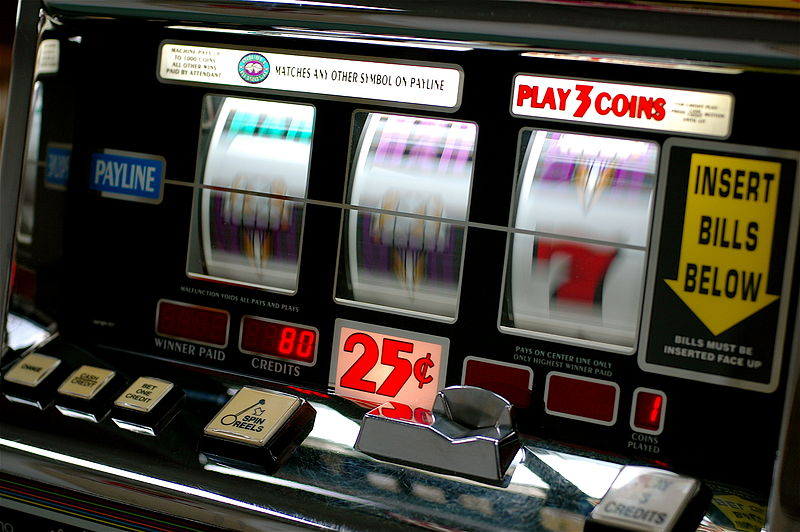
Jackpot originally popped up around the 1870s and was from the poker game “Jacks or Better”.  This is much like traditional five card draw, except in this case, if a player does not have a pair of “jacks or better” in the first round of betting, he has to pass.  This doesn’t necessarily mean he has to be holding a pair of jacks, queens, or the like.  It just means that he has to be holding cards that will beat a pair of tens.

Once the first person who has that has placed a bet in the opening betting round, the rest of the participants are free to bet as they will, regardless of the cards they hold.   In the case where nobody holds “jacks or better”, the hand must be re-dealt with additional ante required, so the pot can grow just from antes.

When the game is finally over, no player is allowed to win with anything less than three of a kind or better.  If, at the end, no one has better than three of a kind or more, then no player gets the pot and the hand is re-dealt with additional ante required to be added to the existing accumulated pot.  Over time this pot can potentially grow quite large, hence “jackpot”.

Within a few decades of the term “jackpot” in poker popping up, the term morphed into a slang term for “trouble with the law”, and further morphed by the mid-20th century to primarily be associated with “hitting the jackpot” with slot machines. From there, it became even more figurative, referring to any big prize or good turn of events.

*Note: this article is written in cooperation with partycasino.com one of the most popular online casino gaming stops on the internet with over 160 games to choose from.

source::todayifoundout.com

natarajan