Why are Bureaucratic Obstacles Referred to as Red Tape….?


The practice of referring to “excessive bureaucratic rigmarole” as red tape dates back more than 400 years to the court of the Holy Roman Emperor and King of Spain, Charles V (1500-1558). As heir to three of Europe’s most powerful dynasties (Habsburg, Valois-Burgundy and Trastámara), at the height of his power, Charles’ empire stretched from Spain in the west to Hungary in the east, and from the Netherlands in the north to Sicily in the south. In addition, Charles had significant holdings in the New World, and an enormous administration to manage his vast empire

At the time, administrative documents were bound in some fashion, either with rope, string, ribbon or cloth. Sometime during the early 16th century, in order to distinguish the most important documents that required immediate discussion at the highest levels of government (such as the Council of State), from those of less significance, Charles’ ministers began tying important papers together with red string or ribbon.

Seeing the efficacy of such a system, the method was soon adopted across Europe, and in fact, England’s Henry VIII used red string, ribbon or cloth to secure the petitions he sent to Pope Clement VII requesting annulment of his marriage to Catherine of Aragon in 1527.

Note that well before this time, tæppe had been an Old English word that meant “narrow strip of cloth used for typing, measuring, etc.” and its use dates back to at least the late 16th century. So, while it’s not clear that Henry’s court called it red tape, it is possible.

As for the term “red tape, reference to this string for important papers dates back to the late 17th century where it was written in Maryland Laws: “The Map . . . upon the Backside thereof sealed with his Excellency’s Seal at Arms on a Red Cross with Red Tape.”

The Oxford English Dictionary dates its current meaning to 1736 and John Hervey’sPoetical Epistle to the Queen: “Let Wilmington, with grave, contracted brow, Red tape and wisdom at the Council show.”

Another early instance of its metaphorical meaning is seen more clearly in Catherine Gore’s Stokeshill Place (1837): “My dear, you mistake John Barnsley. Dearly as he loves a bit of red tape, you never saw him try to inspire any other man with the love of business.”

Shortly thereafter, the term became widely used, including in Charles Dickens’ David Copperfield (1849-1850): “Britannia, that unfortunate female, is always before me, like a trussed fowl: skewered through and through with office-pens, and bound hand and foot with red tape.”

Bonus Fact:

  • Documents important to veterans of the American Civil War were bound in red tape, including those necessary to obtain pensions, as well as those holding the verdicts of soldiers facing criminal trial. In an episode of The West Wing, Martin Sheen as President Bartlet mistakenly attributes the phrase to this era.

Source………www.today i foundout .com

Natarajan

Message for the Day…” Emulate Rama and transform yourselves by following the path of Love …”

God descends and takes on the human form only to change the lives of humans by His own example. Only humans descend to the depths of degradation by their utter disregard of their dharma (code of conduct) and Divinity. Birds and beasts firmly adhere to their own respectivedharmas. There is no need for the Avatar to arise amongst birds and beasts since dharma has not declined in them. Lord Krishna declared, “I come down for the protection of the good” (Paritranaya sadhunam). God always protects the virtuous. There is no use merely lisping Rama’s name. Emulate Rama and transform yourselves by following the path of Love. However deep and great your scholastic eminence may be, one cannot achieve anything without undergoing the transformation of the mind.

SI_20160430

வாரம் ஒரு கவிதை ….” வானமே எல்லை ” !!!

Message for the Day….”The Rama principle is contained in the smallest of the small and the largest of the large…”

SI_20160502


We should not delude ourselves into thinking that the Avatar is a simple human form like ourselves. His form may be human; but His majesty and magnificence are Infinite. The principle of Rama is most sacred, sublime and glorious. There is nothing in the world that cannot be achieved by cultivating the Rama Principle (Rama Tatwa). Though thousands of years have elapsed since Ramayana took place, the Rama Principle is deeply imprinted in the hearts of the people. It is ever fresh, ever new and embraces infinitude itself. The Rama Principle is contained in the smallest of the small and the largest of the large. It is not confined to the name and form. It is a transcendental principle, which transcends time itself. True seekers will understand the true nature of humanity by realizing the Rama Principle.

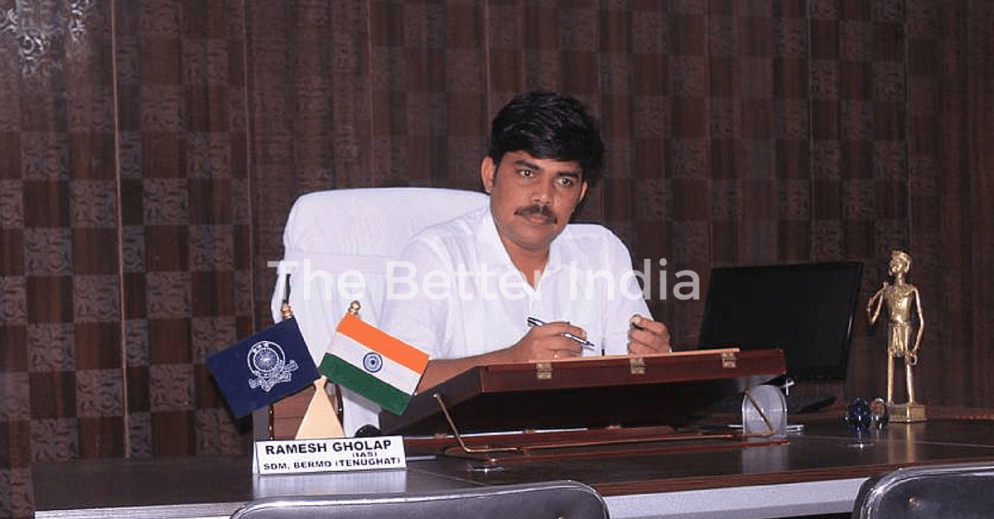
Ramu to IAS Ramesh: The Story of a Disabled Bangle Seller Who is Now an IAS officer….

From selling bangles to becoming an IAS officer – who says hard work and determination don’t pay off? This is the inspiring story of Ramesh Gholap.

Ramesh Gholap, known as Ramu in his village Mahagoan in Barshi district of Maharashtra, was a bright child. His father Gorakh Gholap ran a cycle repair shop, enough to provide an income for his family of four, but the business did not last long as his health suffered from constant drinking.

It was then that Ramu’s mother Vimal Gholap started selling bangles in nearby villages to support the family. And though Ramu’s left leg was affected by polio, he and his brother joined their mother in her little venture. Ramu and his brother would yell out loud, “Bangde ghya bangde (Buy bangles!),” and their mother would help the women try them on.

As Mahagaon had just one primary school, Ramu later went to stay in Barshi with his uncle to study further.

He knew education was the only way out of the poverty his mother and family were facing, so he worked as hard as he could.

Ramu’s sincerity and dedication made him a star among his teachers. But, in the year 2005, when he was in Class 12 and his college model exams were going on, he got news of his father’s death. The bus fare from Barshi to Mahagaon was Rs.7 those days. And since he received a bus pass for the disabled, the fare for him was just Rs. 2. But Ramu did not even have that.

His neighbours helped him with the money and only then could Ramu go for the last rites of his father.

Just four days after his father’s death, Ramu had a chemistry model exam in his college. On his mother’s insistence he went and appeared for the exam but, after that, he skipped the other model exams. He did not even submit his journals. The final exam for Class 12 was just a month away when he received a letter from his teacher that he had scored 35 marks out of 40 in chemistry. The teacher wanted to meet him. With help and encouragement from his teacher, Ramu took his final exams and scored 88.5%.

Ramu chose to do D.Ed (Diploma in Education) in spite of scoring so well, because this was the cheapest course he could afford to do to get a job as a teacher and support his family. He completed his D.Ed and also pursued a graduate degree in Arts from an open university simultaneously. And finally, he was able to start working as a teacher in 2009. This was like a dream come true for his family. But, deep down, it was not what Ramu really wanted to do.

Ramu lived with his mother and brother in a small room provided by his aunt, who had got her two-room home through a government scheme called Indira Awas Yojna. He saw his mother making visit after visit to government offices to get a house for herself too under the same scheme, but she was turned away because her BPL (below poverty line) card wasn’t eligible.

Ramu was angry with the ration shop owner too, who sold kerosene in the black market instead of providing it to needy families like his.

He had already been through the frustration of seeing his father not get adequate attention when he was admitted for tuberculosis in a government hospital.

He saw his mother and other widows being manipulated by an officer who collected money from them and made false promises to get them their pensions.

During his college days, Ramu had been a member of the student’s union and consequently had to go thetehsildar’s office often to get approval for various college issues. He saw the tehsildar as being the most influential and powerful government official he had ever come across. Ramu decided he wanted to become a tehsildar too in order to solve all the problems he and his family faced.

In September 2009, he took the first step towards his dream. Using the loan that his mother had taken from a self-help group in his village, Ramu went to Pune to prepare for the UPSC exam, taking a leave of six months from his job.

“I did not even know the meaning of MPSC and UPSC since I had always lived in small villages. I did not have money to take coaching classes either. So, the first thing I did was to meet one of the teachers of these coaching classes, just to understand if I was eligible to take the UPSC exam. The first teacher who met me was Mr. Atul Lande. I requested him to write down the answers to a few of my questions, like what is UPSC, can it be taken in Marathi, am I eligible for it, etc. And he told me there was nothing to stop me from taking the UPSC. It is only because of that one statement that I finally did it,” says Ramesh Gholap.

Ramu appeared for the UPSC exams in May 2010 but unfortunately didn’t make the cut. In the meantime, he had also formed a political party with the help of some friends in his village of Mahagaon to fight the local panchayat elections. His mother stood as a candidate for sarpanch. The mission of the party was simple – to come to power and help the distressed. On October 23, 2010, the results of the panchayat elections were out. Ramu terms this date as the biggest turning point of his life in his autobiography, Ithe Thambne Nahi (I Won’t Stop Here).

Ramu’s mother, Vimal Gholap lost the elections by a few votes but the loss did not break Ramu. Instead, it gave him the strength to stand up and fight back again against the system. On the same day, he announced in front of all the villagers that he was leaving the village and would come back only when he became a powerful officer.

After this, no one could stop Ramu. He left his job and cleared the State Institute of Administrative Careers (SIAC) exam – this gave him a hostel to stay in and a stipend as scholarship. He painted posters to take care of his expenditures. And finally, this son of illiterate parents, who studied in a zilla parishad school and by correspondence with open universities, cleared the UPSC examination with an all-India rank of 287, without any coaching.

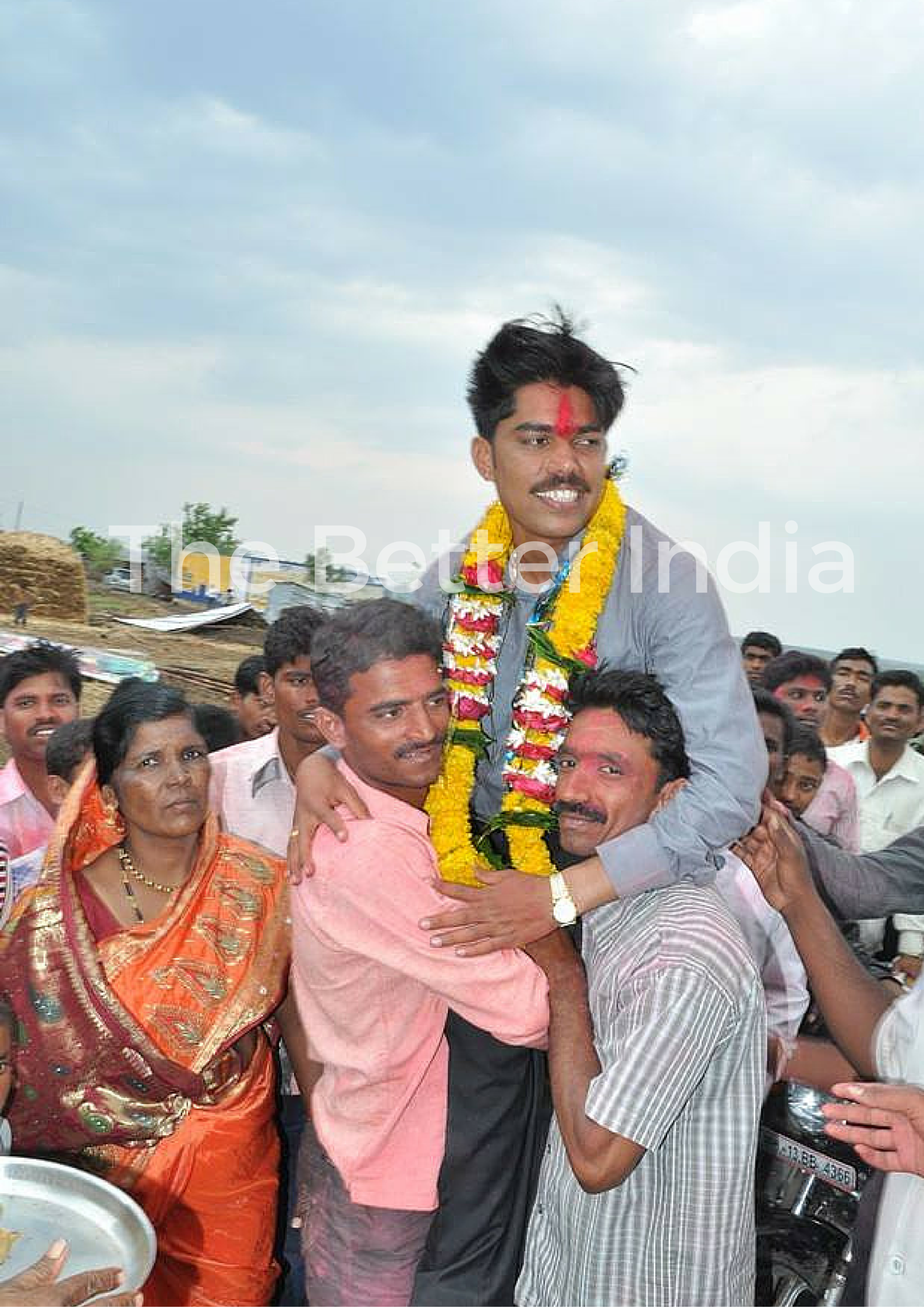
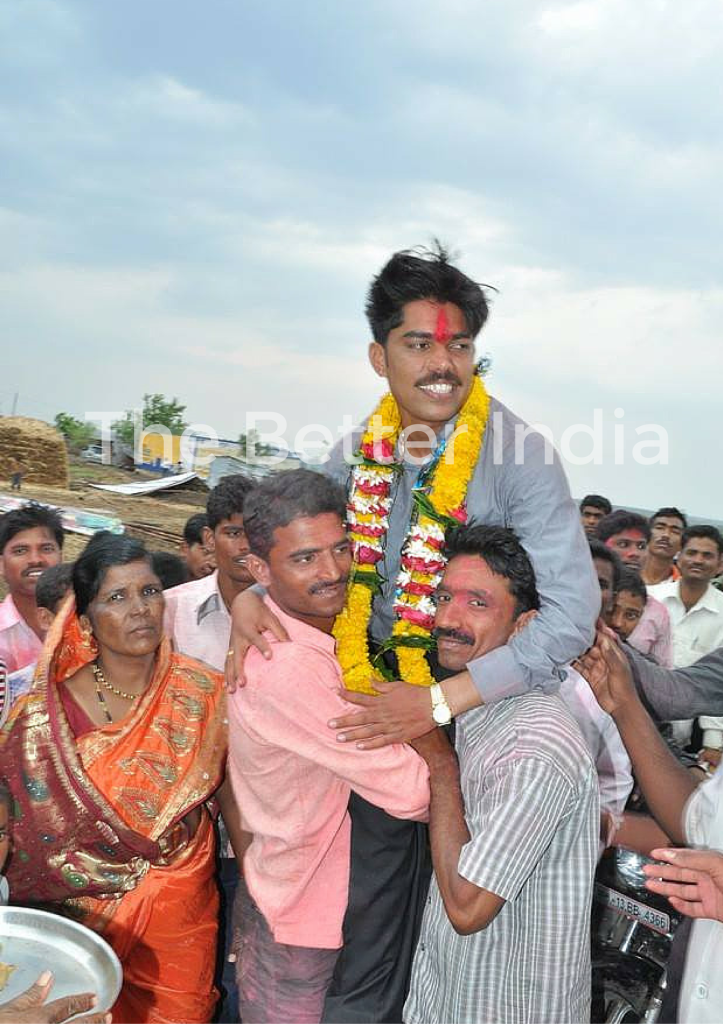
Ramu was selected for the IAS in the year 2012. And, as per his promise, he came back to his village on May 12, 2012, after finishing a long journey from being Ramu to becoming Ramesh Gorakh Gholap, IAS.
 
5

In the next couple of months, the MPSC results were also out and this time Ramu broke all records. He topped the Maharashtra Public Service Commission (MPSC) exam in the year 2012, scoring the highest ever marks of 1,244 out of 1,800.

Ramesh Gholap is now posted in Jharkhand as Joint Secretary in the Energy Department.
2-2

Mala swatala shikta nahi aala pan porala khup shikwaycha asa tharwila hota…Aaj majha mulga itka motha sahib zalay he baghun khup anand hoto…pang fedala porane (I couldn’t get an education but I had decided that I would educate my sons. Today, my son has become such a big officer and that makes me so happy…. my boy has returned all my debts!),” says Vimal Gholap.

Ramesh Gholap has given more than 300 informational and motivational talks to youngsters aspiring to take the MPSC or UPSC exams. He is also fulfilling his dream of helping the poor and distressed through his work.

“Whenever I cancel the licence of a PDS shop owner who has been black marketing kerosene, I remember my days when I had to turn off the lantern for lack of kerosene. Whenever I help a widow, I remember my mother begging for a house or for her pension. Whenever I inspect a government hospital, I remember my father’s words when he had left drinking and just wanted better treatment. He would ask me to become a big man and take him to a private hospital. Whenever I help a poor child, I remember myself, I remember Ramu,” says Ramesh Gholap, IAS.

Source….Manabhi Katoch in http://www.the betterindia.com

natarajan
படித்து ரசித்தது …” கண்ணதாசனின் எண்ணங்கள் ஆயிரம் …”

கண்ணதாசன் எழுதிய, ‘எண்ணங்கள் ஆயிரம்’ நூலிலிருந்து: நல்ல உள்ளமும், ஞாபக மறதியும் படைத்த பொதுமக்களே…
உங்களை வணங்குகிறோம்; தெய்வம் வரம் கொடுப்பது போல, எங்களுக்கு பதவி கொடுத்து, உங்களை வாழ வைக்க வந்த எங்களை, வாழ வைக்கிறீர்கள் என்பதால், உங்களை மதிக்கிறோம்.
அரசியல்வாதிகளான நாங்கள் அன்று எப்படி இருந்தோம், இன்று எப்படி இருக்கிறோம் என்று நீங்கள் ஆராயக் கூடாது. அன்று பட்டுக்கோட்டைக்கும், தஞ்சாவூருக்கும் போய் கொண்டிருந்தோம்; இன்று பாரீசுக்கும், நியூயார்க்குக்கும் சென்று வருகிறோம்.
இந்த முன்னேற்றத்தை, நீங்கள் விஞ்ஞான ரீதியாகக் கணக்கிட வேண்டுமே தவிர, வேறு காரணங்களை ஆராயக் கூடாது.
நாங்கள் சிரிப்பதே, உண்மையான சிரிப்பென்றும், அழுவதே உண்மையான அழுகை என்றும் நீங்கள் நம்புகிறீர்கள்; நன்றி!
அந்த நம்பிக்கை மேலும் தொடர வேண்டுமே தவிர, இடையில் தளரக் கூடாது.
நாங்கள் மேடையில் பேசும் போது நீங்கள் ஆரவாரம் செய்கிறீர்கள். உண்மையில், நீங்கள் ஆரவாரம் செய்வீர்கள் என்று நம்பித்தான் பேசுகிறோம். உங்களுடைய புத்திக்கூர்மையில் எங்களுக்கு அவ்வளவு நம்பிக்கை!
சில நேரங்களில் நாங்கள் உண்மையும் பேசுவதுண்டு; ஆனால், எப்போது உண்மை பேசுகிறோம் என்பது, எங்களுக்கு மட்டுமே தெரியும்.
எதிர்க்க முடியாத சூழ் நிலையில், தப்பித் தவறி பேசுகிற அந்த உண்மையை போல் தான், எங்களுடைய எல்லாப் பேச்சுகளும் இருப்பதாக நீங்கள் நம்ப வேண்டும்.
நாங்கள் மேலே போட்டிருக்கும் துண்டின் நீளத்தை விட, எங்கள் நாக்கின் நீளம் அதிகம்.
வாக்காளர்களே… நீங்கள், எங்களை எந்த நேரமும் கை விட்டு விடக் கூடாது.
எங்களுக்கு வேறு தொழில் தெரியாததால் தான், இத்தொழிலுக்கு வந்துள்ளோம்.
நாட்டிலுள்ள வேலையில்லாத திண்டாட்டத்தை எங்களால் ஒழிக்க முடிகிறதோ இல்லையோ, எங்களுடைய வேலையில்லாத் திண்டாட்டம் உங்களால் ஒழிந்து விட்டது.
நாங்கள் ஜனநாயகத்தால் நியமிக்கப்பட்ட சாதாரண ஊழியர்கள்.
‘மக்கள் சேவையே மகேசன் சேவை; மக்கள் குரலே மகேசன் குரல்’ என்று வாழ்ந்து வருபவர்கள்.
நாங்கள் அழகான புதிய கார்களில் செல்லும் போது, அவற்றை எங்களுடைய கார்களாக நீங்கள் எண்ணி விடக் கூடாது. நாங்கள் ஏழைகள்; கார் வாங்கக் கூடிய சக்தி எங்களுக்கு ஏது… அவை, எங்கள் மனைவிமார்களின் கார்கள்!
அவர்களுக்கு எப்படி வந்ததென்று நீங்கள் கேட்கக் கூடாது. குடும்பக் கணக்கு ரகசியங்களை ஆராய்வது, அரசியலுக்கு அழகல்ல.
சென்ற தலைமுறையில் நாங்கள் செய்த புண்ணியம், இந்த தலைமுறையில், எங்களை தலைவர்களாக்கியிருக்கிறது.
நம் அரசியல் சட்டத்தின் அடிப்படை மிகவும் பரவலானது. ஒரு அரசியல்வாதிக்கோ, அவன் பதவி வகிப்பதற்கோ, இன்னின்ன தகுதிகள் வேண்டுமென்று, அது கட்டாயப்படுத்தவில்லை.
‘அப்படி இருந்தவனா இப்படி இருக்கிறான்…’ என்று நீங்கள் ஆச்சரியப்படக் கூடாது. நதிமூலம், ரிஷிமூலம் மற்றும் அரசியல்வாதி மூலம் மூன்றும் ஆராய்ச்சிக்கு அப்பாற்பட்டவை.
பதவிக்கு தகுதி எப்படி நிர்ணயமில்லையோ, அப்படியே பணம் சேர்வதற்கும் தகுதி நிர்ணயமில்லை.
ஆகவே, எங்களுக்கு பதவியுடன் கூடவே பணமும் வருகிறது.

‘கடைசியாக பாம்புக்கும், கீரிக்கும் சண்டை…’ என்று சொல்லியே பணத்தை வசூல் செய்து, சண்டையை காட்டாமலேயே, மூட்டை கட்டும் மந்திரவாதியைப் போல், நாங்கள் நடந்து கொள்ள மாட்டோம்.
நாங்கள், ‘வரும் வரும்…’ என்று சொல்கிற நல்வாழ்வு, ஏதோவொரு நூற்றாண்டில், ஏதோ ஒரு தலைமுறையில் வரும்.
அது வரும் போது, எங்களால் தான் வந்தது என்று, நீங்கள் நினைத்துக் கொள்ள வேண்டும் அவ்வளவுதான்!
‘ஊழல் ஊழல்…’ என்று மற்றவர்கள் கூறுவர். அது குறித்து நீங்கள் கவலைப்படக்கூடாது. எந்த நாட்டில் தான் ஊழலில்லை?
நீங்கள் தலையால் இடும் வேலையை காலால் உதைக்க, மன்னிக்க வேண்டும்… நாக்கு குழறி விட்டது. நீங்கள் காலால் இடும் வேலையை, தலையால் உழைக்க, நாங்கள் எப்போதும் தயாராக இருக்கிறோம்.
ஆகவே, இந்தத் தேர்தலிலும், நீங்கள் எங்களுக்கு ஓட்டளிக்க வேண்டும்.
மறவாதீர்கள்… எங்கள் நரிக்குட்டி சின்னத்தை!
நரிக்குட்டி, ஏழைகளின் பணப்பெட்டி; வாழ்க நரிக்குட்டி; வாழ்க நாங்கள்!
இப்படிக்கு,
ஜனநாயகம் மறவா அரசியல்வாதிகள்.

Source…..www.dinamalar.com

Natarajan

Message for the Day…” Let three D’s ..Discipline, Devotion and Duty get firmly implanted in your Heart…”


We talk a lot about discipline. Simply to keep on talking about discipline and not have the strength and faith to accept discipline is not going to do any good. Today, unfortunately, even persons who claim to be, and boast of being highly educated, appear as weaklings in practical life. Such people do not understand the value of true education. You must be prepared to put into practice one out of the ten things that you preach, in preference to just saying ten good things. To discipline and duty we should also add devotion. It is only when these three D’s—Discipline, Devotion, and Duty—are together and firmly implanted in your heart, that your heart will be able to develop into a sacred one.SI_20160501

Message for the Day…”Every act performed with thought, word, and deed in harmony is a Dharmic act…”

Righteousness (Dharma) is the basis for the entire Universe. A true human being is one who practices the principle of dharma. Burning is the dharma of fire. Many often use the word dharma without knowing its true nature and majesty. Coolness is the dharma of ice. Fire is no fire without burning. Ice is no ice without coolness. Similarly, thedharma of a human lies in performing actions with the body and following the commands of the heart. Every act performed with thought, word, and deed in harmony is a dharmic act! A dharmic life is a divine life! This dharma of the heart is supreme and verily thedharma of life. You must achieve unity in thought, word, and deed at all costs.

SI_20160430

Joke of the Day….” What is the moral of this story ….? ” !!!

A teacher told her young class to ask their parents for a family story with a moral at the end of it, and to return the next day to tell their stories.

In the classroom the next day, Joe told his story first, “My dad is a farmer and we have chickens. One day we were taking lots of eggs to market in a basket on the front seat of the truck when we hit a big bump in the road; the basket fell off the seat and all the eggs broke. The moral of the story is not to put all your eggs in one basket.
Very good,” said the teacher.
Next, Mary said, “We are farmers too. We had twenty eggs waiting to hatch, but when they did we only got ten chicks. The moral of this story is not to count your chickens before they’re hatched.
Excellent!” said the teacher again, very pleased with the response so far.
Next it was Barney’s turn to tell his story: “My dad told me this story about my Aunt Karen … Aunt Karen was a flight engineer in the war and her plane got hit. She had to bail out over enemy territory and all she had was a bottle of whisky, a machine gun and a machete.
Go on,” said the teacher, intrigued
Aunt Karen drank the whisky on the way down to prepare herself; then she landed right in the middle of a hundred enemy soldiers.
She killed seventy of them with the machine gun until she ran out of bullets. Then she killed twenty more with the machete till the blade broke. And then she killed the last ten with her bare hands.
 
Good heavens,” said the horrified teacher. “What did your father say was the moral of that frightening story?
Stay away from Aunt Karen when she’s drunk.”
Source…..www.ba-bamail.com
Natarajan