வாரம் ஒரு கவிதை ….” தூரத்து வெளிச்சம் “


தூரத்து வெளிச்சம்
—————–
தூரத்து பச்சை கண்ணுக்கு குளிர்ச்சி  என்றால்
தூரத்து வெளிச்சம் ஒரு நம்பிக்கை நட்சத்திரம் !
மழை வேண்டி ஏங்கி தவிக்கும் மண்ணுக்கு
வானில் கருமேகம்  தூரத்து வெளிச்சம் !
பார்வை இல்லாமல் இருட்டில்  தவிக்கும்   கண்ணுக்கு
கண் தான விருப்ப மனுக்கள்  ஒரு தூரத்து வெளிச்சம் !
கடல் பயணம் வழி தவறும் நேரம்
கலங்கரை விளக்கம் தூரத்து வெளிச்சம் !
ஒரு மருத்துவரே தூரத்து வெளிச்சம்
அவரிடம் சிகிச்சை பெரும் நோயாளிக்கு !
இன்று என்ன துயரம் இருந்தாலும்
நாளைய  விடியல் யாருக்கும் ஓரு
தூரத்து வெளிச்சமே !
இருட்டில் தடுமாறும் ஒருவனுக்கு
ஒரு மெழுகு வத்தி ஒளியும்
தூரத்து வெளிச்சம்தான் !
என்  நாட்டுக்கும் நல்ல காலம் பிறக்கும்
நல்ல தலைவன் ஒருவன் என்
நாட்டை நல்ல வழியில் நடத்துவான்
அவனே என் தூரத்து வெளிச்சம் !
இது என் எதிர்பார்ப்பு !
இன்று என் விண்ணில் தெரியும் ஒரு
சிறு ஒளிக்கீற்று தூரத்து வெளிச்சமா ?
இல்லை வெறும் மின்னல் கீற்று மட்டுமா ?
விடை இல்லையே  இதற்கு என்னிடம் !
அது அந்த ஆண்டவனுக்கே வெளிச்சம் !
Source…..Natarajan
in http://www.dinamani.com dated 20th Jan 2018

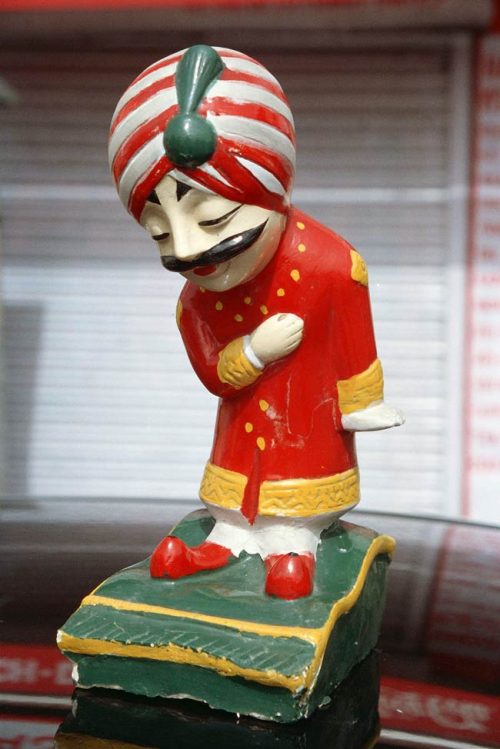
How the Maharajah Got Its Wings: The Story of Air India’s Iconic Mascot…

One of India’s most recognisable and loved mascots, Air India’s portly Maharajah with folded hands has held a special place in the hearts of its citizens for years.

“We can call him the Maharajah for want of a better description. But his blood isn’t blue. He may look like royalty, but he isn’t royal. He is capable of entertaining the Queen of England and splitting a beer with her butler. He is a man of many parts: lover boy, sumo wrestler, pavement artist, vendor of naughty post cards, Capuchin monk, Arab merchant…”

These are the words of Bobby Kooka, the man who conceived Air India’s Maharajah nearly 72 years ago. One of India’s most recognisable and loved mascots, this portly figure in regal garb has held a special place in the hearts of its citizens for years.

Here’s the fascinating story of Air India’s iconic Maharajah.

A part of Air India’s campaign to distinguish itself from its peers, the jovial and rotund Maharajah first made his appearance on an in-flight memo pad in the mid-1940s. He was conceived by SK (Bobby) Kooka, who was then a Commercial Director with Air India and sketched by Umesh Rao, an artist at J Walter Thompson in Bombay.

Back then, India was known as the “Land of the Maharajas” and Air India was its only international carrier, flying to destinations such as Cairo, Prague, Damascus, Zurich and Istanbul. So Kooka wanted to create an illustration for Air India’s letterhead that would symbolise graciousness and elegant living.


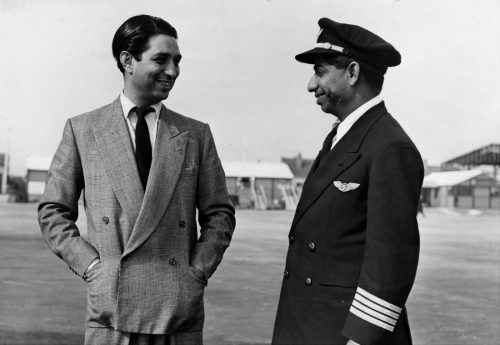
SK Kooka with Captain V Vishwanath in May 1948 
It was somewhat along these lines that his creators, Kooka and Rao, gave him a distinctive personality, luxuriant moustache, aquiline nose and the quintessentially Indian turban. Eventually, the regal figure became Air-India’s mascot for its advertising and sales promotion activities.

For the next few years, the Maharajah was ingeniously used by India’s national airline to introduce new flight routes. His funny antics and quirky puns also allowed Air India to promote its services with subtle humour and unmatched panache.

For instance, one of the posters from Air India’s “retro collection” shows the Maharajah as a Russian Kalinka dancer to advertise its flight to Moscow. Another one shows him on a speedboat surfing in Australia with the boat replaced by two mermaids. Yet another one shows him being carried as a prey, hands and feet tied, by two lions in the jungles of Nairobi.

Here are some iconic posters that show the Maharajah in his quirky avatars, looking quite at home in famous locations around the world.

              Photo Source: Air India on Imgur.

   As such, the Maharajah came dressed in various garbs, but his trademark twirly moustache and his roly-poly stature remained — until 2017 when he lost of a bit of his flab and traded his traditional attire for blue jeans, trainers and a low-slung satchel to align himself with the modern times.

Unsurprisingly, the Maharajah has won numerous national and international awards for Air India for originality in advertising and publicity.

Interestingly, at one point in time, the mascot’s regal connotations triggered a controversy with politicians expressing doubts about using such a symbol to represent a nation with socialist aspirations. As a result, Air India did away with the Maharajah in 1989. But there was such a hue and cry from various quarters that the popular mascot had to be brought back.

In fact, during these years, Maharajah stickers and dolls were common in most middle-class Indian homes, even those where air travel was considered a luxury!


                                                                       So like all great men, the Maharajah has had his critics. But the millions of travellers who love him far outnumber them. For many of them, the inimitable mascot is a real person, almost like a friend who reaches out with warmth and hospitality, even to the farthest corners of the world.

As Rahul Da Cunha, the ad man behind the equally iconic Amul India campaign, once said,

“The Amul girl and the Air India Maharaja are the most brilliant characters ever created. The Maharaja encapsulates everything Air India should be: Indian luxury, hospitality, services and above all, royalty. It is royalty combined with humility. What can be a more iconic symbol for an Indian carrier?”

Source….SanchariPal

http://www.the better india.com

Natarajan


The village that gave India its new ISRO chief…..DR.Sivan

A humble son of a farmer who studied in local government run schools, in Tamil medium, is the new head of India’s premier space agency.

Dr K Sivan was born in Sarakkalvilai in Kanyakumari district in 1957. His father was a farmer, and Dr Sivan is the first graduate in the family.

By all accounts, his is an unusual story.

A young Sivan studied in government schools in his native village till the 5th standard, and completed his schooling in neighbouring Valankumaravilai, all in Tamil medium. Later, he graduated from the S T Hindu College in Nagercoil.

He then graduated from the Madras Institute of Technology in aeronautical engineering in 1980 and completed his master’s in aerospace engineering from the Indian Institute of Science, Bangalore, in 1982.

That year he joined ISRO on its Polar Satellite Launch Vehicle project, towards which he contributed in mission planning, design, integration and analysis. He has held various responsibilities during his stint in ISRO, finally going on to head India’s space agency.

At ISRO, he completed his PhD in aerospace engineering from IIT-Bombay, in 2006.

Dr Sivan, who takes over from Dr A S Kiran Kumar on Monday, January 15, for a three-year term, is only the second rocket scientist after G Madhavan Nair to head ISRO.

MAGE: Dr Sivan’s family home in Sarakkalvilai village. He comes here regularly to attend family functions and for the Bhadrakali Amman puja. Photograph: A Ganesh Nadar/Rediff.com

Sarakkalvilai falls on the outskirts of Nagercoil, which is the headquarters of Kanyakumari district, Tamil Nadu. All of a sudden this small village has become the centre of attraction for people near and far, thanks to its famous son.

“Take the next right and it is at the end of the road,” says a villager, and as you reach the house you realise it is as unpretentious as the man who grew up there.

Dr Sivan’s sister-in-law Saraswathi lives in the family house with her daughter. “My eldest daughter got married five months ago and Sivan had come for the function,” she says, her eyes glowing with happiness.

Since the announcement about his appointment, people have been coming in droves to congratulate her, and her face beams with pride.

“I was married 30 years ago into this family and at that time he was already working for ISRO in Thiruvananthapuram. He used to live in a lodge then. He comes home for festivals and family functions,” says Saraswathi.

The conversation is interrupted when former Tamil Nadu Congress president Kumari Ananthan lands up with a dozen supporters to congratulate her.

One of the men who comes along with Ananthan hands her a book with the message, “Please give it to him when he comes next.” Another hands her a monthly magazine.

“He comes here every year for the Badrakali Amman puja which takes place in April-May,” adds his sister-in-law.

“He comes with his family, offers prayers and leaves the same day. He always comes for all family functions. When he is with the family he is always smiling and joking. He never calls, but his wife calls regularly and keeps in touch with us,” Sarawathi says.

“He was a class topper from school to college,” says Dr Sivan’s uncle who lives in the house opposite.

“He was a brilliant student and never went for tuitions or private classes. His father used to pluck mangoes and young Sivan used to go to the market to sell it. He was a helpful child,” the uncle adds.

The school Dr Sivan studied at is also opposite the family house. The retired PT master there recalls him clearly. “He was five years my junior in school, I remember him as a very quiet boy.”

“I too was five years his junior,” another villager pipes in. “You know the final exams used to come during harvest time. His father used to be in the field while Sivan sat on the lower branch of a tree with his books, studying, keeping one eye on the harvest, and run if his father called. He was always studying.”

“When Sivan and I were in school we had a very good headmaster,” the villager adds. “That headmaster planted many trees in the school compound and made every class in charge of a few trees. In the morning, when we came to school, the first thing we did was to water the trees and only after that did we attend school.”

“Kanyakumari is basically an agricultural district,” an elderly villager points out. “Apart from coir, there was no industry here. We all survived on farming. It’s rich fertile soil and there is plenty of water. Paddy, bananas, coconuts, mangoes, rubber is grown here.”

“Sivan was exceptional,” the elderly gent adds, “while he helped his father in the field he continued studying every free moment.”

“As there was only a primary school here we went to nearby Valankumaravilai for our SSC (Class 10). Those days there was no 12th standard. As there was no bus facility we walked.”

A colleague from ISRO, who retired a decade ago and did not want to be named for this feature, recalls, “He (Sivan) would go home only to sleep. He is extremely hard-working and totally focused on his work. He was not only the first graduate from his family, he was also the first graduate from his village.”

FILE PHOTO::: New Delhi: Renowned scientist K. Sivan has been appointed as the new Chairman of ISRO, by the Appointments Committee of the Cabinet on Wednesday, January 10, 2017. PTI Photo **                                                

“He is a disciplined taskmaster,” says D Karthikesan, former director of the ISRO Propulsion Complex in Mahindragiri, Tamil Nadu.

“He likes to keep everything on schedule and works with a deadline,” adds Karthikesan. “If he thinks there is a problem somewhere he will go and talk to the people actually working on the project, and never limit himself to seniors in the organisation.”

“Though he is a hard taskmaster,” the former ISRO scientist points out, “he is also extremely generous and always looks after the welfare of the people working under him. So people work hard for him.”

“He is a bold decision-maker,” says Karthikesan. “Where others may hesitate wondering if it would work or not, he will say it will work and will do it.”

“Though he followed the schedule strictly,” adds Karthikesan, “he also made sure that all parameters are met at every stage. Whether it is quality or safety, he made sure every parameter was up to the mark before proceeding, and yet kept a tight schedule.”

Dr Sivan has two sons. The elder one has finished his BTech, the younger son is in college.

The school Dr Sivan studied in was built over 60 years ago. “We need to pull it down and build another,” says a villager. A government-run school, the land was given free by Dr Sivan’s uncle.

The village still does not have a bus service, a fact the villagers highlighted to Kumari Ananthan, the Congress politician. Nor does it have a middle, high or higher secondary school.

K Sivan’s ascent bears an uncanny resemblance to another ISRO scientist who was born in a fishing village in Ramanathapuram, also in Tamil Nadu.

That scientist, of course, went on to become the most beloved President this Republic has had.

Source….A.Ganesh Nadar in http://www.rediff.com

Natarajan

Which is the ‘Best Police Station’ in India? This Coimbatore Station Bagged the Award!

The New Year brings with it new beginnings and felicitations of various kinds – best movies of the year gone by, television series, best designers etc.

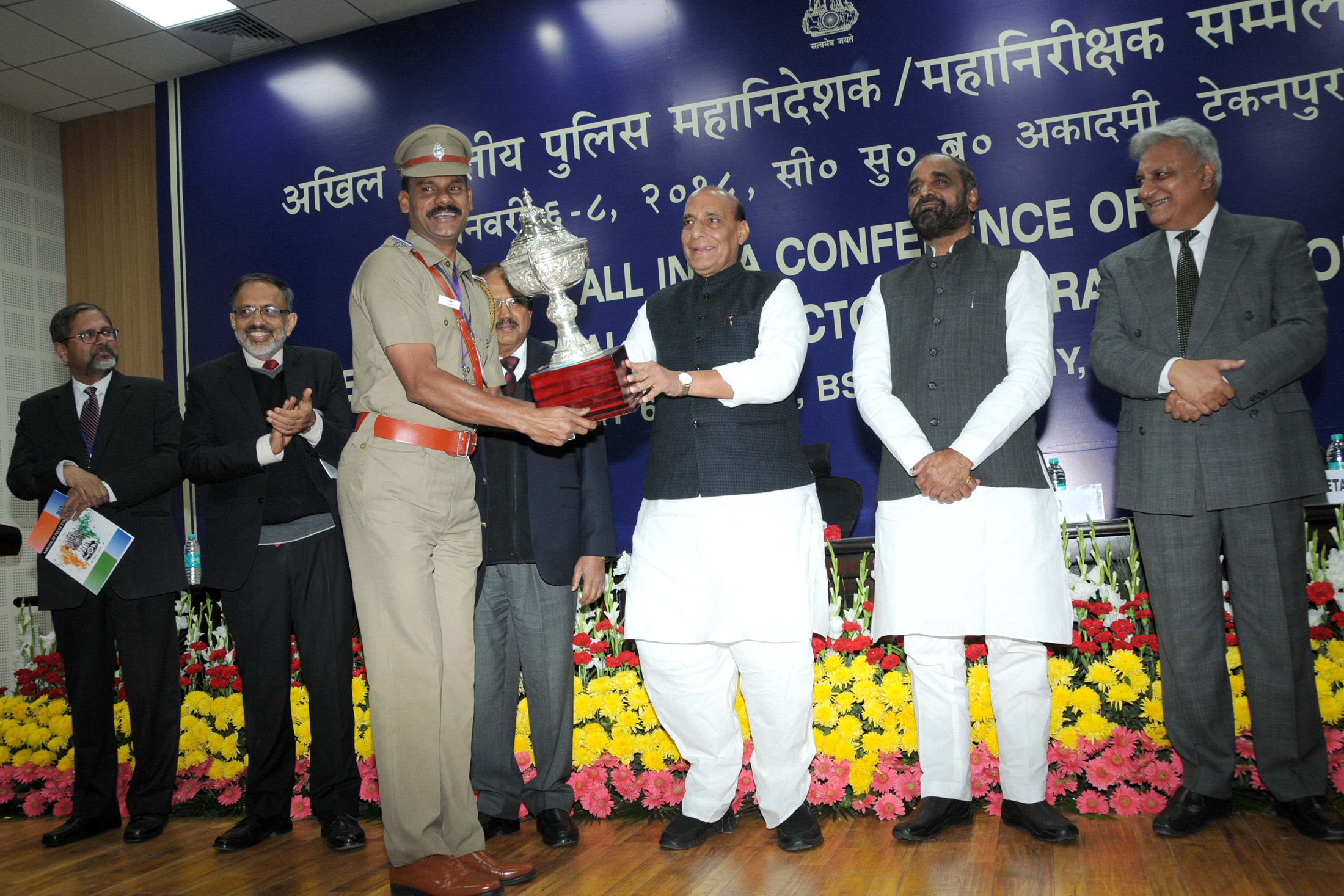
Now here is an award with a difference – Tamil Nadu’s RS Puram police station, in Coimbatore city, won the award for the ‘Best Police Station’ in the country in the category of SMART Police Stations, an initiative by the Ministry of Home Affairs.

SMART Police (S-Sensitive and Strict; M-Modern with mobility; A- Alert and Accountable; R- Reliable and Responsive; T- Trained and Techno-savvy) was a concept that was introduced by Prime Minister Modi at the 49th annual conference Directors General/Inspectors General held in Guwahati in November 2014.

Station House Officer T Jothi, Inspector (law and order), received the award from Union Home Minister Rajnath Singh at the All India Conference of Director Generals/Inspector Generals of Police held at BSF Academy Tekanpur in Madhya Pradesh.

The Union Home Minister, Shri Rajnath Singh presenting the medals and trophies after inaugurating the three-day All-India Conference of Director Generals / Inspector Generals of Police, 2017, at the BSF Academy, in Tekanpur near Gwalior, Madhya Pradesh on January 06, 2018.
The Minister of State for Home Affairs, Shri Hansraj Gangaram Ahir, the National Security Advisor, Shri Ajit Doval the Union Home Secretary, Shri Rajiv Gauba and other Senior Officers are also seen.


This is yet another feather in the station’s cap, the RS Puram station has an exclusive room for visitors, a waiting hall, investigation room, a receptionist cabin, treated drinking water and a ramp for the disabled. The all-woman police (east) has set up a crèche for the kids accompanying petitioners.

Station House Officer Jothi attributed the station winning the award to the teamwork of Tamil Nadu police. “No single person was responsible for the award. It is a team from the top to the constable level,” he said. “The station has been chosen as the best in the nation based on 80 parameters including basic amenities, crime detection, property recovery, cleanliness and citizen-friendly,” he said, as per a report in DNA.

The Hindu reported, following instructions from the State police headquarters, the Coimbatore City Police sent a file containing the initiatives it had taken in the past for effective and friendly policing. Based on the proposal a Home Ministry team visited the city and interacted with people who fell under the police jurisdiction limits.

Some of the parameters considered for the assessment include the rate of crime detection, execution of warrants, recovery of properties, enforcement of local laws and special acts, preventive arrests and detention under Goondas Act.

Here are the other stations that made it to the top 10 list released by the Ministry:

1. R.S.Puram PS, Coimbatore
2. Panjagutta, Hyderabad
3. Gudamba, Lucknow
4. Dhupguri, Jalpaiguri
5. K4 PS, Anna Nagar, Chennai
6. Banbhoolpara, Nainital
7. Ghiror, Mainpuri
8. Rishikesh, Dehradun
9. Valapattanam, Kannur
10. Kirti Nagar, Delhi

Source….Vidya Raja in  http://www.thebetterindia.com

Natarajan

9 Famous Quotes That Are Often Misused…

There are many quotes that are constantly used at will by many of us, but do we actually know where they came from or what their full extent really is? Here are 9 famous quotes that are used in part, or even completely incorrectlly.

1  ” Money is the root of all evil ”

The idea that money is inherently evil appears to stem from a quote that appears in the King James Bible, specifically in 1 Timothy 6:10. The thing is, however,  that the quote got misconstrued from the actual Bible verse, which says: “For the love of money is the root of all evil: which while some coveted after, they have erred from the faith, and pierced themselves through with many sorrows.”


2 “Winning is not everything ”

This motivational quote also happens to be a misquote. It comes from a UCLA Bruins football coach known as “Red” Sanders. At a physical education workshop in 1950, he said: “Winning isn’t everything. Men, it’s the only thing!”


3 “The proof is in the pudding ”

This one is a complete misquote, because the actual quote says “the proof of the pudding is in the eating”. In other words, you actually have to try food to determine whether it’s good to eat or not. “The proof is in the pudding” actually makes no sense at all.


4.”Jack of all trades, but master of none ”

A few hundred years back, “jack” was simply slang for “laborer”. This ghost word is still seen in phrases like “lumberjack” and “steeplejack”. As a result, a “jack of all trades” was a laborer who was capable of doing a bit of everything. The “master of none” part of the quote is actually a modern addition, which contends that those can do a bit of everything have mastery over nothing.


5.:” Feed a cold , starve a fever ”

An old belief from medieval times states that “fasting is a great remedy for fever”, but modern medicine begs to differ. Some believe that the notion of starving a fever actually comes from a mistranslation of “feed a cold, stave a fever”, meaning that it’s a well-nourished person with a cold has a better chance of staving off a fever than a person that is undernourished.

6.” Great minds think alike ”

Greek philosopher Socrates left this one to the world. If he really did mean it in earnest, he probably would have written it down rather than killing himself by drinking hemlock. What you might not know about this famous quote is that it actually has a second part that’s often left out. In its entirety, it reads: “Great minds think alike…and fools seldom differ.”

7.” When one door closes another opens ”

This quote is alternately attributed to Alexander Graham Bell and Helen Keller, although neither of them were actually confirmed to have said it. The full quote actually says: “when one door closes another door opens, but we so often look so long and so regretfully upon the closed door that we do not see the ones which open for us.” As a result, make sure you look forward and don’t dwell when one of life’s metaphorical doors slams shut on you.

8. “Curiosity  killed the cat ”

The first known version of this quote was popularized by William Shakespeare. It goes “care killed the cat”, with “care” meaning “worry” in this context. It appears that “care” made way for the word “curiosity” in the late 1800s, but while that is uncertain, people almost always forget that the quote actually has a second part. It actually reads: “curiosity killed the cat…but satisfaction brought it back,” and means although being nosy will likely get you in trouble, knowing the truth in the end is often worth the risk that you take to find it.

9. Be the change you want to see in the world ”

Gandhi uttered many an inspiring phrase during his lifetime, however this has to be one of his most famous. In his original statement, the guru had said: “If we could change ourselves, the tendencies in the world would also change. As a man changes his own nature, so does the attitude of the world change towards him.”

Source….www.ba-ba mail.com

Natarajan
 

வாரம் ஒரு கவிதை…” விடையில்லா விடுகதை “


விடையில்லா  விடுகதை …
——————————
விதையில்லாமல் செடி ஒன்று வளர்ந்தால்
விடையில்லா விடுகதையும் சாத்தியமே !
விடை தெரியாத கேள்விகள் பல உண்டு
நம் வாழ்வில் …அவை எல்லாம் விடை
இல்லா கேள்விகள் இல்லையே !
விடுகதையும் அப்படியே …நம் வாழ்வே
ஒரு விடுகதை ! விடை உண்டு வாழ்வின்
விடுகதைக்கும் !
இந்த விடுகதையின் விடை தேடி ஓடி
இங்கும் அங்கும் அலைந்து விடை ஏதும்
தெரியாமல்  “வாழ்வே ஒரு விடுகதை
அது ஒரு தொடர் கதை “
என்று மட்டும் சொல்லத்  தெரியும் நமக்கு !
விதை இல்லாமல் ஒரு செடி முளைக்காது
என்று தெரிந்தால் விடை இல்லாமல் எந்த
விடுகதையும் இல்லை என்பதும் புரியும் !
Natarajan

பறவைகள் மோதிய விமானம்… ஆற்றில் இறக்கிய பைலட்… விமான வரலாற்றில் ஒரு ‘வாவ்’ சம்பவம்!


2009 ஆண்டு ஜனவரி 15 குளிர்காலத்தின் வியாழக்கிழமை. நியூயார்க் நகரம் எப்போதும் போல இயங்கிக் கொண்டிருக்கிறது. லகுவார்டியா விமானநிலையம் பரபரப்பாக இருக்கிறது. விமானங்கள் வருவதும் போவதுமாக இருக்கிறது. விமானங்களுக்கு ஓடுபாதையில் இறங்க வேண்டிய நேரத்தை சிக்னலாக வழங்கிக் கொண்டிருக்கிறார்கள். லகுவார்டியாவிலிருந்து US ஏர் பஸ் 1549  A320 என்கிற விமானம் நார்த் கர்லோநியாவில் உள்ள சார்லோட்டி விமான நிலையத்திற்குப் புறப்படத் தயாராகிறது. 66 டன் எடை கொண்ட விமானம் இரண்டு என்ஜின்களைக் கொண்டது. இரண்டு என்ஜின்களும் 40000 குதிரைத் திறன் கொண்டவை. பைலட்டின் பெயர் செஷ்லே சுல்லேன்பெர்கர் (Chesley Sullenberger). வயது 57. இவர் அமெரிக்க விமானப்படையில் பைலட்டாக  இருந்தவர். மொத்தம் 19663 மணி நேரம் பறந்தவர். அதில் 4765 மணி நேரம் A320 விமானத்தில் பயணித்தவர்.

ஏர் பஸ் 1549  A320 விமானத்தில் 150 பயணிகளும் ஐந்து விமானச் சிப்பந்திகளும் பயணிக்கிறார்கள். விமானம் கிளம்புவதற்கான ஒப்புதல் நிலைய அதிகாரிகளிடமிருந்து கிடைக்கிறது. விமான நிலையத்தின் நான்காவது ஓடுபாதையிலிருந்து மாலை 3:24:56 நொடிகளுக்கு விமானம் புறப்படுகிறது.

விமானம் 2818 அடி உயரத்தில் 343 கிலோமீட்டர் வேகத்தில் பறந்துக் கொண்டிருக்கிறது. விமான முகப்புப் பகுதியில் விமானத்தின் முன்பாக பறவைகள் வருவதை பைலட் பார்க்கிறார். அவை கனடா கீஸ் வகை பறவைகள். 3:27:11  பறவைகள் விமானத்தின் எஞ்சின் பகுதியில் மோதுகின்றன. பறவைகள் மோதியதில் விமானத்தின் இரண்டு என்ஜின்களும் பழுதாகின்றன. விமானம் பழுதானதை உணர்கிற பைலட் உடனே விமான நிலைய கட்டுப்பாட்டு அறைக்குத் தகவலைத் தெரிவிக்கிறார். 3:27:33 வினாடிகளில் “விமானத்தில் பறவைகள் மோதிவிட்டன.  உடனே விமானத்தை லகுவார்டியாவில் தரை இறக்க வேண்டும் ஓடுபாதையை கிளியர் செய்து கொடுங்கள்” என்கிறார். நிலைமையின் தீவிரத்தை அறியாத விமான நிலைய அதிகாரிகள் விமானத்தை நியூ ஜெர்சியில் இருக்கிற டேடேர்போரோ விமான நிலையத்தில் இறக்குங்கள் எனத் தகவல் சொல்கிறார்கள்.

“விமானத்தை டேடர்போரோவில் இறக்குவதற்குச் சாத்தியமில்லை” என பைலட் பதிலளிக்கிறார். விமானம் ஜார்ஜ் வாஷிங்டன் பாலத்திற்கு மேலாகப் பறந்துக்கொண்டிருக்கிறது. பயணிகளுக்கு எந்தத் தகவலும் வழங்கப்படவில்லை. விமானத்தில் இருக்கிற 150 பயணிகளையும் காப்பாற்றியாக வேண்டிய அசாதாரண சூழ்நிலை. நொடிக்கு 18 அடி கீழ் நோக்கி விமானம் சென்றுகொண்டிருக்கிறது. தீவிரத்தை உணர்கிற பைலட் 3:28:10 நேரத்தில் விமானத்தை அட்சன் பகுதியில் இறக்குவதாக விமான நிலையத்திற்குத் தெரிவிக்கிறார். ஆனால், விமான நிலைய அதிகாரிகள் ”அட்சன் பகுதியிலா வேண்டாம்” என்கிறார்கள். காரணம் அட்சன் என்பது ஓடுதள பகுதி அல்ல என்பதே. நியூயார்க் நகரத்தில் இருக்கிற ஒரு ஆறு. ஜார்ஜ் வாஷிங்டன் பாலம் இருக்கிற நகரின் பரபரப்பான பகுதி. மொத்த விமான நிலையமும் பதற்றத்திற்கு வருகிறது. அட்சன் ஆறு ஐக்கிய அமெரிக்காவின் நியூயார்க்கின் கிழக்குப் பகுதியின் ஊடாகச் செல்லும் ஆறு. வடக்கிலிருந்து தெற்கு நோக்கி ஓடும் ஆற்றின் நீளம் 507 கிலோமீட்டர்கள்.

வேறு வழியின்றி விமானத்தை பைலட் அட்சன் ஆற்றுப் பகுதியில் இறக்க முடிவு செய்கிறார். பயணிகளுக்கு நிலைமை எடுத்துச் சொல்லப்படுகிறது. விமான ஒலிபெருக்கியின் மூலம் விமானிப் பயணிகளுடன் உரையாடுகிறார். பயணிகள் பயத்தில் உறைகிறார்கள். அடுத்து என்ன நடக்கும் என்பதை யூகிக்க முடியாத சூழல். விமான நிலையக் கட்டுப்பட்டு அறையில் இருக்கிற அதிகாரிகள் நியூயார்க் கடற்படைக்குத் தகவல் கொடுக்கிறார்கள். கடற்படையின் படகுகள் கப்பல்கள் குறிப்பிட்ட இடத்திற்குக் கிளம்புகின்றன. பாதுகாப்பு ஹெலிகாப்டர்கள், படகுகள் என அட்சன் ஆறு மிகப்பெரிய விபத்திற்கு தயாராகிறது

3:30  நிமிடத்திற்கு பைலட் விமானத்தை அட்சன் ஆற்றில் இறக்குகிறார். ஆற்றுக்கும் விமானத்திற்குமான இடைவெளி 500 அடியிலிருந்து தீவிரமாகக் கண்காணிக்கப்படுகிறது. 100 அடி, 50 அடி, 20 அடி, 10 அடி எனக் குறைகிறது. 0.  அவ்வளவுதான். அதிபயங்கரச் சத்தத்துடன் விமானம் ஆற்றில் பாய்கிறது. அட்சன் பகுதிக்குப் பக்கத்தில் இருக்கிற மக்கள் பேராபத்தை உணர்கிறார்கள். விமானம் ஆற்றில் பாய்ந்த அடுத்த நிமிடம் ஆற்றில் மிதக்க ஆரம்பிக்கிறது. நல்ல வேளையாக விமானம் தீப்பிடிக்கவில்லை. விமானத்தின் தானியங்கி கதவுகள் மூடிக்கொள்கின்றன. கதவுகள் மனித முயற்சியில் திறக்கப்படுகிறது. அடித்துப் பிடித்துக்கொண்டு பயணிகள் விமானத்திலிருந்து வெளியே வருகிறார்கள். சிலர் பதற்றத்தில் வெளியே குதிக்கிறார்கள். குளிர்காலம் என்பதால் நீர் ஐந்து டிகிரி குளிராக இருக்கிறது. விமானத்திலிருந்து வெளியே வந்தவர்களை குளிர் வாட்டி வதைக்க ஆரம்பிக்கிறது. விமானத்தின் இறக்கைப் பகுதிகளில் ஏறி நின்று  கொண்டு உதவிக்கு அழைக்கிறார்கள். விமானம் ஆற்றில் இறங்கிய நான்கு நிமிடங்களில் கடற்படையின் படகுச் சம்பவ இடத்திற்கு வந்து சேர்கிறது. பயணிகளில் ஒருவர் மாற்றுத் திறனாளி. விமானம் கொஞ்சம் கொஞ்சமாக நீரில் மூழ்க ஆரம்பிக்கிறது. கடற்படை வீரர்கள் பயணிகள் எல்லோரையும் பத்திரமாக மீட்கிறார்கள். படகுகள் மூலம் எல்லோரும் மீட்டு ஆற்றின் கரைக்குக் கொண்டுவரப்படுகிறார்கள். 3:55 நிமிடத்தில் விமானத்தின் கடைசிப் பயணியும் பத்திரமாக மீட்கப்படுகிறார். எல்லோரும் காப்பாற்றபட்டார்கள் என்பதை உறுதி செய்கிற விமான பைலட் கடைசியாக வெளியே வருகிறார். ஐந்து பயணிகள் பெரிய காயங்களுடன் மருத்துவமனையில் சேர்க்கப்படுகிறார்கள். எழுபத்தி எட்டு பயணிகளுக்குச் சிறிய காயங்கள். சிலர் குளிர் காய்ச்சலுக்கு ஆளானார்கள். ஒரு பயணிக்கு விமானத்தின் எரிபொருள் கண்ணில் பட்டதில் பார்வை போனது.

பெரிதாக எந்த அசம்பாவிதமும் அந்த விபத்தில் நிகழவில்லை. பயணிகள் பைலட்டை தூக்கிவைத்து கொண்டாடுகிறார்கள். விபத்து நடந்த இரண்டாம் நாள் விமானம் ஆற்றுப் படுக்கையிலிருந்து மீட்டு நியூ ஜெர்சிக்குக் கொண்டு செல்லப்படுகிறது. விஷயம் நீதி மன்றத்துக்குச் செல்கிறது. விமான நிர்வாகம் விமான பைலட்டை குற்றம் சாட்டுகிறது. விமானத்தை டேடர்போரோ விமான நிலையத்தில் தரை இறக்கி இருக்கலாம்; அதற்கான நேரம் இருந்தது. ஆனால் விமானி அவசரப்பட்டு விமானத்தை ஆற்றில் இறக்கிவிட்டார் என வாதாடுகிறது. விமானி செஷ்லே சுல்லேன்பெர்கர் அந்த நேரத்தில் பயணிகள் உயிர் குறித்து மட்டுமே சிந்தித்ததாகச் சொல்கிறார். அதை ஏற்றுக்கொள்ளாத விமான நிறுவனம் நீதிமன்ற உத்தரவுபடி ஒரு விமானத்தை சோதனை முயற்சியாக விபத்து நடந்த இடத்திலிருந்து டேடர்போரோ விமான நிலையத்தி இறக்கிக் காட்டுகிறது. ஆனால், விபத்துக்குள்ளான விமானத்தின் விமானி ”சோதனை செய்யப்பட்ட விமானிக்கு என்ன நடக்கப்போகிறது எனத் தெரியும். அதனால் அவர் எளிதாக விமானத்தை தரையிறக்கி விட்டார். மேலும் அவர் அதற்காகப் பயிற்சி பெற்றிருக்கிறார். ஆனால் என்னுடைய நிலை வேறு” எனச் சொல்லி வாதிடுகிறார்.

விமான நிர்வாகம் அதை ஏற்றுக் கொள்ளாமல் மீண்டும் ஒரு  சோதனை முயற்சியில் இறங்குகிறது. நடுவானில் விமானத்தின் இரு எஞ்ஜின்களையும் செயலிழக்கச் செய்து டேடர்பெரோ விமான நிலையத்தில் தரை இறக்குகிற முயற்சியில் இறங்கியது. விமானம் பெரிய சுவற்றில் மோதி விபத்துக்குள்ளாகிறது. அனைத்தையும் ஆராய்ந்த நீதிமன்றம் செஷ்லே சுல்லேன்பெர்கர் செய்தது சரி எனச் சொல்லி தீர்ப்பளிக்கிறது. செஷ்லே சுல்லேன்பெர்கர் விமானி பல பதக்கங்களைப் பெறுகிறார். விமான நிறுவனம் பயணிகளுக்கு இழப்பீடை வழங்கியது.

இந்தச் சம்பவத்தை மையமாக வைத்து ‘சல்லி(Sully)’ என்றொரு படம் வெளியானது. டாம் ஹாங்க்ஸ் நடித்திருந்தார்.

Source….George Anthony in http://www.vikatan.com

Natarajan