Ethiopia’s Churches In The Sky…

The ancient Kingdom of Axum, now a part of Ethiopia, was one of the first nations in the world to adopt Christianity. The religion took strong foothold in 330 AD when King Ezana the Great declared it the state religion and ordered the construction of the imposing basilica of St. Mary of Tsion. Legend has it, that it here that Menelik, son of King Solomon and the Queen of Sheba, brought the Ark of the Covenant containing the Ten Commandments.

By the fifth century, nine saints from Syria, Constantinople and elsewhere had begun spreading the faith far beyond the caravan routes and deep into the mountainous countryside. These missionaries played a key role in the initial growth of Christianity in Ethiopia. The monks translated the Bible and other religious texts from Greek into Ethiopic allowing the locals who couldn’t read Greek to learn about Christianity. The religion’s mystical aspects found a curious draw among the young. As Christianity grew, a series of spectacular churches and monasteries were built high atop mountains or excavated out of solid rock, many of which are still in use today.                                                


A priest is seen looking out of Abuna Yemata church’s only window. The church is located on aside of a cliff, 650 feet up from the floor of the valley. This image is from a recently published book “Ethiopia: The Living Churches of an Ancient Kingdom.”

These ancient churches were often built in the most impossible of places. A good example is the Abuna Yemata Guh in Tigray, in Northern Ethiopia. This 5th century church is perched 650 feet up in the sky, on the face of a vertical spire of rock. To reach it, one has to climb without any climbing ropes or harnesses, inching along narrow ledges and crossing a rickety makeshift bridge. The final leg of the journey involves scaling a sheer 19 feet-high wall of rock. The church was founded by Abuna Yemata, one of the nine saints, who chose the secluded spot as his hermitage.

Photo credit: Andrea Moroni/Flickr

Source….Kaushik in http://www.amusing planet.com

Natarajan


The Oxford Dictionaries’ word of the year is a word nobody actually uses….

LONDON — The Oxford Dictionaries Word of the Year 2017 has been revealed, and the winner is … “youthquake.”

Confused? You may not be the only one.

The word is defined as meaning “a significant cultural, political, or social change arising from the actions or influence of young people.” It represents the awakening of millennials striving for change during a turbulent 12 months across the world.

Data collected by editors at Oxford Dictionaries revealed a huge increase in usage of the word in 2017 compared with 2016. The British election called by Prime Minister Theresa May in early June is believed to have caused a spike in usage. Britain saw a huge turnout of young voters hoping to make an impact as they rallied behind Labour Party leader Jeremy Corbyn. The Guardian and other publications dubbed their collective actions a “youthquake.”

The word “youthquake” may be the winner for 2017, but it is not new. It was coined in 1965 by Vogue Editor Diana Vreeland, who used it to highlight changes young people drove in the fashion and music industries.

Despite having deep political and cultural roots in 2017, the winning word was met with a wave of skepticism on social media.

“I run a charity for young people. This is not a word that I have ever heard used. Anywhere. By Anyone. ,” tweeted Ruth Ibegbuna, chief executive of a youth leadership and social change organization in Britain.

“So, ‘Youthquake’ is Oxford English Dictionaries word of the year. Never heard it being said, no idea what it means … must have missed the memo on this one,” wrote another baffled Twitter user.

While some mocked the winning word, others pointed out that “youthquake” was the title of a 1985 album from British pop group Dead or Alive.

So how exactly is the word of the year decided?

The Oxford Dictionaries Word of the Year, selected annually since 2004, is a tradition many look forward to. Winners are picked for their “lasting potential as a word of cultural significance.”

“We try to choose a word that reminds us about where we’ve been,” said Casper Grathwohl, president of the Dictionaries Division. “Sometimes, our choice is serious, other times playful.” Each year, the winning word is expected to reflect the mood or ethos of the past 12 months.

“ ‘Youthquake’ is not an obvious choice,” Grathwohl wrote in a blog post. He added that the word has “yet to land firmly on American soil, but strong evidence in the U.K. … calls it out as a word on the move.” Oxford Dictionaries states that the political word offers a beacon of hope after a “difficult and divisive year.”

Just two years ago, Oxford sparked controversy after selecting “pictograph.” Many were confused that the word of the year was not a word but an emoji — the face with tears of joy, to be precise.

Other words that made this year’s shortlist include: milkshake duck, white fragility, unicorn, kompromat, broflake, newsjacking, gorpcore and antifa.

Past winners include post-truth (2016), vape (2014) and selfie (2013).

Toronto’s Camouflaged Electric Substations….

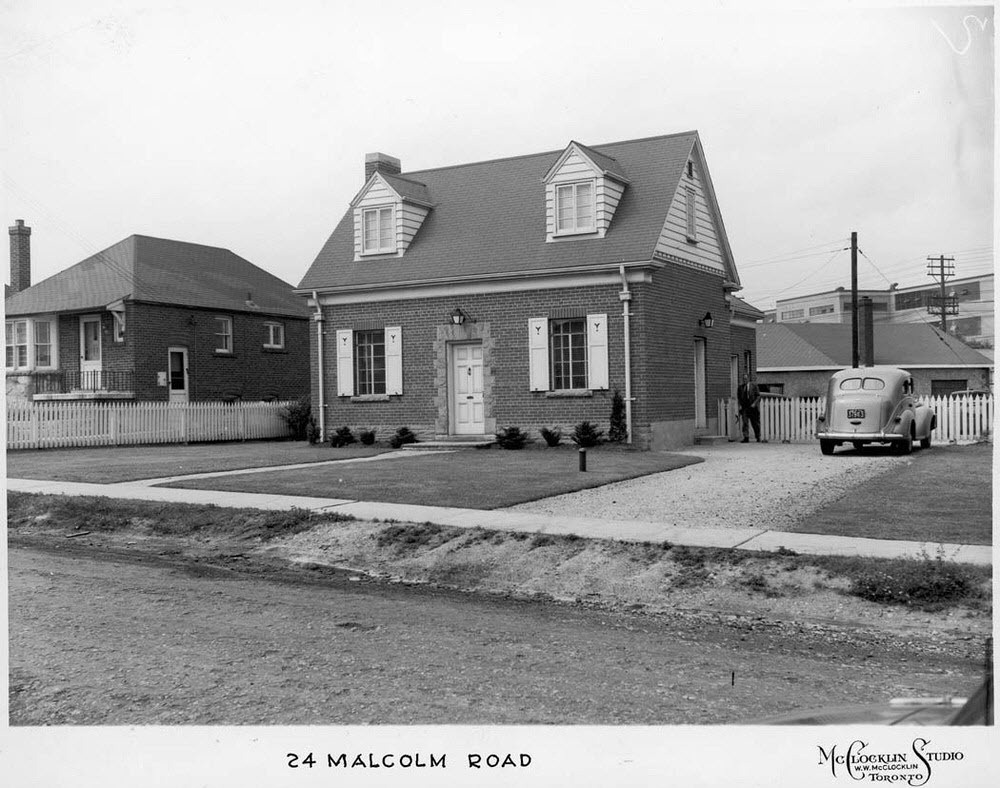
More often than not, industrial infrastructures are an eyesore, especially when they are smack in the middle of a beautiful city like Toronto. So for the past hundred years, Canada’s second-largest municipal electricity distribution company, Toronto Hydro, has been disguising substations into quiet little houses that blend right in with the neighbourhood. Some appear like grand Georgian mansions or late-Victorian buildings, while others look like humble suburban homes. Even the most sharp-eyed resident couldn’t tell these faux homes apart. Some are not even aware they are living next door to a transformer.


This is not a house. Photo credit: City of Toronto Archives

Toronto was first electrified in the late 1880s. At that time a number of small private companies were supplying electrical demands. Then in 1908, Torontonians voted overwhelmingly for the formation of a municipal electricity company, and Toronto Hydro came into being in 1911.

From the very beginning, Toronto Hydro was keen not to have ugly conglomerations of metals, switches and wires robbing the city’s urban and suburban neighbourhood of its beauty. So each substation they built was wrapped around by a shell of masonry and woodwork carefully designed to resemble residential homes. A driveway and some low-maintenance shrubs in the garden helped complete the deception.

The earliest known substation, dating from 1910 and located at 29 Nelson St. in the John and Richmond area, looks like a four-storey Victorian-era warehouse or perhaps an office building with a grand entrance and raised horizontal brick banding. One of the grandest of these structures is the Glengrove Substation, built in 1931. This Gothic building with its large oak doors, leaded glass windows and long narrow windows reminiscent of Medieval times, it’s no wonder that Toronto Hydro employees call it the “Flagship” or the “Castle”.

As architectural styles evolved, so did the camouflage. From grandiose buildings of the pre-depression era to ranch style houses that became popular with the booming post-war middle class of the 1940s to 1970s, to progressively more modernist structures with flat roof and smooth white exterior. These substation homes were so authentic that they were sometimes broken into by burglars.

There used to be over 270 substation homes scattered across Toronto. According to Spacing Toronto, as of 2015, 79 of these substations are still active.

Source….Kaushik  in http://www.amusingplanet.com

Natarajan


9 Famous Quotes That Are Often Misused…

There are many quotes that are constantly used at will by many of us, but do we actually know where they came from or what their full extent really is? Here are 9 famous quotes that are used in part, or even completely incorrectlly.

1  ” Money is the root of all evil ”

The idea that money is inherently evil appears to stem from a quote that appears in the King James Bible, specifically in 1 Timothy 6:10. The thing is, however,  that the quote got misconstrued from the actual Bible verse, which says: “For the love of money is the root of all evil: which while some coveted after, they have erred from the faith, and pierced themselves through with many sorrows.”


2 “Winning is not everything ”

This motivational quote also happens to be a misquote. It comes from a UCLA Bruins football coach known as “Red” Sanders. At a physical education workshop in 1950, he said: “Winning isn’t everything. Men, it’s the only thing!”


3 “The proof is in the pudding ”

This one is a complete misquote, because the actual quote says “the proof of the pudding is in the eating”. In other words, you actually have to try food to determine whether it’s good to eat or not. “The proof is in the pudding” actually makes no sense at all.


4.”Jack of all trades, but master of none ”

A few hundred years back, “jack” was simply slang for “laborer”. This ghost word is still seen in phrases like “lumberjack” and “steeplejack”. As a result, a “jack of all trades” was a laborer who was capable of doing a bit of everything. The “master of none” part of the quote is actually a modern addition, which contends that those can do a bit of everything have mastery over nothing.


5.:” Feed a cold , starve a fever ”

An old belief from medieval times states that “fasting is a great remedy for fever”, but modern medicine begs to differ. Some believe that the notion of starving a fever actually comes from a mistranslation of “feed a cold, stave a fever”, meaning that it’s a well-nourished person with a cold has a better chance of staving off a fever than a person that is undernourished.

6.” Great minds think alike ”

Greek philosopher Socrates left this one to the world. If he really did mean it in earnest, he probably would have written it down rather than killing himself by drinking hemlock. What you might not know about this famous quote is that it actually has a second part that’s often left out. In its entirety, it reads: “Great minds think alike…and fools seldom differ.”

7.” When one door closes another opens ”

This quote is alternately attributed to Alexander Graham Bell and Helen Keller, although neither of them were actually confirmed to have said it. The full quote actually says: “when one door closes another door opens, but we so often look so long and so regretfully upon the closed door that we do not see the ones which open for us.” As a result, make sure you look forward and don’t dwell when one of life’s metaphorical doors slams shut on you.

8. “Curiosity  killed the cat ”

The first known version of this quote was popularized by William Shakespeare. It goes “care killed the cat”, with “care” meaning “worry” in this context. It appears that “care” made way for the word “curiosity” in the late 1800s, but while that is uncertain, people almost always forget that the quote actually has a second part. It actually reads: “curiosity killed the cat…but satisfaction brought it back,” and means although being nosy will likely get you in trouble, knowing the truth in the end is often worth the risk that you take to find it.

9. Be the change you want to see in the world ”

Gandhi uttered many an inspiring phrase during his lifetime, however this has to be one of his most famous. In his original statement, the guru had said: “If we could change ourselves, the tendencies in the world would also change. As a man changes his own nature, so does the attitude of the world change towards him.”

Source….www.ba-ba mail.com

Natarajan


வாரம் ஒரு கவிதை ….” பெண் என்னும் பிரபஞ்சம் “


பெண் என்னும் பிரபஞ்சம்
———————–
ஆணுக்கு பெண் அடிமையில்லை..ஒரு
ஆணை விட பெண் எதிலும் எங்கும்
குறைந்தவளும் இல்லை !
மறக்க வேண்டாம் உங்கள் பெருமை
பெண்ணுரிமை நம்  உரிமை
மறுக்க முடியுமா யாரும் இதை ?
வானமே எல்லை நமக்கு …நாளை
இந்த உலகம் மட்டும் அல்ல …இந்த
பிரபஞ்சம் கூட ஒரு பெண்ணின்
கையில்தான் !
முடிந்தது அவள்  மேடை முழக்கம் ..முழங்கிய
பெண் தேடினாள்  தன் கை பேசியை
ஊரில் இருக்கும் அவள் அப்பாவிடம் பேச !
மறு முனையில் கேட்டதோ அம்மாவின் குரல் !
சரி அம்மா ..நான் பேசறேன்  அப்புறமா
அப்பாவிடம் … சும்மா தான் கூப்பிட்டேன்
நான் ! வைக்கட்டுமா ?
நாளை உலகை  ஆளப் பிறந்த தன்
பெண்ணின் சொல் கேட்டும்  வாய்
பேசாமல் நிற்கும்  அந்த தாய்
அல்லவோ பெண் என்னும் பிரபஞ்சம் !
Natarajan
in http://www.dinamani.com dated 9th Dec 2017

The German Hyperinflation of 1923…

There was a time when an average German carried billions of marks in their pockets but could still buy nothing. A loaf of bread cost 200 billion marks. A week’s pension would not buy even a cup of coffee. The mark was freefalling and its value decreasing by the minute. Restaurants stopped printing menus because by the time the food arrived the price had gone up. One guy drank the first cup of coffee at 5,000 marks. The second cup cost him 9,000 marks. The stories from those days were horrifying and amusing at the same time. One boy was sent by his mother to buy two bread buns. He stopped on the way to play football, and by the time he got to the shop, the price had gone up, so he could only afford to buy one. One man set out for Berlin to buy a pair of shoes. But when he got there, all he could afford was a cup of coffee and the bus fare home.

The absurd situation began sometime around the middle of the First World War, when the German government decided that instead of using the taxpayer’s money to fund the war they would simply borrow money from other nations. The Germans were confident that they would be able to pay off the debt once they won the war by seizing the resource-rich industrial territories and imposing reparations on the defeated Allies.

But the plan backfired. Germany lost the war and ended up with massive debts. In addition, the Treaty of Versailles imposed Germany a huge fine of 132 billion marks (or $31.4 billion) as reparations for causing loss and damage to the Allies on account of the war. In order to pay off the debts, the government turned to deceit—they began to print money, and used it to buy foreign currency, which was then used to pay reparations. Soon there was too much money chasing too few goods and inflation spiraled out of control.

At first, inflation crept up slowly—from 4.2 marks per dollar before the war to 48 marks per dollar when the treaty was signed. Then it accelerated rapidly. In the first half of 1922, the mark was at 320 marks per dollar. By the end of the year, it had fallen to 7,400 marks per US dollar. Eventually, the mark touched a mind-boggling 4.2 trillion marks to one US dollar.

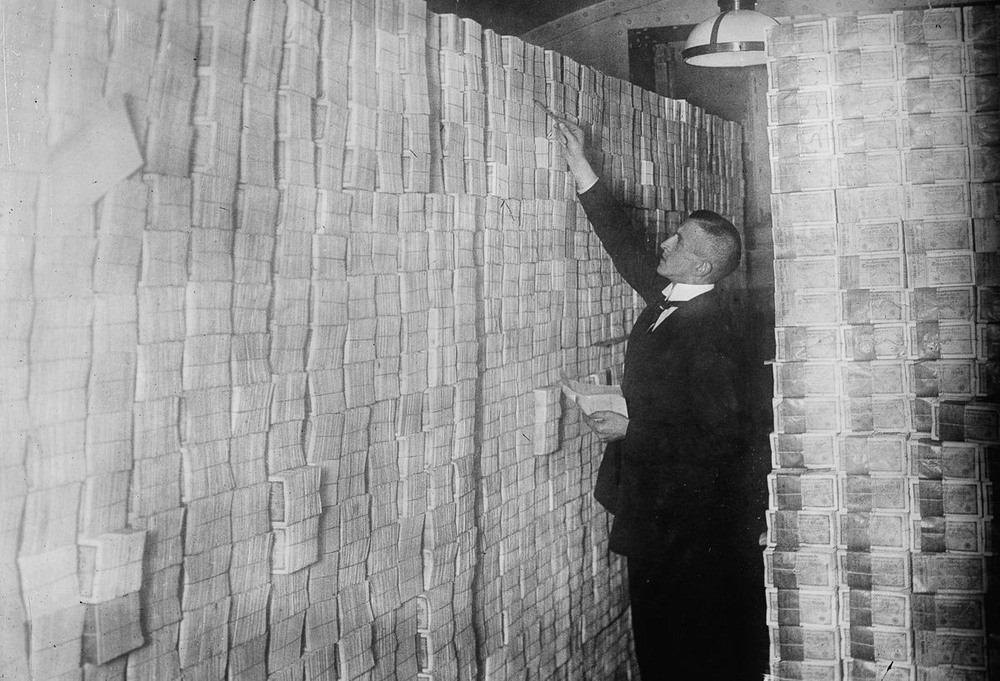
Employees brought suitcases and backpacks to work on payday to collect their wages, and then dashed off to the nearest shop before the exchange rate changed. Banknotes of higher and higher denomination started turning up every few weeks. When the 1,000-billion mark note came out, few bothered to collect the change when they spent it. The hyperinflation peaked in October 1923 and banknote denominations rose to 100 trillion mark. The currency had lost meaning.

People stopped dealing in cash and started bartering instead. Many doctors insisted on being paid in sausages, eggs, coal, and the like. People exchanged a pair of shoes for a shirt, and some crockery for coffee. There was widespread economic panic and mistrust. People began to live as if there were no tomorrow. Dancehalls and strip bars opened up in the cities, and cocaine sales skyrocketed.

Strangely enough, goods were not in short supply. There was simply no stable currency to buy them with. The only objects of real value were tangible assets—diamonds, gold, antiques, and art. Soon the country crumbled into petty thievery. People began stealing anything—soaps, hairpins, copper pipes, gasoline.

It was clear than a radical monetary change was needed to halt the permanent depreciation and return to a more ordered state of affairs. In late 1923, the mark was replaced by a new currency—the Rentenmark, which was backed by mortgages on agricultural and industrial land. The value of the Rentenmark was fixed at the old exchange rate of 4.2 Rentenmark for one US dollar.

Germany limped back to normalcy but the country was never the same again. Lost savings were never recovered, “nor were the values of hard work and decency that had accompanied the savings,” wrote George J.W. Goodman, the American author and economist. “There was a different temper in the country, a temper that Hitler would later exploit with diabolical talent.”

Pearl S. Buck, the American writer, who was in Germany in 1923, wrote:

The cities were still there, the houses not yet bombed and in ruins, but the victims were millions of people. They had lost their fortunes, their savings; they were dazed and inflation-shocked and did not understand how it had happened to them and who the foe was who had defeated them. Yet they had lost their self-assurance, their feeling that they themselves could be the masters of their own lives if only they worked hard enough; and lost, too, were the old values of morals, of ethics, of decency.
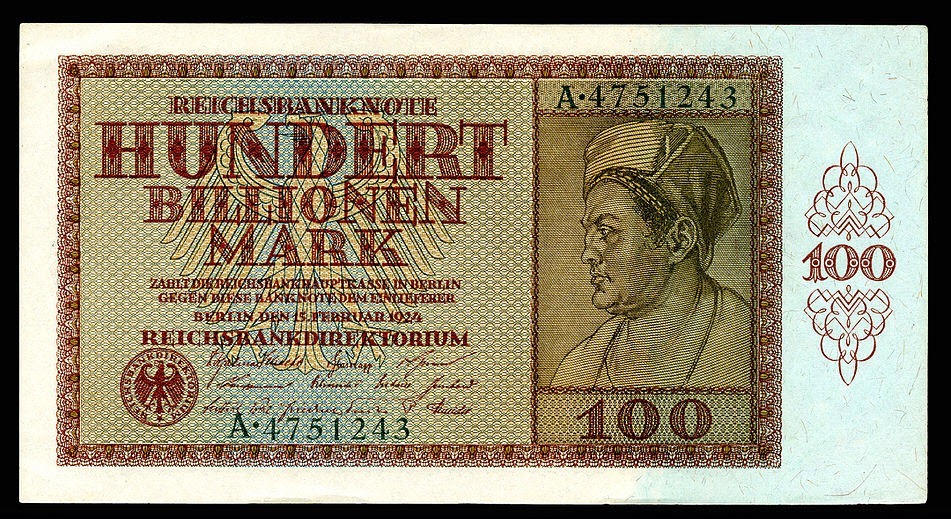
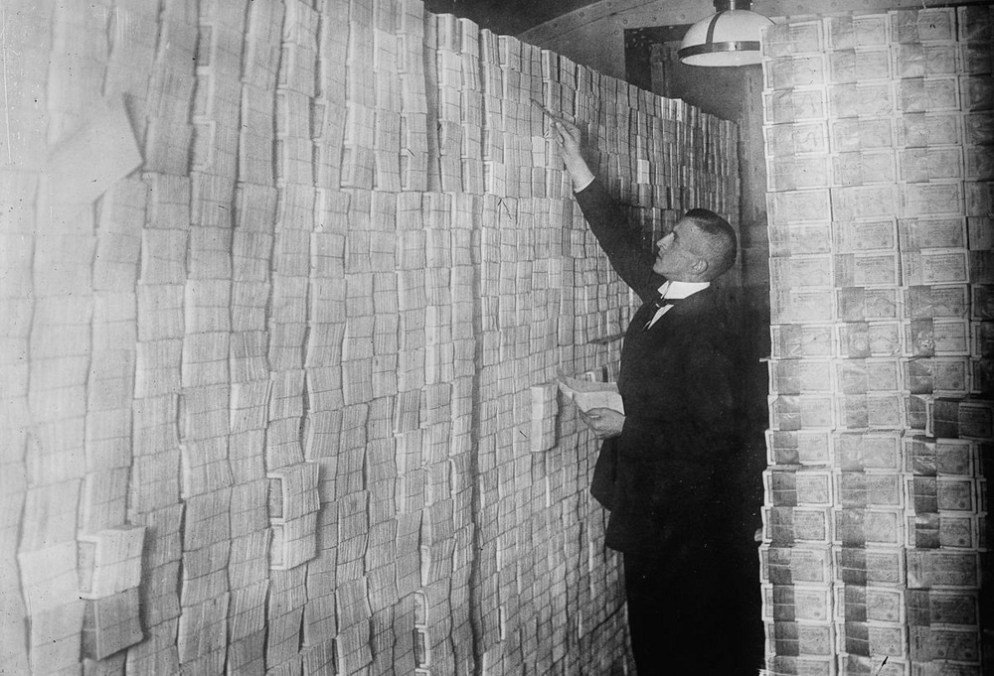


The 100 trillion mark banknote. Photo credit: National Numismatic Collection, National Museum of American History.  

and, A Berlin banker counts stacks of bundled marks.

Source….Kaushik in http://www.amusingplanet.com

Natarajan


வாரம் ஒரு கவிதை…” விடையில்லா விடுகதை “


விடையில்லா  விடுகதை …
——————————
விதையில்லாமல் செடி ஒன்று வளர்ந்தால்
விடையில்லா விடுகதையும் சாத்தியமே !
விடை தெரியாத கேள்விகள் பல உண்டு
நம் வாழ்வில் …அவை எல்லாம் விடை
இல்லா கேள்விகள் இல்லையே !
விடுகதையும் அப்படியே …நம் வாழ்வே
ஒரு விடுகதை ! விடை உண்டு வாழ்வின்
விடுகதைக்கும் !
இந்த விடுகதையின் விடை தேடி ஓடி
இங்கும் அங்கும் அலைந்து விடை ஏதும்
தெரியாமல்  “வாழ்வே ஒரு விடுகதை
அது ஒரு தொடர் கதை “
என்று மட்டும் சொல்லத்  தெரியும் நமக்கு !
விதை இல்லாமல் ஒரு செடி முளைக்காது
என்று தெரிந்தால் விடை இல்லாமல் எந்த
விடுகதையும் இல்லை என்பதும் புரியும் !
Natarajan

108 ஆம்புலன்ஸ் சேவை தெரியும்… `515 கணேசன் கார் சேவை’ தெரியுமா?

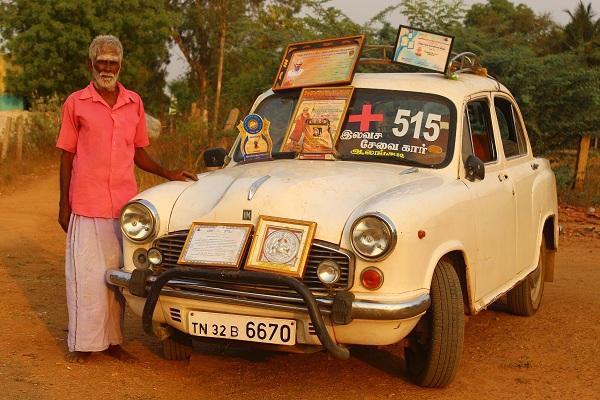
108 ஆம்புலன்ஸ் சேவை நமக்கெல்லாம் தெரிந்திருக்கும்… `515 கணேசன் இலவச கார் சேவை’ தெரியுமா? தமிழ்நாட்டின் ஒரு மூலையில் இருக்கும் ஆலங்குடியில் இருந்துகொண்டு மகத்தான மக்கள் சேவை செய்துகொண்டிருக்கிறார் கணேசன். வயது 70-ஐத் தாண்டிவிட்டது. ஆனாலும், `உதவி’ என்று யார் கேட்டாலும், காரை எடுத்துக்கொண்டு ஓடுகிறார். பிரசவம், அவசர சிகிச்சை… எனப் பல உதவிகளுக்காக 46 வருடங்களாக ஒரு ஆம்புலன்ஸ் போலவே செயல்பட்டுக்கொண்டிருக்கிறது கணேசனின் அம்பாசிடர் கார்.


புதுக்கோட்டையிலிருந்து சுமார் 21 கிலோமீட்டர் தொலைவில் இருக்கிறது ஆலங்குடி. ஊரில் இறங்கி, `கணேசன்…’ என்ற பெயரைச் சொன்னால் யாருக்கும் தெரியவில்லை. `515…’ என்றால் உடனே அடையாளம் தெரிந்துகொள்கிறார்கள். ஒரு டீக்கடைக்காரரிடம் `515 கணேசன்’ குறித்து விசாரித்தோம்… “நேரம் காலமெல்லாம் பார்க்க மாட்டாரு. உதவினு யார் கேட்டாலும், காரை எடுத்துக்கிட்டுக் கிளம்பிடுவாரு. அக்கம்பக்கத்துல இருக்குற புதுக்கோட்டை, தஞ்சாவூர், சிவகங்கை ஊருங்க மட்டும் இல்லை… சமயத்துல வெளி மாநிலங்களுக்குக்கூட அவரோட கார் பறக்கும். `கையில் காசு இல்லை’னு சொன்னா, `எனக்குப் பணம் முக்கியம் இல்லை’ம்பாரு. அவர்கிட்ட இருக்குற பணத்தைச் செலவு செஞ்சு உதவி செய்வாரு 515. (அவரை `515’ என்றுதான் ஊர் மக்கள் அழைக்கிறார்கள்). பெத்த புள்ளைக்கு அஞ்சு ரூபா தர்றதுக்கு யோசிக்கிற இந்தக் காலத்துல இப்படியும் ஒரு மனுஷர். சாதாரண ஓட்டு வீட்டுலதான் குடியிருக்காரு. `ரேஷன் கடை அரிசியும் பருப்பும் இருந்தாப் போதும்… எங்க வயிறு நிறைஞ்சிடும்’னு சொல்லிட்டு வர்றவங்களுக்கு எந்த எதிர்பார்ப்பும் இல்லாம உதவி செய்வார். இவரோட நல்ல எண்ணத்துக்கு ஏராளமான பரிசுகள் கிடைச்சிருக்கு. வேற என்ன… ஏகப்பட்ட பட்டங்கள், சான்றிதழ்கள்தான். இவ்வளவு ஏன்… அவர் தெருவுல இருக்குறவங்க, அவங்களோட வீட்டுக்கு வழி சொல்லணும்னா எப்படிச் சொல்வாங்க தெரியுமா… `515 வீட்டுலருந்து நாலு வீடு தள்ளி எங்க வீடு இருக்கு’, `515 வீட்டுக்கு எதிர்ல எங்க வீடு…’ இப்படியெல்லாம்தான் சொல்வாங்க’’ என்று சொல்லி கணேசன் மீதான எதிர்பார்ப்பைக் கூட்டுகிறார் டீக்கடைக்காரர்.

பல வருடங்களாக இப்படி ஒரு சேவை செய்ய வேண்டும் என்றால் ஒன்று, அவர் பெரும் பணம் படைத்தவராக இருக்க வேண்டும். அல்லது, ட்ரஸ்ட் ஏதாவது நடத்தி, நிதி திரட்டி, அதைக்கொண்டு உதவி செய்பவராக இருக்க வேண்டும்.’ – இப்படியெல்லாம் யோசித்தபடி வழி விசாரித்துக்கொண்டு `515’ வீட்டுக்குச் சென்றோம். நாம் நினைத்ததுபோல அவர் வீடு பெரிய பங்களா எல்லாம் இல்லை. சாதாரண பிளாஸ்டிக் கூரை வேய்ந்த எளிமையான வீடு. வீட்டுக்கருகில் அழகழகான குட்டிக் குட்டிச் செடிகள்… சிவப்பு நிறத்தில் சாயம் பூசப்பட்ட தரை. மலர்ந்த முகத்தோடு நம்மை வரவேற்றார் கணேசன். நரைத்த தலை, லுங்கி, சாதாரணமான ஒரு சட்டை. `இவரா மக்கள் சேவை செய்பவர்?’ என்று ஆச்சர்யமாக இருந்தது. நம்மை அறிமுகப்படுத்திக்கொண்டதுமே சரளமாகப் பேச ஆரம்பித்தார் கணேசன்…

“ஆலங்குடிதான் எனக்குச் சொந்த ஊர். அப்பா ஒரு மாட்டுத் தரகர். என் சின்ன வயசுலயே அப்பா, அம்மா தவறிட்டாங்க. அப்புறம் நானா ஏதேதோ வேலை பார்த்து, கொஞ்சம் கொஞ்சமா முன்னேறினேன். வாழ்க்கையில முன்னேறிக் காண்பிச்சவங்க எல்லாருக்குமே மனைவிதான் உதவியா இருப்பாங்க. எனக்கும் என் மனைவி தெய்வானைதான் எல்லாமே. எங்களுக்கு அஞ்சு பெண் குழந்தைங்க… எல்லாருக்கும் கல்யாணமாகிடுச்சு…’’ என்றவரிடம், “அது ஏன் உங்களை `515’-னு எல்லாரும் கூப்பிடுறாங்க?’’ என்று கேட்டோம்.

அது, 1968-ம் வருஷம். ரோட்ல நடந்து போய்க்கிட்டு இருந்தேன். ஒருத்தர், தன்னோட மனைவியை ஒரு தள்ளுவண்டியிலவெச்சு தள்ளிக்கிட்டுப் போய்க்கிட்டிருந்தாரு. ஏன்னு பார்த்தப்போதான் தெரிஞ்சுது… அந்தப் பொண்ணு நிறைமாத கர்ப்பிணினு. என் மனசு உடைஞ்சு போயிடுச்சு. வீட்டுக்கு வந்து, என் மனைவி தெய்வானைகிட்ட விஷயத்தைச் சொன்னேன். `இந்த மாதிரி இருக்கறவங்களுக்கு உதவறதுக்கு ஏதாவது பண்ணணும்’னு என் ஆதங்கத்தையும் சொன்னேன். அவங்க, `இதை உங்களால மாத்த முடியுமா… இப்படி கஷ்டப்படுறவங்களுக்கு உங்களால என்ன பண்ண முடியும்’னு கேட்டாங்க. `முடியும்’னு சொன்னேன். நான்வெச்சிருந்த பழைய இரும்புக்கடையை வித்தேன். 17,500 ரூபா கிடைச்சுது. அந்தப் பணத்துல, செகண்ட் ஹேண்ட்ல ஒரு அம்பாசிடர் கார் வாங்கினேன். அந்த காரோட நம்பர் TNZ-515. நான் முதன்முதல்ல வாங்கின காரோட நம்பரையே `515 இலவச சேவை கார்’னு பேரா வெச்சேன். `உதவி’னு கேட்குறவங்களுக்கு, நேரம் காலம் பார்க்காம காரை எடுத்துட்டுப் போய் என்னால ஆனதைச் செய்றேன்…’’ அடக்கத்தோடு சொல்கிறார் கணேசன்.

கிட்டத்தட்ட 46 வருடங்களாக இந்தச் சேவையைச் செய்துவருகிறார் கணேசன். அதற்காக யாரிடமும் பணம் வாங்குவதில்லை. காருக்கு டீசல் போடுவது, அது ரிப்பேர் சரி பார்ப்பது… என அனைத்துச் செலவுகளையும் அவரே பார்த்துக்கொள்கிறார். கார் சேவைக்கு வேளை வராத நேரத்தில், பழைய இரும்பு, தகரம் போன்ற பொருள்களை வாங்கி விற்கும் கடை நடத்துகிறார். இதுவரை 19 அம்பாசிடர் கார்களை வாங்கியிருக்கிறார் கணேசன். ஒரு கார் பழுதாகிவிட்டது, இனி ஓடும் கண்டிஷனில் இல்லை என்று தெரிந்ததுமே அடுத்த காரை வாங்கிவிடுவார். எல்லாமே செகண்ட் ஹேண்ட் கார்கள்தான். அத்தனைக்கும் `515’தான் பெயர். அவரேதான் முதலாளி, அவரேதான் டிரைவர்!

இதுவரை இரண்டாயிரத்துக்கும் மேற்பட்ட கர்ப்பிணிகளை பிரசவத்துக்கு ஏற்றிச் சென்றிருக்கிறது, விபத்துக்கு ஆளான நான்காயிரத்துக்கும் மேற்பட்டோரைச் சுமந்து சென்றிருக்கிறது 515 கார். அது மட்டுமல்ல… பணம் இல்லாமல், சடலத்தை ஊருக்குக் கொண்டு போக முடியாமல் தவிப்பவர்களுக்கும் இவரின் கார் உதவிக்கு ஓடி வரும்… இலவசமாக! அப்படி, இது வரை 5,400 சடலங்களை பல ஊர்களுக்குக் கொண்டு சேர்த்திருக்கிறது. கொச்சின், பெங்களூரு, தூத்துக்குடி… என கணேசன் பயணித்த ஊர்கள் எண்ணற்றவை. நாம் அவரைப் பார்ப்பதற்கு சற்று முன்னர்தான் திருநெல்வேலி வரை ஒரு கர்ப்பிணியை அழைத்துச் சென்று, விட்டுவிட்டு வந்திருந்தார்.

நாம் அவரிடம் பேசிக்கொண்டிருந்தபோதே செல்போனில் அவருக்கு அழைப்பு! உள்ளே போனவர், கார் சாவியுடன் வெளியே வந்தார். `நீங்க என் மனைவி தெய்வானைகிட்ட பேசிக்கிட்டு இருங்க. பக்கத்துல ஒரு பொண்ணுக்குப் பிரசவ வலியாம்… ஆஸ்பத்திரியில விட்டுட்டு வந்துடுறேன்.’’ நம் பதிலை எதிர்பாராமல், காரை எடுத்துக்கொண்டு விரைந்தார் கணேசன். `காலம் மாறினாலும், சிலரின் குணங்கள் மாறாது’ என்பார்கள். உலகெங்கும் நாம் அறியாத எத்தனையோ கணேசன்கள், பிரதிபலன் பார்க்காமல் யாருக்கோ உதவி செய்துகொண்டுதான் இருக்கிறார்கள். 515 கணேசனின் சேவையை மனமார வாழ்த்தலாம், வணங்கலாம்!

Source….Priyadharshni in http://www.vikatan.com

Natarajan


வாரம் ஒரு கவிதை….” என் முதல் கனவு “


என் முதல் கனவு
—————
அம்மாவின் கருவறையில் நான் கேட்ட முதல் ஒலி
அம்மாவின் குரலும் பாட்டும் …இதுதான் உன் அம்மா
என்று என் அம்மாவின்  முகத்தை என் மனத்
திரையில் படம் பிடித்துக் காட்டியது
என் முதல்  கனவே ..அதுவே  நான்
பார்த்த முதல் ஒலியும் ஒளியும் !
நான் கண்ட அந்த முதல் கனவு  நனவு ஆனது என்
அம்மாவின் முகம் நான் பார்த்த முதல் நாள் !
வாழ்வில் எத்தனை எத்தனை கனவுகள் !
கனவு அத்தனையும் நனவாகவில்லையே !
அத்தனை ஏன் ?  நேற்று இரவு கண்ட
கனவு என்ன என்று விடிந்தால் புரிவதில்லையே !
என் முதல் கனவு மட்டும் எனக்கு இன்னும்
மறக்க வில்லையே !  ஏன் ?
அது எனக்கு முதல் கனவு மட்டும் அல்ல !
நனவை கனவில் அடையாளம் காட்டிய
இனிய புதுமைக் கனவும் அதுவே !
இன்றும் என்றும் அதுவே எனக்கு
முதல் கனவு ! முடிவே இல்லாத
முதன்மை கனவும் அதுவே !
My Kavithai  in http://www.dinamani.com dated 26th Nov 2017
Natarajan

வாரம் ஒரு கவிதை ….” யாருமில்லாத மேடையில் …”

யாருமில்லாத மேடையில் …
————————–
குளியல் அறையில் நான் பாடிய
பாட்டு …யாருமில்லாத மேடையில்
அரங்கேறிய என் முதல் கச்சேரி !
என் வீட்டு மொட்டை மாடியில்
நான் ஆடிய நடனம் …யாருமில்லாத
மேடையில் என் முதல் நாட்டியம் !
நிலைக் கண்ணாடி முன் நின்று
நான் பேசிய பேச்சு ..யாருமில்லாத
மேடையில் என் முதல் சொற்பொழிவு !
யாருமில்லாத மேடையில் பேசி,
பாடிய நான் இன்று யாரும் இல்லாத
ஒரு அரங்கு முன்னாலும் பேசத்
தெரிந்த ஒரு திறமைசாலி !
ஆம் …எனக்கு வேலை இன்று
ஒரு தொலைக் காட்சி செய்தி
வாசிக்கும்  மேடையில் !!!
My Tamil Kavithai in http://www.dinamani.com dated 19th Nov 2017
Natarajan