Are you risking your health by using Dishwasher …?

Your dishwasher might get those plates spotless, but it’s probably also teeming with bacteria and fungus, a new study has revealed. Microbes, from bacteria to viruses to fungi, are everywhere, including within and on the human body, so it’s really no surprise that a kitchen appliance would be hosting them too.

So, do we need to worry about getting sick from our dishwashers? No, said Erica Hartmann, an assistant professor at Northwestern University who was not involved in the study. In fact, she says that the risk is the same as being attacked by a shark. In other words, most of us face little to no risk, but there are a select group of people who are at a higher risk – people with conditions that weaken their immune systems.

Dishwashers are an interesting case when it comes down to microbes because they’re an extreme habitat. Dishwashers create constantly fluctuating conditions – wet to dry, high heat to cooler temperatures, combined with low to high acidity. Furthermore, they also harbor mixtures of detergents and dinner scraps. As a result, only certain microbes will thrive.

This new study looked at which bacteria and fungi are lurking in dishwashers, and what factors seem to influence a microbial build-up. They took samples from the rubber seals of 24 household dishwashers and they found that the most common bacteria included Pseudomonas, Acinetobacter, and Escherichia. These are normally harmless, but they can cause infections in people with a compromised immune system. The most common types of fungus were Candida, Cryptococcus, and Rhodotorula – which are also normally harmless.

Nina Gunde-Cimerman, a professor of microbiology who worked on the study, says that dishwashers are usually safe for healthy people, but sensitive people need to be a bit more cautious. Gunde-Cimerman and her colleagues suspect that dishwashers might play a role in fungal infections called mycoses in people with weakened immune systems. A fungus commonly found in those patients, she said, is known as Exophiala dermatitidis, or black yeast. This fungus is hard to find in nature, but it’s extremely easy to find in dishwashers. However, she stresses that this is just speculation – no one has proven a link between dishwasher microbes and mycoses infections.

So, how do fungus and bacteria get into the dishwasher? Well, the main entry point for fungi is the tap water that supplies the appliance, but food, pets, and people are other potential sources. As for the bacteria, the source isn’t clear, but it’s believed that contaminated food is the main entry route.

It’s possible for dishwasher microbes to break free from their home: They can escape via wastewater, or through the hot air produced at the end of the dishwasher cycle, Gunde-Cimerman said. Therefore, one way to keep the microbes contained is to avoid opening the dishwasher before it has cooled down. Wiping the rubber seal with a dry cloth at the end of a cycle can also help to limit microbe accumulation.

How to Clean Your Dishwasher

It’s recommended that you use 10% bleach solution to clean around the rim where the seal is. To make it, mix one part bleach with nine parts water. The same solution can be used to clean the bottom and sides of the dishwasher to prevent any build-up of debris. Do this once a week and you’ll be free of any major issues.

House-maintenance expert Bob Vila also recommends that you clean your dishwasher once a month with a three-step process that includes a vinegar wash to get rid of odors and grease. To do so, follow the steps below:

Step 1: Clear the Drain

Remove the bottom dish rack. Inspect the drain, removing any gunk or food that has accumulated there. This will help to improve drainage, increase efficiency, and prevents damage to the dishwasher.

Step 2: Vinegar Wash

Start with an empty dishwasher. Place a cup of white vinegar in a dishwasher-safe container on the upper rack of the machine. Run the dishwasher through a hot-water cycle. This will help to wash away any grime and remove musty odors.

Step 3: Baking Soda Rinse

Sprinkle a cup of baking soda across the bottom of your dishwasher. Run a short, hot water cycle. The dishwasher will now be smelling fresh and have a stain-free interior.

Source….www.ba-bamail  and  webmdtoday

Natarajan
ஒரு சொட்டுத் தண்ணீர் இல்லாமல் போன உலகின் முதல் பெரு நகரம்..!

இது கடந்த டிசம்பர் மாதம் வந்த அறிவிப்பு.

குடி தண்ணீர் – 2 லிட்டர்.

சமையலுக்கு – 4 லிட்டர்.

2 நிமிட குளியலுக்கு – 20 லிட்டர்.

துணி துவைக்க & பாத்திரம் கழுவ – 23 லிட்டர்.

கழிவறை உபயோகத்துக்கு – 27 லிட்டர்.

இன்னும் பிற தேவைகளுக்கு – 4 லிட்டர்.

ஒரு நாளைக்கு சேமிக்க வேண்டியவை – 7 லிட்டர்.

Think Water. Think Less than 87 Litres a Day.

ஆம்…ஒரு நாளைக்கு ஒருவர் 87 லிட்டர் தண்ணீரை மட்டுமே உபயோகிக்க வேண்டும் என்று கடந்த டிசம்பர் மாதம் சட்டம் போடப்பட்டது. மீறினால், அபராதத் தொகையோடு தண்டனை. அதிர்ச்சியடைய வேண்டாம்… அது டிசம்பர் மாதம்.

இந்திய கிரிக்கெட் அணி, தென் ஆப்பிரிக்காவில் சுற்றுப்பயணம் மேற்கொண்டு வருகிறது. இந்திய கிரிக்கெட் அணியினர் 2 நிமிடங்களுக்கு மேல், குளிக்க தண்ணீர் பயன்படுத்தக்கூடாதென அதிகாரபூர்வமாக அறிவிக்கப்பட்டது.

இப்பொழுது பிப்ரவரி 1 முதல் அதை இன்னும் குறைத்து ஒரு நாளைக்கு ஒருவருக்கு 50 லிட்டர் மட்டுமே உபயோகிக்க வேண்டும்! இப்பொழுதும் அதிர்ச்சியடைய வேண்டாம்… நீங்கள் அதிர்ச்சியடைய இன்னும் நிறைய விஷயங்கள் இருக்கின்றன. 

உலகிலேயே முதன்முறையாக ஒரு பெரு நகரம் முற்றிலும்… முற்றிலும் என்றால் எதுவுமே இல்லாமல்… கொஞ்சம் கூட இல்லாமல்… சில சொட்டுக் கூட இல்லாமல் முற்றிலுமாக தண்ணீரில்லா நிலைக்குப் போகப்போகிறது. மிக விரைவில் எட்டப்படவிருக்கும் இந்த நாளை ஆங்கிலத்தில் “டே ஜீரோ” (Day Zero) என்று சொல்கிறார்கள். வரும் ஏப்ரல் மாதம் 12-ம் தேதி அல்லது 21-ம் தேதி… இந்த நாளை எட்டிவிடும்  தென்னாப்பிரிக்காவின் கடற்கரை நகரமான கேப்டவுன் (Cape Town).

கூடுதலாக வீணடிக்கப்படும் , அதாவது உபயோகப்படுத்தும் ஒவ்வொரு லிட்டருக்கும் அபராதம் விதிக்கப்படுகிறது. இந்திய மதிப்பில் ஒரு லிட்டருக்கு 25,000 ரூபாய். இது டிசம்பருக்கான அபராதத் தொகை.

அந்த நாள் முதல் நகரின் எந்தக் குழாய்களிலும் தண்ணீர் வராது. அதனால், நகர் முழுக்க 200-க்கும் அதிகமான “தண்ணீர் பெறும் மையங்களை” அமைத்திருக்கிறது அரசு. வெளியிலிருந்து கொண்டுவரும் தண்ணீரை அதில் நிரப்புவார்கள். வரிசையில் நின்று பெற்றுக் கொள்ளலாம். ஒரு நாளைக்கு ஒருவருக்கு 25 லிட்டர் மட்டுமே.

நீச்சல் குளங்களை நிரப்புவது, தோட்டத்துக்குத் தண்ணீர் விடுவது, கார்களை கழுவுவது எனத் தண்ணீர் உபயோகிக்கும் பல விஷயங்களுக்கும் தடை விதித்துள்ளது அரசு. ஒரு நாளைக்கு 2 நிமிடத்துக்கு மேல் யாரும் குளிக்கக் கூடாது. சில நாள்கள் குளிக்காமல் இருந்தால் இன்னும் சிறப்பு.

அதேபோல் வறட்சிக் கட்டணம் வசூலிக்கிறது கேப்டவுன் நிர்வாகம். ஒவ்வொரு வீட்டுக்கும் மாதத்துக்கு 200 ரூபாய் வறட்சிக் கட்டணம் கட்ட வேண்டும்.


கேப்டவுனுக்குப் பல காலமாக உயிர் ஆதாரமாக இருந்த தீவாட்டர்ஸ்க்லூஃப் (Theewaterskloof) அணை 10%க்கும் குறைவான நிலையை எட்டி பல மாதங்களாகிவிட்டன. நகருக்குத் தண்ணீர் வழங்கும் வாய்ப்பைக் கொண்டிருக்கும் இன்னும் சில அணைகளும் 15% வந்துவிட்டன. அது 13.5% எனும் நிலையை எட்டும்போது, “டே ஜீரோ” நிகழும்.

இது ஏதோ திடீரென எட்டப்பட்டுவிட்ட நிலை அல்ல…கடந்த மூன்றாண்டுகளாகவே மிகக் கடுமையான வறட்சியில் சிக்கி சின்னாபின்னமாகிக் கொண்டிருந்தது கேப்டவுன். ஆனால், பிரச்னையைத் தீர்க்க அரசாங்கம் பெரும் முயற்சிகளை எடுக்கவில்லை… அரசாங்கம் எடுத்த முயற்சிகளுக்கு மக்களிடம் ஒத்துழைப்பு இல்லை. “இன்றைய நாள் தண்ணீர் இருக்கு… என்றோ வரும் நாளுக்காக..யாருக்காகவோ…நான் ஏன் சிக்கனமாகத் தண்ணீரைக் கையாள வேண்டும்?” என்ற எண்ணம். இதோ வந்தேவிட்டது அந்நாள்!
கல்விக்கூடங்கள் தண்ணீரில்லாமல் எப்படி நடக்கும்? மருத்துவமனைகளின் நிலை? எதுவுமே தண்ணீரில்லாமல் எப்படி இயங்கும்? கேப்டவுனின் மொத்த மக்கள் தொகை 40 லட்சத்துக்கும் அதிகம்… அரசோடு இணைந்து பல சர்வதேச தன்னார்வத் தொண்டு நிறுவனங்களும் இந்தப் பேரிடரைச் சமாளிக்க களத்தில் இறங்கி வேலைகளைச் செய்துவருகின்றன. ஆனாலும், அதெல்லாமே தற்காலிகமாக

மக்களுக்கான நீரைக் கொடுக்கும்? நிரந்தரத் தீர்வுதான் என்ன?

காரணம்? எல்லாம்தான். பூமி வெப்பமயமாதல், அரசியல், அரசு, மக்கள்…

சமீபத்தில் வெளியிடப்பட்டிருக்கும் ஒரு சர்வதேச ஆராய்ச்சி இப்படியாகச் சொல்கிறது…

“இந்த சர்வதேச சமூகம், உலக வெப்பத்தை பாரீஸ் ஒப்பந்தத்தின் படி 2 டிகிரி செல்சியஸைக் கடக்காத வகையில் பாதுகாத்தாலும் கூட… இதுவரை ஏற்படுத்திய காயங்களுக்கான கேடுகளைச் சந்திக்கத்தான் வேண்டியிருக்கும். இதுவரை நாம் ஏற்படுத்தியுள்ள பாதிப்புகளின் காரணமாக இந்த பூமியின் கால்பங்கு பகுதியாவது கடும் வறட்சிக்குத் தள்ளப்படும்” என்று சொல்லியிருக்கிறது.
கேப்டவுனின் வறட்சி தண்ணீர் பிரச்னை மட்டுமே அல்ல. அது சமூகப் பொருளாதாரப் பிரச்னை. சர்வதேச அரசியல் பிரச்னை. உணவுப் பஞ்ச பிரச்னை. இந்த பூமியின் பிரச்னை.

நமக்கு என்ன இதனால்? நமக்குதான் இன்று குடிக்க தண்ணீர் இருக்கிறதே? என்று நிம்மதி பெருமூச்சு விடுபவர்களுக்குப் பெரும் அபாயமணியை அடிக்கிறார்கள் சூழலியலாளர்களும், ஆராய்ச்சியாளர்களும்… கேப்டவுன் வெறும் ஆரம்பம் மட்டும்தான். உலகின் பல பெரு நகரங்களும் இந்த நிலைக்கு இன்னும் சில வருடங்களில் வரும்… Expecting Day Zero?!

Source…www.vikatan.com

Natarajan

The making of the Tiranga….

Year after year, Indians hoist the Tricolour with great fervour on Republic Day and Independence Day.

But have you ever wondered where, and how, the flag is made?

On the occasion of India’s Republic Day, Rediff.com visits Khadi Dyers and Printers, a tiny unit in Borivli, north west Mumbai, where the Tricolour takes shape.


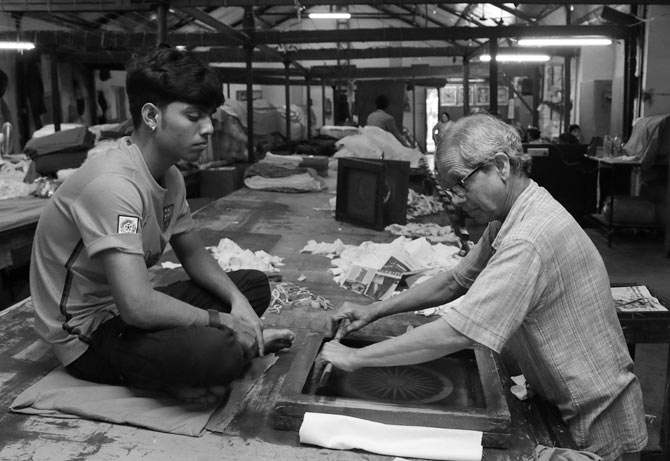
IMAGE: The blue dye is spread evenly on a cast with the Ashoka Chakra.
It takes the better part of the entire day to get the Ashoka Chakra printed onto a piece of white cloth.

The national flag you see fluttering on government buildings across Maharashtra take shape in a tiny unit in suburban Mumbai.

Here workers stencil and stamp the Ashoka Chakra onto white khadi cloth — the central motif is printed in blue ink using a screen printing technique.

Printing happens only by hand at this unit, where flags are manufactured according to the Indian standard specifications for the national flag.   

IMAGE: The white cloth is quickly spread out so that the ink can dry and does not bleed.
At this unit, no cloth is just a piece of fabric. It’s something special.

“When you buy khadi flags, you’re actually supporting poor farmers living in villages,” says D N Bhatt, manager, Khadi Dyers and Printers.

“Education has not touched some of these villages, where poor farmers make khadi for a living,” he adds.

The process of flag-making is strenuous and the flags are made in segments.

Khadi manufactured in the villages reaches Bhatt’s unit. It is then segregated into three parts: One to be bleached white and two to be dyed green and saffron.

When the bleached cloth returns to the unit, the Ashoka Chakra is printed on it.

Once the green and saffron dyed cloth return to the unit, a stitching team cuts out the required sizes and sews the flag panels to put together the Indian flag.

Lastly the flag is ironed, neatly folded and packed.

The finished bags are then ready to be shipped to government offices and also supplied to khadi stores from where the public can buy these flags.

Bhatt’s unit has limited production capacity, so it produces flags throughout the year.

“Our main work is printing the Ashoka Chakra and stitching the flags according to BIS norms,” says Bhatt. “We also sew accessories like ropes, toggles and threads into the flag.”

“The flags here are made of khadi only and they strictly adhere to the specifications laid down by the BIS,” he adds.

“The flags come in nine sizes from 4″ x 6″ to 14″ x 21”.

“As and when a Khadi Bhandar gets an order, they approach us and we immediately supply flags to them. For that, we need to keep flags in all sizes ready.”

Bhatt’s unit also manufactures table and car flags for VIPs. “We cater to all government departments and embassies in India and abroad.”

The flags made at this unit are more expensive than the ones made of regular cloth, paper and metal. That’s the price you pay for the effort that goes into making the flag.

“Please buy khadi flags,” Bhatt urges readers. “By doing so, you are helping poor people.”

Source….www.rediff.com

Natarajan


Meet Narasamma…97 years…Padma Awardee from Karnataka ….Who help delivering babies for 70 years ….

When Narasamma helped deliver the very first child in 1940, the mother told her that her hands were ‘special’.

It was the year 1940. Narasamma was only 20 years old when she helped bring the first baby into the world. This child was her aunt’s. And even as an overwhelmed Narasamma took on the role of a midwife for the very first time, little did she know that what she would one day win a national honour for it.

‘Sulagatti’ Narasamma has been delivering babies for 70 years in backward areas of Tumkur district in Karnataka. And her life-long services to women whose children she helped deliver without taking a penny were finally recognised – she was honoured with a Padma Shri on Thursday.

Narasamma, now 97, is currently admitted at a nursing home for treatment.

TNM spoke to Sriram Pavagada, one of Narasamma’s 12 children. He says that Narasamma would always observe her grandmother Margamma deliver babies, when she was a child.

“Margamma herself was locally famous in Tumkur for delivering babies around 70 years ago. When she delivered her aunt’s child – her first – her aunt remarked ‘Narsu, your hands are special’. That was the start,” Sriram narrates.

Encouraged by her grandmother and aunt, Narasamma began delivering babies and soon became the go-to person in Pavagada for pregnant women.

Narsamma delivered babies free of cost at a time hospitals and roads were unheard of in Pavagada. It earned the moniker ‘Sulagatti’ Narasamma – sulagatti in Kannada means ‘delivery work’.

“Even now, though there are hospitals, many people don’t like to go there. Instead, they prefer Narsamma since they know her,” says Sriram.

People’s immense faith in Narasamma and her ways has seen her deliver over 1,500 babies in the last 77 years. And until a few years ago, she did this apart from agricultural work. “If you ask her, she will say I don’t have a count since she has been doing it all her life,” Sriram says with fondness.

Midwives were an integral part of rural life in Tumkur until technological innovations in medicine reached there. The introduction of hospitals contributed to the gradual fall in the prominence of women who help during childbirth.

The Padma Shri award has brought Narasamma’s work into limelight once again, and her son hopes that there is a greater interest in taking her work forward.

Narasamma’s work is now being continued by close to 180 pupils who learnt the traditional way of delivering babies from her. This includes her youngest daughter Jayamma who is now an experienced midwife.

Though he doesn’t remember when, Sriram says that his mother has also been conferred an honorary doctorate by Tumkur University.

Source…Prajwal Bhat in www. the news  minute .com

Natarajan