Joke of the Day….” What is the moral of this story ….? ” !!!

A teacher told her young class to ask their parents for a family story with a moral at the end of it, and to return the next day to tell their stories.

In the classroom the next day, Joe told his story first, “My dad is a farmer and we have chickens. One day we were taking lots of eggs to market in a basket on the front seat of the truck when we hit a big bump in the road; the basket fell off the seat and all the eggs broke. The moral of the story is not to put all your eggs in one basket.
Very good,” said the teacher.
Next, Mary said, “We are farmers too. We had twenty eggs waiting to hatch, but when they did we only got ten chicks. The moral of this story is not to count your chickens before they’re hatched.
Excellent!” said the teacher again, very pleased with the response so far.
Next it was Barney’s turn to tell his story: “My dad told me this story about my Aunt Karen … Aunt Karen was a flight engineer in the war and her plane got hit. She had to bail out over enemy territory and all she had was a bottle of whisky, a machine gun and a machete.
Go on,” said the teacher, intrigued
Aunt Karen drank the whisky on the way down to prepare herself; then she landed right in the middle of a hundred enemy soldiers.
She killed seventy of them with the machine gun until she ran out of bullets. Then she killed twenty more with the machete till the blade broke. And then she killed the last ten with her bare hands.
 
Good heavens,” said the horrified teacher. “What did your father say was the moral of that frightening story?
Stay away from Aunt Karen when she’s drunk.”
Source…..www.ba-bamail.com
Natarajan


Academic, Teacher, Inventor – This Man Suffering from Cerebral Palsy Plays Many Roles to Perfection

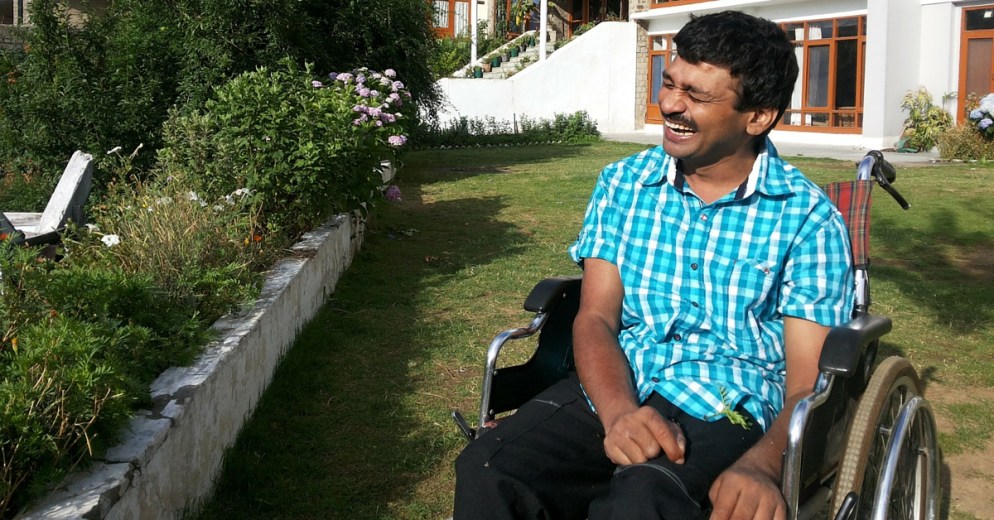
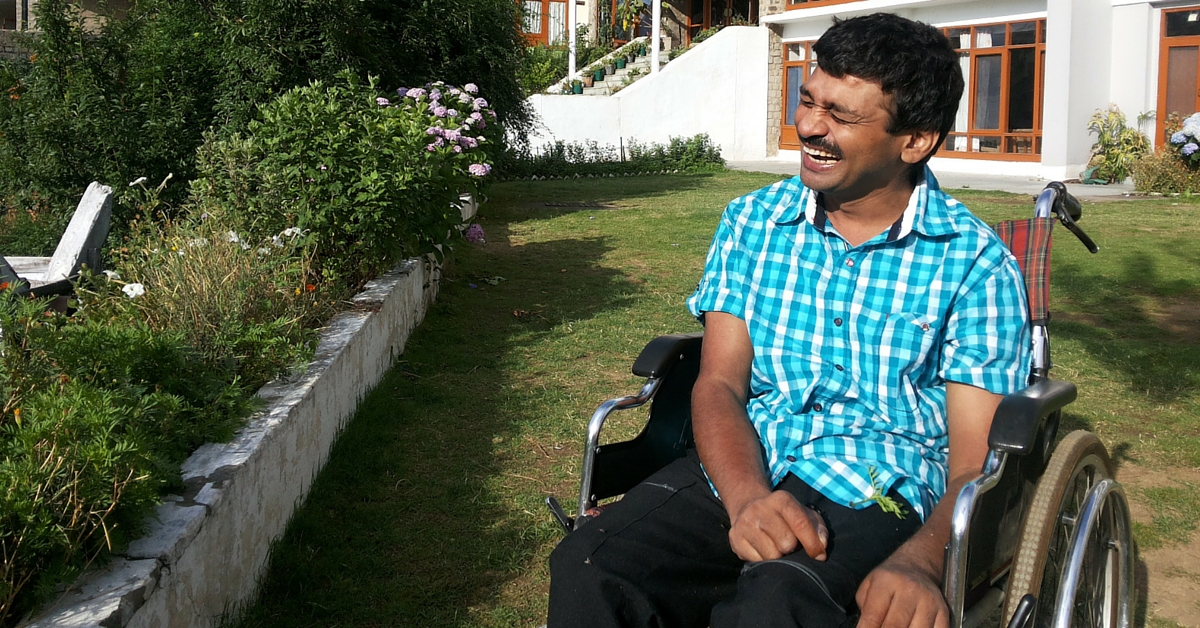
A fulfilling life is within everyone’s reach – regardless of the abilities and challenges they face. Riitesh Sinha, who suffers from spastic cerebral palsy, is living proof of this.

Consummate student. Creative innovator. Attentive teacher. Model employee. Recipient of Cavinkare Ability Award. Limca Book Record holder. Honorary Doctorate holder. Many achievements, one name – Riitesh Sinha.

Dr Riitesh Sinha hails from Karnal. The 43 year old’s list of achievements is awe-inspiring, particularly

in light of the fact that he suffers from spastic cerebral palsy.
Untitled-design-14-1


Cerebral palsy is a group of permanent movement disorders that appear in early childhood. They result in poor motor skills, stiff or weak muscles and tremors, making simple movement painful and simple tasks time-consuming.

Yet, Riitesh was never one to be cowed down by circumstances. He had just passed with flying colours from his CBSE school (securing 75% in his board exams) when his quest for independence led to him invent his own ‘trike.’

Read also: Watching This Man’s Achievements Will Make You Rethink The Word ‘Disability’

“Throughout my school life, my parents had to take me to school and other places. I was entirely dependent on them,” recounts Riitesh. It was when he was watching a video on science that the idea of making a trike struck him:

“After two years of research and with very little expertise available in a small place like Karnal, I got modifications done on a normal cycle. I added a foot pedal that helped me steer the cycle and balance myself. The trike is affordable and very convenient to use.”

Soon Riitesh was using the trike to get around town, often going as far as 10 km all on his own – a noteworthy achievement and freeing experience for someone who was forced to depend on others to get around earlier. Teaching in nearby villages as a part of literacy campaigns became easier with the trike, as did attending his B.Sc classes in Kurukshetra University. Says Riitesh, “The trike gave me wings! And I was glad that this was my own innovation.”

“It even helped me bunk classes,” he jokes. “After all, bunking classes is a part of leading a fulfilling college life!”

With the help of supportive teachers and friends – “All my classes were arranged on the ground floor. I never once had problems of accessibility” – Riitesh completed his B.Sc. That, however, was only the beginning of his academic journey. He went on to do a Post-Graduate Diploma in Computer Application, a Certificate in Computing from IGNOU, a Masters in Technology from Manipal Academy of Higher Education, and a Diploma in Naturopathy from Nature Care Institute, Nashik.

Next, Riitesh opened a computer centre that was affiliated with the National Institute of Open Schooling. Here, he taught children – and some interested adults – the basics of computers.

Over a period of ten years, he introduced more than a 1000 students to the world of computers.

In 2011, Riitesh landed a job at the Districts & Sessions Court in Karnal. “But after a few months, I was ousted from the job on the grounds of my disability,” he recounts. “I then approached the High Court with my case. The Court asked me to submit to an ability test. I did and I won the case. The Court quashed my termination order.”

“Since it was the first time in the history of the High Court that a physically challenged person was asked to undergo an ability test, my name is in the Limca Book of Records,” says Riitesh.

His win went on to positively influence several other cases as well.

Today, he works with the Karnal District & Sessions court and is responsible for maintaining digitised records.

Riitesh also runs a blog called ‘Riitesh’s Mudraa.’

“I was reading a story about a yogi and how he benefitted from the practice of yoga. I started practicing it myself and found great relief…my body stiffness went away. I decided to help others discover this too,” Riitesh says. The blog lists mudraas and practices that can provide relief to people suffering from cerebral palsy and Parkinsons.

Ask him about the greatest struggle physically challenged people in India face and pat comes the reply: “Social stigma.”

“In India, our society thinks that physically challenged people are useless. We are not even treated as proper human beings. There are easily 25 lakh Indians who suffer from cerebral palsy, and yet, very few of them get jobs. I believe that if we remove this social stigma, more than 80% of physically challenged people can lead more fulfilling lives,” Riitesh explains.

“People refer to cerebral palsy as ‘CP’. I believe that CP stands for ‘Capable Person’ – we can do anything that others can,” says Riitesh.

As his sister Anila says, “For a man who finds it difficult to hold a pen, who finds it difficult to wear clothes, who sometimes takes as long as two hours to brush his teeth… the fact that such a man has achieved so much is truly inspirational.”

source…Anandita Jumde in http://www.the betterindia.com

Natarajan
 

Message for the Day…”Need for harmony between thoughts, words, and deeds…”

A person’s life depends upon three essential things – thoughts, words and deeds. When desires arise, one immediately takes it to their mind. For any thought, mind is the basis. The thought that comes to your mind will be exposed to the world as a word from your mouth, and once you utter those words, then, to put it into practice, you take action. When you are able to apply these three—thought, word, and action along the right path, you earn merit (punya); but if you apply them along the wrong path, you earn sin. Thus for good and bad, you need thoughts, words, and deeds. Only when there is harmony between thoughts, words, and actions; you will be able to recognise your own true nature. To keep them pure and in harmony, you must undertake some kind of sadhana(spiritual practice). This is of utmost need today.

SI_20160429


The Rock Garden of Chandigarh….

It took years of planning and millions of Rupees to design one of India’s first planned cities, but Chandigarh’s biggest tourist attraction was not on the master plan of Swiss-French architect Le Corbusier. It was the product of creative imagination and fifty years of labor by a humble government official Nek Chand.

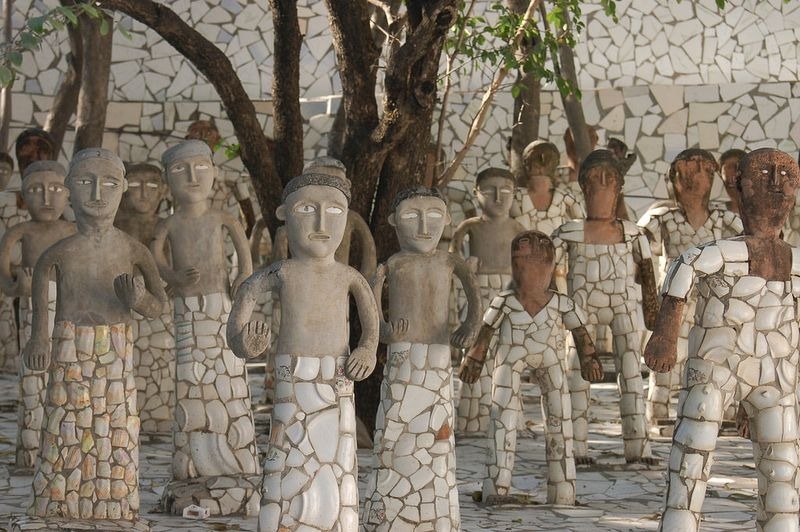
Nek Chand was a road inspector in the Engineering Department of Chandigarh Capital Project, in 1957, the year he started working on his secret sculptural project. Nek Chand would cycle to a gorge near Sukhna Lake, at the foothills of Shivalik hills, that was used as dumping ground for urban and industrial waste, and spend hours collecting discarded pieces of broken pottery, bottles, auto parts, plumbing materials, street lights, electrical fittings, broken sanitary ware and so on. He would carry the pieces to a nearby PWD (Public Works Department) warehouse and fashion them into artistic forms resembling humans and animals.

rock-garden-chandigarh-106

Photo credit: Kirk Kittell/Flickr

Nek Chand worked at night because he was afraid of being discovered. For eighteen years, he kept it this site a secret. By the time it was discovered, it had grown into a 12-acre complex of interlinked courtyards, each filled with hundreds of pottery-covered concrete sculptures of dancers, musicians, and animals. The Rock Garden, as it is called now, mesmerizes everyone who sees it. Today it is spread over an area of 40 acres, and is completely built out of trash.

At one point, soon after its discovery, the authorities wanted to demolish the park because Nek Chand didn’t have permission to build it, but the public intervened. In 1976 the park was officially inaugurated as a public space. Nek Chand was given a salary, a title (“Sub-Divisional Engineer, Rock Garden”), and 50 laborers so that he could concentrate full-time on his work.

In recognition of his work, Nek Chand was awarded the Padma Shri, the fourth highest civilian award in India. The Rock Garden also appeared on an Indian stamp in 1983.

rock-garden-chandigarh-22


Photo credit: Ian Brown/Flickr

rock-garden-chandigarh-32


Photo credit: Carlos Zambrano/Flickr


Photo credit: Ramnath Bhat/Flickr

Sources: Wikipedia / citcochandigarh.com / The Wire


வாரம் ஒரு கவிதை …. ” பேசும் மௌனம் ” !!!

joke for the day…” what is he ..deaf or something ” ? !!!

A champion jockey is about to enter an important race on a new horse. The horse’s trainer meets him before the race and says, “All you have to remember with this horse is that every time you approach a jump, you have to shout, “ALLLLEEE OOOP!” really loudly in the horse’s ear. Providing you do that, you’ll be fine.”

A champion jockey is about to enter an important race on a new horse. The horse’s trainer meets him before the race and says, “All you have to remember with this horse is that every time you approach a jump, you have to shout, “ALLLLEEE OOOP!” really loudly in the horse’s ear. Providing you do that, you’ll be fine.”

The jockey thinks the trainer is mad but promises to shout the command. The race begins and they approach the first hurdle. The jockey ignores the trainer’s ridiculous advice and the horse crashes straight through the center of the jump.

They carry on and approach the second hurdle. The jockey, somewhat embarrassed, whispers “Aleeee ooop” in the horse’s ear. The same thing happens – the horse crashes straight through the center of the jump.

At the third hurdle, the jockey thinks, “It’s no good, I’ll have to do it,” and yells, “ALLLEEE OOOP!” really loudly. Sure enough, the horse sails over the jump with no problems. This continues for the rest of the race, but due to the earlier problems the horse only finishes third.

The trainer is fuming and asks the jockey what went wrong. The jockey replies, “Nothing is wrong with me – it’s this bloody horse. What is he – deaf or something?”

The trainer replies, “Deaf?? DEAF?? You idiot, he’s not deaf – he’s BLIND!

Source….www.ba-bamail.com

Natarajan

The difference between Green and Black Tea ….

Both black and green tea is harvested from an evergreen, tree-like shrub known as camellia sinensis. Most likely originating in China, the camellia sinensis is thought to have first been used to brew a medicinal elixir during the Shang Dynasty (1600 BC to 1046 BC). By the Qin Dynasty in the third century BC, it had become a relatively popular drink using only the leaves from this plant, rather than mixed with other things as seems to have been common when used medicinally.

As for the plant itself, camellia sinensis can grow as tall as 30 ft if left untended, but is generally kept significantly shorter, usually only 3-6 ft tall, to make it easier to harvest the buds and leaves. It is those that are then processed to become green or black tea, among other types.

The difference between these teas is achieved via different processing methods. Manufacturers create green tea by picking the leaves off the plant and then heating them immediately afterwards. This is commonly done by pan firing the leaves or steaming them. Sufficient heat stops the leaves from oxidizing, allowing them to maintain their green color.

Leaves that are going to be used for black tea are allowed to ferment, or oxidize, completely. The general process here is to roll, tear, or crush the leaves to help along the oxidation process (similar to why the inside of an apple turns brown when you expose it to air). The leaves are then dried out, sometimes in the Sun or otherwise using machines. As the leaves oxidize, they gradually turn from green to black.  Other common types of tea include white and oolong.  Oolong is initially generally processed in the same way as black tea, but isn’t allowed to oxidize for as long.  Once the desired oxidation level has been reached, which varies quite a bit by type and manufacturer (some oolong tea is closer to green tea, while others is closer to black in oxidation levels), the leaves are fired similar to green tea to stop the oxidation process at that point.

White tea is made by picking the leaves and buds early in the year while the bud is still closed.  From here, the leaves may be placed out to dry in the Sun or may be dried out in some other fashion, in either case attempting to minimize oxidation during this process.

Source…www.today i foundout.com

Natarajan


படித்து ரசித்த கவிதை ….” வருகிறது தேர்தல் ” !!!


வருகிறது தேர்தல்!

வருகிறது தேர்தல்
தயாராகுங்கள் ஏந்தல்களே!

வாக்குறுதிகளை
வக்கணையாய் கூறி
வாக்கு கேட்டு வரப் போகின்றனர்!

பாரீன் மாதிரி
ஆக்குவேன் என்பார் ஒருவர்…
‘சரக்கே’ கிடையாதென்பார் மற்றொருவர்…
வெற்றி பெற்றதும்
சரக்கை ஏற்றி
பாரீனுக்கே
பறந்து விடுவர்!

ஓட்டுப் போட
மெட்ரோ ரயிலில் கூட
மெனக்கெட்டு கூட்டி வருவர்…
ஓட்டு போட்டு முடிந்ததும்
பாசஞ்சர் ரயிலில் கூட
ஏற்றி விட மாட்டார்கள்!

பட்டொளி வீசி
பறந்த மூவர்ணக்கொடி
பிளக்ஸ் பேனர்களால்
மறைக்கப்படும்!

நேற்று வரை
நாயே பேயே என வசை பாடியவர்கள்
நாகரிகமாக
நடந்து கொள்வர்!
அழைக்காமலேயே
அலைபேசியில் பேசும் தலைவர்
வெற்றி பெற்றதும்
தொடர்பு எல்லைக்கு
வெளியே இருப்பார்!

பொதுத் தேர்வுக்கு
விழுந்து விழுந்து
படிக்கும் மாணவனுக்கும்
பொதுத் தேர்தலில்
விழுந்து விழுந்து
வாக்கு கேட்கும்
வேட்பாளருக்கும்
பெரிய வித்தியாசமில்லை!

மாணவன் வெற்றி பெற்றால், ‘காலேஜ்’
‘மாண்புமிகு’ வெற்றி பெற்றால், ‘எங்கேஜ்!’

நாம்
ராமாவரத்தை பார்த்திருக்கோம்…
கோபாலபுரத்தை பார்த்திருக்கோம்…
தைலாபுரத்தை பார்த்திருக்கோம்…
போயஸ் தோட்டத்தை பார்த்திருக்கோம்…நெல்லுக்கு ஆசைப்பட்டு
சொல்லுக்கு சீட்டெடுக்கும்
பரிதாபத்திற்குரிய
பொது ஜன கிளியை எவராவது
பார்த்திருக்கிறீர்களா?
மாற்றமே மானிட
தத்துவம் என்பதை அரசியல்வாதிகள்
கடன் வாங்குவது இருக்கட்டும்…
வாக்களித்த மக்களுக்கு
நன்றியோடு பணியாற்றுவோருக்கு
வாக்களிப்போம்!

உங்கள் ஓட்டுகள்
சட்டமன்றத்திற்கு
மாண்புமிகுகளை அல்ல
மனிதர்களை அனுப்பட்டும்!

பாலா சரவணன்,
சென்னை. in http://www.dinamalar.com

Natarajan

The Pyramid of Austerlitz…

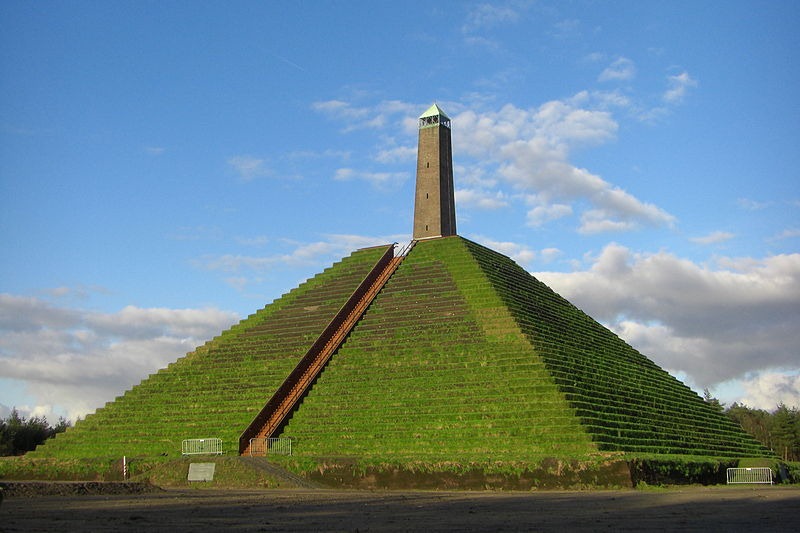
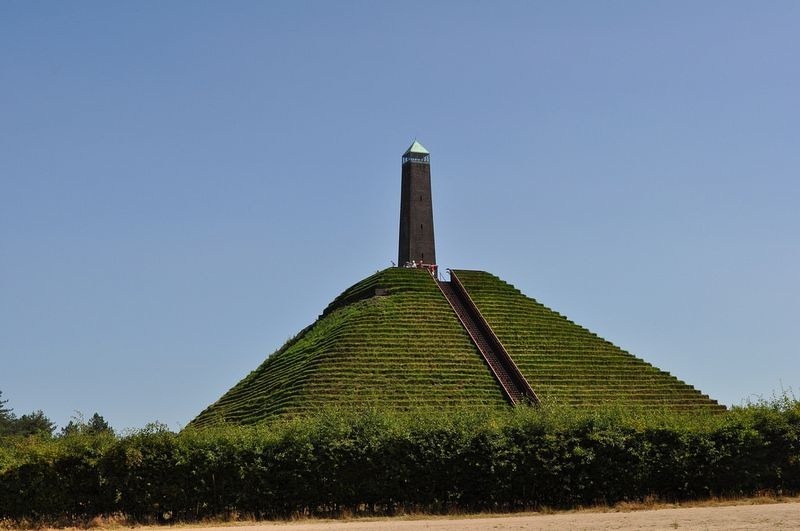
At the highest point of the Utrecht Ridge, in the Dutch village of Woudenberg, stands Europe’s only pyramid. The 36-meter-tall earthen hill was built in 1804 by Napoleon’s soldiers, under the direction of General Marmont as a tribute to his friend and example Napolean Bonaparte (although Marmont betrayed Napolean later). Marmont called it “Mont Marmont”. But in 1806, despite protest from General Marmont, Louis Napoleon, the new king of Holland, renamed the hill the Pyramid of Austerlitz in memory of the Battle of Austerlitz in which Napoleon decisively defeated the Russians and Austrians.

pyramid-of-austerlitz-4

Photo credit: Kattjosh/Flickr

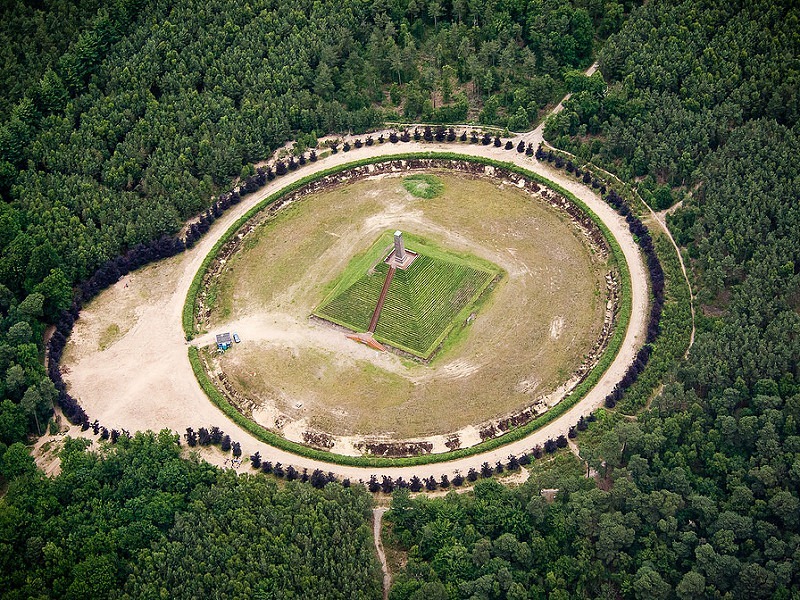
In 1804 the French General Auguste de Marmont established an army camp in this central location in the Batavian Republic, the present Netherlands, where over a period of several months he managed to forge together various battalions into a large, well-trained army, capable of beating the British enemy should there be any repetition of the invasion of 1799. Satisfied with the military power of the new army, and to occupy his bored soldiers, in the autumn of 1804 Marmont had his soldiers build an earth and turf monument inspired by the pyramid of Giza, which Marmont had seen in 1798 during Napoleon’s Egyptian campaign. Even the erosion-exposed stepped surface was imitated.

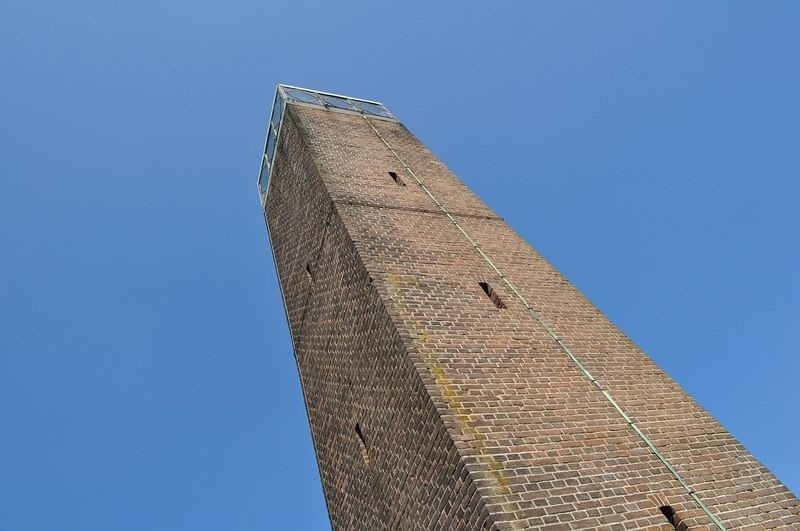
Construction took a mere 27 days and the structure rose to 36 meters. The apex of the pyramid was flat where was erected a 13-meter-tall wooden obelisk. Marmont was, however, too haste in its construction. There wasn’t even a proper foundation to the structure. It was simply a pile of earth and sand. Naturally, the pyramid started to collapse not too long after it was built. Marmont struggled to keep it in good repair, but when locals vandalized it by removing the stone plaques, the frustrated General sold the pyramid and the surrounding land to the Hubert M.A.J. van Asch van Wijk, who would later become mayor of the nearby city of Utrecht.

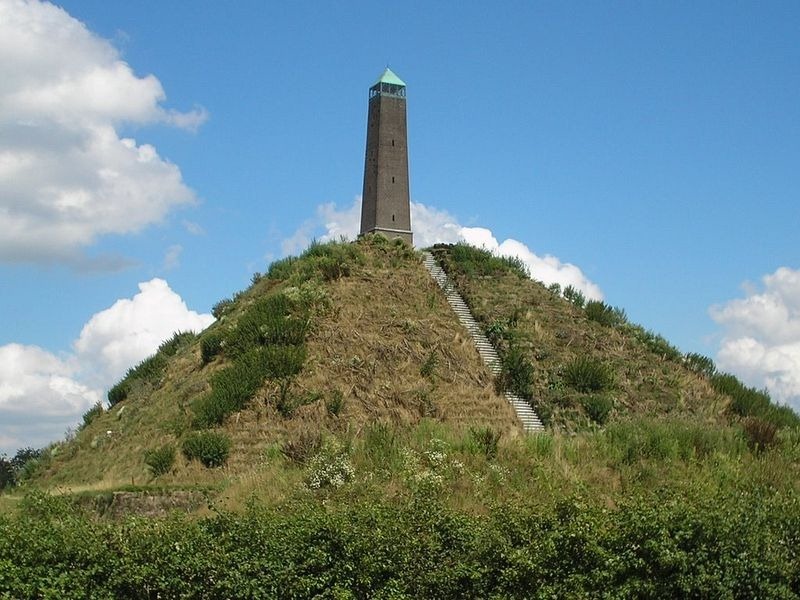
The pyramid remained neglected throughout the 20th century, until its restoration in 2004. The Pyramid and the surrounding area is now a popular tourist attraction and recreation spot.

pyramid-of-austerlitz-1

The Pyramid before it was restored. Photo credit: Fernambukk/Panoramio

pyramid-of-austerlitz-2

Photo credit: Traveling Tourist/Flickr

pyramid-of-austerlitz-3

Photo credit: Traveling Tourist/Flickr

pyramid-of-austerlitz-5

Photo credit: Marc Rauw/Flickr

Source…www.amusingplanet.com

natarajan

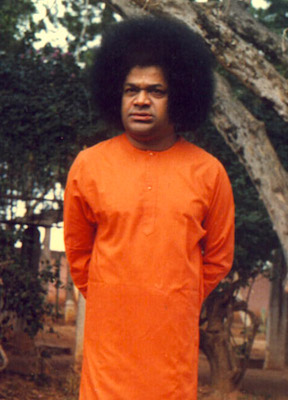
Message for the Day…” Offer your heart to God…and gladly undergo transformation under HIS hands…”

Sathya Sai Baba

Offer your entire self, your life Unto Him; then your adoration will transform and transmute you so fast and so completely that you and He can be merged into One. He thinks, feels and acts as you do; you think, feel and act as He does. You will be transformed as a rock is transformed by the sculptor, into an idol, deserving the worship of generations of sincere men. In the process you will have to bear many a hammer stroke, many a chisel-wound, for He is the sculptor. He is but releasing you from petrification! Offer your heart to the Lord, and gladly suffer transformation at His hands. Do not defile time, or the physical sheath, or this life’s chance, using them for paltry ends. Your life is but one long pilgrimage which you entered when you were born, and may not end even when you die. Never forget that. Be pure, alert and humble as pilgrims ought to be.