IN PICTURES: An Indian Artist Portrays Train Engines in a Way They Were Never Seen Before!

Kishore Pratim Biswas used to live near a locomotive workshop in Kolkata when he was a child. It was very easy for one to spot steam locomotives every now and then, and as an enthusiastic 5-year-old kid, he loved to run out and watch them go. He would then come back home and sketch what he saw. A giant locomotive surrounded by steam – the aura of that picturesque scene attracted him tremendously, and inspires him even today. The firemen and drivers at the workshop became his friends, and they would usually gather around to look at his sketches. He remembers listening to their stories and trying to sketch all their emotions on a piece of paper.

Today, 42-year-old Kishore has his art studio in Mumbai and he is working on a series of paintings based on this memory. He calls the series the ‘Nostalgia of Steam Locomotives’. He graduated in Fine Arts from Government College of Art & Craft, Kolkata, spent a few years in his hometown, and then moved to Mumbai in 2009.

In spite of all the years that have passed, the nostalgia still lingers on. Have a look at these incredible sketches to understand his bond with locomotives.

kishor10

kishor9


kishor8

kishor7

kishor6

kishor5

kishor3

kishor1


Source………Tanaya Singh in http://www.the betterindia.com

Natarajan

” இறைவனின் அழைப்பை உணர்ந்த போது……”

அண்ணல் காந்தி “நான் 125 ஆண்டுகள் வாழ்வேன்’ என்று பல முறை சொல்லியிருக்கிறார். ஆனால், தனது 79-ஆவது வயதிலேயே இறைவனடி சேர்ந்துவிட்டார்.
ஞானிகளும், யோகிகளும், சித்தர்களும் தாங்கள் இறக்கும் காலம் எப்போது என்பதை முன்னதாகவே உணர்ந்து, அறிவிக்கும் சக்தி படைத்தவர்கள் என்பார்கள். சுவாமி விவேகானந்தர் தன் ஆன்மா பிரியும் நாளை, வங்காளப் பஞ்சாங்கத்தைப் பார்த்து, தானே முடிவு செய்து கொண்டார்.
அதேபோல், மகான் காந்தியும் தனது இறுதிக் காலம் நெருங்கிவிட்டது; இறைவனின் அழைப்பு வந்துவிட்டது என்பதை உணர்ந்தார்; அந்த உள்ளுணர்வை வெளிப்படுத்தவும் செய்தார் தன் சொல்லாலும், செயலாலும்.
இறப்பதற்கு முந்தைய நாள் (29.01.1948) அந்த உள்ளுணர்வைத் தெளிவாக வெளிப்படுத்தினார்.
அன்று மதிய உணவு வேளையின் போது, தில்லி பிர்லா பவன் புல்வெளி அரங்கில் அமர்ந்திருந்தார். அப்பொழுது நேருஜியின் சகோதரி கிருஷ்ணா ஹதீசிங், கவிக்குயில் சரோஜினி நாயுடு, இந்திரா காந்தி, நான்கு வயதான ராஜீவ் காந்தி – ஆகிய நால்வரும் வந்தார்கள். வண்ண வண்ண உடைகள் அணிந்திருந்த அவர்களைப் பார்த்து “இந்த ஏழையைப் பார்ப்பதற்கு இளவரசிகள் வந்திருக்கிறார்களோ!’ என வேடிக்கையாகப் பேசி வரவேற்றார் காந்திஜி. “முன்பை விட உங்கள் உடல் தேறியிருக்கிறது: மிகவும் நேர்த்தியாகக் காணப்படுகிறீர்கள்’ என்று ஹதீசிங் சொன்னதற்கு, காந்திஜி பதில் எதுவும் பேசவில்லை.
அவ்வேளையில் சிறுவன் ராஜீவ், அங்கே சிதறிக்கிடந்த மலர்களை தன் இரு கைகளாலும் சேகரித்து எடுத்து, அண்ணலின் அருகில் சென்று, அவரது காலடிகளில் வைத்தான். உடனே காந்திஜி, ராஜீவைப் பிடித்து, அவரது காதை செல்லமாகக் கிள்ளியபடி “நீ இதைச் செய்யக் கூடாது. மலர்களை இறந்தவர்களின் காலடியில் வைப்பது தான் வழக்கம்’ என்று சொன்னார்.

ஒருமணி நேரம் கழித்து, பிரபலமான “லைஃப்’ பத்திரிகை நிருபர் “மார்கரெட் பூர்சி ஒயிட்’ அண்ணலிடம் பேட்டிக்காக சந்தித்தார். அதுவே காந்திஜி அளித்த கடைசிப் பேட்டியாக அமைந்தது. அந்த நிருபர் “125 வயதுவரை வாழ வேண்டும் என்ற விருப்பம் உங்களுக்கு இருக்கிறதா?’ என்று கேட்க, அதற்கு அண்ணல், “அந்த நம்பிக்கையை நான் இழந்துவிட்டேன். இன்று உலகில் நிகழும் கொடிய நிகழ்வுகளே அதற்குக் காரணம். இருண்ட உலகத்தில் நான் வாழ விரும்பவில்லை’ என்று சற்று அழுத்தமாகவே சொன்னார்.
அதன்பின் மதக்கலவரங்களால் பாதிக்கப்பட்டு, வீடுகளை, சொத்துக்களை இழந்த ஒரு கிராம மக்கள் கூட்டம் காந்தியைச் சந்தித்தது. வந்தவர்களில் பலர் கண்ணீர் விட்டு அழுது கொண்டே கை வணங்கி நின்ற போது, உணர்ச்சி வசப்பட்ட ஒரு நபர் கோபத்தோடும், வேகத்தோடும் காந்தியை நோக்கி “நீங்கள் எங்களுக்கு செய்த தீங்குகள் போதும், எங்களை முழுமையாக அழித்து விட்டீர்கள், எங்களை விட்டு விடுங்கள். நாங்கள் பார்த்துக் கொள்வோம். நீங்கள் இமயமலைக்குச் சென்று விடுங்கள். அது போதும் எங்களுக்கு’ என்று கொடிய சொற்களை கொட்டித் தீர்த்தார். இது அண்ணலின் மனதை அதிகம் பாதித்திருக்க வேண்டும். ஆகவேதான், தன் பேத்தி மனு பென் இடம் “ஏழைகளின் இந்த கோபக்குரல் எனக்கு இறைவனின் குரலாகவே தோன்றுகிறது. இறைவன் எனக்கு அனுப்பும் மரண எச்சரிக்கையாக இதனை நான் கருதுகிறேன். ஆனால், ஒன்றை உறுதியாகச் சொல்வேன். இமயமலையில் எனக்கு அமைதி கிடைக்காது. அவதியுறும் என் மக்களுக்கு உதவுவதே எனக்கு அமைதியைக் கொடுக்கும். மக்களுக்கு மத்தியில் நான் வாழ விரும்புகிறேன். குழப்பத்திற்கு மத்தியிலேயே நான் சாக விரும்புகிறேன். இறைவன் எப்பொழுது வேண்டுமானாலும் என்னை எடுத்துக் கொள்ளட்டும். (I want to find peace in the midst of my people: I want to die in the turmoil. God may take me away any time as He wills) என்று சொன்னார்.
இந்த நிகழ்வு அவர் நெஞ்சை மிகவும் பாதித்தது. ஆகவே தான், இரவு படுக்கைக்குச் செல்லும் முன்பு, தன் நீண்ட கால சகாவான பிரிஜ் கிருஷ்ணா சந்தி வாலாவிடம் “இதனை இறைவன் எனக்கு அனுப்பிய இறுதி எச்சரிக்கையாக எடுத்துக் கொள்ள வேண்டும்’ என்று திரும்பவும் சொன்னார்

கடுமையான இருமலுக்காக டாக்டர் சொன்ன பெனிசிலின் மாத்திரையை எடுத்துக் கொடுத்த போது, என்றுமில்லாத வகையில் கோபத்தை வெளிப்படுத்திச் சொன்னார். “நான் நோயால் அல்லது கட்டியால் இறக்க நேர்ந்தால், இவன் ஒரு “போலி மகாத்மா’ (False Mahatma) என்று எல்லோரும் ஒன்று சேர்ந்து உரக்கச் சொல்லுங்கள். ஆனால், ஒரு எதிர்பாராத நிகழ்வால் அல்லது ஒருவனின் துப்பாக்கிக் குண்டுகள் என் நெஞ்சிலே பாய்ந்து, எந்த ஏக்கமும் இல்லாமல், ராம நாமத்தை என் உதடுகள் உச்சரித்தவாறே, என் உயிர் போகுமானால், அப்பொழுது இவன் உண்மையான மகாத்மா (True Mahatma) என்று நீங்கள் சொல்லலாம்…’
அண்ணலின் இறுதி நாளான, ஜனவரி 30 அன்று, மாலை 4 மணி அளவில் சர்தார் படேலுடன் ஆழ்ந்த உரையாடலில் ஈடுபட்டிருந்தார். அது சமயம் அவரைச் சந்திப்பதற்காக, அவரது சொந்த மாநிலமான “கத்தியவாரி’லிருந்து இரண்டு தலைவர்கள், முன் அறிவிப்பு எதுவும் இல்லாமல் வந்திருப்பதாகச் சொன்னார்கள். அதைக் கேட்டவுடன் “பிரார்த்தனை கூட்டம் முடிந்த பின், அவர்களைச் சந்திப்பதாக சொல்லுங்கள். அதுவும் அப்பொழுது நான் உயிரோடு இருந்தால்’ என்று சொன்னார்.
இதற்கு சில மணி நேரத்திற்கு முன்னால், காந்தி இருமலுக்காக எடுக்க வேண்டிய மருந்தை – கிராம்பும் வெல்லமும் சேர்ந்த கலவையை – எடுத்து வருகிறேன் என்று மனு பென் சொன்ன போது “இன்று இரவுக்குள் என்ன நடக்கும் என்பதை யார் அறிவார்? நான் உயிருடன் இருப்பேனா? என்பது கூடத் தெரியாதே’ என்று குறிப்பிட்டார்.
இவ்வாறு, தனது இறுதிக் காலம் நெருங்கி விட்டது. இறைவனின் அழைப்பு வந்து விட்டது. தனது மரணம் ஒரிரு நாள்களில் நிகழும் என்பதை மற்ற மகான்கள், ஞானிகள், சித்தர்கள் போல் மகாத்மா காந்தி அடிகளும் முன்னதாகவே உணர்ந்தார். அந்த உள்ளுணர்வை பலமுறை வெளிப்படுத்தவும் செய்தார்.

ஜனவரி 30-ஆம் நாளன்று அண்ணல் மூன்று முக்கிய செயல்களில் ஈடுபட்டார் எனச் சொல்லலாம். “பிரிவினைக்குப் பின் நிகழ்ந்து வரும் குழப்பங்களையும் கொடுமைகளையும் பார்த்த பின்பும் காந்திஜி பாகிஸ்தானின் மீது மென்மையான போக்கைக் கடைப்பிடிக்கிறாரே என்று குற்றம் சாட்டி, காந்திஜியின் சேவை இனி தேசத்திற்குத் தேவை இல்லை. அவர் இமயமலைக்குத் துறவியாகச் செல்வதே உசிதம்’ என்ற குரல் வலது சாரிகள், மதவாதிகள், பிற்போக்குவாதிகளிடமிருந்து பலமாக ஒலிக்கத் தொடங்கியது. ÷ஆனால், காந்தியோ தன் அமைதிப்பணி, தான் இல்லாவிட்டாலும், தொடர வேண்டியது முன்பை விட மிகமிக அவசியம் எனக் கருதியிருக்க வேண்டும். ஆகவேதான், அன்று எவரும் எதிர்பாராத வகையில் அங்கிருந்தவர்களை ஒரு குறிப்பிட்ட குஜராத்தி பஜனைப் பாடலைப் பாடும்படி பணித்தார்.
அந்த பாடல் வரிகளின் பொருள்:
“ஓ! மனிதா! நீ களைப்படைந்தாலும், இல்லா விட்டாலும், ஓய்வு எடுக்காதே! உன் போராட்டத்தை நிறுத்தாதே! தனிமனிதனாக அதனைத் தொடர்ந்து நடத்து’ என்பதாகும்.
தான் மறைந்தாலும், ஒவ்வொரு தனிமனிதனும் தன் போராட்டத்தைத் தொடர வேண்டும் என மகாத்மா எண்ணியதால் தான், இப்பாடலைப் பாடச் சொல்லியிருக்க வேண்டும்.
“தேசம் இன்று இருக்கும் சூழலில் நேரு, படேல் ஆகிய இரு தலைவர்களும் இணைந்து செயல்பட வேண்டும். அவர்களது அறிவும், ஆற்றலும், சேவையும், அர்ப்பணிப்பும் தேசத்திற்குத் தொடர்ந்து கிடைக்க வேண்டும்’ – என்ற ஆவலை அண்ணல் உறுதிபட வெளிப்படுத்தினார். அதற்கு சர்தார் படேல் இசைவு தெரிவித்தார். அன்றைய தினத்தில் அண்ணலின் இரண்டாவது முக்கியமான பணி இது.
மூன்றாவதாக, காங்கிரஸ் பேரியக்கத்தின் இலட்சியம், அணுகுமுறை, செயல்பாடு ஆகியவற்றைத் திருத்தும், வரைவு ஆவணத்தைத் (Draft Document) தயாரிக்கும் பணியில் மும்முரமாக ஈடுபட்டிருந்தார். இதனை காங்கிரஸின் கடைசி அத்தியாயத்தைக் காந்திஜி எழுதிக் கொண்டிருந்ததாகச் சொல்வார்கள். அதே நாளில் தான், நாதுராம் கோட்சே, காந்திஜியின் கடைசி அத்தியாயம் எழுதப்படுவதற்கான திட்டத்தைத் தீர்க்கமாக, வகுத்துக் கொண்டிருந்தான்.

பிரார்த்தனைக் கூட்டத்திற்கு சரியாக 5 மணிக்கு செல்பவர் மகாத்மா. அன்று 10 நிமிடங்கள் தாமதமாகி விட்டதை அறிந்த அண்ணல், தன்னையே நொந்து கொண்டு “நான் என்னையே சிதைத்துக் கொள்ள வேண்டியது தான்’ என்று சொன்னார். அவைதான் அண்ணலின் வாயிலிருந்து வந்த கடைசி வார்த்தைகள்.
காலதாமதம் ஆகிவிட்டதால், என்றுமில்லாத வகையில் வேகமாக நடந்தார் காந்திஜி. எதிரே ராணுவ பாணியில் காக்கி உடை அணிந்திருந்த கோட்சே, காந்திஜியின் முன் வந்து வணங்கினான். பதிலுக்கு காந்திஜியும் இருகரம் கூப்பி வணங்கினார். கூப்பிய கைகளை எடுக்கும் முன்பாக, கோட்சே, தன் கைத் துப்பாக்கியால் காந்திஜியின் நெஞ்சை நோக்கி 3 முறை சுட்டான். “ஹே! ராம்’ என்ற வார்த்தைகள் அண்ணலின் வாயிலிருந்து கடைசியாக வந்தன. நிலைகுலைந்து மண்ணில் சாய்ந்தார் மகாத்மா.
கூடியிருந்தவர்கள் அனைவரும் அதிர்ச்சிக்குள்ளானார்கள். பலர் பயந்து ஓடினார்கள். பலர் கதறி அழுதார்கள். அதிர்ச்சிக்கு உள்ளாகாமல், ஆடாமல் அசையாமல் அப்படியே நின்றிருந்தான் கோட்சே. அவன் தப்பிச் செல்ல எந்த முயற்சியும் எடுக்கவில்லை. ஆனால், அமெரிக்கத் தூதரகத்தின் இளம் அதிகாரி-ஹெர்பர்ட் டாம் ரெய்னர்-கோட்சேயின் தோள்களைக் கெட்டியாகப் பிடித்துக் கொண்டு காவல் அதிகாரி வந்தவுடன் ஒப்படைத்தார்.
அண்ணலின் உடலை மனு பென் தன் மடியில் வைத்துக் கொண்டார். அங்கிருந்த ஓர் இளம் பெண் மருத்துவர், காந்திஜியைத் தொட்டுப் பார்த்தார். உயிர் பிரிந்து விட்டது என்பதை அறிந்தார். ஆனால், அதனை அறிவிக்க அவருக்கு மனோதிடம் வரவில்லை.
செய்தி அறிந்தவுடன் தன் மகள் மணிபென் உடன் முதலில் ஓடிவந்தவர் சர்தார் படேல். அதிர்ச்சியடைந்த நிலையில், அண்ணலின் மணிக்கட்டைப்(Wrist) பிடித்துப் பார்த்தார். இதயம் இன்னும் கொஞ்சமாவது இயங்கும் அறிகுறி இருக்கிறதா? என்ற ஏக்கத்தோடு பார்த்தார் படேல். ஆனால், அந்த அறிகுறி எதுவும் இல்லை போலும்.
அடுத்து வந்த டாக்டர் பி.பி. பார்கவா, உயிர்பிரிந்து 10 நிமிடங்கள் ஆகிவிட்டன என்பதை அறிவித்தார். கூடியிருந்தோர் அழுது புலம்பினர்.
அடுத்து ஓடிவந்து சேர்ந்தவர் அண்ணலின் மகன் தேவதாஸ் காந்தி. அவரது மகன் கோபாலும் உடன் வந்திருந்தார். தன் தந்தையின் கைகளைப் பிடித்துக் கொண்டு கதறினார். காந்திஜியின் காதருகே தன் முகத்தை வைத்துக் கொண்டு, “பாபு! ஏதாவது சொல்லுங்களேன் என்று அழுதுகொண்டே கேட்டார். அழு குரல் விண்ணை எட்டியது.

அப்போழுது, சர்தார் படேல் “மற்றவர்கள் அழலாம். கண்ணீர் வடித்து தங்கள் துக்கத்தைக் கரைத்துக் கொள்ளலாம். நான் அதைச் செய்ய முடியாதே! என் செய்வேன்! என்றார்.
அடுத்து வந்து சேர்ந்த பண்டித நேரு, ரத்தக் கறை தோய்ந்த காந்திஜியின் உடையில் முகத்தைப் புதைத்துக் கொண்டு, ஒரு குழந்தையைப் போல, தேம்பித் தேம்பி அழுதார். படேல், நேருஜியின் முதுகில் மெதுவாக வருடி, அவரை அமைதிப்படுத்த முயன்றார். நேருவும், படேலும் ஒருவரை ஒருவர் கட்டித் தழுவிக்கொண்டு எவரும் கட்டுப்படுத்த முடியாத அளவில் விம்மி, விம்மி அழுதார்கள். (They embraced each other and sobbed uncontrollably). இந்திய தேசத்தின் பிரதம மந்திரியும், உள்துறை அமைச்சரும், தன் தந்தையை இழந்த மகன்களைப் போல் ஒருவரை ஒருவர் தழுவிக் கொண்டு, அழுது கொண்டிருப்பதைப் பார்த்து பதை பதைத்துப் போனார்கள் மக்கள்.
மக்கள் கூட்டம் கூடிக் கொண்டே இருந்தது. கூட்டத்தை விலக்கிக் கொண்டு உள்ளே நுழைந்தார் கவர்னர் ஜெனரல் மௌண்ட் பேட்டன். அப்பொழுது ஒரு இளைஞன் கோபமாக “காந்திஜியை ஒரு முஸ்லிம் கொலை செய்து விட்டான்’ (It was a muslim who murdered gandhiji) எனக் கூக்குரலிட்டான்.
அது கேட்ட மௌண்ட் பேட்டன் “ஏ முட்டாள்! காந்தியைக் கொன்றவன் ஒரு இந்து’ (you fool! It was a Hindu) என்று உரக்கக் கத்தினார். இதனை உடனே சொல்லியிருக்காவிட்டால், நிலைமை பயங்கரமானதாக மாறியிருக்கும் என்கிறார்கள் வரலாற்று ஆய்வாளர்கள்.
நேருஜியும், படேலும் அதிர்ச்சியாலும் துக்கத்தாலும் நிலைகுலைந்து நின்றார்கள். அப்பொழுது மௌண்ட் பேட்டன், நேருஜியை படேல் அருகில் அழைத்துச் சென்று, இருவரிடமும் மெதுவாக “நீங்கள் இருவரும் இணைந்தே இருக்க வேண்டும் என்பது தான் காந்திஜியின் கடைசி ஆசை’ என்றார். அதனைக் கேட்டு, இருவரும் மனம் வெதும்பினார்கள். ஒருவரை ஒருவர் தழுவிக் கொண்டு அழுதார்கள். சமரசப் பேச்சு மூலம் சாதிக்க முடியாத இருவரின் ஒற்றுமையை, காந்திஜியின் மரணம் சாதித்துக் காட்டியது.
அண்ணலின் உடலைப் பதப்படுத்தி, பாதுகாப்பாக வைத்து, மக்களும், விஜயம் செய்யும் வெளி நாட்டுத் தலைவர்களும் அஞ்சலி செலுத்தும் வகையில், ஒரு நிரந்தர ஏற்பாட்டைச் செய்யலாமா? என்ற கேள்வி எழுந்தது. அப்பொழுது, அண்ணலின் செயலாளர் பியாரேலால் “அண்ணல் அது கூடாது என்று ஏற்கெனவே சொல்லியிருக்கிறார்’ என்றார்.

இந்த விவாதம் தொடர்ந்த போது, பொறுமை இழந்த நேருஜி, “ஏன் காலம் தாழ்த்துகிறீர்கள்? என்ன எற்பாடு செய்ய வேண்டும் என்பதை பாபு-விடமே கேட்போம்,’ (Why waste time! Lets us go and ask Babu what arrangements must be made) என்றார். அதனைக் கேட்டு கூடியிருந்த அனைவரும் அழத் தொடங்கிவிட்டார்கள்.
அண்ணலின் இறுதிப் பயணத்திற்கான ஏற்பாடுகள் செய்யப்பட்டன. காந்திஜி சுடப்பட்ட போது, மனுவின் கையிலிருந்து விழுந்த மலர் மாலை, அண்ணலுக்கு அணிவிக்கப்பட்டது. கதர் மாலையும் சூட்டப்பட்டது. தலைக்குப் பின்னால் “ஹே! ராம்’ என்று எழுதப்பட்டது. கால் அருகில் “ஓம்’ என எழுதப்பட்டது. உடம்பை மலர்களாலும், அண்ணலே நூற்று நெய்த கதர் ஆடையாலும் மூடத் தொடங்கினார்கன். அப்பொழுது மகன் தேவதாஸ். “பாபுவின் நெஞ்சை மட்டும் (மலர்களாலோ, ஆடையாலோ) மூடாதிர்கள். அது திறந்தே இருக்கட்டும். ஏனென்றால் பாபுவைப் போன்ற நேர்த்தியான நெஞ்சு, உலகில் எந்த வீரனுக்கும் இல்லை’ (I asked for the chest to be left bare. No soldier ever had a finer chest than Bapu’s  என்று சொன்னார்.
பாபுஜிக்குப் பிடித்தமான பஜனைப் பாடல்களை மிகவும் மென்மையான குரலில் பாடிக் கொண்டிருந்தார்கள். அதனைக் கேட்ட நேருஜி, பாடகர் குழுவை நோக்கி ஓடினார். “ஏன் மென்மையாகப் பாடுகீறீர்கள்! உரக்கப் பாடுங்கள்! யார் கண்டார்கள்! உங்கள் பாடல் கேட்டு பாபு எழுந்து வந்தாலும் வந்துவிடுவார்’ – (Sing louder; who knows Bapu may wake up) என்று உணர்ச்சி பொங்கக் கூறினார்.
காந்திஜியின் வாழ்க்கையே ஒரு வரலாறு. அவரது மரணமும் ஒரு தனி வரலாறு. அவர் சுடப்பட்ட போது “ஹே! ராம்!’ என்றார். அவரைச் சுட்டவனும் “ராம்’ என்ற பெயரைக் (நாதுராம் கோட்சே) கொண்டவனாக இருக்கிறானே! கொடுத்தவனே எடுத்துக் கொண்டானா! படைத்தவனே பறித்துக்கொண்டானா?
விடை காண முடியாத வினா இது!
அண்ணல் காந்தி ஓர் அணையா ஜோதி! அந்தத் தீப ஒளியில், அவர்காட்டிய வழியில் நடப்போம் நாம்!

(இன்று மகாத்மா காந்தியின்
69-ஆவது நினைவு தினம்.)
“ஒரு எதிர்பாராத நிகழ்வால் அல்லது ஒருவனின் துப்பாக்கிக் குண்டுகள் என் நெஞ்சிலே பாய்ந்து, எந்த ஏக்கமும் இல்லாமல், ராம நாமத்தை என் உதடுகள் உச்சரித்தவாறே, என் உயிர் போகுமானால், அப்பொழுது இவன் உண்மையான மகாத்மா என்று நீங்கள் சொல்லலாம்…’

Source……..முனைவர் அ. பிச்சை in http://www.dinamani.com

Natarajan

Subramanya Temple, Saluvankuppam….Ancient Sangam period Murugan temple unearthed !

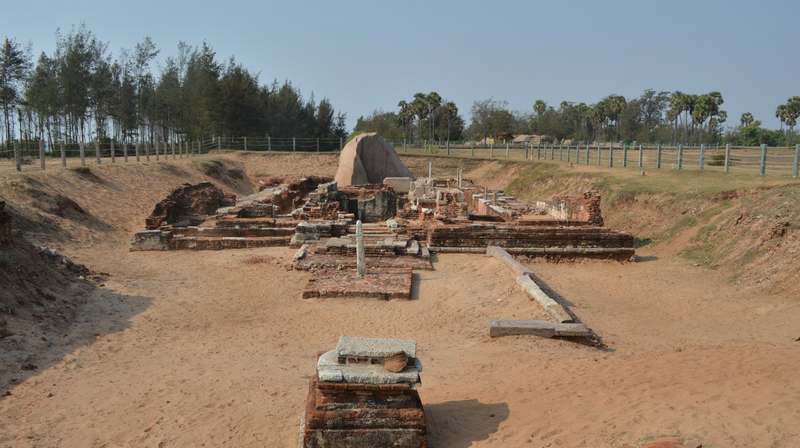
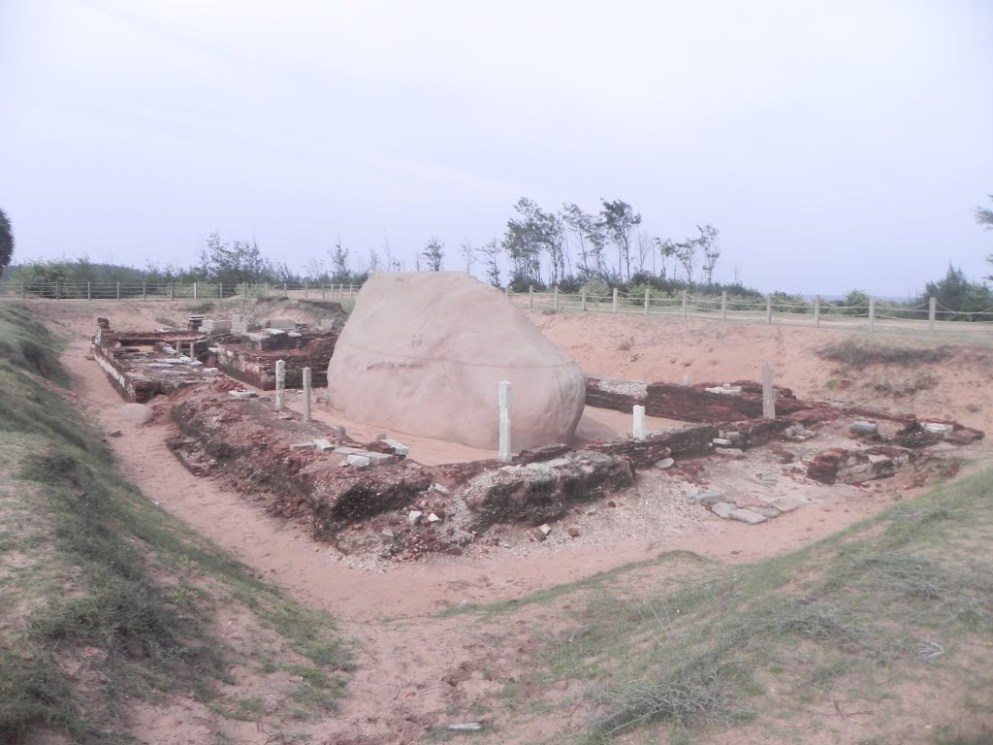
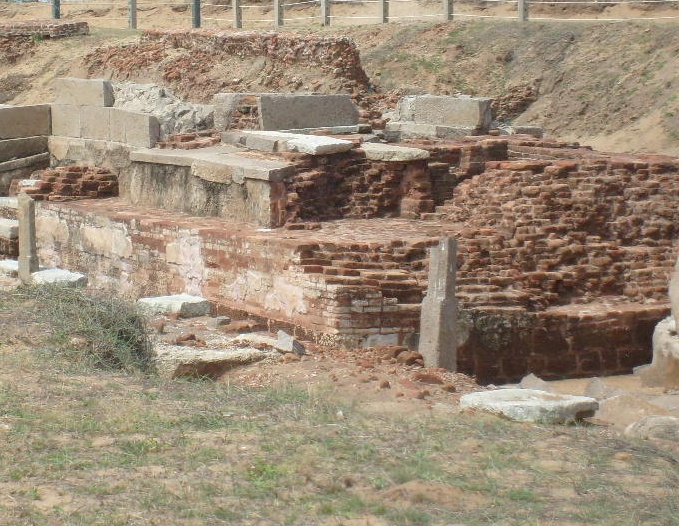
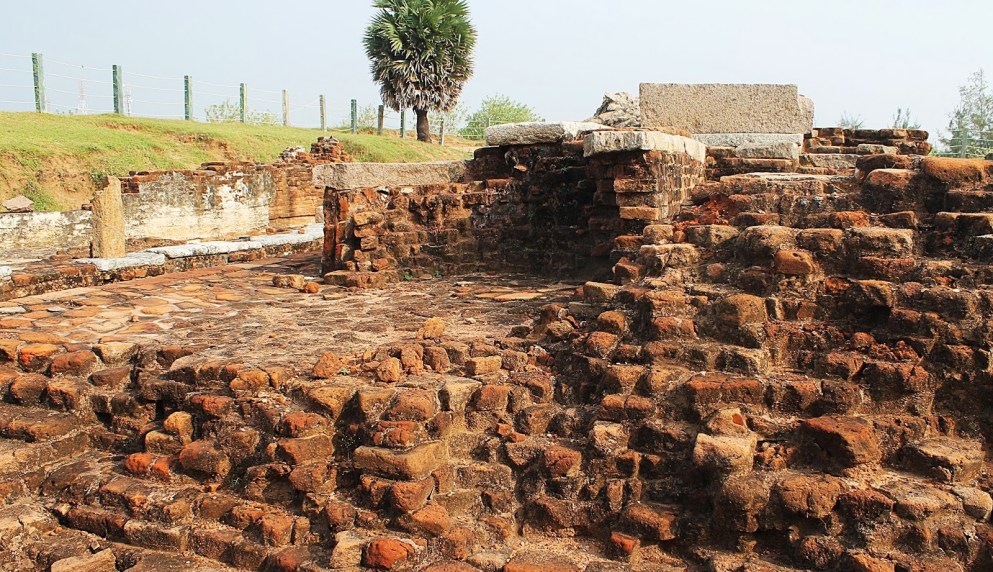
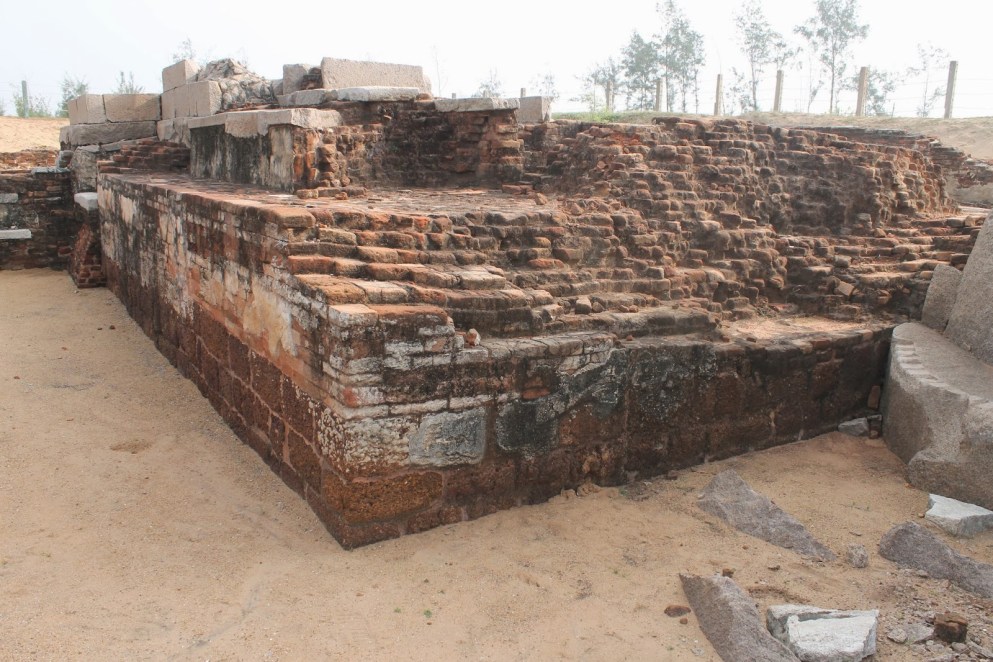
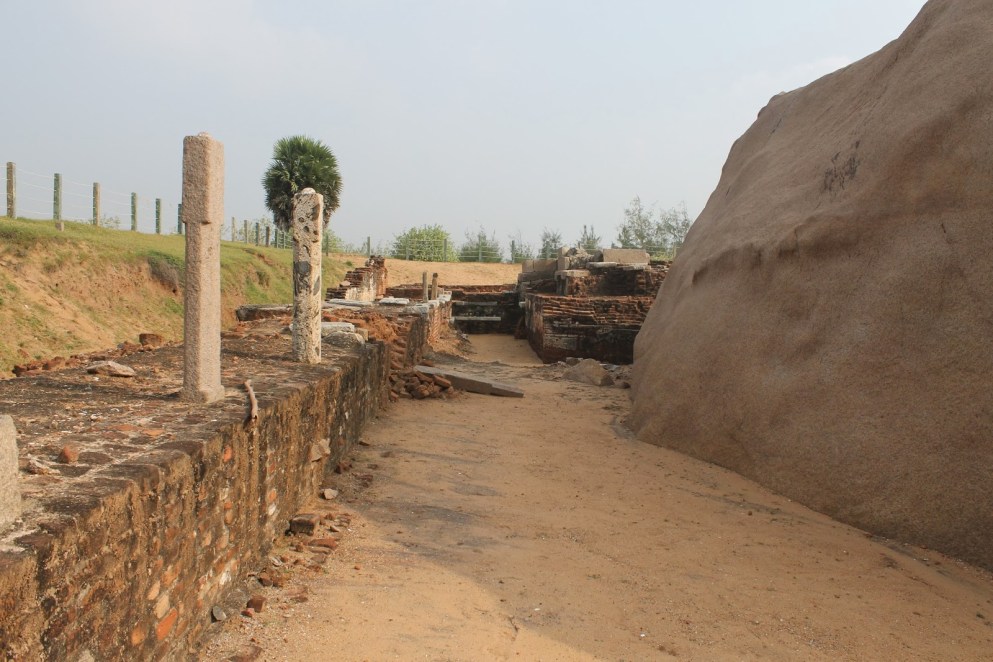
The Subramanya Temple at SaluvankuppamTamil Nadu, is a shrine dedicated to the Hindu deity Murugan. Archaeologists believe that the shrine, unearthed in 2005, consists of two layers: a brick temple constructed during the Sangam period (the 3rd century BC to the 3rd century AD) and a granite Pallava temple dating from the 8th century AD and constructed on top of the brick shrine. The Archaeological Survey of India (ASI) team which conducted the excavation believes that brick temple could be the oldest of its kind to be discovered in Tamil Nadu. However, noted Indian archaeologist R. Nagaswamy is critical of this claim owing to lack of references to the shrine in the popular literature of the period.

The temple was discovered by a team of archaeologists from the ASI based on clues found in a rock inscription left exposed by the 2004 Indian Ocean tsunami. Initially, excavations revealed an 8th-century Pallava-era shrine. Further excavations revealed that the 8th-century shrine had been built on the brick foundation of an earlier shrine. The brick shrine has been dated to the Sangam period.
The temple faces north, unlike most Hindu temples. Artifacts from two phases, the Sangam phase as well as the Pallava phase, have been found. The temple is Tamil Nadu’s oldest shrine to Murugan. It is also believed to be one of only two pre-Pallava temples to be discovered in the state, the other being the Veetrirundha Perumal Temple at Veppathur.
Discovery
After the 2004 Indian Ocean tsunami had subsided, archaeologists discovered rock inscriptions which had been exposed by the tsunami waves close to the hamlet of Saluvankuppam, near the UNESCO-designated World Heritage Site of Mahabalipuram. The inscriptions by the Rashtrakuta king Krishna III and the Chola kings Parantaka I and Kulothunga Chola I spoke of a Subramanya Temple at Thiruvizhchil (the present day Saluvankuppam). S. Rajavelu, epigraphist with the Archaeological Survey of India (ASI), identified a nearby mound as the site of the temple. In 2005, archaeologists unearthed an 8th-century Pallava temple under the mound. G. Thirumoorthy, ASI Assistant Archaeologist, believed that the shrine could be the oldest Subramanya temple to be excavated in Tamil Nadu. There were speculations on whether the temple could be one of the “Seven Pagodas“.

However, further excavations revealed that the 8th-century temple was constructed over the remains of an older brick temple. According to Thirumoorthy, the garbhagriha or sanctum Sanctorum of the brick temple was filled with sand and covered with granite slabs upon which the newer temple was constructed. Sathyamurthy, Superintendent, ASI Chennai Circle, said that the brick temple could be dated to the Sangam period as the shrine faced north unlike modern temples which face either east or west. This proved conclusively that the temple was constructed before the 6th or 7th century AD when the shilpa shastras, the canonical texts of temple architecture, were written. It has been estimated that the age of the brick shrine range from 1700 to 2200 years.
Archaeologists believe that the brick shrine was destroyed either by a cyclone or a tsunami which took place 2,200 years ago. The Pallavas built a granite temple on the brick foundation in the 8th century AD, which also was likely to have been destroyed by a tsunami. Archaeologists believe that the second tsunami must have occurred in the 13th century AD as the latest inscriptions which speak of the shrine have been dated to 1215.
The remains of a brick temple, dating back to the late Tamil Sangam period [circa 1st century B.C. to 2nd century A.D.], have been discovered on the seafront near the Tiger Cave at Saluvankuppam, a few km ahead of the world-famous Mamallapuram monuments.
“The brick temple is the most ancient temple discovered so far in Tamil Nadu. There is no doubt that it is about 2,000 years old,” said T. Sathyamurthy, Superintending Archaeologist, ASI, Chennai Circle. Twenty-seven courses of bricks with a square garbha griha (sanctum sanctorum) that made the Sangam age temple form the center piece of the discovery. The temple is dedicated to Muruga, the presiding deity of “Kurinji” [hill] tracts. The sanctum measures 2 metres by 2.2 metres. The bricks measure 40 cm x 20 cm x 7 cm. They are still sturdy.
The big-sized bricks are typical of the period and are similar to those found at Kaveripoompattinam near Thanjavur; Uraiyur in Tiruchi district — Uraiyur was the capital of the Cholas of the Sangam age; Mangudi near Tirunelveli; and Arikkamedu near Pondicherry.
Dr. Sathyamurthy was sure the brick temple was built before the canonical period because it faced north. “Agama” texts, which came into existence in the sixth or seventh century A.D., and “shilpa shastras”, had prescribed rules for construction of temples including the directions they should face. Normally, temples faced east or west. But this one did not follow “agama” texts and hence looked north. Tsunami or tidal waves that occurred twice had pulled down the entire temple complex. There is telltale evidence of wave action from the excavation. Deposits of shells and debris of the temple have been found on the eastern side of the complex, towards the shoreline. “What is interesting is not the discovery of the brick temple but that we can record stratigraphically the remains of palaeo-tsunami deposits. The impact of the tidal wave is seen on the eastern side of the temple, close to the sea. Such a feature is absent on the western side,” Dr. Sathyamurthy said.
G. Thirumoorthy, Assistant Archaeologist, ASI, said the temple belonged to two periods: the late Sangam age and the Pallava period. After the brick temple collapsed, the Pallava kings of the 8th and 9th century A.D., built another temple over it, using granite slabs. This temple too collapsed.
Artifacts found at the site include broken stucco figurines, obviously under worship; a painted hand portion with a bangle of a stucco figurine, simple-looking terracotta lamps, beads, roofing tiles made of terracotta, spinning whorls, a broken animal terracotta figurine and hop-scotches. A “prakara” (compound) wall of the same period has been excavated.
Archaeologists’ conclusions are:
From the evidences like temple orientation, brick size and artifacts collected from this site, the ASI team concluded that this structure immediately antedates the Pallavas. They are also of the opinion that this one is the earliest brick temple in Tamil Nadu identified as of now. Further to this they also infer that no other temple of such nature is reported from south India.
Presence two evidences granite spear and the plaque depicting women dancing ‘Kuravai Koothu’ allow the ASI experts to conclude this one as Lord Subramanya temple.
The Reach foundation, Chennai conducted carbon – 14 dating on the paleo-tsunami evidences (sea shells and other debris) proved that they got deposited in different periods between 405 A.D. and 564 A.D. and between 1019 A.D. and 1161 A.D.
According to T.Sathyamurthy, Superintendent, ASI Chennai Circle, (now Reach foundation trustee) conclude that the shrine belongs to Sangam period since it faces northwards. The modern temples built according to Shilpa Shastras (written between 6th or 7th century A.D.) are facing either east or west. This fact encouraged him to conclude that the temple was constructed before the 6th or 7th century A.D. He also estimated the age of the brick shrine ranging between 1700 and 2200 years.
However, noted Indian archaeologist R. Nagaswamy is critical of this claim due to lack of references to the shrine in the popular literature of the period.
Historical background
Although the city of Mahabalipuram was constructed by the Pallava king Narasimhavarman I in the 7th century AD, there is evidence that a small port might have functioned at the site even earlier. Megalithic burial urns dating to the very dawn of the Christian era have been discovered near Mahabalipuram. The Sangam age poem Perumpānattuppadai describes a port called Nirppeyyaru which some scholars identify with the present-day Mahabalipuram. Sadras near Mahabalipuram has been identified as the site of the port of Sopatma mentioned in the Periplus of the Erythraean Sea.
Inscriptions
Number of rock inscriptions is found near the shrine. The specific three granite pillars, which lead for the discovery of the shrine, bears inscriptions of grants offered to this shrine (Ref. 1-3). Later five more inscriptions discovered (Ref. 4-8). Now three more inscriptions identified Ref. (9-11).
Ø Kirarpiriyan of Mamallapuram made grants of ten ‘kazhanjus’ (small sized gold balls) First pillar inscription
Ø Vasanthanar, a Brahmin woman offered a grant of 16 kazhanjus Second pillar inscription which can be dated back to 813 A.D.
Ø Raja Raja Chola I (985–1014 A.D.) Third pillar inscription is about the grant
Ø Pallava king Dantivarman (795 to 846 A.D.) Fourth pillar inscriptions which can be dated back to 813 A.D.
Ø Pallava kings Nandivarman III (846 to 869 A.D.) Fifth pillar inscriptions which can be dated back to 858 A.D.
Ø Pallava kings Kambavarman (9th century A.D) sixth pillar inscriptions
7. Krishna III (939-68 A.D) Rashtrakuta king Seventh pillar inscriptions which can be dated back to 976 AD,
Ø Pallava king Kambavarman (9th century A.D) Eighth  pillar inscriptions
Ø Krishna III (939-68 A.D) Rashtrakuta king Ninth pillar which can be dated back to 971 A.D.   in his 21st regnal year
Ø Rajendra III Chola (1216–1256 A.D) Tenth pillar inscriptions
Ø Kulothunga Chola III (1178–1218 A.D.) which can be dated back to 1215 A.D.
All the inscriptions in ancient Tamil script record about the donations of land and gold for the maintenance of the Subramanya temple at Thiruvizhchil and it continuously received grants. All these inscriptions mention the village as Thiruvizhchil.
Architecture
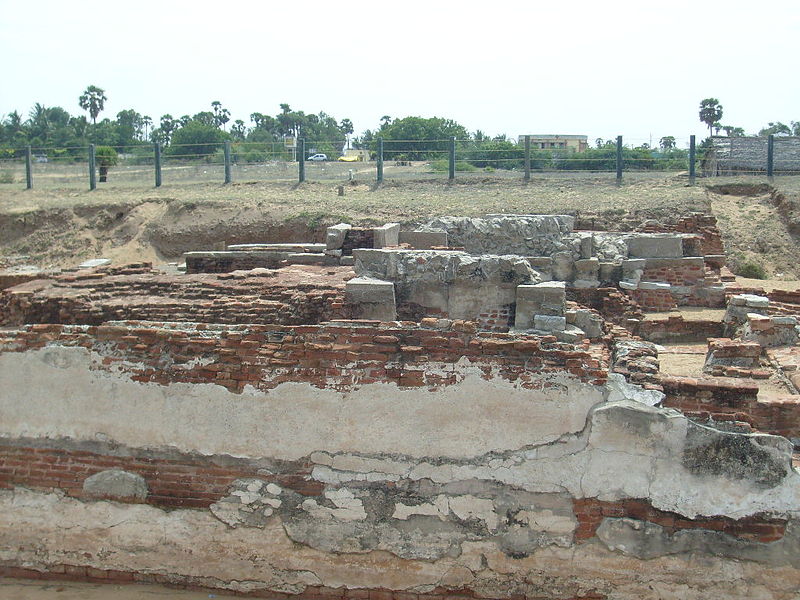
While the thin, tabular bricks at the top were laid by the Pallavas, the larger bricks underneath date from the Sangam period
The temple is dedicated to the Hindu deity Murugan and faces north. The garbhagriha or sanctum sanctorum is 2 metres long and 2.2 metres wide and is made of 27 courses of bricks. The bricks used are similar to the ones used in other Sangam age sites such as PuharUraiyur, Mangudi and Arikkamedu.
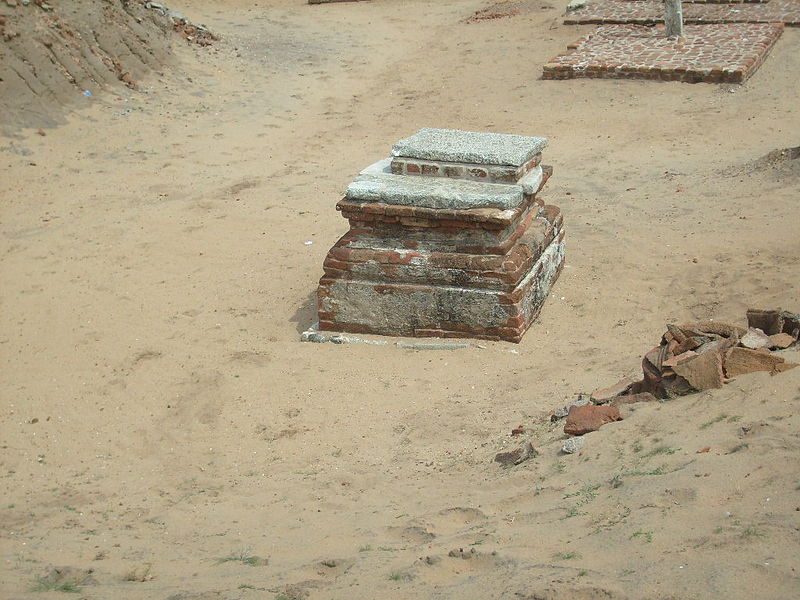
A stone Vel is positioned at the entrance of the shrine. During the excavations, a terracotta plaque depicting a Kuravai Koothu, a dance which is mentioned in the 1st century AD Tamil epic Silappadikaram, was discovered. Sathyamurthy feels that there may not have been any idol in the square garbhagriha as it is too small to house one. The temple is surrounded by a prakara or a compound wall dating from the Sangam period. According to Thirumoorthy, the shrine is “the biggest brick temple complex dating to the pre-Pallava period”.
The temple is built on a cushion of alluvium on which a layer of man-made bricks were laid. On top of this were another four layers of man-made bricks separated by four layers of laterite. There were two types of bricks used: large-sized laterite bricks of the Sangam period and thin, tabular bricks of a later age. The bricks were plastered together with lime.
Artifacts unearthed
A terracotta Nandi (the bull of the god Shiva – father of Murugan), head of a woman, terracotta lamps, potsherds and a shivalinga (aniconic symbol of Shiva) made of green stone are some of the important artifacts found at the site. The Nandi is the first one made of terracotta to be found. While most of the items unearthed belong to the Sangam period, artifacts of a later period including a Chola copper coin have also been found.

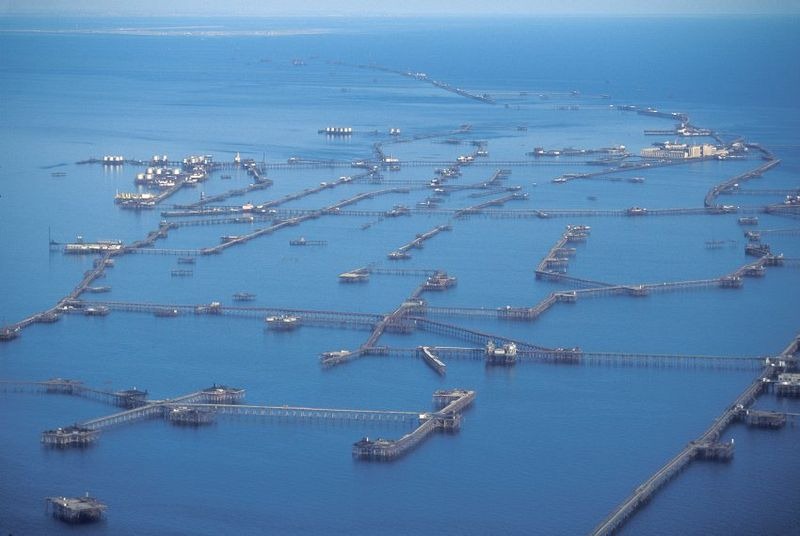
Neft Dasları: A City Built On Oil Platforms…!!!

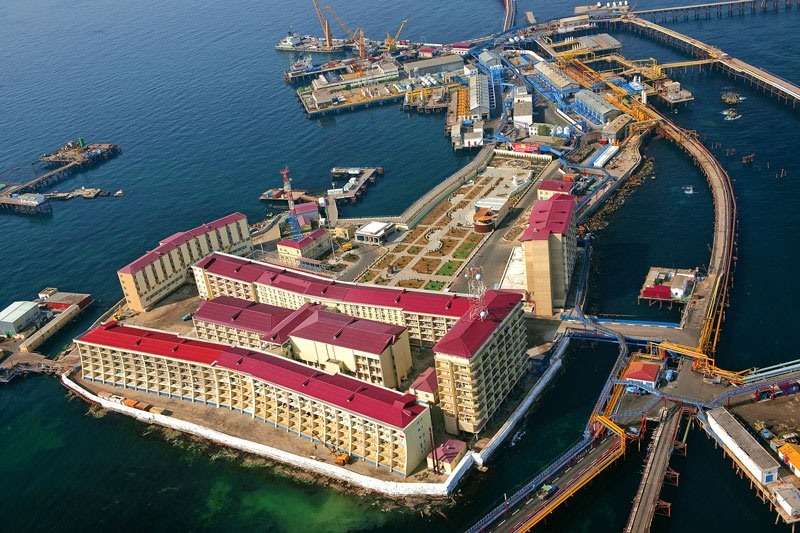
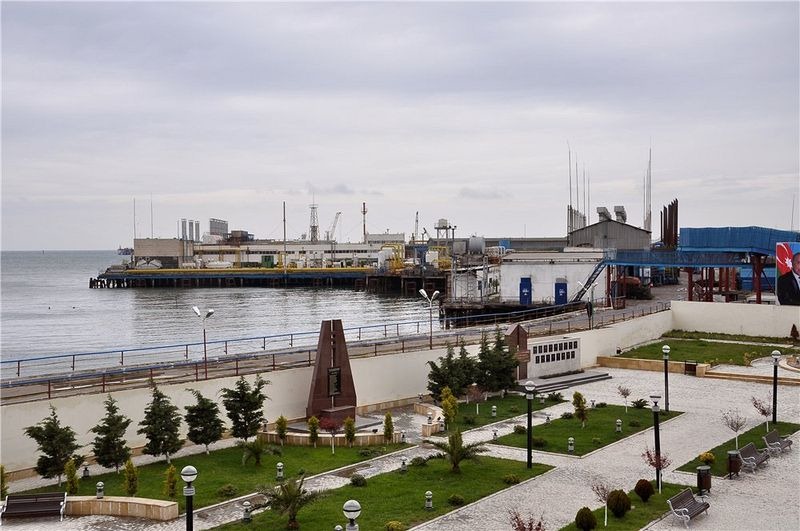
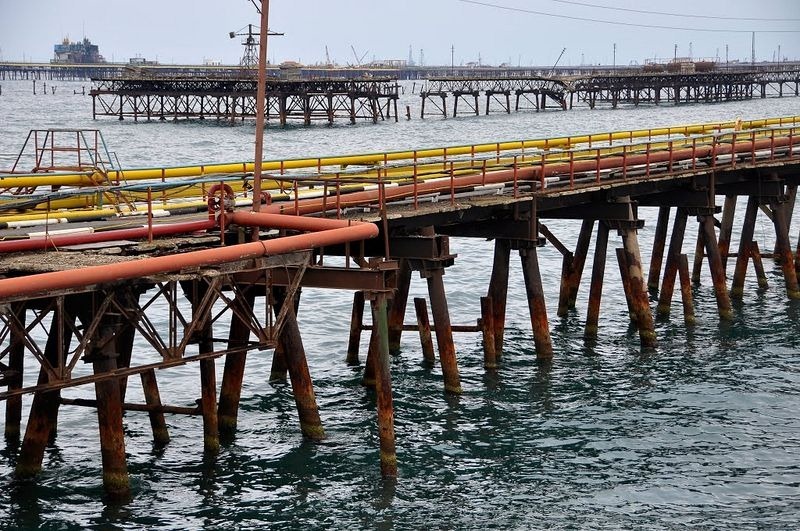
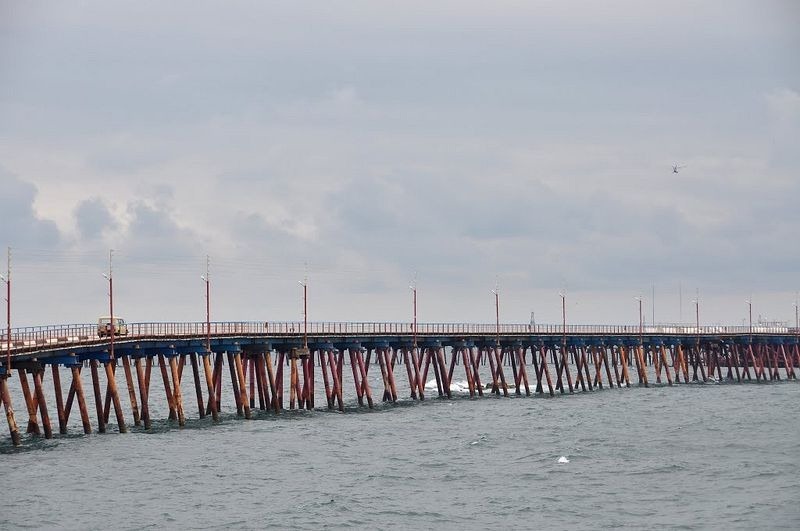
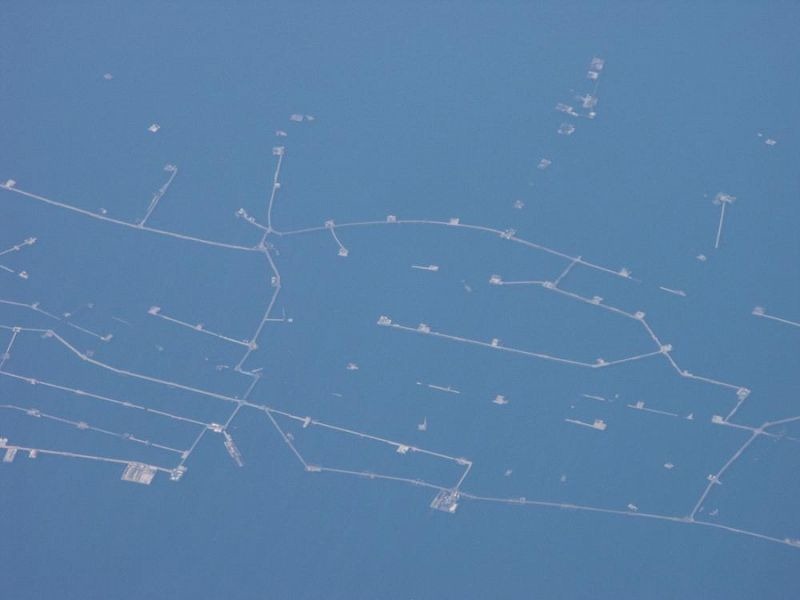
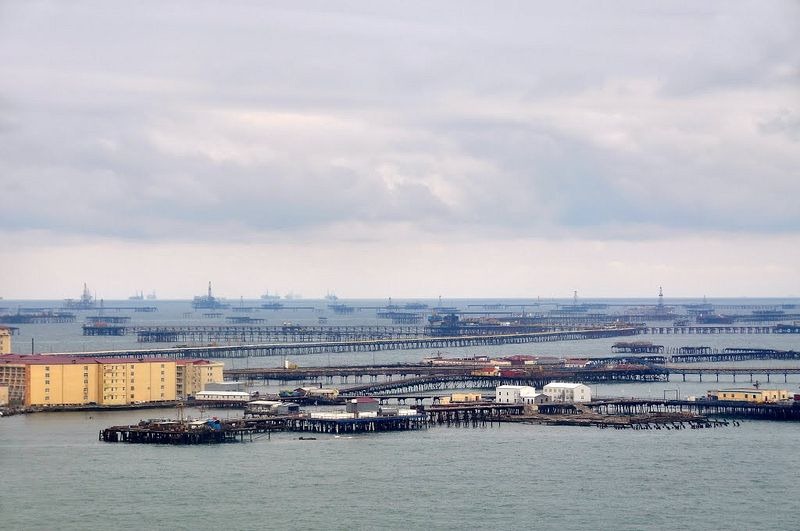
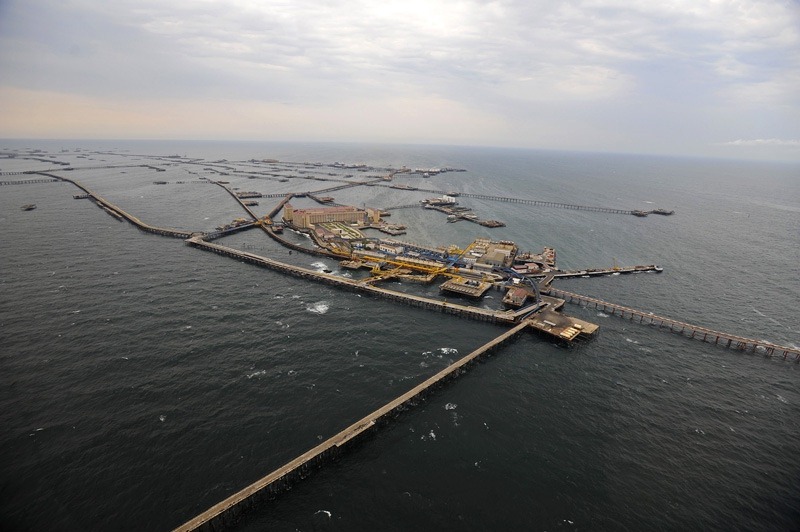
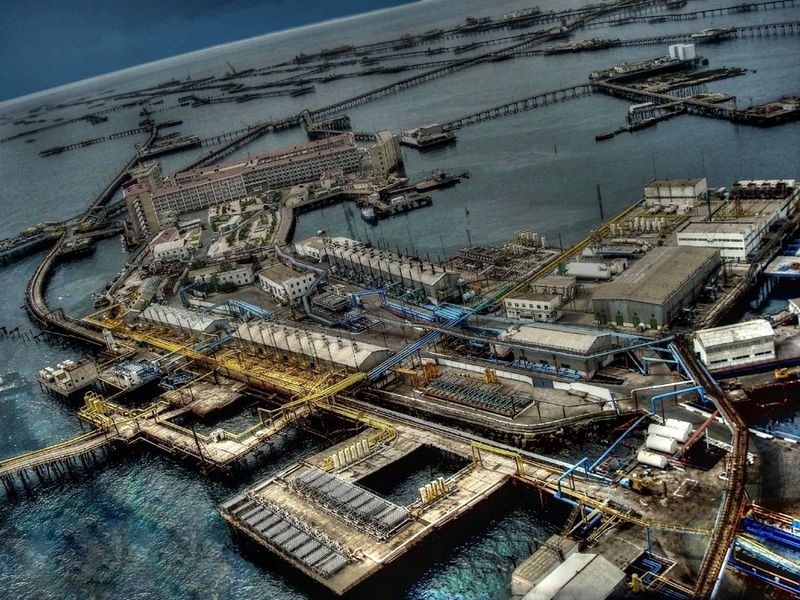
Far out into the Caspian Sea, a hundred kilometers away from the Azerbaijani capital Baku, lies one of the most incredible settlements in the world. A fully functional city of 3,000 living in a network of oil platforms and artificial islands connected by 300 km of trestle bridges. This is Neft Daslari, also known as Oil Rocks, and it lies fully within the world’s largest lake at an incredible distance of 55 km from the lake’s shore.

Azerbaijan has been famed for its rich oil resources since ancient times. There is evidence of oil drilling and actual trade in petroleum as early as the 3rd and 4th centuries. Historical accounts of the area’s oil and natural gas seepage can be found in old Arabic and Persian manuscripts, as well as in the writings of famous travellers such as Marco Polo. The Persians called the area the “Land of Fire”.

neft-dasları-18

Photo credit: geozet.ru


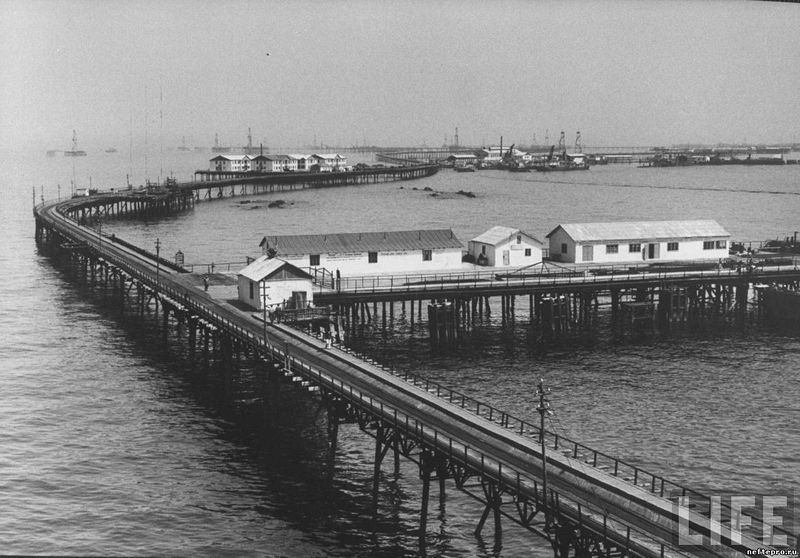
Modern drilling began in 1870 after Russia conquered the territory. By the start of the First World War, Azerbaijan’s oil wells were already supplying 175 million barrels of crude oil a year, or 75 percent of the country’s entire oil production. After the war, while exploring for oil in the Caspian Sea, Soviet engineers struck top-quality oil at a depth of 1,100 meters below the seabed. Shortly thereafter, the world’s first offshore oil platform was built at the spot, and Neft Daslari was born.

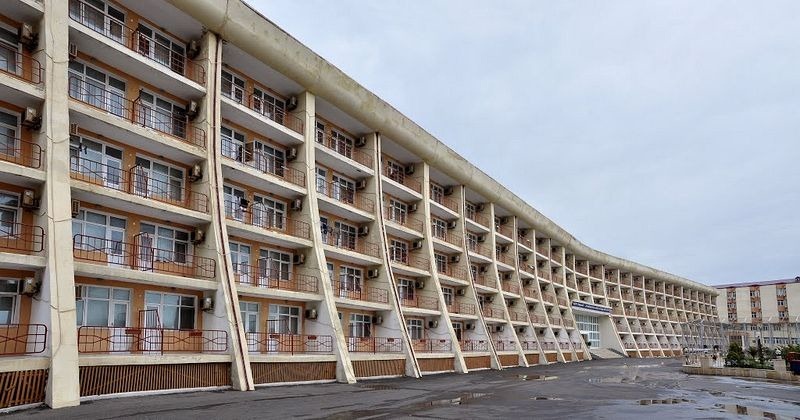
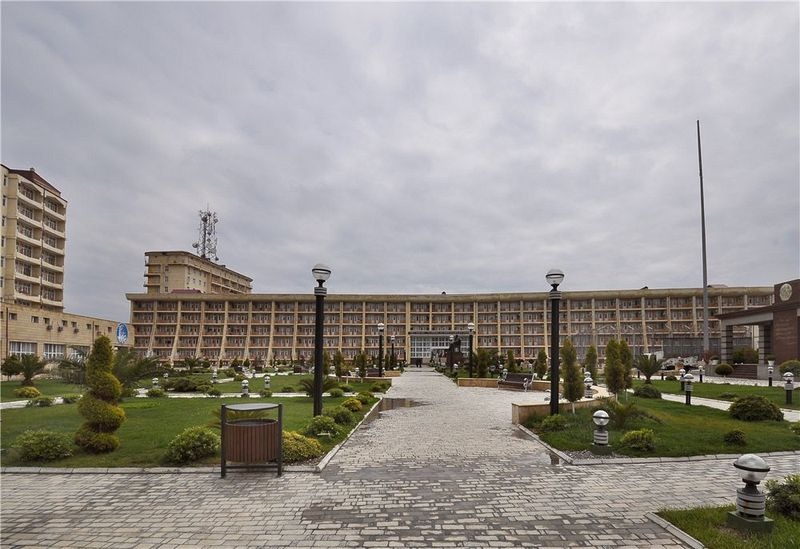
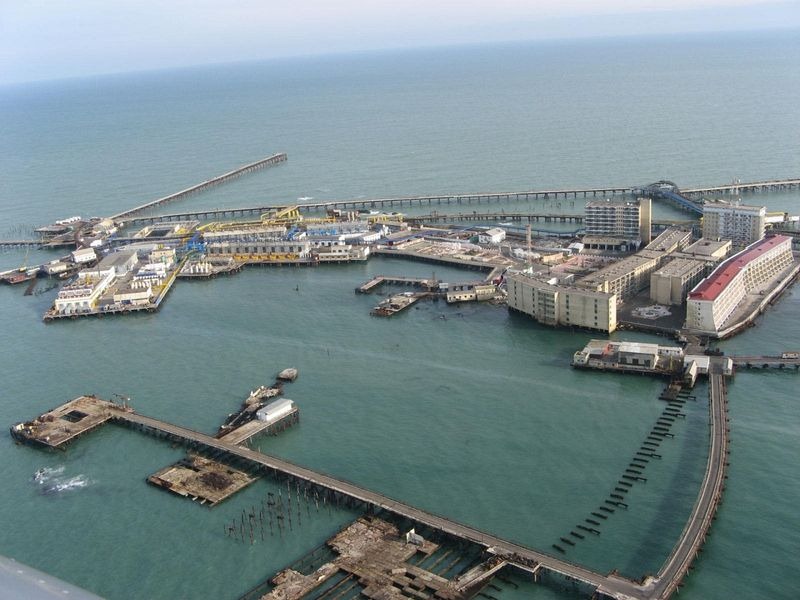
The original foundation of Neft Daslari consisted of seven sunken ships including the world’s first oil tanker. Over the decades this grew to some 2,000 drilling platforms spread in a 30-kilometer circle, joined by a network of bridge viaducts spanning 300 kilometers. Over these platforms, workers built eight-story apartment blocks, a beverage factory, soccer pitch, library, bakery, laundry, 300-seat cinema, bathhouse, vegetable garden and even a tree-lined park for which the soil was brought from the mainland. During its heydays, some 5,000 workers lived here.

Neft Daslari’s decline began with the collapse of the Soviet Union and the discovery of new oilfields elsewhere. The workforce was reduced and many oil rigs were abandoned. Neglect and lack of maintenance caused many of them to collapse into the sea. Others are in the process of crumbling. Out of the 300 kilometers of roads, only 45 kilometers remain usable, and even they have fallen into disrepair. To the government, however, the place is still the proud, closely-guarded secret it was in Soviet times. It is still very hard for foreigners to gain access to the city. You can’t even zoom into it on Google Maps.

neft-dasları-5

Photo credit: IPAAT/Panoramio

neft-dasları-6

neft-dasları-17

Photo credit: infoglaz.ru

neft-dasları-21

neft-dasları-1

Photo credit: infoglaz.ru

neft-dasları-19

Photo credit: infoglaz.ru

neft-dasları-7

Photo credit: IPAAT/Panoramio

neft-dasları-13

neft-dasları-15

neft-dasları-8

neft-dasları-11

neft-dasları-12

neft-dasları-20\

neft-dasları-3

Photo credit: geozet.ru

Sources: Spiegel / Wikipedia

Source……www.amusingplanet.com

Natarajan
” This Is the Place Where All Indian National Flags Are Manufactured…”

The Indian flags seen fluttering atop the Red fort, Rashtrapati Bhavan, Supreme Court, other government buildings, and many such places – they are all manufactured in Hubballi. The Karnataka Khadi Gramodyoga Samyukta Sangha (KKGSS) is the country’s only national flag manufacturing unit and it is located in Bengeri village of Dharwad district.

KKGSS has been certified as the sole manufacturer and supplier of the Indian flag to the entire country, by the Khadi and Village Industries Commission.

The flags are made in conformation with the guidelines laid down by the Bureau of Indian Standards (BIS).

flag

KKGSS’ khadi manufacturing units are located in Bagalkot, from where the cloth is first sourced. It is then divided into three lots, dyed accordingly and cut into the required shapes. The chakra is printed on the white cloth and the three pieces are stitched together. The flags are then ironed and packed.

Find out all about the manufacturing unit here:

Making Indian flags is a difficult job because manufacturers have to follow strict guidelines. According to the Flag Code for India, there are nine different sizes in which the flag is made. The smallest one is 6×4 inches and the biggest one – hoisted on buildings and forts with high mast – is 21×14 feet. The guidelines include that the width and length of the flag should be in the ratio 2:3 and that the chakra should be printed on both sides.

The flag hoisted on Red Fort, Rashtrapathi Bhavan and medium-size government buildings is 12×8 feet.

The original video was published here.

Featured Image Credit: Flickr

Source…..Tanaya  Singh in http://www.the betterindia.com

Natarajan
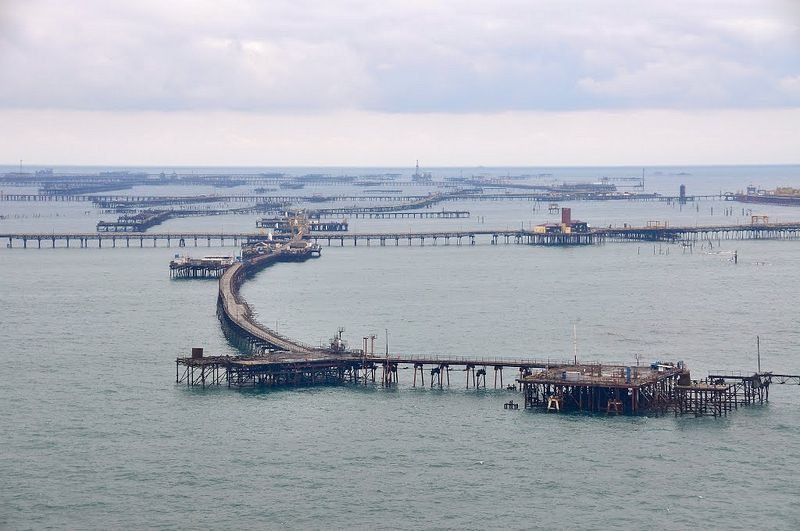
Image of the Day….” Star Trails…”

Star trails over Forbidden City, Beijing

Below, the Forbidden City in Beijing, China, former home of the Chinese emperor and a center of Chinese government. Above, the Forbidden City’s sky counterpart.

View larger. | Star trails over the Forbidden City, Beijing, China. Photo taken January 23, 2015 by Jeff Dai.

View larger. | Star trails over the Forbidden City, Beijing, China. Photo taken January 13, 2016 by Jeff Dai. Visit Jeff on Facebook.

Jeff Dai captured these star trails around the north celestial pole and North Star – Polaris – in a time-exposure image capturing the passage of the time above the Forbidden City in Beijing, China.

What we in the West know as the Forbidden City is a translation of the Chinese name Zijin Cheng, literally Purple Forbidden City. Jeff writes:

The Purple Forbidden City, a world heritage site today, served as the home of Chinese emperors and their households, as well as the ceremonial and political center of Chinese government, for almost 500 years.

The Purple Forbidden City is a name with significance in ancient Chinese astronomy. Purple refers to the North Star (pictured in the center of the startrails). In ancient China, it was called the Ziwei Star, and in traditional Chinese astrology was the heavenly abode of the Celestial Emperor. The surrounding celestial region, the Purple Forbidden Enclosure (pictured below) was considered the realm of the Celestial Emperor and his family.

The Forbidden City, as the residence of the terrestrial emperor, was its earthly counterpart.

Traditional Chinese astronomy has a system of dividing the celestial sphere into asterisms or constellations, known as

View larger. | In traditional Chinese astronomy, a large area in the northern sky was known as the Purple Forbidden Enclosure. It was considered the realm of the Celestial Emperor and his family.

Bottom line: A photo shows star trails above the Forbidden City – former residence of the Chinese emperor – in Beijing, China. It’s accompanied by an image showing the Purple Forbidden Enclosure, the celestial counterpart of the Forbidden City.

 Source……..www.earthsky.org
natarajan

10 Facts about the Indian Army That Will Fill You With Pride……

T he Indian Army evokes a sense of pride in all Indians and rightly so. They guard our borders day and night and protect us from external attacks. Here are some little-known facts about the Indian Army that will fill your hearts with pride:

1. The birth of the Indian Army

17

The army in the Presidencies of Bengal, Bombay, and Madras were unified into a single Indian Army in 1895. However, for administrative needs, it was divided into Punjab, Bengal, Madras, and Bombay commands. The Indian Army fought many wars for the British Empire.

2. Various foreign troops are trained in India

18

The Indian Army conducts exercises with troops from many other countries. Some of the major drills that have been held are Yuddh Abhyas (with the US), Exercise Shakti (with France), and Exercise Nomadic Elephant (Mongolia).

3. Not a single attempt to overthrow the government

19

The Indian Army has never attempted a military coup since 1947. It has also never attacked first. There has not been an intention of gaining power or governing  a nation.

4. All are welcome to join the services

20

There is no discrimination in terms of recruitment. The Services Selection Board chooses the candidates. The selection process is apparently a very tough one and the quality standards are never compromised.

5. The largest surrender has been before the Indian Army

21

Over 93,000 Pakistani soldiers surrendered to India, at the end of the Bangladesh Liberation War. Lt. Gen. A.A.K. Niazi of the Pakistani army signed the Instrument of Surrender.

6. Guardians of the President of India

22

The President’s Bodyguard is an elite cavalry regiment. Its main aim is to protect and escort the President of India. The regiment is based in the Rashtrapati Bhawan. It is the senior most regiment of the Indian Army.

7. Building bridges, literally!

23

The Baily Bridge in Ladhak is built at an altitude of 5,602 meters above sea level. It is 30 meters long.

8. Earned praise from Adolf Hitler

24

Legend has it that Hitler’s very words were, “If I had Gurkhas, no army in the world could defeat me.”

9. Courage in the face of adversity

25

The Battle of Longewala was fought in Thar desert in Rajasthan. Major Chandpuri with his battalion of 120 soldiers and a handful of BSF jawans managed to defend the post of Longewala, till help arrived in the morning.

10. A rich legacy

26

The Assam Rifles has served in a number of conflicts, including World Wars I and II. Since 2002, it has been guarding the India-Myanmar border.

Take a bow, Indian Army. You make us proud.

Source…….Meryl Garcia in http://www.the better india .com

Natarajan
Proud Granddaughter Writes Tribute to Real Life ‘Airlift’ Hero Sunny Mathews….

When Saddam Hussain invaded Kuwait during the gulf war in 1990, more than one lakh Indians were stranded there. The entire country was in a state of terror and the residents suffered great tragedies and loss. This was when the Indian government came forward to rescue the Indian community and airlifted over 1,70,000 people with the help of 488 flights in just 59 days. After everyone was rescued, Air India’s name was recorded in the Guinness Book of World Records for being the civil airline that had evacuated the most people till date.

And that’s what the latest Bollywood movie, Airlift, is about – the unsung heroes who masterminded the evacuation plan.

airlift

But Ranjit Katyal, the character played by Akshay Kumar in the movie, does not actually exist. According to the director Raja Krishna Menon, the character is an amalgamation of two gentlemen, Sunny Mathews and Vedi, who formed an unofficial committee to oversee the evacuation because they knew that Indians were not safe.

A day before the Airlift released, Sunny Mathews’ granddaughter wrote a post about her grandfather on Facebook, with old paper clippings about his bravery.

Today ‘Airlift’ releases, a movie based on the largest civil evacuation (Indians based in Kuwait) during the Iraqi invasion in 1990. Akshay Kumar’s leading role is based on a few people such as my grandfather, who facilitated the evacuation of nearly 170,000 Indians and brought them safely home. My grandfather stayed through the turmoil of it all and put his life at risk to secure safety for all those he could help. He is a great man and through all his success has always stressed on the importance of humility, gratitude and love, especially to those not so fortunate. An inspirational icon who has touched the hearts of many and lived a life of service. I wish I could even be half the man he is. He may not have many years left but through this movie, his legacy will live on and for that I will be forever proud

Talk to any returnee from Kuwait, who has undergone the ordeal of having escaped from Kuwait and he’ll tell you about Toyota Mathews. Mathews is the person who has helped many Indians by either organising their transport, or giving them some money which would come handy on the way, or more importantly, providing them with food and water for the arduous journey. For thousands of Indians stranded in Kuwait, Mathews has been some sort of messiah,” says one of the old reports in the picture.

The evacuation was very difficult because many people did not want to leave their well settled lives behind, and many did not have their passports and other travel documents as they had handed them over to their employers.

“The first challenge was to prepare over 100,000 travel documents. Delhi had sent two planes for evacuation. Ships began arriving a lot later. With nearly a lakh people stranded, I had to look at the alternative of bulk evacuation by road. Sunny Mathews, an extremely resourceful Indian working in Toyota, did a great job negotiating with private bus operators for evacuation via Iraq to Jordan by road,” Ashoke Kumar Sengupta, the then officer-in-charge of the Indian embassy in Kuwait, had told The Times of India in 2014.

Source……Tanaya Singh in http://www.the betterindia.com

Natarajan
10 Rare Pictures of Netaji Subhas Chandra Bose That Everyone Must See…

Remembering Netaji Subhas Chandra Bose on his 119th birth anniversary. Generations of Indians admire his patriotism and courage. Here are some rare pictures of him:

bose

bose1

bose 2


bose4

bose 5

bose 6

bose 7

bose 8

bose 9

bose10

Photo credit: Twitter

Source…….Meryl Garcia in http://www.the betterindia.com

Natarajan
Here Are Few Old Republic Day Pictures That Will Warm Your Heart…

F or most Indians, it’s been customary to be glued to the television every Republic Day. The grand parade at the  Rajpath, with all its frills,  is a visual treat. The celebrations have changed over the years. Here’a trip down memory lane:

Nepal king

King Tribhuvan of Nepal was the Guest of Honour for the Republic Day in 1951.
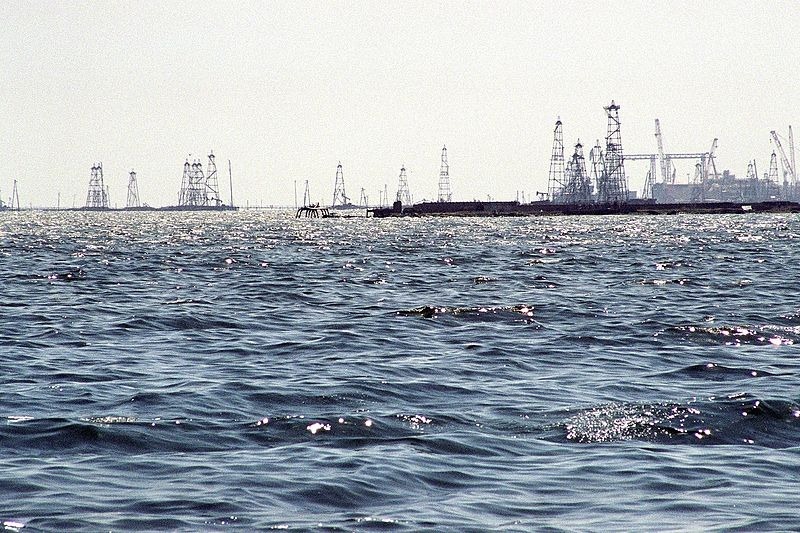
Photo source: Twitter

Lama Dance from – West Bengal –during the Republic Day parade in 1956.

Photo source: photodivision.gov.in

jacque chiraq

Jacques Chirac, President of France, was the Guest of Honour for Republic Day in 1998

Photo source: Twitter

kiran republic

IPS Kiran Bedi leading Delhi Police in Republic Day Parade in 1975.

Photo source: Facebook

nelson mandela R Day

Nelson R. Mandela, President of South Africa, was Guest of Honour on Republic Day in 1995.

Studio/Jan.52,A52h A view of the Republic Day Cultural Pageant – Republic Day (January 26, 1952): Tableau showing ‘Youth & Progress’ – The machines depict growing development in transport and industry. The plough symbioses rural economy and the urge to grow more food.

A view of the Republic Day Cultural Pageant – in 1952. This tableau is depicting ‘youth and progress.

Photo source: photodivision.gov.in

Studio/Jan.52,A52h Republic Day Celebrations (January 26, 1952): Dr. Rajendra Prasad, the President of India, driving in State towards the Saluting Base.

Dr. Rajendra Prasad, the President of India, driving in State towards the Saluting Base, during Republic Day celebrations in 1952.

Photo source: photodivision.gov.in

The first Republic Day parade in 1950.

Photo source: Facebook

Studio/Jan.52,A52h Republic Day Cultural Pageant (January 26, 1952): A section of he huge crowds that witnessed the Parade.

A section of the huge crowd that witnessed the Republic Day parade in 1952.

Photo source: photodivision.gov.in

chariot r day

Kenneth Kaunda, President of Zambia, was the Guest of Honour for republic Day in 1975.

DPD/ Jan.’ 56, A52h CULTURAL PAGENT IN THE REPUBLIC DAY CEREBRATION , AT NEW DELHI (1956) The tableau from Madhya Pradesh was a replica of Mahatma Gandhi’s hut (Bapu Kuti) at Sevagram.

The tableau from Madhya Pradesh was a replica of Mahatma Gandhi’’s hut (Bapu Kuti) at Sevagram, during Republic Day in 1956.

Photo source: photodivision.gov.in

Source…..Meryl  Garcia  in http://www.the betterindia.com

Natarajan