” காலத்தின் தூண்கள் கோவில் தேர்கள்…”


பொங்கியெழும் ஜனத்திரள் சமுத்திரத்தின் நடுவே, மனிதத் தலைகளைத் தாண்டி பிரம்மாண்டமான கலைப்பொருளாக அசைந்தாடி வரும் தேரைக் கண்டு ரசிக்கும் கண்கள் பாக்கியம் செய்தவை. கலாச்சாரம், பக்தி ஆகியவற்றுடன் பிரமிப்பூட்டும் கலைநுட்பங்களைக் கொண்டவை கோயில் தேர்கள்.

தமிழகமெங்கும் உள்ள கோயில்களில் ஆயிரக் கணக்கான தேர்கள் உள்ளன. மாசிமகம், ஆடிப்பூரம், பங்குனி மாதம், தைப் பூசம், சித்திரை மாதம், மார்கழி உற்சவம் போன்ற பல நிகழ்ச்சிகளில் நான்கு வீதிகளிலும் தேரோட்டங்கள் நடைபெறுவது பல ஊர்களில் இன்றும் வழக்கமாக உள்ளது. பிரம்மாண்டமான திருவாரூர் ஆழித்தேர், கும்பகோணம் சாரங்க பாணி கோயில் தேர், வில்லிபுத்தூர் பெருமாள் கோயில் தேர் போன்ற பல தேர்களை வடகயிற்றால் இழுத்துச் செல்பவர்களின் முகத்தில்தான் எத்தனைப் பிரகாசம்!

பெருமாள், சிவன் கோயிலுக்கு ஏற்ப பத்து தாளம் எனும் தசதாள அளவிலான தேர்கள், நவதாளம் எனப்படும் ஒன்பது தாளத்தில் செய்யப்பட்ட அம்மன் கோயில் தேர்கள், பஞ்ச தாளம் எனப்படும் ஐந்து தாளத்தில் குறுகிய வடிவில் செய்யப்படும் விநாயகர் கோயில் தேர்கள் என்று விதவிதமான தேர்களைப் பவனிவரச் செய்து இன்றும் அழகுபார்ப்பவர்கள் தமிழர்கள். கோயில் தேர்களுக்கென்றே படிகளுடன் கூடிய தேரேற்றுக் கூடங்களும் நாயக்க மன்னர்கள் காலத்தில் கட்டப்பட்டுள்ளன.

அலங்கரிக்கும் அதிசயங்கள்

தேரைச் சுற்றி நான்கு புறமும் ஆடும் அசைந்தாடிகள், நான்கு முகப்பிலும் வாச மாலைகள், சுவாமிக்கு மேல் விதான ஓவியங்கள், தேர்களின் எட்டுப் புறமும் பட்டங்கள், சிவ வைஷ்ணவக் கொடிகள், எல்லாவற்றுக்கும் மேலாகக் கூம்பிய வடிவில் கலசம் போன்ற துணிகளால் ஆன கலங்கரி ஓவியத் துணிகள், தேரை இழுத்துச் செல்வது போன்ற வடிவில் மூங்கிலால் உருவாக்கப்பட்ட குதிரைகள் என்று தேருக்குத் தெய்வீகக் களை சேர்க்கும் விஷயங்கள் பார்க்கத் திகட்டாதவை.

தேர்களின் நான்கு வெளிப்புறத்திலும் சித்திர வேலைப்பாடுகள் அழகு சேர்க்கும். வைணவத் தேராக இருந்தால் பெருமாளின் தசாவதாரங்களைக் காட்டும் மரச் சிற்பங்களும், சிவன் கோயில் தேர்களாக இருந்தால் சிவபுராணக் கதைகள், சிவத்தொண்டர்களான 63 நாயன்மார்களின் கதைகளைச் சித்தரிக்கும் அழகிய மரச் சிற்பங்கள் வடிவமைக்கப் பட்டிருக்கும். அவற்றைக் காணும் வெளிநாட்டுப் பயணிகளின் கண்கள் ஆச்சரியத்தில் விரிவதைப் பார்ப்பதே தனி அழகு.

பிரான்ஸைப் பின்பற்றலாமே!

தேரோட்டம் முடிந்த பிறகு, தேரின் அத்தனை அலங்காரங்களையும் பிரித்து, இரும்புத் தகடுகளால் தேரை முழுவதுமாக மறைத்துப் பயணிகள் பார்க்க இயலாமல் கோயில் அதிகாரிகள் மூடிவிடுகின்றனர். இதனால் தோ்த் திருவிழா முடிந்த மற்ற நாட்களில், இதனைப் பார்க்க வரும் பயணிகளால் அவற்றின் கலை அழகைக் காண இயலாமல் போய்விடுகிறது.

100 ஆண்டுகளுக்கு மேல் பழமைவாய்ந்த கலைப் பொருட்கள், கட்டிடங்கள் போன்றவற்றை பிரான்ஸ் நாட்டினர் திறந்தவெளி அருங் காட்சியகம் எனும் முறையில் இன்றும் பாதுகாத்துவருகின்றனர்.

தமிழகத்திலோ 350 ஆண்டுகளுக்கும் மேல் பழமைவாய்ந்த 100-க்கும் மேற்பட்ட தேர்கள் சிதிலம் அடைந்தும், கேட்பாரற்றுக் கிடப்பதும் வேதனை யளிக்கிறது. இவற்றைப் புத்தாக்கம் செய்வதோடு மட்டுமல்லாமல், அழகிய நிலையில் உள்ள தேர்களை, தேரோட்டத்துக்குப் பிறகு மக்கள் அவற்றின் கலை அழகைக் கண்டுகளிக்கும்படியாகத் திறந்தவெளி அருங்காட்சியமாக வைக்கலாம். ஏனெனில், தேர் ஓடினால் மட்டுமல்ல, நின்றாலும் அழகுதான்!

– தேனுகா, கலை விமர்சகர், தொடர்புக்கு: dhenuga.srinivasan@gmail.com

படித்து ரசித்தது …” என்னை தெரியவில்லயா … ” ?

இந்தியா, பிரிட்டிஷ் ஆட்சியின் கீழ் இருந்த போது, ஒருமுறை காந்திஜி சுயராஜ்ய இயக்கத்தை ஆரம்பித்தார். சுயராஜ்ய மந்திரத்தை கிராமம் கிராமமாகப் போய் சொல்ல வேண்டுமென்று, தொண்டர்களுக்குக் கட்டளையிட்டார். அதன்படி நானும், சில கிராமங்களுக்குப் போனேன். அப்படி, ஒரு கிராமத்தில், தண்டோரா அடித்து, ‘கிராம சாவடிக்கு முன் கூட்டம் நடைபெறும்’ என, அறிவித்த பின், குறிப்பிட்ட நேரத்தில், கையில் ஒரு அரிக்கேன் லாந்தருடன் சாவடிக்குப் போய் சேர்ந்தேன்.
அங்கே, ஒரே ஒரு நபர் மட்டுமே வந்திருந்தார். அந்த ஒருவராவது வந்திருக்கிறாரே என்ற நன்றி உணர்ச்சியுடன், பிரிட்டிஷ் சர்க்கார், இந்தியாவில் செய்துவரும் அட்டூழியங்களைப் பற்றி, கேட்பவரின் ரத்தம் கொதிக்கும்படியாக, ஒன்னேகால் மணி நேரம் பிரசங்கம் செய்தேன். பின், நானே வணக்கம் செய்து, உட்கார்ந்திருந்த ஒரே நபரைப் பார்த்து, ‘ஐயா, தங்களின் தேச பக்தி என்னைப் பரவசப்படுத்துகிறது. தாங்கள் யாரோ, எந்த ஊரோ…’ என்றேன்.
அதற்கு அந்த நபர், ‘என்னைத் தெரிய வில்லையா… நான் உம்மை, கோபிசெட்டிப்பாளையத்திலிருந்து, கரூர் வரையில் தொடர்ந்து வந்திருக்கிறேன். நான் சி.ஐ.டி.,காரன்; உம்மைக் கண்காணிப்பதற்காக என்னை அனுப்பியுள்ளனர்…’ என்றார் அவர்.

source:::::DinaMalar ….Sunday VARAMALAR.

Natarajan

” Army of Terracotta Soldiers in a Cave …” !!!


The Army of Terracotta Cave!

Most people would be shocked and disgusted to see a head suddenly poppin out of the earth of their private garden and giving them a stare, but in the case of one Chinese farmer, this was the beginning of a huge discovery for all of humanity.

The cave of the terracotta soldiers – which was designated a UNESCO world heritage site – is a subterranean cave containing no less than 7,000 clay , life-sized statues of soldiers, meant to serve the first emperor of China in the afterlife.
terracotta cave
The cave of the terracotta soldiers, located about half an hour’s drive from the city of Xi’an, was discovered completely by accident as a local famer was digging into his land with the goal of building a well, found, to his amazement, a life-sized head made of terracotta (a type of clay) buried in it. It took him 10 years to report his finding, which began a frenzy of digging in the area that took 70,000 workers 36 years to complete. During that time, thousands of clay soldiers were discovered, completing a complete, hand-made army.
terracotta cave
After studying the cave and clay soldiers for many years, researchers found that the cave was created by Ching shaw huang di, the first emperor of Xi’an, as a bid for immortality.
terracotta cave
The emperor, who started his reign in 246 BC when he was but 13 years old, developed the kingdom and set a unified language and writing style. Some, however, maintain that he was a hated tyrant.
terracotta cave
After many assasination attempts, the emperor developed a fear of death and wanted to ensure that even after his death, he’d have enough soldiers to protect him from his enemies. This will led the emperor to spend 11 years building an entire underground city, within stand thousands of clay statues of soldiers and servants who await his command.
terracotta cave
The cave is spread over an area of 16,300 square meters and split into three main areas. It contains over 7000 statues of warriors, with each of the statues having a defined role.
terracotta cave
You’ll find bowmen, commanders, cavalrymen and your average foot soldiers, with each the appropriate garments and weapons. In addition to the soldiers, the emperor enriched his post-death world with dancers, singers, acrobats and many others that will amuse and serve him after death.
terracotta cave
If that’s not enough to impress you, how about the fact that each and every one of the statues has a unique face, with no 2 alike in the whole army. Each has a different face, expression, hair style and other items that separate them from the others.
terracotta cave
terracotta cave
terracotta cave

Source: Tom S.  in ba-ba mail site

Natarajan

” வில்லேந்திய வேலன் …” !!!

வில்லேந்தியவன் வேலன்…

Muruga with Bow

Murugn with Bow Villudayanpatti


ஆன்மீக மாத இதழ் ஞான ஆலயத்தில் மே மாதம் (வைகாசி விசாகம் முருகன் சிறப்பிதழ்) வெளி வந்த ‘வில்லேந்தியவன் வேலனா? இராமனா? என்ற மிகச் சுவையான கட்டுரையை உங்களுடன் பகிர்ந்து கொள்வதில் மகிழ்ச்சி அடைகிறேன்.

மாலதி ஜெயராமன்.

வில்லேந்தியவன் வேலனா? இராமனா?
(திருமதி உமா பாலசுப்பிரமணியன்)

“சூலம், வாள், தண்டாயுதம், செவ்விய வேல், கோதண்டம் (வில்) இவைகளை அணிந்துள்ள தோள்களையும் அகன்ற அழகிய திருமார்பையும், தூய்மையுள்ள தாளில் அமைந்துள்ள தண்டையையும் நான் காணும்படி, அன்பு கொண்டுள்ள மயிலின் மீது ஏறி என் முன்னே வந்து திருவருள் புரிய வேண்டும்” என்று திருச்செந்தூர் திருப்புகழில் அருணகிரிநாதர் வேண்டுகிறார்.இப்பாடலிலிருந்து முருகன் கையில் கோதண்டம் இருக்கிறது என்று தெரிகிறது.

இரண்டாயிரம் ஆண்டுகளுக்கு முன் சங்க காலத்தில் மூத்த புலவராக இருந்த நக்கீரரும், திருமுருகாற்றுப் படையில் “வானோர் வணங்கும் வில் தானைத் தலைவா” எனப்
பாடியிருக்கிறார்.

இராமன் என்றாலே வில்லுடன் கூடிய கோதண்ட ராமன்தான் எல்லோர் நினைவுக்கும் வரும்.ஆனால் மேற்கண்ட பாடல்களிலிருந்து முருகனும் வில்லைப் பிடித்தவனாக வில்லேந்திய வேலவனாக விளங்குகிறானே! என்று வியக்கத் தோன்றுகிறது.

வேலவன் வில் ஏந்தியது ஏன்?

முருகன் எப்பொழுது வில்லை ஏந்தினான்? இதற்கு ஏதேனும் ஆதாரம் இருக்கிறதா? என்ற கேள்விகளும் சந்தேகங்களும் மனதில் எழுகின்றன. இந்தச் சந்தேகத்தைத் தீர்க்கும் வகையில் “சுப்பிரமண்ய பராக்ரமம்” என்ற பழம் தமிழ் நூலில், முருகன் வில்லேந்திய காரணம் சுவையாகக் கூறப்பட்டிருக்கிறது.

கங்கையாற்றின் கரையில் ‘சிருங்கிபேரி புரம்’ என்ற ஒரு ஊர். அங்கு வசித்து வந்த வேடர்களின் தலைவன் குகன் ஆவான்.

உருவிலும் உடையிலும், தொழிலிலும், உணவிலும் மென்மை என்பதே அறியாத குகன், அயோத்தியிலிருந்தே சக்ரவர்த்தித் திருமகனான மென்மையான இராமனிடம், அளவு கடந்த அன்பு கொண்டிருந்தான்.

தந்தைக்கு மரியாதை அளித்து, தாய் சொல்லைத் தட்டாது, வனவாசம் செல்லக் காடுகளைக் கடந்து, கங்கையைக் கடக்கும் தருவாயில், இராமனும் வேட்டுவத்தலைவன் குகனும் சந்திக்க நேர்ந்தது.

மறு நாள் கங்கையைக் கடக்க நாவாய் எடுத்து வரச் சொன்னபோது வருத்தமுற்று, இராமனிடம் தான் வைத்திருந்த அன்பினை அழகாக வெளிப்படுத்தினான்.

குகன் சொல்கிறான், “காளத்தி அப்பனது இன்னல் கண்டு, தன் கண்களையே எடுத்து அப்பினான் என் தொல்குல முன்னொருவன். யான் அவ்வாறு செய்ய முடியாத கள்வனாக இருக்கிறேன். ஆதலால் என்னை மிக வெறுத்து நீ அகற்றுகின்றனை போலும்? ஐயனே! இவ்வாறு செய்யலாகாது. கண்ணிடத்து அப்பவல்லன் அல்லேன் ஆயினும், என்னாலான அடிமையைச் செய்யப் பணிந்தருள். நானும் உன்னோடே வருகிறேன்” என்று சொல்ல இராமபிரானும் தன் அருகிலிருந்த சீதைக்கும் தன் தம்பிக்கும் தன் பால் குகன் வைத்திருந்த தீராக் காதலை எடுத்துரைத்தான்.

பின், “என் உயிர் போன்றவன் நீ. என் தம்பி, உனக்குத் தம்பி. இந்தச் சீதை உனக்கு உறவினள். குளிர்ந்த கடலால் சூழ்ந்த இடமெல்லாம் உன்னுடையது. நான் உனக்குத் தொழில் செய்யும் உரிமையுடையேன். இனி, நாம் ஐவரானோம்” என்று சமாதானம் கூறி கங்கையைக் கடந்து சென்றான்.

இதற்குப் பிறகு ஆண்டுகள் பல சென்றன. வேடர் தலைவனுக்கோ இராமனைப் பற்றிய தகவல் ஒன்றும் தெரியவில்லை தெற்கே சென்றவர்கள் எங்கிருக்கிறார்கள், எப்படி இருக்கிறார்கள், என்றெல்லாம் தெரிந்து கொள்ள வழியும் இல்லை. குறித்த காலம் வந்துவிட்டதா? இல்லையா எனக் கூடத் தெரியாத நிலை.இதே நினைவாக, இதனையே சிந்தனை செய்து அன்ன ஆகாரம் இன்றி உடல் மெலிந்து உள்ளம் நைந்து உருகி நின்றான் குகன்.

குகனின் துயர் தீர்த்த குமரன்

இப்படிப்பட்ட சூழ்நிலையில் குகன் படும் துயர் தீர்க்க அவன் வழிபட்டு வந்த கடவுளாகிய முருகப் பெருமான், ஒரு திட்டம் தீட்டினான். தன் மனைவியரான வள்ளியை சீதையாக மாற்றி, தெய்வயானையை லட்சுமணனாக ஆக்கி, வேல் ஏந்திய கையில் வில்லை ஏந்தி, தாமே இராமன் உரு ஏற்று, குகன் கனவில் தோன்றி, “தம்பி, கவலைப்படாதே.
எங்களுக்குக் குறித்த தவணை முடிய இன்னும் சிறிது காலம் இருக்கிறது. விரைவில் திரும்பி விடுவோம். கவலையை விடு” எனச் சொல்லி மறைந்து விடுகிறான். குகனும் அன்று முதல் தேறி வந்து இராமன் வருகைக்காகக் காத்திருந்தான்.

ஆனந்தத்தை அருளிய அந்த குகன், அன்று முதல் குகஸ்வாமி மூர்த்தி என்றும், ஆனந்த நாயக மூர்த்தி என்றும் பெயர் பெறுகின்றான். இந்த வரலாற்றைத் திருச்செந்தூர் புராணமும் கூறுகிறது.

சுந்தரச் சிலை யிராமன் தோற்றமும் காட்டி ஞான
முந்திய பிரம்மானந்த சித்தியும் கொடுத்து வேத
மந்திரக் குகஸ்வாமி என்னவும் வாய்ந்தது பேர்
ஆனந்த நாயகன் என்று ஓது நாமமும் குமரன் பெற்றான்.

வில்லேந்திய வேலனை இங்கும் காணலாம்

வில்லேந்திய வேலனை, திருவையாற்றில், ஐயாரப்பன் சன்னதியில் மூல ஸ்தானத்திலேயே தரிசிக்கலாம். வில்லுடையான் பட்டியில் வில்லேந்திய வேலனின் விசேஷ சன்னதி உள்ளது. திருவெண்காட்டை அடுத்த சாய்காட்டில் நின்ற நிலையில் நான்கு கரங்களுடன் (வில்லுடன்) வில்லேந்திய வேலன் செப்பு உருவில் திகழ்கிறான். இந்த வேலன் ஆதியில் திருச்செந்தூரில் இருந்தவன் என்றும் பின்னர் காவிரிப்பூம்பட்டினத்தை அடுத்த கடலிலிருந்து வெளி வந்தான் என்றும் கூறப்படுகிறது.

போர்க்காலத்தில் வில்லேந்தி ஒய்யாரமாக நிற்கும் முருகனை திருப்போரூருக்குச் சென்றால் காணலாம். பிரகாரத்தின் ஒரு கோடியில் மிக கம்பீரமான அழகிய செப்பு வடிவம், ஒரு காலைத் தரையிலும் ஒரு காலை மயிலின் முதுகிலும் ஊன்றி உடல் வளைத்து நிற்பதில் சேனாபதியின் மிடுக்கு தெரிகிறது.

வீரவேல் முருகனுக்கும் வெற்றி வில் இராமனுக்கும் உரியவைகளாயின.

இவ்வாறு வில்லும், வேலும் அறத்திற்குத் துணையாக நின்று, மறத்தினை அறுத்த சரித்திரம் இரண்டு காவியங்களில் விளக்கப் படுகிறது. பெருமை வாய்ந்த வில்லவனையும் வேலவனையும் மனதார நினைந்து அவர்களின் அருளைப் பெறுவோமாக!

இக்கட்டுரையை எழுதிய திருமதி உமா பாலசுப்பிரமணியன் அவர்கள் தன் தந்தையார் வாகீச கலாநிதி திரு கி.வா.ஜ அவர்களைப் போலவே இறைப்பற்றும் தமிழ்ப்பற்றும் மிக்கவர். இவர் சென்னையில் பல இடங்களில் திருப்புகழ் பயிற்றுவிக்கிறார். திருப்புகழ் இசைப் பேருரைகள் நிகழ்த்துகிறார். இவர் எழுதிய ஆன்மீகக் கட்டுரைகள் பல தமிழ் பத்திரிகைகளில் வெளி வந்துள்ளன. சிறந்த சமூக ஆர்வலர்.

இவ்வாறு வில்லும், வேலும் அறத்திற்குத் துணையாக நின்று, மறத்தினை அறுத்த சரித்திரம் இரண்டு காவியங்களில் விளக்கப் படுகிறது. பெருமை வாய்ந்த வில்லவனையும் வேலவனையும் மனதார நினைந்து அவர்களின் அருளைப் பெறுவோமாக!

நன்றி: ஞான ஆலயம்  …. Thro Murugan Bhakti SITE

Natarajan

Whose Paintings are these ? Any Guess ? ….


Take a close look at these various water colors… what do you think? Even art amateurs can tell the artist was finely honing his skill, even if he wasn’t a master of his craft just yet. But these paintings hold a secret.

These were painted by a young Bohemian that lived in Vienna around 1905. Most people aren’t familiar with these simple, but beautiful, watercolors. The artist was able to survive, thanks to orphan benefits and support from his mother. He applied to the Academy of Fine Arts Vienna and later, he’d become a household name.

Source: Reddit

The artist’s name is Adolf Hitler.

Before his terrible reign, he was an aspiring artist. The art school in Vienna rejected him twice. When his mother died at the age of 47, he ran out of money and became homeless and had to pursue other endeavors.

He was one art degree away from possibly not committing one of the worst and large-scale atrocities against mankind.

Source::::viral nova trending site

Natarajan

Strange But True !!!…” Miss Unsinkable ” !!!


The Woman Who Survived All Three Disasters Aboard the Sister

Ships: the Titanic, Britannic, and Olympic

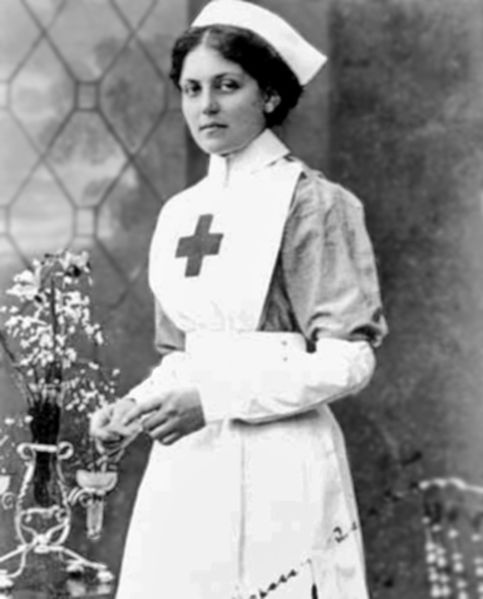
violet-jessopToday I found out about Violet Jessop, “Miss Unsinkable,” the woman who survived the sinking of the sister ships the Titanic and the Britannic, and was also aboard the third of the trio of Olympic class vessels, the Olympic, when it had a major accident. 

Violet Jessop enjoyed incredible “luck” from a young age. Born in 1887 in Argentina to Irish immigrants, she contracted tuberculosis as a young child and was given just a few months to live. Somehow, she managed to fight the disease and went on to live a long, healthy life.

When her father passed away, her mother moved the family to Britain, where she took a job as a stewardess on a ship. While her mother was working, Violet attended a convent school. Unfortunately, her mother became ill, and to provide for her siblings Violet decided to follow in her mother’s footsteps and become a ship stewardess herself.

The first in a long line of struggles for Violet was finding a ship that would take her. She was just 21 years old at the time and most women working as stewardesses in the early 1900s were middle-aged. Employers believed that her youth and good looks would be a disadvantage to her, “causing problems” with the crew and passengers. (Over the course of her career, she did get at least three marriage proposals while working on various ships, one from an incredibly wealthy first-class passenger.)

Eventually, Violet solved the problem by making herself look frumpy with old clothes and no make-up, and experienced more successful interviews after this. After a brief stint aboard the Orinoco, a Royal Mail Line steamer, in 1908, she was hired by the White Star Line.

Violet started out on the line’s Magestic, switching to the Olympic in 1910. Despite the long hours and minimal pay (£2.10 every month or about £200 today), she enjoyed working aboard the massive ship. She had initially had some concerns about the rough weather conditions while traveling across the Atlantic, but she reportedly liked that the Americans treated her more like a person while she served them.

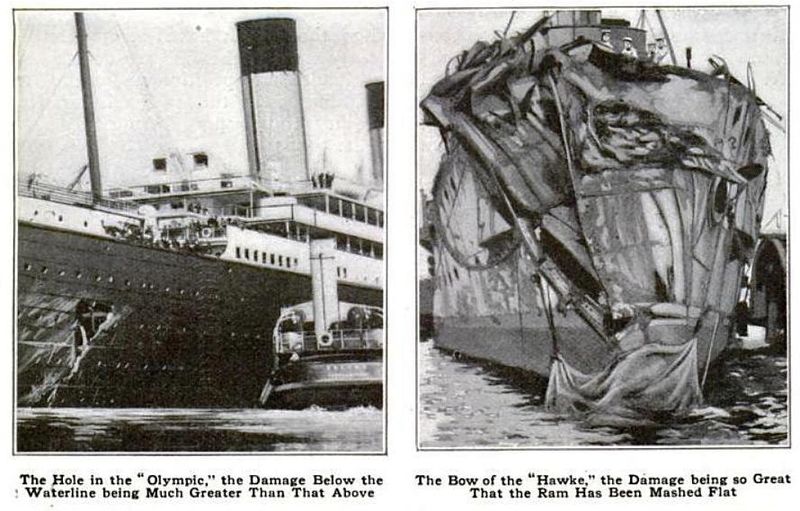
Olympic_collisionIt was just one year later when the trouble started. In 1911, the Olympic collided with theHMS Hawke (a ship designed to sink ships by ramming them). Both ships sustained considerable damage, including the Olympic having its hull breached below the water line, but miraculously didn’t sink. They were able to make it back to port, and Violet disembarked without being harmed.

A couple of years later, the White Star Line was looking for crew to cater to the VIPs aboard the unsinkable ship, the Titanic. It took a while for her friends and family to convince her that it would be a wonderful experience, but Violet eventually decided to take a job on board the ship. As you already know, the Titanic struck an iceberg and sunk, killing more than 1500 people.

Violet was able to escape the disaster on lifeboat 16. In her memoir, she recalls,

I was ordered up on deck. Calmly, passengers strolled about. I stood at the bulkhead with the other stewardesses, watching the women cling to their husbands before being put into the boats with their children. Sometime after, a ship’s officer ordered us into the boat first to show some women it was safe.

As she was jumping into the lifeboat, she was handed a baby to care for. When they were rescued by theCarpathia, the baby’s mother (or at least Jessop thought it must be) found her and whisked the baby away (literally grabbing the baby out of Jessop’s arms and running off).

Once again, Violet lived to sail another day.  Although, she did later state the first thing she missed after the Titanic sank was her toothbrush that she’d left on board.

You’d think she’d stop getting on ships at this point, or at least ships of the Olympic class, but not Violet. In the lead-up to World War I, she decided to serve as a nurse on board the Titanic’s other sister ship,Britannic, which was operating in the Aegean Sea. Given her track record, you can probably guess what happened next. The Britannic ran into a mine that had been planted by a German U-boat. The ship sustained substantial damage and quickly started sinking.

This time, Violet wasn’t lucky enough to jump into a lifeboat as the ship was sinking too fast. Instead, she jumped overboard. In her own words,

I leapt into the water but was sucked under the ship’s keel which struck my head. I escaped, but years later when I went to my doctor because of a lot of headaches, he discovered I had once sustained a fracture of the skull!

She joked that she only survived because of her thick hair, which cushioned the blow.  She also stated this time she remembered to grab her toothbrush before evacuating, unlike with the Titanic.

Even this latest disaster was not enough to deter Violet. After the war, ships were becoming a more and more popular form of transport. Even cruise ships were starting to emerge. Violet left the White Star Line for the Red Star Line and worked on a ship doing world cruises for several years.

Luckily for Violet and everyone traveling on the ships she was aboard later, no such vessel she worked on ever sustained significant damage again. She did take a clerical job for a while after World War II, but went back to working on Royal Mail ships for a few years before she retired at the age of 61. The rest of her life was spent gardening and raising chickens. She died in 1971 of congestive heart failure at the ripe old age of 84.

Source:::  Today i foundout .com

Natarajan


” The Little Known Man Who Saved the World … “

The Man Who Saved the World
In 1962, the U.S. and the Soviet Union were on the brink of possible mutual destruction- the world as a whole was facing a possible nuclear winter and all the devastation that would come with it. The Cold War had been escalated to “tepid” and was close to becoming hot with the failure of the Bay of Pigs in 1961 and the ensuing Cuban Missile Crisis.

In May 1962, Soviet President Nikita Khrushchev and Cuban President Fidel Castro reached a “secret” agreement that allowed the Soviets to start building missile sites in Cuba, including stocking them with nuclear missiles- 42 of them.

It should be noted here that the U.S. at this time had nuclear missiles in Turkey and Italy that could hit Moscow within 16 minutes of being launched. On the flip-side, the Soviets had plenty of nukes pointed at and perfectly capable of destroying the U.S.’ allies throughout Europe. However, the Soviets did not have nearly the capability to destroy targets in the U.S. itself. Certainly they had enough nukes and intercontinental ballistic missiles to destroy all the major cities in the U.S. and more, but their missiles at this point weren’t extremely accurate at those distances, so weren’t as good as a “mutual destruction” deterrent. Indeed, there were some among the U.S. brass that felt the loss of allies throughout Europe and the lesser direct causalities from long range nukes that managed hit their targets in the U.S. were acceptable losses given the payoff would be the annihilation of the Soviet Union and the end of that threat to the United States. So if the Soviet Union had nukes in Cuba, that tipped the balance in the Cold War back to near even, rather than in the U.S.’s favor as before.

In the fall of 1962, the United States sent a US U-2 aircraft to fly over Cuba to attempt to confirm the rumors that they had heard about the Soviet missile sites in Cuba. On October 14th, 1962, the U-2 arrived back with pictures of these missiles sites. A day later, the pictures were presented to President Kennedy. Tensions rose and alarms were sounded. And, thus, on October 15th, 1962 the 13-day ordeal that became known as the Cuban Missile Crisis began.

Vasili Arkhipov was born on January 30th, 1926 to a poor, peasant family near Moscow in the town of Staraya Kupavna. At the age of 16, he began his education at the Pacific Higher Naval School. Vasili saw his first military action as a minesweeper in the Pacific Theater at the tail end of World War II. In 1947, he graduated from the Caspian Higher Naval School and served on submarines in the Soviet Black Sea, Northern, and Baltic fleets. In 1961, Vasili got his first taste of crisis management in an incident that, while extremely momentous, wasn’t even close to what he’d help with later.

This first incident happened when Vasili was appointed deputy commander of the new K-19 sub (known today as “the Widowmaker”), one of the first Soviet nuclear subs, which was also equipped with a nuclear ballistic missile. On July 4th, 1961, as the sub was conducting exercises near Greenland, a major leak was discovered in the radiant cooling system. Since no backup cooling system was installed pre-sail, the reactor on the sub was in real danger of a nuclear meltdown. In order to prevent a nuclear accident unlike any the world had ever seen before, the captain of the sub sent workers into high-radiation areas to build a cooling system on the spot. Every member of the sub did what they could to prevent disaster. Vasili, lending his engineering expertise, helped contain the overheating reactor. The crew succeeded, but not before these workers and many on the crew developed radiation sickness. Every worker that was sent as first responders into the high-radiation areas died within days. Due to this, a mutiny nearly erupted on board the K-19 sub. Vasili backed his captain in continuing the work and was, eventually, awarded a medal for his bravery in a time of crisis and loyalty to the Soviet Union. All of this, though, was a precursor to the day Vasili Arkhipov saved the world.

After his time on the K-19 sub, Vasili was made second in command on the B-59, one of four attack submarines that was ordered to travel to Cuba on October 1st, 1962. The sub contained 22 torpedoes, one of which was nuclear, holding the same strength as the bomb that was dropped on Hiroshima. The captains of each of the four subs were given permission to fire their nuclear torpedoes at their own discretion, so long as they had the backing of the political officer on board. Unknown to the crew of the B-59, the United States began their naval blockade of Cuba on October 24th and informed the Soviets that they would be dropping practice depth charges (think warning shots) to force subs to surface and be identified.

Moscow could not communicate this information to the B-59 due to it being too deep underwater to receive radio transmissions. On October 27th, 1962, US destroyers and the aircraft carrier USS Randolph located the sub, trapped it, and began dropping depth charges to force it to surface. The sub’s crew, which had been traveling for nearly 4 weeks with very little communication with Moscow, was very tired and not aware of circumstances. The sub’s captain, Valentin Savitsky, believed that nuclear war had already broken out between the Soviet Union and the US and wanted to fire the nuclear torpedo.

Fortunately, particularly given the heightened tensions at the time, in this case, one other person had veto power over firing besides the captain and the political officer, the second in command Vasili Arkhipov. Vasili, despite being second in command on the B-59, was the leader of the fleet of the four Soviet subs sent. Had Vasili not been present, nuclear war would have likely happened as both the captain and the political officer wanted to launch the nuclear torpedo. Vasili vehemently disagreed, arguing that since no orders had come from Moscow in a long time, such a drastic action was ill-advised and the sub should surface to contact Moscow. A heated argument broke out- legend, probably false- says punches were thrown. Eventually, though, Vasili won the day (his reputation as a hero in the K-19 mutiny reportedly helped in the debate) and the sub surfaced. Upon meeting their American enemies, they were instructed to head back to Russia. They obliged, (additionally, they began to have mechanical issues on board the sub) and headed east. Nuclear war was averted. Vasili Arkhipov was a hero… again.

When the sub arrived back in Russia, the crew of the B-59 were met with trepidation. After all, they had pretty much surrendered to the Americans. Said one Russian admiral to the submariners, “‘It would have been better if you’d gone down with your ship.”

Despite the not-so-hero’s welcome he originally received from the Soviets upon his return, to his wife, Olga, Vasili was always the man who saved the world,
“The man who prevented a nuclear war was a Russian submariner. His name was Vasili Arkhipov. I was proud and I am proud of my husband, always.”


Source:::: Today i foundout.com

Natarajan

Embarassing Mistakes in the History… Wish it is Not Repeated !!!

They say history repeats itself. Which means that all of the glorious bravery and stories are constantly serving as examples. It’s why it’s important to learn from history, as they help us navigate our lives, and our civilization. But history also has a darker side… it shows us the mistakes that don’t bear repeating. Those horrible decisions, those stupid mistakes, those idiotic moves that should never be repeated. Learn from few examples, and be wiser for it.


The 12 book publishers who turned down Harry Potter.

24. The 12 book publishers who turned down Harry Potter.


Message For the Day…” Bheema on the Left and Arjuna on Right … ” What does it mean ?

Dharmaraja always had Bheema to his left and Arjuna to his right. What is the significance? Bheema is remembered as a person of physical strength. Arjuna is known for his purity and valour. Do not take it that Dharmaraja was merely surrounded by people with physical strength and valour. Dharmaraja was always upright in practicing right conduct and moral principles. Hence, Bhima too always obeyed him and never misused his physical strength anywhere. Arjuna personified purity and possessed various powers and capabilities. He also won the friendship of Lord Krishna and various honours from Indra and others. Unlike the present day honours awarded by various Governments, Arjuna wore purity and valour as his decorations. Because purity and valour were on either sides, righteousness prevailed during the rule of Dharmaraja or Yudishtra.


Sathya Sai Baba

The Trick Played By Christopher Columbus…


This Day In History: February 29, 1504  


On this day in history, 1504, Christopher Columbus convinced a group of Native Jamaicans that his god was angry with them for ceasing to provide his group with supplies and that god would show his anger with a sign from the heavens.  The sign was a lunar eclipse that Columbus knew was imminent.

This event occurred on Columbus’ fourth and final voyage to the Americas, which began in Cadiz in 1502.  Columbus landed near the north coast of Jamaica on June 20, 1503 with only two of his original four caravel ships still afloat, but barely sea worthy due to a shipworm infestation.  At first, the natives welcomed Columbus and his crew, providing them with food and other supplies in exchange for various trinkets, generally welcoming the sailors into their community with open arms.

This arrangement didn’t last very long. Over the next several months, the natives became discontented with the guests of their island.  Columbus’ crew repaid the generosity of the natives by frequently stealing and cheating them, as well as raiding villages for supplies, among many other indiscretions committed by the crew (murder, rape, etc.).  As a result of this, by January of 1504, the indigenous peoples decided to stop supplying the stranded Europeans, regardless of what they might offer in trade.

Without a significant source of food or means to leave, Columbus’ expedition was in serious trouble.  Luckily for his crew, Columbus had certain astronomical tables with him including the ephemeris compiled by the German astronomer Johannes Müller von Königsberg, better known today by his Latin name, Regiomontanus.  In this almanac, Regiomontanus predicted there would be a total lunar eclipse on the evening of February 29, 1504.  He also gave an estimation of what time it would occur, though this start time was based on Nuremberg, Germany time, so Columbus had to do a bit of estimating.  Regiomontanus even included fairly accurate information as to how long the eclipse would last.

Armed with this knowledge, which Columbus was choosing to gamble would be extremely accurate, he called a meeting with the chiefs of the nearby tribes shortly before the eclipse was to take place.  In this meeting, he told them his god was angry with them for ceasing to give him supplies.  As a result, his god would take away the moon as a sign of his anger and subsequently punish them for their actions.

Luckily for Columbus, the predicted lunar eclipse took place more or less on schedule and according to Columbus’ son, Ferdinand, who was 13 and had made the voyage with his father:

The Indians observed this [the eclipse] and were so astonished and frightened that with great howling and lamentation they came running from every direction to the ships, laden with provisions, praying the Admiral to intercede by all means with God on their behalf; that he might not visit his wrath upon them…  and promising they would diligently supply all their needs in the future.

Columbus agreed to take their case before his god and went into his cabin to “pray”.  What he actually did in there was watch an hour glass.  Columbus knew the moon would stay completely in the Earth’s shadow for around 48 minutes, so he waited for the appropriate time for the moon to begin to emerge.  Shortly before this took place, he came back out and told the natives that he had asked his god to forgive them and god had acquiesced.  The moon began to reappear and Columbus no longer had trouble getting the provisions he needed. He and his crew were picked up a few months later when a ship from Hispaniola arrived in Jamaica on June 29, 1504.  They arrived back in Spain on November 7, 1504.

source:::: Today i foundout.com

natarajanChri