தலையாட்டி பொம்மையும், தஞ்சை பெரிய கோவிலும்!

தஞ்சாவூரில் தயாரிக்கப்படும் தலையாட்டி பொம்மைக்கும், தஞ்சை பெரிய கோவிலுக்கும் என்ன சம்பந்தம் இருக்க முடியும் என்று தானே நினைக்கிறீர்கள்…
இந்த சாதாரண தலையாட்டி பொம்மைக்குள் தான், மிகப் பெரிய தத்துவத்தையே ஒளித்து வைத்துள்ளனர், நம் முன்னோர்.
கொட்டாங்கச்சி எனப்படும் தேங்காய் சிரட்டையில் பாதியை எடுத்து, அதில், களி மண்ணை அடைத்து, தலையாட்டி பொம்மைகள் செய்யப்படுகிறது. அந்தப் பொம்மையை தரையில் வைத்து, எந்த பக்கம் சாய்த்தாலும், அது, ஆடி ஆடி கடைசியாக நேராக நின்று விடும்.
சமீபத்தில், தஞ்சை பெரிய கோவில் வளாகத்தில், தண்ணீர் பற்றாக்குறை காரணமாக, ‘போர்’ போடுவதற்காக, ஆழ்துளை கிணறு தோண்டியுள்ளனர். அப்போது, களிமண்ணோ, செம்மண்ணோ வரவில்லை; வேறு ஒரு வகை மணல் வெளிப்பட்டிருக்கிறது.
அது, காட்டாறுகளில் காணப்படக் கூடிய மணல். சாதாரண ஆற்று மணலுக்கும், காட்டாறு மணலுக்கும் வித்தியாசம் உண்டு. சாதாரண ஆற்று மணலை விட, காட்டாறுகளில் காணப்படும் மணலில், பாறைத் துகள்கள் அதிகம் காணப்படும். மேலும், சாதாரண மணலை காட்டிலும் கடினமானது. கோவிலை கட்டுவதற்கு முன், அந்த மணலை அடியில் நிரப்பியுள்ளனர்.
இத்தகவலை அறிந்த, தஞ்சை பெரிய கோவில் மீட்புக் குழுவினரின் முயற்சியால், போர் போடும் வேலை உடனடியாக தடுத்து நிறுத்தப்பட்டது.
ஏனென்றால், ஆயிரம் ஆண்டுகளாக இந்த பூமியில் ஏற்படும் அழுத்தங்களையும், நிலநடுக்கங்களையும் தாங்கி, நான்குபுறமும் அகழிகளால் சூழப்பட்டு, கம்பீரமாக காட்சியளிக்கும் இந்த உலக அதிசயத்தின் அஸ்திவாரமே அந்த மணல் தான்!
இவ்ளோ பெரிய கோவிலுக்கு, மணலை கொண்டு அஸ்திவாரம் அமைக்க, சோழ தேச பொறியாளர்கள் என்ன முட்டாள்களா!
கோவிலின் அதி அற்புத தத்துவமும், சோழர்களின் அறிவின் உச்சமும் அங்குதான் வெளிப்படுகிறது.
அகழிகளால் சூழப்பட்டுள்ள தீவு போன்ற அமைப்பில், காட்டாற்று மணலால் கோவிலுக்கு அஸ்திவாரம் அமைக்கப்பட்டுள்ளது. தலையாட்டி பொம்மையை சாய்த்தால், எப்படி கீழே உள்ள கனமான அடிப்பரப்பில் ஆடி ஆடி நேராக நின்று விடுகிறதோ, அதேபோல், பெரிய கோவிலும் எத்தகைய பூகம்பம் வந்து அசைய நேரிட்டாலும், அசைந்து, தானாகவே சம நிலைக்கு வந்து விடும்.
சோழ தேச பொறியாளர்களின் அறிவிற்கு, உலகில் வேறு எவரும் ஈடாகார் என்பதற்கு இது ஒன்றே சான்று!


Source….Pushpa in http://www.dinamalar.com dated 7th Jan 2018

Natarajan


When Donald Trump demanded a role in Home Alone 2 in exchange of a shoot in his hotel !!!!!!

In an interview, Matt Damon mentioned how President Trump would only let the crew of the film on his properties if they wrote him a part in it. That’s how he featured in Home

Alone 2: Lost in New York. Donald Trump and Macauley Culkin in a scene from Home Alone 2: Lost in New York.

Back in 1992, Donald Trump played a six-second cameo role in the adventure/comedy movie Home Alone 2: Lost in New York. And now, Hollywood actor Matt Damon has spilled the truth behind the “apparent” cameo appearance.

Damon revealed the deal that Trump made to the filmmakers in exchange for the use of his Manhattan hotel for the shoot.

In an interview with The Hollywood Reporter, the 46-year-actor told that President Trump will only let the crew of the film on his properties if they write him a part in the movie.

He said, “The deal was that if you wanted to shoot in one of his buildings, you had to write him in a part.”

Adding, “[Director] Martin Brest had to write something in Scent of a Woman, and the whole crew was in on it.”

“You have to waste an hour of your day with a bullshit shot: Donald Trump walks in and Al Pacino’s like, ‘Hello, Mr. Trump!’ You had to call him by name and then he exits,” noted Damon.

“You waste a little time so that you can get the permit, and then you can cut the scene out. But I guess in Home Alone 2 they left it in,” he explained.

The Downsizing star also revealed that he has never met Trump in person and he clearly isn’t a fan of him.

Damon is currently promoting his new movie Suburbicon at the Venice Film Festival alongside Hollywood actors George Clooney and Julianne Moore.

Source…www.hindustantimes.com

Natarajan


புத்தம் புது பூமி வேண்டும்… நித்தம் ஒரு வானம் வேண்டும்!

உலகமே கொண்டாடுகிற ஒருநாள் என்றால், அது, ஜனவரி, 1ம் நாள் தான். புத்தாண்டு என்றால், புதிய நாட்கள் மட்டும் பிறப்பதில்லை; புதிய உலகம் பிறக்கிறது. ஆண்டு பிறப்பு என்றாலே,
ஆங்கில ஆண்டின் ஜனவரி, 1ம் தேதியை தான் குறிப்பிடுகிறோம்.

‘சென்னை’ என, பெயர் மாற்றம் செய்த, 1995ம் ஆண்டு வரை, சித்திரைத் திங்கள் முதல் நாளைத்தான், ஆண்டின் முதல் நாளாக கொண்டாடினர். ஆனால், அதன் பிறகான கொண்டாட்டங்களின் வண்ணங்கள் மாறி விட்டன. ஆயினும், வரலாற்றுக் குறிப்புகள் உட்பட, எல்லாரும் பொதுவாக அறிந்து கொள்ளக் கூடிய வகையில், அனைத்து நிகழ்வுகளையும், ஆங்கில ஆண்டு, மாதம் மற்றும் தேதி ஆகியவற்றின் அடிப்படையிலேயே குறித்து வைக்கிறோம்.
நம் வயதை கணக்கிடும் போது, நாம் பிறந்த ஆங்கில ஆண்டை மனதில் வைத்து, தற்போது நடக்கும் ஆண்டு வரை எண்ணி, நம் வயதைச் சொல்கிறோம். அதனால், ஆண்டின் துவக்கம் என்பது, ஜனவரி, 1ம் தேதி தான் துவங்குகிறது என கொள்வதில் தவறில்லை.
வரவேற்பு
தீபாவளி, பொங்கல், கிறிஸ்துமஸ், ரம்ஜான் போன்ற பண்டிகைகளுக்கு நிகரான ஆரவார கொண்டாட்டங்கள், புத்தாண்டிலும் இப்போது நிகழ்கின்றன. புதிய ஆண்டை வரவேற்பதற்காகவும், புதிய வாழ்க்கையை தேர்ந்தெடுப்பதற்காகவும், மிக மகிழ்வோடு கொண்டாடும் ஒரு பண்டிகை, ஆண்டின் முதல் நாள் கொண்டாட்டம் தான்!முதல் நாள் இரவே, ஆட்டம், பாட்டம் என, கொண்டாட்டம் துவங்கி விட்டாலும், பெரும்பாலான மக்கள், ஒரு பழக்கத்தைக் கடைபிடித்து
வருகின்றனர்.
முதல் நாள் இரவு, வீட்டில் நிலைக் கண்ணாடி முன், தட்டில் பல வகையான பழங்கள், பணம், காசுகள், நகைகள் போன்றவற்றை, அவரவர் விருப்பத்திற்கேற்ப வைத்து விடுவர்.காலையில் துாக்கம் கலைந்து, அந்தத் தட்டின் எதிரேயுள்ள கண்ணாடியில் கண் விழிப்பர்; இதனால், ஆண்டு முழுவதும் செல்வம் சேரும் என, நம்பப்படுகிறது. இதை, ஆரம்பத்தில் சித்திரைத் திங்கள் முதல் நாள் அன்று தான் கடைபிடித்தனர்.
புது ஆண்டு பஞ்சாங்கம் வாங்கி வந்து, பெரியவர்கள் மூலம் பஞ்சாங்கப் பலனை கேட்பதும், தமிழகத்தின் பல இடங்களில் இன்றும் கடைபிடிக்கப்பட்டு வரும் வழக்கமாக உள்ளது. வாழ்த்துகள் சொல்லிக் கொள்வதிலும், கேக் வெட்டுவதிலும், நாளை முதல் இப்படி தான் என, சபதம் எடுத்துக் கொள்வதிலும் தான், கொண்டாட்டங்கள் இருக்கின்றன என்பது வாடிக்கையாகிப் போனது.
புது ஆண்டு பிறப்பது, நம் வாழ்வை இன்னும் திட்டமிட்டு, கடந்த ஆண்டு செய்த தவறுகளை திருத்தி, வாழ்வை மேலும் சிறப்பாக்கி கொள்வதற்குத் தானே தவிர, இப்படி வரைமுறையில்லாமல் கொண்டாடி மகிழ்வதற்கு அல்ல. ஜனவரி, 1ம் தேதியை, ‘உலக குடும்ப நாள்’ என, அறிவித்து கொண்டாடி வருகின்றனர்.
உலகிற்கு, கூட்டுக் குடும்ப வாழ்க்கையை கற்று தந்தது இந்தியா தான். ஆனால், அந்த அளவிற்கு கலாசாரம், பழமைவாதம் நிரம்பிய இந்தியாவில், குடும்ப உறவுகள் பற்றிய அருமை தெரியாமல், உலக குடும்ப தினம் கொண்டாடும் அளவிற்கு வந்து விட்டோம். தாத்தா, பாட்டி, அப்பா, அம்மா, அண்ணன், அண்ணி என, பெரும் கூட்டமாக கடந்த நுாற்றாண்டு வரை வாழ்ந்துள்ளோம்.இப்படி, உறவு முறைகள் தெரியாமல், அவர்களின் அருமையும், வாழ்ந்த வரலாறும் தெரியாமல், இன்றைய இளைய சமுதாயம், நட்புகளும், பழகியவர்களுமே, தங்களுக்கு முக்கியமானவர்கள் என, இருப்பதால் தான், பெரும் சிக்கல்கள் சமூகத்தில் எழுகின்றன.
பல சமூக சீர்கேடுகளுக்கு அடிப்படை காரணங்களே, அன்பு, பாசம் என்றால் என்னவென்றே தெரியாமல், பெரும்பாலான குழந்தைகள் வளர்வதும், முதியோர் இல்லங்கள் அதிகரித்ததும் ஆகும்.
கோவில்களை இரவு, 9:00 மணிக்கு நடை சார்த்தி, அதிகாலை, 4:30க்கு திறக்கும் வழக்கம் என்பது, ஆகம விதிப்படி என்றாலும், அறிவியல்படி நம் முன்னோர்களால் ஏற்படுத்தப்பட்டது. இரவு வேளையில், ஆக்சிஜன் குறைவாக இருக்கும் என்பதால், இப்படி நேரக் கட்டுபாட்டைக் கொண்டு வந்தனர். புத்தாண்டு நாளில், அதுவும், இந்த மார்கழி மாதத்தில், அதிகாலையில் கோவிலுக்குச் சென்று, ஆண்டவனை தரிசிப்பதே நல்லது.
கிறிஸ்தவம்
ஆங்கிலப் புத்தாண்டு என்பது, தமிழர்களால் மட்டுமின்றி, வேறு இனத்தவர்களாலும் கொண்டாடப்படும் முக்கிய நாளாக உள்ளது. ஆனால், ‘ஆங்கிலப் புத்தாண்டு என, ஜனவரி 1ம் தேதியைக் கொண்டாடுவது, கிறிஸ்துவ மதம் தொடர்பானது’ என, சொல்வோரும் உண்டு.ஐரோப்பாவில், கத்தோலிக்கத் திருச்சபையின் செல்வாக்கு நிறைந்த நடுக்காலப்பகுதியில், மேற்கு ஐரோப்பாவின் பெரும்பாலான நாடுகள், ஆண்டின் ஆரம்ப நாளாக, டிசம்பர், 25 – இயேசுவின் பிறப்பு, மார்ச் 1 மற்றும் 25 – இயேசு பிறப்பின் முன்னறிவிப்பு அல்லது உயிர்ப்பு ஞாயிறு போன்ற முக்கிய கிறிஸ்தவ திருவிழா நாட்களைத்தான் தேர்ந்தெடுத்தன.
ஜனவரி, 1ம் தேதி ஆங்கிலப் புத்தாண்டு என்று கூறுவதும் மிகத்தவறு. ஆங்கிலேயர்கள் அதைக் கண்டுபிடிக்கவுமில்லை; அதை அமல்படுத்தவும் இல்லை. அதுபோல், ஏன் இந்த தேதியை ஆங்கிலப் புத்தாண்டு என்று கூற வேண்டும் எனச் சிந்திக்கவோ அல்லது எதிர்கேள்வி கேட்பதோ கூட இல்லை.’இந்நாளை ஒரு விழாவைப்போல் கொண்டாடுவது, இந்தியாவின் வேத கலாசாரம் கிடையாது’ என்றும் கூறி வருகின்றனர்.
இப்படி செய்வது, இந்து தர்மத்திற்கு எதிரானது என்ற வாதத்தை ஏற்க இயலாது. அதே நேரத்தில், நம் பாரம்பரிய பழக்க வழக்கங்களுக்கு எதிராக, அந்தக் கொண்டாட்டம் அமைந்துவிடக்கூடாது என்பதையும், மனதில் கொள்ள வேண்டும்.எந்த கருத்துகள் எப்படி இருந்தாலும், அதைப் பற்றியெல்லாம் கவலைப் படாமல், நம் மக்கள், கோவில்களில் காத்திருந்து, புது ஆண்டில் இறை தரிசனத்தை பெற, கூட்டம் கூட்டமாக செல்வதை யாராலும் தடுக்க முடியாது.
விருப்பம்
நகைக்கடை, ஜவுளிக்கடை, சினிமா தியேட்டர்கள், கடற்கரை போன்ற இடங்களில், மக்கள் கூட்டத்தை கட்டுப்படுத்தவும் முடியாது. எந்த வசதியும் இல்லாத கிராமப்புறங்களில் கூட, புத்தாண்டு அன்றைக்கு மட்டுமாவது, கோலாகலமாக இருப்பதை, மக்கள் விரும்புகின்றனர்.
கடந்த, 30 ஆண்டுகளுக்கு முன்பெல்லாம், கிராமத்திலும், நகரத்திலும் கூட, கட்டுப்பாடான வாழ்க்கை முறை, பெற்றோருக்கு அடங்கிய பிள்ளைகள், கூட்டுக் குடும்ப வாழ்க்கை என, நன்றாகவே இருந்தது.
ஆனால், மாறி வரும் நகர வாழ்க்கை, மேற்கத்திய நாகரிகம், அறிவியல் வளர்ச்சி, இவற்றின் தாக்கம், மெல்ல மெல்ல நம்மையும் மாற்றி விட்டது என்றே சொல்லலாம்.ஜப்பான், சீனா, கொரியா போன்ற நாடுகள், தங்களது சொந்த காலண்டர்படி உள்ள ஆண்டு பிறப்பையும், சிறப்பாக கொண்டாடுகின்றன; ஆங்கில புத்தாண்டையும் உற்சாகமாகக் கொண்டாடுகின்றனர்.
எனவே, ஜனவரி 1ம் தேதியை, போதையோடு, நண்பர்களோடு கொண்டாடுவதை நிறுத்தி, ஏதாவது ஒரு உருப்படியான காரணத்துடன், உற்றார் உறவினர்களுடன், குடும்பத்துடன் நாம் கொண்
டாடுவதுடன், நம், சொந்த புத்தாண்டு தினத்தையும் கொண்டாட முயற்சிக்க வேண்டும்.
வருட துவக்கத்தில் நல்லது ஒன்றை தீர்மானமாக எடுத்து, நம்முடன் இருக்கும் தீயது ஒன்றை விட்டு விட வேண்டும். நாம் நல்லவற்றை யோசித்து, நல்லவற்றை செய்தால் மட்டுமே, இது சாத்தியப்படும் என்பதை நினைவில் நிறுத்திக் கொள்ளுங்கள். ஒரு நாள் இரவு, வண்ணமய கொண்டாட்டம், பலரது வாழ்க்கையை இருட்டாக்கி விடாமல் அமைத்துக் கொள்வது அவசியம்.
எவ்வாறு கோள்களின் இயக்கம், அதன் சுற்றுப்பாதையை விட்டு விலகுவதில்லையோ, அதுபோல், மனிதனின் வாழ்வானது, சமூகத்தை சார்ந்தே அமையும். அச்சமூகத்துடனான மனிதனுடைய உறவு பலப்பட, பாலமாக அமைவது, அன்பு மட்டுமே.
அதற்கு, ஒவ்வொரு மனிதனும், மானுட சமுத்திரத்தில் ஐக்கியமாவதால் மட்டுமே சாத்தியப்படும். இந்த புத்தாண்டு கொண்டாட்டத்தை, நாம் மாற்றுத்திறனாளிகள், ஆதரவற்றோர், ஏழைகள் என, பகிர்ந்து கொள்வதாக தீர்மானித்துக் கொள்ளலாமே. நம் சந்தோஷம், நம்முடன் மட்டும் முடிந்து விட்டால், அதில் எந்த ஒரு திருப்தியும் இல்லை. நம் மகிழ்வு, மற்றவர்களுக்கும் பகிரப்பட வேண்டும்; அதுதான் உண்மையான மகிழ்வு என்பது, எல்லாருக்கும் தெரிந்த ஒன்று தான்.
அதனால் தான், ஜனவரி, 1ம் தேதியை, ‘உலக குடும்ப நாள்’ என தீர்மானித்து, அன்று பகிர்தலுக்கும், அமைதிக்கும் ஏற்ற நாளாகக் கொண்டாடுகின்றனர்.
எந்த சிறப்பு தினம் என்றாலும், குடும்பத்தில், குடும்ப உறுப்பினர்களுடன் சேர்ந்து கொண்டாடுவதையே, நம் மக்கள் விரும்பினர்.குடும்பத்துக்குள் பிரச்னைகள் இருக்கலாம்; ஆனால், காட்டிக்கொள்ள விரும்பியதில்லை. கொண்டாட்டம் என்பது வெளியில் கொண்டாடுவது மட்டுமில்லை என்பதை உணர வேண்டும். ஒரு குடும்பம் என்பது, சண்டை சச்சரவோடு இருக்கும்; ஆனால், பாகுபாடு இருக்காது. ஷாப்பிங் மால், பார்ட்டி கிளப், தியேட்டர், பார்க், பீச் இதையெல்லாம் தாண்டி, நிறைய சந்தோஷங்களையும், நன்மைகளையும் கொண்டாட, குடும்ப வாழ்க்கையை நினைவூட்டும் தினம், இது என்பதை நினைவில் கொள்ளுங்கள்.
குடும்ப மரம்
‘பேமிலி ட்ரீ’ எனப்படும், ‘குடும்ப மரம்’ என்பது, குடும்ப நபர்களின் பரம்பரையை குறிக்கும் அட்டவணை. இதை கொடி வழி என்றும் சொல்லலாம்; இது, மரத்தின் அமைப்பை, தலைகீழாக, மூதாதையர் முதல், பேரன் வரை பரம்பரை நபர்களின் குடும்ப மூலத்தின் வரலாற்றை காட்டுகிறது.இதில் குடும்ப நபர்களின் பெயர், புகைப்படம், பிறப்பு, திருமணம், இறப்பு ஆகிய தேதி மற்றும் தொடர்பு குறிப்புகள் இருக்கும். இதை, தாய்வழி உறவு முறை, தந்தைவழி உறவு முறை, கணவன், மனைவி, மகன், மகள் மணவழிக் குடும்பம் என, உறவு முறைகளை விரிவுபடுத்திக் கொள்ளலாம்.
ஒருவரது தாய், தந்தை, பாட்டன், பாட்டி, பூட்டன், பூட்டி பிள்ளைகள், பேரப்பிள்ளைகள், சகோதரர் ஆகியோர், உயிரியல் முறையில் தொடர்பானவர்கள்; இவர்களுடைய உறவுகள், ரத்த உறவு எனப்படுகிறது. ‘உலக குடும்ப தினம்’ ஆண்டுதோறும் ஜனவரி 1ம் நாள் உலகமெங்கும் கொண்டாடப்படுகிறது.இன்று அமைதியையும், மகிழ்ச்சியையும், உறவுகளோடு, நட்புகளோடு பகிர்ந்து கொள்ளவதற்கான நாளாக, இது அமைந்துள்ளது. இன்று, அன்பானவர்கள் அனைவரும் தங்கள் குடும்பத்தாருடன் சேர்ந்து, உணவை, மற்றவர்களுடன் பகிர்ந்து கொள்வர்.
முக்கியமாக, உணவு தேவை என்ற நிலையில் இருக்கும் மக்களுடன், அதை பகிர்ந்துண்டு மகிழ்வர். அமைதியையும், மகிழ்ச்சியையும், மணி ஓசையை எழுப்பியும், முரசொலித்தும், இந்த உலகை பத்திரமாய் காப்பதாய் கொண்டாடுவர். இந்த ஒரு நாள் உலக குடும்ப தினம் மூலம், உலகம் முழுவதும் அமைதியாய் இருக்க பிரார்த்திப்பர்.
வாரியாரின் புத்தாண்டு சிந்தனை
உழைப்பால் உயர்ந்திடுங்கள்!
* வாழ்வில் உயர்ந்திட வேண்டுமானால், தேனீ போல உழைக்கும் மனிதராக மாறுங்கள். சுறுசுறுப்புடன் எப்போதும் நற்செயலில் ஈடுபடுங்கள்

* சிரித்த முகத்துடனும், நேர் கொண்ட பார்வையுடனும் நடை போடுங்கள். இனிமையும், நன்மையும் தரும் சொற்களையே பேசுங்கள்

* இளகிய தங்கத்தில், நவரத்தினம் ஒட்டிக் கொள்வதைப் போல, மனம் பக்தியில் ஒன்றினால், இறையருள் கிடைத்து விடும்

* குடும்பம் எனும் மரத்தில், மனைவி வேராகவும், கணவன் அடிமரமாகவும் இருக்க வேண்டும். அதில், அன்பு எனும் இலைகள் வளர்ந்து, ஒற்றுமை எனும் கனியைப் பறிக்க வேண்டும்

* கீழ்நோக்கிப் பிடித்தாலும், மேல் நோக்கி எரியும் தீப்பிழம்பு போல, எந்த சூழலிலும், உயர்ந்த சிந்தனை மட்டுமே உள்ளவராக செயல்படுங்கள்

* சுறுசுறுப்புடன் பணியாற்றுங்கள். வளைந்து நிமிர்ந்து வேலை செய்வதால், உடல் பலத்தோடு, அறிவுத் தெளிவும் உண்டாகும்

* நல்லவர்களைத் தேடிச் சென்று பழகுங்கள்; அவர்கள் சொல்லும் நல்ல விஷயங்களை, வாழ்வில் கடைபிடியுங்கள்.

* குடும்பத்தினர் ஒன்று சேர்ந்து, காலை அல்லது மாலையில் கடவுளைத் தினமும் வழிபடுவதால், எல்லாவித நன்மையும் உண்டாகும்

* ஆடம்பர வழிபாட்டை கடவுள் விரும்புவதில்லை; பக்தியோடு கொடுக்கும் எளிய பூவும், நீருமே அவருக்குப் போதுமானது.
செய்து தான் பார்ப்போமே!

இது ஜோசியம் இல்லை; இந்த ஆண்டு முழுவதும் நாம் செய்ய வேண்டிய நல்ல காரியங்கள்; பரிகாரங்கள். செய்து தான் பார்ப்போமே…

மேஷம் – பசுவிற்கு அகத்திக்கீரை கொடுங்கள்
ரிஷபம் – ஏழைகளின் மருத்துவச் செலவிற்கு உதவுங்கள்
மிதுனம் – தானத்திலேயே சிறந்த மற்றும் அவசியமான ரத்த தானம் செய்யுங்கள்
கடகம் – வயதானவர்களுக்கு கம்பளி வாங்கித் தாருங்கள்
சிம்மம் – ஏழைப் பெண்ணின் திருமணத்திற்கு உதவுங்கள்;கூடவே அன்னதானம் செய்யுங்கள்
கன்னி – கட்டட தொழிலாளர்களுக்கு முடிந்த வரை உதவுங்கள்
துலாம் – முதியோர் இல்லங்களுக்குச் சென்று, இயன்ற உதவிகளைச் செய்யுங்கள்.
நண்பர்கள், உறவினர்களையும் உதவி செய்ய வையுங்கள்
விருச்சிகம் – அருகிலுள்ள கோவில் திருப்பணிகளில் பங்கேற்று, முடிந்த பொருள்
உதவியும் செய்யுங்கள்
தனுசு – கோவில் உழவாரப்பணிகளில் ஈடுபடுங்கள்
மகரம் – சாலையோரம் வாழ்பவர்களுக்கு ஆடைகள், உணவு பொருள் வாங்கிகொடுங்கள்.
கும்பம் – மரக்கன்று நட்டு, அவற்றை பராமரியுங்கள்
மீனம் – புற்றுநோயால் அவதிப்படுபவர்களுக்கு உங்களால்முடிந்த சேவையை செய்யுங்கள்.

இந்த ராசிக்காரர்கள் இவற்றை மட்டும்தான் செய்ய வேண்டும் என கணக்கிடாமல், எல்லாருக்கும் நல்லவற்றை செய்ய ஆரம்பிப்போம். நாளும், கோளும் நல்லதாகவே நமக்கு அமையும்.

ஜனவரி பெயர் காரணம்

ஜனவரி என்ற பெயர், ரோமானிய மன்னர் ஜனசின் பெயரிலிருந்து வந்தது. ரோமன் இதிகாசத்தில் துவக்கங்களின் கடவுளாக காணப்பட்ட, ஜானஸ்லானுரியஸ் என்ற கடவுளின் பெயரே, ‘கிரிகோரியன்’ காலண்டரின் முதல் மாதமான ஜனவரிக்கு வழங்கப்படுகிறது.

Source….www.dinamalar.com

Natarajan


8 Supposed Facts That Aren’t Really True….!!!

The passage of time can make even the most steadfast of facts to no longer be true. For instance, it was once believed that doctors didn’t need to wash their hands before surgery, but it’s now known that doing so is imperative in order to prevent infection. Take a look at 8 supposed facts that aren’t really true:

1. THEN: America won its independence on July 4, 1776.

NOW: America didn’t officially gain independence until 1783.


July 4th marks Independence Day in the United States, and it’s a celebration replete with parades, barbecues and fireworks. Although the Declaration of Independence was adopted by 12 colonies on July 4th, 1776 and signed by 13 colonies the following August, America was still under British rule. The American Revolution raged on until September 3rd, 1783, when the Treaty of Paris was signed and America truly became free.

2. THEN: George Washington’s teeth were made of wood.

NOW: His teeth were actually human teeth from his slaves. Some were made from ivory.

A set of dentures worn by George Washington are kept at the Mount Vernon plantation house museum. They’re fashioned out of ivory and human teeth, with the human teeth being purchased from slaves that sold them to dentists to make some money in the 18th Century. Apparently Washington paid just one-third of the going rate for the teeth. It’s likely that Washington had his dentures implanted into his jaw.

3. THEN: Pluto is a planet.

NOW: Pluto isn’t a planet.


Pluto was discovered by Clyde Tombaugh back in 1930. He submitted his finding to the Harvard College Observatory, which allowed an 11-year-old English girl to give the newly discovered planet its name. In 2003, an astronomer found that there was an even larger object beyond Pluto, and he named it Eris. This sparked a debate regarding the criteria for what makes a planet a planet. Following the debate’s conclusion, astronomers decided that neither Pluto nor Eris made the cut, so Pluto was demoted to dwarf planet status.

4. THEN: Diamond is the hardest substance.

NOW: Ultra-hard nano-twinned cubic boron nitride is the hardest substance.

It’s been known that there are two substances that are harder than diamond since 2009. These substances, known as wurtzite boron nitride and lonsdaleite, are 18% and 58% better at resisting indentation than diamond respectively. The only problem is that they’re both quite unstable and rare elements. Yet another substance that’s even harder than the aforementioned two was discovered by researchers in 2013. Called ultra-hard nano-twinned cubic boron nitride, it essentially consists of boron nitride particles that have been reorganized into the shape of a layered onion

5. THEN: Witches in Salem were burned at the stake.

NOW: They were actually hanged.

The notorious Salem Witch Trials are widely believed to have involved suspected witches being burned at the stake, but it never actually happened – they were hanged instead. When the Trials were taking place, the US state of New England still followed English law, which dictated that witchcraft was punishable by hanging as opposed to burning at the stake. The confusion arises from the European church calling witchcraft heresy, an offense which was punishable by burning at the stake.

6. THEN: Israelite slaves built the pyramids.

NOW: Egyptian workers built the pyramids themselves.

The myth that the Israelites built the pyramids reportedly stems from comments made by former Israeli Prime Minister, Menachem Begin, during a visit to Egypt in 1977. Jewish people actually didn’t exist during the period when the pyramids were constructed. Archeologists recently found proof that the Ancient Egyptians actually built the pyramids themselves. Workers came from poor families in the north and south of the country, but they were highly respected, with some even being given crypts located close to the pyramids they built.

7. THEN: Folding a piece of paper more than seven times is mathematically impossible.

NOW: The record stands at 13 folds.

The myth that paper can only be folded seven times was dispelled by a Californian high school student called Britney Gallivan. Together with some volunteers, she bought a giant $85 roll of toilet paper and amazed everyone by managing to fold it no less than 11 times. She even developed an equation based on the thickness and width of the specific paper. In 2013, students at St. Mark’s School in Southborough, Massachusetts managed to fold paper 13 times.

8. THEN: The Great Wall of China is the only man-made structure visible from space.

NOW: Many man-made places are actually visible from space.

This so-called “fact” gets regurgitated to third-graders the world over, but there’s actually nothing factual about it at all. In 2003, a Chinese astronaut shattered the myth by confirming that the Great Wall of China wasn’t actually visible from space. In contrast, the lights of large cities, major roadways, bridges, and airports can be seen from space.

Source….www.ba-bamail.com

Natarajan

Checkpoint Charlie….

For nearly thirty years until the end of the Cold War, Berlin lay divided both physically and ideologically by the infamous Berlin Wall that snaked through the now united German capital. The wall was erected mainly to prevent East Germans from defecting to the West. Citizens from East Germany were strictly forbidden to travel to the other side. West Germans and citizens of other countries, however, could visit East Germany after applying for a visa.

The 155-km long wall had nine border crossings that allowed visitors from the West, Allied personnel, foreigners etc. into the Soviet controlled East Berlin. The most famous of this crossings was the checkpoint at the corner of Friedrichstraße and Zimmerstraße, named Checkpoint Charlie.

The name Charlie comes from the letter C in the NATO phonetic alphabet—Alpha, Bravo, Charlie and so on. Similarly, the border crossing at Helmstedt-Marienborn was nicknamed Checkpoint Alpha, and the one at Dreilinden-Drewitz was called Checkpoint Bravo. Checkpoint Charlie was the third opened by the Allies around Berlin.

Checkpoint Charlie became the most famous crossing point between East and West Germany, and it was the only gateway through which Allied diplomats, military personnel and foreign tourists could pass into Berlin’s Soviet sector. Despite its importance, the Allies did not try to erect any permanent buildings here. A small wooden shed with a couple of sandbags was all that stood. Although this was replaced by a larger metal building in the 1980s, the Allies kept their operations deliberately simple as a way of symbolizing their view that the Berlin Wall was not a legitimate border. Things were different on the East German side of the checkpoint, with guard towers, cement barriers and a shed where departing vehicles and their occupants were meticulously searched for potential fugitives.

Checkpoint Charlie was the most visible checkpoint on the Berlin Wall. A small café opened right on the checkpoint became very popular among Allied officials, armed forces and foreigners alike because it provided an excellent viewing point to look into East Berlin while having something to eat and drink.

Checkpoint Charlie also attracted many desperate East Germans looking to flee to the West. In its early years, the checkpoint was blocked only by a gate and one escapee smashed a car through the flimsy barrier. Another escapee simply sped underneath the checkpoint’s vehicle barrier after removing his convertible’s windshield to lower the car’s height. In another famous but unsuccessful attempt, a teenager named Peter Fechter was shot to death by East German guards when he tried to escape to the other side. As he bled to death, his body tangled on the barbed wire, the American soldiers could only watch. Checkpoint Charlie was also the site of the famous tank confrontation in October 1961 when American and Soviet tanks took up position on either side of the gate.

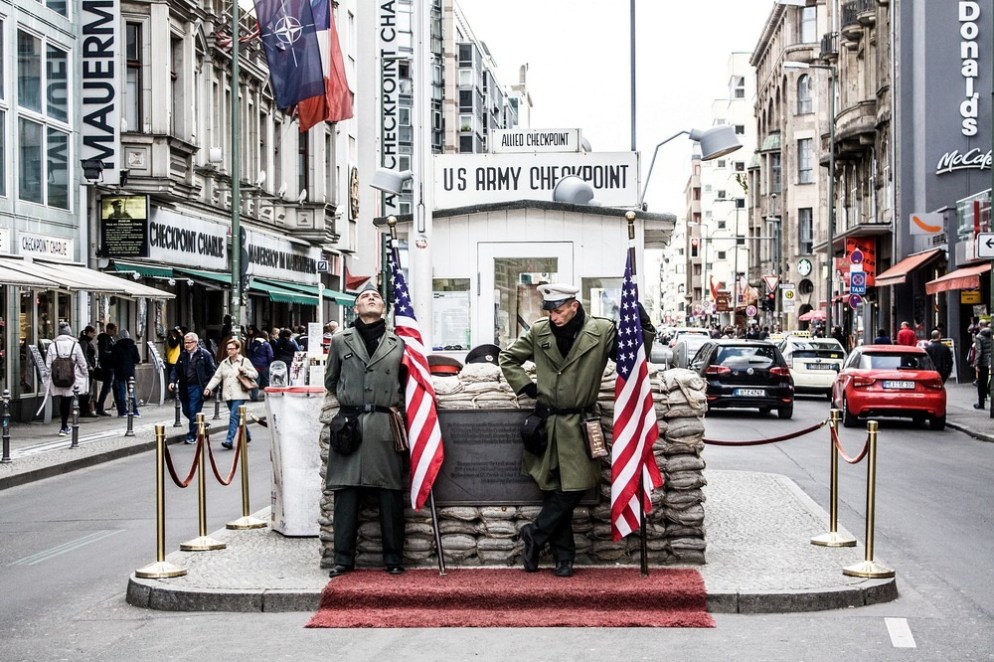
After the Berlin Wall came down and the East and West were united, the guardhouse was removed and is now on display in the open-air museum of the Allied Museum in Berlin-Zehlendorf. A replica of the guardhouse complete with actors dressed in military uniform and posing as Allied guards now stand where the original checkpoint once stood. Today, it is one of Berlin’s primary tourist attractions.

Two actors dressed as Cold War circa American guards stand at a replica of Checkpoint Charlie in Berlin. Photo credit: Shadowgate/Flickr

Source : Kaushik in www. amusingplanet.com

Natarajan


THE TRUTH ABOUT THE BERMUDA TRIANGLE….

The Bermuda Triangle is a large area of ocean between Florida, Puerto Rico, and Bermuda. Over the last few centuries, it’s thought that dozens of ships and planes have disappeared under mysterious circumstances in the area, earning it the nickname “The Devil’s Triangle.” People have even gone so far as to speculate that it’s an area of extra-terrestrial activity or that there is some bizarre natural scientific cause for the region to be hazardous; but most likely, it’s simply an area in which people have experienced a lot of bad luck—the idea of it being a “vortex of doom” is no more real than Bigfoot or the Loch Ness Monster (see The Origin of the Bigfoot Legend and The Origin of the Loch Ness Monster).

The Bermuda Triangle’s bad reputation started with Christopher Columbus. According to his log, on October 8, 1492, Columbus looked down at his compass and noticed that it was giving weird readings. He didn’t alert his crew at first, because having a compass that didn’t point to magnetic north may have sent the already on edge crew into a panic. This was probably a good decision considering three days later when Columbus simply spotted a strange light, the crew threatened to return to Spain.

This and other reported compass issues in the region gave rise to the myth that compasses will all be off in the Triangle, which isn’t correct, or at least is an exaggeration of what is actually happening as you’ll see.  Despite this, in 1970 the U.S. Coast Guard, attempting to explain the reasons for disappearances in the Triangle, stated:

First, the “Devil’s Triangle” is one of the two places on earth that a magnetic compass does point towards true north. Normally it points toward magnetic north. The difference between the two is known as compass variation. The amount of variation changes by as much as 20 degrees as one circumnavigates the earth. If this compass variation or error is not compensated for, a navigator could find himself far off course and in deep trouble.

Of course, despite this now being repeated as an explanation for disappearances in the Triangle on numerous documentaries and articles since then, it turns out magnetic variation is something ship captains (and other explorers) have known about and had to deal with pretty much as long as there have been ships and compasses. Dealing with magnetic declination is really just “Navigation by Compass” 101 and nothing to be concerned about, nor anything that would seriously throw off any experienced navigator.

n 2005, the Coast Guard revisited the issue after a TV producer in London inquired about it for a program he was working on.  In this case, they correctly changed their tune about the magnetic field bit stating,

Many explanations have cited unusual magnetic properties within the boundaries of the Triangle. Although the world’s magnetic fields are in constant flux, the “Bermuda Triangle” has remained relatively undisturbed.  It is true that some exceptional magnetic values have been reported within the Triangle, but none to make the Triangle more unusual than any other place on Earth.

The modern Bermuda Triangle legend didn’t get started until 1950 when an article written by Edward Van Winkle Jones was published by the Associated Press. Jones reported several incidences of disappearing ships and planes in the Bermuda Triangle, including five US Navy torpedo bombers that vanished on December 5, 1945, and the commercial airliners “Star Tiger” and “Star Ariel” which disappeared on January 30, 1948 and January 17, 1949 respectively. All told, about 135 individuals were unaccounted for, and they all went missing around the Bermuda Triangle. As Jones said, “they were swallowed without a trace.”

It was a 1955 book, The Case for the UFO, by M. K. Jessup that started pointing fingers at alien life forms. After all, no bodies or wreckage had yet been discovered. By 1964, Vincent H. Gaddis—who coined the term “Bermuda Triangle”—wrote an article saying over 1000 lives had been claimed by the area. He also agreed that it was a “pattern of strange events.” The Bermuda Triangle obsession hit its peak in the early 1970s with the publication of several paperback books about the topic, including the bestseller by Charles Berlitz, The Bermuda Triangle.

However, critic Larry Kusche, who published The Bermuda Triangle Mystery: Solved in 1975, argued that other authors had exaggerated their numbers and hadn’t done any proper research. They presented some disappearance cases as “mysteries” when they weren’t mysteries at all, and some reported cases hadn’t even happened within the Bermuda Triangle.

After extensively researching the issue, Kusche concluded that the number of disappearances that occurred within the Bermuda Triangle wasn’t actually greater than in any other similarly trafficked area of the ocean, and that other writers presented misinformation—such as not reporting storms that occurred on the same day as disappearances, and sometimes even making it seem as though the conditions had been calm for the purposes of creating a sensational story. In short: previous Bermuda Triangle authors didn’t do their research and either knowingly or unintentionally “made it up.”

The book did such a thorough job of debunking the myth that it effectively ended most of the Bermuda Triangle hype. When authors like Berlitz and others were unable to refute Kusche’s findings, even the most steadfast of believers had difficulty remaining confident in the sensationalized Bermuda Triangle narrative. Nevertheless, many magazine articles, TV shows, and movies have continued to feature the Bermuda Triangle.

Because the number of disappearances in the Bermuda Triangle is no greater than any other similarly trafficked area of the world’s oceans, they don’t really need an explanation. But if you’re still convinced that the Triangle is a ship graveyard, relative to other regions that get around the same number of travelers, here are some natural explanations from the Coast Guard to combat some of the “alien” and other fantastical theories.

The majority of disappearances can be attributed to the area’s unique features. The Gulf Stream, a warm ocean current flowing from the Gulf of Mexico around the Florida Straits northeastward toward Europe, is extremely swift and turbulent. It can quickly erase any evidence of a disaster.

The unpredictable Caribbean-Atlantic storms that give birth to waves of great size as well as waterspouts often spell disaster for pilots and mariners. (Not to mention that the area is in “hurricane alley.”) The topography of the ocean floor varies from extensive shoals to some of the deepest marine trenches in the world. With the interaction of strong currents over reefs, the topography is in a constant state of flux and breeds development of new navigational hazards.

Not to be underestimated is the human factor. A large number of pleasure boats travel the water between Florida’s Gold Coast (the most densely populated area in the world) and the Bahamas. All to often, crossings are attempted with too small a boat, insufficient knowledge of the area’s hazards and lack of good seamanship.

Source…www.today i foundout.com

Natarajan

Ethiopia’s Churches In The Sky…

The ancient Kingdom of Axum, now a part of Ethiopia, was one of the first nations in the world to adopt Christianity. The religion took strong foothold in 330 AD when King Ezana the Great declared it the state religion and ordered the construction of the imposing basilica of St. Mary of Tsion. Legend has it, that it here that Menelik, son of King Solomon and the Queen of Sheba, brought the Ark of the Covenant containing the Ten Commandments.

By the fifth century, nine saints from Syria, Constantinople and elsewhere had begun spreading the faith far beyond the caravan routes and deep into the mountainous countryside. These missionaries played a key role in the initial growth of Christianity in Ethiopia. The monks translated the Bible and other religious texts from Greek into Ethiopic allowing the locals who couldn’t read Greek to learn about Christianity. The religion’s mystical aspects found a curious draw among the young. As Christianity grew, a series of spectacular churches and monasteries were built high atop mountains or excavated out of solid rock, many of which are still in use today.                                                


A priest is seen looking out of Abuna Yemata church’s only window. The church is located on aside of a cliff, 650 feet up from the floor of the valley. This image is from a recently published book “Ethiopia: The Living Churches of an Ancient Kingdom.”

These ancient churches were often built in the most impossible of places. A good example is the Abuna Yemata Guh in Tigray, in Northern Ethiopia. This 5th century church is perched 650 feet up in the sky, on the face of a vertical spire of rock. To reach it, one has to climb without any climbing ropes or harnesses, inching along narrow ledges and crossing a rickety makeshift bridge. The final leg of the journey involves scaling a sheer 19 feet-high wall of rock. The church was founded by Abuna Yemata, one of the nine saints, who chose the secluded spot as his hermitage.

Photo credit: Andrea Moroni/Flickr

Source….Kaushik in http://www.amusing planet.com

Natarajan


The German Hyperinflation of 1923…

There was a time when an average German carried billions of marks in their pockets but could still buy nothing. A loaf of bread cost 200 billion marks. A week’s pension would not buy even a cup of coffee. The mark was freefalling and its value decreasing by the minute. Restaurants stopped printing menus because by the time the food arrived the price had gone up. One guy drank the first cup of coffee at 5,000 marks. The second cup cost him 9,000 marks. The stories from those days were horrifying and amusing at the same time. One boy was sent by his mother to buy two bread buns. He stopped on the way to play football, and by the time he got to the shop, the price had gone up, so he could only afford to buy one. One man set out for Berlin to buy a pair of shoes. But when he got there, all he could afford was a cup of coffee and the bus fare home.

The absurd situation began sometime around the middle of the First World War, when the German government decided that instead of using the taxpayer’s money to fund the war they would simply borrow money from other nations. The Germans were confident that they would be able to pay off the debt once they won the war by seizing the resource-rich industrial territories and imposing reparations on the defeated Allies.

But the plan backfired. Germany lost the war and ended up with massive debts. In addition, the Treaty of Versailles imposed Germany a huge fine of 132 billion marks (or $31.4 billion) as reparations for causing loss and damage to the Allies on account of the war. In order to pay off the debts, the government turned to deceit—they began to print money, and used it to buy foreign currency, which was then used to pay reparations. Soon there was too much money chasing too few goods and inflation spiraled out of control.

At first, inflation crept up slowly—from 4.2 marks per dollar before the war to 48 marks per dollar when the treaty was signed. Then it accelerated rapidly. In the first half of 1922, the mark was at 320 marks per dollar. By the end of the year, it had fallen to 7,400 marks per US dollar. Eventually, the mark touched a mind-boggling 4.2 trillion marks to one US dollar.

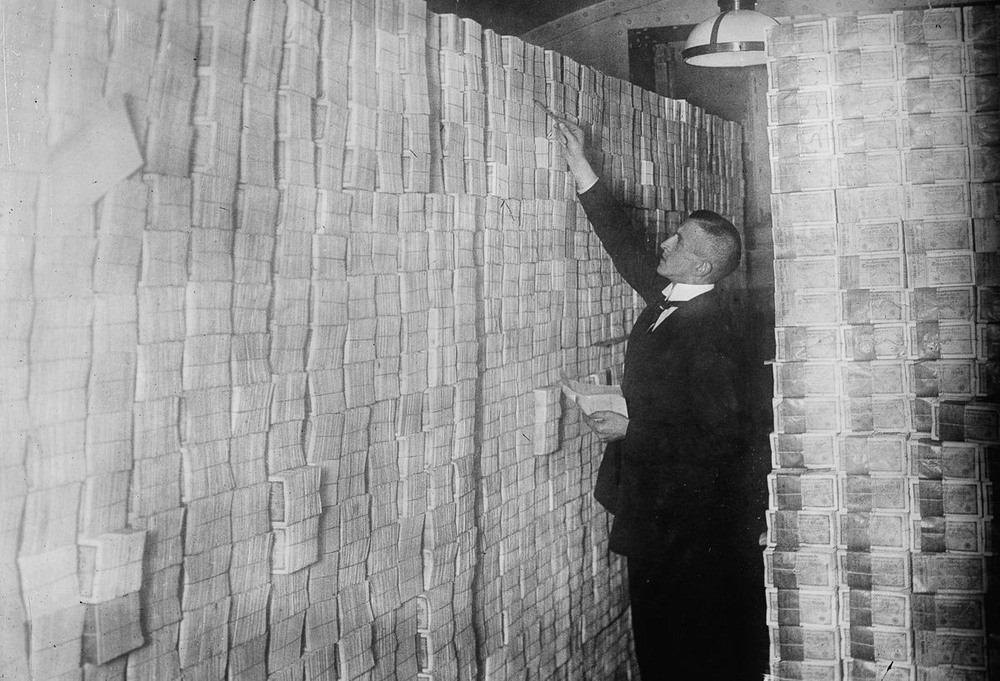
Employees brought suitcases and backpacks to work on payday to collect their wages, and then dashed off to the nearest shop before the exchange rate changed. Banknotes of higher and higher denomination started turning up every few weeks. When the 1,000-billion mark note came out, few bothered to collect the change when they spent it. The hyperinflation peaked in October 1923 and banknote denominations rose to 100 trillion mark. The currency had lost meaning.

People stopped dealing in cash and started bartering instead. Many doctors insisted on being paid in sausages, eggs, coal, and the like. People exchanged a pair of shoes for a shirt, and some crockery for coffee. There was widespread economic panic and mistrust. People began to live as if there were no tomorrow. Dancehalls and strip bars opened up in the cities, and cocaine sales skyrocketed.

Strangely enough, goods were not in short supply. There was simply no stable currency to buy them with. The only objects of real value were tangible assets—diamonds, gold, antiques, and art. Soon the country crumbled into petty thievery. People began stealing anything—soaps, hairpins, copper pipes, gasoline.

It was clear than a radical monetary change was needed to halt the permanent depreciation and return to a more ordered state of affairs. In late 1923, the mark was replaced by a new currency—the Rentenmark, which was backed by mortgages on agricultural and industrial land. The value of the Rentenmark was fixed at the old exchange rate of 4.2 Rentenmark for one US dollar.

Germany limped back to normalcy but the country was never the same again. Lost savings were never recovered, “nor were the values of hard work and decency that had accompanied the savings,” wrote George J.W. Goodman, the American author and economist. “There was a different temper in the country, a temper that Hitler would later exploit with diabolical talent.”

Pearl S. Buck, the American writer, who was in Germany in 1923, wrote:

The cities were still there, the houses not yet bombed and in ruins, but the victims were millions of people. They had lost their fortunes, their savings; they were dazed and inflation-shocked and did not understand how it had happened to them and who the foe was who had defeated them. Yet they had lost their self-assurance, their feeling that they themselves could be the masters of their own lives if only they worked hard enough; and lost, too, were the old values of morals, of ethics, of decency.


The 100 trillion mark banknote. Photo credit: National Numismatic Collection, National Museum of American History.  

and, A Berlin banker counts stacks of bundled marks.

Source….Kaushik in http://www.amusingplanet.com

Natarajan


God on the Runway ….

As part of the custom, the idols along with temple elephants are taken to Shangumugam beach for the ritualistic bath.

For two days in a year, the Thiruvananthapuram International Airport halts its flight operations for five hours on the basis of a ‘Notice to Airmen’ (NOTAM).

Respecting a centuries old temple tradition, the airport runway makes way for a grand procession.

Saturday is one of the two days in a year that sees members of the Travancore royal family, temple priests, police, and even elephants walk down the runway, as part of the temple procession. Hundreds of people also escorted the idols past the 3400-metre runway.

Flights have been halted between 4pm and 9pm at Thiruvananthapuram on Saturday.


The ‘Arat’ procession marks the conclusion of the Painkuni festival and the Alpassi festival. Painkuni and Alpassi are references to Tamil months. While Painkuni is in April, Alpassi is in October.

Arat is the ritualistic bath procession of temple idols at Sree Padmanabha Swami temple in Thiruvananthapuram. The procession, which began at 5pm, crossed the runway at 6.30 pm.

As part of the custom, the idols along with temple elephants are taken to Shangumugam beach for the ritualistic bath. The procession sees royal family members wearing traditional attire and carrying swords. All priests along with royal family members take a dip into the sea three times. The idols are also given a ritualistic bath.

The procession returns to the temple on the same route, accompanied by people carrying traditional fire lamps.

They have to, however, ensure that they clear the runway by 8.45pm.

“The ritual was started centuries ago when the Travancore royal family ruled here. Even after the airport was established, the procession continued to pass through the runway. When the airport was established in 1932, it was under the Royal Flying Club. Since then, the runway was open for these processions. Even after it was converted into an international airport in 1991, the practice continued as the tradition is very important to this place,” an airport official told TNM.

Since the runway is part of traditional arat procession route, the Airport Authority of India issues passes to those who participate in it. Only those who have a pass can enter the route and cross the runway to head to the beach.

“There are strict restrictions inside the airport area. CISF officials guarding the area allow only people with passes. We issue the pass only to people in the list given by temple authorities,” he added.

NOTAM is issued a week before these two dates in the year, so that all the international flights can change their schedule. NOTAM is a notice issued to pilots or airline operators before flights, alerting them of the circumstances or changes in aeronautical facilities or about local procedures that affect safety.


Source….Haritha John in http://www.the newsminute.com

Natarajan


The Origin of 8 Famous Phrases…

We use phrases, expressions, and proverbs on a daily basis when conversing with each other. Whether you’re at home, hanging out with some friends, or at work, chances are that you’ve uttered one of the phrases below more than once in your life. But, do you ever stop to think about what these expressions really mean? Where they come from? The answer to this is probably no, so let’s take a look at 8 common phrases and learn where there came from.

1. It’s Raining Cats and Dogs

Houses used to have thatched roofs. These roofs had thick straw piled together to form a ceiling, but there was no wood underneath.

So how did this phrase come about? Well, according to a popular theory, on cold nights, animals such as cats, dogs, mice, and rats would climb onto these roofs in order to have a warm place to sleep. Unfortunately, when it started to rain, the thatched roofs got so slippery that cats and dogs would slip and fall off the roofs. Therefore, when it rained heavily, it would literally rain cats and dogs (and whatever other animals were on the roofs).

2. Mad as a Hatter

The average person will probably tell you that this famous expression comes from Alice in Wonderland, but they’d be sorely mistaken. The Mad Hatter character isn’t the reason you use this phrase when describing someone who has lost their mind.

The true origin goes back to the days when actual hatmakers used mercury to construct their hats. The mercury poisoned the hatmakers and affected their nervous systems. Mercury causes aggressive, heavy mood swings, and erratic behavior and, as a result, “mad hatter’s disease” became the nickname for mercury poisoning, and the expression has been popular ever since.

3. Cat Got Your Tongue?

This is often used when someone is silent or at a loss for words. Surprisingly though, it has nothing to do with cats. In the English navy, punishments were handed out in the form of a flogging, which was carried out with a whip known as a cat-o’-nine-tails.

This was a formidable weapon, and the pain from being flogged by it was so bad that it caused its victims to go mute. They would often be afraid to speak and would often remain mute for a long time after a flogging.

Drunken navy sailors would then walk around shouting, “Cat got your tongue?” as a way of taunting the victims. So, next time you’re rendered speechless because someone made a really good point, remember that it could be a lot worse.

4. Bring Home the Bacon

There are a number of theories as to where this phrase comes from, but the two most popular include pigs.

According to one theory, this phrase comes from winners at state fairs bringing home the greased pigs they caught in competitions. However, the more popular theory is that highly successful men back in the day would buy pork, cook some bacon, and then hang it on their walls when they had guests over. This showed everyone how successful the men were. Walking into a man’s house and seeing bacon hanging on the wall meant that he was to be respected. In this particular case, bringing home the bacon was the ultimate sign of power and class.

5. Eat Crow

Usually, we have to “eat crow” when we’ve been proven wrong after taking a strong stance on something.

The expression originates from where you’d expect. Crow meat tastes bad and is hard to swallow. The simple connection to this term can start and end here, but there’s an even more interesting origin story.

Back in 1812, an American accidentally went hunting across British enemy lines. The US soldier was caught shooting and killing a crow by a British soldier. As punishment, the British soldier, after praising the American for his accurate shooting, tricked him into giving up his gun.

Now armed, the Brit pointed the gun at the American and forced him to take a bite out of the crow. After the American complied, he was given back his gun. Angered, the American then turned the gun on the British soldier and forced him to eat the rest of the bird.

6. On Cloud Nine

It’s often thought that this is a reference to Heaven, but this is not true.

According to one known origin of this expression, one of the classifications of clouds, defined by the US Weather Bureau in the 1950s, is known as “Cloud Nine.” This is a type of fluffy, cumulonimbus type of cloud.

So, what makes this cloud so special? Well, this cloud is considered to be the most attractive in the cloud community, which is what gives the phrase it’s positive connotation.

7. Crocodile Tears

For those who may not know, this expression refers to someone who is faking crying or pretending to be upset. When they do this, they are said to be shedding crocodile tears.

Did this phrase come about because crocodiles never cry? Well, no, the origin is a lot more interesting than that. In an ancient anecdote, Photios claimed that crocodiles cry to strategically lure their prey closer to them. When the prey is close enough, the crocodiles drop the act and go in for the kill.

8. Don’t Throw the Baby Out with the Bathwater

This strange expression goes all the way back to the 1500s. Believe it or not, but people in the 16th century only bathed once a year, and to make matters worse, entire groups used to bathe in the same water.

The men would go first, then the women, and then the children and babies went last. The water was so dirty by the time the babies got in, that they often came out clouded. Sometimes, mothers had to make sure that the babies weren’t literally thrown out with the dirty bathwater.

The phrase, “don’t throw the baby out with the bathwater,” now means that you should make sure you don’t throw out anything valuable while getting rid of unnecessary things. Nothing is more valuable than a newborn baby, so the phrase still rings true even to this day.

Source: listverse  

http://www.ba-bamail.com

Natarajan

Images: depositphotos