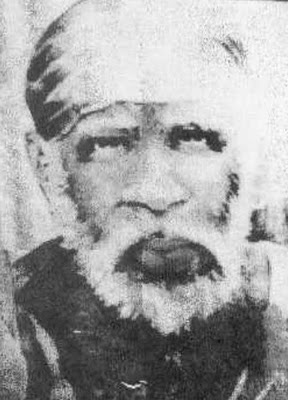
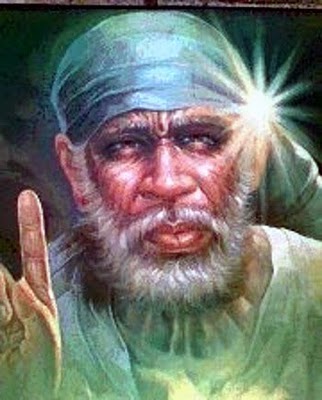
A very Rare photograph of Shri Shirdi Saibaba :
Its said that this picture was taken one day before Baba’s Samadhi &The colored Version of the same picture.
source::::debu7370@blogspot.com
Natarajan
Of two co-travellers who surprised the writer with their graciousness, 24 years ago
It was the summer of 1990. As Indian Railway (Traffic) Service probationers, my friend and I travelled by train from Lucknow to Delhi. Two MPs were also travelling in the same bogie. That was fine, but the behaviour of some 12 people who were travelling with them without reservation was terrifying. They forced us to vacate our reserved berths and sit on the luggage, and passed obscene and abusive comments. We cowered in fright and squirmed with rage. It was a harrowing night in the company of an unruly battalion; we were on edge, on the thin line between honour and dishonour. All other passengers seemed to have vanished, along with the Travelling Ticket Examiner.
We reached Delhi the next morning without being physically harmed by the goons, though we were emotionally wrecked. My friend was so traumatised she decided to skip the next phase of training in Ahmedabad and stayed back in Delhi. I decided to carry on since another batchmate was joining me. (She is Utpalparna Hazarika, now Executive Director, Railway Board.) We boarded an overnight train to Gujarat’s capital, this time without reservations as there wasn’t enough time to arrange for them. We had been wait-listed.
We met the TTE of the first class bogie, and told him how we had to get to Ahmedabad. The train was heavily booked, but he politely led us to a coupe to sit as he tried to help us. I looked at the two potential co-travellers, two politicians, as could be discerned from their white khadi attire, and panicked. “They’re decent people, regular travellers on this route, nothing to worry,” the TTE assured us. One of them was in his mid-forties with a normal, affectionate face, and the other in his late-thirties with a warm but somewhat impervious expression. They readily made space for us by almost squeezing themselves to one corner.
They introduced themselves: two BJP leaders from Gujarat. The names were told but quickly forgotten as names of co-passengers were inconsequential at that moment. We also introduced ourselves, two Railway service probationers from Assam. The conversation turned to different topics, particularly in the areas of History and the Polity. My friend, a post-graduate in History from Delhi University and very intelligent, took part. I too chipped in. The discussion veered around to the formation of the Hindu Mahasabha and the Muslim League.
The senior one was an enthusiastic participant. The younger one mostly remained quiet, but his body language conveyed his total mental involvement in what was being discussed, though he hardly contributed. Then I mentioned Syama Prasad Mookerjee’s death, why it was still considered a mystery by many. He suddenly asked: “How do you know about Syama Prasad Mookerjee?” I had to tell him that when my father was a post-graduate student in Calcutta University, as its Vice-Chancellor he had arranged a scholarship for the young man from Assam. My father often reminisced about that and regretted his untimely death [in June 1953 at the age of 51].
The younger man then almost looked away and spoke in a hushed tone almost to himself: “It’s good they know so many things …”
Suddenly the senior man proposed: “Why don’t you join our party in Gujarat?” We both laughed it off, saying we were not from Gujarat. The younger man then forcefully interjected: “So what? We don’t have any problem on that. We welcome talent in our State.” I could see a sudden spark in his calm demeanour.
The food arrived, four vegetarian thalis. We ate in silence. When the pantry-car manager came to take the payment, the younger man paid for all of us. I muttered a feeble ‘thank you’, but he almost dismissed that as something utterly trivial. I observed at that moment that he had a different kind of glow in his eyes, which one could hardly miss. He rarely spoke, mostly listened.
The TTE then came and informed us the train was packed and he couldn’t arrange berths for us. Both men immediately stood up and said: “It’s okay, we’ll manage.” They swiftly spread a cloth on the floor and went to sleep, while we occupied the berths.
What a contrast! The previous night we had felt very insecure travelling with a bunch of politicians, and here we were travelling with two politicians in a coupe, with no fear.
The next morning, when the train neared Ahmedabad, both of them asked us about our lodging arrangements in the city. The senior one told us that in case of any problem, the doors of his house were open for us. There was some kind of genuine concern in the voice or the facial contours of the otherwise apparently inscrutable younger one, and he told us: “I’m like a nomad, I don’t have a proper home to invite you but you can accept his offer of safe shelter in this new place.”
We thanked them for that invitation and assured them that accommodation was not going to be a problem for us.
Before the train came to a stop, I pulled out my diary and asked them for their names again. I didn’t want to forget the names of two large-hearted fellow passengers who almost forced me to revise my opinion about politicians in general. I scribbled down the names quickly as the train was about to stop: Shankersinh Vaghela and Narendra Modi.
I wrote on this episode in an Assamese newspaper in 1995. It was a tribute to two unknown politicians from Gujarat for giving up their comfort ungrudgingly for the sake of two bens from Assam. When I wrote that, I didn’t have the faintest idea that these two people were going to become so prominent, or that I would hear more about them later. When Mr. Vaghela became Chief Minister of Gujarat in 1996, I was glad. When Mr. Modi took office as Chief Minister in 2001, I felt elated. (A few months later, another Assamese daily reproduced my 1995 piece.) And now, he is the Prime Minister of India.
Every time I see him on TV, I remember that warm meal, that gentle courtesy, caring and sense of security that we got that night far from home in a train, and bow my head.
(The author is General Manager of the Centre for Railway Information System, Indian Railways, New Delhi. leenasarma@rediffmail.com)
Keywords: Indian Railways, Shankersinh Vaghela, Narendra Modi, memories of Narendra Modi, Modi travelling by train
source:::::Leena Sarma in The Hindu …Open Page…
Natarajan

சாக்கடையில் விழுந்தாலும்
சந்தனத்தில் விழுந்தாலும்
எதுவுமே –
ஒட்டிக் கொள்ளாமல்
உள்ளது உள்ளபடியே
எழுந்து வருகிறது –
என்னுடைய நிழல்.
நிழலுக்கு இருக்கும் – இந்த
நிட்காமிய ஞானம் – என்
உடலுக்கும் வாய்க்குமாயின்-
ஆதிசங்கரரைப் போல்
அடியேனுக்கும் –
கள்ளும் ஒன்று;
காய்ச்சிய ஈயமும் ஒன்று!’——கவிஞர் வாலி
source:::::DINAMANI .COM
Natarajan
This Day In History: February 29, 1504

On this day in history, 1504, Christopher Columbus convinced a group of Native Jamaicans that his god was angry with them for ceasing to provide his group with supplies and that god would show his anger with a sign from the heavens. The sign was a lunar eclipse that Columbus knew was imminent.
This event occurred on Columbus’ fourth and final voyage to the Americas, which began in Cadiz in 1502. Columbus landed near the north coast of Jamaica on June 20, 1503 with only two of his original four caravel ships still afloat, but barely sea worthy due to a shipworm infestation. At first, the natives welcomed Columbus and his crew, providing them with food and other supplies in exchange for various trinkets, generally welcoming the sailors into their community with open arms.
This arrangement didn’t last very long. Over the next several months, the natives became discontented with the guests of their island. Columbus’ crew repaid the generosity of the natives by frequently stealing and cheating them, as well as raiding villages for supplies, among many other indiscretions committed by the crew (murder, rape, etc.). As a result of this, by January of 1504, the indigenous peoples decided to stop supplying the stranded Europeans, regardless of what they might offer in trade.
Without a significant source of food or means to leave, Columbus’ expedition was in serious trouble. Luckily for his crew, Columbus had certain astronomical tables with him including the ephemeris compiled by the German astronomer Johannes Müller von Königsberg, better known today by his Latin name, Regiomontanus. In this almanac, Regiomontanus predicted there would be a total lunar eclipse on the evening of February 29, 1504. He also gave an estimation of what time it would occur, though this start time was based on Nuremberg, Germany time, so Columbus had to do a bit of estimating. Regiomontanus even included fairly accurate information as to how long the eclipse would last.
Armed with this knowledge, which Columbus was choosing to gamble would be extremely accurate, he called a meeting with the chiefs of the nearby tribes shortly before the eclipse was to take place. In this meeting, he told them his god was angry with them for ceasing to give him supplies. As a result, his god would take away the moon as a sign of his anger and subsequently punish them for their actions.
Luckily for Columbus, the predicted lunar eclipse took place more or less on schedule and according to Columbus’ son, Ferdinand, who was 13 and had made the voyage with his father:
The Indians observed this [the eclipse] and were so astonished and frightened that with great howling and lamentation they came running from every direction to the ships, laden with provisions, praying the Admiral to intercede by all means with God on their behalf; that he might not visit his wrath upon them… and promising they would diligently supply all their needs in the future.
Columbus agreed to take their case before his god and went into his cabin to “pray”. What he actually did in there was watch an hour glass. Columbus knew the moon would stay completely in the Earth’s shadow for around 48 minutes, so he waited for the appropriate time for the moon to begin to emerge. Shortly before this took place, he came back out and told the natives that he had asked his god to forgive them and god had acquiesced. The moon began to reappear and Columbus no longer had trouble getting the provisions he needed. He and his crew were picked up a few months later when a ship from Hispaniola arrived in Jamaica on June 29, 1504. They arrived back in Spain on November 7, 1504.
source:::: Today i foundout.com
natarajanChri
ரூபிக்ஸ் கியூப் பற்றிக் கேள்விபட்டிருக் கிறீர்களா? மூளைக்கு வேலை தரக்கூடிய சவாலான ஒரு விளையாட்டு. இது எப்படி வந்தது தெரியுமா?

ஹங்கேரியைச் சேர்ந்த கட்டடக் கலைப் பேராசிரியர் எர்னோ ரூபிக் 1974-ல் ஒரு புதுமையான, புதிரான கன சதுரத்தை உருவாக்கினார். இதை உடைக்கவோ பிரிக்கவோ முடியாது. ஆனால், தனித்தனியாகச் சுற்றும் வகையில் அது அமைக்கப்பட்டிருந்தது. இதில் வண்ணமயமான ஸ்டிக்கர்களை ஒட்டி இதை ஒரு விளையாட்டுப் பொருளாக்கினார். முதலில் உருவாக்கப்பட்ட ரூபிக் கன சதுரம் (Rubik’s Cube) இதுதான்.
ஒரே மாதிரியான நிறங்களை ஒரே பக்கத்தில் கொண்டுவந்து தனது புதிரை விடுவிக்க அவருக்கு ஒரு மாதம் ஆனது. இதன்பின்னர் உலகத்திலேயே மிக அதிகமாக விற்பனையாகும் விளையாட்டுப் பொருளாக ரூபிக் கன சதுரத்தை உருவாக்க ஆசைப்பட்டார். ஒரு சில மாற்றங்களை இதில் ஏற்படுத்திய பின்னர் மிகவும் பிரபலமான விளையாட்டுப் பொருளானது ரூபிக் கன சதுரம்.
முதலில் தன் மாணவர்களிடமும் நண்பர்களிடமும் இதை அறிமுகப்படுத்தினார். முதன் முதலில் பொலைட்செனிகா என்னும் நிறுவனம் ரூபிக் கன சதுரத்தைத் தயாரித்து விநியோகித்தது.
தொடக்க காலத்தில் தயாரிக்கப்பட்ட ரூபிக் கன சதுரம் ‘மாஜிக் க்யூப்’ என அழைக்கப்பட்டது. எடையும் இரு மடங்கு அதிகமாக இருந்தது. ஹங்கேரியில் பிரபலமாகியிருந்த இந்த ரூபிக் கன சதுரத்தைக் கணித அறிஞர்கள் உலகெங்கும் நடைபெற்ற கருத்தரங்குகளுக்குக் கொண்டுசென்றனர்.
1979-ல் நுரெம்பெர்க் விளையாட்டுப் பொருள் கண்காட்சியில் இது இடம்பெற்றது. அப்போது அங்கே வந்திருந்த டாம் க்ரெமெர் என்னும் விளையாட்டுப் பொருள் நிபுணர், உலகம் முழுவதிலும் இதை விற்கச் சம்மதித்தார். இதைத் தொடர்ந்து ஐடியல் டாய் நிறுவனம், மேஜிக் க்யூப் என்னும் பெயரை ரூபிக் நினைவாக ‘ரூபிக் க்யூப்’ என மாற்றி விநியோகித்தது.
1980-ல் இது உலகச் சந்தையில் அறிமுகமானது. அந்த ஆண்டு ஜெர்மனியின் சிறந்த விளையாட்டுக்கான விருதைப் பெற்றது. உலகத்தில் இதுவரை விற்பனையான ரூபிக் கன சதுரத்தின் எண்ணிக்கை 35 கோடி என்கிறார்கள். இன்று உலகத்தில் மிக அதிகமான விற்பனையாகும் விளையாட்டுப் பொருளும் இதுதான். 40 ஆண்டுகளைத் தாண்டியும் வெற்றிநடைபோடுகிறது இந்தக் கன சதுரப் புதிர்.
(ரூபிக்ஸ் கியூப் கண்டுபிடித்து மே 19 அன்றுடன் 40 ஆண்டுகள் நிறைவடைந்தன)
Keywords: கியூப், புதிர், மேஜிக் கியூப்
source::::THE HINDU…TAMIL
Natarajan
It is through the private commerce of the auction house that many a precious relic of India’s history has come to light.

On May 22, a remarkable artifact that illuminates a watershed moment in India’s history will be auctioned by the leading London auction house Christie’s — and presumably thereafter vanish forever from the public eye.
A heavy gold ring worn by 18th century ruler Tipu Sultan during his last campaign against the British in 1799 will be sold as part of the ‘Raglan Collection: Wellington, Waterloo & The Crimea.’
Unusually, the 41.2 gm oval ring has the name of the Hindu God Rama in raised Devanagari inscribed on it.
It was taken off the finger of the dead ruler by the Duke of Wellington, Arthur Wellesley, as his personal spoil of war after the Battle of Seringapatam in 1799.
The ring then found its way into the hands of another military family, that of FitzRoy Somerset, the 1st Baron Raglan. A famous soldier of the early 19th century, he joined Duke Wellington’s service in 1808 and rose to become his right-hand man for the next 40 years. He fought in major campaigns under Duke Wellington, including Waterloo and in the Crimea.
FitzRoy Somerset married the Duke’s favourite niece Emily Wellesley-Pole who was in possession of the ring, a gift from her uncle.
The ring has been valued at £10,000 to £15,000 and is part of the private collection of Fitzroy John Somerset, the great great grandson of the 1st Baron Raglan. The collection contains items that have been the possession of the family from 1858, including historical medals, arms and armour, militaria, pictures, furniture, silver, books, Indian weapons and works of art, as well as a selection of art.
Though a small object of personal use, the ring with its inscription awakens the spirit of the unusual 18th ruler who was its owner.
The historical record shows Tipu as Catholic in his religious outlook and forward-looking in his world-view. He sought out what was modern and transformatory for the time, putting it to use in his paramount objective of defeating the British.
Keywords: Christie’s, Tipu Sultan
source::::: The Hindu. …. English Daily
natarajan
 Take off with Natarajan