The Man Who Died Came Back to Life for Hitting Jackpots !!!


In 1999, 37 year old Bill Morgan was a truck driver living in a travel trailer in Australia. That’s when disaster struck- while working, he got in a pretty bad accident that he nonetheless survived. However, medication he was given during his recovery resulted in him having an extreme allergic reaction that ultimately caused his heart to stop.

After being clinically dead for fourteen minutes, they were able to get his heart going again.  Sometimes with that span, the person may have suffered brain damage and may even be essentially a vegetable, though there are many factors involved as to whether that will be the case (more on this very soon in an upcoming article from our resident writer who is also a paramedic).

In Morgan’s case, it at first looked like that might have happened.  After they got his heart going again, he was comatose and given how long he’d been clinically dead for, it was recommended twice that life support be removed and he be allowed to die.

Nonetheless, after 12 days, he miraculously came out of his coma and was, shockingly, completely fine, suffering no apparent brain damage or other long term problems from the event.

Not being interested in driving truck anymore, he then found a different job and- as near death experiences are wont to do, it made him reevaluate his life, including within a year making the decision to propose to Lisa Wells, his long-time girlfriend.

She accepted.

No doubt feeling pretty lucky not only to be alive, but to have his girlfriend agree to marry him, he bought a scratch lottery ticket. The result? He won a car worth about $17,000 Australian (today about $23,903 US and $25,099 Australian).

Normally winning a car isn’t a big enough story to get the media to pay attention to you, but given that Morgan had recently been clinically dead for 14 minutes, the local Melbourne news decided to do a feature on him.

In the process, they asked Morgan if he wouldn’t mind buying another lotto ticket and then scratching it off on camera for them, as a sort of re-enactment of his winning scratch.

He happily obliged. After scratching the ticket on camera, though, he stopped, looked at the camera, and rather than be excited and saying something like “I just won a car” as part of the reenactment, he instead said “I just won $250,000.  I’m not joking!” This was the jackpot for that particular scratch lotto he was playing (today about $369,102 Australian or $351,526 US ).

Needless to say, the reporters on scene got more than they bargained for during the reenactment, as did Morgan, who immediately called his fiancée to tell her the good news about his win and that they would now be able to get a house.

As for his fiancée, of the second win, she told the media, “I just hope he hasn’t used all his good luck up”.


source:::::today i foundout.com

natarajan

“ஒரு வரட்டி ஒரு கோடி பெறுமோ ” !!!

ஏழையான கிழவி. அவளுக்கு மகேஸ்வரனைத் தெரியாது. மஹாபெரியவாளைத் தான் தெரியும்.
தினமும் வந்து வந்தனம் செய்வாள்.

பல செல்வந்தர்கள், பெரியவாளுக்குக் காணிக்கையாக, விலையுயர்ந்த பொருட்களைக் கொண்டுவந்து சமர்ப்பணம் செய்வதைப் பார்த்து, ‘தன்னால் எதுவும் செய்ய முடியவில்லையே’ என்று ஏங்கினாள். ஒருநாள் மனமுருகி பெரிய்வாளிடம் சொல்லி விட்டாள்.

பெரியவாள் சொன்னார்கள் :
“அவர்கள் கொண்டுவந்து கொடுக்கிற எந்தப் பொருளையும் நான் தொடுவதுகூட இல்லை; நான் ஆசைப்பட்டுக் கேட்டதும் இல்லை; என் மனசுக்குப் பிடிக்குமான்னும் அவா நினைச்சுப் பார்த்ததில்லே! எனக்குப் பிடிச்ச ஒரு வேலை சொல்றேன், செய்கிறாயா?”

பாட்டி தவிப்போடு காத்து நின்றாள்.

“மாட்டுக் கொட்டிலில் இருந்து பசுஞ்சாணி எடுத்து, வரட்டி தட்டு. காய வைத்துக் கொண்டுவந்து கொடு. மடத்திலே தினமும் ஹோமம் நடக்கிறது. சுத்தமான பசுஞ்சாணி வரட்டி உபயோகப்படுத்தணும். அந்த நல்ல கார்யத்தை நீ செய்யேன்…”

பாட்டியின் கண்களில் ஆனந்தக் கண்ணீர்!

கோடிகளைப் புறக்கணிக்கும் பெரியவாள், வரட்டிகளைக் கேட்டு வாங்கிக் கொள்கிறார் – ஒரு பாட்டியிடமிருந்து.

ஒரு வரட்டி ஒரு கோடி பெறுமோ?

ஜெய ஜெய சங்கர! ஹர ஹர சங்கர!!

source::::periva.proboards.com

natarajan

Read more: http://periva.proboards.com/thread/5555/experience-mahaperiyavaa#ixzz2jBptfOCt

Every Stone Has a Story To Tell Here …..

The carving show Hanuman in front, since he was the only monkey that spoke in favour of Vibheeshana. Photo: Aravind Venkatraman

The carving show Hanuman in front, since he was the only monkey that spoke in favour of Vibheeshana. Photo: Aravind Venkatraman

The horse structure is composed of several women and the entire image is just about 50 cm. Photo: Aravind Venkatraman

The horse structure is composed of several women and the entire image is just about 50 cm. Photo: Aravind Venkatraman

The elephant structure is composed of several women and the entire image is just about 50 cm. Photo: Aravind Venkatraman

The elephant structure is composed of several women and the entire image is just about 50 cm. Photo: Aravind Venkatraman


Story By Pradeep Chakravarthy  in The Hindu ….

The Nambi Rayar Perumal temple, in Tirukkurungudi, offers a visual treat.

A place that can delight passionate supporters of art and sculptures is tucked away deep in southern Tamil Nadu not very far off from Kerala, 47 km from Palayankottai (Sri Vallabha Chaturvedimangalam in the old days). This massive 18-acre temple for Nambi Rayar Perumal, in Tirukurungudi, has held its secrets well. Even the senior scholars, relentless in their fieldwork and reach have forgotten to write a monograph. The Chitra gopuram and the main gopuram have more than 3,500 sq.ft of wooden and stone sculptures yet to be catalogued. The inscriptions are yet to be comprehensively recorded. The Chitra gopuram has outstanding stone and wooden sculptures.

To the right of the threshold one can see a series of sculptures such as a scene of traders from Arabia, with their ship, camels and other wares. The Pandya kingdom rested heavily on trade. It was therefore close to both its neighbours Kerala and Sri Lanka. Horses, spices, precious gems and metals were the key products. The area around the Tamirabarani and its tributaries formed the heart of the Pandya Kingdom. Although the capital was Madurai, food for the kingdom came from here – technically the Tamirabarani is not a perennial river but the Western Ghats ensured ample rain and therefore ample harvests. So, the most massive and prosperous temples of the kingdom were on the river banks rather than in far away Madurai.

Unique designs

The Chitra gopuram has several unique sculptures. Most are of scenes from the epics, the Bhagavatam being the most popular depiction. Others are from local legends and surprisingly for a Vishnu temple, many are of Saivite themes. The village has had a long history of accord between these two sub-sects of Hinduism. The sculptures reveal an extraordinarily imaginative sculptor who used space and lines to signify scale and movement. Much like the Chola frescoes in the Brihadeeswara temple, some sculptures tell a story and give definite clues to how the frame frozen in time will end, others are tantalisingly left to the viewers’ imagination.

In the various levels of the Chitra gopuram there are more than 3,000 sq ft of carved wood. Amongst them is this unique small bass relief of two men hunting a boar with a spear. Who will win? The answer is a mystery. In one image, just a foot across, the sculptor has left a riddle that can stimulate the viewers’ curiosity and interpret the image at multiple levels.

The pillars in the mandapam in front of the chitra gopuram have large images of Arjuna and others, a very common Nayaka theme. Behind these are pillars with nagabandhas – where the pillar is composed of square and octagonal blocks.

The four corners at the junction have stylised cobra heads. In one of them, the cobra is substituted with a hunched up monkey. The sculptor has conformed to the process but has not let it limit his creativity! Indeed, monkeys peer at you in this temple from all places – perhaps a reminder that our mind should not wander like a monkey’s but be focused on the divine when in the temple.

Bhima unable to lift the tail of Hanuman is a well-known story in the Mahabharata. Images, however, are rare if not non-existent. The chitra gopuram has one where the sculptor has deliberately worked on the sizes to underscore Hanuman’s frailness and Bhima’s strength. What’s more, are clouds behind Bhima, reminding us that despite him taking his tallest form to reach the skies, he was still unable to lift the tail of Hanuman.’

Famous themes

Composing forms out of other forms is a favourite theme for expert sculptors. Such sculptures are rare since it involved both imagination and flawless execution. This temple has several of them, and what is remarkable in these are the sizes, both the horse and elephant are composed of several ladies and the entire image is just one and a half feet! This is even more remarkable when we are reminded that the stone used is granite – one of the hardest stones!

Vibheeshana seeking refuge before Rama leaves for Lanka is a masterful part of the epic when Valmiki teaches us the various forms of persuasion.

Vibheeshana says, “Few volunteer to give honest and frank feedback and very few listen to it,” – relevant to our times!

The sculptor has significantly shown Hanuman in front, since he was the only monkey who spoke in favour of Vibheeshana.

The sculptor has also used a monkey to our left to frame the image and worked the stone to create waves in the front.

The temple has several other rare images, those of Garuda holding the tortoise and elephant in the hand and a tree with the sages meditating upside down, a man playing marbles and Sanishwara.

It’s a shame that the Nambi temple at Tirukurungudi is a shrine that Tamil Nadu has forgotten – by both scholars and amateurs interested in sculptural art.

On the Shukla Paksha Ekadasi of Karthigai (November 24) the temple witnesses a dance drama done nowhere else, that may be a good excuse for a trip that will please children and adults alike, provided they spend a little time looking at the temple walls.

Keywords: The Nambi Rayar Perumal templeTirukkurungudistone templeChitra Gopurammythology sculptures

source:::::THE HINDU …History &Culture setion… Dec 13 2012.

natarajan

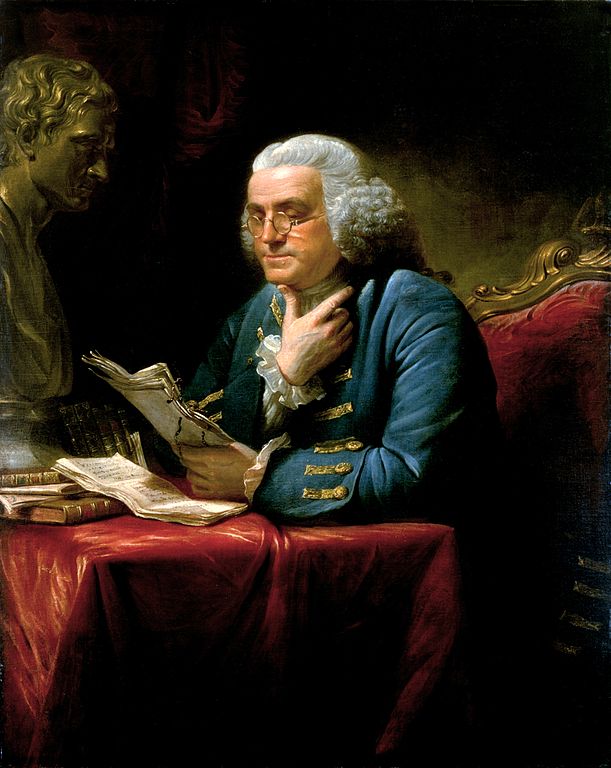
Do You Know …Daylight Saving Was Once Proposed As a Joke !!!


Today I found out Ben Franklin’s proposal of something like daylight saving time was written as a joke.

In a comedic letter he wrote, An Economical Project (published in 1784), ”to the authors of the journal of Paris”, Franklin mentions something like daylight saving time. Although, instead of changing clocks, he suggested ringing church bells and firing cannons, among other things, as the sun rises to maximize the amount of time people would be awake during times when the sun is providing free light.  The letter was meant to be a satire, rather than actually suggesting these changes be made.

Here’s an excerpt of the letter:

You often entertain us with accounts of new discoveries.  Permit me to communicate to the public, through your paper, one that has lately been made by myself, and which I conceive may be of great utility.

I was the other evening in a grand company, where the new lamp of Messrs. Quinquet and Lange was introduced, and much admired for its splendor; but a general inquiry was made, whether the oil it consumed was not in proportion to the light it afforded, in which case there would be no savoring in the use of it.  No one present could satisfy us in that point, which all agreed ought to be known, it being a very desirable thing to lessen, if possible, the expense of lighting our apartments, when every other article of family expense was so much augmented…

I went home, and to bed, three or four hours after midnight, with my head full of the subject.  An accidental sudden noise waked me about six in the morning, when I was surprised to find my room filled with light; and I imagined at first, that a number of those lamps had been brought into it; but, rubbing my eyes, I perceived the light came in at the windows.  I got up and looked out to see what might be the occasion of it, when I saw the sun just rising above the horizon, from whence he poured his rays plentifully into my chamber, my domestic having negligently omitted, the preceding evening, to close the shutters.

I looked at my watch, which goes very well, and found that it was but six o’clock; and still thinking it something extraordinary that the sun should rise so early, I looked into the almanac, where I found it to be the hour given for his rising on that day.  I looked forward, too, and found he was to rise still earlier every day till towards the end of June; and that at no time in the year he retarded his rising so long as till eight o’clock.  Your readers, who with me have never seen any signs of sunshine before noon, and seldom regard the astronomical part of the almanac, will be as much astonished as I was, when they hear of his rising so early; and especially when I assure them that he gives light as soon as he rises.  I am convinced of this…

Yet it so happens, that when I speak of this discovery to others, I can easily perceive by their countenances, though they forbear expressing it in words, that they do not quite believe me.  One, indeed, who is a learned natural philosopher, has assured me that I must certainly be mistaken as to the circumstances of the light coming into my room; for it being well known, as he says, that there could be no light abroad at that hour, it follows that none could enter from without; and that of consequence, my windows being accidentally left open, instead of letting in the light, had only served to let out the darkness…

This event has given rise in my mind to several serious and important reflections.  I considered that, if I had not been awakened so early in the morning, I should have slept six hours longer by the light of the sun, and in exchange have lived six hours the following night by candle-light; and, the latter being a much more expensive light than the former, my love of economy induced me to muster up what little arithmetic I was master of, and to make some calculations, which I shall give you, after observing that utility is, in my opinion the test of value in matters of invention, and that a discovery which can be applied to no use, or is not good for something, is good for nothing…  [From The Writings of Ben Franklin: An Economic Project]

He then goes on to estimate that a total of about 64 million pounds of wax would be saved in Paris alone over a six month period starting in spring if people woke up when the sun came up.  He then suggests a variety of methods to induce people who are “obstinately attached to [the] old custom” of getting up at noon to wake up with the sunrise, such as taxing people who have shutters on their windows, rationing candles, and waking people as soon as the sun comes up by ringing church bells and firing cannons.

Although, it’s quite clear he’s joking around in this letter, Franklin was known for putting more subtle jokes in many of his other papers that only the most astute would spot.  He was so famous for this that, according to Ormand Seavey, editor of Oxford’s edition of Ben Franklin’s autobiography, when they were deciding who should write the Declaration of Independence, they partially chose Jefferson over the significantly more qualified and respected Franklin, as some feared Franklin would embed subtle humor and satire in it that wouldn’t be recognized until it was too late to change.  Knowing this document would likely be examined closely by the nations of the world at that time, they chose to avoid the issue by having the much less gifted writer, Jefferson, write it instead, with Franklin and three others to help Jefferson draft it.

The modern day version of daylight saving time was first proposed by the New Zealand entomologist George Vernon Hudson in 1895. The credit for the first to suggest the modern day DST system is often incorrectly given to William Willett who independently thought up and lobbied for DST in 1905.  He was riding through London one day in the early morning and noticed that a good portion of London’s population slept through several hours of the sunlit summer days.  If only he’d read Franklin’s letter, inspiration might have struck sooner.  Willet lobbied for DST until his death in 1915.  It was one year later in 1916 that certain European countries began adopting DST.

source::::todayifoundout.com

natarajan

” கருந்துளசி பூஜை செய் ” !!!

மஹா பெரியவாள் தரிசன அனுபவங்கள் – ஆறாம் பாகத்திலிருந்து ஸ்ரீமதி ஜெயலெஷ்மி அம்மாளின் அனுபவங்கள்….

ஸ்ரீகுரு பாதுகா சரணம்

மஹாபெரியவாளிடம் எனக்கும் என் குடும்பத்தினருக்கும் உள்ள பக்தியை எழுத்துக்களால் எழுதிக் காட்ட முடியாது. நாங்கள் ஸ்ரீவைஷ்ணவர்கள். என்றாலும், பெரியவாளிடம் உரிமை கொண்டாடும் பக்தி இருக்கிறது.

நான் வாழ்க்கையைத் தொடங்கிய காலத்தில் ஏராளமான கஷ்டங்கள். திக்குத் திசை தெரியாமல் அல்லாடினேன். அந்தச் சமயத்தில் ஒரு தீட்சிதர், புராணப் பிரவசனம் செய்வதற்காக செங்கற்பட்டுக்கு வந்திருந்தார். அவரிடம் சென்று என் குடும்ப நிலையை எடுத்துச் சொல்லி பரிஹாரம் கேட்டேன்.

ஒரு வெள்ளிக் குத்துவிளக்கில் லட்சுமி-சரஸ்வதி-பார்வதி ஆகிய மூன்று அம்பிகைகளை ஆவாஹனம் செய்து, பூஜை செய்து வரும்படி அவர் ஆலோசனை கூறினார். அப்படியே செய்து வந்தேன்.

ஒருநாள், ஒரு பரதேசி என் வீட்டுக்கு வந்து பிச்சை கேட்டான். ஏதோ சில்லரைக் காசு கொடுத்தேன். அவன் என்னை மேலும் கீழுமாகப் பார்த்துவிட்டு, குறி சொல்பவன் போல், “குத்துவிளக்குப் பூஜையெல்லாம் உபயோகப்படாது… காலின் கீழே இருக்கிற மூலிகை உன் கண்ணுக்குத் தெரியவில்லையே…” என்று சொல்லிவிட்டுப் போய்விட்டான்.

தெருவில் வேறு எந்த வீட்டிலும் சென்று யாசிக்காமல் தெருவைக் கடந்து போய்விட்டான்.

இது என்ன தெய்வ வாக்கா? இல்லை, வெறும் பிதற்றலா? அல்லது, இத்தனை நாட்களாகச் செய்த விளக்கு பூஜையின் பலனா?
மனம் படாத பாடு பட்டுக் கொண்டிருந்தது.

‘காஞ்சிப் பெரியவாளை சேவித்துக் கேட்கலாமே’ என்று ஒரு யோசனை பளீரிட்டது. பெரியவாளை தரிசித்து, சேவித்து, என் கஷ்டங்களை திருச்செவி சாற்றினேன்.

‘கருந்துளசிச் செடி பூஜை செய்’ என்று அனுக்ரஹம் ஆயிற்று.

என் மனத்துக்குள் ஒரு சங்கல்பம். அந்தப் பரதேசி சொன்னபோது நான் தயங்கியதற்கும் காரணம் இருந்தது. துளசி மாடத்தில் துளசியை வைத்து நான் பூஜை செய்தால், அந்தச் செடி சில நாள்களிலேயே பட்டுப் போய்விடும். பெரியவாளிடம் என் சங்கடத்தை விண்ணப்பித்தேன்.

நான் கூறி முடித்தபிறகும், “நீ, கருந்துளசி பூஜையே செய்” என்றார்கள்.

கருந்துளசிச் செடி நட்டு, பூஜை செய்யத் தொடங்கினேன்.

ஆச்சரியம்! செடி கப்பும் கிளையுமாக, சிறு ஆலமரம் போல் செழித்து வளரத் தொடங்கியது.

துளசிச்செடி வளர வளர என் துன்பங்கள் குறைந்து கொண்டே வந்தன.

இன்றைக்கும் எங்கள் வீட்டில் கருந்துளசி நிறைய வளர்கிறது.

கருந்துளசிச் செடி பூஜை செய்தால் கஷ்டங்கள் விலகும் என்று சொல்லி, நானும் மற்றவர்களைத் தூண்டிவிடுகிறேன்.
பெரியவாள் காட்டிய வழியாதலால் எல்லோரும் நல்ல பலன்களையே பெற்று வருகிறார்கள்.

ஒரு சமயம் ஒரு பெரிய இலையில் நிறைய தும்பைப்பூ எடுத்துக்கொண்டு வந்து பெரியவாளிடம் சமர்ப்பித்தார் ஓர் அடியார். தும்பைப்பூவைப் பார்த்ததும் பெரியவாள் ரொம்பவும் சந்தோஷப்பட்டார்.

அங்கிருந்த பக்தர்களைப் பார்த்து, தும்பைப்பூ வைத்திருந்த இலையைக் காட்டி, “இது என்ன இலை தெரியுமா?” என்று கேட்டார்கள்.
பலரும் வெவ்வேறு விதமாகச் சொன்னார்கள்.

“இதன் பேர் – பேத்தி இலை. இதில்தான் சந்நியாசிகள் பிக்ஷை செய்யணும். இது தங்கத்துக்கு சமானம். தினமும் இந்த இலை கிடைக்கலேன்னா, துவாதசியன்னிக்குப் பாரணையை இந்த இலையில் வைத்து பிக்ஷை செய்யணும். அவ்வளவு ஒசத்தி! அபூர்வம்! எனக்குக் கூட ஒரு பாட்டி தங்கத் தட்டு பண்ணிக் கொடுத்தாள். ஆனா, நான் அதில் ஒரு தடவைகூட பிக்ஷை பண்ணியதே இல்லை… இப்போ அது ஸ்டோர் ரூம்லே இருக்கு.”

இதைக் கேட்டுக் கொண்டிருந்த நான் ‘பேத்தி’ இலைக்காக பைத்தியமாக அலையத் தொடங்கினேன். கடைசியில் அதைக் கண்டுபிடித்து, மந்தார இலையை ஈர்க்குச்சியினால் தைத்து போஜனத்திற்காக உபயோகப் படுத்துவதைப் போல, சில இலைகளைத் தைத்துக் கொண்டு காஞ்சிபுரம் போனேன்.

பெரியவாளிடம், தொண்டர் பாலு என்பவர், பேத்தி இலையைப் பற்றித் தெரிவித்து, “செங்கல்பட்டு ஜெயலக்ஷ்மி; வைஷ்ணவா கொண்டு வந்திருக்கா” என்றார்.

உடனே பெரியவா, “இவாளை ஸ்ரீவைஷ்ணவான்னு கூப்பிடணும்” என்றார்கள். எனக்கு ஏற்பட்ட ஆனந்தத்தை எவ்வாறு சொல்வேன்!

அன்றுமுதல் ஸ்ரீமடம் சிப்பந்திகள் என்னை ‘ஸ்ரீவைஷ்ணவா’ என்றே அழைக்கத் தொடங்கிவிட்டார்கள்.

வாழ்க்கையில் இதைவிட வேறு என்ன பட்டம் வேண்டும் எனக்கு?

ஜெய ஜெய சங்கர! ஹர ஹர சங்கர!!

source::::::: http://www.periva.proboards.com

natarajan
Read more: http://periva.proboards.com/thread/5500/sengalpat-smt-jeyalakshmi-ammals-experience#ixzz2iP6NY7D9

படித்ததில் பிடித்தது …”.உன் இரண்டு சொட்டு கண்ணீர் எனக்கு போதும்” !!!

ஸ்ரீ குருவாயூரப்பனின் மகிமைகளை எடுத்துரைக்கும் ‘ஸ்ரீமத் நாராயணீயம்’ பாடிய நாராயண
பட்டதிரியை நாம் அறிவோம். நாராயண பட்டதிரியுடன் ஸ்ரீ குருவாயூரப்பன் நிகழ்த்திய
உரையாடல் மிகவும் சுவையானது, ரசிக்கத்தக்கது.
தம் முன் தோன்றிய ஸ்ரீகுருவாயூரப்பனிடம், பகவானே… நீங்கள் மிகவும் விரும்பும் நிவேதனம்
என்ன?” என்று பட்டதிரி கேட்கிறார்.
நெய்ப் பாயசம்” – இது குருவாயூரப்பன்.
ஒருவேளை நெய்ப் பாயசம் செய்ய எனக்கு வசதி இல்லை என்றால், நான் என்ன செய்வது?”
‘‘அவலும் வெல்லமும் போதுமே!”
‘‘சரி பகவானே… அவலும் வெல்லமும் நைவேத்தியம் செய்து வைக்க எனக்கு வசதி இல்லை என்றால்?”
‘‘வெண்ணெய், வாழைப்பழம், பால், தயிர் – இவற்றில் ஏதாவது ஒன்றை வைத்து வழிபடு. ஏற்றுக்
கொள்கிறேன்.”
‘‘மன்னிக்க வேண்டும் பகவானே… தற்போது தாங்கள் சொன்ன நான்கும் என்னிடம் இல்லை என்றால்?”
‘‘துளசி இலைகள் அல்லது ஒரு உத்தரணி தீர்த்தமே எமக்குத் திருப்தி தரும்!”
‘‘அதுவும் என்னிடம் இல்லை என்றால்?” – பட்டதிரியின் குரல் தழைந்து போகிறது.
‘‘எனக்கு நைவேத்தியம் செய்து வைக்க ஒன்றும் இல்லையே என்று வருத்தப்பட்டு கவலையுடன் நீ
அழுவாய் அல்லவா… அப்போது உன் கண்களில் இருந்து கசியும் இரண்டு சொட்டுக் கண்ணீரே எனக்குப்
போதும்” என்று பகவான் சொன்னதும், ‘ஓ’வென்று கதறி அழுதே விட்டார் பட்டதிரி.
தெய்வங்கள், தன் பக்தர்களிடம் எதையும் எதிர் பார்ப்பதில்லை

source:::::input from a friend of mine …

natarajan

“ஐம்பது ரூபாய் அம்பது கோடிக்கு நிகர் ” !!!


ஆந்திர அரசின் ஆலோசகராக இருந்த Dr S V நரஸிம்மன் பெரியவாளை தர்சிக்க வந்தார். 
“கல்கத்தால நல்ல சென்டரான எடத்ல, நல்ல விசாலமா ஒரு வீட்டை வாங்கு. மண்டபம் வெச்ச மாதிரி வீடு. அதுல வங்காள புள்ளை கொழந்தேளுக்குன்னு தனியா ஒரு ஸாமவேத பாடசாலை ஒண்ணை ஆரம்பி! ஏதாவது வீடு இருக்கா?”
“அங்க தென் இந்திய பஜனை ஸமாஜ் இப்போ ஒரு வாடகைக் கட்டடத்ல இருக்கு. அது நல்ல சென்டரான எடம்..”
“ரொம்ப நல்லதாப் போச்சு! அந்த கட்டடத்தை வாங்கிடு! பஜனை ஸமாஜ்காரா அவா பாட்டுக்கு அதுல இருக்கட்டும்.”
“அதை வாங்கணும்ன்னா நெறைய ஆகும் பெரியவா….எங்கிட்ட அவ்ளவ் பணம் இல்லியே! “
“எவ்ளோவ் ஆகும்?”
“கிட்டத்தட்ட அம்பது கோடி வேண்டியிருக்குமே!..” பெரியவா உத்தரவிட்டதை நிறைவேற்றவும் ஆசையாக இருந்தது. அதே சமயம் பணத்துக்கு என்ன செய்வது? என்ற கவலையும் சேர்ந்தது.
“நீ…இப்போ நேரா மெட்ராஸ் போ! அங்க அண்ணாத்துரை ஐயங்கார்கிட்டேர்ந்து அம்பது ரூவா வாங்கிக்கோ! அது அம்பது கோடி பெறும்!…” புன்னகைத்தார். 
ஐம்பது கோடிக்கு ஐம்பது ரூபாயா? பெரியவா சொல்லிவிட்டார் என்பதால் உடனே மெட்ராஸ் வந்தார். அண்ணாத்துரை ஐயங்காரிடம் விஷயத்தை சொல்லி அவரிடமிருந்து முதல் பணமாக ஐம்பது ரூபாயைப் பெற்றுக் கொண்டு, அன்றே கல்கத்தா போய்ச் சேர்ந்தார். பஜனை ஸமாஜ் இருந்த கட்டடத்தின் சொந்தக்காரர் ஆஸுடோஷ் முகர்ஜி, பெரிய்..ய கோடீஸ்வரர். அவரை நேரில் சந்தித்து இது பற்றிப் பேசுவதற்காக அவருடைய பங்களாவுக்குச் சென்றார் நரஸிம்மன்.
இவர் உள்ளே நுழைந்ததும் “வாருங்கள்! வாருங்கள்! உங்களுக்காகத்தான் காத்துக் கொண்டிருக்கிறேன்!…” என்றார் ஆஸுடோஷ் முகர்ஜி. இவருக்கோ ஒரே ஆச்சர்யம்!
“நேற்று இரவு என்னுடைய கனவில் அன்னை மஹா காளி வந்தாள்! நீங்கள் குடுக்கும் பணம் எதுவானாலும் வாங்கிக்கொண்டு, அந்தக் கட்டடத்தை குடுத்து விடும்படி எனக்கு உத்தரவிட்டாள். அன்னையோட உத்தரவை நிறைவேற்ற, உங்களுக்காக காத்துக் கொண்டிருக்கிறேன்” என்று பெங்காலியில் மிகுந்த நெகிழ்வோடு கூறினார். திரு.நரஸிம்மன் மானசீகமாக பெரியவாளின் திருவடிகளை நமஸ்கரித்தார். என்ன லீலை இது? “நீ…இப்போ நேரா மெட்ராஸ் போ! அங்க அண்ணாத்துரை ஐயங்கார்கிட்டேர்ந்து அம்பது ரூவா வாங்கிக்கோ! அது அம்பது கோடி பெறும்!…” ….என்று கூறிவிட்டு, ஆஸுடோஷ் கனவில் மஹாகாளியாக வந்து உத்தரவையும் போட்டு, இதோ…..ஐம்பது ரூபாயில் ஐம்பது கோடி அந்தர்த்தானமானது! பகவான் அலகிலா விளையாட்டுடையான் என்று மஹான்கள் கொண்டாடுவார்கள். தனியாக “செஸ்” விளையாடுவது போல், பகவான் நம்மையெல்லாம் வைத்து விளையாடிக் கொண்டிருக்கிறான். கீதையில் “உனக்குண்டான கர்மத்தை செய். பலனை எங்கிட்ட விட்டுடு” என்று சொன்னதை பெரியவா ப்ரூவ் பண்ணிக் காட்டினார். 
உடனேயே மளமளவென்று காரியங்கள் நடந்தன. மூன்றே மாசத்தில் பஜனை சமாஜ் புதுப்பிக்கப்பட்டு, “வேத பவன்” என்ற பெயரில் பெரியவா சொன்னமாதிரி ஸாம வேத பாடசாலையும் தொடங்கப்பட்டு, இன்றும் நடந்து கொண்டிருக்கிறது.


source:::::input from a friend of mine…

natarajan

படித்ததில் பிடித்தது …”பஸ்ஸில் செல்லுங்கள் …நடந்து செல்லுங்கள்” !!!

கௌஹாத்தி நகரின் விமான நிலையத்திலிருந்து சிறிது தூரம்தான் சென்றிருப்பேன். என்னுடைய வாகனத்தைத் தாண்டி செங்கொடிகள் காற்றில் வேகமாக அலைபாய போலீஸ் வாகனம் ஒன்று சென்றது. பின்னால் தொடர்ந்து வந்த வாகனங்களிலும் செங்கொடி தாங்கிய போலீஸார். “என்ன, அஸ்ஸாமில் புரட்சி வெடிக்கிறதா?” என்று நண்பரிடம் கேட்டேன். “இல்லை, கிருஷ்ணன். இது இங்குள்ள பெரிய புள்ளி ஒருவருக்கு செக்யூரிட்டி. அபாயச் சங்கோடு இந்தக் கொடிப் பழக்கமும் இங்கு உண்டு. புரட்சியை மழுங்கடிப்பதற்கான உத்தியாகவும் இருக்கலாம்.”

அன்று மாலை நண்பர் வீட்டில் ஒரு தேநீர் விருந்து. பெரிய புள்ளிகள் சிலர் வந்திருந்தனர். அவர்களைப் பாதுகாக்க வந்த காவலர்கள். ஒருவருக்கு 10 பேர் என்ற வீதத்தில் இருந்தார்கள். விருந்தை முழுவதுமாக ஆக்கிரமித்துக்கொண்டவர்கள் அவர்கள்தான்.

“சமோசாவைத் தேடுகிறீர்களா? கிடைக்காது. எங்கள் போலீஸ்காரர்களுக்கு அதன் மீது மாளாத காதல். ஒருவருக்குக் குறைந்தது ஐந்து சமோசாக்களாவது தேவை. அஸ்ஸாமில் தொந்தியை அறிமுகம் செய்ததே எங்கள் போலீஸ்காரர்கள்தான்.”

இது நடந்தது திங்கட்கிழமை. அக்டோபர் 7, 2013.

ஏறத்தாழ 20 ஆண்டுகளுக்கு முன்னால் ஒரு அக்டோபர் மாதத்தில்தான் இரு அசாமிய முதல்வர்களைச் சந்தித்தேன். ஒருவர் சரத் சின்ஹா. ஏழு வருடங்கள் முதல்வராக இருந்தவர். பதவியைத் துறந்த அன்று கக்கத்தில் குடையை இடுக்கிக்கொண்டு பஸ் பிடித்து வீடு திரும்பினார் என்று சொல்கிறார்கள். அவருக்குப் பாதுகாப்பு என்றாலே வெறுப்பு. போகும் இடங்களுக்கெல்லாம் பஸ்ஸில்தான் சென்றுகொண்டிருந்தார். மற்றவர் ஹிதேஷ்வர் சைக்யா. அப்போது முதல்வராகவே இருந்தார். சந்திக்க நேரம் கேட்க அவரது அலுவலகத்துக்கு போன் செய்தேன். அவரே போனை எடுத்தார். அந்தரங்கச் செயலாளர் விடுப்பில் இருந்தாராம். நான் அவரைப் பல தடவை சந்தித்திருக்கிறேன். சைக்யா மீது உல்ஃபா தீவிரவாதிகள் குறிவைத்திருந்தார்கள். இருந்தாலும், அவரைச் சுற்றி அதிக பாதுகாவலர்களை நான் என்றுமே பார்த்ததில்லை.

50-களிலும் 60-களின் முற்பகுதியிலும் தமிழ்நாடும் வேறுவிதமாக இருந்தது.

எங்கள் மாவட்டத்தில் சங்கரன்கோவிலிலிருந்து தேர்ந்தெடுக்கப்பட்ட அப்துல் மஜீத் பொதுப்பணித் துறை அமைச்சராக இருந்தபோது, என் தந்தையுடன் பஸ்ஸில் பயணம் செய்திருக்கிறார். பஸ் நிலையத்தில் என்னை அவருக்கு அறிமுகம் செய்துவைத்தது நன்றாக நினைவிருக்கிறது.

மற்றொரு சம்பவம் நாங்குநேரியில் நடந்தது. காமராஜர் தொகுதியில் தேர்தல் பிரச்சாரம் செய்ய வந்திருந்தார். எனது அத்தையின் வீட்டில்தான் காங்கிரஸ் தேர்தல் அலுவலகம் அமைக்கப்பட்டிருந்தது. நான் காமராஜரைப் பார்க்க வேண்டும் என்ற ஆவலோடு காத்துக்கொண்டிருந்தேன். இரவு 12 மணியளவில் பின்னால் ஒரு போலீஸ் வாகனம் தொடர, அழுக்கு ஜீப் ஒன்றில் வந்தார். தொண்டர் ஒருவர் அருகில் வந்து “ஐயா, இந்த வீட்டில் ஃப்ளஷ் அவுட் வசதியில்லை” என்றார். அவர் “நான் என்ன செய்யப்போறேன்? ஒண்ணுக்குதான இருக்கப்போறேன்” என்று சொல்லிக்கொண்டே உள்ளே சென்றுவிட்டார். அங்குதான் இரவைக் கழித்தார். கட்டில்கூட இல்லாத வீடு. காமராஜரும் பஸ்ஸில் பயணம் செய்யத் தயங்கியிருக்க மாட்டார்.

நாம் வெகுதூரம் வந்துவிட்டோம்.

அக்டோபர் 10 அன்று தில்லி திரும்பியதுமே கண்ணில் பட்டது வீரப்ப மொய்லி மெட்ரோ ரயிலில் பயணம் செய்தார் என்பதுதான். வாரம் ஒரு முறை பயணம் செய்வாராம். தொலைக் காட்சியில் ரயிலேறு படலத்தைப் பார்த்தபோது அவரைப் பரிவார தேவதைகள் சூழ்ந்திருந்தார்கள். வாராவாரம் மெட்ரோ ரயிலில் பயணம் செய்ய மற்ற அமைச்சர்களும் நினைத்தால், இவர்களுக்காகத் தனி ரயில்தான் விட வேண்டும். இல்லையென்றால்,

பொதுமக்கள் பயணம் செய்ய முடியாது.

அமைச்சர் ரயிலைப் பயன்படுத்தியது செய்தியாக ஆனது, பொதுப் போக்குவரத்து நமது நாட்டில் எந்த நிலையில் இருக்கிறது என்பதைக் காட்டுகிறது. இன்னும் சில ஆண்டுகளில், ‘அமைச்சர் சாலையில் காலைப் பதித்தார்’என்பது செய்தியாக ஆனால், வியப்படைவதற்கு ஒன்றுமே இருக்காது.

நான் சொல்வதில் உங்களுக்கு நம்பிக்கை இல்லை என்றால், உங்கள் ஊரில் இருக்கும் முக்கிய கடைத்தெரு ஒன்றில் வாகனங்கள் நிறுத்திவைத்திருக்கும் இடத்துக்குச் சென்று எத்தனை அரசு வாகனங்கள் நிற்கின்றன என்பதைக் கணக்கெடுங்கள். இந்தியாவின் எந்த ஊருக்குச் சென்றாலும், அங்கு மக்கள் பொருட்கள் வாங்கும் இடத்தில் ‘பஞ்சாயத்துத் தலைவர்’‘தாளாளர்’‘ஆய்வாளர்’போன்ற சிவப்புப் பின்புலத்தில் பொன்னெழுத்துக்களால் பொறிக்கப்பட்ட பலகைகளைத் தாங்கிய வாகனங்களைப் பார்க்காமல் இருக்க முடியாது.

அமைச்சர்களும் அரசு அதிகாரிகளும் தொழிற்துறையில் முன்னணியில் இருப்பவர்களும் பொதுப் போக்குவரத்தைப் பயன்படுத்தாவிட்டால், சாலைகளும் பொதுப் போக்குவரத்தும் முன்னேற்றம் அடைய முடியாது. ‘அச்சுறுத்தல்கள் இருக்கின்றன, அதனால் பாதுகாப்பு தேவை’ என்பது மிகச் சில அரசியல்வாதிகளுக்கும் அதிகாரிகளுக்கும் மட்டுமே பொருந்தும். இதுபற்றி உச்ச நீதிமன்றத்தில் வழக்கொன்று வாதாடப்பட்டுவருகிறது. வரப்போகும் தீர்ப்பினால் பரிவார தேவதைகளின் எண்ணிக்கை கணிசமாகக் குறைய வாய்ப்புகள் இருக்கின்றன.

இந்தத் தீர்ப்பு வந்தவுடன் அமைச்சர்களும் அரசு அதிகாரிகளும் பொதுப் போக்குவரத்தைக் கூடுமானவரை பயன்படுத்த வேண்டும் என்ற விதிமுறையை மத்திய, மாநில அரசுகள் கொண்டுவர வேண்டும். அரசு வாகனங்களின் எண்ணிக்கை கணிசமாகக் குறைக்கப்பட வேண்டும். நம்மைப் போன்றவர்களும் கார்களைக் குறைவாகப் பயன்படுத்த வேண்டும்.

இந்தியச் சாலைகள் எரிபொருளில் இயங்கும் தனியார் வாகனங்களுக்கு மட்டும் சொந்தமானது அல்ல. ஆனால், அந்த எண்ணத்தில்தான் பலர் இயங்குகிறார்கள். தில்லியைப் பொறுத்த அளவில், கார்களைப் பயன்படுத்துபவர்கள் மக்கள்தொகையில் 10 சதவீதம் இருப்பார்கள். ஆனால், 90 சதவீதச் சாலைகளை ஆக்கிரமித்துக்கொள்கிறார்கள். சென்ற 10 ஆண்டுகளில் இத்தகைய வாகனங்கள் வருடத்துக்கு 13 சதவீதம் அதிகரித்திருக்கின்றன. ஆனால், சாலைகள் அதிகரிப்பு 1 சதவீதம். நடந்துபோனாலே செல்லுமிடத்துக்கு வேகமாகச் சென்றுவிடலாம் என்ற நிலைமை வருவதற்கு வெகு நாட்கள் இல்லை. கார்களை விட, நமக்கு அதிக தேவை பஸ்கள் என்ற புரிதல் ஏற்படுவதற்கும் நாம் வெகு நாட்கள் காத்திருக்க வேண்டாம். தமிழக அரசுக்கு இந்தப் புரிதல் இருக்கிறது. இந்தியாவிலேயே மிகத் திறமையாக இயங்கும் மிகச் சில பொதுப் போக்குவரத்து நிறுவனங்களில் சென்னையில் இயங்கும் மாநகரப் போக்குவரத்துக் கழகம் ஒன்றாக இருக்க வேண்டும்.

நாமும் அரசோடு ஒத்துழைக்க வேண்டும்.

கார்களில் செல்வதைக் கூடிய மட்டும் குறைத்துக்கொள்ளுங்கள். பொதுப் போக்குவரத்தைப் பயன்படுத்துங்கள். முடியுமானால், சைக்கிளில் அல்லது நடந்து செல்லுங்கள். அமைச்சர்களும் அதிகாரிகளும் நம்கூட வர வேண்டும் என்பதை வலியுறுத்திக்கொண்டே இருங்கள்.

பி. ஏ. கிருஷ்ணன், எழுத்தாளர், பொதுத்துறை நிறுவன நிர்வாக இயக்குனர் (ஓய்வு), தொடர்புக்கு – tigerclaw@gmail.com

source ::::::The Hindu ….Tamil
natarajan

Berners Street Hoax !!! A Great Practical Joke in 19th Century !!!

one of the great practical jokes of the 19th century, …..the Berners Street Hoax.!!!!!

The year was 1809. Famed English author, Theodore Hook, made a bet with one of his close friends, the noted architect and writer, Samuel Beazley, that within one week, he could make any house in London the most talked about place in the city. The house he ended up choosing was the home of the widow Mrs. Tottenham on 54 Berners Street, London, which was the same street that Earl Stanhope and the Bishop of Carlisle and of Chester, among other wealthy and well-to-do individuals, lived on at that time.

The event began on November 27. Hook and Beazley positioned themselves in the home across the street, which they had recently rented, and around 5:00 am, the fun began. First, a chimney sweep arrived. The problem was that Mrs. Tottenham hadn’t requested the services of a sweep. Within a few minutes, 12 more sweeps arrived; they too were also turned away. Next, coal delivery workers began showing up with several large carts packed with coal to be delivered to Mrs. Tottenham; they were turned away. Next, a cart load of furniture arrived; then workers showed up bearing a coffin for Mrs. Tottenham.

Next came several cake makers attempting to deliver custom made, very large, weddings cakes; then around fifty other chefs arrived attempting to deliver a total of around 2,500 raspberry tarts; then several doctors, lawyers, gardeners, fishmongers, dentists, grocers, priests, couch makers, carpet-manufacturers, wig-makers, coach-makers, curiosity dealers, opticians, brewers, and shoemakers, among others. They all came offering their services or bringing very large orders of their wares that were to be delivered to that address on that day at various times throughout the day.

At one point, over one dozen pianos were delivered to her door step. After that, six men carrying a huge chamber organ showed up. Eventually the dignitaries arrived, including: the Governor of the Bank of England; the Duke of York; the Archbishop of Canterbury; the Mayor of the London; the Lord Chief Justice; several cabinet ministers; and the Chairman of the East India Company.

Throughout the entire day, various parties and delivery people crowded the area outside of 54 Berners Street. By mid-day, the streets in that area of London became so crowded that the roads were jammed for several blocks in every direction with delivery people and on-lookers.

All the while, Hook and Beazley sat and watched the chaos from across the street. Hook’s part in the madness, that did indeed become the talk of London, was not known until much later when he eventually confessed it. He did it all by sending around 4,000 letters out to various entities in London, ordering various items from the simple to outlandish. He also wrote several notable individuals like the Mayor of London and the like, creating tales sufficient to get those people to come and call on Mrs. Tottenham on that day.

What was written in most of the letters to convince these people to come isn’t known. One of the few that is known is the letter to the Mayor of London. Once he realized that everyone there was the victim of an elaborate practical joke, he went to the police station. At the police station, the Mayor stated that he had received a letter supposedly from Mrs. Tottenham explaining that she was at death’s door and she requested that the Mayor call upon her home to bear witness to a deposition she would give under oath.

The Mayor then sent officers out to attempt to instill some order in the chaos in the streets, including attempting to calm the crowds who were reportedly on the brink of rioting with the streets jammed with angry travelers and hundreds of merchants who were infuriated that Mrs. Tottenham would not pay for the often massive orders of their wares they had come to deliver, some of which were completely destroyed by the crowds with several wagons overturned and other damage to various product the merchants had attempted to deliver. Along with the damaged goods, several fights broke out throughout the day within the pressing masses.

Once the crowds dissipated late in the evening, Hook and Beazley emerged from the house across the street and went home. For successfully making the home the talk of London within a week of the bet, Hook reportedly received a guinea from Beazley.

Bonus Facts:

Another letter from Hook that the contents are somewhat known was to the Governor of the Bank of England. He had received a letter supposedly from Mrs. Tottenham explaining that she wished to give a sizable endowment to the Bank and requested that the Governor call on her so that she could work out the details with him.
The home of Mrs. Tottenham at 54 Berners Street was eventually demolished, being replaced by the Five Star Sanderson Hotel, which spans that lot, along with several adjacent lots.
It isn’t known why Hook chose Mrs. Tottenham’s home as no connection between the two is known and Hook himself never explained his selection. It’s entirely possible that it just happened to be a location where the home across the street could be rented and was also in a fairly well-to-do part of town which would help make the letters more credible.
Samuel Beazley was not only a famous architect, but also a novelist and playwright, having written well over a hundred plays and other works. He was, however, particularly known for his architecture and specifically for his theater designs, being one of the first English experts in theater architecture.
One of the many stories Beazley related in some of his writings was an event during the Peninsular War, in Spain, where he was supposedly at one point unconscious and thought to be dead. He ended up waking up shortly before burial, narrowly avoiding being buried alive.
Theodore Hook was a famed English author who was particularly known for his outlandish practical jokes, chief of which was the Berners Street Hoax. While Hook was never charged for the events he instigated in the Berners Street Hoax, he did have other legal troubles. Foremost of which was when he was made the Accountant General and Treasurer of Mauritius, now known as the Republic of Mauritius, despite having no knowledge of or experience with accounting or book keeping or most other skills required of the job. He managed to last five years at that position before it was discovered that there were large discrepancies in the accounts. He was arrested and held responsible for around £12,000 that was lost, supposedly largely having been taken by a deputy official.

source:::::todayifoundout.com

natarajan

Read more at http://www.todayifoundout.com/index.php/2011/10/one-of-the-great-practical-jokes-of-the-19th-century-the-berners-street-hoax/#kfEpzVsqVpAfqm9z.99

Inflight Food ….A Down Memory Lane !!!


On this day in 1919, the first airline meal – a three-shilling lunchbox – was served between London and Paris. Here are some more notable moments in the history of plane food


Airline food through the ages
Airline meals were born on October 11, 1919

October 11, 1919: The first airline meals were served on a Handley-Page flight from London to Paris. They were pre-packed lunch boxes at three shillings each (15p).

1936: United Airlines installs the first on-board kitchens to provide air passengers with hot meals. Other airlines soon follow suit.

1950s: The golden age of air travel. Table cloths and silver service. A 1958 promotional video from Pan Am sums it up perfectly. “Spacious cabins, air conditioned but draught-free. Roominess extends to the powder rooms. Near sonic speed but inside, no movement at all. Delicious food adds to the enjoyment. It’s prepared in four simulateously operating galleys, where dishes can be cooked in five-minute ovens. The travail has been taken out of travel.

March 2, 1969: Concorde enters service. Flights on the aircraft – with British Airways and Air France – become renowned for their high-quality cuisine. Champagne, caviar, black truffle, foie gras, and lobster with saffron were served to this guest on one of the model’s final flights, in 2003.

1970s: Airline deregulation sees the cost of tickets fall. Offering the cheapest fare becomes more important than providing the best food and service. Southwest Airlines, the world’s first low-cost carrier, starts flying in 1971.

1973: French airline Union de Transports Aériens recruits chef Raymond Oliver to reevaluate their menus. Airlines begin to favour salty, rich and spicy food that is suited to reheating and retains its flavour at 30,000ft. As explained in our recent Travel Truths feature “Why is plane food so bad?”: “At high altitudes our taste buds simply don’t work properly. The low humidity dries out our nasal passages, and the air pressure desensitises our taste buds, which is why airlines often opt for salty stews or spicy curries.”

1985: Ryanair is founded. It will go on to become the world’s 7th largest airline, with a fleet of more than 300 planes, but will face constant criticism about the cost of its in-flight food and drink. It currently charges £5.50 for a cheese and tomato panini and £3 for a cup of tea.

1987: Robert Crandall, chief executive of American Airlines, reportedly trims $40,000 off the carrier’s annual outgoings by removing a single olive from every salad served in first class.

2001: The website airlinemeals.net launches, giving passengers a forum to discuss plane food, and to post photographs of in-flight suppers. Nearly 30,000 images have been uploaded since.

2001/2002: The September 11 terrorist attacks have an influence on in-flight dining. Airlines begin using plastic cutlery. Some carriers – particularly in the US – suffer financially, prompting many to cut costs by dropping meal services in favour of peanuts and soft drinks.

2006: A plot to blow up at least 10 transatlantic flights using liquid explosives, sees all liquids greater than 100ml banned from flights. Passengers are left with little option but to purchase overpriced drinks from the airport terminal shops or an even more overpriced drink on board their plane. The rules remain in place.

January, 2009: An amusing letter sent to Sir Richard Branson, describing a “culinary journey of hell” on board a Virgin Atlantic flight, goes viral. The meal contained “more mustard than any man could consume in a month”, potatoes “passed through the digestive tract of a bird”, a “cuboid of beige matter”, and “a dessert with peas in”.

July, 2009: British Airways scraps free meals on thousands of short-haul flights in an attempt to cut losses, further blurring the lines between full-service and no-frills carriers. This year the airline began charging passengers more when they check in a bag.

2011: British Airways gets help from Heston Blumenthal, of Fat Duck fame, for its in-flight offerings – a partnership that was recorded for the Channel 4 documentary Heston’s Mission Impossible. Other airlines also seek help from celebrity chefs. Singapore Airlines sign up Carlo Cracco, a two-star Michelin chef in Milan, and Air France employs Joel Robuchon.

December, 2012: The Japanese flag carrier, Japan Airlines, serves Kentucky Fried Chicken to its passengers over the Christmas period. In Japan, the restaurant’s food is a surprisingly popular part of the festival season.

April 2013: Air Baltic unveils a novel new food ordering system that allows customers to choose every aspect of their in-flight meal when they book their seat.

July 2013: A report by Travelsupermarket.com reveals that airlines charge up to 2,600 per cent more than supermarkets for in-flight food and drink.


SOURCE::::Oliver Smith in The Telegraph UK

Natarajan