திருப்பதி கோயில் அர்த்த மண்டபம் …மஹா பெரியவர் ….ஒரு Flashback !!!!!

திருப்பதி க்ஷேத்ரம் யுகயுகமாக பற்பல கோடி ஜீவன்களை காப்பாற்றிக் கொண்டிருக்கிறது. அப்பேர்ப்பட்ட பகவான்! எண்ணற்ற மஹான்கள் ஊனும், உயிரும் உருக பாடி, பக்தி பண்ணி ரசித்த பெருமாள்! அந்த திருப்பதி க்ஷேத்ரத்தையே காப்பாற்றியவர் நம்ம பெரியவா! கலியுகம் இல்லையா? க்ஷேத்ரத்துக்கே ஹானி வந்துவிடுமோ என்ற சூழ்நிலை!

சுமார் 50 வர்ஷங்களுக்கு முன் திருப்பதி அறநிலையத் துறை அதிகாரிகளுக்கு எப்போதும் கோவிலில் ஏதாவது புதுசு புதுசாக மாற்றங்கள் பண்ணிக் கொண்டே இருக்கவேண்டும். காரணம்? லக்ஷக்கணக்கான பக்தர்கள் தினமும் வரும் க்ஷேத்ரம். அவர்களுக்கு சௌகர்யம் பண்ணித் தர வேண்டும் என்ற நல்லெண்ணமே!

நாஸ்திக வாதம் அங்கங்கே ஒப்புக்கு முழக்கம் செய்தாலும், “இதோ பார்த்தாயா! என்னைத் தேடி வரும் என் குழந்தைகளை?” என்று பகவான் கோடிக் கணக்கில் காட்டும் பல க்ஷேத்ரங்களில், திருப்பதியும் ஒன்று. ஒருமுறை அங்கிருந்த பொதுப்பணித் துறை அதிகாரிகளும், அறநிலையத் துறை மந்திரியும் சேர்ந்து ஒரு முக்கியமான முடிவை செயலாக்கத் திட்டம் போட்டுக் கொண்டிருந்தார்கள். அது என்னவென்றால்.. பக்தர்கள் உள்ளே மூலஸ்தானத்துக்கு வந்து, பிறகு அதே வழியாகத்தான் திரும்பிப் போகிறார்கள். அப்போது அங்கே ஒரே நெருக்கடியாகி விடுகிறது. எனவே மூலஸ்தானத்தை அடுத்த அர்த்த மண்டபத்தின் இருபுறமும் இருக்கும் சுவற்றை இடித்து வழி பண்ணிவிட்டால், மக்கள் வலது, இடது பக்கம் போகலாம், வரலாம். நெருக்கடி, ஸ்ரமம் இல்லை; இன்னும் நிறைய கூட்டம் வந்தாலும் சமாளிக்கலாம். கீழ்மட்டத்தில் அதிகாரிகள் இதை விவரமாகப் பேசி, சுவரை கச்சிதமாக உடைக்க அமெரிக்காவில் இருந்து 40 லக்ஷத்துக்கு ஒரு cutting machine வாங்கவும் முடிவு செய்யப்பட்டது. இந்த முடிவைக் கேட்டுக் கொண்டு, நிம்மதி இழந்தவராக அமர்ந்திருந்தவர், கணபதி ஸ்தபதி.

“என்ன ஸ்தபதி ! நீங்க என்ன சொல்லறீங்க? இதுல உங்களுக்கு சம்மதந்தானே?..” அமைச்சர் கேட்டார். “என்னோட மனசுக்குப் பட்டதை நான் இங்க சொல்லலாமா?..” ஸ்தபதி கேட்டார்.

“தாராளமா…..””எத்தனையோ ஆயிரம் வர்ஷங்களுக்கு முன்னால, ஆகம சாஸ்த்ரங்களை கரைச்சு குடிச்ச வல்லுனர்கள்தான் இந்தக் கோவிலை கட்டியிருக்கா….மூலஸ்தானத்துக்கு அடுத்தபடியா இருக்கற அர்த்த மண்டபம் ரொம்ப பவித்ரமானது. அதோட ரெண்டுபக்க சுவரையும் இடிச்சு வழி பண்ணறது நல்லதில்லை. அப்பிடி ஏதாவது பண்ணினா, மூலவரோட சக்தியும், sanctity யும் போய்டும்… அதுனால இதையெல்லாம் மனசுல வெச்சுண்டு தயவு செய்து இந்த
இடிக்கற வேலையை நிறுத்திடுங்கோ!…”

எந்த ஒரு குழுவிலும், ஒரு முடிவு எடுக்கும்போது, உண்மையில் எது நல்லது என்பதை உளமார உணர்ந்து செய்பவர்கள் குறைவாகத்தானே இருப்பார்கள்? அதேபோல், ஸ்தபதியின் சொல் அங்கே எடுபடவில்லை. இடித்தே தீருவது! என்று தீர்மானம் பண்ணி, ஸ்தபதியிடமும் கட்டாயமாக கையெழுத்து வாங்கப் பட்டது. எப்போது கையெழுத்துப் போட்டாரோ, அந்தக்ஷணத்திலிருந்து அவருடைய நிம்மதி போய்விட்டது. தன் கண் முன்னால், கோவிலின் அர்த்த மண்டபம் இடிக்கப்படுவதை எப்படி சஹிக்க முடியும்? இந்த அசம்பாவிதம் நடக்காமல் இருக்க என்ன செய்வது என்று தெரியவில்லை. பயங்கரமாக குழம்பித் தவித்த அவர் உள்ளம் அப்போது ஒன்றே ஒன்றை பற்றிக் கொண்டது ! ஆம். பெரியவாளின் சரணத்தை!

அப்போது பெரியவா ஆந்த்ராவில்தான் யாத்ரை பண்ணிக் கொண்டிருந்தார். பெரியவாளை எங்கிருந்தாலும் பார்த்து விட வேண்டும் என்ற ஒரே குறிக்கோளுடன் கால் போன போக்கில் ஸ்தபதி கிளம்பிவிட்டார். அன்ன ஆகாரமில்லை; மனஸ் முழுக்க பாரம்; விடியற்காலை பெரியவா தங்கியிருந்த கார்வேட் நகருக்கு வந்து, பெரியவா முன் நின்றார். கண்களில் கண்ணீர் பெருக்கெடுத்து ஓடியது!

பெரியவா அவரைப் பார்த்ததும், நெற்றியில் நாமம் போட்டுக் காட்டி, “அங்கேர்ந்து வரயா?” என்றார். “ஆமா….பெரியவாகிட்ட முக்யமான விஷயம்…..” அவர் பேச ஆரம்பிக்கும்முன் அவரை கையமர்த்தி,

“இப்போ நீ ஒண்ணும் சொல்ல வேணாம்…மொதல்ல போய் வயத்துக்கு ஏதாவது சாப்ட்டுட்டு வா! …” ரெண்டு நாளாக எதுவும் சாப்பிடாமல் தன்னைத் தேடிக் கொண்டு வந்திருக்கும் தன் குழந்தைக்கு முதலில் வயிற்றை நிரப்ப எண்ணினாள் அந்த மஹா மாதா! பாரிஷதரிடம், “இவரை எந்த ஹோட்டல் தொறந்திருந்தாலும் அழைச்சிண்டு போய், வயறு நெறைய ஆஹாரம் குடுக்கச் சொல்லு! பணத்தை நான் தரேன்…ன்னு சொல்லு..”

அன்னபூரணி சொன்னால் அப்பீல் உண்டா…ஒரு ஹோட்டல் திறந்திருந்தது.பெரியவாளுடைய உத்தரவைக் கேட்டதும் அந்த முதலாளி, “பெரியவா அனுப்பினவாகிட்ட நான் எப்பிடி பணம் கேப்பேன்? நன்னா வயிறார சாப்பிடட்டும்…என்னோட பாக்யம் ” என்று சொல்லி, சுடச்சுட தயாராக இருந்த உணவைப் பரிமாறினார். இப்போது மறுபடியும் பெரியவா முன்னால் வந்து நின்றார் ஸ்தபதி.

“இப்போ சொல்லு….” எல்லாவற்றையும் சொன்னார். பேசாமல் கேட்டுக் கொண்டிருந்தார்.”அப்பிடி அர்த்த மண்டபத்தை ஒடைச்சா, என்ன ஆகும்?..” தெரியாதவர் மாதிரி கேட்டார்

“அர்த்த மண்டபத்ல கைவெச்சா…பெருமாளோட சக்தி பூரா போய்டும்.. .பெரியவா!.. திருப்பதில எந்த மாறுதல் பண்ணணும்…ன்னாலும் பெரியவாகிட்ட கேட்டுண்டுதான் பண்ணுவா…ஆனா, இந்த விஷயத்தை உங்ககிட்ட கேக்காம, வெறும் தகவல் மட்டுந்தான் சொல்லுவா… அதுனால பெரியவா அனுக்ரஹம் பண்ணி, இதை நிறுத்த ஏதாவது வழி சொல்லணும்..”
பெரியவாளின் திருவாக்கிலிருந்து மணிமணியாக அபயச்சொற்கள் வந்தன!

“ஒன்னோட மனசுப்ரகாரம் எல்லாம் நடக்கும்! கவலைப்படாதே!..” ப்ரஸாதம் குடுத்து அனுப்பினார். வீட்டுக்கு வந்து அசந்து படுத்த ஸ்தபதி நன்றாகத் தூங்கினார்! நிம்மதியாக! ஆனால், பின்னிரவு ரெண்டு மணிக்கு திடீரென்று யாரோ எழுப்பிவிட்ட மாதிரி, படக்கென்று எழுந்தார். மனஸில் ஏதோ தோன்ற, விடுவிடுவென்று முதலமைச்சர் ப்ரம்மானந்த ரெட்டியின் வீட்டை நோக்கி நடந்தார்! அப்போது சரியாக மணி மூன்று! வாசலில் இருந்த செக்யுரிட்டி ஆபீசர் இவரை அடையாளம் கண்டுகொண்டு, “என்ன ஸ்தபதி ஐயா !…இவ்வளவு அதிகாலை முதலமைச்சரைப் பாக்க வந்திருக்கீங்க!..” என்றார். “ரொம்ப அவசரம்…நான் அவரைப் பாக்கணும்…”

“appointment இருக்கா?””இல்லையே..” “அப்போ அவரைப் பாக்க முடியாதே ஐயா!..”ரொம்ப அவசரம்…நான் பாத்தே ஆகணுமே!..”

ஆபீசர் யோசித்தார்..ஸ்தபதி ரொம்ப மரியாதைக்குரியவர். நிச்சயம் ஏதோ அவசரமான காரியமாகத்தான் இருக்கும்… “ஐயா…ஒண்ணு செய்யலாம்…சரியா 4.30 மணிக்கு முதலமைச்சர் காபி சாப்பிட மாடியிலேர்ந்து இறங்கி வருவார். அப்டி வந்து உள்ள நுழையும் போது ஒங்களைப் பாத்துட்டார்ன்னா, ப்ரச்சினை தீர்ந்தது! இல்லாட்டா…..காலேலதான்!..”

ஸ்தபதி வாசலிலேயே நின்று கொண்டிருந்தார். சரியாக 4.30 மணிக்கு ரெட்டிகாரு மாடியிலிருந்து இறங்கியவர், வாசலில் நிற்கும் ஸ்தபதியைப் பார்த்துவிட்டார்! முகமெல்லாம் வியப்பாக…..”என்ன கணபதி? இத்தனை காலைல?” “உங்ககிட்ட முக்யமான விஷயம் பேசணும்….” “என்னது? வாங்க…” என்று வாசலுக்கு வந்து, அவர் தோள் மேல் கையைப் போட்டு அணைத்தவாறு உள்ளே அழைத்துச் சென்றார் முதலமைச்சர் ப்ரம்மானந்த ரெட்டி!

“திருப்பதி கோவிலுக்கு ஆபத்து!” என்று எடுத்த எடுப்பில் “கண்டேன் சீதையை!” மாதிரி போட்டு உடைத்தார். “என்ன உளறறீங்க? திருப்பதிக்கு என்ன ஆபத்து! எப்படி வரும்?…” அதிர்ச்சியோடு கேட்டார் ரெட்டிகாரு. எல்லா விஷயத்தையும் சொல்லி, ” பெருமாளோட சக்தி பூரா போய்டும்” என்று நிறுத்தினார்.

முதலமைச்சர் முகத்தில் கோபம் கொப்பளித்தது! கார்யஸ்தரை கூப்பிட்டு “ஒடனே அறநிலையத்துறை அமைச்சரை போனில் கூப்பிடு!..” அதிரடி உத்தரவு பறந்தது. அறநிலையம் லைனில் வந்தார்…… “முந்தாநேத்திக்கு திருப்பதில என்ன நடந்தது?…”

“அந்த விஷயமா பேசத்தான் file லோட உங்களைப் பாக்க இன்னிக்கி பொறப்பட்டு வந்திட்டு இருக்கேன்…” இழுத்தார். “திருப்பதியில் என்ன நடந்தது…ன்னுதான் கேட்டேன்!..” கத்தினார் முதமைச்சர்.

அறநிலையம் தாங்கள் எடுத்த முடிவை விவரித்தார். “மொதல்ல நான் சொல்றதை கேளுங்க! வெங்கண்ணா ஜோலிக்கு போகாண்டி!” என்று ஒரே போடாகப் போட்டார்!

“திருப்பதி வெங்கடாசலபதி விஷயத்தில் தலையிட வேண்டாம்…இது என் உத்தரவு!..” பட்டென்று போனை வைத்தார். “கணபதி! திருப்பதில எதுவும் நடக்காது! நீங்க நிம்மதியா போயிட்டு வாங்க..” வழியனுப்பி வைத்தார் முதலமைச்சர்.

வெளியே வந்தபின்தான், எந்த சக்தியால் தான் உந்தப்பட்டு இன்று இவ்வளவு அதிகாலையில் முதலமைச்சரைக் கண்டு விஷயத்தை சொல்ல முடிந்தது ! என்று ஸ்தபதி வியந்தபோது, உள்ளிருந்து பெரியவாளுடைய தெய்வீகமான வார்த்தைகள் ஒலித்தன….. “ஒன்னோட மனசுப்ரகாரம் எல்லாம் நடக்கும்! கவலைப்படாதே!”…..

பெருமாள் கோவிலின் அர்த்த மண்டபம் இடிபடாமல் காப்பாற்றியது யாரால்? ஸாக்ஷாத் ப்ரஹ்ம ஸ்வரூபமான பெரியவாளால்தான் ! திருப்பதி மட்டுமில்லை இன்னும் இந்தியாவில் உள்ள எண்ணற்ற கோவில்களை பழுது பார்த்து, ஒரு தீபத்துக்கூட வழியில்லாமல் இருந்த கோவில்களுக்கு தன்னுடைய ப்ரபாவத்தால் பூஜைகள் நடப்பது பெரியவா என்ற நடமாடும் தெய்வத்தால்தான் !

ஸ்ரீ மஹா பெரியவா திருவடிகள் சரணம்…..

source:::::input from a friend of mine

natarajan

Golden Age Of AirTravel…. Thro ” The Lense of a Flight Attendant !!!

A Lebanese photographer who worked as a flight attendant for nearly ten years has documented the behind-the-scenes life of air crew.
Lucien Samaha’s love affair with aircraft started when he was a young boy. His father and uncles worked for an airline and he spent the first ten years of his life flying first class to spend time with his family.
Samaha, who always carried a camera with him, has recently exhibited a selection of the 600 plus images he took during his time flying with TWA.


Team work: Crew members enjoy a mid-flight shoulder rub in 1982

Team work: Crew members enjoy a mid-flight shoulder rub in 1982


Boarding pass: Pilots and flight attendants sit on the steps of the plane in Frankfurt in 1983

Boarding pass: Pilots and flight attendants sit on the steps of the plane in Frankfurt in 1983

Light hearted: A stewardess jokes around on board a flight in 1985

Light hearted: A stewardess jokes around on board a flight in 1985


‘Flight Attendants epitomized international glamor and adventure to me. Growing up, I often dreamed of becoming one,’ he said.

High life: Samaha with his father in 1958, who also worked on airlinesHigh life: Samaha with his father in 1958, who also worked on airlines

As his 18th birthday approached Samaha, who had studied photography in high school, realized the life of luxury he had experienced for free on board planes would end.

‘I wouldn’t be able to jaunt around the world at will, for free – something I had been used to all my life,’ he said.

‘My only solution was to follow my childhood dream and become a flight attendant.’


On his 20th birthday Samaha was hired by TWA and began studying at the Breech Training Academy. He took photographs nearly the entire time, according to Slate.

‘I was shooting everything during that time, from fashion photography in Milan to photographing on layovers … street photography around the world,’ he said.

It was a glamorous period for flying. Samaha learned how to carve chateaubriand and how to serve caviar in first class as he worked on flights from Chicago, Tel Aviv, Rome and Paris.

Samaha, a documentary photographer who was part of the launch team for Kodak’s first digital camera and explained that he often used small cameras to help his subjects feel more relaxed.

 Sky's the limit: The moon shines over this passenger jet as it waits at JFK in New York in 1982
 Sky’s the limit: The moon shines over this passenger jet as it waits at JFK in New York in 1982

Driving seat: A first officer sits in the cockpit of a TWA aircraft in 1978

Driving seat: A first officer sits in the cockpit of a TWA aircraft in 1978

Ground crew: Drivers in Cairo wait to meet the plane in 1982

round crew: Drivers in Cairo wait to meet the plane in 1982


‘People become relaxed with a small point-and-shoot camera, and that’s my aesthetic. I like intimacy … the smaller and quirkier the camera, the better—and I feel l can take great pictures with it,’ he said.

A collection of photos from that time, entitled The Flight Attendant Years: 1978-1986, is being shown at the Lombard Freid Gallery in New York. Many of Samaha’s former colleagues on the airlines have been invited to the gallery to view the images.

His work can also be viewed at Luciensamaha.net.

Turbo: Crew pose in one of the engines in 1978

Turbo: Crew pose in one of the engines in 1978

Training camp: New recruits at the Breech Academy in 1978

Training camp: New recruits at the Breech Academy in 1978.

High jinx: Air crew celebrate Easter in Las Vegas in 1982

High jinx: Air crew celebrate Easter in Las Vegas in 1982

Arrivals: An attendant rides the shuttle bus at Cairo airport in 1983

An attendant rides the shuttle bus at Cairo airport in 1983

Going places: Samaha combined his love of air travel and photography for eight years

source::::mailonline .com uk

natarajan


படித்ததில் பிடித்தது !!! மகாபெரியவர் பாதுகை தரும் திருப்பங்கள் !!!

அது 1988ஆம் வருடம். தொழிலை அபிவிருத்தி செய்ய வங்கியில் இருந்து கடன் கேட்டிருந்தோம். கொஞ்சம் உதாசீனமாகப் பதில் கிடைத்தது. இதை தந்தையிடம் சொல்லவேயில்லை.

திடீரென்று அப்பா, அம்மா இருவரும் காஞ்சிபுரம் போகலாம் என்று அழைத்த உடன் கிளம்பினேன். பெரியவாளைத் தரிசனம் செய்ய, 300க்கும் அதிகமானோர் நின்றிருக்க, நாங்கள் கடைசியில் நின்றிருந்தோம்.
திடீரெனப் பெரியவா வழிவிடச் சொல்லி கூட்டத்தை சைகை செய்தார். வழி கிடைத்தவுடன் கடைசியில் நின்றிருந்த எங்களை அருகில் வரும்படி அழைத்தார். மெய் பதற அவர் முன் சென்று நின்றோம்.
“என்ன வேண்டும்?” என்று இரண்டு முறை கேட்டார்.
நாங்கள், “எதுவும் வேண்டாம்” என்று, பவ்யமாகத் தலை அசைத்தோம்.
மூன்றாவது முறை கோபமாகக் கேட்டார்.
உடனே “பிரசாதம் வேண்டும்” எனக் கூறினோம்.
உடனே, தனது திருவடிகளில் அணிந்திருந்த பாதுகைகளை எடுத்து, தாமரை மலரை அதன் மேல் வைத்து எங்களிடம் கொடுத்தார்.
பரதாழ்வார், ஸ்ரீராமரின் பாதுகைகளைக் கேட்டுப் பெற்றார். அது மகா புண்ணியம். கேட்காமலேயே – மகா பெரியவாளின் பாதுகை கிடைத்ததும் இதுதான் நினைவுக்கு வந்தது.
அந்த நொடியில் என் சர்வ நாடியும் அடங்கின. சர்வாங்கமும் ஒடுங்கின. மேனி புல்லரித்து, எத்தனை நேரம் உறைந்து போனேன் என்று தெரியாமல் செய்த அபார கருணை அது. பரவசமான நேரம்!உயிர் உள்ளவரை இறைவனது எல்லையில்லாக் கருணை என்னை ஆள வேண்டும் என்ற இறைஞ்சுதலுடன், அந்தப் பாதுகைகளைச் சுமந்து வந்தேன்.
தேரில் தெய்வம் உலா வந்து கொண்டிருக்கும்போது, தெருவில் இறங்கி, நாம் அந்தத் தெய்வத்தை தரிசனம் செய்யப் போகும் சமயத்தில், அந்தத் தெய்வம் தேரிலிருந்து இறங்கி வந்து நம் கைகளைப் பிடித்துக்கொண்டு கருணை செய்தால் எப்படி இருக்கும்? அந்த மாதிரியான ஒரு புளகாங்கிதம் அது.
காஞ்சியில் இருந்து திரும்பி வந்த உடன், வங்கியில் இருந்து அழைப்பு வந்தது. ‘ஏதோ ஒரு டென்ஷனில் சொல்லிவிட்டோம். எத்தனை லட்சம் வேண்டுமானாலும் கடன் தருகிறோம். வேண்டுமானால், செக்கை அனுப்பி வைக்கிறோம்’ என்றனர்.
இப்படி ஒன்றிரண்டு அல்ல; 20 வருடங்களுக்கும் அதிகமாக வாடாமல் அதே மலர்களுடன், சந்தனப் பேழையில் இருந்துகொண்டு, நிறையத் திருப்பங்களை, நானே எதிர்பார்க்காத அளவுக்கு நடத்தி வருகின்றன, அந்தப் பாதுகைகள்.”
சொல்லும்போதே அவர் குரலில் பரவசம் தெறிக்கிறது. அந்தப் பரவசம் நமக்குள்ளும் ததும்பத்தான் செய்கிறது.
~ கோவை கிருஷ்ணா ஸ்வீட் அதிபர் கிருஷ்ணன்.
நன்றி: “தீபம்“ (கல்கி வழங்கும் ஆன்மீக இதழ்)


நாற்பது வருஷத்துக்கு முன்னாடி காஞ்சிபுரத்தில் ஒரு அக்ரஹாரத்தின் வழியாய் காமாட்சியம்மன் கோயிலுக்குப் போய்க்கிட்டிருந்தேன். திடீரென பெரியவர் வர்றார்ன்னு குரல் கேட்டது. பரபரப்பாய் மக்கள் இங்கேயும், அங்கேயும் போய்க்கிட்டிருந்தாங்க. நானும் ஏதோ வயசான பெரியவர் வர்றார்ன்னு திரும்பிப் பார்த்தா, மஹா பெரியவா.

நான் சடார்ன்னு அந்த ஞானியின் காலைப் பிடிச்சிட்டேன். அப்புறம் அவர் அந்த இடத்தை விட்டுப் போயிட்டார். நான் ஒரு மணி நேரம் அந்த இடத்திலேயே நின்னேன். அக்ரஹாரத்து அய்யர்களெல்லாம், ‘நாங்க கூட-இவரைத் தொட்டது கிடையாது. நீ காலையே பிடிச்சுட்டியே’ன்னாங்க. நான் ரொம்பப் பயந்து போயி, கோயிலுக்குள் நுழைந்தேன்.
கோயிலுக்குள் மஹா பெரியவர் பக்தர்களுக்கு ஆசீர்வாதம் பண்ணிக்கிட்டிருந்தார். தூரத்தில் நின்ன என்னை ‘வா’ன்னு சைகையால கூப்பிட்டார்.
‘சாமி தெரியாமல் காலைப் பிடிச்சுட்டேன்’னேன்.
அதற்குப் பெரியவர் ‘ஏதோ பூர்வஜென்ம வாசம், என் காலைப் பிடிச்சுட்ட. பரவாயில்லை, என்ன பண்றே’ன்னு கேட்டார்.
‘சினிமாவுல இருக்கேன்’ என்றேன்.
‘அதனால என்ன? எங்க இருந்தாலும் ஒழுக்கமாக இரு’ என்று சொல்லி தமது கைகளை எனது கைகள் மீது வைத்து ஆசீர்வாதம் பண்ணினார்.
அன்றிலிருந்து இன்று வரை காமாட்சின்னு சொல்லும்போது, அந்த மஹா பெரியவர் என்னை ஆசீர்வதிக்கிறதா உணர்றேன்.“
~ குணச்சித்திர நடிகர் வினுசக்கரவர்த்தி
நன்றி: “கல்கி”


படித்ததில் பிடித்தது !!!….” No Cheque , only Cash !!!”

சினிமா தயாரிப்பாளர், காலம் சென்ற சாண்டோ சின்னப்ப தேவர், 40 ஆண்டுகளுக்கு முன், ஒரு வார இதழுக்கு அளித்த பேட்டியில் சொல்கிறார்:
நான், சொந்தப்படம் தயாரிக்க சினிமாக் கம்பெனி துவங்கினேன். நடிகர், நடிகைகளுக்கும் மற்ற தொழிலாளர்களுக்கும் சம்பளம் கொடுக்க, “காசோலை’ தர வேண்டும். அதுநாள் வரை, எனக்கு வங்கியில் அக்கவுன்ட் கிடையாது. அதனால், புதிதாக, என் பெயரில் ஒரு கணக்கு ஆரம்பித்து, கணிசமான ஒரு தொகையையும் போட்டு வைத்தேன். காசோலை புத்தகம் கொடுத்தனர்; வாங்கி வந்தேன்.
ஒரு வாரம் கழித்து, எனக்கு பணம் தேவைப்பட்டது. என் பெயருக்கு, காசோலையில் எழுதி கொண்டு வங்கிக்கு சென்றேன். ஆனால், என் கையெழுத்து சரியாக இல்லை. நான் பள்ளிக்கூடம் போய் படிக்காதவன். என் பெயரை எப்படி எழுதுவது என்று, மற்றவர்கள் சொல்லிக் கொடுத்து தான் கையெழுத்து போட்டு வந்தேன். என் கையெழுத்தையும், என் உருவத்தையும் பார்த்து சந்தேகித்த அவர்கள், என்னை ஒரு ஓரமாக உட்கார சொல்லி, போலீசுக்கு போன் செய்து விட்டனர்.
போலீஸ் வந்து என்னை விசாரித்தது…
“நான் தான் சின்னப்பா. சினிமாவில் நடித்திருக்கிறேன்…’ என்று சொல்லியும், அவர்கள் நம்பாமல் மிரட்டினர். பின், எனக்கு தெரிந்தவர் களின் நம்பருக்கு போன் செய்து, அவர்கள் என்னைப் பற்றி சொன்ன பின் தான் விட்டனர். நம் பணத்தையும் போட்டு விட்டு, இந்த அவமரியாதையா… என்று, கோபம் வந்துவிட்டது. கணக்கை முடித்து, முழுப் பணத்தையும் எடுத்துக் கொண்டு வந்து விட்டேன்.
இதுவரை, எத்தனையோ படங்கள் தயாரித்து விட்டேன். இந்திப் படங்களும் தயாரிக் கிறேன். ஆனால், யாருக்கும், காசோலை கொடுப்பதில்லை. நேரடி சம்பளம் தான். எனக்கு, வங்கியில் அக்கவுன்ட் இன்று வரை கிடையாது… என்று, கூறியுள்ளார் சின்னப்ப தேவர்.

source :::::Dinamalar ….Sunday Supplement

natarajan


Things of Past !!!!…..A Nostalgia !!!

One of the last few telegrams to be sent from Mumbai's Central Telegraph Office.

The Telegram

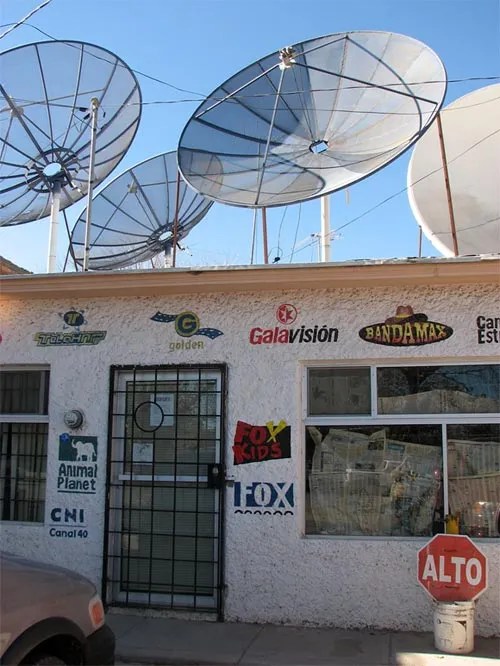
Big cable tv dishes

Maruti800

Gold Spot

Walkman

Yet another relic from the past -- the telephone directory. Seen here is the Yellow Pages phone book meant exclusively for commercial listings.

Telephone Directory

Pagers

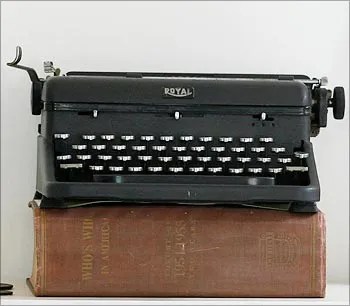
Typewriters

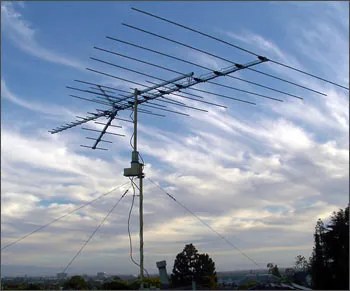
TV antenna

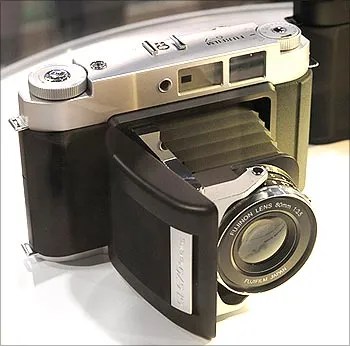
Film  Camera

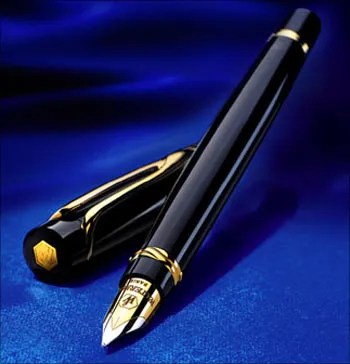
Fountain Pen

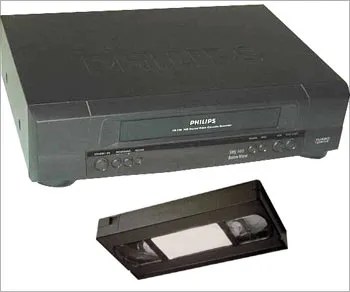
VCP AND Cassettes

Handwritten Letters

Encyclopedias

Discman

Grinding Stone …AMMI !!!

Steel Suitcase and Holdall !!!

source ::::rediff.com

Tailpiece …. Few Good Comments for this story on rediff.com site…. you may like to see and smile ….

“The long intervals between TV programs. A typical Chennai DD week was like this; learning to write Tamil on Mondays with that delighful man, Mr. Nannan. The 1 hour drama on Tuesdays, some good, some not so good. Chitrahar on Wednesday, Oliyum Oliyum on Friday, Hindi films on Saturday, A long drama or Charlie Chaplin on Sunday mornings, news for the hearing impaired in the afternoons, followed by regional award winning films guaranteed to put you to sleep. Then the Sunday evening Tamil movie. The thing is the TV was silent for most of the day. I really appreciate it now and keep the TV off for most of the time. Believe me, I enjoy it. Hey what do you guys say, switch off your TV’s. Life is much better”    from one Balaji Krishnamurthy !!!


“a few more things that belong to your list…

– Patriotic leaders
– Honesty in public life
– Ambassador & Fiat Padmini cars (& possibly Maruti 800 too)
– Scooters (Chetak & other brands)
– Loyal (One Company) employees (& tolerant employers, too)”,,,from Manjula Radhakrishnan

Natarajan

Mahatma Gandhiji”s Meeting with Mahaperiavar ….Way Back in 1927 !!!!

Mahathma Gandhi was touring the South India in the latter half of 1927. He had heard about the Sage of Kamakotipeetam and wished very much to meet him. The sage was camping at palghat [Pallakad] at the time in the course of his vijaya-yatra. The Mahatma Gandhi went there on the 15th October, 1927. The meeting took at place on that day at Nellisseri village, palghat, Kerala.

His, Holiness received the Mahatma in the cattle-shed situated in the backyard of the camp. It was a unique experience for the Mahatma. Here was an authentic successor of Sankara, dressed in a piece of’ ochre cloth made of khadi, and seated on the floor. The Acharya too appreciated the occasion provided for getting to know, at first hand, the leader of the nation who had adopted voluntarily the mode of a simple peasant’s life. At the very first sight, the Mahatma was drawn to the Perfection Incarnate that was seated before him. The atmosphere was surcharged with spiritual silence. After a few moments the Acharya spoke in Samskrit and invited the Mahatma to take his seat. Gandhiji offered his obeisance and sat near the Acharya. He said that, as he was not used to speaking in Samskrit, he would use Hindi if that was permitted, and that he could understand what is spoken in Samskrit. So, the conversation took place without the need for an interpreter-the Acharya spoke in Samskrit, and Gandhiji in Hindi.

This was purely a private interview; there were no reporters; and except for one or two attendants of the math, no one was present. The conversation, which took place in a most cordial atmosphere, lasted for over an hour.

On taking leave of the Acharya, the Mahatma gave expression to the immense benefit he had derived from this unique meeting. How profoundly he was drawn to the Acharya will be evident from an incident that occurred during the interview. It was 5.30 in the evening. Sri C. Rajagopalachari who had accompanied the Mahatma had been waiting outside, went inside the cattle-shed and reminded the Mahatma about his evening meal; for the Mahatma would not take any food after 6 P.M. The Mahatma made this significant observation to Sri. C. Rajagopalachari: “The conversation I am having now with the Acharya is itsclf my evening meal for to day” As the Mahatma was leaving ,after a very fruitful interview, the Acharya gave him a pomelo fruit with his blessings. The Mahatma received it with great reverence, remarking that pomelo is a fruit which he liked best

Later in the evening, Gandhiji addressed a public meeting in Coimbatore. Some people in the audience were eager to know about the interview Gandhiji had had earlier with His holiness. Gandhiji replied saying that they discussed points of mutual interest, that the interview was a private one, that because of this, news paper reporters were not present there and that there was no point in his disclosing the details of the interview. Nothing more was known about this historic meeting.

A request was made to His Holiness in November 1968 for a message of the Seminar on The relevance of Mahatma Gandhi to the world of thought held at the University of Madras. Out of his abundant grace, Jagadguru, the preceptor of the World, sent a message in which he recalled the meeting in 1927 with Gandhiji the Father of the Nation and paid the following tribute:

“We wish to place before this Seminar one of the’ many things which Gandhi and I we discussed when we met at Palghat, Kerala in the last Prashava year. Before Gandhiji arrived at Palghat there came the news of the assassination of Sraddhananda of the Arya Samaj. Referring to this incident Gandhiji remarked as follows:

“I have an apprehension in my mind that assassination of this kind would occur more often than now [in the coming years] Let not there arise in me hatred even in a small measure against the present assassin. There arises a desire in me that I should able to embrace with love even so cruel a man who commits a heinous crime, as this one, an atatayin. But it is extremely difficult to cultivate such heartfelt affection. Yet I shall make an honest attempt in this direction.”

All that we wish to point out is that, in this world it is very rare even to hear about such a feeling expressed”.


[Courtesy Bhavans Journal]

The conversation that took place is now for you to read. 
Excerpts from “A Succinct Biography” 

The details of the conversation between the great men remained a complete secret, since no one else was allowed inside. Even till long after Gandhiji’s demise, the Acharya did not reveal anything about the conversation, in spite of the repeated requests of ardent, interested devotees. But later some details came out. About a year after the return of His Holiness to Kanchi, after the prolonged tour on foot, for six years, a letter was published in the name of a Professor Swaminathan, in an issue of Statesman (Calcutta). The professor was then editing the works of Mahatma Gandhi. The letter contained some details about the conversation between the Acharya and Gandhiji. The letter was perused by His Holiness. Sri Neelam Raju Venkateseshayya, (then editor of Andhra Prabha) had often entreated the Acharya to narrate details of the conversation between the Acharya and Gandhiji in 1927. But the Acharya Swami, once (years ago) told Sri Seshayya, “You have been always asking me about my talk with Gandhiji. None except the two of us knows anything about our talk. Now Gandhiji is no more. Suppose,I reveal the details of our conversation, will it not give rise to a doubt about its truth in the minds of Gandhiji’s followers?”. Sri Seshayya felt that a great secret of dharma had been revealed by the Acharya. In the letter published in the Stateman giving some details regarding the conversation between the two great men , it was stated that Gandhiji had informed SriKishore Lal Masurvala, a resident of Gandhiji’s ashrama and Srimati Ganga Ben Vaidya, about some of the details of his talk with the Kanchi Acharya. In the middle of June1985, Sri Venkataseshayya was summoned to Kanchi. When he reached Kanchi, His Holiness asked him to read the letter published in the Statesman and then said to him, “Now that some parts of the talk that transpired between Gandhiji and me have been published, I shall comply with your repeated requests concerning the same”. (The conversation between His Holiness and Sri Seshayya was in Telugu language and it has been translated into English)


A=Acharya, G=Gandhi

A : “I appreciate your pointing out about a good thing to mankind. Energy isessential for leading a righteous life. Danger only will result by leading a life based onphysical entities bereft of religion.”

G : “Yes, I do understand”.

A : “Our Bharat is one of the very ancient countries of the world. Our country isendowed with old, excellent learning and with an ancient culture. In the past, peoplefollowed the social dictum of Varnashrama Dharma, they were engaged in the activitiesassigned to them, and thereby protected their dharma and enjoyed happiness in the worldand in the next”.

G : “Modern society is different from the society of the past. Will it be possible togo along with the ancient ideals of social life?”
A : “ The quality of cold water is different from the quality of hot water. If both get mixed they will loose their natural characteristics and become useless. Society of course will not be uniform. For instance take a mango tree. It has several branches. In these branches flowers blossom and mangoes emerge at different times. But the tree is only one. Society is, like the tree, only one. Even as the different branches and the trunk combine into tree, all castes together form society. Nowadays, politicians enter the fields of religion and society and try to make in roads into them and to change them. And this had weakened our religion, and altogether changed the smooth running of the world”.

G : “I concur with the opinion of your Holiness”.

A : “What is the necessity for the removal of untouchability?”

G : “Among the people of Bharatadesa, besides Hindus, there are Muslims, Christians, and also some other religionists. Hence it seems to me that untouchability needs to be removed, what does your Holiness think about entry of the untouchables in totemples”?

A : “Temples are sacred places. They are intended for those who believe that God is enshrined in the Sanctum sanctorum of the temple. The Agamas extol the sacred nature of the temples. Those who do not have faith in the Agama Shastras and those who do not accept the principles enunciated by the Agamas in connection with the purity and sanctity of the temple are decidedly unfit for entering our temples”.(Later after a talk between the two for more than twenty minutes over other problems, almost towards the end, the conversation turned on to the murder of Swami Sraddhananda).

A : ‘I suppose, you know about how Swami Sradddhananda has been killed by a Muslim recently”.

G : “Yes. In the present condition of our land how can we attain unity amidst Hindus and Muslims”.

A : “In case a Hindu kills you or me in the future, can we hate the entire Hindu community on that count?”(In the letter of Sri Swaminathan published in the Statesman(1985), he has hinted that Rajaji expressed to his friends, the prophetic remark of His Holiness immediately after the assassination of the Mahatma).


source::::www.periva.proboards.com

natarajan
Read more: http://periva.proboards.com/thread/876/periava-mahatma-gandhi?ixzz2c2p6wowR=undefined#ixzz2c3A8dwrk

Message From Mahaperiavar on 15 AUG 1947….

MESSAGE GIVEN BY HIS HOLINESS PUJYASHRI CHANDRASEKHARENDRA SARASWATHI MAHASWAMIJI on 15 AUGUST 1947 – Independence Day

On this happy occasion when our country Bharat has attained Independence, the people of this ancient country must pray whole heartedly and with one mind to Sri Bhagavan. Let us all pray to God to vouch safe to us strength of mind and energy to engage ourselves more and more in attaining spiritual knowledge. It is only by the grace of Almighty that we can safeguard the freedom that we have achieved and also help all the living beings on earth to lead a happy life.

It is worthy to note that luckily the Chakra of Bhagavan, who is the embodiment of Dharma, has its place in the centre of our National Flag. This Chakra reminds us of the moral values enjoined by Emperor Ashoka, who is historically famous as Devanampriyaha. Further, the Chakra makes us contemplate on the spiritual discipline imparted by Bhagavan Krishna in the Bhagavad Gita. That Dharma which shines in the form of a Chakra is clear from Lord Krishna’s reference to the Chakra as “Evam pravartitam chakram” in Verse 16 of the III chapter of the Bhagavad Gita. Also in Verses 14 and 15 of the same chapter Bhagavan avers that ” The human body originates from food, food grains grow because of rains, rain showers because of performance of Yajnas(Vedic Sacrifices), these Yajnas are prescribed in the Veda and that the Veda has emanated from Brahman who is in the form of Akshara(Sound recorded as letter of the alphabet)”. Thus, the Dharma Chakra explains to us that the supreme Brahman is manifest in Vedic sacrifices. May this Independence, dawning with the rightful remembrance of Emperor Ashoka, grant us such fruits as Aram(Dharma or Righteousness) Porul(Wealth), Inbam(Happiness) and Veedu(Moksha – deliverance), by the grace of God.

There are three stripes in our National Flag. They are of dark green, white and orange colours. These colours seem to indicate to us, that military strength for protection from enemies and evil, wealth for welfare and prosperity, and knowledge for the sake of proper administration are essential for the nation. It may be remembered that dark green is the colour of Durga – the Parasakti who is the mother protector, Mahalakshmi, the goddess of wealth and prosperity is of orange colour(golden hue) and Saraswathi the source divine of all knowledge is white in colour. It is a happy coincidence that the colour of the three Shakthis(Goddesses of Power) are seen in the three stripes of the National Flag.

For long, the Indian Nation has strived hard for winning freedom. By the grace of God, by the blessings of great men, and by the unique sacrifice of the people, independence has been won. Let us all pray to the Omnipresent God to shower his grace so that with the hard won freedom, our country becomes prosperous, is rid of famine, and there are no social skirmishes and the entire nation lives in an atmosphere of amity and kindness.

Now that freedom has been attained by the nation, all of us must also try to develop Independence. If we understand ourselves fully we may consider ourselves as independent. We are not capable of controlling the senses. We are unable to suppress desire and control anger, which always troubles us. Whichever thing in whatever measure we obtain does not lead us to contentment. Worldly sufferings cause worry to us. The mind gets confused on noticing these sufferings. What is the way out of all these? we must try to control, albeit gradually the mind which has been functioning vigorously for such a long time. Once the mind is set at rest, we will not be in need of anything. That state of mind which ensures complete freedom is what we must attempt to achieve.

Every day atleast some time should be set apart for practising the control of mind and bereft of other thoughts, we must meditate upon God. Then gradually, the mind will become calm, whereupon we will have the mental power to subjugate desire and anger. Spiritual knowledge will accrue fast for him who practises such meditation. Only these who attain such true spiritual knowledge can truly be independent citizens.

Any woman other than one’s wife must be respected as one’s own mother. We must regard other living beings as we would regard ourselves. Even at the risk of death, truth alone must be spoken. Petty social feuds must be averted totally, Every one must strive for improving his knowledge and his spiritual attainments and move with others in an atmosphere of kindness. We must sincerely wish that all people should live happily and peacefully.

Dharmo Rakshati Rakshitaha

SOURCE:::::www.periva.proboards.com

natarajan

“குழந்தை…. கரும்பை யானைக்கு கொடுக்கலாமா ?!!!”

தஞ்சைக் கிராமமொன்றில் ஸ்ரீசரணர்கள் தங்கியிருந்த போது கரும்பு அறுவடையாகி, நிறையக் கட்டுக்கள் ஸ்ரீமடத்திற்கு ஸமர்ப்பிக்கப்பட்டிருந்தன.

கரும்புக் கட்டைப் பார்த்த ஒரு குழந்தை தனக்கு வேண்டுமென்று அழ ஆரம்பித்தது. குழந்தையின் பெற்றோர் ஸ்ரீசரணாளிடம் அதற்குக் கணை, குலைக்கட்டி முதலியன இருந்ததால் கரும்பு தருவதற்கில்லை என்றனர்.

ஸ்ரீசரணர் அவர்களைக் கையமர்த்தினார். குழந்தையிடம் ஒரு கரும்பு கொடுக்கப் பணித்தார்.

“நம்ம மடத்து ஆனை நீ பாத்திருக்கியோ? ஒனக்கு அது ரொம்ப இஷ்டந்தானே?” என்று குழந்தையைக் கேட்டார்.

“பாத்திருக்கேனே! எனக்கு ஆனை-ன்னா ரொம்ப இஷ்டமாச்சே!”

“பூஜைக்கு அது வரும். அப்போ கரும்பை அதுக்குக் குடுத்துடறயா? அது மளுக்கு மளுக்குனு முறிச்சுத் தின்னுமே? பாத்தா ரொம்ப வேடிக்கையாயிருக்குமே!”

“அது என்னெ ஒண்ணும் பண்ணாதா?”

“பண்ணாது, பண்ணாது. நான் ஒன் பக்கத்துலயே இருந்துண்டு பாத்துக்கறேன்.”

“ஆனா ஸரி.”

அப்படியே ஆனை வர, ஸ்ரீசரணர் அருகிருந்த தைரியத்தில் குழந்தை ஆசை ஆசையாக அதற்குக் கரும்பைத் தூக்க முடியாமல் தூக்கி – அல்லது இழுத்து வந்து கொடுக்க; அது ‘ஆவ்ரி, ஆவ்ரி’ என்று ஆனந்தமாக முறித்து விழுங்க, அதைவிட ஆனந்தமாகக் குழந்தை முழுக் கரும்பும் தன்னாலேயே தனக்கு நஷ்டமானதைக் கருதாது ஆனந்திக்க – கொடுத்த – கொடை பெற்ற அவ்விரு ஜீவன்களின் ஆனந்தமும் சேர்ந்து கரும்பிதயரின் முகத்தில் பிரகாசித்தது.

தானே அநுபவித்து நுகராமல் பிறருக்கு ஈந்து அதனாலேயே நுகருமாறு ஈசாவாஸ்ய மறைமுடி கூறும் அந்தத் தியாக நுகர்ச்சியின்பத்தை ஒரு சிறு குழந்தை பெறச் செய்து விட்டார், பெருமனத்தர்!

ஜெய ஜெய சங்கர ஹர ஹர சங்கர!!

source:::::www.periva.proboards.com

natarajan

Read more: http://periva.proboards.com/thread/4834/maha-periyavaa-children-3/#ixzz2bTNMwuHM

“ஒரே கல்லில் இரண்டு மாங்காய் அடிக்கும் வித்தை ” !!!

ஒர் அரசியல் கதை

Kripananda Variar


திருமுருக கிருபானந்த வாரியார் ஸ்வாமிகள் கல்லூரி ஒன்றில் சொற்பொழிவாற்றிக் கொண்டு இருந்தார். சொற்பொழிவின் நிறைவில் கேள்வி பதில் நிகழ்ச்சிக்கும் ஏற்பாடு செய்யப்பட்டு இருந்தது. பட்டம் பயிலும் மாணவர்கள் ‘அரசியல் பற்றி தங்கள் கருத்து என்ன ?’ என்ற கேள்வி எழுப்பினார்கள். வாரியார் ஸ்வாமிகள் ஒரு கதை சொன்னார்.

ஒரு சாம்ராஜ்யம் இருந்தது. அங்கு பட்டத்து யானை மூலம் அரசனை தேர்ந்தெடுக்கும் முறை பின்பற்றப்பட்டது. அப்படி யானையினால் மாலை சூட்டப்பட்டு தேர்ந்தெடுக்கப்படுபவர் எல்லாவித ராஜ போகங்களுடன் ஆட்சி புரியலாம். ஆனால் அவரது பதவி காலம் ஐந்து ஆண்டுகள் மட்டும் என்றும் நிர்ணயிக்கப்பட்டு இருந்தது.

ஐந்து ஆண்டுகளுக்குப் பிறகு அவரை நாட்டை விட்டு வெளியேற்றி கடலுக்கு அப்பால் உள்ள தீவுப் பிரதேசத்துக்கு நாடு கடத்தி விடப்படுவார் .
அரசராக தேர்ந்தெடுக்கப்படுபவர் தனது ஆட்சி காலத்தில் மக்களுக்கு சேவை செய்வதையே லட்சியமாகக் கொண்டு ஆட்சி புரிந்தனர். ஐந்தாண்டு கால நிறைவில் தீவில் விடப்பட்டு வறுமையில் வாடுவார்கள்.

மக்கள் அவர்களைப் பற்றிக் கவலைப்படவில்லை. பல ஆண்டுகளுக்குப் பிறகு ஒரு முறை ஐந்தாண்டு முடிவில் பதவி இழந்தவருக்கு மாற்றாக வேறு ஒருவரை யானை தேர்ந்து எடுத்தது. அவர் ஆட்சியில் மக்கள் ஒன்றும் அவ்வளவு நன்றாக இல்லை. அனியாயமாக வரி போட்டு மக்களை வாட்டி வதைத்து விட்டார். எப்போது ஐந்து ஆண்டுகள் முடியும், இவர் ஆட்சி பீடத்தில் இருந்து இறக்கப்பட்டு தீவுப் பிரதேசத்துக்கு நாடு கடத்தப்படுவார் என்று எதிர்பார்த்துக் கொண்டு இருந்தார்கள்.

அவர்கள் எதிர்பார்த்த ஐந்தாண்டு காலம் முடிவுக்கு வந்தது. அந்த கொடுங்கோல் அரசனை ஆட்சியில் இருந்து நீக்கி படகில் ஏற்றிக் கொண்டு தீவுப் பிரதேசத்துக்கு கொண்டு போனார்கள். இப்படி கொண்டு போகும் போதெல்லாம் பதவி இழந்த அரசர்கள் வருந்திப் புலம்பிக் கொண்டே இருப்பார்கள்.

ஆனால் இந்த நபர் எந்த வருத்தமும் இல்லாமல் படகில் பயணம் செய்து கொண்டு இருந்தார். அவரை படகில் ஏற்றிக் கொண்டு போனவர்களுக்கு வியப்பாக இருந்தது. அவரைப் பார்த்துக் கேட்டார்கள் ‘ பதவி இழந்து தீவில் வறுமையில் வாழப் போகிறீர்கள். அதைப் பற்றி கொஞ்சம் கூடக் கவலையில்லாமல் மகிழ்ச்சியோடு இருக்கறீர்களே எப்படி ?’ அதைக் கேட்ட அந்த முன்னாள் அரசன் ”என்னுடன் அந்த தீவுக்கு வந்து பாருங்கள்” என்று சொன்னான்.

படகு தீவின் கரையை அடைந்தது. உடன் வந்தவர்கள் அந்த தீவைப் பார்த்து பிரமித்துப் போனார்கள். வறண்டு போய் இருந்த தீவு அங்கு இல்லை. மிகப் பெரிய அரண்மனை, மாட மாளிகைகள், கூட கோபுரங்கள், தோட்டங்கள், பூங்காக்கள் என்று அந்த தீவே செல்வச் செழிப்புடன் சொர்கலோகம் போலக் காட்சி அளித்தது. உடன் வந்தவர்கள் திகைத்துப் போனார்கள்.

அப்போதுதான் தெரிந்தது, அந்த முன்னாள் அரசர் தம் ஐந்தாண்டு கால ஆட்சியில் தன் வரும்கால சந்ததியினர் பலரும் பயன்பெறும் வகையில் அந்த தீவில் சொத்துக்களை சேர்த்து வைத்துக் கொண்டார் என்பது. அந்த காலத்தில் அரசனை யானை மாலைப் போட்டுத் தேர்ந்தெடுத்தது.

தேர்ந்தெடுக்கப்பட்டவர் எப்படிப்பட்டவர் என்று அதற்குத் தெரிய வாய்ப்பில்லை.

அதனால் அதிருஷ்டம் உள்ளவர்கள் எவர் வேண்டுமானாலும் ஆட்சிக்கு வர முடிந்தது. அவர் இஷ்டம் போல ஆட்சி புரிய முடிந்தது. ஐந்தாண்டு காலம் எந்த எதிர்ப்பும் இல்லாமல் ஆட்சி செய்ய முடிந்தது.

ஆனால் இப்போது ஜனநாயக முறைப்படி ஆட்சி நடக்கிறது.

ஐந்தாண்டுகளுக்கு ஒருமுறை தேர்தல் நடைபெறுகிறது. முன்னைப் போல அரசரை தேர்ந்தெடுக்கவில்லை நாம். அரசருக்குப் பதிலாக அமைச்சர்களை தேர்ந்தெடுக்கிறோம் நாம். ஐந்தாண்டுகளுக்கு ஒருமுறை ஆட்சி மாறுகிறது. ஆனாலும் முன்பு சொன்ன அரசர் பதவி இழந்தாலும் பரம்பரைக்கே சொத்து சேர்த்தது போல இந்நாளில் பதவி இழந்தாலும் அமைச்சர்கள் சொத்து சேர்த்து விடுகிறார்கள். இந்தக் கதையைக் கூறி விட்டு வாரியார் ஸ்வாமிகள் கூறினார் ‘ எனக்கு அரசியல் பற்றி ஒன்றும் தெரியாது. கதை மூலமாக உங்களுக்கு அரசியல் பற்றி எதாவது தெரியுதா சொல்லுங்கள்’ என்றார்.

‘ஐயா நீங்கள் சொன்னக் கதையினால் இன்றைய அரசியல்வாதிகளின் முறையற்றப் போக்கு புரிகிறது’ என்றனர். அதற்கு வாரியார் ஸ்வாமிகள் சொன்னார், ‘இந்தக் கதையை சொன்னதின் நோக்கம் அது மட்டும் அல்ல . கதை உணத்தும் இன்னொரு கருத்தும் இருக்குது. நீங்கள் இங்கு இம்மையில் சுகம் அனுபவிக்கும்போதே நம் பிற்காலத்துக்கும் அதாவது மறுமைக்கும் புண்ணியம் சேர்த்து வைக்க வேண்டும் என்பதுதான் அது’.

வாரியார் ஸ்வாமிகள் ஒரே கல்லில் இரண்டு மாங்காய் அடிக்கும் வித்தையை கற்றவரல்லவா!

source:::::murugan.org

natarajan

Leonardo da Vinci….A Great Anatomist Too!!!….Look At His Sketches of Human Body !!!

He may be renowned for masterpieces such as the Mona Lisa and the Last Supper, but Leonardo da Vinci is also one of the greatest anatomists the world has seen.

  • Da Vinci began researching the human body to ensure his artworks were as accurate as possible
  • Between 1507 and 1513 he dissected more than 30 human corpses
  • His sketches of the human body are now being displayed against 21st Century imagery – with da Vinci’s work proving remarkably accurate

His intricate knowledge of the human body, which was years ahead of his time, is demonstrated in a collection of notebooks which he filled with detailed studies of organs, bones, vessels and muscles using new illustrative techniques.

The collection of notebooks, which date between 1452 and 1519, and chart much of the Italian renaissance artist’s groundbreaking studies of the human body.

Exhibition: Leonardo da Vinci's anatomical notebooks are going on display at a new exhibition in Ediburgh

Sizing things up: Sophie Lawrenson demonstrates the size of da Vinci's sketches by holding her hands up to the notebook

Almost 500 years after his death, the drawings in his anatomical notebooks are being displayed at an exhibition in Ediburgh alongside 21st-century pictures of the same body parts – with da Vinci’s sketches proving startlingly accurate.

Curators say his work foreshadows modern techniques like MRI scans and 3D computer modelling ‘to an astonishing degree’.

Da Vinci began researching the human body to ensure his paintings were as true to nature as possible. Between 1507 and 1513 he dissected more than 30 human corpses, including that of a 100-year-old man.
Detailed: Da Vinci's sketches of muscles and skeletons foreshadow modern techniques, such as MRI scans and 3D computer modelling, to 'an astonishing degree'    Detailed: Da Vinci's sketches of muscles and skeletons foreshadow modern techniques, such as MRI scans and 3D computer modelling, to 'an astonishing degree'
Detailed: Da Vinci’s sketches of muscles and skeletons foreshadow modern techniques, such as MRI scans and 3D computer modelling, to ‘an astonishing degree’

Talented: Leonardo da Vinci is still considered to be one of the greatest anatomists the world has ever seen

Leonardo da Vinci's depiction of the bones, muscles and tendons of the hand, c.1510-11 a 3D image of a dissected hand

Comparison: Leonardo da Vinci’s anatomical drawing of a hand is remarkably similar to modern medical scans and models which show just how true to life the artist’s work was

The polymath was able to use his skills in art, architecture and engineering to produce images of the body never seen before.

Exhibition curator Martin Clayton, of Royal Collection Trust, said: ‘This is the first time that Leonardo da Vinci’s anatomical drawings have been displayed alongside their modern-day counterparts.

‘It’s incredibly exciting to discover how Leonardo’s investigations 500 years ago foreshadowed the work of today’s leading anatomists to an astonishing degree.’

Dedicated: Da Vinci dissected more than 30 human corpses to learn about the human anatomy so his paintings and sculptures would be as realistic and accurate as possible  Dedicated: Da Vinci dissected more than 30 human corpses to learn about the human anatomy so his paintings and sculptures would be as realistic and accurate as possible

Dedicated: Da Vinci dissected more than 30 human corpses to learn about the human anatomy so his paintings and sculptures would be as realistic and accurate as possible

The muscles and tendons of the lower leg and foot, c.1510-11 3D animation of the lower leg and foot

He also recorded the muscles of the shoulder and arm in eight different views, rotating the body through 180 degrees.

Peter Abrahams, professor of clinical anatomy at Warwick Medical School, who helped the show’s curators, said: ‘In many ways Leonardo predicted the 20th-century revolution in various medical imaging techniques.

‘His use of cross sections and slices to show deep internal structures within the body foreshadowed the modern techniques of CT and MRI scanning.

‘The anatomical accuracy of Leonardo’s drawings has rarely ever been surpassed, and I still use them to teach surgeons and medical students today.’
The muscles of the shoulder, arm and the bones of the foot, c.1510-11: A 3D film of a dissected shoulder will show the incredible accuracy of the many drawings of the bones, muscles, nerves and tendons of the joint

The muscles of the shoulder, arm and the bones of the foot, c.1510-11: A 3D film of a dissected shoulder will show the incredible accuracy of the many drawings of the bones, muscles, nerves and tendons of the joint.

Master of the arts: Many professors of anatomy say they still use da Vinci's drawings to teach medical students as the accuracy of his work has rarely been surpassed

Master of the arts: Many professors of anatomy say they still use da Vinci’s drawings to teach medical students as the accuracy of his work has rarely been surpassed.


source:::::mailonline.com UK

natarajan