Good morning!
November morning sky at Old Scituate Light in Scituate, Massachusetts, USA.

.Photo by Daniel Levy Photography.
You can see more of Daniel’s photos here
SOURCE::::www.earthsky.org
Natarajan
It’s the final week for our Aviation History Month articles, and this week we are looking at airlines between 1980 and 2000.

1989 saw a Qantas Boeing 747, fly non-stop from London to Sydney, setting a world record for a four engine jet, after having flown 11,000 miles in 20 hours. During the first half of the 1990’s, the industry suffered world recession, and in 1991, international passenger numbers dropped for the first time. The financial difficulties were aggravated by airlines over-ordering aircraft in the boom years of the late 1980s.
However, in 1993, The 1,000th Boeing 747 came off the production line 26 years after the first 747 was built. By 1997, all EU airlines were given unlimited rights to serve airports in other member states after the European Commission approved new regulations to liberalise air travel within the EU.
Virgin Atlantic
On June 22, 1984, the airline launched its inaugural flight from London Gatwick to Newark, consisting mainly of celebrities and media. The airline celebrated its 1,000,000thpassenger only 4 years afterwards, and in 1999, Richard Branson sold a 49% stake in the company to Singapore Airlines, which was later acquired by Delta Airlines.

Virgin Atlantic inaugural flight, 1984 [Image by Virgin Atlantic]
Emirates
The airline commenced operations on October 25, 1985, departing Dubai International Airport for Karachi in Pakistan. The airline began operations to Karachi, New Delhi and Bombay using Airbus A300 and Boeing 737 leased aircraft from Pakistan International Airlines. In 1992, the airline became the first to install video entertainment systems in all of its classes throughout its fleet, and in 1995 when the airline celebrated its tenth birthday; it could already boast 34 locations in the Middle East, Far East and Europe.

Emirates inaugural flight 1985. [Image by Gulf News]
Ryanair
The airline was established in 1985 with a share capital of £1 and 25 employees, using only a 15-seater Embraer EMB 110 Bandeirante aircraft. By 1990, Ryanair dropped its Business Class product and closed the Frequent Flyer Club, to re-launch as Europe’s first low fares airline, using only Boeing 737 aircraft. 1992 saw more than one million passengers carried in a year for the first time. The airline stopped serving meals and served only snacks instead, leading to the birth of the ‘peanut airline’.

Ryanair ATR 42-300. [Image by airliners.net]
Air China
Air China was established in 1988 after the Chinese Government decided to split the operating divisions of Civil Aviation Administration of China (CAAC) into six separate airlines, including Air China. The carrier was given chief responsibility for intercontinental flights, and took over the CAAC’s long haul aircraft and routes, including its Boeing 747s, 767s and 707s. In 2001, Air China acquired China Southwest Airlines following a merger plan.

Air China A340
Jet Airways
Jet Airways was incorporated in 1993 as an air taxi operator with a fleet of four leased Boeing 737-300 aircraft from Malaysia Airlines. The operator became a scheduled airline in 1995, after the Air Corporations Act was abolished, and began its first international operation in March 2004, from Chennai to Colombo.

Jet Airways A340, 2005, with 1993-2007 livery. [Image by Adrian Pingstone
SOURCE:::: Poppy Marello in http://www.routesonline.com
Natarajan

Tuesday’s crescent moon sets behind a small cabin. Photo by Göran Strand.
Photo credit: Göran Strand
If you’ve been watching the early evening sky, you know the moon has returned to it. It has appeared in a slim waxing crescent phase over these past evenings. Göran Strand of Sweden captured the crescent moon on Tuesday evening, November 25, 2014. Notice the glow over the unlit part of a crescent moon? It’s called earthshine, and it’s sunlight reflected from Earth’s day onto the moon’s surface.
A big thank you to Göran Strand for sharing his photo with us. You can see more beautiful photos by Göran Strand here
SOURCE:::: http://www.earthsky.org
Natarajan
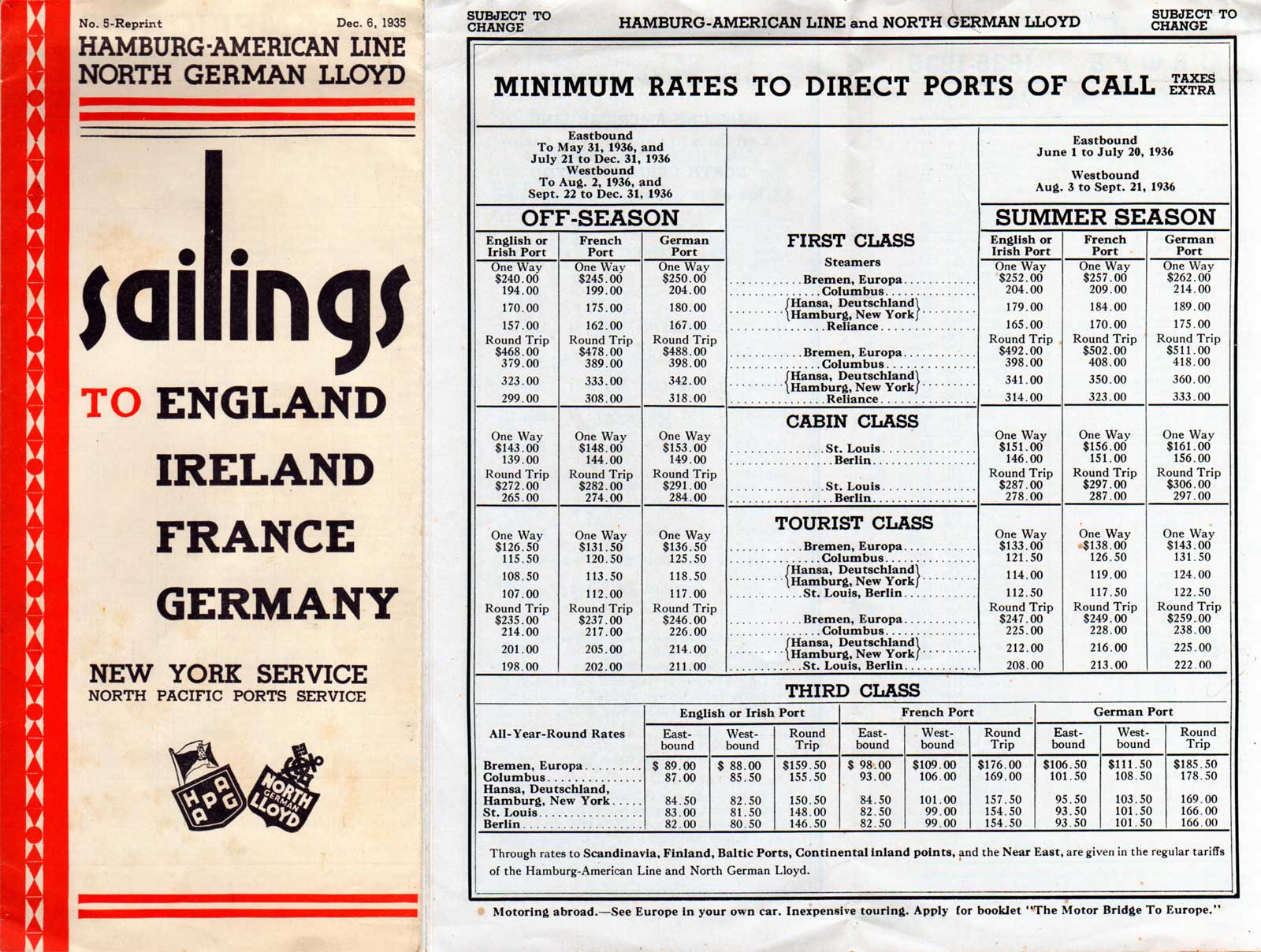
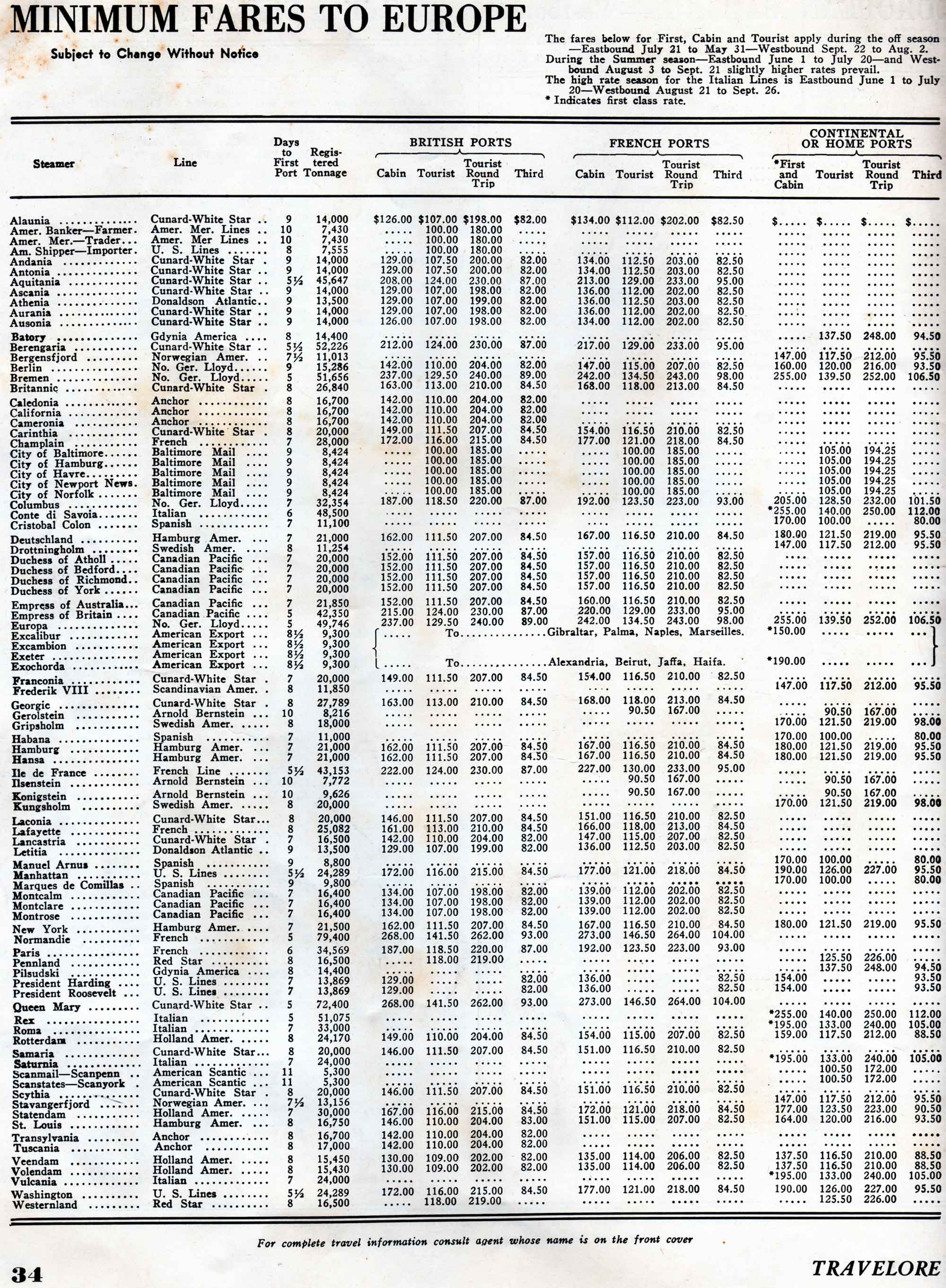
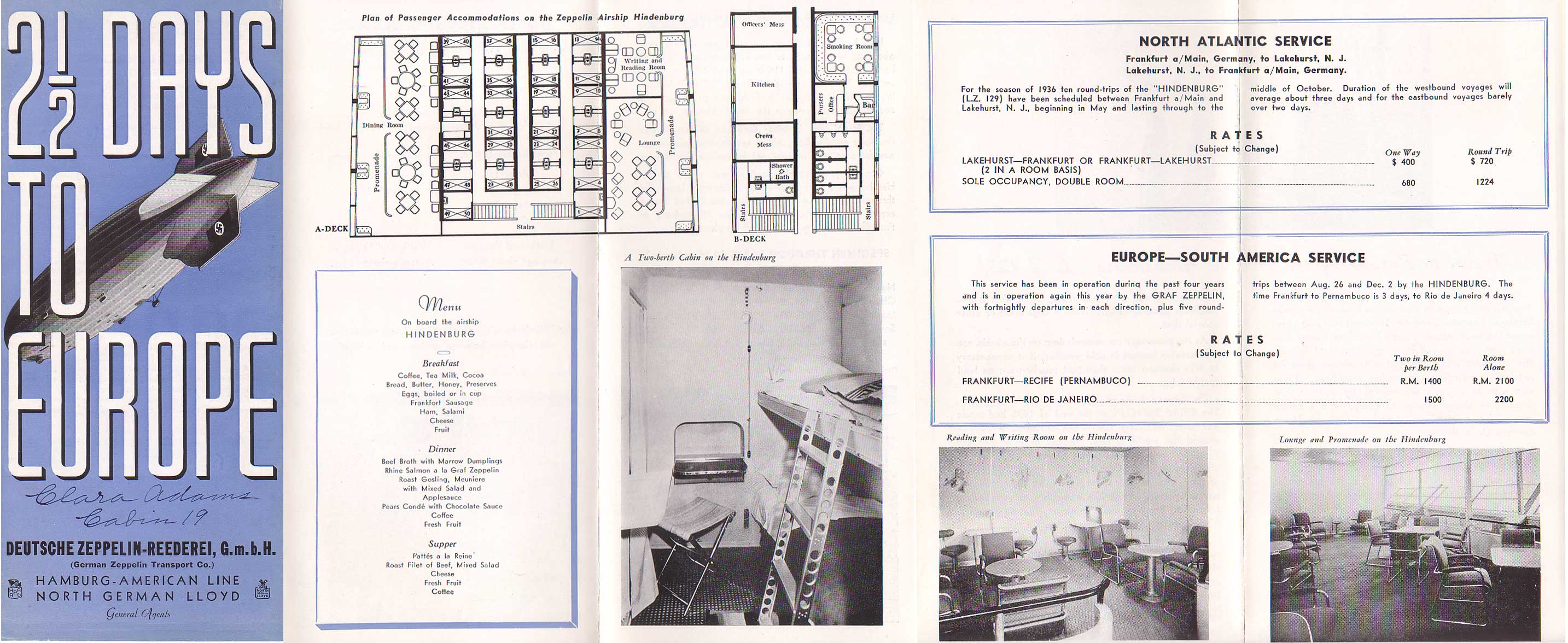
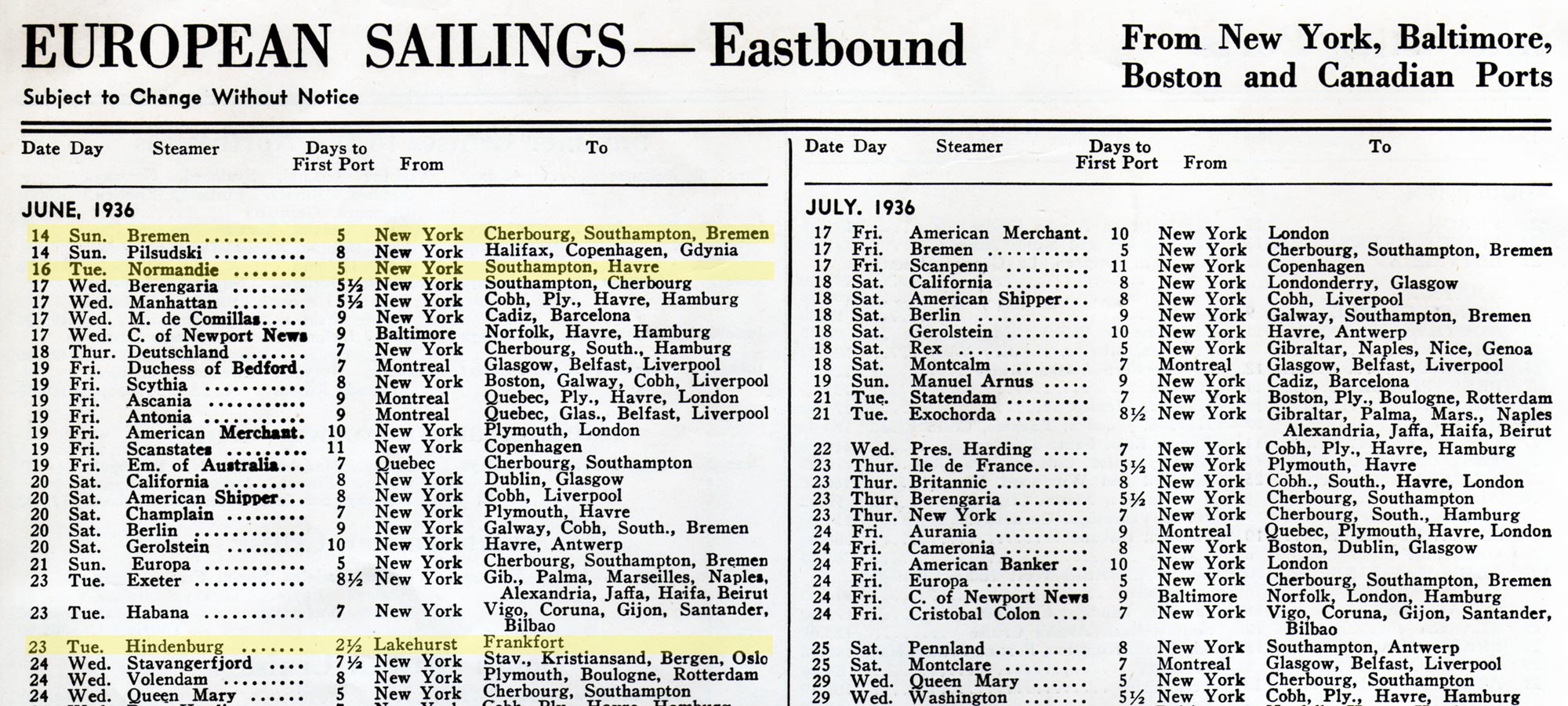
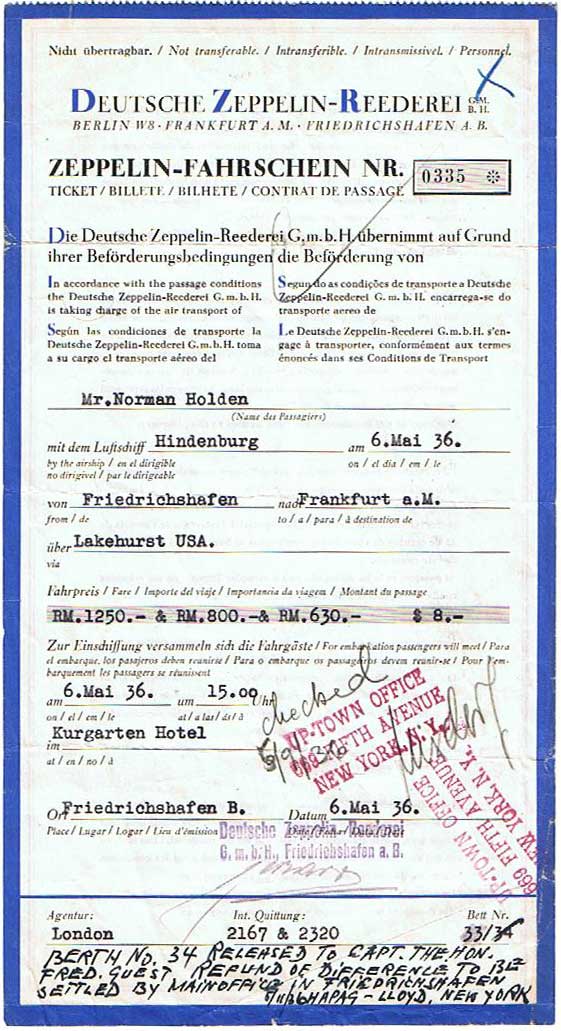
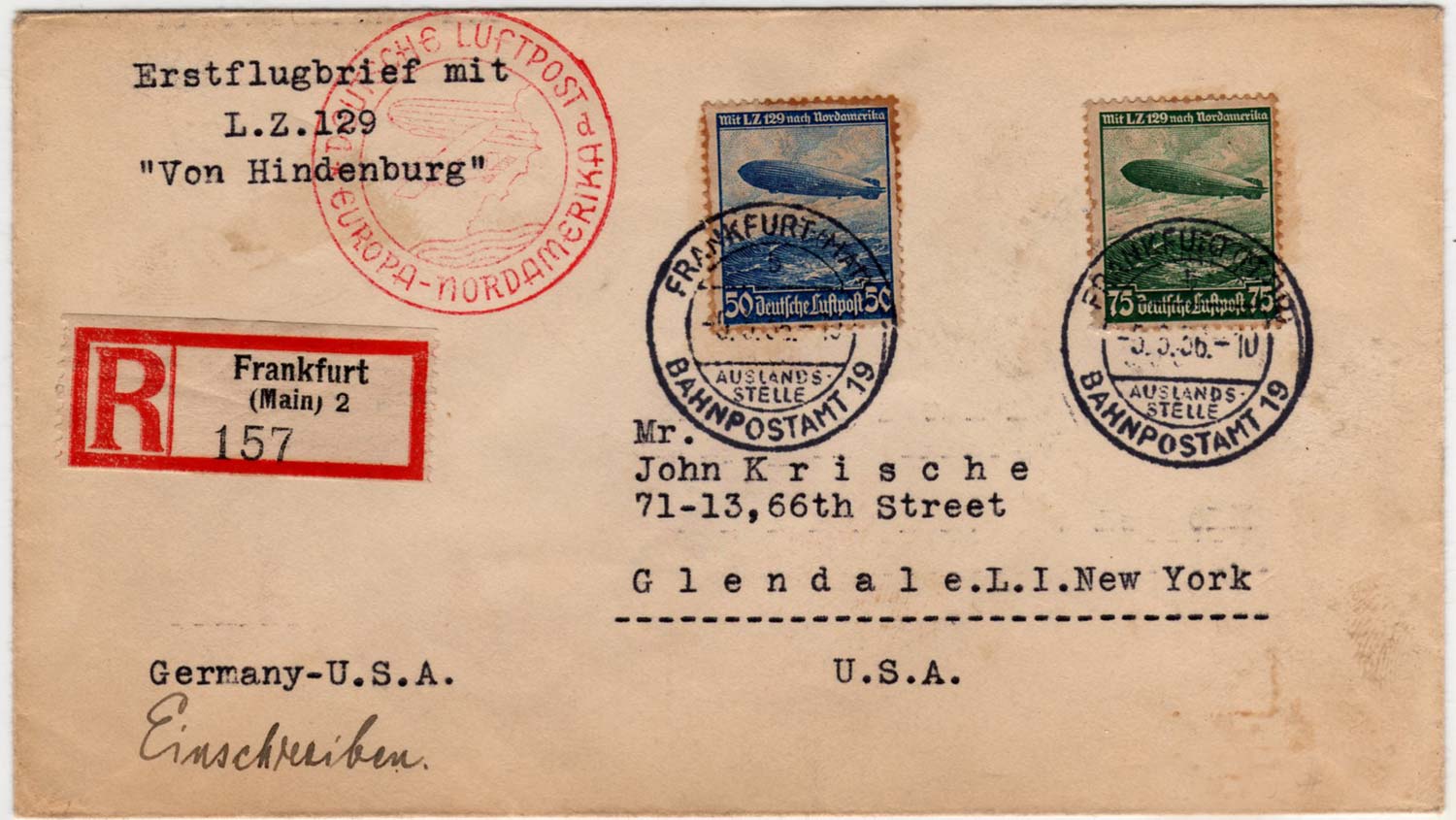
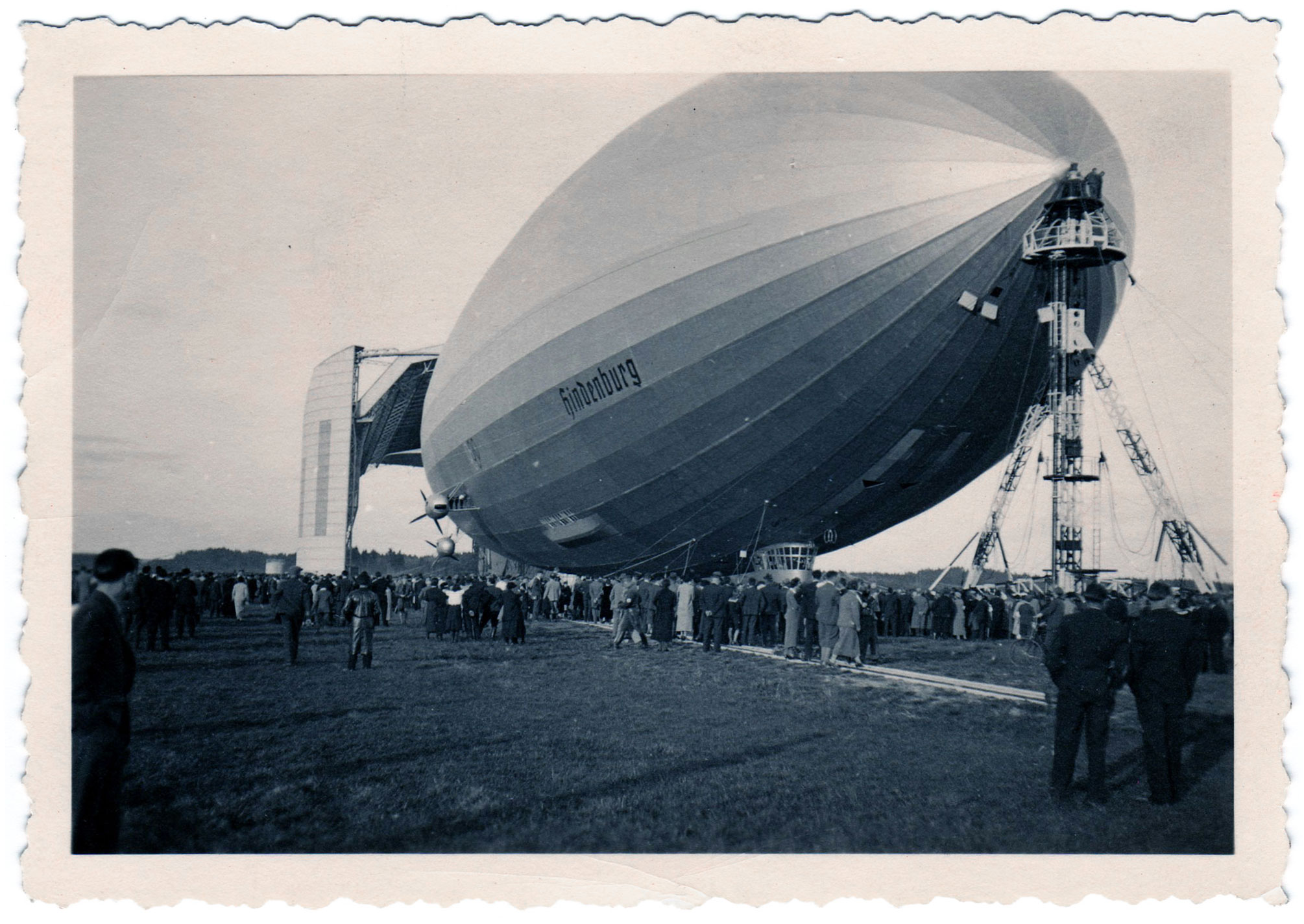
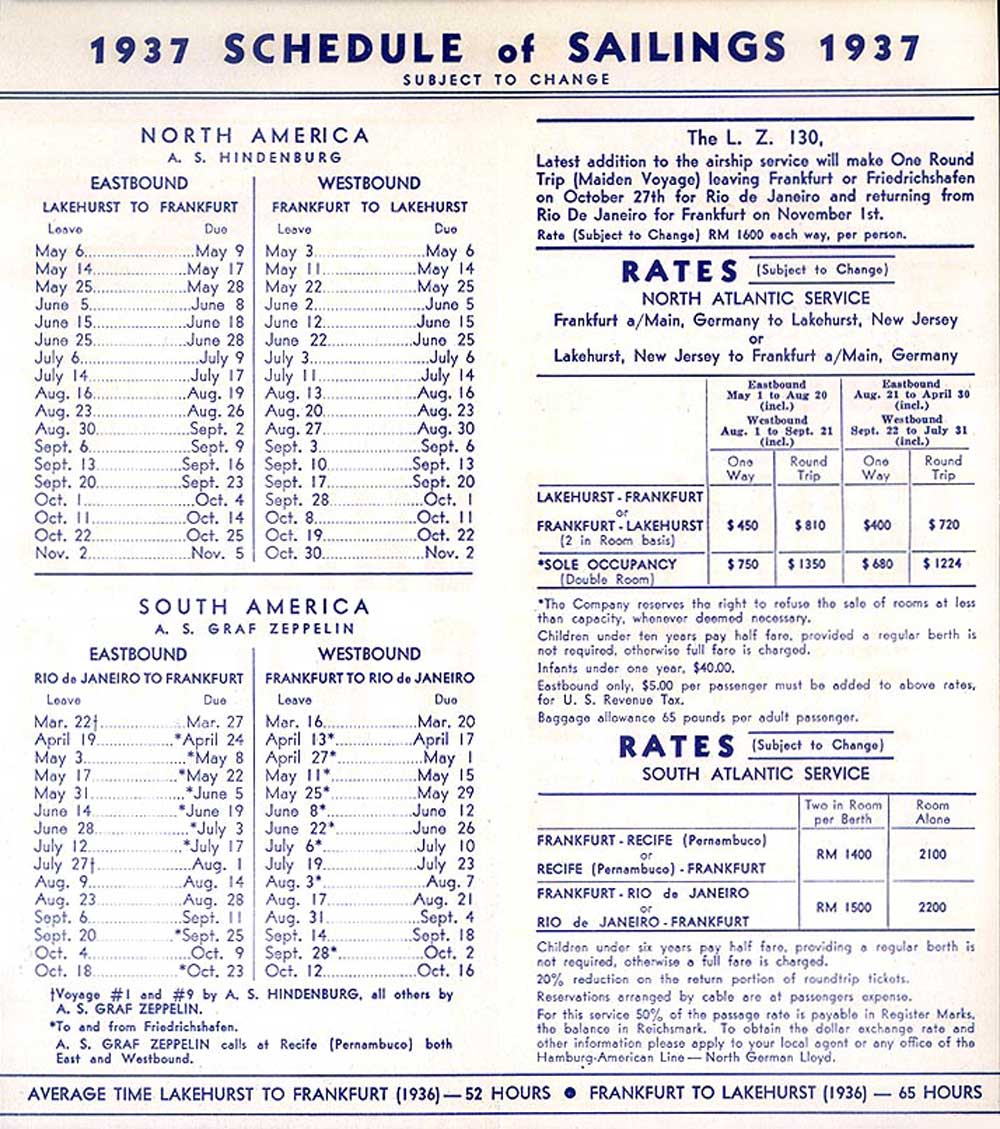
Prior to the age of the airliner, Zeppelin airships ruled the skies over the north Atlantic — connecting cities like New York with Western Europe. Zeppelin’s fleet of airships included such colossal creations like the Graf Zeppelin and the Hindenburg along with the less famous Graf Zeppelin II.
If you look at these photos, you might think they were created on a film set or a computer. They look like a work of fantasy, devoid of magical beings that should rightly be within frame. But that’s not the case. These photos come from right here on Earth. If you ever thought that terrestrial life was dull, check these out and enjoy some newfound appreciation for our little planet’s amazing beauty.
Today, German scientists released a two-second recording of the sound the Rosetta mission’s Philae lander made when it touched down on comet 67P/Churyumov-Gerasimenko’s icy surface. Philae landed on the comet, which is about 311 million miles (500 million kilometers) from Earth, last week (November 12, 2014).
The sound comes from sensors embedded in Philae’s three legs. The recording is part of SESAME, the Surface Electric Sounding and Acoustic Monitoring Experiment. Because its harpoons didn’t fire, Philae actually ended up bouncing twice and landing three times. This is a recording of the first bounce.
Scientists from the German Aerospace Center, DLR, which is responsible for SESAME, areanalyzing the sound of the landing for clues about the comet’s surface.
After nearly 57 hours on Comet 67P/Churyumov–Gerasimenko, the Philae lander had completed its main science mission on November 15, 2014, when its batteries failed and the lander went silent. Read more.

Philae’s bounce across the surface of its comet, as captured by the Rosetta mothership. Image via ESA/Rosetta/MPS for OSIRIS Team MPS/UPD/LAM/IAA/SSO/INTA/UPM/DASP/IDA
SOURCE::::www.earthsky.org
Natarajan
Poppy Marello,
Digital Content Executive, Routesonline …..It’s the penultimate week for our Aviation History Months articles, and this week we’re looking at airlines that began operation from 1960 – 1980.

The sixties saw a number of aviation records, with A Royal Air Force Avro Vulcan making the first non-stop flight from England to Australia on June 21, 1961. Boeing rolled out its first Boeing 727 airline on November 27, 1962, Concorde flew for the first time on March 2, 1969 and of course, on July 20, 1969, Apollo 11 landed the first men on the moon.
The seventies saw a 24-hour worldwide strike in 1972 calling for tighter security after the International Federation of Air Line Pilots Associations (IFALPA) accused governments of failing to take action to halt air piracy. In September 1972, the 1,000th Boeing 727 is sold, a sales record for airliners. The Space Shuttle ‘Enterprise’ makes its first test flight after detaching from a Boeing 747 Shuttle Carrier Aircraft.
Thai Airways
The airline was founded in 1960 as a joint venture between Thailand’s domestic carrier, Thai Airways Company (TAC) and Scandinavian Airlines System (SAS). On 14 May 1997, THAI, along with Lufthansa, Air Canada, SAS, and United Airlines, founded the world’s first and largest airline alliance, Star Alliance.

Thai Airways, 1960s [Image by Thai Airways]
Royal Jordanian
The airline was established under the name ‘Alia’ in December 1963, after King Hussain’s eldest daughter, Princess Alia bint Al Hussein. The national carrier for Jordan joined the jet age in 1970 when it phased out its Fokker F-27s and ordered Boeing 707 aircraft, and in that year, services were initiated to Madrid, Copenhagen and Karachi.

The third Caravelle delivered to Royal Jordanian, 1966. [Image by Royal Jordanian]
Transavia Airlines
In 1966, the airline was established as ‘Transavia Holland’, until 1986 when the name was changed to ‘Transavia Airlines’. The newly branded operator became the first airline to take advantage of the world’s first open skies agreement signed between the UK and Dutch governments, operating its route between Amsterdam and London Gatwick from October 26, 1986.

Boeing 737, 1986, just before the name change. [Image by airliners.net]
SOURCE:::: http://www.routesonline.com
Natarajan
British Airways
The airline was established on 31 March 1974, upon the dissolution of British Overseas Airways Corporation (BOAC) and British European Airways (BEA). The airline jointly inaugurated the world’s first passenger supersonic services to Bahrain using Concorde G-BOAA aircraft, alongside Air France’s operation to Rio de Janeiro via Dakar in January 1976. In March 1979, the new Boeing 757 aircraft was launched with orders for 19 from British Airways and 21 from Eastern (USA).

British Airways Lockheed L1011 TriStar 200 G-BHBN, 1974 [Image by British Airways]
Air Berlin
The airline was founded as Air Berlin USA in July 1978 by PanAm captain, Kim Lundgren, and was originally headquartered in Oregon, United States to operate charter flights on behalf of German tour operators from Berlin Tegel Airport. On 28 April 1979, the first airberlin jet took off from Berlin to Palma de Mallorca. During most of the 1980s, Air Berlin USA operated only a single 737-200. The airline was sole in 1991 when it changed its name to the current ‘Air Berlin’.

Air Berlin USA Boeing 707, 1979 [Image by Air Berlin]

What is lake-effect snow? If you live on the downwind side of a large lake, you’re probably all too familiar with this weather phenomenon. It happens when cold winter air moves over a relatively warm body of water. What you get are small-scale but intense snowstorms. A powerful lake-effect snow storm hit the Buffalo, New York area this week, and is continuing through Friday, November 21, 2014. See pictures and read more about the effects of the November 2014 lake-effect snow storm.
This article, is based on a 2011 interview with Tom Niziol, longtime meteorologist-in-charge of the National Weather Service in Buffalo, New York and who joined the Weather Channel in early 2012. He told EarthSky that accurate forecsting of lake-effect snow is a challenge cause:
[Lake-effect snow] occurs on such a small scale, almost on the scale of a summertime thunderstorm. One portion of a neighborhood or city might be under heavy snow, where a few miles away you may be under sunny skies.

Photo credit: Square Foot Staffing
He said Buffalo, New York on the eastern shore of Lake Erie, is notorious for its lake-effect snowstorms. Niziol said cold air moving in from Canada triggers the snowfall.
As that air moves across the warm water of the Great Lakes, heat and moisture from the lake rises up into that air mass. That moisture eventually condenses out into snowflakes. And when we get to the downwind shores, we end up with lake-effect snow.
Niziol said similar snowstorms happen around the globe. The coasts of the United Kingdom, France, Japan, and Korea, for example, get what’s called ocean-effect snow, from cold air moving across warm seas.
So at a whole range of latitudes in the Northern Hemisphere, right around the globe, we see the same activity.
Niziol gave an earlier example of how dramatic lake effect snow can be.
In early December, 2010, in the western New York area around the city of Buffalo, one of these snow bands set up off Lake Erie. The band was about 8-10 miles wide. The northern portion of Buffalo had green grass throughout most of this event. The southern portion of Buffalo, however, only about 10-12 miles away, picked up 40 inches of snowfall.
He said that lake-effect snow can begin in early fall and continue throughout the winter months.
Early in the fall, we see the same type of activity – cold air moving across a warm body of water – but it’s actually warm enough that we see lake effect rainshowers occur. As we get into November to early December, the air is cold enough to turn that into snow.
But if the lake freezes over, it can bring a halt to these seasonal snowstorms.
Lake Erie is a very shallow lake. In January it develops a significant amount of ice cover. The ice cover acts as a cap, in a simple way, to limit the amount of heat and moisture that can come through that ice and then modify that air mass.
Niziol said that the most important thing for people who experience lake effect snow to know is how to be prepared for an unexpected snowstorm.
Be prepared for winter weather conditions. Have extra clothes in your car, make sure your cellphone is charged, have a shovel in the car, some water, granola bars, extra food as well. Because you never know when you leave the house, even if you have a forecast with you, what it will be like when you drive through one of these snow bands.
Lake-effect snow belts may include portions of the Upper Peninsula of Michigan, northern and western portions of the Lower Peninsula of Michigan, northern Indiana, northeastern Ohio, northwestern Pennsylvania and western New York state.
Bottom line: Lake-effect snow happens when cold winter air moves over a relatively warm body of water. What you get are small-scale but intense snowstorms.
SOURCE::::www.earthsky.org
Natarajan




 Take off with Natarajan