Message for the Day…” True Ugadi is the day when you give up bad qualities…”

Ugadi is the beginning of a New Year. You have celebrated many Ugadis, but have you given up your bad qualities? Do not limit the celebration of Ugadi to merely putting on new clothes and partaking of delicious food. Today you may wear a new shirt, but how long will it remain new? Our life is like a newspaper. Once you have finished reading a newspaper, do you like to read the same newspaper again and again? You have been given this birth, and you have gone through varied experiences of pleasure and pain. Pray to God to take you across this ocean of life and death, and grant you liberation. True Ugadi is the day when you give up bad qualities, fill your heart with love, and take to the path of sacrifice. Stop criticizing others. Respect even those who hate you. Hatred is a bad quality. It will ruin you. Hence get rid of this evil. Love everyone.

Sathya Sai Baba

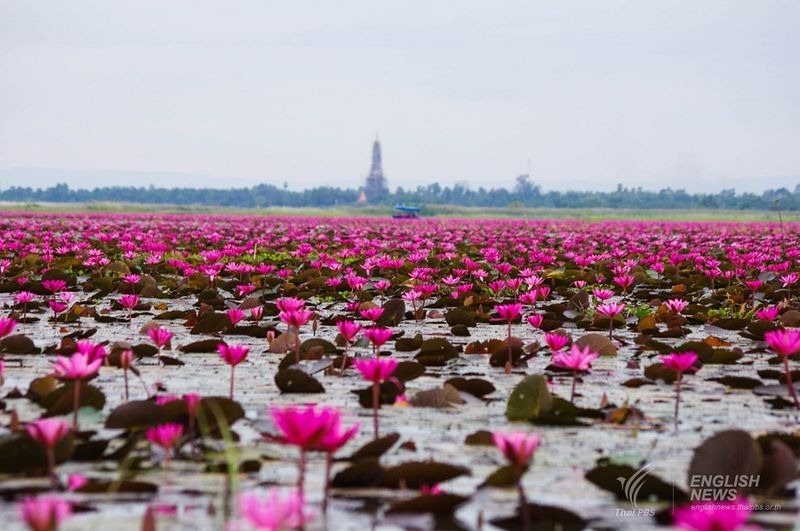
Red Lotus Lake…Thailand …!!!

There is lake called Nong Han Kumphawapi in northeast Thailand, north of the town of Kumphawapi, and about 50 kilometers away from Udon Thani. But locals call it Talay Bua Daeng which means the “Sea of Red Lotuses”.

Every year from November till March, the lake’s 8,000 acre surface sprouts millions of pink lotuses which reach full bloom in December. The perfect time to see them is in the morning when the flowers are fully opened, revealing their vibrant, pink color, but tourists take boat rides to admire the gorgeous scenery all throughout the day.

The freshwater Nong Han Kumphawapi Lake is very shallow, with an average depth of just one meter, but is the primary source of the Pao River, the lifeline for people of the Udon Thani province.

nong-han-kumphawapi-9

nong-han-kumphawapi-2

Photo credit: X-1/Panoramio

nong-han-kumphawapi-7

Photo credit: travel.mthai.com

Source…www.amusingplanet.com

Natarajan

No-fuel Plough Invented by UP Farmer Costs Only Rs 3000, Beats Expensive Bullocks and Tractors…!

A farmer in Banda, Uttar Pradesh, upcycled an old bicycle to make a low cost plough, and then inspired his neighbours to do the same.

50-year-old Ram Prasad hires farm lands following the Bataidari system, or sharecropping, where a landowner gives his land on rent to farmers who plough the land and share the sales with the owner, in Chahnehra village of Banda, about 130 kilometres south of Kanpur.

When the farmlands were facing serious droughts, he had to sell his bullock to feed his family. Without his bullock and less money to maintain tractors and such equipment, times were difficult. Add to that the unpredictable weather: sometimes grave droughts, and sometimes premature rains. When Prasad realised that all these factors only burdened farmers with rising costs and no returns, he was adamant that he had to improvise an economical way to sustain farming.

It took him seven years to experiment with various materials. He finally got a breakthrough by converting an old cycle he found in his backyard, with some pieces of iron, into a plough.

The ploughing machine that he invented would cost only Rs 3000 to 4000.

Compared to the cost of a mini plough, bullocks or tractors, this is a more economical option for farmers.

plough

Representational image

The machine is simple, economical, and easy to assemble. With a single wheel, front and rear handles, and three diggers attached to it, the machine does not require fuel such as diesel or kerosene to operate.

“All it requires is two men,” said Prasad to Times of India, “I have also helped many farmers by converting their old bicycles into a ploughing machine.” He also adds that other than just ploughing, the machine also can be used for weeding and sowing.

Ploughs currently available in the market start at Rs 20,000, and are either manually operated, or mounted on a bullock or a tractor. But the cost only increases with bullocks and tractors. Generally, a pair of bullocks cost Rs 50,000, while a tractor costs as much as Rs 500,000. Along with that, there’s the variable price of fuel or fodder, which creates a dent in their finances.

Prasad’s innovation has caused a significant reduction in production costs. All it needs is a cycle. Plus, there’s no fuel requirement. In situations of droughts and economic crises, such an invention could change the lives of farmers tremendously.

Source….www.the betterindia.com

Natarajan

காருக்குறிச்சியின் நாத சுகம்…


இடதுபுறம் காருக்குறிச்சி அருணாசலம், வலதுபுறம் கே.எம். அருணாசலம்

  • இடதுபுறம் காருக்குறிச்சி அருணாசலம், வலதுபுறம் கே.எம். அருணாசலம்
  • காருக்குறிச்சி அருணாசலத்தின் குடும்ப ஒளிப்படம்
    காருக்குறிச்சி அருணாசலத்தின் குடும்ப ஒளிப்படம்

நினைவு தினம் ஏப்ரல் 8

தமிழகத்தில் அண்மைக்காலத்தில் மிகவும் புகழ்பெற்று விளங்கிய நாகஸ்வரக் கலைஞர் காருக் குறிச்சி அருணாசலம். திருநெல்வேலி மாவட்டத்திலுள்ள காருக்குறிச்சி எனும் ஊரில் 1907-ம் ஆண்டில் இவர் பிறந்தார். இவருடைய தந்தை பலவேசம் நெல்தானிய அளவை செய்யும் பணியைச் செய்துவந்தவர்.

ஒரு முறை காருகுறிச்சியிலுள்ள பெரும் பண்ணையார் ஒருவர் இல்லத் திருமணத்துக்கு கூறைநாடு நடேசபிள்ளை எனும் பிரபல நாகஸ்வர வித்வான் நாகஸ்வரம் வாசிக்கச் சென்றிருந்தார், அப்போது அருணாசலத்தின் தந்தை பலவேசம், அந்த நாகஸ்வர வித்வான் தங்கியிருந்த வீட்டுத் திண்ணையில் அமர்ந்து மாலைகள் கட்டிக்கொண்டிருந்தார். “மாப்பிள்ளை புறப்படத் தயார், உங்களை அழைத்துவரச் சொல்கிறார்கள்” என்று நடேசபிள்ளைக்கு ஆள் வந்தது. “பத்து நிமிடங்களில் கிளம்பி வருகிறோம் என்று சொல்” என்று அவர் வந்த ஆளிடம் சொல்லியனுப்பினார்.

இதுபோலப் பல ஆட்கள் வந்தழைப்பதும், “இதோ கிளம்பிவிட்டோம்” என்று நடேசபிள்ளை சொல்வதுமாகவே இருந்தது. அந்தப் பண்ணையார் தனது வார்த்தைக்கு யாரும் கட்டுப்படவில்லையென்றால் அவர்களைக் கொன்றுபோடக் கூடத் தயங்க மாட்டார். “இந்த நாகஸ்வரக்காரர் இப்படி அலட்சிய மாகயிருக்கிறாரே, என்ன ஆகப் போகிறதோ” என்ற கவலை மிகந்தது பலவேசத்துக்கு இறுதியாகப் பண்ணையாரே நேரில் வந்துவிட்டார். “இதோ வந்துகொண்டே இருக்கிறோம், நீங்கள் முன்னால் போய்க்கொண்டிருங்கள்” என்று அப்போதும் நடேசபிள்ளை கூறியபோது, “அதற்கென்ன, தங்கள் சௌகரியம் போல் வாருங்கள்” என்று சிறிதும் கோபமற்றவராகப் பண்ணையார் கூறிச் சென்றதைக் கண்ட பலவேசத்துக்கு இது மிகவும் ஆச்சரியத்தை உண்டாக்கியது.

‘ஆஹா! இவர் ஒரு பெரிய நாகஸ்வர வித்வான்; இவரிடமுள்ள கலை எவ்வளவு மதிப்புடையதாயிருந்தால் நமது பண்ணையார் இவ்வாறு சிறிதும் கோபம் கொள்ளாதிருப்பார்! இந்தக் கலையைப் பயில வேண்டும், அப்போதுதான் நமக்கும் மதிப்பு கிடைக்கும்’ என்ற முடிவு செய்த பலவேசம், சேரன்மகாதேவியிலிருந்த நாகஸ்வரக் கலைஞர் ஒருவரிடம் சீடரானார். வயதும் இதரச் சூழ்நிலைகளும் அவரது ஆசைக்கு இடையூறாக இருந்தன. தன்னால் சாதிக்க முடியாதவொன்றைத் தன் மகன் அருணாசலமாவது செய்ய வேண்டுமென்ற எண்ணம் அவருக்கு.

அருணாசலத்தை, சுத்தமல்லி சுப்பையா கம்பரிடம் நாகஸ்வரமும், களக்காடு சுப்பையா பாகவதரிடம் வாய்ப்பாட்டும் கற்றுக்கொள்வதற்காகச் சேர்த்துவிட்டார். ஓரளவு தேர்ந்த பின், அங்கொன்றும் இங்கொன்றுமாய்க் கச்சேரிகளும் அருணாசலத்துக்குக் கிடைத்தன. எனினும், உலகிலேயே நாகஸ்வரத்தில் ஈடிணையற்ற சக்கரவர்த்தியாக விளங்கும் திருவாவடுதுறையார் போன்ற ஒருவரிடம் சீடனாக ஆனால் தனது கலை மேன்மை பெறும் என்றும், அப்படியொரு நல்வாய்ப்பு தனக்குக் கிட்டுமா? என்றும் சிந்தனைவயப்பட்டார் அருணாசலம்.

ஈடேறிய கனவு

ஒருமுறை காருக்குறிச்சியிலுள்ள ஒரு பண்ணையில் நாகஸ்வரம் வாசிக்க வந்திருந்தார் திருவாவடுதுறை ராஜரத்தினம் பிள்ளை. அவருடன் வாசித்து வந்த ‘கக்காயி’ நடராஜசுந்தரத்துக்கு உடல்நலமில்லை. “யாரேனுமொரு பையன், அவன் சும்மா சத்தம் கொடுத்தால் போதும். ஒத்தாசைக்குக் கிடைப்பானா?” என்று தம் நண்பர்களிடம் கேட்டார் திருவாவடுதுறையார். மணிசர்மா என்பவர் உடனே ஓடிச் சென்று அருணாசலத்தை அழைத்து வந்து அறிமுகம் செய்வித்தார்.

“பையன் தேவலாமே. இவன் சில காலம் என்னோடு இருக்கட்டும்” என்று ராஜரத்தினம் பிள்ளை கூறினார். இவ்வாறு 26.6.1935 அன்று ராஜரத்தினம் பிள்ளையின் சீடராக ஆனார் அருணாசலம். தனித்து, அமர்ந்து, முறைப்படியெல்லாம் கற்பிப்பவரல்ல திருவாவடுதுறையார். வீட்டில் இருக்கும்போதெல்லாம் வாசித்துக்கொண்டிருப்பார். அதைக் கவனமாகக் கேட்பது, கச்சேரிகளில் கூட அமர்ந்து கேட்பது இவைதான் பயிற்சி. கற்பதைக் காட்டிலும், இசையில் ‘கேள்வி’ பெரும் பயனைத் தரும்.

இப்படியாக, ராக ஆலாபனை செய்வது, அழகாகக் கீர்த்தனைகளை வாசிப்பது போன்ற பல அம்சங்களில் நிகரற்றவராக ஆனார் அருணாசலம். பாராட்டுகளும் பட்டங்களும் சன்மானங்களும் வந்து குவிந்தன. ராஜரத்தினம் பிள்ளைக்குப் பின்பு, மிக உயர்வான ஸ்தானம் அவருக்குக் கிடைத்தது. அப்படிப்பட்ட நிலையிலும் சிறிதும் கர்வமில்லாமல், எல்லோரிடத்தும் அன்புடனும் பண்புடனும் பழகிவந்தார் அருணாச்சலம்.

தன்னை மறக்கும் கலை

ஒருமுறை சென்னை பனகல் பார்க் அருகே திருமண விழா ஒன்றில் முதல் நாள் மாப்பிள்ளை அழைப்புக்கு நாகஸ்வர சக்கரவர்த்தி டி.என். ராஜரத்தினம் பிள்ளையின் நாகஸ்வர கச்சேரி. சமூகத்தின் பலதரப்பட்ட மக்களிடமும் அவருக்கு அமோக செல்வாக்கு. ராஜரத்தினம் பிள்ளை நாகஸ்வரம் வாசிக்கும்போது அநேகமாகத் தன்னை மறந்து கண்களை முடிக்கொள்வார். தன்னை மறந்த அந்த நிலையிலேயே, மிக எளிதில் சில ஸ்வரங்களை உதவியாகக் கொண்டு வாசித்துக்கொண்டிருப்பார்.

இந்தத் திருமண நிகழ்விலும் அவர் தன்னை மறந்த நிலையில் வாசித்துக்கொண்டிருந்தார். திடீரென அவரது வாசிப்பு நின்றது. ஆனால், கண்களை மட்டும் திறக்கவில்லை. அருகிலேயே அவரது சிஷ்யப்பிள்ளை காருக்குறிச்சி தொடர்ந்து வாசித்துக்கொண்டிருந்தார். அருகில் இருந்து வாசித்துக்கொண்டிருந்த அருணாச்சலத்துக்கு கை, கால் உதறல் எடுக்கத் தொடங்கிவிட்டது. வாசிப்பில் தான் ஏதாவது தவறு செய்துவிட்டோமோ என்று அவருக்குள் ஒரு பயம். பயந்தபடியே தனது குருநாதரை ஏறிட்டுப் பார்த்தார். குருநாதரோ ரசித்துக்கொண்டிருந்தார்.

தேடிவந்த பிராபல்யம்

ரசிகர்களுக்குக் காருக்குறிச்சியாரிடம் இருந்த மதிப்புக்கும் அன்புக்கும் ஈடுகூற முடியாது. ஒருமுறை, சென்னைத் தமிழிசைச் சங்கத்தின் இசை விழாவில் நடைபெற்ற அருணாசலத்தின் நாகஸ்வரக் கச்சேரியை வானொலி நிலையத்தினர், வழக்கத்துக்கு மாறாக, நள்ளிரவு 12 மணி வரையிலும் நேரடியாக ஒலிபரப்பினார்கள் என்றால், மக்களுக்கு அருணாசலத்தின் இசையின் மீது இருந்த மதிப்பே காரணமாகும்.

காருக்குறிச்சியாரிடம் புகழ்பெற்ற தவில் கலைஞர்கள் பலர் வாசித்து வந்தனர். திருமுல்லைவாயில் முத்துவீர் பிள்ளை, நீடாமங்கலம் சண்முகவடிவேல் பிள்ளை, யாழ்ப் பாணம் தட்சிணாமூர்த்தி பிள்ளை போன்றோரை முக்கியமாகக் குறிப்பிடலாம்.

அருணாசலம் தனது நாகஸ்வர இசையைக் கிராமபோன் இசைத்தட்டுகளில் பதிவு செய்திருப்ப தோடு, சில திரைப்படங்களிலும் வாசித்துள்ளார். ‘கொஞ்சும் சலங்கை’ என்ற திரைப்படத்தில் எஸ். ஜானகி பாட அருணாச்சலம் நாகஸ்வரம் வாசித்துள்ள ‘சிங்கார வேலனே தேவா’ என்ற பாடல் மிகவும் பிரபலமானது. ‘அனார்கலி’ என்ற இந்திப் படத்தில் லதா மங்கேஷ்கர் ஒரு பாட்டு பாடுவார். அந்தப் பாடலை காருக்குறிச்சி தனது நாகஸ்வரத்தில் இசைத்திருப்பார்.

புகழேணியின் உச்சியை எளிதாகவும், விரைவாகவும் எட்டிப்பிடித்த சிறந்த நாகஸ்வர விற்பன்னரான காருக்குறிச்சி அருணாச்சலம் 8.4.1964 அன்று தன் கோவில்பட்டி இல்லத்தில், இயற்கையைத் தழுவி, இசை ரசிகர்களுக்குப் பேரிழப்பை உண்டாக்கினார்.

காருக்குறிச்சி வாசிப்பில் உள்ள சுகம் ரசிகர்களுக்கு ஒரு போதை. நாகஸ்வரம் இருக்கின்ற வரையில், இசை இருக்கின்ற வரையில் அவருடைய பெயர் நிலைத்திருக்கும். அப்படிப்பட்ட ஒரு மகா வித்வான் அவர்!

Source….www.thehindu.com

natarajan

Chart: How We See Our Parents From Cradle to Middle Age…!!!

My parents play an important role in my life. I can hardly imagine anyone that would be closer and more important to me than them. Despite this, I often used to take their love and care for granted – until I reached my 30s. When I started to experience what it means to be a parent myself, I came to realize that they are the most precious people in my life. I often wish that I had realized it sooner. I came across this chart, which I believe sums up how many of us see our parents at various ages. Take a look:

Source….www.ba-bamail.com

natarajan

Message for the Day…” A person swayed by Ego will receive blows until they are devoid of ego…”

Sathya Sai Baba

A game of football is played by two teams with ten players in each team playing on each side of the field. Each team strives to score a goal by shooting the ball between the two goal posts. Life is a game in which you must lead your life between the two goal posts of secular and spiritual education. While playing football, one kicks the ball as long as it is filled with air. Once the football is deflated, nobody will kick it. The air in the football signifies the presence of ego. A person swayed by ego will receive blows until they are devoid of ego. A deflated ball is taken by the hands, while an inflated ball is kicked mercilessly. Similarly a humble person is well respected, whereas an egoistic person becomes the target of all sorts of attacks. Secular things come and go, whereas spiritual gains stay forever. Hence let spirituality constitute the basis of all your activities.

Students at This School Cannot See. But They Can Dance, in a Group, with Perfect Coordination!

At Bengaluru’s Shree Ramana Maharishi Academy for the Blind, visually impaired children learn how to dance.

Rohini, a Class 9 student, has been learning dance from the age of six. Her dance training includes rigorous practise for coordination and flexibility, through a unique touch-and-feel style of teaching. Passionate about Kuchipudi, her ears are attuned to the rhythm of this dance form and its music. Her hands take up their positions automatically and her feet thump loudly. The fact that she can’t see the audience, the stage, or her fellow performers, does not stop her from following her dream of wanting to become a professional dancer.

She is one of the many blind students in Bengaluru who are learning to dance at the Shree Ramana Maharishi Academy for the Blind (SRMAB).

A holistic centre that provides education for the blind, this academy is one of the first of its kind in India to teach dance to visually impaired students.

SRMAB dance

In 1969, T V Srinivasan and his friend Thirumoorthi began SRMAB in a small room with one blind student and many big dreams. “I once visited Tiruvannamalai along with my friend, Thirumoorthi. While meditating we received a distinct vision that we should serve the disabled. This inspired us to start the academy.”

Srinivasan, who was trained in special education at Narendrapur, Kolkata, started the school to ensure those who are blind recognise their own potential and live their lives fully. Almost 200 students are enrolled annually. They are given free lodging and medical facilities.

Since its inception, more than 5000 students have passed Class 10 from the school, with Braille as their language.

Vocational training and extracurricular activities, such as dance, music and sports, are considered essential at SRMAB. “We always motivated the disabled, and encouraged, trained them in various fields like agro-based farming, poultry, vocational training, yoga, dance, table, and more,” says Srinivasan.

In 1973, dance and music were initiated into the school as an extracurricular activity.

But it was only in 1982 that the unique technique of touch and feel teaching was introduced by Gurus Sharadha Natarajan and Ambica Natarajan.

SRMAB

Besides opening up new possibilities for the students, such activities give them confidence and purpose. “Dance helps them feel motivated, empowers them with confidence to meet challenges. They are exposed to different places, people and society, which educates them to live life with dignity and self-esteem,” adds Srinivasan.

Dharmaraju, 29, is an ex-student of SRMAB and has been teaching dance at the academy since 2009. He had joined the school as a student in 1994, at the age of nine. His talent for dance was recognised at the academy right from the beginning. In 1997, he began taking classical dance lessons from Guru Shri K. Narayan.

While it was challenging to follow rhythm and postures owing to his visual impairment, the dedicated efforts by the guru paid off. The same year, in his first stage performance at Chennai, the audience showered him with praise about his precision and grace. That was all the appreciation that he needed. After school, he completed a diploma in dance and performed across the globe. “Among my most cherished moments was my first stage performance abroad in 1999,” he says, “It was in Adelaide, Australia, and I was representing India at a folk festival. A few years later, in 2008, I performed for Akka Sammelan in Chicago, USA. They were both exhilarating performances.”

Today, he teaches students like himself and choreographs classical dance routines for them to perform around the globe.

SRMAB

With Dancemaster Dharmaraju (Left picture, at the centre)

Srinivasan, who was awarded with the Karnataka State Award for Social Worker of the Year 2008, is more than proud of his students.

“As ambassadors of Indian culture and the abilities of people with disabilities, the group has been regularly sponsored to tour UK, USA, Australia, and Italy,” he says. “Tours like these raise awareness on the issues faced by persons with disabilities, while highlighting their abilities in delighting audiences with their spectacular performances.”

But, how do the visually impaired learn dance without watching someone perform? Srinivasan elucidates, “First, the concept is explained to students. The gurus make them understand the bhaavam and they visualise the whole situation before they start learning the dance.” Adds Dharmaraju, “Coordinating the movements in a group is quite challenging and it takes a longer time to learn to perfection.”

SRMAB is involved in several other activities that are all aimed at empowering the visually impaired and their families.

TV Srinivasan SRMAB

For instance, the Community Based Rehabilitation (CBR) programme was started in 1990 in Kanakapura Taluka, and later in Malavalli, Hubli, Ramnagara, and Mandya districts. Severely disabled farmers and their families are provided CBR. Through self-help groups, training and school-based intervention, CBR aims to raise awareness about health, education and economic betterment. It also organises health and nutrition camps.

In 2013, Rohini performed Kuchipudi at the Kanteerava stadium in Bengaluru. The performance bagged a Guinness record, with 1054 dancers, of which 20 were visually challenged. This is only one of the many awards and performances by the students of SRMAB. As Srinivasan puts it, “Through the universal language of art, young, visually impaired dancers send out a strong message: the light, extinguished in their own eyes, is relit in the dance, affirming that there are no people with disabilities, only those who are differently abled.”

Source….Neeti Vijaykumar in http://www.the betterindia.com

natarajan

How to Remember: Useful Tricks!!!

How many times have you forgotten your password for something, your friend’s phone number, the address for the office or the name of that guy you used to know? Sometimes we forget where we put our keys or if we turned off the oven, and when we forget, that can really take us out of balance.
Here are some simple tricks to remember these things, despite our difficulties.
memory


Forgetting Boring or Mundane Details
Problem: You tend to forget meetings, addresses, passwords and phone numbers, as well as historic dates and birthdays.
Don’t take it hard. In a reality where we are flooded with huge amounts of information, the brain isn’t able to process everything at once. Even though it has a folder called ‘declarative memory’ where it plans to keep factual information of this kind, it isn’t made to remember such things, and if we don’t make a special effort to remember these facts, they will have a short shelf-life.
Solution: The only way to turn boring information into part of our long-term memory is to store it correctly so we can access it later. If we don’t make a conscious effort, it will be gone. The best way to do this is to add meanings, as we are configured to remember such things. For example: Connect a memory to something else you never forget, like a holiday. “My niece’s birthday is 2 weeks after New Year’s Eve.”
Another great way to remember boring facts and lists is to construct a short and simple story. For instance, if you need to remember a list of numbers, break them down into a few numbers and give each a part of the story. So, if you need to remember the number 821576 (as a password or code), you can imagine a story in which an 82-year-old grandfather has 15 grandchildren and is married to a 76-year-old named Margaret.  The more details you give the story (his name is Jack and he is a retired race car driver), the easier it will be to recall these numbers.
Forgetting to Carry Out Automatic Tasks
Problem: You don’t remember if you turned the stove off, turned on the washing machine or made sure no lights are left on in the house.
While we do these automatic tasks, we use the ‘Procedural memory’, the memory we use to store chains of actions (a simple one would be to first check if any lights are on, then to turn them off).  This type of long-term memory is used to carry out action chains we learned, like riding a bicycle, tying our shoelaces or making coffee. Because of the automatic nature of this action, we usually don’t really concentrate on doing it, and just let our body go through the motions.
Solution: In most cases in which we think we forgot to do something like this, we probably DID remember to do it. But, if you find yourselves constantly doubting yourself, attach another action to the action you’re obsessing about, and use it to make sure you remember doing it. For example, every time you turn off the stove, say loudly: “I turned off the stove”, or take a long sip of water. Any action that will be easy to remember will help. Then when you doubt yourself it will be much easier to remember if you have something else to remember
forgetting
Forgetting People’s Names
Problem: You run into someone you met a few days ago, but you already forgot their name! You’re not alone – this is one of the most common memory problems. The problem could be in the storage of the memory (you didn’t pay much attention when you met the person) or in retrieval (you can’t get out the name when it counts), or just a combination of both.
Solution: Most people learn visually instead of orally, which explains why we usually remember faces, but are quite bad with names. Next time you meet someone new, look at them really well and repeat their name for yourself at least three times. Use it in the conversation, as we tend to remember those better than just names. Try giving the name meaning, or rhyme it.
For example, if you meet a man named Mark, you can secretly call him: “Mark of the Ark”, or imagine him marking a paper. We know it sounds silly, but the more extra meanings you give to a word, the easier it will be to remember it! Remembering a collection  of sounds is much harder than trying to remember an association.
You Get Distracted
Problem: You go into a room and forget why you did so. You were looking for something, got distracted by the dog or something on TV, and then suddenly you can’t remember what it was!
Solution: Get a mental image of the thing you are looking for before you go look for it. If need be, associate that object with other objects or a logical chain of actions. So for instance, if you are on your way to the storage room to find your old bathing suit, on your way think of summer, pools and sunshine. This type of mental organization makes these associations to your current situation easier, and when you get there, you will not lose track of what you were doing.
If you do still find yourself in that situation, ask yourself: What was the chain of actions that brought me here? The little things you were doing just before this will give you a clue as to what you are doing there.
Losing Daily Items
Problem: You don’t remember where you put the keys, wallet or your sunglasses. This is usually an attention problem. When we go into the house in a huff, while lost in thought or maybe talking on the phone, our mind wanders and we might place objects in various places without remembering where. As usual, if we don’t make it clear to the brain that we must remember these things, it will let them disappear.
Solution: This is a very similar problem to forgetting the lights on. Try not to put anything down while doing something else, and try to add an action to the putting down. Say: “This is where I’m putting my keys – on the armchair of the sofa.” or “I’m putting my glasses in the blue box.” Then you don’t have to remember the exact location, just what you said, which is much easier, and even if you don’t remember it perfectly, it will give you important clues of where to look.
Another and perhaps even better way is to stick to your habits. This is one of those rare times when obsession actually pays off. Religiously place your items in the same place over and over again. Designate an easy-to-reach place where everything goes, and later sort them from that place into their rightful places.
For instance, you can keep a big bowl next to the entry door, where you put keys, wallet, glasses etc. When you are not busy and can pay attention, go back to the bowl and put everything in its rightful place. Now that you are paying attention, you’ll probably remember where they are.
Having trouble Remembering…ahh…what was it? Oh yes – Words.
Problem: Having a hard time remembering words, names of books and plays, names of actors, old tunes etc. This is a universal problem and it gets worse the older we get. It doesn’t matter how much we pressure ourselves or force ourselves to remember – it just won’t happen if our minds are preoccupied.
Solution: First, let go of stress. It is the killer of memory. The second worst thing for memory is multiplicity, or concentrating on a few things at once. Clear your head and focus only on the words you are trying to find. Sometimes, the word seems to be right on the tip of our tongue, but we can’t get to it. Don’t worry – it happens all the time and it is actually a biological process. Sometimes the actual biological pathway in the brain to that word may be blocked, and you have to find a way around.
The best trick is not to think of the word itself, but think of a word that rhymes with it, or a word that has similar associations, or a word that is similar in meaning.
For example: We’re trying to find the word ‘University’, it’s right on the tip of our tongue, but we can’t remember it exactly. Try to think of: ‘college’, ‘student’, ‘place of learning’, ‘municipality’ etc.
When the path to the brain is blocked, no amount of ‘trying to remember’ will help. The best way is to take an alternative route, and remember similar words. This will help approach the word from a different direction or path.

Cover image: stockimages/freedigitalphotos.net

Source….www.ba-ba mail.com

Natarajan

Image of the Day…” Snow Goose Moon” …!!!

Migrating geese in front o the moon, caught on March 26 in Fairfield, Montana, by John Ashley.  Visit John Ashely Fine Art.

Migrating geese in front of the moon, caught in Fairfield, Montana by John Ashley. Visit John Ashely Fine Art.

John Ashley of Montana caught this image on the morning of March 26, 2016. He wrote:

Migrating snow geese lift off at dawn on Saturday, leaving Freezeout Lake and flying past the 92% gibbous moon on their way to nearby agricultural fields for a morning feed.

Source…..www.earthsky.org

Natarajan

Message for the Day….”To make proper use of scientific knowledge we must have the wisdom and discrimination.”

Bear in mind that youth is the most precious years in one’s life and should not be wasted or misspent. To let children watch television from 6 to 10 p.m. is to make them forget all that they have learnt at school or college. In addition, they learn many evil things. If TV is used for teaching good things, it can serve a worthy purpose. But that is not the case, younger generation is being ruined by undesirable films and programs. Their minds are being poisoned. It is not a sign of parental love to let children grow in this manner. Even parents should avoid going to cinemas. All crimes and violence we witness today are largely the result of the evil influence of films on young minds. While science and technology may appear, to confer many benefits, they also have many harmful effects. To make proper use of scientific knowledge we must have the wisdom and discrimination.

Sathya Sai Baba