A Whole Village of Clay … In China !!!

Clay Riverside Park: A Whole Village of Clay

Located in the township of Tangshan Fengrun, the Clay Riverside Park is a famous depicting of a famous picture. Built from 2007-2011, spending $1.2m dollars and covering over 500 acres, the park opened in 2011.
clay village
Visitors were treated to exquisite works of clay art in all shapes and sizes, reproducing over 500 lifelike characters, more than 50 horses, mules, donkeys and more than 20 vessels of various sizes, shaped tower, bridge, country, docks, and other magnificent street town life scenes.
Visitors can also enjoy walking among history as modern visitors to an ancient world, with all the clay buildings and people modeled after old paintings depicting regular village life in Ancient China.


clay village
clay village
clay village
clay village
clay village

clay village

clay village
clay village
clay village
clay village
clay village
clay village

clay village
clay village
clay village
clay village
clay village
clay village
clay village
clay village
clay village
clay village
clay village
clay village
clay village
clay village

clay village
clay village
clay village
clay village
clay village
clay village
clay village

clay village

clay village
clay village

Source: Xu M. in http://www.ba-bamail .com 

Natarajan

Jan 2015

Kids are Kids… Even if They are Baby Elephants … !!!

Baby Elephants That’ll Melt Your Heart…!!!

Baby animals are so cute and fun to look at, but there is one ‘baby’ that weighs more than most adult humans, has almost no fur to speak of and loves the mud, and despite these facts, the baby elephant is definitely one of the cutest of all baby animals!

So this post is all about these ‘little’ guys with great photos and also some fascinating information about the biggest land mammal.

baby elephants
 

baby elephants

An elephant calph is around 250 pounds or 115 kgs in weight when born. Females mature at about 11 years and stay in the group, while the males, which mature between 12 and 15, are usually expelled from the maternal herd.
Elephants are some of the most intelligent animals on Earth. Their brains weigh 5kg, much more than the brain of any other land animal. Their brains have more complex folds than all animals except whales, which is thought to be a major factor in their intellect. They commonly show grief, humor, compassion, cooperation, self-awareness, tool-use, playfulness, and excellent learning abilities.
baby elephants
baby elephants
baby elephants
An elephant in Korea surprised its zoo keepers by independently learning to mimic the commands they gave it by verbalizing on the end of its trunk, successfully learning 8 words and their context.
baby elephants
baby elephants
The elephant trunk, a specialized nose, is analogous to an octopus tentacle in terms of dexterity. It allows them a high degree of manipulation of objects and elephants are adept tool-users. Elephants have been taught to paint with their adroit trunks and produce some fascinating artwork. In captivity, elephants easily learn how to open simple locks and many master more complex ones, something impossible for most other animals due to a lack of dexterity and intellect.
baby elephants
Elephants in zoos have worked together to take advantage of this, by having many act as lookouts as another undoes the lock, or in one instance an elephant feigned injury as a distraction while another elephant helped the others escape. Once all the elephants were out, the distraction elephant climbed to its feet and ran for the door, surprising its tenders who had been unaware of the ruse.
baby elephants
Female elephants live in a herd of about 10 individuals lead by the most experienced matriarch, whereas the males are normally solitary and move from herd to herd. The females in each herd help each other find food and care for calves.
baby elephants
baby elephants
baby elephants
baby elephants
Adults do not lie down to sleep because of the excellent support their very straight legs give them. Elephants communicate within their herds or between herds many kilometers away mostly using sounds too low for human ears to perceive and by stamping their feet. Within their herds, elephants are believed to have the same or similar levels of cooperation as chimpanzees.
baby elephants
A young elephant must learn how to draw water up into its trunk and then pour it into its mouth.
baby elephants
Of all the elephant’s specialized features, the muscular trunk is the most remarkable it serves as a nose, a hand, an extra foot, a signaling device and a tool for gathering food, siphoning water, dusting, digging and a variety of other functions. Not only does the long trunk permit the elephant to reach as high as 23 feet, but it can also perform movements as delicate as picking berries or caressing a companion. It is capable, too, of powerful twisting and coiling movements used for tearing down trees or fighting.
baby elephants
baby elephants
baby elephants
baby elephants
An elephant herd is considered one of the most closely-knit societies of any animal, and a female will only leave it if she dies or is captured by humans. Males will leave the herd as they become adolescent, around the age of 12, and live in temporary ‘bachelor herds’ until they are mature and live alone.
baby elephants
baby elephants
An elephant female is fertile for only a few days each year. During this time, males will try to court her by using rituals involving various affectionate gestures and nuzzles. If she accepts one, she will respond with similar gestures and after 20 minutes or so of a courting ritual they will mate. If she conceives, she will be pregnant for 22 months, longer than any other land animal.
baby elephants
baby elephants
baby elephants
baby elephants
baby elephants
baby elephants
baby elephants
Nature’s great masterpiece, an elephant; the only harmless great thing.

Source::::: John Donne  in  www.ba-bamail.com
Natarajan
Jan 14 2015

Meet 10 Super Senior Citizens of Our Times…. !!!

What is the Secret to Longevity

More often than not, the oldest people in the world don’t even know they’ve earned the title unless the Guinness Book of Records’ people call to let them know, or a reporter comes a-calling. Undoubtedly, they carry with them years of experience and wisdom they can pass on to others. These are their secrets to longevity, by the ten oldest people in the world (2015).

10. Orma Slack (111 years, 10 months)
The Secret to Logevity
Orma was born on February 19, 1903 in Canada, just several months before Orville Wright flew the first airplane in history. She was 20 when the Great Depression started and 66 when humanity landed on the moon. Orma was a teacher and retired at the age of 64, then traveled the world with her husband (who passed away in 1988). She also volunteered at the Bellville hospital until she was 104, and only stopped because she could not find a ride to the hospital. Orma still enjoys life. Last year she went skiing.

Orma’s secret: “Ever since I was a child, the world did not change for better or worse. Things don’t change, so go with the flow. I’ve never done anything special to help me get to my age, but the secret may be my positive attitude to people and life. I don’t recall ever saying a bad thing about a neighbor, family member or a friend”.

9. Sakari Momoi (111 years, 11 months)
The Secret to Logevity
Sakari is the oldest living man in the world. Born on February 5th, 1903, Sakari worked his whole life as a teacher and later as a principal until reaching retirement. The Guinness Book of Records is currently verifying whether Mr. Momoi is also the oldest living man in history.

Momi’s secret: “I do not know the secret of my long life, I simply haven’t died yet. I used to always exercise, eat in moderation and never consumed alcohol, but that’s just my way of life, not some great secret.”

8. Johanna Klink (112 years)
The Secret to Logevity
Three months ago, Johanna officially became the oldest person in Germany. She has been married three times and has only one daughter (an uncommon thing for long-living people). Johanna has been living in a nursing home since 2004, but she is still healthy, both physically and mentally.

Johanna’s secret: “I feel great, like I’m 60 years old and just retired. My secret to a long life is a plain and light diet, and especially only using a few drops of oil or butter in the soups I make.”

7. Ethel Lang (114 years, 7 months)
The Secret to Logevity
Born on May 27, 1900, Ethel is the oldest person in England and the second-oldest person in Europe. She’s the only living Britton born during the reign of Queen Victoria. Ethel left school at the age of 13 and went working in a shirt factory, where she worked throughout WWI. Many of the relatives on her father’s side enjoyed a long life.

Ethel’s secret: “I’ve never smoked and barely touched any alcohol. I drink a lot of tea, cook my own food, even the bread. Ever since I can remember, I was always in motion and never gotten fat. I was always taking interest in people’s wellbeing and loved to go out and dance. Last time I danced was when I was 107.”

6. Violet Brown (114 years, 10 months)
The Secret to Logevity

Violet was born on March 10th of 1900, and still remembers the days she had to get up early in the morning and walk 3 miles barefoot to get her family water so she can get back home by 9am to go to school. This Jamaican lady says that: “Today’s youth don’t know how easy their lives are. They have plumbing in every home and buses going everywhere. Sometimes I think about the past and cry for all the hardships I had to endure”.

Violet’s secret: “These days I enjoy reading (without glasses) and reciting poetry. My secret to longevity is my faith in the good Lord and his commandments. If I have a message to share, it’s ‘Honor thy father and thy mother’. That’s probably the most important commandment.”

5. Emma Morano-Martinuzzi (115 years, 1 month)
The Secret to Logevity

Emma is the oldest person who had ever lived in Italy, and the last European born in the 19th-century (November 29th, 1899). Emma was only married for 11 years, but being a Catholic, she did not believe in divorce, so she only kicked her husband out of the house and remained married until he died in 1978. Their son died at six months, and Emma stayed in her marital home ever since.

Emma’s secret: “I never touched drugs and only drank brandy that I make at home. I eat three eggs every day and treat myself to chocolate sometimes, but mainly, I think it’s my positive thinking about the future that kept me alive for so long.”

4. Susannah Mushatt Jones (115 years, 6 months)
The Secret to Logevity
The 4th oldest person in the world and 3rd oldest person in the USA, Susannah was born on July 9th, 1988. Her grandfather was a freed slave who became a farmer, later run by her parents. Susannah did not want to be a farmer, so after finishing school in 1922, she decided she wanted to be a teacher. Sadly, her parents couldn’t afford to pay for her studies, so she moved to New York, got married and five years later got a divorce. Since then she has been living alone, and has been working as a nanny for $7 a week.

Susannah’s secret: “I visit the doctor only four times a year and don’t use any medication except for blood pressure medication. When I turned 100 I lost my eyesight to diabetes, but I refuse to take medication or have a surgery for it. My whole life I avoided cigarettes, alcohol, makeup and even hair dye. I get 10 hours of sleep every night and not being married also helps.”

3. Jeralean Talley (115 years, 7 months)
The Secret to Logevity

Jeralean is the 3rd oldest person in the world and the 2nd oldest person in the USA. She was born on May 23rd, 1899 and says she’s never driven a car since the first time she tried, when she accidentally used the wrong pedal, causing the car to reverse, which scared her. She’s not sorry about it.

Jeralean’s secret: “I never stop moving, and even today I keep my hands busy by knitting. I played bowling until I turned 104, but my legs have gotten weaker since then. I sometimes go fishing with my son-in-law and grandson and even caught seven fish last time. I only have one golden rule for life: Treat others as you would have them treat you.”

2. Gertrude Weaver (116 years, 6 months)
The Secret to Logevity
The oldest person in the USA and 2nd oldest person alive today was born on the 4th of July, 1898. Gertrude had four children, the only one still alive today is 93 years old. When Gertrude was 104, she moved to a nursing home, and despite not having any chronic diseases, her age is affecting her health. Despite that, she still leaves her room and enjoys the activities in the home.

Gertrude’s secret: “My secret is faith in God, hard work, loving everyone and always do as much as you can, and if you can’t, don’t do it.”

On her 116th birthday, Gertrude received a letter from President Barack Obama, informing her that from that point on, that day is official “Gertrude Day” in the USA.”

1. Misao Okawa (116 years, 10 months)
The Secret to Logevity
Misao Okawa is the oldest living person in the world, the oldest person in Asia and the only Japanese person born in the 19th-century that is still alive. At 102, Misao was still regularly exercising and was able to walk on her own until she was 110. These days she uses a wheelchair because she has a hard time keeping her balance, but insists on using the chair on her own and refuses to ask for help.

Misao’s secret: “The reasons I survived for so long are sushi and a good night’s sleep.”

So who knows, maybe we just need to eat more sushi and sleep well every night, and we’ll all be able to walk by the time we’re 110. Either way, the world’s oldest woman seems happy and full of life, which seems to be the main message of most of the people on this list, above all diets and such. So the secret to a long and happy life is just to be kind to yourself and to others.


SOURCE:::: http://www.ba-bamail.com

Natarajan

Jan 14 2015

” Invincible ” Morris….Oldest Living Australian Test Cricketer….Still Going Strong … !!!…

Arthur Morris with his wife Judith. Photo: Dinakar
The Hindu

Arthur Morris with his wife Judith. Photo: Dinakar

When Bradman was bowled for nought in his final Test at the Oval in 1948, Arthur Morris was at the other end and made 196 on what he called a ‘wet wicket’ in that innings.

At 92, Arthur Morris is the oldest living Australian Test cricketer. The former left-handed opener was named in Australia’s Test team of the century, and has his place among the golden greats.

On the Invincibles tour of England in 1948, he was incredible, scoring 696 runs . It was the only time in 20 years that the legendary Don Bradman was outscored in a series.

When Bradman was bowled for nought in his final Test at the Oval in 1948, Morris was at the other end. In fact, Morris made 196 on what he called a ‘wet wicket’ in that innings.

In the then world record chase of 404 in the earlier Test at Leeds, Morris (182) and Bradman (173 not out) starred for Australia on the final day.

It was a privilege to meet Morris and his kind wife Judith in their lovely home in Erina, a serene coastal town 85km from Sydney.

In an exclusive conversation with The Hindu, Morris — his memory remarkably sharp — recalled his playing days.

Predictably, the focus was on Australia’s epic 1948 tour of England. And on Bradman’s dismissal in his final Test innings at the Oval. “There was silence in the ground when Eric Hollies bowled Bradman with a wrong ‘un.  He had bowled a couple of leg-spinners earlier. The War was over, and the crowds in that series came to see Bradman play. They were stunned.”

Remembering one of the most gripping moments in cricketing history, Morris said “If it had happened today, if a bowler had got the wicket of such a batsman in his final Test, the fielders would have been all over him. But all that happened was Norman Yardley shouting from mid-on, ‘Jolly-well bowled Hollies.’ That was it.”

Morris said, “After the Test, Bradman gave a farewell speech. He also gave gifts to all his team members. We got cufflinks. It was emotional. There were some who jokingly told me that had I not got all those runs, they would have got to see Bradman bat in the second innings.”

The left-hander — with 3533 runs in 46 Tests — recalled Bradman speaking to him about his rich vein of form during the 1948 series, “He said, ‘I do not know how you do it, but keep doing it.’ Bradman used to play all his shots along the ground. I used to play a lot of lofted shots.”

Morris had fond memories of the Test at Leeds where Australia chased down 404 on the final day, after England had batted in the first session.

“Bradman had some problems against Denis Compton’s Chinaman bowling that day. He came to me and said, ‘Take him on, open him up.’ Then I played a lot of shots against Compton. We won the Test. In the morning, the English papers had said there was no way we could win the Test. This is where we got our satisfaction from,” he said.

On the Invincibles, Morris said, “We had strong batting, good bowling, and great characters. We had Miller, Lindwall, the wicketkeeper Tallon, my opening partner Sid Barnes, and of course, Bradman.”

He came up with some wonderful anecdotes too. “It was getting dark, and Sam Loxton spoke to the umpires to convince them. Then, he said to them, ‘I cannot see you, but can hear you!”

Morris reminisced, “Len Hutton was a fine opening batsman, but it was a tough day with Lindwall nipping the ball around. He got a single, got off strike, and said, ‘Cyril Washbrook (his partner) cannot get the ones!’ Good batsmen rotate the strike.”

A stylish top-order batsman, Morris believed batting was a lot about footwork. “You get back to go forward. You should have that little movement in your back leg to set it up. You cannot get committed on the front foot. Whether it is boxing or tennis, footwork is essential. As a batsman you have to dictate terms to the bowlers with your footwork, not allow them to dominate you.”

It was footwork that enabled Morris to be a terrific player on ‘wet pitches’ during the demanding days of uncovered pitches. A strong back-foot player, he hooked and cut the pacemen. “When you hook, you have to get inside the line of the ball. A lot of batsmen do not do it now.”

He faced several exceptional pace bowlers in his time. “Frank Tyson was fast, Statham was lively too. But Alec Bedser was the toughest. He was accurate and he moved the ball. In fact, Neil Harvey and I spoke about this some time back.”

Morris keeps in touch with Harvey — the only other surviving member of the Invincibles. “He lost his wife some time ago. I went to the funeral. We meet often.”

The Australian made a mention of the modern-day super bats too. “Even the mishits go for six. I had to whack the ball. We have to do with our records now.”

Morris leaves us with a nugget. “It used to take six weeks to England while travelling by sea. In 1948, Bombay was a stopover.  But as Bradman looked out of the ship, he saw about ten thousand people outside wanting to see him. He never got out of the ship.”

Keywords: Australian cricket legendsArthur MorrisInvincibles tour of England 1948


SOPURCE:::::S.Dinakar in http://www.the hindu.com

Natarajan

JAN 13 2015

Meanwhile…. British English versus American English !!!

An English friend of mine says that he nearly had a heart attack on a flight in the United States when the American pilot announced that the plane would be airborne “momentarily.’ ‘In British English, the language my friend speaks, “momentarily” means “for a moment,” and he thought the pilot was suggesting an imminent crash soon after takeoff. In American English, however, “momentarily” means “in a moment,” and the pilot was merely appeasing the impatient passengers.

The plane took off, stayed aloft, my friend’s heart stopped thudding, and he lived to tell the tale. But he understood better than ever before the old adage that Britain and the United States are two countries divided by a common language.

Anecdotes abound about the misunderstandings that arise when foreigners come to the United States thinking that they know the language.

In one anecdote, a young man, in the course of a passionate courtship, tells his American girlfriend, “I’ll give you a ring tomorrow.” All he meant was that he would call her by telephone. But she understood him to have offered betrothal, and the relationship didn’t survive the misunderstanding.

Then there’s the hotel that failed to understand an English guest who called to say he had left his “trousers in the wardrobe.” Translators had to be summoned before the hotel staff finally cottoned on: “Oh, you’ve left your pants in the closet. Why didn’t you say so in the first place?”

Sometimes you can get the right word but the wrong concept. India’s former foreign minister, M. C. Chagla, once ruefully recounted the time he wanted to order a modest bite from room service in a New York hotel and requested sandwiches.

“How many do you want?” Chagla was asked. Imagining delicate little triangles of thinly-sliced bread, he replied: “Oh, half-a-dozen should be enough.” Six sandwiches duly arrived, each about a foot long (30 centimeters) and four inches high.

In my first week on a U.S. university campus, I asked an American where I could post a letter to my parents. “There’s a bulletin board at the Student Center,” he replied, “but are you sure you want to post something so personal?” I soon learned that I needed to “mail” letters, not “post” them (even though in the United States you mail them at the “post office”).

In Britain, one concludes a restaurant meal by asking for the bill, and conceivably paying by cheque; in America, one asks for the check and pays with bills.

The language of politics is also not exempt from the politics of language. When a member of Parliament in Britain “tables” a resolution, he puts it forward for debate and passage; when an American Congressman tables a resolution, he kills it off. A “moot” point is one the Englishman wants to argue; but if it’s moot, the American considers it null and void.

Such differences of usage reveal something of the nature of American society.

It is no wonder, after all, that while the British “stand” for election, Americans “run” for office.

A British linguist once told a New York audience that whereas a double negative could make a positive, there was no language in the world in which a double positive made a negative. A heckler put paid to his thesis in forthright American: “Yeah, right.”

Yeah, right, indeed. With the universality of English largely a result of U.S. global dominance, it’s time for other English speakers to stop quibbling about whether the American usage is right or wrong. It simply is.

And as the Americans have taught the rest of us to say: that’s O.K. Though not even they can tell us what those two initials are meant to represent.

The writer grapples regularly with the differences between British English and American English, both as a novelist and as undersecretary-general for communications and public information at the United Nations. This is a personal comment.

SOURCE:::: Sashi Tharoor in http://www.nytimes.com

Natarajan

Jan 13 2015

“Mother in Law and Father in Law “… But No Law For Controlling Your Laugh…!!!

An old woman had 3 daughters. One day she decided to test her three Sons-in-law.

On a fine day, she was walking along a lake shore with the first son-in-law. 

Purposefully, she fell down in the lake and started yelling for help.

The first son-in-law jumped into the water and dragged her out onto the shore.

The next day he found a brand new E Class Mercedes at his door steps with the wordings
“Thank you! Your Mother-in-law who loves you very much!!”

Another day she went out with her second son-in-law. Purposefully, she fell down in 

the lake and started yelling for help.

The second son-in-law too jumped into the water and dragged her out onto the shore.

The next day he found a brand new E Class Mercedes at his door steps with the wordings
“Thank you! Your Mother-in-law who loves you very much!!”

The third time she was walking with the third son-in-law and she repeated the same. 

But that guy got scared and ran away without offering any help to her. 
The poor old lady who wanted to test her sons-in-law drowned and died.

The next day the third son-in-law was surprised to see a brand new Rolls-Royce 

waiting at his doorsteps with the following wordings…..

“Thank you very much! Your Father-in-Law.” !!!! 

SOURCE::::: input from a friend of mine
Natarajan
Jan 13 2015

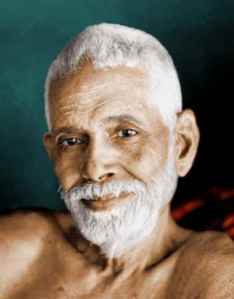
ஸ்ரீ ரமண மஹரிஷி வாழ்வில்…பிள்ளையாருக்கு வாழைப்பழம் , அணிலுக்கு முந்திரிப்பருப்பு …”

கே.என்.சாஸ்திரி என்பவர் ரமணரைப் பார்க்கப் போகும்போது கையில் ஒரு சீப்பு வாழைப்பழம் கொண்டுபோனார். போகும் வழியில் அருணாசலேஸ்வரர் கோவிலுக்குப் போனார். சீப்பிலிருந்து பழத்தைப் பிய்த்தெடுக்காமலே சாஸ்திரி ஒரு பழத்தை மட்டும் அங்கிருந்த பிள்ளையாருக்கு மனதாலே நிவேதனம் செய்தார்.

இறுதியில் அவர் பகவானைப் பார்த்து பழங்களைக் கொடுத்தார். அங்கிருந்த ஒரு சாது பழச்சீப்பை குகைக்குள் வைப்பதற்காக எடுத்துப் போகும் நேரம் பகவான் ‘ஒரு நிமிஷம், பிள்ளையாருக்குக் கொடுத்த பழத்தை நாம எடுத்துக்கலாம்’ என்று சொல்லி ஒரு பழத்தை வாங்கிக் கொண்டதும் சாஸ்திரியார் வியந்து போனார். எது தெரியாது பகவானுக்கு?


ஆச்ரமத்தின் கூடத்தில் இருக்கும் கட்டிலில் ஸ்ரீ ரமணர் சாய்ந்து அமர்ந்திருந்தார். வழக்கமாக அந்த நேரத்தில் வருகின்ற அணிற்பிள்ளைகள் வந்தன. சிறிதும் பயமின்றி ஸ்ரீ ரமணரின் மேனியில் ஏறியும் இறங்கியும் விளையாடின. ஸ்ரீ ரமணர் தமது அருகிலிருந்த டப்பாவைத் திறந்து பார்த்தபோது, அன்று முந்திரிப் பருப்புக்குப் பதிலாக அதில் வேர்க்கடலை இருந்தது. தினந்தோறும் அணில்கள் ஸ்ரீ ரமணரின் கையிலிருந்து முந்திரிப் பருப்பை வாங்கி உண்ணும். அவரே ஊட்டவும் செய்வதுண்டு.

இன்று வேர்க்கடலையை அவர் ஊட்டியதும் அணிற்பிள்ளைகள் அதை ஏற்க மறுத்தன. அது மட்டுமில்லாமல் முந்திரி கிடைக்காத கோபத்துடன் ‘கீச் கீச்’சென்று கத்திக் கொண்டே தாவித் தாவி அவருடைய உடம்பில் ஏறின. “வேர்க்கடலையைச் சாப்பிடுங்கள்” என்று குழந்தையைக் கெஞ்சுவதுபோல ஸ்ரீ ரமணர் அணிற் பிள்ளைகளைக் கொஞ்சினார். அவையோ தொட மறுத்தன. முந்திரிப்பருப்பு வேண்டும் என்பதுபோல அடம் பிடித்தன. ஸ்ரீ ரமணர் சமையலறையிலிருந்து முந்திரி இருந்தால் கொண்டு வருமாறு தொண்டர் கிருஷ்ணசாமியிடம் கூறினார்.

தொண்டர் சிறிதளவு முந்திரியைக் கொண்டுவந்து கொடுத்தார். “இவ்வளவுதான் இருக்கிறதா ?” என்றார் ஸ்ரீ ரமணர். தொண்டர், “பாயசத்திற்குப் போடணும்னு கொஞ்சம் வைத்திருக்கிறது” என்றார்.

“இந்தக் குழந்தைகள் எப்படி தவிக்கின்றன. போ போ. பாயசத்திற்கு முந்திரி போடணும்னு கட்டாயமில்லை” என்று ஸ்ரீ ரமணர் கோபமாகக் கூறியதும் தொண்டர் சமையலறையிலிருந்த முந்திரி முழுவதையும் கொண்டு வந்து கொடுத்தார். ஸ்ரீ ரமணர் ஆசையுடன் ஊட்ட, அணிற்பிள்ளைகள் சந்தோஷக்குரல்களுடன் உண்டபோது, ஸ்ரீ ரமணரின் வதனத்தில் கருணையொளி வீசியது.

மறுநாளே சென்னையிலிருந்து வந்த பக்தர் ஒருவர் ஸ்ரீ ரமணரிடம் இரண்டு பெரிய பொட்டலங்களில் முந்திரிப்பருப்பு கொண்டுவந்து, “அணிற்பிள்ளைகளுக்கு அளிப்பதற்காகவே கொண்டு வந்தேன்” என்றார். ஸ்ரீ ரமணர் அணிற்பிள்ளைகளுக்குத் தேவையானது கிடைத்ததில் ஆனந்தம் அடைந்தார்.

ஓம் நமோ பகவதே ஸ்ரீ ரமணாய!!

SOURCE:::: http://www.balhanuman.wordpress.com

Natarajan

Jan 12 2015

Image of the day… Awesome Video of A Plane Crossing SUN …!!!


Talk about being in the right place at the right time! Noel Keating tried all last year to capture video of a plane crossing the sun. On January 3, 2015, he did it!

EarthSky Facebook friend Noel Keating captured this cool video of a plane crossing the face of the sun on January 3, 2015. He wrote:

I saw the plane way off in the distance, and I did what I normally do. I used the vapor trail of the plane to guide a line across the sky towards the sun to see it if would line up. This one did :)! As the plane got closer to the sun, I couldn’t see it any more so I just viewed it through the Camera LCD display … boy, was I happy when it passed by the solar disc with all the sunspots in clear view.

SOURCE::::: http://www.earthsky.org and You Tube

Natarajan

Jan 12 2015

” இனிக்கும் பொங்கல் இருக்கிறதா அடுத்த தலை முறைக்கு … ” ?

அடுத்த தலைமுறை பொங்கல்!

இரண்டொரு நாட்களுக்கு முன்
தேரில் வருவாள் என எதிர்பார்த்த
என் தைமகள்
காரில் வந்திறங்கி, ஒரு கவிஞனின்
கைபற்றி கதறி அழுததை, கனவில் கண்டேன்!

அடுத்த தலைமுறையின், ‘அபாக்கஸ்’
ஆதிக்கத்தில் அழிந்து போன தமிழனின்
தைத்திருநாள் கொண்டாட்டம்தான் அவள்
அழுகையின் அர்த்தம் எனப் புரிந்தது!

ஏ போக்கத்த அடுத்த தலைமுறையே
கொஞ்சம் போகியை பற்றி கேள்…

வாசலில் மாக்கோலம்… நடுவிலே பூசணிப்பூ
வீடு சுற்றி மா, வேம்பு, ஆவாரம் பூ என
கட்டிய பின், ஊர் திரளும் ஓரிடத்தில்
சொக்கபானை கொளுத்தி,
சொக்கி போய் கொண்டாடிய
அந்த போகிப் பொங்கல் எங்கே?
அது மட்கி மண்ணாகி போனது இங்கே!

ஏ…பர்கர் தின்னும் அடுத்த தலைமுறையே
கொஞ்சம் பொங்கலை பற்றி கேள்…

காப்பு கட்டிய முற்றம்;
திரண்டிருக்கும் குடும்ப சுற்றம்
மூன்று கல் கூட்டி, கரும்பு சோகை கட்டி
மஞ்சள் மாலை இட்டு,
கோலமிட்ட பானை வைத்து,
பொங்கி வரும் பொங்கலை, சிறார்கள்
பொங்கலோ பொங்கல் என கூவி
கும்மாளமிட்ட சர்க்கரை பொங்கல் எங்கே?
வெறும் பர்கர் தான் இங்கே!

ஏ… இன்டர் – நெட்டில் மாட்டி தவிக்கும் அடுத்த தலைமுறையே கொஞ்சம்
மாட்டுப் பொங்கலை பற்றி கேள்…

கண்மாய் கரையில் வைத்து,
கஷ்டப்பட்டு வயலில் உழைத்து
களைத்து போன காளைகளை
குளிப்பாட்டி, கொம்பு சீவி, வர்ணமிழைத்து,
பட்டி கட்டி, பாட்டுப்பாடி கொண்டாடிய
மாட்டுப் பொங்கல் எங்கே?
வெறும் பணநோட்டு மட்டும்தான் இங்கே!

ஏ… தேனும், தினை மாவும் மறந்த அடுத்த தலைமுறையே கொஞ்சம்
காணும் பொங்கலை பற்றி கேள்…

மாட்டை பூட்டி, கூட்டு வண்டி கட்டி, காப்பு தீட்டு
தீர்ந்ததென, தித்திக்கும் பொங்கல் தின்று
மாலை கோவில் சென்று, மனதார வழிபட்டு,
தாவணி கன்னியர் நந்தவனம் சென்று,
பூ பறித்து நடந்து வந்து
மஞ்சள் தண்ணீரை மற்றவர் மேல் ஊற்றி விளையாடிய காணும் பொங்கல் எங்கே?
வெறும் கனவு மட்டும்தான் இங்கே!

விளை நிலத்தை, ‘விலை’ நிலங்களாக்கி
விற்று விட்டு, வீடு மாறி போய் விட்ட
கிராமத்து விவசாயிகளின் ஆங்கிலப் பள்ளியில்
படிக்கும் அடுத்த தலைமுறைக்கு
அந்த பொங்கல் எப்படி தெரியும்
எப்படி விளங்கும்?

தேரில் வரும் தைமகளே காரில் வரும்போது
அடுத்த தலைமுறைக்கு பொங்கல், ‘கல்’லாகி
கொண்டிருப்பதை நினைக்கும் போது
நெஞ்சு கனக்கிறது!

பிஞ்சுகள், பின்னணி தெரியாமல்,
பின்புலத்தை இழந்து,
பிறப்பிடத்தை மறந்து, வேறிடம் குடி பெயர்ந்து,
சிறப்பிடத்தை பெறாமல்
தவிக்கும் இன்னாளில் இனிமை
பொங்கல் இங்கு எங்கிருக்கிறது?

இருந்தாலும் அனைவருக்கும்
பொங்கல் வாழ்த்து கூறி மகிழ்வோம்!

இளமுகில் அமுதவன், மஸ்கட்.   in  www.dinamalar.com

Natarajan

Jan 11 2015