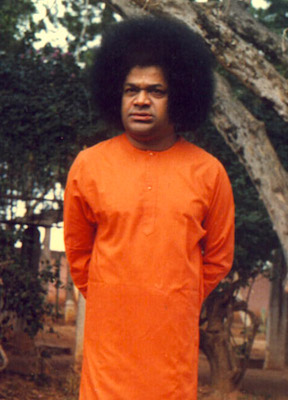
Message for the Day…”Enthusiasm and care will show the way for the prosperity of human beings”

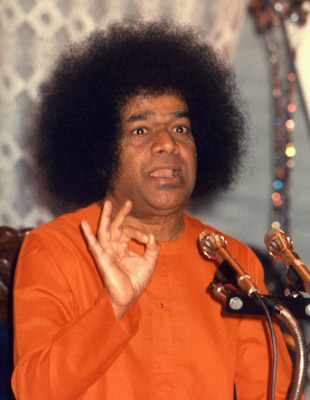
Most God fearing people believe in Karma philosophy, that fruits we reap, are a result of our own actions. Because of our strong faith in the doctrine ofKarma, we readily come forward to do good deeds, and hesitate or abstain from doing bad acts. To lose hope is not a characteristic feature of cultured people. To suffer from lack of faith and to lose hope is a weakness; by entertaining such weaknesses, one will lose all the human strength one has. Enthusiasm and care will show the way for the prosperity of human beings. Every individual with these qualities will surely achieve success and attain glory in any work that they undertake. Hence lead your journey of life with interest and enthusiasm.

SI_20160501


Message for the Day….”The Rama principle is contained in the smallest of the small and the largest of the large…”

SI_20160502


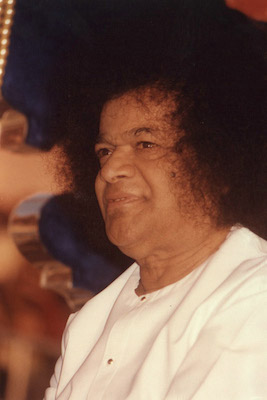
We should not delude ourselves into thinking that the Avatar is a simple human form like ourselves. His form may be human; but His majesty and magnificence are Infinite. The principle of Rama is most sacred, sublime and glorious. There is nothing in the world that cannot be achieved by cultivating the Rama Principle (Rama Tatwa). Though thousands of years have elapsed since Ramayana took place, the Rama Principle is deeply imprinted in the hearts of the people. It is ever fresh, ever new and embraces infinitude itself. The Rama Principle is contained in the smallest of the small and the largest of the large. It is not confined to the name and form. It is a transcendental principle, which transcends time itself. True seekers will understand the true nature of humanity by realizing the Rama Principle.

Ramu to IAS Ramesh: The Story of a Disabled Bangle Seller Who is Now an IAS officer….

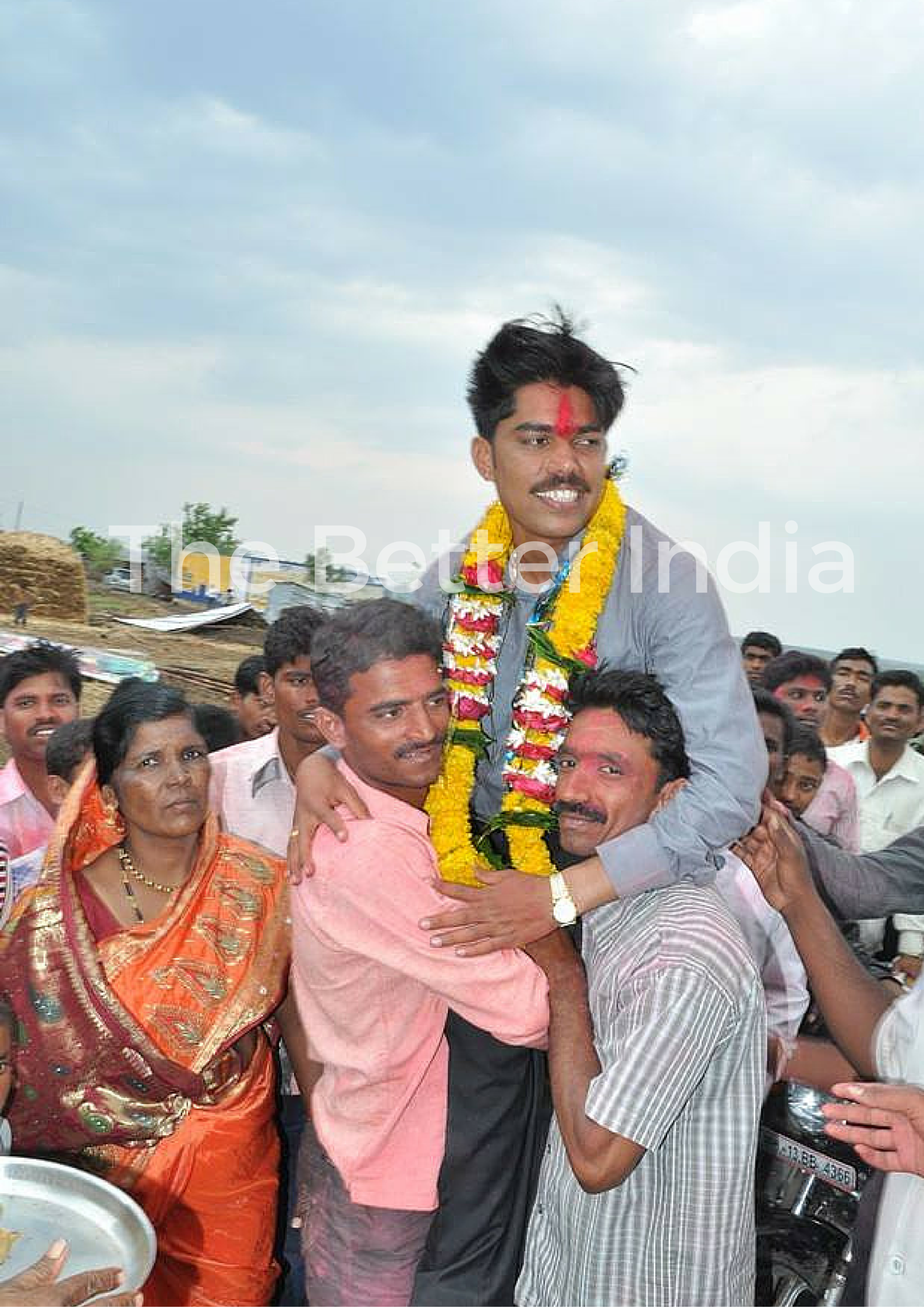
From selling bangles to becoming an IAS officer – who says hard work and determination don’t pay off? This is the inspiring story of Ramesh Gholap.

Ramesh Gholap, known as Ramu in his village Mahagoan in Barshi district of Maharashtra, was a bright child. His father Gorakh Gholap ran a cycle repair shop, enough to provide an income for his family of four, but the business did not last long as his health suffered from constant drinking.

It was then that Ramu’s mother Vimal Gholap started selling bangles in nearby villages to support the family. And though Ramu’s left leg was affected by polio, he and his brother joined their mother in her little venture. Ramu and his brother would yell out loud, “Bangde ghya bangde (Buy bangles!),” and their mother would help the women try them on.

As Mahagaon had just one primary school, Ramu later went to stay in Barshi with his uncle to study further.

He knew education was the only way out of the poverty his mother and family were facing, so he worked as hard as he could.

Ramu’s sincerity and dedication made him a star among his teachers. But, in the year 2005, when he was in Class 12 and his college model exams were going on, he got news of his father’s death. The bus fare from Barshi to Mahagaon was Rs.7 those days. And since he received a bus pass for the disabled, the fare for him was just Rs. 2. But Ramu did not even have that.

His neighbours helped him with the money and only then could Ramu go for the last rites of his father.

Just four days after his father’s death, Ramu had a chemistry model exam in his college. On his mother’s insistence he went and appeared for the exam but, after that, he skipped the other model exams. He did not even submit his journals. The final exam for Class 12 was just a month away when he received a letter from his teacher that he had scored 35 marks out of 40 in chemistry. The teacher wanted to meet him. With help and encouragement from his teacher, Ramu took his final exams and scored 88.5%.

Ramu chose to do D.Ed (Diploma in Education) in spite of scoring so well, because this was the cheapest course he could afford to do to get a job as a teacher and support his family. He completed his D.Ed and also pursued a graduate degree in Arts from an open university simultaneously. And finally, he was able to start working as a teacher in 2009. This was like a dream come true for his family. But, deep down, it was not what Ramu really wanted to do.

Ramu lived with his mother and brother in a small room provided by his aunt, who had got her two-room home through a government scheme called Indira Awas Yojna. He saw his mother making visit after visit to government offices to get a house for herself too under the same scheme, but she was turned away because her BPL (below poverty line) card wasn’t eligible.

Ramu was angry with the ration shop owner too, who sold kerosene in the black market instead of providing it to needy families like his.

He had already been through the frustration of seeing his father not get adequate attention when he was admitted for tuberculosis in a government hospital.

He saw his mother and other widows being manipulated by an officer who collected money from them and made false promises to get them their pensions.

During his college days, Ramu had been a member of the student’s union and consequently had to go thetehsildar’s office often to get approval for various college issues. He saw the tehsildar as being the most influential and powerful government official he had ever come across. Ramu decided he wanted to become a tehsildar too in order to solve all the problems he and his family faced.

In September 2009, he took the first step towards his dream. Using the loan that his mother had taken from a self-help group in his village, Ramu went to Pune to prepare for the UPSC exam, taking a leave of six months from his job.

“I did not even know the meaning of MPSC and UPSC since I had always lived in small villages. I did not have money to take coaching classes either. So, the first thing I did was to meet one of the teachers of these coaching classes, just to understand if I was eligible to take the UPSC exam. The first teacher who met me was Mr. Atul Lande. I requested him to write down the answers to a few of my questions, like what is UPSC, can it be taken in Marathi, am I eligible for it, etc. And he told me there was nothing to stop me from taking the UPSC. It is only because of that one statement that I finally did it,” says Ramesh Gholap.

Ramu appeared for the UPSC exams in May 2010 but unfortunately didn’t make the cut. In the meantime, he had also formed a political party with the help of some friends in his village of Mahagaon to fight the local panchayat elections. His mother stood as a candidate for sarpanch. The mission of the party was simple – to come to power and help the distressed. On October 23, 2010, the results of the panchayat elections were out. Ramu terms this date as the biggest turning point of his life in his autobiography, Ithe Thambne Nahi (I Won’t Stop Here).

Ramu’s mother, Vimal Gholap lost the elections by a few votes but the loss did not break Ramu. Instead, it gave him the strength to stand up and fight back again against the system. On the same day, he announced in front of all the villagers that he was leaving the village and would come back only when he became a powerful officer.

After this, no one could stop Ramu. He left his job and cleared the State Institute of Administrative Careers (SIAC) exam – this gave him a hostel to stay in and a stipend as scholarship. He painted posters to take care of his expenditures. And finally, this son of illiterate parents, who studied in a zilla parishad school and by correspondence with open universities, cleared the UPSC examination with an all-India rank of 287, without any coaching.

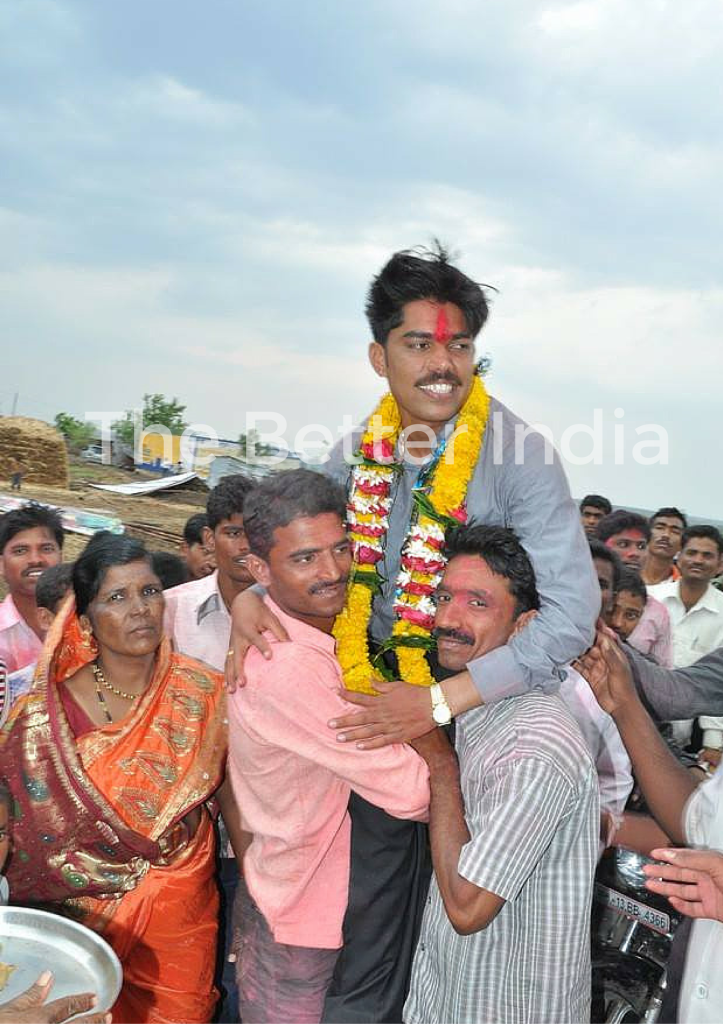
Ramu was selected for the IAS in the year 2012. And, as per his promise, he came back to his village on May 12, 2012, after finishing a long journey from being Ramu to becoming Ramesh Gorakh Gholap, IAS.
 
5

In the next couple of months, the MPSC results were also out and this time Ramu broke all records. He topped the Maharashtra Public Service Commission (MPSC) exam in the year 2012, scoring the highest ever marks of 1,244 out of 1,800.

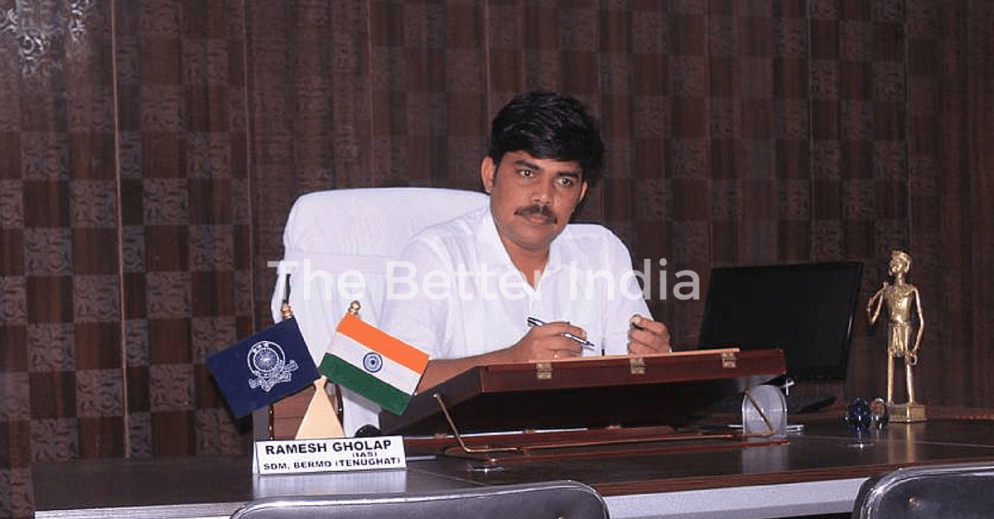
Ramesh Gholap is now posted in Jharkhand as Joint Secretary in the Energy Department.
2-2

Mala swatala shikta nahi aala pan porala khup shikwaycha asa tharwila hota…Aaj majha mulga itka motha sahib zalay he baghun khup anand hoto…pang fedala porane (I couldn’t get an education but I had decided that I would educate my sons. Today, my son has become such a big officer and that makes me so happy…. my boy has returned all my debts!),” says Vimal Gholap.

Ramesh Gholap has given more than 300 informational and motivational talks to youngsters aspiring to take the MPSC or UPSC exams. He is also fulfilling his dream of helping the poor and distressed through his work.

“Whenever I cancel the licence of a PDS shop owner who has been black marketing kerosene, I remember my days when I had to turn off the lantern for lack of kerosene. Whenever I help a widow, I remember my mother begging for a house or for her pension. Whenever I inspect a government hospital, I remember my father’s words when he had left drinking and just wanted better treatment. He would ask me to become a big man and take him to a private hospital. Whenever I help a poor child, I remember myself, I remember Ramu,” says Ramesh Gholap, IAS.

Source….Manabhi Katoch in http://www.the betterindia.com

natarajan

படித்து ரசித்தது …” கண்ணதாசனின் எண்ணங்கள் ஆயிரம் …”

கண்ணதாசன் எழுதிய, ‘எண்ணங்கள் ஆயிரம்’ நூலிலிருந்து: நல்ல உள்ளமும், ஞாபக மறதியும் படைத்த பொதுமக்களே…
உங்களை வணங்குகிறோம்; தெய்வம் வரம் கொடுப்பது போல, எங்களுக்கு பதவி கொடுத்து, உங்களை வாழ வைக்க வந்த எங்களை, வாழ வைக்கிறீர்கள் என்பதால், உங்களை மதிக்கிறோம்.
அரசியல்வாதிகளான நாங்கள் அன்று எப்படி இருந்தோம், இன்று எப்படி இருக்கிறோம் என்று நீங்கள் ஆராயக் கூடாது. அன்று பட்டுக்கோட்டைக்கும், தஞ்சாவூருக்கும் போய் கொண்டிருந்தோம்; இன்று பாரீசுக்கும், நியூயார்க்குக்கும் சென்று வருகிறோம்.
இந்த முன்னேற்றத்தை, நீங்கள் விஞ்ஞான ரீதியாகக் கணக்கிட வேண்டுமே தவிர, வேறு காரணங்களை ஆராயக் கூடாது.
நாங்கள் சிரிப்பதே, உண்மையான சிரிப்பென்றும், அழுவதே உண்மையான அழுகை என்றும் நீங்கள் நம்புகிறீர்கள்; நன்றி!
அந்த நம்பிக்கை மேலும் தொடர வேண்டுமே தவிர, இடையில் தளரக் கூடாது.
நாங்கள் மேடையில் பேசும் போது நீங்கள் ஆரவாரம் செய்கிறீர்கள். உண்மையில், நீங்கள் ஆரவாரம் செய்வீர்கள் என்று நம்பித்தான் பேசுகிறோம். உங்களுடைய புத்திக்கூர்மையில் எங்களுக்கு அவ்வளவு நம்பிக்கை!
சில நேரங்களில் நாங்கள் உண்மையும் பேசுவதுண்டு; ஆனால், எப்போது உண்மை பேசுகிறோம் என்பது, எங்களுக்கு மட்டுமே தெரியும்.
எதிர்க்க முடியாத சூழ் நிலையில், தப்பித் தவறி பேசுகிற அந்த உண்மையை போல் தான், எங்களுடைய எல்லாப் பேச்சுகளும் இருப்பதாக நீங்கள் நம்ப வேண்டும்.
நாங்கள் மேலே போட்டிருக்கும் துண்டின் நீளத்தை விட, எங்கள் நாக்கின் நீளம் அதிகம்.
வாக்காளர்களே… நீங்கள், எங்களை எந்த நேரமும் கை விட்டு விடக் கூடாது.
எங்களுக்கு வேறு தொழில் தெரியாததால் தான், இத்தொழிலுக்கு வந்துள்ளோம்.
நாட்டிலுள்ள வேலையில்லாத திண்டாட்டத்தை எங்களால் ஒழிக்க முடிகிறதோ இல்லையோ, எங்களுடைய வேலையில்லாத் திண்டாட்டம் உங்களால் ஒழிந்து விட்டது.
நாங்கள் ஜனநாயகத்தால் நியமிக்கப்பட்ட சாதாரண ஊழியர்கள்.
‘மக்கள் சேவையே மகேசன் சேவை; மக்கள் குரலே மகேசன் குரல்’ என்று வாழ்ந்து வருபவர்கள்.
நாங்கள் அழகான புதிய கார்களில் செல்லும் போது, அவற்றை எங்களுடைய கார்களாக நீங்கள் எண்ணி விடக் கூடாது. நாங்கள் ஏழைகள்; கார் வாங்கக் கூடிய சக்தி எங்களுக்கு ஏது… அவை, எங்கள் மனைவிமார்களின் கார்கள்!
அவர்களுக்கு எப்படி வந்ததென்று நீங்கள் கேட்கக் கூடாது. குடும்பக் கணக்கு ரகசியங்களை ஆராய்வது, அரசியலுக்கு அழகல்ல.
சென்ற தலைமுறையில் நாங்கள் செய்த புண்ணியம், இந்த தலைமுறையில், எங்களை தலைவர்களாக்கியிருக்கிறது.
நம் அரசியல் சட்டத்தின் அடிப்படை மிகவும் பரவலானது. ஒரு அரசியல்வாதிக்கோ, அவன் பதவி வகிப்பதற்கோ, இன்னின்ன தகுதிகள் வேண்டுமென்று, அது கட்டாயப்படுத்தவில்லை.
‘அப்படி இருந்தவனா இப்படி இருக்கிறான்…’ என்று நீங்கள் ஆச்சரியப்படக் கூடாது. நதிமூலம், ரிஷிமூலம் மற்றும் அரசியல்வாதி மூலம் மூன்றும் ஆராய்ச்சிக்கு அப்பாற்பட்டவை.
பதவிக்கு தகுதி எப்படி நிர்ணயமில்லையோ, அப்படியே பணம் சேர்வதற்கும் தகுதி நிர்ணயமில்லை.
ஆகவே, எங்களுக்கு பதவியுடன் கூடவே பணமும் வருகிறது.

‘கடைசியாக பாம்புக்கும், கீரிக்கும் சண்டை…’ என்று சொல்லியே பணத்தை வசூல் செய்து, சண்டையை காட்டாமலேயே, மூட்டை கட்டும் மந்திரவாதியைப் போல், நாங்கள் நடந்து கொள்ள மாட்டோம்.
நாங்கள், ‘வரும் வரும்…’ என்று சொல்கிற நல்வாழ்வு, ஏதோவொரு நூற்றாண்டில், ஏதோ ஒரு தலைமுறையில் வரும்.
அது வரும் போது, எங்களால் தான் வந்தது என்று, நீங்கள் நினைத்துக் கொள்ள வேண்டும் அவ்வளவுதான்!
‘ஊழல் ஊழல்…’ என்று மற்றவர்கள் கூறுவர். அது குறித்து நீங்கள் கவலைப்படக்கூடாது. எந்த நாட்டில் தான் ஊழலில்லை?
நீங்கள் தலையால் இடும் வேலையை காலால் உதைக்க, மன்னிக்க வேண்டும்… நாக்கு குழறி விட்டது. நீங்கள் காலால் இடும் வேலையை, தலையால் உழைக்க, நாங்கள் எப்போதும் தயாராக இருக்கிறோம்.
ஆகவே, இந்தத் தேர்தலிலும், நீங்கள் எங்களுக்கு ஓட்டளிக்க வேண்டும்.
மறவாதீர்கள்… எங்கள் நரிக்குட்டி சின்னத்தை!
நரிக்குட்டி, ஏழைகளின் பணப்பெட்டி; வாழ்க நரிக்குட்டி; வாழ்க நாங்கள்!
இப்படிக்கு,
ஜனநாயகம் மறவா அரசியல்வாதிகள்.

Source…..www.dinamalar.com

Natarajan

Image of the day….” Late April Sun Pillar…”

cropped-sun-pillar-austin-jesse-j-media

Jesse Jackson saw this sun pillar near Tucson, Arizona. “Talk about a ray of sunshine,” he said .


Jesse Jackson shared his photo with us. Jesse wrote:

Talk about a ray of sunshine. I was near Sentinel Peak [southwest of Tucson, Arizona] when the sun was about to set, and decided to take a brief detour before the end of my day. It was a cloudy evening but the horizon was clear, so I knew it had to be promising. I took the chance, and I was fortunate to have a rare sighting of a sun pillar!

Sun pillars, or light pillars, are shafts of light extending from the sun or other bright light source. They’re caused by ice crystals drifting in Earth’s air. More info (and pics!) here.

Here’s another April 2016 sun pillar. This one was taken in southwest England by Jacquie Russell.

Photo credit…Jacquie Russell

sun-pillar-Jacquie-Russell


Source….www.earthsky.org

Natarajan


Message for the Day…”Every act performed with thought, word, and deed in harmony is a Dharmic act…”

Righteousness (Dharma) is the basis for the entire Universe. A true human being is one who practices the principle of dharma. Burning is the dharma of fire. Many often use the word dharma without knowing its true nature and majesty. Coolness is the dharma of ice. Fire is no fire without burning. Ice is no ice without coolness. Similarly, thedharma of a human lies in performing actions with the body and following the commands of the heart. Every act performed with thought, word, and deed in harmony is a dharmic act! A dharmic life is a divine life! This dharma of the heart is supreme and verily thedharma of life. You must achieve unity in thought, word, and deed at all costs.

SI_20160430

Academic, Teacher, Inventor – This Man Suffering from Cerebral Palsy Plays Many Roles to Perfection

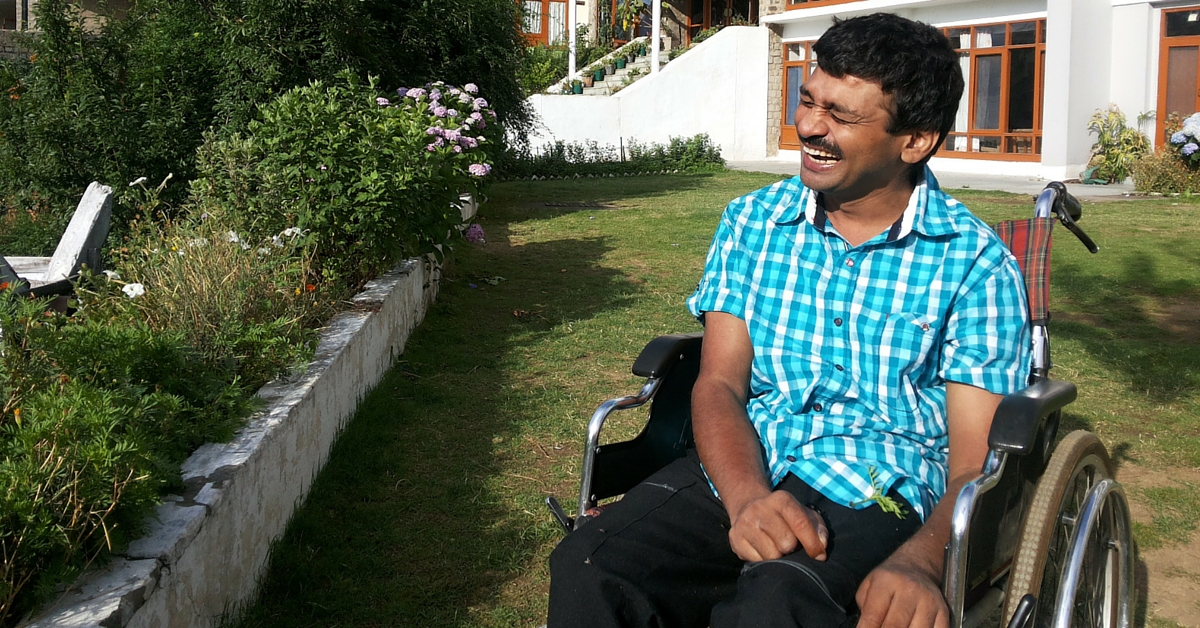
A fulfilling life is within everyone’s reach – regardless of the abilities and challenges they face. Riitesh Sinha, who suffers from spastic cerebral palsy, is living proof of this.

Consummate student. Creative innovator. Attentive teacher. Model employee. Recipient of Cavinkare Ability Award. Limca Book Record holder. Honorary Doctorate holder. Many achievements, one name – Riitesh Sinha.

Dr Riitesh Sinha hails from Karnal. The 43 year old’s list of achievements is awe-inspiring, particularly

in light of the fact that he suffers from spastic cerebral palsy.

Untitled-design-14-1


Cerebral palsy is a group of permanent movement disorders that appear in early childhood. They result in poor motor skills, stiff or weak muscles and tremors, making simple movement painful and simple tasks time-consuming.

Yet, Riitesh was never one to be cowed down by circumstances. He had just passed with flying colours from his CBSE school (securing 75% in his board exams) when his quest for independence led to him invent his own ‘trike.’

Read also: Watching This Man’s Achievements Will Make You Rethink The Word ‘Disability’

“Throughout my school life, my parents had to take me to school and other places. I was entirely dependent on them,” recounts Riitesh. It was when he was watching a video on science that the idea of making a trike struck him:

“After two years of research and with very little expertise available in a small place like Karnal, I got modifications done on a normal cycle. I added a foot pedal that helped me steer the cycle and balance myself. The trike is affordable and very convenient to use.”

Soon Riitesh was using the trike to get around town, often going as far as 10 km all on his own – a noteworthy achievement and freeing experience for someone who was forced to depend on others to get around earlier. Teaching in nearby villages as a part of literacy campaigns became easier with the trike, as did attending his B.Sc classes in Kurukshetra University. Says Riitesh, “The trike gave me wings! And I was glad that this was my own innovation.”

“It even helped me bunk classes,” he jokes. “After all, bunking classes is a part of leading a fulfilling college life!”

With the help of supportive teachers and friends – “All my classes were arranged on the ground floor. I never once had problems of accessibility” – Riitesh completed his B.Sc. That, however, was only the beginning of his academic journey. He went on to do a Post-Graduate Diploma in Computer Application, a Certificate in Computing from IGNOU, a Masters in Technology from Manipal Academy of Higher Education, and a Diploma in Naturopathy from Nature Care Institute, Nashik.

Next, Riitesh opened a computer centre that was affiliated with the National Institute of Open Schooling. Here, he taught children – and some interested adults – the basics of computers.

Over a period of ten years, he introduced more than a 1000 students to the world of computers.

In 2011, Riitesh landed a job at the Districts & Sessions Court in Karnal. “But after a few months, I was ousted from the job on the grounds of my disability,” he recounts. “I then approached the High Court with my case. The Court asked me to submit to an ability test. I did and I won the case. The Court quashed my termination order.”

“Since it was the first time in the history of the High Court that a physically challenged person was asked to undergo an ability test, my name is in the Limca Book of Records,” says Riitesh.

His win went on to positively influence several other cases as well.

Today, he works with the Karnal District & Sessions court and is responsible for maintaining digitised records.

Riitesh also runs a blog called ‘Riitesh’s Mudraa.’

“I was reading a story about a yogi and how he benefitted from the practice of yoga. I started practicing it myself and found great relief…my body stiffness went away. I decided to help others discover this too,” Riitesh says. The blog lists mudraas and practices that can provide relief to people suffering from cerebral palsy and Parkinsons.

Ask him about the greatest struggle physically challenged people in India face and pat comes the reply: “Social stigma.”

“In India, our society thinks that physically challenged people are useless. We are not even treated as proper human beings. There are easily 25 lakh Indians who suffer from cerebral palsy, and yet, very few of them get jobs. I believe that if we remove this social stigma, more than 80% of physically challenged people can lead more fulfilling lives,” Riitesh explains.

“People refer to cerebral palsy as ‘CP’. I believe that CP stands for ‘Capable Person’ – we can do anything that others can,” says Riitesh.

As his sister Anila says, “For a man who finds it difficult to hold a pen, who finds it difficult to wear clothes, who sometimes takes as long as two hours to brush his teeth… the fact that such a man has achieved so much is truly inspirational.”

source…Anandita Jumde in http://www.the betterindia.com

Natarajan


Message for the Day…”Need for harmony between thoughts, words, and deeds…”

A person’s life depends upon three essential things – thoughts, words and deeds. When desires arise, one immediately takes it to their mind. For any thought, mind is the basis. The thought that comes to your mind will be exposed to the world as a word from your mouth, and once you utter those words, then, to put it into practice, you take action. When you are able to apply these three—thought, word, and action along the right path, you earn merit (punya); but if you apply them along the wrong path, you earn sin. Thus for good and bad, you need thoughts, words, and deeds. Only when there is harmony between thoughts, words, and actions; you will be able to recognise your own true nature. To keep them pure and in harmony, you must undertake some kind of sadhana(spiritual practice). This is of utmost need today.

SI_20160429


The Rock Garden of Chandigarh….

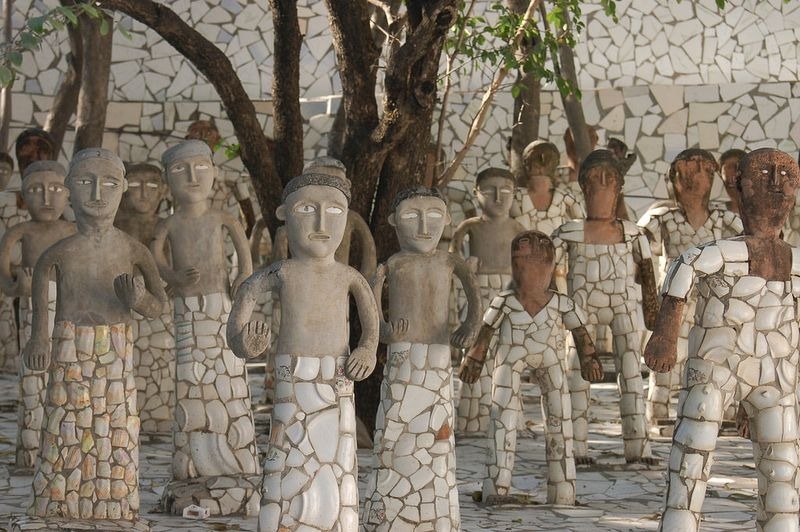
It took years of planning and millions of Rupees to design one of India’s first planned cities, but Chandigarh’s biggest tourist attraction was not on the master plan of Swiss-French architect Le Corbusier. It was the product of creative imagination and fifty years of labor by a humble government official Nek Chand.

Nek Chand was a road inspector in the Engineering Department of Chandigarh Capital Project, in 1957, the year he started working on his secret sculptural project. Nek Chand would cycle to a gorge near Sukhna Lake, at the foothills of Shivalik hills, that was used as dumping ground for urban and industrial waste, and spend hours collecting discarded pieces of broken pottery, bottles, auto parts, plumbing materials, street lights, electrical fittings, broken sanitary ware and so on. He would carry the pieces to a nearby PWD (Public Works Department) warehouse and fashion them into artistic forms resembling humans and animals.

rock-garden-chandigarh-106

Photo credit: Kirk Kittell/Flickr

Nek Chand worked at night because he was afraid of being discovered. For eighteen years, he kept it this site a secret. By the time it was discovered, it had grown into a 12-acre complex of interlinked courtyards, each filled with hundreds of pottery-covered concrete sculptures of dancers, musicians, and animals. The Rock Garden, as it is called now, mesmerizes everyone who sees it. Today it is spread over an area of 40 acres, and is completely built out of trash.

At one point, soon after its discovery, the authorities wanted to demolish the park because Nek Chand didn’t have permission to build it, but the public intervened. In 1976 the park was officially inaugurated as a public space. Nek Chand was given a salary, a title (“Sub-Divisional Engineer, Rock Garden”), and 50 laborers so that he could concentrate full-time on his work.

In recognition of his work, Nek Chand was awarded the Padma Shri, the fourth highest civilian award in India. The Rock Garden also appeared on an Indian stamp in 1983.

rock-garden-chandigarh-22


Photo credit: Ian Brown/Flickr

rock-garden-chandigarh-32


Photo credit: Carlos Zambrano/Flickr


Photo credit: Ramnath Bhat/Flickr

Sources: Wikipedia / citcochandigarh.com / The Wire


joke for the day…” what is he ..deaf or something ” ? !!!

A champion jockey is about to enter an important race on a new horse. The horse’s trainer meets him before the race and says, “All you have to remember with this horse is that every time you approach a jump, you have to shout, “ALLLLEEE OOOP!” really loudly in the horse’s ear. Providing you do that, you’ll be fine.”

A champion jockey is about to enter an important race on a new horse. The horse’s trainer meets him before the race and says, “All you have to remember with this horse is that every time you approach a jump, you have to shout, “ALLLLEEE OOOP!” really loudly in the horse’s ear. Providing you do that, you’ll be fine.”

The jockey thinks the trainer is mad but promises to shout the command. The race begins and they approach the first hurdle. The jockey ignores the trainer’s ridiculous advice and the horse crashes straight through the center of the jump.

They carry on and approach the second hurdle. The jockey, somewhat embarrassed, whispers “Aleeee ooop” in the horse’s ear. The same thing happens – the horse crashes straight through the center of the jump.

At the third hurdle, the jockey thinks, “It’s no good, I’ll have to do it,” and yells, “ALLLEEE OOOP!” really loudly. Sure enough, the horse sails over the jump with no problems. This continues for the rest of the race, but due to the earlier problems the horse only finishes third.

The trainer is fuming and asks the jockey what went wrong. The jockey replies, “Nothing is wrong with me – it’s this bloody horse. What is he – deaf or something?”

The trainer replies, “Deaf?? DEAF?? You idiot, he’s not deaf – he’s BLIND!

Source….www.ba-bamail.com

Natarajan