There are many who observe My actions and start declaring that My nature is such and such. They are unable to gauge the sanctity, the majesty and the eternal reality that is Me. The power of Sai is limitless; it manifests forever. All forms of ‘power’ are resident in this Sai palm. But, those who profess to have understood Me, the wise, the Yogis (spiritually advanced persons), the Pandits (scholars), and the Jnanis (liberated persons) – all of them are aware only of the least important, the casual, external manifestation of an infinitesimal part of that power, namely, the ‘miracles’! My power is immeasurable; My truth is inexplicable, unfathomable. What I will, must take place; what I plan must succeed. I am Truth; and Truth has no need to hesitate, or fear, or bend. I am announcing this about Me, for, the need has arisen.
நகரத்தார்கள் அதிகம் வசிக்கும் ஊர ராயவரம் . அங்கே செல்வந்தர்களும் இருந்தார்கள், நடுத்தர மக்களும் இருந்தார்கள். ஆலமரத்தை போன்று பரந்து விரிந்து கிடந்த குடும்பம். அவ்வளவு வசதி என்று சொல்ல முடியாவிட்டாலும், சுமாராக வாழ்ந்து கொண்டிருந்தனர்.
எதையும் பெரிதாக செய்து முன்னுக்கு வர முடியவில்லையே என்று அவர்கள் கவலைப்பட்டது நியாயமே! தங்கள் நம்பிக்கையை கடவுள் மீது வைத்தனர். ஒரு சிவன் கோயிலை கட்டுவது என்று தீர்மானித்து, அதற்காக நிதி திரட்டி, கோயிலையும் நல்ல விதமாக கட்டி முடித்துவிட்டார்கள்.
கும்பாபிஷேகம் நடத்த முடிவு செய்து, அதற்கான பத்திரிகையை அடித்து எடுத்துக்கொண்டு முதல் அழைப்பை காஞ்சி மகானுக்கு கொடுக்க வேண்டும் என்று வந்தார்கள்.
சகல மரியாதைகளுடன் மகானிடம் அழைப்பிதழை கொடுத்தனர். அதை வாங்கி பார்த்தார் மகான்.
“கும்பாபிஷேகத்தை நடத்தணும்னா, அதுக்குள்ளே நீங்க ஒரு வேலை செஞ்சாகணும்”.
வந்திருந்தவர்கள் ஒருவரை ஒருவர் பார்த்து கொண்டனர்.
மகான் அந்த ஊர பக்கம் வந்து வெகு நாட்கள் ஆயிற்று. மேலும் இப்பொது கட்டியுள்ள சிவன் கோயிலை அவர் பார்த்ததில்லை. என்ன வேலை செய்ய சொல்கிறார் ?
“நீங்க நவகிரக சந்நிதியில் எல்லா சிலைகளையும் வெச்சிருக்கீங்க, இல்லையா?
“ஆமா”
“அதுலே இருக்கிற சனீஸ்வர சிலை மட்டும் கொஞ்சம் உயரமா இருக்கு இல்லையா?
அதிர்ச்சியோடு “ஆமாம் ” என்றார்கள்.
“மகான் பார்காமலேயே இதை சொல்கிறாரே?!”, என்று அவர்களுக்கு வியப்பு.
“நவகிரங்கல்ல ஒரு கிரகம் மட்டும் உயரமாக இருக்க கூடாது. அதை அங்கிருந்து எடுத்து வேறு பக்கமா தனியா வெச்சிட்டு, மற்ற கிரகங்கள் உயரத்திலேயே ஒரு சனிபகவானை அங்கே ஸ்தாபிதம் பண்ணிடுங்கோ”, என்றார்.
கோயிலை பார்க்காமல், அதில் உள்ள குறையை மட்டும் சுட்டி காட்டிய மகானை மனதார வணங்கிவிட்டு, அவர் சொன்ன மாறுதலை செய்தனர்.
“சனீஸ்வரன் சிலை தனியாக கிடைப்பது கஷ்டம்”, என்று வேறு சொன்னார்கள் . செய்தால், ஒன்பது கிரகங்கள் தான் செய்ய வேண்டும்.
மகானின் அருளாசி இருக்க, இவர்களுக்கு என்ன குறை?
சனீஸ்வரன் சிலை கிடைத்தது. ஸ்தாபிதமானது. அந்த உயரமான சிலையை தனியே ஒரு இடத்தில வைத்தார்கள்.
பலரும் திருப்தியடையும்படி அங்கே கும்பாபிஷேகம் நடந்தது.
முன்பே குறுப்பிட்ட அந்த குடும்பம் அன்றிலிருந்து நன்றாக செழித்து பெருக தொடங்கியது.
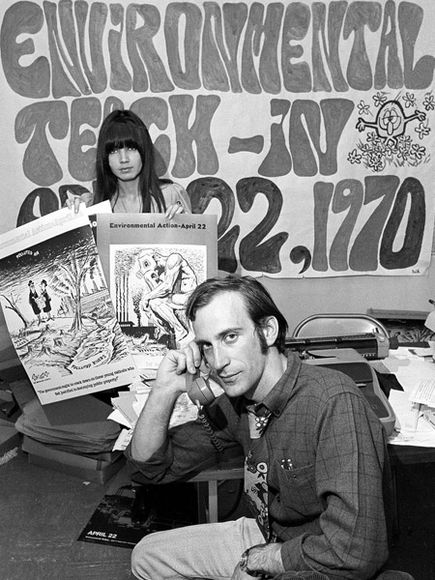
The first Earth Day – April 22, 1970 – marked the beginning of the modern environmental movement. Approximately 20 million Americans, especially on college campuses, participated in a national teach-in on environmental issues and protests against environmental deterioration on the first Earth Day. It’s hard to imagine it now, but the first Earth Day was a revelation to many, a way not only of raising consciousness about environmental issues but also of bringing together separate groups that had been fighting separately against issues including oil spills, pollutions from factories and power plants, raw sewage, toxic dumps, pesticides, the loss of wilderness, air pollution and more. Since then, Earth Day is always celebrated on April 22. But why April 22?
Wisconsin Senator Gaylord Nelson is widely credited with suggesting the first Earth Day on April 22. It was a movement whose time had come, and Nelson wasn’t alone in 1970 in suggesting a grassroots demonstration aimed at protecting the environment. San Francisco activist John McConnell also asked Americans to join in a demonstration in 1970, and McConnell chose the spring equinox (March 21, 1970) as his date. Today, you can find Earth Day events on both the spring equinox and April 22.
April 22 continues to be the larger event, however, and the official date of Earth Day. Some say April 22 was chosen to maximize the number of students who could be reached on university campuses, and that’s undoubtedly true. But the April 22 date for the first Earth Day also stemmed from a much-earlier observance: Arbor Day, which began in Nebraska in 1872.
J. Sterling Morton was a Nebraska pioneer, a writer and editor for Nebraska’s first newspaper, and later secretary of the Nebraska Territory. He advocated planting trees in what was then a dusty and treeless prairie. At a meeting of the State Board of Agriculture in January 1872, Morton proposed that Nebraska citizens set aside April 10 as a day to plant trees. He suggested offering prizes as incentives for communities and organizations that planted the most trees. It’s said that Nebraskans planted about one million trees on that first Arbor Day in 1872. Ten years later, in 1882, Nebraska declared Arbor Day as a legal holiday and the date was changed to Morton’s birthday, April 22. Arbor Day grew to become a national observance. I can recall learning about it as a child in the 1950s and ’60s.
It seemed natural to schedule April 22, 1970 – Arbor Day – as the first Earth Day. Today, a common practice in celebration of Earth Day is still to plant new trees.
Bottom line: Why do we celebrate Earth Day on April 22? The date stems from an earlier observance, Arbor Day. And the date of Arbor Day was set due to the birthday of J. Sterling Morton, a Nebraska pioneer and journalist, who launched the first Arbor Day in 1872.
One of the biggest problems still haunting the poor regions of the world is the lack of clean drinking water. This is such a nccessaity that we take for granted, but many populations do not. Now, a new solution has arisen, one that is both simple and very promising.
In the Namib desert where rain is rare but fog common, a beetle survives by condensing water on its back until drops roll down into the insect’s mouth. Now this principle has been magnified onto a grand scale, providing a possible solution to the desperate lack of water that plagues the populations of many of the world’s dry regions.
There is no lack of solutions being experimented with for water shortages. Wells, recycling techniques and methods for cleaning poisoned water have all attracted considerable efforts, particularly since the Bill and Melinda Gates foundation have made the issue a priority for their considerable resources.
However, many of these techniques have floundered; great on the page but unsuited to real world conditions. Those technologies that are cost effective represent only partial solutions, working well where a permanent water supply is available, but unsuited to regions where surface water vanishes in the dry season and groundwater is hard to reach. As deforestation and Global Warming expand the areas where water is scarce or erratic something else is needed.
While Warka Water to be treated with caution after so many false dawns, it has the advantage of being designed to match the conditions where most alternatives perform the worst.
The towers have a 9m tall bamboo or juncus frame holding up a plastic mesh net. As the temperature falls during the night water condenses onto the net and rolls down to a reservoir at the bottom of the tower. Where the beetle draws just a few life-giving drops from the Namib fog, the much larger surface area of the nets allows a 100l a night to collect under ideal conditions. Mesh is used, rather than a solid surface, so that air can circulate, bringing in ever more water.
As the designers Arturo Vittori and Andrea Vogler put it, “The lightweight structure is designed with parametric computing, but can be built with local skills and materials by the village inhabitants.”
The beetle has proven an inspiration to many but Warka Water claim their carefully shaped design produces much more water for less cost than previous versions.
The Warka Water tower is named after a fig tree native to Ethiopia, and depends for its success on a large temperature difference over a night. Since desert regions are notorious for huge temperature variations, particularly during the dry season, Warka towers should flourish where they are needed most.
“It’s not just illnesses that we’re trying to address,” Vittori told the Smithsonian Magazine, although with 1400 children a day dying from waterborne diseases that would be reason enough. “Many Ethiopian children from rural villages spend several hours every day to fetch water, time they could invest for more productive activities and education,” Vittori says. “If we can give people something that lets them be more independent, they can free themselves from this cycle.”
Vittori hopes to install two Warka Towers in Ethiopia next year, and believes that, “Once locals have the necessary know-how, they will be able to teach other villages and communities to build the Warka.” Cost estimates for the remote constructions of systems are notoriously unreliable, but Vittori believes the towers can be built for $500 each, a quarter or systems that purify equivalent amounts of water. They are seeking sponsorship to bring the idea to fruition. While we suggest Warka Beer would be a great fit, anyone wanting to get behind the idea should make contact.
In the Namib desert where rain is rare but fog common, a beetle survives by condensing water on its back until drops roll down into the insect’s mouth. Now this principle has been magnified onto a grand scale, providing a possible solution to the desperate lack of water that plagues the populations of many of the world’s dry regions.
There is no lack of solutions being experimented with for water shortages. Wells, recycling techniques and methods for cleaning poisoned water have all attracted considerable efforts, particularly since the Bill and Melinda Gates foundation have made the issue a priority for their considerable resources.
However, many of these techniques have floundered; great on the page but unsuited to real world conditions. Those technologies that are cost effective represent only partial solutions, working well where a permanent water supply is available, but unsuited to regions where surface water vanishes in the dry season and groundwater is hard to reach. As deforestation and Global Warming expand the areas where water is scarce or erratic something else is needed.
While Warka Water to be treated with caution after so many false dawns, it has the advantage of being designed to match the conditions where most alternatives perform the worst.
The towers have a 9m tall bamboo or juncus frame holding up a plastic mesh net. As the temperature falls during the night water condenses onto the net and rolls down to a reservoir at the bottom of the tower. Where the beetle draws just a few life-giving drops from the Namib fog, the much larger surface area of the nets allows a 100l a night to collect under ideal conditions. Mesh is used, rather than a solid surface, so that air can circulate, bringing in ever more water.
As the designers Arturo Vittori and Andrea Vogler put it, “The lightweight structure is designed with parametric computing, but can be built with local skills and materials by the village inhabitants.”
The beetle has proven an inspiration to many but Warka Water claim their carefully shaped design produces much more water for less cost than previous versions.
The Warka Water tower is named after a fig tree native to Ethiopia, and depends for its success on a large temperature difference over a night. Since desert regions are notorious for huge temperature variations, particularly during the dry season, Warka towers should flourish where they are needed most.
“It’s not just illnesses that we’re trying to address,” Vittori told the Smithsonian Magazine, although with 1400 children a day dying from waterborne diseases that would be reason enough. “Many Ethiopian children from rural villages spend several hours every day to fetch water, time they could invest for more productive activities and education,” Vittori says. “If we can give people something that lets them be more independent, they can free themselves from this cycle.”
Vittori hopes to install two Warka Towers in Ethiopia next year, and believes that, “Once locals have the necessary know-how, they will be able to teach other villages and communities to build the Warka.” Cost estimates for the remote constructions of systems are notoriously unreliable, but Vittori believes the towers can be built for $500 each, a quarter or systems that purify equivalent amounts of water. They are seeking sponsorship to bring the idea to fruition. While we suggest Warka Beer would be a great fit, anyone wanting to get behind the idea should make contact.
It’s not that scientists haven’t tried many solutions – wells, recycling systems, cleansing poisonious or fetid water – all of those have seen a lot of money and effort put in them.
Unfortunately, many of these techniques, while looking good on page, do not stand up to real world conditions. Now comes a solution that is so simple, yet ingenious – the Warka Towers.
These towers are 9 meters tall, built on a cheap bamboo or juncus frame and holding up a fine plastic mesh net. As the temperatures drop during the night, water condenses on the net and, like the beetle’s system, the drops of water roll down the net into a reservoir at the bottom of the tower.
But while the beetle extracts only a the few drops of water it needs to survive, the much larger area surface of the nets creates about 100 litres of water every night. Since the towers use a net and not a solid surface, the air circulates through, allowing the net to capture more and more moisture.
The architect of this brilliant idea, Artuo Vittori, says that the towers can be built for only $500 a tower, and he hopes that once more are introduced to the African continent, the local population will learn to build these towers for itself, thus populating the dry regions with these towers, an elegant solution for a terrible problem!
தமிழ்ச் சொற்சுவை உள்ளத்தே புகுந்து உணர்விலே ஒன்றி, கண்களில் நீர் கசியும் போதில்…
அடடா! அனுபவித்தவர்களுக்கே அதன் தரமும் சுவையும் புரியும். அற்றை நாளிலும் இற்றை நாளிலும் அடியேன் நாடுவது நல்ல நண்பர்களின் துணையை!
கவிஞர் நந்தலாலா – நெருங்கிய நண்பர்களில் ஒருவர். அவருடன் பேசிக் கொண்டிருந்தாலே போதும்… கவிச்சுவையும் தமிழ்ச் சுவையும் பண்டை இலக்கிய வாழ்வின் சுவையும் ஒருங்கே உளத்தில் புகும்.
ஆறேழு வருடங்களுக்கு முன்னர் பொதிகை-தொலைக்காட்சியில் ஒன்றாக நிகழ்ச்சிகளில் பங்கேற்றிருக்கின்றோம். அப்போதும் அச்சுவை பருகி மகிழ்வேன் யான்.
ஒரு நாள் காலை… பொதிகையில் நண்பர் நந்தலாலா சொல்லின் சுவையை தனிமையிலே எடுத்துச் சொன்ன வண்ணம் இருந்தார். கேட்டுக் கொண்டிருந்தேன் சுற்றுப் புறச் சூழல் மறந்து!
அற்புதமான நினைவாற்றல் அவருக்கு. காளமேகத்தின் சிலேடையை தொய்வின்றித் தொகுத்தளித்தார்.
சிறுவயதில் சொல் விளையாட்டு எங்களுக்கும் அத்துபடிதான். எல்லாம் நம் கிராமங்களில் பிறந்து, வளர்ந்து, நல்லோரிடம் தமிழ் படித்துப் பழகியிருக்க வேண்டும்… அந்த வாய்ப்பு கிடைத்தது நான் செய்த புண்ணியம்.
கவிஞர் நந்தலாலா சொன்ன ஓரிரு சொற்சுவையைக் கோடிட்டுக் காட்டாமல் இருந்தால் எப்படி?
அவருடைய சிறுவயதில் பெரியவர்கள் கேட்பார்களாம்… அந்தக் கேள்விகளுக்கு ஒற்றைச் சொல்லால் பதில் தரவேண்டும். இதுவும் ஒரு விளையாட்டு!
பெரியவர் கேட்பாராம்… “இலங்கை அழிந்ததேன்? இரவி மறைந்ததேன்?”
இதற்கான ஒற்றைச் சொல் பதில் – “இராமன் தாரத்தால்”!
அதெப்படி…? இலங்கை அழிந்தது – இராமன் தாரத்தால்! இரவி மறைந்தது – இரா மந்தாரத்தால்!
இன்னொன்று..
அக்ரஹாரம் கெட்டதேன்? விவசாயம் அழிந்ததேன்?
இதற்கான பதில்… “பார்ப்பான் இல்லாமையால்!”
பார்ப்பு எனும் வேதமோதும் வேதியன் இல்லாமல் அக்ரஹாரங்கள் கெட்டன. விவசாயத்தைப் பார்ப்பவன் இல்லாமல் அதுவும் அழிந்து வருகிறது!
தனிமையைப் பற்றிச் சொன்ன நந்தலாலா, ஒரு கவிதை நயத்தைச் சொல்லி விடைபெற்றார்…
இக்பால் சாகும்வரை உன் பிணத்தை நீதான் சுமக்க வேண்டும்!
– உள்ளத்தில் உழன்று கொண்டிருக்கிறது இந்த வாசகம்!
செங்கோட்டை ஸ்ரீராம் – in Dinamani…blog.dinamani.com
தமிழ்நாட்டின் தனிப்பட்ட சிறப்பு எங்கு பார்த்தாலும் பிள்ளையார் கோயில்கள் இருப்பதேயாகும். “கோயில்’ என்று பெயர் வைத்து விமானமும் கூரையும் போட்டுக் கட்டடம் எழுப்ப வேண்டும் என்பது கூட இல்லாமல், அரச மரத்தடிகளிலே கூட வானம் பார்க்க அமர்ந்திருக்கும் ஸ்வாமி நமது பிள்ளையார்.
தெருவுக்குத் தெரு ஒரு பிள்ளையார் கோயில், நதிக் கரைகளிலெல்லாம் பிள்ளையார், மரத்தடிகளில் பிள்ளையார் என்றிப்படி இந்தத் தமிழ் தேசம் முழுவதும் அவர் வேறெந்த ஸ்வாமிக்கும் இல்லாத அளவுக்கு இடம் கொண்டு அருள்பாலித்து வருகிறாரர். அவரைப் “பிள்ளையார்’ என்றே அன்போது கூறுவது நம் தமிழ்நாட்டுக்கே உரிய வழக்கம். சர்வலோக மாதா பிதாக்களாகிய பார்வதி பரமேசுவரர்களின் ஜேஷ்ட புத்திரர் அவர். “பிள்ளை’ என்றால் அவரைத்தான் முதலில் சொல்ல வேண்டும். வெறும் “பிள்ளையார்’ என்று சொல்லக்கூடாது என்பதால் மரியாதையாகப் “பிள்ளையார்’ என்று சொல்வது தமிழ்நாட்டுச் சிறப்பு.
தெய்வம் என்று ஒன்று இருந்தால் அது லோகம் பூராவுக்குந்தான். ஆனாலும் அதை “நம்முது’ (நம்முடையது) என்று விசேஷமாகப் பிரித்து வைத்த ப்ரியம் காட்டி உறவு கொண்டாடணும் என்று பக்த மனஸுக்குத் தோன்றுகிறதுண்டு.
ஒவ்வொரு தெய்வத்திடம் இப்படி ஒவ்வொரு ஜனÙமுஹத்திற்கு ஒரு அலாதி பந்துத்வம் இருப்பதுண்டு. தமிழ் மக்களுக்கு ஸுப்ரஹ்மண்ய ஸ்வாமி என்றால் தனியான ஒரு ப்ரியம். முருகன், முருகன் என்று சொல்லி, தமிழ்த் தெய்வம் என்று அவரை இந்த நாட்டுக்கே, பாஷைக்கே உரித்தானவராக முத்ரை குத்தி வைத்துக் கொண்டாடுகிறோம்.
எனக்கென்னவோ அவரை மட்டும் அப்படிச் சொல்லாமல் அவருடைய அண்ணாக்காரரையும் தமிழ்த் தெய்வம் என்று சொல்லணும் என்று (இருக்கிறது)! இளையவரைத் தமிழ்த் தெய்வம் என்று குறிப்பாகச் சொல்ல எவ்வளவு காரணமுண்டோ அவ்வளவு – ஒரு வேளை, அதைவிடக்கூட ஜாஸ்தியாகவே – அண்ணாக்காரரையும் சொல்வதற்கு இருப்பதாக எனக்குத் தோன்றுகிறது. அதனால் – அந்த அண்ணா – தம்பிகளைப் பிரிக்கவேபடாது. சேர்த்துச் சேர்த்தே சொல்லணும், நினைக்கணும், பூஜை பண்ணணும் என்பதாலேயும் – பிள்ளையார், ஸுப்ரஹ்மண்யர் இரண்டு பேரையுமே தமிழ்த் தெய்வங்கள் என்று வைத்தவிட வேண்டுமென்று தோன்றுகிறது. அப்படி ஒரு ரெஸொல்யூஷன் கொண்டு வரப் போகிறேன்! (அது) “பாஸ்’ ஆகணுமே! அதனால் புஷ்டியான காரணம் நிறைய காட்டுகிறேன். யுனானிமஸாகவே பாஸ் பண்ணிவிடுவீர்கள்!
– ஜகத்குரு காஞ்சி காமகோடி ஸ்ரீ சந்திரசேகரேந்திர சரஸ்வதி சங்கராச்சார்ய ஸ்வாமிகள்
The Gita advises that service to the society (Sangha) is the highest service (Seva), as well as the most beneficial spiritual discipline (Sadhana). No one can run away from this obligation; you have to use the community wherein you are born for sublimating your ego and saving yourself. Service taken up as a Sadhana teaches fortitude (Sahana). That is why Krishna directed Arjuna to engage in battle to win back his share of the Kingdom, and ensure for the people righteous administration and an atmosphere wherein they can strive successfully to attain salvation. This he had to do in a spirit of dedication and surrender to the will of God, irrespective of his own likes and dislikes, and the consequences that might flow from his unselfish activities. Even Avatars (incarnations) demonstrate in their lives the supreme importance of Seva.
A copy of John James Audubon’s Birds of America was sold at an auction in London for £7.3 million ($11.5 million), and thus became the most expensive book ever sold. The auction was a rare chance to own one of the best preserved editions of the 19th century masterpiece, with its 435 hand-colored illustrations. The winning bid was placed by London-based art dealer Michael Tollemache, who outbid three others during the auction.
Only 120 complete sets of Audubon’s 435 hand-colored, life-sized engravings of America’s birds are believed to exist today, with the majority (107) owned by institutions. The last full edition of The Birds of America, which went up for auction in 2010, sold for £7.3m at Sotheby’s, breaking the world record for a single book.
“Birds of America is most significant for its sheer beauty. It’s a masterpiece of illustration,” the words of Richard Davies, a rare and used books specialist. “Aside from being famous in the rare book world, Birds of America has also immense historical and ornithological importance. Some of the birds John James Audubon painted are extinct and he also discovered new species.”
Measuring over three feet in height and running to four volumes, The Birds of America was created by Audubon between 1827 and 1838. The illegitimate son of a French sea captain and his creole mistress, Audubon was an itinerant artist who traveled America’s wilderness drawing the birds he loved. He was insistent that The Birds of America was made up of life-size illustrations, and that it showed all the known species of north America, making the finished volume
Each of the printed book were colored by hand, and it was an extremely laborious process. Even by today’s standards, the vividness of its illustrations of birds is extraordinary but when it was being released in the 1830s it was mindboggling. Audubon employed a rather shocking technique to produce the book. He hunted the birds down and shot them before propping them up on wires to paint. Each drawing would take about 60 hours to complete. Ironically, many of his beautifully rendered subjects are now extinct, such as the Carolina Parakeet, Passenger Pigeon, Labrador Duck, Great Auk, Esquimaux Curlew, and Pinnated Grouse.
Picking up a copy of the “book” is a two-person job, said the dealer, who examined an edition at Sotheby’s once prior to an auction. “The (very nervous) resident expert and I (gingerly) turned the pages together, him at the top and me at the bottom, and peeled them back (respectfully) into just the right conjunction with the rest of the plates,” said Gekoski. “You have to be careful how you handle a gargantuan book worth more than 10 million dollars.”
What happens when you flip out on a Boeing 737 and try to open the door at 30,000 feet?
After dousing himself in bathroom water on his Southwest flight from Chicago to Sacramento, 23-year-old Joshua Carl Lee Suggs tried to find that out. When asked to take his seat, Suggs pushed past flight attendants and attempted to open the exit hatch because he “wanted to look out the window.” A couple of good Samaritans wrestled the suicidal half-wit into submission.
Suggs is now safe in a Nebraska jail cell after the pilot emergency landed in Omaha to boot the addled hooligan. Since Suggs never got his question answered, we continued his search for enlightenment. So we asked the experts.
Pilot and Vietnam War veteran Pete Jordan knows exactly what happens when a pressurized cabin decompresses 30,000 feet in the air at 300 to 600 mph: “There’s no oxygen, and it gets damn cold in a hurry.” An open door would release the cabin’s ball of pressure, causing an immediate “suction explosion.”
Jordan’s plane was shot during ‘Nam. Although terrifying, small bullet holes at low speeds and altitude gave this veteran a very different chaos than what Suggs might have caused.
In 1988, Aloha Airlines Flight 243 lost a section of its fuselage roof at 24,000 feet due to metal fatigue. It was an 18-year-old Boeing 737. Explosive decompression removed and killed one un-harnessed flight attendant and injured 65 strapped-in passengers. There have been no other instances of similar roof removal since that tragedy.
Chief flight instructor at the US Aviation Academy David Cruz says there’s a good reason that you never hear about the hatch opening.
“Commercial planes have been designed to prevent in-flight exits ever since [D.B. Cooper] robbed that flight in [1971],” says Cruz.
D.B. Cooper’s famous sting operation was in a Boeing 727, which “had a stairwell that automatically lowered in the back.” Cooper grabbed around $200,000 in cash and jumped (likely to his death) out of the rear of the plane. Modern commercial aircrafts do not allow passengers to voluntarily exit in flight no matter how badly they want to die.
Miles Kotay of Boeing’s Aviation Safety Communications confirms it. “It’s completely impossible to open the door of any modern Boeing in flight,” he says. “The doors are locked, which doesn’t even matter, because physics prevents it anyway.”
Boeing’s inwardly opening doors have around 1,000 lbs of suction holding them shut.
Sorry, Suggs. Looks like you’ll just have to “look out of the window” by… looking out the window.
If you’ve gone through the 90s as a kid, then this video will make you nostalgic. A trip down the memory lane when things used to be simpler and fun; from textbook cricket to Nagraj comics, from Duck Tales to Surabhi, from F.L.A.M.E.S to approaching a girl through a wingman, from familiar postmen to a single landline in a Mohalla, this film has covered it all.
“Woh Din” is a tribute to the glorious decade of 90′s by the creative ‘emotional fools’ at EmotionalFulls.