” Ever wondered what happens to your body when you start walking….” !!

tulips.jpg

Here’s a minute-by-minute rundown of the amazing chain reaction walking and exercise has upon your body, it’s truly amazing!

Minutes 1 to 5

Your first few steps trigger the release of energy-producing chemicals in your cells to fuel your walk. Your heart rate revs-up from about 70 to 100 beats per minute (bpm), boosting blood-flow and warming muscles.

Any stiffness subsides as joints release lubricating fluid to help you move more easily. As you get moving, your body burns 5 calories per minute, compared with only 1 per minute at rest. Your body needs more fuel and starts pulling from its carbohydrates and fat stores.

Minutes 6 to 10

Heartbeat increases from 100 to about 140 bpm, and you’re burning up to 6 calories a minute as you pick up the pace. A slight rise in blood pressure is countered by the release of chemicals that expand blood vessels, bringing more blood and oxygen to working muscles.

Minutes 11 to 20

Your body temperature keeps rising, and you start to perspire as blood vessels near the skin expand to release heat. As your walk becomes brisker, you’ll be burning up to 7 calories a minute and breathing harder. Hormones such as epinephrine and glucagon rise to release fuel to the muscles.

Minutes 21 to 45

Feeling invigorated, you start to relax as your body releases tension, thanks in part to a dose of feel-good chemicals such as endorphins in your brain. As more fat is burned, insulin (which helps store fat) drops–excellent news for anyone battling excess weight or diabetes.

Minutes 46 to 60

Your muscles may feel fatigued as carbohydrates stores are reduced. As you cool down, your heart rate decreases and your breathing slows. You’ll be burning fewer calories but more than you were before you started. Your calorie burn will remain elevated for up to 1 hour.

All this happens without a single conscious thought from us – the human body is amazing.

Source………unknown………input from a friend of mine
Natarajan

Message for the Day…” When You Destroy Your Ego , All Troubles End , all Discontents Vanish and Bliss is Attained….”

The effulgence of your soul (Atma) is obscured by ego. Therefore, when ego is destroyed, all troubles end, all discontents vanish, and bliss is attained. Just as the sun is obscured by mist, so also, the feeling of ego hides eternal bliss. Even if the eyes are open, a piece of cloth or cardboard can prevent vision from functioning effectively and usefully. So too, the screen of selfishness prevents one from seeing God, who is in fact nearer than anything else. Develop the characteristics of truth, kindness, love, patience, forbearance and gratefulness. Ego (ahamkara) cannot subsist wherever these qualities reside, just as darkness disappears with sunrise. Many a spiritual aspirant (sadhaka), recluse, and renunciant (sanyasin) has allowed all excellences won by long years of struggle and sacrifice to slip away through this attachment to the self. Power without the bliss of God-realisation is a wall without a basement.

Sathya Sai Baba

Message for the Day…..” Selfless Service in a Spirit of total Surrender to the Will of God Will Develop Detachment and Confer Highest Rewards…”

Sathya Sai Baba

Creation or manifestation started, as the Upanishads say, when the One willed, Ekoham bahusyam – “I am One; let Me become Many. It is the integer (I) that fills the zeros after it with value and validity! The realisation of the function of the ‘I’ and the act of ignoring all zeros that come after it, is the end and goal of all human endeavour. When the mind is unruffled and the intelligence is sharpened, this realisation will take place naturally. Through the discipline of selfless service, you can easily recognise the One who appears as many. To attain that experience, service must be rendered either from a supreme sense of duty or as a humble dedicatory offering to the Highest, or in a spirit of total surrender to the will of God leaving all thought of the consequence to His grace. Any act of service done with these pure motives, will develop detachment and confer highest rewards.

Prithvi-II, India’s Indigenously Developed Missile, Successfully Test Fired in Odisha….India

Prithvi-II, India’s indigenously developed nuclear capable missile was successfully test fired on Thursday. The missile has a strike range of 350 km, and it is capable of carrying 500 kg to 1,000 kg of warheads.

The test was a part of a user trial by the Army and was conducted from a mobile launcher at launch complex-3 of the Integrated Test Range (ITR) located at Chandipur, in Baleswar District of Odisha.

Prithvi-II

Source: Wikimedia

Prithvi-II is surface to surface missile thrusted by liquid propulsion twine engines. It uses advanced inertial guidance system with manoeuvring trajectory to hit the target. The navigation aid, inertial navigation system (INS), uses a computer, motion sensors and rotation sensors to calculate the position and velocity of a moving target without any external references.

Prithvi-II is the first missile to be developed by Defence Research and Development Organization (DRDO) under India’s Integrated Guided Missile Development Program (IGMDP).

prithvi2

Source: Twitter

It can operate with both liquid and solid fuels and can carry both conventional as well as nuclear payloads.

The trial data was conducted by Strategic Forces Command (SFC), which is part of India’s Nuclear Command Authority (NCA). It is responsible for management of India’s strategic nuclear weapons stockpile.

“The missile was randomly chosen from the production stock and the entire launch activities were carried out by the specially formed SFC and monitored by the scientists of Defence Research and Development Organisation (DRDO) as part of training exercise…The missile trajectory was tracked by DRDO radars, electro-optical tracking systems and telemetry stations located along the coast of Odisha,” a defence scientist told PTI.

The teams on the other side were on board a ship near the designated impact point in the Bay of Bengal. They monitored the splashdown and the terminal events. The last user trial of Prithvi-II was successfully conducted on February 19, 2015 from the same test range.

The Indian government had launched the Integrated Guided Missile Development Program in 1983 with the view making the country self-sufficient in terms of development and production of wide range of Ballistic Missiles, Surface to Air Missiles and more.

Source………..Tanaya Singh….www.the betterindia.com

Natarajan

” I’m Going to Antarctica to Find How Climate Change, Penguins & Food Are Inter-Connected”…Says Tejaswi Subramanian

My first brush with environmental consciousness took place when I was 13. I came across the Fourth Assessment Report by IPCC (Intergovernmental Panel on Climate Change) in 2007, which said that human actions could be held responsible for the climate degradation and change that was visible in various parts of the world. I started thinking about it, and that report affected me very deeply. That’s when and how I became interested in environmental activism. Right from school, I was an active environmentalist. I helped form the eco-club there and was always associated with different activities like selling handmade carry bags to the school cafeteria and nearby shops, organizing awareness events, observing environment day and more.

Growing up, I also gained interest in clean eating habits.

antarctica1

This was about three years ago – I was living alone, was working 8-10 hours a day, was cooking for myself – and amidst all this, I was hit by the realization that I always felt less energetic. I never seemed to have enough energy to do everything. But I was only 20, and I thought, ‘this cannot be right’.

“Let food be thy medicine, and let medicine be thy food.” – It was then that this quote by Hippocrates changed my life. I had started reading up on healthy eating and came to know about Primal Diet, which advises people to avoid grains and emphasizes on a protein-rich diet that contains healthy fats and is low in carbohydrates. It introduced me to the idea that eating fresh and organic food can heal the body and help us connect with nature. And I witnessed genuine change. I had been suffering with the problem of acne since my early teens, but with my new eating habits, it cleared up in just three months. It was like a miracle. I also witnessed an increase in my energy levels. This lifestyle change fit perfectly with my interest in environmental protection, which further encouraged me to carry on with it.

Additionally, I came across another body of research that motivated me to purchase sustainably-sourced food. It was about Antarctica, one of the last places in the world that remains untouched by rampant human urban settlement and industrialization.

antarctica3

Source: 2041 Foundation

But even in that beautiful place, traces of our irresponsible behaviour towards the environment are clearly visible – in the form of a pesticide. DDT, a chemical pesticide, was banned worldwide because of the harmful effects of the chemicals on the environment. This was done decades ago. However, its traces are found till today in the fatty tissues of Adelie penguins. This is due to the chemical pesticide being washed away and getting drained into the coastal waters, which then finds its way to the ocean. In this consumerist era, our choice to purchase reflects our voice in the systems that support societal norms. What is happening in Antarctica shows that a common thread runs through the universal fabric of our economy and society.

Thus, in the coming months, I plan to research about this issue at the grassroots. I will also be preparing for my expedition to Antarctica, which will host the ‘Leadership on the Edge’ program by Robert Swan, OBE (Order of the British Empire). Through this expedition, I intend to gather first-hand knowledge of the effect that we are having on the ecosystem of Antarctica, despite setting up shop several thousand miles away. Robert Swan is the first person to walk to both Poles. He will be our lead and Chief Guide and will be mentoring us on how we may be able to do our bit in spreading awareness and creating movements toward sustainability back in our homelands.

The idea is to work with like minds in order to spur a sustainable food movement that permeates our food chains and markets.

antarctica4

Source: 2041 Foundation

At a personal level, I am trying to work with sustainably sourced, organic as well as locally grown food. And this program will give me a good idea of how things are being done around the world.

Through this campaign, I am trying to raise funds for the expedition. I strongly believe that we can recreate the health of our bodies, the environment, and the Adelie penguins in Antarctica if we focus on the singular issue of how we source our food. Please support me in my journey. The tentative dates are March 13-25, 2016. Prospective itinerary can be found here. I hope to raise Rs. 12,30,000.

Here’s a break-up of the planned budget.

antarctica6

Source….– Tejaswi Subramanian  for http://www.the betterindia.com

Natarajan

Image of the Day…” Beginning of the Winter …”

Winter is coming to northerly latitudes … A beautiful look at an early snowfall.

Phil Koch posted this photo to EarthSky Facebook this week.  He calls it 'Horizons.'

Phil Koch posted this photo to EarthSky Facebook this week. He calls it ‘Horizons.’

A record snowfall fell in Wisconsin over this past week. Phil Koch of Milwaukee captured an image and wrote to EarthSky:

And so winter begins in Wisconsin.

Source…..www.earthsky.org

Natarajan

” Meet the Faces Behind the Popular ‘Humans of Bombay’ Page….”

She doesn’t just share pictures – she shares the many stories of success, failure, hopes, dreams, desires and so much more behind the faces that make it to her well-known and loved Facebook page. Meet Karishma Mehta, the human behind Humans of Bombay.

In November 2010, a young man named Brandon Stanton started taking pictures of people in New York City and sharing little vignettes of their lives on a Facebook page called Humans of New York (HoNY).

Little did he know that his little hobby would take the world of social media by storm, garnering over 16 million “likes” and spawning a host of similar pages in virtually every country of the world.

humans of bombay

Brandon Stanton

Photo Credit: Niyantha Shekar/Flickr

India too sprouted several “Humans of ” pages overnight, but most of them have either vanished as quickly as they came or languished for lack of attention.

In sharp contrast is the Humans of Bombay page on Facebook, run by 23-year-old Karishma Mehta.

humans of bombay

Karishma Mehta

The following of this page has grown by leaps and bounds to reach four lakhs in a short period of time, entirely due to Karishma’s meticulous efforts in capturing poignant photographs and stories of the many Mumbaikars she meets every day.

“Tell me your story,” she often requests of the old and young and middle-aged she meets on a daily basis. But ask her the same question and she laughs – “That’s why I am behind the camera, and not in front of it. In all probability, if someone stops me on the road, says ‘can I take your photograph?’, and asks me to share my story, I would say ‘no’!”

Every day, Karishma goes out to meet and converse with five to ten strangers on the streets of the city.

Humans of Bombay

Website · 431,445 Likes

· 20 November at 15:23 ·

“I couldn’t conceive for a very long time, even though I was going through extensive treatments. Finally years later, something in my treatment ticked and I was pregnant. You know how it is with Indian families – everyone begins to guess the gender of the child before it’s even born, but I never took part in that – I was only concerned with the health of my baby.
When I delivered, everyone was excited to know the sex of the baby and my whole family was really happy to know that it was a baby girl. I remember hearing, ‘oh my god, it’s a girl!’ and I just kept thinking, ‘oh my god, it’s a healthy child.’ I thanked God with all my heart for blessing me with Motherhood that day and everyday of my life. She’s 22 years today, and still the best thing that ever happened to me.”

She listens to their stories, clicks their photographs, and finally shares her work on the Humans of Bombay page. These are stories of success and failure, hope and inspiration, dreams and heartbreaks – each one unique and memorable.

Karishma started the page in January 2014. “I was just out of college when I started it. At that time, I had been following HoNY closely, so I knew that something like this existed. But I also knew that something like this had not been done correctly in a city like Bombay, which has so many different worlds in it. Thus I started the page pretty much as an experiment to see how it would pan out. But as it grew, my passion towards this work kept growing,” she says.

Born and brought up in Bombay, she describes her life as “a very normal one.” After studying at Bombay Scottish School, she went on to a boarding school in Bangalore for two years. This was followed by three years of college in UK. “I would say I was on the sheltered side…” she remembers.

In the beginning, Karishma’s parents did not understand what she was doing. “They were a bit confused as there was no specific definition for what I was doing back then,” she says. But her friends had been following HoNY, so they knew. “They supported me, gave a lot of healthy criticism, and also encouraged me to not give up. That initial push was very important for me to continue for as long as I have.” She now has the complete support of her parents as well.

Ask her about the experience of collecting such personal stories from complete strangers and Karishma says – “It is not easy to talk to strangers on the road and engage with them in a conversation for five to six minutes…But when you do so, you will be surprised by the kind of things you hear in response to just a simple question! That’s because everybody has a story. Literally every person walking on a street has some story that they want to share. The important thing is to focus on the simple questions that can bring about these very powerful narrations.”

Karishma, a business and economics major, never took any lessons in photography. For her, it has all been about her passion; photography is something that she “learned on the job.” With two interns to assist her she goes out to shoot for about five hours every day and shares one story a day on Facebook, after writing about it and editing the picture. While most of her time goes in maintaining the page itself, she is also involved in some freelance projects that deal with writing.

Currently, she is also busy working on a Humans of Bombay book that will be out soon.

Humans of Bombay

Website · 431,445 Likes

· 17 hrs · Edited ·

“I was a chef in the Taj banquet kitchen when the gunshots started that night. Initially the news was that it was an internal gang war in a neighbourhood nearby and that it would die down soon. It was only at about 10:30 – 11PM that we understood the magnitude of what was going on. We were 7 chefs in total in the kitchen that night, not one of whom left the Taj despite knowing all exit points. By then the shootout had happened at the Wasabi restaurant and all those who had survived were pouring into the banquet hall and kitchen where we were working. As soon as we had heard about the shootout, we prepared sandwiches for our surviving guests which we then handed out. After this, we entered the corridor to escort our guests out of the hotel through the back entrance. We had successfully helped a few guests when I saw the left profile of a terrorist in a red cap, who began shooting.
I was standing next to a refrigerator, when my head chef and sous chef both got shot. There was chaos, panic and fear as our guests started running everywhere – but by then they had opened fire in all directions. I remember running towards the kitchen and looking around to see that no one else had made it. All of a sudden, everything went quiet and that silence was the worst. I tried looking around for survivors, but it was just me. I stayed there for a few hours, until I realised that no help was coming anytime soon. I walked out of the kitchen and saw all of my colleagues dead on the floor – the whole Taj was deserted. I looked at the refrigerator where I’d been only a while ago and it had 3 bullet holes in it – I’d narrowly escaped death, but it was horrifying to see that my guests and colleagues hadn’t been as lucky. I won’t look back on that day as just a terrorist attack, but a day when many brave individuals looked death in the eye to help others.”

What has been one of the most memorable moments of her life till now? She has an answer this time:

“It is a personal one. Very recently, my sister delivered a baby boy and it was like an I-can’t-describe kind of moment. I was very happy.”

The one thing she is looking forward to for Humans of Bombay?

“I am looking forward to seeing more people open up to share larger aspects of their lives. I have had a series of people who have given me their stories but as soon as they see the reach that the platform has they say they don’t want to share them further. I would love people to realise that sharing is not always a bad thing. You are not always judged. You are not always looked upon negatively. Sometimes, it could actually help you.”

Her advice to people?

“I am a business and economics major and I am doing something that is not directly based on that line. And I don’t think it matters. It is about what you want to do, what you feel will get you to a certain place in life…just go with it.”

Her favourite stories? “I am biased. I like them all,” laughs Karishma.

Recently, she shared the picture of a woman named Zaaria who has come out of a very abusive marriage after struggling for years.

Humans of Bombay

Website · 431,445 Likes

· 23 October · Edited ·

“His family and my family have lived in the same building for years but since his business was in Bombay and Dubai, I barely saw him. This one day, he asked my driver which college I was studying in, he came there, waited for me to finish class and asked me to coffee. We ended up chatting for an hour that day and I was completely enamoured by him — he was such a charmer! His parents wanted us to marry quickly because he was 7 years older – so at 19 I got married to someone who I thought was the man of my dreams…but he was an asshole.
It started at the honeymoon, where I wasn’t allowed to look anywhere but towards him, wasn’t allowed to enter shops which he didn’t like and was supposed to wear only what he wanted me to. We were to visit our relatives in London, so he asked me to wear a salwaar but no jacket…and I remember freezing. When we went back to Dubai, he didn’t allow me to turn on the AC and if I did in the middle of the night because it was so hot – he would smash my perfumes, candles and upturn my entire wardrobe. He would drive his convertible car at the maximum speed and threaten to throw me out if I ever disobeyed him. Once, in between abusing and screaming at me, he pinned me down, forced himself upon me and 6 months into my wedding I was pregnant. He hid my medicines saying I don’t need them — I was throwing up 30 times a day and all the minerals in my body had drained to the point that I couldn’t stand and that’s when he agreed to take me to the hospital. The nurse there saw me once and said ‘I’ve to take you to the emergency room – and had you come a day later you would return to Bombay in a coffin’. When I went home after those 3 days, he pushed me, I started bleeding and he waited 24 hours to take me back to the hospital. On the hospital slip it said ‘bled yesterday and brought to the hospital today.’
He only let me return home because my parents were at Hajj. When I came home, I asked him if I could stay for a night in my own home instead of his – which he flatly refused. I was talking to my mother on the phone for 15 minutes when he called me 40 times, sent his sister upstairs to snatch my phone and sent me a text saying,’If you return to Dubai, I will rip your ass apart’ in Hindi. That’s when I decided I had enough.
The next 6 years were hell for me. He sent me a legal notice saying he wanted custody of my unborn child, but I would never let that happen. So 30 days after I had delivered and my stitches hadn’t healed – I went to the family court to fight for my son. My son has been to more courtrooms in the first 5 years of his life than most people ever would. He bribed people from the court and the judges to prolong this case and if not for this one police man who understood me and helped me – God knows how much longer I would have to continue my fight. In 2012, my hell was finally over. I won all cases because of that one hospital slip and received nothing in compensation from him or his family. He seemed so normal, but he snatched my innocence away. Please, don’t rush into marriage because so often what people appear to be and who they are, is entirely different. 10 years later, I’ve put it behind me because I have my son and my life is for him. He’s all that matters.”

The hard-hitting story of how Zaaria successfully improved her life was widely shared. “It is a very, very powerful story. Zaaria was so strong while narrating it that I was literally shocked,” remembers Karishma. And the best part is that it did not just end there. People actually went ahead and expressed their support for Zaaria.

“She was overwhelmed. She told me that she has got messages from all over the world with people praising her for her courage and bravery…it is just amazing.”

Given that her page has had such an impact, it is not surprising that Karishma also chose to utilise it for a larger purpose.

Humans of Bombay with Ebonie Penado.

Website · 431,445 Likes

· 22 August ·

“My mother and I had to come to Bombay to support ourselves, once my father sold our family food business and didn’t support us. She got into the sex trade since that time and I always feel upset because she thinks its ‘dirty work’. Why is it considered dirty? My mother is a woman of strength and I want her and all like her to know that it’s okay.
Dirty are those men who force themselves on us, abuse us and walk away. I was raped as well, but for 7 years I kept it within me because I thought I was dirty. It was only after I came to Kranti and went through intense therapy that I finally found a voice. I will start volunteering with a sex workers’ rights group next month and give speeches and detailed information on the rights of sex workers. I was once blaming myself for being raped, but today I know better — It’s not my fault. I want to inspire the thousands like me, who have kept quite and felt dirty. We’re not dirty ones.”

A few months ago the young girls of Kranti were thrown out of their house, by a landlord who refused to pay them back their deposit. These are young girls who are the daughters of sex workers with big dreams. Kranti, nurtures their dreams, gives them a place to stay safe at night, teaches them and exposes them to a new world…one they’d never known before.
We’re starting a campaign to raise Rupees 5,00,000 for Kranti. This money will be used by Kranti to make a home for these girls in a space that’s currently unhygienic, dusty and in complete shambles. They all have to share one tiny bathroom which makes them late for school, there’s no proper construction — just bare, dilapidated walls with no beds.

Lets give these girls a place they can call home.

She conducted a Facebook campaign with the aim of raising funds for an organization called Kranti that helps the daughters of sex workers in Mumbai. While the aim was to collect Rs. 5 lakhs, Humans of Bombay ended up collecting Rs. 6.5 lakhs in just one day.

But what is it that keeps her going out to work on something that does not even pay? “I like listening to people’s stories. I like knowing that the next stranger on the block will have a story that people will appreciate. And I like to be the mediator of that story. The fact that I can bring those stories to the world is what pushes me,” she concludes.

Visit Humans of Bombay here.

Source……….Tanaya Singh……..www.the betterindia.com

Natarajan

Message for the Day… ” Never Overlook Your Kids Mistakes…Correct them then and there and Reward them for their Good Deeds….”

Sathya Sai Baba

Putlibai, Mahatma Gandhi’s mother, spent her life in the contemplation of God. She observed a vow wherein she wouldn’t partake food until she heard a cuckoo sing. One day it so happened that the cuckoo was not heard. Gandhi, a small boy then, couldn’t bear to see his mother fasting for a long time. He went behind the house and mimicked the cuckoo’s song. Putlibai felt extremely sad when she realised that her son was uttering a lie. She cried, “O God! What sin have I committed to have given birth to a son who speaks untruth?” Realising the immense grief he had caused to his mother by uttering a lie, Gandhi took a vow that he would never indulge in falsehood ever again. It is imperative that mothers train their children in moral values right from their childhood. Never overlook children’s mistakes – correct them immediately when they stray away from the righteous path and reward them for their good deeds.

Monkey Artist …!!!

In 1964, a new avant-garde artist was introduced to the art scene in the Swedish city of Gōteborg. The fresh new artist was Pierre Brassau and his work received rave reviews from critics and art fans alike.

Brassau featured four paintings in the 1964 exhibition at Gallerie Christinae, and even sold one “masterpiece” to a collector named Bertil Eklöt for $90 (about $650 today).  The exhibition featured paintings from artists across Europe, but it was the hot new French Artist who stole the show.

One critic in particular, Rolf Anderberg, was so overwhelmed by Pierre’s talent that he wrote the following review about his work, which appeared in print the morning following the exhibition:

monkey-artist

Brassau paints with powerful strokes, but also with clear determination. His brush strokes twist with furious fastidiousness. Pierre is an artist who performs with the delicacy of a ballet dancer.

The reviews were glowing. All but one.  One critic’s review was short and to the point: “Only an ape could have done this.”

The opinion was unpopular among the other critics, despite that the pieces of art looking strikingly similar to “art” you commonly see stuck to refrigerators, produced by 2 year olds the world over.  It turns out, though, that the “ape” review more or less hit the nail on the head.

Pierre Brassau was actually none other than a young West African chimpanzee named Peter who lived in the Borås djurpark zoo in Sweden.  The mastermind behind the hoax was journalist Åke “Dacke” Axelsson. Axelsson worked for the Swedish tabloid Gotebors-Tidningen and came up with the idea of featuring the primate paintings in an exhibition in order to put the critics to the test. Could they recognize the work of true avant-garde modern artists?

Axelsson convinced Peter’s teenage caretaker to let the chimpanzee play with some oil paints and a brush. Initially, Peter ate more paint than he managed to get onto the canvasses; his favorite “flavor” was cobalt blue, a color which featured prominently in his later work.  With some encouragement, Peter soon began to develop his artistic skills. Once he finished showing off his artistic talents, producing several paintings, Axelsson chose the four which he considered the most worthy to be displayed, and set about getting them included in the exhibition at the Gallerie Christinae.

Once the hoax was revealed, the critic who had previously compared Pierre Brassau with a ballet dancer, Rolf Anderberg, doggedly stuck by his assessment and stated that Pierre’s work “was still the best painting in the exhibition”.

Peter isn’t the only primate to have found success as an artist. In 2005, the director of the State Art Museum of Moritzburg in Saxony-Anhalt, Dr Kajta Schneider,  mistakenly identified a painting as the work of Ernst Wilhelm Nay, a Guggenheim Prize winning artist. In fact, the painting was done by Banghi who was a chimpanzee living at Halle Zoo.

In 2011, Pockets Warhol, a capuchin monkey currently living in a sanctuary in Toronto, had his own art exhibition featuring 40 of his abstract paintings. His paintings have been purchased by people across the globe and sell for as much as $300 each. Proceeds from the sale of his artwork go to helping care for the other residents of the animal sanctuary where he lives.

In 2010, Jimmy, a 27 year old chimpanzee living in Rio De Janeiro, earned national acclaim for his artistic talents. When Jimmy’s caretakers realized that he had become depressed, they decided to give him some paints to brighten up his days. Jimmy showed an instant aptitude for art and has since become a household name across Brazil. He even has an art instructor who visits him 3 times a week.

In 2009, 3 paintings by Congo the chimpanzee sold at auction for more than $25,000. Congo was born in 1954 and produced around 400 paintings during his life. He died at age 10 of tuberculosis. Pablo Picasso is reported to have been a fan of Congo’s work, and in fact owned one of Congo’s paintings, which hung on his studio wall.

Bonus Facts:

  • Pablo Picasso’s actually name was a tad longer than you might expect.  Specifically, it was Pablo Diego José Francisco de Paula Juan Nepomuceno María de los Remedios Cipriano de la Santísima Trinidad Ruiz y Picasso
  • In 2007, the painting to the right, titled “White Center”, by Mark Rothko, sold for $72.8 million to a wealthy Sheikh, Hamad bin Khalifa Al-Thani.  Rothko painted several other works nearly the same, simply changing the colors, number and size of blocks and the like.  You’d be instantly set for life if you happened to have one of these block paintings on hand to sell. :-)
  • According to the New York Times, in 2006 Jackson Pollock’s No. 5, 1948 seen to your right below “White Center” sold for $140 million to David Martinez.  Martinez later denied the New York Times’ claim and stated he never made such a purchase, but this type of secrecy is not uncommon when one purchases something so valuable and portable. He is still thought to be the owner of the painting.
  • Before Martinez apparently purchased Pollock’s No. 5, 1948, it was owned at the time by famed music producer and businessman, David Geffen.  That same year, Geffen also sold three other paintings, one by Dr Kooning and two by Jasper Johns, grossing another $143 million combined bringing in a cool $283 million off selling just 4 paintings in the span of a few months.
  • The most expensive piece of art sold to date is one of the versions of The Card Players, by Paul Cézanne, which sold for somewhere between $250-$320 million to the Royal Family of Qatar, who apparently have too much money on their hands.  Qatar is on the Arabian Peninsula and has a population of just 2 million people and only about 250,000 citizens, yet a gross domestic product of about $182 billion, giving it the highest per capita gross domestic product of any country in the world.  If you guessed that their little country has a lot of oil, you’d be right.  They also have rich supplies of natural gas. Not only is it one of the wealthiest countries in the world per capita, but it also has one of the lowest tax rates, including having no income tax.

Source…..www.today i foundout .com

Natarajan

“இறைவன் சிவபிரானை தீபமங்கள ஜோதியாக வழிபடும் பெருவிழா…கார்த்திகைதீபத் திருவிழா “

கார்த்திகை தீபத்திருநாளாவது தமிழ் மாதமான கார்த்திகைமாத பௌர்ணமியும், கார்த்திகை நட்சத்திரமும் சேர்ந்த நன்னாளில், தமிழர்கள் தமது கோவில்களிலும் வீடுகளிலும் நூற்றுக்கணக்கான தீபங்களை அடுக்கடுக்காக ஏற்றி, இறைவன் சிவபிரானை தீபமங்கள ஜோதியாக வழிபடும் பெருவிழாவாகும்.

கார்த்திகைத் தீபத்தன்று திருவண்ணாமலைதனில் ஏற்றப்படும் தீபமானது சைவ இந்துக்களுக்கு மிகவும் முக்கியமான விழாவாகும். எல்லாம்வல்ல பரம்பொருளான அண்ணல் சிவபிரான், அன்று ஜோதி வடிவில் காட்சியளிக்கிறான். அயனாலும் திருமாலாலும் அடிமுடி காணவொண்ணாத அவ்விறைவனைப் போற்றும்வண்ணம் பக்தர்கள் மலைமீது மங்களஜோதியை ஏற்றி வழிபடுகின்றனர்.
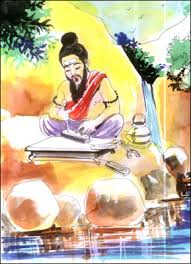
தொல்காப்பியர்

கார்த்திகைதீபத் திருவிழா மிகப்பழமையான திருவிழாவாகும். கார்த்திகைத் திங்களில் கார்த்திகை நட்சத்திரத்தன்று பௌர்ணமி தினத்தில் ஏற்றப்படும் தீபத்திருவிளக்கைப்பற்றித் தொல்காப்பியத்தில் குறிப்பிடப் பட்டுள்ளது. சங்கம் மருவிய கால இலக்கியமான கார்நாற்பதில் காணும்

நலமிகு கார்த்திகை நாட்டவரிட்ட

     தலைநாள்  விளக்கின் தகையுடையவாகி

     புலமெலாம் பூத்தன தோன்றி சிலமொழி

     தூதொடு வந்த மழை

எனும் இந்தப் பாடல் கார்த்திகைத் திருநாளில் ஏற்றப்படும் தீபத்தினைக் குறிக்கின்றது.

‘கார்கால விழாக்களில் ஒன்றான கார்த்திகைதீபத் திருநாளில் மக்கள் ஏற்றி வைத்துள்ள முந்தைய நாளின் விளக்குகளைப்போன்று தோன்றி, மலர்கள் அழகாகப் பூத்துள்ளன. தலைவனின் வருகையை அறிவிக்கும் தூதனாக மழை வந்துள்ளது,’ என்பது பொருள்.

இதேபோன்று களவழிநாற்பதிலும் போர்க்களக் காட்சிகளை வர்ணிக்கும்போது, ‘போரிடும் வீரர்களின் உடலிலிருந்து பெருகும் குருதியானது கார்த்திகைத் திருவிழாவில் கூட்டம்கூட்டமாக ஏற்றப்பட்ட விளக்குகளைப்போலக் காட்சியளிக்கின்றது,’ என்கிறார் புலவர்.

கார்த்திகைச் சாற்றில் கழிவிளக்குப் போன்றனவே.’

(சாறு- திருவிழா; கழி- கூட்டம்)

இத்தகையதொரு பழமையான திருவிழாவைக் கொண்டாடும் போதில், இதைப்பற்றி  மிகவும் நயம்பட தமிழ்ச்சுவை நிரம்ப எழுதப்பட்டதொரு நூலினை நாம் கட்டாயம் அறிந்துகொள்ளவேண்டும். சோணாசலம், சோணகிரி எனும் பழம்பெருநகரமாகிய திருவண்ணாமலையில் உறையும் இறைவனின் புகழாக சோணாசல முதலியார் (பாரதியார்) எனும் பெரும்புலமை வாய்ந்த பக்தர்கார்த்திகைத் தீபவெண்பாஎனும் நூறுபாடல்கள்கொண்ட நூலினை இயற்றியுள்ளார். இப்பாடல்கள் அனைத்திலும் ஈசனின் திருவிளையாடல் பற்றிய தொன்மங்களையும், அவன் மகிமைகளையும்பற்றிக் கூறி, அவனையே திருக்கார்த்திகைத் தீபம் என இனிதாக வர்ணனைசெய்துள்ளார்.

‘திருவண்ணாமலை அன்பர் தபோதனரை வாவென்று அழைக்கும் மலை’ எனப்படும். அருணாசலத்தின் பெருமை பக்தர்களையும் புலவர்களையும் மிகவும் கவர்ந்துள்ளது எனலாம்.  இதனால்தானோ என்னவோ இம்மலையில் தங்கியிருந்தவர்கள் நூற்றுக்கணக்கான பாடல்களை இயற்றினர்.  இதனாலேயே குரு நமச்சிவாய சுவாமிகள்,

நண்பாக் குகையில் நமச்சிவா யன்கருத்தில்

வெண்பாப் பயிராய் விளையுமலை,’

எனக்கூறினார்.

karthikaideepam1

திருவண்ணாமலையில் வெண்பாவே பயிராக விளைகிறது என்றார். இம்மலையில் தங்கி வாழ்ந்தவர்களுள் ஒருவரே சோணாசல பாரதியார்.

கார்த்திகைதீப ஒளியைக் கற்பனை நயம்படக் கூறுவது மிகவும் ரசிக்கத்தக்கதாகும். பொருளும், நயமும், கருத்தாழமும் செறிந்த பாடல்கள் இவை. கார்த்திகைதீபக் காட்சியை பல்வேறு விதங்களில் பகிர்கின்றது கார்த்திகைத்தீபவெண்பா. உதாரணமாக ஒரு வெண்பா,

கற்றலுடன் கேட்டுணர்ந்து காதலுடன் சிந்தித்தோர்க்(கு)

உற்றதுணையாய் உறுதீபம்சொற்றகதிக்(கு)

ஏணிநிகர் சோணகிரி ஏர்முடிமேல் அஞ்சலெனும்

பணிநிகர் கார்த்திகைத் தீபம். (43)

என்கின்றது.

கற்று, கேட்டு, இறைவன் பெருமைகளை உணர்ந்து அன்புடன் வழிபடுவோருக்கு, அவனே அத்தீபம்போல உறுதுணையாய் நிற்கின்றான். சோணகிரியின் அழகிய உச்சியில் அஞ்சேல் என அபயமளித்தபடி கார்த்திகைத் தீபமாக விளங்குகிறான் ஈசன். அண்ணாமலையே ஈசன் – அவனே கார்த்திகைத் திருத்தீபம்.  எத்தனை உண்மை பொதிந்த சொற்கள்!

சோணாசல பாரதியார் காலம் 1858- 1925 ஆகும்.

முதற்பாடல் அயனும் திருமாலும் இறைவனது அடிமுடியைத் தேடிய நிகழ்வை அழகுறச் சித்தரித்து, நூலின் முதற்பாடலாக அமைந்துள்ளது.

கங்கையணிதீபம் கற்பூர தீபமலை

மங்கையொருபங்கில் வளர்தீபம்பங்கயன்மால்

விண்பாரு நேடும்வண மேவியவண்ணாமலையிற்

பண்பாருங் கார்த்திகைத்தீ பம். (1)

கங்கையணிந்தவனும் மலைமங்கையின் பங்கில் வளர்வதுமான தீபம்; ஈண்டு தீபம் எனும் சொல் இறைவன் எனும் சொல்லாக ஆளப்பட்டுள்ளது. நூல் முழுமையுமே இவ்வண்ணமே சொல்லாட்சியைக் காண்கிறோம்.
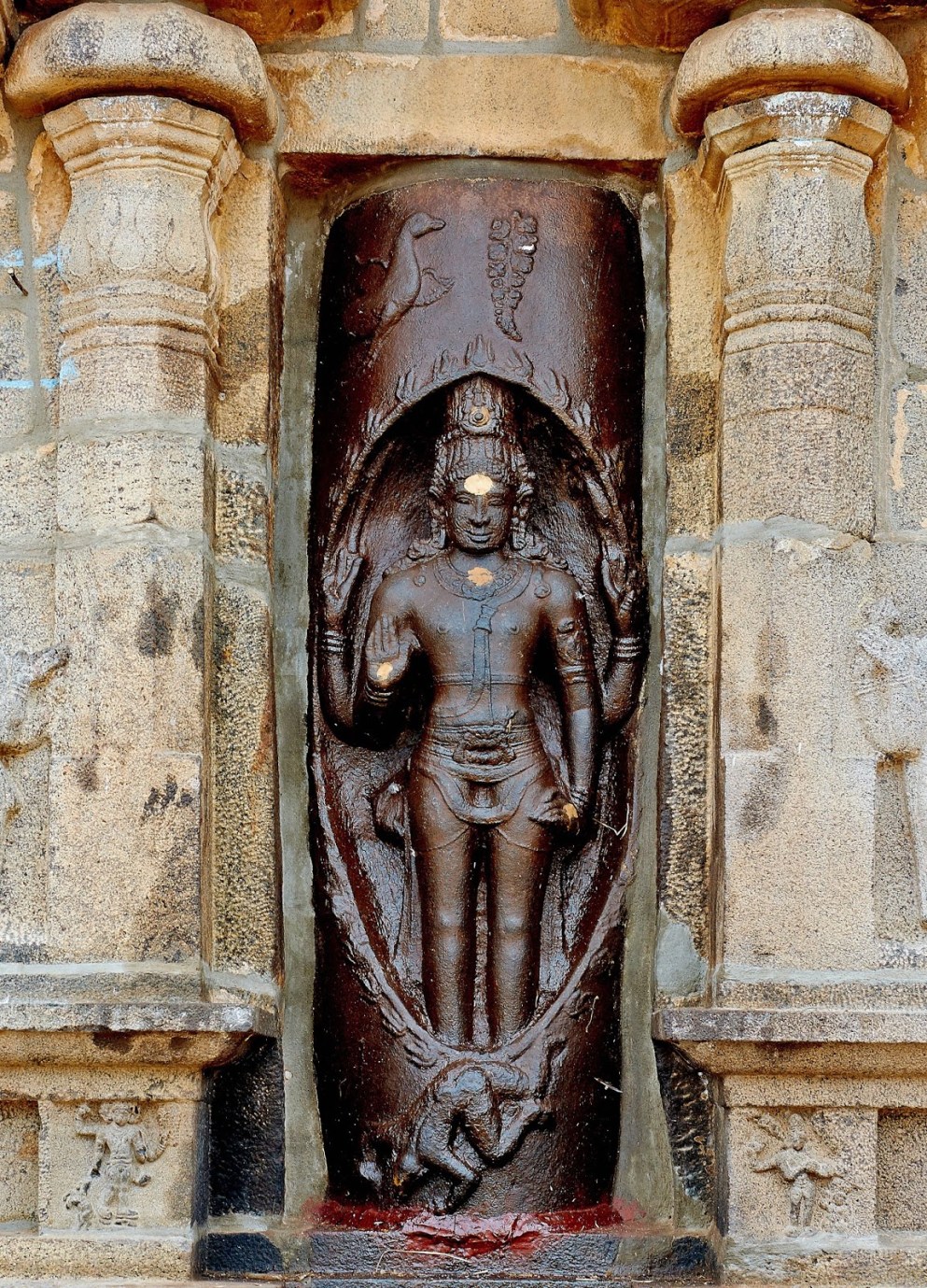
அரியும், அயனும் அய்யன் அடிமுடி தேடல்

இன்னொருபாடலில் மதுரை வீதியில் இறைவன் வளையல் வியாபாரியாகச் சென்ற கதை கூறப்படுகின்றது.

பந்துமுலைப் பாவையர்க்காம் பாங்காரும்கூடலிலே

வந்து வளையல் விற்ற மாதீபம்கொது

மலர் மலியும் சோணமலைத் தீபம் போற்றிப்

பலர் மலியும் கார்த்திகைத் தீபம். (4)

கற்பிற்சிறந்த மனையாளொடு வாழ்ந்த நீலகண்டரிடம், கொடுத்துவைத்த திருவோட்டைக் கவர்ந்து ,அவரை ஆட்கொண்ட கதை வேறொரு பாடலில் கூறப்படுகிறது. இங்கு அண்ணாமலையின் இயற்கைவளமும் அழகுற விளக்கப்படுகின்றது: ஆடுகின்ற மயில்களின் ஆட்டத்திற்கொப்ப வண்டினம் இசை பாடும்;  அத்தகு அருணைமலையின்மீது ஒளிரும் கார்த்திகைதீபம் என்று ஈசனை ஏத்துகிறார்.

நீடுகற்பி னாளுடன்வாழ் நீலகண்டர் தம்மிடம்வந்

தோடுகவர்ந்த தாண்ட வொருதீபமாடுமயிற்

கொக்கவிசைவண்டினம்பாடோங் கருணைவெற்பின்மிசைப்

பகீகமிகுங் கார்த்திகைத்தீ பம். (7)

இறைவனை உண்டென்று கூறும் நல்மனத்தோருக்கு உள்ளதாகவும், இல்லை எனும் கள்ளமனத்தோர்க்கு இல்லையென்பதாகவும் ஆகிவிளங்கும் தீபவடிவானவன். சடைமுடிகொண்டு அருணாசலத்தில் திகழும் கார்த்திகைத்தீபம்.

சிவன் மதுரையில் வளையல் விற்ற திருவிளையாடல்

உள்ளதென்னு நல்லோர்கட் குள்ளதா வில்லதெனுங்

கள்ளமனத் தோர்க்கின்பதாக் காண்தீபம்வெள்ளமதி

மேவுசடைத் தீபம் வியன்கொளரு ணாசலத்திற்

பாவுபுகழ்க் கார்த்திகைத்தீ பம். (13)

இப்பாடல்களில் இடையிடையே தொன்மங்கள் (அயனும் மாலும் அடிமுடி தேடியது, நீலகண்ட நாயனாருக்கு அருளியது, வளையல் விற்றது) பின் இறைவனின் கருணை, அவன் அடியார்களுக்கருளும் முறைமை இவற்றினையும் கூறி, நமது இருவினைகளும் ஒழிய அவனை ஏத்துவதால் விளையும் இன்பம், ஆனந்தம் ஆகிய இவற்றை, அருணையின் இயற்கைவளத்தினோடும் கலந்து விரவி, அழகான கதம்ப மலர்மாலையாக இவ்வெண்பா நூல் அழகுற விளங்குவது மிகுந்த வியப்பினை உண்டுபண்ணுகின்றது.

‘அவனைப் போற்றுவோர்க்கருளும் புண்ணிய தீபம்;  நாம்செய்த வினைகளுக்கு மாற்றுமருந்தான மணித்தீபம்;  வேதங்கள் போற்றுவதும் எண்ணுதற்கரியதுமான சோணமலையில் உயர்ந்து ஓங்கிவளர்ந்து காணும் தீபம்;  புகழ்வதற்கும் சொற்களற்ற அரியதான கார்த்திகைத் தீபம்,’ என்கிறார்.

போற்றுமடி யார்க்கருளும் புண்ணியதீ பம்வினையை

மாற்றுமருந் தாகு மணித்தீபஞ்சாற்றுமறை

யுன்னரிய சோணமலை யோங்கிவள ருந்தீபம்

பன்னரிய கார்த்திகைத்தீ பம்.  (15)

திருநீலகண்ட நாயனாருக்கு மீண்டும் இளமையளித்தல்

இடையே ஒரு திருவிளையாடல் கதை:
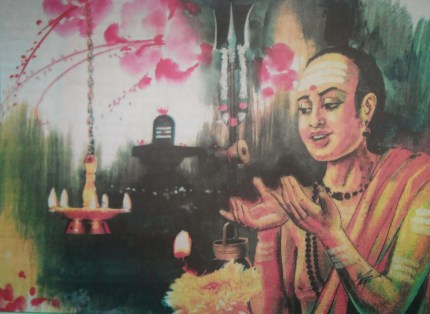
பாணபத்திரர்

மதுரையின் ஆஸ்தான பாடகனான பாணபத்திரனுக்குச் சத்துருவாக வந்த ஏமநாதன் எனும் வடக்கத்திப் பாடகனை, அவன் நாணமுற்று ஓடுமாறு தான் பாடியருளிய தீபம்;  அயனும் அரியும் காணாத அண்ணாமலையில் மாந்தர் செய்தவத்தின் பயனாய் விளங்கும் கார்த்திகைதீபம்.

பாணனுக்கோர் சத்துருவாம்பாடகனைக் கூடலிலே

நாணமுற்றோ டப்பாடு நற்றீபம்பேணி

அயனுமரி யும்காணா அண்ணாமலையிற்

பயனுருவாங் கார்த்திகைத்தீ பம். (23)

நமது அறியாமைதனைப் போக்கியருளும் தீபம்; போக்கியது மட்டுமின்றி, ஆனந்தமயமாகிய மெய்ஞானத்தினை நமக்குக் காட்டியபடி மிளிர்கின்ற தீபம்: சோணகிரி சித்தர்கள் நிறைந்த மலை. அச்சித்தர் பெருமக்கள் மகிழும் வண்ணம்  ஒளிரும் சோணகிரித் தீபம்; பணிந்து வணங்கும் பக்தர்கள் மகிழும் கார்த்திகைத் தீபம்,” என்கிறார்.

அஞ்ஞானம் போக்கி யருடீபமானந்த

மெய்ஞ்ஞானங் காட்டி மிளிர்தீபம்எஞ்ஞான்றுஞ்

சித்தர்மகிழ் சோணக்கிரித்தீபம் பணிந்தேத்தும்

பத்தர்மகிழ் கார்த்திகைத்தீ பம். (27)

‘அடியார்களின் பிறவிப்பிணியைத்தீர்க்கும் தீபம்; செய்த கொடிய கர்மவினைகளைப் போக்கியருளும் தீபம்; மன்மதனை அங்கமிலாத அனங்கனாக்கிய ஈசனெனும் தீபம்; அண்ணாமலைத் தீபம்; குறையொன்றுமில்லாத திருக்கார்த்திகைத்தீபம்.’

சென்மப் பிணிதீர்க்குந் தீபமடி யார்செய்கொடுங்

கன்மவினை போக்குங் கனதீபமன்பதனை

அங்கமிலா தாக்கியரு ளண்ணா மலைத்தீபம்

பங்கமிலாக் கார்த்திகைத்தீ பம். (31)

இரு குழந்தைக் கடவுள்களைத் தந்தருளிய தீபம்; கந்தன் ஒருவன்; இன்னொருவன் காரானை மாமுகத்து தந்தம்கொண்ட வேழமுகத்து கணபதி.  எம்மை என்றென்றும் கண்களால் நோக்கி அருள்புரியும் சோணமலைத் தீபம்;  தொழும் அன்பர்களுக்கு நல்வாழ்வுதரும் கார்த்திகைத் தீபம்.

கந்தனையு ஞானமதக் காரானை மாமுகத்தோர்

தந்தனையுஞ் சேயாத் தருதீபமெந்தமைக்க

ணோக்கியருள் சோணமலை நோன்றீப மன்பருக்குப்

பாக்கிமாங் கார்த்திகைத்தீ பம். (39)

இசைப்பண்ணுடன் தேவாரம் பாடியருளிய மூவரான சுந்தரர், திருஞானசம்பந்தர், திருநாவுக்கரசர் ஆகியோருக்கு இமவான்மகளான பார்வதியுடன் தோன்றித் தரிசனம்தரும் தீபம்.  விண்ணளாவப் பொருந்த ஆகாயத்திற்கும் பூமிக்குமாக நிற்கும் அண்ணாமலையைப்போல் ஓங்கிவிளங்கும் கருணைகொண்ட கார்த்திகைத் தீபம்.

பண்ணுடனே தேவாரம் பாடுமு வர்க்கிமவான்

பெண்ணுடனே தோன்றும் பெருந்தீபம்விண்ணுடனே

சேரமலை வான்புவிக்காச் செல்வதுபோ லோங்கருணைப்

பாரமலைக் கார்த்திகைத்தீ பம். (43)

அகந்தைகொண்ட தாருகாவனத்து முனிவர்கள் தன்மீது ஏவிய வேங்கைதன்னைக் கூரான தனது நகத்தினாலுரித்துத் தோலினை அணிந்துகொண்ட தெய்வம். ஓங்கி உயர்ந்த மேருமலை, மேலும் எட்டுத்திக்குகளிலும் உயர்ந்த மற்றமலைகளினும் உயர்ந்து, அருணையில் பாங்குடன் ஒளிரும் கார்த்திகைத் தீபம்.

தாருவன மாதவர்க டாம்விடுத்த வேங்கைதனை

கூருகிரினா லுரித்துக் கொள்தீபமேருமுக

லோங்குமலை யெட்டினுமிக் கோங்குமருணாசலத்திற்

பாங்குமலி கார்த்திகைத் தீபம். (52)

இடையிடையே  திருவிளையாடல் புராணத்தினின்றும் கதைகளை இணைத்துப் பாடியுள்ளார் சோணாசல பாரதியார்.

நன்மைகளைச் செய்துவந்தவளான பொன்னனையாள் எனும் பெண் குடியிருந்த திருப்பூவணம் எனும் ஊரில் ரசவாத வித்தையைச் செய்த தீபம்;  வழிப்போக்கர்கள் எவ்வாறு தம் வண்டிமாடுகளை இச்சோணகிரியில் இளைப்பாற்றிக்கொண்டனர் எனப் பாங்குற விவரிக்கிறார்.  சோணமலையில் அழகிய சுனைகள் – அவற்றில் வண்டிமாடுகளையும் கன்றுகளையும் நீரருந்தி இளைப்பாறச்செய்து போகும்படி அருளும் கார்த்திகைத்தீபம்.
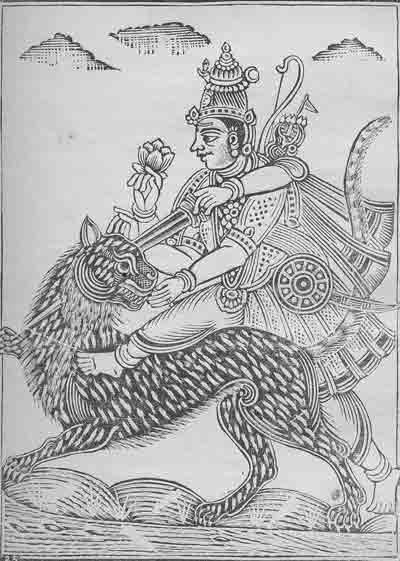
நன்றுபுரி பொன்னனையா னண்*ணுதிருப் பூவணத்திற்

சென்றுரச வாதமது செய்தீபங்கன்றுகளுக்

கம்பிடிகை யாலருத்தி யாடுசுனைச் சோணமலைப்

பம்பிவளர் கார்த்திகைத் தீபம். (53)

ஞானசம்பந்தப் பெருமானுக்கு முத்துச் சிவிகையும் சின்னமும் அளித்த தீபம்.

செந்நெல் விளையும் கழனிகள் சூழ்ந்த அருணாசலமலைமீது ஒளிரும் பழநிமலைக் கார்த்திகைத்தீபம். இங்கு பழனிமலை முருகன் அண்ணலின் மைந்தனானதால் அவனையும் குறிப்பிட்டாரோ?

பன்னருஞ்சம் பந்தருக்குப் பத்தருநற் பல்லக்குஞ்

சின்னமுமுத் தாலளித்த சீர்த்தீபஞ்செந்நெற்

கழனிபுடை சூழருணைக் காமர்மலை மீது

பழநிமலைக் கார்த்திகைத்தீ பம். (63)

கல்லால மரத்தடியில் சின்முத்திரைகாட்டி, நான்கு முனிவர்களுக்கும் மௌனத்தால் பொருளுணர்த்தும் தீபம்.  கொல்லாவிரதத்தினைக் கைக்கொண்டு தென்னருணாசலத்தில் உறையும் தொண்டர்கள் உள்ளத்தில் ஆனந்த நடனமிடும்  கார்த்திகைத்தீபம்.

கல்லா லடியிற் கரங்காட்டி நல்வருங்குஞ்

சொல்லா லுணர்த்துஞ் சுபதீபங்கொல்லா

விரதமொடு தென்னருணை மேவினருள் ளத்திற்

பரதமிடுங் கார்த்திகைத்தீ பம். (85)

அடுத்த பாடல் அத்தனின் அழகு வர்ணனையுடன் அவனாகவே நிற்கும் அருணாசலமலையையும் ஏற்றுகின்றது. பாம்புகளை ஆபரணங்களாக அணிந்த தீபம்;  பத்திநெறிகொண்டு வாழ்வோர்கள்  ஏத்தி வழிபடும் தீபம்; தனித்துவிளங்கும் தீபம். அல்லிமலர்கள் பொலியும் நீர்நிலைகளைக் கொண்டுள்ள அருணையில் வாழ்கின்ற கற்பகத்தருவாகிய கார்த்திகைத்தீபம்

பாம்பணியுந் தீபம் பத்திநெ றிசேரடியார்

தாம்பணியுந் தீபந் தனித்தீபமாம்பல்

விகசிக்கும் வாவி மிளிரருணை வாழ்கற்

பகமொக்குங் கார்த்திகைத்தீ பம். (91)

தனது பாதமெனும் தாமரைகளை நாளும் தொழும் அடியவர்க்கு ஆதாரமாக விளங்கி அருளுகின்றதீபம்.  மலர்கள் நிறைந்து விளங்கும் தேன்மிகுந்த சோலைகள் கொண்ட அருணைமலையின் கண்ணும் என் உள்ளத்திலும் வாழும் கார்த்திகைத்தீபம்.

பாதார விந்தம் பரவுந் தொழும்பருக்கோ

ராதார மாகி யருடீபம்போதாருங்

கொங்கிலங்குஞ் சோலை குலவருணை வெற்பினுமென்

பங்கினும்வாழ் கார்த்திகைத்தீ பம். (94)

நல்ல சிந்தனைகளைத் தரும் தீபம்;  நன்மக்களையும் (புத்திர சம்பத்து) மேலும் சித்திகளையும் தரும் தீபம்; சிவதீபம்; அன்னை சக்தியாம் உண்ணாமுலைக்கு உயிராகி, சோணமலையில் ஓங்கி வளரும் ஞானப்பயிராக நிற்கும் கார்த்திகைத்தீபம்.

புத்திதருந் தீபநல்ல புத்திரசம் பத்துமுதல்

சித்திதருந் தீபஞ்சிவதீபஞ்சத்திக்

குயிராகுஞ் சோணமலை யோங்கிவளர் ஞானப்

பயிராகுங் கார்த்திகைத்தீ பம். (100)

இந்தக் கடைசி வெண்பாவில்தான் சிவதீபம் எனும் சொல்லைக் காண்கிறோம். மற்றபடி சிவபிரானே அத்தீபம்; தெய்வம் எனக்கொண்டே இந்நூல் முழுமையும் பாடப்பட்டுள்ளது.

ஒவ்வொரு வெண்பாவிலும் தீபம் எனும் சொல் இரண்டு, மூன்று, நான்கு அல்லது ஐந்து முறை பயன்படுத்தப்பட்டுள்ளது. இதன் உள்ளுறைப் பொருள் தீபங்களுக்கு இடப்படும் திரிகளின் முகங்களோ என எண்ண இடமுள்ளது.  தெரிந்த புலவர் பெருமக்கள் யாரேனும் விளக்கியருளலாம்.

விளக்கினை ஏற்றி வெளியை அறிமின்

விளக்கின் முன்னே வேதனை மாறும்

விளக்கினை விளக்கும் விளக்குடையார்கள்

விளக்கிடின் விளங்கும் விளக்கவர் தாமே. (திருமந்திரம்)

தீபத்தின்முன் அதன் ஒளியில் நமது கவலைகள் மாறும்; பாவங்கள் அழியும். மனம் ஈசனிடம் ஒருமைப்படும். இத்தகைய விளக்கத்தினை அருளிய பெரியார்கள் நமக்கு வழிகாட்டும் விளக்கினைப் போன்றவர்களே!

தென்னாடுடைய சிவனே போற்றி;  என்னாட்டவர்க்கும் இறைவா போற்றி.

திருச்சிற்றம்பலம்.

Source………

    http://www.tamilhindu.com/
Natarajan