Meet Narasamma…97 years…Padma Awardee from Karnataka ….Who help delivering babies for 70 years ….

When Narasamma helped deliver the very first child in 1940, the mother told her that her hands were ‘special’.

It was the year 1940. Narasamma was only 20 years old when she helped bring the first baby into the world. This child was her aunt’s. And even as an overwhelmed Narasamma took on the role of a midwife for the very first time, little did she know that what she would one day win a national honour for it.

‘Sulagatti’ Narasamma has been delivering babies for 70 years in backward areas of Tumkur district in Karnataka. And her life-long services to women whose children she helped deliver without taking a penny were finally recognised – she was honoured with a Padma Shri on Thursday.

Narasamma, now 97, is currently admitted at a nursing home for treatment.

TNM spoke to Sriram Pavagada, one of Narasamma’s 12 children. He says that Narasamma would always observe her grandmother Margamma deliver babies, when she was a child.

“Margamma herself was locally famous in Tumkur for delivering babies around 70 years ago. When she delivered her aunt’s child – her first – her aunt remarked ‘Narsu, your hands are special’. That was the start,” Sriram narrates.

Encouraged by her grandmother and aunt, Narasamma began delivering babies and soon became the go-to person in Pavagada for pregnant women.

Narsamma delivered babies free of cost at a time hospitals and roads were unheard of in Pavagada. It earned the moniker ‘Sulagatti’ Narasamma – sulagatti in Kannada means ‘delivery work’.

“Even now, though there are hospitals, many people don’t like to go there. Instead, they prefer Narsamma since they know her,” says Sriram.

People’s immense faith in Narasamma and her ways has seen her deliver over 1,500 babies in the last 77 years. And until a few years ago, she did this apart from agricultural work. “If you ask her, she will say I don’t have a count since she has been doing it all her life,” Sriram says with fondness.

Midwives were an integral part of rural life in Tumkur until technological innovations in medicine reached there. The introduction of hospitals contributed to the gradual fall in the prominence of women who help during childbirth.

The Padma Shri award has brought Narasamma’s work into limelight once again, and her son hopes that there is a greater interest in taking her work forward.

Narasamma’s work is now being continued by close to 180 pupils who learnt the traditional way of delivering babies from her. This includes her youngest daughter Jayamma who is now an experienced midwife.

Though he doesn’t remember when, Sriram says that his mother has also been conferred an honorary doctorate by Tumkur University.

Source…Prajwal Bhat in www. the news  minute .com

Natarajan


For the love of art: Meet the Vizag man who makes beautiful sculptures using paper…

The word sculptor usually brings to mind a man busy chiselling away on metal or plaster, but Moka Satish Kumar, a Visakhapatnam-based artist, plans to change that perception.

Completely self-taught, Satish began with small subjects like birds and insects before gradually moving on to exotic sculptures.

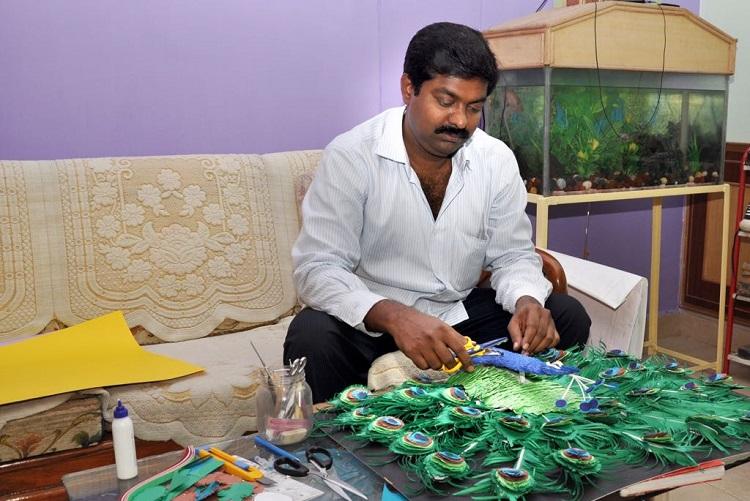
A paper sculptor, Satish is gaining recognition for intricate sculptures carved by him using nothing but paper.

Born, raised and educated in Visakhapatnam, Satish has been sculpting these three-dimensional sculptures for close to 12 years now.

“I come from a commerce background and have no formal training in the arts field. It all started when I began observing paper collages. I was drawn to the subtle way in which light and dark colour paper are assembled to create an image,” says Satish, who used to work in the private sector.

“However, with sculptures, it’s far more realistic as the effect of a shadow is created by the subject itself,” he adds.

Since Satish is completely self-taught, he began with small subjects like birds and insects before gradually moving on to some exotic sculptures. Here are a few examples.


The outline of the art is first drawn on the paper before Satish cuts them out and gets to work. The sculptures are made using a combination of cutting, folding and embossing techniques.

“Embossing is nothing but adding an extra layer on top of a paper to give it a certain finish and 3D effect. For example, the finish you find on wedding cards is from preset designs, which are pressed onto the card,” Satish explains.

“However, I do it manually to ensure that the final product is smooth. The paper should also be handled with care as it is generally a delicate thing,” he adds.

Meticulous effort

Making a sculpture is not easy work, as even a basic 2×2 feet portrait can take up to 250 hours, says Satish.

“The sculptures are also expensive for the same reason. Only those who put in the hard work will understand. No corrections can be made to the art work… even a minor mistake means that the sculptor has to start over again,” Satish says.

While paper sculpting is relatively more common in western countries, very few Indians indulge in the art form. Therefore, Satish has also opened an institute and is presently teaching three students in his workshop.

“I also need labour. I can’t mass produce these sculptures, so I’m working on teaching it to more people. I also plan to approach the Andhra Pradesh government with my work,” he says.

Source…Nitin.B. in http://www.the news  minute.com

Natarajan


98 வயதில் பத்மஸ்ரீ விருது!- நானம்மாள் பாட்டியின் அர்ப்பணிப்புக்கு கிடைத்த அங்கீகாரம்.

Coimbatore: 

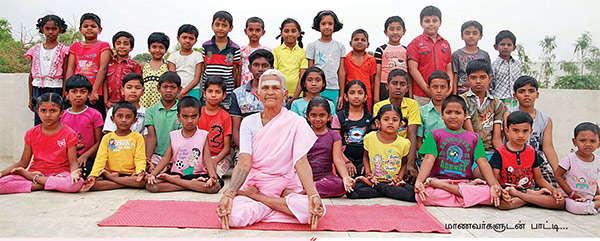
98 வயதிலும் ஓய்ந்துவிடாமல் யோகா கற்பித்துவரும் கோவையைச் சேர்ந்த நானம்மாள் பாட்டிக்கு மத்திய அரசு இந்த ஆண்டின் பத்மஸ்ரீ விருது அறிவித்துள்ளது கோவை மக்களிடையே மகிழ்ச்சியை ஏற்படுத்தியுள்ளது.

கோவை கணபதியைச் சேர்ந்தவர் நானம்மாள். எட்டு வயதாக இருக்கும் போது தன்னுடைய தந்தையிடமிருந்து யோகா கற்றுக்கொண்ட நானம்மாள் அன்றிலிருந்து இன்றுவரை 90 வருடங்களாக தன் யோகா பயணத்தைத் தொடர்ந்து வருகிறார். இதுவரைக்கும் சுமார் பத்து லட்சம் பேருக்கு யோகாசனம் கற்றுக்கொடுத்துள்ளவர், 600-க்கும் மேற்பட்ட யோகா ஆசிரியர்களை உருவாக்கியுள்ளார். இதில் 36 பேர் அவருடைய குடும்பத்தைச் சார்ந்தவர்களே என்பது சுவாரஸ்யத் தகவல். அவர்கள் அனைவரும் இப்போது உலகின் பல்வேறு நாடுகளில் யோகா கற்பித்து வருகிறார்கள்.

யோகா பயில ஆரம்பித்ததிலிருந்து இப்போது வரை நாள் தவறாமல் யோகாசனம்  செய்துவரும்  நானம்மாள் ஒருநாள்கூட உடல்நிலை சரி இல்லையென்று முடங்கியது கிடையாது. மருத்துவமனை பக்கமே சென்றது கிடையாது. அந்த அளவுக்கு வலுவான உடலையும், மனதையும் யோகாவால் பெற்றிருப்பதாகச் சொல்கிறார் நானாம்மாள்.

காலையில் வேப்பங்குச்சியில் பல்துலக்கி பொழுதை ஆரம்பிக்கும் நானம்மாள், ராகி, கம்பு, மக்காச்சோளம், பாசிப்பயிறு, வரகு, தினை, கோதுமை, சிவப்பு அரிசி, தானியங்கள் என்று ஏதாவதொன்றை வறுத்து அரைத்த மாவில் காய்ச்சிய கூழில் மோர், உப்பு சேர்த்துக் குடிக்கிறார். மதியத்துக்கு சாதம், காய்கறிகள், கீரை, அவற்றோடு கொஞ்சம் மோர் சேர்த்துக்கொள்கிறார். இரவில் ஒரு டம்ளர் பால், ரெண்டு வாழைப்பழம்’ இதுதான் நானம்மாள் பாட்டியின் உணவுப்பட்டியல். காபி, டீயைத் தடைபோட்டிருக்கும் நானம்மாள், கருப்பட்டி கலந்த சுக்குக் காபியைத்தான் குடிக்கிறாராம்.

வீடுமுழுக்க விருதுகளை வாங்கிக் குவித்து வைத்திருக்கும் நானம்மாள் ஏற்கெனவே குடியரசுத் தலைவரிடம் பெண் சக்தி விருதை பெற்றிருக்கிறார். அவருக்கு இப்போது மத்திய அரசு பத்மஸ்ரீ விருதை அறிவித்து பெருமைப்படுத்தியுள்ளது.

Source…. M.Punniya Murthy  in http://www.vikatan.com

Natarajan

World’s busiest air route is right here in India!…

In 2017 only the Jeju-Seoul Gimpo route (with over 64,991 flights) and Melbourne-Sydney (54,519 departures and arrivals) were busier than Mumbai-Delhi.

It is the third-busiest air route in the world, with as many as 47,500 departures and landings last year.

Yet despite reaching this position, the Mumbai-Delhi route could face serious challenges in sustaining or improving it this year.

The reason? Hardly any additional capacity is now available at Mumbai airport to deploy more flights on this route.

But with the demand growing by 10-12 per cent annually, and with no possibility of adding more flights, flyers will soon face a hike in air fares this year.

According to OAG, an air travel intelligence firm based in the UK, the Mumbai-Delhi air route was the third-busiest in the world last year, with an average of 130 flights between the two cities every day.

In 2016, India was number six in the pecking order of the busiest routes, and this calculation was based on the capacity deployed on the route one way.

In 2017 only the Jeju-Seoul Gimpo route (with over 64,991 flights) and Melbourne-Sydney (54,519 departures and arrivals) were busier than Mumbai-Delhi.

Airlines say the route makes up about 10 per cent of their capacity and revenues, making it by far the biggest market.

And, at an average passenger load factor on this route of 80-90 per cent, this is a lucrative route, on which the demand is growing.

It also reflects the skew that these two markets have in the aviation business in the country as it constitutes more than 35 per cent of the domestic traffic.

Over 10,000 passengers depart every day from Mumbai for Delhi and vice versa and 70 per cent of them are corporate travellers, and this makes the situation even worse as they travel only during the peak hours (6am-8am and 5pm to 7pm).

That is why IndiGo and Jet Airways, each of which has 17 departures from Mumbai, top the list, followed by Air India (11), Vistara (10), GoAir (7), and SpiceJet (4). Yet the writing is on the wall. While most airlines are pushing for more capacity on the route, none is available.

Says a senior executive of a leading airline: “If slots are available, we can achieve a growth rate of 10-12 per cent on this route every year.

“But as slots are not available, the only possibility is to deploy bigger planes. But everyone does not have that flexibility, especially the LCCs. What you will see is fare increases”.

Last year, for instance, only Vistara and IndiGo were given additional slots on the route.

According to estimates of the Centre for Asia Pacific Aviation, the airport, which has a maximum capacity of 50-52 million per annum, is handling 46-50 departures an hour, which pretty close to the global best of around 55.

Currently the airport handles over 45 million passengers a year.

The agency says that the airport would reach its full capacity either by FY18 and surely by 2019, which makes the development of the new airport in Navi Mumbai so important.

Source…www.rediff.com

Natarajan