Hiding in plain sight; Rangoli, Kolam designs and what they mean…


Every day, my mother religiously performed a ritual. Rain or shine, she never skipped this ritual even for a day. Every day, she drew enchanting kolam patterns using rice flour.
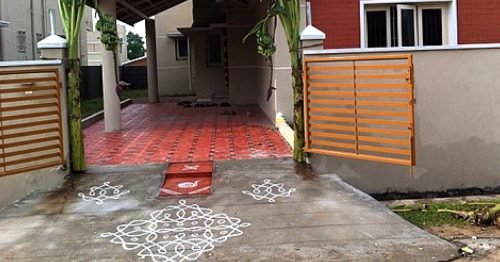
On special occasions, the white kolam designs were made with wet rice flour paste accompanied by thick strips of earth colored borders made with red sand mixed with water.

My mother is proud of her kolam design skills. She is not alone. It seems no self-respecting South Indian woman will tolerate anyone questioning her ability to conjure up kolam designs at will.

Millions of women from different communities in South India practice this art form every day.

For over 38 years, I considered Kolam to be just another ritual among the long list of rituals Indian women seem to follow. However, when I decided to dig deeper to understand the significance of kolam designs, I was surprised at what I discovered.

The threshold is a key concept in Tamilian culture. Even historical Tamil literature such as the Sangam literature (Tamil literature in the period spanning 300BC to 300 CE) is divided into the akam (inner field) and the puram (outer field).

That’s not all.

In one of Nammalvar’s (the fifth among the 12 Alwar saints who espoused Vaishnavism) hymns, the God in the poem is the God of the threshold. Of course, every newly married bride formally becomes a part of the household when she steps overs the threshold.

Should we then conclude that kolam designs are a celebration of the threshold?

Different interpretations of the significance of kolam designs

Here are a few explanations I came across in my quest to unearth the real significance of the kolam ritual.

The most common understanding has been that the idea of using rice flour is to provide food to ants, insects and small birds.

If that is the case, what’s stopping men from participating in this noble deed?

While I did not find an answer, a common sense reasoning is that women have traditionally carried the burden of maintaining the home and the kolam ritual automatically became a part of the woman’s domain.

That’s also a reason why my mother and my aunts believe that women see it as a key ritual that helps them improve their concentration and patience, two key components needed to run a household!

Here is another interpretation recorded in Lance Nelson’s study of Kolam.

“Bhumi Devi [earth goddess] is our mother. She is everyone’s source of existence. Nothing would exist without her. The entire world depends on her for sustenance and life. So, we draw the kolam first to remind ourselves of her. All day we walk on Bhumi Devi. All night we sleep on her. We spit on her. We poke her. We burden her. We do everything on her. We expect her to bear us and all the activities we do on her with endless patience. That is why we do the kolam.”

According to Devdutt Pattnaik, author and mythologist –

“A downward pointing triangle represented woman; an upward pointing triangle represented man. A circle represented nature while a square represented culture. A lotus represented the womb. A pentagram represented Venus and the five elements.”

Kolams connects the dots in more than one way.

Cultural practices are common across the length and breadth of India. They also transcend regions.

The concept of Kolam is definitely not unique to Tamil speaking community in India. For example, in the Telugu language, it is called ‘Muggulu’, and it’s known as ‘Rangoli’ in the Kannada language.

But the idea of drawing patterns on the ground transcends India and can be found in other cultures as well!

Anil Menon, a computer scientist, and a speculative novelist has compiled findings from his research on similar practices among cultures separated by oceans. Here are some tidbits from Menon’s work.

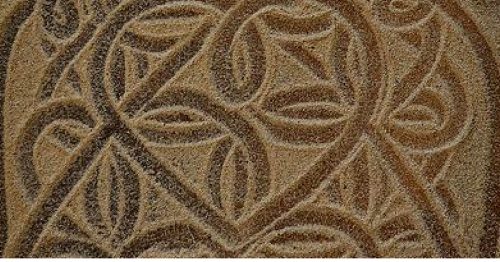
British anthropologist, John Layard, found that the patterns drawn on the sand by the tribal population of Malekula (an island that’s a part of The Republic of Vanuatu, situated 1000 miles east of Australia) are similar to the kolam patterns popular in Tamil Nadu!

Here is the proof.


There is also a possibility that kolam designs were an early form of pictorial language!

Dr Gift Siromani, through his path-breaking work, has proved that it is possible to create any kolam pattern using a combination of strokes.

Rituals and cultural practices are to be cherished

I did not think much of the kolam designs my mom drew every day. But a sudden spark of curiosity led me to unexpected findings and the joy of discovering human beings are connected to each other in more ways than we can imagine.

Physical boundaries, cultural differences, and racial definitions are just imaginary barriers we have erected over a period of time. Our lives are always connected just like the dots of the kolam my mom draws.

SOURCE….Srinivas Krishnaswamy in http://www.the betterindia.com

Natarajan

வாரம் ஒரு கவிதை ….” மழை நீர் போல …”


மழை நீர் போல …
——————–
வறண்டு கிடக்கும் பூமி …வானம் திறக்குமா கண் ?
மேலும் கீழும் பார்ப்பது உழவன் மட்டுமல்ல இன்று !
அடுக்கு மாடி கட்டிடக் குவியல் கூட்டில் குடி இருக்கும்
நகரத்துப் “பறவைகளும்” மழை தேடி வானிலை
அறிக்கையை காலையும் மாலையும் அலசும் அவலம் இன்று !
மழை நீரை முத்தமிட துடிக்கும்  வறண்ட பூமி நனையுது
மழை நீர் போல பெருகி வரும் உழவன் அவன் கண்ணீரில் !
குடிக்க நீர் இன்றி தவிக்கும் அடுக்கு மாடி “பறவைகள்”
வழி மேல் விழி வைத்து காத்திருக்குது  தினமும் ஒரு
லாரி தண்ணீருக்கு !
தண்ணீரும் பணமாக மாறும் காலம் இது ..மழை
நீர் சேமிப்பின் மதிப்பு உணராத மனிதன் கொடுக்கிறான்
நீருக்கு ஒரு விலை இன்று !
மழை வெள்ளம் வரும் நேரம் “இது என்ன பேய் மழை”
என்று அலறிய மனிதன் குரல் கேட்டு வானமும்
மனம் உடைந்து “கண்ணீர் ” விடவும் மறந்து போனதோ ?
தினம் தினம் தண்ணீர் தண்ணீர்  என்று மனிதன்
கண்ணீர் விட்டு என்ன பயன் இன்று ?
மாற வேண்டும்  மனிதன்… மாற்றி யோசிக்கவும்
வேண்டும் …வானமும் மகிழ்ந்து  தன் ஆனந்தக்
கண்ணீரால்  நனைக்க வேண்டும் இந்த பூமியை !
மனிதனுக்கும் புரிய வேண்டும்  எந்த நீர்
ஆனாலும்  மழை நீர் போல ஆகுமா  என்று !
Natarajan….
in http://www.dinamani.com dated  13th August 2017

A Newspaper Mistake that afforded Alfred Nobel to Read his own “obituary ” …!


THE NEWSPAPER ERROR THAT SPARKED THE NOBEL PRIZE

“The merchant of death is dead,” blasted a French newspaper in April 1888, bidding good riddance to Swedish inventor and arms manufacturer Alfred Nobel, who “became rich by finding ways to kill more people faster than ever before.” Pretty harsh words for an obituary, especially when its subject was still very much alive. But even if the rumors of his demise were greatly exaggerated, the inventor of dynamite was not about to let the details of his legacy be similarly blown out of proportion, and so Nobel set out to ensure that his name would forever be tied to humankind’s highest achievements, and not its destructive potential.

“Nobel was a torrent of ideas, a perpetual inventor,” writes Jay Nordlinger in Peace, They Say: A History of the Nobel Peace Prize. It was no accident. His father was an engineer and inventor who specialized in blowing things up, and whose undersea naval mines had been used by the Russians to keep the vaunted British navy from besieging St. Petersburg during the Crimean War of the 1850s. Born in 1833 in Stockholm, young Alfred never earned a degree or attended college, but in addition to absorbing his father’s explosive knowledge, he traveled widely, learned several languages and trained under a world-renowned chemist in Paris. At the age of 24 he obtained his first patent, the first of more than 350 he would earn in his lifetime.

Nobel’s biggest breakthroughs came when he successfully harnessed the destructive power of nitroglycerin, including in dynamite, his most famous invention, which facilitated canals, tunnels and other infrastructure projects. Nobel was also, says Nordlinger, a “genius businessman” and entrepreneur, who not only invented the products he sold but also directed their manufacturing and marketing. And he was a prolific writer and lifelong bachelor. “My only wish is to devote myself to my profession, to science,” he wrote in 1884. “I look upon all women — young and old — as disturbing invaders who steal my time.”

But the Swede’s single-minded devotion to his work paid off. He would eventually oversee more than 90 labs and factories operating in more than 20 countries around the world, and he spent most of his time traveling between them, prompting French writer Victor Hugo to label him “Europe’s wealthiest vagabond.” Nobel’s employees adored their vagabond chief, though, and his factories offered free medicine and medical care. In addition to his generosity, Nobel was known for his insatiability, once observing, “I have two advantages over competitors: Both moneymaking and praise leave me utterly unmoved.”

What moved him profoundly, however, was being pronounced dead and a merchant of death. The press had confused Alfred’s passing with that of his older brother Ludvig, who succumbed to tuberculosis in 1888. It was a regrettable mistake that nonetheless afforded Nobel the rare opportunity to read his own obituary. “It pained him so much he never forgot it,” says Kenne Fant in Alfred Nobel: A Biography, and the insatiable inventor “became so obsessed with his posthumous reputation” that he would not rest until he had crafted “a cause upon which no future obituary writer would be able to cast aspersions.”

Nobel, it should be noted, was in no way ashamed of his annihilative inventions, once remarking that “there is nothing in the world which cannot be misunderstood or abused.” He also happened to despise war, but knew that his creations would forever link him to what he called “the horror of horrors.” And so, without any children or immediate family upon whom to bestow his enormous fortune, Nobel thought a great deal about what to do with it, particularly in the years after his misreported demise.

Finally, on Nov. 27, 1895, the inspired inventor sat down at a desk in the Swedish-Norwegian Club in Paris and, in handwritten Swedish with no help from a lawyer, penned a four-page document that would become one of history’s most notable last will and testaments. In it, he left 31 million Swedish kroner (equivalent to about $250 million today), the bulk of his estate, to be invested and the interest from which given “in the form of prizes to those who, during the preceding year, shall have conferred the greatest benefit on mankind.” Four random gentlemen at the club were asked to witness the document, which now resides in a vault at the Nobel Foundation in Stockholm, and the rest is history.

When he died, for real, the following year, Nobel’s will shocked his disappointed relatives, as well as the Swedish royal family, upset that he would establish a valuable prize whose competition was open to everyone, not just Swedes. But the prolific inventor, resolute and innovative to the end, had gone out with a bang, and true to his wishes, the name Alfred Nobel, no longer linked to death and destruction, would forever be associated with progress, peace and the very best in human achievements.

Source…Input from a friend of mine

Natarajan

வாரம் ஒரு கவிதை …” கடல் பயணம் “


கடல் பயணம்
————-
தினம் தினம் கடல் பயணம் …திரவியம்
தேட  அல்ல … அலை கடலில் அவன்
அலைவது  அவன் வீட்டு  அடுப்பு எரிய !
மீனவன் அவனுக்கு தேவை கடல் மீன் !
விண்மீனை பிடிக்க பறக்கவில்லை  அவன் !
கடல் மீனை அவன் தேடி பிடிக்கையில்
அவனை துரத்தி மிரட்டி விரட்டுதே  ஒரு கூட்டம் !
இல்லை  இது உன் எல்லையில் என்று
தினம் தினம் அவனுக்கு தொல்லை !
பிழைப்பு தேடி கடல் நாடி ஓடும் அவன்
தினம் தினம் செத்துப் பிழைக்கிறானே !
என்று தீரும் அவன் அவலம் ?
கடல் பயணம் அவனுக்கு ஒரு சொகுசு
சுற்றுலா அல்ல … அவன் வாழ்க்கையின்
பயணமே  அந்த கடல் அலையோடுதான் !
மண்ணை நம்பும் விவசாயி ….கடலை
நம்பும் மீனவன் … இந்த இருவருக்கும்
பிறக்குமா ஒரு விடிவு  காலம் விரைவில் ?
Natarajan in http://www.dinamani.com dated 7th August 2017

வாரம் ஒரு கவிதை…” ஒரு புள்ளியில் தொடங்கிய பயணம் “


ஒரு புள்ளியில் தொடங்கிய பயணம் …
———————————
புள்ளியில் தொடங்குது ஒரு மனித வாழ்வு
அந்த சிறு புள்ளி பெரும் புள்ளி ஆகுமா ..
இல்லை அதன் குடும்பத்துக்கும் இந்த உலகுக்கும்
ஒரு கரும்புள்ளியா? …அது ஒரு கேள்விக்குறியே !
புள்ளியில் தொடங்கும் வாழ்க்கை பயணம்
அழகு புள்ளி கோலமாய் மிளிர்வது அந்த
பிள்ளையின் கையில்… கோலம்
அலங்கோலம் ஆவதும் அந்த பிள்ளையின் செயலில்!
புள்ளியில் துவங்கிய வாழ்க்கை பயணம்
ஒரு கேள்விக்குறியாய் இருக்கலாம் …ஆனால்
கேலிக்குரியதாய்  இருக்கலாமா ?
வாழ்வுக்கு  முற்றுப்புள்ளி  வரும் நேரம்
யாருக்கு தெரியும் ?  பெரும்புள்ளிக்கும் தெரியாது
கரும்புள்ளிக்கும் தெரியாது ! முற்றுப்புள்ளிக்குப்
பின் என்ன நடக்கும் ? …
எந்த “டாட் காம் ”  இணைய தளத்திலாவது
இந்த கேள்விக்கு விடை கிடைக்குமா !
Natarajan…My Tamil kavithai as published in http://www.dinamani.com dated 31st july 2017

வாரம் ஒரு கவிதை ….” தூரத்தில் கேட்குது ….”


தூரத்தில்  கேட்குது ..
———————-
அம்மா உன் குரல் முதன் முதல் கேட்டேன்   தூரத்தில்…
உன் கருவில்  நான்  மலர்ந்து வளர்ந்த  போது !
இப்போதும்  உன் குரல் நான் கேட்கிறேன்
தினமும் …தூரத்திலிருந்தே !
அயல் நாட்டு மண்ணில் நான் இன்று  இருந்தாலும்
நம் நாட்டு  மண் வாசம் மறக்கவில்லையே அம்மா  நான் !
தூரத்திலிருந்து உன்  குரல்  நான் கேட்டாலும்
அம்மா..பாசமுடன் மண் வாசம் கலந்து ஒலிக்கும்
உன் குரல் நான்  அன்று  கருவில் கேட்ட
அதே குரலாக இன்றும் ஒலிக்கும் மாயம் என்ன அம்மா ?
தூரத்தில் கேட்குது உன் குரல் என்று என்னிடம்
இது வரை நீ சொன்னதில்லையே அம்மா !
எங்கே நீ இருந்தாலும் நீ இருக்குமிடம் என்
இதயத்தில்தான் என்று எனக்கு சொல்லாமல்
சொல்லுகிறாயா  அம்மா ?
Natarajan …..in http://www.dinamani.com dated 24th July 2017

வாரம் ஒரு கவிதை ….” இன்றைய தாலாட்டு “


இன்றைய தாலாட்டு
———————————–
தொட்டில் கட்டி  தாய் பாடும் தாலாட்டு
கேட்டது ஒரு தலைமுறை !
தொட்டில் என்றால் என்ன என்று
கேட்குது இன்றைய தலை முறை !
தொலைகாட்சி பாட்டுக்கு தலை
ஆட்டும் இந்த தலைமுறைக்கு அன்னையின்
தாலாட்டு ஒரு புதிர் விளையாட்டு !
வேலை வேலை என்று ஆலாய்
பறக்கும் பெண்ணுக்கு  தாலாட்டு
பாட எங்கே நேரம் ?
மடிக்கணினி இசைக்கும் இசையே ஒரு
குழந்தை கேட்கும் இன்றைய தாலாட்டு !
அம்மா அப்பாவின் கைபேசி
மணிஓசைதான்  தாள வாத்திய கச்சேரி
மடியில் தவழும் குழந்தைக்கு !
இன்றைய குழந்தை  கேட்கும்
ஒரே தாலாட்டு  அதன் அம்மா அப்பா
பாடும் ஒரே பாட்டு …”எடுக்க வேண்டும்
எல்லா அடையாள அட்டையும் நம்ம  குழந்தைக்கு “
Natarajan
in http://www.dinamani.com dated 17th July 2017

This 30-Year-Old Indian Pilot Is the World’s Youngest Woman to Captain a Boeing 777!

Currently based in Mumbai, the young aviator had always dreamed of becoming a pilot and did so at the age of 19

“Since my childhood, I wanted to be a pilot. Other children used to make fun of me for this. Kids, at that time, were pushed to pursue engineering or become a doctor but not a pilot,” Anny told to HT.

Coming from an army background, one would think Anny must have had it easy. While she had rock-solid support from her parents, dissent often cropped up in form of family friends and relatives.

“Luckily, my parents never forced their choice on me. They were supportive and progressive in their thinking. My mother always used to encourage me. However, my relatives and my family friends were against my decision to become a pilot. Also, at that time, being a pilot was not considered as a profession for woman,” she said.

After her father took voluntary retirement, the family moved to Vijayawada, where Anny did her schooling. Hailing from a modest background, their family had their share of financial shortcomings. “Since I grew up in Vijayawada, I could write and read English but speaking English was a major challenge that I had to overcome,” Anny said.

Post her school education, the 17-year-old Anny made it to Indira Gandhi Rashtriya Uran Akademi (IGRUA), one of the premier flying schools in the country.

The cultural change from a small town to a big city was overwhelming for me. I had difficulty adjusting and speaking English. People used to mock me for my poor English and that hurt me a lot. At times, I had even thought of going back. However, backed with my parents’ support, I worked hard enough to win a scholarship,” she added.

Completing her training by the time she was 19, Anny bagged a job with Air India and since then, there has been no looking back. Post her training, she kickstarted her flying carrier with Boeing 737.

“When I turned 21, I was sent to London for further training. It was then when I started to fly Boeing 777. Since then, my life has changed. It’s been a great experience so far. I’ve got the opportunity to travel to various countries. My journey so far has taught me a lot,” Anny added.

When the going gets tough, the tough get going!

Source….LekshmiPriya .S  in http://www.betterindia.com

Natarajan

வாரம் ஒரு கவிதை ….” நிழலாடும் நினைவு “


நிழலாடும்  நினைவு…
——————-
கடல் அலை போல்  நினைவலைகள்…
ஓயாத  கடல் அலை போல்
நினைவலையும்  ஒரு தொடர்கதையே !
மெல்லிசையாய் ஒலிக்கும் வாழ்வின்
இனிய நினைவலைகள் இடைவிடாமல்
தொடரும் ஒரு நிழலாய் நம் வாழ்வின் நிஜத்தில் !
இளமை  கால நினைவின் நாட்டியம் நல்ல
கட்டியம் கூறும் எதிர் வரும் கால நிஜங்களுக்கு !
மனதில் நிழலாடும் நினைவே எதிர் வரும் காலத்துக்கு
ஒரு நம்பிக்கை நட்சத்திரம் !
இனிய பழைய நினைவின் ஓட்டம் இருக்க  வேண்டும்
என்றும் நம்  மனதில் ஒரு நிழலாக ! நினைவுகள் நிழலாடும்
வரைதான் நம் வாழ்வின் ஆட்டமும் ஓட்டமும் !
மனதின் நிழலே நம் வாழ்வின் நிஜம் !
நிஜம் இல்லாமல் நிழல் இல்லை !
நிழல் இல்லாத நிஜமும் இல்லை !
Natarajan
My Tamil kavithai in http://www.dinamani.com dated 10th July 2017

THE TIMELY DEATH OF KODAK FOUNDER GEORGE EASTMAN…


It was March 14, 1932 when George Eastman, famed inventor, philanthropist, and founder of Eastman Kodak, invited a few loyal friends over to witness the rewriting of his will. He had made the decision to give a good portion of his money and prized possessions, including his enormous mansion, to the city he called home for his whole life- Rochester. To this end, he bequeathed his house and a $2 million endowment (about $34 million today) to the University of Rochester. Eastman also donated a large sum of money to dental dispensaries across the city, attempting to ensure that no child in Rochester would go without proper dental work. Finally, he left $200,000 (about $3.4 million today) to his beloved niece, Ellen.

Cheerfully signing the will, he assured his friends this was just a matter of ensuring his wishes. Later, it was thought that he also wanted his friends to see him mentally alert so the credibility of the will wouldn’t be questioned. After all the t’s were crossed and i’s were dotted, he asked if everyone could excuse themselves for a moment. When they did, George took out paper and pen and wrote a note, which read,

To my friends,
My work is done.
Why wait?
GE

Then, he took a pistol out from his nightstand and shot himself in the heart, ending his life at the age of 74.

So who was this captain of industry and why did he, quite cheerfully, suddenly choose to take his own life?

George Eastman, and his company, turned photography from a complicated, expensive, unwieldy, and potentially dangerous hobby (due the chemicals needed to develop the film) into one that, quite literally, a child could do. He was not only a genius inventor, but a brilliant marketer.

His story begins as it ended, in Rochester. The Eastmans always put a priority on education. In fact, George Eastman Senior founded Eastman’s Commercial College in 1854, the same year George Junior was born. The family was middle-class and living pretty comfortably, but this was short-lived. In 1862, when George was only eight, his father passed away from a “brain disorder.” His mother, Maria, was a now a widow with three small children, one of them (George’s youngest sister Katy) suffered from polio and other illnesses. Life was hard for the Eastman family after George Senior’s death and self-reliance became a necessary trait.

At age of 14, George dropped out of high school to support his family. He worked at a local insurance company and as a clerk at Rochester Savings Bank. Then, in 1870, tragedy struck again when his sister, Katy, passed away from complications related to polio. She was buried next to her father.

George, even at an early age, was meticulous, detailed, and controlling of every aspect of his own business. Starting when he got his first job at 14, he began keeping ledgers to detail his finances. Due to his careful planning and earning enough working at the bank, Eastman was able to afford certain luxuries. It was in one of these ledgers, under January 27, 1869 to be exact, that “photography” was first mentioned. As the months passed, besides helping to support his mother, George spent more and more money on “photos” or “photograph materials.”

In 1878, Eastman learned an important lesson – photography (at least at the time) was hard. The legend goes that he wanted to treat his mother to a vacation in Santa Domingo in the Dominican Republic (other sources say he was looking to buy land in the newly independent nation). Either way, to document his trip, he bought a photographic outfit. Cameras then are not what we think of cameras are today. An outfit included the camera (constructed from several parts that must be put together before taking pictures), a stand, a light, and wet glass plates (with chemicals) in order to preserve the picture. As Eastman later put it,

In those days, one did not ‘take’ a camera; one accompanied the outfit in which the camera was only a part. I bought an outfit and learned that it took not only a strong, but also a dauntless man to be an outdoor photographer.

Eastman, so fed up with everything he had to bring, not only didn’t take a camera, he didn’t take the trip at all. At this point, Eastman thought to himself that there had to be a better way.

For the next several years, while still working at the bank, Eastman developed a new kind of dry plate, one made out of gelatin (the same ingredient used in Jello, which would be invented twenty years later in a small town thirty miles from Rochester), not glass. Glass was heavy, fragile, and expensive. Gelatin was an improvement on all of these things. By 1880, he had patented a dry-plate coating machine made out of gelatin, making the process of preserving film negatives simpler, cheaper, and less dangerous.

While developing this process, he came across another innovation that would allow photography and, eventually, cameras to become something that wasn’t just for the professional. As described by Eastman,

I also made experiments by using paper as a temporary support and coating the Cellulose immediately upon the paper, and afterwards coating with the emulsion. I had no difficulty stripping the Cellulose from the paper, the cellulose adhered to the emulsion and separated from the paper.

He patented this film on March 4, 1884. That same year, Eastman and his associate William Walker developed a roll holder to hold the film. The invention of this revolutionary film wasn’t enough, though. What he really wanted to do was, “to popularize photography to an extent as yet scarcely dreamed of.”

In 1888, the name “Kodak” was thought up while playing with an anagram set with his mother. Eastman loved the word because it was simple, easy to pronounce and it started with a “K.” Said Eastman, “It became a question of trying out a great number of combinations of letters that made words starting and ending with ‘K.”

Kodak was officially incorporated as a company in 1890 and quickly rocketed to the top of the industry. Also that same year, Eastman introduced the first Kodak camera, equipped with his film. It cost $25 (about $640 today), but the most important thing was that the customer didn’t do the developing of film themselves- Kodak did. The customer would send the camera back (film and all) to the company for developing and processing. Their motto aptly illustrated this: “You press the button, we do the rest.”

He had now made it easy for anyone to take and have pictures developed. The next step was to change the camera from a luxury item or expensive hobby to something just about anyone could afford.

In 1900, the revolutionary Brownie camera, versions of which were so popular through the mid-20th century, was born. It cost only one dollar ($28 today) and was even marketed to children. For the next hundred years, George Eastman and Kodak would be synonymous with cameras and film.

For his entire 40+ years of heading up his own company, George Eastman was used to being in control. So, when he was diagnosed with a spinal condition in the late 1920s, forcing him to be confined to a wheelchair, it depressed him greatly. His mother, who lived with him until her death in 1907, was also in a wheelchair for the last years of her life. His baby sister was in a wheelchair until she died. He saw them suffer and Eastman did not want to go through the same long drawn out process. He also didn’t like that he felt this gave off an image of weakness. Eastman was used to being a man respected the world over, not an “invalid.” He mused greatly about death and illness, writing a friend,

God keep me from being like them (referring to family and friends who he had seen succumb to illness). Doesn’t it seem strange that the clearest minds I have ever known should be taken this way? That is the sad thing about illness.

So, by March 1932, he had enough. George Eastman wanted to go by his own hand, rather than the hand of illness and fate. So he tidied up all the loose ends of his life and, once complete, ended it immediately on his own terms.

Source…www.today i foundout.com

Natarajan