What is Bhagavad Gita … ? How Much Do you Know About It… ?


December 5th was Bhagavad Gita Jayanti. Which means it was the day when Bhagvad Gita was spoken by Lord Shri Krishna to his very first desciple in the form of a human, i.e. Arjuna.  Please refer:
http://zeenews.india.com/hindi/videos/the-relevance-of-shrimad-bhagavad-gita-in-todays-world/240233

Small blue diamondFew facts of Bhagavad Gita…. please read :

Triangular flag on postWhat is the Bhagavad-Gita?

The Bhagavad-Gita is the eternal message of spiritual wisdom from ancient India.

The word Gita means song and the word Bhagavad means God, often the Bhagavad-Gita
is called the Song of God.

Triangular flag on postWhy is the Bhagavad-Gita called a song, if it is spoken?

Because its rhyming meter is so beautifully harmonic and melodious when spoken perfectly.

Triangular flag on postWhat is the name of this rhyming meter?

It is called Anustup and contains 32 syllables in each verse.

Triangular flag on postWho originally spoke the Bhagavad-Gita?

Lord Krishna originally spoke the Bhagavad-Gita.

Triangular flag on postWhere was the Bhagavad-Gita originally spoken?

In India at the holy land of Kuruksetra.

Triangular flag on postWhy is the land of Kuruksetra so holy?

Because of benedictions given to King Kuru by Brahma that anyone dying in Kuruksetra

while performing penance or while fighting in battle will be promoted directly to the heavenly planets.

Triangular flag on postWhere is the Bhagavad-Gita to be found?

In the monumental, historical epic Mahabharata written by Vedavyasa.

Triangular flag on postWhat is the historical epic Mahabharta?

The Mahabharata is the most voluminous book the world has ever known. The Mahabharata covers the history of the earth from the time of creation in relation to India. Composed in 100,000 rhyming quatrain couplets the Mahabharata is seven times the size of the Illiad written by Homer.

Triangular flag on postWho is Vedavyasa?

Vedavyasa is the divine saint and incarnation who authored the Srimad Bhagavatam, Vedanta Sutra, the 108 Puranas, composed and divided the Vedas into the Rik, Yajur, Artharva and Sama Vedas, and wrote the the great historical treatise Mahabharata known as the fifth Veda. His full name is Krishna Dvaipayana Vyasa and he was the son of sage Parasara and mother Satyavati.

Triangular flag on postWhy is the Mahabharata known as the fifth Veda?

Because it is revealed in the Vedic scripture Bhavisya Purana III.VII.II that the fifth Veda written by Vedavyasa is called the Mahabharata.

Triangular flag on postWhat are the special characteristics of the Mahabharata?

The Mahabharata has no restrictions of qualification as to who can hear it or read it. Everyone regardless of caste or social position may hear or read it at any time. Vedavyasa wrote it with the view not to exclude all the people in the worlds who are outside of the Vedic culture. He himself has explained that the Mahabharata contains the essence of all the purports of the Vedas. This we see is true and it is also written in a very intriguing and dramatically narrative form.

Triangular flag on postWhat about the Aryan invasion theory being the source of the Bhagavad-Gita?

The Aryan invasion theory has been proven in the 1990s not to have a shred of truth in it. Indologists the world over have realized that the Aryans are the Hindus themselves.

Triangular flag on postWhat is the size of the Bhagavad-Gita?

The Bhagavad-Gita is composed of 700 Sanskrit verses contained within 18 chapters, divided into three sections each consisting of six chapters. They are Karma Yoga the yoga of actions. Bhakti Yoga the yoga of devotion and Jnana Yoga the yoga of knowledge.

Triangular flag on postWhen was the Bhagavad-Gita spoken?

The Mahabharata confirms that Lord Krishna spoke the Bhagavad-Gita to Arjuna at the Battle of Kuruksetra in 3137 B.C.. According to specific astrological references in the Vedic scriptures, the year 3102 B.C. is the beginning of kali yuga which began 35 years after the battle 5000 years ago. If calculated accurately it goes to 5151years from today.

Triangular flag on postWhat is the opinion of western scholars from ancient times?

According to the writings of both the Greek and the Romans such as Pliny, Arrian and Solinus as well as Megastathanes who wrote a history of ancient India and who was present as an eyewitness when Alexander the Great arrived in India in 326 B.C. was that before him were 154 kings who ruled back to 6777 B.C. This also follows the Vedic understanding.

Triangular flag on postWhen was the Bhagavad-Gita first translated into English?

The first English edition of the Bhagavad-Gita was in 1785 by Charles Wilkins in London, England. This was only 174 years after the translation of the King James Bible in 1611.

Triangular flag on postWas the Bhagavad-Gita also translated into other languages?

Yes. The Bhagavad-Gita was translated into Latin in 1823 by Schlegel. It was translated into German in 1826 by Von Humbolt. It was translated into French in 1846 by Lassens and it was translated into Greek in 1848 by Galanos to mention but a few.

Triangular flag on postWhat was the original language of the Bhagavad-Gita?

The original language of the Bhagavad-Gita was classical Sanskrit from India.

Triangular flag on postWhy is Srimad often written before the Bhagavad-Gita?
The word Srimad is a title of great respect. This is given because the Bhagavad-Gita reveals the essence of all spiritual knowledge.

Triangular flag on postIs history aware of the greatness of Srimad Bhagavad-Gita?

Historically many very extraordinary people such as Albert Einsten, Mahatma Gandhi, Dr. Albert Schweitzer, Herman Hesse, Ralph Waldo Emerson, Aldous Huxley, Rudolph Steiner and Nikola Tesla to name but a few have read Srimad Bhagavad-Gita and were inspired by its timeless wisdom.

Triangular flag on postWhat can be learned by the study of Srimad Bhagavad-Gita?

Accurate, fundamental knowledge about God, the ultimate truth, creation, birth and death, the results of actions, the eternal soul, liberation and the purpose as well as the goal of human existence.

SOURCE:::: Input from a friend of mine
Natarajan
Jan 10 2015

Image of the Day… Rrindeer under New Year’s Aurora…!!!

Reindeer under a New Year’s aurora

As 2015 opened, a beautiful aurora and reindeer gazing on northern tundra.

January 3, 2015 aurora and reindeer by Harald Albrigtsen.
Harald Albrigtsen in Tromso, Norway wrote on his G+ page:

Met some reindeer tonight while taking aurora photos.

SOURCE:::: http://www.earthsky.org

Natarajan

Jan 10 2015

A Complete Meal…. ” Chakara Pongal ” !!!

Sweet pongal

While ven pongal is a popular breakfast in Tamil Nadu, the sweet pongal or chakara pongal is traditionally made during the harvest festival

No sumptuous meal, in most Indian homes, is complete without rice. The diet-conscious may give it a go-by, but even they will agree that dal-chawal or rasam-rice (with a drop of ghee) is one of the tastiest dishes in the world.

The most important crop in India, an agriculture-based civilisation, is rice. In fact, rice is a synonym for food here and archaeological evidence dates rice cultivation back to 6,000-9,000 years. Did you know that newly-harvested rice was never eaten in days gone by? It was stored for at least three years before it was considered healthy.

It is quite likely that our mothers and grandmothers knew a great deal about what nutritionists all over the world are propounding today — combine complex carbohydrates with protein for a complete meal. Legumes (lentils, beans and peas included) are a wonderful source of protein, calcium, phosphorous, vitamin B and iron. They are also rich in dietary fibre, which helps in lowering cholesterol. And when we combine rice and legumes, we arrive at a dish linked with the South Indian festival, Pongal. It is interesting to note that the dish must have evolved keeping nutrition in mind, though not much is known about its origins. Pongal literally means ‘boiling over’ of milk, rice and lentils.

Traditionally, this dish is made during the harvest festival which falls in mid-January. Today, however, the salted version is a popular breakfast dish served in various avatars across the country.

In many homes, green gram or husked moong dal — which is not only nourishing, but also easy to digest — is used to make the dish. Its essential nature is alkaline, so much so that Ayurveda categorises it as a “cooling food.”

For the sweet pongal, an essential ingredient is jaggery, a derivative of sugarcane. It offers nutrients like iron, calcium and vitamin B2. So, add rice, moong dal, jaggery, some nuts, raisins and elaichi, and voila, you have chakkara pongal!

The writer is the author of five cookbooks on South Indian cuisine.

Keywords: sweet pongal

SOURCE::::  CHANDRA PADMANABHAN  in http://www.the hindu.com

Natarajan

Jan 9  2015

Start the Day with a Nice Smile … !!!

The teacher of the earth science class was lecturing on map reading.
After explaining about latitude, longitude, degrees and minutes the teacher asked, “Suppose I asked you to meet me for lunch at 23 degrees, 4 minutes north latitude and 45 degrees, 15 minutes east longitude…Where would we meet?”

After a confused silence, a voice volunteered, “I guess you’d be eating alone ma’am.”

:::::::::::::::::::::::::

16. I resolve… I resolve to… I resolve to, uh… I resolve to, uh, get my, er… I resolve to, uh, get my, er, off-line work done, too!
15. I will stop checking my e-mail at 3:00 in the morning… 4:30 is much more practical.
14. When I hear a funny joke I will not reply, “LOL… LOL!”
13. I will stop sending e-mail, ICQ, Instant Messages and be on the phone at the same time with the same person.
12. I will try to figure out why I *really* need 9 e-mail addresses.
11. I will stop sending e-mail to my roommate.
10. I will not buy magazines with AOL disks bound in just to get another 1.44MB disk.
9. I resolve to work with neglected children… my own.
8. I will answer my snail mail with the same enthusiasm I answer e-mail.
7. When I subscribe to a newsgroup or mailing list, I will read all the mail I get from it.
6. I will stop using, “So, what’s your URL?” as a pickup line.
5. No more downloads from alt.binaries.*
4. I resolve to back up my new 400 GB hard drive daily… well, once a week… monthly, perhaps…
3. I will spend less than five hour a day on the Internet.
2. I will limit my top ten lists to ten items.
1. I will read the manual… just as soon as I can find it.


SOURCE:::: http://www.siliconindia.com

Natarajan

Jan 9 2015


Message For the Day….” Seek The God Himself and No olther … “

The little infant (Parikshit) was placed on a gold plate for his naming ceremony. The child immediately started moving, as if searching for someone desperately and soon made a beeline towards Lord Krishna. He grasped Krishna’s feet and pleaded, by his looks, to be taken by Him and fondled! The Lord responded to the yearning, laughed, graciously bent and lifted the child onto His lap. The prince stared at the Lord’s face without even a blink; he didn’t turn his head this way or that, or pull at anything with his hands or make any sound. Everyone, including Lord Krishna were amazed at this behavior, it was so unlike any child. Then, the Lord tried to distract the attention of the child from Himself by placing before him a variety of toys, and Himself hiding from view, expecting the child to forget Him. But the child’s attention was not drawn towards any play or objects. He sought the Lord Himself and no other.

Sathya Sai Baba

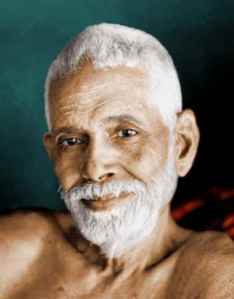
ஸ்ரீ ரமண மஹரிஷி வாழ்வில்….ஒரு பிரிட்டிஷ் இந்திய காவல் அதிகாரியின் அனுபவம் …”

இறைவனை, ஞானத்தை ஒவ்வொருவரும் முயன்றுதான் அடைய வேண்டும். There are no any short routes to reach the Feet of God.

–பகவான் ஸ்ரீ ரமண மகரிஷி

பிரிட்டிஷ் இந்திய போலீஸ் அதிகாரியான எஃப். ஹெச். ஹம்ப்ரீஸ் என்பவர் பகவானை முதலில் பார்த்ததும் தனக்கு எப்படி இருந்தது என்ற உணர்வை அப்படியே எழுதியிருக்கிறார்.அதை பழம் பெரும் எழுத்தாளர் லா.சு.ரங்கராஜன் அற்புதமாக மொழி பெயர்த்திருக்கிறார். அதை இப்போது பார்க்கலாம்.

”குகையை அடைந்ததும் நான் அவரது காலடியில் வாய் திறக்காமல் உட்கார்ந்தேன். இப்படி ரொம்ப நேரம் மௌனமாக இருந்ததால் நான் என் வசமிழந்து என்னுள் ஓர் எழுச்சி உண்டாவதை உணர்ந்தேன். அரை மணி நேரம் நான் மகரிஷியின் கண்களையே உற்றுப் பார்த்துக் கொண்டிருந்தேன்.ஆழ்ந்த தியானத்தில் இருந்த அவரது கண்கள் அசையவே இல்லை. புனித ஆவியின் ஆலயமே உடல் என்பதை நான் உணரத் துவங்கினேன்.என் எதிரே அமர்ந்திருந்த மகரிஷியின் உடல், அவர் அல்ல என்கிற உணர்வு தோன்றியது, கடவுளின் செயற்கருவியே அவர். எதிரே சும்மா அசைவற்று உட்கார்ந்த பாணியில் உள்ள உருவம் உயிரற்ற உடல் மட்டுமே. அந்த உடல் மூலம் கடவுள், சரம் சரமாகக் கதிரொளியைப் பரப்புகிறார்.என்னுள் எழுந்த எண்ணங்களை வெறும் வார்த்தைகளால் வர்ணிக்க முடியவில்லை.’’

பாருங்கள். ஒரு கிறிஸ்துவர், அதுவும் கடுமையான பணி புரியும் காவல் துறை அதிகாரி எப்படி உணர்கிறார் பாருங்கள். அவர் மட்டுமல்ல, அன்று மட்டுமல்ல., இன்றைக்கும் நீங்கள் திருவண்ணாமலை ரமணாச்ரமம் சென்று அவரது சன்னதியின் முன்னால் கொஞ்ச நேரம் உட்கார்ந்து பாருங்கள். நீங்களும் ஹம்ப்ரீஸ் போல் உணர்வீர்கள்.

ஓம் நமோ பகவதே ஸ்ரீ ரமணாய!! 

SOURCE::::www.balhanuman.wordpress.com

Natarajan

Jan 9 2015

ஸ்ரீ ரமண மஹரிஷி வாழ்வில்….காவ்யா கண்ட கணபதி முனிவர்…


காவ்ய கண்ட கணபதி முனிவர் என்ற மகா பண்டிதர் இருந்தார்.  நினைத்தவுடன் கவிதை எழுதும் ஆற்றல் கொண்டவர். ஏராளமான நூல்களைக் கற்றவர், எழுதியவர்.  பல மொழிகளைப் பேசும் ஆற்றல் உள்ளவர். கடும் தவம் புரிந்தவர்.  பெரும் புகழ் படைத்தவர்.

அப்படிப்பட்ட பெரிய மனிதருக்கு ஒரு சந்தேகம் மட்டும் இருந்துகொண்டே இருந்தது. அதற்கான விடை தேடி அவர் அலையாத இடமில்லை.

1907-ம் ஆண்டு கணபதி முனிவர் திருவண்ணாமலை வந்தார். கிரிவலப் பாதையில் ஒரு மண்டபத்தில் தியானத்தில் ஆழ்ந்திருந்தபோது அவருக்குள் மின்னல் வெட்டியது.  ‘பகவான் அழைக்கிறார்’ என்றது அந்த மின்னல். உடனே எழுந்தார். விடுவிடுவென நடந்தார். அருணாசலேஸ்வரர் வீதி புறப்பாடாகி வந்து கொண்டிருந்தார். நடுச்  சாலையில் இறைவனை விழுந்து நமஸ்கரித்தார்.

தன் நெடுநாள் கேள்விக்கு விடை கிடைக்கப் போகிறது என்று அவருக்குத் தோன்றிற்று.

விடுவிடுவென மலை மீது ஏற ஆரம்பித்தார். நல்ல வெயில் நேரம் அது. எதையும் அவர் பொருட்படுத்தவில்லை. விரூபாட்ஷி குகைக்கு வந்துதான் நின்றார்.

குகையின் முன் தாழ்வாரத்தில் பகவான் ரமணர் தனியே அமர்ந்திருந்தார்.
கணபதி முனிவர், ரமணர் முன் சாஷ்டாங்கமாக விழுந்து வணங்கினார். தன் இரு கைகளாலும் பகவானின் பாதங்களைப் பற்றிக் கொண்டு கண்ணீர் உகுத்தபடியே, ”கற்க  வேண்டிய யாவையும் கற்றேன். வேதாந்த சாஸ்திரங்களையும் பயின்றேன். மனம் கொண்ட மட்டும் மந்திரங்களையும் ஜபித்தேன். ஆனாலும் மனம் அடங்க வழியின்றித்  தவிக்கிறேன். தவம் என்பது யாதென தெரியவில்லை. ஐயனே, உன் திருவடியைச் சரணடைந்தேன்.’’ என்றார்.

பகவான், காவ்ய கண்ட கணபதி முனிவரையே பார்த்தார். ரொம்ப நேரம் உற்றுப் பார்த்துக் கொண்டே இருந்தார். ஆம். பார்வையிலேயே பதிலை  விளக்கி விட்டு பின்னர்  உபதேசமும் அருளினார்.

”‘நான்’ என்பது எங்கேயிருந்து புறப்படுகிறதோ அதை கவனித்தால் மனம் அங்கே ஒன்றிவிடும். அதுவே தவம்.

ஒரு மந்திரத்தை ஜபம் பண்ணும்போது மந்திரத்வனி (ஓசை) எங்கிருந்து புறப்படுகிறது என்று கவனித்தால் மனம் அங்கே ஒன்றிணைகிறது. கரைந்து போகிறது, அதுதான்  தவம்.’’

கணபதி முனிவரின் கண்களிலிருந்து ஆனந்தக் கண்ணீர் வழிய ஆரம்பித்தது, அவரது நெடுநாள் சந்தேகத்துக்கு விடை கிடைத்த திருப்தி. அவரது ஐயங்கள் எல்லாம்  தீர்ந்து விட்டன.

அன்றைய தினம் விரூபாட்ஷி குகையிலேயே பகவானுடன் தங்கிக் கொண்டார் கணபதி முனிவர். அதுவரை பிராமண சுவாமிகள் என்றே அழைக்கப்பட்டு வந்த ரமணரை,  ‘பகவான் ஸ்ரீ ரமணமகரிஷி’ என்றே அனைவரும் அழைக்க வேண்டும் என்று  அப்போதுதான் சொன்னார் கணபதி முனிவர். ஆமாம்.  ‘மருவிலாக் காட்சிப் பெரியனை  இனிமேல் மகரிஷி என்றே வணங்கிப் பணிக.’ என்று பாடி வணங்கினார். அன்று முதல்தான் பகவான் ரமண மகரிஷி என்ற பெயர் நிலைக்க ஆரம்பித்தது.

ஆமாம். விரூபாட்ஷி குகைதான் அந்தப் பெயரை முதலில் கேட்ட  முதல் இடம். புனித  பூமி.

ஏற்கெனவே புகழ்பெற்ற மனிதராக கணபதி முனிவர் இருந்ததால், அவரது வருகைக்குப் பிறகு, பகவானைக் காண பக்தர்களின் கூட்டம் அதிகரித்தது. பக்தர்களின்  வினாக்களும் அதிகரித்தன.

அவர்களுக்கு பகவான் அருளிய பதில்களை எல்லாம் தொகுத்து, வட மொழி ஸ்லோகங்களாக அவற்றை அமைத்து எழுதியவர் யார் தெரியுமா?
காவ்ய கண்ட கணபதி முனிவர்தான்.

ரமண கீதை என்ற பெயரில் அற்புதமான நூலாக ஆக்கினார் அவர்.

ஓம் நமோ பகவதே ஸ்ரீ ரமணாய!! 

SOURCE:::: http://www.balhanuman.wordpress.com

Natarajan

Kids’ Letter to God … Will Make us Smile and Say ” Wow..” !!!

There’s something so endearing about a child’s innocence, that always makes us smile, touched even when we’re roaring with laughter. You’re gonna get plenty of that here, as you read this hilarious kids’ letter to the almighty!

kids letters to God


kids letters to God


kids letters to God


kids letters to God


kids letters to God


kids letters to God


kids letters to God

SOURCE::::: http://www.ba-bamail.com

Natarajan

Jan 8 2015


Message For the Day…”Regulate Your Mind and be the Master of MiND …”

Your mind can cause bondage; it can also confer liberation. It is an amalgam of the passionate (rajasic) and ignorant (thamasic) attitudes. It is easily polluted. It relishes in hiding the real nature of things and casting on them the forms and values that it desires. Hence the activities of the mind must be regulated. The mind has two characteristics. First, it runs helplessly after the senses. Whichever sense the mind follows, it is inviting disaster. When a pot of water becomes empty, we need not infer that it has leaked away through ten holes; one hole is enough to empty it. So too, even if one sense is not under control, you will be thrown into bondage. Hence master all senses. Second, the potency of the mind can be promoted by good practices like meditation, repetition of the name, devotional singing, and worship. With the strength and skill thus reinforced, the mind can be tuned to help spiritual progress.

Sathya Sai Baba

HAMPI….A Place For Architectural Beauties and Heritage Sites …

If you are seeking an opportunity to virtually transport yourself to the times of kings and their kingdoms, to the times of heroic battles and battlefields and to the times of long forgotten wonders that hand carved this land for you to unravel, then this is the place for you. Furthermore, Hampi is one of the most safest places to be at.

Hampi calls you to witness the eccentric charm of valued monuments, of its beauty, that lies in the ruins of its UNESCO recognized sights. Located at the distance of 341 k.m. from Bengaluru, the easiest way to reach Hampi is either to take a bus or train, which is easily available from major towns and cities.  The nearest railway station is Hospet.

1. Go fancy or go local, it’s totally upto you!

Image source

A five million star hut over a five star hotel. What TO say ?


2. Hire a cycle or a bike, maybe?

Image source

This is undoubtedly the cheapest and the most recommenced means of transport. This way you’ll cover all the stretches closely.


3. The glorious step well

Image source

Another great architectural beauty  !


4. The Virupaksha temple

Image source

Recognized as a UNESCO World Heritage Site, this temple is going to be a delight for your eyes.


5. The coracle boats

Image source

Tungabhadra River wouldn’t be the same without coracle boats. You’ll have a great time using them.


6. The boulder-strewn landscapes

Image source

Regardless of how much I say, Hampi’s monuments will always possess more charm than the one expressed in words.


7. Matanga Hill

Image source

This is one of the most talked about places in Hampi. You just have to be here.


8. Vittala temple

Image source

Rediscover your love amid this stone chariot of Vittala Temple.


9. Krishna Temple Complex

Image source

The majestic pillars of this temple will leave you mesmerized for longer than usual.


10. Bukka’s aqueduct

Image source

Nothing fancy about this place, just some beauty lying unnoticed.


11. Farms as seen from Anjaneyadri Hill

Image source

…and you’d wonder! Since when there was so much godliness around?


12. Zanana Enclosure

Image source

Numerous intriguing fables took birth here. A secluded place which was left for the royal women.


13. Tungabhadra River in Hampi

Image source

Ahuh! What a delight.


14. Elephant Stables

Image source

This is one of the least destroyed structures of Hampi. This oblong is demanding you to pay a visit.


15. Pampa Sarovar

Image source

This sarovar made to sacred ponds mentioned in the Hindu epics and  scriptures.


16. South India Unplugged

Image source

Every shopper’s delight; the markets here, will leave you wanting for more. Just Shop.


17. Rock Climbing

Image source

Two steps up and one step down. That’s how you do it here. Hampi is a highly regarded rock climbing destination.


18. Watch as the Sun goes down

Image source

Just breathe and watch the beauty turning its face towards the lunar light.


19. Hampi’s Hippie Island

Image source

You always wanted to see that. Always. A part of you that rebelled enough to rebel will find solace here.


20. Discover your secret hideout

Image source

For your friends. Just for them.

The architectural aura of Hampi is akin to numerous fantasies. It is sure to take you back to the times of imperial beauty and legacy. Once you’re there, you are bound to get mesmerized amid the ruins.

SOURCE:::: Shewali Tiwari  in www.storypick.com

Natarajan

Jan 8 2015