Things To Learn From Our Kids …!!!

Children laugh around 300 times a day whereas adults laugh less than 20. That’s quite a difference! Of course, with growing up comes responsibilities and challenges and not all of these make us want to roll about laughing. However there are still many things that we can learn from our little ones that when implemented into our own lives, can be a real game changer.

1) Play!

Taking time out to do something fun – just for the sake of it, is actually amazing for stimulating your brain and creative juices.

It takes you out of your everyday mindset and has a wonderful way of reigniting your perception and outlook. Also, why is it so weird to think as adults we can’t randomly go and climb a tree or jump around like crazy? Or anything that we feel compelled to do but don’t because we think it’s silly or immature? And what’s to say that we can’t ‘play’ in our professional lives either? Wouldn’t it be great to instead of having the weekly sit-down meeting in an uninspiring office, do the meeting whilst going for a walk, or playing a game of frisbee (or whatever you think might be fun)? Getting outside and moving is so good for boosting energy, brain and endorphin levels and I think not only would the meetings be more enjoyable but the outcomes, ideas and actions would be far more radical too!

2) Failure isn’t an option

When a baby tries to take its first steps, it doesn’t fall down and then declare itself a failure. It just gets back up and keeps on going. The baby’s legs will wobble but it will keep persisting until it walks. You’ll see the determination on the child’s face but there’ll be no internal ‘I can’t do this, I’m a failure, I’m going to give up’ dialogue. As adults there’s a lot we can take from that.

3) Stay curious

For children, the world and everything in it is a big adventure. Children are fascinated by even those little things that as adults, we’re so used to taking for granted. In fact, children are far more mindful and live in the moment because of this. Despite the fact that many things in the world aren’t new to us as adults, there are millions of new places, people and experiences that we’ve yet to discover – just like children. So why not make it a regular part of your life to take off on a new adventure – be it as big or little as you want. Try something different and really experience it right in the moment!

4) Forget and move on

Children have this wonderful way of kicking up a fuss about something be it a toy they can’t have right there and then or a certain food that they’re not allowed, and then just completely forgetting about it five minutes later and moving on. They don’t stress about it. As adults, although we express that initial fuss in a different way, we cling onto why something didn’t work out, which manifests itself in blame, anger, bitterness or even jealousy. All very negative and energy sucking emotions! If something hasn’t worked out, let it go and move on.

5) Don’t judge

Particularly when they reach school, children only judge other children based on what they’ve been told, observed or learned from adults and external influences. Initially though, children take each situation or person they meet completely at face value. They’re not concerned about visual appearance and they don’t look for flaws. They don’t assess and then decide if they want to engage or interact; it’s just natural. Whilst it’s perhaps unrealistic to be completely like this as adults, we can still always remind ourselves the importance of not prematurely judging a person or a situation.

And finally, laugh more! Laughing can change your mood in a heartbeat! In many situations, it really can be the best medicine. Giving yourself permission to have fun and laugh more can really enhance your life in so many ways.


Source::::: http://www.dumblittleman.com/

Natarajan

One of the Biggest Mysteries Yet to be Solved…

The real identity of Benjamin Kyle

Who do you think you are?

Who do you think you are? Source: Supplied

In 2004, A man that would soon adopt the name Benjaman Kyle woke up outside of a Burger King in Georgia without any clothes, any ID, or any memories.

He was diagnosed with retrograde amnesia, unable to remember who he was, and with no identification, unable to find out. Now, if this was like any other story about amnesia, it would have probably resolved itself soon afterwards. But the trouble was, authorities couldn’t identify him either.

Local and state police failed to discover him in any known records despite an exhaustive search. And then in 2007, the FBI became involved, but were also unable to identify him, making him the only US citizen in history listed as missing despite his whereabouts being known.

One particularly unfortunate side effect of not having your own identity is that, without a social security number, he is unable to obtain full-time employment, and without memory of any past skills or disciplines, the problem is only amplified.

After a student documentary was created about Benjaman, news media picked up the story, which attracted the attention of local business owners.

One of the owners OFFERED him a job washing dishes, a job which he is still working today. This enabled him to move out of the woods where he was sleeping, and into an air-conditioned shed, where he now stays. But his true identity and past remain a mystery to this day.


Source::::: news.com.au

Natarajan
Airline Pax is Lucky to be Alive After Suffering a Mid-Air Heart Attack…

An airline passenger is lucky to be alive after he suffered a mid-air heart attack during a long-haul flight and was saved by three fellow travellers.

The man was midway through a flight from Canada to Hong Kong when he complained of chest pains and his heart suddenly stopped beating.

Luckily, a doctor, a pharmacist and a policeman trained in first aid were all on board and, with the help of crew, kept him alive.

A man suffered a heart attack while flying from Canada to Hong Kong last month, but his life was saved by a doctor, a pharmacist and a policeman who were on board

A man suffered a heart attack while flying from Canada to Hong Kong last month, but his life was saved by a doctor, a pharmacist and a policeman who were on board

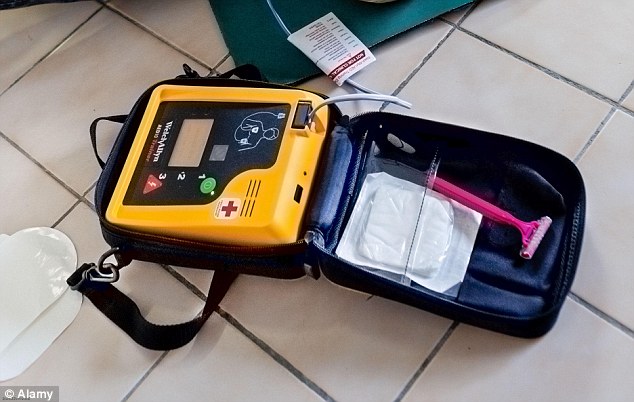
He has now made a full recovery in a case which is being used as an example of why portable defibrillators should be carried on all flights.

The dramatic incident, which happened last month, came to light after the doctor involved reported it to the British Medical Journal, which called the episode ‘a remarkable story of survival against all the odds’.

Dr Dave Monks, an anaesthesiologist who has worked at the Royal Free Hospital in London, said the man was taken ill hundreds of miles from the nearest airport in some of the most remote airspace on earth.

Dr Monks said the man told him of striking pains moving from his chest to his head.

The passenger then lost consciousness and had no pulse, causing Dr Monks to ask other passengers for help.

Luckily, a pharmacist who had worked in an intensive care unit and a trained policeman came forward and, using a portable defibrillator, they gave the man an electric shock to get his heart pumping again.

The doctor involved said the incident highlighted the importance of having defibrillators on flights and in training as many people as possible in how to use them

The doctor involved said the incident highlighted the importance of having defibrillators on flights and in training as many people as possible in how to use them

When the man’s health again deteriorated, the brave trio kept him alive using adrenaline from the plane’s medical kit.

The pilot of the aircraft then landed in Beijing, China and the man was rushed to a nearby hospital. Remarkably, he was discharged 10 days later having made a complete recovery.

Dr Monks told Live Science: ‘This guy was extremely fortunate to have this team there.

‘These guys just happened to be on the plane and even with the [basic medical skills] they had, they were able to perform a quite dramatic and sophisticated critical care resuscitation.’

He said the episode shows the importance of keeping defibrillators on passenger planes and training people in first aid.

He cited research that shows people are more likely to have heart attacks on flights due to stress, disturbed sleep patterns and lower levels of oxygen.

One study suggests about 1,000 passengers per year experience sudden cardiac arrest while on flights.

SOURCE:::::mailonline.com

Natarajan

Read more: http://www.dailymail.co.uk/news/article-2743043/Aircraft-passenger-having-heart-attack-flight-saved-doctor-policeman-pharmacist-board.html#ixzz3CLZNuKWD
Follow us: @MailOnline on Twitter | DailyMail on Facebook

Image of the Day… Sapphire…Birthstone For September Born Babies !!!

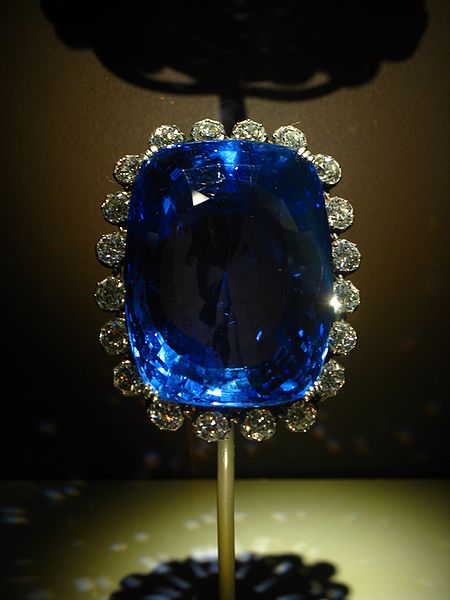
The sapphire, birthstone for September, is a relative of July’s birthstone, ruby. Like ruby, it is a form of the mineral corundum, a normally drab grey mineral. Red corundum is called the ruby, while all other gem quality forms of corundum are called sapphires.

Image Credit: Wikipedia

Typically, sapphires appear as blue stones, ranging from very pale blue to deep indigo, due to the presence of small amounts of titanium and iron within the crystal structure. The most valued shade of blue is the medium-deep cornflower blue. Sapphires also occur in other natural colors and tints – colorless, gray, yellow, pale pink, orange, green, violet and brown – called fancy sapphires. These different colors are caused by different kinds of impurities within the crystal. For example, yellow sapphires get their color from ferric iron, and colorless gems have no contaminants.

The biggest source of sapphires world-wide is Australia, especially New South Wales and Queensland. Found in alluvial deposits of weathered basalt, Australian sapphires typically are blue stones with a dark and inky appearance. Kashmir, in India, used to be a well-known source of the cornflower-blue stones. In the United States, a major source is the Yogo Gulch Mine in Montana that mostly yields small stones for industrial use.

The word sapphire has its roots in several ancient languages: the Arabic safir, the Latinsapphirus (meaning blue), and the Greek word sappheiros for the island of Sappherine in the Arabian Sea where sapphires were found in ancient Grecian times. Ancient Persians called sapphire the “Celestial Stone.” It was the gem of Apollo, Greek God of prophesy and was worn by worshipers visiting his shrine in Delphi to seek his help. It was used by ancient Etruscans as far back as the 7th century B.C.

The sapphire was said to represent the purity of the soul. Before and during the Middle Ages, it was worn by priests as protection from impure thoughts and temptations of the flesh. Medieval kings of Europe valued these stones for rings and brooches, believing that it protected them from harm and envy. Warriors presented their young wives with sapphire necklaces so they would remain faithful. It was believed that the stone’s color would darken if worn by an adulterer or adulteress, or by an unworthy person.

Sapphires were once believed to be protection against snakes. It was said that if poisonous reptiles and spiders were placed in a jar containing the stone, the creatures would immediately die. The French of the 13th century believed that sapphire transformed stupidity to wisdom, and irritability to good temper.

One of the most famous sapphires rests on the Imperial State Crown, worn by Queen Victoria in 1838. It resides in the British Crown Jewels in the Tower of London. This gem is called the St. Edward’s Sapphire because it once belonged to Edward the Confessor, who wore the stone on a ring during his coronation in 1042.

Find out about the birthstones for the other months of the year:
January birthstone
February birthstone
March birthstone
April birthstone
May birthstone
July birthstone
August birthstone
September birthstone
October birthstone
November birthstone
December birthstone

Source::::Earthskynews

Natarajan
இலை விபூதியின் மகிமை…

இலை விபூதியின் மகிமை

“அபஸ்மார குஷ்டக்ஷ்யார்ச ப்ரமேஹ
ஜ்வரோந்மாத குல்மாதிரோகா மஹாந் தஹ
பிசாசஸ்ச சர்வே பவத் பத்ரபூதிம்
விலோக்ய க்ஷணாத் தாரகாரே த்ரவந்தே”

பொருள்
“தாரகாசுரனை வதம் செய்தவனே! வலிப்பு, காசம், குஷ்டம், சுரம், மேகவெட்டை, குடல்புண், புற்றுநோய், பிசாசு மற்றும் மனப்பயம் எனும் நோய்களனைத்தும் பன்னீர் இலையில் வைத்துத் தரப்படும் உன் திருநீற்றைப் பார்த்த மாத்திரத்தில் பறந்தோடி மறைந்துவிடும்.”

ஆதி சங்கரர், திருச்செந்தூரில் பாடிய சுப்ரமண்ய புஜங்கத்தில் இவ்வாறு குறிப்பிடுகிறார். பார்த்த மாத்திரத்திலேயே நோய்களைப் பறக்கடிக்கும் என்று அவர் குறிப்பிடும் ‘பத்ர பூதி’ என்பது என்ன?


விபூதியின் வரலாறு
‘பத்ர’ என்பது இலை. பூதி என்பது நீறு. செந்திலாண்டவன் திருக்கோயிலில் இறைவனது பிரசாதமாகிய திருநீறு, பன்னீர் இலையில் வைத்துத் தரப்படுகிறது. இதன் மணமே தனித்தன்மை உடையதாக இருக்கும்.

இலையினால் விபூதியின் மணம் இன்னும் அதிகரிக்கிறதோ என்று கூடத் தோன்றுகிறது. என்னவானாலும் சரி, இலை விபூதியில் செந்திலாண்டவனின் அருள் மணம் வீசுகிறது என்பதுதான் நிஜம்.

இலை விபூதியின் வரலாறு, என்னவென்று பார்ப்போம். செந்தூரில் சூரபத்மாதியர்களை ஒடுக்கிவிட்டு கடற்கரையில் கலங்கரை விளக்கம் போன்று ஒளி வீசி நின்றான் முருகப் பெருமான். அவனது பெருமையைத் துதித்த வேதங்களனைத்தும் ஒன்று சேர்ந்து செந்திலோனின் மகிமையை விளக்கும் பன்னீர் மரங்களாக இவ்விடத்தில் தோன்றின.

எனவே இவற்றின் இலைகளும் வேத மந்திர சக்தியை உடையவை என்கிறது புராணம். பன்னீர் இலையில் பத்திரப்படுத்தப்படும் விபூதியிலும் வேத மந்திர சக்திகள் நிறைந்து விடுகின்றன.தவிர, பன்னீர் இலையில் காணப்படும் 12 நரம்புகள் முருகனது பன்னிரு கரங்களை நினைவூட்டுவனவாக அமைந்துள்ளன.

தாடகை எனும் பெண்ணை ராமபிரான் மூலமாக வதம் செய்த காரணத்தினால் தனக்கு ஏற்பட்ட குன்மம் முதலான நோய்கள் தீர, ராமபிரான் தன் கனவில் கூறியபடி, செந்திலாண்டவன் இலை விபூதியைத் தரித்துக் கொண்டு நோய்கள் நீங்கப் பெற்றார் விசுவாமித்திர மகரிஷி.

ஆதி சங்கரரும் செந்திலாண்டவனின் நீறும்
ஆதி சங்கரரது வாழ்விலும் இலை விபூதி மகிமையை விளக்குவதான ஒரு சம்பவம் ஏற்பட்டது. அவருடன் ஏற்பட்ட வாதங்களில் தோற்ற அபிநவகுப்தர் என்பவர், ஆபிசார வேள்வி செய்து சங்கரருக்கு உடலை வருத்தும் நோய் உண்டாகச் செய்து விட்டார்.

அக்காலத்தில் அவர் வட கர்நாடகாவிலுள்ள கோகர்ணத் திருத்தலத்தில் தங்கி வழிபாடு செய்து வந்தார். ஒரு நாள் இரவு, இறைவன் அவர் கனவில் தோன்றி, “என் குமாரன் ஷண்முகன் குடியிருக்கும் புண்ணியத் தலமான செயந்திபுரம் எனும் திருச்செந்தூர் சென்று அவனைத் தரிசித்தால் உன் நோய் முற்றிலுமாக நீங்கப் பெறுவாய்” என்று கூறினார். உறங்கி எழுந்து பார்த்த சங்கரரின் அருகில் விபூதி இருந்தது.

கோகர்ணேஸ்வரர் ஆணைப்படி, செந்தூர் வந்தடைந்தார், ஆதிசங்கரர். கடலில் நீராடி, பின் இறைவன் சன்னதியில் மனமுருகி நின்றபோது, ஆதிசேஷனாகிய பாம்பு ஊர்ந்து ஊர்ந்து இறைவன் சன்னதியை அடைந்ததைக் கண்டார். அதே நேரம் அவருக்கும் இறை தரிசனம் கிட்டியது.

அவன் அருளாலே, மடை திறந்த வெள்ளம் போல அவர் திருவாயிலிருந்து சுலோகங்கள் வெளிவந்தன. வடமொழியில் பாம்பைப் புஜங்கம் என்பர். வடமொழி இலக்கணப்படி, புஜங்க விருத்தமாக அமைந்தன பாடல்கள். பாடி முடித்து இலை விபூதியைப் பெற்று அணிந்து கொண்ட சங்கரருக்கு வெகு விரைவில் நோய் குணமாயிற்று.

தெய்வ அவதாரமாகக் கருதப்படும் ஆதிசங்கரர் நினைத்திருந்தால், தானே நோயை விரட்டி இருக்க முடியும்.ஆனால் மானுட அவதாரத்தில், அத்துயரை, தானே அனுபவித்து உலகோருக்குப் பத்ர பூதியின் பெருமையை வெளிப்படுத்த அவர் நிகழ்த்திய திருவிளையாடலே இது என்று கூறலாம்.

விபூதியே கூலி
சுமார் 350 ஆண்டுகளுக்கு முன் திருவாவடுதுறை ஆதீனத்தைச் சேர்ந்த ஸ்ரீலஸ்ரீ தேசிகமூர்த்தி தம்பிரானவர்கள் செந்தூர் மேலக் கோபுரத்தை நிர்மாணித்தார். பொருள் பற்றாக் குறை ஏற்படவே, கூலியாட்களுக்குக் கூலிக்குப் பதிலாக இலை விபூதியைக் கொடுத்து, தூண்டுகை விநாயகர் கோயிலைத் தாண்டிச் சென்றபின் திறந்து பார்க்கும்படிக் கூறினாராம். அதன்படி திறந்து பார்த்தபோது, தத்தம் வேலைக்குரிய கூலி வைக்கப்பட்டிருப்பதைப் பார்த்து மெய் சிலிர்த்தனர் என்கிறது கோயில் வரலாறு.

திருச்செந்தூர் பிள்ளைத்தமிழ் பாடிய பகழிக் கூத்தர் வாழ்விலும் இலை விபூதி பெரும் அற்புதத்தை நிகழ்த்தியது. தீராத வயிற்று வலியால் துடித்த அவரது கனவில் கோயிலில் பூஜை செய்யும் உரிமையுடைய திரிசுதந்திரர் போல ஒருவர் தோன்றினார்.

“என் புகழைப் பிள்ளைத் தமிழால் பாடு, உன் நோய் குணமாகும்” என்று கூறி இலை விபூதியைக் கையில் கொடுத்திட்டு மறைந்தாராம். உரையாசிரியர் குகஸ்ரீ ரசபதி அவர்கள், திருச்செந்தூர் பிள்ளைத்தமிழ் உரையில் இதுபற்றி விரிவாகக் குறிப்பிட்டுள்ளார்.

கந்தர் கலி வெண்பா பாடிய குமரகுருபரரின் சரித்திரத்தை எழுதியருளிய வித்வான் மீனாட்சி சுந்தரம் பிள்ளை அவர்கள், செந்தூர் ஆலயத்தில் அர்ச்சகர்கள் இலை விபூதிப் பிரசாதத்தை எடுத்து வழங்குவதைக் குமரகுருபரர், தான் கண்டபடி அழகாகப் பாடியுள்ளார்.

“இலையமில் குமரவேள் முன் வணங்குவார்க்கு என்றும் துன்பம்
இலை.அடுபகை சற்றேனும் இலை.படுபிணி நிரப்பும்
இலை,அளற்றுழன்று வீழ்தல் இலை,பல பவத்துச் சார்பும்
இலை என இலை விபூதி எடுத்தெடுத்துதவல் கண்டார்”
என்று பாடுகிறார்.

விபூதியின் மகிமையைப் பாடவந்த அருணகிரிநாதரும்,
“ஆறுமுகம் ஆறுமுகம் ஆறுமுகம்
ஆறுமுகம் ஆறுமுகம் ஆறுமுகம் என்றுபூதி
ஆகமணி மாதவர்கள் பாதமலர் சூடும் அடியார்கள்
பதமே துணையதென்று…”

என்று பாடுகிறார். நாமும் “ஆறுமுகம்” என்று ஆறு முறை ஓதி இலை விபூதியைத் தரித்து செந்திலாண்டவன் திருவருளுக்குப் பாத்திரமாவோமாக.

Source:::: நன்றி: 2013 மார்ச் மாத ஞான ஆலயம் and murugan.org and சித்ரா மூர்த்தி, Chennai

Natarajan
How to Get Rid off Headache without Medication …


Getting a headache or worse, a migraine, can be a nuisance at best, and debilitating at worst. You don’t always have a headache pill available, or you might prefer to avoid taking pills in general – either way, this guide will show you how to relieve that headache in simple, natural ways.

Drink Coffee – Researchers found that Caffeine reduces swelling in blood vessels, and therefor can reduce the frequency and intensity of headaches.
Headache
Drink Ginger Tea – Ginger is amazingly effective in relieving migraines. Grate 2 tablespoons of Ginger and add them to 3 cups of water. Let it sit for about 5 minutes and pour into a cup using a sift and drink away. You can use ginger-tea bags, but they’re nowhere near as effective as fresh ginger.
Headache
Hot / Cold Towel – Suffering from a tension-related headache? Your head and neck feel like they’re contracting all the time? You might be suffering from anxiety, lack of sleep or stress. Prepare a bowl with hot water, dip a towel in it and wring it out, then place it on the back of your neck or your forehead. It will help relieve and relax tight muscles.If you’re suffering from a migraine or cluster headaches, do the same as instructed about, only use cold water instead. It will cause blood vessels to constrict and reduce blood flow to the head, and easy the pain.
Headache
Soak Your Feet – If you have a throbbing headache, soak your feet in a tub filled with hot water. Add Mustard powder for a more effective relief. After about 30 minutes, you can stop and dry off.
Headache
Wear a Headband – Put a headband, bandana or something similar on your forehead and tie it to the back of the head. This will reduce blood flow to the scalp and decrease throbbing headaches.
Headache
Head Massage – Before you start, make sure you drink plenty of water.Now, place your thumbs on either side of the bridge of your nose (where it meets the eyes) and squeeze for 10 seconds about 4-5 times, make sure not to cause yourself pain. Now rotate your thumbs so they’re facing down and the pads are under your eyebrows. Press upwards and hold for 10 seconds. Repeat 4-5 times.

Proceed by placing your three middle fingers on your temples and apply steady pressure for 10 seconds while massaging the area in circular motions.

Source::::ba-ba mail site

Natarajan
Water ATM … Smile on the Face of Rajasthan Villagers …


An Indian energy major and modern technology have combined to bring about a revolution in two districts of Rajasthan that were infamous due to the scarcity of potable water. Thanks to water ATMs, many otherwise arid villages here have 24X7 access to the COMMODITY at the swipe of a card — at 20 litres for Rs.5.

Under Cairn India’s “Jeevan Amrit Project,” kiosks with reverse osmosis (RO) plants have been installed to provide safe drinking water in villages like Bhakharpur, Kawas, Guda, Jogasar, Aakdada and Baytu to benefit 22,000 people.

“The project is a good example of a PPP model, where Cairn India has partnered with the Rajasthan government’s Public Health Engineering Department (PHED), Tata Projects and the respective village panchayats to provide potable drinking water at the doorsteps of the local community,” Cairn India CSR head Nilesh Jain told IANS.

Rajasthan, with 10.4 percent of the country’s geographical area, 5.5 percent of the population and 18.70 percent of the livestock, has only 1.16 percent of surface water available in the country.

The State is one of the driest in the country. Rainfall is erratic and there is a large variation in its distribution pattern in the State. The average annual rainfall ranges from 100 mm in Jaisalmer to 800 mm in Jhalawar.

At present, 22 RO plants (17 with the swipe facility) catering to drinking water needs of 22,000 villagers on a daily basis are up and running. The project is expected to scale up in the coming years in terms of number of plants and locations. Through this technology, villagers can now get clean drinking water by swiping their smart cards in the machines installed at the plant,” Cairn India general manager (CSR) Ritu Jhingon told IANS.

The cards come with an initial value of Rs.150 and can be recharged for a similar amount. Plans are afoot to also provide Rs.20 recharges.

This makes the dispensers self-sustaining, with the revenue earned used by the village’s water committee to meet the running expenses of the RO plant, such as salary of the operator, electricity and maintenance. The surplus MONEY is used to undertake developmental work in the village.

And to maximise its reach, water from the RO plants is transported to the surrounding dhanis (hamlets) through vehicles at nominal charges (Rs.1 to Rs. 2 extra, as decided by the water committee).

The dispensers are getting increasingly popular among the locals with more and more people purchasing the smart cards.

“Once it was difficult to get water, forget about clean water to drink. Now things have changed. I can, at any time, get clean water for my family,” Ram Pyari, a resident of Kawas village, told IANS.

Such sentiments are echoed by other users, including Ratna Ram, sarpanch of Sawai Padam Singh village, who became a role model after he inspired more than 100 households in his village to utilise safe drinking water and four another village sarpanchs to initiate the “Jeevan Amrit” project in their gram panchyats.

“My father used to regularly take painkillers for a long time as he suffered from severe joint pain. We have been using RO water for six months now, and miraculously my father has stopped taking medicines for the last two months,” Ratna Ram told IANS.

The number of water-borne diseases, such as diarrhoea in children, has also come down. Cases of joint pain caused by high fluoride content in drinking water have also decreased.

Keywords: water ATMsJeevan Amrit Project

SOURCE::: The Hindu

Natarajan
” Modern Modaks For Maha Ganapathy…”

The festival of the jolliest, most adorable God is finally here! Yes, it’s Ganesh Chaturthi. Personally, it is my favorite festival of all. Areas in the city are mushroomed with pandals, and are decorated beautifully with Ganpati Bappa’s idols in different sizes and poses. There’s so much merriment, happiness, and smell of freshly made modaks in the air!

While the classic modaks are enough to drive anyone crazy, here are a few easy recipes you can try this festive season, just to make Bappa (and all your family members) happier.

1. Peanut & Coconut Modak

modak (1)

This yummy modak  is made by mixing roasted peanuts with grated fresh coconut and jaggery. You can find the recipe here.


2. Peppermint & Dark Chocolate Modak

modak (2)

Made from ricotta cheese, peppermint and chocolate, this is a delicious remake of the traditional modak. Here’s the recipe.


3. Malai Modak

malai

A tasty hack for Modaks with ricotta cheese and heavy cream. Get the recipe here.


4. Cashew Modak

modak (4)

Made by grinding cashew nuts and mixing them with jaggery, these modaks are an absolute delight. Find the recipe here.


5. Dry fruit Modak

modak (5)

A delectable mixture of all the dry fruits into yummy modaks. Find the recipe here.


6. Paneer Modak

modak (6)

This is made using minced paneer, milk, ghee, and saffron strands. Find the recipe here.


7. Coconut Rose Modak

modak (7)

A yummy mixture of coconuts, dry fruits and rose petal preserves. Find the recipe here.


8. Choco-walnut Modak

modak (8)

Two awesome things-chocolate and walnut-getting together for Bappa. Find the recipe here.


9. Fried Modak

modak (9)

A mixture of two kinds of flour along with coconut and jaggery, and deep fried. Find the recipe here.


10. Baklava Modak

modak (10)

Influenced by the Mediterranean Baklava, this modak has a slight twist. Find the recipe here.

So, what are you waiting for? Bappa’s here, and he’s hungry. :)

Ganpati Bappa, Moraya!  


Source::::Storypick .com

Natarajan
Ammani or Mani Kozhhukkattai for Ganesh Chaturthi …

Source:::: Srivalli in  http://www.cooking4allseasons.blogspot.in/   …Site referred to me by My wife Mrs. Bhavani Natarajan

Natarajan

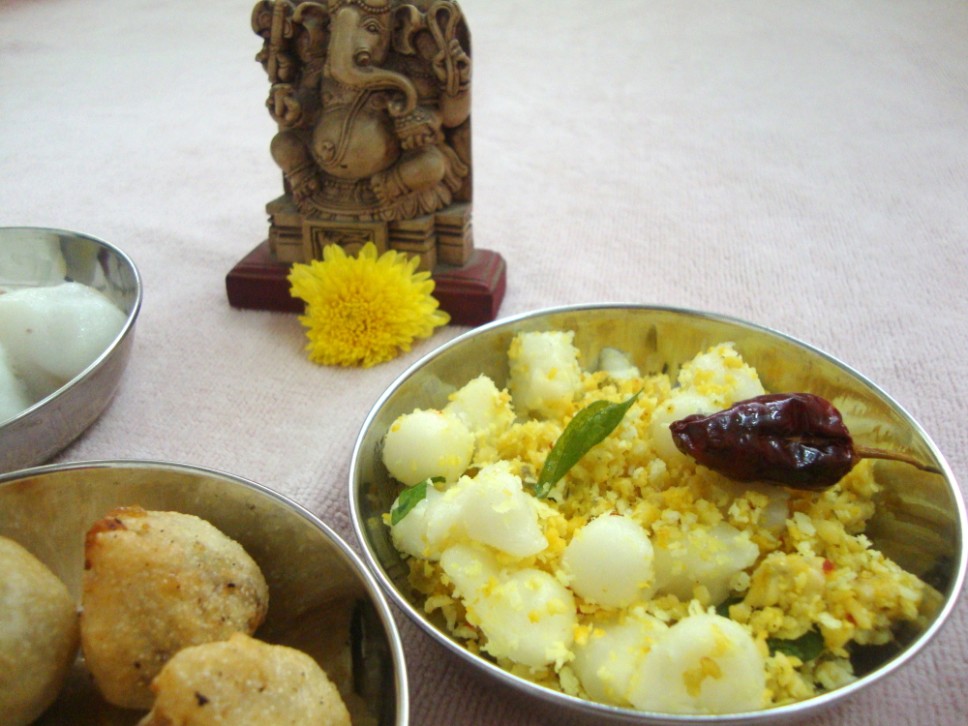
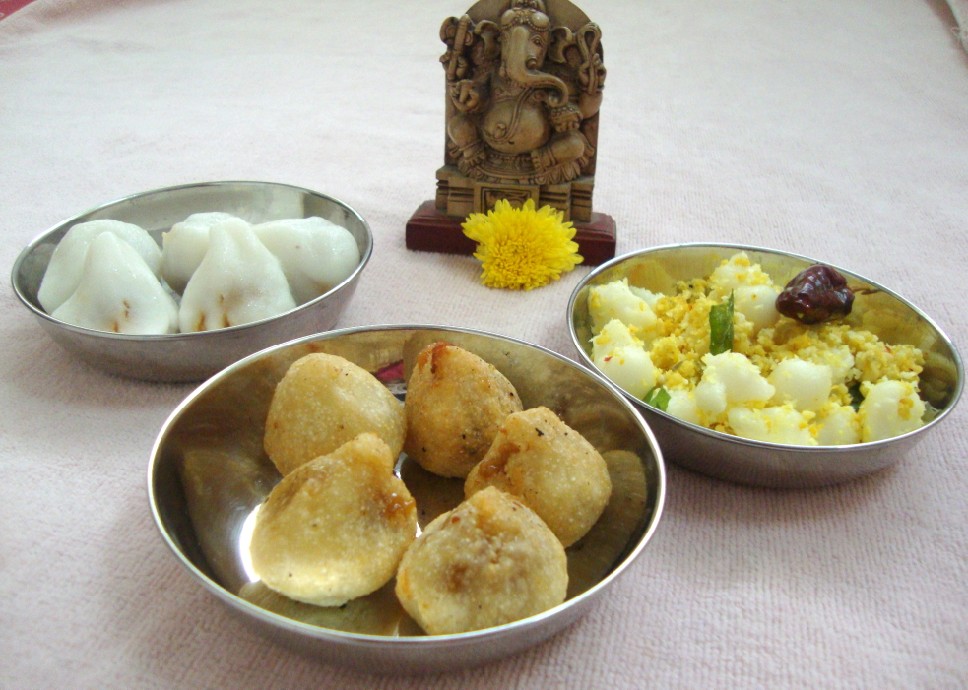
Ammani or Mani Kozhukattai is the last of the recipes I prepared for Ganesh Chaturthi, This was part of the third neivedyams, I had made Fried Modak, coconut jaggary Kozhukattai and Mani Kozhukattai. Typically Mani Kozhukattai is made with the excess rice flour dough you have and the excess Ulundu filling. Though I made it specially for prasadam, one can make this as an evening snack for kids if your kids happen to enjoy this.
My kids didn’t touch any of the prasadams. As I said they don’t like sweet dishes much. Konda eats Coconut Jaggary Kozhukattai, and most times remembers her text book lesson in Tamil she had couple of years back. In the story, the kid loves Kozhukattai and said the kozhukattais would melt in the mouth types. So ever since she read that lesson, she was all eager to taste it. When Konda ate it for the first time, she was disappointed that the Kozhukattais were not melting.
Coming back to the RECIPE, when you make it, be sure to increase the chili else it might tend to be bland when compared to Ulundu Kozhukattai.

Step By Step Picture Recipe for Mani Kozhukattai

Ingredients Needed

For the outer Rice flour dough, make as I showed in the Fried Modak.

For the Urad Dal filling.

Urad Dal / Ulundhu – 1 cup
Green Chilies – 2 -3 medium
Red Chili – 2
Curry leaves few
Hing / Asafetida a pinch
Salt to taste
Turmeric powder a pinch
OIL – 1 tsp

Grated Coconut for garnish – 2 tsp

For the Mani Kozhukattai,

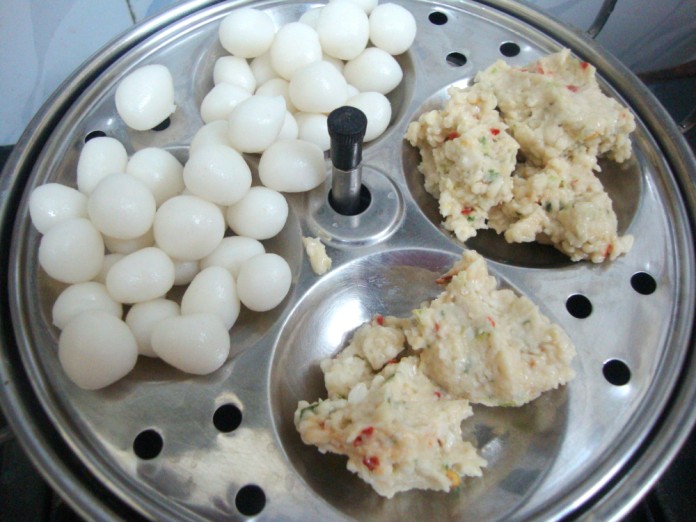
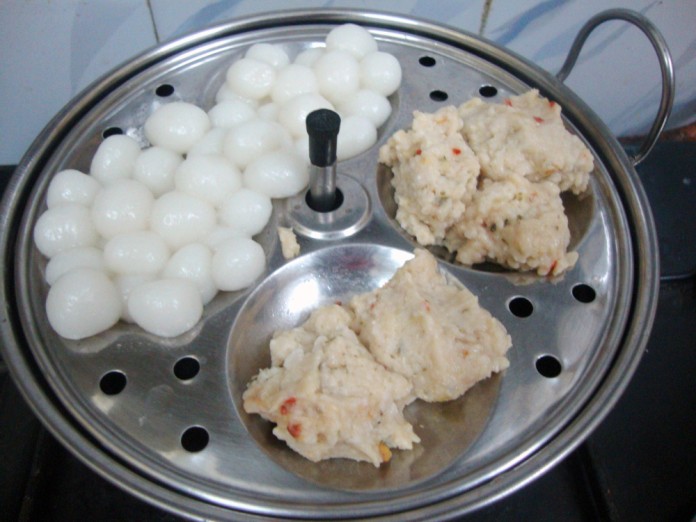
Make the Rice flour dough and pinch out small dough and roll as a ball.

Steam for 10 – 15 mins. Allow to cool. When it’s still hot it will not hold it’s shape, once it’s cooled it will retain it’s ball shape, so don’t handle it before.

How to make Mani (Ammani Kozhukattai):

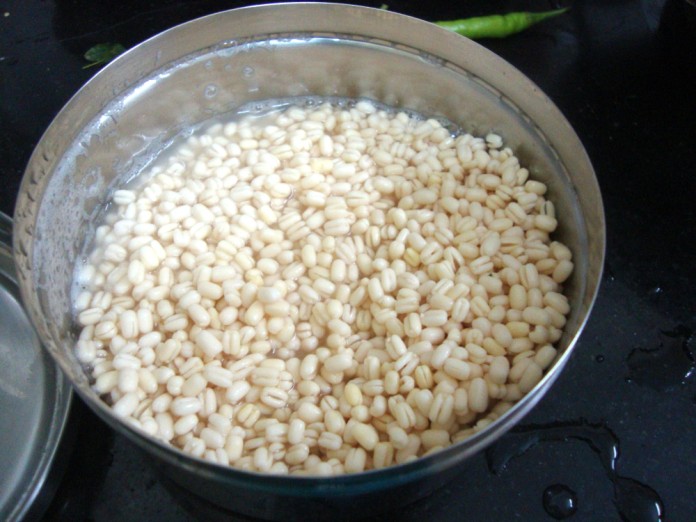
Soak Urad dal for 2 hrs. Drain and grind along with green chilies, red chilies, salt, hing, curry leaves to a coarse mix

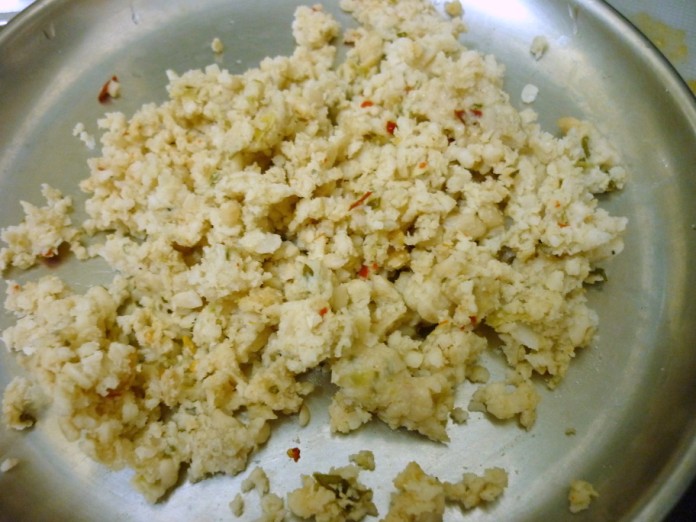
Once ground, make flat discs and steam for 10 mins. Grate to a fine powder.

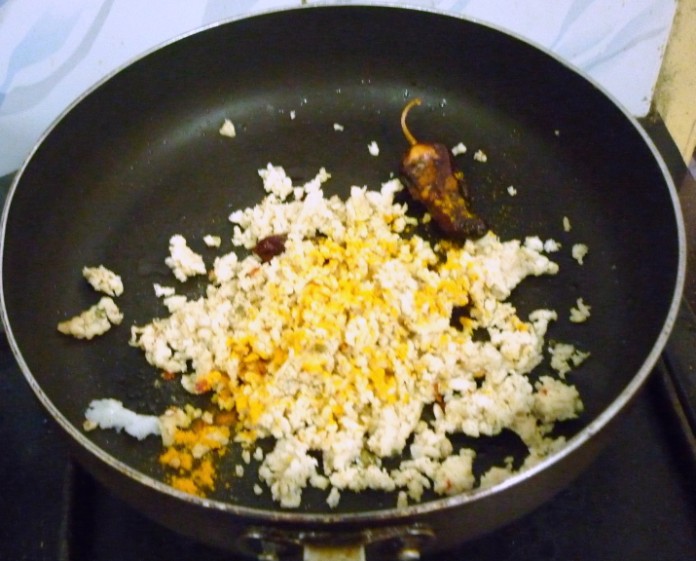
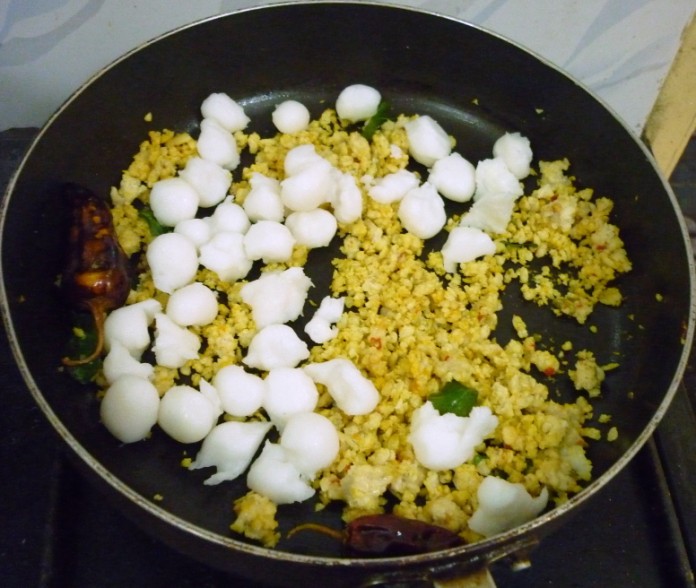
Heat a non stick pan with 1 tsp oil. Add mustard, Urad dal, curry leaves, red chilies and fry,

Then add the grated Urad dal filling. add turmeric powder.

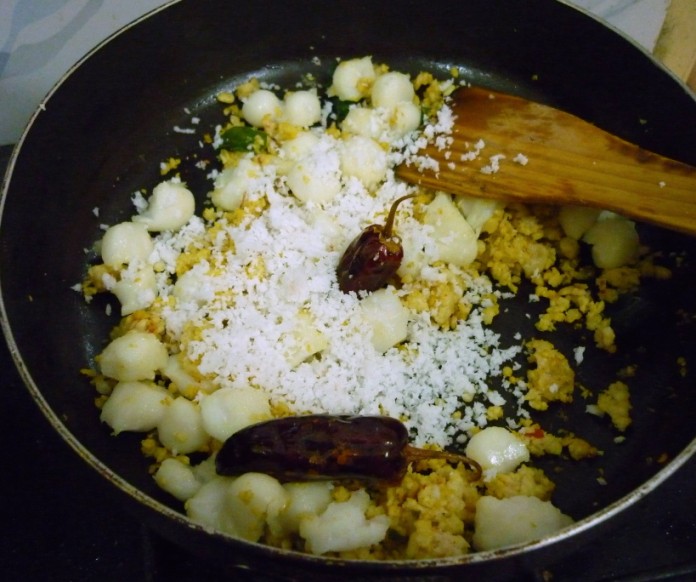
Once done, add the steamed mani kozhukattai, mix well. Finally garnish with grated coconut and OFFER as prasadam.

Natarajan

Top 10 Liveable Cities in The World…

Melbourne is known as a sport and cultural hub world over.

Not all cities offer you the best standard of living. Some may have the best infrastructure, a few may be known for the clean environment and there may be cities which offer best education and health facilities.

But, there are a few cities across the globe which score high on various parameters that make it an ideal city to live in.

Based on such assumptions, The Economist Intelligence Unit (EIU) has come out with a list of ten most liveable cities and they are…

Melbourne

Rank: 1

Overall rating: 97.5 (on a scale of 100)

Stability: 95

Healthcare: 100

Culture and environment: 95.1

Education: 100

Infrastructure: 100

There are innumerable reasons for most of us to envy lifestyles of those living in Melbourne.

This beautiful city has amazing infrastructure and clean environment that ensures a healthy lifestyle.

Apart from being a style, sport and cultural hub, this Australian city is very well connected with other emerging economies and this makes it a very robust destination for setting up businesses.


Vienna

Rank: 2

Overall rating: 97.4

Stability: 95

Healthcare: 100

Culture and environment: 94.4

Education: 100

Infrastructure: 100

Vienna is a beautiful city with world-class amenities for its citizens.

This Austrian city is also considered to be one of the wealthiest in the world due to its robust economy.

If ever you visit Vienna, you will never be disappointed with its cuisine, culture, sport activities and its scenic beauty.


Vancouver

Rank: 3

Overall rating: 97.3

Stability: 95

Healthcare: 100

Culture and environment: 100

Education: 100

Infrastructure: 92.9

Pleasant climate throughout the year, amazing culture and natural beauty of Vancouver makes it a city that one would want to spend his life in.

Citizens have a perfect work-life balance in this Canadian city which also has a rich heritage. Local cuisine and high spirit of people living in the city are worth admiring.


Toronto

Rank: 4

Overall rating: 97.3

Stability: 95

Healthcare: 100

Culture and environment: 100

Education: 100

Infrastructure: 92.9

Toronto offers its citizens basic amenities at affordable rates.

Those living in the city enjoy a very high standard of living due to rich work and overall culture prevalent in the city.


Adelaide

Rank: 5

Overall rating: 96.6

Stability: 95

Healthcare: 100

Culture and environment: 94.2

Education: 100

Infrastructure: 96.4

Adelaide is not only a popular tourist destination in South Australia but is also one of the most livable city in the world.

Those who have visited this city will never say no to settle here, if given an opportunity.

The city can boast of world-class road amenities for its citizens.


Calgary

Rank: 6

Overall rating: 96.6

Stability: 100

Healthcare: 100

Culture and environment: 89.1

Education: 100

Infrastructure: 96.4

Apart from being an industry leader in oil and gas globally, Calgary is known for its low unemployment and high GDP rates.

This Canadian city is economically and socially robust too. The city is of late gaining popularity as a tourist hot spot due to its scenic beauty and amazing cuisine among other factors.


Sydney

Rank: 7

Overall rating: 96.1

Stability: 90

Healthcare: 100

Culture and environment: 94.4

Education: 100

Infrastructure: 100

Sydney is one of the most cosmopolitan cities in Australia along with being a vibrant economy. Crime and unemployment rates are almost negligible.

The city has lots of open spaces which encourages the populace to socialise in the evenings.


Helsinki

Rank: 8

Overall rating: 96.0

Stability: 100

Healthcare: 100

Culture and environment: 90

Education: 91.7

Infrastructure: 96.4

Helsinki has a rich culture which makes it an admirable city. Being the largest city of Finland, it is considered to be the economic backbone of the country.

Apart from a healthy lifestyle, those living in the city boasts of cleanliness and citizen friendly policies.


Perth

Rank: 9

Overall rating: 95.9

Stability: 95

Healthcare: 100

Culture and environment: 88.7

Education: 100

Infrastructure: 100

Perth is a very safe and a clean city. Being one of the most populous cities in Australia, it has built a world-class infrastructure that makes life easier.

The city’s economy is growing in double digits and hence it offers ample employment and business opportunities.


Auckland

Rank: 10

Overall rating: 95.9

Stability: 95

Healthcare: 95.8

Culture and environment: 97

Education: 100

Infrastructure: 92.9

Auckland is one of the cosmopolitan cities of New Zealand and can boasts of clean public spaces, good eateries, art and culture centres.

It is also one of those few cities where citizens live a happy life since they can balance work-life pressures pretty well.


Source::::Rediff.com

Natarajan